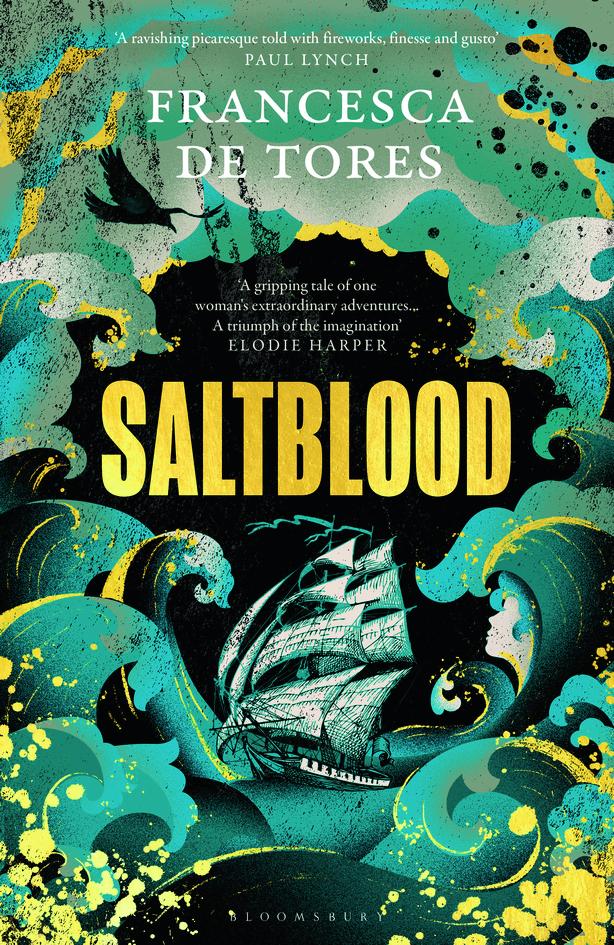
Saltblood by Francesca de Tores

In a rented room outside Plymouth in 1685, a daughter is born as her half-brother is dying. Her mother makes a decision: Mary will become Mark, and Ma will continue to collect his inheritance money.

Girls Initially Raised as Boys

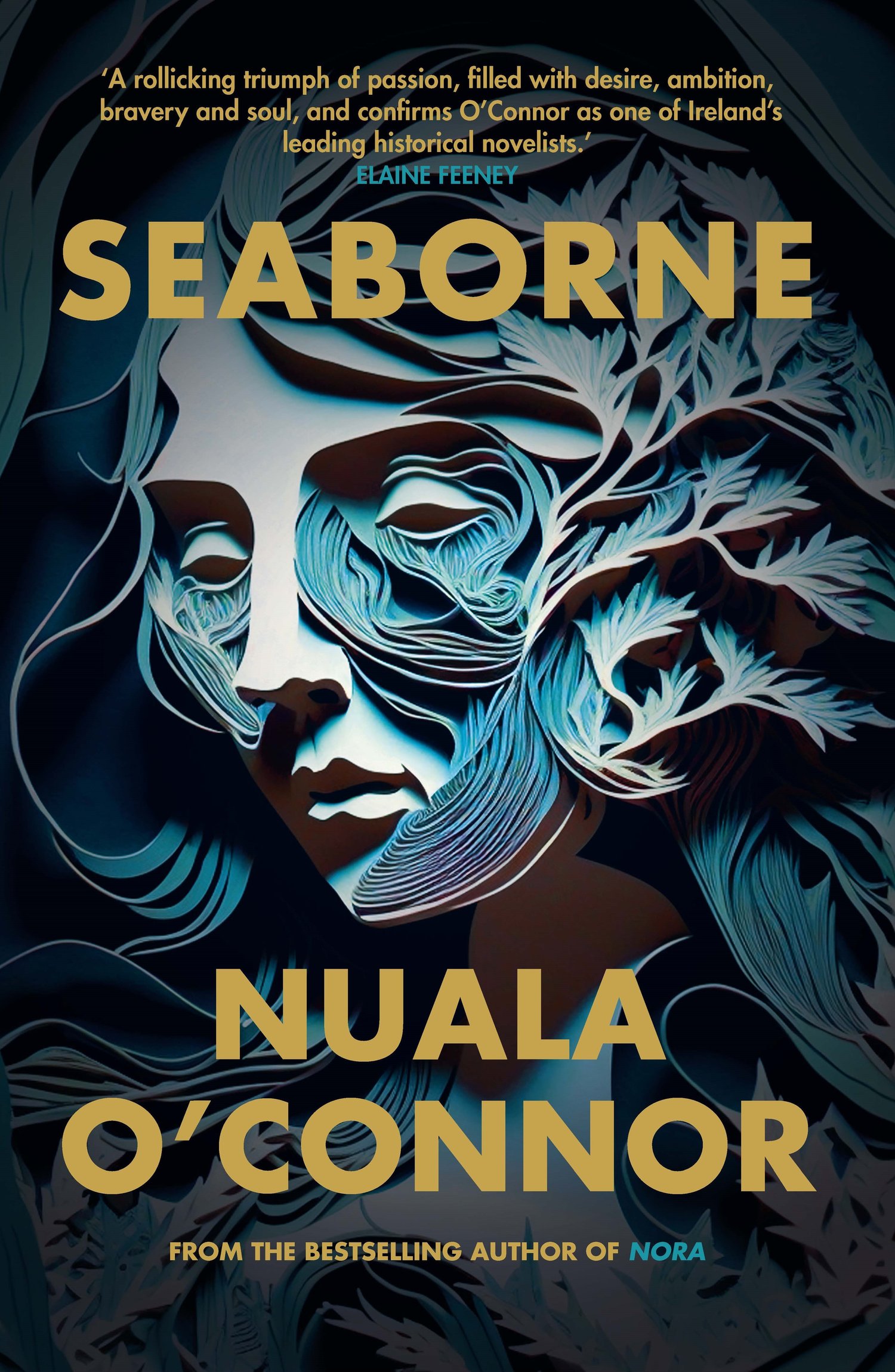
As I began to read about Mary Read in Saltblood by Tasmanian author Francesca de Tores, I had a sense of deja vu. I paused reading and revisited my review of Irish author Nuala O’Connor’s Seaborne, another work of historical fiction, but focused on Kinsale born Anne Bonny.

Stories of Real Female Pirates

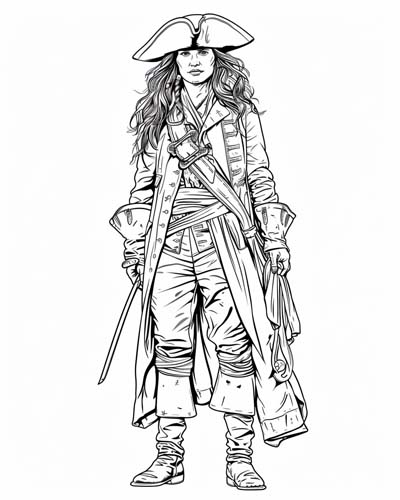
In Saltblood, we meet Mary Read (true historical figure), raised by her mother as Mark, a practical solution to poverty, inheritance laws and social restrictions.

After such a beginning, perhaps not surprisingly, Mary preferred for some years to live as Mark, due to opportunity and freedom. Working in service in a grand house as a man led to her/him enlisting in the Navy, then as the battles moved to land, joining the Army.

From the Military to Piracy

Settling for a short period as a married woman, she would then return to the sea after a tragic loss.

I went to sea a girl dressed as a boy, and I come back as something else entirely. I come back sea-seasoned: watchful of winds, and with an eye on the tides. I do not know if I have come back wiser, or better or perhaps madder. But I am not the same. What the sea takes, it does not return.

Initially working as crew for a privateer ship (authority sanctioned raiders); when they are raided by pirates, she elects to jump ship to escape the overly attentive Captain Payton and joins pirate Captain Jack Rackman. Although in her earlier years in the navy and army she was disguised, her later years at sea she presents as a woman, but is accepted as one of the crew due to her experience and abilities.

Pirating Protocols

Most pirates know the rules: go in fierce and fast, and the captains will beg for quarter, just as Payton did, and the Spaniards now do too.

One of the things the novel does well is really give you an idea of how pirating and raids work, for a start each member of the crew is made to sign a contract ‘articles of conduct’ that state policies around behaviour, pirate behavior (such as drunkenness, fighting, and interaction with women) and disciplinary action should a code be violated. Failing to honour the Articles could get a pirate marooned, whipped, even executed. It was the Captain’s way to maintain order and avoid dissent and ensure loyalty. The articles stated how gains would be shared.

There was a lot less fighting than we might imagine. Pirates preferred their target acquiesce. A black flag signaled to a vessel that they were about to be attacked, but that “quarter” would be given. This meant the pirates would not kill everyone on board if they cooperated and handed over any cargo. Seeing the black flag instilled fear and alerted ships to what was about to happen. If crew members did not fight, they might save their lives, but not their cargo.  Crew sometimes elected to join the pirate ship as Mary did.

A Companion Crow

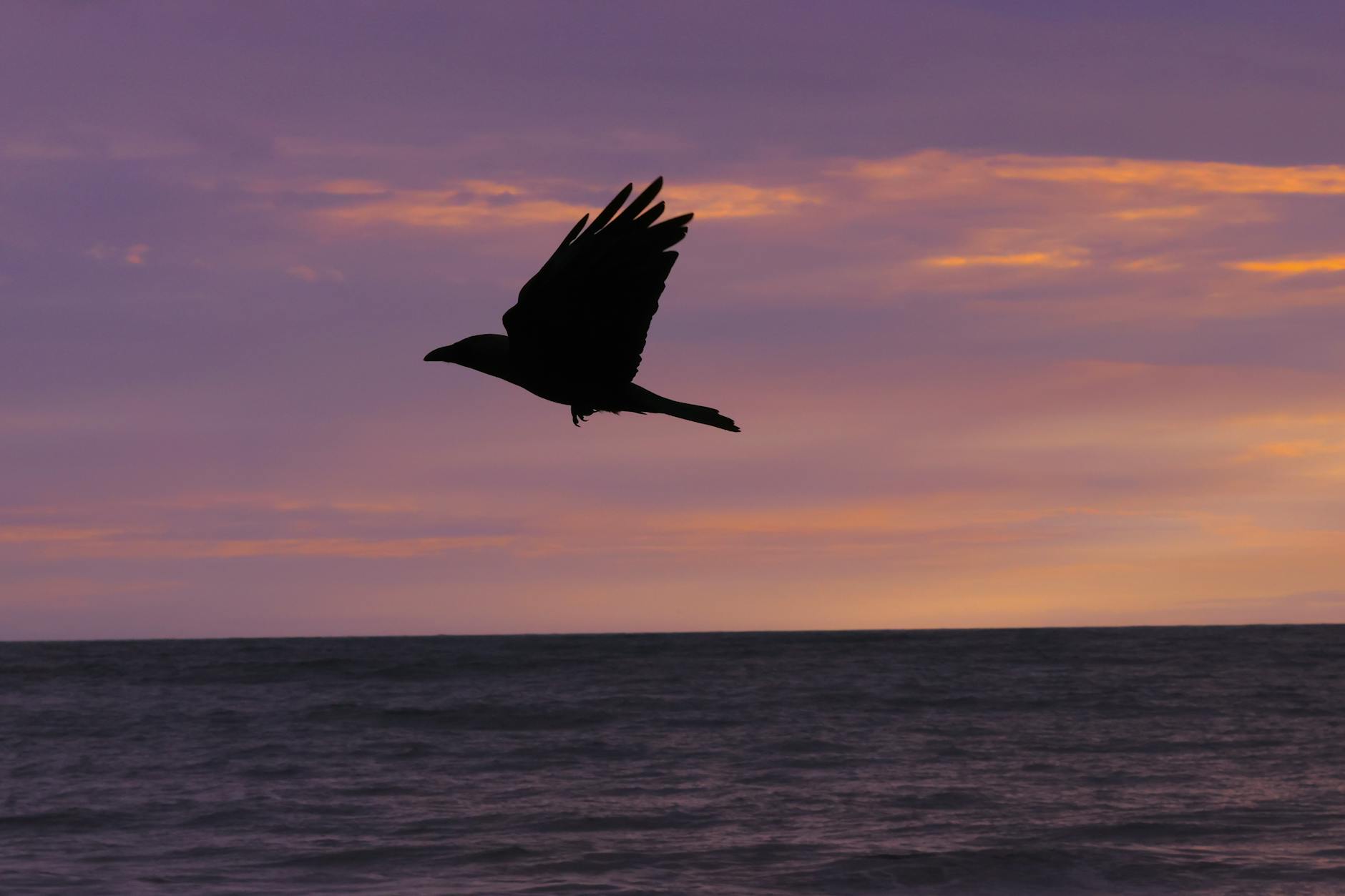
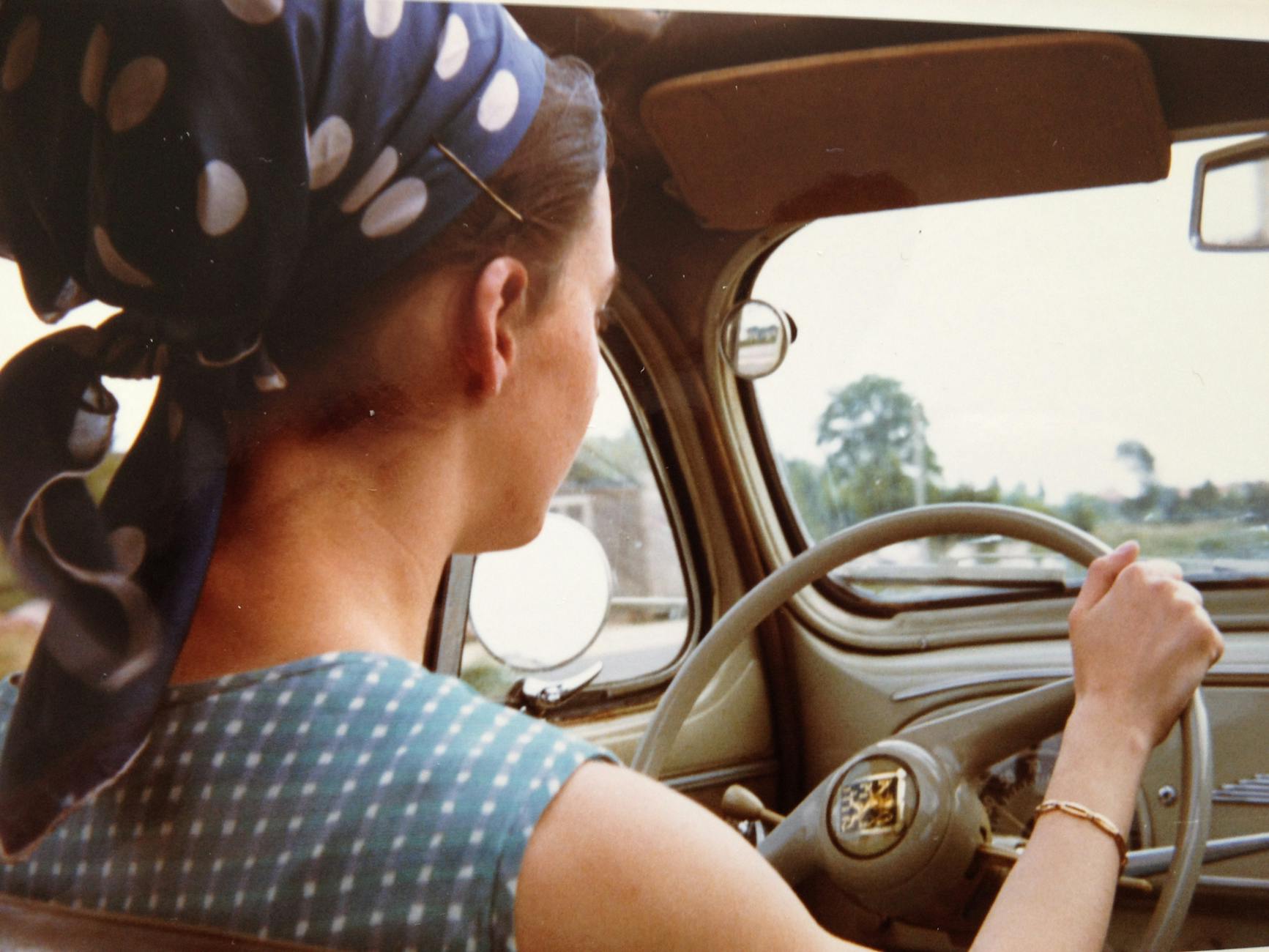
Photo by Alex Jaison on Pexels.com

One of the interesting fictional elements in de Tore’s version of Mary Read’s life is the appearance of a crow that follows Mary on land and out to sea. The crows presence acts as a warning to the men, it is not a good sign to them, but for Mary, it’s presence is reassuring.

A bird that can pounce from the top of the mainmast to skewer a sardine in the water, or snatch a crab from under rock and find out its soft parts, is a bird that sees well, and clear. It counts, this witnessing. To live your life under the vigilance of a crow is a kind of covenant.

A Pirate Nest in the Bahamas

Nassau became the base for English privateers, many of whom became lawless pirates over time. The Bahamas were ideal as a base for pirates as its waters were too shallow for a large man-of-war but deep enough for the fast, shallow vessels favoured by pirates.

It was here that Mary Read eventually met and befriended the much younger (by 15 years), emboldened Anne Bonny, encountered in Seaborne by Nuala O’Connor. The two women became fast friends, though opposite personalities.

Anne falls for Captain Jack and decides to join the crew, deepening her relationship with Mary simultaneously.

Photo by Pixabay on Pexels.com

Next to Anne Bonny, so bold and notorious, I had thought myself meek and colourless, and my story of little note. Yet she never tires of asking me about my years in the navy, and the army. Even my years on the Walcheren, which to me seem largely drab, fascinate Anne.

A Governor on a Mission

Saltblood continues to narrate the scrapes and adventures these two embark on and the efforts of Captain Rackham to avoid Governor Rogers, an English sea captain, privateer and colonial administrator who governed the Bahamas from 1718 to 1721 and again from 1728 to 1732. He aimed to rid the colony of pirates.

Initially I started then put this aside due to that feeling of having read something too similar, it starts off slowly and didn’t really pull me in, but more recently I picked it up again and continued only to find it much more engaging, as Mary is indeed quite a different character to Anne, and I enjoyed her land adventures as much as those at sea and the way their piracy days end is unforgettable.

After reading this I noticed I had another pirate book on my shelf, a work of history, The Stolen Village: Baltimore and the Barbary Pirates by Des Ekin, review coming soon.

Further Reading

Reviewed by Lisa at ANZ LitLovers

Author, Francesca de Tores

Francesca de Tores is a novelist, poet and academic. She is the author of five previous novels, published in over 20 languages, including Saltblood, which won the 2024 Wilbur Smith Adventure Writing Prize.

In addition to a collection of poems, her poetry is published widely in journals and anthologies. She grew up in Lutruwita/Tasmania and, after fifteen years in England, is now living in Naarm/Melbourne.

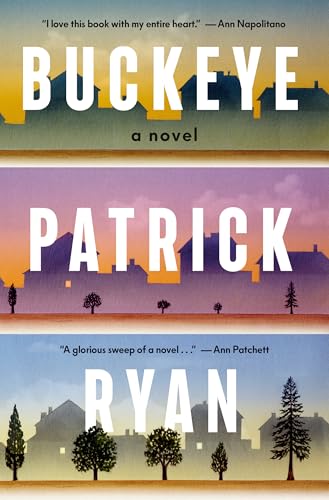
Buckeye by Patrick Ryan

Buckeye by Patrick Ryan

I have a ton of reviews to write, having been in a bit of a reading frenzy, so starting with the difficult task of one for whom I loved to begin with and then wanted to throw across the room.

Buckeye is popular work of historical fiction in the US and it is a novel a friend asked me if I had read, after seeing a promising review in the New York Times, buying a copy, abandoning it after 100 pages.

Although suspect, because there is a point with hyper popularity, beyond which I know it is probably not for me, I read the premise and thought it interesting, then when author and reviewer Margaret Renkl made the comment below, I decided to read it, rather than pre-judge and discern.

Sometimes I read a novel so completely absorbing, so populated by unforgettable characters in a world so beautifully built that entering it feels like coming home, and I can’t let myself start a new novel for a week, out of fear of breaking the spell.

If you love deceptively simple stories about deceptively ordinary human beings, about how family traumas and cultural prejudices can reverberate through the generations and how family secrets acquire ever more devastating power as the years unfold, please read this book. Especially if you believe in forgiveness and healing, and especially when forgiveness and healing are hard earned. I loved this book more than I can say. I absolutely loved it. Margaret Renkl

An Enticing Opening Scene

Buckeye is a novel set in Bonhomie, Ohio and opens with an enticing scene that gets the reader wondering who that was and what just happened. The narrative then shifts back to the early years of both those characters involved in that opening scene and we read about their lives leading up to that moment.

The two characters we meet in the opening scene are Margaret Salt, who grew up in an orphanage in Doyle, Ohio, having been dropped at its door in the middle of the night in October 1918.

The baby was eight, maybe nine months old, Lydia guessed. Pinned to her tiny shirt was a handwritten note. Please take care of this baby as I cannot. I named her Margaret, but call her what you like.

A ‘Buck’ Eye on Women

I guess this was probably one of the first red flags for me. I mean, leaving a baby outside an orphanage at that age indicated the mother had tried to take care of her child, but to flippantly write ‘call her what you like’ is an aggressive stance, inferring a lack of love or care, the first instance of portrayal of a mother as lacking.

Like other girls in the orphanage, Margaret would go in and out of families who wanted to adopt, then changed their minds, until finally in 1936, when she reached eighteen years, she moved to the city of Columbus, where her real adult education began.

Eve Entices Adam With the Forbidden Fruit

Photo by Berna on Pexels.com

And that opening scene? Well there we meet Margaret in 1945 as news of the allied victory in Europe is spreading through the community. Margaret walks into a hardware store in Bonhomie, where she now lived and asked the man behind the counter, Cal Jenkins if he had a radio. She needs him to turn it on and they will listen together. Their encounter represents a turning point in both their lives, but then the narrative switches back to tell their backstories up until that moment and ultimately beyond it.

But she was looking at the caramel-coloured radio. Her eyes were glistening. “Do you think- ” she said, then paused as if unsure of what she wanted to ask him. She took a breath. “Do you think people will start coming home?”

Cal is married to his high school girlfriend Becky, who from a young age has the ability to hear voices of the dead and as an adult has a line of people coming to her door wanting to hear these messages. After a few dates with Cal, she presented him with a letter to herself that she had written when she was eight years old, asking him to return it when she turned sixty. She wanted to know if the future was knowable by forgetting what was in the letter and encountering it later on.

“Will our older selves be anything like our younger selves thought we would be? We can only find out by writing it down and then putting it out of our minds and letting life take its course. The unraveling of time should be mysterious, don’t you think?”

Margaret has a rough start in Colombus, until she meets Felix, who seems perfect in every way, except that something is not quite right, which the reader quickly becomes aware of, though not Margaret.

Les Bons Hommes of Bonhomie

Photo by Lies on Pexels.com

The novel follows the lives of these couples in the suburban town of Bonhomie against the background of significant change in America, and the ripple effect of that encounter on the lives of these two couples, who are forced to confront what they might wish to stay hidden.

The suburban neighbourhood and 1940’s setting gave me a bit of the Revolutionary Road vibe, (Frank and April Wheeler, self-assured Connecticut suburbanites) that feeling of mild discontent that is ignored in order to keep up appearances, or grudges held when two people are unable to communicate and resolve their differences, that are likely to push them to cross lines of self-sabotage that force the issue.

Unpopular Opinion

I really enjoyed the first half of the novel, it is engaging and moves at a good pace, however towards the end, I started to notice certain patterns and once I saw them I couldn’t unsee them, in particular that all the nurturing characters were men, that the female characters either take a back seat, or are completely absent. When one character checks in on another or thinks to bring groceries, it is nearly always the men. For sure, this can be true, however this very domestic fiction in many ways felt inauthentic. A buck eye on les bons hommes?

I could feel myself bristling at the way the adult characters mismanaged the identity revelation, unable to understand the inevitable impact, there was not any addressing the unconscious impact of this throughout the character’s childhood. Again, that was probably the case, but adults ignoring the human rights of a child to know who they are, abusing their power and delaying the inevitable. Wondering about that reaction, not seeing their own violent part in it? It’s downright cruel.

The lack of reconciliation or exploration of Margaret’s story irked as well. Ultimately, this felt like a story of men being adequate family carers, perhaps we lack those kind of stories, but this just didn’t sit right with me.

Part of what had appealed to her about Columbus, when she was eighteen, was its vastness – all there was to see and do, and the chance to be a part of it. What appealed now was its vast anonymity, its ability to cloak people in its destiny, so that you could live your life without answering too many questions or encountering too many expectations. Right up to your last moments, if you wanted, so that the most lasting impression you left on your neighbours was that they’d known nothing about you.

But don’t take my word for it, unless you’re sensitive to to the same issues as I am, you might love this as many other (the majority) readers have.

Next up, another popular work, but one that has been a word of mouth sensation, a manuscript that was rejected over 100 times, because who wants to read a novel of letters? Well, me and a few friends and correspondents for starters!

A Roundup of Book Award Winners 2025

It’s nearing the end of the year and some of the book awards I have been following have made their announcements, while others like the Dublin Literary Award 2026 are sharing their nominations for next year.

Booker Prize Winner 2025

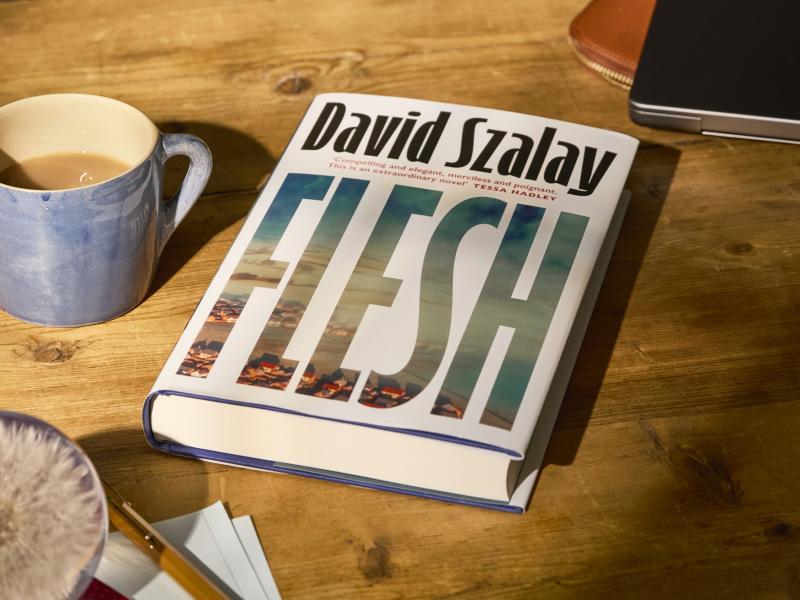
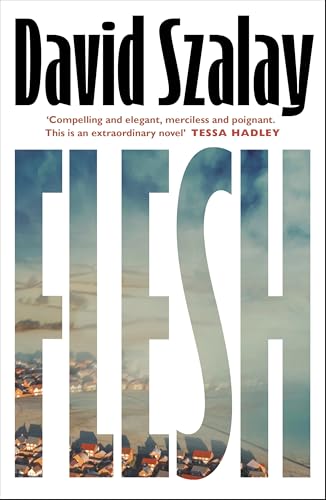
From the Booker shortlist of six novels, the prize went to Flesh by Hungarian-British writer David Szalay, a novel that follows a man from adolescence to old age as he is unravelled by a series of events beyond his grasp. It asks profound questions about what drives a life, what makes it worth living, and what breaks it.

The judges chose it for its singularity and said:

‘At the end of the novel, we don’t know what the protagonist, István, looks like but this never feels like a lack; quite the opposite. Somehow, it’s the absence of words – or the absence of István’s words – that allow us to know István. Early in the book, we know that he cries because the person he’s with tells him not to; later in life, we know he’s balding because he envies another man’s hair; we know he grieves because, for several pages, there are no words at all.    

‘I don’t think I’ve read a novel that uses the white space on the page so well. It’s as if the author, David Szalay, is inviting the reader to fill the space, to observe – almost to create – the character with him. The writing is spare and that is its great strength. Every word matters; the spaces between the words matter. The book is about living, and the strangeness of living and, as we read, as we turn the pages, we’re glad we’re alive and reading – experiencing – this extraordinary, singular novel.’ 

And this from Keiran Goddard at the Guardian:

‘There will be a temptation to pigeonhole Flesh as a novel about masculinity; its silences and its contortions, its frustrations and its codes. But while that is clearly a central concern, Szalay is also grappling with broader, knottier, more metaphysical issues. Because, at its heart, Flesh is about more than just the things that go unsaid: it is also about what is fundamentally unsayable, the ineffable things that sit at the centre of every life, hovering beyond the reach of language.’

I haven’t read ‘Flesh‘ and I’m on the fence about it based on reviews I’ve read, the lack of interiority, the focus on toxic masculinity and comments on the base dialogue. I still remember the first time I heard about it on the Irish Women’s Summer Reading podcast live at Kildare Village, but I am yet to be convinced I would enjoy it and I am not curious enough to consider it for its “singularity“.

Warwick Prize for Women in Translation Winner 2025

From their shortlist of six novels by women in translation that included works from French, Hungarian, Korean, Romanian and Swedish, the Warwick Prize this year went to :

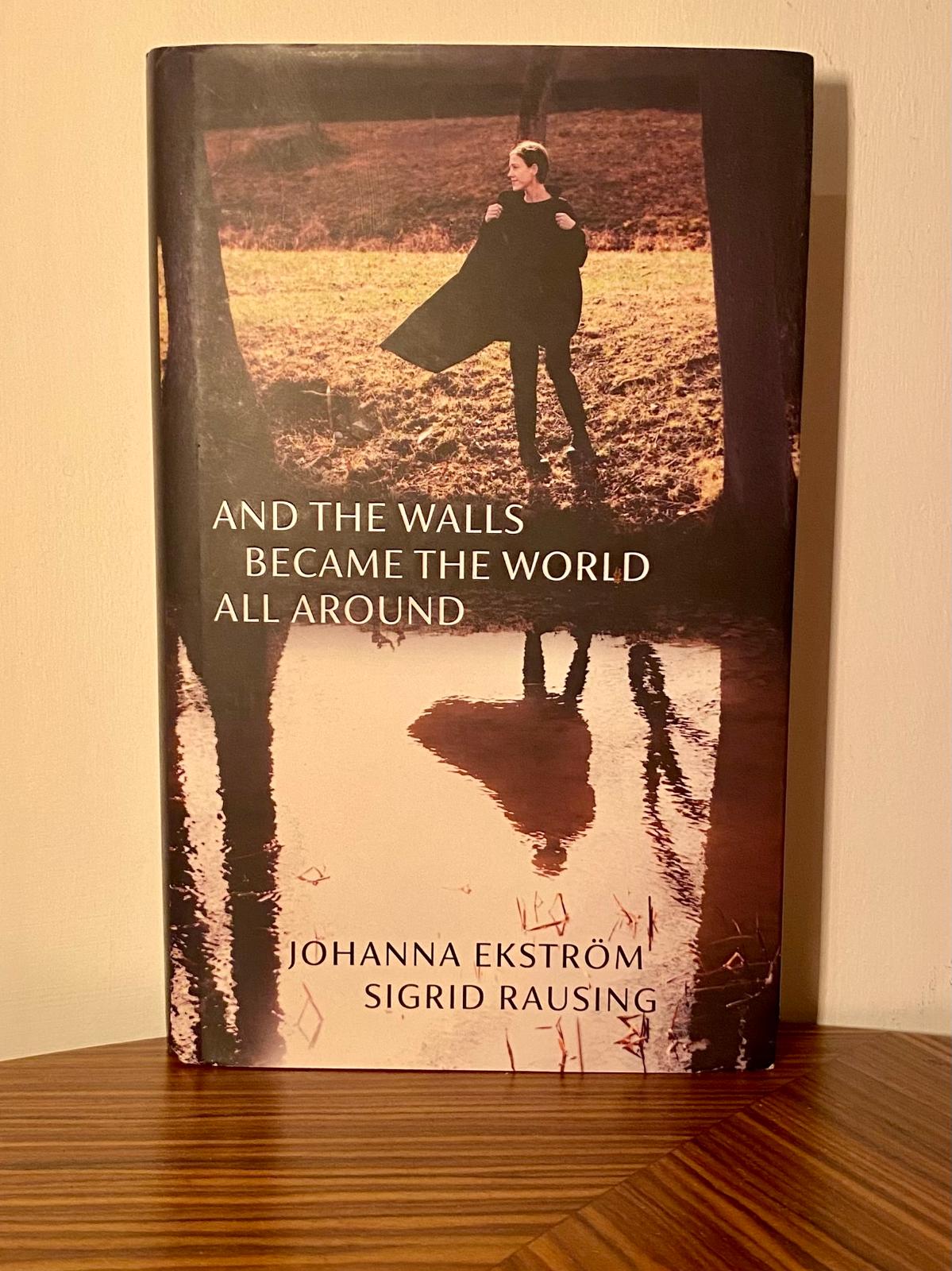
And the Walls Became the World All Around by Johanna Ekström & Sigrid Rausing,

translated from Swedish by Sigrid Rausing

published by Granta.

This book is a memoir created from 13 handwritten notebooks that Johanna Ekström (1970-2022) asked her friend Sigrid Rausing to finish.

First published in Swedish in 2023, it has been described as a literary experiment, a continuation of 30 years of friendship, and a deep meditation on grief.

“Just as the end of life will take us into unknown territory, so this extraordinary book pioneers new ways of thinking, feeling and writing about losses of many kinds.

Sigrid Rausing’s completion of, and commentary on, her friend Johanna Ekström’s final notebooks is not just a poignant and powerful double memoir: it is a record of a distinguished writer’s last years and the friendship she inspired.

Its language, beautifully chosen and artfully translated, helps us confront and understand grief and absence. But it also permits us to celebrate a unique inner life of dreams and visions that now survives in memories, and words.”

Warwick Prize for Women in Translation Highly Commended

The judges also highly commended:

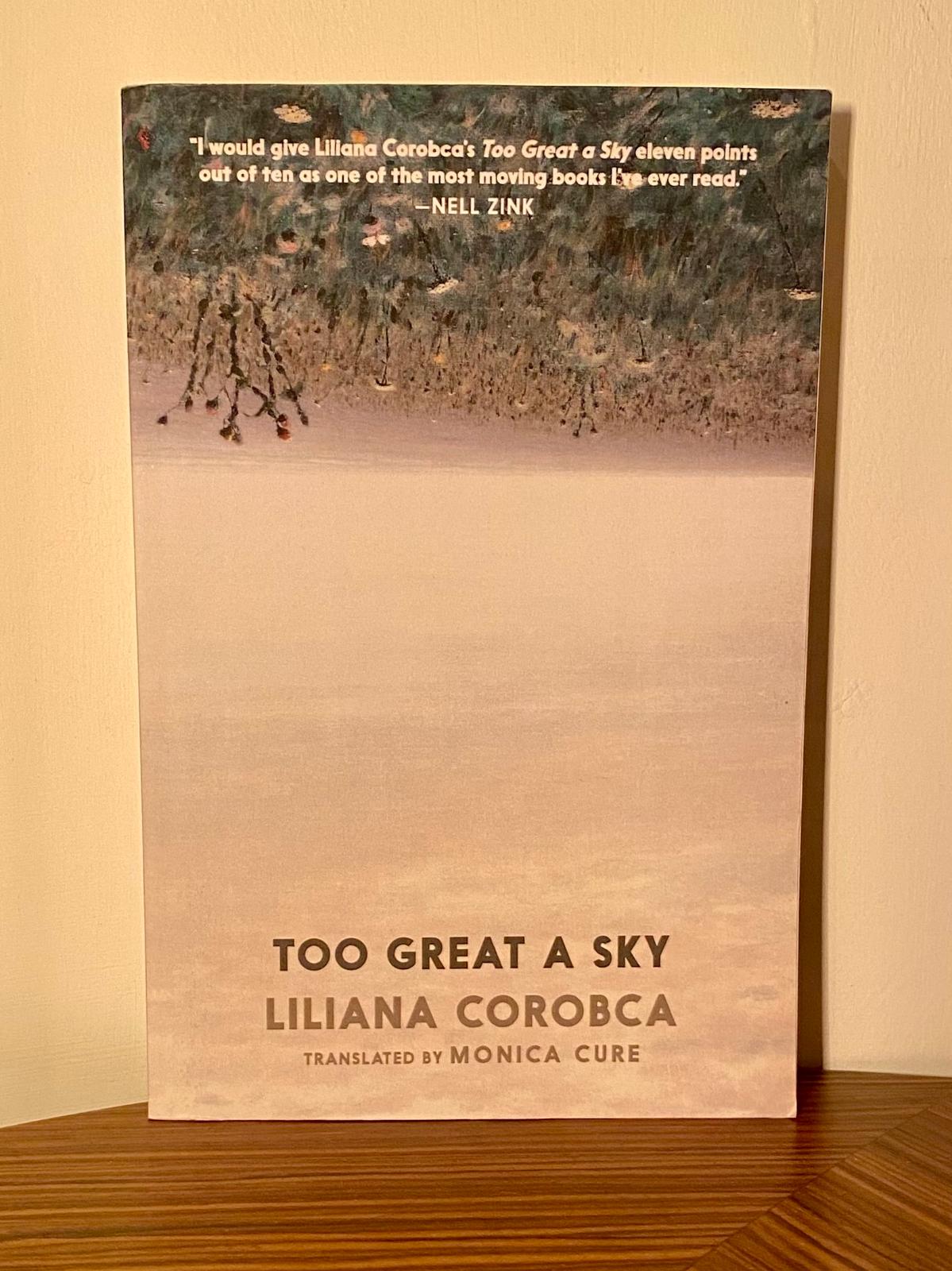
Too Great A Sky, by Liliana Corobca,

translated from Romanian by Monica Cure

published by Seven Stories Press UK:

“This prose epic not only tells an astonishing, but largely forgotten, story of suffering and endurance amid the terrors of total war; Liliana Corobca also turns her historical research into the experience of Romanians deported by Soviet authorities from Bucovina to Kazakhstan into captivating fiction.

In Monica Cure’s immersive translation, the narrator’s voice seasons horror and upheaval with humour, resilience and folkloric charm as she recounts the ordeal of the deportees and the ways they survived it. This mighty, moving novel transforms fact into art, and brings ancient storytelling skills to bear on modern tragedies.”

Both these sound excellent and I’m definitely keen to read them, so watch this space for future reviews once I manage to get hold of copies. Ask your library to get these in, if they have a copy already, I’d love to hear what you think of them if you’re also interested to read them.

An Post Irish Book Awards 2025

I didn’t create a post this year for the Irish Book Awards but I like to read Irish literature, so I keep an eye on it, in particular fiction and memoir/biography.

Exclusively Irish, inclusive in every other sense, the An Post Irish Book Awards brings together the entire literary community – readers, authors, booksellers, publishers and librarians to celebrate Irish writing.

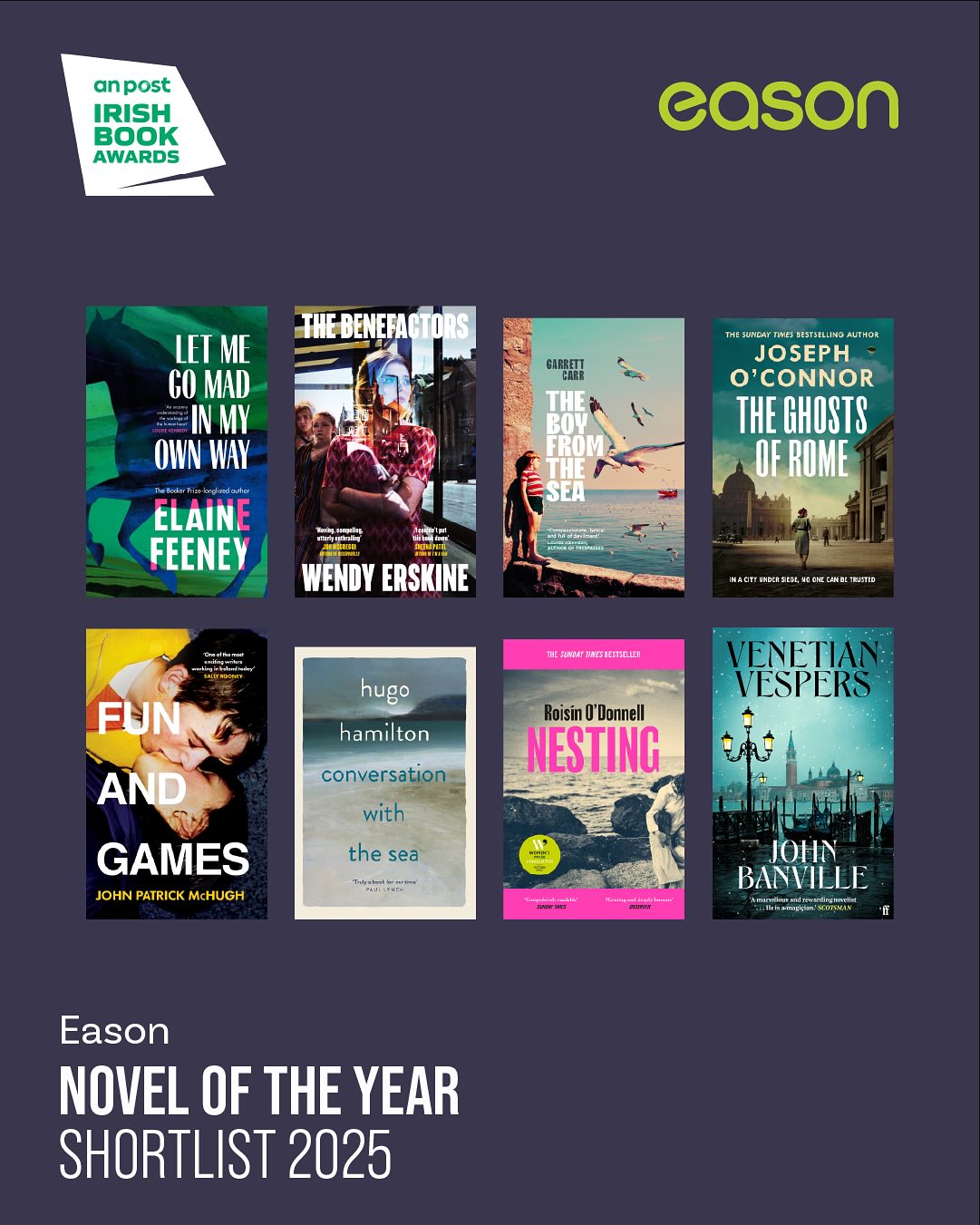
A reminder of the shortlist for fiction, from which I have reviewed two. You can read the shortlists of the other prizes here.

Eason Novel of the Year shortlist 2025

  • Conversation with the Sea by Hugo Hamilton (Hachette Books Ireland)
  • Fun and Games by John Patrick McHugh (Fourth Estate, HarperCollins)
  • Let Me Go Mad in My Own Way by Elaine Feeney (Harvill, Penguin)
  • Nesting by Roisín O’Donnell (Scribner Bools from Simon & Schuster)
  • The Benefactors by Wendy Erksine (Sceptre)
  • The Boy from the Sea by Garrett Carr (Picador, Pan MacMillan)
  • The Ghosts of Rome by Joseph O’Connor (Harvill, Penguin)
  • Venetian Vespers by John Banville (Faber)

Eason Novel of the Year Winner 2025

Nesting by Rosisin O'Donnell longlisted for Womens Prize fiction 2025 Reading Ireland Month

The winner of the novel of the year went to:

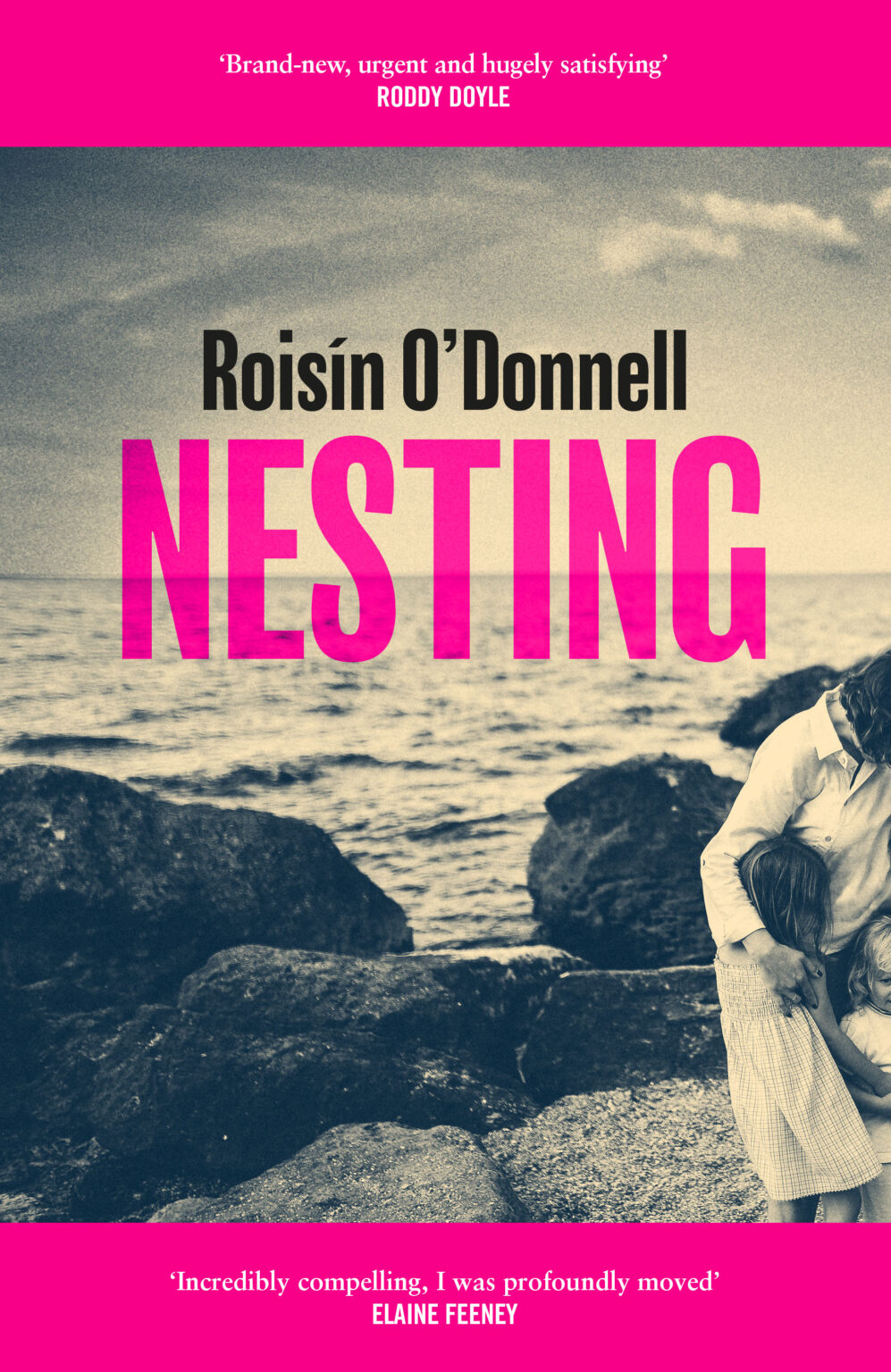
Nesting by Roisín O’Donnell

a story of one woman’s escape from a coercive relationship and the challenges faced to stay away, while trying against the odds to build a new life.

Two of the shortlisted authors also won elsewhere.

Joseph O’Connor’s The Ghosts of Rome won the people’s choice, The Last Word Listener’s Choice Award and Elaine Feeney took home The Library Association of Ireland Author of the Year Award.

The popular fiction award went to Celia Ahearn’s Paper Heart, and The Book Centre Crime Fiction award went to It Should Have Been You by Andrea Mara.

Non-Fiction Awards

The Dubray Biography of the Year went to A Time for Truth: My Father Jason and My Search for Justice and Healing by Sarah Corbett Lynch and the nonfiction award went to Deadly Silence: A Sister’s Battle to Uncover the Truth Behind the Murder of Clodagh and Her Sons by Alan Hawe by Jacqueline Connolly & Kathryn Rogers.

Lots to consider here for next year’s Reading Irish Month in March 2026.

Have you read any of the above prize winners?

Booker Prize Shortlist 2025

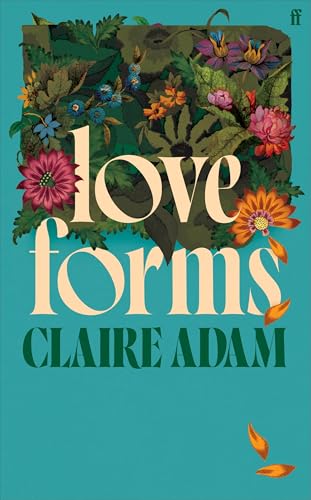
The winner of the Booker Prize 2005 will be announced on Monday November 10. I only read one novel from the longlist, Love Forms by Trinidad and Tobagan author Claire Adam (my review here). Initially, I perceived on the list as being too clever with the form, even if that is a characteristic of literary fiction, but then I saw two novels that fit my own preference, written by women, about lesser known cultures.

Below is a reminder of the six books on the shortlist being considered for the prize with a quote from the author and another from the judges answering different questions about each novel. You can read more interesting facts about the shortlisted authors here.

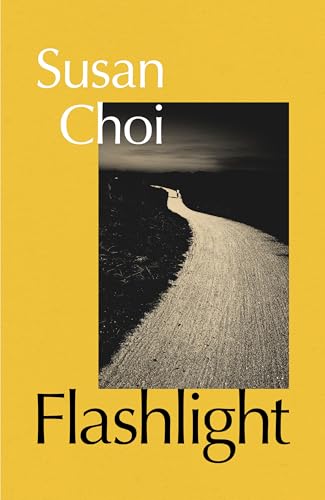
In the coming days I’ll share my thoughts on the two that I am reading, Flashlight by Susan Choi (my review here) and The Loneliness of Sonia and Sunny by Kiran Desai (my review here).

The Booker Shortlist 2025

Penned in English, these shortlisted books are worldly in settings and universal in their themes, often featuring characters living outside their familiar communities and cultures, navigating a diverse set of eye-opening challenges, exposing aspects of history and geopolitical issues from Hungary to Japan, from Venice to New York, from India to England’s West Country.  

If you click on the title of the book, you can read an extract from the novel:

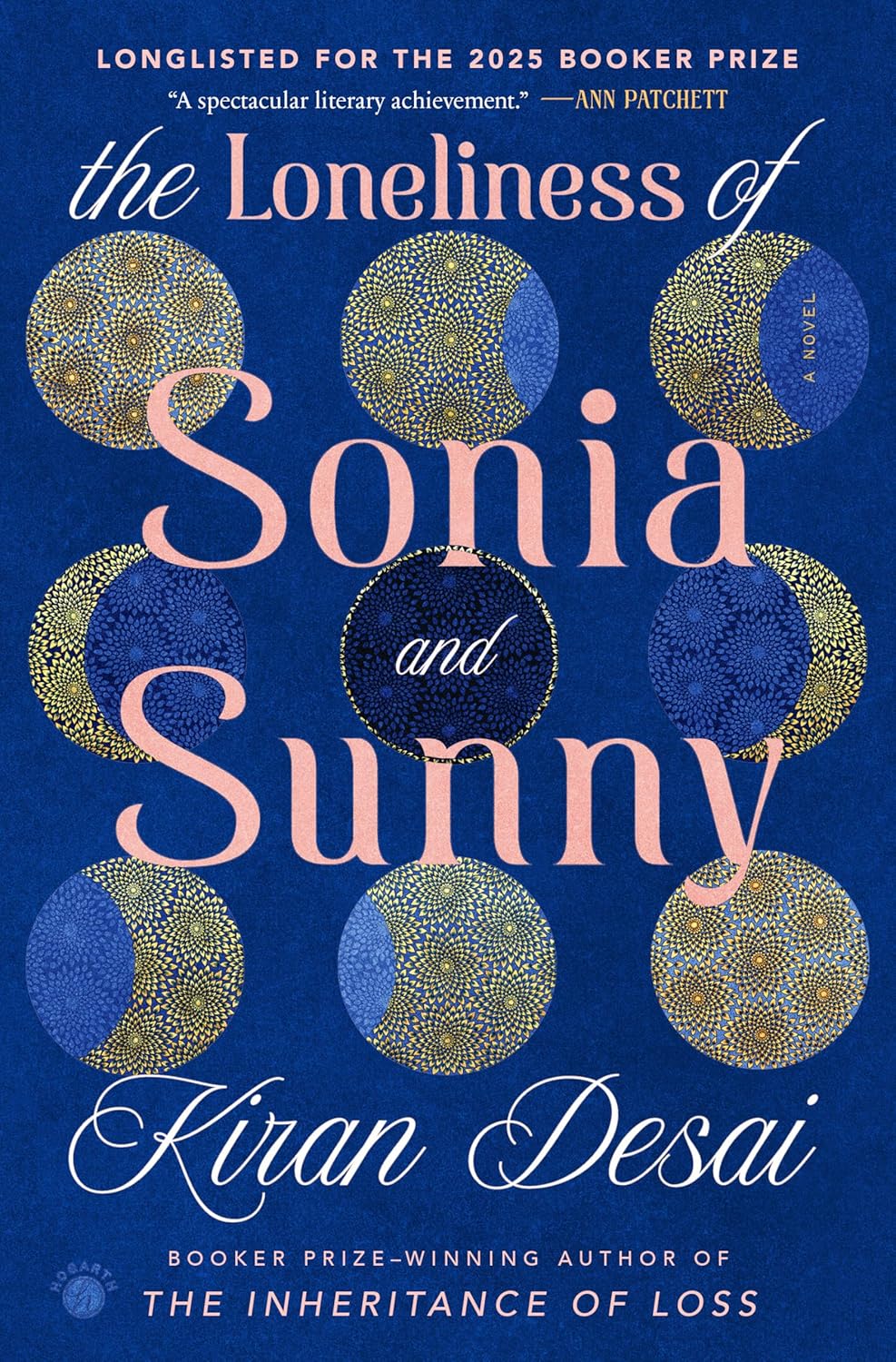
The Loneliness of Sonia and Sunny by Kiran Desai (India)

‘I wanted to write a present-day romance with an old-fashioned beauty’

The Loneliness of Sonia and Sunny is the epic tale of two young people navigating the many forces that shape their lives: country, class, race, history, and the complicated bonds that link one generation to the next. A love story, a family saga, and a rich novel of ideas, it is said to be the most ambitious and accomplished work yet by one of our greatest novelists. 

What do you think it is about this book that readers will not only admire, but really love?  

Its rich intricacies and the sheer bounty each page offers. Inter-generational family saga, sharp humour, poignant love story, state-of-the-nation novel, this book has it all. As a result, reading The Loneliness of Sonia and Sunny is an immersive, wonderful experience. 

Flashlight by Susan Choi (US)

‘Reading a great book feels like being dropped onto an alien planet’

Flashlight by Susan Choi set in Japan USA and North Korea

Flashlight moves between the post-war Korean immigrant community in Japan, to suburban America, to two children trying to forge their own identities, and an eye-opening venture into the fate of those returned to North Korea, an astonishing story of one family swept up in the tides of 20th-century history. 

What do you think it is about this book that readers will not only admire, but really love?  

The scale of it, and the life-spanning trajectories of these characters of whom we get such intimate knowledge: all their drama and pain and, very occasionally, their joy. We found Flashlight to be one of those books that completely dominates your thoughts while you’re reading it. 

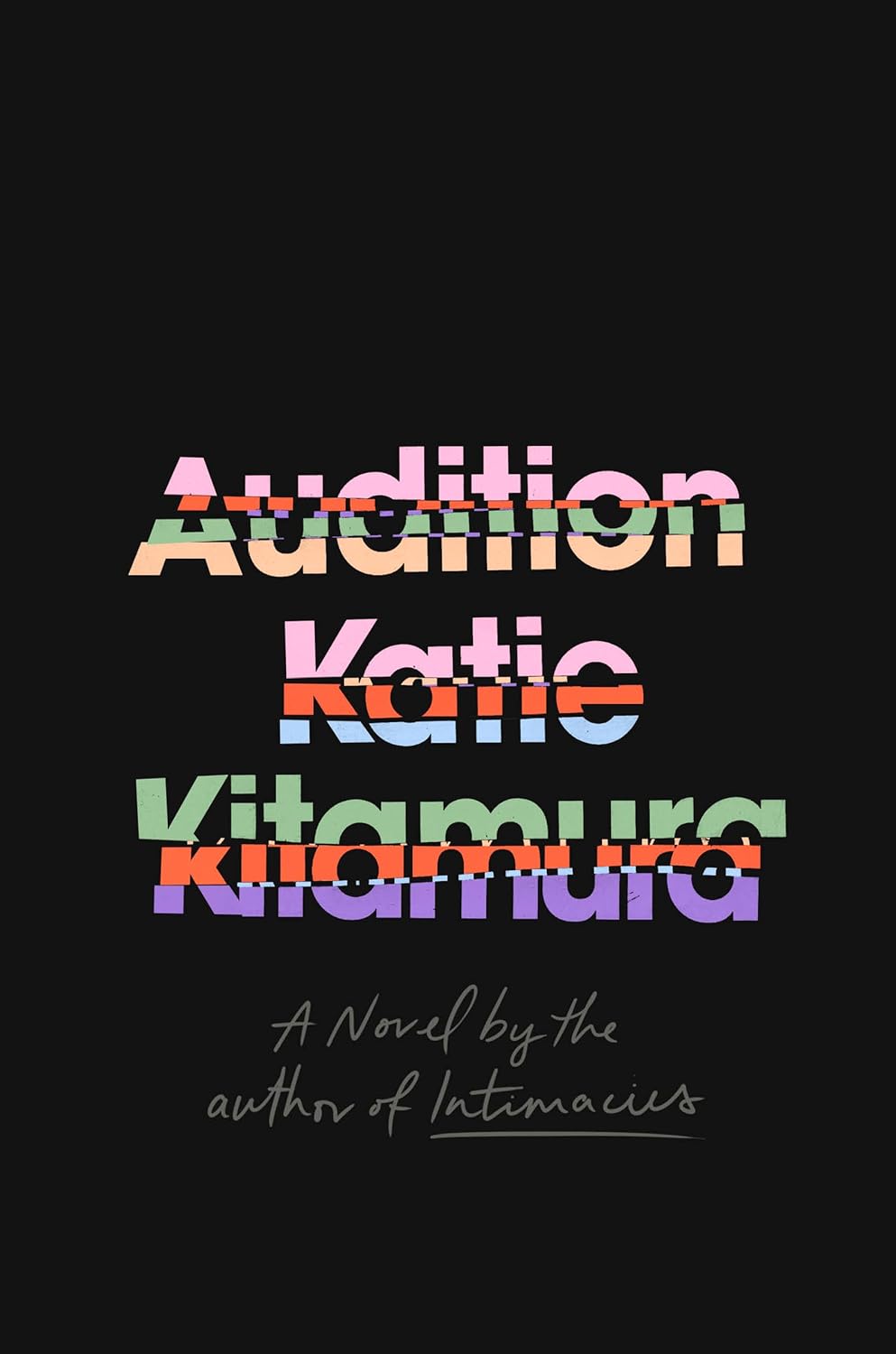
Audition by Katie Kitamura (US)

‘As a culture, we’re becoming quite bad at holding a contradiction in our heads’

– An exhilarating, destabilising novel that asks whether we ever really know the people we love. In this compulsively readable, brilliantly constructed novel, two competing narratives unspool, rewriting our understanding of the roles we play every day – partner, parent, creator, muse – and the truths every performance masks, especially from those who think they know us most intimately.

Is there something unique about this book, something that you haven’t encountered in fiction before?  

Yes, the way Kitamura transitions between supposed reality – modern-day Manhattan – and something deeper and stranger, is bracing. She doesn’t hand-hold or explain, which some might see as a kind of hostility towards the reader. We saw it as a marker of trust. 

This is a very controlled performance of a book that intentionally leaves a lot open to interpretation. We think readers will love finding others who’ve read it and talking to them about what it all might mean.  

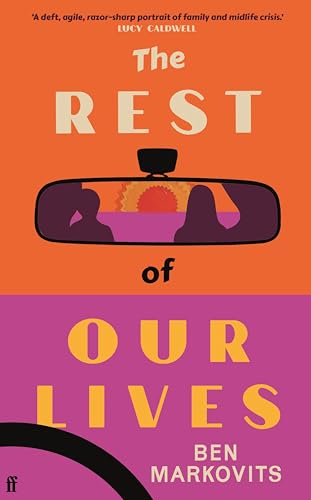
The Rest of Our Lives by Ben Markovits (US)

‘I wanted to write about a certain period of family life coming to an end’

The Rest of Our Lives by Ben Markovits

– An unforgettable road trip of a novel about a middle-aged academic whose marriage, career and body are failing him. Pitch perfect, quietly exhilarating and moving, The Rest of Our Lives is a novel about family, marriage and those moments which may come to define us.

What do you think it is about this book that readers will not only admire, but really love? 

Tom is not a literary king – he’s a dad and basketball enthusiast. We think readers will admire and enjoy high-concept analysis recounted by a ridiculously relatable narrator. 

The star of this novel is Tom’s voice: the lodestar and the ‘why now’. He is a democratic guide, he’s delightfully embarrassed, and he is as observant as he is negligent. But what’s most impressive is Markovits’ dedication to Tom as an averagely flawed human. Tom makes bad jokes, he’s a pushover, and it’s difficult to imagine being taken with him in person. 

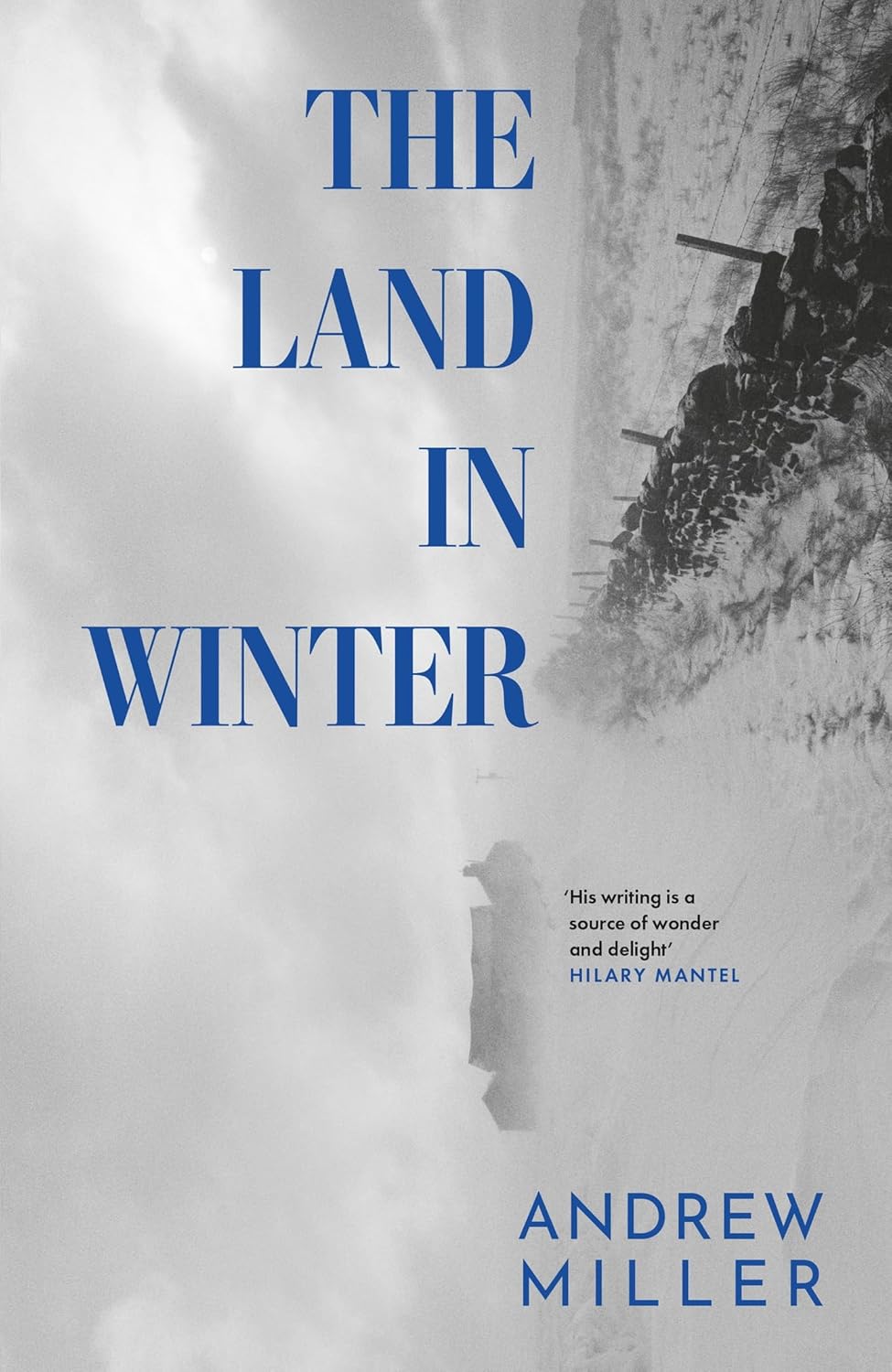
The Land in Winter by Andrew Miller (UK)

‘I’ll write anywhere, with anything, on anything’

The Land in Winter Andrew Miller Booker Prize 2025

– A masterful, page-turning examination of the minutiae of life and a dazzling chronicle of the human heart. As the ordinary cold of an English December gives way to violent blizzards, two couples find their lives beginning to unravel.  
  
Where do you hide when you can’t leave home? And where, in a frozen world, can you run to? 

Although it’s a work of fiction, is there anything about it that’s especially relevant to issues we’re confronting in today’s world?  

The novel is set during the harsh winter of 1962-63 and, given what’s been happening to the weather since then, a harsh winter would be reassuring. But the novel is about the tensions within marriage and other relationships and those tensions are the same today as they were back then. How to live: that’s the big human issue and it forms the spine of the book. 

Flesh by David Szalay (Hungary-UK)

‘I wanted to write about what it’s like to be a living body in the world’

Flesh by David Szalay Booker Prize 2025

– A propulsive, hypnotic novel about a man who is unravelled by a series of events beyond his grasp. Fifteen-year-old István lives with his mother in a quiet apartment complex in Hungary. As the years pass, he is carried gradually upwards on the 21st century’s tides of money and power, moving from the army to the company of London’s super-rich, with his own competing impulses for love, intimacy, status and wealth winning him unimaginable riches, until they threaten to undo him completely.

What do you think it is about this book that readers will not only admire, but really love? 

Flesh is a disquisition on the art of being alive, and all the affliction that comes along with it, but it is also an absolute page-turner. It’s nearly impossible to put down. The emotional detachment of the main character, István, is sustained by the tremendous movement of the plot. The pace of this novel speaks to one of the greater themes; the detachment of our bodies from our decisions. 

* * * * * *

Have you read any of these novels from the shortlist? Do you have a favourite to win?

Women in Translation month #WITMonth

Every novel I’ve read in translation this month has been exceptional. I do love August for seeing what others are reading in this category to ensure I have a future supply of excellent reads originating from elsewhere, coming from other languages.

Here’s what I hope to read this month and I’d love to hear your favourites, what you’ve read and loved or are looking forward to during WIT Month or any time!

Translation Opens World Views

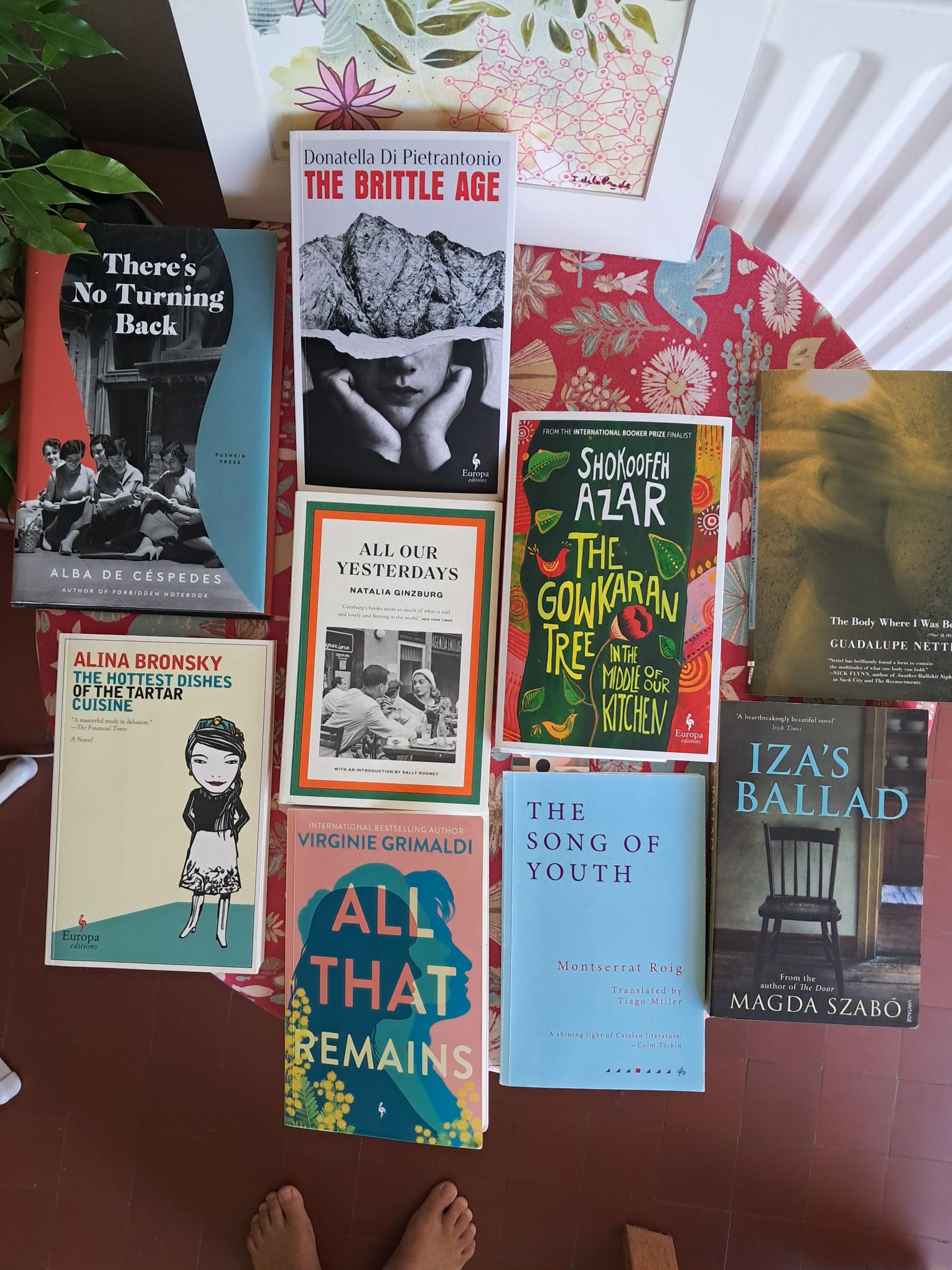
Covers of books ftom the shelf of novels by women in translation

I find it such an immense privilege to have the opportunity to read a novel that was originally conceived and written in another language, that can naturally dive into perspectives from other cultures that might be completely different or universally connected.

I loved norms being challenged and insights shared, new words, cultural references, all those opportunities to expand one’s awareness.

So I gathered what I had on my shelf to read for August to share here and I am very grateful to Daniela at Europa Editions UK who sent me three excellent new publications published by Europa in 2025, which arrived just as the month started, two of which I have devoured already.

Read Around the World

The books I have chosen are by women from Mexico (translated from Spanish), Rome and Abruzzo in Italy, Barcelona (Catalan), France (French), Iran (living as a political refugee in Australia, translated from Farsi), Russia living in Berlin (translated from German) and Debrecen, Hungary.

Mexico

I started the month with Guadalupe Nettel’s (Mexico) excellent autobiographical novel The Body Where I Was Born (reviewed here) translated by J.T. Lichtenstein, a book that reads like a memoir of childhood and adolescence, but from the perspective of looking at how those various experiences she had, might have moulded her character.

The real surprise was when she and her brother join her mother to come and live here in Aix en Provence while she’s working towards a PhD. Very insightful and for me, utterly riveting. You can also read Still Born (reviewed here) shortlisted in 2023 for the International Booker, hers is a voice and style I adore.

Italy

I’ve definitely been in a phase of reading Italian women writers from the 30’s and 40’s, so of course there is more Natalia Ginzburg and Alba de Céspedes in my pile for this month.

I’ve already finished There’s No Turning Back (reviewed here) translated by Ann Goldstein, a novel of eight women entering adulthood and potential independence in the face of a society that wants women to stay traditional, and I’m looking forward to Ginzburg’s novel All Our Yesterdays about a pregnant 16 year old who marries an older family friend to save her reputation.

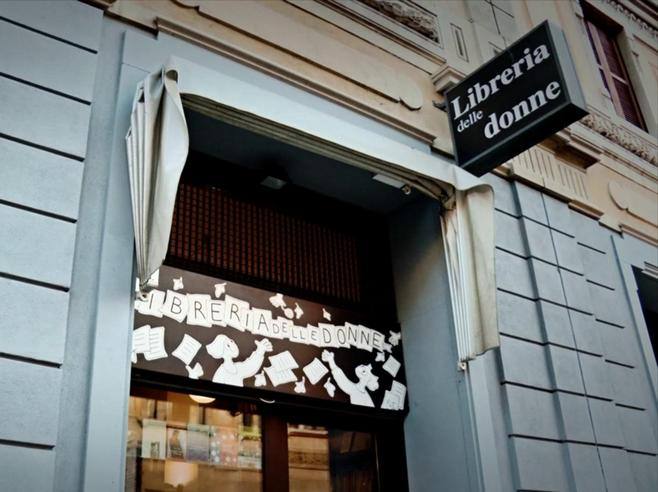
I recently read an excellent article about Italy’s feminist history and literature by Margarita Diaz, who after reading Elena Ferrante’s essay collection In the Margins, sought out a women’s bookstore collective, the Libreria delle Donne di Milano, whose work had been a source of inspiration for her Neapolitan novels. The bookstore occupies a unique place in the history of the Italian women’s movement, having established “an alternative genealogy of culture,” a perspective quite different to that of English speaking cultural feminism. I would love to visit this bookshop.

The Libreria delle Donne di Milano (The Milan Women’s Bookstore), on Via Pietro Calvi in the Zona Risorgimento, houses more than 7,500 carefully curated works, mostly in Italian, by 3,700 female writers from all around the world. Works by icons of Italian literature like Sibilla Aleramo, Grazia DeLedda, and Elena Ferrante sit next to translated copies of works by anglophone writers like Virginia Woolf and Jane Austen. It is a refreshing, unapologetic, women-only space, where female voices are celebrated and encouraged. 

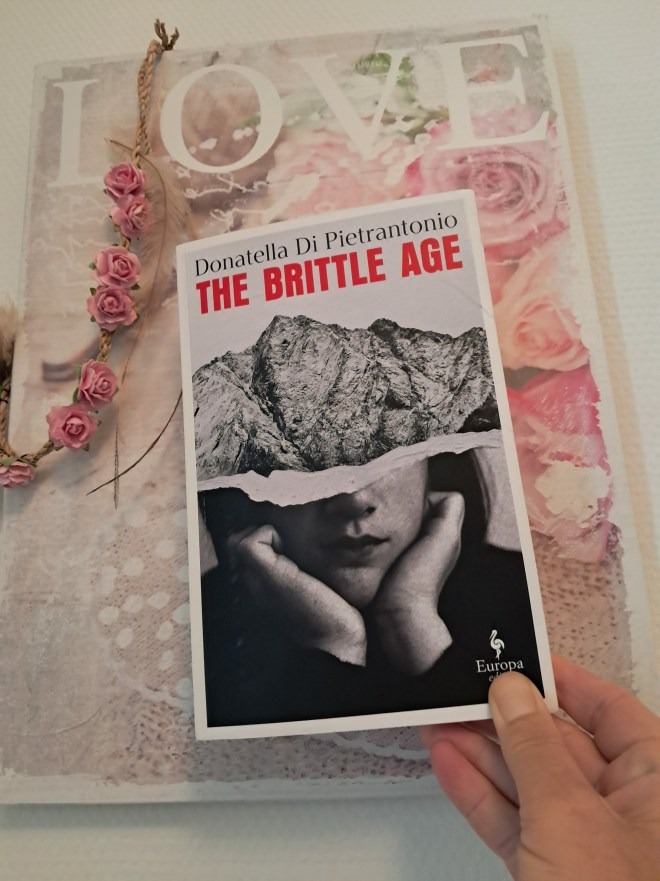
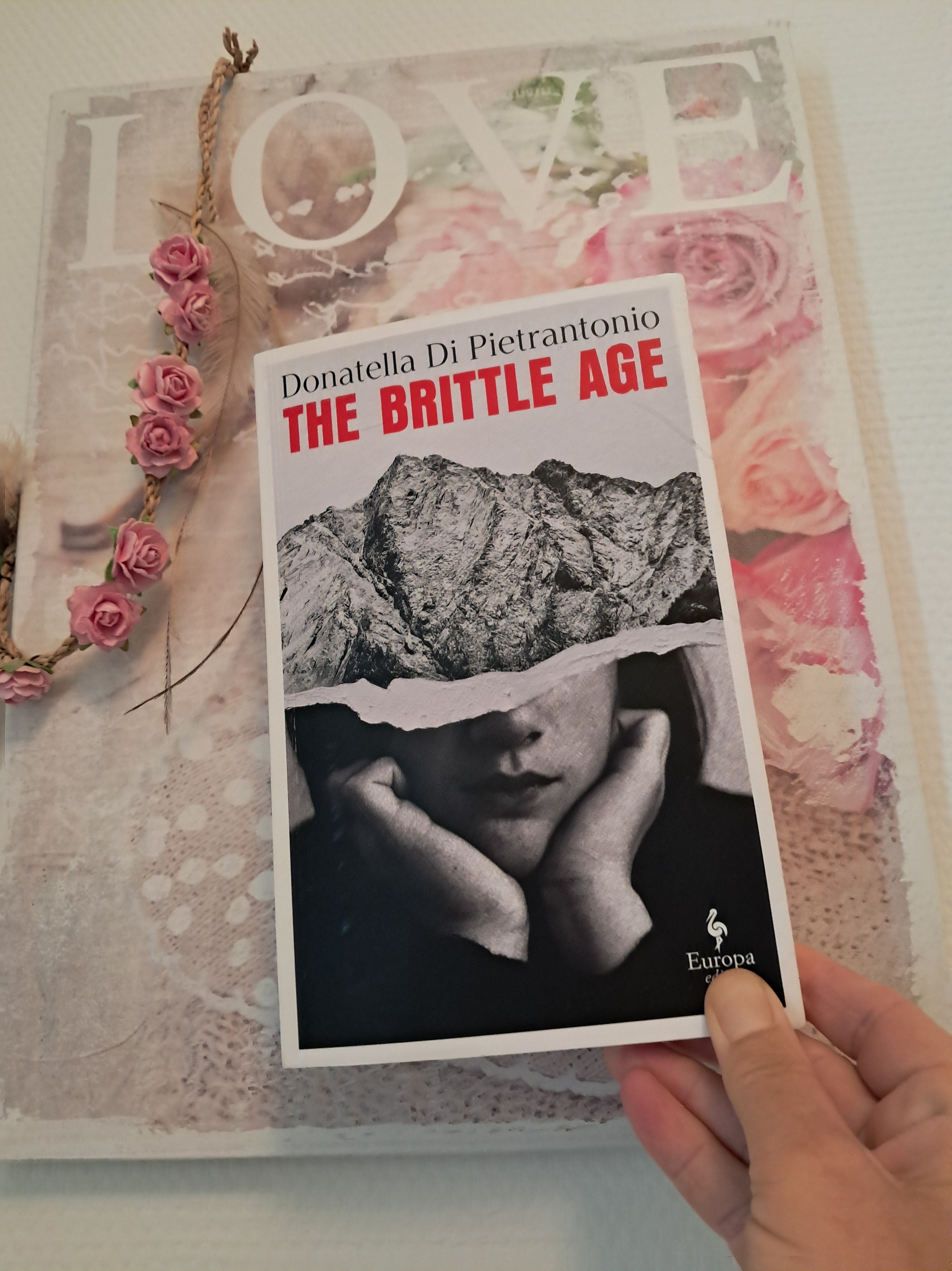
My third Italian read, more contemporary, with a flashback to events of the 90’s is the Strega Prize 2024 winning novel The Brittle Age by Donatella Di Pietrantonio (reviewed here), also translated by Ann Goldstein.

Her novels are excellent. A Girl Returned was exceptional, and I was riveted reading this latest. Historical true crime inspired and a psychological exploration of the effect of traumatic events on the individual and community and the small actions that help heal – just brilliant.

Doesn’t that mountain look like our local Mount Saint Victoire, with the cross at the summit?

France

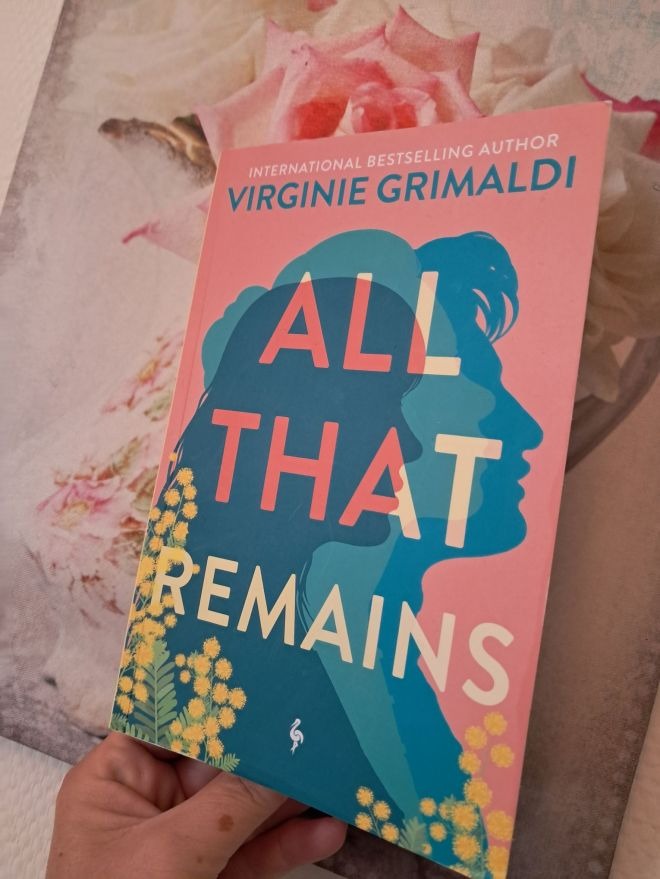
It being a busy and hot working summer, I was also looking for lighter reads that would be captivating and so I chose Virginie Grimaldi’s second novel All That Remains (my review here) translated by Hildegarde Serle, a story of three people whose paths cross when each is at a significant turning point. Jeanne (74) is widowed and is overwhelmed, Iris (33) has made a near-escape and is in hiding, and Théo (18) working in a boulangerie (bakery) is starting out having left a boy’s home.

I was particularly interested in this after having seen French a news item about inter generational living arrangements, where young people move in with the elderly, enabling them to stay in their own homes. This was a page turner, totally feel good, brilliant and uplifting, a perfect all year round read!

Catalan, Spain

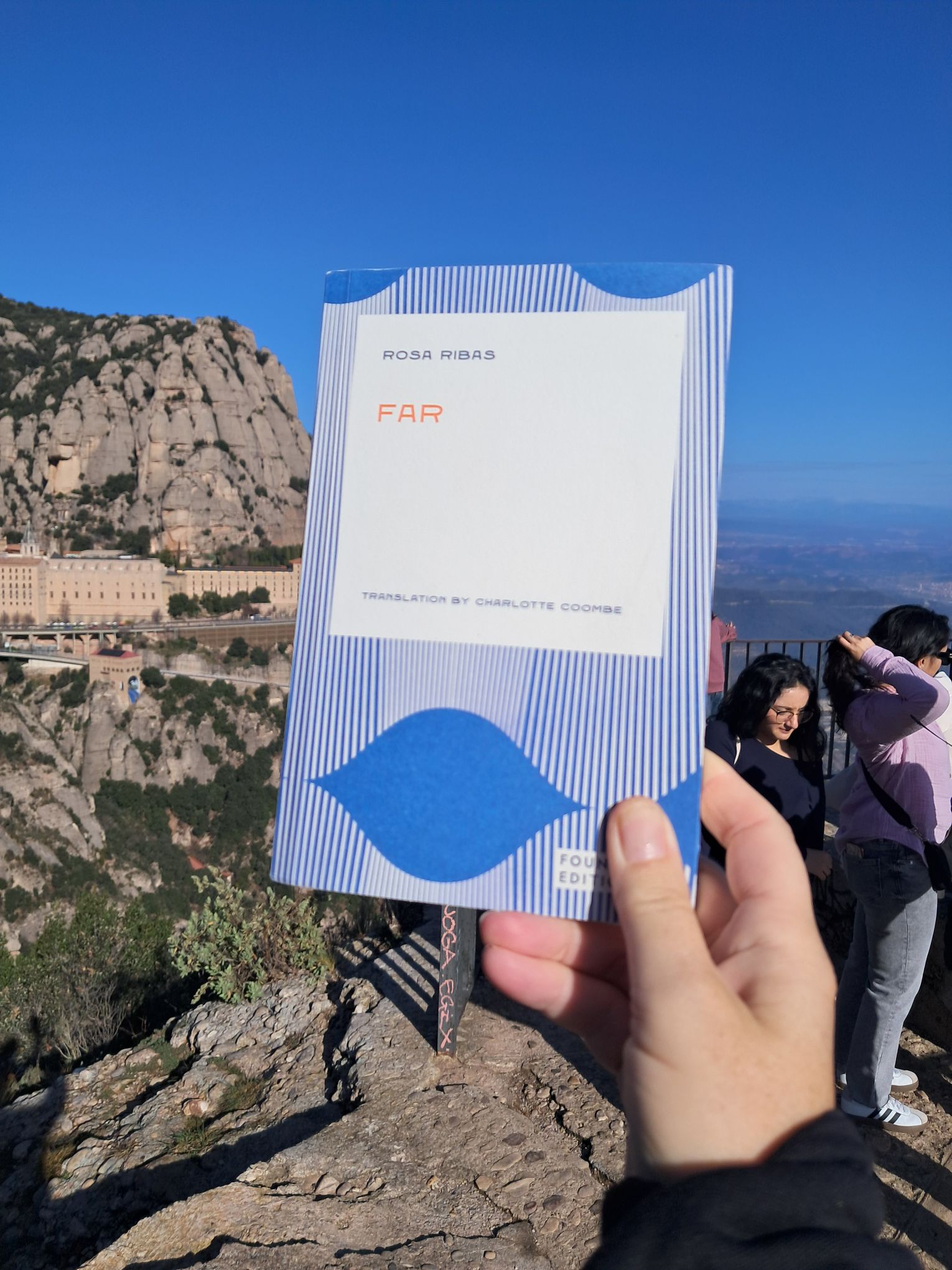
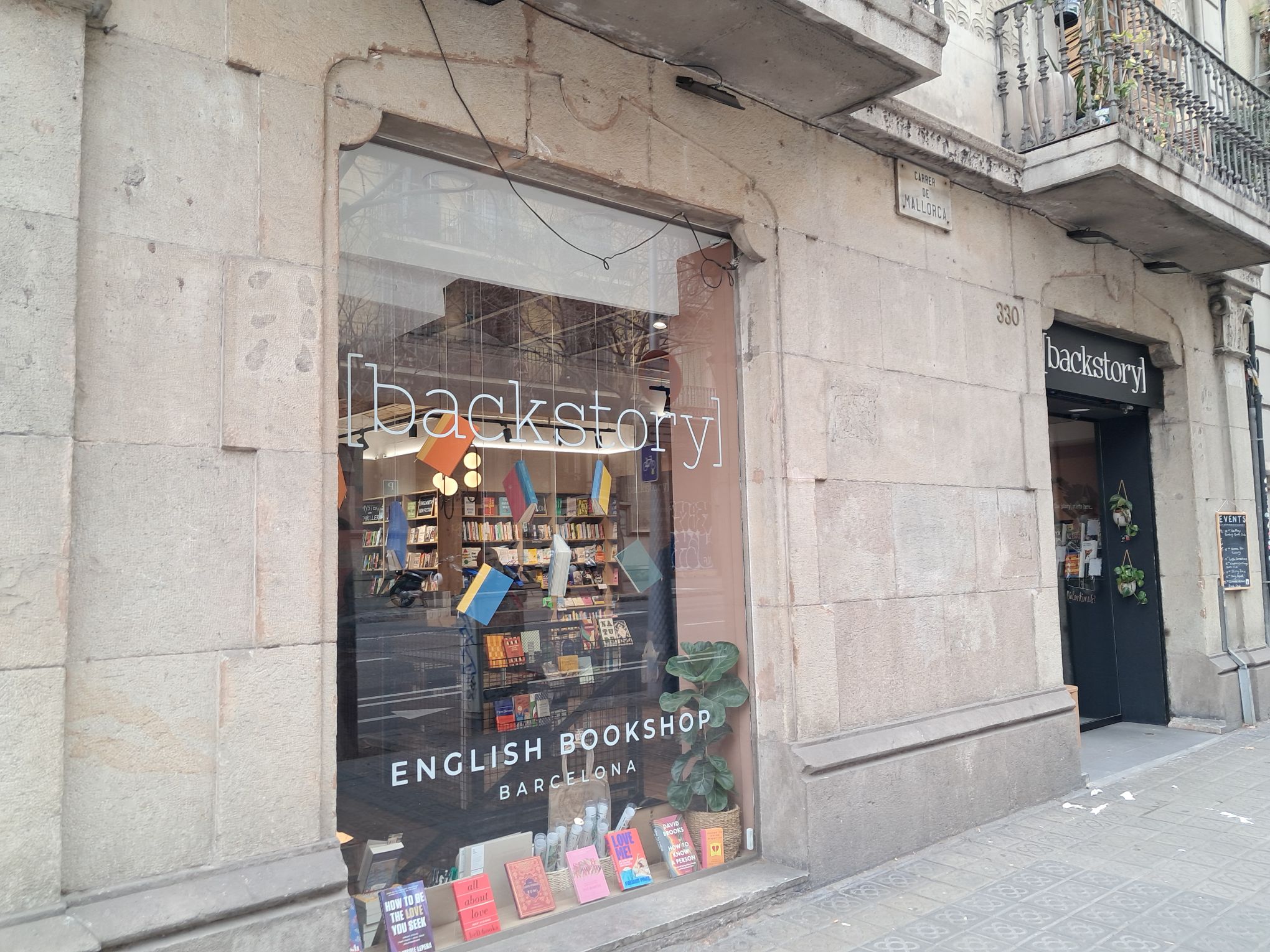
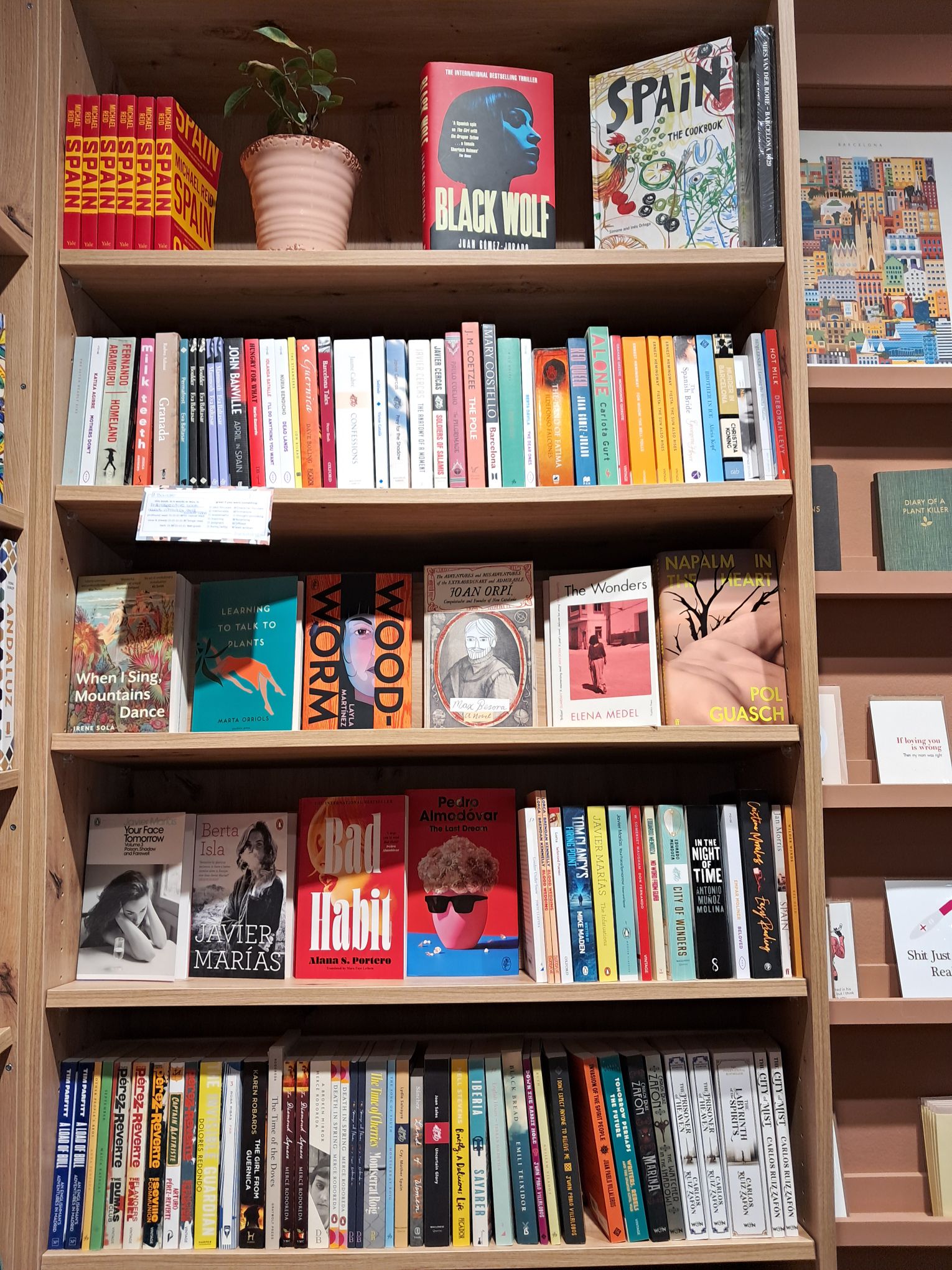
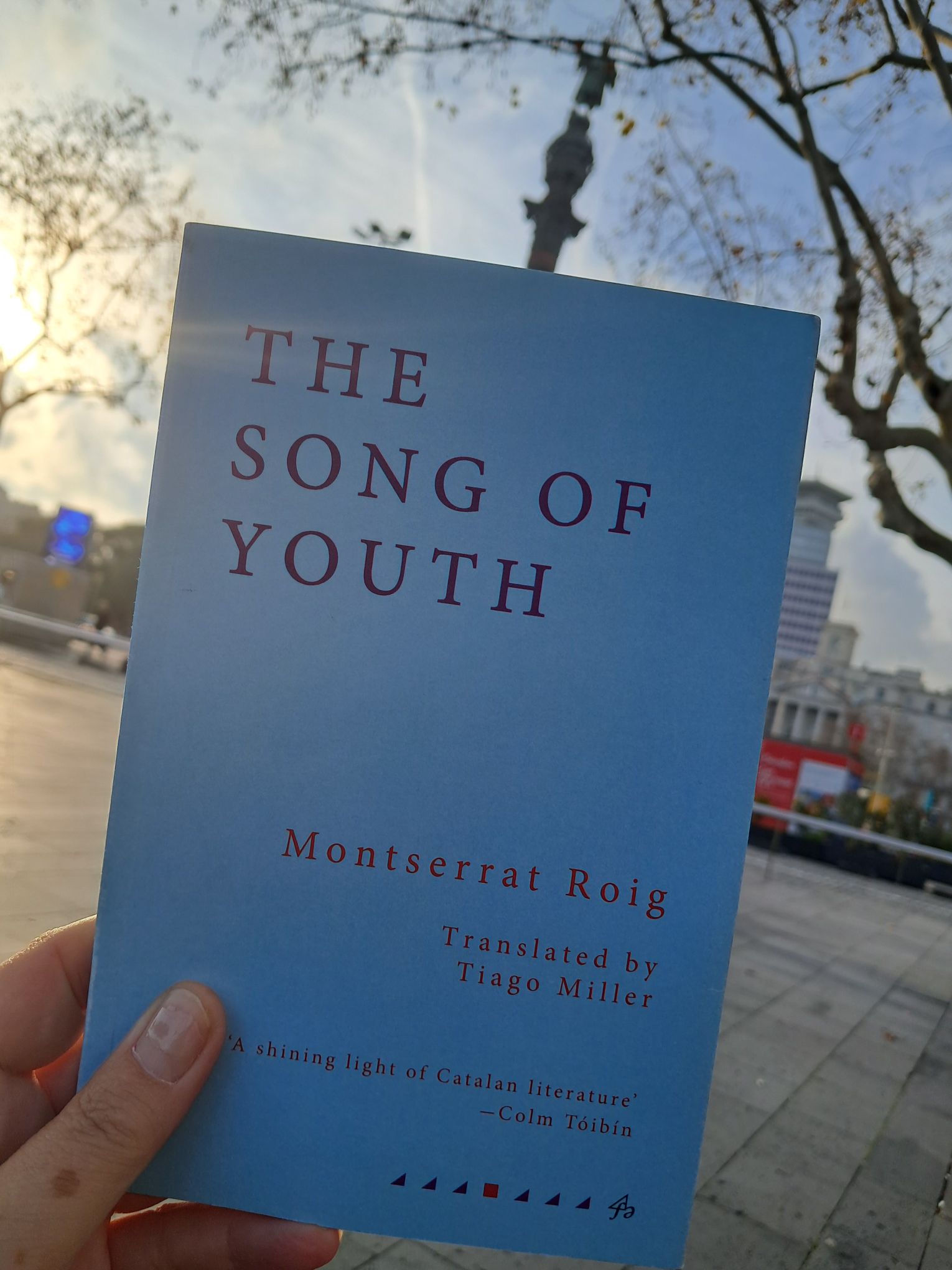
In February, visiting Barcelona, I found my way to the BackStory Bookshop where I discovered works in Catalan translated into English. The Song of Youth (reviewed here) by Montserrat Roig (1946-1991) translated by Tiago Miller is a collection of eight stories, which I have already started and I am pencil scribbling all over, they are so, so good.

Looking back at that lower bookshelf in the bookstore, from where I obtained this volume, I wish I had bought Time of the Cherries as well, one I’ve seen reviewed by Jacqui and more recently, Goodbye, Ramona. The latter, wasn’t in the store, but I have recently found and ordered a copy. Those Fum de Stampa Press editions are gorgeous but not easy to find!

Iran

Delighted to see a new bold chunkster translated from Farsi by Shokoofeh Azar, The Gowkaran Tree in the Middle of Our Kitchen (reviewed here). This one, spanning fifty years in the history of modern Iran, is described as a lush, layered story embracing politics and family, revolution and reconstruction, loss and love amid the colourful stories of twelve children, each told against the backdrop of cultural and political change.

Having loved her earlier novel, The Enlightenment of the Greengage Tree shortlisted for the International Booker (2020) and The Stella Prize, I’m saving this 500 page epic for holiday week at the end of August.

Russia

The Hottest Dishes of the Tartar Cuisine was the second novel written by Alina Bronsky, a German novelist born in the Ural mountain area of Russia, a dark, funny novel that stars Rosalinda, the irrepressible tyrant babushka who’ll stop at nothing to keep her family from emigrating without her as the Soviet Union falls apart. She’s brutal and cunning but also induces sympathy and amusement. This has been on my shelf too long and reading this NYT interview has pushed me to want to read it.

“Sometimes I do readings and people can’t stop laughing, but I’m reading about pretty tragic things,” Bronsky says. “I think Soviet humor is a desperate humor, rather typical of very different nations, of Jewish people, Ukrainians, and of course Russians. It’s despair — just keep laughing, until you are dead.”

Hungary

Lastly another that’s been waiting a while to be picked up is Magda Szabo’s Iza’s Ballad translated by George Szirtes, about a woman whose daughter insists she leaves her countryside home after her husband’s death to move to the city of Budapest. Uprooted from her community she must make a place and a life for herself anew.

I read her novel The Door some years ago and enjoyed it, so I’m looking forward to visiting Budapest and the countryside she left for it.

Recommendations

That’s my pile of potential reads for August, let us know in the comments below if you have read any of these or what you are looking forward to.

Booker Prize Longlist 2025

The 2025 Booker Prize longlist was announced last week, 13 novels were chosen from 153 submitted, celebrating long-form literary fiction by writers of any nationality written in English, published in the UK and/or Ireland between 1 October 2024 and 30 September 2025.

There are two debut novelists among the nine authors appearing on the list for the first time. Indian author Kiran Desai is listed, having won the prize 19 years ago with The Inheritance of Loss and Malaysian author Tash Aw is listed for the third time.

13 Novels, A Booker Dozen

The longlisted titles are:

  • Love Forms by Claire Adam (Trinidad)
  • The South by Tash Aw (Taiwan/Malaysia)
  • Universality by Natasha Brown (UK)
  • One Boat by Jonathan Buckley (UK)
  • The Loneliness of Sonia and Sunny by Kiran Desai  (India/US)
  • Audition by Katie Kitamura (US)
  • The Rest of Our Lives by Benjamin Markovits  (US/UK)
  • The Land in Winter by Andrew Miller (UK)
  • Endling by Maria Reva (Ukraine/Canada)
  • Flesh by David Szalay (Canada/Austria)
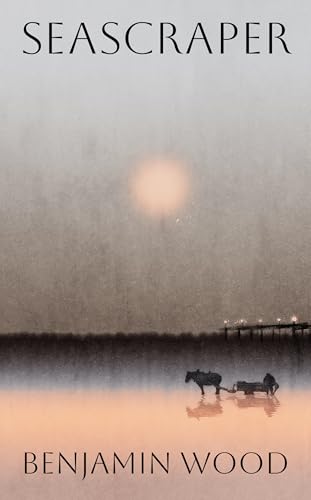
  • Seascraper by Benjamin Wood (UK)
  • Misinterpretation by Ledia Xhoga (Albania/US)
  • Flashlight by Susan Chow (US)

It’s an interesting and very British list compared to other years, and a lot more experimental in style than straight forward traditional storytelling, though that’s to be expected from a literary prize. Coming in August, for me it competes with my wishing to read women in translation for #WITMonth.

Irish Recommendations & Cross Cultural Leanings

After a quick glimpse at the titles the first one that stood out for me was Love Forms by Trinidadian author Claire Adam as I first heard it discussed on The Irish Times Women’s Podcast Summer Reading Recommendations episode and was very tempted. One of my favourite podcasts, their bookclub is fabulous, all the more so, for the host Róisín Ingle’s mother Ann Ingle being part of it (she talks about and recommends Flesh by David Szalay another longlisted title), and adds an interesting mother-daughter dynamic and inter-generational exchange and perspective to the club – and she can’t see, so all her reading is via audio book.

I’m also interested in The Loneliness of Sonia and Sunny by Kiran Desai because it’s a cross cultural story, although I’m not in a rush to read a 600 page novel at present. And Endling sounds interesting, comparisons being made to Percival Everett and George Saunders are both intriguing and promising.

What It’s About & the Judges’ Comment

Below is a summary book description and judges’ comment:

Love Forms by Claire Adam (Trinidad) (My Review Here)

A heart-aching novel of a mother’s search for the daughter she left behind a lifetime ago.

Trinidad, 1980: Dawn Bishop, 16, leaves home and journeys across the sea to Venezuela. She gives birth to a baby girl and leaves her with nuns to be given up for adoption. Dawn tries to carry on with her life; a move to England, marriage, career, two sons, a divorce – but through it all, she still thinks of the child she left, of what might have been.  

40 years later, a woman from an internet forum gets in touch saying she might be Dawn’s daughter, stirring up a mix of feelings: could this be the person to give form to the love and care Dawn has left to offer? 

‘Claire Adam returns to Trinidad for her sophomore novel. We first meet Dawn, a pregnant 16 year-old, on a clandestine journey across the sea to Venezuela. There, she gives birth and returns home without the baby, just as her parents had prescribed. Now, at 58, Dawn is the divorced mother of two adult men, but the loss of the baby girl consumes her every move. The story, heartbreaking in its own right, comes second to its narration. Dawn’s voice haunts us still, with its beautiful and quiet urgency. Love Forms is a rare and low-pitched achievement. It reads like a hushed conversation overheard in the next room.’ 

The South by Tash Aw  (Taiwan/Malaysia)

A radiant novel about family, desire and what we inherit, and the longing that blooms between two boys over the course of one summer.

When his grandfather dies, Jay travels south with his family to the property he left them, a once flourishing farm fallen into disrepair. The trees are diseased, the fields parched from months of drought. Still, Jay’s father Jack, sends him out to work the land. Over the course of hot, dense days, Jay finds himself drawn to Chuan, son of the farm’s manager, different from him in every way except for one. 

Out in the fields, and on the streets into town, the charge between the boys intensifies. At home, other family members confront their regrets, and begin to drift apart. Like the land around them, they are powerless to resist the global forces that threaten to render their lives obsolete. 

Sweeping and intimate, The South is a story of what happens when private and public lives collide. It is the first in a quartet of novels that form Tash Aw’s portrait of a family navigating a period of change.

‘It’s summertime in the 1990s and rural Malaysia is hot. Teenager Jay and his family leave their home of Kuala Lumpur to work on a farm in the Johor Bahru countryside. There, Jay meets Chuan, who opens Jay up to friendship, illicit pastimes, and a deeper understanding of his sexuality. To call The South a coming-of-age novel nearly misses its expanse. This is a story about heritage, the Asian financial crisis, and the relationship between one family and the land. The South is the first instalment of a quartet, and we’re so pleased that there is more to come.’ 

The Loneliness of Sonia and Sunny by Kiran Desai (India/US)

A spellbinding story of two people whose fates intersect and diverge across continents and years – an epic of love & family, India & America, tradition & modernity

When Sonia and Sunny first glimpse each other on an overnight train, they ar captivated, and embarrassed their grandparents had once tried to matchmake them, a clumsy meddling that served to drive Sonia and Sunny apart.  
  
Sonia, an aspiring novelist who completed her studies in the snowy mountains of Vermont, has returned to India, haunted by a dark spell cast by an artist she once turned to. Sunny, a struggling journalist resettled in New York City, attempts to flee his imperious mother and the violence of his warring clan. Uncertain of their future, Sonia and Sunny embark on a search for happiness as they confront the alienations of our modern world.  
  
The Loneliness of Sonia and Sunny is the tale of two people navigating the forces that shape their lives: country, class, race, history, and the bonds that link one generation to the next. A love story, a family saga, and a rich novel of ideas, it is an ambitious and accomplished work by one of our greatest novelists.

‘This novel about Indians in America becomes one about westernised Indians rediscovering their country, and in some ways a novel about the Indian novel’s place in the world. Vast and immersive, the book enfolds a magical realist fable within a social novel within a love story. We loved the way in which no detail, large or small, seems to escape Desai’s attention, every character (in a huge cast) feels fully realised, and the writing moves with consummate fluency between an array of modes: philosophical, comic, earnest, emotional, and uncanny.’

Flashlight Written by Susan Choi (US)

A thrilling, globe-spanning novel that mines questions of memory, language, identity and family

One evening, 10-year-old Louisa and her father take a walk out on the breakwater. They are spending the summer in a coastal Japanese town while her father Serk, a Korean émigré, completes an academic secondment from his American university. When Louisa wakes hours later, she has washed up on the beach and her father is missing, probably drowned. 

The disappearance of Louisa’s father shatters their small family. As Louisa and her American mother return home, this traumatic event reverberates across time and space, as the mystery of what happened unravels. 

Flashlight moves between the post-war Korean immigrant community in Japan, to suburban America, and the North Korean regime, to tell the astonishing story of a family swept up in the tides of 20th-century history. 

Flashlight is a sprawling novel that weaves stories of national upheavals with those of Louisa, her Korean Japanese father, Serk, and Anne, her American mother. Evolving from the uncertainties surrounding Serk’s disappearance, it is a riveting exploration of identity, hidden truths, race, and national belonging. In this ambitious book that deftly criss-crosses continents and decades, Susan Choi balances historical tensions and intimate dramas with remarkable elegance. We admired the shifts and layers of Flashlight’s narrative, which ultimately reveal a story that is intricate, surprising, and profound.’

Audition by Katie Kitamura (US)

An exhilarating, destabilising novel that asks whether we ever really know the people we love

Two people meet for lunch in a Manhattan restaurant. She’s an accomplished actress in rehearsals. He’s attractive, troubling, young – young enough to be her son. Who is he to her, and who is she to him? 

In this compulsive, brilliantly constructed novel, two competing narratives unspool, rewriting our understanding of the roles we play every day – partner, parent, creator, muse – and the truths every performance masks, especially from those who think they know us most intimately.

‘This novel begins with an actress meeting a young man in a Manhattan restaurant. A surprising, unsettling conversation unfolds, but far more radical disturbances are to come. Aside from the extraordinarily honed quality of its sentences, the remarkable thing about Audition is the way it persists in the mind after reading, like a knot that feels tantalisingly close to coming free. Denying us the resolution we instinctively crave from stories, Kitamura takes Chekhov’s dictum – that the job of the writer is to ask questions, not answer them – and runs with it, presenting a puzzle, the solution to which is undoubtedly obscure, and might not even exist at all.’

Universality by Natasha Brown (UK)

A twisty, slippery descent into the rhetoric of truth and power

‘Remember – words are your weapons, they’re your tools, your currency.’ 

Late one night on a Yorkshire farm, a man is bludgeoned with a solid gold bar. A plucky young journalist sets out to uncover the truth, connecting the dots between an amoral banker landlord, an iconoclastic columnist, and a radical anarchist movement. She solves the mystery, but her exposé raises more questions than it answers. 

Through a voyeuristic lens, Universality focuses on words: what we say, how we say it, and what we really mean. The follow-up novel to Natasha Brown’s Assembly is a compellingly nasty celebration of the spectacular force of language. It dares you to look away.  

‘Natasha Brown’s Universality is a compact yet sweeping satire. Told through a series of shifting perspectives, it reveals the contradictions of a society shaped by entrenched systems of economic, political, and media control. Brown moves the reader with cool precision from Hannah, a struggling freelancer, through to Lenny, an established columnist, unfurling through both of them an examination of the ways language and rhetoric are bound with power structures. We were particularly impressed by the book’s ability to discomfit and entertain, qualities that mark Universality as a bold and memorable achievement.’ 

Endling by Maria Reva (Ukraine/Canada)

An unforgettable debut novel about the journey of three women and one extremely endangered snail through contemporary Ukraine

Ukraine, 2022. Yeva is a maverick scientist who scours the forests and valleys, trying and failing to breed rare snails while her relatives urge her to settle down and start a family. What they don’t know: Yeva dates plenty of men – not for love, but to fund her work – entertaining Westerners who take guided romance tours believing they’ll find docile brides untainted by feminism.  
  
Nastia and her sister, Solomiya, are also entangled in the booming marriage industry, posing as a hopeful bride and her translator while secretly searching for their missing mother, who vanished after years of fierce activism against the romance tours.  So begins a journey across a country on the brink of war: three angry women, a truckful of kidnapped bachelors, and Lefty, a last-of-his-kind snail with one final shot at perpetuating his species.

‘Endling shouldn’t be funny, but it is – very. Set in Ukraine just as Putin invades, it features three young women, on two different missions, in one vehicle. Structurally wild and playful, Endling is also heart-rending and angry. It examines colonialism, old and neo, the role of women, identity, power and powerlessness, and the very nature of fiction-writing. Maria Reva also tells a riveting, unique story; the shock is that this is her first novel. It’s a book about the world now, and about three unforgettable women, Yeva, Nastia and Solomiya, travelling together in a mobile lab. The endling, by the way, is a snail.’ 

Seascraper by Benjamin Wood (UK)

A mesmerising portrait of a young man confined by his class and the ghosts of his family’s past, dreaming of artistic fulfilment

Thomas lives a slow, deliberate life with his mother in Longferry, working his grandpa’s trade as a shanker. He rises early to take his horse and cart to the grey, gloomy beach and scrape for shrimp, spending the afternoon selling his wares, trying to wash away the salt and scum, pining for Joan and rehearsing songs on his guitar. At heart, he is a folk musician, but it remains a private dream.  
  
When a striking visitor turns up, bringing the promise of Hollywood glamour, Thomas is shaken from the drudgery of his days and imagines a different future. But how much of what the American claims is true, and how far can his inspiration carry Thomas?  Haunting and timeless, a story of a young man hemmed in by circumstances, striving to achieve fulfilment far beyond the world he knows.

Seascraper seems, at first, to be a beautifully described account of the working day of a young man, Thomas Flett, who works as a shanker in a north of England coastal town, scraping the Irish Sea shore for scrimps. And it is that: the details of the job and the physicality of the labour are wonderfully captured by Benjamin Wood. But this novel becomes much more than that. It’s a book about dreams, an exploration of class and family, a celebration of the power and the glory of music, a challenge to the limits of literary realism, and – stunningly – a love story.’

One Boat by Jonathan Buckley (UK)

Artfully constructed, absorbing and insightful, One Boat grapples with questions of identity, free will, guilt and responsibility

On losing her father, Teresa returns to a small Greek coastal town – the same place she visited when grieving her mother nine years ago. She immerses herself in the life of the town, observing the inhabitants, a quiet backdrop for reckoning with herself. An episode from her first visit resurfaces – her encounter with John, a man struggling to come to terms with the violent death of his nephew.  

Teresa encounters people she met before: Petros, an eccentric mechanic, whose life story may or may not be part of John’s; the beautiful Niko, a diving instructor; and Xanthe, a waitress in one of the cafés. They talk about their longings, regrets, the passing of time, their sense of who they are.

‘Following the death of her father, Teresa returns to the small coastal town in Greece she first visited when her mother died nearly a decade before. From this scenario, tacking between the events of the second trip and memories of the first, Buckley creates a novel of quiet brilliance and sly humour, packed with mystery and indeterminacy. The way in which the book interleaves Teresa’s relationship to her mother, her involvement in an amateur murder investigation, and an account of a love affair, raises questions about grief, obsession, personhood and human connectivity we found to be as stimulating as they are complex.’

Flesh by David Szalay (Canada/Austria)

A propulsive, hypnotic novel about a man who is unravelled by a series of events beyond his grasp

Fifteen-year-old István lives with his mother in an apartment complex in Hungary. New to the town and shy, he is unfamiliar with social rituals at school and becomes isolated, with his neighbour – a woman close to his mother’s age – his only companion. Their encounters shift into a clandestine relationship that István barely understands, as his life spirals out of control.  
   
As the years pass, he is carried upwards on the century’s tides of money and power, moving from the army to the company of London’s super-rich, with his own competing impulses for love, intimacy, status and wealth winning him riches, until they threaten to undo him completely.  Flesh asks profound questions about what drives a life: what makes it worth living, and what breaks it.

‘David Szalay’s fifth novel follows István from his teenage years on a Hungarian housing estate to borstal, and from soldiering in Iraq to his career as personal security for London’s super-rich. In many ways István is stereotypically masculine – physical, impulsive, barely on speaking terms with his own feelings (and for much of the novel barely speaking: he must rank among the more reticent characters in literature). But somehow, using only the sparest of prose, this hypnotically tense and compelling book becomes an astonishingly moving portrait of a man’s life.’

The Land in Winter by Andrew Miller (UK)

A masterful, page-turning examination of the minutiae of life and a dazzling chronicle of the human heart

December 1962, the West Country.  Local doctor Eric Parry, mulling secrets, sets out on his rounds, while his pregnant wife sleeps on in their cottage. Across the field, funny, troubled Rita is also asleep, her head full of images of a past her husband prefers to ignore. He’s been up for hours, tending to the needs of the small dairy farm where he hoped to create a new version of himself, a project that’s faltering.  
  
When the ordinary cold of an English December gives way to violent blizzards, the two couples find their lives unravelling.  Where do you hide when you can’t leave home? And where, in a frozen world, can you run to?  

Misinterpretation by Ledia Xhoga (Albania/UK)

Ledia Xhoga’s ruminative debut interrogates the darker legacies of family and country, and the boundary between compassion and self-preservation

In present-day New York City, an Albanian interpreter reluctantly agrees to work with Alfred, a Kosovar torture survivor, during his therapy sessions. Despite her husband’s cautions, she becomes entangled in her clients’ struggles: Alfred’s nightmares stir up buried memories, and an impulsive attempt to help a Kurdish poet leads to a risky encounter and a reckless plan. 

As ill-fated decisions stack up, jeopardising the narrator’s marriage and mental health, she travels to reunite with her mother in Albania, where her life in the United States is put into stark relief. When she returns to face the consequences, she must question what is real and what is not.

‘A Kosovan torture survivor requests translation assistance at his therapy sessions. Our narrator, a nameless translator, reluctantly agrees. But Alfred’s account of his experiences conjures hidden memories that seep into her psyche, forcing her to question her marriage and her place in the world. This is a story of a woman saddled between her Albanian past and her New York present. It explores the way that language is kept in our bodies, how it can reveal truths we aren’t ready to hear. Misinterpretation subtly blurs the distinction between help and harm. We found it propulsive, unsettling, and strangely human.’

The Rest of Our Lives by Ben Markovits (US/UK)

An unforgettable road trip of a novel about getting older, and the challenges of long-term marriage

What’s left when your kids grow up and leave home?  When Tom Layward’s wife had an affair, he resolved to leave her as soon as his youngest turned 18. Twelve years later, while driving her to start university, he remembers his pact.  Also he’s on the run from health issues, and the fact he’s been put on leave at work after students complained about the politics of his law class – a detail he hasn’t told his wife.  
   
After dropping Miriam off, he keeps driving, with the vague plan of visiting various people from his past – an old college friend, his ex-girlfriend, his brother, his son – on route, maybe, to his father’s grave.  Pitch perfect, quietly exhilarating, moving, The Rest of Our Lives is a novel about family, marriage and moments that may come to define us.

‘When Tom Layward’s wife cheated on him, he stayed for the children but promised to leave when his youngest turned eighteen. Twelve years later, Tom drops his daughter off at college, but instead of driving back to New York he heads west. What follows is a remarkably satisfying road trip full of strangers, friends, and self-discovery. It’s clear author Ben Markovits has spent time teaching. This novel speaks like a much-loved professor, one whose classes have a terribly long waitlist. It’s matter of fact, effortlessly warm, and it uses the smallest parts of human behaviour to uphold bigger themes, like mortality, sickness, and love. The Rest of Our Lives is a novel of sincerity and precision. We found it difficult to put it down.’ 

What Do You Think?

Are you tempted by anything on the list or have you read any of these titles? Let us know in the comments below.

If you’re not sure, Take the Quiz and see what your preferences suggest. I took the quiz and it suggested I read Flesh by David Szalay. Not sure about that! But Ann Ingle did recommend it.

Birding by Rose Ruane

Birding by Rose Ruane is longlisted for the Women’s Prize for Fiction 2025.

The novel is about two women living in a rundown, gentrifying seaside town in Britain, arriving at their moment of realisation of how their lives have been affected by damaging events of the past and their beginning to separate from and reject the power this has had over them.

One Woman’s Trauma is Another (Wo)Man’s Drama

Lydia, in her late forties is contacted by Henry “the most assiduously avoidant human she’d ever encountered”, to inform her he will put on a play that recounts a part of their history that ought to have negated their continued contact. Lydia is stunned, haunted and full of regret.

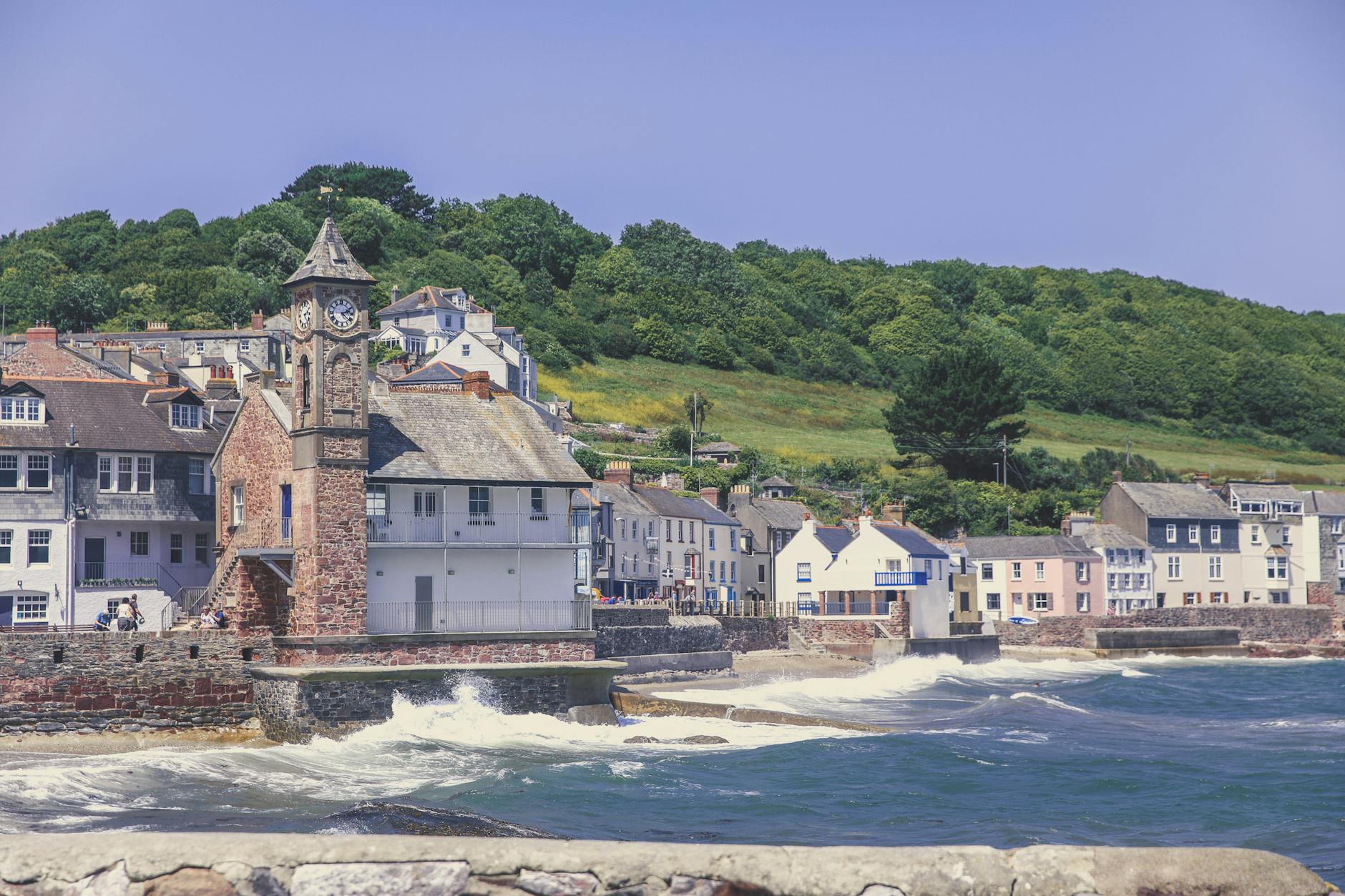
rundown gentrifying British seaside town Birding by Rose Ruane
Photo by R.Keating on Pexels.com

Joyce, of similar age, lives with her super controlling, critical mother Betty in a small house a few blocks back from the sea, after their comedown from The Palace, the departure of Joyce’s father without a word of explanation or contact since she was a child.

Beyond the beach, streets lined with terraces and bungalows crouch behind Victorian buildings with mid-century interiors; carved up into bedsits and B&Bs, their pastel facades crumble like stale cake after a party.

The impact of absent men on both women works like an invisible thread, until a mass social movement of women sharing their experiences of abuse awakens the impact and creates an increasingly conscious ripple effect in their lives.

Like Mother Like Daughter, But No

Photo by cottonbro studio Pexels.com

Joyce has never joined adulthood, her mother keeping her in a kind of stasis, until one Saturday evening when they prepare to go to the club, Betty utters that maybe they might meet a man, both of them, mother and daughter.

Joyce knows people stare because she and her mother wear identical outfits and hairstyles, attired as if they are twins.

Birding navigates a short period of time in these two women’s lives as they live with who they have become and reflect on significant aspects of the past in the 90’s that shaped them.

A lifetime’s habit of exactitude Joyce never used to question. But it has begun to feel stuffy and constricting, as if Joyce is outgrowing all her clothes.

Fake Spice Not Nice

Lydia and her friend Pandora had been a one hit pop wonder in their youth, a promising career thwarted by bad decisions made by powerful people that had little impact on the decision maker’s, but curtailed the girls’ dreams and made them targets of scorn for a while.

Lydia has always been carried by Pan’s sheer force of will; even when unsure if she’s been bullied or beloved, Lydia’s always ridden pillion on Pan’s survival instinct.

But whereas Pan has perfected the art of utter denial, Lydia has not. It never works.

Both have a desire to step outside of their patterns and in some small way the shift begins to happen, as their current minor transgressions exhibit a healthier rebellion and acknowledgement of what inside them, needs to find expression.

It’s a novel that carries a message of hope amid the lost opportunities that stunt some lives, showing the effect one has upon the other. In an interview about her multi-disciplinary creative life, Rose Ruane shared lines from a poem by Frank Bidart that reflect a truth she has learned to live by, one perhaps shared by her characters as they come into their own.

Whether you love what you love
Or live in divided ceaseless
Revolt against it
What you love is your fate

Further Reading

Women’s Prize: In Conversation With Rose Ruane

Irish Times : Birding by Rose Ruane: Friendship, friction and moments of reckoning

Article: Rose Ruane – A Creative Life Story by Leslie Tate

Birding asks if we can ever see ourselves clearly or if we are always the unreliable narrators of our own experiences. It is a story about the difference between responsibility and obligation, unhealthy relationships and abusive ones, third acts and last chances, and two women trying to take flight on clipped wings. Women’s Prize

Author, Rose Ruane

Rose Ruane is an artist and writer living and working in Glasgow. She graduated from the Glasgow School of Art in 2007 and completed a Master of Fine Art research degree and an MLitt in creative writing at the University of Glasgow. She has made podcasts and documentaries for BBC Radio 3, BBC Radio Scotland and Radiophrenia, exhibited her art at home and abroad, and was the 2015 winner of the Off West End Adopt A Playwright award.

Rose is chair of The Adamson Collection, comprised of work created in the art therapy studio at Netherne Hospital during the mid-20th century and is about to complete a PhD exploring the lives and experiences of the individuals who were compelled to live there. Rose is an avid collector of 20th Century crafts and kitsch. Birding is her second novel.

Annie Dunne by Sebastian Barry

For Reading Ireland Month 25, I am reading Sebastian Barry’s three novels that are part of the Dunne Family series. Here, I introduce the four works and review the first novel Annie Dunne.

Three novels and a play

Humewood Castle Kiltegan County Wicklow Sebastian Barry The Dunne Family novels and play

Sebastian Barry wrote a series of four literary works about one strand of the fictional Dunne family (inspired in parts by his own ancestral lineage), who for seven generations were stewards of Humewood Estate, 470 acres of parkland and a castle in Kiltegan, County Wicklow.

Originally built in the 15th century, the property was sold by the last of that continuous line of family, Catherine Marie-Madeleine (Mimi) in 1992 and she would present most of the estate cottages to the sitting tenants. The castle is now owned by an American billionaire.

Barry says he did have some “inkling” that he might want to explore other family stories. “But I had absolutely no idea that 20 years later these people would still be with me. I’m in a book of quotations saying that, as our ancestors hide in our DNA, so do their stories. I don’t remember saying that, but over the years I’ve come to believe it. It’s as if these hidden people sometimes demand that their stories are told.” The Guardian
The Dunne Family Tetralogy

The play is about the first son Thomas, who did not become a steward, the next Annie Dunne (2002) is about one of his daughters Annie, then A Long Long Way (2005) is the story of his only son Willie Dunne, who joins the Dublin Fusiliers and goes to the Great War (WWI), and the final novel On Canaan’s Side (2011) is about Lily Bere (or Dolly as we know her), the youngest of the three sisters, who left Ireland for America.

Dunne Family #1 The Steward of Christendom

The play The Steward of Christendom (1995) centres around Thomas Dunne, the high-ranking, ex-chief superintendent of the Dublin Metropolitan police, looking back on his career built during the latter years of Queen Victoria’s empire, from his home in Baltinglass in Dublin in 1932.

He was Catholic, and loyally in service to both the British King, and his country (Ireland), however those twin loyalties collided in the period leading up to the Irish War of Independence (1919-1921), when he found himself on the ‘wrong’ side of history to his countrymen, culminating in a sense of failure, including the recurring memory of the handover of Dublin Castle to Michael Collins.

I haven’t read the play, but I know that he becomes a broken man, committed to an asylum, unable to reconcile what had happened, as if it were the downfall and undoing of himself, his family and lineage.

Dunne Family #2 Annie Dunne

Following the play, he wrote the novel Annie Dunne (2002), about the unmarried middle daughter of the superintendent, which takes place over one summer in her early sixties, when she is staying at her cousin Sarah’s cottage and small acreage in Kelsha, “a distant place, over the mountains from everywhere”, having found herself homeless after the premature death of her sister Maud and the downfall of her family.

Seven Generations of Caretakers, Coppicers, Caterers and a Cop

Dunne Family tetralogy 5 children hold hands playing ring a ring a rosy, a whitewash irish cottage in the background

In the opening pages of Annie Dunne, we learn a little about that family history, the prestige of the line of stewards of Humewood Estate, the different direction her father took and his demise, having to put him in an asylum. The guilt over the end of her once regular visits, his lonely death.

Compared to her childhood in Dublin Castle and that long line of important roles that sheltered her, she too is now alone in these latter years, grateful to her cousin for taking her in. Their glory days behind them, she senses eyes on her without sympathy, in that way people regard someone perceived as having been superior, then find themselves without a safety net.
Those days are gone and blasted forever, like the old oak forests of Ireland felled by greedy merchants years ago.
A New Purpose, Another Marital Threat

When her sister Maud was dying, Annie tended her and the children. Now one of those boys is going to London with his wife, while his two children, four and six will stay under Annie’s care for the summer.

Words are spoken and I sense the great respect Sarah has for their father Trevor, my fine nephew, magnificent in his Bohemian green suit, his odd, English sounding name, his big read beard and his sleeked black hair like a Parisian intellectual, good-looking with deep brown angry eyes. He is handing her some notes of money, to help us bring the children through the summer. I am proud of her regard for him and proud of him, because in the old days of my sister’s madness I reared him.

Billy Kerr, a local man who does odd jobs, arrives unexpectedly early two mornings in a row to share a tea, Annie wonders why. And how her life became like this. The attention he gives Sarah unnerves her, “it is the air of the man”, and much of the novel delves into Annie’s inner world and outer efforts to secure her place.

At the mercy of influences outside her realm of control, she struggles to remain calm, and fears what she might be capable of. She must defend what she sees as her last refuge, her last stand.

Poor Annie Dunne, they must say, if they are kind. They will find other things to say, if they are not. Well, if we were something then, I am nothing now, as if to balance such magnificence with a handful of ashes.

A Strange Innocence, New Understanding

Annie is a complex character, she worries for the children, tries to care for them, observes behaviours that disturb her, jumps to conclusions, looks for support and doesn’t find it, fears herself and her reactions most of all. Her insecurities have made her paranoid, her need to blame risks falling on the innocent. Her desire to harm frightens her.

Her words are so simple, small, and low. Whispery. I feel myself the greater criminal by far than Billy Kerr. I should have kept my own opinions to myself, and let this story take its course, as I have always allowed every story that has come to me. She is open and raw to my wounds. That is why I have wounded her.

Taking place over that summer, the first half is rather mundane, the second half more dramatic as events occur that Annie is implicated in or threatened by, in which she takes some action, some thought out and calculated, other times over-reactive and hysterical. We wonder if she is becoming unravelled like her father, nothing is ever certain in a world that is constantly changing.

The summer comes to an end and none of them will be the same again; changed by their experience, further along in their understanding of themselves and others.

Even the halves of songs I know, our way of talking, our very work and ways of work, will be forgotten. Now I understand it has always been so, a fact which seemed to heal my father’s wound, and now my own.

I enjoyed the novel, but I admit I started it some time ago and set it aside, then went back to start again. It’s more of a winter read when you set more time to pushing through when a novel isn’t quite gripping you. The second time I started it felt very different and I had no trouble continuing on, but by then I also knew I was going to read all three and get the bigger picture.

There are issues in Annie Dunne that are not fully explored, and Annie represents that past characteristic of the Irish to knowingly suppress certain issues, lest it disturb their current situation, however over the course of the summer, she has transformed.

Further Reading

Article, The Guardian: ‘As our ancestors hide in our DNA, so do their stories’ by Nicholas Wroe, 2008

Article, The Atlantic: You Should Be Reading Sebastian Barry by Adam Begley

Read reviews of Annie Dunne by Kim at Reading Matters,

Author, Sebastian Barry

Sebastian Barry was born in Dublin in 1955. The 2018-2011 Laureate for Irish fiction, his novels have twice won the Costa Book of the Year award, the Independent Booksellers award and the Walter Scott Prize.

He had two consecutive novels shortlisted for the Booker Prize, A Long Long Way and The Secret Scripture and has also won the Kerry Group Irish Fiction Prize, the Irish Book Awards Novel of the Year and the James Tait Black Memorial Prize. He lives in County Wicklow.

heart, be at peace by Donal Ryan

It has been 10 years since The Spinning Heart (my review), and in this small town in rural Ireland, County Tipperary, not a lot seems to have changed, or maybe it has. Previously it was economic collapse, lack of employment, toxic masculinity and how the actions of one man affected a community.

In Donal Ryan’s heart, be at peace we meet many of the cast from the past, another 21 voices some years further on, with a new set of troubles affecting the community.

Some are faring rather well financially, but not everyone is happy about the activities they are involved in and their loved ones who might be affected. Suspicion, mistrust, grief, regret prevail and all manner of connections have been formed and remade.

Births, Deaths and Estrangements

One of the most intriguing characters that I could have happily read a novel on and one of the few characters that does stand out was Lily, described as a witch by training and a whore by inclination, estranged from her son, then made up over her granddaughter Millicent who turns up at her door one day.

Having the gift of insight, she can see her granddaughter will find little solace with the boy she’s seeing. When she asks her granny for a spell to bind him always to her for fear of losing him, she knows there will be trouble ahead.

I explained to her again that the spells weren’t real magic, that the power of them was already inside the people who wanted them, the spells just allowed them the use of it, that the magic was in their faith that the magic would work and she screamed at me then, That’s what I want, Granny, that’s what I want, to have faith that he’ll always love me, that he’ll never leave me. I can’t bear the thought of losing him, of some other bitch touching him. He’s MINE, Granny, he’s mine.

A Chorus of Voices

The way the novel is written with short chapters from multiple character viewpoints, we can only discern what happens next to some of those we meet along the way, as we imagine the implications of all that is revealed. It is a novel that might be better understood after multiple readings, as it takes some work to connect and reconnect the different voices. It’s a kind of fly-on-the-wall polyphonic chorus.

In a way, the novel reading experience is like being in the presence of a community but not really knowing them, observing for a while reveals some connections but not others.

Some men can lie with such ease that they quickly begin to believe themselves, and so in a way their lies become truth and their sin is expunged.

21 voices a community in Tipperary follow up to The Spinning Heart

I have a few of Donal Ryan’s novels and I do recall having a little difficulty with his Booker longlisted debut mentioned above, and then absolutely loving All We Shall Know (reviewed here), then not being impressed at all by Strange Flowers. So a bit hit and miss for me, but one I’ll keep reading as he seems to have his finger on the pulse of contemporary community issues.

I enjoyed heart, be at peace and its themes, but it is a novel that is unlikely to stay with me due to the vast cast of character voices that too often became indiscernable for me.

Author, Donal Ryan

Donal Ryan is an award winning author from Nenagh, County Tipperary where this latest novel is set. His work has been published in over twenty languages to critical acclaim.

heart, be at peace won Novel of the Year and the Overall Grand Prize of Book of the Year at the An Irish Book Awards in 2024, described by the Irish Times an “absorbing, emphatic story of a community in trouble”

Maria Dickenson, Chair of the Judging Panel, said:

“Heart, Be at Peace was the unanimous choice of the judges from among the fantastic array of titles shortlisted this year. Donal Ryan’s writing has earned him a place among the greatest names in Irish literature and this lyrical novel speaks to the very heart of modern Irish society. Weaving twenty one voices together, Ryan portrays the passions, frailties and sorrows of one Irish town with compassion and clarity. Heart, Be at Peace is a masterful achievement and we congratulate Donal warmly on winning this award.”

Absolutely & Forever by Rose Tremain

A friend gave me this book to read recently and I brought it with me on holiday intending to read it on the plane, which didn’t happen. It is indeed an ideal holiday read, Rose Tremain being one of those reliable authors so adept at storytelling, at drawing you in to a character’s perspective, imagining their predicament.

When we first meet Marianne, it is the 1950’s, she is fifteen, the only child of regular middle class parents from a semi-rural district in southern England and in her prime for falling helplessly in love with the boy who is paying her attention, Simon Hurst. They are both coming to the end of their schooling years, he with great expectations, she with few.

When I was fifteen, I told my mother that I was in love with a boy called Simon Hurst and she said to me, ‘Nobody falls in love at your age, Marianne. What they get are “crushes” on people. You’ve just manufactured a little crush on Simon.’

When Simon fails to meet the expectations of him, his life plan changes and this will impact Marianne. Her parents dismiss her feelings and put it down to a schoolgirl crush, she describes it as being in the Love Asylum. Unable to let go of her ideas about a life with Simon, she flounders for a while, will eventually move on, but the pattern of unrequited love is never far away from her experience.

Photo by Miquel R. Calafell @ Pexels.com

At school studying Romeo and Juliet, she relates to the Juliet character and wishes for a character like Nurse in her life, one who understands what Romeo and Juliet are doing and how they feel, one kinder than her mother who could hold her and soothe her erratic emotions.

I imagined her listening attentively while I confessed to her that my head was so burdened by my obsession with Simon that I was afraid of becoming a total imbecile. And she would stroke my hair and reassure me that this was a perfectly normal state for young people to be in, that we were all inevitably headed for a stay in the Love Asylum, but that in time the spell would be overcome and normal life would resume.

It is an absorbing story of turning points in people’s lives, the different people they meet, how that can change their trajectory, including the presence of those absent and the illusions harboured of lives not lived, not meant to be lived. It is also a thought provoking depiction of the relationships between generations and the expectations of those coming-of-age in the 1960’s England.

Absolutely and Forever was shortlisted for the Walter Scott Prize for Historical Fiction 2024.