Best Books Read in 2021 Part 2: Top 10 Fiction

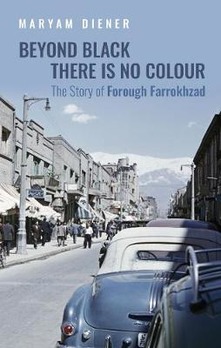
Best Books of 2021 Autofiction Forough FarrokhzadAs mentioned in my previous post, my One Outstanding Read of The Year for 2021 was Maryam Diener’s Beyond Black There is No Colour: The Story of Forough Farrokhzad (2020), a work of fiction written in the first person, a novella that stays true to the life of Iranian poet and film-maker Forough Farrokhzad.

Heartfelt, illuminating, inspiring, a beautiful telling of an exceptional life.

Top 10 Fiction 2021

If you’ve seen that post, you’ll have seen that I read books from around the world, so no surprise that my Top 10 Fiction reads come from 9 different countries. In no particular order, but grouped thematically, here are my favourite fiction reads of the year, click on the title to read the original review:

Native Wisdom and Legacy from the Antipodes
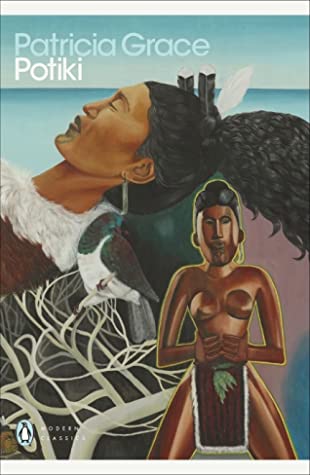
Maori Literature Modern Classic1. Potiki by Patricia Grace (NZ) (1986) – First published in New Zealand 35 years ago and now published in the UK as a Penguin modern classic, the timeless narrative of Potiki is a demonstration of the clash of cultures, of the native against the coloniser, of the attempt to maintain a way of life that is perceived as backward against the encroachment of a capitalist driven greed that is willing to use whatever means necessary to get what it wants.

Through thoughtful character creation and storytelling around Hemi and Roimata’s tangata whenua (family) and their circumstance, it infiltrates the cultural differences and attitudes that exist and how the actions of those in power with their single agenda, affect a people whose way of life, customs and beliefs are different.

A tour de force, I absolutely loved it. A classic indeed.
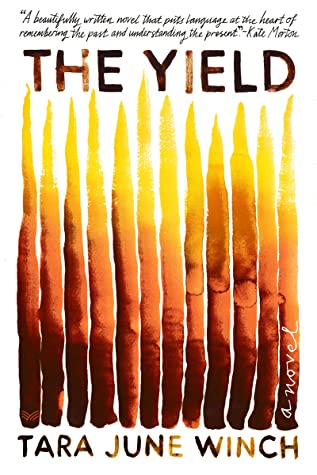
Indigenous Literature Aboriginal Australia2. The Yield by Tara June Winch (Australia) (2019) – Coincidentally, shortly after reading Potiki, I picked up the award winning Australian contemporary novel The Yield, which tells a layered story of the Aboriginal connection to the land, their language and customs.

A story told in three voices and narrative perspectives, Grandfather Poppy’s voice speaks from the past, sharing words in a dictionary he was creating. Threaded throughout the text, his words preserve a culture, they are evidence that a civilisation existed, one that was threatened with extinction. His granddaughter has returned from abroad and is trying to save the family from eviction. And the Reverend’s letters from the 1800’s which shed light on the past.

African Appreciation and Perspective
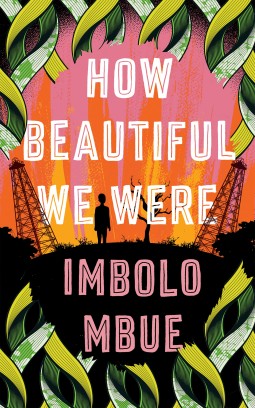
Colonialism Capitalism Envirnmental Pollution Africa Literary fiction3. How Beautiful We Were by Imbolo Mbue (Cameroon/US) (2021) – With a not dissimilar theme, set in an(y) African village, Mbue’s characters are named after actual cities and towns. It is the 70’s and the inhabitants are suffering ill health from the effect of pollution of the water table, so they decide to address the local leadership.

The story, narrated through different members of Thula’s family and the collective “we” of her friends, follows each generation’s attempt to seek justice and retribution, and the increasing complexity of resistance, as the narrative moves from the past up to the present.

An allegory for all those without political influence living with the damaging effects of the disrespect of the land, the Earth, of not seeing her as the Mother or our connection to her; it’s an absolute must read, sure to become a classic.
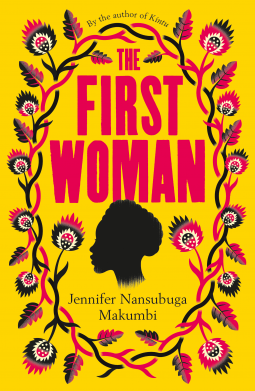
The First Woman Jennifer Nansubuga Makumbi4. The First Woman by Jennifer Nansubuga Makumbi (Uganda/UK) (2020) – this was hotly anticipated given her debut novel Kintu was my One Outstanding Read of 2018 and equally brilliant in its character formation and storytelling. Definitely a favourite author.

Set in Uganda, it is the coming-of-age story of Kirabo, as she becomes aware of a mystery surrounding her birth. Of a silence. Her grandmother tells her she has “the original state” of the first woman in her, part of the enigma she will come to understand.

As with Kintu, Makumbi steps beyond colonial influence, almost entirely removing it, to tell an authentic, far reaching story of a primeval culture and its women. In the US, it’s titled A Girl Is A Body of Water.

Cheluchi OnyeMelukwe Onubia Europa Editions UK5. The Son of the House by Cheluchi Onyemelukwe-Onuobia (Nigeria/Canada) (2021) – Set in Nigeria, as the story begins we meet two women Nwabulu and Julie, who will pass days imprisoned together waiting for their families to respond to a ransom request.

The alternating narrative returns us to the beginning, to their separate, contrasting lives, that lead them to this drama, while exploring the influence and impact on them and all women, of Nigerian society’s elevation in importance of “the son of the house“.

It is a clever, very human exploration of class, family lives disrupted, parental influence, the tenacity and resilience of women, of their ‘survive and thrive’ instinct as they navigate a man’s world.

A riveting and insightful read, and an exceptional new literary voice.

Irish Reflection and Resistance to Conformity
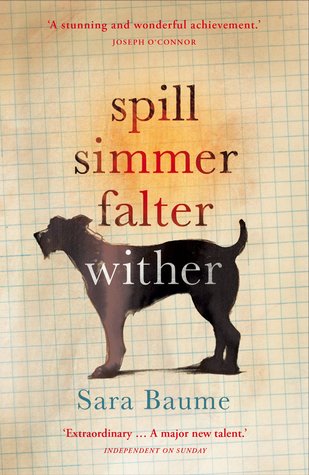
Sara Baume Ireland Dogs in Literature Miterary Fiction6. Spill Simmer Falter Wither by Sara Baume (Ireland) (2015) – This was my very first book of the year, and one I chose because I adore and still think about and implore people to read her work of nonfiction Handiwork, the first of her books I read in 2020. I was curious to see what Baume’s fiction would be like and what a joyful and unique encounter it has been.

We meet a hermit-like 57 year old man (except I read the whole novel intermittently imagining I’m reading/seeing through the eyes of a character more like Baume) and OneEye, the injured, undisciplined dog who he has taken in, who he is thinking and talking to, in this second person “you” narrative. As we get to know him, we learn how out of character that was and the trouble it has caused, while following his road-trip attempt to flee the situation and himself (+ dog) altogether.

It’s a slow unravelling, beautifully written and cleverly constructed journey, with a surprise twist, that was pure joy to read. Reflective, poignant and daring, it’s one you’ll keep thinking about long after reading.
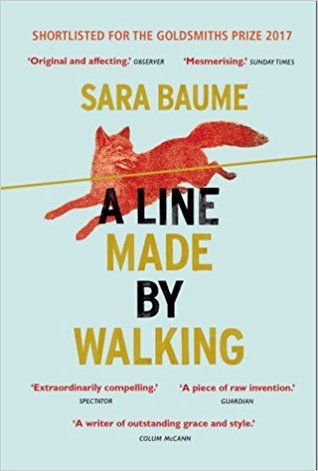
Irish literary fiction Visual Artist7. A Line Made by Walking by Sara Baume (Ireland) (2017) – I can’t help it, she’s become one my current favourite authors, so I end the year reading the 2nd novel by Sara Baume and again have an impression of reading autofiction. 

26 year old Frankie quits her Dublin bedsit and moves home, then a week later into her grandmother’s abandoned, neglected (for sale) home. She’s taking time out, but rather than mope about, takes charge of her situation, starts an art project and tests herself on works on art, remembering.

It’s a novel about a young woman in a transition, learning something about herself, with the shadow and memory of her grandmother over her, healing from life. Extraordinary.

And very pleased to hear a new novel Seven Steeples is due out in April 2022!

Women in Translation

The year wouldn’t be complete without fiction from other countries in translation and though I didn’t read during August’s WIT Month, I did still read a few titles throughout the year and these three really stood out as firm favourites. And not surprisingly, they’re from my three favourite independent presses!

Women Wait for Their Men & The Empty Nest Unhinges Her
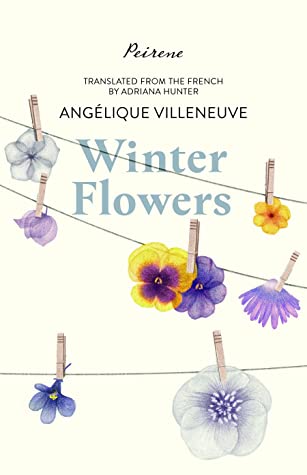
Winter Flowers Angélique Villeneuve8. Winter Flowers by Angélique Villeneuve (France) tr. Adriana Hunter (WWI) (2021) Peirene Press an utterly compelling novella, set in the closing days of WWI that delves into the lives and perspective of a young woman Jeanne and her daughter as they wait for her injured husband to return. He’s been rehabilitating in a facial injury hospital and has forbidden her to visit. Now he returns and we witness the change.

Unlike many war stories, this is not about the active participants, but the unseen, unheard, rarely if ever spoken about, aftermath. Written with profound empathy and courage, it’s intense, riveting and unforgettable.
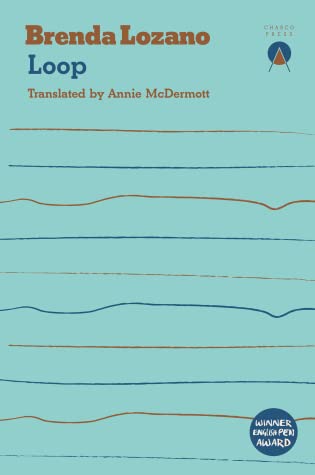
Women in Translation Mexico9. Loop by Brenda Lozano tr. Annie McDermott (Mexico) (2019) Charco Press – this totally took me by surprise, languishing on my shelf not realising the playful literary gem that lay within. 

 Inspired by Lozano’s contemplation of The Odyssey’s Penelope while her lover Odysseus is off on his hero’s quest – it’s the circular loop of the anti-hero story, the inner journey of the one who waits; revealing the way that contemplation and observation reveal understanding and epiphanies. In her notebooks she observes the familiar and unfamiliar around her, sees patterns, imagines connections, dreams and catastrophises. Wild is the Wind.

Odysseus, he of the many twists and turns. Penelope, she of the many twists and turns without moving from her armchair. Weaving the notebook by day, unravelling it by night.

Pure fun, slightly quirky, lightheartedly philosophical, many unexpected laugh out loud moments. Loved it!
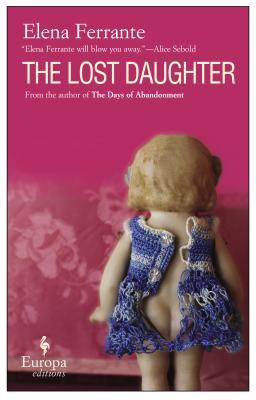
psychological thriller film Italian10. The Lost Daughter by Elena Ferrante tr. Ann Goldstein (Italy) (2008) Europa EditionsLast but certainly not least, the only Ferrante novel I had not yet read, and the shortest (so if you haven’t ventured yet perhaps try this before the My Brilliant Friend tetralogy). With the film due to hit the screens, I wanted to read it before being tempted to watch.

For me, The Days of Abandonment was Ferrante’s most intense reading experience, while this novel lulls the reader into a deliciously, false sense of anticipated joy, especially for any women approaching the empty nest era of life and dreaming of an idyllic Mediterranean beach holiday. It’s a story that zooms in on another ‘moment in life’, transition, where freedom and longing clash with frustration and resentment, as subconscious memories (and perhaps unbalanced hormones) project themselves onto the present, inappropriately, dangerously.

It’s both reminiscent and inviting, until it’s disrupted, Ferrante writing is so evocative in creating a sense of place and mood, and getting into the dark shadow mind of her characters.

 *  *  *  *  *  *  *

Let me know if you’ve read and enjoyed any of the above, or share any of your own favourite reads of 2021 in the comments below!

Next up Top Non Fiction Reads of 2021…


Small Things Like These by Claire Keegan

Claire Keegan is an Irish writer who writes atmospheric, slice of life novellas on an aspect of Irish life. I read her novella Foster some years ago, a touching and eerie story of a girl caught between two sets of parents, that is unsettling, though never quite reveals the source of this tension, that is left somewhat to the reader’s imagination.

Small Things Like These is set in an Irish town in 1985 in the lead up Christmas. Bill Furlong, a father of five daughters is a coal merchant, raised by a single mother who was a housemaid for an upper class woman who allowed her to keep her son with her. The story recalls an event that occurs at the nearby convent, when Bill is making his deliveries and we observe different members of the community’s reaction to that.

Irish literature Magdalen laundries shaming mothers religious oppressionI admire the way Claire Keegan creates atmosphere and a sense of place, I could well imagine the small Irish town they lived, the cold, the workplace, the river – although I had to keep reminding myself it was the 1980’s and that there was electricity. Bill’s deliveries of wood and coal and the way the women made it feel like a much earlier era, though I don’t doubt it was freezing then as few could afford to heat their homes by other means.

The character of Bill Furlong was interesting and held potential, both due to the unique circumstance of his upbringing, which made him an empathetic character, and the fact that his wife and other women in the community had a different opinion or perception to his, regarding the situation that he will be confronted with.

The blow was cheap but it was the first he’d heard from her, in all their years together. Something small and hard gathered in his throat then which he tried but felt unable to say or swallow. In the finish, he could neither swallow it down nor find any words to ease what had come between them.

magdalen laundries adoption Ireland patriarchy

Photo by Mikhail Nilov on Pexels.com

Furlong was one of very, very few babies born to a woman out out wedlock who got to stay with his mother, due to the generosity of his mother’s employer.

When we meet him he is a grown married man with daughters, with his own business, though still struggling and not able to imagine a time when that might change. There is something in him that is unsettled despite his circumstance, something slowly revealed that he seeks liberation from.

On making a delivery to the nearby convent, where his daughters are at school, he becomes aware of the fact there are other young women there, who work with the nuns and provide the community with laundry services.

It is a subtly consciousness raising novel yet somewhat ironic and convenient to this reader that the empathetic character is a working man with daughters. While the story conveniently sidesteps the significant issues, it takes a provocative stance in choosing to instill empathy in a character, who represents generally, the one we never look at – the boy involved, the father or brother who punished their daughter/sister, or the decision maker’s of the institutions (church and state) that carried out the punishment of these young women. In this respect, the premise of the novel feels totally unrealistic, a Disney-like fantasy. The reality is that it is very likely no one ever did was Bill purports to do here.

Claire Keegan Small Things Like These Men With EmpathyIt made me recall another character, Albert, from the film Made in Dagenham, who was initially the only man who supported a group of female factory workers fighting for equal rights at the Ford Dagenham factory in 1968 – the reason he supported them was because he had been raised by a single mother – perhaps there is something to be said for the development of a deeper empathy in men who’ve been raised by single mothers.

One of the other things that did stand out was the prevalence and contribution of community gossip to the development of judgement and insinuation. He is warned by the woman running the café where his men eat lunch.

‘Tis no affair of mine, you understand, but you know you’d want to watch over what you’d say about what’s there?’

Those that listen to and contribute to gossip are of a different kind than those who respond to an injustice that was right in front of them, despite it being none of their business. Bill was of the latter.

Overall, I felt like this novel had only just begun and then it was over; it left me with too many questions and felt like it was set in a time that was decades earlier than the 1985. It read more like a promising beginning, than a complete novel. Deliberately provocative perhaps.

N.B. Thank you to the publisher for providing an ARC via NetGalley.

Warning: Likely to trigger adoptees or any woman coerced by society, to give up a child to adoption.

What Were The Magdalene Laundries?

A Campaign for Justice Mothers AdopteesFrom the foundation of the Irish Free State in 1922 until 1996, at least 10,000 girls and women were imprisoned, forced to carry out unpaid labour and subjected to severe psychological and physical maltreatment in Ireland’s Magdalene Institutions. These were carceral, punitive institutions that ran commercial and for-profit businesses primarily laundries and needlework.

After 1922, the Magdalene Laundries were operated by four religious orders (The Sisters of Mercy, The Sisters of Our Lady of Charity, the Sisters of Charity, and the Good Shepherd Sisters) in ten different locations around Ireland. The last Magdalene Laundry ceased operating on 25th October, 1996.

The women and girls who suffered in the Magdalene Laundries included those who were perceived to be ‘promiscuous’, unmarried mothers, the daughters of unmarried mothers, those who were considered a burden on their families or the State, those who had been sexually abused, or had grown up in the care of the Church and State.

Confined for decades on end – and isolated from their families and society at large – many of these women became institutionalised over time and therefore became utterly dependent on the relevant convents and were thus unfit to re-enter society unaided.

Further Reading

Guardian Interview: The acclaimed Irish writer on writing short works, the Magdalene Laundries and her new hobby, horse training by Claire Armistead

Article: How Ireland Turned ‘Fallen Women’ Into Slaves

Book: Ireland and the Magdalene Laundries: A Campaign For Justice by Katherine O’Donnell – Sept 2021 – a devastating and vital account of life behind the high walls of Ireland’s institutions, featuring original research and testimony + the continued campaign for justice for victims and to advance public knowledge and research.

Postcard Stories by Jan Carson

Epistolary Treasures

Jan Carson Author Northern Ireland FictionI just love the concept of these works of flash fiction, postcard size stories, that have a geographic connection to a street or location in Northern Ireland, that originated as a story written on the back of a postcard – an alternative restriction to the usual one when writing flash fiction, of keeping it to 100 -150 words – and that the postcard was both sent and retained, a gift and an accumulated collection.

This not quite Ireland proper/ is not the Mainland/ is certainly not Europe in the Continental sense.

When I first picked it up, a little while ago now, I looked at the contents and went to read a few entries from the locations that were familiar to me, Belfast International Airport, Newtownards Road, Holywood Road, Linenhall Street, Holywood, Ormeau Road, but of course that was me thinking of my own story, so it didn’t make much sense. I was looking for something that wasn’t there.

Removing Expectations

So now I read it again, this time from the beginning and just allow it to tell me its own story, its bite sized exercise in writing, the awakening of imagination, the sharing of the craft, its way of thinking of others while being in the act of creation.

The book is thoughtfully illustrated by Benjamin Phillips. You can view the images from the book via the link provided through his name. They are truly evocative.

Postcard Stories Jan Carson Ireland

Photo by Ylanite Koppens on Pexels.com

I read, am entertained and wonder what it must have been like to receive one of these. Is there a connection between the story and the recipient, is it random, did they reply, did they understand the motivation of the author, did it matter? How did you get to be one of the recipients? Does she really have that many friends whose addresses she knows, a database perhaps, or is the postcard sending a fiction in itself?

Here she is practicing using the second person narrative voice from Week 6, February 5th, 2015, Cathedral Quarter, Belfast from a postcard sent to Claire Buswell.

When you were seven years old you threw a dart at a black-haired girl, running away in the garden. The dart lodged and stuck just below her shoulder blade. She fell forward in the grass. The flight on the dart was red and black and white. These were also the colours of the duvet cover in your parents’ bedroom. This was the 80’s. Afterwards the dart came away clean as needles. No harm done. You did not tell and neither did she.

I’ve read Jan Carson’s novel The Fire Starters, I know she is a fan of absurdist fiction. I also know that she works in the community arts sector and has taught creative writing skills to people to help build empathy, using storytelling to show how we can imagine being in the shoes of another. I remember being reassured by this knowledge, because the protagonist in her novel completely lacks empathy, and that is a frightening thing.

Cafés and Markets, Happiness or Disappointment

Susan Picken receives Week 45’s November story from Victoria Square, Belfast:

‘If your drink doesn’t make you happy, we’ll make you another,’ I read aloud, pointing to the sign above the barista’s head. It’s been there, right behind him, with the toastie machine and the coffee syrups, for so long now that he’s forgotten all about it.

melancholy free coffee happy unhappyIt turns out there are only so many free coffees a person can drink before realising a hot beverage cannot cure loneliness, grief or melancholy.
The collection ends in Week 52  at St George’s Market on a sorrowful note, that makes me think I ought to take my own aromatherapy potions to the Christmas market, offering an antidote to the melancholy nature of some of this population.

Every year during the month leading up to Christmas, Eleanor takes a stall at St George’s Market and sells disappointment in small, hand-made bottles…She stocks any number of different disappointments: the disappointment of an unsupportive parent, the disappointment of a homely child, the disappointment of being alone or not nearly alone enough, the disappointment of cats, good wine, box sets and religion, the dry disappointment of Christmas Day evening which is easily the most popular product on her stall.

I have Postcard Stories 2, so I will be hoping that perhaps, as we wander more streets in the year that followed Postcard Stories, there might be reason for more optimism and perhaps we might learn how to get on the postcard list.

Further Reading

Irish Times Interview: Jan Carson – girl from the north country by Ruth McKee

Jan Carson, Author

Northern Ireland Author Fiction

Jan Carson by ©Jonathan Ryder

Jan Carson is a writer and community arts facilitator based in Belfast. Her debut novel Malcom Orange Disappears (2014) was published to critical acclaim, followed by a short-story collection, Children’s Children (2016), and two flash fiction anthologies Postcard Stories (2017) and Postcard Stories 2 (2020).

Her second novel The Fire Starters (2019) translated into French by Dominique Goy-Blanquet as Les Lanceurs de Feu, won the EU Prize for Literature, was shortlisted for two prestigious French literary awards the Prix Femina and Prix Médicis in 2021 and was also shortlisted for the Dalkey Novel of the Year Award.

The most recent book The Last Resort, a collection of ten linked short stories set in a fictional caravan park, was published in April 2021.

Her work has appeared in numerous journals and on BBC Radio 3 & 4. She runs arts projects and events with older people especially those living with dementia.

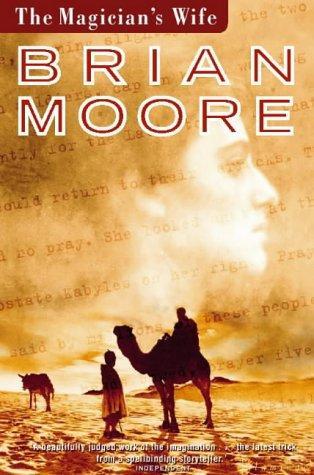
The Magician’s Wife by Brian Moore (1997)

The Magician’s Wife is historical fiction, set in 1856 France and Algeria.

Brian Moore 100

This is the final read for #BrianMoore100, a year of reading his novel’s in what would been the Northern Irish novelist’s 100th year.

This year, I managed to read and review Lies of SilenceThe Lonely Passion of Judith HearneThe Doctor’s Wife and now The Magician’s Wife. I enjoyed all of them and plan to continue reading more of his work in the year ahead.

Gustave Flaubert and George Sand’s Letters

According to New York Times essayist and reviewer Thomas Mallon, Brian Moore, in discussing the origins of The Magician’s Wife, gave credit to a note in Francis Steegmuller and Barbara Bray’s translation of The Correspondence of George Sand & Gustave Flaubert.

Flaubert was complaining about the French government and their political priorities, and in his letter to Sand he writes:

“But before concerning ourselves with “social security” and even with agriculture, we send a Robert-Houdin to all the villages of France to work miracles!”

The associated footnote further explains:

In 1856 the French government had sent the celebrated conjuror Jean-Eugène Robert-Houdin to North Africa in an attempt to destroy the nefarious influence of the marabouts on the native population. His feats, announced as “miracles”, were a great success.

Strangely, the footnote erroneously names the magician in parentheses as Houdini, however, Harry Houdini changed his name (from Ehrich Weisz) in honour of his mentor Robert-Houdin.

In the novel, the character of the magician, Henri Lambert, is inspired by the historical character of Jean-Eugène Robert-Houdin.

Review

France 1856 Algeria Robert Houdin MaraboutsBeing historical fiction, The Magician’s Wife became one of those books that I often put down to look up the historical characters, such as Napoleon III (the nephew and step-grandson of Napoleon Bonaparte – he was the son of Josephine Bonaparte’s daughter Hortense de Beauharnais who married Napoleon’s brother Louis) and his wife, the Empress Eugénie de Montijo. His reign was referred to as the Second Empire and lasted for 18 years (1852-1870).

The first half of the novel is set in France, in Tours, the home of the magician and his wife Emmeline, briefly in Paris, where she is outfitted for the pending visit to one of the Emperor’s chateau.

The second half is set in Algeria, in the cities of Algiers and Milianah.

The Emperor’s Invitation

When the magician Henri Lambert is visited by a highly ranked Colonel Deniau and subsequently invited by the Emperor to the autumn residence, Château de Compiègne for a week of events and festivities, Emmeline is curious as to why these men of politics are interested in her husband and unimpressed by the activities they drag her into.

napoleon III Second empire The Magicians Wife Brian MooreIt becomes clear, that this particular série or group of invitees, are people whose influence might be required, to assist the ruler in his campaigns.

Emmeline looked down the long table to where Lambert was as usual in animated conversation with his fellow diners. Not a first-tier série, this man says. Foreigners, bankers, people the Emperor wants to use in some way. What can he want from Henri?

Because the narrative is seen through the eyes of Emmeline, it remains a mystery for some time as to what use the magician might be to the Emperor, however both the Colonel and Napoleon III attempt to bring her close, in order to help persuade her husband of the mission they have in mind for him.

Colonial Conspirators

They want the Magician and his wife to go to Algeria, to perform tricks of illusion, posing as a superior French version of their influential marabouts (a kind of spiritual leader/healer/wise man), in order to inculcate fear of their power and diminish faith in their spiritual leadership. It was an attempt to destabilise and weaken people in preparation for the French armies to continue their conquest and colonisation of the country.

“There, marabouts or saints have a political and spiritual influence which is greater than the power of any ruler…And because of that, only the marabout can proclaim a jihad or holy war against us. At the moment, Your Majesty, all of Algeria is in thrall to a certain Bou-Aziz, a charismatic marabout who has risen up in the south and is said to possess miraculous powers.”

The Female Gaze

Brian Moore Algeria 1856 Magicians Wife

Photo by Noureddine Belfethi on Pexels.com

It is a fascinating story and all the more interesting because Moore chooses to view events and see those involved in this ‘act of illusion’ through the eyes of the accompanying wife.

Emmeline is never quite in support of the events she is dragged along to participate in, openly showing her disapproval despite their promises to elevate her and her husband in society.

Bored by her provincial marriage and uneventful home life, she briefly considers a liaison with the Colonel, initially responding to his attention, though sees through his contrived flattery and begins to resent him, seeing that he too is looking for acclaim and willing to use whatever means necessary.

A Desert Awakening

The Colonel warns her that a visit to Algeria will change her, and this perhaps is the only truth he speaks, for she has a kind of awakening herself, though not in a way that necessarily benefits the mission they are on.

The turning point for her comes, when their servant Jules falls sick and she is the only one to comfort him. What she learns about him in this little time they spend together, awakens her to certain realities about their lives and the impact of what they are doing there. She becomes the sole voice of conscience with regard to this duplicitous mission, moved by the words and aura of the spiritual leader.

She thought of Bou-Aziz, of his grave, dignified speech, of his resolve to pray for God’s guidance. And in that moment in the courtyard of a French fort surrounded by illimitable desert she remembered the Emperor’s study in Compiègne, the Emperor with his waxed moustaches and his lecher’s smile, puffing on his long cigar. ‘I have great plans for Algeria. In the spring, I will bring our armies to Africa, subdue the Kabylia region and complete our conquest of the entire country.’ But this conquest that the Emperor desired would not ‘civilise’ these people as he promised but instead bring more forts, more soldiers, more roads, more French colonists to profit from Algeria’s trade and crops. And more mahdis, more jihads, more repression.

It is extraordinary that Moore chose to write about this intriguing piece of history, given he was an Irish author living in exile in America, writing about French political activities in Algeria. As is to be expected, though it is a history far from home, he succeeds in making the story a conduit for many of his themes and literary preoccupations.

It was an insightful and sympathetic reading journey, to read about this period and event in history, from an alternative perspective, painted by the outsider, written through the eyes of another Brian Moore protagonist, a viewpoint he favoured, that of a woman.

And I’ll certainly be adding the Château de Compiègne to my list of near future places to visit.

Further Reading

Article New York Times: Sleight of Hand by Thomas Mallon

France Inter: Robert Houdin, un sorcier blanc en Algérie Dec 5, 2021

The Lost Daughter by Elena Ferrante tr. Ann Goldstein

Though it is a relatively slim book compared to what we have come to expect from Elena Ferrante, this novel is just as effective as others at getting to the crux of a woman’s suppressed wound and subsequent behaviour, leaving the reader much to reflect on.

psychological thriller film ItalianI just love the way her novels cast women in various stages of life, and this one, like Troubling Love is set over a summer, but couldn’t be more different, despite the common element of intensity. Our protagonist here is an empty nester.

In The Lost Daughter, an ambiguous title that is left to the reader to decide, Leda, a middle aged divorcée, is facing a long summer; her young adult daughters have now left home, moving to Canada to be with their father.

For the first time in almost twenty-five years I was not aware of the anxiety of having to take care of them.

Though she speaks with them every day, the closeness they had when they were physically present, creates a space, an absence, that begins to fill with other memories, that reach further back to her own childhood.

Freedom and Longing

As the novel opens, she has decided to depart for the summer to the beach, renting an apartment in a seaside town and is looking forward to the freedom. A Professor of English literature, she has brought her work with her, balancing her time between preparation for the year ahead and relaxing at the beach.

I love the scent of resin: as a child, I spent summers on beaches not yet completely eaten away by the concrete of the Camorra – they began where the pinewood ended. That scent was the scent of vacation, of the summer games of childhood.

She drives out of town to find a quiet place and this becomes her preferred beach for the summer. Parked under the pines, she walks through the wooded area to the small beach beyond.

In less than a week, it had all become a peaceful routine. I liked the squeak of the pinecones opening to the sun as I cross the pinewood, the scent of small green leaves that seemed to be myrtle, the strips of bark peeling off the eucalyptus trees.

motherhood obsession Maggie GyllenhaalShe becomes acquainted with the regulars, the boy who puts out the chairs and umbrellas, a young woman with her child, a pregnant woman – part of a large Neapolitan family.

She doesn’t know them, but they feel familiar, they remind her of the family she grew up in, the family she moved away from, both physically and literally.

They were all related, parents, grandparents, children, grandchildren, cousins, in-laws, and their laughter rang out noisily. They called each by name with drawn out cries, hurled exclamatory or conspiratorial comments, at times quarreled: a large family group, similar to the one I had been part of when I was a girl, the same jokes, the same sentimentality, the same rages.

Observation and Obsession

She watches in particular, the young mother Nina, and her daughter Lena, eventually engaging with them, observing the family dynamics, revisiting old feelings, remembering events from the past.

She talked to the child and her doll in the pleasing cadence of the Neapolitan dialect that I love, the tender language of playfulness and sweet nothings. I was enchanted. Languages for me have a secret venom that every so often foams up and for which there is no antidote.  I remember the dialect on my mother’s lips when she lost that gentle cadence and yelled at us, poisoned by her unhappiness: I can’t take you anymore, I can’t take any more…That woman, Nina, seemed serene, and I felt envious.

The Lost Daughter Elena Ferrante doll little girl the past

Photo by Isabella CarvalhoPexels.com

When a small drama occurs, it creates an opportunity for her to interact with them; it is from this moment the tension mounts and we realise there is much we do not know about our protagonist, about her motivations for acting the way she does. A sense of unease permeates.

I loved the way this begins like a joyful beach read, the feeling of the end of a teaching year, a mature woman about to enjoy a summer without responsibilities, her children gone, the only clue to something more sinister in the air, a reference halfway to her destination, when an unprompted feeling from the past arises and changes her mood.

It is the promise there is more to this woman than what we have witnessed thus far. We read attentively, alert to anything that seems odd, wondering what might be causing her to be so attentive to this family.

When you finish reading this novella, as I have just discovered now, a few days after finishing it, if you want to experience one final gasp of realisation, go back and reread the first page, that first one page chapter.

The Lost Daughter, The Film

I thoroughly enjoyed this and look forward to seeing what Director Maggie Gyllenhaal and Actor Olivia Colman will bring to the text, in the film that is due to come to the screen at the end of December.

Gyllenhaal is said to have written a letter to Ferrante asking if she could adapt the novel, to which Ferrante responded yes, if she were to direct it herself. The premiere at the Venice Film Festival received a four minute standing ovation.

The thing that drew her to Ferrante, she said, was the writer’s ability to say “these things out loud that I hadn’t really heard anyone say out loud, about mothering, about sex, about desire, about the intellectual life of women, about the artistic life of women.”

You can watch the trailer here.

Further Reading

Interview Guardian, Aug 2020: Elena Ferrante: ‘We don’t have to fear change, what is other shouldn’t frighten us’

Screenrant Film Review, Oct 2021: Maggie Gyllenhaal’s The Lost Daughter Is Exquisite & Nuanced by Mae Abdulbaki

Chouette by Claire Oshetsky

Chouette is a second person narrative account written by Tiny (the mother), a professional cellist, to her baby Chouette.

The author Claire Oshetsky describes it as a parable about motherhood, the way she/they experienced raising two non-conforming children. She uses magical realism to magnify and portray a surreal circumstance.

Review

person playing cello Chouette Claire Oshetsky motherhood parable

Photo by Pixabay on Pexels.com

Tiny has always been an outsider and she knows her child will be different. She’s wary and unsure how to proceed, knowing it is going to take all she has, to raise her baby the way it will need to be nurtured. Impregnated by an owl, she gives birth to an owl-baby, Chouette.

One of the first things that is sacrificed is her cello playing quartet, and the time she previously spent playing. The instrument might have been sacrificed but music continues to be a part of their lives.

“As for you owl-baby, let’s lay out the facts. Your owlness is with you from the very beginning. It’s there when a first cell becomes two, four, eight. It’s there when you sleep too much, and crawl too late, and when you bite when you aren’t supposed to bite, and shriek when you aren’t supposed to shriek; and on the day that you are born – on the day when I first look down on your pinched-red, tiny-clawed, outraged little body lying naked and intubated in a box – I won’t have the slightest idea about who you are, or what I will become.

But there you will be, and you will be of me.”

Chouette Clairte OshetskyTiny describes to her daughter the story of her conception and arrival into the world and the challenges she has had, both living in a world where her husband, his family and much of the community frown upon this mother and child, and of the mother’s increasing loss of her own sense of self, due to the sacrifices made in order to nurture and allow the child to develop and grow safely.

Tiny sees her offspring as an owl-baby and shares how this magical conception and birth took place, while the husband continues to refer to her as Charlotte. Tiny is tuned into Chouette’s needs, but senses disapproval everywhere, and the more understanding she is of Chouette, the more she feels the external world closing in on her.

“I begin to understand what a gift I’ve been given, to have been chosen for this task. The truth overwhelms me, and humbles me. The birds are telling me that my life’s work, as your mother, will be to teach you how to be yourself – and to honour however much of the wild world you have in you, owl-baby – rather than mould you to be what I want you to be, or what your father wants you to be.”

The story shares these twin perspectives, of the way Tiny sees the world (described through the metaphor of an owl baby and everything she needs, how she behaves and the incongruency of that with the expectations of the existing world they live in) – and the perspective of the husband, who can only see things from the perspective of what he has been conditioned to believe is normal.

motherhood, sacrifice, love,Thus a struggle arises between two ways of seeing, of being, one that requires natural behaviour to be modified, medicated, suppressed, so that the child will appear and behave in the family and society as “normal”, while the other allows for that natural “but judged and condemned” way of being to exist.

Therein lies the central conflict, whether to train a child to fit in with everyone else, a shadow of their former self, or allow them to feel more comfortable in their own skin by being themselves. Rather then compromise, the novel presents the two options as extremes, posing one against the other, mother against father.

Each reader is likely to have a different experience of reading the novel, depending on whether you read it as magical realism or a metaphor. Just as the husband and wife see things so very differently in their perspective and determination about how to raise this child, so too will a reader bring their own perspective, experience and varying degree of open-mindedness to the text.

Music, A Narrative Accompaniment

Throughout the novel there are references to different pieces of music, that resonate with the mood or feeling being experienced, or are used to calm a situation. The author’s daughter, a musician, contributed to this aspect of the novel.

“There’s a lot of music  in the novel, and she was my primary consultant about music. And the other way she helped me was just reminiscing about what it was like for her to live through this shared experience of being a child that was deeply misunderstood and sometimes put in situations that were frightening, even in her school system or with therapists that we went with her to see.”

It is very much Tiny’s narrative and as such, there is little empathy towards the husband’s perspective, which challenges and discomforts the reader.

It is a dark, contemporary tale that couldn’t be more relevant than now, when so many mother’s are facing the same dilemma. Should I follow my own intuitive inclination, because I know this child, I love this child, and when I don’t compare this child to others, I see he/she/they are perfect the way are – or do I listen to what the other, the external world is saying, is judging, is condemning them to, despite reducing them to a shell of who they really are?

Owl Symbolism

Owl Wisdom Branch Green

Photo by Amol Mande on Pexels.com

I found it an incredible, disturbing, yet resonant novel, so mind openly, imaginative in the creation of an owl-like creature to accentuate the reactions and responses non-conforming children invite without asking. The owl a prescient choice, auspicious.

The owl sees in the dark, is an observant listener, with its heightened powers of observation and intuition. In some traditions it possesses paranormal wisdom, regal silence and fierce intelligence. Just like those extraordinary children.

Further Reading

Essay, Refinery 29 – Gender: A Family Story by Claire Oshetsky

NPR Interview: A parable about motherhood, ‘Chouette‘ begins with a human birth to an owl baby – Danielle Kurzleban talks to Claire Oshetsky

Poets & Writers: Ten Questions for Claire Oshetsky

The Author, Claire Oshetsky

Claire Oshetsky is a novelist whose writing has appeared in Salon, Wired, and the New York Times. She lives with her family in California. Chouette is her debut novel.

A Line Made By Walking by Sara Baume

I was hesitant to start this knowing it was the last of Sara Baume’s books I had on my shelf to read. I find her work so nourishing and unique, she’s quickly become one of my favourite authors. So what joy, part way through reading this, to learn there is a novel due out in Apr 2022, Seven Steeples.

Navigating the In-Between

Irish literary fiction Visual ArtistA Line Made By Walking takes place over one summer when 26 year old Frankie quits her Dublin bedsit and returns briefly to her parent’s home, before deciding to move temporarily into her grandmother’s slightly decrepit cottage that has long been on the market, since her death over a year ago.

It is a place where she can wallow and wait out a period of depression, create something meaningful, take walks, cycle and test herself on works of art. Her art school days are over, but finding meaning through artistic expression, looking for and noticing it around her, remains important, necessary.

“Why must I test myself? Because no one else will, not any more. Now that I am no longer a student of any kind, I must take responsibility for the furniture inside my head. I must slide new drawers into chests and attach new rollers to armchairs. I must maintain the old highboys and sideboards and whatnots. Polish, patch, dust, buff. And, from scratch, I must build new frames and appendages; I must fill the drawers and roll along.”

Art Creates Structure

Each chapter is titled with a different roadkill or animal species (not living) she has encountered nearby. Everything in the vicinity, plus her stream of consciousness thoughts, link together to create a seamless narrative, like the ripples of a stream bubbling over stones, moving around obstacles. Separate but part of something whole.

Sara Baume Irish literature Bicycle Cycling Ireland

Photo by Bogdan R. Anton on Pexels.com

Though she is not herself at this time, Frankie creates purpose in each day, and while not under observation, makes slow progress. Her mother worries, but allows her the freedom she needs. She resists conventional treatment and takes quiet charge of her own healing.

My parents did not want me to come here to stay. They are, like everybody, fearful of being completely alone and suspicious of people who choose to be. They hesitate, like everybody, to understand how it could heal me, as I believe it can. I believe: I am less fearful of being alone than I am of not being alone.

She fixes the bicycle in the shed and establishes a routine and purpose, an affirmation of the natural order of things, that all life passes. Her grandmother, the dog, a robin, rabbit, rat, mouse, rook, fox, frog, hare, hedgehog and badger. Her photographs grace each chapter.

“Here is another rule for my project: no pets, only wild things. So it can be about the immense poignancy of how, in the course of ordinary life, we only get to look closely at the sublime once it has dropped to the ditch, once the maggots have already arrived at work.”

Artwork Word Association

Though it possesses the barest of plots, I loved it’s meandering style and waymarker structure through an incredible recollection of over seventy art installations, like rabbit holes the reader can burrow into, something Baume encourages us to do.

I urge readers to seek out, perceive and interpret these artworks for themselves.

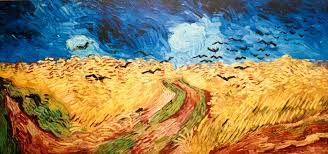
A Line Made By Walking Sara BaumeThe line made by walking crops up three or four times in the novel, in reference to artworks, the first time in Van Gogh’s Wheatfield with Crows (1890) and represents the division between the field and sky, the sadness inherent in life. It was his final painting.
Having left the city behind, the narrative is as much immersed in the observations of nature around her, in the discoveries to be made on a walk, a cycle, a drive, a visit somewhere; her poetic voice making even the mundane mesmerising.

Again, the novel reads for me, as if the author is speaking, I forget there is a fictional protagonist, after reading her nonfiction Handiwork and listening to Sara Baume talk about her own art making projects, her presence is always there, lurking within the brush strokes of her characters.

Absolutely loved it.

Further Reading/Listening

Universidade de Santiago de Compostela, Spain : “An artist, first and foremost”. An Interview with Sara Baume by Margarita Estévez-Saá

Guardian Interview: Sara Baume: ‘I always wanted to be an art monster’ Feb 2017, Alex Clark

Sara Baume, Author, Visual Artist

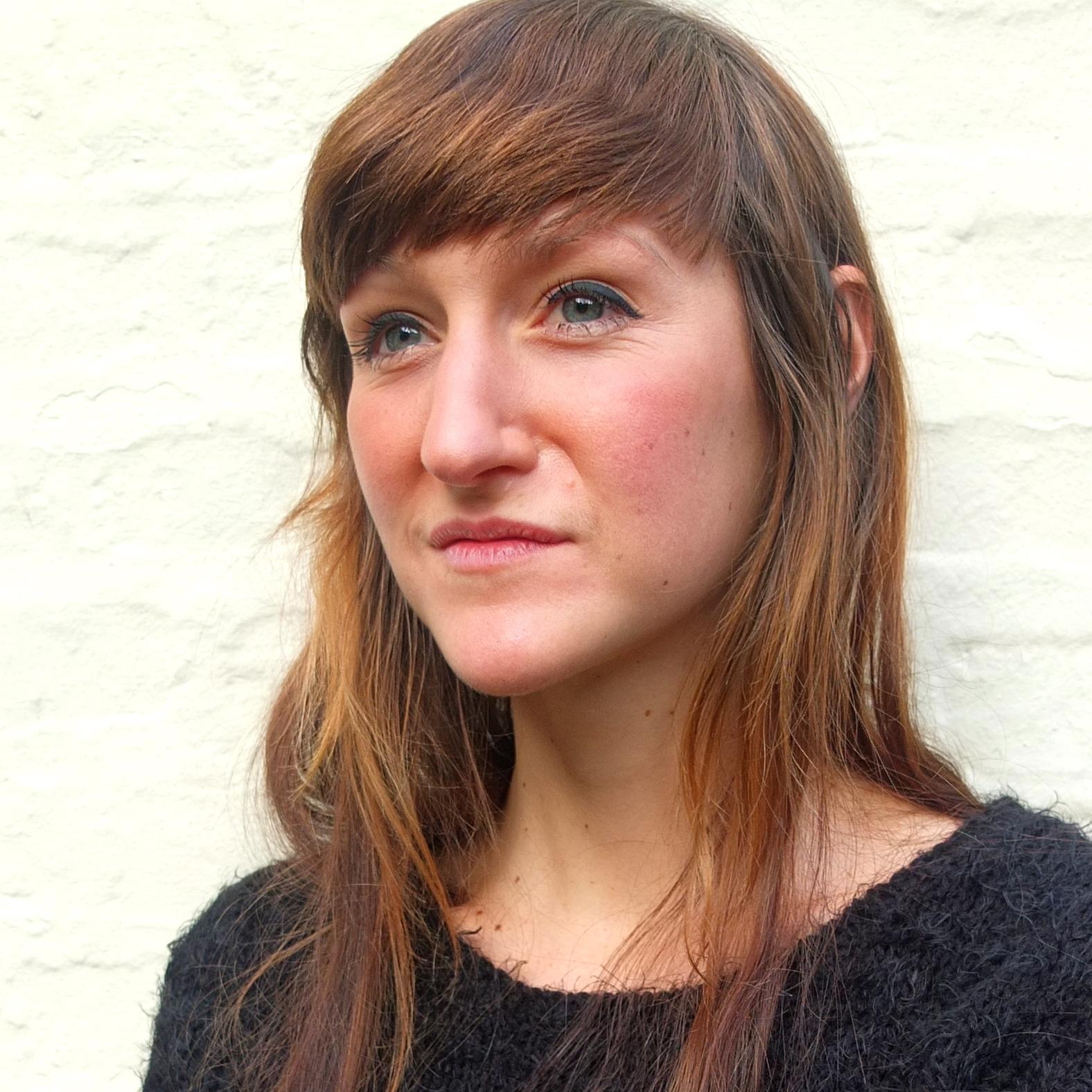
Sara Baume Irish AuthorSara Baume, born in 1984, was raised and now lives in County Cork, after having studied Fine Art at Dun Laoghaire College of Art, and Design and Creative Writing at Trinity College, Dublin.
Her fiction and criticism have been published in anthologies, newspapers and journals such as Irish Times, the Guardian, the Stinging Fly and Granta.

She has published two critically acclaimed novels, spill simmer falter wither (2015) winner of the Geoffrey Faber Memorial Prize and A Line Made by Walking (2017) shortlisted for the Goldsmiths Prize and a work of creative nonfiction Handiwork (2020).

“Baume’s protagonists in both her novels and short stories are solitary people, misfits of our society, mostly representatives of those human beings who find it difficult to adapt themselves to contemporary standards and conventions and who look for different ways of living or rather try to establish alternative communities of life.”

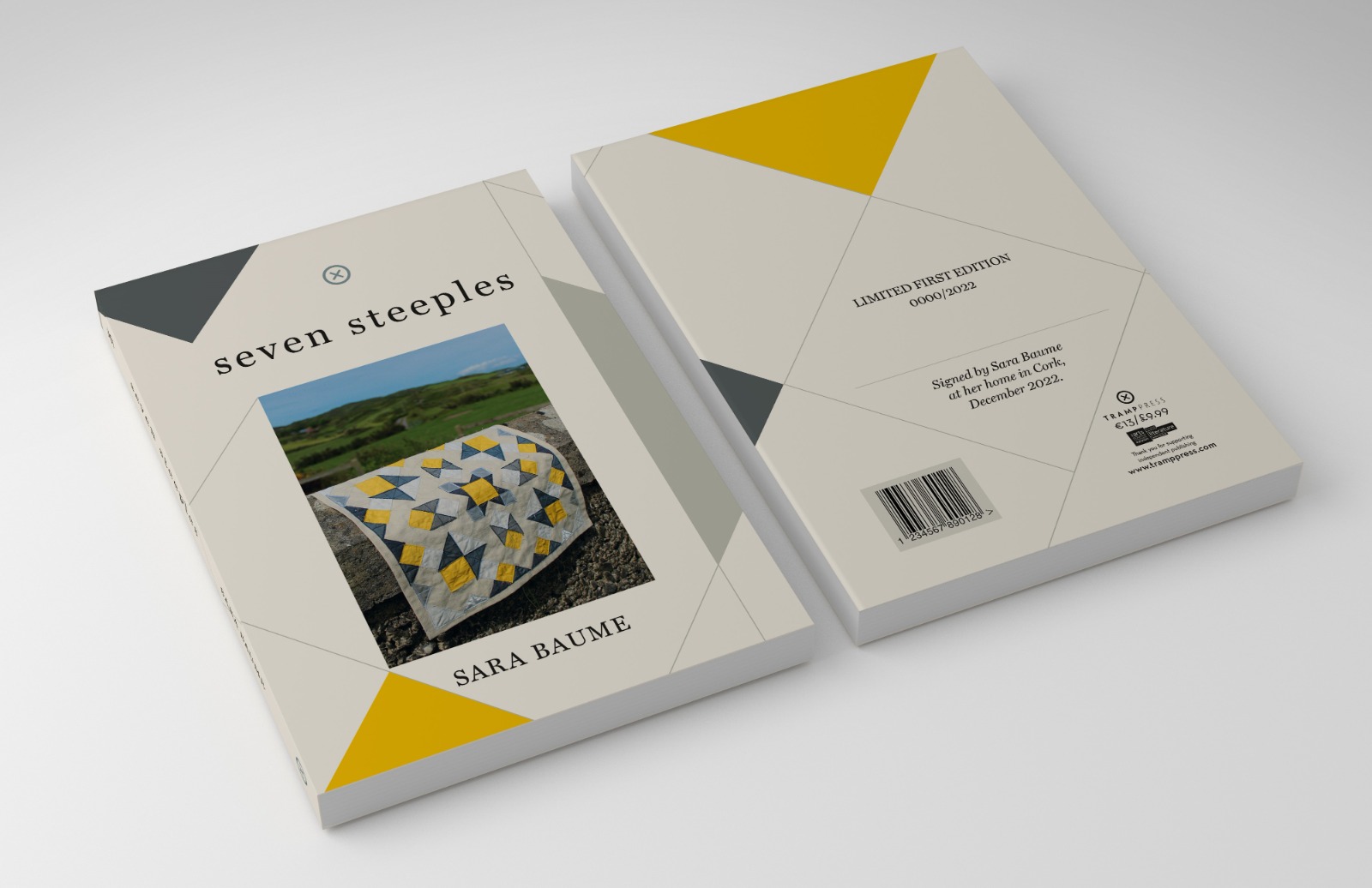
Pre-Order Seven Steeples

If you are interested in the forthcoming novel, it’s available to pre-order as a Limited Edition here

It is a novel about a couple that pushes against traditional expectations, moving with their dogs to the Irish countryside where they embed themselves in nature and make attempts to disappear from society.

Seven Steeples Sara Baume

Corregidora by Gayl Jones (1975)

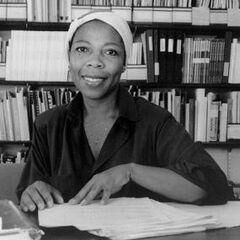
This is a raw, visceral read and I’m glad I read it in a group discussion. First published in 1975 and edited by Toni Morrison, it was Gayl Jone’s debut novel. 

Corregidor Gayl JonesWritten when the author was 26 years old, a similar age to her young protagonist Ursa Corrie (Corregidora) when we first encounter her. Ursa sings blues in a bar, the first paragraph of the book, reads like a piece of flash fiction, a story in 150 words. Of her marriage to Mutt in Dec 1947, his dislike of her singing after their marriage because he believed marriage changed all that.

“I said I sang because it was something I had to do.”

And in April 1948 after threatening publicly to remove her from the stage, other men throw him out, but he is there waiting for her outside at the end, after that evening her short-lived marriage is over and another man waits for her.

Much of the novel is relayed in dialogue and in sections that reconnect with the past, with things her mother told her, that her grandmother has said to her, and conversations that took place between the grandmother and the great grandmother that Ursa asks her mother about. She visits her mother to ask more about the unsaid.

She sat with her hands on the table.
‘It’s good to see you, baby,’ she said again.
I looked away. It was almost like I was realizing for the first time how lonely it must be for her with them gone, and that maybe she was even making a plea for me to come back and be a part of what wasn’t anymore.

There are things she wants to know, an oral history that is supposed to be passed down to protect them, however there are subjects her mother hasn’t opened up about. About Corregidora, a 19th century slavemaster who fathered both her mother and grandmother. And who her father was.

‘He made them make love to anyone, so they couldn’t love anyone.’

Corregidora Gayl Jones Black Woman Diva

Photo by cottonbro on Pexels.com

Ursa feels those things in her, the inherited trauma, but doesn’t understand it. We witness her reactions to things, the duality of her strength at standing up for herself alongside her inability to speak at all.

She has both strength and reticence.

The attack by her husband landed her in hospital, and resulted in doctors removing her womb, the forced sterilisation of Black women part of America’s eugenics policy at the time. This causes Ursa to reflect on the broken line, the passing down of the oral history, the need to ‘create generations’. What is her place now that she is the end of a lineage.

But I am different now, I was thinking. I have everything they had, except the generations. I can’t make generations. And even if I still had my womb, even if the first baby had come – what would I have done then? Would I have kept it? Would I have been like her, or them?

abstract close up cobweb connection

Photo by Pixabay on Pexels.com

Trauma experienced pre-conception changes a persons DNA and is passed on. It need not be explained, it is most often not understood, it is lived out through experiences and reactions to them. Present from conception, inherited without notice, it is no wonder that children who inherit both the trauma of the victim (slave or slave descendant) and the DNA of the perpetrator (slave master) are confused, both one thing and its opposite, neither nor, either or.

It was as if she had more than learned it off by heart, though. It was as if their memory, the memory of all the Corregidora women, was her memory too, as strong with her as her own private memory, or almost as strong. But now she was Mama again.

As James Baldwin put it,

“it dares to confront the absolute terror which lives at the heart of love”

Further Reading

Virago Press: Where To Start With Gayl Jones

Article, New Yorker: Gayl Jones’s Novels of Oppression by Hilton Als

Article, The Atlantic: The Best American Novelist Whose Name You May Not Know by Calvin Baker
Essay, New York Times: She Changed Black Literature Forever. Then She Disappeared. In Search of Gayl Jones, whose new novel breaks 22 years of silence by Imani Perry

Gayl Jones, Author

Corregidora The Healing Palmares Oral tradition storytelling Black African American WomenGayl Jones was born in Kentucky in 1949. She attended Connecticut College and Brown University. She is a novelist, poet playwright, professor and literary critic.

She wrote Corregidora (1975), Eva’s Man (1976), and The Healing (1998) which have all recently been republished as Virago Modern Classics.

The Healing was a fiction finalist for the National Book Awards in 1988.

Her most recent and long awaited novel is Palmares (2021). 

The Son of the House by Cheluchi Onyemelukwe-Onuobia

Described as a compelling novel about two women caught in a constricting web of tradition, class, gender, and motherhood and set in Nigeria, I requested this novel via NetGalley earlier this year immediately attracted by the premise and the setting.

Scotiabank Giller Prize 2021, Canada’s Literary Award

Scotiabank Giller Prize shortlist Nigerian literary fictionCoincidentally, the day I started reading it, I became aware it was one of the five shortlisted novels for the Canadian literary award, the Scotiabank Giller Prize on the same day the winner was to be announced.

It didn’t win – that award went to journalist/novelist Omar El Akkad for What Strange Paradise, a novel that examines the current refugee crisis and the lengths to which people will go to find home, safety and belonging – however The Son of the House is already an award winning novel and one that addresses important contemporary issues and one I highly recommend reading.

Review

I really enjoyed The Son of the House right from the opening pages; the intrigue set up by the fact that two women have just been kidnapped from within their car on a residential street, we know nothing about who they are or why this has happened. However, it is not the drama that takes centre stage, it is the lives of the characters, who we will come to know.

These two do know this kind of thing can happen and the woman who drove castigates herself for having taken that particular road.

We did not entertain the idea that the police might save us, guns blazing, as happened in the movies. The police themselves, people said, would sometimes tell the family of kidnapped persons to go pay the ransom so that harm would not come to their loved one. They had neither the resources nor the serious desire to pursue kidnappers. There was even speculation that the police might be complicit in some kidnappings. So our only hope, like many kidnapping victims in this country, was that our people would come up with the money.

Since they are going to be spending time together, they decide to share their stories. And thus the reader must wait while getting to know these two women and the circumstances that lead to this intersection of their lives.

Their lives are very different, and both equally fascinating and riveting to read about.

Nwabulu, Orphan, Housemaid, Mother

gender women expectations motherhood The Son of the House

Photo by Breston Kenya on Pexels.com

Nwabulu, lost her mother when she was born and her father remarried soon after.

From that day, the peace and joy of our home moved somewhere else; peace and joy could not stay in the same room as Mama Nkemdilim’s jealousy.

Her stepmother resents her and at the first offer, sends her away to serve for a family. Innocent, yet she seems to go from one terrible situation to another, no adult looking out for her, she is vulnerable to the outside world, even within the supposed confines of an employer’s home.

I had been a housemaid for nearly half my life when I met Urenna. My first sojourn as a housemaid began when I was ten.

She finds a situation finally that suits her, only to be disgraced and sent back again to the village. The situation that occurs is the first instance we become aware of the presence and significance of ‘the son of the house’.

I was a housemaid. He was the son of the house. He would not really know what it was like to work in a place and live and sleep there but still know that it was not home. He would not know and I could not put it into words.

Back in the village, an older woman who has lost her son, appears to offer solace to Nwabulu, but her life too revolves around this traditional symbol, and the lengths to which she will go to fulfill it are devastating.

Although this is a story of women, it is also about the intersection of women and the importance, presence and success of this symbol, ‘the son of the house’ to their society and how it impacts their lives as girls, sisters, young women, and as mothers.

Julie, Sister, Unmarried daughter, Second wife

parental authority expectations gender The Son of the House

Photo by Monstera on Pexels.com

The second woman Julie is single and contentedly having an affair with a married man. She has one brother and he is supposed to be the example and support of his family, according to how their father has raised them.

“By joining the church and getting an education,” he continued, “I brought light to my family. It is the duty of each new person in the line to bring something good to the family, to keep the family going.”

However, due to her brother’s problems, her father makes this her responsibility, on his death bed, that she will work to ensure the success of her brother in meeting his familial duties – here again we realise that these stories, these women’s lives revolve in some way around maintaining the tradition, the status of the patriarchy, in the elevation of and presence of ‘the son of the house’.

I would make a better son of the house, I sometimes thought. But what fell to me was not carrying on the family name but ensuring that the one who was to do so succeeded.

Unexpected Friendships, Synchronicity’s

Cheluchi OnyeMelukwe Onubia Europa Editions UKAs their stories unfold, we also discover the importance of these women’s friendships, both of them have been helped by their best female friend at a turning point in their lives and the mystery gradually unfolds as to what has brought these unexpected allies together.

It’s a riveting read and an insight into Nigerian culture and classism, into how two very different women navigate a traditional patriarchal society and not only survive, but the lengths to which they will go to both meet those cultural/societal expectations, to develop resilience, how they find ways to rise beyond it.

I loved the book and thought the characters were realistic and intriguing and the sense of place evocative.

Here’s the fabulous UK cover version, it was published in the UK by my favourite publisher, Europa Editions in May 2021. Highly Recommended.

Further Reading

Review, Brittle Paper: Cheluchi Onyemelukwe-Onuobia’s The Son of the House reviewed by Ikhide Ikheloa

Interview, Olongo Africa: I am a child of the 80’s an interview with Uchechukwu Umezurike

Cheluchi Onyemelukwe-Onuobia, Author

The Son of the House Nigerian LiteratureCheluchi Onyemelukwe-Onuobia is a Nigerian-Canadian lawyer, academic and writer.
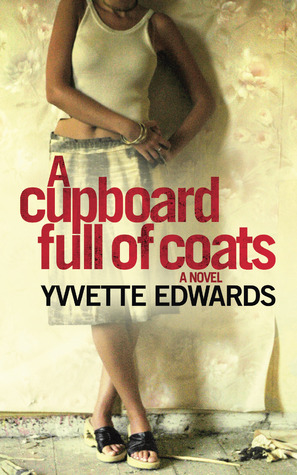
She holds a doctorate in law from Dalhousie University and works in the areas of health, gender, and violence against women and children.

Cheluchi divides her time between Lagos and Halifax.

The Son of the House was shortlisted for Canada’s Scotiabank Giller Prize 2021, winner of the Nigeria Prize for Literature 2021, and winner of the Best International Fiction Book Award, Sharjah International Book Fair 2019.

A Cupboard Full of Coats by Yvvette Edwards

Literary fiction that manages to be utterly compelling, thought provoking, intense and revelatory. Set in 1970’s East London. It was long listed for the Booker Prize in 2011 and nominated for The Hurston-Wright Legacy Award in 2013.

I read A Cupboard Full of Coats during October with Didi’s Read Soul Lit ReadAlong group on Goodreads.

A Visitation

Booker longlisted Black british literary fictionIt is 14 years since Jinx’s mother died and the knock on her door by a friend of her mother’s she hasn’t seen since then, initiates this weekend like no other, which will bring back all the emotion, rage, resentment, passion and sorrow that has been pushed down so deep for years.


It is an intense and provocative beginning that reveals just enough to pique interest and make the reader begin to ask questions, that we hope the story will reveal. Who was responsible for what happened back then and what part did each of them play?

When Lemon arrives at her door, his first words are “he’s out”.

There were changes around his face; the crow’s feet at the corner of his eyes were wider fanned, the bags beneath them full and heavy, and his old skin bore new lines. His eyes were red-rimmed, the whites yellowed, the expression intense as he looked at me, already asking questions, talking of things that should be whispered even when alone, and it was me that looked away, looked down, wondering if my own eyes were as eloquent as his, afraid that they might be speaking volumes, scared of the things they might have already said.

Jinx’s five year old son Ben arrives for the weekend, a shared custody arrangement; it goes badly, she is reactive, he is upset.

Effect of Unconscious Trauma

There is a sense of suppressed trauma that impacts her ability to mother. The son tries to reach out to her and is unable to connect. Her perceptions and behaviour are inexplicable. When she views her son interacting with Lemon, she can’t grasp the ease they demonstrate.

I was in shock. I had never heard my son like this before. I had simply thought he was a morose child, because morose was how he always was with me. I had never seen this side of him, this laughing chattiness, the non-stop outpouring of everything going on in his life, the pleasure he took from his accomplishments, such as they were. And I felt hurt. Really hurt. Wounded to the core just listening to how natural and happy he could be with a virtual stranger, when I had been trying for nearly five years to have a relationship with him and had come up against brick after brick after brick.

Throughout the course of the weekend, we learn about the lives of Jinx and her mother, widowed at a young age having married a much older man.

The one thing my mother always said about Mr Jackson was that he was a decent man, that he took proper care of things, including this mortgage-free house that he left to her, which she then left to me when I was sixteen and she was dead. Decent enough to ask no more of her than that she occupy it and dedicate her life to raising me, forsaking all other men till I had grown up. ‘Grown up’ she interpreted to mean when I was sixteen. It was ironic that I actually had grown up then. Sixteen and overnight my childhood was over.

Will We Ever Understand Domestic Violence?

rain weather London Black British literary fiction

Photo by Sourav Mishra on Pexels.com

We learn about the beginning of her mum’s relationship with Berris. Of his moving in and taking over, Jinx’s growing resentment and jealousy. His volatile nature and her mother’s acceptance of it, of those coats he gives her as apologies.

There are many different kinds of rain, and England is famous for all of them. There are showers that start with a light drizzle, then build up to a steady pour. Then there’s rain that begins drip, drip, gets heavy, then stops then starts and stops and starts again. Then there’s sudden rain that falls quickly when it’s sunny, like its only ambition is to make a rainbow and once it’s done that, it stops. If I had to describe Berris as rain, he was none of those, and the words ‘You won’t even know he’s here’ turned out to be the understatement of the year.

Friendship

A Cupboard Full of Coats Yvvette Edwards

Photo by Mary Taylor on Pexels.com

When the narrative moves back to her sixteenth year, Jinx is her final year at school, sitting O levels. We meet her best friend Sam and observe that she too is going through a transition, two girls that used to do everything together, begin to diverge.

Their relationship begins to change when after a few days of absence the teacher no longer calls Sam’s name in roll call.

It’s like the beginning of the application of a moral code, something stronger than friendship, when womanhood approaches and white lies creep in between friends, as they navigate the shifting status on that precipice between girl and woman, when boys and men begin to enter their lives.

Narrative Structure

The narrative is structured in alternate chapters of the past and the present, so as the weekend progresses, with Lemon’s visit, there is a gradual thawing out and opening up, on both their parts, as Jinx listens and begins to open up, remembering, recalling, each filling in the gaps of the other’s perception of what happened around the time of her mother’s death.

The past concentrates on those month’s leading up to her mother’s death, building suspense as the story closes in on that final day, that until now, no one really had the complete picture of what occurred.

Reading it, we ask ourselves, can healing take place over a weekend? What will Lemon’s visit reveal? What is Jinx hiding?

A Cupboard Full of Coats explores relationships, jealousy, independence, co-dependence and the transitions that happen as a girl becomes a woman, a mother a lover and the vulnerability of women.

The atmosphere she creates, the intensity, the adept characterisation, the confessions and revelations make for a compelling read. Though I read it over a week when I was busy, each time I picked it up, it gripped me and I highlighted thought provoking passages all the way through. The conversation the group had about the book was dynamic, there was a lot of outrage expressed against the characters, the live discussion was a rewarding way to end the book.

Highly Recommended. I’ll definitely be reading her next novel and hope to see more from this talented British author.

Yvvette Edwards, Author

Black British literary fictionYvvette Edwards is a British East Londoner of Montserratian origin and author of two novels, A Cupboard Full of Coats and The Mother.  Her short stories have been published in anthologies including New Daughters of Africa, and broadcast on radio.

Her work has been nominated for a number of literary awards including the Booker Prize. She is particularly interested in writing that challenges the single narrative, giving voice to characters who are absent or under-represented in contemporary fiction.

She was a judge for the inaugural Jhalak Prize for Writers of Colour and the George Floyd Short Story Competition. She is a Fellow of the Royal Society of Literature.

Further Information

OneWorld Publications: Yvvette Edwards discusses A Cupboard Full of Coats

The Independent: A Matter of Black and White