It’s Reading Ireland Month 2022

Irish Culture and Belfast

Cathy over at 746 Books runs an annual Reading Ireland celebration of books and culture every year in March, so I’m going to try and join in a little. Here in Week 1’s prompt, she shares her Top 5 Irish Movies, interest in Irish cinema currently ascending; Kenneth Branagh’s Belfast a hot contender for the Oscar Awards with seven nominations.

There are four weekly themes to explore and plenty of Irish books on my shelf to read, so you can expect to see a few reviews and other Irish related posts this month.

Reading Ireland logo 2022

More of Moore

In 2021, I joined in another of her challenges to celebrate the Northern Irish writer Brian Moore 100 who lived most of life in self-imposed exile abroad.

I read four of his novels throughout the year, Lies of Silence (1990) (a Northern Irish Troubles thriller), The Lonely Passion of Judith Hearne (1955) (frustrating literary fiction), The Doctor’s Wife (1976) (slightly steamy literary fiction) and The Magician’s Wife (1997) (French/Algerian historical fiction).

As you can see below, I have a few more on the TBR to choose from, to read this year. And I’ll be writing more about the highlights of 2021 later in the month.

Reading Ireland Month 2022 TBR

In addition to reading more Moore, I’m planning to read Mary Costello this year, more of Jan Carson, whose novel The Fire Starter’s I read last year, as well as her Postcard Stories.

NonFiction Looks Promising

I’m really looking forward to the two nonfiction titles in my pile, two nature writing memoir type books Thin Places by Kerri ní Dochartaigh and Saltwater in the Blood, Surfing, Natural Cycles and the Sea’s Power to Heal by Easkey Britton, an Irish surfer from County Donegal with a doctorate in Environment and Society.

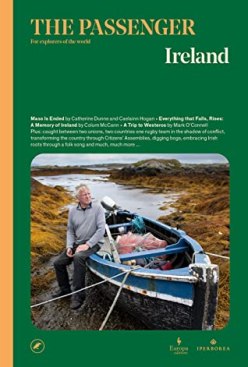
essays Sara Baume Colum McCann Europa EditionsAnd perhaps most of all, I’m very excited about this upcoming collection of illustrated essays, photography, art and reporting, The Passenger, Ireland by Irish writers and journalists from Catherine Dunne to Colum McCann, Mark O’Connell and Sara Baume writing about their country in modern times. Due for publication on March 17 by Europa Editions, here’s an extract printed on the back cover:

“A country is composed of its people far more than its landscape. Let’s face it. We’re torturously poetic. We’re unbearably self-conscious. We’re awkwardly comic. We’re wilfully ambiguous. We’ll answer a question with another question. We’ll give you directions towards the exact place you don’t want to go. We’ll walk a hundred miles to receive a good insult. We’re blasphemous. We’re contrarian. We never forget a grudge. We address incomprehension. Our war songs are merry. Our love songs are sad. We have half-doors: we are neither in nor out. We make great fun of despair. And we’re marvellous at spouting rubbish about ourselves. (Mea culpa, mea culpa, mea maxima culpa.) But we are also open to change. It is the eternal dream: to keep on becoming something new. The Irish have always had a great sense of humour, none more so than when their backs have been against the wall. The one thing that has never been given up on, in the Irish psyche, is the presumption of hope – and indeed the presumption of home.”

– From ‘Everything That Falls Must Also Rise’ by Colum McCann

Irish Lit Prompts

Finally, the weekly themes for Reading Ireland Month 2022 are:

Week 1: My Top 5 Irish …

  • for this prompt I’m going to choose my Top 5 Irish Fiction & NonFiction Books

Week 2: My Year in Irish Lit

  • a look at the highlights of reading Irish literature from 2021

Week 3: Irish or Not Irish?

  • Authors you didn’t realise were Irish or those you thought were, but aren’t – Hmm?

Week 4: New To My TBR

  • The punishment for getting involved in this monthly reading celebration, all the temptations to acquire more Irish literature, or how I came to get involved in the Brian Moore thing and all those Mary Costello novels. I’m going to try and resist, but I know I will fail.

So, any recommendations, a favourite Irish novel or book to share? Have you seen Belfast?

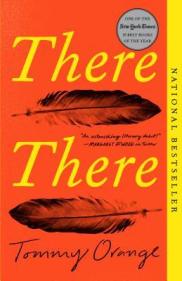
There There by Tommy Orange

Cheyenne Native Indian Omar Al Akkar belonging identityThere There by Tommy Orange was lent to me by a friend and was a debut novel that made a significant splash when it was published in 2018. The author is a member of the Cheyenne and Arapaho Tribes of Oklahoma, born and raised in Oakland, California.

The Egyptian-Canadian novelist Omar Al Akkad who won the 2021 Scottiabank Giller Prize for his refugee tale What Strange Paradise, a book that examines the confluence of war, migration and a sense of settlement, raising questions of indifference and powerlessness, had this to say:

There There is a miraculous achievement, a book that wields ferocious honesty and originality in service of telling a story that needs to be told. This is a novel about what it means to inhabit a land both yours and stolen from you, to simultaneously contend with the weight of belonging and not belonging.”

The novel starts out with a two page very short summary of 12 characters, giving the reader a little information about each, but avoids anything that might be a spoiler in the stories to come. I liked having this summary there and I would go back to it each time I encountered those characters as they developed and as I became aware of what was being given and what was being held back for the reader to discover.

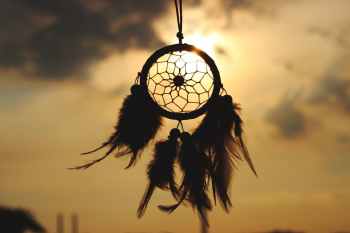
web spider dreamcatcher there there Tommy Orange

Photo by Pixabay on Pexels.com

The characterisation was excellent and I especially loved how the author built his female characters.

Jacquie kneeled in front of the minifridge. In her head she heard her mom say, “The spider’s web is a home and a trap.” And even though she never really knew what her mom meant by it, she’d been making it make sense over the years, giving it more meaning than her mom probably ever intended. In this case, Jacquie was the spider, and the minifridge was the web. Home was to drink. To drink was the trap.

There is an edge to the male characters and a tension that builds slowly over time that made their chapters harder to read.

The wound that was made when white people came and took all that they took has never healed. An unattended wound gets infected. Becomes a new kind of wound like the history of what actually happened became a new kind of history. All these stories that we haven’t been telling all this time, that we haven’t been listening to, are just part of what we need to heal.

The title ‘There There‘ has multiple references, the first being the name of a Radiohead song with the refrain, ‘just ’cause you feel it doesn’t mean its there’ and a Gertrude Stein quote ‘There is no there there’ referring to the place she’d grown up in that had changed so much, that there of her childhood, the there there, was gone.

The quote is important to Dene. This there there. He hadn’t read Gertrude Stein beyond the quote. But for Native people in this country, all over the America’s, it’s been developed over, buried ancestral land, glass and concrete and wire and steel, unreturnable covered memory. There is no there there.

As the novel builds, the connections between the characters and their journeys are revealed.

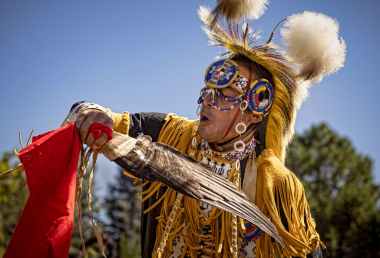
powwow Tommy Orange There There

Photo by Ron Graham-Becker on Pexels.com

All the characters are Native and the way they identify, their identity, their knowledge or lack of knowledge about who they are and how they are perceived, how they cope, how they live is central to the kaleidoscopic narrative, that builds up to the final chapters, when they will be present at the Big Oakland Powwow festival.

We made powwows because we needed a place to be together. Something intertribal, something old, something to make us money, something we could work toward, for our jewellery, our songs, our dances, our drum.

I enjoyed the character building, the reflections, the cultural insights and getting to know their stories more than the actual plot.

They used to call us sidewalk Indians. Called us citified, superficial, inauthentic, cultureless refugees, apples. An apple is red on the outside and white on the inside. But what we are is what our ancestors did. How they survived. We are the memories we don’t remember, which live in us, which we feel, which make us sing and dance and pray the way we do, feelings from memories that flare and bloom unexpectedly in our lives like blood through a blanket from a wound made by a bullet fired by a man shooting us in the back for our hair, for our heads, for a bounty, or to just get rid of us.

The first two thirds of the novel was for me a 5 star read, but the ending had me imagining alternative choices. And yet, it could be said that the ending was foretold, that the ancestral memory had carried forward and become so twisted, it turned on itself.

Make them look and act like us. Become us. And so disappear. But it wasn’t like that.

Further Reading

There There was nominated for the Pultizer Prize (2019) and National Book Award (2018), won the PEN/Hemingway Foundation Award (2019) and was one of the New YorkTimes 10 best books of the year.

It was almost nominated for the Dublin Literary Award 2020 by 13 different international libraries.

Have you read There There? Share your thoughts below.

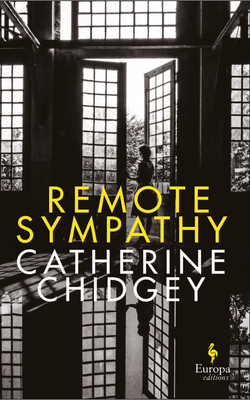
Remote Sympathy by Catherine Chidgey

I loved Catherine Chidgey’s lesser known novel The Transformation, more than the award winning debut In a Fishbone Church, so I was curious about and looking forward to her latest novel.

Buchenwald Weimar WWII novel GermanyThough truthfully, I had been avoiding it due to its 522 pages and subject matter, it does require a commitment. 

After reading and enjoying Marzahn, mon amour also set in Germany, I decided why not just remain in the same location, even though Remote Sympathy takes us back to that tragic period in history.

An incredibly accomplished novel, it is told using four narrative strands in different voices, through letters, diaries, recordings and a community reflection,  backed up but never bogged down by a solid foundation of research and testimony.

The fictional story relates to events during the second world war, around the lives of two German families, the citizens of the town of Weimar and the prisoners of Buchenwald, a camp located just up the hill from the town.

The novel demonstrates the responses of people, in different circumstances, showing how they behave and manage their lives, what they choose to acknowledge and to ignore, the lies they tell themselves and others, faced with the extreme conditions of living under the Third Reich (Nazi Germany).

Four Entwined Narratives

Doctor Lenard Weber, the inventor

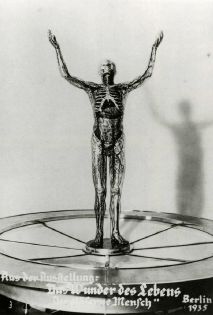
Anatomy nervous system of manThe novel begins with an epistolary narrative of letters written by Doktor Lenard Weber to his daughter Lotte in Frankfurt 1946, after the war has ended. He is telling his daughter how he first first met her mother, his wife Anna, at an exhibition of ‘The Transparent Man’, an installation that showed the inner circuitry of the human body.

The exhibit further inspired him with his own ideas on the therapeutic uses of electricity and the invention of his Sympathetic Vitaliser, a machine that he believed might heal the body of disease.

But it was the eighteenth century writings of John Hunter, the great Scottish surgeon, that sparked the idea for my machine: his theory that the cure as well as the disease could pass through a person by means of remote sympathy; that the energetic power produced in one part of the body could influence another part some distance away.

However, they were living in dangerous times and at the time of their marriage, neither of them knew their family ancestry would drive them apart and that his invention would draw him into the lives of an SS officer and his wife.

But I wanted to tell you about the miracles, Lotte. There are three in this story – I’ll start with the first.

Frau Greta Hahn, the wife of an SS major

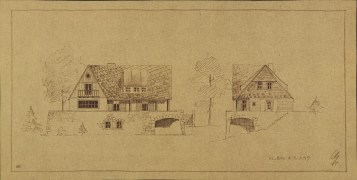
SS officer villas BuchenwaldThe second narrative voice comes from the imaginary diary of Frau Greta Hahn, the younger wife of the officer and begins in 1943 as she is packing up their lives in Munich, to move to a villa in Weimar, her husband having taken over as Administrator of the Buchenwald prison camp. He has told her and their young son Karl-Heinz how much they will love it there, being near a forest, a zoo, close to nature.

‘Taking a child to a place like that,’ said my mother.
‘It’s quite safe,’ I told her; ‘We’ll be living well outside the enclosure. We won’t even be able to see it. Apparently the villa’s beautiful – you can come and stay whenever you like.’

An invitation her mother is loathe to take up, even when Greta becomes very unwell.

Greta chooses to live in denial, unlike her friend and neighbour Emmi, who delights in their newfound circumstances and privilege. Her discomfort turns inward and she finds herself in need of a radical medical intervention.

1000 citizens of Weimar

One of the narrative threads is a third person “we” voice, the collective reflections of one thousand citizens of the town of Weimar. This community is proud of their town’s association with a number of past eminent citizens and love to show visitors Goethe’s garden house in the park, with its bee-filled beds of flowers and to speak of others who had called their town home.

The Goethe oak still stands, though, not far from here – the tree beneath which the poet wrote some of his most celebrated verse, and rested with Charlotte von Stein. They say that if it falls, Germany will also perish…

They hear strange noises, they smell the smoke, they see signs of maltreatment, but for every observation that doesn’t fit with their idealised version of home, they have an excuse, an accusation, an alternative perspective, so loathe are they to admit even the thought of what might be going on up the hill. Anyone who shows concern or empathy is scorned by a cacophony of voices.

Former SS Sturmbannführer Dietrich Hahn, the husband, the major

This first person narrative begins in October 1954, a taped, sometimes interrupted interview with the major who is under trial. He talks about the stress of his job, the insistence that it was a work camp, the pressure of budgets, his family and his desire to have a large family. It is the perspective of a man in charge of his responsibilities who refuses to acknowledge any human suffering (except his own).

The lives of the couple and the Doktor become entwined when the major hears of the medical invention and arranges to have him imprisoned in the hope that he may assist his wife. The presence of the Doktor and the young boy Josef who is their housekeeper, challenge her ideas about the so-called ‘criminals’ being held in the camp next door.

Seeking Salvation Through Lies

Though one man represents power and the other is a prisoner, both men possess something that the other desires, they both believe that some kind of salvation might be able to be obtained from the other. Ultimately both will lie, in the hope of getting what they want.

Though ‘remote sympathy’ refers to the healing action of the machine, it is also a theme running through the novel. Greta’s denial of what is occurring over the fence prevents her from confronting the truth, there is little sympathy for something one refuses to see, but she feels it and pays the price, it is literally eating away at her within.

Likewise, her husband obsesses about budgets and cutbacks, without ever acknowledging the human impact, in personal and institutionally narcissistic acts, depriving inmates of basic necessities in order to meet financial pressures. Privately, he succumbs to behaviours that initially alleviate the stress, but will lead to their downfall.

The Consequence of Willful Blindness, Ignorance and Fear

It’s a novel of great discomfort and incredulity, in that it imagines the inner lives and perspectives of an officer, his wife and son, their military family neighbours – it focuses on this more so than it narrates the lives of the prisoners, as most of the story and gaze takes place outside the camp, among the privileged, including the Doktor himself, who has found himself in an enviable yet dangerous position.

The use of letters, diaries, an interview and a reflection create a slight distance between the reader and the narrative, we too become observers, avoiding the discomfort of a first person narrative told in the present. Ironically, the effect of that is to avoid a sense of connection or emotional resonance, recreating that uncomfortable, debilitating situation of being a silent, unobserved witness.

It is a thought provoking, disturbing read that highlights the failings and frailties of humankind, the inclination to look away or make up stories to avoid confronting brutal harsh truths about our own inhumanity and the ease with which people lie in pursuit of a desire, refusing to acknowledge their own culpability or wrongdoing, their harm.

And it is a nod too, to the small tangible things that humans find to create meaning, to restore hope, to get through another day, the wooden remains of an oak tree, a photo, pages from a book, a prayer card.

And On It Goes

It occurred to me at the end, that Claire Keegan’s disturbing novella Small Things Like These addresses a similar issue in relation to the collective blindness of community, in the culpability and denial of the Irish (in families, institutions and villages) in their incarceration of young women and the trafficking of their babies, more crimes against humanity that we are only just beginning to come out of dark ignorance about, to be truthfully acknowledged.

Remote sympathy is everywhere and nowhere.

Remote Sympathy was published in the UK in April 2021 by Europa Editions.

Further Reading

Tanya Hart (daughter of a Holocaust survivor) Interviews Catherine Chidgey

Lisa at ANZLITLover’s review

Catherine Chidgey, Author

Remote Sympathy Germany BuchenwaldCatherine Chidgey is an award-winning and bestselling New Zealand novelist and short-story writer.

Her first novel, In a Fishbone Church, won the Betty Trask Award, and was longlisted for the Orange PrizeGolden Deed was Time Out’s Book of the year, a Best Book in the LA Times Book Review and a Notable Book in the New York Times Book Review. Her fourth novel, The Wish Child (2016) won the 2017 Acorn Foundation Fiction Prize, the country’s major literary prize and Remote Sympathy (2021) was also shortlisted for the same prize.

N.B. Thank you kindly to Europa Editions for providing an ARC (Advance Reader Copy)

Dublin Literary Award longlist 2022

The Dublin Literary Award longlist is nominated by public libraries in capital and major cities throughout the world and this year contains 79 titles. Titles are nominated on the basis of ‘high literary merit’ as determined by the nominating library.

Now in its 27th year, this award is the world’s most valuable annual prize for a single work of fiction published in English, worth €100,000 to the winner. Last year, the award was won by Valeria Luiselli for Lost Children Archive. See previous winners here.

Translated Fiction

Nominations this year include 30 novels in translation, spanning 19 languages, with works nominated by 94 libraries from 40 countries across Africa, Europe, Asia, the US & Canada, South America and Australia & New Zealand. 16 are debut novels. If the winning book has been translated, the author receives €75,000 and the translator receives €25,000.

Of the novels in translation below, I have read two: Fresh Water for Flowers (my review) by French author Valérie Perrin tr.Hildegarde Serle which made my top 10 fiction reads in 2020, and Voices of the Lost by Lebanese/French author Hoda Barakat, an epistolary novel of letters by the displaced, living in exile.

Dublin Literary Award Novels in Translation

International Judges

The international panel of judges who will select the shortlist and winner, features Dubliner Sinéad Moriarty, a writer and books ambassador for Eason’s Must Reads book club; Alvin Pang, from Singapore, a poet, writer, editor, anthologist, translator and researcher; Cork-born, Clíona Ní Ríordáin who lives in Paris and is a Professor of English at Université de la Sorbonne Nouvelle; Professor Emmanuel Dandaura, a creative writer, literary critic, festival curator, scholar, and multiple award winning playwright based in Abuja, Nigeria and Victoria White, a graduate with an M.Litt in English Literature of Trinity College Dublin, who has worked as a writer and journalist with the Irish Times and the Irish Examiner.

The Longlist

The entire list of 79 titles follows, click on the title to read a description of the novel and the comment by the nominating library(s).

I have read 10 of these books (in pink), you can find my reviews next to the book description :

Dublin Literaary Award Longlist 2022

A Million Aunties by Alecia McKenzie (Jamaican author, based in France)
A Recipe for Daphne by Nektaria Anastasiadou (lives in Istanbul writes in Greek Istanbul dialect, debut)
Acts of Desperation by Megan Nolan (Irish author living in London, debut)
All God’s Children by Aaron Gwyn (Oklahoma author, historical fiction)
Antkind by Charlie Kaufman (American Screenwriter, postmodern, debut)
At Night all Blood is Black by David Diop (Senegalese/Parisian, major award winning war novel)
Barry Squires: Full Tilt by Heather Smith (Newfoundland author living in Ontario, Young Adult)
Bedraggling Grandma with Russian Snow by João Reis (Portuguese writer/philosopher, literary comedy)
Before You Knew My Name by Jacqueline Bublitz (NZ author, debut)
Betty by Tiffany McDaniel (Ohio author/visual artist, coming-of-age novel)
Black Bottom Saints by Alice Randall (Detroit author lives in Nashville, biographical novel)
Brighten the Corner Where You Are by Carol Bruneau (Halifax/canadian author, historical fiction)
Butter Honey Pig Bread by Francesca Ekwuyasi (Nigerian/Canadian writer/multidisciplinary artist)
Catch the Rabbit by Lana Bastašić (Serb/Croatian author lives in Belgrade, Young Adult)
Crooked Hallelujah by Kelli Jo Ford (Cherokee Nation of Oklahoma author, debut)
Crossmatch by Carmel Miranda (Sri Lankan author, , social justice novel, debut)
Disappear Doppelgänger Disappear by Matthew Salesses (Asian American author, magic realism, existential)
Fresh Water for Flowers by Valérie Perrin (French author/screenwriter, literary fiction) (my review here)
Grey Bees by Andrey Kurkov (Leningrad/Ukranian author, war novel)
Here is the Beehive by Sarah Crossan (Irish author, debut)
I is Another: Septology III-V by Jon Fosse (Norwegian author, 2nd of 3 volumes existential novel)

In Memory of Memory by Maria Stepanova (Russian  poet, essayist, journalist – autofiction)
In Search of a Name by Marjolijn Van Heemstra (Dutch poet, novelist, and playwright –  autofiction)
Indians on Vacationby  by Thomas King (American-Canadian Indigenous author )
Infinite Country by Patricia Engel (Colombian/American immigrant novel) (my review here)

Jack by Marilynne Robinson (US author, 4th Gilead novel)
Kin by Miljenko Jergović (Bosnian/Croatian author/journalist, historical novel)
Klara & the Sun by Kazou Ishiguro (British author, science fiction dystopia)
Kraft by Jonas Lüscher (Swiss/German author, literary satire)
Lay Figures by Mark Blagrave (Canadian author, arts community/cultural history, war novel)
Longevity Park by Zhou Daxin (Chinese author, humanitarian novel)
Love in Five Acts by Daniela Krien (German author, Social novel of 1989/90 East Germany)
Low Expectations by Stuart Everly-Wilson (Australian author, black humour suburban novel)
Migrations by Charlotte McConaghy (Australian author, environmental change novel) (my review here)
Miss Iceland by Auður Ava Ólafsdóttir (Icelandic author, dark humour, award winning feminist novel)
No One is Talking About This by Patricia Lockwood (US author, internet irony novel, award winning debut)
Noopiming: The Cure for White Ladies by Leanne Simpson (Michi Saagiig Nishnaabeg indigenous author, response to English/Canadian settler/author Susanna Moodie’s 1852 memoir Roughing It in the Bush)
October Child by Linda Boström Knausgård (Swedish author, autofiction)
Olive by Emma Gannon (UK author, contemporary fiction)
One Left by Kim Soom (Korean author, war stories of ‘comfort women’ Japanese colonisation)
Piranesi by Susanna Clarke (UK author, fantasy) (my review here)
Punching The Air by Ibi Zoboi & Dr. Yusef Salaam (Haitian/US author & Prison reform activist YA novel)
Ramifications by Daniel Saldaña París (Mexican author, literary novel set in ’94 Mexico)
Remote Sympathy by Catherine Chidgey (NZ author, historical fiction, Germany WWII) (my review here)
Second Place by Rachel Cusk (UK author, contemporary fiction)
Song of the Crocodile by Nardi Simpson (Yuwaalaraay/Australian author, generational debut novel)
Sprigs by Brannavan Gnanalingam (Sri Lankan/NZ author, crime fiction)
Strange Flowers by Donal Ryan (Irish author, contemporary fiction) (my review here)
The Art of Falling by by Danielle McLaughlin (Irish author, character drive literary fiction, debut novel)
The Art of Losing by Alice Zeniter  (French/Algerian author, historical fiction) (on the TBR!)
The Bitch by Pilar Quintana (Colombian author, Contemporary fiction)

The Death of Vivek Oji by Akwaeke Emezi (NIgerian author, contemporary fiction) (my review here)
The Dictionary of Lost Words by Pip Williams (British/Australian author, historical fiction) (my review here)
The Disaster Tourist by Yun Ko-eun (Korean author, feminist, eco-thriller)
The Employees A workplace novel of the 22nd century by Olga Ravn (Danish author, contemporary fiction)
The Fig Tree by Goran Vojnović (Slovenia author, multigenerational family saga, historical novel)
The Girl with Braided Hair by Rasha Adly (Egyptian author, historical fiction)
The Hummingbird by Sandro Veronesi (Italian author, contemporary fiction)
The Imago Stage by Karoline Georges (French-Canadian author, contemporary fiction)
The Labyrinth by Amanda Lohrey (Tasmanian/Australian author, contemporary fiction)
The Lamplighters by Emma Stonex (British author, Mystery)
The Last Queen by Chitra Banerjee Divakaruni (Indian author, historical fiction)
The Masochist by Katja Perat (Slovenian author/poet, debut novel)
The New Wilderness by Diane Cook (US author, science fiction, dystopia)
The Octopus Man by Jasper Gibson (UK author, psychological novel)
The Other Black Girl by Zakiya Dalila Harris (US author, contemporary novel)
The Prophets by Robert Jones (US author, historical fiction, slavery narrative)
The Survivors by Jane Harper (Australian author, crime fiction)
Transcendent Kingdom by Yaa Gyasi (US author, contemporary fiction) (my review here)
Twenty After Midnight by Daniel Galera (Brazilian author, contemporary fiction)
Utopia Avenue by David Mitchell (British author, historical fiction)
Voices of the Lost by Hoda Barakat (Lebanese/French author, epistolary immigrant novel) (my review here)
What Are You Going Through by Sigrid Nunez (US author, existential fiction)
Whereabouts by Jhumpa Lahiri (US author writing in Italian, autofiction)
Who is Ma Kemah? by Sianah Nalika DeShield (Liberian author, Romance drama)
Women Dreaming by Salma (Tamil Indian author, contemporary fiction)
Xstabeth by David Keenan (Glasgow/Scottish author, transcendent contemporary fiction)
You, Me & the Sea by Elizabeth Haynes (UK former police intelligence analyst/author, contemporary fiction)
Your Story, My Story by Connie Palmen (Dutch author, historical fiction)

The shortlist will be unveiled on 22nd March and the winner on 19 May 2022.

Have you read any of these novels that you recommend?

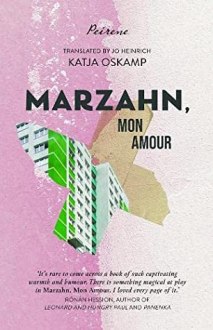
Marzhan, mon Amour by Katja Oskamp tr. Jo Heinrich

A totally delightful, kind-hearted, empathetic read.

Peirene Press German Literature Women in TranslationMarzhan Mon Amour is a memoir-ish novel, collective history and a character study of a group of people living in and around a multi-storied communist-era plattenbau prefab apartment building in the working class quarter of Marzahn, East Berlin, told through the eyes and ears of a woman facing her middle years.

The middle years, when you’re neither young nor old, are fuzzy years. You can no longer see the shore you started from, but you can’t yet get a clear enough view of the shore you’re heading for. You spend these years thrashing about in the middle of a big lake, out of breath, flagging from the tedium of swimming. You pause, at a loss, and turn around in circles, again and again. Fear sets in, the fear of sinking halfway, without a sound, without a cause.

The narrator is a 45 year old woman (referred to in some articles as the author herself), whose partner is ill, requiring her to abandon her career as a writer and take up something else. She retrains as a chiropodist and joins Tiffy who offers beauty treatments and massage and Flocke who does nails, in a salon at the foot of an eighteen storey building.

Katja Oskamp Peirene Press German literature

Photo XU CHENPexels.com

If the opening paragraph quoted above, sounds melancholy, it represents a turning point.  Leaving the writing studio for the salon, though initially motivated for financial reasons, provides both practitioner and patient an incredible sense of connection, community and perhaps even at some level, healing.

Many of the clients have lived there since the housing estate was built forty years ago,

…now bravely coming to the ends of their lives with their walking frames, their oxygen cylinders and their state pensions, sometimes spending whole days not speaking to another soul, pouring out their famished hearts to us when they come to the salon, gratefully absorbing every touch, happy for once not to be treated like imbeciles…

Fed up with rejections, she becomes part of this small team and larger community, seeing her regular clients, getting to know them, listening, observing, caring for them, being part of the fabric of a unique, idiosyncratic neighbourhood.

Marzhan mon amour chiropodist chiropody Katja Oskamp

Photo Nico BeckerPexels.com

In each chapter, we meet another client, another character, a life, shared in an engaging and often humorous way, as she participates in the ritual of what is something between a pedicure and reflexology, an hour long treatment of the feet, listening to or being silent with the person who occupies that quiet hour, a temporary escape from their day to day lives.

A chronicler of their personal histories, we witness the humanity behind the monolith structures of these housing estates, the connections created between the three women and the warmth and familiarity they provide to those who cross their threshold.

And that one day of the year, when they close the salon and go together on an outing, described in a way that will make you almost feel like you are experiencing it yourself.

Superbly translated, Jo Heinrich, had this to say about the experience:

There are poignant sections, but it’s an ultimately life-affirming book; it’s funny and warm-hearted, the characters (mostly) feel like good friends and Katja’s writing is so well crafted that it was always a joy to retreat to.

I absolutely loved it, Katja Oskam has penned an ode to an unappreciated, disparaged area, its ageing population and the power of touch. If you’re looking for an uplifting, life-affirming afternoon read, look no further.

Highly recommended.

Katja Oskamp, Author

German literature in translation ChiropodistKatja Oskamp was born in 1970 in Leipzig and grew up in Berlin. After completing her degree in theatre studies, she worked as a playwright at the Volkstheater Rostock and went on to study at the German Literature Institute in Leipzig.

Her debut collection of stories Halbschwimmer was published in 2003. In 2007 she published her first novel Die Staubfängerin. Her book Marzahn, Mon Amour, published by Hanser with the subtitle ‘Stories of a Chiropodist’, was selected for the ‘Berlin Reads One Book’ campaign and thus literally became the talk of the town.

She is a member of PEN Centre Germany. Marzahn, Mon Amour is her first work to be translated into English, published in Feb 2022 by Peirene Press.

Further Reading

Review: World Literature Today by Catherine Venner

N.B. Thank you kindly to the publisher Peirene Press for the Advance Review Copy.

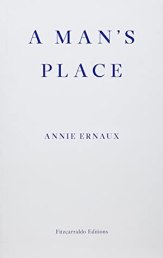
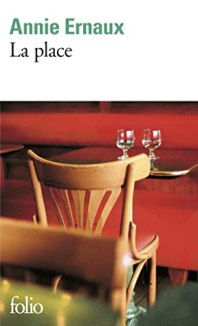
A Man’s Place by Annie Ernaux tr. Tanya Leslie

A book that can be read in an afternoon, this is my first read of Annie Ernaux’s work, one I enjoyed and appreciated. I did find myself wondering why the French title La place was changed to A Man’s Place. I find the change in title unnecessarily provocative and limiting.

La Place autofiction memoir French literature women in translationAt only 76 pages, it is a brief recollection that begins in quiet, dramatic form as she recalls the day her father, at the age of 67, unexpectedly, quite suddenly dies.

Other memories arise as she recalls this shocking one and it is this same recollection she will end the book with, albeit alongside a few other now restored memories, once she has written her way through many others as she attempts to create a tableau of anecdotes that describe the man her father was, their family, social status and surroundings.

A child who will rise into and feel comfortable within a middle class environment, marrying into it, she then tries to look back, remember and understand the characteristics and desires of her family – her father in particular – now that she dwells on the other side, among the petite bourgeoisie.

Having decided she has no right to adopt an artistic approach to write about him (the novel), she embarks on a more neutral tone.

I shall collate my father’s words, tastes and mannerisms, the main events of his life, all the external evidence of his existence, an existence which I too shared.
No lyrical reminiscences, no triumphant displays of irony. This neutral way of writing comes to me naturally, it is the very same style I used when I wrote home telling my parents the latest news.

Neither fiction or nonfiction, this work has  been described as an autosociobiographical text, one that explores their lives and the social milieu within which they are surrounded, dwell and evolve.

Though she only met her grandfather once, she sketches him through overheard comments, a hard man that no one dared quarrel with, a carter for wealthy landowning farmers.

His meanness was the driving force which helped him resist poverty and convince himself that he was a man. What really enraged him was to see one of the family reading a book or a newspaper in his house. He hadn’t had time to learn how to read or write. He could certainly count.

French memoir autofiction nonfictionErnaux’s father was fortunate to remain in education until the age of 12, when he was hauled out to take up the role of milking cows. He didn’t mind working as a farmhand. Weekend mass, dancing at the village fetes, seeing his friends there. His horizons broadened through the army and after this experience he left farming for the factory and eventually they would buy a cafe/grocery store, a different lifestyle.

Ernaux shares memories, observing her father and her own growing awareness of the distance between his existence and way of being and that witnessed at the homes of friends she becomes acquainted with, as she straddles the divide, living in one world, familiar with the other, neither judging or sentimentalising the experiences as she notes them down.

In front of people whom he considered to be important, his manner was shy and gauche and he never asked any questions. In short, he behaved intelligently. Which consisted in grasping our inferiority and refusing to accept it by doing everything possible to conceal it.

They are a snapshot in time and of a place and way of life of a certain social class and milieu, one she is able to preserve by collecting these memories in a kind of obituary to both her father and the places he lived and worked, the people he loved, the mannerisms and behaviours he engendered.

His greatest satisfaction, possibly even the raison d’être of his existence, was the fact that I belonged to the world which had scorned him.

Annie Ernaux, Author

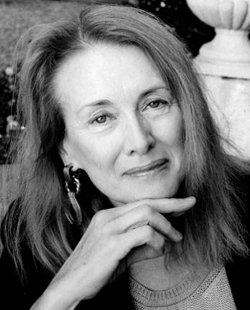
Annie ErnauxBorn in 1940, Annie Ernaux (née Duchesne) was born in Lillebonne and grew up in Yvetot, Normandy, where her parents ran a café and grocery store. She was educated at a private Catholic secondary school, encountering girls from more middle-class backgrounds, and experiencing shame of her working-class parents and milieu for the first time. After studying at Rouen University she became a school teacher.

Her books, in particular A Man’s Place (La Place) and A Woman’s Story (Une femme) have become contemporary classics in France.

One of France’s most respected authors, she has won multiple awards for her books, including the Prix Renaudot (2008) for The Years (Les Années) and the Marguerite Yourcenar prize (2017) for her entire body of work. The English translation of The Years (2019) was shortlisted for the Man Booker prize International and won the Warwick Prize for Women in Translation (2019).

The main themes threaded through her work over more than four decades are: the body and sexuality; intimate relationships; social inequality and the experience of changing class through education; time and memory; and the overarching question of how to write these life experiences.

Fitzcarrraldo Editions have now translated and published seven of her works into English.

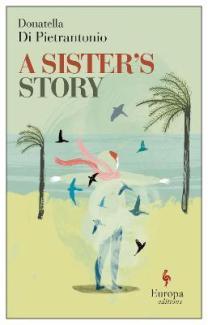
A Sister’s Story by Donatella Di Pietrantonio tr. Ann Goldstein

We first encountered the two sisters in an earlier novel, A Girl Returned. At the time they first met, the elder, the narrator, was being returned to her parents without explanation, 13 years after having been adopted and raised by another couple.

She had given me to another woman to bring up, and yet I had remained her daughter. I will be forever.

Though raised in different neighbourhoods, circumstances, economic conditions and under extremely different parenting, from the moment Adriana first encountered her previously unknown older sister, she became attached, fiercely. Of their mother, our narrator had mixed feelings.

She roused in me an inextricable knot of tenderness and revulsion…

My mother occupied me inside, true and fierce. She remained in large part unknown: I never penetrated the mystery of her hidden affection.

Ann Goldstein Italian literatureIn A Sister’s Story, we encounter them again; the novel opens with the recall of a graduation celebration at Piero’s parent’s country home. Again the novel is narrated by the unnamed elder sister.

I have a photograph of the two of us, in love, looking at each other, Piero with the laurel on his head, eyes of devotion. At the edge of the frame Adriana appears: she entered the shot at the last moment, and her image is blurry, her hair draws a brown wake. She has never been tactful, she interjects herself into everything that has to do with me as if it were hers, including Piero. For her he wasn’t very different from a brother, but nice. My sister is laughing blithely at the lens, ignorant of what was to come for us.

As the narrative returns to the present, the elder sister awakes in a hotel, having travelled overnight from Grenoble back to Italy, confused memories interrupt her thoughts, the result of a telephone call she received that set her out on this journey.

In a now familiar style, unique to Donatella Di Pietrantiono, the present is a mystery, we don’t know why she has returned to where her family came from or what the phone call was about, there is much to fill in since she left. It is clear she has cut ties with many people from her past; the phone call reluctantly yet urgently drawing her back.

Related but moulded by different values and role models the sisters held different aspirations and expectations and behaved nothing like each other. They are deeply connected strangers.

As children we were inseparable, then we had learned to lose each other. She could leave me without news of herself for months, but it had never been this long. She seemed to obey a nomadic instinct: when a place no longer suited her, she abandoned it. Every so often our mother said to her: you’re a Gypsy. Later I was, too, in another way.

photo of teenage girls sitting on the pavement

Photo by Andrea Piacquadio on Pexels.com

The last time the sister’s saw each other, Adriana arrived on her doorstep with a baby, named after their belated brother Vincenzo, denying she was in any danger.

The novel, while moving towards the revelation of the telephone call, explores the complicated relationship between sisters who’ve been formed and wired differently, their desire and struggle to be around each other, their bond and indifference, their separate struggles and opposite ways of dealing with them.

I don’t know when I lost her, where our intimacy was stranded. I can’t trace it to a precise moment, a decisive episode, a quarrel. We only surrendered to distance, or maybe it was what we were secretly looking for: repose, shaking each other off.

It’s an enjoyable read, enhanced by having read the earlier story;  while the first novel was compelling and urgent in a way that made me not want to put it down, the sequel was reflective and mysterious. I enjoyed seeing how the sisters evolved into adulthood in such different ways, trying to hold on to their connection, challenged by the ongoing effect of those formative years.

N.B. Thank you kindly to Europa Editions for providing me with a review copy.

Best Books Read in 2021 Part 3: Top 10 Non Fiction

Paris Hotel de Ville Christmas 2021

Sisters in Paris

I had hoped to issue Part 3 of My Top Reads of 2021 in December, however that didn’t happen. I put my books and blog aside for a month while my sister was visiting, to just enjoy each other’s company and the beauty of the local environment where I live.

Given the times we are currently living through, it has been a humbling gift to combine those two things, to re-connect and enjoy our surroundings, albeit mid-winter.

2022 Reading Plans of a Mood Reader

Today my friend Deidre at Brown Girl Reading called and it was like a sign from the book world, a reminder that this post was sitting here, as are the many piles of unread books. Before speaking to her I had no idea what I might read next, or in 2022.

Musée Carnavalet Me Marais Paris History Madame Sévigné de Seve

History of Paris, Musée Carnavalet

As a mood reader, I don’t tend to make plans, but as I stood in front of the shelves, I noticed that I have already accumulated some little piles of books by authors I want to read more of, like Buchi Emecheta, Gayl Jones, Mary Costello, Janet Frame; more books by Northern Irish authors, including a few more by Brian Moore.

There’s a French history written by women pile, inspired by a recent visit to the History of Paris, Musée Carnavalet. It seems something in my subconscious had indeed been planning!

Best NonFiction Reads of 2021

So, to complete there three part series, following on from Part 1: The Stats + One Outstanding Read of the Year and Part 2: Best Fiction Reads, here is my Part 3: Best NonFiction Books of 2021 and at the end, I’ve tagged on 4 books from my Spiritual Well-being collection that I read in 2021, each of them equally inspiring and nourishing.

In 2021 I read 28 works of nonfiction, so many of them were were excellent, below is a selection of those that I really enjoyed, that have stayed with me, in no particular order:

Autobiography/Memoir
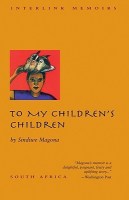
To My Childresn Children Sindiwe Magona1. To My Children’s Children (1990) + Forced to Grow (1992) by Sindiwe Magona (South Africa) – discovering Sindiwe Magona was one of my reading highlights of 2021. Tired of her people being written about and misrepresented by others, she decided for the sake of generations to come, and especially for girls, to share her experience, of an enriching, loving childhood, of growing up under apartheid and overcoming racist and patriarchal challenges.

The first volume covers her life up to the age of 23, when she encounters the most challenging circumstance ever and then in Forced to Grow, from age 23-40 we learn how she finds a way not only to survive but to grow, develop and thrive, overcoming poverty, pursuing education, collaborating with empowered women, spending over 20 years serving in the United Nations. These two books are like nothing else I’ve ever read coming out of South Africa, more than a gift to her grandchildren, they are a treasure and a lesson in humility to all humanity. I’m hoping there is a third volume in the making.
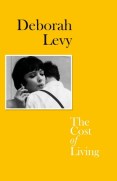
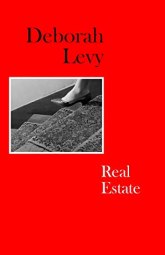
The Cost of LIving Deborah Levy memoir2. Real Estate (2021) + The Cost of Living (2018) by Deborah Levy (Creative Nonfiction) (South Africa/UK) – An author who left South Africa at the age of 9, Levy’s life and reminiscences are a world away from her birthplace and from the life of her compatriot above, though they have left a barely discernible imprint. While Magona embraces the entirety of her experience, Levy in titling her opening memoir Things I Don’t Want to Know (2013), struggles to talk about what she doesn’t want to talk about, using humour, her observation of others and a feminist lens to deflect her existentialism.

In three volumes, as she begins a new phase, unravelling from marriage into mature, independent woman, she reflects on life, her influences, her frustrations, critiquing the roles society assigns us, the way literature and cinema perpetuate them and considers the effect of disrupting them, breaking free. She observes what is going on around her while considering the wisdom of writers who came before, liberates herself from convention, while longing still for aspects of a distorted dream. Slim volumes, entertaining to read, they both inform and obscure, a life in fragments.

autobiography memoir australia indigenous3. My Place by Sally Morgan (1987) (Australia) (Biography/Memoir) – a classic of Australian aboriginal literature, Morgan writes about her childhood when her identity was hidden from her, uncovering her Aboriginal ancestry and understanding why her grandmother was so fearful of talking about the past.

Sharing what she discovered of the life stories of her mother, grandmother and great Uncle to understand why it was deemed necessary to be protected from the knowledge of who she was, she uncovers a heritage and her place in it, in this extraordinary and valuable account. An absolute must read.
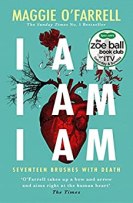
Maggie O'Farrell Memoir Near Death Experiences4. I Am, I Am, I Am, Seventeen Brushes With Death (2017) by Maggie O’Farrell (Northern Ireland/British) (memoir) – a unique memoir told through 17 encounters with death that range from the terrifying to the mundane, the memorable to the repressed.

O’Farrell finds meaning in these experiences, initially cultivating a state of fearlessness followed by the magical effect and shift in perspective that giving birth to a child brings about. A remarkable and thought provoking work using a unique structure, I thought it was brilliant.

Nature Writing

Indigenous Wisdom, Scientific Knowledge and the Teachings of Plants5. Braiding Sweetgrass by Robin Wall Kimmerer (2013) (Creative Non Fiction) (US) – In this remarkable collection of 32 essays, organised into 5 sections that follow the life cycle of sweetgrass, we learn about the philosophy of nature from the perspective of Native American Indigenous Wisdom, shared by a woman of native origin who is a scientist, botanist, teacher, mother.

Sharing scientific knowledge and going out into the forest and field, she demonstrates how close and quiet observation of plants in their habitat teach us. The most crucial lessons being learning how to give back, reciprocity and gift giving, using our imagination and intuition to reconnect with nature and understand the connection between them and us. Just stunning.
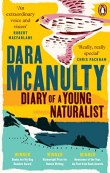
nature writing Wainwright prize6. Diary of a Young Naturalist by Dara McAnulty (2020) (Northern Ireland) – an inspired account of a year in the life of a 15 year old boy with a passion for nature and all forms of wildlife and how his connection to them assists him to navigate life mitigating the intensity and challenges of autism.

His observations are a pleasure to read, his use of language evocative and resonant in bringing the natural world he loves to life for the reader. A writer to watch, inspirational.

Justice/Social Science/History
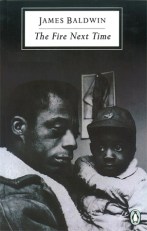
The Fire Next Time James Baldwin7. The Fire Next Time James Baldwin (1963) (Letters) (Social Justice) (US) – a short book of just two letters, one written to his young nephew, a kind of preparation for what lies ahead of him as he will become a young black man in America and a tender description of who he sees in him, his heritage, his family connection and that he is loved, a beautiful literary gift to a young boy.

The second letter he writes to himself, Letter From a Region of My Mind – like a journal entry, he writes of his own development of his self-awareness, of the experiences that moulded him, of his choices to seek refuge and revenge in the same calling, his assessment of meeting Elijah Muhammed, leader of the Nation of Islam. Baldwin’s message is one of love, of standing up for one’s rights, of dignity and the health of one’s soul, of our responsibility to life. A gem of a book, as relevant now as when he wrote it.
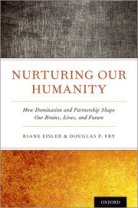
Nurturing Humanity8. Nurturing Our Humanity, Riane Eisler, Douglas Fry (Austria/US) (Social Science/Cultural History/Anthropology) (2019) – The long awaited sequel to her brilliant The Chalice and The Blade (1987) which introduced Eisler’s theory on domination versus partnership models of society, this new book written in collaboration with Anthropologist Douglas Fry, explores how domination and partnership have shaped our brains, lives and futures.

They demonstrate through decades of research how we have been influenced by a system of domination that favours hierarchical structures, ranking of one over another, authoritarian parenting and leadership, fueled by fear, tamed by punishment, sustained by conditioning. They argue that the path to human survival and well-being hinges on our human capacities to cooperate and promote social equality, through empathy, equity, helping, caring and various other prosocial acts. A riveting, essential read on understanding human nature and where we are headed.

Sea People In Search of Ancient Navigators of the Pacific9. Sea People Christina Thompson (2019) (Australia/US) (History)  – I loved and was fascinated by this book, a woman curious about her husband and son’s cultural heritage, looks back at what has been written by various/mostly male historians about these ancient navigators of the Pacific and according to their own paradigm and biases, their theories on how they arrived there.

What she discovers are non-instrument navigation techniques that Europeans weren’t aware of, abilities developed by these ancient mariners that are fascinating to imagine, and that a small group seek to emulate, challenging themselves to go back in time, to think and understand the sea, the stars and nature, as their ancestors did. Fascinating and insightful.
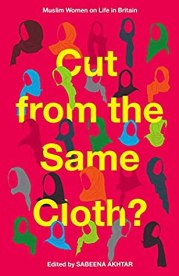
Cut From the Same Cloth Sabeena Akhtar10. Cut From the Same Cloth, Muslim Women on Life in Britain (2021) Edited Sabeena Akhtar (UK) (Essays) – this was a long awaited volume of essays, crowdfunded by many supporters, brings together the voices of 21 Muslim women of different ages, races and backgrounds, allowing them to explore their experience and spiritual perspectives, expressing them creatively.

More than mere essays, collectively, their words bust the all too common stereotypic myths of the hijab wearing woman and introduce us to a bright, humorous, passionate group of women, whose honesty and thoughts are both empowering and insightful. Though they are writing for themselves and each other, anyone interested in understanding the many diverse views of British Muslim women today, will enjoy reading this anthology.

Spiritual Well-being Reads

Finally, one of the genres I like to read is Spiritual Well-being and there is a page dedicated to those books at the top of this blog, for easy reference. They tend to be winter reads, corresponding to that time when we tend to go within and might benefit from a revisiting of inspirational words and an alternative perspective on how to co-exist with whatever it is we are dealing with in the external world.

Sensitives and Soul Purpose
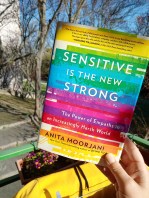
The Power of Empaths in an Increasingly Harsh WorldThis year I found inspiration from two of my favourites in this field, and two new authors, all of them coming from renowned publisher Hay House.

“Every thought we think is creating our future.” Louise Hay

Anita Moorjani’s Sensitive is the New Strong (2021) (India/Hong Kong/US) is written in particular for highly sensitive empaths, with information about recognising this in oneself, learning to develop it as a strength, while understanding the importance of  how to protect your energetic body from the negative effects of the kind of world we live in today.

Rebecca Campbell What is a Soul WLetters to a Starseed (2021) by Australian intuitive and creative, now based in Glastonbury, Rebecca Campbell, who previously wrote Light is the New Black(2015) and Rise Sister Rise (2016). This latest book is for those interested in understanding more about soul purpose.

She considers the big questions that mystics and philosophers through the ages have been asking about our cosmic origins, in a much lighter way: What is the soul, where did it originate and why have we chosen to come here at this time? You’ll know if this is meant for you or not.

Archangel Guidance and Self-Worth

the female archangels Claire StoneAnother new author I picked up this year was Claire Stone and her book The Female Archangels (2021) (UK) having already read quite a few books by Kyle Gray, which I’ve found hugely beneficial in previous years to carry with me and read whenever I had to deal with stressful hospital environments, unhelpful bureaucracy, anxiety producing school meetings – an alternative to pharmaceuticals I guess!

I enjoyed reading her book, although it might be more suited to practitioners or those already in the habit of ritual, as many of her suggestions require props.
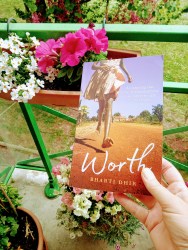
Inspirational memoir of belongingFinally, Worth by Bharti Dhir (2021) (UK/Uganda) – Bharti Dhir was abandoned as a newborn in a fruit box on the side of the road in the Uganda countryside. To this day she doesn’t know who her birth mother was, though rumours created a version of the story and the imagination of the author and reader contribute to what might have happened.

Throughout her childhood there are numerous events, situations, heath problems and challenges that Bharti and her family live through, address and overcome, some of which contribute (at the time) to diminishing her sense of self-worth. With each situation, she shares how she is able to look back with compassion and forgiveness and describe how she was able to turn all that around.

Her reflections on compassion and empathy are enlightening and model a nurturing way to embrace our humanity and practice them as acts of self-care.

 * * * * *

That’s it for 2021 nonfiction reads. Share with me your recent nonfiction favourites or thoughts on any of the above.

Happy Reading for 2022 and thank you for reading!

Claire

Real Estate by Deborah Levy

I read the three volumes that make up Deborah Levy’s Living Autobiography over the year, beginning with the slim Things I Don’t Want to Know, a writer in the cocoon stage of transformation, the threads wound tight. A confrontation with denial, it is equally enticing as it is uncomfortable, it reveals as it obscures trying to fit into George Orwell’s framework from his essay ‘Why I Write’.

In The Cost of Living, a more expansive narrative, the threads unravel and insights are plentiful, though some of the thinking that created the earlier restrictiveness remain.

Real Estate Deborah Levy Memoir AutobiographyAnd now the final volume, Real Estate, which might as easily have been called UnReal Estate, in tumeric coloured silk, Levy has shed the cocoon, ready to embrace a new decade, the nest empty.

I became obsessed with silk. I wanted to sleep in it and wear it and somehow knew it had healing properties. It started when a royalty cheque came in and I took it literally and began to sleep by royalty.

With marriage and motherhood behind her, she dreams of a home with a fountain in the garden, a mimosa tree, a place to welcome friends, unencumbered by practicalities or marital vows.

Yet in my unreal estate dreams my nest was not empty.

If anything the walls had expanded. My real estate had become bigger, there were many rooms, a breeze blew through every window, all the doors were open, the gate was unlatched. Outside in the unreal grounds, butterflies landed on bushes of purple lavender, my rowing boat was full of things people had left behind: a sandal, a hat, a book, a fishing net. I had recently added light green shutters to the window of the house.

Deborah Levy Real Estate Paris

Photo by alleksana on Pexels.com

As with the previous book, there are recurrent themes, there is a sense of humour and a search for something elusive in the idea of an appealing mature woman character. Deconstructing the stereotype of these persona, she ponders why no scripted female characters had full lives of their own.

It occurred to me that what was wrong with the scripts was that the mothers and grandmothers were always there to police the the more interesting desires of others, or to comfort them, or to be wise and dull.

Accepting a fellowship at the same time her younger daughter leaves home, she prepares to spend some months in a bare apartment in Paris, a new source of inspiration and insight, rereading and reflecting on the works of Simone de Beauvoir, Marguerite Duras and Katherine Mansfield, researching the subject of the doppelgänger.

My empty nest in Montmartre was really a version of my two writing sheds, except I could cook and sleep in it. I worked through the night on my new novel, while the sculptor downstairs worked through the night with her electric saw.

Approaching her sixth decade, somewhat in isolation brings on a melancholic reckoning, a party and as the mimosa blooms, the mood lifts.

mimosa Paris Deborah Levy Creative nonfiction

Photo Larysa Charnakal Pexels.com

It’s not easy to describe the book, being a circular narrative that moves forward at the same time revisiting themes, turning back on itself, considering different perspectives.

The combination of grit, pearls of wisdom and humour, combine in a rollicking read of interconnected thoughts and observations, the searching for and letting go of ideas, those that promise an experience and the outdated that no longer serve the purpose of finding contentedness as a mature woman.

I loved it, finishing it in two days, and all the more for having struggled through the first volume, been both delighted and frustrated by the second and arrived here, at the evolution of an observation and examination of what it means to live, to love, let go and just be.

Best Books Read in 2021 Part 2: Top 10 Fiction

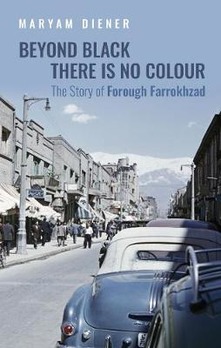
Best Books of 2021 Autofiction Forough FarrokhzadAs mentioned in my previous post, my One Outstanding Read of The Year for 2021 was Maryam Diener’s Beyond Black There is No Colour: The Story of Forough Farrokhzad (2020), a work of fiction written in the first person, a novella that stays true to the life of Iranian poet and film-maker Forough Farrokhzad.

Heartfelt, illuminating, inspiring, a beautiful telling of an exceptional life.

Top 10 Fiction 2021

If you’ve seen that post, you’ll have seen that I read books from around the world, so no surprise that my Top 10 Fiction reads come from 9 different countries. In no particular order, but grouped thematically, here are my favourite fiction reads of the year, click on the title to read the original review:

Native Wisdom and Legacy from the Antipodes

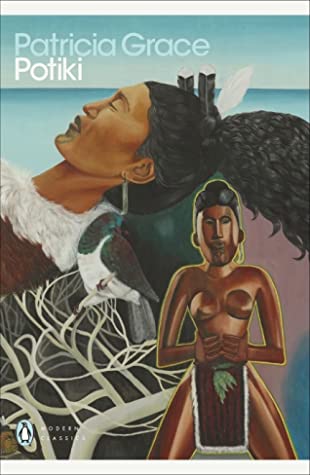
Maori Literature Modern Classic1. Potiki by Patricia Grace (NZ) (1986) – First published in New Zealand 35 years ago and now published in the UK as a Penguin modern classic, the timeless narrative of Potiki is a demonstration of the clash of cultures, of the native against the coloniser, of the attempt to maintain a way of life that is perceived as backward against the encroachment of a capitalist driven greed that is willing to use whatever means necessary to get what it wants.

Through thoughtful character creation and storytelling around Hemi and Roimata’s tangata whenua (family) and their circumstance, it infiltrates the cultural differences and attitudes that exist and how the actions of those in power with their single agenda, affect a people whose way of life, customs and beliefs are different.

A tour de force, I absolutely loved it. A classic indeed.

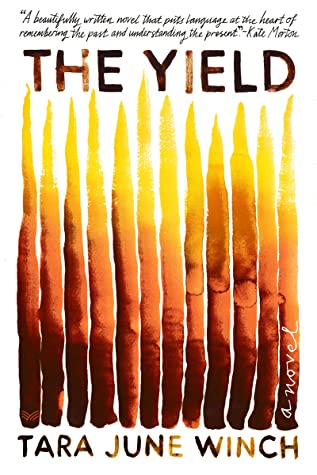
Indigenous Literature Aboriginal Australia2. The Yield by Tara June Winch (Australia) (2019) – Coincidentally, shortly after reading Potiki, I picked up the award winning Australian contemporary novel The Yield, which tells a layered story of the Aboriginal connection to the land, their language and customs.

A story told in three voices and narrative perspectives, Grandfather Poppy’s voice speaks from the past, sharing words in a dictionary he was creating. Threaded throughout the text, his words preserve a culture, they are evidence that a civilisation existed, one that was threatened with extinction. His granddaughter has returned from abroad and is trying to save the family from eviction. And the Reverend’s letters from the 1800’s which shed light on the past.

African Appreciation and Perspective

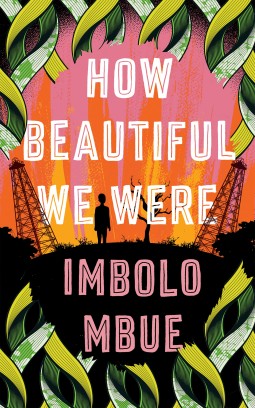
Colonialism Capitalism Envirnmental Pollution Africa Literary fiction3. How Beautiful We Were by Imbolo Mbue (Cameroon/US) (2021) – With a not dissimilar theme, set in an(y) African village, Mbue’s characters are named after actual cities and towns. It is the 70’s and the inhabitants are suffering ill health from the effect of pollution of the water table, so they decide to address the local leadership.

The story, narrated through different members of Thula’s family and the collective “we” of her friends, follows each generation’s attempt to seek justice and retribution, and the increasing complexity of resistance, as the narrative moves from the past up to the present.

An allegory for all those without political influence living with the damaging effects of the disrespect of the land, the Earth, of not seeing her as the Mother or our connection to her; it’s an absolute must read, sure to become a classic.

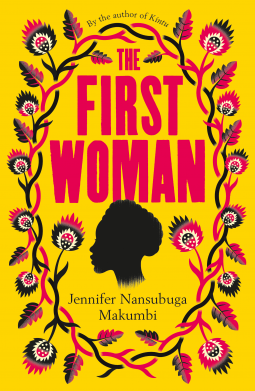
The First Woman Jennifer Nansubuga Makumbi4. The First Woman by Jennifer Nansubuga Makumbi (Uganda/UK) (2020) – this was hotly anticipated given her debut novel Kintu was my One Outstanding Read of 2018 and equally brilliant in its character formation and storytelling. Definitely a favourite author.

Set in Uganda, it is the coming-of-age story of Kirabo, as she becomes aware of a mystery surrounding her birth. Of a silence. Her grandmother tells her she has “the original state” of the first woman in her, part of the enigma she will come to understand.

As with Kintu, Makumbi steps beyond colonial influence, almost entirely removing it, to tell an authentic, far reaching story of a primeval culture and its women. In the US, it’s titled A Girl Is A Body of Water.

Cheluchi OnyeMelukwe Onubia Europa Editions UK5. The Son of the House by Cheluchi Onyemelukwe-Onuobia (Nigeria/Canada) (2021) – Set in Nigeria, as the story begins we meet two women Nwabulu and Julie, who will pass days imprisoned together waiting for their families to respond to a ransom request.

The alternating narrative returns us to the beginning, to their separate, contrasting lives, that lead them to this drama, while exploring the influence and impact on them and all women, of Nigerian society’s elevation in importance of “the son of the house“.

It is a clever, very human exploration of class, family lives disrupted, parental influence, the tenacity and resilience of women, of their ‘survive and thrive’ instinct as they navigate a man’s world.

A riveting and insightful read, and an exceptional new literary voice.

Irish Reflection and Resistance to Conformity

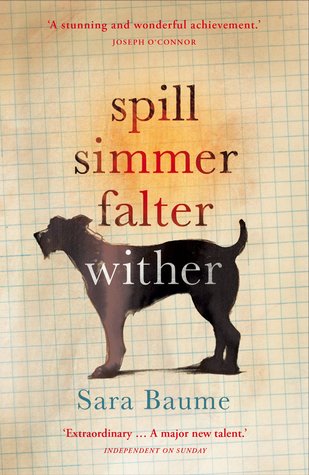
Sara Baume Ireland Dogs in Literature Miterary Fiction6. Spill Simmer Falter Wither by Sara Baume (Ireland) (2015) – This was my very first book of the year, and one I chose because I adore and still think about and implore people to read her work of nonfiction Handiwork, the first of her books I read in 2020. I was curious to see what Baume’s fiction would be like and what a joyful and unique encounter it has been.

We meet a hermit-like 57 year old man (except I read the whole novel intermittently imagining I’m reading/seeing through the eyes of a character more like Baume) and OneEye, the injured, undisciplined dog who he has taken in, who he is thinking and talking to, in this second person “you” narrative. As we get to know him, we learn how out of character that was and the trouble it has caused, while following his road-trip attempt to flee the situation and himself (+ dog) altogether.

It’s a slow unravelling, beautifully written and cleverly constructed journey, with a surprise twist, that was pure joy to read. Reflective, poignant and daring, it’s one you’ll keep thinking about long after reading.

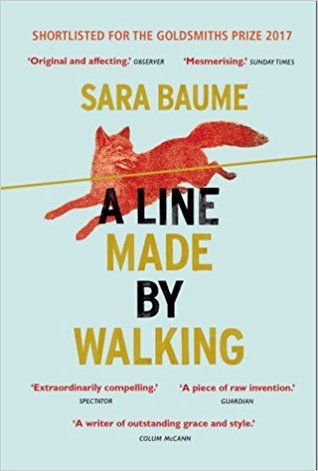
Irish literary fiction Visual Artist7. A Line Made by Walking by Sara Baume (Ireland) (2017) – I can’t help it, she’s become one my current favourite authors, so I end the year reading the 2nd novel by Sara Baume and again have an impression of reading autofiction. 

26 year old Frankie quits her Dublin bedsit and moves home, then a week later into her grandmother’s abandoned, neglected (for sale) home. She’s taking time out, but rather than mope about, takes charge of her situation, starts an art project and tests herself on works on art, remembering.

It’s a novel about a young woman in a transition, learning something about herself, with the shadow and memory of her grandmother over her, healing from life. Extraordinary.

And very pleased to hear a new novel Seven Steeples is due out in April 2022!

Women in Translation

The year wouldn’t be complete without fiction from other countries in translation and though I didn’t read during August’s WIT Month, I did still read a few titles throughout the year and these three really stood out as firm favourites. And not surprisingly, they’re from my three favourite independent presses!

Women Wait for Their Men & The Empty Nest Unhinges Her

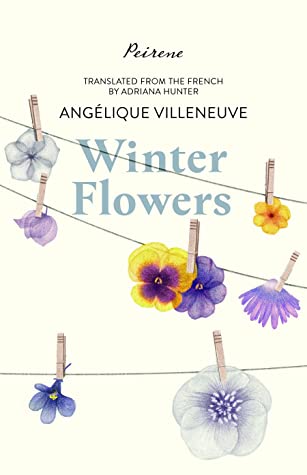
Winter Flowers Angélique Villeneuve8. Winter Flowers by Angélique Villeneuve (France) tr. Adriana Hunter (WWI) (2021) Peirene Press an utterly compelling novella, set in the closing days of WWI that delves into the lives and perspective of a young woman Jeanne and her daughter as they wait for her injured husband to return. He’s been rehabilitating in a facial injury hospital and has forbidden her to visit. Now he returns and we witness the change.

Unlike many war stories, this is not about the active participants, but the unseen, unheard, rarely if ever spoken about, aftermath. Written with profound empathy and courage, it’s intense, riveting and unforgettable.

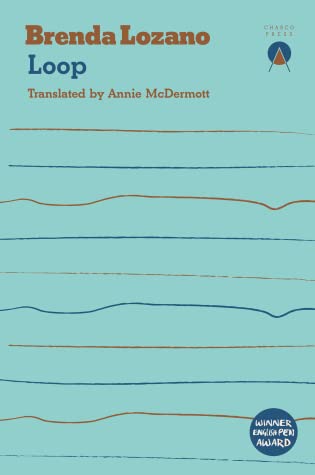
Women in Translation Mexico9. Loop by Brenda Lozano tr. Annie McDermott (Mexico) (2019) Charco Press – this totally took me by surprise, languishing on my shelf not realising the playful literary gem that lay within. 

 Inspired by Lozano’s contemplation of The Odyssey’s Penelope while her lover Odysseus is off on his hero’s quest – it’s the circular loop of the anti-hero story, the inner journey of the one who waits; revealing the way that contemplation and observation reveal understanding and epiphanies. In her notebooks she observes the familiar and unfamiliar around her, sees patterns, imagines connections, dreams and catastrophises. Wild is the Wind.

Odysseus, he of the many twists and turns. Penelope, she of the many twists and turns without moving from her armchair. Weaving the notebook by day, unravelling it by night.

Pure fun, slightly quirky, lightheartedly philosophical, many unexpected laugh out loud moments. Loved it!

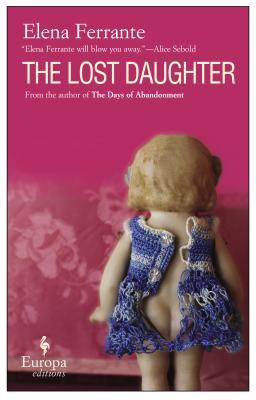
psychological thriller film Italian10. The Lost Daughter by Elena Ferrante tr. Ann Goldstein (Italy) (2008) Europa EditionsLast but certainly not least, the only Ferrante novel I had not yet read, and the shortest (so if you haven’t ventured yet perhaps try this before the My Brilliant Friend tetralogy). With the film due to hit the screens, I wanted to read it before being tempted to watch.

For me, The Days of Abandonment was Ferrante’s most intense reading experience, while this novel lulls the reader into a deliciously, false sense of anticipated joy, especially for any women approaching the empty nest era of life and dreaming of an idyllic Mediterranean beach holiday. It’s a story that zooms in on another ‘moment in life’, transition, where freedom and longing clash with frustration and resentment, as subconscious memories (and perhaps unbalanced hormones) project themselves onto the present, inappropriately, dangerously.

It’s both reminiscent and inviting, until it’s disrupted, Ferrante writing is so evocative in creating a sense of place and mood, and getting into the dark shadow mind of her characters.

 *  *  *  *  *  *  *

Let me know if you’ve read and enjoyed any of the above, or share any of your own favourite reads of 2021 in the comments below!

Next up Top Non Fiction Reads of 2021…