
Though it is a relatively slim book compared to what we have come to expect from Elena Ferrante, this novel is just as effective as others at getting to the crux of a woman’s suppressed wound and subsequent behaviour, leaving the reader much to reflect on.
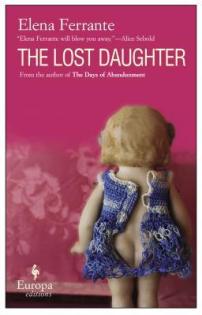 I just love the way her novels cast women in various stages of life, and this one, like Troubling Love is set over a summer, but couldn’t be more different, despite the common element of intensity. Our protagonist here is an empty nester.
In The Lost Daughter, an ambiguous title that is left to the reader to decide, Leda, a middle aged divorcée, is facing a long summer; her young adult daughters have now left home, moving to Canada to be with their father.
For the first time in almost twenty-five years I was not aware of the anxiety of having to take care of them.
Though she speaks with them every day, the closeness they had when they were physically present, creates a space, an absence, that begins to fill with other memories, that reach further back to her own childhood.
Freedom and Longing
As the novel opens, she has decided to depart for the summer to the beach, renting an apartment in a seaside town and is looking forward to the freedom. A Professor of English literature, she has brought her work with her, balancing her time between preparation for the year ahead and relaxing at the beach.
I love the scent of resin: as a child, I spent summers on beaches not yet completely eaten away by the concrete of the Camorra – they began where the pinewood ended. That scent was the scent of vacation, of the summer games of childhood.
She drives out of town to find a quiet place and this becomes her preferred beach for the summer. Parked under the pines, she walks through the wooded area to the small beach beyond.
In less than a week, it had all become a peaceful routine. I liked the squeak of the pinecones opening to the sun as I cross the pinewood, the scent of small green leaves that seemed to be myrtle, the strips of bark peeling off the eucalyptus trees.
 She becomes acquainted with the regulars, the boy who puts out the chairs and umbrellas, a young woman with her child, a pregnant woman – part of a large Neapolitan family.
She doesn’t know them, but they feel familiar, they remind her of the family she grew up in, the family she moved away from, both physically and literally.
They were all related, parents, grandparents, children, grandchildren, cousins, in-laws, and their laughter rang out noisily. They called each by name with drawn out cries, hurled exclamatory or conspiratorial comments, at times quarreled: a large family group, similar to the one I had been part of when I was a girl, the same jokes, the same sentimentality, the same rages.
Observation and Obsession
She watches in particular, the young mother Nina, and her daughter Lena, eventually engaging with them, observing the family dynamics, revisiting old feelings, remembering events from the past.
She talked to the child and her doll in the pleasing cadence of the Neapolitan dialect that I love, the tender language of playfulness and sweet nothings. I was enchanted. Languages for me have a secret venom that every so often foams up and for which there is no antidote. I remember the dialect on my mother’s lips when she lost that gentle cadence and yelled at us, poisoned by her unhappiness: I can’t take you anymore, I can’t take any more…That woman, Nina, seemed serene, and I felt envious.

Photo by Isabella CarvalhoPexels.com
When a small drama occurs, it creates an opportunity for her to interact with them; it is from this moment the tension mounts and we realise there is much we do not know about our protagonist, about her motivations for acting the way she does. A sense of unease permeates.
I loved the way this begins like a joyful beach read, the feeling of the end of a teaching year, a mature woman about to enjoy a summer without responsibilities, her children gone, the only clue to something more sinister in the air, a reference halfway to her destination, when an unprompted feeling from the past arises and changes her mood.
It is the promise there is more to this woman than what we have witnessed thus far. We read attentively, alert to anything that seems odd, wondering what might be causing her to be so attentive to this family.
When you finish reading this novella, as I have just discovered now, a few days after finishing it, if you want to experience one final gasp of realisation, go back and reread the first page, that first one page chapter.
The Lost Daughter, The Film
I thoroughly enjoyed this and look forward to seeing what Director Maggie Gyllenhaal and Actor Olivia Colman will bring to the text, in the film that is due to come to the screen at the end of December.
Gyllenhaal is said to have written a letter to Ferrante asking if she could adapt the novel, to which Ferrante responded yes, if she were to direct it herself. The premiere at the Venice Film Festival received a four minute standing ovation.
The thing that drew her to Ferrante, she said, was the writer’s ability to say “these things out loud that I hadn’t really heard anyone say out loud, about mothering, about sex, about desire, about the intellectual life of women, about the artistic life of women.”
You can watch the trailer here.
Further Reading
Interview Guardian, Aug 2020: Elena Ferrante: ‘We don’t have to fear change, what is other shouldn’t frighten us’
Screenrant Film Review, Oct 2021: Maggie Gyllenhaal’s The Lost Daughter Is Exquisite & Nuanced by Mae Abdulbaki

 Thus a struggle arises between two ways of seeing, of being, one that requires natural behaviour to be modified, medicated, suppressed, so that the child will appear and behave in the family and society as “normal”, while the other allows for that natural “but judged and condemned” way of being to exist.
 Minor Feelings is a collection of creative nonfiction essays that invites the reader to view aspects of the life experience of artist and writer Cathy Park Hong, from a little observed and known viewpoint, that of an Asian American woman pursuing her own authentic form of expression, while looking for other role models, disrupting the silence that is expected, through a polemic on race, ethnic origins and art.


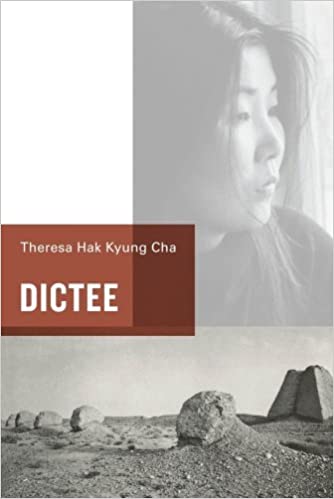 A tribute to thirty one year old artist and poet

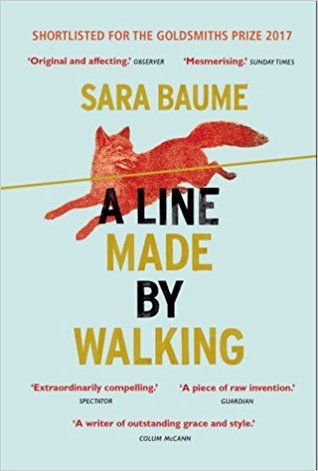 A Line Made By Walking takes place over one summer when 26 year old Frankie quits her Dublin bedsit and returns briefly to her parent’s home, before deciding to move temporarily into her grandmother’s slightly decrepit cottage that has long been on the market, since her death over a year ago.
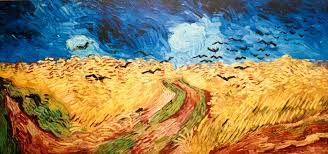 The line made by walking crops up three or four times in the novel, in reference to artworks, the first time in Van Gogh’s Wheatfield with Crows (1890) and represents the division between the field and sky, the sadness inherent in life. It was his final painting.
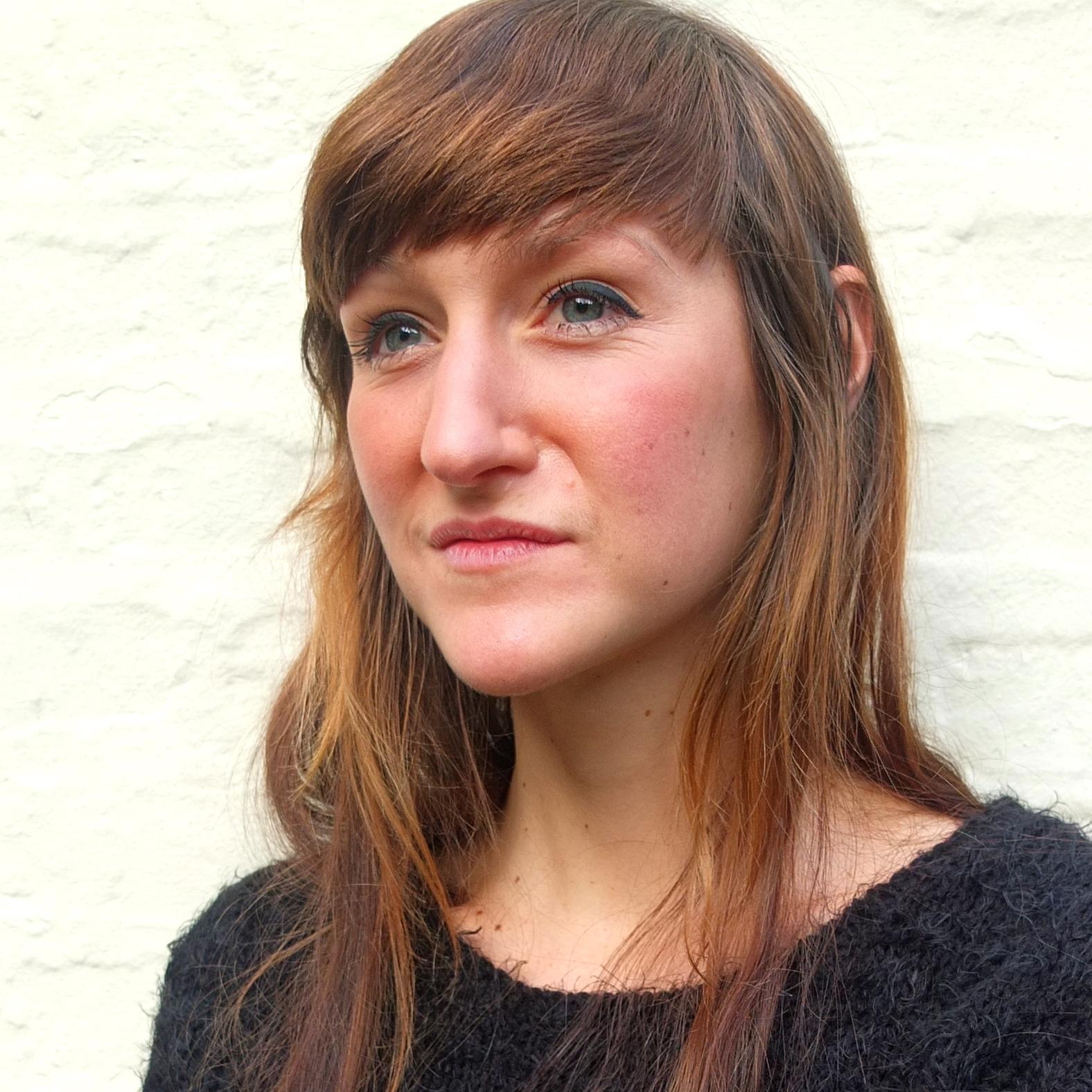 Sara Baume, born in 1984, was raised and now lives in County Cork, after having studied Fine Art at Dun Laoghaire College of Art, and Design and Creative Writing at Trinity College, Dublin.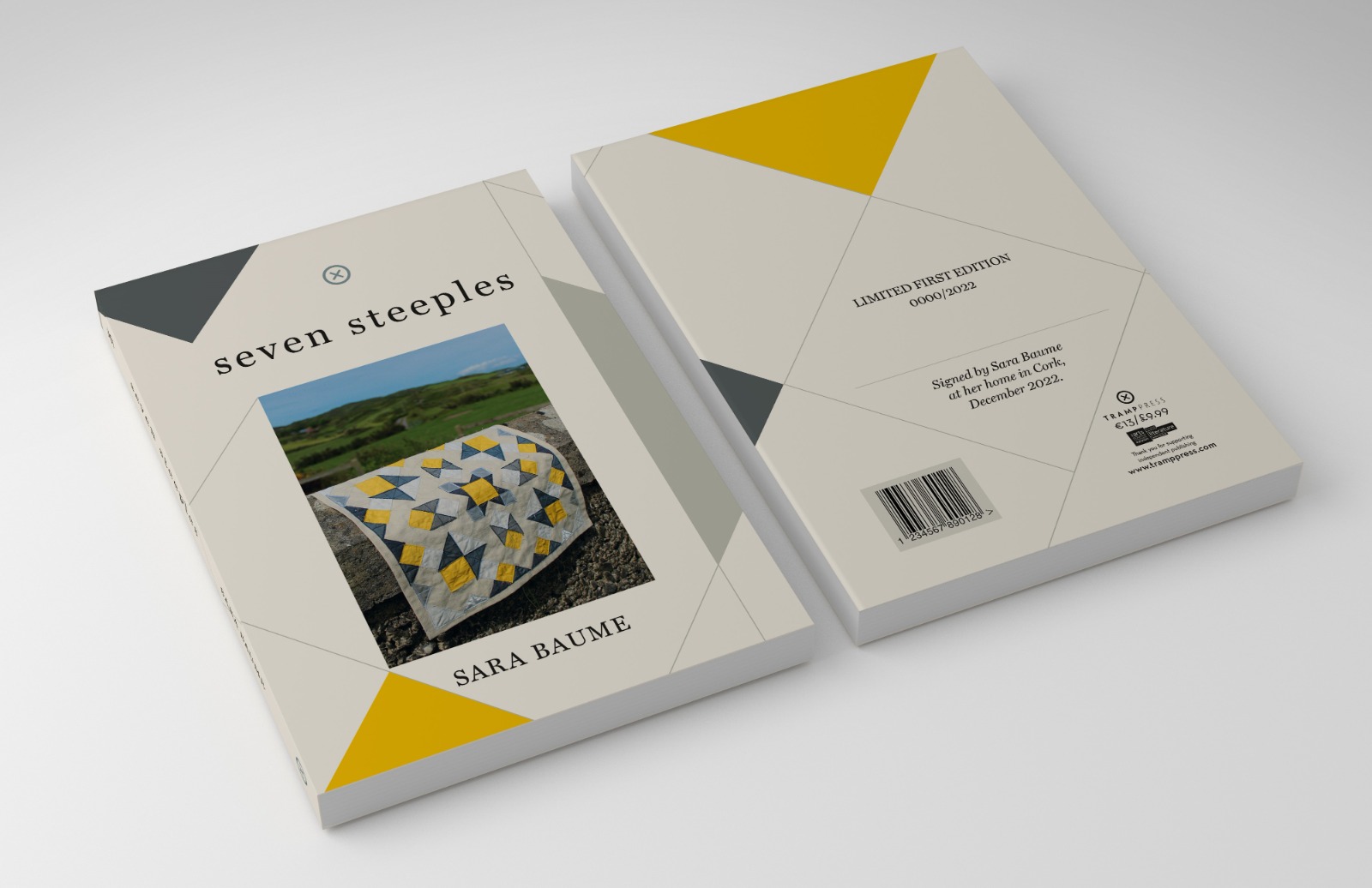
 Written when the author was 26 years old, a similar age to her young protagonist Ursa Corrie (Corregidora) when we first encounter her. Ursa sings blues in a bar, the first paragraph of the book, reads like a piece of flash fiction, a story in 150 words. Of her marriage to Mutt in Dec 1947, his dislike of her singing after their marriage because he believed marriage changed all that.
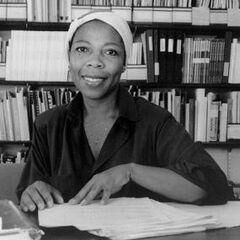 Gayl Jones was born in Kentucky in 1949. She attended Connecticut College and Brown University. She is a novelist, poet playwright, professor and literary critic.
 Coincidentally, the day I started reading it, I became aware it was one of the five shortlisted novels for the Canadian literary award, the

 As their stories unfold, we also discover the importance of these women’s friendships, both of them have been helped by their best female friend at a turning point in their lives and the mystery gradually unfolds as to what has brought these unexpected allies together.
 Cheluchi Onyemelukwe-Onuobia is a Nigerian-Canadian lawyer, academic and writer.
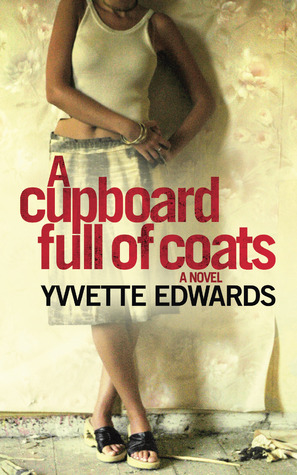 It is 14 years since Jinx’s mother died and the knock on her door by a friend of her mother’s she hasn’t seen since then, initiates this weekend like no other, which will bring back all the emotion, rage, resentment, passion and sorrow that has been pushed down so deep for years.
 Yvvette Edwards is a British East Londoner of Montserratian origin and author of two novels, A Cupboard Full of Coats and The Mother. Her short stories have been published in anthologies including New Daughters of Africa, and broadcast on radio.
 I enjoyed Lies of Silence, however was completely wound up by his treatment of the character in The Lonely Passion of Judith Hearne, a feeling of indignation in his treatment of the female protagonist that was expounded on by Colm Tóibín who admitted:


 An Immigrant Story
 Word by Word