
Longlist Announced
The annual New Zealand book awards have announced their longlist, 44 books in four categories (fiction, general nonfiction, poetry, illustrated nonfiction) from 191 nominations (20% increase on 2022), showing how much more dynamic the industry has become in recent years. Read the entire list of nominees for each category here.
This year there were more debut authors than recently (a third of longlisters), which bodes well for the future, according to Nicola Legat, Chair of the New Zealand Book Awards Trust who discusses the longlist here on Radio NZ’s Nights With Karyn Hay.
The Jann Medlicott Prize for Fiction
The 10 novels below will compete for a place on the shortlist of 4, featuring established names like Catherine Chidgey, alongside popular newcomers like Coco Solid who was on the NZ bestsellers list for many weeks, a young urban Aucklander and performance poet, part of a rising generation of Pacifica writers increasingly prominent in New Zealand’s literature scene.
It’s good to see historical fiction starting to become more present and a notable crime thriller, highly praised by Val McDermid.

Better the Blood (Crime Thriller) by Michael Bennett – an exploration of Maori history, the crimes of colonisation and their impact on current lives, through the eyes of single mother and policewoman Hana Westerman, who investigates a serial killer seemingly keen to take revenge for the historic murder of a rangatira (leader). Described here as ‘the stunning new crime novel that’s a Trojan horse for exploring the hurt of colonisation’.
Chevalier & Gawayn: The Ballad of the Dreamer (Speculative/Science fiction/Fantasy) by Phillip Mann – published just weeks before his death, it is describes as a fable for our times. Serious, whimsical, funny, powerful and sexy, Chevalier & Gawayn is a thrilling mix of adventure and adversity and the need to heed the past.
Down from Upland (Domestic Fiction) by Murdoch Stephens – described as a character-driven “slice of life” novel, featuring millenials raising a teenager, set in Kelburn, so doses of Wellington high schools, civil servants & cringe culture.
Home Theatre (Short Stories) by Anthony Lapwood – a genre-bending collection, spanning the fantastical and the keenly real, introducing an ensemble of remarkable characters – and the fateful building that connects them all. Repertory Apartments – where scenes of tenderness and trouble, music and magic, the uncanny and the macabre play out on intimate stages.
How to Loiter in a Turf War (Popular Fiction) by Coco Solid – a lucid, genre-bending cinematic work of fiction from one of the country’s most versatile performance artists. A day in the life of three friends beefing with their own city. With gentrification closing in and racial tensions sweltering, the girls must cling to their friendship like a life raft, determined not to let their neighbourhood drift out to sea. Fast, ferocious, crack-up funny and unforgettably true. Recommended to listen to, narrated by the artist themselves.
Kāwai: For Such a Time as This (Historical Fiction) by Monty Soutar – A young Māori man, compelled to learn the stories of his ancestors, returns to his family marae to speak to his elderly grand-uncle, the keeper of the stories. Set in mid 18th century through to first encounters with Europeans, it delves into an exploration of the culture, first in a series.
Mary’s Boy, Jean-Jacques and other stories (short stories) by Vincent O’Sullivan – a sequel to the tale of Dr Frankenstein’s creature + new stories that traverse other time periods and minds – stories described as wry, humane, unsparing, essential.
Mrs Jewell and the Wreck of the General Grant (Historical Fiction) by Cristina Sanders – Set in 1866, the story behind the enduring mystery of one of New Zealand’s early shipwrecks, told from the perspective of the one woman survivor. Fourteen men make it ashore and one woman – Mary Jewell. Stuck on a freezing and exposed island, they must work out how to survive. Described as a gripping page turner.
The Axeman’s Carnival (Bird Narrated Literary fiction) by Catherine Chidgey – Narrated by Tama the magpie (who tweets @TamaMagpie) “Chidgey fuses the sensibility of our cinema of unease – of life on a struggling back-blocks farm with a dour farmer – with the liberating and alienating madness of fame, all of it seen by the novel’s hero, the magpie Tama. Tama does all the voices – orchardists, tourists, fairground commentators, daffy activists, and the unappeasable axeman – and he does them justice. The Axeman’s Carnival is a compulsive read and flat-out brilliant” says author Elisabeth Knox.
The Fish (Absurdist Literary Fiction) by Lloyd Jones – described by Claire Mabey (books editor, The SpinOff) as ‘a brave reckoning with the dark sides of family, memory and the self’. Set in 1960’s NZ, it is a novel of family bonds, strained and strengthened by tragedy, an allegorical tale of absence and return. Who or what the fish is, seems like a mystery to many readers, might be a marmite book, due to the ‘slippery nature of the storytelling’.
General Non-Fiction Award
A big increase in submissions for here with a lot of memoir, Noelle McCarthy’s Grand, filmmaker Gaelene Preston’s Take, Fiona Kidman’s essays So Far, For Now, Kate Camp’s You Probably Think this Song is About You covering a wide range of subjects, creative non-fiction becoming much more prevalent.
This award remains somewhat controversial, given the wide range of sub-genres it includes, pitted against each other: creative nonfiction, memoir, history and academic texts. For this reason, an additional four titles make the longlist.

Mary and Peter Biggs Award for Poetry
Poetry in NZ is on fire at the moment says Nicola Legat, so many strong voices coming through, on decolonisation, gender issues, it is the poets who seem to be addressing many of these subjects.
Check out Initial Thoughts, Thrills, Surprises, Hidden Gems and Predictions from Claire Mabey and Louise Wallace at The SpinOff.
They predict Echidna by Essa May Manapouri to win.

Booksellers Aotearoa New Zealand Award for Illustrated Non-Fiction
With incredibly strong representation, this longlist features seven different publishers and you might say adds another 10 to the general non-fiction category. Books with a visual dimension continue to be popular and there are some interesting and intriguing titles here.
Te Motonui Epa by Rachel Buchanan tells the strange but true story of the theft of five wooden panels carved in the late 1700s by Taranaki tūpuna and their connection to the 11 day kidnapping of Graziella, daughter of the collector George Ortiz, who put the Motunui epa up for auction to pay back money he borrowed for the ransom. Epic and fascinating!
I Am Autistic by Chanelle Moriah, is described as ‘a first of its kind: smashing through stereotypes and presenting a clear, interactive tool for those eager to either learn about themselves, or people around them’.
Something Is Happening Here looks at 50 years of the art of Robin White, including insights from art critics and interviews from many others. Including more than 150 of her artworks, from early watercolour and drawings through to the exquisite recent collaborations with Pasifika artists, as well as photographs from throughout her career.
Jumping Sundays, The Rise and Fall of the Counterculture of Aotearoa New Zealand by music historian Nick Bollinger, is a vivid account of the transformation of NZ life brought about by the 1960-70s counter-culture from a bi-cultural perspective – its goals and impact, the festivals and gatherings, of radicals and bohemians resisting the authority of that era.

Shortlist Announcement
The shortlist of 16 titles will be announced on 8 March and the winners announced in May, the award ceremony will be the first event of the Auckland Writer’s Festival which runs from 16-21 May, 2023.
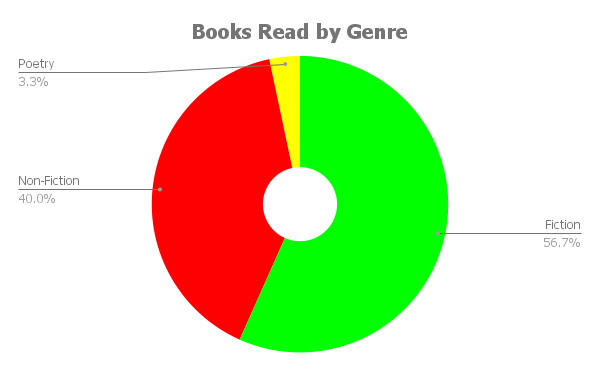
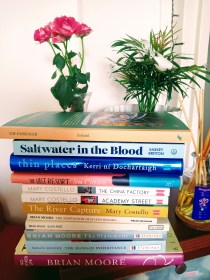 Though I read less than half the number of books of 2021, I did manage to read 30 books from 13 countries, a third Irish authors, thanks to Cathy’s annual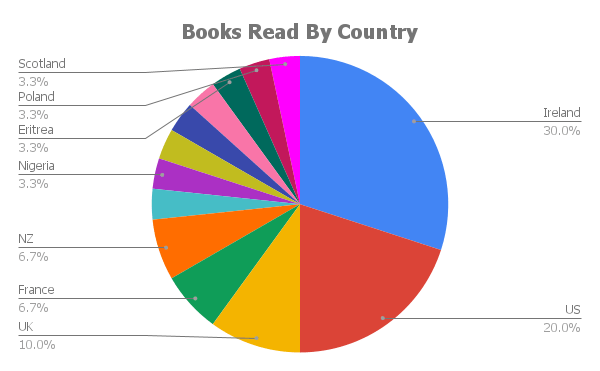



 Nora, A Love Story of Nora Barnacle & James Joyce, Nuala O’Connor (Ireland) (Historical Fiction)
 All About Love: New Visions, bell hooks (US)
 What My Bones Know, A Memoir of Healing from Complex Trauma, Stefanie Foo (US) (Memoir)
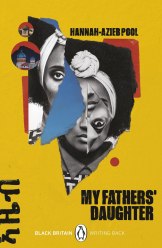 My Father’s Daughter, Hanna Azieb Pool (UK/Eritrea) (Adoptee Memoir)
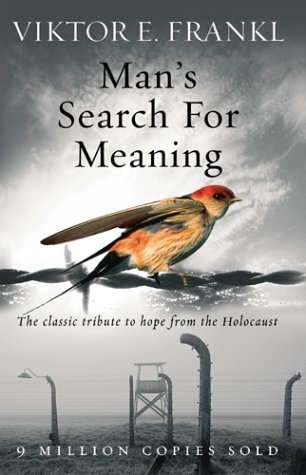 My friend then mentioned Viktor Frankl and interestingly, I learned he held a similar premise, but in the opposite direction. In terms of looking forward in life, we are likely to be more at peace and less prone to suffering if we have a ‘why’ in terms of our life’s meaning. So having our own ‘why’ is what we can focus on, looking forward, not back, at ourselves and not ‘the other’.
 Viktor Emil Frankl, psychiatrist, was born March 26, 1905 and died September 2, 1997, in Vienna, Austria. He was influenced during his early life by Sigmund Freud and Alfred Adler, and earned a medical degree from the University of Vienna Medical School in 1930.
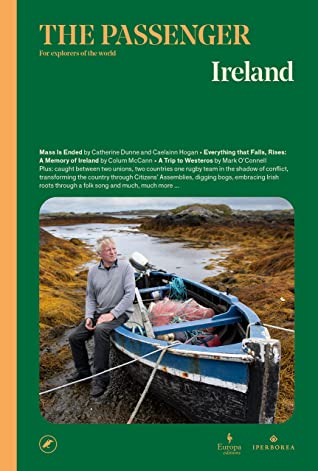 Huginn and Muninn are two ravens from Norse mythology. Sent out by Odin at dawn each day, they return at night to perch on the god’s shoulders, whispering to him whatever knowledge and wisdom they have gathered from every corner of the world. Like Huginn and Muninn The Passenger travels far and wide to bring back the best writing from the countries it visits.
 Population (the island of Ireland) : 6.9 million (the highest since 1851)
 In Handiwork, she was sculpting birds, but here she writes about the Irish cottage, its evolution and the rise of the Irish villas that were much despised for a period of time. As she spends months creating objects that represent small scale versions of these houses, she reflects on the way Ireland’s built environment has changed.

 1.
1.  2.
2.  3.
3.  4.
4.  5.
5.  2.
2.  3.
3.  4.
4.  5.
5. 

 Minor Feelings is a collection of creative nonfiction essays that invites the reader to view aspects of the life experience of artist and writer Cathy Park Hong, from a little observed and known viewpoint, that of an Asian American woman pursuing her own authentic form of expression, while looking for other role models, disrupting the silence that is expected, through a polemic on race, ethnic origins and art.


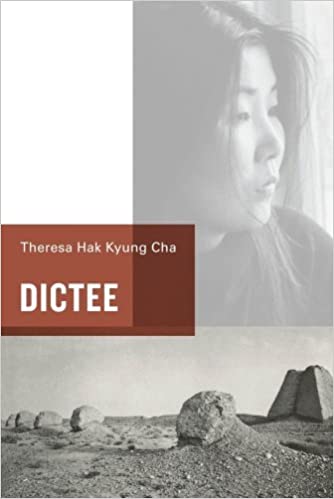 A tribute to thirty one year old artist and poet
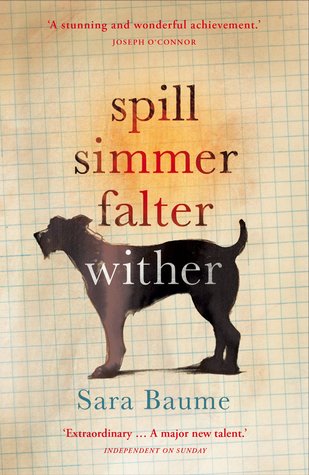
 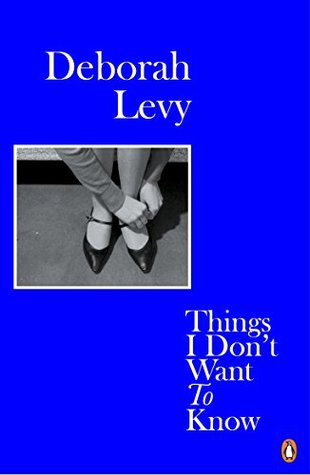 1. just open it and start reading taking in what is actually shared at face value, a woman on the cusp of a life change, whose suppressed emotions will no longer stay down, who leaves town to try and figure them out, looks back at her childhood and adolescence for inspiration, then decides to look forward instead and begins to write (on the last page);

 The first ‘Letter to my nephew on the one hundredth anniversary of the emancipation’ entitled My Dungeon Shook originally appeared in the Progressive Madison, Wisconsin – a magazine known for its strong pacifism, championing grassroots progressive politics, civil liberties, human rights, economic justice, a healthy environment, and a reinvigorated democracy, is a letter to his 15 year old nephew James (who appears in a photo with his author Uncle on the cover of the book I read).


 Word by Word