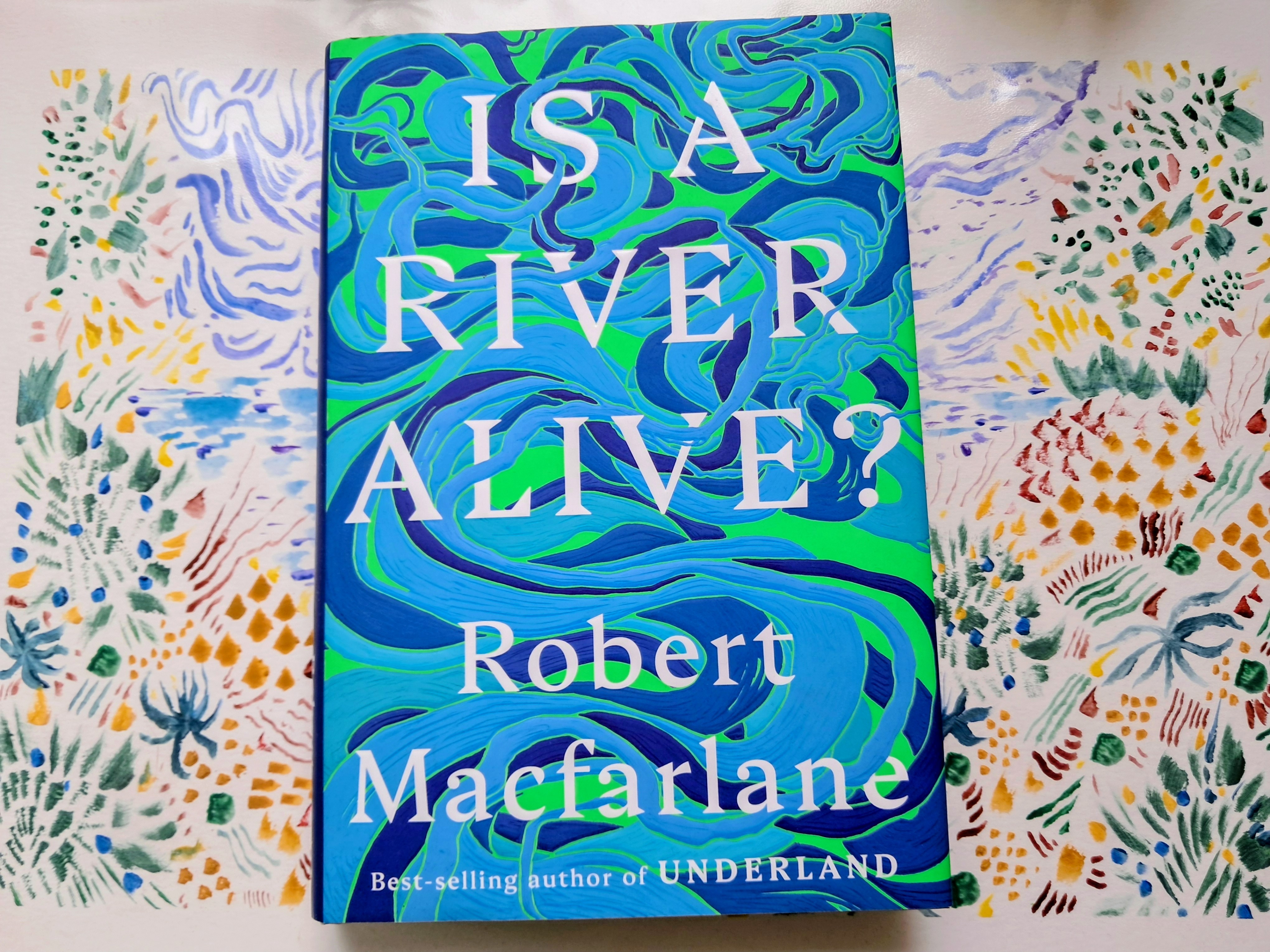
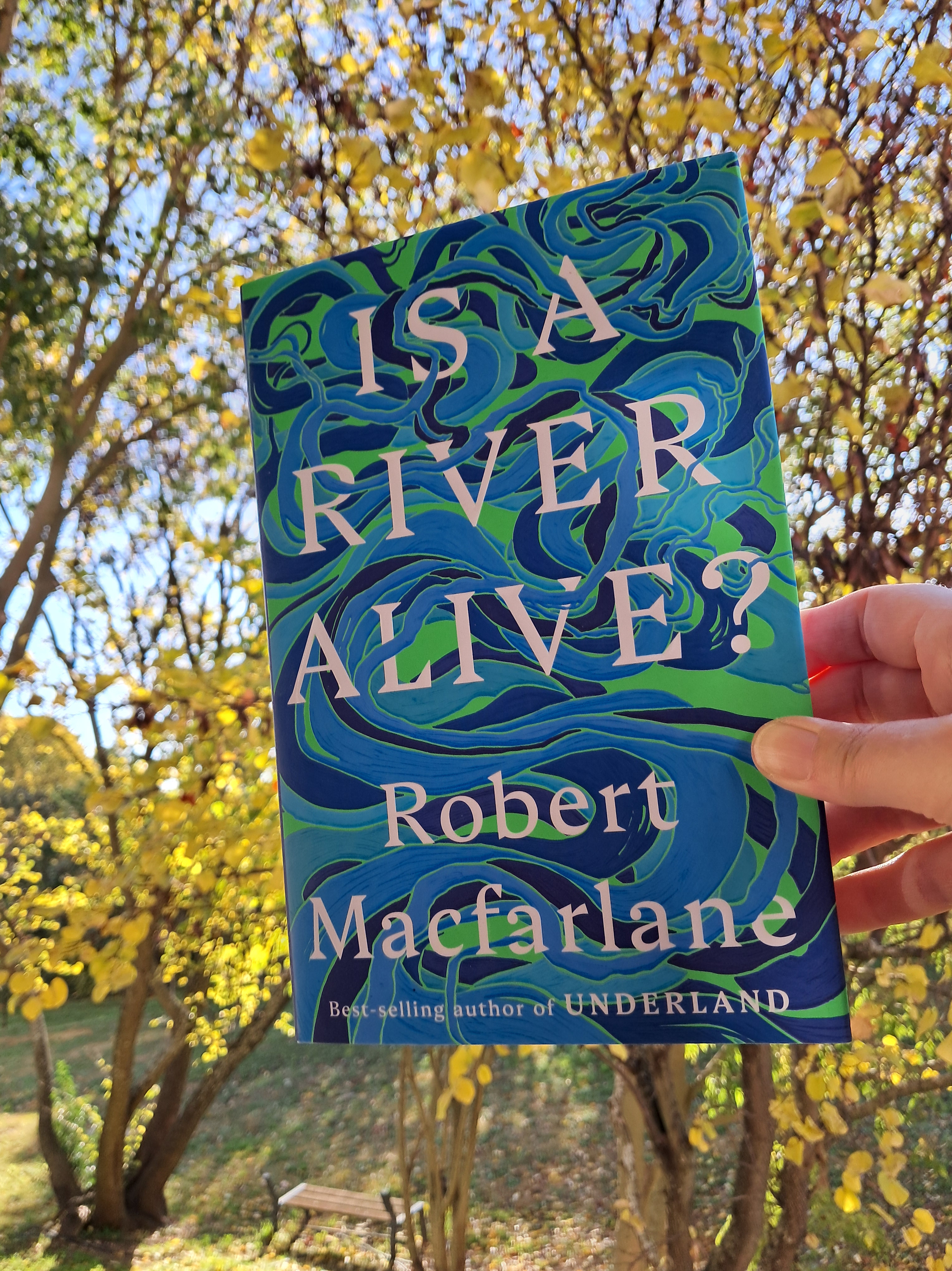
Is A River Alive by Robert Macfarlane

Though I really enjoy nature writing of the creative nonfiction kind, I had never read a book by Robert Macfarlane. I’d heard of The Old Ways, but steered away from what I perceived was a very English text.

In that book he travelled Britain’s ancient paths discovering the secrets of their beautiful, underappreciated landscape.

Deliberate Reading and Intentional Rejection

To be honest, we have lived through multiple decades of male English explorer literature and I find they have been over represented in the past. I was more interested in rebel explorers like Jane Digby and in this century, nature writers whose work was lyrical and/or moving, authors like Kathleen Jamie, Annie Dillard, Tove Jansson’s Summer & Winter books, Rachel Carson’s Sea Trilogy, Terry Tempest Williams When Women Were Birds, Rebecca Solnit’s The Faraway Nearby.

Travel Companions Matter

So while I had deliberately turned my attention elsewhere, something about the premise of Is a River Alive? made me loosen my gaze and look to find out for myself what he was seeing. Because firstly, he was going to Ecuador, India and Canada, and secondly, he was keeping unorthodox, interesting, and passionately dedicated company on his travels.

On Partnership and Healthy Collaboration

A few years ago I read Riane Eisler’s excellent book The Chalice and the Blade (1987) and its follow up Nurturing Our Humanity: How Domination and Partnership Shape Our Brains, Lives and Future (2019) books that explore the concept of partnership, how it fosters connection and positive collaboration to build healthy communities, encouraging creativity to solve problems.

Robert Macfarlane’s book, to me, is a living example of those dedicated to pursuing this kind of philosophy, it is not just about one man’s observations, it is about bringing together people with a common interest, with different strengths or expertise, doing good to bring attention to that which needs help – NATURE – to prevent further destruction and death, because YES, A River IS Alive!
Three River Journeys and an English Spring

A journey into an idea that changes the world – the idea that a river is alive.

Book cover of Is A River Alive by Robert Macfarlane

Apart from starting and ending the book at a local spring he walks with his children in England, the book is divided into three, covering geographically diverse journeys in three countries, connecting with their rivers and eco-systems.

Part I : The River of the Cedars (Ecuador); Part II : Ghosts, Monsters and Angels (India) and Part III : The Living River (Nitassinan/Canada).

It is the summer of 2022, the hottest on global record – the summer when nearly all the rivers die…

The rivers have it worst. The Po dead-pools. Sections of the Rhine are no longer navigable to the shallow-draughted barges that keep Germany’s heartlands moving. In Canada, spawning salmon are poached alive in gravel beds. On the banks of the Yangtze in Sichuan, parents sit their young children in buckets of water to keep them from heatstroke. In the borderlands of England and Wales, the run-off from giant chicken farms sickens the listless water of the River Wye.

A Personified Natural World – Te Awa Tupua

But first the introduction. An idea was presented in 1971 by Christopher Stone to a seminar in Southern California, an idea that made his students sit upright, pay attention and apply their problem solving skills. It led to a landmark paper called ‘Could Trees Have Standing? Toward Legal Rights for Natural Objects‘.

‘So,’ he asked hesitantly, ‘what would a radically different law-driven consciousness look like? A consciousness in which…Nature has rights. Yes, rivers, lakes, trees, animals. How would such a posture in law affect a community’s view of itself?’

An idea that then found traction in New Zealand, nearly forty years later, when Māori legal scholar Professor Jacinta Ruru (Raukawa, Ngāti Ranginui) after reading his work and together with student James Morris, took it further, publishing the paper ‘Giving Voice to Rivers‘.

Ideas move in space and time. They swim like fish. They drift like pollen. They migrate like birds. Sometimes their movement carries them right around the world, and they find new niches in which to flourish.

Their article demonstrated an affinity between the concept of legal personhood for natural entities and the long-standing Māori relationship with rivers as living, sacred ancestors.

This lead to the Te Awa Tupua Act and entered into law. The river was alive, it was an ancestor to the iwi (people), a ‘legal person’ with rights and now Guardians would uphold those rights. It created a global ripple, super-charging the ‘Rights of Nature ‘ movement.

In 2017, after more than a century of legal struggles by the Māori people of the Whanganui River (Te Āti Haunui-a-Pāpārangi), the 292-kilometer Whanganui River — also known as Te Awa Tupua — became the first river in the world to be recognized as a legal entity, granting it the same rights and powers as a legal person.

Ultimately, Christopher D. Stone (1937-2021) left a profound and lasting legacy in environmental law, legal philosophy, and human rights, reshaping how the law understands who – or what – can have rights.

Book Review

Exploring Rivers Considering the Rights of Nature

Part I : Los Cedros, Ecuador

The book follows these three journeys to places threatened by mining, pollution and dams: first to the cloud forest, Los Cedros, in northern Ecuador with Chilean-Italian-British fungi expert, Guiliana Furci; musician/singer Cosmo Sheldrake (who listens and records nature sounds) and César Rodriguez-Garavitoa, Colombian social justice lawyer advocating for the Rights of Nature.

A cloud-forest is a river maker.

Cloud-forests form at higher altitudes than rainforests; typically between three thousand and eight thousand feet above sea level, in steep landscapes of peak, ridge and valley. The elevation means that cloud-forests are cooler than rainforests, and the drama of their topography means that their rivers are fast, shallow, clear and rock-bedded, compared to the muddier, slower rivers of of rainforests.

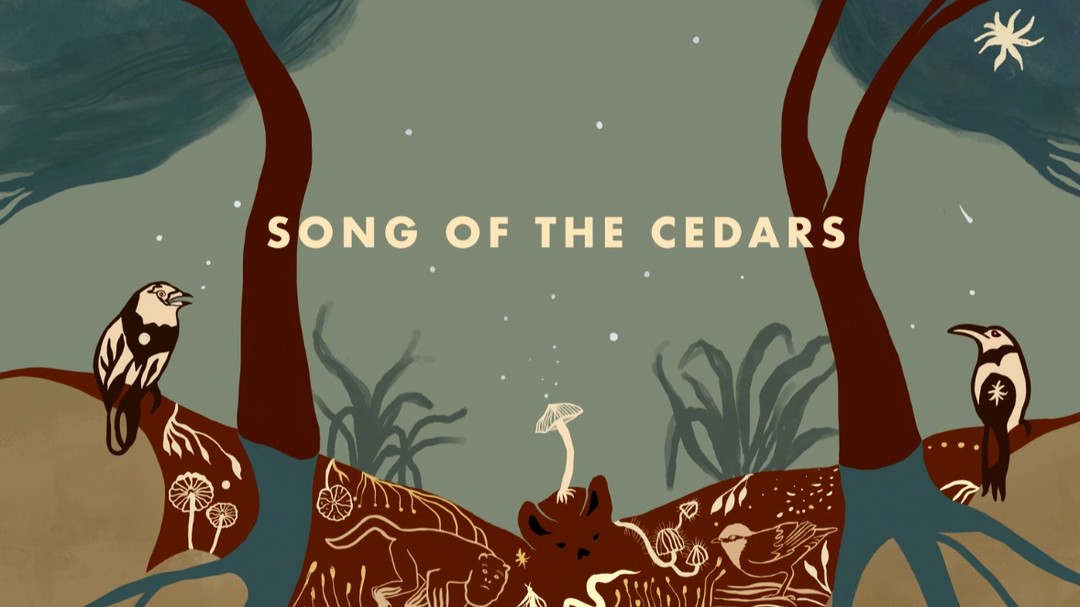
Song of the Cedars a co creation with Los Cedros cloud forest and Cosmo Sheldrake Robert Macfarlane Giuliana Furci and César Rodríguez-Garavito

As the group walks into the forest, each person brings their knowledge, concern and creativity, they join in the excitement of finding new species of fungi, they listen to the sounds captured and together they create their own song from what they hear and what they learn. It will be the first legal attempt to recognise an ecosystem’s moral authorship in the co- creation of a work of art. I can only imagine how it must have been to travel with this group and be part of this.

I listened to the song they co-created with the forest. The Song of the Cedars. I was blown away by the combination of listening and feeling its vibration as I read the accompanying text. Prepare to be moved if you listen and read, especially when it gets to the drumbeat refrain about 2.30 minutes in.

✨️CLOUDS DEEPEN MY SIGHT✨️

Part II : Chennai, India

I have come to Chennai in search of ghosts, monsters and angels.

The ghosts are those of the rivers who had to be killed for this city to live.

The monsters are the terrible forms those river ghosts take every few years, when they are resurrected by cyclone or monsoon.

The angels are those who watch over the lives of the rivers where they survive, and who seek to revive those who are dying and Yuvan Aves – teacher, naturalist, writer, water activist – is one of these angels.

In Part II, Macfarlane travels to Chennai, India to follow three wounded rivers to their source with Yuvan Aves, a young man he has never met, but corresponded with for five years. Together they will trace Chennai’s rivers and waterbodies from inland to coast.

Part III : Mutehekau Shipu River, Canada

Photo by Baskin Creative Co. on Pexels.com

And finally Part III, a wild kayak ride down the threatened Mutehekau Shipu river, with instructions from local native healer, Rita Mestokosho that will make the accomplishment and observations even more meaningful than his original intentions.

The Mutehekau Shipu had become the first river in Canada to be recognised as a living, rights-bearing Being.

Inspired by the negotiations between indigenous Maori and the Crown in New Zealand, they too have signed a resolution to recognise the river as a living being.

The small team will travel down the challenging river for a hundred miles to its mouth at the sea over two weeks. It is a wild adventure and a spiritual experience, Macfarlane has been told to forget his notebooks and ‘be the river’.

‘You need to pay attention to the river, Robert. The important thing is to wake up not the consciousness but the heart. Rather than you speaking of the river, it is the river who will speak to you.’

This is an extraordinary, informative, compelling read that, though packed with information, is full of humanity and incredibly passionate characters, all trying to do more to honour and protect nature’s gifts, before other less enlightened aspects of humanity kill them off or choke them forever.

I completely devoured this. Highly Recommended if you have any interest in understanding the wilds of nature and her impact on our living, breathing world.

Further Reading

Article: Jacinta Ruru : Recalibrating the law to recognise Māori interests

Article: The Revelator, Environmental Truth & Justice : The Te Awa Tupua Act: An Inspiration for Communities to Take Responsibility for Their Ecosystems

Article: Canadian Geographic : I am Mutehekau Shipu: A river’s journey to personhood in eastern Quebec

Author, Robert Macfarlane

Robert Macfarlane’s best-selling books include UnderlandThe Old Ways, and Mountains of the Mind. With the artist Jackie Morris he is the coauthor of The Lost WordsThe Lost Spells, and The Book of Birds.

Is A River Alive? was a finalist for the 2025 Banff Mountain Book Competition in Environmental Literature & longlisted for the 2026 Andrew Carnegie Medal for Excellence in Nonfiction. It was named a Best Book of 2025 by The New YorkerEconomistGuardianMinneapolis Star-TribuneKirkus Reviews, and Publishers Weekly.

He is the recipient of the E. M. Forster Prize for Literature and the Henry David Thoreau Prize for Literary Excellence and is a fellow of Emmanuel College, Cambridge.

Raising Hare by Chloe Dalton

There is nothing quite like a thoughtful work of nature writing to end the year with, as we move from autumn into winter hibernation. I missed out on the Nonfiction November themed reads that many other bloggers participate in, however I seem to have been attracted to reading nonfiction in December.

Best Nature Writing of 2025

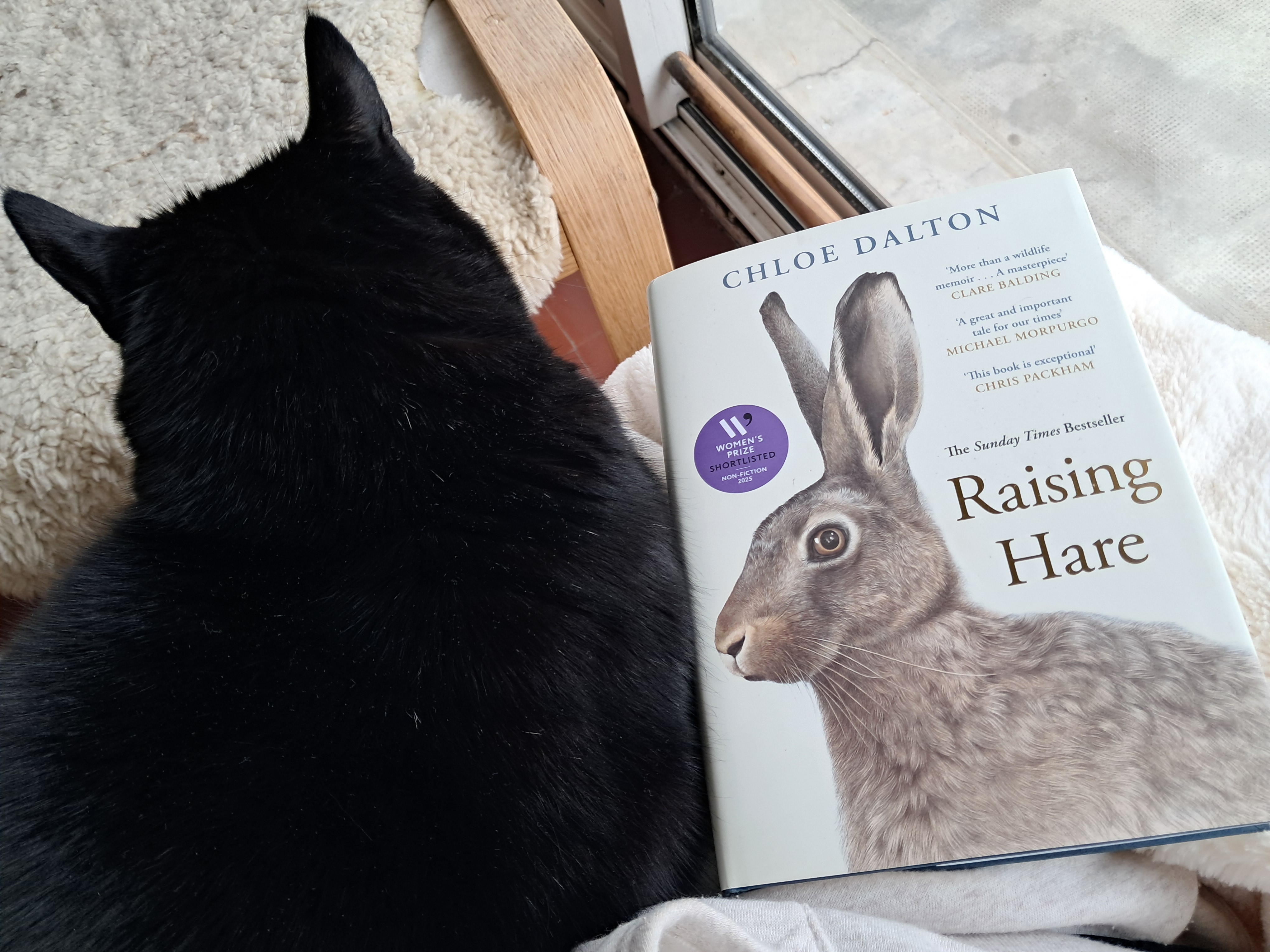
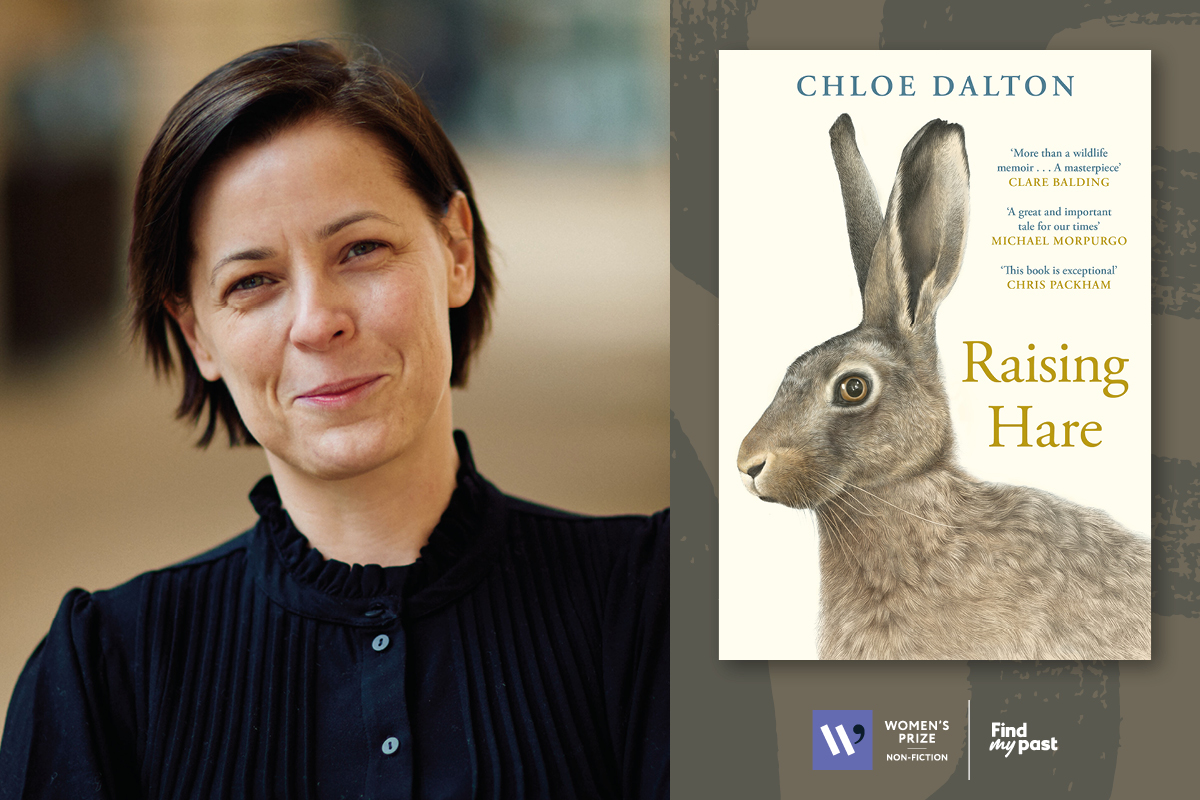
Raising Hare by Chloe Dalton shortlisted womens prize nonfiction winner Wainwright Prize 2025

I liked the sound of Raising Hare from the moment I heard of it, when it was longlisted and then shortlisted for the women’s prize for non-fiction. And in these last weeks of the year, it seems to be sustaining interest by readers, having won the Wainwright Prize for Nature Writing and Overall Book of the Year. The chair of judges, referring to it as a ‘soulful debut’ said,

“A whole new audience will be inspired by the intimate storytelling of Chloe Dalton. Raising Hare is a warm and welcoming book that invites readers to discover the joy and magic of the natural world. As gripping and poignant as a classic novel, there is little doubt this will be read for years and decades to come.”

Not a Typical Animal Rescuer

The author Chloe Dalton as we read in her short bio, does not have the typical profile of someone who might rescue an animal. She lived and worked in London as a political adviser and foreign policy specialist, something of a workaholic who travelled a lot and was always on hand when needed. So this story and transformation likely would not have happened, had there not been a lock down that sent her to her home in the English countryside and changed the way she lived and worked.

If I had an addiction, it was to the adrenaline rush of responding to events and crises, and to travel, which I often had to do, at a few hours notice.

It makes me wonder how many other unique experiences with nature and wildlife occurred during this time, when the world slowed down and people started noticing how we live and the detrimental impact we are having, even in a small acreage like this.

Born in a Pandemic

Photo by Pixabay on Pexels.com

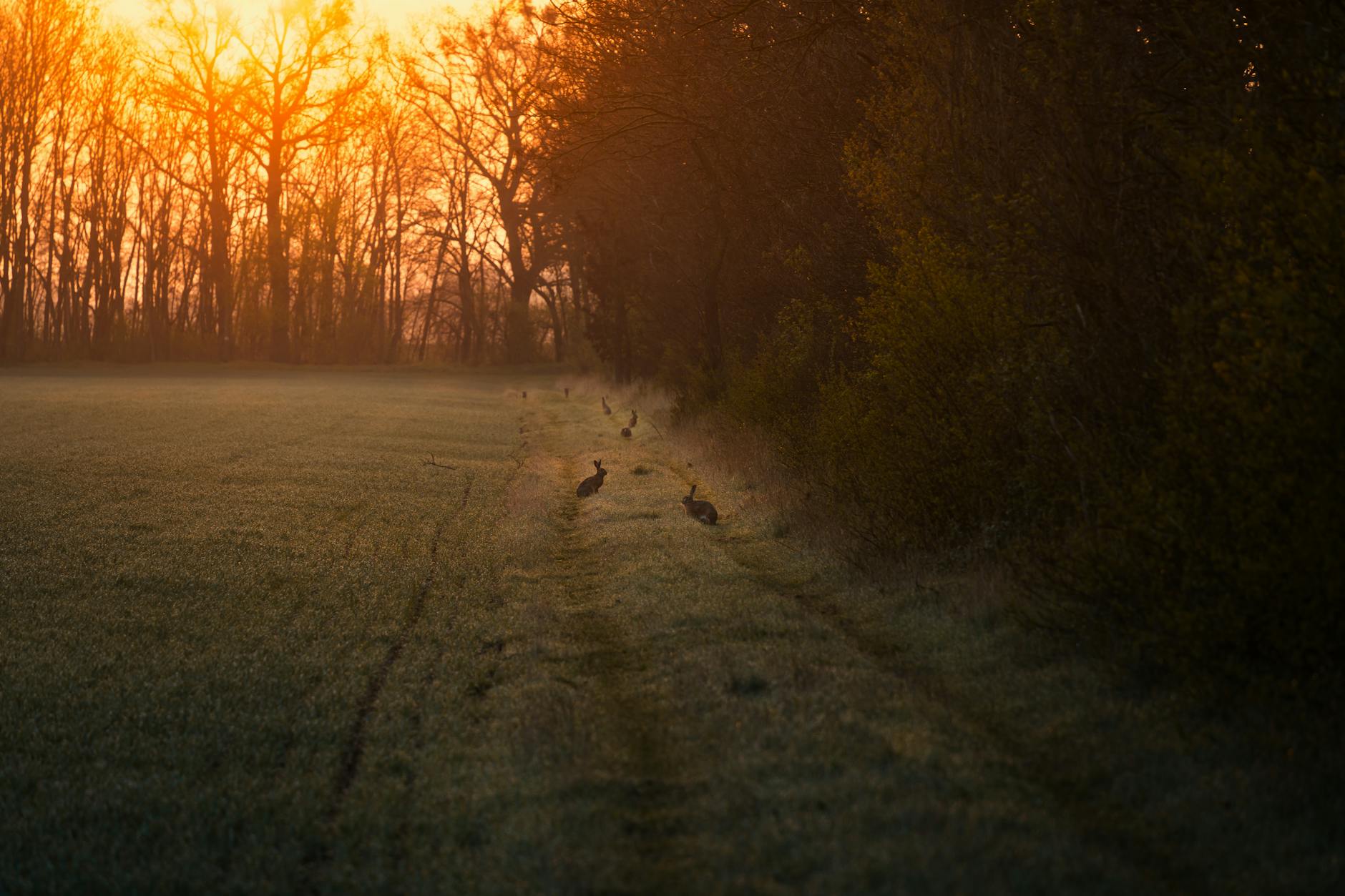
It’s the story of how a woman, living alone in the English countryside encounters a leveret after hearing a dog barking, clearly disturbing the nest. Initially ignoring it, then four hours later when it had not moved, she could not – the poor thing as small as the palm of her hand, frozen in the middle of a track leading directly to her house.

A call to a local conservationist dispelled any notion she had that she could return it to the field later, and further telling her hares could not be domesticated.

I felt embarrassed and worried. I had no intention of taming the hare, only of sheltering it, but it seemed that I had committed a bad error of judgement. I had taken a young animal from the wild – perhaps unnecessarily – without considering if and how I could care for it, and it would probably die as a result. My heart sank.

Overwhelmed and terrified she’d kill it by accident, she begged her sister, who lived with a menagerie of animals to take the leveret. After explaining how unsuitable that cacophonous environment would be for a baby hare, her sister told her ‘You’ll do fine’ and hung up.

Providing Care and Gaining an Education

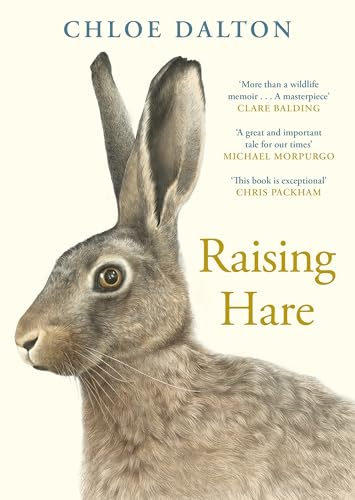
Book cover Raising Hare by Chloe Dalton

We then observe where all that leads, not just into the care of a vulnerable animal, but how she educates herself all about leverets and hares, all the while focused on observing its every movement and behaviour, as they live alongside one another throughout the pandemic period and beyond.

I found it highly educational and loved the subtle transformation the author undergoes, as she learns to see her own environment through the purview of local wildlife and in effect provides an update to much existing research and knowledge about this breed, due to the unique opportunity of getting so close to living in proximity to a hare and her protege, while allowing it to stay wild so that it could continue to breed in the wild.

It is a gentle, enquiring, observational work of nature writing and a tender transformation of one human in her own ways, through the observation of the little known leveret, its home environment and habits. It is almost impossible not to be moved by the young hare, coming to know how sensitive the species is, and how it navigates this unorthodox contact with a female human.

I pondered the concept of ‘owning’ a living creature in any context. Interaction with animals nurtures the loving, empathetic, compassionate aspects of human nature. It taps into a primordial reverence towards the living world and a sense of the commonality and connectedness across species. It is a gateway, as I was discovering, into a state of greater respect for nature and the environment as a whole. We all too easily subordinate animals to our will, constraining or confining them to suit our purposes, needs and lifestyles.

Consciousness Raising Around Wildlife

Photo by Michael Pointner on Pexels.com

What a chance to have occurred, for someone interested in policy, to take an interest in a more local and domestic situation, pouring herself into the research, taking care of a vulnerable sentient being and starting to consider the changes that can be made, to enable all species, including human to coexist in a less destructive manner.

Hares are the only game species which are not protected by a ‘close season’ in England and Wales: a period of the year during which they cannot be shot and killed. Other ‘game’ species – such as deer, pheasants and partridges, to name a few – are all protected by a close season. Hares by contrast can be shot at any time of year, including during the crucial months of February to September, when they typically raise their young.

Scotland and the rest of Europe already protect hares in this way. Only in England and Wales does this anomaly persist.

Highly Recommended.

Further Reading

Women’s Prize Interview: In conversation with Chloe Dalton

Read a Sample – the opening pages of Raising Hare by Chloe Dalton

Author, Chloe Dalton

Chloe Dalton is a writer, political adviser and foreign policy specialist. She spent over a decade working in the UK Parliament and the Foreign and Commonwealth Office and has advised, and written for and with, numerous prominent figures. She divides her time between London and her home in the English countryside.

Her debut book, Raising Hare, was an instant Sunday Times and New York Times bestseller. It won the Wainwright Prize for Nature Writing and was shortlisted for the Women’s Prize for Non-Fiction, and was selected as a Waterstones Book of the Year and as the Hay Festival Book of the Year. It was a Critics Best Books pick for The Times, Financial Times, Guardian, Spectator and iNews and was a Waterstones Non-Fiction Book of the Month.

‘Imagine holding a baby hare and bottle feeding it. Imagine it living under your roof, drumming on your duvet to attract your attention. Imagine the adult hare, over two years later, sleeping in the house by day, running freely in the fields by night and raising leverets of its own in your garden. This happened to me.’  

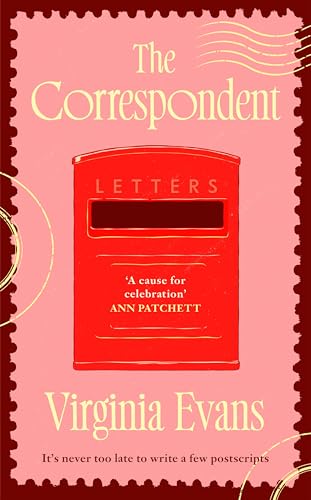
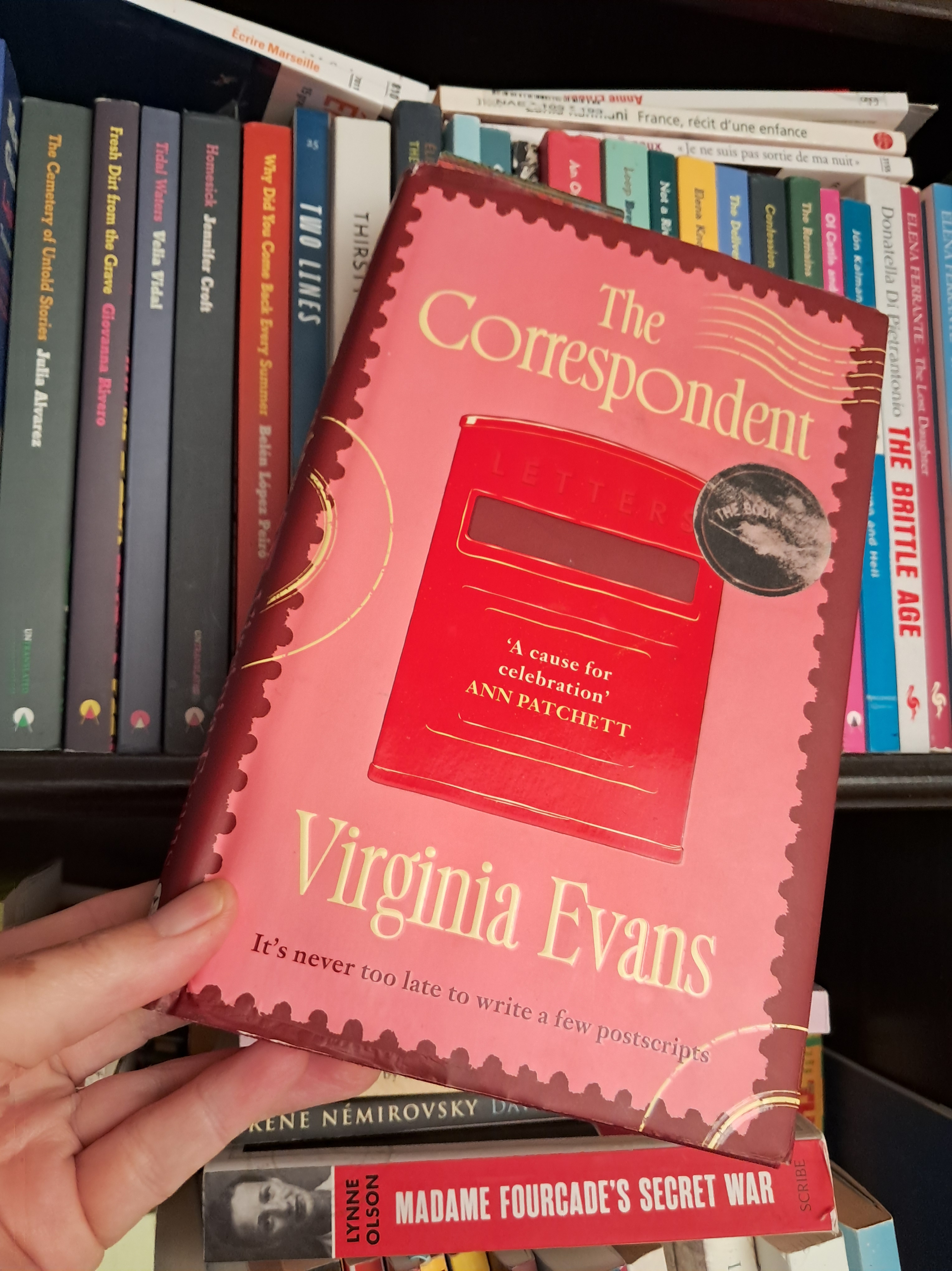
The Correspondent by Virginia Evans

This book is one of those word of mouth sensations that people recommend and then it takes off. I had seen it reviewed a little earlier in the year, then a friend bought a copy and devoured it over the summer telling me this was the book, we were all going to have to read, to have that collective pleasure of knowing that people close to you, but who don’t necessarily live near you, can be on the same wavelength about a book.

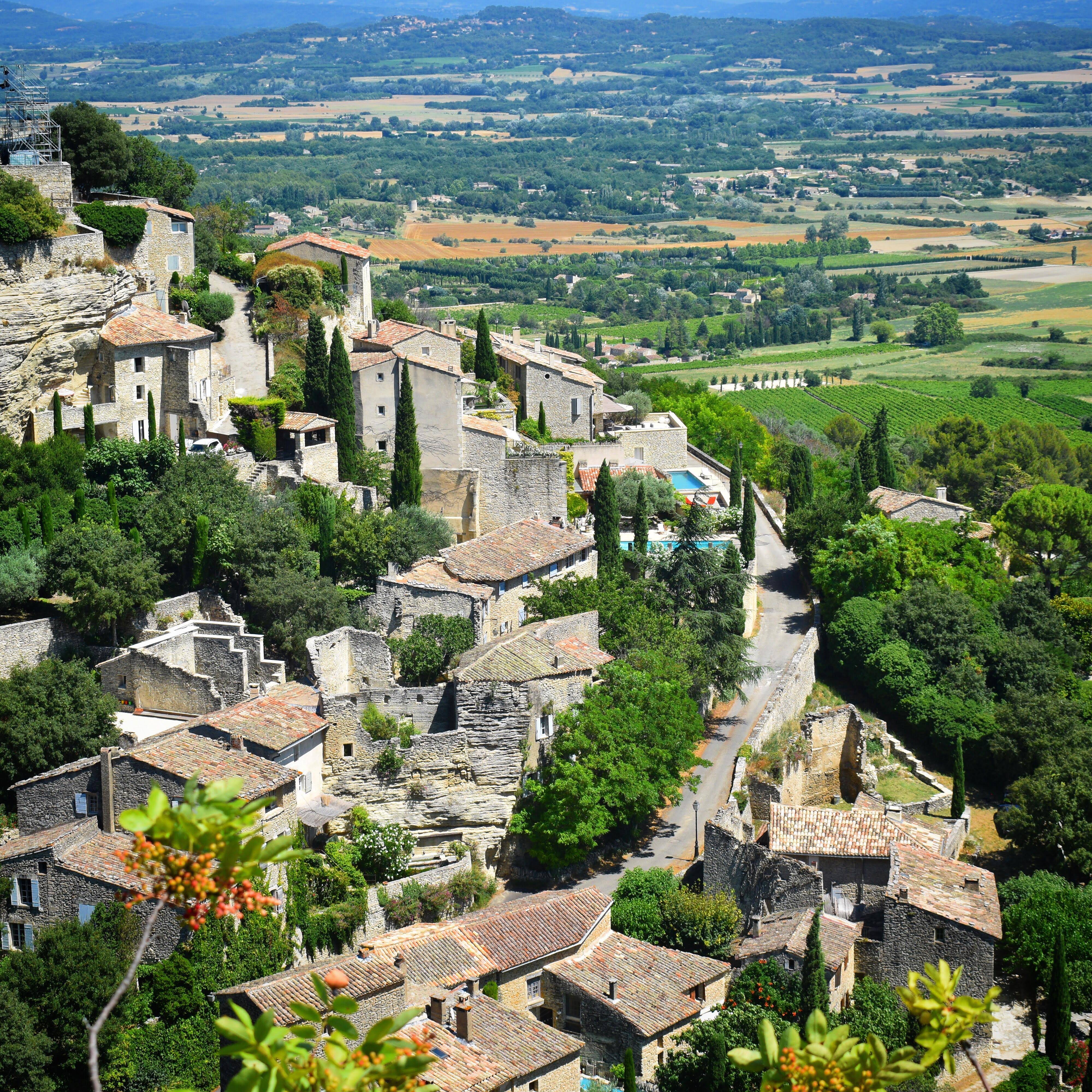
One of the first things I say to reader friends who do live nearby, or visit here often and know, is that the first letter is written to the protagonist’s brother and he lives in Gordes!

How often do we encounter a book written in English that features a local postcode? Almost never! Well, only the letters travel to Gordes, but before sharing more about a book, here’s a little more about Gordes.

A Letter to Gordes

The village of Gordes France in the address of a letter to her brother Felix The Correspondent Virginia Evans

So for those who don’t know Gordes is a pretty hilltop village in Provence, in the north Luberon area that is popular in summer with tourists for its summer market, restaurants and local produce, outstanding views, lovely walks and very beautiful old streets. Also a location for a few films.

When you stay longer in Provence and get to know some of its hidden aspects, its wonderful, cultural gems often arise unexpectedly, when you least expect it. As this one did.

Victor Vasarely and Gordes

A few years ago I watched a documentary (probably on ARTE) about Gordes and how it was stumbled upon in 1948 by the French-Hungarian graphic artist Victor Vasarely (1906-1997), who had a ‘coup de foudre‘ for the village, he fell under the charm of its architecture, colours and shapes, the light and luminosity.

He would spend many summers in a very basic shepherd’s cottage 2-3 kilometres from the village, reproducing some of its shapes, feeding into the inspiration for much of his abstract creative work with shape, form and optical illusion. From the inspiration of a small window in that cottage in differing light, he would produce many works, many of them suspended tapestries, little acknowledged at the time, but today housed in the Musée Vasarely, in Jas de Bouffan, Aix en Provence.

Musée Vasarely Aix en Provence graphic art optical illusion inspiration Gordes
Vasarely Musée, Aix en Provence

In effect, as his grandson Pierre Vasarely said, referring to his grandfather’s oeuvre, if there was not (the inspiration of) Gordes, there would not be (the museum of works) Aix-en-Provence.

The Correspondent, A Novel

Back to the novel, The Correspondent is a heart-warming novel told through the collection of letters, hand-written notes, emails, any and every type of correspondence that Sybil Van Antwerp (her married name thanks to her Belgian husband now living back in Brussels) writes in her seventy -third year.

Every morning at half past ten Sybil sits at her desk to deal with her correspondence, tackling it like a job, except with much more pleasure, her years as the assistant to the Judge giving her the discipline, intellectual acuity, at times a sharp tone and years of a certain type of wisdom she uses to her advantage.

So Much to Write About and Address

There are a number of threads, correspondents, favorite topics, institutions to harass, family dramas to navigate, interested or prospective men to consider or keep at a distance, an ex-husband who is not well, a best friend who likes to read, a daughter she doesn’t see eye to eye with.

Ten Years of Correspondence

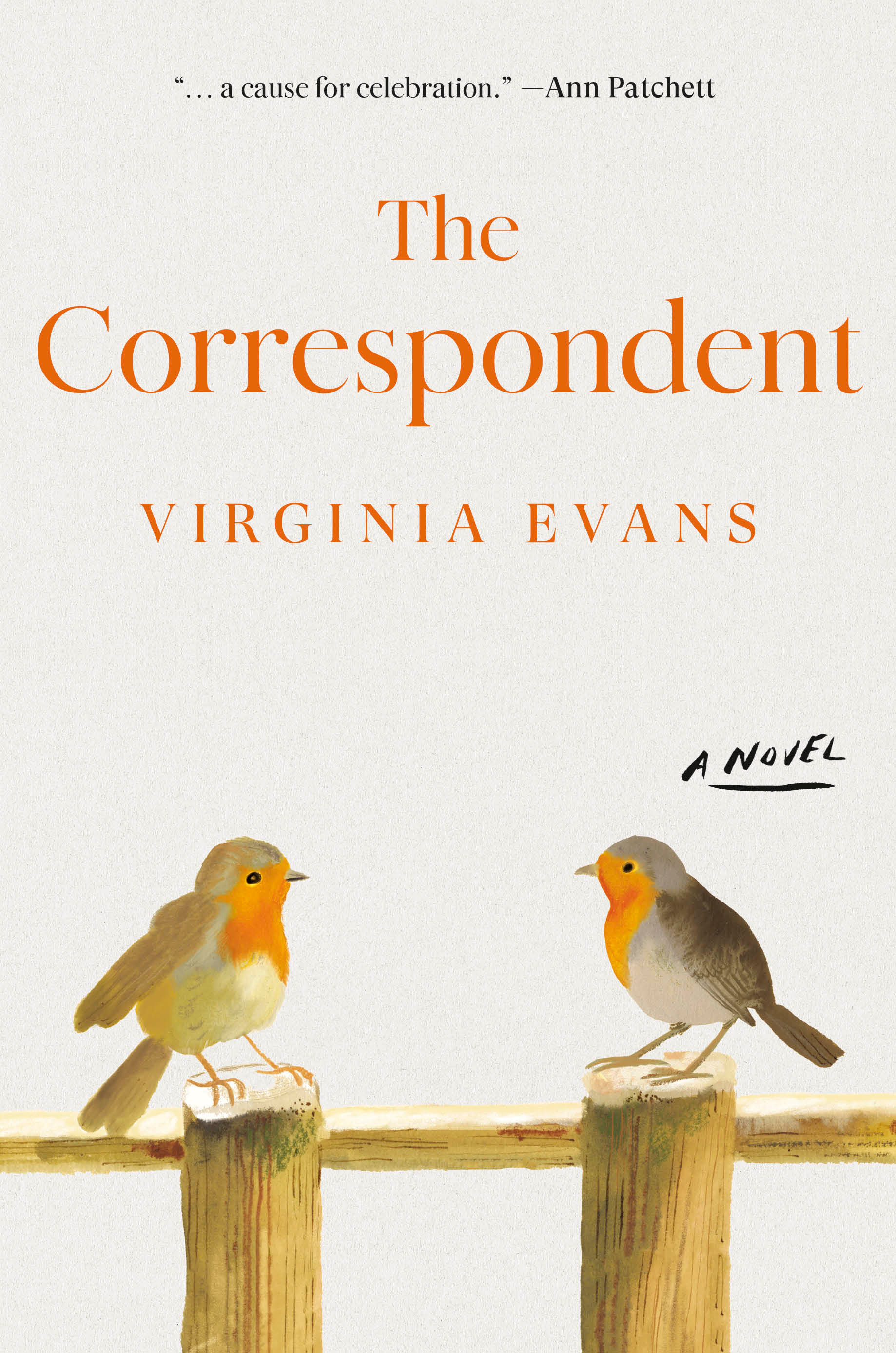
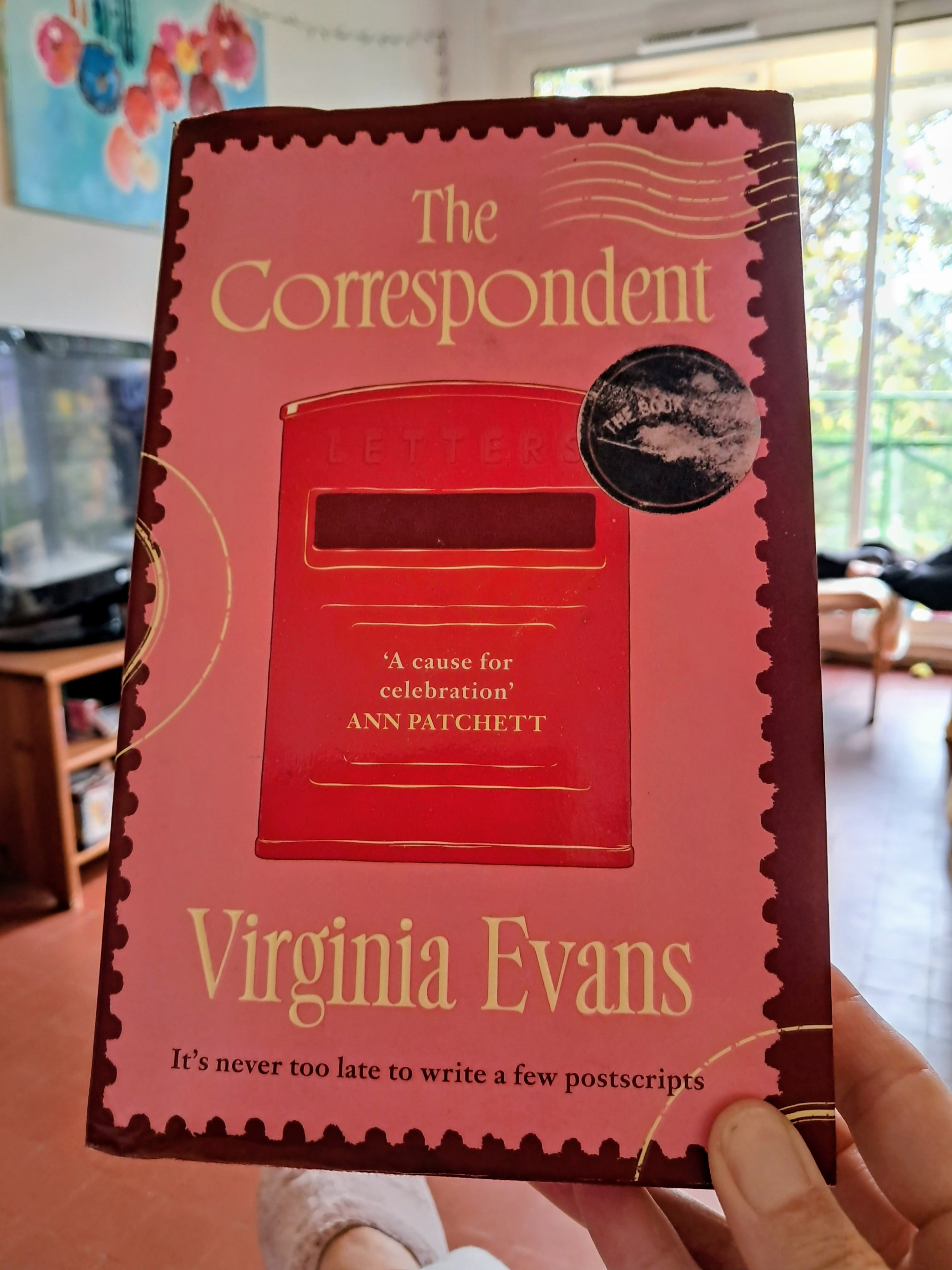
The epistolary novel The Correspondent by Virginia Evans US book cover

The narrative begins in June 2012 with that letter to Felix, about whose life we also have a little drama and it does seem to be affected by Syblil’s input, and ends in January 2022.

There are also a few letters from the 1950’s when she was a child that her best friend Rosalie sends her, these two have corresponded for many years and keep each other informed about their lives and sometimes they even fall out with each other, creating periods of silence and atonement.

Authors and Book Recommendations

Sybil and Rosalie always tell each other what they are reading and I began to note down these books in a list. Sybil never hesitated to write to authors, and had a particular fondness for writing to Joan Didion, author of The Year of Magical Thinking and Blue Nights. Her letters to Didion are the most intimate of all, showing part of her character, feeling more able to open up to a stranger with whom she feels an affinity than to her best friend, children, or either of the men she is sort of interested in.

They read Ann Patchett’s State of Wonder, Abraham Verghese’s Cutting for Stone, Agatha Christie’s Murder on the Orient Express, another classic novel of letters 84 Charing Cross Road by Helene Hanff, Lonesome Dove by Larry McMurtry and many more.

In the letters from the 1950’s the girls were reading C.S. Lewis’s Space Trilogy and Isaac Asimov.

Like the heroine of “The Correspondent,” Evans is a correspondent in the old-fashioned sense. For years she has been writing letters, mainly in longhand, to friends, family and writers she didn’t expect to hear back from, such as Joan Didion and Larry McMurtry. After reading Ann Patchett’s 2016 novel “Commonwealth,” Evans wrote to the author to tell her how much she liked it. Patchett wrote back. 

I couldn’t help noticing that I had read many of the books mentioned and laughed when I read this quote above in an interview, as a friend gave me Commonwealth a week ago. Now I’m curious, a potential Christmas read perhaps.

Intimate With Strangers

Epistolary novel The Correspondent Virginia Evans word of mouth sensation

In addition to opening up to Didion, Sybil becomes very familiar with the Admin person from the Kindred Project after receiving a not particularly wanted gift of a DNA search. She asks multiple questions, not all of them concerning herself and ignores the fact that the responses seem standardised. She can be very insistent and often gets her own way, even with complete strangers, shades of her law career, her persistence and not always keeping terribly good boundaries.

However, there is a menace present, someone perhaps from her past, a legal case that sits in the back of her mind that she can’t quite recall, something she has pushed down, but senses with a tinge of regret. That needs addressing. She hasn’t told anyone about this; it adds an element of foreboding to her otherwise, in control, life.

When I play it all back I am ashamed, and yet I cannot imagine having done any other thing. Grief shared, I think, can produce two outcomes. Either you bind yourselves together and hold on for dear life, or you let go and up goes a wall too high to be crossed. For us it was the latter.

Does Persistence Pay Off?

Sybil likes learning and has been taking a university literature class for at least nine years before they found a loophole to exclude her. Now she is hellbent on retrieving that place, because she does not like being excluded from anything she did not decide to exclude herself by choice. And so we have the back and forth correspondence, until finally something must actually be done about it.

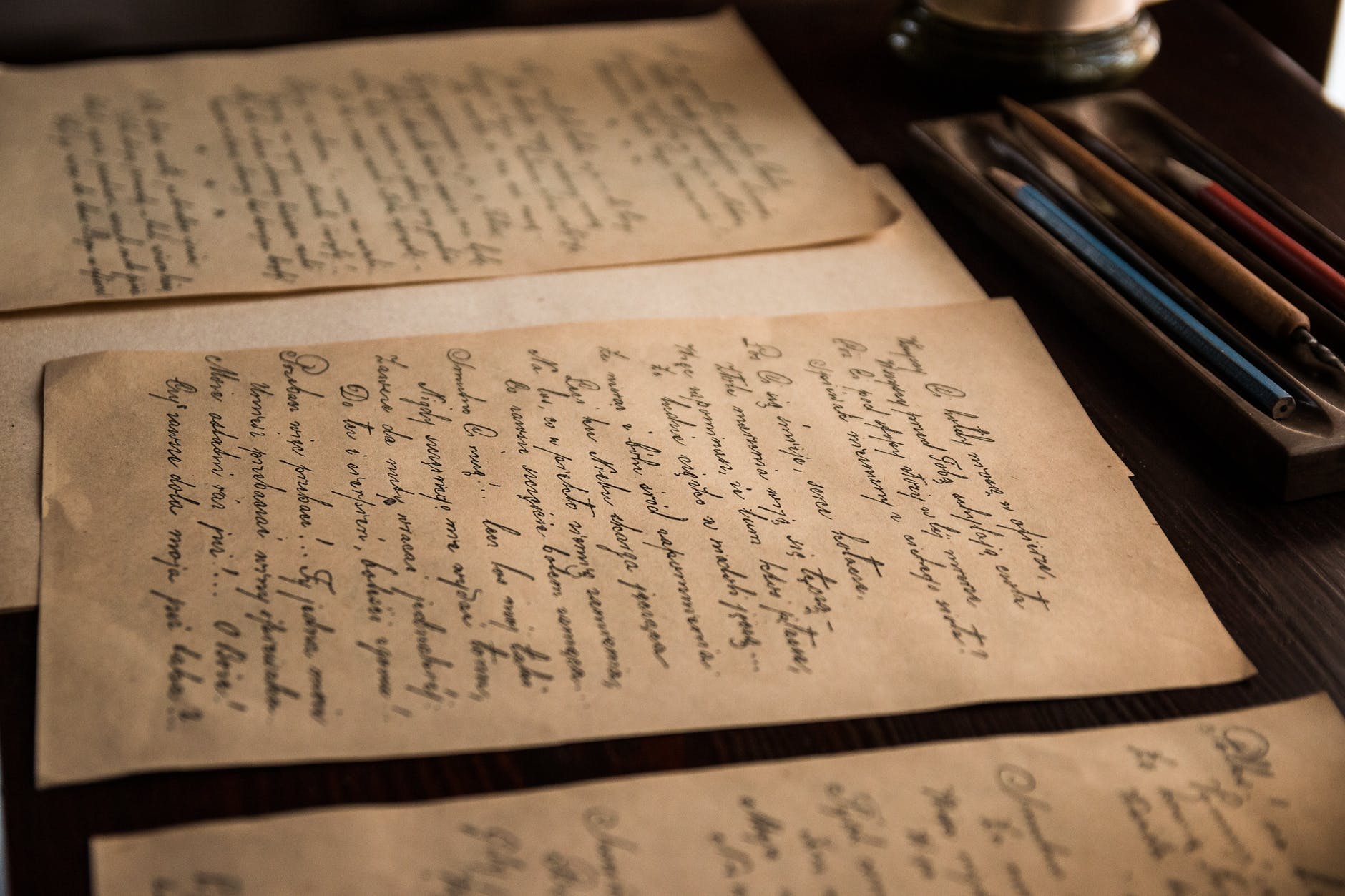
old handwritten letters
Photo by Pixabay on Pexels.com

Even when Sybil acts, we know about events from follow up correspondence and yet when you finish reading the novel, it almost doesn’t seem like it has all been told through letters, as the story telling is comprehensive, the characters are well rounded and even the drama brilliantly captured.

As Sybil’s sight is failing and there arrives a kind of crescendo in her life where the mundane will no longer do, it becomes time to engage with what has been ignored or suppressed and own her part in it, we witness her own transformation having seen that of those around her through her interactions with them.

This was entertaining, heartfelt, empathetic and fun while dealing with issues around friendship, sibling relationships, mother daughter dynamics, old regrets, grief and reconciliation. And the mystery of one very long unsent correspondence, a need to reckon with a loss she has kept close to her chest these past thirty years.

A beautiful, thought provoking read, especially if you’ve had to deal with any of the issues our protagonist struggles with. An ideal Christmas gift novel for anyone who loves books and letters!

Highly Recommended.

Getting to your questions about the letter writing. I’ll start by saying your note heartened me because here is a secret: my letters have been far more meaningful to me than anything I did with the law. The letters are the mainstay of my life, where I was only practicing law for thirty years or so. The clerkship was my job; the letters amount to who I am.

Further Reading

Interview: Washington Post – The story behind the feel-good novel of the year, Nov 26, 2025

It would not be a spoiler to say that though “The Correspondent” offers solace, the story is both happy and sad. As Sybil, an opinionated retired lawyer, interacts with various people — a customer service agent, her children, her best friend, her ex-husband and more — readers come to see the complexity of her experience and choices, and how they have informed her sometimes cantankerous attitude.

Author, Virginia Evans

Virginia Evans is from the East Coast of the US. After starting a family she returned to school for her Master’s of Philosophy in creative writing at Trinity College in Dublin, Ireland. She lives in North Carolina.

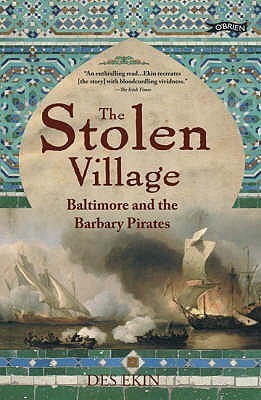
The Stolen Village by Des Ekin (2006)

Baltimore and the Barbary Pirates

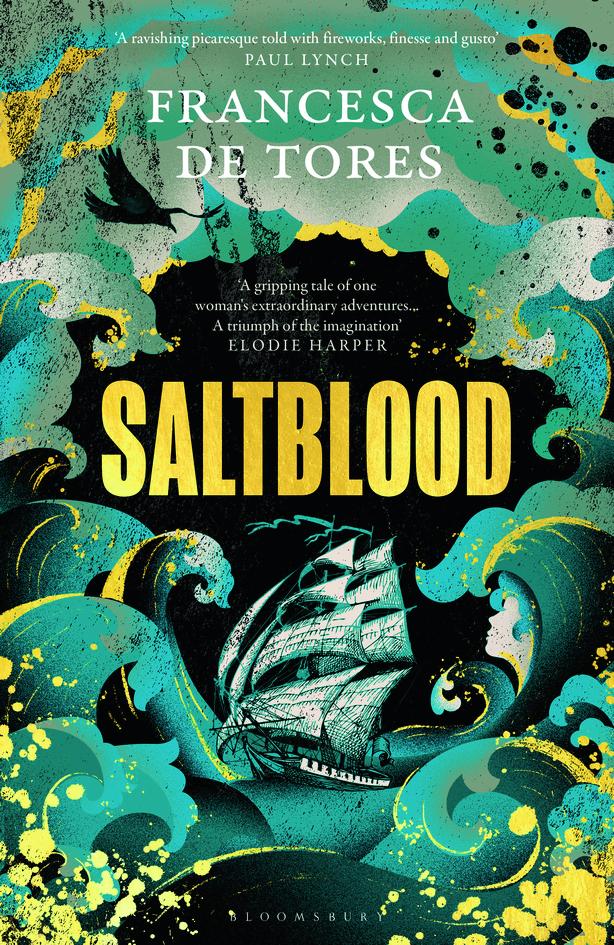
After Mary Read’s pirate adventures in Saltblood by Francesca de Tores, I turned to a book of history, The Stolen Village that tells of a pirate raid on the West Irish village of Baltimore. I must have picked this up at a sale, because it’s not a book that I recall looking for, but it fits perfectly with the pirate theme, and I was curious to know more since like many readers, I had never heard of an Irish village being pillaged to traffic humans.

Conspiracy, Corruption and Ethnic Cleansing

The story of the raid on Baltimore is a tale of plotting and intrigue, of conspiracy and betrayal, and it involves corruption in the highest ranks of of the King’s Navy.

And perhaps most fascinating of all is the theory that the raid may have not been a chance event, but a mission of revenge: a pre-planned act of ethnic cleansing aimed at removing the English newcomers and restoring the village to its original Irish owners.

From Dutch Privateer to Barbary Pirate, A Name Change

The Stolen Village by Des Akin The Irish village of Baltimore raided by Barbary Pirates and taken to Algiers sold into slavery

Captain Morat Rais and his crew of Barbary Pirates aided by 200 troops of the Ottoman Empire enter Baltimore in June 1631, where they succeed in capturing 109 villagers, abandoning 2 elders, taking the rest to Algiers to be traded as slaves, once the Pacha had taken his pick.

We learn this captain was born in Dutch Haarlem around 1570, his real name Jan Jansen. A man who began his career as a privateer in the Dutch War of Liberation. He sought opportunities on the Barbary coast, in the 3 states of Tunis, Tripoli & Algiers, after being captured himself, choosing to reinvent himself and swap allegiances.

In an era when it was commonplace for white traders from England to land on the African coast and to seize black people as slaves, this was one of the comparatively rare occasions when the boot was on the other foot: a slaving mission from Africa landing on English-held territory and seizing white slaves.

More Villagers Taken From Iceland

Four years before the Irish raid, the same captain, in 1627 led 5 ships to Iceland, showing no mercy, assaulting multiple villages and returning to Algiers with over 400 captives, including 240 from the volcanic island Heimaey.

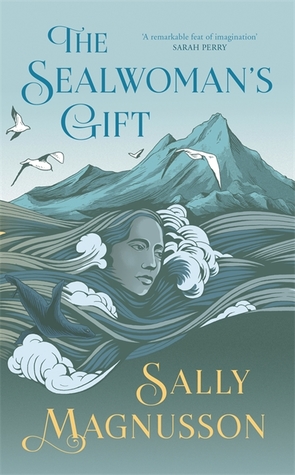
The Sealwoman's Gift by Sally Magnusson The capture of 400 villagers from Iceland sold into slavery in Algiers Morat Rias

When I encountered his name, I knew I’d come across Morat Rais before. In Sally Magnusson’s excellent work of historical fiction, The Sealwoman’s Gift. Much of that story is known from the journals Reverend Ólafur Egillson kept, depicting the terror of the invasion, the sea journey, slave markets and the fates of the survivors.

Of the Irish villagers no written account by a person survived so Ekin uses other sources that inform us what their likely fate would have been, which can make the text feel a little disjointed, without the fluidity of a fictional story, sticking to facts and documented accounts requires the reader to imagine.

Some readers have criticised the book for this, but I read it already knowing this and didn’t mind that it sticks to the facts and therefore lets you know when he is sourcing known information from another event that might gives clues about this one.

Who Were These People in Baltimore?

There is a layer of conspiracy to the Irish raid, a rumour regarding feudal clans and unwanted English settlers that Ekin explores, adding more intrigue to the tale.

There are plenty of myths about that and Ekin dispells three of them, one that they were aggressive colonists, usurpers who had stolen the village from local Irish by force, two, that they were ‘blow ins’, and as such had no permanent ties there; and the third myth that they’d been sent to impose the State religion upon the area.

Ekin tells us they were themselves viewed as rebels and dissenters, refugees who went there to escape all that.

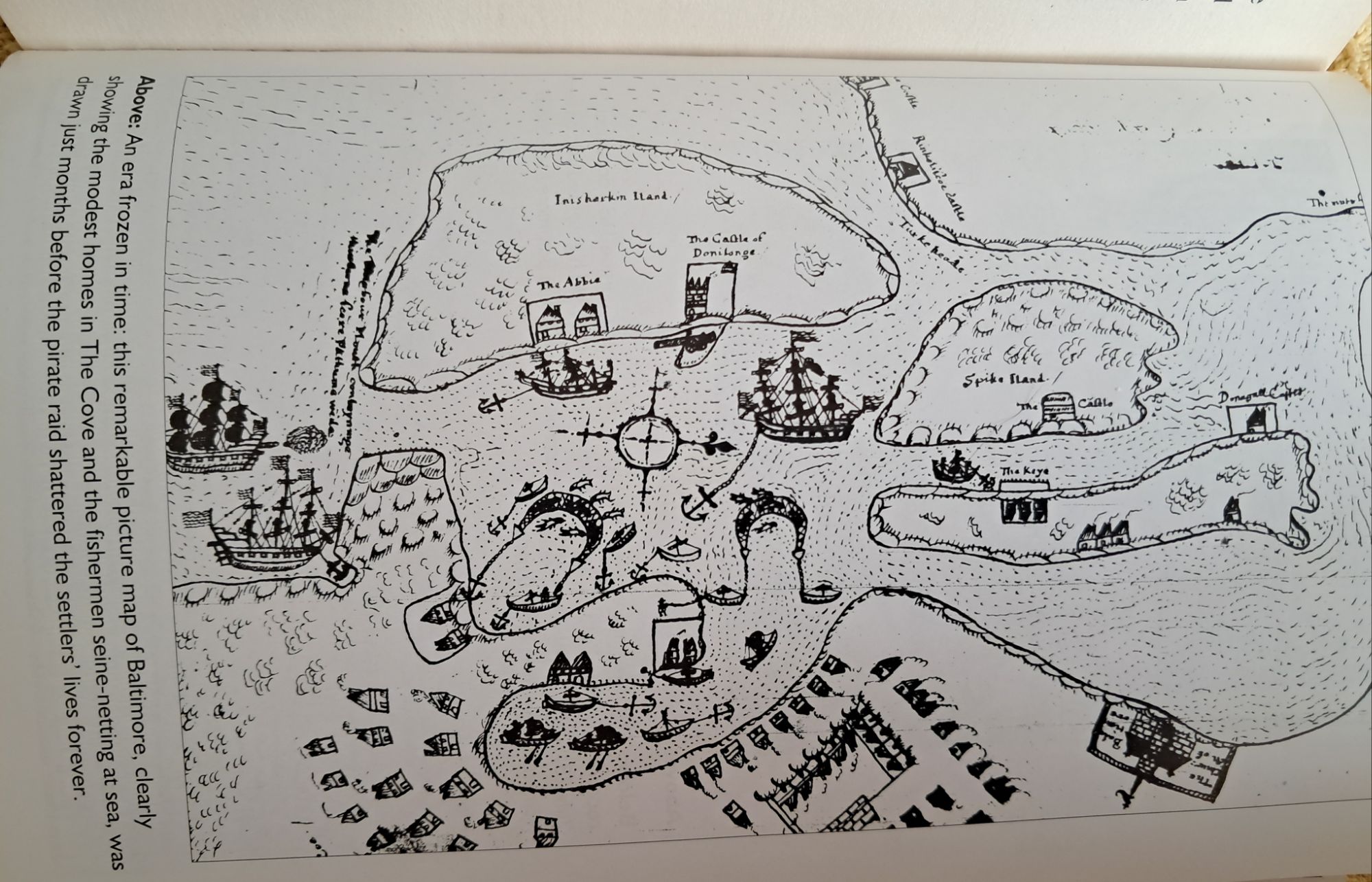
The village of Baltimore, drawn months before the pirate raid shattered the settlers' lives
Baltimore village just months before the pirate raid shattered the settlers’ lives

The new Baltimore settlement had been created by a family of intellectual freethinkers whose fierce refusal to conform had made them a thorn in the side of the religious and political establishment in England for generations.

It is a fascinating story, as is the history of the movement of people and the way in which privateers or corsairs move from legitimate to illegitimate activities, the bases the pirates used that others wanted rid of and all the machinations of the establishment and the clans behind it all that fueled so many conspiracy theories.

With eight pages of glossy black & white photos, a list of The Taken and a comprehensive bibliography, it was a most enjoyable read.

Saltblood by Francesca de Tores

In a rented room outside Plymouth in 1685, a daughter is born as her half-brother is dying. Her mother makes a decision: Mary will become Mark, and Ma will continue to collect his inheritance money.

Girls Initially Raised as Boys

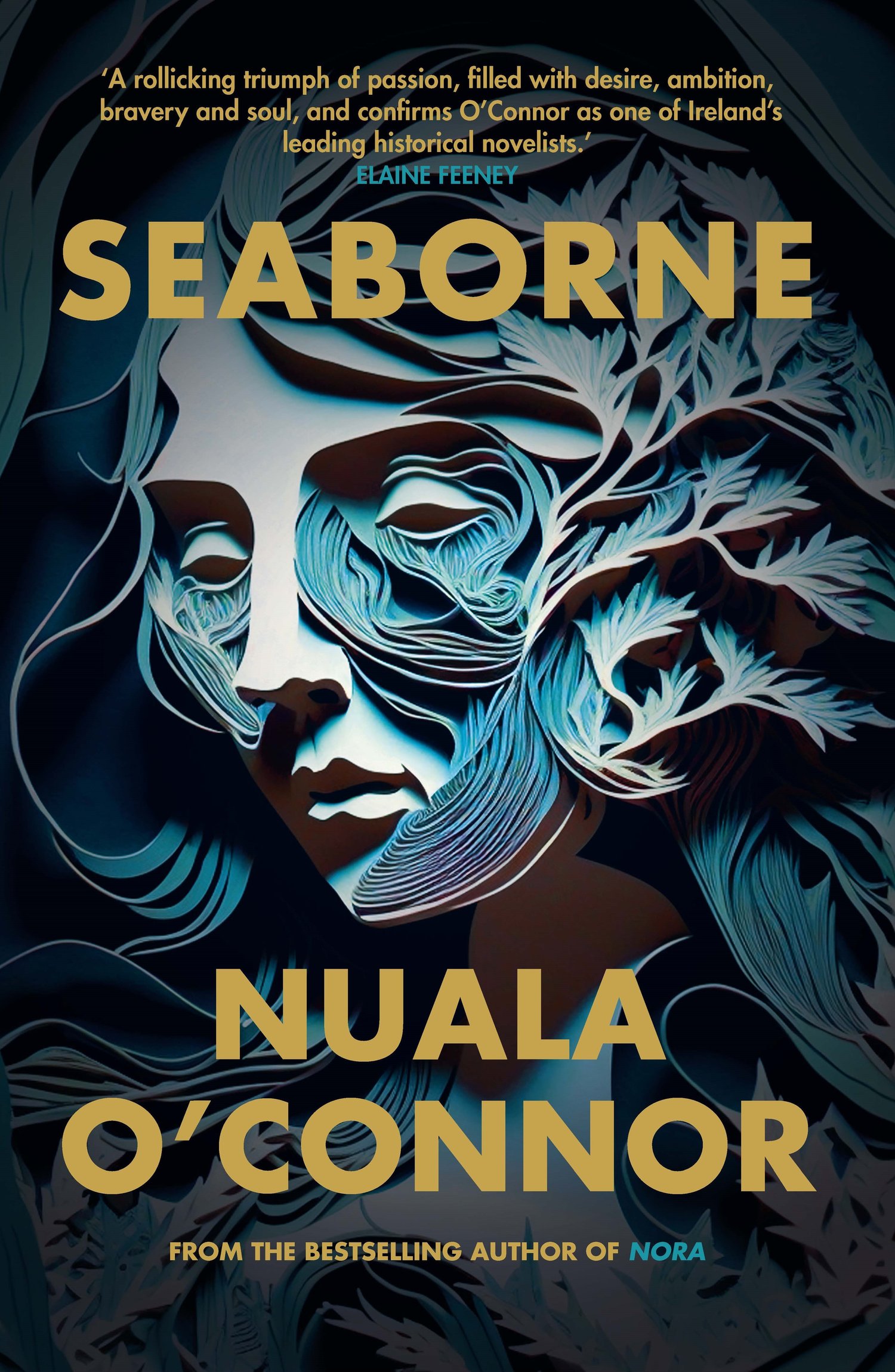
As I began to read about Mary Read in Saltblood by Tasmanian author Francesca de Tores, I had a sense of deja vu. I paused reading and revisited my review of Irish author Nuala O’Connor’s Seaborne, another work of historical fiction, but focused on Kinsale born Anne Bonny.

Stories of Real Female Pirates

In Saltblood, we meet Mary Read (true historical figure), raised by her mother as Mark, a practical solution to poverty, inheritance laws and social restrictions.

After such a beginning, perhaps not surprisingly, Mary preferred for some years to live as Mark, due to opportunity and freedom. Working in service in a grand house as a man led to her/him enlisting in the Navy, then as the battles moved to land, joining the Army.

From the Military to Piracy

Settling for a short period as a married woman, she would then return to the sea after a tragic loss.

I went to sea a girl dressed as a boy, and I come back as something else entirely. I come back sea-seasoned: watchful of winds, and with an eye on the tides. I do not know if I have come back wiser, or better or perhaps madder. But I am not the same. What the sea takes, it does not return.

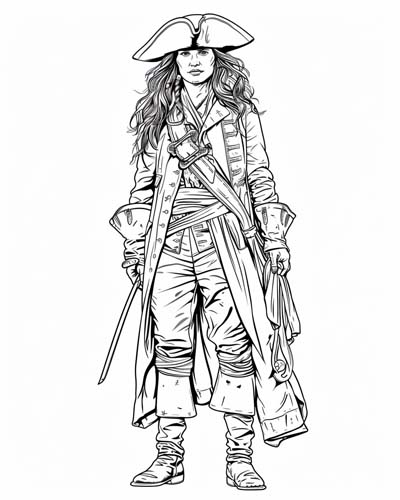
Initially working as crew for a privateer ship (authority sanctioned raiders); when they are raided by pirates, she elects to jump ship to escape the overly attentive Captain Payton and joins pirate Captain Jack Rackman. Although in her earlier years in the navy and army she was disguised, her later years at sea she presents as a woman, but is accepted as one of the crew due to her experience and abilities.

Pirating Protocols

Most pirates know the rules: go in fierce and fast, and the captains will beg for quarter, just as Payton did, and the Spaniards now do too.

One of the things the novel does well is really give you an idea of how pirating and raids work, for a start each member of the crew is made to sign a contract ‘articles of conduct’ that state policies around behaviour, pirate behavior (such as drunkenness, fighting, and interaction with women) and disciplinary action should a code be violated. Failing to honour the Articles could get a pirate marooned, whipped, even executed. It was the Captain’s way to maintain order and avoid dissent and ensure loyalty. The articles stated how gains would be shared.

There was a lot less fighting than we might imagine. Pirates preferred their target acquiesce. A black flag signaled to a vessel that they were about to be attacked, but that “quarter” would be given. This meant the pirates would not kill everyone on board if they cooperated and handed over any cargo. Seeing the black flag instilled fear and alerted ships to what was about to happen. If crew members did not fight, they might save their lives, but not their cargo.  Crew sometimes elected to join the pirate ship as Mary did.

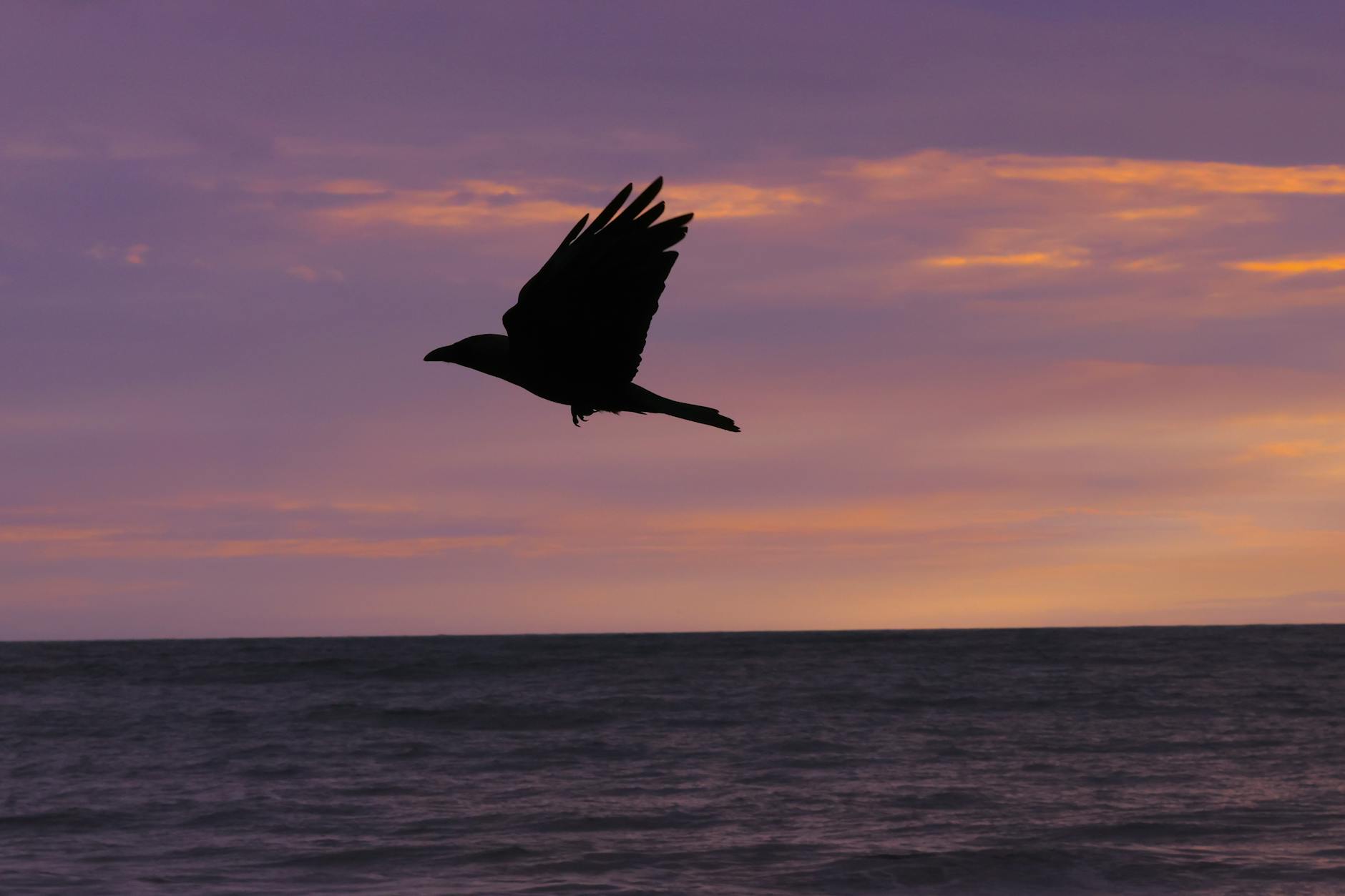
A Companion Crow

Photo by Alex Jaison on Pexels.com

One of the interesting fictional elements in de Tore’s version of Mary Read’s life is the appearance of a crow that follows Mary on land and out to sea. The crows presence acts as a warning to the men, it is not a good sign to them, but for Mary, it’s presence is reassuring.

A bird that can pounce from the top of the mainmast to skewer a sardine in the water, or snatch a crab from under rock and find out its soft parts, is a bird that sees well, and clear. It counts, this witnessing. To live your life under the vigilance of a crow is a kind of covenant.

A Pirate Nest in the Bahamas

Nassau became the base for English privateers, many of whom became lawless pirates over time. The Bahamas were ideal as a base for pirates as its waters were too shallow for a large man-of-war but deep enough for the fast, shallow vessels favoured by pirates.

It was here that Mary Read eventually met and befriended the much younger (by 15 years), emboldened Anne Bonny, encountered in Seaborne by Nuala O’Connor. The two women became fast friends, though opposite personalities.

Anne falls for Captain Jack and decides to join the crew, deepening her relationship with Mary simultaneously.

Photo by Pixabay on Pexels.com

Next to Anne Bonny, so bold and notorious, I had thought myself meek and colourless, and my story of little note. Yet she never tires of asking me about my years in the navy, and the army. Even my years on the Walcheren, which to me seem largely drab, fascinate Anne.

A Governor on a Mission

Saltblood continues to narrate the scrapes and adventures these two embark on and the efforts of Captain Rackham to avoid Governor Rogers, an English sea captain, privateer and colonial administrator who governed the Bahamas from 1718 to 1721 and again from 1728 to 1732. He aimed to rid the colony of pirates.

Initially I started then put this aside due to that feeling of having read something too similar, it starts off slowly and didn’t really pull me in, but more recently I picked it up again and continued only to find it much more engaging, as Mary is indeed quite a different character to Anne, and I enjoyed her land adventures as much as those at sea and the way their piracy days end is unforgettable.

After reading this I noticed I had another pirate book on my shelf, a work of history, The Stolen Village: Baltimore and the Barbary Pirates by Des Ekin, review coming soon.

Further Reading

Reviewed by Lisa at ANZ LitLovers

Author, Francesca de Tores

Francesca de Tores is a novelist, poet and academic. She is the author of five previous novels, published in over 20 languages, including Saltblood, which won the 2024 Wilbur Smith Adventure Writing Prize.

In addition to a collection of poems, her poetry is published widely in journals and anthologies. She grew up in Lutruwita/Tasmania and, after fifteen years in England, is now living in Naarm/Melbourne.

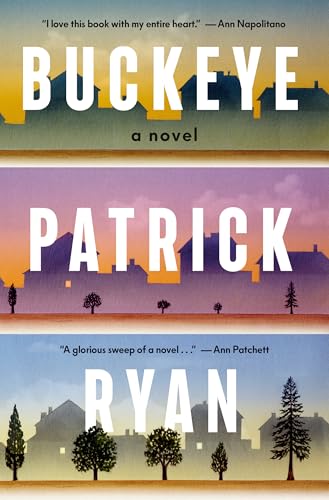
Buckeye by Patrick Ryan

Buckeye by Patrick Ryan

I have a ton of reviews to write, having been in a bit of a reading frenzy, so starting with the difficult task of one for whom I loved to begin with and then wanted to throw across the room.

Buckeye is popular work of historical fiction in the US and it is a novel a friend asked me if I had read, after seeing a promising review in the New York Times, buying a copy, abandoning it after 100 pages.

Although suspect, because there is a point with hyper popularity, beyond which I know it is probably not for me, I read the premise and thought it interesting, then when author and reviewer Margaret Renkl made the comment below, I decided to read it, rather than pre-judge and discern.

Sometimes I read a novel so completely absorbing, so populated by unforgettable characters in a world so beautifully built that entering it feels like coming home, and I can’t let myself start a new novel for a week, out of fear of breaking the spell.

If you love deceptively simple stories about deceptively ordinary human beings, about how family traumas and cultural prejudices can reverberate through the generations and how family secrets acquire ever more devastating power as the years unfold, please read this book. Especially if you believe in forgiveness and healing, and especially when forgiveness and healing are hard earned. I loved this book more than I can say. I absolutely loved it. Margaret Renkl

An Enticing Opening Scene

Buckeye is a novel set in Bonhomie, Ohio and opens with an enticing scene that gets the reader wondering who that was and what just happened. The narrative then shifts back to the early years of both those characters involved in that opening scene and we read about their lives leading up to that moment.

The two characters we meet in the opening scene are Margaret Salt, who grew up in an orphanage in Doyle, Ohio, having been dropped at its door in the middle of the night in October 1918.

The baby was eight, maybe nine months old, Lydia guessed. Pinned to her tiny shirt was a handwritten note. Please take care of this baby as I cannot. I named her Margaret, but call her what you like.

A ‘Buck’ Eye on Women

I guess this was probably one of the first red flags for me. I mean, leaving a baby outside an orphanage at that age indicated the mother had tried to take care of her child, but to flippantly write ‘call her what you like’ is an aggressive stance, inferring a lack of love or care, the first instance of portrayal of a mother as lacking.

Like other girls in the orphanage, Margaret would go in and out of families who wanted to adopt, then changed their minds, until finally in 1936, when she reached eighteen years, she moved to the city of Columbus, where her real adult education began.

Eve Entices Adam With the Forbidden Fruit

Photo by Berna on Pexels.com

And that opening scene? Well there we meet Margaret in 1945 as news of the allied victory in Europe is spreading through the community. Margaret walks into a hardware store in Bonhomie, where she now lived and asked the man behind the counter, Cal Jenkins if he had a radio. She needs him to turn it on and they will listen together. Their encounter represents a turning point in both their lives, but then the narrative switches back to tell their backstories up until that moment and ultimately beyond it.

But she was looking at the caramel-coloured radio. Her eyes were glistening. “Do you think- ” she said, then paused as if unsure of what she wanted to ask him. She took a breath. “Do you think people will start coming home?”

Cal is married to his high school girlfriend Becky, who from a young age has the ability to hear voices of the dead and as an adult has a line of people coming to her door wanting to hear these messages. After a few dates with Cal, she presented him with a letter to herself that she had written when she was eight years old, asking him to return it when she turned sixty. She wanted to know if the future was knowable by forgetting what was in the letter and encountering it later on.

“Will our older selves be anything like our younger selves thought we would be? We can only find out by writing it down and then putting it out of our minds and letting life take its course. The unraveling of time should be mysterious, don’t you think?”

Margaret has a rough start in Colombus, until she meets Felix, who seems perfect in every way, except that something is not quite right, which the reader quickly becomes aware of, though not Margaret.

Les Bons Hommes of Bonhomie

Photo by Lies on Pexels.com

The novel follows the lives of these couples in the suburban town of Bonhomie against the background of significant change in America, and the ripple effect of that encounter on the lives of these two couples, who are forced to confront what they might wish to stay hidden.

The suburban neighbourhood and 1940’s setting gave me a bit of the Revolutionary Road vibe, (Frank and April Wheeler, self-assured Connecticut suburbanites) that feeling of mild discontent that is ignored in order to keep up appearances, or grudges held when two people are unable to communicate and resolve their differences, that are likely to push them to cross lines of self-sabotage that force the issue.

Unpopular Opinion

I really enjoyed the first half of the novel, it is engaging and moves at a good pace, however towards the end, I started to notice certain patterns and once I saw them I couldn’t unsee them, in particular that all the nurturing characters were men, that the female characters either take a back seat, or are completely absent. When one character checks in on another or thinks to bring groceries, it is nearly always the men. For sure, this can be true, however this very domestic fiction in many ways felt inauthentic. A buck eye on les bons hommes?

I could feel myself bristling at the way the adult characters mismanaged the identity revelation, unable to understand the inevitable impact, there was not any addressing the unconscious impact of this throughout the character’s childhood. Again, that was probably the case, but adults ignoring the human rights of a child to know who they are, abusing their power and delaying the inevitable. Wondering about that reaction, not seeing their own violent part in it? It’s downright cruel.

The lack of reconciliation or exploration of Margaret’s story irked as well. Ultimately, this felt like a story of men being adequate family carers, perhaps we lack those kind of stories, but this just didn’t sit right with me.

Part of what had appealed to her about Columbus, when she was eighteen, was its vastness – all there was to see and do, and the chance to be a part of it. What appealed now was its vast anonymity, its ability to cloak people in its destiny, so that you could live your life without answering too many questions or encountering too many expectations. Right up to your last moments, if you wanted, so that the most lasting impression you left on your neighbours was that they’d known nothing about you.

But don’t take my word for it, unless you’re sensitive to to the same issues as I am, you might love this as many other (the majority) readers have.

Next up, another popular work, but one that has been a word of mouth sensation, a manuscript that was rejected over 100 times, because who wants to read a novel of letters? Well, me and a few friends and correspondents for starters!

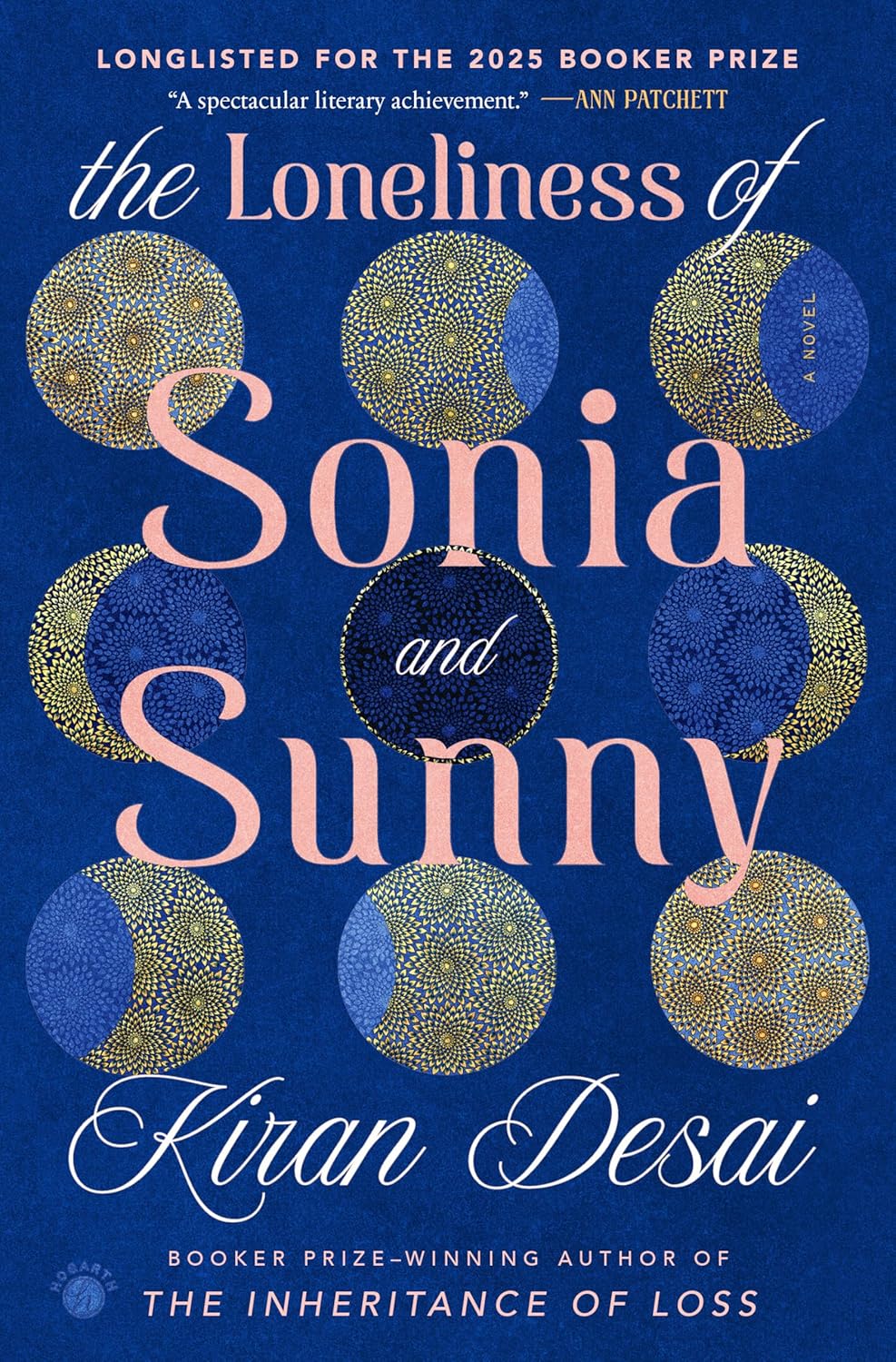
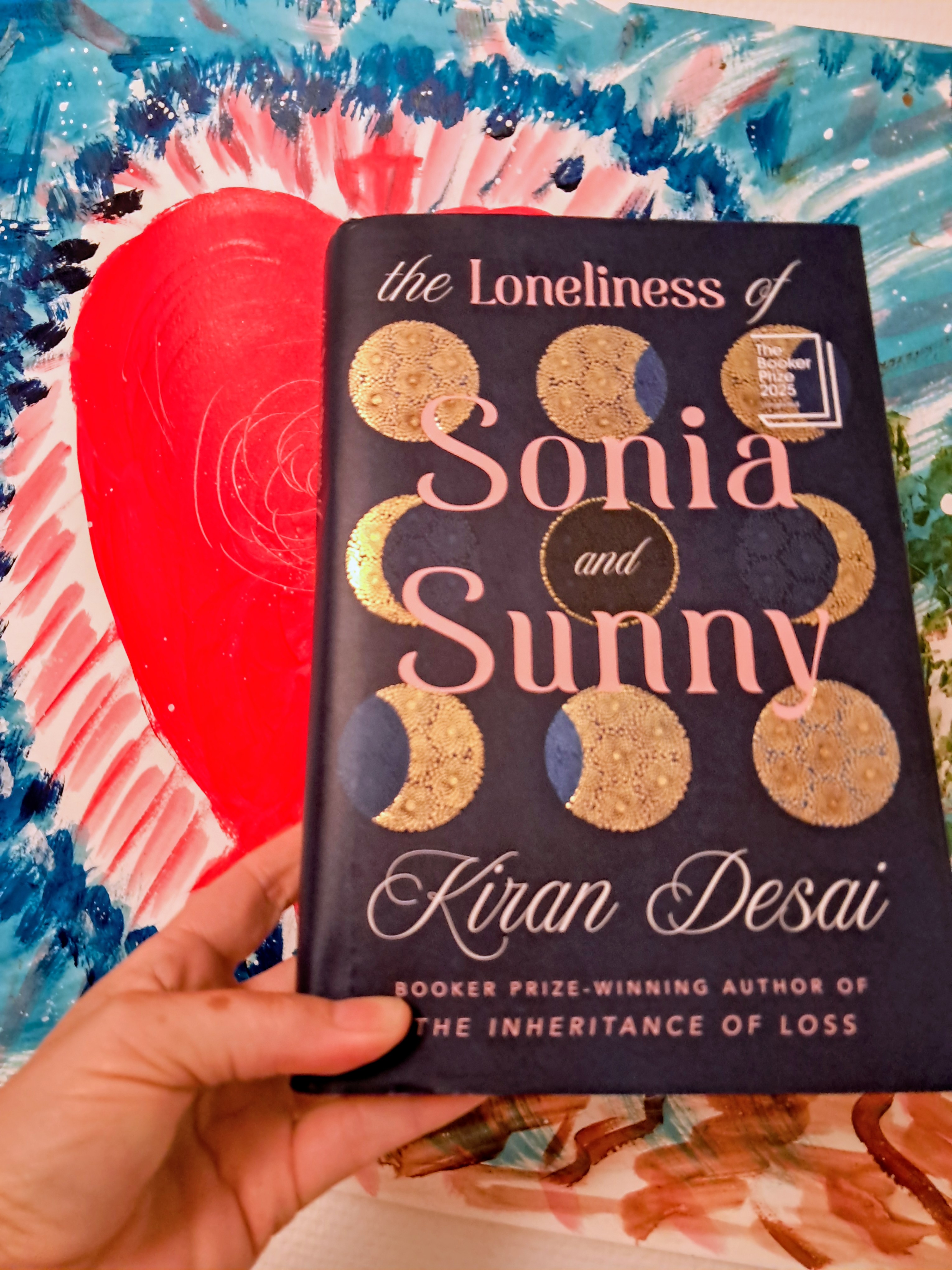
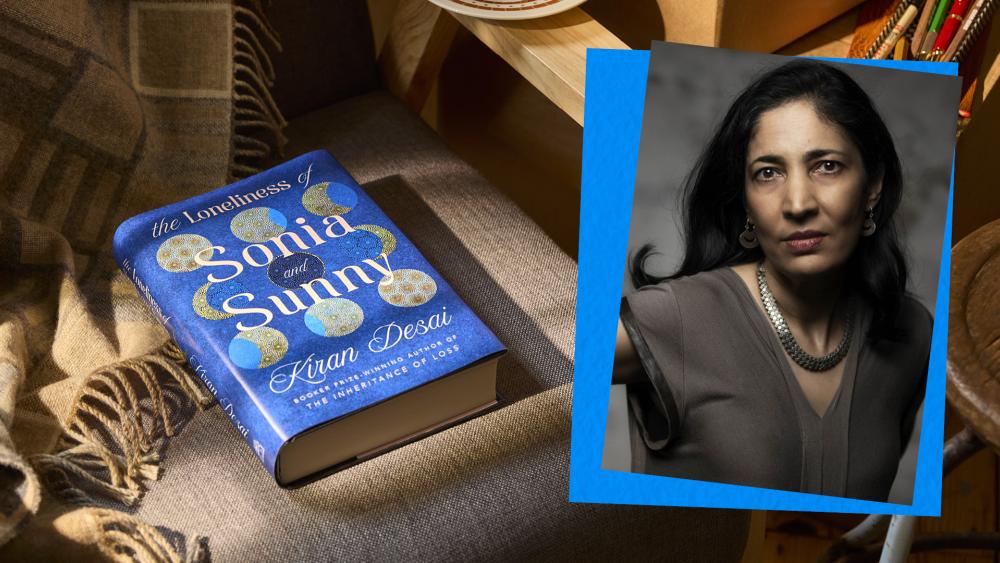
The Loneliness of Sonia and Sunny by Kiran Desai

It has been twenty years since Kiran Desai published her Booker Prize winning The Inheritance of Loss, so this latest novel has been much anticipated by many.

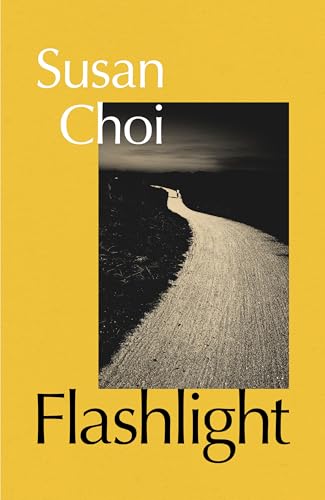
It was one of two Booker shortlisted novels this year that I was interested to read, because of their cross-cultural settings, the other being Flashlight by Susan Choi, set in Japan, US and North Korea.

Character led New Generation Indian Drama

Cover of The Loneliness of Sonia and Sunny by Kiran Desai

At 670 pages, I had to be sure about Desai’s novel before committing to read it, an immersive Indian family saga sounded promising, then the author’s intention to write ‘a present-day romance with an old-fashioned beauty’ sealed it for me.

It was everything I hoped and more. All the old fashioned values and dilemmas of an India of the past and then the mix of young people sent abroad for an American education, isolated from their home culture and influences, while both benefiting from, and coping with the effect of a western education and so-called freedoms as they try to find their place in the world.

We also bear witness to the imbalance in power in a co-dependent and coercive relationship of a manipulative and emotionally abusive man over a young woman, who struggles to see what is happening to her and yet knows it is not right.

The Loneliness of Winter in a Foreign Country

In this modern day Indian family chronicle, we meet aspiring novelist, freelance writer Sonia in the snowy mountains of Vermont, and Sunny a struggling journalist now in New York.

Unable to return home during the holidays, having been in America for three years and not returned to India for two, Sonia complains to her family.

“Lonely? Lonely?”

In Allahabad they had no patience with loneliness. They might have felt the loneliness of being misunderstood; they might know the sucked-dead feeling of Allahabad afternoons, a tide drawn out perhaps, never to return, which was a kind of loneliness: but they had never slept in a house alone, never eaten a meal alone, never lived in a place where they were unknown, never woken without a cook bringing tea or wishing good morning to several individuals.

In Vermont working on campus in the library over the two month winter closure, with two foreign students, one day she encounters a much older man Ilan de Toorjen Foss, who invites her to dine, promises to find an internship for her. He takes something from her that becomes one of the core threads of the story, the thing that will bring Sonia and Sunny’s fates full circle.

Her colleagues in the library are suspicious.

“I still don’t understand who this person is and why he is here in the dead of winter. It doesn’t add up. Where is his family?”

The Jealous Confused Girlfriend

Photo by viresh studio on Pexels.com

When Sunny’s American girlfriend Ulla opens a letter from his mother with a photo of Sonia inside, he tries to downplay the foreign custom it refers to. She is suspicious.

“There’s nothing sinister about the letter,” he said. “Everyone gets these at my age, forwarded by relatives, friends, people who’ve never set eyes on you – a great pile arrives when you finish college, and the flood continues until everyone is settled. Then there is a lull before they begin marrying off the progeny of these mishaps, each generation lesser than what came before, because what hope can you have from such a process?”

Sunny avoids answering his mother’s calls and now his girlfriend suspects this custom might be the real reason he is reluctant to tell his family about their relationship. He finds it increasingly difficult to navigate his relationship, discovering there are as many pressures and expectations, with little understanding of the rules. He seeks an escape.

An Arranged Marriage? Not Likely!

Neither Sonia or Sunny are thinking about marriage according to the cultural traditions of their parents generation; they are too swept up dealing with their current circumstances. The letters they received were a response to a letter in India, sent from one family to the other, suggesting a match, inferring but never outright stating, a kind of favour that might balance out an old grievance these families had faced a decade ago, after an investment turned sour.

It was essential to remain close to those who had caused you harm so that the ghost of guilt might breathe through their dreams, that their guilt might slowly mature to its fullest potential. Not that Dadaji had thought it through – it never worked to consciously plot, to crudely calculate – and he himself was astonished at the possibility of what was unfolding. Even now it would never do to name this liability. The Colonel would not allow his grandson to bear the burden of his grandfather’s mistake. Dadji and Ba may simply suggest a desirable match between the grandchildren, two America-educated individuals, two equals, two people who naturally belonged together because of where they came from and where they were going. Without either of them mentioning it, the obligation might be beautifully unravelled.

The intended match fizzles out without Sonia or Sunny meeting, neither are interested, both already in romantic connections they are attached to but not entirely happy in.

However their paths will cross, igniting intrigue, but again they separate, as they struggle to find their place in the world and in themselves and overcome the mistakes they have made on the way, which have nothing to do with each other.

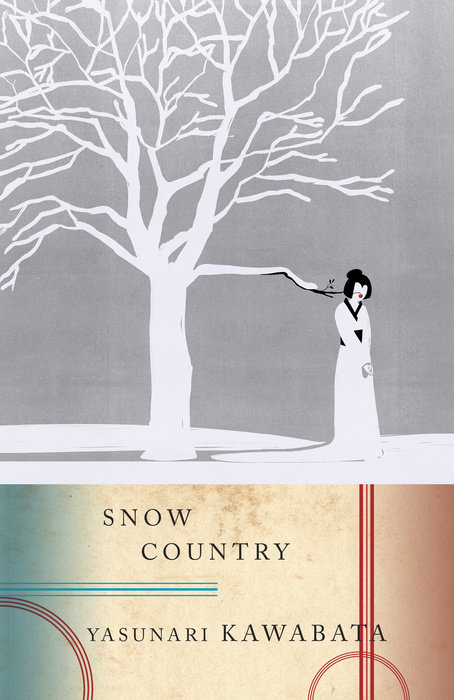
He passed a young woman sitting cross-legged staring at the rain. By her side was a book. Because Sunny couldn’t abide passing a book whose title he could not read, he walked by again and saw she had a face planed like a leopard, long lips, and watchful eyes, hair in a single oiled braid, but he still couldn’t see the title. So he passed by again. And one more time before he detected it: Snow Country by Kawabata.

Ultimately the two young people flee their present and go into a period of self imposed reflection, Sonia retreating to her mother’s house in the mountains, where she has mystical revelations that she decides not to be frightened of, but to look for simpler meaning from; while Sunny finds solace in nature and human rhythms in a village on the coast of Mexico, blending in with locals and receiving a visit from his friend Satya who is having his own realisations, seeking apology and reconciliation.

There is so much to navigate and nothing mentioned gives anything away, just an idea of the journey these two will go on as they seek a solution to their loneliness, a confrontation with themselves, in various parts of the world.

A Cultural Coming of Age Youth’s Journeying

Photo by Kunal on Pexels.com

I was hoping for an immersive, character led Indian novel and this was everything I hoped for and more. It had all the old fashioned values and dilemmas of an India of the past and then the interesting blend of young people sent abroad for an education, isolated from their culture and influences, experimenting with the new and forbidden, benefiting from and coping with the effect of a western education and freedoms, while trying to understand themselves and their place in the world.

Though there were aspects that were deeply troubling, like the grooming of a young foreign student by a much older man, they are sadly relevant to the situation an isolated young woman without family around, might encounter abroad.

At the same time there were generational threads and mystical elements that disturb the equilibrium; there are parasitic entities met on their paths that cause them to learn, to suffer and grow, requiring surrender and courage. Everyone, young and old alike, must deal with their situation in order for any kind of balance to be regained.

I found the novel thoroughly entertaining and engaging, the mix of traditional and contemporary attitudes, the facing up to change and resistance against old roles. To a certain extent, as outsiders to the culture, we rely on authors to represent it authentically, but here we have characters that have been influenced and educated outside their own culture from within privileged families, which makes them neither one thing nor the other.

Loved all of it, did not want it to end, the ending was perfect.

Further Reading

Book Extract: An extract from The Loneliness of Sonia and Sunny by Kiran Desai

NPR Review: ‘The Loneliness of Sonia and Sunny’ is a terrific, tangled love story by Maureen Corrigan

Kiran Desai, Author

Kiran Desai portrait with her novel The Lonliness of Sonia and Sunny © Yuki Sugiura for Booker Prize Foundation
Author Kiran Desai © Yuki Sugiura for Booker Prize Foundation

Kiran Desai was born in New Delhi, India, was educated in India, England and the United States, and now lives in New York.

She is the author of Hullabaloo in the Guava Orchard, which was published to unanimous acclaim in over 22 countries, and The Inheritance of Loss, which won the Booker Prize in 2006, as well as the National Book Critics Circle Award, and was shortlisted for the Orange Broadband Prize for Fiction. Her third novel, The Loneliness of Sonia and Sunny, was shortlisted for the Booker Prize 2025

In 2015, the Economic Times listed her as one of 20 most influential global Indian women. 

In the past of my parents, and certainly my grandparents, an Indian love story would mostly be rooted in one community, one class, one religion, and often also one place. But a love story in today’s globalised world would likely wander in so many different directions. My characters consider: Why this person? Why not as easily someone else? Why here, not there? In the past people were always where they had to be. My indecisive lovers, Sonia and Sunny, meet and part across Europe, India and America, their idea of themselves turning ever more fluid.