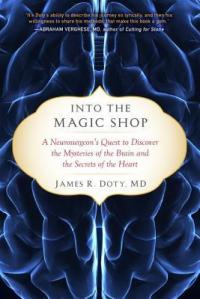
Into The Magic Shop, A Neurosurgeon’s Quest to Discover the Mysteries of the Brain and the Secrets of the Heart by James R. Doty

Into the Magic ShopJames Doty never really set out to write this book, but he told his story to so many people with whom it resonated and being one of the founding creators of CCARE (The Center for Compassion and Altruism Research) he was eventually convinced how many more people could be inspired by his story and learn about the amazing work being undertaken, that he agreed to share his experience.

Doty came from a poor background, raised in a dysfunctional family, his mother was frequently depressed and had suicidal tendencies, his father, who when he was sober he adored, often disappeared after one of his drinking bouts and when he did return was violent and abusive. Consequently, as a child he lived in a constant state of fear, in anticipation of when the next bad thing was going to happen, it made his heart race, his body tense and constantly made him dwell in anger and sadness.

The first major turning point in his life occurred in his early teens when he went to the local magic shop looking for a replacement thumb tip and there he met the mother of the owner, a woman named Ruth. Ruth recognised something in him and invited him to come to the shop every day that summer, promising to teach him a kind of magic he could use all his life. So he did.

She talked to him about different feelings and the emotions they stem from and taught him:
Trick 1. to Relax the Body,
Trick 2. to Tame the Mind,
Trick 3. to Open the Heart (the only one he didn’t learn) and
Trick 4. to Clarify your Intent.

She taught him to visualise and to never accept that something was not possible. He took the lessons and they enabled him to attain goals he believed would not have been achieved without the insights and practices that Ruth taught him. He went to university, to medical school and despite absences and the lack of excellent grades, became a doctor, a successful businessman and entrepreneur, a husband and father. But at a price, something he wouldn’t learn until many years later when he finally understood what the third lesson that he had failed to learn and practice was about and began to live and work in accordance with it.

Ruth was helping me form new neural connections in my brain. It was my first experience with neuroplasticity, well before the term was commonly used….Not only was Ruth training me to change my brain by creating new neural circuits but she was also training me to regulate the tone of my vagus nerve and, by doing so, affect both my emotional state and my heart rate and blood pressure.

James Doty became a neurosurgeon and shares a little of what he learned about the brain and uses it to explain how those early interactions with Ruth were changing and remapping his brain in a way that would help him in the future.
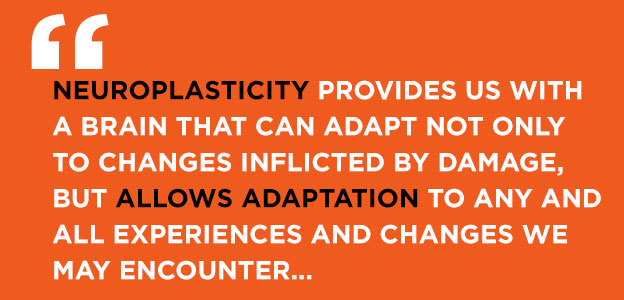
Neuroplasticity

In another turning point in his life, later when he has risen to great heights and achieved the great material success he believed was all he desired, he would come to learn how much more he was capable of with an open heart, he would bring together a group of people to scientifically research the effect of compassion and altruism on the brain.

As well as great scientific minds, he would meet with the Dalai Lama, who on listening to Doty explain his research and answering a number of questions, decided to support and sponsor the research with a significant and unprecedented financial donation, so impressed was he with the project.

When our brains and our hearts are working in collaboration – we are happier, we are healthier, and we automatically express love, kindness, and care for one another. I knew this intuitively, but I needed to validate it scientifically. This was the motivation to begin researching compassion and altruism. I wanted to understand the evolution of not only why we evolved such behaviour but also how it affects the brain and ultimately our health.

It is a wonderful, honest account, a compelling and easy read. Doty shares his story, flaws and all, sharing the beneficial effect on his life of the rare gift of meeting someone who shared those simple life resources with him at an early age, and importantly where he got it all wrong. Through this book he and many others hope that more people will have access to them, or at least become interested enough to find out more.

It is fascinating and heartening to see the increasing scientific development in the 21st century into understanding the effect of compassion, altruism and meditative practices on the brain through science, something that ancient Buddhist cultures have known, experienced and passed down the generations through practise for thousands of years.

Dr James R.Doty, MD Stanford University and His Holiness The Dalai Lama

Dr James R.Doty, MD Stanford University and His Holiness The Dalai Lama

Note: This book was an ARC (Advance Reader Copy) kindly provided by the publisher via Netgalley.

Big Magic, Creative Living Beyond Fear by Elizabeth Gilbert

Signature (2)Elizabeth Gilbert, author of the best seller Eat Pray Love and more recently in 2013, the historical, botanical novel The Signature of All Things (reviewed here) has thought a lot about Creativity, so much so that she gave a TED Talk on the subject.

Tapping into one’s creative life can often be referred to as a sea of obstacles, fears, procrastinations and can tend to focus on what one lacks, rather than the small steps we can take in pursuit of it.

In Big Magic, Gilbert writes a lot about how we get in the way of our own creativity, covering a multitude of sins, some that we may find relevant, others not, depending where we are on the path to pursuing it.

The book is separated into six sections, Courage, Enchantment, Permission, Persistence, Trust and Divinity where she discusses many aspects of e creative process, her own experiences and many anecdotes from well-known personalities.

Why You Should Quit Writing

One of the best is from Richard Ford, author of Canada (reviewed here); he gave this response to an audience member who recounted all the things that he and Ford had in common; age, background, themes, the fact they’d both been writing all their life.

The big difference being this person had never been published, they were heartbroken, a “spirit crushed by all the rejection and disappointment”. He added that he did not want to be told to persevere, that’s all he ever heard from anyone.

Ford told him he should quit.

The audience froze: What kind of encouragement was this?

Canada1Ford went on: “I say this to you only because writing is clearly bringing you no pleasure. It is only bringing you pain. Our time on earth is short and should be enjoyed. You should leave this dream behind and go find something else to do with your life. Travel, take up new hobbies, spend time with your family and friends, relax. But don’t write anymore, because it’s obviously killing you.”

There was a long silence.

Then Ford smiled and added, almost as an afterthought:

“However, I will say this. If you happen to discover, after a few years away from writing, that you have found nothing that takes its place in your life – nothing that fascinates you, or moves you, or inspires you to the same degree that writing once did…well, then, sir, I’m afraid you will have no choice but to persevere.”

Seize an Idea and Follow It

She writes about her theory that ideas are a separate entity to ourselves and if we do not pursue them when they come knocking in the form of inspiration, we risk them leaving us altogether and being passed on to someone else. When the momentum and inspiration has left us, which can also happen if we put something aside for too long, it becomes difficult, if not impossible, to renter the zone to complete it.

She gives an example of a novel she was very passionate and inspired by, an Amazonian novel. She mentioned it to her friend Ann Patchett who was curious as she was at the time writing a novel set in the same location.

042812_1839_StateofWond1.jpgGilbert gave her a brief outline and asked Patchett what her novel was about and she repeated almost word for word the same idea – fitting into her theory that the idea had visited her and because she had put it aside for a couple of years, it left and had been passed on to Patchett to become State of Wonder (reviewed here).
It’s necessary to read her quaint theories with an open mind, Big Magic itself is the label she applies to all those instances of coincidence, luck, the unexplained, it is a form of belief in universal guidance or positive thinking, one conveniently packaged as Big Magic.

Fortunately, we need not put all our faith in it, she pulls back from the inclination of some to urge us to seek out our passion, especially when many struggle to find or identify with such a thing. She favours curiosity over passion.

Forget Passion Pursue Curiosity

Forget about passion, pursue curiosity. Curiosity is accessible to everyone, while passion can seem intimidating and out of reach.

‘…curiosity is a milder, quieter, more welcoming and democratic entity…curiosity only ever asks one simple question of you:

“Is there anything you’re interested in?”

Anything?

Even a tiny bit?

No matter how mundane or small?

Curiosity is like a clue, you follow it, see where it takes you and continue along that train of thought or research. It may lead somewhere or nowhere, it doesn’t matter, momentum is what’s important. She gives the example of following an interest in gardening, that lead to researching and eventually writing her much admired historical novel The Signature of All Things.

She acknowledges that the necessity to achieving a creative life of note takes discipline, luck and talent and puts more faith in the former, than the latter.

She doesn’t regard herself as being endowed with greater than average talent, she is not a perfectionist – admitting to flaws in her work she knew were there, that weren’t worth the effort to pursue in the grand scheme of things. An interesting observation, as one of the flaws she mentions was an under-developed character in that same novel, something I noted in my review, that she admits beta readers warned her of, a flaw she deliberately did not remedy. In some cases the effort required to fix something is greater than the reward it will bring.

Overall, a fast, easy read, that can act as a reminder and a motivator to us in relation to any creative endeavour, it’s one of those books to read with a filter, let it pass through you and take the gems for what they’re worth to you now.

“Possessing a creative mind is like having a border collie for a pet. It needs to work, or else it will cause you an outrageous amount of trouble. Give your mind a job to do, or else it will find a job to do, and you might not like the job it invents.

It has taken me years to learn this, but it does seem to be the case that if I am not actively creating something, then I am probably actively destroying something (myself, a relationship, or my own peace of mind).”

The Readers of Broken Wheel Recommend by Katarina Bivald, tr. Alice Menzies

Readers of Broken WheelSometimes, these are the only books that will do. That rare breed of literature that entertains, uplifts and demands little in return, the books we read when we are fed up with thinking and wondering why certain things are the way they are.
Sara has always been seen by her family as wanting, harbouring a mild disapproval of her predilection for staying in and reading, her acceptance of a job in a quiet bookstore. Now that she is doing something out of the ordinary, leaving their sleepy Swedish town to travel to small town Iowa, they’re still not happy.

“It wasn’t clear which was worse, the tediousness or the risk of bumping into one of the many serial killers hiding in every nook and cranny… Honestly though, what do you know about people? If you didn’t have your nose in a book all the time…”

The bookshop Sara worked in has closed down and her world seems to have diminished to books and the lives within them. 

“Her little sister Josefin worked as a trainee lawyer for the district court on Södertälje. Eventually, she would be a solicitor, a socially viable profession carried out in suitability expensive suits. Sara, on the other hand… A bookshop. In a suburban shopping centre. That was only marginally better than being an unemployed former bookshop assistant like she was now. And now that she had finally gone abroad? She had chosen to go to a little backwater in the American countryside, to stay with an elderly lady.”

Broken Wheel SierraSara has been writing letters to Amy for the last two years, they are bookish pen pals who share a love of literature and enjoy the uninterrupted conversation of a letter. Amy invites Sara to visit, she arrives in the small, dilapidated town of Broken Wheel, most-likely it first and only ever tourist, only to find that the person who invited her didn’t tell her something VERY important that will affect her two month stay.
The Readers of Broken Wheel Recommend takes a melancholic bunch of characters from a declining town in Iowa and puts the introverted, bookish Sara into its midst.

Though it is a small town, with not much going for it, it is an adventure for Sara to leave Sweden and travel to meet her bookish friend.

She discovers the important thing that Amy left out of her letters on her very first day and it will have an effect on the rest of her 2 month stay, where we meet a cast of fabulous, quirky characters and observe the transformation of a depressing little town.

The residents of Broken Wheel are not avid readers, they are not readers at all and don’t see things the way Sara sees them.

‘People are better in books,’ she muttered. She said it so quietly she didn’t think he could have heard her, but when she stole a glance at him, she thought she could see one of his eyebrows twitch. ‘Don’t you agree?’ she asked defensively?

‘No,’ he said.

Sara decides to convert Amy’s empty shop in the deserted town of Broken Wheel despite the fact the residents claim not to be readers. Slowly the wheel begins to turn…

Broken WheelA light-hearted, uplifting story that should be in the section of the bookstore or library entitled “guaranteed to lift or lighten your mood”.

It reminded me of that same feeling created by the author Antoine Laurain in The Red Notebook and was an absolute delight, just what I needed, a literary, bookish pick me up!

Note: This book was an ARC (Advance Reader Copy) kindly provided by the publisher.

Under the Sea-Wind by Rachel Carson

Under the Sea-Wind (1941) was Rachel Carson’s literary debut and the first title in her Sea Trilogy, three books she wrote about the sea, the second The Sea Around Us (1951) and finally The Edge of the Sea (1955).

I discovered Under the Sea-Wind one day because I felt sure someone must have written a creative non-fiction book about the sea, someone with an affinity for the sea and an ability to bring it alive in the way I was imagining.

I like to read page-turning, lyrical nature writing, the kind of prose written by poets, though not poetry; authors like Kathleen Jamie who wrote Findings (my review here) and Sightlines, Barry Lopez and his Arctic Dreams (review here), Annie Dillard’s Pilgrim at Tinker Creek. They are all books that fascinate, entertain and enthrall on the subject of nature, in a way that traditional, factual texts about those subjects rarely inspire.

So I asked myself, well who has written in this form, about the sea? Because the sea is my muse, my resting place, that living, moody, playful, dangerous place that I never tire of and rarely get enough of and I wanted to read something that attempted to articulate the essence of it. So I could bring the sea nearer to me, when I can’t go to her. In that search I discovered Rachel Carson’s literary debut, her personal favourite book of all those she wrote, a book all about the sea, invoking its mystery and wonder.

The book started out as an assignment she completed in 1936, when she was an unemployed zoologist and freelance writer for the U.S. Bureau of Fisheries. Asked to write an introduction to a brochure on marine life, she submitted an essay entitled “The World of Waters” neatly typed by her mother, as all her manuscripts would be.

The next day Carson sat in Higgins’s Washington D.C. office waiting for his verdict.The government ichthyologist knew at once that it was unsuitable. What he was reading was a piece of literature. Carson never forgot the conversation: ‘My chief…handed it back with a twinkle in his eye. ‘I don’t think it will do,’ he said. ‘Better try again. But send this one to the Atlantic Monthly.’

The essay was a narrative account of the countless sea creatures that cohabit in and underwater and introduced her two most enduring and renowned themes: the ecological relationships of ocean life that have been in existence for millenia and the material immortality that embraces even the tiniest organism. It was the essay that spawned a classic in nature literature.

A sanderling shore bird

A sanderling shore bird

Under the Sea-Wind is structured in three parts, and in each part, we view the sea and sea life from the point of view of one of its inhabitants.

In Part One, Edge of the Sea, written for the life of the shore, and inspired by a stretch of North Carolina sea-coast, we meet a female sanderling she names Silverbar, it is Spring and the great Spring migration of shore birds is at its height and concludes with the end of summer where the movements of  birds, fish, shrimp and other water creatures heralds the changing of the seasons.

“Pressing close to the backwash, Silverbar saw two shining air bubbles pushing away the sand grains and she knew that a crab was beneath. Even as she watched the bubbles her bright eyes saw that a wave was taking form in the tumbling confusion of the surf. She gauged the speed of the mound of water as it ran, toppling, up the beach. Above the deeper undertones of moving water she heard the lighter hiss that came as the crest began to spill. Almost in the same instant the feathered antennae of the crab appeared above the sand. Running under the very crest of the green water hill, Silverbar probed vigorously in the wet sand with opened bill and drew out the crab. Before the water could so much as wet her legs she turned and fled up the beach.”

She describes the terror of the shore birds as they hide in the beach grass from the noisy, boisterous migrating flocks that briefly occupy their territory; the terrible snow storm that will freeze hundreds of egg embryos, where only the fittest and strongest survive; the way the birds lure a fox away from their nests and the day the parents finally abandon their young, their job complete.

A school of Mackerel

A school of Mackerel

Part Two The Gull’s Way, is dedicated to the open sea, a parallel time period in the open ocean and here we encounter Scomber the mackerel, following his journey from birth through infancy and youth in a quiet New England harbour, only to join a school that follows its instinct into the great sea where numerous predators await. As the fish move from one location to the next, trying to outwit predators, including man, the sea becomes the scene of a thriller and Scomber the mackerel, our fugitive!

Anguilla, the eel

Anguilla, the eel

Part Three River and Sea is written in the deepest, darkest, fathoms, we follow Anguilla, the eel from the far tributaries of a coastal river pool, downstream to the gently sloping depths of the sea, ‘the steep descent of the continental slopes and finally the abyss’.

After 10 years of uneventful river habitation, the eels are drawn by instinct downriver returning to their place of birth, a deep abyss near the Sargasso Sea where they will spawn and die. It is the most remarkable journey, as is that of the newborn spawn originating from two continents, who float side by side and drift towards those same coastal rivers their parents swam from, a voyage of years and over time the two species will separate and veer towards their continent, the US or Europe.

“Anguilla had entered Bittern Pond as a finger-long elver ten years before. She had lived in the pond through its summers and autumns and winters and springs, hiding in its weed beds by day and prowling through it waters by night, for like all eels she was a lover of darkness…Now it was autumn again… a strange restiveness was growing in Anguilla the eel. For the first time in her adult life, the food hunger was forgotten. In its place was a strange, new hunger, formless and ill-defined. Its dimly perceived object was a place of warmth and darkness – darker than the blackest night over Bitten Pond.  She had known such a place once – in the dim beginnings of life, before memory began. Many times that night, as the wind and rain tore at the surface film of the pond, Anguilla was drawn irresistibly towards the outlet over which the water was spilling on its journey to the sea.”

Rachel Carson writes about the sea, the sand, the birds, fish and the smallest of creatures and organisms in a way that makes us realise how little we observe of what is occurring around us, though we may stand, swim, float or fish in the midst of it. For the sea, its shore and the air above thrum like a thriving city of predator and prey of all sizes and character, constantly fluctuating, its citizens ever alert to when it is prudent to move and when it is necessary to be still.

Original, enthralling, it opens our eyes to much that we do not see or understand, I am in awe of shore birds, mackerel, eels, the sea, streams, rivers, ponds and the interconnectedness of them all.

Man, when his ambitions were more local, was once a balanced part of this ecosystem, though many of the practices of today appear to have stretched the boundaries of our role too far towards destructive exploitation, in our ignorance, we are upsetting this delicate yet complex ecosystem, which will be to our detriment if not stopped.


Fortunately, we have people like Captain Paul Watson and the Sea Shepherd Conservation Society, who have made themselves guardians of marine wildlife, actively pursuing  and preventing those who exploit and destroy without regard for the destructive effect of their pillaging the oceans.

Rachel Carson explores the sea-shore, the shallow and the deep, seeing them from the point of view of three species natural to those habitats, while mentioning so many more that they encounter, in a narrative that makes nature writing absolutely thrilling and survival an astounding feat.

Highly Recommended!

Buy a copy of Under the Sea-Wind via Book Depository

The President’s Hat by Antoine Laurain

The President’s Hat is the first book of Antoine Laurain’s that was translated from French into English by Gallic Books. It appears that three translators were used for the different voices.

Daniel Mercier voiced by Louise Rogers Lalaurie

Fanny Marquant and Bernard Lavallière voiced by Emily Boyce

Pierre Aslan voiced by  Jane Aitken

In February, Gallic Books sent me a copy of his second translation The Red Notebook, which I devoured immediately and adored. Click on the link to read my review.

Thanks to that review where I indicated a wish to read The President’s Hat, Owen at The Carrot Cake Diaries sent me his copy and I returned the favour by sending him one my all time favourites, Martin Booth’s The Industry of Souls.

The President’s Hat is just as brilliant in its light-hearted uplifting way. It is the story of what happens to the people beginning with Daniel Mercier who encounter a black hat with the letters F M embossed in gold lettering inside the rim, when it is left on a restaurant seat by the former French President François Mitterand. Daniel is the first person seized by a compulsion to covet the hat and wear it until he too will leave it behind and the adventure moves on to the next person.

black hat

Each person who encounters the hat, is touched by it sufficiently to act in a way that will have a significant impact on their lives, thus taking the reader on an entertaining journey across France and into Venice in the eighties via gifted storytelling.

Although he appears only very briefly in the story, it is in a way a tribute to the man who was a popular President in the 1980’s, who ruled from 1981 to 1995 and in his last address to the people said:

“I believe in the forces of the spirit, and I won’t leave you.”

He died one year later.

mitterrand tranquille

Impossible to put down, uplifting and a joy to read, it is wonderful to come across one of those ‘turn-to’ authors when in need of a literary pick-me-up or just a fun read!

The Autobiography of my Mother by Jamaica Kincaid

Jamaica Kincaid’s The Autobiography of my Mother is a book that was being discarded from our local English library that I pounced on when I discovered it in the collection of books that hadn’t been borrowed for years and therefore must make way for others.

The 7 books I rescued from the Annual Library Sale!

The 7 books I rescued from the Annual Library Sale!

I already have two slim novellas by the same author that sit unread, but something about this novel, for it is fiction, despite the playful title, insisted it should be read at once. Not just a fabulous cover, which is repeated inside as chapter headings, each chapter reveals a section of the photo, until the last one revealing the entire portrait – but the comments from various publications and writers who sang its praise back in 1996 when it was first published.

“Writing in precise, lyrical prose that uses the repetition of images and words to build a musical rhythm, Jamaica Kincaid conjures up the world of Dominica in all its beauty and casual cruelty, a world in which the magical coexists with the mundane, a world in which the ghosts of colonialism still haunt the relationships between men and women. In doing so she has written a powerful and disturbing book.” NEW YORK TIMES

And let me say from the outset, I absolutely loved this book, its language, its voice, its poetry, the complexity of its narrator, who could be so distant yet simultaneously get so under your skin. There is a raw but brutal honesty to it, that disturbs and is to be admired at the same time, it is so full of contrasts and so compelling and beats its rhythm so loud, I almost can’t describe it.

Now that I have finished it, I want to read more by Kincaid and just now before writing this review I looked up a little about the author’s own life, and now I am even more intrigued, what an amazing story and experiences which are often at the heart of what she channels through her stories. A unique voice indeed.

So for those who, like me, knew little about this author, a little background before talking about the novel.

Jamaica Kincaid was born Elaine Potter Richardson in the capital city of St. John’s, Antigua in 1949.  Antigua is a small island in the West Indies (a region of the Caribbean basin), colonised by the British in 1632 that became independent in 1981.

Caribbean


Her mother was from Dominica and her biological father, a West Indian chauffeur, whom she didn’t meet until her thirties.  Kincaid was an only child until she was nine, when the first of her three brothers was born. Until then she’d had the sole attention of her mother, so life changed dramatically thereafter and at 17 she left for America, severing ties with her family and did not return to Antigua for 20 years, though it resonated deep within her creativity.

She still lives in the US today and teaches at Claremont McKenna College in Claremont, California. Her most recent novel See Now Then was published in 2013 after a 10 year absence, depicting in her original style the unravelling of an interracial marriage.

Autobiography MotherIn the autobiography of my mother, we encounter Xuela Claudette Richardson, who narrates her life looking back over seventy years, though the sense of her life reads as if it is being lived in the present, so vivid are the memories, so visceral the experiences. Her mother died in child birth and her father left her with his laundry woman until she was seven, when he remarried and came back for her.

She recalls the moment vividly through the senses and how it made her feel.

“I thanked Eunice for taking care of me. I did not mean it, I could not mean it, I did not know how to mean it, but I would mean it now. I did not say goodbye; in the world that I lived in then and the world that I live in now goodbyes do not exist, it is a small world. All my belongings were in a muslin knapsack and he placed them in a bag that was on the donkey he had been riding. He placed me on the donkey and sat behind me. And this was how we looked as my back was turned on the small house in which I spent the first seven years of my life…”

Through the narrator looking back over years and at events that she re-experiences as she recalls them, we see how it was then, that something, whether it is the lack of maternal love or the makeup of this character, nature or nurture, contributes to her way of being in the world in an emotionally detached way. She responds to instincts and observes acutely her own responses and is able to look back on them and describe and account for them, but there is a sense of something missing, that appears through the recurring dream of a mother climbing up and away from her and the questions she asks herself throughout her life.

“Who was my father? Not just who was he to me, his child – but who was he? He was a policeman, but not an ordinary policeman; he inspired more than the expected amount of fear for someone in his position…At the time I came to live with him, he has just mastered the mask that he wore as a face for the remainder of his life: the skin taut, the eyes small and drawn back as though deep inside his head, so that it wasn’t possible to get a clue to him from them, his lips parted in a smile. He seemed trustworthy.”

Yet nothing is ever as it seems and she depicts her father as dishonest and grows up in a culture and environment of distrust, discouraged from making friendships, made to see that no one can be trusted.

“We were not friends; such a thing was discouraged. We were never to trust each other. This was like a motto repeated to us by our parents; it was a part of my upbringing, like a form of good manners: You cannot trust these people, my father would say to me, the very words the other children’s parents were saying to them, perhaps even at the same time. That “these people” were ourselves, that this insistence on mistrust of others – that people who looked so very much like each other, who shared a common history of suffering and humiliation and enslavement, should be taught to mistrust each other, even as children, is no longer a mystery to me. The people we should naturally have mistrusted were beyond our influence completely; what we needed to defeat them, to rid ourselves of them, was something far more powerful than mistrust. To mistrust each other was just one of many feelings we had for each other, all of them the opposite of love, all of them standing in the place of love.”

Her father’s wife who is resentful toward Xuela and reminds her often that she can’t be her father’s daughter, soon bears two children, a boy and a girl. Though there is no love between them, Xuela doesn’t hate her, she has sympathy for her.

“Her tragedy was greater than mine; her mother did not love her, but her mother was alive, and every day she saw her mother and every day her mother let her know she was not loved. My mother was dead.”

At 15, her father removes her from his home and takes her to live with a business partner and his wife as a boarder. She develops a close friendship with the wife, Madame LaBatte, observing with the same acuity their relationship and way of living and enters womanhood herself, observing and experiencing changes in her own body and the effect it elicits in others.

She makes decisions about her own womanhood, about her body, about mothering. And she lives her life in accordance with those decisions. She marries, she discovers love and seems never to lose that ability to see through the illusions that surround all those things without sacrificing pleasure and contentedness.

“And this man I married was one of the victors, and so much a part of him was this situation, the situation of the conqueror, that only through a book of history could he be reminded of a time when he might have been something other, something like me, the vanquished, the defeated. When he looked at the night sky, it was closed off; so, too, was the midday sky, closed off; the seas were closed off, the ground on which he walked was closed off. He did not have a future, he had only the past, he lived in that way; it was not a past he was responsible for all by himself, it was a past he had inherited. He did not object to his inheritance; it was a good one, only it did not bring happiness; and his reply to such an assertion would be the correct one: What can bring happiness? At the moment the conqueror asks such a question, his defeat is secure.”

And at the end I ask, who is writing this story? Who is this mother who had no mother and no children? And in the dying pages, she will answer the question and we may realise we knew it all along.

the autobiography of my Mother plumbs the depths of maternal love and its lack, mother daughter relationships, self-love, absent fathers and the latent influences of enslavement and occupation, how they continue to distort reality even when they are no longer present.

I find it almost impossible to describe the reading experience, except that it left me asking “How did I not know about this book?” The voice is so unique and powerful and much more than an imagination, it is rooted in something strong and yet transparent and is utterly compelling.  Don’t read this for story, this is about writing and thus reading through the senses, Jamaica Kincaid creates prose that inhabits them all.

A 5 star read for me!

Click Here to Buy a Copy of The Autobiography of My Mother Now!


Bailey’s Women’s Prize for Fiction Longlist 2015

lbaileyslogoTwenty books have now been selected that make up the 2015 long list for the Bailey’s (previously The Orange) Prize for Fiction. They will be reduced to six on April 13 and the winner announced at the Royal Festival Hall on 3 June 2015.

Previous winners include Eimear McBride for A Girl is a Half-formed Thing (2014) and A.M. Homes for May We Be Forgiven (2013), Madeline Miller for The Song of Achilles (2012) and Téa Obreht for The Tiger’s Wife (2011).

Shami Chakrabarti, Chair of judges, had this to say about this year’s selection:

“The Prize’s 20th year is a particularly strong one for women’s fiction.  All judges fought hard for their favourites and the result is a 2015 list of 20 to be proud of – with its mix of genres and styles, first-timers and well-known names from around the world.”

From the list of 20, I have read only one and it was absolutely brilliant, Laline Paull’s The Bees and I am currently just over half through Anne Tyler’s A Spool of Blue Thread which reminds me of the experience of reading Jonathan Franzen’s family saga The Corrections.

So here it is, the list of twenty books long listed for the Baileys Women’s Prize for Fiction:

Rachel Cusk: Outline

Lissa Evans: Crooked Heart

Patricia Ferguson: Aren’t We Sisters?

Xiaolu Guo: I Am China

Samantha Harvey: Dear Thief

Emma Healey: Elizabeth is Missing

Emily St. John Mandel: Station Eleven

Grace McCleen: The Offering

Sandra Newman: The Country of Ice Cream Star

Heather O’Neil: The Girl Who Was Saturday Night

Laline Paull: The Bees

Marie Phillips: The Table of Less Valued Knights

Rachel Seiffert: The Walk Home

Kamila Shamsie: A God in Every Stone

Ali Smith: How to be Both

Sara Taylor: The Shore

Anne Tyler: A Spool of Blue Thread

Sarah Waters: The Paying Guests

Jemma Wayne: After Before

PP Wong: The Life of a Banana

The prize is being shadowed by a group of excellent bloggers, including one of my all time favourites Eric at Lonesome Reader, organised by Naomi at The Writes of Women.

They will be reading all the books and many of them have read at least five or six already, that’s where I’ll be heading to decide which books might appeal to me and where I recommend you look for some of the best reviews.

So which books have you read, or plan to read?

A Journey From Hobbiton to Provence

Carolyne Kauser-Abbot is a freelance writer who has a passion for food, travel and Provence and shares many wonderful things to see and do here in the lifestyle travel magazine Perfectly Provence as well as a food and travel related blog Ginger and Nutmeg.

Recently she asked me how I came to be a writer/blogger and Aromatherapist in Provence.

If you click on the photo below you can read the article:

Claire's Christmas Aromatherapy Remedies

Claire’s Christmas Aromatherapy Remedies

I hope you enjoyed the diversion from reading a book review.

 Claire

14 July La Fête Nationale: A Salmagundi of French Literature

Prise de la Bastille by   Jean-Pierre Houël Source:Wikipedia

Prise de la Bastille by Jean-Pierre Houël
Source:Wikipedia

Today is a holiday here in France, marking the celebration of la fête nationale or as we know it in English Bastille Day, commemorating 14 July 1789 when the population fearing an attack by the royal military stormed the Bastille prison and released the many political prisoners in what became a symbol of the end to the rule of the monarchy and the beginning of independence.

There will be a military parade in the Avenue des Champs-Élysées in Paris and here in Aix-en-Provence and most towns in France there will be organised displays of fireworks to commemorate.

To celebrate the National Holiday, I am following the initiative of Marina Sofia at Finding Time To Write to highlight some recently read and upcoming French reads, now available in English, here is my salmagundi of French Literature!

Click on the title to read the review and read to the end to find the definition of that tasty word for the day Salmagundi:

Two French Books I am looking forward to reading:

Poisoning (3)

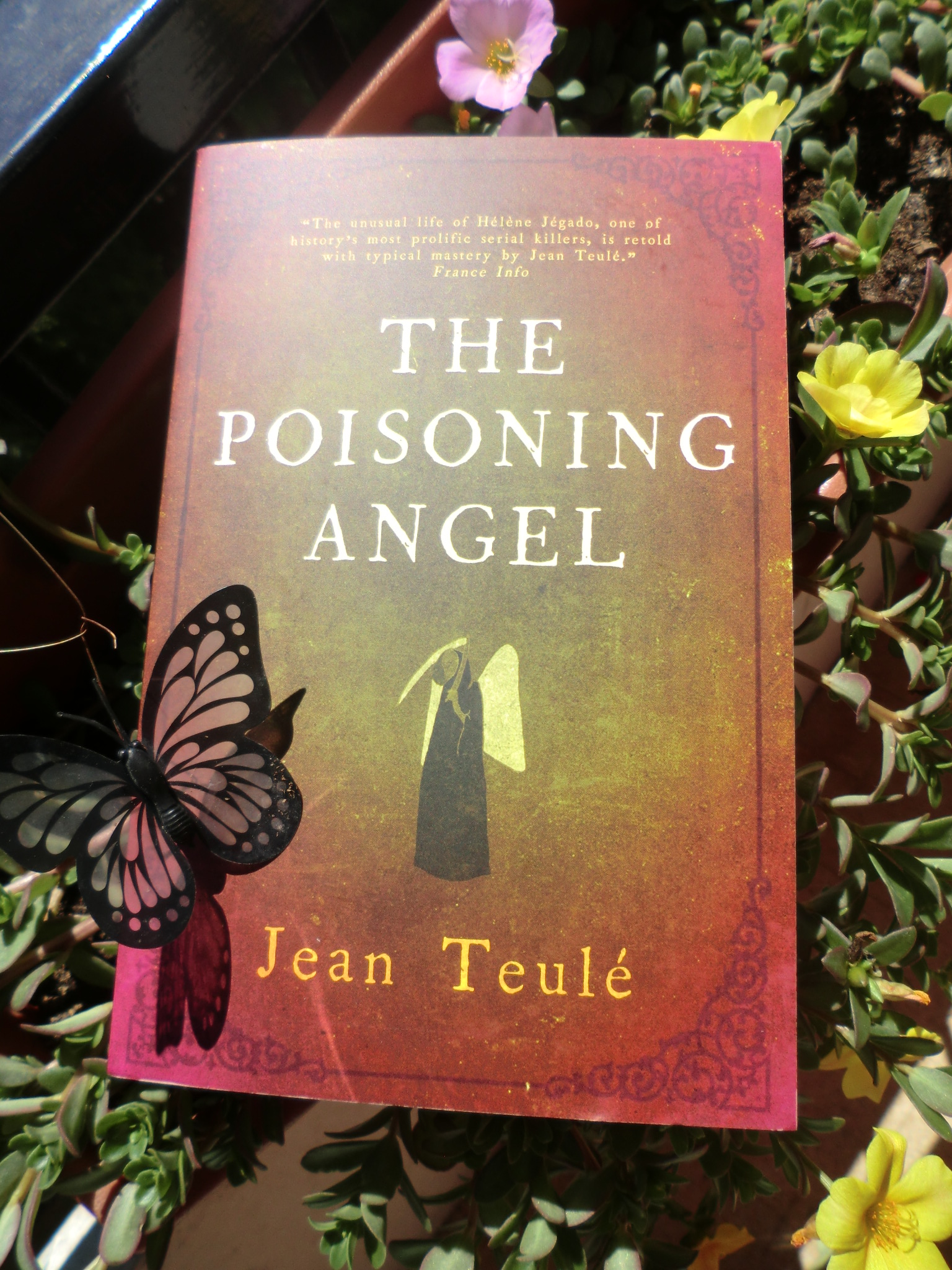
The Poisoning Angel by John Teule

translated by Melanie Florence

This book is actually to be published today 14 July 2014 and the author is a well-known name in French contemporary literature. In fact I have one of his books in French on the shelf already.

This one is based on a true but gruesome story of one of the most notorious serial poisoners that France has ever known and was described by the Sunday Telegraph as:

“a bawdy romp one minute, a gruesome tragedy the next. The writing is beautiful, witty, grisly and moving, and reeks of authenticity.”

Let’s hope all that comes off in translation.

Vatican Cellars

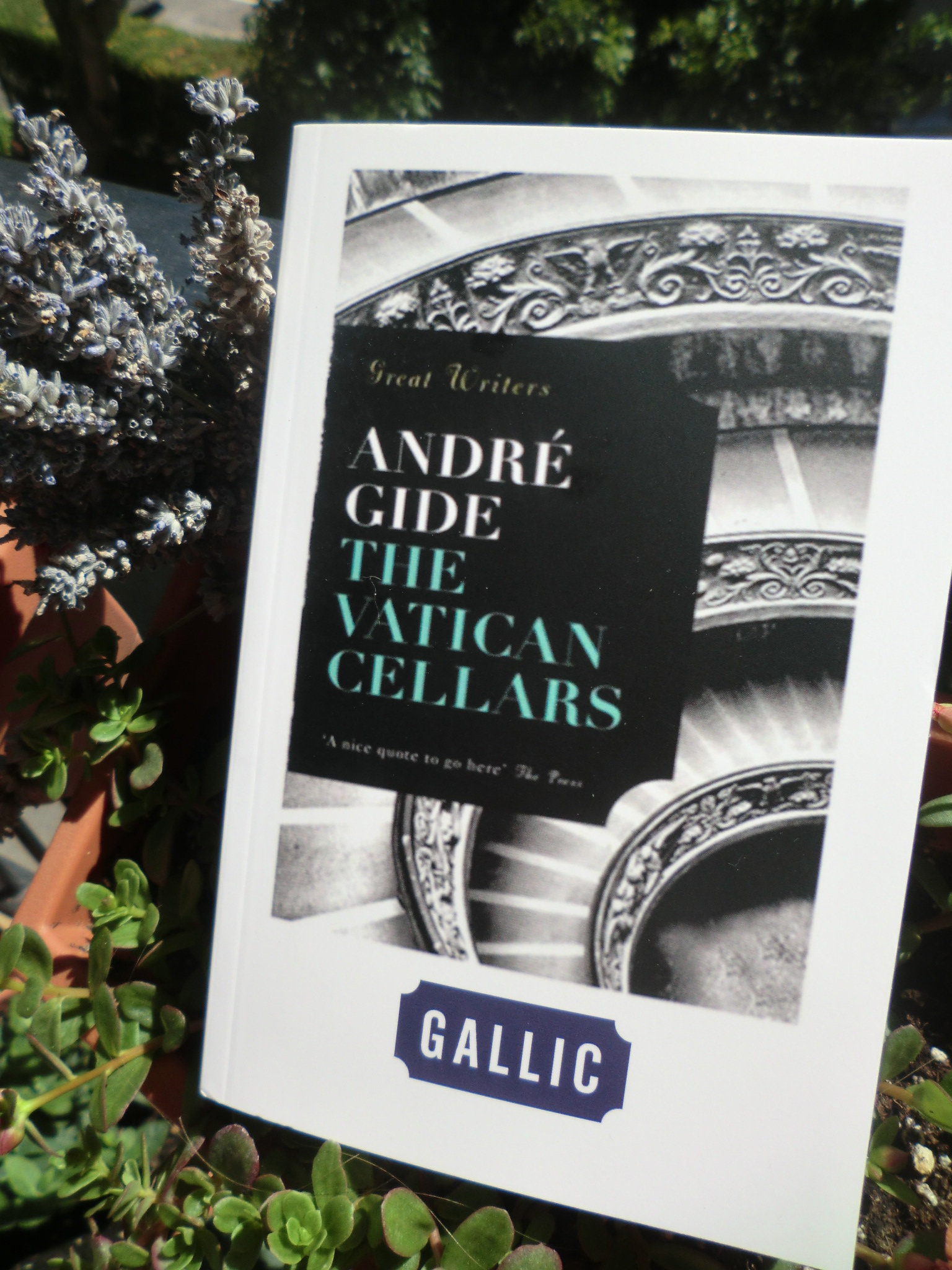
The Vatican Cellars by André Gide

translated by Julian Evans

This book will be published in August 2014 to mark the centenary of the book’s first publication. It is set in the 1890’s around a group of ingenious fraudsters who claim that the Pope has been imprisoned and a false Pope enthroned in his place.

I haven’t read anything by this author, but he sounds like he caused quite a sensation with this novel and others, as he took it upon himself to explore morality in his work and was a major influence on the writing of Jean-Paul Sartre and Albert Camus. He was awarded the Nobel Prize for Literature in 1947 and one year after he died (in 1951) his works were placed on the Vatican’s list of banned books.

Three French Books I Read This Year:

Nagasaki (2)

Nagasaki by Eric Faye

translated by Emily Boyce

A short novella, based on a true story of an event that happened in Japan, that will make you check your fridge contents and ensure you lock the door at night.

Foundling2

The Foundling Boy by Michel Deon

translated by Julian Evans

Coming of age story of a young boy left as a baby on a doorstep, who grows up and has an insatiable need to travel and experience the world. The sequel soon to be translated into English as well.

People in Photo

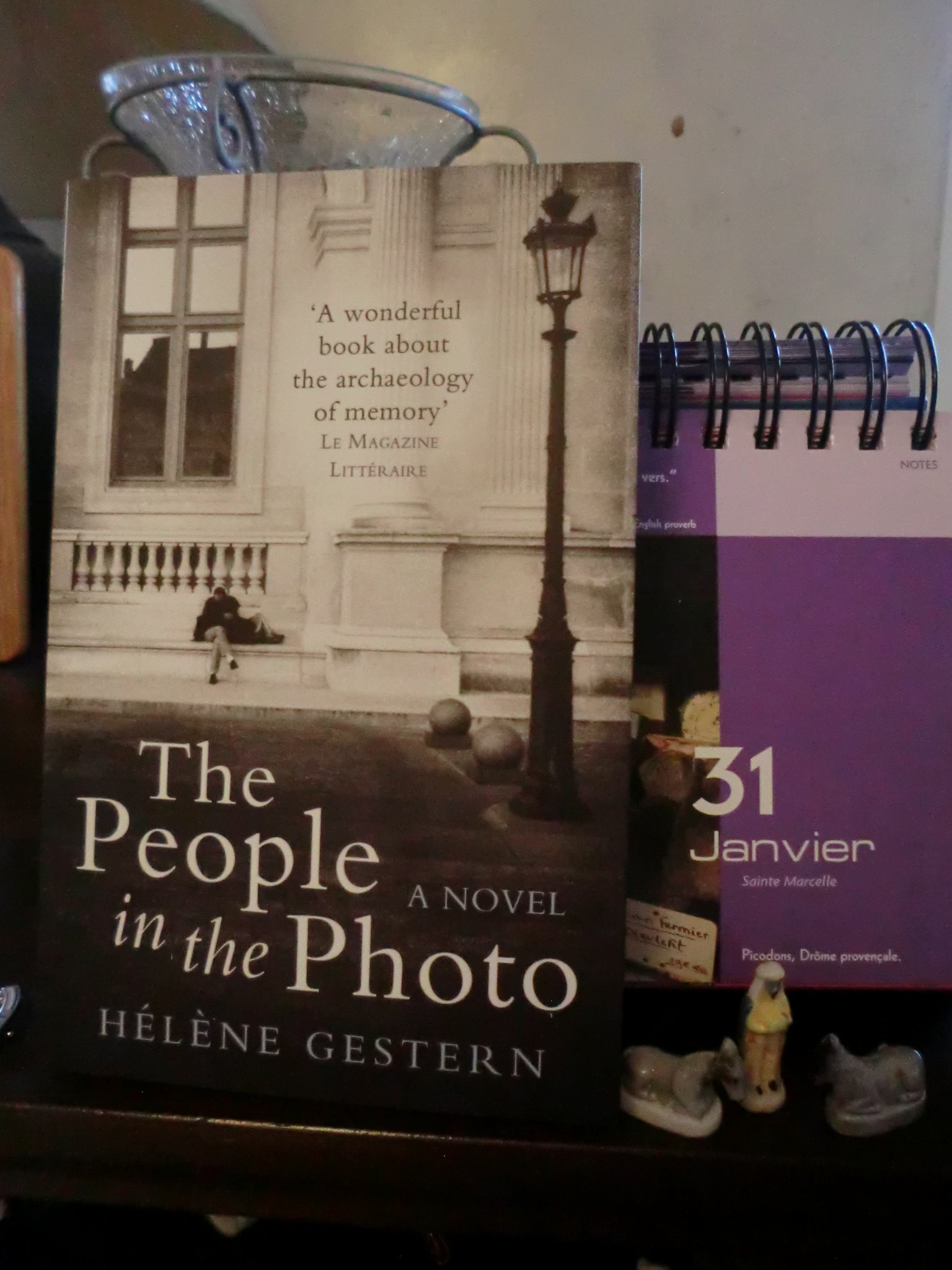
The People In the Photo by Hélène Gestern

translated by Emily Boyce,Ros Schwartz

A wonderful epistolary novel about a young woman searching for answers about events in her mother’s life before she was born, a photo provides a clue to those she knew.

Two Great Books Set in France:

All the Light

All the Light We Cannot See

by Anthony Doerr

Paris and Saint-Malo pre and during WWII following the lives of two children and their growth into adolescence, Marie-Laure who lost her sight at six and Werner who lost his parents and is raised in an orphanage. An excellent story that leads to the crossing of paths of these two characters and wonderfully evocative of place.

I Always Loved You

I Always Loved You

by Robin Oliveira

An insightful historical novel about the American painter Mary Cassatt, her life in late 1800’s Paris as she struggles to establish her name in the art world, enduring a life-long though fractious relationship with the impressionist painter and sculptor Edgar Degas.

Salmagundi:

  1. a mixed dish consisting usually of cubed poultry or fish, chopped meat, anchovies, eggs, onions, oil, etc., often served as a salad.
  2. any mixture or miscellany.

 Bonne Fête!


Very Inspiring Book Blogs

The Very Inspiring Blogger Award is flying like an angel around the blogosphere, touching down on many of the dedicated and inspiring people out there dedicated to books and writing and sharing the word on literature.

very-inspiring-blog-award-logo

So congratulations to the following for being nominated, you are all an inspiration to me and I thank you most kindly for nominating Word by Word.

Thank you:

  1. Lizzi at These Little Words – Thoughtful considered reviews,she reads a mix of contemporary recent publications and favourites from the shelf waiting to be read.
  2. Sandra Danby Author of Ignoring Gravity – a new blog for me, but I am soon to read her book, so watch this space.
  3. Jacqui at Jacqui Wine’s Journal – Long-time reader and tweeter, new recruit to blogging, excellent shelf of reads with a penchant for translated fiction and a connoisseur of wine! Also part of the Shadow Jury for IFFP – see Stu below.
  4. Nancy at Ipsofactodotme – Out of The Comfort Zone Reading more like it, Nancy is Inspiration extraordinaire, taught herself to read in French through reading classic French literature, with a cat and a Heineken for company, while living in the Netherlands, I love the eccentricity and achievements of inspirational bloggers!

The award has the following rules:

  • Thank and link to the person who nominated you.
  • List the rules and display the award.
  • Share seven facts about yourself.
  • Nominate 15 other amazing blogs and comment on their posts to let them know they have been nominated.
  • Optional: display the award logo on your blog and follow the blogger who nominated you.

Seven Things About Me You May Not Know:

  1. Golden Plover - the other life...

    Golden Plover – the other life…

    The first time I went on a date I had to ride 6 kilometres across farmland on my horse to get there.

  2. I learnt to drive on a Massey Ferguson tractor with no second gear.
  3. I was once an extra in a film called ‘Bedlam Britannica’ a documentary about how the British treated their mentally ill. My role was a lunatic, part of a patient’s hallucination.
  4. When I was travelling in India, someone asked me if I was Japanese.
  5. Now people ask me “Vous êtes Anglais?”
  6. I once attended two weddings in subsequent weekends; the first was in Beirut, the second in Lagos.
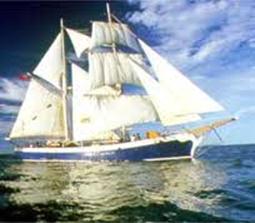
  7. I love the sea and sometimes wonder how life might have unfolded had I said yes to that job on a tall ship sailing around the world.

So Fifteen Book Bloggers That Inspire Me Today:

  • The Lonesome Reader – I will read anything and everything he reviews, whether I like the book or not, Eric is an inspirational and aspirational reviewer, one of the best. His reviews read like compelling essays and I know Col (see below) is a big fan of his too.
  • Vishy The Knight – Diligent reader, lover of books across genre, the most comprehensive reviews ever & the kindest, most attentive blog commenter in history.
  • The Only Way Is Reading – When Col gives a 10 (check out his awesome rating system) I absolutely have to read the book, introduced me to Primo Levi.
  • The Writes of Women – Reviews of Books By Female Writers, Influential Opinion Maker on Books @Frizbot
  • Winstons Dad – Stu is the Super Champion of Translated Fiction and Chair Person of the Shadow Jury for IFFP (International Foreign Fiction Prize), a Translation Activist who reads around the world!
  • HeavenAli – Unearths and Rediscovers Forgotten Books, has read more Persephone Books than Anyone I know!
  • My Writing Life – Julia Hones, a creative spirit writing, reading and sharing insightful and compassionate pearls of wisdom, a place to rest a while.
  • A Life In Books – Susan is an ex bookseller and knows what’s coming out, writes informed reviews and contributes to the conversation.
  • Book to the Future – SteJ reads books with the weirdest covers ever, he thrives on finding the literary bizarre and his reviews and blogs are compelling and original. Blogging shines a bright light out from under the bushel for this one.
  • KimberlySullivan – Kimberly is based in Rome but travels a lot and writes amazing short stories and she goes to the Matera Women’s Fiction Festival every year!! One day I’m going to meet her there! She is total inspiration and gets out there and achieves her dreams and reads and blogs and juggles kid stuff.
  • Thinking in Fragments – Alex is a thinker, a reader and comes to blogging having left the academic world which we are all the richer for having her valued presence and contribution to our virtual world.
  • Books and Reviews – Elena, Spanish Feminist, I came across her wonderful blog when we both read Carmen LeForet’s Nada at the same time, inspirational indeed!
  • ReadEng. Didi’s Press – Well Deidre is up there in the North of France and I’m down here in the South and one day we’ll meet in the middle, I love her, love her blog and A D O R E her Youtube channel! She’s evolved into a SuperStar BookTuber, Go Girl! Love all her recommendations, and she’s great to listen to. More on Youtube than the blog these days. I’m sure we knew each other in a previous life. J
  • Mes étagères en franglais – What dedication, reading in French and English, she puts up her reviews in both languages, dedication to books and reviewing and the French/English languages. Bravo I say!
  • Biblioglobal – Another champion of reading around the world, across cultures, translated fiction and fiction written by those who live or come from other cultures, always love visiting here.

Wow, that was hard work! And sorry for those I missed, there are too many to choose from, so many great blogs by writers as well as readers, I hope you enjoy the selection and find someone new to visit and follow. Just click on the title to go there. And of course, no obligation to those nominated to participate.

After all that, I need a little inspiration from Matera!