Top Reads of 2023 – Part 1, Fiction + One Outstanding Read

In this post I share my Top 7 Fiction titles = One Outstanding Read of 2023, click here for Part 2, my Top 5 Nonfiction of 2023.

I have waited until this last day of December to share my Top Reads of 2023, thinking that there may be something to add in the last two weeks, sadly there wasn’t, instead there was a single book I struggled with that put me off reading, not wanting to pick it back up until yesterday.

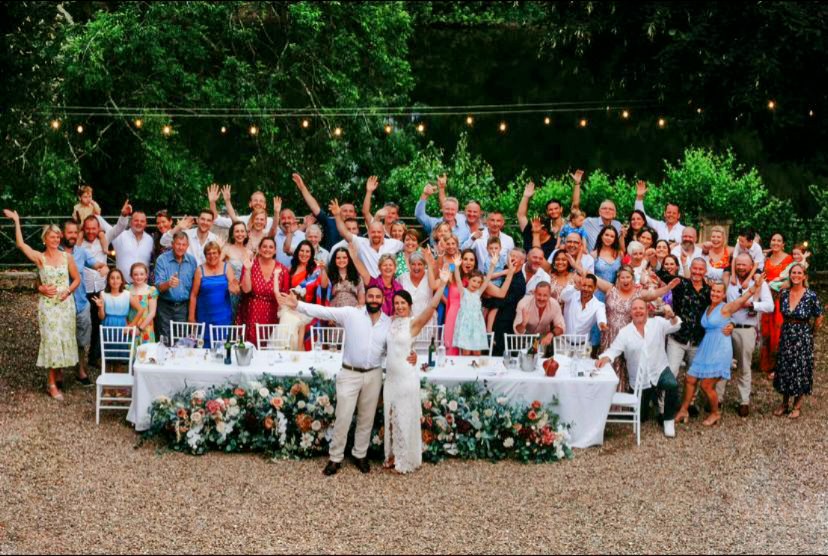
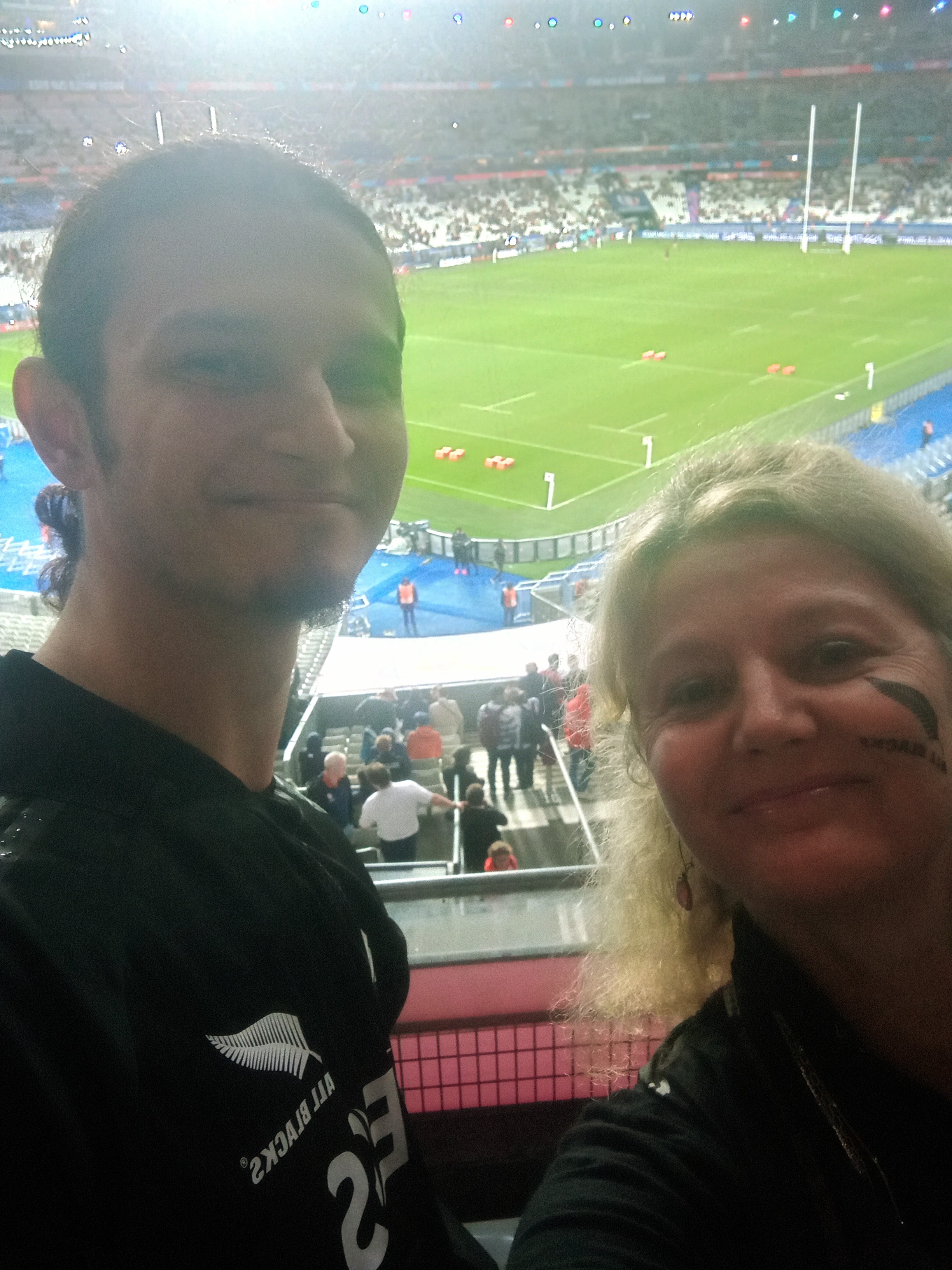
It’s been a great reading year, 68 books read despite a hiatus over the summer months when multiple humans encroached on my usual evening reading time, but it was worth it to see so many of my family and friends, visiting for the first time since 2019 thanks to wedding celebrations and a rugby world cup, here in France (with my son at the All Blacks vs Argentina semi-final, below right).

Non-Fiction Titles Continue to Ascend

Of the 68 books read, almost a third (19) were nonfiction, a recurring trend over the past few years.

I read so many excellent works of nonfiction this year, it was hard to whittle down my Top 5, as seven of the titles I read were 5 star reads.

For fiction, I’ve gone with a Top 7 but I’ll also share the other 5 star reads at the end.

Reading Around the World, A Small Island Nation Dominates

As you will know, I love to read around the world, works by authors from different countries, including in translation. And this year was no different, albeit with a lot more of the European reading from non-English language countries and Latin American featuring more prominently.

In 2023, I visited 23 countries through works of literature, with the lead country Ireland (18), with France (7), Argentina (4) and Italy (3) all in my top six destinations. I can predict that I’ll be spending more time in those literary destinations in 2024, thanks to a love of Irish literature which is indeed flourishing, a desire to read more French and Italian works and a 2024 Charco Press subscription for Latin America!

Opening Minds and Hearts Through Storytelling From Elsewhere

One of the great joys of recent years for me has been reading works originally written in other languages, translated into English and in particular, those often least favoured or likely to be published, women in translation.

What was a small niche aspect of publishing has become more popular, particularly with young adult readers, which is a life affirming trend, in an age where nationalism is so often promulgated.

In 2023 I read 22 books in translation, with seven of them 5 star reads and of my six outstanding fiction reads of the year, 3 of them were in translation.

It might take a little work to find these titles, but I’ve come to rely on my favourite independent presses, Europa Editions, Charco Press, One World Publications and more recently Daunt Books Publishing, who are reaching back to bring literary gems that deserve new light, to readers.

In this Part 1, I will share my Top Fiction Reads and Part 2 Top Non-Fiction Reads.

One Super Outstanding Read

14 novels were 5 star reads for me in 2023, so to whittle it down, I looked for those whose reading experience still stands out for me now in December. I always have one outstanding read, but this year there were seven I would describe as that, however there was that one that truly stood above them all, my Super Outstanding Read of 2023, that I read early in the year yet still feel the profound effect of reading it.

My One Super Outstanding Read of 2023 is:

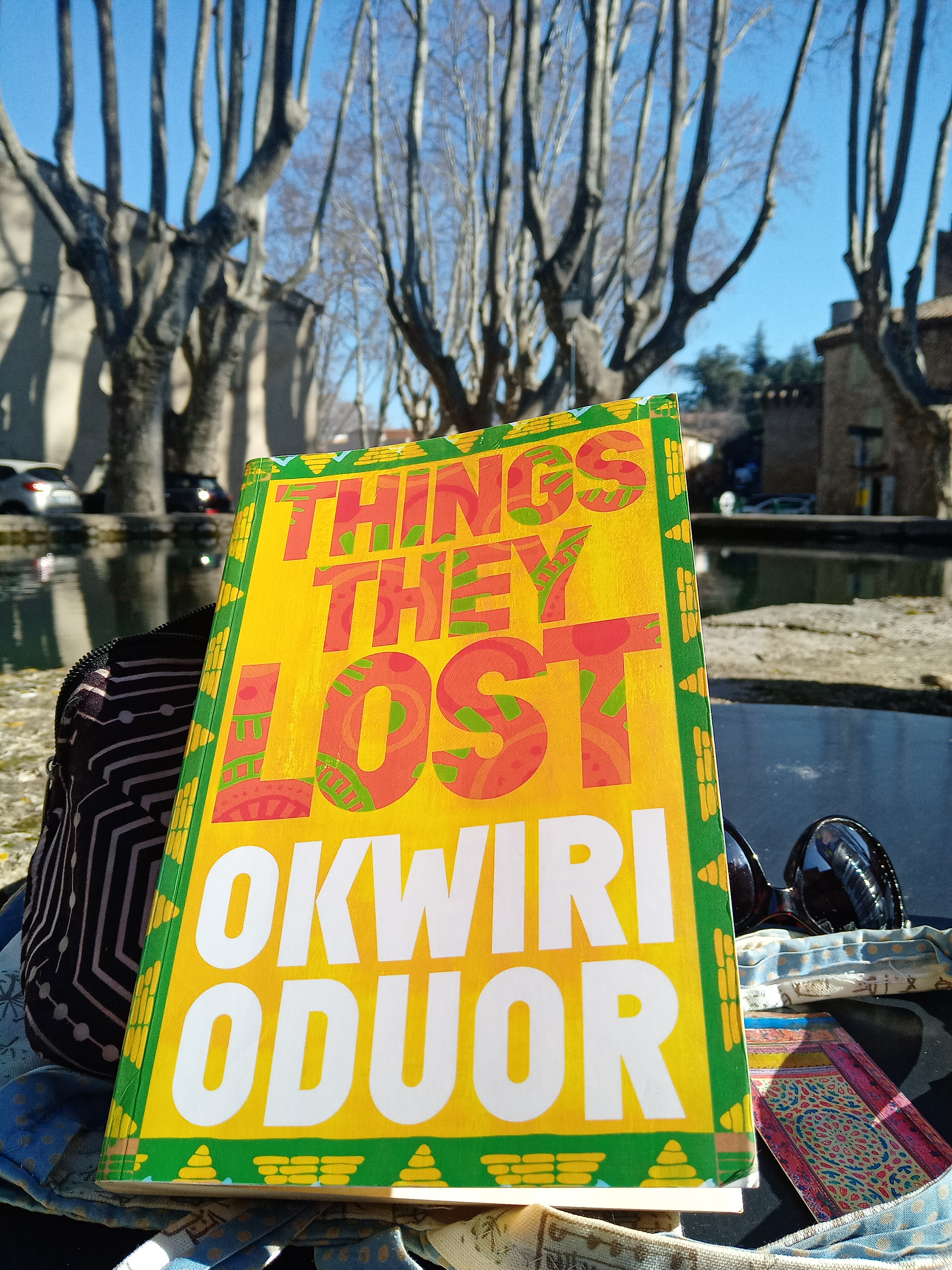
Things They Lost by Okwiri Oduour (Kenya)

Kenyan literary fiction Dylan Thomas Award 2023

This book is an absolute gem, a post-colonial, coming of age novel of a young girl Ayosa, living in a neglected house, full of aspects of the past, whose mother is often absent; she is kept company by her notebook, the radio, a couple of kind neighbours and a new friend, all of whom compensate in some way for this loss. Ayosa is omniscient, and remembers things from before she was born.

The story is told in vibrant, mesmerising prose that depicts her coming of age, the effect of abandonment and the nurturing to be found in her community, while allowing the reader to see from another perspective. In letting go of our own version of reality, we are invited to see differently, to understand anew. A story of mothers, daughters and of girls who are abandoned and alone, of girls who create family with other lonesome girls and of how death continuously permeates our lives and how poetry can redeem it.

This is a wonderful example of the richness that comes from reading stories told through the lens of a culture and mythologies other than one’s own. What Oduor accesses and how she tells this story is unique, enlightening and unforgettable. It was one of the most exhilarating reading experiences I have ever had, so new and otherworldy and insightful. A favourite author immediately. Longlisted for the Dylan Thomas Prize 2023.

A total trip, I read this in February and nothing came close to knocking it off top spot.

Top 7 Fiction

In no particular order, here are my top fiction reads of 2023, click on the title to read my review:

Japanese literature literary fiction

Child of Fortune by Yuko Tsushima (Japan) (1978), translated by Geraldine Harcourt (1986)

– I have not read much Japanese literature, but I was intrigued to read Yuko Tsushima based on reviews I had read on JacquiWine’s Blog. This novella is an immersive account of a young mother of an 11-year-old daughter, raising her alone without support and under the judgmental eye of a sister, whom the daughter increasingly prefers to be around. It is an unravelling, a period of giving in to what others think, before a quiet reassertion of her own unconventional beliefs, an honest reckoning and struggle for freedom.

Introspective, often uncomfortable, an immensely powerful read.

Nobel Prize Literature 2021 fiction

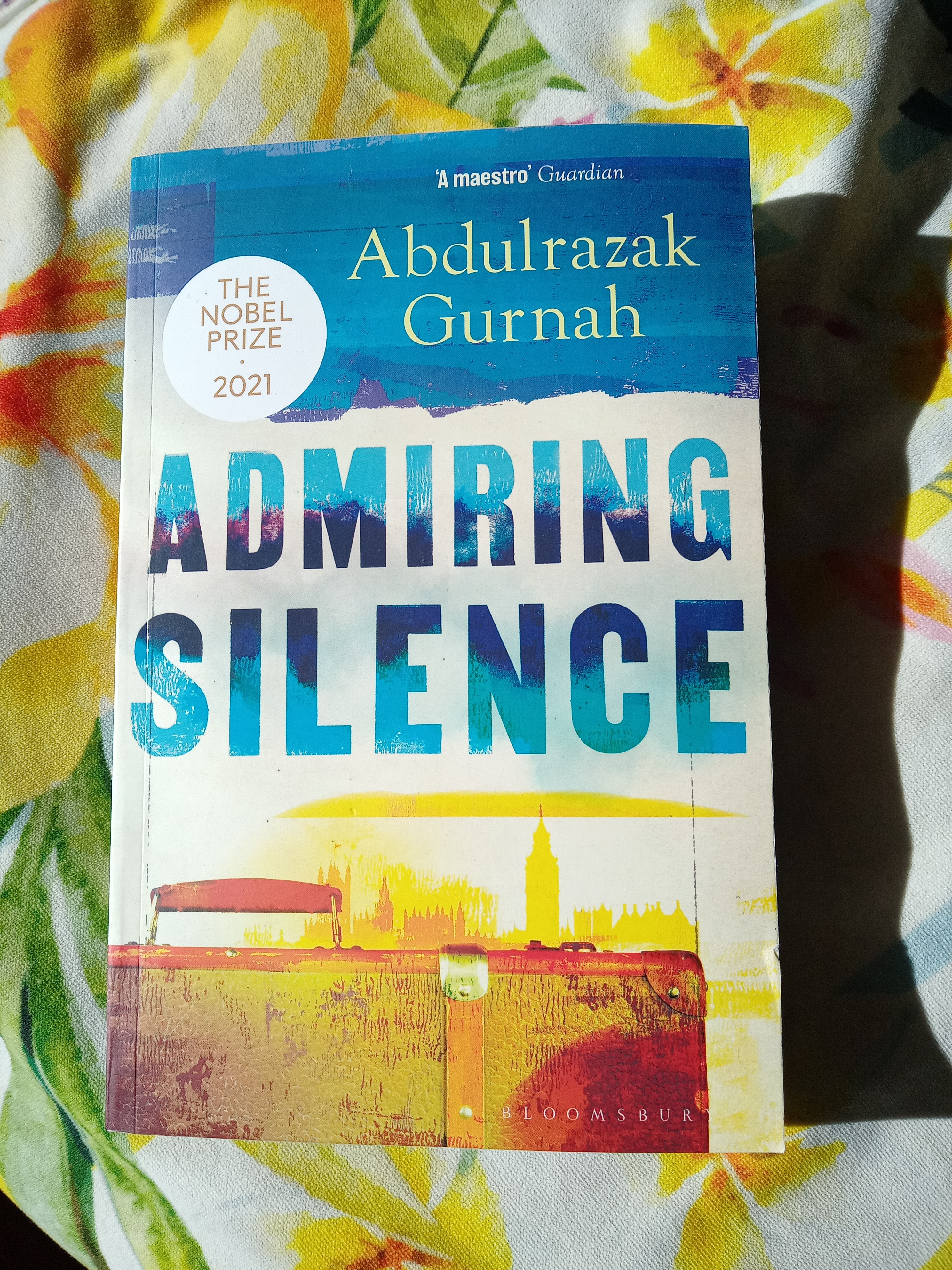
Admiring Silence by Abdulrazak Gurnah (Zanzibar/Tanzania/UK) (1996)

Gurnah won the Nobel Prize for Literature in 2021 and I chose this book to acquaint myself with his readability and discovered an insightful, erudite and humorous author from an island off the west of Africa, now based in the UK, who depicts the complexities of cross cultural relationships and the push/pull effect of having allegiances to two countries and cultures.

In this novel a young fatherless man from Zanzibar furthers his studies in England and begins to make a life there, without being totally upfront with his family about his circumstances. He observes his new life and relationships, avoiding his past, until it can no longer be ignored. 20 years after leaving, he returns.

Insightful, uncompromising yet compassionate, a chronicler of the outsider.

Italian feminist writing classic 1940s 1950s

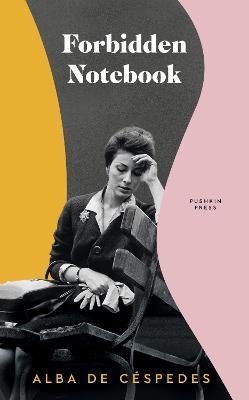
Forbidden Notebook, Alba de Céspedes (Italy/Cuba)(1952) translated by Ann Goldstein (Italian) (2023)

– this lost classic was a joy to discover and compelling to read as a middle aged working woman with two older children, begins to discover aspects of herself she has never dared to allow flourish, discovering through the act of writing in a notebook. The purchase of the notebook is her first transgressive act and the revelations within it will lead her to consider more. At first, a stranger to herself, it is revealing to witness how her thoughts and actions are often in conflict, so ingrained are society’s expectations, her will is unknown to her until she discovers it on the pages of her notebook.

A riveting, feminist awakening follows a restless rebellion from this unique Italian voice, with Her Side Of The Story (1949) coming in translation from Daunt Books Publishing in 2024.

La hija unica Mexican literary fiction Women in Translation

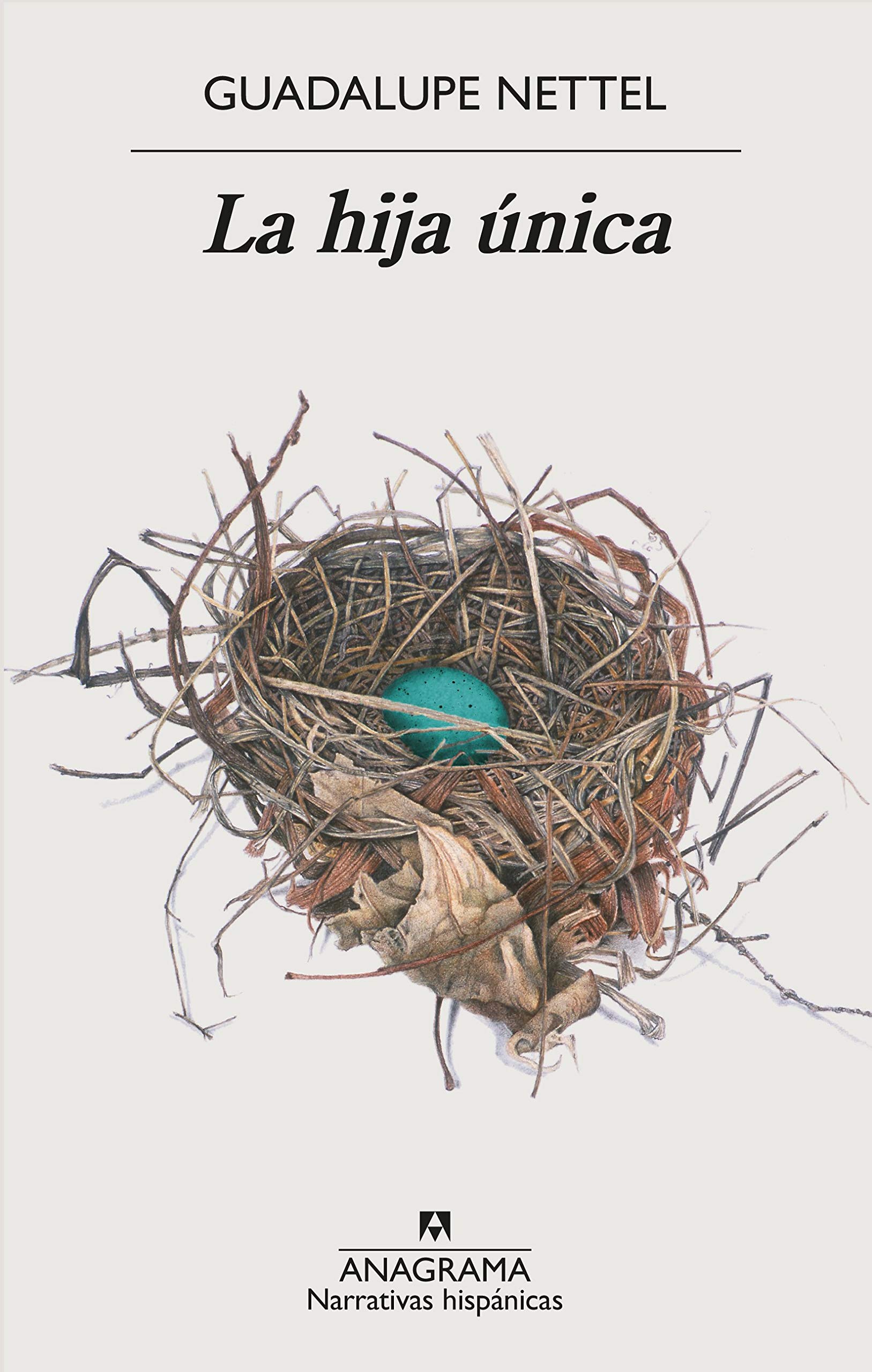
Still Born by Guadalupe Nettel (Mexico) (2020), translated by Rosalind Harvey (Spanish) (2023)

– shortlisted for the International Booker 2023, this was a standout read for me, another whose method of storytelling was so compelling, it felt like I was reading a true story; I was sure the author must have had first hand experience to have portrayed much of what I read, as it concerned a family with a child that was often hospitalised and the way their treatment by the institution made them feel.

The story is about two independent and career-driven women, friends who initially declared they did not wish to have children and how their lives change as motherhood touches in different ways.

Like Claudia Pineiros’s A Little Luck, there is a thematic subplot, this time involving a pair of pigeons with two eggs in their nest, that appear to have been subject to a brood parasite.

A riveting read, a visceral encounter of all that surrounds the decision or be or not to become a mother, a carer and how the most insistent of intentions can mould, evolve and change according to our nature and circumstances.

women in translation argentinian literature crime fiction literary fiction

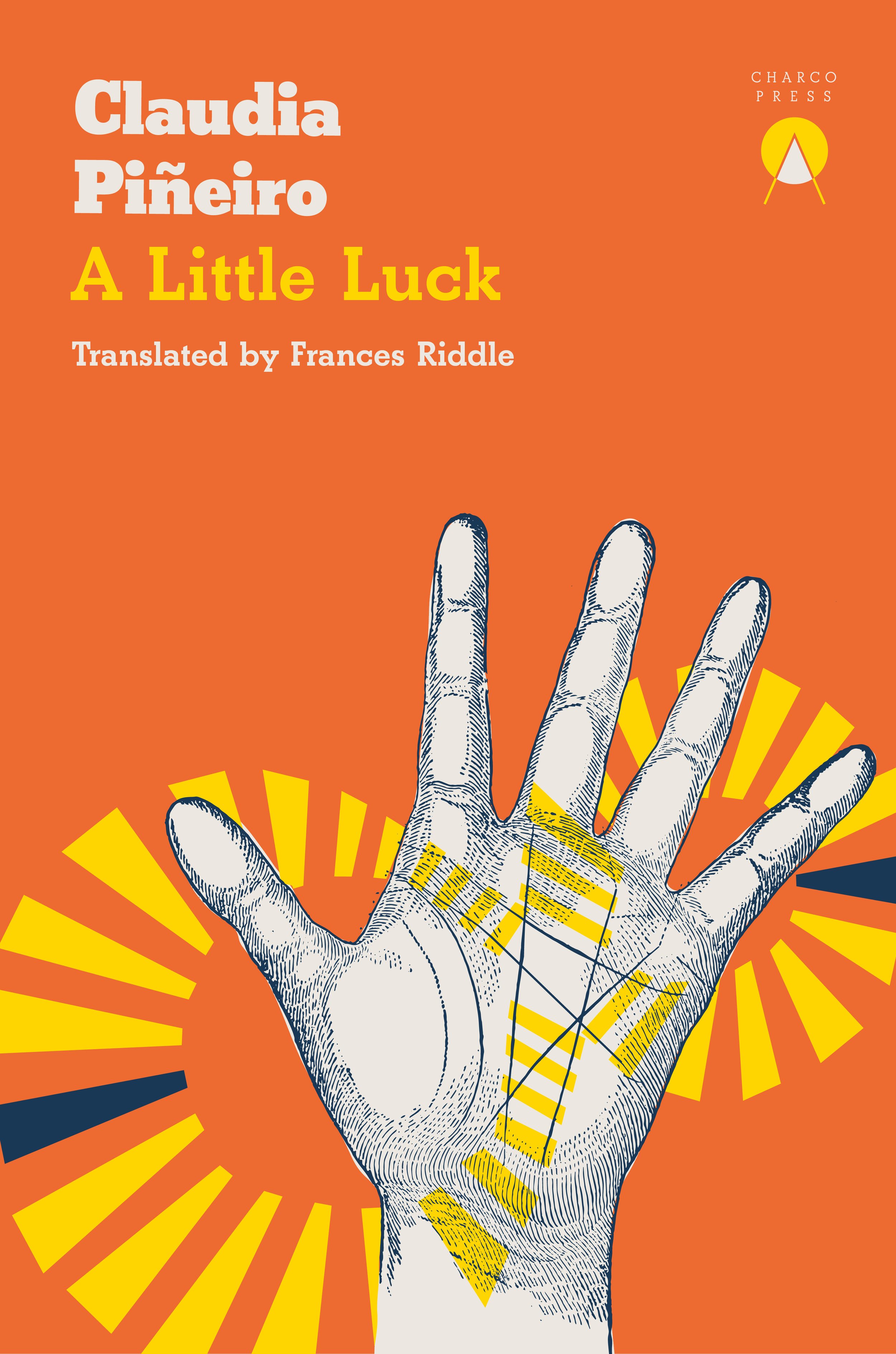
A Little Luck by Claudia Piñeiro (Argentina)(2015) translated by Frances Riddle (Spanish) (2023)

– having enjoyed Elena Knows I was keen to read more and this was absolutely stunning, intense, moving and one I could not put down. A woman returns to her home town after 20 years, in fear of what she is likely to confront. As her backstory is slowly revealed her visit provides the opportunity to reflect on the past and heal from tragic events.

A tour de force!

literary fiction Irish

Old God’s Time by Sebastian Barry (Ireland) (2023)

– clearly a writer at the height of his literary powers, this was a riveting, yet slow burning, introspective read. It observes a retired policeman’s new routine in his first year of retirement, disrupted by the investigation of a cold case, which awakens old memories of events he has no wish to revive.

The way Barry writes, we enter the declining mind of his protagonist, equally unsure of what is real and what is memory trying to re-impose itself. As the story progresses, the past comes back with a force, revealing the effect of rage and the counter effect of genuine familial love. Utterly brilliant.

Irish Book Awards 2023 motherhood literary fiction

Soldier Sailor by Claire Kilroy (Ireland) (Literary Fiction) (2023)

– a new author for me, Soldier, Sailor made quite an impression on those who read it including me. It confirms that I love to read books that make you feel the experience of the protagonist, this is a clear theme in many of my top fiction reads for 2023.

Soldier Sailor is the story of a mother (Soldier) and her son (Sailor) and the wild ride that entering motherhood takes her on, one she is little prepared for and ravaged by. Never sentimental, it takes the reader to the edge of a woman’s sanity, to coping and not coping with the onslaught of caring for an unformed, small human, a text written in the second person, addressed to that son, a sharing and a warning to him, to beware and be aware.

Motherhood as a thriller, a test of one’s sanity, the necessity of solidarity with a genuine friend.

The Special Mentions, The Other Seven

I couldn’t leave without sharing the close runners up, all of which were five star reads, that I highly recommend, I will leave you to discover them through my reviews (click on the title) below, should you be interested to learn more about their merits.

I loved the short story collection, Sambac Beneath Unlikely Skies (2021) by Heba Hayek (Gaza, Palestine) short vignettes of childhood, auto-biographical fiction; I was riveted by the debut novel The Dry Heart (1947) by Natalia Ginzburg (Italy) translated by Frances Fenaye (2021); in deep admiration of the classic debut novel Go Tell it On The Mountain (1953) by James Baldwin (US); best summer light read Lessons in Chemistry (2022) by Bonnie Gamus (US); most informative and memorable, historical fiction, The Art of Losing (2017) by Alice Zeniter (French) translated by Frank Wynne (2021); the unforgettable reflections of two men observing a fallen man in Two Sherpas (2018) by Sebastian Martinez Daniell (Argentina) translated by Jennifer Croft (Spanish) (2023); and another excellent novel in Baumish prose, from one of my all-time favourite authors Seven Steeples (2023) by Sara Baume (Ireland).

* * * * * * * *

Did any of these make your year end favourites? I hope you fins something here that might tempt your reading taste buds in 2024. Happy Reading and Happy New Year All.

A Little Luck by Claudia Piñeiro tr. Frances Riddle

women in translation argentinian literature crime fiction literary fiction

Stunning.

This was a heart-racing, thrilling and moving read that begins mysteriously as a woman returns to her home country (Argentina) following some kind of event 20 years earlier that we don’t fully learn of until almost halfway into the novel. 

Though she lived most of her early life there, her physical appearance is so radically different, no one recognises her – yet.

We are made aware, though it takes a while to reveal, that she is anxious about the possibility of seeing someone connected to that past event, that sent her into self-imposed exile.

I should have said no, that I couldn’t go, that it would have been impossible for me to make the trip. Whatever excuse. But I didn’t say anything. Instead I made excuses to myself, over and over, as to why, even though I should’ve said no, I agreed in the end. The abyss calls to you. Sometimes you don’t even feel its pull. There are those who are drawn to it like a magnet. Who peer over the edge and feel a desire to jump. I’m one of those people. Capable of plunging headlong into the abyss to feel – finally – free. Even if it’s a useless freedom, a freedom that has no future. Free only for the brief instant that the fall lasts.

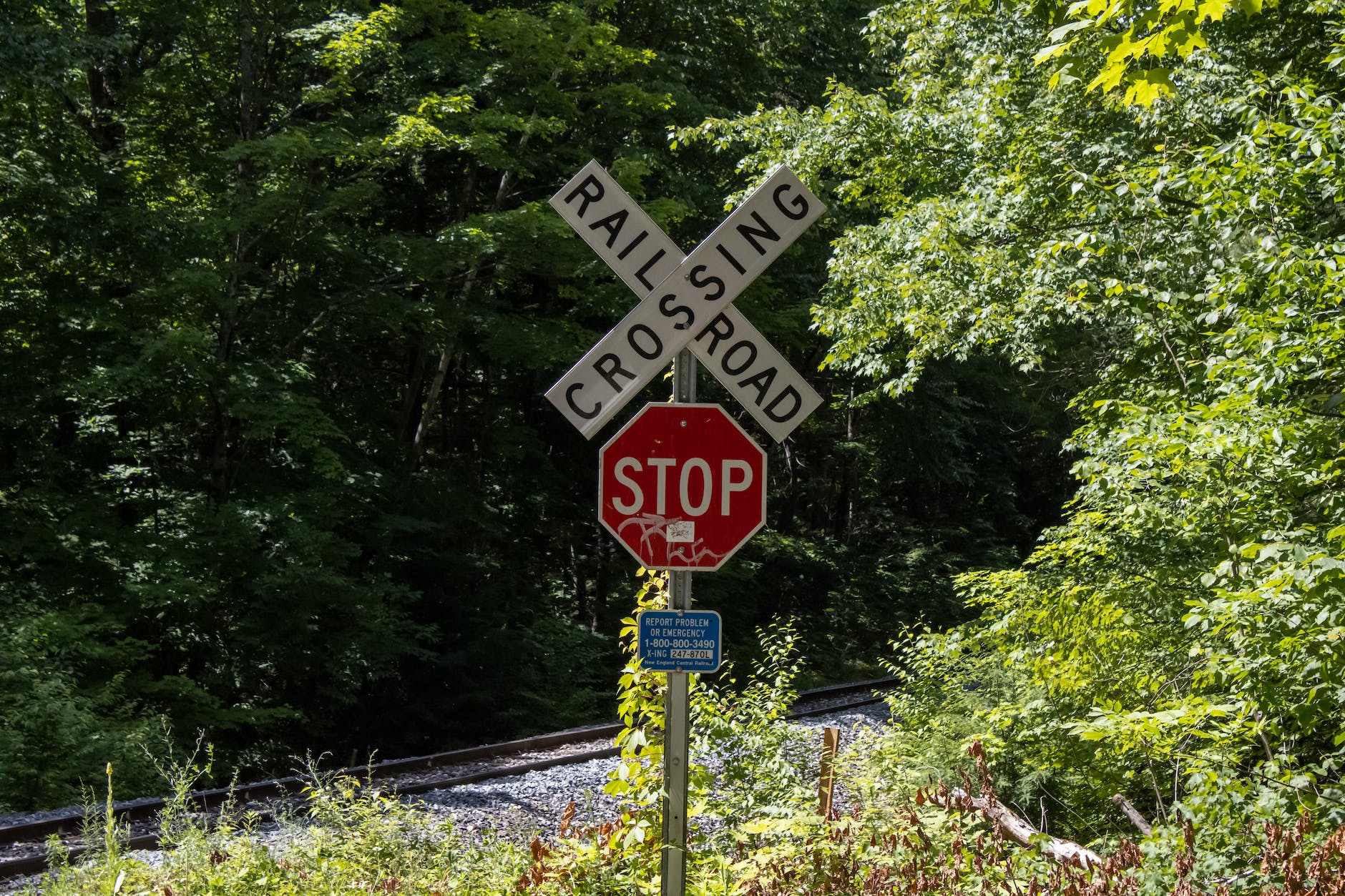
rail crossing train barrier A Little Luck
Photo Tim Dusenberry Pexels.com

As the mystery unravels, the tension mounts. Each new chapter begins with part of the backstory, then stops, this is used as a kind of repetition, as the narrator acquires the courage to reveal the full extent of the backstory.

The constant repeating of this text adds to the volume of its impact on the reader and the sense of suspense and intrigue.

The barrier arm was down. She stopped, behind two other cars. The alarm bell rang out through the afternoon silence. The red lights below the railway crossing sign blinked off and on. The lowered arm, the alarm bell, and the red lights all indicated that a train was coming.

As these events of the past some into clarity, in the present day this woman is booking into a motel, arranging to visit the school that she will consider for accreditation, we encounter the mndane reason for her visit and the extraordinary motivation behind it.

Photo by Y. Shuraev Pexels.com

Simultaneously we follow a small sub-plot drama featuring a bat. And a theme of entrapment. The story of the bat corresponds to our protagonists state of mind and how it evolves over the course of the novel. Once again she must make a life or death decision.

I’m still trapped. I must now decide whether to go out and face the task at hand or stay here and wait for the poison to kill me or the smoke to force me out.

Ultimately, it explores many themes, in a profound way, of motherhood, of domination, community judgement, condemnation and gas-lighting, of the effect of undermining a person’s self-worth, of twin aspects of abandonment, of why it might be deemed necessary and the effect it has on the one abandoned.

Do I deserve to explain why? What I mean is, do I have that right? The right to unburden myself and expect someone to listen?

Claudia Piñeiro’s Elena Knows (see my review here) I found curious; there is a similar feeling of mysteriousness as the author withholds telling all, drawing the reader in – however, in A Little Luck, she plummets the mind of the protagonist, letting us into her thoughts, showing us the events and enabling the reader to witness the reactions – allowing us to see the patterns, those all too familiar ways of subjugating a person, of the desire to blame, the withdrawal, the disappearance.

A Little Luck is also a story of healing, of kindness and finding the one person who puts the right thing in one’s way that will lead to release. In this story, a kind man finds the right stories that assist a woman to express and release suppressed emotions. And sends her on a trip.

I began to list the questions that I’d asked myself while reading Alice Munro’s story, questions posed in her words. ‘Is it true that the pain will become chronic? Is it true that it will be permanent but not constant, that I won’t die from the pain? Is it true that someday I won’t feel it every minute, even though I won’t spend many days without it?

Brilliantly conceived, after a few chapters, I absolutely could not put it down, I highlighted so many passages, and it had a surprising though satisfying, tear-jerking conclusion, definitely one of my top fiction reads of 2023. I read this in October, but found it hard to describe the intense reading experience, but I’m sharing my thoughts now, before my end of year review, where it will feature!

Highly Recommended, another fabulous title from Charco Press!

Claudia Piñeiro, Author

As an author and scriptwriter for television, Claudia Piñeiro has won numerous national and international prizes, among them the renowned German LiBeraturpreis for Elena Knows and the prestigious Sor Juana Inés de la Cruz Prize for Las grietas de Jara (A crack in the wall).

She is best known for her crime novels which are bestsellers in Argentina, Latin American and around the world. Many of her novels have been adapted for the big screen. According to the prestigious newspaper La Nación, Claudia Piñeiro is the third most translated Argentinean author, after Borges and Cortázar.

More recently, Piñeiro has become a very active figure in the fight for the legalisation of abortion in Argentina and for the legal recognition of writers as workers. Her fiction (as shown with Elena Knows) is stemmed in the detective novel but has recently turned increasingly political and ideologically committed, reflecting the active role she plays in the fight for the legalisation of abortion in Argentina and Latin America, and for the recognition of employment rights for writers..

Simple Passion by Annie Ernaux translated by Tanya Leslie

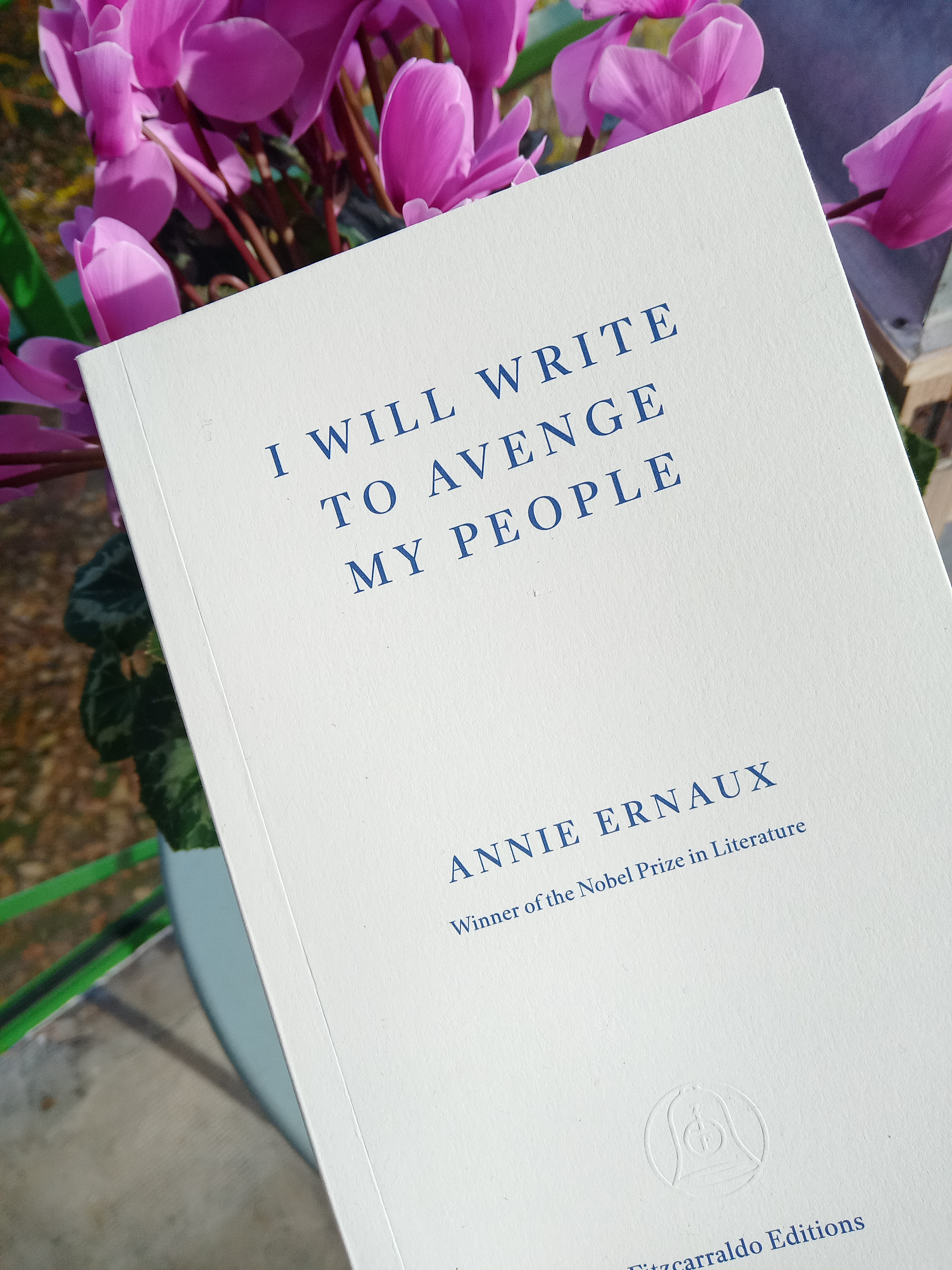
After reading Annie Ernaux’s Nobel Prize Lecture I Will Write to Avenge My People, I decide to read the slim titles Simple Passion (48 pages) and next I will read Shame (86 pages). I have already read A Man’s Place, and eventually I will get to her more lengthy masterpiece The Years.

Simple Passion was the #1 national bestseller in France for over three months when it was first published in 1991, and a celebrated scandal even in France’s liberal society. It was followed up ten years later by a second book Se Perdre (2001) (Getting Lost), which explores the affair through a series of diary notes.

In this book, Annie Ernaux observes herself throughout the life-cycle of an affair, the in-between moments of a conditional relationship, describing how that passion drew her in and ruled her, even when she took herself away from it.

She writes of this encounter with hindsight, as if observing something external to her, like a work of art, looking for some kind of truth or meaning behind the physical and mental experience, now that she has some distance from it. Her interest in writing is not to focus on the man (who could be any man) but on the obsession itself.

A Simple Passion Reveals a More Complex Humanity

The man, referred to as A, is from another country, he is married; the 18 months he is in her life, this ‘simple passion’ is depicted like an illness or a condition, she is able to see how it changes her. She studies it.

I am not giving the account of a liaison, I am not telling a story (half of which escapes me) based on a precise – ‘he came on 11 November’ – or an approximate chronology – ‘weeks went by’. As far as I was concerned, that notion did not enter the relationship. I could experience only absence or presence. I am merely listing the signs of a passion, wavering between ‘one day’ and ‘every day’, as if this inventory could allow me to grasp the reality of my passion.

A Life Suspended, Waiting for a Man

Photo by A.Piacquadio Pexels.com

She observes this condition, though she is virtually powerless to overcome or stop it, it will run its course and she will create an honest, transparent account of it, documenting the range of emotions, behaviours and instinct that run through her.

She observes how this desire becomes the lens through which she sees everything around her, how she spends her time endlessly waiting; waiting for him to call, waiting for him to arrive, waiting for the inevitable end of their association.

This endless wait reduces every other experience, as if they were lived by someone else, while magnifying the space in her mind given to thinking about him, of their time together – amid brief lucid moments of realising the insignificance of him, of the exaggerated importance she has temporarily given him.

I often wondered what these moments of lovemaking meant to him. Probably nothing more than just that, making love. There was no point looking for other reasons. I would only ever be certain of one thing: his desire or lack of desire. The only undeniable truth could be glimpsed by looking at his penis.

Fulfilling Life’s Purpose, Finding Meaning

The passion passes through a cycle from its beginning, middle, near-end and end, passing through excitement, anticipation, acceptance, moving on, overcoming towards finding meaning.

Yet it is that surreal, almost non-existent last visit that gives my passion its true meaning, which is precisely to be meaningless, and to have been for two years the most violent and unaccountable reality ever.

Written in short fragments, paragraphs, it is a hypnotic read. I have never read anything quite like it, an introspective interrogation of the self, she is able to set aside society’s judgments and write in a way that is as intimate as a journal, but in a short succinct way that has her own purpose, to better understand the human condition.

I discovered what people are capable of, in other words, anything: sublime or deadly desires, lack of dignity, attitudes and beliefs I had found absurd in others until I myself turned to them. Without knowing it, he brought me closer to the world.

The author presses forward towards fulfilling that promise made to her 22 year old self, as we learned of in her novel lecture, to interrogate her own actions, her own mind in the life she has created, having ventured far from humble beginnings. In writing to avenge her people, she writes to avenge all.

He had said, ‘You won’t write a book about me.’ But I haven’t written a book about him, neither have I written a book about myself. All I have done is translate into words – words he will probably never read, which are not intended for him – the way in which his existence has affected my life. An offering of a sort, bequeathed to others.

I Will Write To Avenge My People, The Nobel Lecture by Annie Ernaux tr. Alison Strayer & Sophie Lewis

Winner of the Nobel Prize in Literature 2022

In October 2022 the French author Annie Ernaux became the first French woman (the seventeenth woman) to win the Nobel Prize in Literature.

Read together, the reflections of the Nobel women reveal a diversity of ideas about what literature can do and a sense of a practitioner’s responsibility to these ideas. While the lectures vary widely in content—from Lessing’s and Gordimer’s concrete political lessons to Szymborska’s larger abstract musings to fables personal (Müller) and universal (Morrison)—each contains observations that are at once totally complex and completely true. – extract from LitHub article by Jessi Haley

The Agony and Experience of Class

The Nobel Committee recognised that ‘in her writing, Annie Ernaux consistently and from different angles, examines a life marked by strong disparities regarding gender, language and class

They awarded her the prize:

“for the courage and clinical acuity with which she uncovers the roots, estrangements and collective restraints of personal memory”

In this slim volume is the acceptance speech given by Annie Ernaux on 7 December, 2022 in Stockholm, Sweden, alongside a short biography (both translated by Alison L.Strayer). There is a brief banquet speech included, translated by Sophie Lewis.

It is a brilliant introduction to the motivation of the lifetime of work and writing by Annie Ernaux, opening with a reference to the title – alluding to the challenge of a search for the perfect opening line to her upcoming Nobel Prize lecture:

Finding the sentence that will give me the freedom and the firmness to speak without trembling in this place to which you have invited me this evening.

She doesn’t have to look far, she says, although the line she refers to – the title of her talk – is one she wrote in a diary sixty years ago.

j’écrirai pour venger ma race

It was written when she was 22 years old, the daughter of working class parents, studying literature in a faculty of sons and daughters of the local bourgeoise; an echo of Arthur Rimbaud’s cry in Une saison en enfer (A Season in Hell):

‘I am of an inferior race for all eternity.’

A young woman, the first of her family to be university educated, her youthful idealism was projected into those words.

I proudly and naively believed that writing books, becoming a writer, as the last in a line of land-less labourers, factory workers and shop keepers, people despised for their manners, their accent, their lack of education, would be enough to redress the social injustice linked to social class at birth.

Turning Away From Convention

Her first attempt at the novel was rejected by multiple publishers, but it was not this that subdued her desire and pride, to eventually seek a new form of expression.

It was life situations in which the weight of difference between a woman’s existence and that of a man was keenly felt in a society where roles were defined by gender, where contraception was prohibited and termination of pregnancy a crime.

These situations and circumstances instilled in her a pressing need to move away from the “illusory ‘writing about nothing’ of my twenties, to shine light on how her people lived, and to understand the reasons that had caused such distance from her origins.

Like an immigrant now speaking a language not their own, a class-defector, she too had to find her own language, however, it was not to found in the pages of the esteemed writers she had been studying and was teaching:

I had to break with ‘writing well’ and beautiful sentences – the very kind I taught my students to write – to root out, display and understand the rift running through me. What came to me spontaneously was the clamour of a language which conveyed anger and derision, even crudeness; a language of excess, insurgent, often used by the humiliated and offended as their only response to the memory of others’ contempt, of shame and shame at feeling shame.

Recognising that when a reader was culturally privileged they would maintain the same imposing and condescending outlook on a character in a book, as they would in real life, she sought to elude that kind of gaze and thus her trademark style evolved:

I adopted a neutral, objective kind of writing, ‘flat’ in the sense that it contained neither metaphors nor signs of emotion. The violence was no longer displayed; it came from the facts themselves and not the writing. Finding the words that contain both reality and the sensation provided by reality would become, and remain to this day, my ongoing concern in writing, no matter what the subject.

It’s an enrapturing lecture and an excellent introduction and insight into Ernaux’s particular and individual style, and wonderful that her volume of work has been recognised and celebrated at this esteemed level. You can read the lecture using the link below.

I have read one book by Ernaux, A Man’s Place and I am planning to read Shame, A Simple Passion and her masterpiece The Years.

Shame Simple Passion The Years Annie Ernaux Nobel Prize Winner 2022

Have you read any books by Annie Ernaux? Are you planning to read any?

Further Reading

The Nobel Prize Website: Annie Ernaux Nobel Lecture (Read the lecture here)

LitHub Article: A Brief History of All the Women Who Have Won the Nobel Prize in Literature by Jessi Haley

Annie Ernaux, French Author

Born in 1940, Annie Ernaux (née Duchesne) was born in Lillebonne and grew up in Yvetot, Normandy, where her parents ran a café-grocery store in the spinning mill district.

They had lost a little girl of seven before I was born. My first memories are inseparable from the war, the bombings that devastated Normandy in 1944.

She was educated at a private Catholic secondary school, encountering girls from more middle-class backgrounds, and experiencing shame of her working-class parents and milieu for the first time.

After abrief stint in Finchley, London, cleaning houses all morning and reading from the library all afternoon, she returned to France to study at the University of Rouen. Obtaining a degree in modern literature, she became a school teacher. From 1977 to 2000 she was a professor at the Centre National d’Enseignement par Correspondance.

Her books, in particular A Man’s Place (La Place) and A Woman’s Story (Une femme) have become contemporary classics in France. These books marked a break from the definitive novelistic form, she would continue teaching in order to never depend on commercial success.

One of France’s most respected authors, she has won multiple awards for her books, including the Prix Renaudot (2008) for The Years (Les Années) and the Marguerite Yourcenar prize (2017) for her entire body of work. The English translation of The Years (2019) was shortlisted for the Man Booker prize International and won the Warwick Prize for Women in Translation (2019).

The main themes threaded through her work over more than four decades are: the body and sexuality; intimate relationships; social inequality and the experience of changing class through education; time and memory; and the overarching question of how to write these life experiences.

Fitzcarrraldo Editions have now translated and published eleven of her works into English, including this booklet.

Ernaux’s work is uncompromising and written in plain language, scraped clean. And when she with great courage and clinical acuity reveals the agony of the experience of class, describing shame, humiliation, jealousy or inability to see who you are, she has achieved something admirable and enduring. – Nobel Prize Committee

The Booker Prize Winner 2023

Back in August the Booker Dozen 13 novels were longlisted for the Prize, which in September became a shortlist of six novels, and today a winner announced.

The judges were looking for the best work of long-form fiction, written in English, selected from entries published in the UK and Ireland between 1 October 2022 and 30 September 2023.

I read two from the longlist, both Irish novels that I very much enjoyed, Sebastian Barry’s Old God’s Time and Elaine Feeney’s How To Build A Boat. Sadly, neither made the shortlist below, but another two Irish novels did make it, The Bee Sting by Paul Murray which just won the Irish Novel of the Year and Paul Lynch’s Prophet Song.

From this shortlist of six novels, the winning novel is:

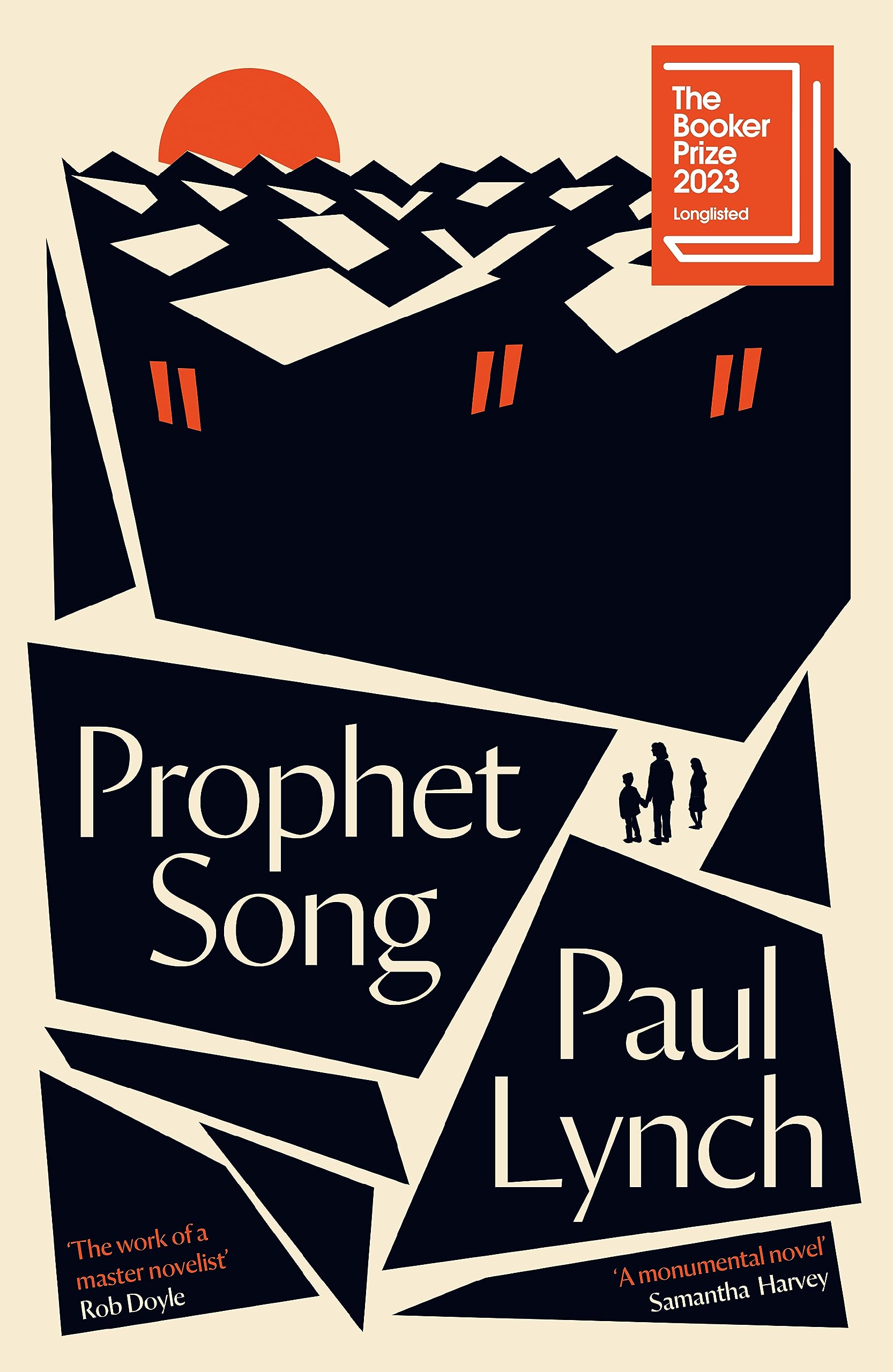
Prophet Song by Paul Lynch

Why You Should Read This Book According to the Judges

How would you summarise this book in a sentence to encourage readers to pick it up? 

Prophet Song follows one woman’s attempts to save her family in a dystopic Ireland sliding further and further into authoritarian rule. It is a shocking, at times tender novel that is not soon forgotten.  

Is there something unique about this book, something that you haven’t encountered in fiction before? 

The prose is a feast, with gorgeous rolling sentences you sink into. A stylistic gem.  

What do you think it is about this book that readers will not only admire, but really love? 

It is propulsive and unsparing, and it flinches away from nothing. This is an utterly brave performance by an author at the peak of his powers, and it is terribly moving.  

Can you tell us about any particular characters that readers might connect with, and why? 

Eilish is our guide through this relentless world, and we feel as deeply as she feels. The situations are sometimes dire, and yet she remains resilient, determined and, above all, human. She breaks our hearts. 

Although it’s a work of fiction, is there anything about it that’s especially relevant to issues we’re confronting in today’s world? 

Far from didactic, the book warns of the precarity of democratic ideals and the ugly possibilities that lie beyond their desecration. 

Is there one specific moment in the book that has stuck in your mind and, if so, why?  

Prophet Song has one of the most haunting endings you will ever read. The book lives long in the mind after you’ve set it down.

* * * * * * * * * * *

That’s a wrap, the end of the literary award season 2023.

Have you read Prophet Song, or if not, do you think you might be tempted to read it?

Literature Award Season Wrap Up Week

Remembering the past Spring Literature Awards Season

Back in March/April the Spring Literature Award Season saw the Women’s Prize for Fiction 2023 won by Barbara Kingsolver for Demon Copperhead, a book I did eventually read but didn’t review; the Dublin Literary Award, a celebrated worldwide librarian nominated award, won by Katja Oskamp, translated from German by Jo Heinrich, for the excellent, life-affirming novella Marzhan, Mon Amour, a book I absolutely loved – how could I not, a writer turned well-being practitioner protagonist (much like Oskamp herself), who soothes aches and pains of the body, mind and soul of her small, often misunderstood community.

Then there was the International Booker Prize (fiction in translation) shortlist, from which I read three novels, the outstanding read for me being Mexican author Guadalupe Nettel’s Still Born, the top prize going to Bulgarian author Georgi Gospodinov for his novel Time Shelter, translated by Angela Rodel.

I shared the results of the New Zealand Book Awards and though these titles are not easy to get hold of, I did manage to read Grand: Becoming My Mother’s Daughter by Noelle McCarthy which won the Best First Book in the General Nonfiction category, with Catherine Chidgey’s The Axeman’s Carnival winning the fiction award, one I hope to read in 2024.

Autumn Literature Award Winner Week

This week will see the unveiling of three more literature awards that I’m curious about.

Irish Book Awards 2023

On Wed 22 November, the winners of the Irish Book Awards 2023 will be announced. I’ve been reading a lot of Irish literature this year, including almost half of the 8 fiction titles shortlisted for Novel of the Year and one title Poor by Katriona O’Sullivan that is shortlisted for both Biography of the Year and the Listener’s Choice Awards.

So far, I’ve read and reviewed Sebastian Barry’s Old Gold’s Time which I thought was excellent and would certainly be a worthy winner, Elaine Feeney’s How To Build a Boat, a character lead scenario that I very much enjoyed, I’m almost finished reading Claire Kilroy’s intense, visceral portrayal of a young mother on the edge of parental overwhelm Soldier Sailor and I’ll soon be reading the very short contender by Claire Keegan (so short it might not even be a novella) So Late In the Day.

The Booker Prize 2023

It’s a strong fiction lineup for the Irish Awards, with four of their shortlisted titles already featured on the Booker Prize longlist, two of which made it to the shortlist (none of which I have read); the winner will be announced on Sunday 26 November. This group of six books below was said by the judges to “showcase the breadth of what world literature can do, while gesturing at the unease of our moment.” In this case, I found more of interest in the longlist than the shortlist.

The Warwick Prize for Women In Translation 2023

And last but not least, the winner of the Warwick Prize for Women in Translation will be announced on Thursday 23 November.

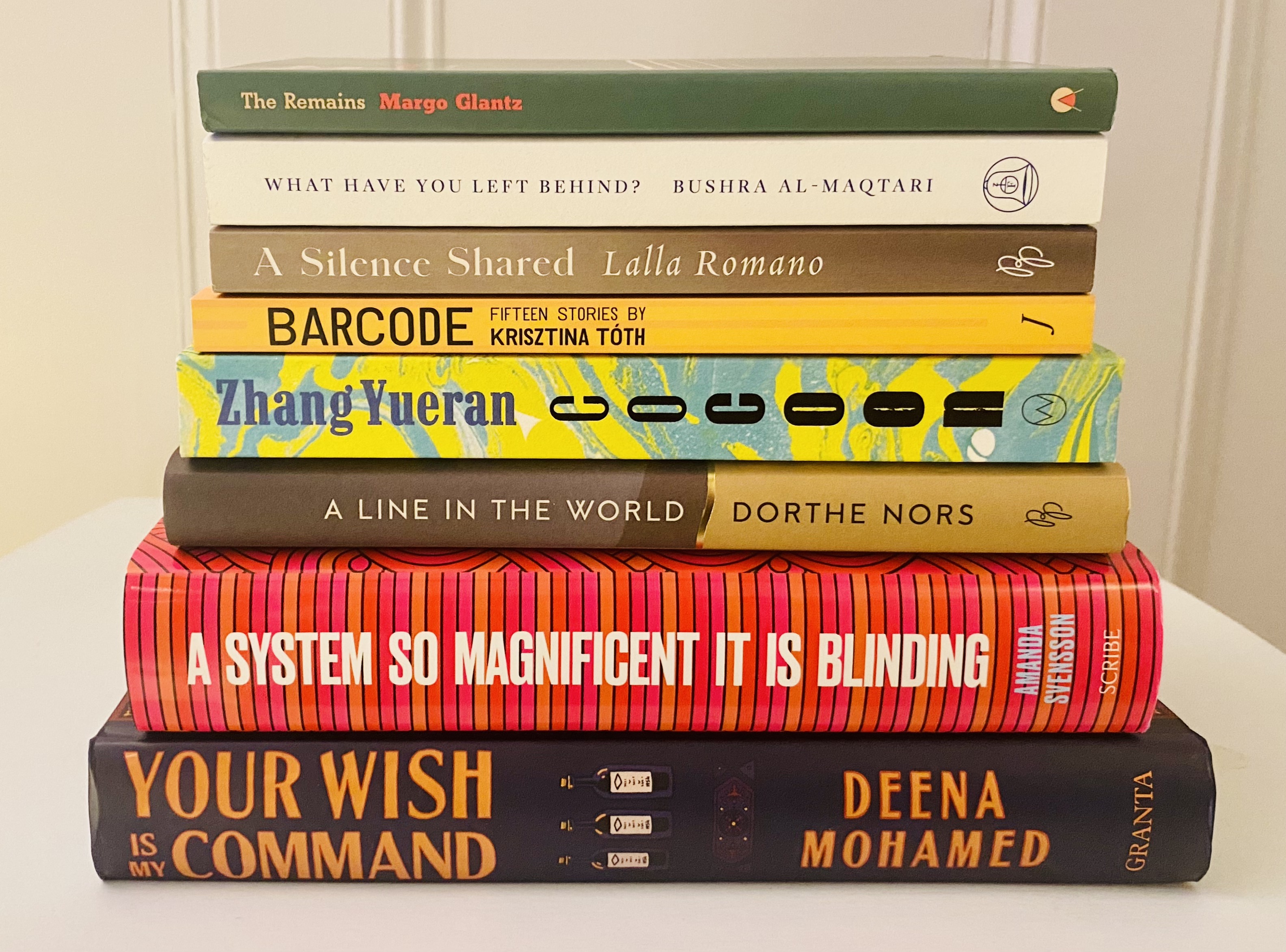
I have read one title from this shortlist, though it has only just appeared in English thanks to Charco Press, The Remains by Mexican author Margo Glantz was originally published in 2002. I describe this literary masterpiece as a lyrical elegy of tempo rubato, z divorced woman feels out of place and yet connected at her ex-husbands wake, a riveting, mind blowing (or perhaps expanding), rhythmic reading experience, just WOW!

Despite being one of the most iconic figures in Latin American literature, her work is little known in English. Charco Press now bring her work to a new audience with this excellent translation by Ellen Jones.

So watch this space this week for the winners of these three sets of awards.

Have you read any works from these shortlists? Any favourites? Predictions?

Sambac Beneath Unlikely Skies (2021) by Heba Hayek

Tender, nostalgic vignettes of a childhood growing up in Gaza, often told from the perspective of the twenty-something narrator looking back from the present, now living in exile in London. She is constantly longing for old places while finding new ones, the past never far from being elicited by the present.

Each new chapter has an associated song, vignettes accompanied by a playlist.

The image of the sambac, the tree that filled our back yard with its sweet, creamy scent, appears in my narrator’s attempts to create life where this shrub doesn’t naturally thrive.

short stories Palestinian Literature Gaza Hajar Press

The little stories are so compelling, I finished them in one sitting and was left wanting to read more. I sincerely hope the author is writing more stories, preserving important memories, while there is a terrible war raging in her home town.

These stories are the anti-thesis of that violent incursion, they speak of family outings to the sea, of friendships, of Aunties, though so many are tinged with reminders that it is almost never without some reference to loss.

As the narrator grows into unlikely circumstances away from Gaza, memory is her greenhouse; her way to bring back the voice of the girl who was sacrificed and born in the hands of her identity. At her desk in a flat in Southeast London, she writes of what makes her soul flicker: community love, especially the kind embodied by circles of women and girls.

Guns and Figs

In this vignette, our narrator shares a childhood memory of driving along the Gaza coast with her parents, beside the Mediterranean, in her favourite place, by the window facing the sea, window down, sea breeze rushing in, an unchanging view for the duration of the 20 minute drive.

The song accompanying the vignette is Fairuz ”Nassam Alayna El Hawa’ (The Breeze Is Upon Us)

Photo by Kadir Akman on Pexels.com

My brother and I each had assigned places in the car, until our little sister grew old enough to claim her window-seat rights. Then the rotation became tricky, involving fights that mostly ended with my brother crying in the middle.

I usually sat by the window, facing the sun and the sea, breathing the salty, creamy air and occasionally eating grapes and figs: the ultimate Mediterranean snack.

These drives all felt the same, until the last one.

At a checkpoint, a soldier indicates they should pull over, “I’ll just be a minute” says her father. An hour later he returns, the Friday barbecue trips end indefinitely that day, though she is never told why.

I started to notice Baba paying more attention to the road; it seemed like he was avoiding certain checkpoints. Every so often, he would point out something ahead and wonder aloud whether it was a checkpoint or a fruit cart. As Fairuz sang from the cassette player, Baba drove on, trying to guess the difference between guns and figs.

Friendship, Fear and Foreign Places

Other stories ‘Ask Me Anything’ tell of school days interrupted by explosions, of friendships interrupted by disappearances, ‘A Carry-On Full Of Pictures and Letters’.

We were never trained for emergencies at school. We just knew what to do. We would sit on the floor under our tables each time we heard the recurrent loud explosions – ignore the first two, exchange a few nervous looks, and then, in one swift move, we’d all be in our places by the third. That consistency was comforting. The fact that we had survived the first two was a good enough sign that it’d be worth shielding ourselves from the rest.

In an attempt at reassurance, our teacher would remind the class: ‘The one you hear isn’t the one that kills you.’

One day her best friend Lubna leaves Gaza without telling anyone. She had visited the Al-Shifaa hospital after breaking her arm and never returned.

When she was ten, Lubna’s dad had been one of seven people martyred after the occupation forces targeted a car in the middle of a busy street. She’d been planning her exit for years; I just didn’t think it was really going to happen.

Three years later, she visits her friend in Amsterdam where she now lives.

Song: Lucy Dacus – ‘Yours and Mine’.

That day feels like the oldest memory I have. Yet somehow I can barely remember it at all, or the person I was when I hadn’t yet imagined what it meant to leave.

‘I love my mother, but she couldn’t protect me. I love you, but you couldn’t either. I’m a lot better now, you see?’ She waves her hand in the air, and I look around and nod.

A Moving Tale, Of Family Drama

Song: Nina Simone – ‘I Wish I Knew How It Would Feel To Be Free’

In this vignette, we first hear that our narrator has been kicked out of her flat after secretly hosting an Airbnb guest to help pay the rent. Homeless, she moves into the office where she works and takes on additional responsibilities.

Sometimes, I even feel content in my windowless bunker, stealing bits of people’s lunches from the common lounge – not the entire meal. As I look up flats in my small college town, I think of my first big move.

Here, we learn of when our narrators parents leave the family home, the summer she turns six, after problems around inheritance became intolerable. Their last day living in an apartment above her grandmother Sitti, arrives:

Moving out of the family house was never a casual affair, but rather a statement. It’s like leaving home for the first time – making a point that it’s time to move on. Changes like these usually carried an undertone of wives taking their husbands away from their families and keeping them for themselves.

The move also meant that no one was going to interfere in how to raise us, except for my parents. It was a bit of a slap in the face, especially for Sitti. But I was excited about it; I wanted to be like my other cousins who visited only on Fridays and wore something new each time: a little bag or a hair tie, or even a completely different hairstyle. I was ready to rebel with my parents and become the daughter of a mean woman. I started to imagine what I would wear the next Friday.

Some years later, she visits her grandmother in Belgium, where she now lives and finds her safe, but malcontent.

Song: Idir – ‘A Vava Inouva’

Seventy years since her birth,our Grandma is in a French-speaking town, barely able to move, again a refugee. She tells me she didn’t want to leave Gaza, and that she regrets it.

‘Who leaves at this age?’ she says, slightly ashamed of her attempt at survival. As though there were an age limit to craving life, or to that quiet longing older folks back home often fear expressing.

Photo by u015eeyma D. on Pexels.com

It is a wonderful collection, that preserves childhood memories and shares with the rest of us, a slice of life for a member of a Palestinian family in Gaza, where growing up is fraught with uncertainty, trauma and nothing can be taken for granted.

From afar, the beauty of family and fragmented moments of friendship gain additional significance, as a way of life is slowly and methodically destroyed.

A must read, excellent portrayal of a lonesome yearning for home.

To order a copy of this book, visit Hajar Press here.

Heba Hayek, Author

Heba (she/they) is a London-based, Gaza-raised Palestinian author, creative and facilitator. She completed an MFA in Creative Writing at Miami University, Ohio, and studied for an MA in Social Anthropology at SOAS University of London.

Rooted in anti-nation-state, decolonial, queer, Afrikan feminist thought, Heba’s work navigates topics such as disposability, Global South solidarity movements, land justice, Palestinian drill music, and more.

Heba’s first book, Sambac Beneath Unlikely Skies, won the Creative Award in the 2022 Palestine Book Awards and was chosen as a 2021 Book of the Year by The White Review, Middle East Eye and The New Arab.

The Booker Prize Longlist 2023

The Booker Prize longlist has been announced, featuring books from four continents, representing seven countries – Scotland, England, Ireland, Canada, America, Nigeria and Malaysia and includes four Irish writers plus four debut novelists.

You can read more about the history of the prize here.

The Judges

Novelist Esi Edugyan, twice-shortlisted for the Booker Prize, is the chair of the 2023 judging panel. She is joined by actor, writer and director Adjoa Andoh; poet, lecturer, editor and critic Mary Jean Chan; Professor of English and Comparative Literature at Columbia University and Shakespeare specialist James Shapiro; and actor and writer Robert Webb

The judges are looking for their perceived best sustained work of long-form fiction written in English, selected from entries published in the UK and Ireland between October 1, 2022 and September 30, 2023.

The Booker Dozen

The longlist of 13 books was announced on August 1, 2023 ; the shortlist of six books will follow on September 21 and the winner of the £50,000 prize will be announced on November 26, 2023.

Photo by lil artsy on Pexels.com

The 13 longlisted books explore universal and topical themes: from deeply moving personal dramas to tragi-comic family sagas; from the effects of climate change to the oppression of minorities; from scientific breakthroughs to competitive sport.

The list includes: 

  • 10 writers longlisted for the first time, including four debut novelists 
  • Three writers with seven previous nominations between them 
  • Writers from seven countries across four continents  
  • Four Irish writers, making up a third of the longlist for the first time 
  • A novel featuring a neurodiverse protagonist, written from personal experience 
  • ‘All 13 novels cast new light on what it means to exist in our time, and they do so in original and thrilling ways,’ according to Esi Edugyan, Chair of the judges
fiction

The House of Doors – by Tan Twan Eng

Based on real events, Tan Twan Eng’s masterful novel of public morality and private truth examines love and betrayal under the shadow of Empire

It is 1921 and at Cassowary House in the Straits Settlements of Penang, Robert Hamlyn is a well-to-do lawyer, his steely wife Lesley a society hostess. Their lives are invigorated when Willie, an old friend of Robert’s, comes to stay.   

Willie Somerset Maugham is one of the greatest writers of his day. But he is beleaguered by an unhappy marriage, ill-health and business interests that have gone badly awry. He is also struggling to write. The more Lesley’s friendship with Willie grows, the more clearly she see him as he is – a man who has no choice but to mask his true self.  

As Willie prepares to face his demons, Lesley confides secrets of her own, including her connection to the case of an Englishwoman charged with murder in the Kuala Lumpur courts – a tragedy drawn from fact, and worthy of fiction.  

The Bee Sting by Paul Murray (Ireland)

A patch of ice on the road, a casual favour to a charming stranger, a bee caught beneath a bridal veil – can a single moment of bad luck change the direction of a life?

Dickie’s once-lucrative car business is going under – but rather than face the music, he’s spending his days in the woods, building an apocalypse-proof bunker. His exasperated wife Imelda is selling off her jewellery on eBay while half-heartedly dodging the attentions of fast-talking cattle farmer Big Mike.  

Meanwhile, teenage daughter Cass, formerly top of her class, seems determined to binge-drink her way to her final exams. And 12-year-old PJ, in debt to local sociopath ‘Ears’ Moran, is putting the final touches to his grand plan to run away. 

Yes, in Paul Murray’s brilliant tragicomic saga, the Barnes family is definitely in trouble. So where did it all go wrong? And if the story has already been written – is there still time to find a happy ending? 

Western Lane by Chetna Maroo (Kenya/London)

Chetna Maroo’s tender and moving debut novel about grief, sisterhood, a teenage girl’s struggle to transcend herself – and squash

Eleven-year-old Gopi has been playing squash since she was old enough to hold a racket. When her mother dies, her father enlists her in a quietly brutal training regimen, and the game becomes her world.  

Slowly, she grows apart from her sisters. Her life is reduced to the sport, guided by its rhythms: the serve, the volley, the drive, the shot and its echo. But on the court, she is not alone. She is with her pa. She is with Ged, a 13-year-old boy with his own formidable talent. She is with the players who have come before her. She is in awe.  

Skilfully deploying the sport of squash as both context and metaphor, Western Lane is a deeply evocative debut about a family grappling with grief, conveyed through crystalline language which reverberates like the sound “of a ball hit clean and hard…with a close echo”

In Ascension by Martin MacInnes (Scotland)

Exploring the natural world with wonder and reverence, this compassionate, deeply inquisitive epic reaches outward to confront the great questions of existence, while looking inward to illuminate the human heart

Leigh grew up in Rotterdam, drawn to the waterfront as an escape from her unhappy home life. Enchanted by the undersea world of her childhood, she excels in marine biology, travelling the globe to study ancient organisms.  

When a trench is discovered in the Atlantic Ocean, Leigh joins the exploration team, hoping to find evidence of Earth’s first life forms. What she instead finds calls into question everything we know about our own beginnings, and leaves her facing an impossible choice: to remain with her family, or to embark on a journey across the breadth of the cosmos. 

In this strange and wonderful world, every outward journey – whether to space or the depths of the ocean – is an inward one, as Leigh seeks to move beyond her troubled childhood. In Ascension is a Solaris for the climate-change age.

Prophet Song by Paul Lynch (Ireland)

A mother faces a terrible choice, in Paul Lynch’s exhilarating, propulsive and confrontational portrait of a society on the brink

On a dark, wet evening in Dublin, scientist and mother-of-four Eilish Stack answers her front door to find the GNSB on her doorstep. Two officers from Ireland’s newly formed secret police want to speak with her husband.  

Things are falling apart. Ireland is in the grip of a government that is taking a turn towards tyranny. And as the blood-dimmed tide is loosed, Eilish finds herself caught within the nightmare logic of a collapsing society – assailed by unpredictable forces beyond her control and forced to do whatever it takes to keep her family together.

Paul Lynch’s harrowing and dystopian Prophet Song vividly renders a mother’s determination to protect her family as Ireland’s liberal democracy slides inexorably and terrifyingly into totalitarianism. Readers will find it timely and unforgettable. It’s a remarkable accomplishment for a novelist to capture the social and political anxieties of our moment so compellingly.

All the Little Bird-Hearts by Viktoria Lloyd-Barlow (England)

Viktoria Lloyd-Barlow’s lyrical and poignant debut novel offers a deft exploration of motherhood, vulnerability and the complexity of human relationships

Sunday Forrester does things more carefully than most people. On quiet days, she must eat only white foods. Her etiquette handbook guides her through confusing social situations, and to escape, she turns to her treasury of Sicilian folklore. The one thing very much out of her control is Dolly – her clever, headstrong daughter, now on the cusp of leaving home.  

Into this carefully ordered world step Vita and Rollo, a charming couple who move in next door.

Written from the perspective of an autistic mother, All the Little Bird-Hearts is a poetic debut which masterfully intertwines themes of familial love, friendship, class, prejudice and trauma with psychological acuity and wit.

Pearl by Siân Hughes (England)

Siân Hughes contemplates both the power and the fragility of the human mind in her haunting debut novel, which was inspired by the medieval poem of the same name

Marianne is eight years old when her mother goes missing. Left behind with her baby brother and grieving father in a ramshackle house on the edge of a small village, she clings to the fragmented memories of her mother’s love; the smell of fresh herbs, the games they played, and the songs and stories of her childhood.  

As time passes, Marianne struggles to adjust, fixated on her mother’s disappearance and the secrets she’s sure her father is keeping from her. Discovering a medieval poem called Pearl – and trusting in its promise of consolation – Marianne sets out to make a visual illustration of it, a task that she returns to over and over but somehow never manages to complete.  

Tormented by an unmarked gravestone in an abandoned chapel and the tidal pull of the river, her childhood home begins to crumble as the past leads her down a path of self-destruction. But can art heal Marianne? And will her own future as a mother help her find peace?

Pearl, an exceptional debut novel, is both a mystery story and a meditation on grief, abandonment and consolation, evoking the profundities of the haunting medieval poem. The degree of difficulty in writing a book of this sort – at once quiet and hugely ambitious – is very high. It’s a book that will be passed from hand to hand for a long time to come.

This Other Eden by Paul Harding (USA)

Full of lyricism and power, Paul Harding’s spellbinding novel celebrates the hopes, dreams and resilience of those deemed not to fit in a world brutally intolerant of difference

Inspired by historical events, This Other Eden tells the story of Apple Island: an enclave off the coast of the United States where castaways – in flight from society and its judgment – have landed and built a home.  

In 1792, formerly enslaved Benjamin Honey arrives on the island with his Irish wife, Patience, to make a life together there. More than a century later, the Honeys’ descendants remain, alongside an eccentric, diverse band of neighbours.  

Then comes the intrusion of ‘civilization’: officials determine to ‘cleanse’ the island. A missionary schoolteacher selects one light-skinned boy to save. The rest will succumb to the authorities’ institutions – or cast themselves on the waters in a new Noah’s Ark… 

Based on a relatively unknown true story, Paul Harding’s heartbreakingly beautiful novel transports us to a unique island community scrabbling a living. The panel were moved by the delicate symphony of language, land and narrative that Harding brings to bear on the story of the islanders.

How to Build a Boat by Elaine Feeney (Ireland) (Read my review here)

With tenderness and verve, Elaine Feeney tells the story of how one boy on a unique mission transforms the lives of his teachers, and brings together a community

Jamie O’Neill loves the colour red. He also loves tall trees, patterns, rain that comes with wind, the curvature of many objects, books with dust jackets, cats, rivers and Edgar Allan Poe.  

At the age of 13, there are two things he especially wants in life: to build a Perpetual Motion Machine, and to connect with his mother Noelle, who died when he was born. In his mind, these things are intimately linked.  

And at his new school, where all else is disorientating and overwhelming, he finds two people who might just be able to help him. 

The interweaving stories of Jamie, a teenage boy trying to make sense of the world, and Tess, a teacher at his school, make up this humorous and insightful novel about family and the need for connection. Feeney has written an absorbing coming-of-age story which also explores the restrictions of class and education in a small community. A complex and genuinely moving novel.

If I Survive You by Jonathan Escoffery (USA)

An exhilarating novel-in-stories that pulses with style, heart and barbed humour, while unravelling what it means to carve out an existence between cultures, homes and pay checks

In 1979, as political violence consumes their native Kingston, Topper and Sanya flee to Miami. But they soon learn that the welcome in America will be far from warm.    

Trelawny, their youngest son, comes of age in a society that regards him with suspicion and confusion. Their eldest son Delano’s longing for a better future for his own children is equalled only by his recklessness in trying to secure it.  

As both brothers navigate the obstacles littered in their path – an unreliable father, racism, a financial crisis and Hurricane Andrew – they find themselves pitted against one another. Will their rivalry be the thing that finally tears their family apart?

An astonishingly assured debut novel, lauded by the panel for its clarity, variety and fizzing prose. As the stories move back and forth through geography and time, we are confronted by the immigrants’ eternal questions: who am I now and where do I belong?

Study for Obedience by Sarah Bernstein (Canada/Scotland)

In her accomplished and unsettling second novel, Sarah Bernstein explores themes of prejudice, abuse and guilt through the eyes of a singularly unreliable narrator

A woman moves from the place of her birth to a ‘remote northern country’ to be housekeeper to her brother, whose wife has just left him. Soon after she arrives, a series of unfortunate events occurs: collective bovine hysteria; the death of a ewe and her nearly-born lamb; a local dog’s phantom pregnancy; a potato blight.  

She notices that the community’s suspicion about incomers in general seems to be directed particularly in her case. She feels their hostility growing, pressing at the edges of her brother’s property. Inside the house, although she tends to her brother and his home with the utmost care and attention, he too begins to fall ill… 

Study for Obedience is an absurdist, darkly funny novel about the rise of xenophobia, as seen through the eyes of a stranger in an unnamed town – or is it? Bernstein’s urgent, crystalline prose upsets all our expectations, and what transpires is a meditation on survival itself.

Old God’s Time by Sebastian Barry (Ireland) (Read my review here)

In his beautiful, haunting novel, in which nothing is quite what it seems, Sebastian Barry explores what we live through, what we live with, and what may survive of us

Recently retired policeman Tom Kettle is settling into the quiet of his new home, a lean-to annexed to a Victorian Castle overlooking the Irish Sea. For months he has barely seen a soul, catching only glimpses of his eccentric landlord and a nervous young mother who has moved in next door.  

Occasionally, fond memories of the past return – of his family, his beloved wife June and their two children. But when two former colleagues turn up at his door with questions about a decades-old case, one which Tom never quite came to terms with, he finds himself pulled into the darkest currents of his past. 

A Spell of Good Things by Ayọ̀bámi Adébáyọ̀ (Nigeria/Norwich)

A dazzling story of modern Nigeria and two families caught in the riptides of wealth, power, romantic obsession and political corruption

Ayọ̀bámi Adébáyọ̀’s breathtaking novel shines a light on the haves and have-nots of Nigeria, and the shared humanity that lives in between.  

Eniola is tall for his age, a boy who looks like a man. His father has lost his job, so Eniola spends his days running errands, collecting newspapers and begging – dreaming of a big future.  Wuraola is a golden girl, the perfect child of a wealthy family, and now an exhausted young doctor in her first year of practice. But when sudden violence shatters a family party, Wuraola and Eniola’s lives become inextricably intertwined…

A Spell of Good Things is an examination of class and desire in modern-day Nigeria. While Eniola’s poverty prevents him from getting the education he desperately wants, Wuraola finds that wealth is no barrier against life’s harsher realities. A powerful, staggering read.

* * * * * * * * * *

Have you read any of these novels, or are you tempted by any? A great many unknown authors here, which is exciting, it will be interesting to see how their stories are received by readers.

I haven’t read any of the books mentioned and I have only read two of the nominated authors, Ayọ̀bámi Adébáyọ̀’s Stay With Me which I really enjoyed and Tan Twan Eng’s The Gift of Rain and The Garden of Evening Mists.

I’m always interested in new Irish fiction, so I’ll be taking a good look at those titles and plan to read at the very least, Old God’s Time and How To Build A Boat.

The Tea Girl of Hummingbird Lane by Lisa See

This was a title from my list of 20 Books of Summer 2023 by the author Lisa See, whose previous and more recent historical fiction set on the Korean island of Jeju, I very much enjoyed.

The Island of Sea Women was a novel about the haeyno women, a female diving collective, their history and how their lineage was changed by societal events happening around them. A stunning, unforgettable work of fiction that drew on a fascinating history.

In The Tea Girl of Hummingbird Lane, a girl named Li-yan from an Akha hill tribe in China learns everything in childhood from her mother, she is subject to the tribes rituals, beliefs, traditions. However, some of the events she witnesses mark her in a way that make her determined to avoid being subject to them.

The novel begins in the 1980’s and although Li-yan had little exposure to the outside world, she is less accepting of old ways that are cruel and barbaric. She is part of a consciousness raising, yet in some ways still tied to traditional expectations. The novel follows her through life up until present day 2016 (when it was written).

Young love feels invincible but can create a trap, so when Li-yan finds herself in a compromising situation, she and her mother do what they can to deal with it less harshly than what custom dictates. She crosses a line that no matter which way she turns will have devastating consequences, so makes the decision she can best live with, keeping it a secret from everyone else.

Her life continues after this event, and through her we witness aspects of Chinese life for this young woman who has a chance to be more formally educated and become knowledgeable about all things to do with Pu’er tea, about all kinds of tea trees, with the additional connection of coming from a land where her lineage has been long connected to these ancient trees.

“The colour of the brew is rich and dark with mystery. The first flavour is peppery, but that fades to divine sweetness. The history of my people shimmers in my bones. With every sip, it’s as if I’m wordlessly reciting my lineage. I’m at once merged with my ancestors and with those who’ll come after me. I grew up believing that rice was to nourish and that tea was to heal. Now I understand that tea is also to connect and to dream.”
Photo by Angela Roma on Pexels.com

In addition to her own personal secret, she shares with her mother, the secret location of one particular ancient tea tree, one she has inherited by birth and in a location that must continue to be hidden, due to superstition.

“Is this my land?” I ask.
“When I went to you a-ba in marriage, the old traditions were supposed to be over. No more buying and selling of women into slavery or marriage. No more dowries either. But it doesn’t matter what the government says. This land belongs to the women in our line. It is ours alone to control. It was given to me as my dowry as it will one day go to you with marriage.”

As the tea industry develops and booms and people begin to pay crazy prices for what perceive is precious, many in the village leave their old ways behind, following the allure of money and wealth. This too challenges relationships, friendships and threatens the long held bonds within the village.

The Tea Girl of Hummingbird Lane Lisa See
Photo by Quang Nguyen Vinh on Pexels.com

Simultaneously to the narrative set in China, the story dips in and out of the life of an adoptee, Haley Davis in America. It is a less profound exploration of a complex subject within the novel, and at times an uncomfortable exposure of the significant issue of intra-country adoption.

Overall, an engrossing, eye opening, well researched historical novel, that will make you think about tea in ways you may never have done before.

20 Books of Summer 2023

Cathy at 746 Books is hosting the annual 20 Books of Summer challenge, one I have never participated in, but I decided this year that I’m going to try and make space on the bookshelves and donate more books in September to a local vide grenier in Ansouis, Vaucluse, where there is always a large sale of English books.

Below are the 20 books I am will read from this summer, from now until the end of August. I’m predominantly a mood reader, however August is Women in Translation #WITmonth, so I have included a few titles for that. Here are the books on my list:

women in translation summer reading

Other People’s Books, Their Must-Reads

The pile on the left are books that have been lent or given to me by friends, these are books that when I see them on the shelf, I think, I must hurry up and read that, because I need to let my friend know what I thought of it. They are promising, because they were loved by the person who gave it to me! So come on Claire, hurry up and read them, there are potential gems hiding in here!

The title link is to the description in Goodreads, when I’ve finished, I’ll add a link at the end to my review.

  1. Nine Perfect Strangers by Liane Moriarty – I’m starting here today and it’s already given me a few laugh out loud moments. Nine people attend a remote health spa, somewhere north of Sydney, Australia, they’ve all responded to the offer to change their lives in 10 days, but who exactly is this intriguing person who is going to turn their lives around? On verra! – my review
  2. The Maid by Nita Prose – a friend bought this as an airport read and it was the the Goodreads Winner for Best Mystery & Thriller in 2022, it’s described as a locked-room mystery and a heartwarming journey of the spirit, exploring what it means to be the same as everyone else and yet entirely different. – my review
  3. The Tea Girl of Hummingbird Lane by Lisa See – hugely popular author of historical fiction, often connected to China, this novel is set in a remote mountain village tea plantation, exploring the rituals and traditions of the Akha people and the effect of a stranger in their midst. It promises strong and complex female characters and insights into little known aspects of Chinese culture. – my review
  4. All Are Welcome by Liz Parker – this romantic comedy novel was given to me by a friend and it was written by her cousin, got to support family ventures! A darkly funny novel about brides, lovers, friends and family and all the secrets and skeletons in the closet that come with them. Described by one reader as a hybrid ‘beach read’, character-driven, dysfunctional family story.
  5. Purged by Fire: Heresy of the Cathars by Diane Bonavist – a little known work of historical fiction about the struggle of the Cathars of the Languedoc region in Southern France (who rejected the teachings of the Catholic church) in the 13th century, and the papal directive to to root them out as they were deemed heretics, to confiscate property, and burn the unrepentant at the stake. Here is a story of three people trapped in the fatal complicities of that Inquisition.
  6. Dreams of Trespass by Fatema Mernisse – tales of a girlhood harem, this is a memoir of a young girl’s growing up in a French Morroccan harem in Fez, set against the backdrop of WWII.
  7. The Promise by Damon Galgut – this won the Booker Prize in 2021 and was lent to me by a friend, despite me saying I wasn’t going to read it, the premise sounds very much like the incredible South African novel Agaat by Marlene van Niekerk that I read in 2015, but I need to give this back, so…
  8. My Name is Resolute by Nancy E.Turner – this author wrote one of my favourite historical fiction trilogies about a pioneer woman who sought a living in the harsh, untamed lands of the Arizona Territory circa late 1800’s. They were based on the author’s great grandmother Sarah Prine; These is My WordsSarah’s QuiltA Star Garden.  This new book, begins in 1729, the heartfelt story of a woman struggling to find herself during the tumultuous years preceding the American Revolution.

Women in Translation #WITMonth

The pile on the right are all books I really want to read soon and they are a mix of works by women in translation and other books that I feel will be easy to pick up and get lost in, not overly challenging. I think I may be being rather ambitious as not only am I working throughout the summer, I have visitors coming and going throughout most of July and August. But there is a sense of freedom that summer brings and it is light so late, I’m going to create the list and then just see what happens.

  1. Fresh Dirt From the Grave by Giovanna Rivero (Bolivia) tr. Isabel Adey (Spanish) – gothic short stories from Latin America, this is part of my annual subscription to Charco Press. Six tales of a dark beauty that throb with disturbing themes: the legitimacy of revenge, incest as survival, indigenous witchcraft versus Japanese wisdom, the body as a corpse we inhabit. Rivero’s stories pierce the reader like a wound, but in the end also offer possibilities of love, justice and hope.
  2. Elena Knows by Claudia Piñeiro (Argentina) tr. Frances Riddle (Spanish) – a word of mouth sensation and International Booker Prize shortlist (2022) I’ve been wanting to read this for ages, so added it my 2023 bundle from Charco. The author has another book coming into English in July this year A Little Luck, so I may even get to that title this summer. – my review
  3. Boulder by Eva Baltasar (Spain) tr. Julia Sanches (Catalan) – shortlisted for the International Booker (2023) Eva Baltasar demonstrates her preeminence as a chronicler of queer voices navigating a hostile world― in prose as brittle and beautiful as an ancient saga. – my review
  4. Permafrost by Eva Baltasar (Spain) tr. Julia Sanches (Catalan) – having learned Boulder was #2 of a Triptych, I’ve added #1 to the list. Full of powerful, physical imagery, this prize-winning debut novel by acclaimed Catalan poet Eva Baltasar was a word-of-mouth hit in its own language. It is a breathtakingly forthright call for women’s freedom to embrace both pleasure and solitude, and speaks of the body, of sex, and of the self. There’s a third book Mamut not yet translated. – my review

My Summer Reading

best summer reads
  1. My Fourth Time, We Drowned by Sally Hayden – this non-fiction, journalistic masterpiece is chronicle of the plight of refugees that find themselves in Mediterranean water’s and the implicated political decisions that have made their lives that much worse. I came across this after reading Leila Aboulela’s River Spirit, historical fiction set in Sudan. Sally Hayden has written about the situation in Sudan today. Her book won the Orwell Prize for Political Writing 2022 and is described as a must read. #humanrights – my review
  2. The Coroner’s Daughter by Andrew Hughes – I should have read this in April, it was the One Dublin One Book choice for 2023. Last year we read the excellent Nora by Nuala O’Connor about the lives of Nora and James Joyce, this year it’s historical fiction set in 1816 Dublin, about a young lady sleuth operating at the dawn of forensic science.
  3. Promise at Dawn by Romain Gary – I have this in English and French and my neighbour keeps telling me to read it,I know this is going to be a gem, it is the story of the love for his mother that was his very life, their secret and private planet, their wonderland “born out of a mother’s murmur into a child’s ear, a promise whispered at dawn of future triumphs and greatness, of justice and love.”
  4. Homesick by Jennifer Croft – another title from Charco Press, not translated, but the author is a translator. This is a work of autobiographical fiction, longlisted for the Women’s Prize for Fiction.
  5. The Island of Missing Trees by Elif Shafak – I’ve read 4 of her novels The Forty Rules of Love, The Bastard of Istanbul, Three Daughters of Eve and Honour and one work of nonfiction The Happiness of Blond PeopleA Personal Meditation on the Dangers of Identity. I’m always interested in the work of Turkish writer Elif Shafak, who writes from the perspective, and comes from, the place where East meets West.
  6. Daughter of the King by Kerry Chaput – set in La Rochelle, France 1661 – historical fiction based on the true story of the French orphans who settled Canada, a story of one young woman’s fight for true freedom.
  7. The Amateur Marriage by Anne Tyler – far too long sitting on my shelf, I didn’t even realise I had this novel when I first read Tyler’s Ladder of Years. – my review
  8. End of Story by Louise Swanson – and here is the wonderful Louise Beech, whose novel How To Be Brave was such an unforgettable experience; this novel sees her using a new pen name for a different genre, a novel that is making a bit of a splash, it came about after a tweet made by a British politician (now the Prime Minister) suggested that people in the arts ought to retrain.

“This got me trying to imagine about a world without the arts. Without stories.”

Have you read any of these titles above, any recommendations, suggestions as to which to read first? Do you have summer (or winter) reading plans? Let me know in the comments below.