Ashes in my Mouth, Sand in My Shoes by Per Petterson

This is Per Petterson’s first book, though only recently translated (by Don Bartlett) into English following the success of his novel Out Stealing Horses (translated into 40 languages) and the sequel to this novel , my personal favourite I Curse the River of Time.

Ashes in My MouthThis book provides a literary snapshot of a childhood growing up in the outskirts of Oslo, Norway in the early 1960’s. His father works in a shoe factory and his Danish mother used to work in a chocolate factory (in the good old days) and now works as a cleaner.

Arvid is six and a half years old and doesn’t always feel secure in the various environments he inhabits, whether at home or at school, or out fishing his Father and his Uncle, where there is no nagging voice to still their hand when they overindulge their mind altering beverage and revert to discussing childhood jealousies, a dialogue that descends into the physical.

His Grandfather has died and this alters things, even though they appear on the outside to be the same.

Arvid listens to the raised voices at night, hears the kitchen door slam and watches his mother tread the same long walk, out there to the dark and back, a walk with no destination, one she makes in the icy cold of night without wearing a coat.

One day he realises his mother is getting older, that time is moving on, and that it is also happening to him.

“He held his hands to his face as if to keep his skin in place and for many nights he lay clutching his body, feeling time sweeping through it like little explosions. The palms of his hands were quivering and he tried to resist time and hold it back. But nothing helped, and with every pop he felt himself getting older.”

I Curse

This is a quiet book whose observations cut deep, a sensitive child with a tough father who likes to remind those around him of his achievements, a boy who admires his father but lives in quasi-fear of not being able to live up to his expectations. It is an author getting into his stride, not as good as the work that will follow, though showing signs of the great work that was to come.

In the sequel, I Curse the River of Time, it is 1989 and Arvid Jensen is 37 years old,  in the throes of a divorce and has discovered that his mother is battling cancer.  It might sound grim, but it I remember it as an astonishing read and I shall make sure to reread it again in 2014, because I think this one could be one of my all time favourite reads.

Eugene Onegin – Chapters Three & Four Alexander Pushkin

Elle était fille, elle était amoureuse.

Jacques-Charles-Louis Clinchamps de Malfilâtre

Tatyana Eugene Onegin

January 25 – The Feast of Tatiana

What better day to write about these chapters, January 25 being the feast day of Saint Tatiana in Russia, a symbol of women and celebrated as a student festival. Both the name and the day have become even more popular since Alexander Pushkin made her the love interest of his epic poem.

Chapters Three & Four

Eugene Onegin inquires as to how his friend the poet spends his evenings and thus finds himself invited to join him for a family evening at the home of Olga and Tatyana, where they receive warm, old-fashioned hospitality, though afterwards he cannot remember which girl was Olga and which Tatyana. While the evening failed to ignite significant interest in our hero, it did set tongues wagging among the locals.

Conjecture found unending matter:

there was a general furtive chatter,

and jokes and spiteful gossip ran

claiming Tatyana’s found her man;

The girl who spends her hours immersed in romantic novels let her imagination run wild and fell for the insinuations, if not the man himself, suffering from a love sickness of her own making, culminating in a letter (in French) to the imagined hero she has shaped from the form of Eugene Onegin. A baffled Onegin, clearly does not read the same literary genre.

Who taught her an address so tender,

such careless language of surrender?

Who taught her all this mad, slapdash,

heartfelt, imploring, touching trash

fraught with enticement and disaster?

I can’t help but laugh, it is perhaps the poetic form combined with the ignorance of the hero, this bringing together of polar beings, to create such a discordant clash of romantic versus pragmatic. And so we wait to learn what will pass, when by chance the two meet, and Tatyana must listen to the unfeeling hero speak from a detached but well intended heart, warning her against baring her soul so easily in future. Though it is true, he tolerates and listens easily to similarly themed devotions from his friend the poet, for whom such outpourings are his raison d’être.

But I was simply not intended

for happiness – that alien role.

Should your perfections be expended

in vain on my unworthy soul?

Saint TatianaAnd finally the long autumn and winter bore him and he agrees to a second visit, one that will fall on Tatyana’s name day celebration!

Impressions of Tatayana and Olga

Tatyana is distant and aloof socially, yet vulnerable to the roller coaster of emotions she reads and studies at length in her romantic novels. Her falling in love is not as such inspired by meeting Onegin or anything he says or does in their first encounter, it is by the idea of him inflamed by the wagging tongues of neighbours, that allow her, now that she has some distance from the man himself, to imagine herself in love. She has a need to express herself and because she hesitates to ever do so in person, pours her emotion into the written word – a letter.

Olga we only see through the eyes of the enraptured poet Lensky, he is always with her, walking with her, reading to her, writing poems about her, he gives and receives love easily and neither of them appear subject to the more tumultuous vagaries of passionate love.

Onegin’s Reaction to Tatyana?

An almost fatherly response, he was concerned that she should not respond in the same manner when next she looks for love, outwardly he shows little emotional response to her revelations, however there is a hint that the words may have affected him at a more sub-conscious level that has yet to make its way into his more intellectual self. Fortunately, he does show careful consideration for her feelings, by refraining at least from criticising her too harshly or outrightly rejecting her. Ironically, it is his constant boredom that will lead back to the warm hospitality of her family home.

Le Grand Meaulnes

Le Grand Meaulnes

How Does it Contrast With Another Classic Romantic Novel?

I can only compare it with the most recent classic romantic novel I have read, though it was written nearly 100 years later, Alain Fournier’s Le Grand Meaulnes whose male characters are more afflicted by romantic notions in the vein of Tatyana, than Eugene Onegin. In Fournier’s novel and in his own personal experience, it is the women who dole out the practical advice and suggest that the young man is too young, only for him to become completely obsessed with her.

Overall, these chapters are much more dramatic and throw us deep into the story, they entertain, they shock and delight. It is a pleasure to read and I am looking forward to what the next two chapters will bring.

Click here to read the follow up review of Eugene Onegin Chapters 5 & 6

Ex Libris: Confessions of a Bibliobibuli by Anne Fadiman

This is my kind of memoir. Or non-fiction. Or essays. Collection of whatever it is we wish to call it. Vignettes.

I have to thank one of my favourite bloggers for bringing this beautiful slim volume of vignettes to my attention, literally.  And if you haven’t already been there, you must visit: Vishy The Knight, an impassioned bibliophile and meticulous reviewer of a wide range of books.

Ex LibrisAnne Fadiman has compiled this collection of eighteen essays written over a period of four years. She calls them confessions, I say they are a tribute to reading and to books. The subtitle to the book actually reads Confessions  of a Common Reader, but I think she might also be a bibliobibuli (those who read too much). One of the most preferable over indulgences I can think of.

I love that her first line is a reference to the Irish novelist John McGahern.  She shares an anecdote from his reading life that she relates to and that many of you, if you have ever been carried away with the reading of a book to the exclusion of all else, will recognise. From that first sketch we read on  continuing to delight in her bookish obsessions and hilarious family, with whom she has long shared the joy of sesquipedalians (big words).

Merging book collections with her husband only takes six years after moving in together and the difficult decisions that are required to be made as a result of deciding not to keep multiple copies and other dilemmas are hilarious and almost comforting to read.

Her attitude on how to treat a book starts off with a hilarious encounter between her brother and a hotel chambermaid  in Copenhagen, a woman who shared their passion for books but clearly sat in the opposite camp with regard to their treatment.

“To us, a book’s words were holy, but the paper, cloth, cardboard, glue, thread, and ink that contained them were a mere vessel, and it was no sacrilege to treat them as wantonly as desire and pragmatism dictated. Hard use was a sign not of disrespect but of intimacy.”

It is the smallest book ever to teach a reader so many new words and the perfect beginning of year read. A collection of entertaining, head-nodding, essays by a bibliophile. A must read for all!

Ex Libris

Sensual Delight

How differently do mental pleasures

Lead us from book to book to roam

And ever, with these ancient treasures,

How cheerful winter nights become!

*

A happy life grows warm in every limb;

And if a precious parchment you unroll,

Your senses in delight appear to swim

And heaven itself descends upon your soul.

J.W.Goethe (1749-1832)

The Lost Domain – Le Grand Meaulnes by Alain Fournier

Classics don’t feature too often on my list and when they do, I tend to be attracted towards the Russian and French classics, because they offer an element of the unknown and the unfamiliar. I like reading across cultures and am fortunate to live within a culture that provides me with learning opportunities every day, whether I read the literature or not. But reading it adds so much more to the experience and to interactions with local people.

West End Lane Books

West End Lane Books

I had come across references to Le Grand Meaulnes a few times and nearly brought it home with me after visiting West End Lane Books in London last October, leaving it behind on that occasion, but purchasing Brodeck’s Report, which I have since read and Alistair Grayling’s non-fiction work Friendship, of which I read a few pages and found it a little dense, not yet abandoned, but left for a rainy day.

Le Grand Meaulnes crossed my path again via NetGalley, where I learned of the centenary version below which coincides with the 100th anniversary of Fournier’s death.  This version translated by Frank Davison, published by Oxford University Press.

I decided – enough – stop reading ABOUT the book and READ the book!

The Lost DomainAnd then what joy, to find myself in the company of Hermione Lee who has written such a wonderful introduction filling us in on Alain-Fournier’s life, that I could almost write an entire post on the gems she shares her excellent essay. She writes of the unique captivation this book has held over generations of readers and the literary qualities that have allowed it to continue to survive as a modern classic.

“Alain-Fournier’s only novel maps an imaginary vision onto a real landscape. It is the story of his childhood, transformed into a romantic quest. It is set in real places which he had known all his life, with real names of villages and towns and shops and train stations, but it takes us on mysterious journeys to places that seem to belong to a fairy tale.” Hermione Lee.

The title itself and its translation present a dilemma, as it is not possible to translate all that it means in one expression, it is a play on words, for it is the nickname of one of the chief characters and a reference to an estate, a château that he will search for in vain.

For a man who died at 28, Alain-Fournier lead a full and dramatic life, making one wonder what more he may have accomplished had he not been killed tragically in 1914 shortly after being called up to fight in WWI. The drama continued after his death, as this one book that he wrote became a cult sensation and created a feud over his legacy, complicated further by the split between his parents, claims by his sister and her husband (Fournier’s best friend) and the married women Simone (whose husband he had ghost written a book for) whom he’d had an affair with, who aborted his unborn child.

Alain-Fournier_maison_natale

Birthplace of Alain_Fournier
La Chapelle-d’Angillon
Source: Wikipedia

One gets the impression having read Le Grand Meaulnes, that having addressed childhood, the author was just warming up for an entire litany of novels, drawing on the many experiences and emotions he had already encountered in such a short life.

“His longing for his childhood places and his desire to turn that emotion into writing was one of the fundamental impulses behind Le Grand Meaulnes.”

Beginning in the 1890’s, Le Grand Meaulnes is narrated by the quiet, unassuming Seurel, a boy whose life at the schoolhouse is relatively uneventful until Meaulnes, nicknamed Le Grand Meaulnes arrives and just as soon disappears, only to return again.

The arrival of Augustin Meaulnes at a small provincial secondary school sets in train a series of events that will have a profound effect on his life. Lost and alone, he stumbles upon an isolated house, mysterious revels, and a beautiful girl. Determined to find the house again, and the girl with whom he has fallen in love, Meaulnes is torn between his love and competing claims of loyalty and friendship.

It is a story of a childhood and adolescence told by one who observes, follows, understands and tries to assist, at the expense of living his own life to fulfilment. What happened to his friend in those few days he disappeared will obsess both boys thereafter, one because he wants to know what happened and the other because he wants to return there and cannot remember the way.

The books first pages are narrated when Seurel is five, the main story taking place when he is 15 and Meaulnes is 18 and will end when Seurel is almost 20. Whenever Meaulnes is present, there is an air of drama. Life and even his character take on a different aspect for Seurel when his friend is there, and when he is not, he mulls over what has passed and tries to make sense of it, and at times even do something about it.

“Meaulnes gone, I was no longer following in the footsteps of a visionary path-finder; I was once more a village lad like the rest of them – a status which demanded no effort and concurred with my own inclinations.”

alain-fournier

Alain-Fournier
Source: Wikipedia

It is a nostalgic read, somewhat melancholy, infused with an air of pending tragedy – and reminiscent of the life of the author. It creates an ambiance of short-lived joy and then loss, one that is repeated often. We don’t read for the destination, but for the journey and its distractions, for the differences between characters facing the same situations. In this, it is a microcosm of humanity on a small scale during one phase of life, youth.

It is symbolic, not just of the end of childhood and romantic notions, but the end of an era of narrative style, published at the same time as Proust’s Swann’s Way, hailed as something new and a sign of the way forward for French literature, part of the new modernist movement, whilst Le Grand Meaulnes represented the end of the romantic tradition.

Loved it.

Note: This book was an ARC (Advance Reader Copy) provided by the publisher via NetGalley.

The Signature of All Things by Elizabeth Gilbert

Signature (2)Elizabeth Gilbert’s ambitious, historical novel was my Christmas chunkster and a book I had looked forward to reading since listening to and watching her three-minute book trailer the day she was due to give a reading at the Southbank Centre in London. If I had been there, I would definitely have attended, I think she is a compelling speaker and after listening to this clip below, I knew I would read The Signature of All Things.

Listen to the trailer, her recounting of viewing as a child, her family owned, leather-bound book of Captain Cook’s Voyages full of maps and illustrations lures us towards imagining the kind of character she has created in Alma Whittaker, the daughter of a botanical explorer who sailed with Captain Cook.

Englishman, Henry Whittaker was born in Richmond to a poverty-stricken family, with an insatiable curiosity and desire to improve his station in life and an inclination to want to better others after suffering humiliation at the hand of his British patron, Kew Gardens superintendent Sir Joseph Banks.

Sir Joseph Banks President of the Royal Society - 1812 print Source: wikipedia

Sir Joseph Banks President of the Royal Society – 1812 Source: wikipedia

One mocking laugh would create a turning point in his life, taking him to the Netherlands and eventually to Philadelphia where in 1793 he settled and established White Acre, a manor, greenhouses and lands to house and tend his expanding botanical collection and commercial interests and where he and his formidable Dutch wife Beatrix, would raise two daughters, Alma, a passionate botanist and intellectual and her adopted sister Prudence, a committed abolitionist and educator.

Alma is the centre of the story and the book follows her journey, her learnings, her relationships and disappointments as she passionately pursues her botanical interests, manages her father’s affairs and slowly develops an emotional intelligence to understand her own character and how she is perceived in the world. In a sense we experience how she feels as Gilbert focuses very much on the perspective of Alma and if I have one criticism, because I really loved reading the book, it was that I wanted to get a better understanding of some the other characters close to Alma.

In particular I wanted to know more about her sister Prudence, who is misunderstood and yet this incomprehension actually serves as one of the more profound metaphors in the book, for she symbolises a gap in Alma’s understanding, one that will prevent her from publishing her Theory of Competitive Alteration which provides a wonderful tie-in with another two authors of such theories, one of whom she will meet.

When I arrived at this philosophical dilemma, I was a little disheartened to discover how close to the end we were, because I could have happily kept reading until Alma discovered or created a detailed response to her question,  supported by her understanding of humanity through the passage of a lifetime of observation. It is a question that invites consideration and discussion, one that piqued the interest of this reader.

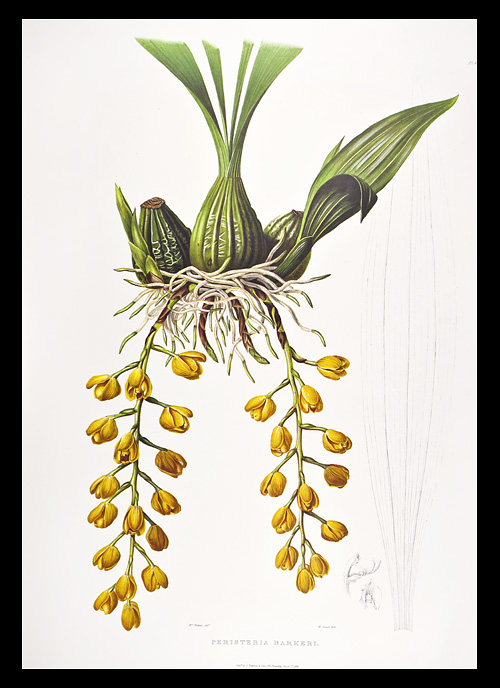
Peristeria  barkeri Guatamalan Orchid 1837

Peristeria barkeri Guatamalan Orchid 1837

Two men introduce Alma to alternative ways of thinking and seeing the world and these encounters are both baffling and fascinating at the same time. They confuse and reveal in equal measures and leave one in awe of the miracle of life and an appreciation of our differences and the infinite mystery and wisdom that interactions across humanity behold, in particular with those who live beyond the limits of our acceptable knowledge and experience who reveal that which we struggle to understand. In addition, these two characters take the reader on a thrilling journey to Tahiti and immerse us in experiences that delight the imagination.

If that sounds a little unclear, it is because it is better to embark on the journey of reading to unravel the book’s mystery. It is a well-researched, easily accessible book I am sure will provoke a variety of reactions, there is something in here for everyone and it provides an excellent balance of plot, character, philosophy and discovery to keep one reading late into the night.

Eugene Onegin Read Along – Chapter’s One & Two Alexander Pushkin

Eugene OneginWell, this is a first for me, a read along!

Alexander Pushkin’s Eugene Onegin has long been on my list of books to read, since it was gifted to me by husband many years ago. I don’t know why it seemed to intimidate me, since I loved long prose poems as a teenager, especially that other Alexander – Alexander Pope.

The book is a verse novel and I’m reading the Penguin Classic version translated by Charles Johnston with an introduction by the novelist and literary critic  John Bayley (husband of the late Iris Murdoch).

So I’m a little late finishing, but I have read the first two chapters and have a few basic impressions, though not much idea of the story, without reading outside the text.

So, I’ll follow Tanglewood’s lead (hosting this read-along) and try to answer her questions:

First impressions of Eugene?

A bit of a dandy? Son of a lavish spender who clearly didn’t instill much of a work ethic into his son. Then thanks to the legacy of a rich Uncle, he will spend more time in a dressing room, than any character I’ve ever read of.

Eugene turned countryman. He tasted

the total ownership of woods,

mills, lands and waters – he whose goods

till then had been dispersed and wasted –

and glad he was he’d thus arranged

for his old courses to be changed.

Not interested in history or politics or activism, he possesses a wealth of well polished stories to offer at the many social engagements he attends. Hates the Greek heros and prefers the theories of economics. Something of a chameleon, a charmer, dare I suggest, a manipulator, seducer? Prefers balls to ballet, the city to the countryside, yet tolerates boredom, cynicism suits him.

Chapter One introduces Eugene while chapter two introduces the characters he meets when he moves to the countryside, descriptions of Eugene are superficial, he lacks depth, something he may encounter soon perhaps.

What do you make of the narrator’s commentary?

I find the commentary more accessible than I thought, certainly it’s easier to interpret than Shakespeare and mildly humorous with its frequent drift into French words and an “I’ll write how I like” attitude, although it’s difficult to know when reading a translation, fortunately the French isn’t translated, so we have a better appreciation for the play with words intended.

Thoughts on the characters in Chapter 2?

Chapter Two begins to broaden the range of characters and they provide a welcome contrast to Onegin and the possibility of assisting him perhaps to see things through different eyes.  He is charmed by his friend, the poet Vladimir Lenksy and enjoys listening to his outpourings of emotion:

EugeneHe roamed the world, his lyre behind him;

Schiller and Goethe had refined him,

and theirs was the poetic flame

that fired his soul, to burn the same;

Olga, the subject of the poets verses since boyhood, the loved one and her elder sister Tatyana, the dreamer, the loner, living vicariously through her books.

I can see why it’s good to read and reread, even going back and reading earlier passages from yesterday seem to enlighten the story further. So forgive my ignorance as I trundle forward for the first time, slowly discovering what it is I am reading.

Click here to read the follow up review of Eugene Onegin Chapters 3 & 4

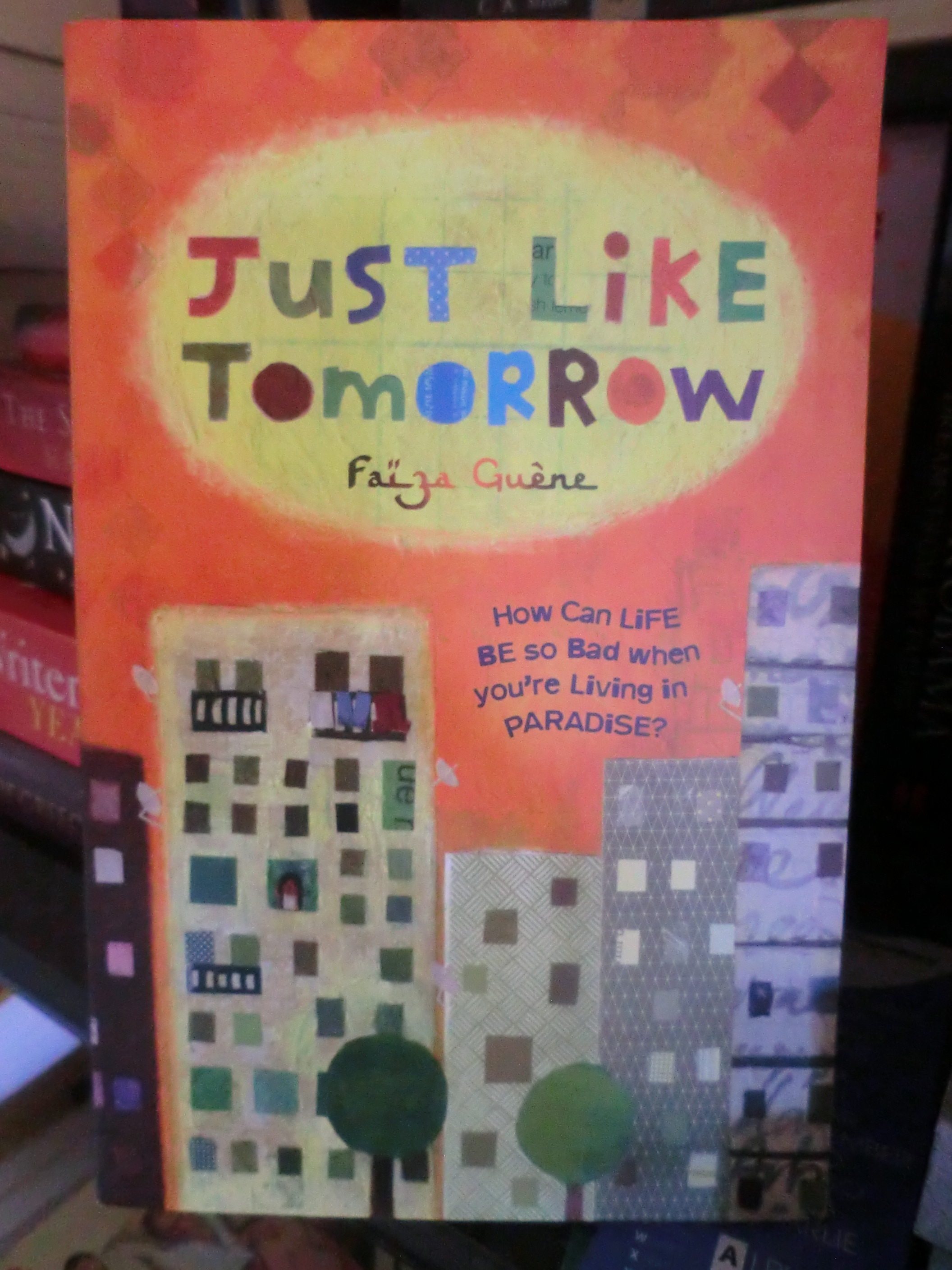
Just Like Tomorrow by Faïza Guène

How Can Life Be So Bad When You’re Living in PARADISE?

Kiffe kiffeI came across Faïza Guène’s  Kiffe kiffe demain translated as Just Like Tomorrow by Sarah Ardizzone, a french contemporary novel for young adults, via a wonderful blog A Year of Reading the World that is being turned into a book*.

Ann Morgan, inspired by the arrival of the multitude of athletes who came to London for the Olympics, decided to read a book from every one of 196 independent countries.

Each country presented a challenge, with only 3% of books in the UK being translated, she had to call on the help of her network and followers to find an English translation for many locations.

Faïza Guène

Faïza Guène

Faïza Guène is a young screenwriter who, after being involved in a local community project, began directing her own films. Born in France of Algerian parents, and growing up in a northern suburb of Paris, she writes from the heart of a challenging suburb, in a part of the city that few from the outside know about and about which little is written in literature.

Fifteen-year-old Doria lives alone with her illiterate mother, abandoned by a father who is seeking a younger, more fertile wife in his birthplace, Morocco. The story follows Doria’s unadulterated thoughts, which for most of the narrative are quietly despondent yet noisy with attitude. She is not prone to drama, although she observes it around her, as if from within a bubble and provides a running commentary on everything in her mind,and on the page.

Peppered with teenage slang, suburban Franco-Arabic dialect, the voice is unique and easily conjures an image of what life must be like for Doria, as she waits to be thrown out of school and pushed into a career she has no desire for. Her low expectations of life make the small gains she and her mother make all the more pronounced and the humour all the funnier.

What Mum really likes watching on telly in the evenings is the weather forecast. Specially when it’s that presenter with brown hair, the one who tried out for the musical The Birdcage but didn’t get it because he was over the top…So there he was, talking about this huge cyclone in the Caribbean, and it was like oh my days, this crazy thing getting ready to do loads of damage. Franky, this hurricane was called. Mum said she thought the western obsession with giving names to natural disasters was totally stupid. I like it when Mum and me get a chance to have deep and meaningful conversations.

It is a slice of life, coming of age story, of a second generation teenage immigrant living her life far from the images of the city of Paris that come to mind for most of us. It is a book that has been widely translated into other languages and offers a unique insight into teenage life for those on the fringe and an excellent alternative to the more well-known French literature out there.

*Reading the World: Postcards from my Bookshelf will be published by Harvill Secker in 2015.

Top Reads 2013

I thought it was impossible last year and this year seems just as difficult, unlike last years clear-cut outstanding read, which I would recommend to anyone and everyone, I’m not so confident that my Outstanding Read of 2013 has universal appeal. But I absolutely loved it and recommend it highly!

Outstanding Read of the Year
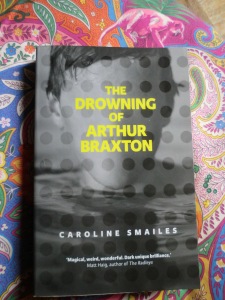
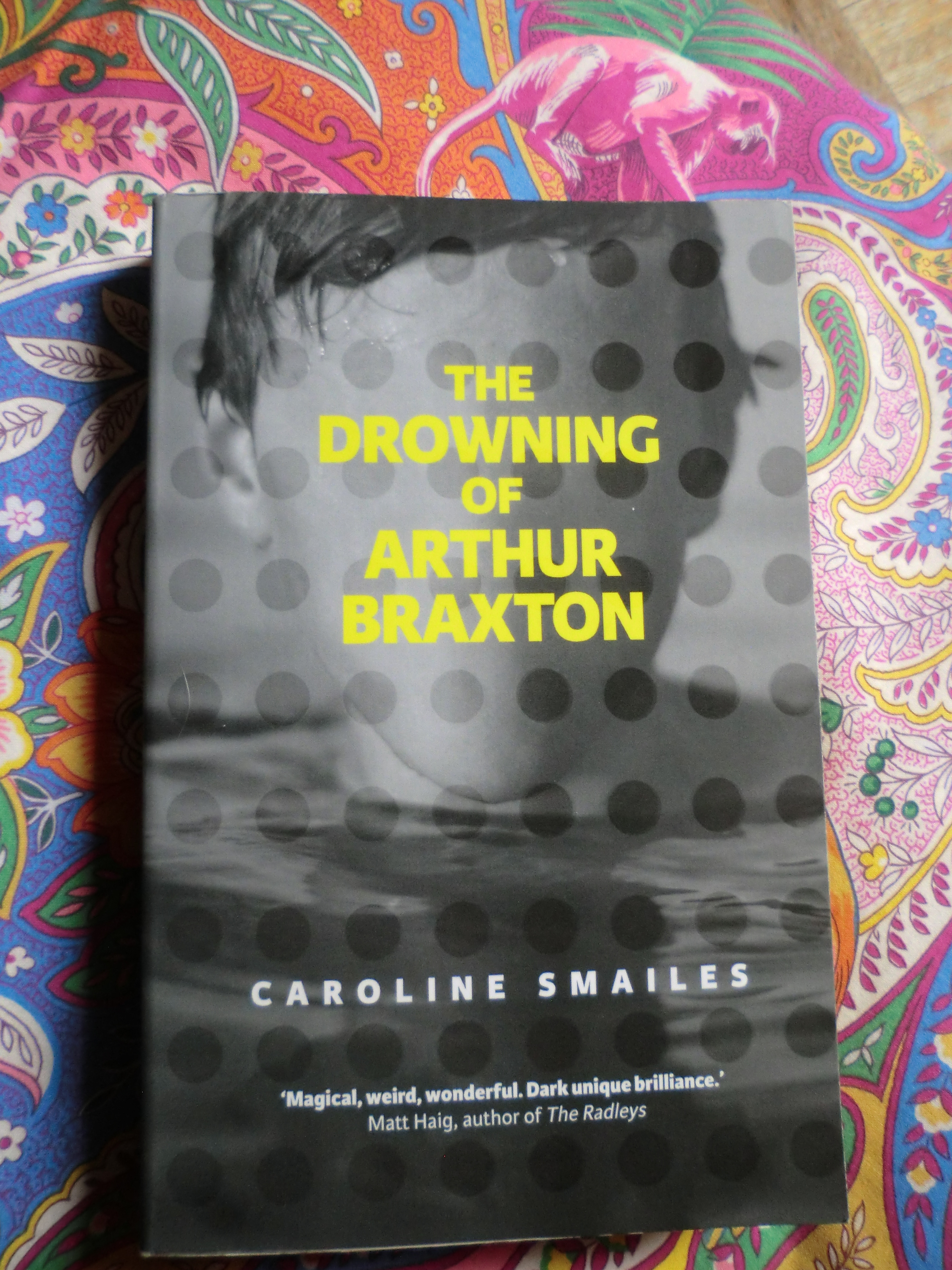
Arthur BraxtonMy outstanding read of the year, the one that stopped me in my tracks and then pulled me along at a fast pace and left me wondering what it was that was so compelling only to realise it was the originality of voice was Caroline Smailes The Drowning of Arthur Braxton.

I love that I knew nothing about it before reading it, I chose it on instinct, had never heard of the author and the book just worked its magic from the beginning . Then there was the serendipitous event occurring at the Victorian Baths where it is set, just as I was reading it – well that was the icing on the cake.

It’s a coming age story of a teenage boy who starts hanging out at an abandoned Victorian bath-house where things don’t always appear as they should, he discovers an uninhibited young woman swimming naked in the pool, the point from which all his perceptions about life begin to alter. It is strange, magical, weird and infused with hope without being in any way sentimental.  But don’t take my word for it, read it!

As for the rest, in no particular order, here are my memorable fiction and non-fiction reads for 2013.

Top Fiction
BoothThe Industry of Souls by Martin Booth was the first book of the year and a reread for me, something I rarely do, but I wanted to see if Martin Booths excellent book stood the test of time. And it sure did. I love this book and the way this author writes. The book is about a British prisoner held for many years in a Russian gulag, who decides not to return home after his release. The story is narrated on the day of his 80th birthday as he looks back and his past comes to visit him.
monster 2A Monster Calls by Patrick Ness – in all pursuits, sometimes it’s a good idea to go off piste  and for me this venture into young adult fiction was exactly that.  I picked this up in the library having recalled seeing a few excellent reviews and was intrigued by the concept of a writer picking up the threads of another writers idea and bringing it to fruition – Siobhan Dowd died tragically at the age of 47 and Patrick Ness brilliantly brings her story idea to life in this incredible, poignant tale.
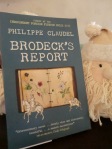
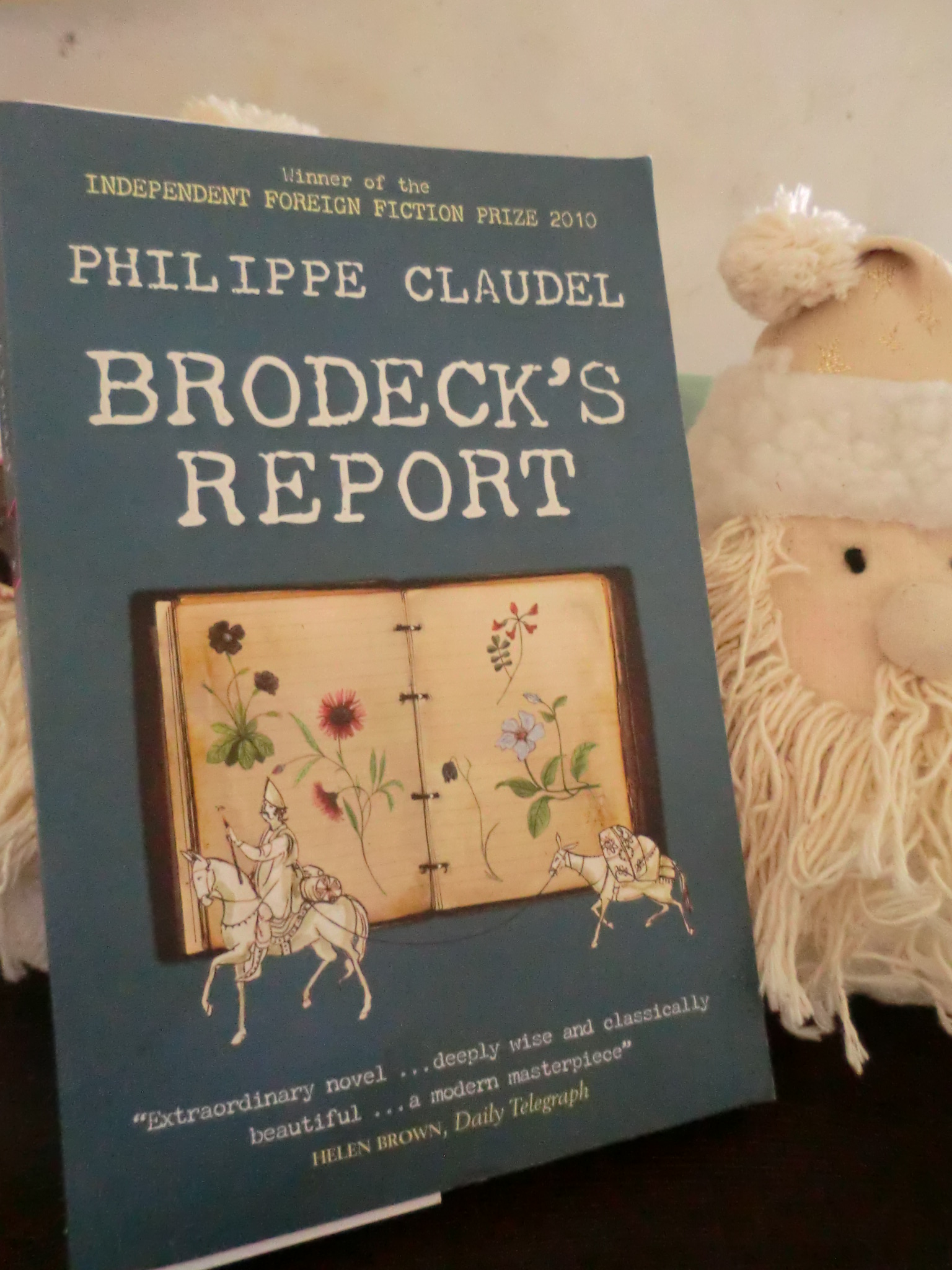
BrodeckBrodeck’s Report by Phillipe Claudel – a very recent read and his words stay with me, I feel like I want to read everything he has written. Having survived a concentration camp, Brodeck returns to his village where life resumes as before until a stranger arrives in the village unsettling the inhabitants to the point where they decide to dispose of him, Brodeck isn’t involved but is given the task of writing a report about it. He writes twin narratives, unveiling the best and worst tendencies of humanity.
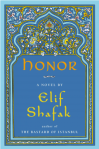
HonourHonour by Elif Shafak The 4th book by this wonderful Turkish author I have read and she is becoming more known with each new book, this one being nominated for numerous prizes and Turkey being the guest nation at this years London Book Fair. Honour is a story of a poor family and follows the lives of two sisters, one who goes to live in London as an immigrant, though she will always be that girl from the village. It highlights the difficulty in straddling two worlds, especially for the next generation, who try to assimilate into the new culture, but who when vulnerable are often drawn back into the least desirable aspects of the old culture.
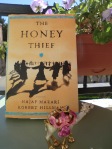
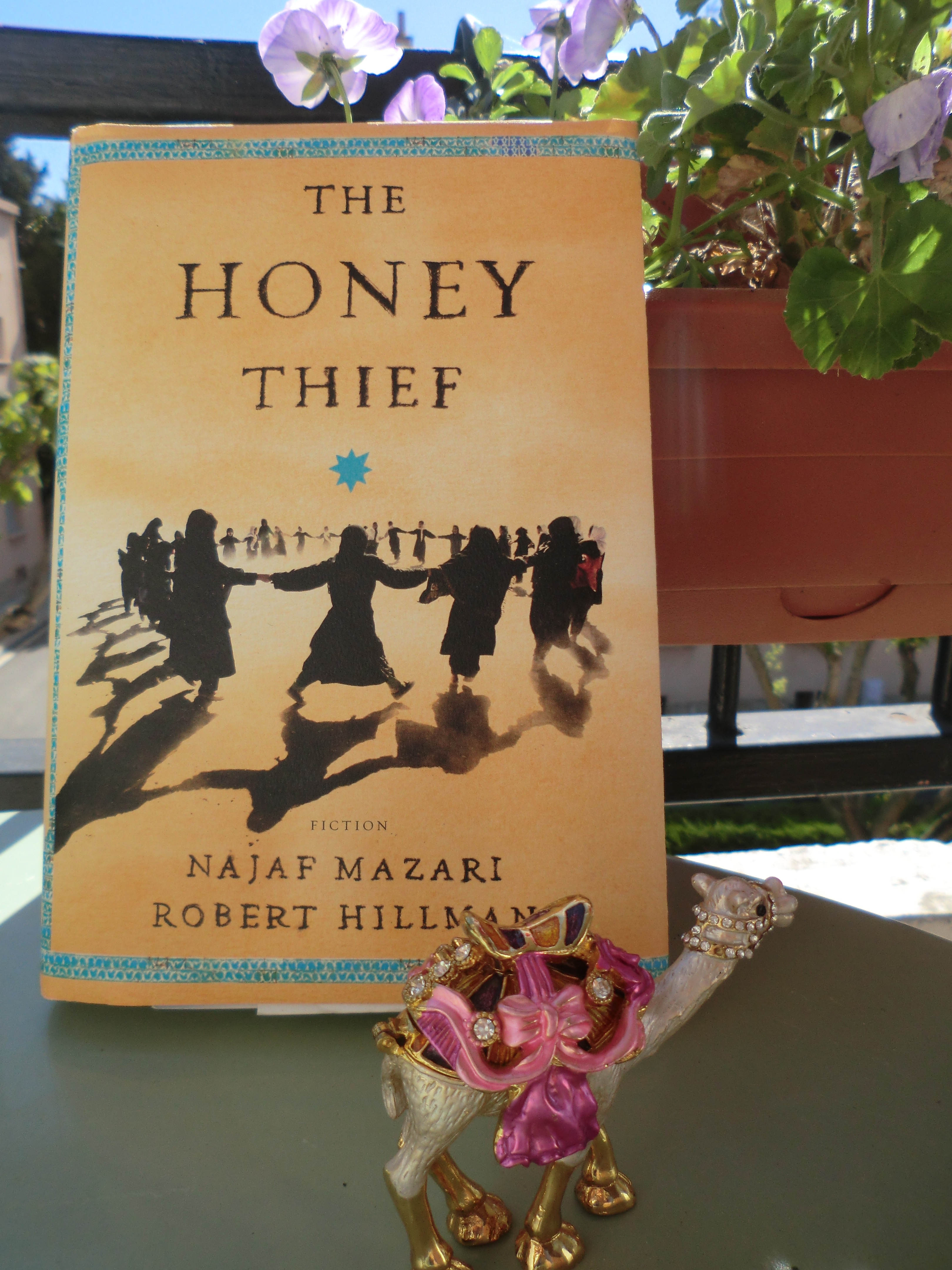
The Honey ThiefThe Honey Thief by Mazari Najaf this is an original set of short stories told by a Hazari man from Afghanistan to his Australian friend. The stories originate from an oral story telling tradition and offer a unique insight into an ancient, adaptable people, who have survived  centuries of persecution. In addition, the author shares some excellent recipes.
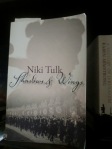
Shadows & WingsShadows & Wings by Niki Tulk A wonderful story about family connections, silence and our inability to bury the past. A young girl living in Australia travels to Germany to visit the birthplace of her Grandfather and to learn about his role in the war. Simultaneously, his story is narrated from when he was a boy, to when he became that young man who, like all men at that time, was drafted into war. A beautiful book, thoughtfully narrated and at times so excruciating, it is as if we are reading a personal diary, not a work of fiction. I wish more people knew about this astonishing book.

Top Non-Fiction
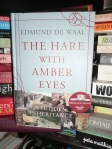
Hare Amber EyesThe Hare With Amber Eyes by Edmund de Waal – I am probably one of the last to have read this, since it was published two years before I picked it up, although I bought numerous copies when it did come out for family as Christmas gifts, knowing it would be an excellent read – and while it may not be to everyone’s taste, if you have any interest in European culture and history, this story of the Ephrussi’s, a Russian Jewish family from Odessa, whose two sons set themselves up in Paris and Vienna, told through the eyes and potter’s hand of the ceramicist and descendant Edmund De Waal will certainly appeal.
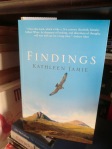
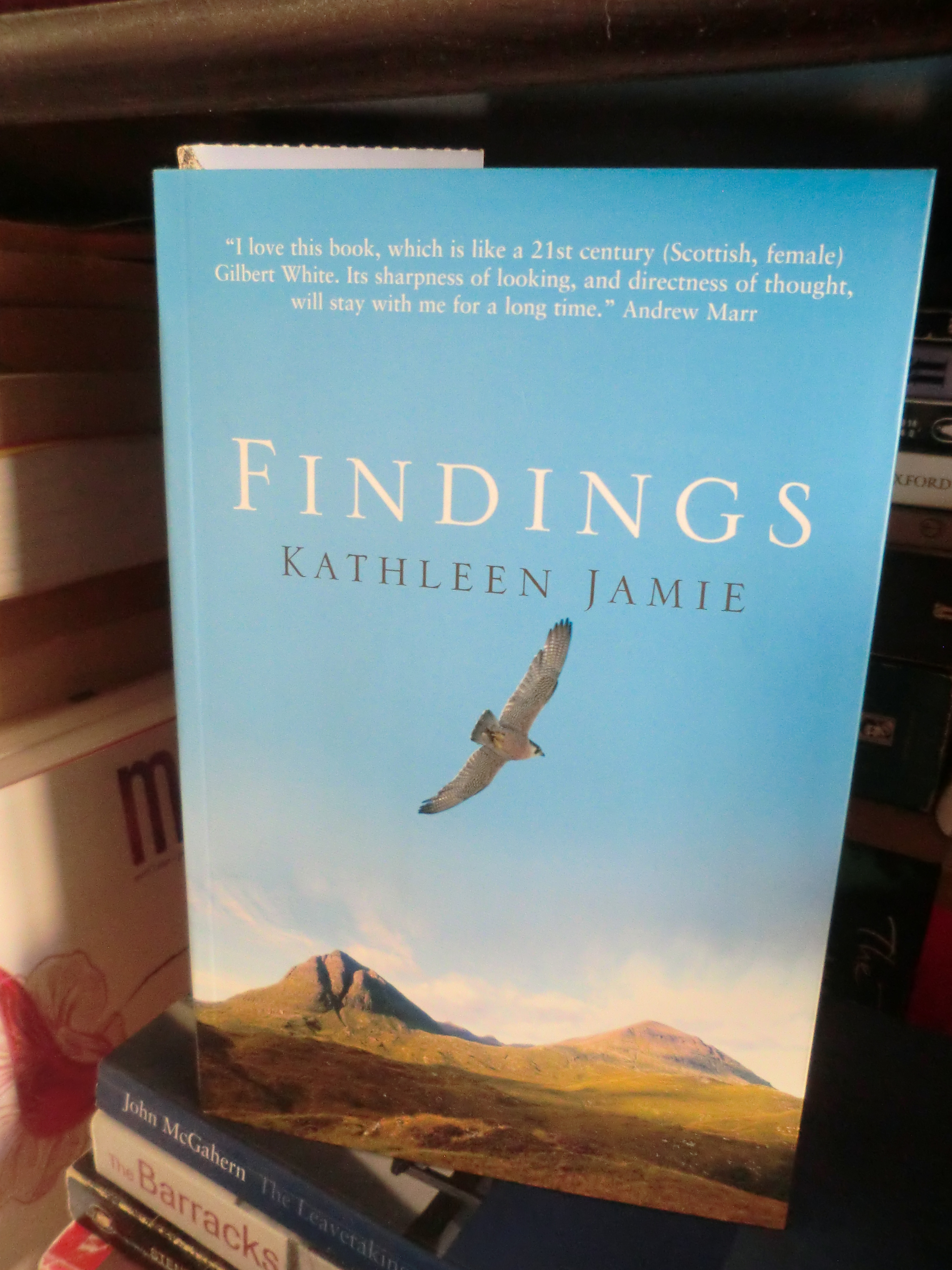
FindingsFindings by Kathleen Jamie I read this excellent collection of essays in February, a month in the northern hemisphere where many are in hibernation and there is not much to sing and dance about. Finding’s was like being in nature when we are not, the way Kathleen Jamie writes is to make us appreciate and really see without the need to label, identify or show off our knowledge. She observes with a painter’s eye and takes the reader on a similar journey, infusing the imagination with images of those forsaken Scottish  islands she visits. Brilliant winter reading.
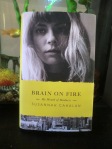
Brain on FireBrain on Fire: My Month of Madness by Susannah Cahalan This book is a must read for anyone who knows anyone who has had any kind of brain disease or impairment. Susannah Cahalan was just an ordinary girl, working as a journalist, when in her early twenties, she started imagining things and observed herself becoming somewhat crazy. Some kind of infection got to her brain and thankfully for thousands of others, who have already benefited from the things she shares here, she lived to write about it and demystify the malfunction of the brain, something that results in thousand of incorrect diagnoses, due to the little we know about how to remedy it.
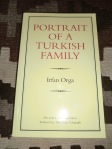
Portrait of a FamilyPortrait of a Turkish Family by Irfan Orga After a visit to Istanbul in May, I indulged in a wonderful period of reading Turkish literature and this book was a great find – a recommendation from the English bookshop in Istanbul and they weren’t wrong. It is a classic, a fabulous story of the life of one family whose destiny is changed by war – another unique insight into a culture and the intimate family life of people we don’t usually have the opportunity to witness.

Happiness of Blond PeopleThe Happiness of Blond People: A Personal Meditation on the Dangers of Identity by Elif Shafak it’s a short but compelling essay by one of my favourite writers, a woman who was born in the East and lived many years in the West and  has a unique perspective from which to make her observations. Worthwhile reading and love these Penguin Specials, short essays are so popular here in France, it’s great to see them being made available in English too.

The Hidden LampThe Hidden Lamp: Stories from Twenty-Five Centuries of Awakened Women what better way to wind up a year of reading than with some short, poignant Buddhist stories, some only a few sentences long. This is a volume to sit near the bedside and dip in and out of, because not every message will be relevant for today. One hundred stories interpreted by another 100 wise women and we are free to interpret them ourselves. 

So what books stood out for you in 2013?

Brodeck’s Report by Philippe Claudel, tr. John Cullen

BrodeckThis book has been on my radar since I read Le Petite Fille de Monsieur Linh by Philippe Claudel last year. That was the first book I had read by Philippe Claudel and our book club decided we should read it in French. I remember at the time, one of my twitter followers mentioned Brodeck’s Report as being her favourite, and on a recent visit to West End Lane Bookshop in London, I found this copy.

Brodeck’s Report is the story of the young man Brodeck, who as a child arrived in a French village with an old woman who had taken pity on him, finding him sitting alone in the ruins of a house fire.

He becomes a protégé of the village, who save enough to send him to university with the intention of him making an important contribution to village life, as it was clear he had the capability. Their plans are thwarted by unrest in the city and Brodeck flees to the village with a young woman who will become his wife. The village soon becomes occupied, resistance is taught a harsh lesson and the community are encouraged to ‘cleanse the village’. Brodeck and one other who came from elsewhere are sent away.

InnWhen the story begins, Brodeck is home, having survived the camp and after stepping out to find butter, stumbles into the midst of a village gathering at the Schloss Inn, where those grouped have decided he will write a report about the unknown, nameless stranger who came to visit, who had now met his end.

The novel is quiet, devastating and yet brilliant. Claudel takes one village which happens to be near the border – and what is a border but an imagined, even a painted line on paper – of an occupying country, and uses the village and its resident to portray humanity and its many inclinations, including its inability to learn from mistakes – which manifest when a stranger rides into town, installs himself at the local inn and goes about his business, without letting anyone know what that is. Many of the events portrayed in the novel are the result of illusory thought, of man’s inclination to create a story when there is none and to punish the outsider, the one who has inspired their dark imagination.

BrodeckBrodeck is tasked with writing an account of the events that do take place and as he does so, he simultaneously writes another account, his own narrative of what is occurring and what has happened in the recent past. He writes to try to make sense of it, as is his nature and to know what he must do.

Reading Primo Levi adds to an understanding of Claudel’s work and having read this novel so soon after Aminatta Forna’s The Hired Man, it illuminates something more of that work as well, it is as if they write about the same people, only Claudel dares to take the reader deeper into the heart of his villagers forcing us to open our eyes.

“It is a strange time of day. The streets are deserted, the encroaching darkness turns them into cold, grey blurs, and the houses become shifty silhouettes, full of menace and innuendo. Night has the curious power of changing the most everyday things, the simplest faces. And sometimes it does not so much change them as reveal them, as if bringing out the true natures of landscapes and people by shrouding them in black.”

Stunning.

Seasonal Comfort Reads

Merry Christmas to you all, I hope you all have/had a wonderful, relaxing day spending it exactly as you wish.

tower-and-santa-336x280We had a unique Christmas Day, with a picnic lunch on the TGV (fast train) to Paris – delicious savoury canapés, no cooking required and no dishes to wash up afterward either.

I am looking forward to reading time, although I may not get much done, since there is so much to see and do here in Paris.

But first, some Christmas Book news!

Christmas DayThis season The Guardian ran a series on writers and readers’ favourite books to curl up with on biting winter nights.

As some of you might remember, as I mentioned and gave away a copy of this book last year, my seasonal comfort read is Paul Durcan’s book length poem Christmas Day.

Well, there might not have been any books under the tree this year, but having my review published by The Guardian on Christmas Day was the best gift of all!

Click here to read the review.

Joyeuses fêtes à tous!

joyeuses fete