
Libraries, Women’s Fiction, Works in Translation – The Awards
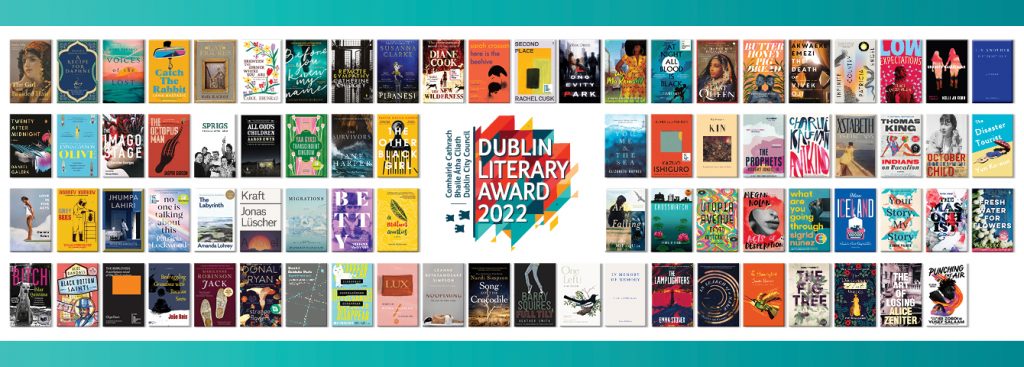
It’s book award season and yes, there are plenty of them; I do enjoy seeing what libraries around the world are nominating in The Dublin Literary Award, then there are the more commercial choices in the Women’s Prize for Fiction announced this week, the literary International Booker Prize (works translated into English), then later in the year, that blend of the two, the cross genre Warwick Prize for Women in Translation.
Today the International Booker Prize announced 13 books on its long list, works of fiction translated into English and published in the UK or Ireland, originating from 11 languages and 12 countries – including Hindi for the first time.
The 13 nominated books are:
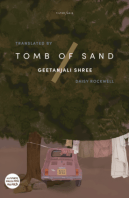 Tomb of Sand by Geetanjali Shree (India), tr. Daisy Rockwell (Hindi)
An urgent yet engaging protest against the destructive impact of borders, whether between religions, countries or genders.
In northern India, an 80-year-old woman slips into a deep depression at the death of her husband, then resurfaces to gain a new lease of life. Her determination to fly in the face of convention confuses her bohemian daughter, who is used to thinking of herself as the more ‘modern’ of the two. To her family’s consternation, Ma then insists on travelling to Pakistan, confronting the unresolved trauma of her teenage experiences of Partition.
Despite its serious themes, Geetanjali Shree’s light touch and exuberant wordplay ensures that Tomb of Sand remains constantly playful – and utterly original.
 The Books of Jacob by Olga Tokarczuk (Poland), tr. Jennifer Croft (Polish)
A portrayal of Enlightenment Europe on the cusp of precipitous change, searching for certainty and longing for transcendence.
In the mid-18th century, as new ideas begin to sweep the continent, a young Jew of mysterious origins arrives in a village in Poland. Before long, he has changed not only his name but his persona; visited by what seem to be ecstatic experiences, Jacob Frank casts a charismatic spell that attracts an increasingly fervent following.
In the decade to come, Frank will traverse the Hapsburg and Ottoman empires as he reinvents himself again and again. He converts to Islam and then Catholicism, is pilloried as a heretic and revered as the Messiah, and wreaks havoc on the conventional order with scandalous rumours of his sect’s secret rituals and the spread of his increasingly iconoclastic beliefs.
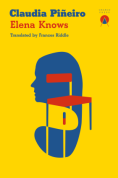 Elena Knows by Claudia Piñeiro (Argentina) tr. Frances Riddle (Spanish)
A unique story that interweaves crime fiction with intimate tales of morality and the search for individual freedom.
After Rita is found dead in the bell tower of the church she used to attend, the official investigation into the incident is quickly closed. Her sickly mother is the only person still determined to find the culprit.
Chronicling a difficult journey across the suburbs of the city, an old debt and a revealing conversation, Elena Knows unravels the secrets of its characters and the hidden facets of authoritarianism and hypocrisy in our society.
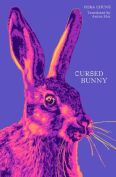 Cursed Bunny by Bora Chung (Seoul), tr. Anton Hur (Korean) (short stories)
A genre-defying collection of short stories, which blur the lines between magical realism, horror and science fiction.
Using elements of the fantastic and surreal to address the very real horrors and cruelties of patriarchy and capitalism in modern society.
The translation skilfully captures the way Chung’s prose effortlessly glides from the terrifying to the wryly humorous. Winner of a PEN/Haim Grant.
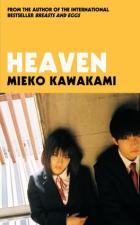 Heaven by Mieko Kawakami (Tokyo) tr. Samuel Bett and David Boyd (Japanese)
Told through the eyes of a 14-year-old boy subjected to relentless bullying, a haunting novel of the threat of violence that can stalk our teenage years.
Instead of putting up resistance, a boy suffers in complete resignation. His sole ally is a girl classmate, similarly outcast and preyed upon by the bullies. They meet in secret to take solace in each other’s company, unaware their relationship has not gone unnoticed by their tormentors.
This deceptively simple yet profound work stands as a testament to a remarkable literary talent. Here, she asks us to question the fate of the meek in a society that favours the strong, and the lengths to which even children will go in their learnt cruelty.
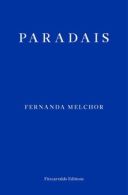 Paradais by Fernanda Melchor (Puebla, Mexico) tr. Sophie Hughes (Spanish)
Written in a chilling torrent of prose by one of Mexico’s most thrilling new writers, Paradais explores the explosive fragility of Mexican society.
Inside a luxury housing complex, two misfit teenagers sneak around and get drunk. Franco, lonely, overweight, and addicted to porn, fantasizes about seducing his neighbour – an attractive married woman and mother.
Meanwhile Polo, the community’s gardener, dreams about quitting his gruelling job, fleeing his overbearing mother and their narco-controlled village. As each face the impossibility of getting what they think they deserve, Franco and Polo hatch a mindless and macabre scheme.
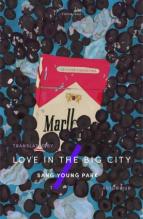 Love in the Big City by Sang Young Park (Seoul) tr. Anton Hur (Korean)
An energetic, joyful, and moving novel that depicts both the glittering night-time world of Seoul, and the bleary-eyed morning after.
Young is a cynical yet fun-loving Korean student who pinballs from home to class to the beds of recent Tinder matches. He and Jaehee, his female best friend and roommate, frequent nearby bars, where they suppress their anxieties about their love lives, families and money with rounds of soju and freezer-chilled Marlboro Reds.
In time, even Jaehee settles down, leaving Young alone to care for his ailing mother and find companionship in his relationships with a series of men – including one whose handsomeness is matched by his coldness, and another who might end up being the great love of his life.
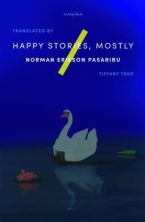 Happy Stories, Mostly by Norman Erikson Pasaribu (Jakarta, Indonesia) tr. Tiffany Tsao (Indonesian)
A powerful blend of science fiction, absurdism and alternative-historical realism that aims to destabilise the heteronormative world and expose its underlying rot.
Inspired by Simone Weil’s concept of ‘decreation’ and drawing on Batak and Christian cultural elements, the author puts queer characters in situations and plots conventionally filled by hetero characters.
In one story, a staff member is introduced to their new workplace – a department of Heaven devoted to archiving unanswered prayers. In another, a woman’s attempt to holiday in Vietnam after her gay son commits suicide turns into a nightmarish failed escape. And in a speculative-historical third, a young man is haunted by the tale of a giant living in colonial-era Sumatra.
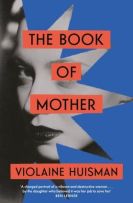 The Book of Mother by Violaine Huisman (Parisian living in New York) tr. Leslie Camhi (French)
A remarkable debut novel of an exquisitely wrought story about a daughter’s inextinguishable love for her magnetic, mercurial mother.
Beautiful and charismatic, Catherine, aka ‘Maman’, smokes too much, drives too fast, laughs too hard and loves too extravagantly. During a joyful and chaotic childhood in Paris, her daughter Violaine wouldn’t have it any other way. But when Maman is hospitalised after a third divorce and breakdown, everything changes.
As the story of Catherine’s traumatic childhood and coming of age unfolds, the pieces come together to form an indelible portrait of a mother as irresistible as she is impossible, as triumphant as she is transgressive.
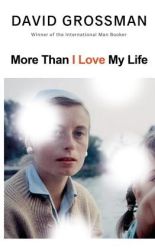 More Than I Love My Life by David Grossman (Israel) tr.Jessica Cohen (Hebrew)
Sweeping story about loving with courage that confronts our deepest held beliefs about a woman’s duty to herself – and to her children.
On a kibbutz in 2008, Gili is celebrating the 90th birthday of her grandmother Vera, the adored matriarch of a sprawling and tight-knit family. Festivities are interrupted by the arrival of Nina, who abandoned Gili as a baby. Nina’s return precipitates a journey from Israel to the island of Goli Otok, formerly part of Yugoslavia.
It was here, five decades earlier, that Vera was tortured as a political prisoner. And it is here that three women will come to terms with the terrible moral dilemma Vera faced, that permanently altered the course of their lives.
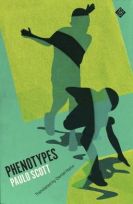 Phenotypes by Paulo Scott (Sao Paulo, Brazil) tr. Daniel Hahn (Portuguese)
A smart and stylish account of the bigotry lurking in hearts and institutions alike.
In this complex tale, two very different brothers of mixed black and white heritage are divided by the colour of their skin, as racial tension rises in society and a guilty secret resurfaces from their shared past.
Scott probes the old wounds of race in Brazil, and in particular the loss of a black identity independent from the history of slavery. Exploratory rather than didactic, a story of crime, street-life and regret as much as a satirical novel of ideas, Phenotypes is a seething masterpiece of rage and reconciliation.
A New Name: Septology VI-VII by Jon Fosse (Norway) tr. Damion Searls (Norwegian)
A transcendent exploration of the human condition and a radically ‘other’ reading experience – incantatory, hypnotic, and utterly unique.
Asle is an ageing painter, living alone on the coast of Norway. His only friends are his neighbour, Åsleik, a traditional fisherman-farmer, and Beyer, a gallerist who lives in the city. There, in Bjørgvin, lives another Asle, also a painter but lonely and consumed by alcohol. Asle and Asle are doppelgängers – two versions of the same person, two versions of the same life, both grappling with existential questions. Written in melodious, hypnotic ‘slow prose’, this is the final instalment of Fosse’s Septology, the major prose work by ‘the Beckett of the twenty-first century’ (Le Monde).
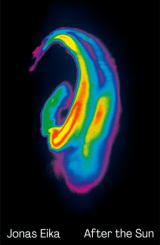 After the Sun by Jonas Eika (Denmark) tr. Sherilyn Hellberg (Danish)
With irrepressible urgency, Eika’s astonishing fiction juxtaposes startling beauty with grotesquery, balancing the hyper-realistic with the fantastical.
After the Sun opens portals to our newest realities, haunting the margins of a globalised world that’s both saturated with yearning and brutally transactional.
Under Cancún’s hard blue sky, a beach boy provides a canvas for tourists’ desires, seeing deep into the world’s underbelly. An enigmatic encounter in Copenhagen takes an IT consultant down a rabbit hole of speculation that proves more seductive than sex. Meanwhile, the collapse of a love triangle in London leads to a dangerous, hypnotic addiction. And in the Nevada desert, a grieving man tries to merge with an unearthly machine.
* * * * *
I haven’t read any of these, though I did just read Olga Tokarczuk’s Drive Your Plow Over the Bones of the Dead, so I’m intrigued by her new translation, but at close to 1000 pages, unlikely to be any time soon. I have been keen to read Elena Knows, A Charco Press (best of contemporary Latin American literature) publication for a while. Mieko Kawakami’s Breasts and Eggs was a popular read, so I expect Heaven will be equally widely read.
It’s an interesting mix of names that regularly come up among those who read translations, and a new wave of more modern tales, addressing current contemporary issues.
It is always interesting to see the reactions, the reviews, and who will make the shortlist of six to be announced on 7 April. The winners (author + translator) will be announced on 26 May 2022.
Do any of these titles jump out at you with interest?
For me, it was Geetanjali Shree’s Tomb of Hope, not a book I was aware of, but both an interesting subject and a rare translation from Hindi! Tilted Press are such trailblazers!
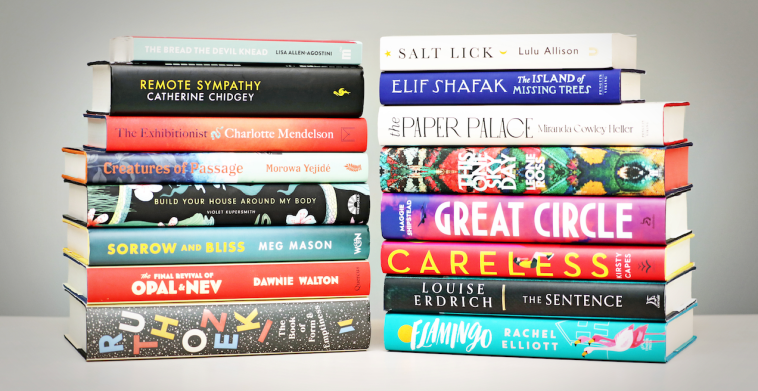
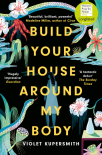 Two Vietnamese women go missing decades apart. Both are fearless, both are lost. And both will have their revenge. The fates of both women are linked, bound together by past generations, ghosts and ancestors, by the history of possessed bodies and possessed lands. This heart-pounding fever dream of a novel hurtles through the ghostly secrets of Vietnamese history creating an immersive, playful, unforgettable debut.
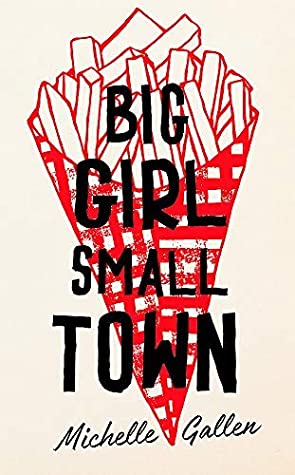
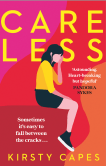 Sometimes it’s easy to fall between the cracks… At 3.04 p.m. on a hot, sticky day in June, Bess finds out she’s pregnant. She could tell her social worker Henry, but he’s useless. She should tell her foster mother, Lisa, but she won’t understand. She really ought to tell Boy, but she hasn’t spoken to him in weeks. Bess knows more than anyone that love doesn’t come without conditions. But this isn’t a love story…
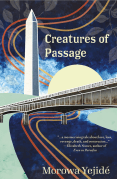 Nephthys is a taxi driver in DC, ferrying ill-fated passengers in a haunted car, with a ghost in the trunk. Endless rides and alcohol help her manage grief over the death of her twin brother, Osiris.
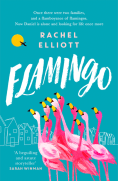 A novel of love, homelessness, and learning to be fearless. In the garden, there were three flamingos, gateways to a time when life was impossibly good. They were mascots, symbols of hope.
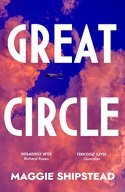 From days as a wild child in prohibition America to wartime London, from the rugged shores of NZ to a lonely iceshelf in Antarctica, Marian Graves is driven by a need for freedom and danger. Determined to live an independent life, she resists her childhood sweetheart, burning her way through a suite of glamorous lovers. An obsession with flight consumes her. As she is about to fulfil her greatest ambition, to circumnavigate the globe, Marian crash lands in a perilous wilderness of ice.
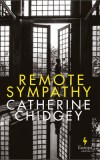 Moving away from their Munich apartment isn’t as bad as for Frau Greta Hahn feared. The new villa is beautiful and life in Buchenwald seems idyllic. But beyond the forest is the looming presence of a work camp. Her husband, SS Dietrich Hahn has been assigned as the camp’s new administrator.
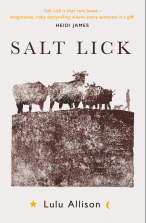 Britain is awash, the sea creeps into the land, brambles and forest swamp derelict towns. Food production has moved overseas and people are forced to move to the cities for work. The countryside is empty. A chorus, the herd voice of feral cows, wander this newly wild land watching over changing times, speaking with love and exasperation.
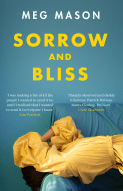 Everyone tells Martha she’s clever and beautiful, a brilliant writer loved by her husband Patrick. A gift, her mother once said, not everybody gets. So why is everything broken? Why is Martha – almost 40 – friendless, near jobless and so sad? Why did Patrick leave?
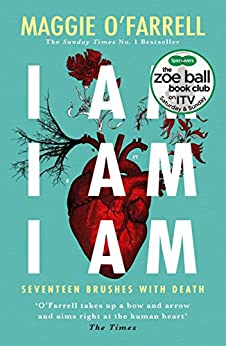
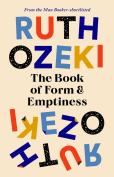 After the tragic death of his father, 14-year-old Benny begins to hear voices. The voices belong to the things in his house and sound variously pleasant, angry or sad. As his mother develops a hoarding problem, the voices grow louder. When ignoring them doesn’t work, Benny seeks refuge in the silence of a public library. There he meets a mesmerising street artist with a pet ferret; a homeless philosopher- poet who encourages him to find his own voice; and his very own Book, who narrates Benny’s life and teaches him to listen to the things that truly matter.
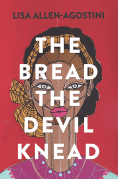 Alethea is turning 40. Fashionable, feisty and fiercely independent, she manages a boutique, but behind closed doors she’s covering up bruises from an abusive partner and seeking solace in an affair. When she witnesses a woman murdered by a jealous lover, the reality of her own future challenges her.
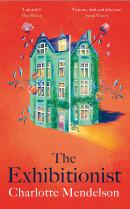 The Hanrahan family gather for a weekend as artist and notorious egoist Ray prepares for a new exhibition of his art – the first in many decades – and one he is sure will burnish his reputation for good.
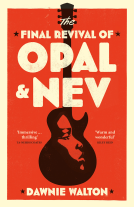 Opal is a fiercely independent young woman pushing against the grain in her style and attitude, a Black punk artist before her time. Despite her unconventional looks, Opal believes she can be a star. So when the aspiring British singer/songwriter Neville Charles discovers her one night, she takes him up on his offer to make rock music together.
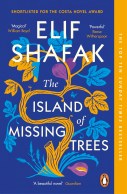 In 1974 Cyprus, two teenagers, from opposite sides of a divided land meet at a tavern in the city they both call home. The tavern is the only place that Kostas, Greek/Christian and Defne, Turkish/Muslim, can meet in secret hidden beneath the blackened beams from which hang garlands of garlic, chilli peppers and wild herbs. It is where the best food, music and wine in town is. But there is something else to the place: it makes one forget, even if for just a few hours, the world outside and its sorrows.
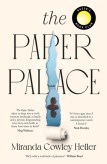 On a perfect August morning, Elle heads out for a swim in the pond below ‘The Paper Palace’ – her family’s holiday home in Cape Cod. As she dives beneath the water she relives the passionate encounter she had the night before, against the side of the house that knows all her darkest secrets, while her husband and mother chatted to their guests inside.
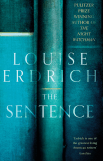 The Sentence asks what we owe to the living, the dead, the reader and the book. A small bookstore in Minneapolis is haunted by the store’s most annoying customer. Flora dies on All Souls’ Day, but won’t leave the store. Tookie, who has landed a job selling books after years of incarceration that she survived by reading ‘with murderous attention,’ must solve the mystery of this haunting while trying to understand all that occurs during a year of grief, astonishment, isolation and furious reckoning.
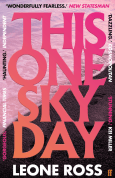 Dawn breaks across the archipelago of Popisho. The world is stirring awake again, each resident with their own list of things to do: A wedding feast to conjure and cook, an infidelity to investigate, a lost soul to set free. As the sun rises two star-crossed lovers try to find their way back to one another across this single day. When night falls, all have been given a gift, and many are no longer the same.

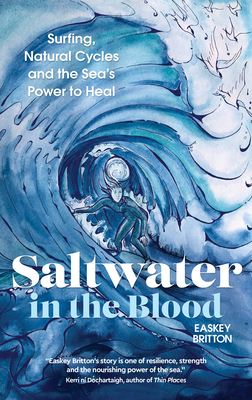
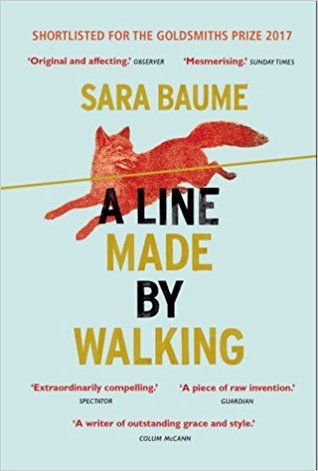
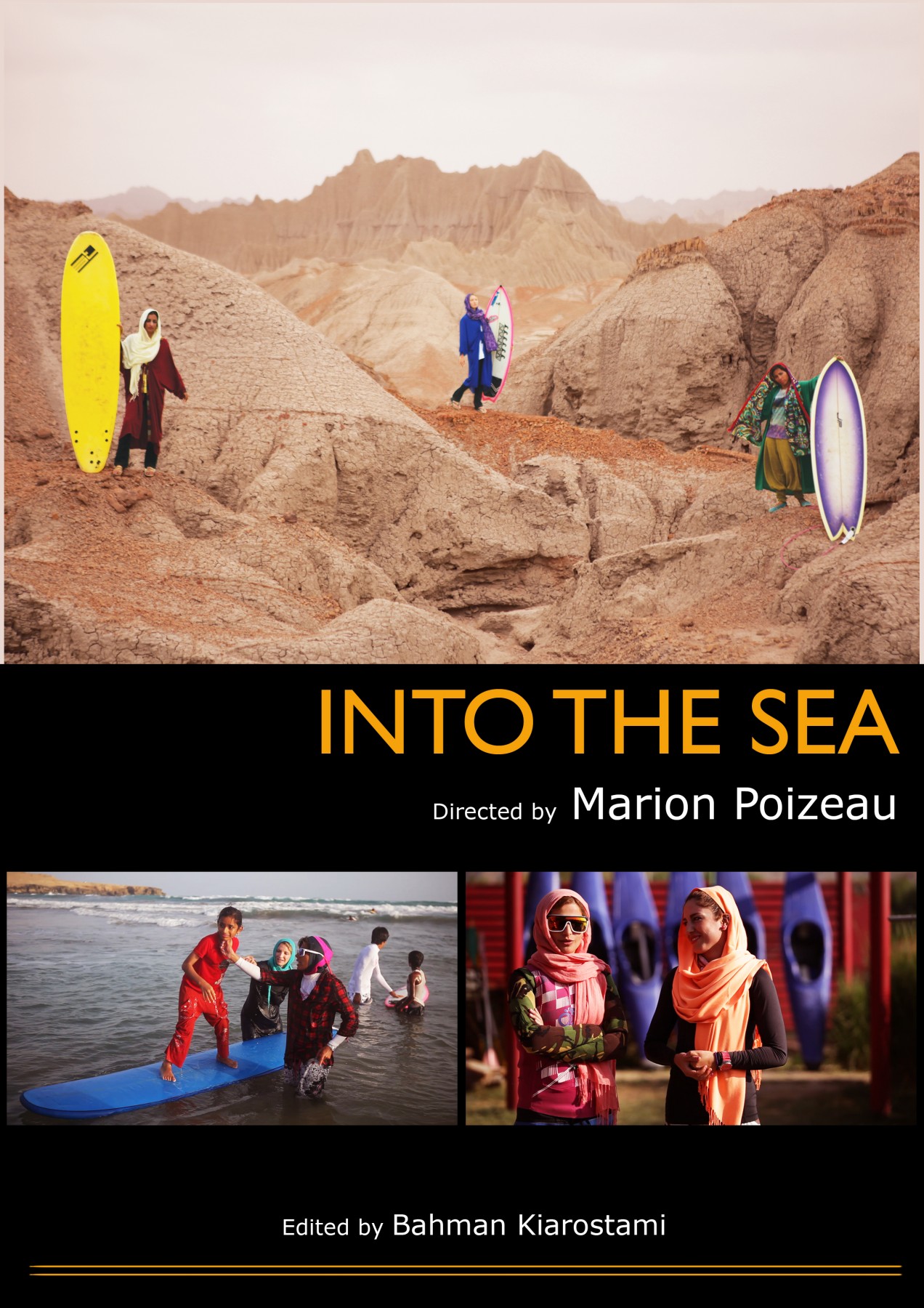 Before climbing on the surfboards, they would do what in effect were warm up exercises, but not of the traditional sportsman type, they would play in the waves and get a feel for the swell and the breakers, preparing themselves by sensing the sea’s mood, harmonising with each other.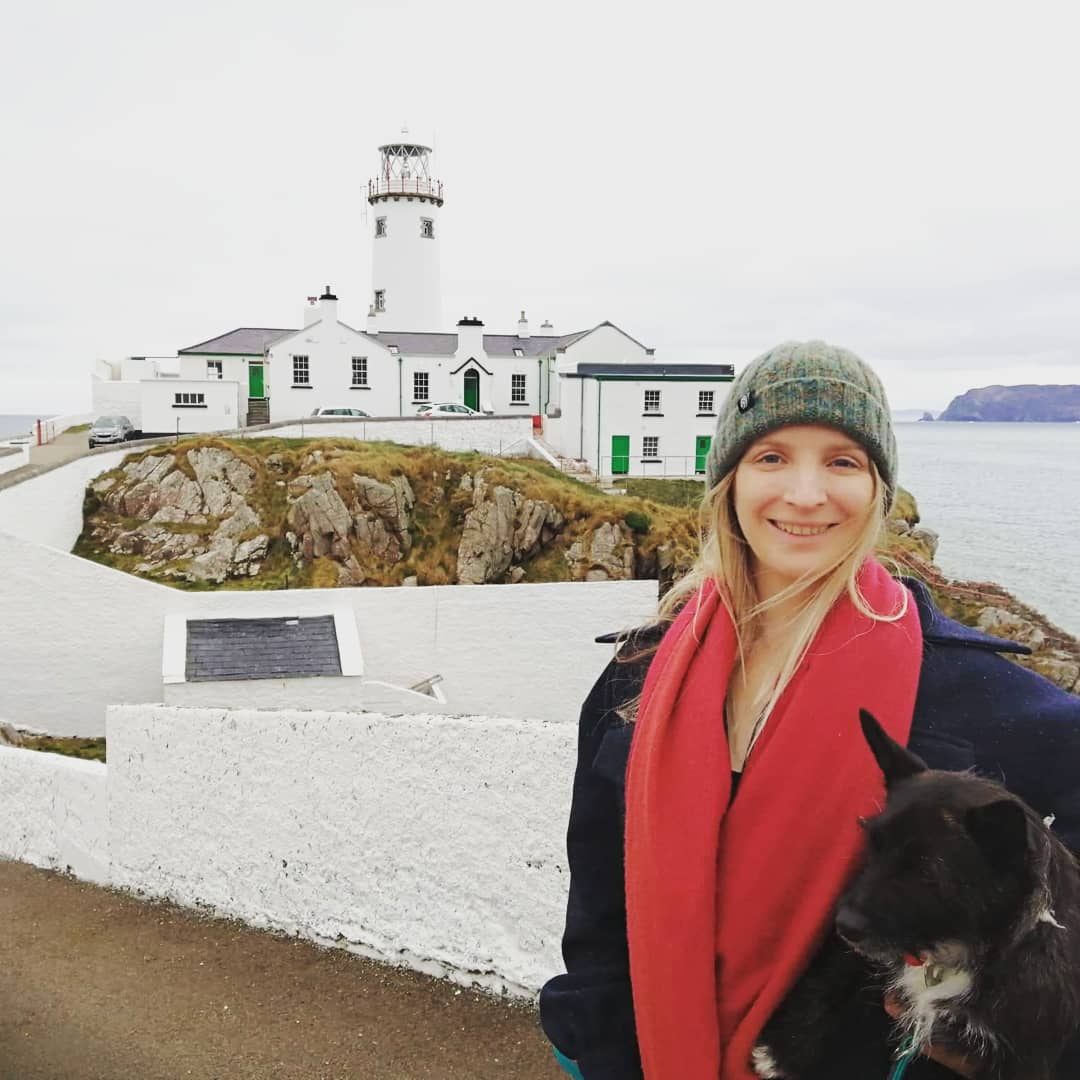
 Somewhere on a plateau above a small forested village in Poland, near the border with the Czech Republic, lives Janina, except she doesn’t like that name, she insists on being called Mrs Duszejko.
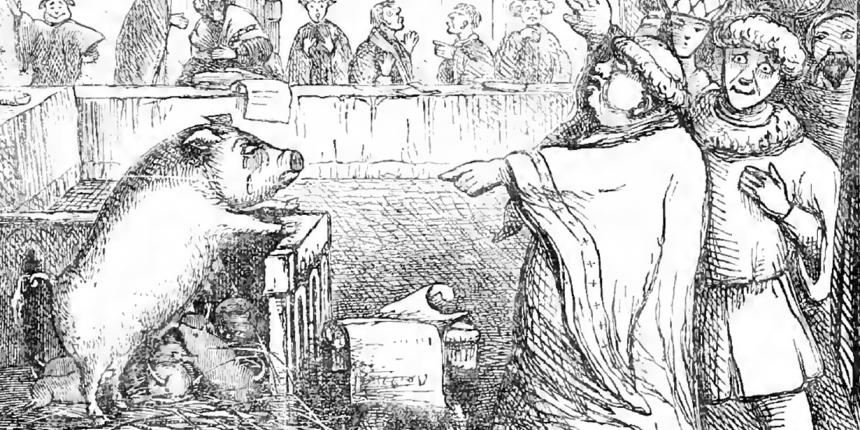 Dizzy, a former student, now her 30 year old friend, helps with the Blake translations, though is unconvinced by some of her theories concerning astrology and the revenge of animals, bolstered by her having discovered real animal trials, which peaked in 14th to 16th century Europe.
 When he challenges her for going around telling people about those Animals, concerned for her reputation, she is outraged.
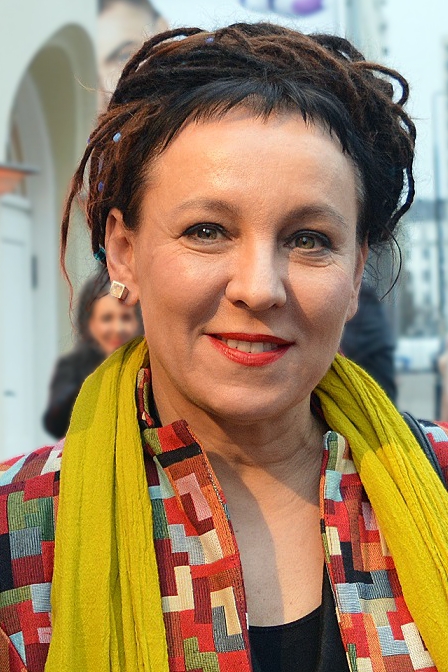 Olga Tokarczuk is an Aquarian, a Psychologist and Jungian expert, a Polish essayist and author of nine novels, three short story collections and her work has been translated into forty-five languages.
 This is the novel I have been waiting for Jan Carson to write, for here is a writer who in her ordinary life as an arts facilitator has brought together people from opposite sides in their way of thinking, encouraging them to sit down and write little stories, enabling them to imagine from within the shoes of an(other) – teaching the practice of empathy.


 1.
1.  2.
2.  3.
3.  4.
4.  5.
5.  1.
1.  2.
2.  3.
3.  4.
4.  5.
5. 
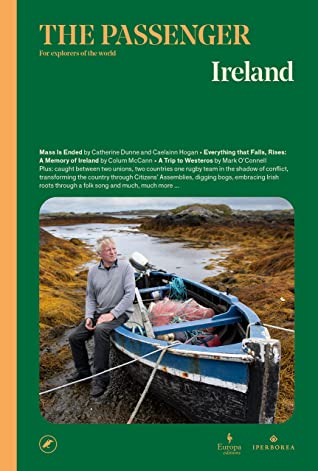 And perhaps most of all, I’m very excited about this upcoming collection of illustrated essays, photography, art and reporting,
  There There by Tommy Orange was lent to me by a friend and was a debut novel that made a significant splash when it was published in 2018. The author is a member of the Cheyenne and Arapaho Tribes of Oklahoma, born and raised in Oakland, California.


 The novel begins with an epistolary narrative of letters written by Doktor Lenard Weber to his daughter Lotte in Frankfurt 1946, after the war has ended. He is telling his daughter how he first first met her mother, his wife Anna, at an exhibition of ‘The Transparent Man’, an installation that showed the inner circuitry of the human body.
 The second narrative voice comes from the imaginary diary of Frau Greta Hahn, the younger wife of the officer and begins in 1943 as she is packing up their lives in Munich, to move to a villa in Weimar, her husband having taken over as Administrator of the Buchenwald prison camp. He has told her and their young son Karl-Heinz how much they will love it there, being near a forest, a zoo, close to nature.
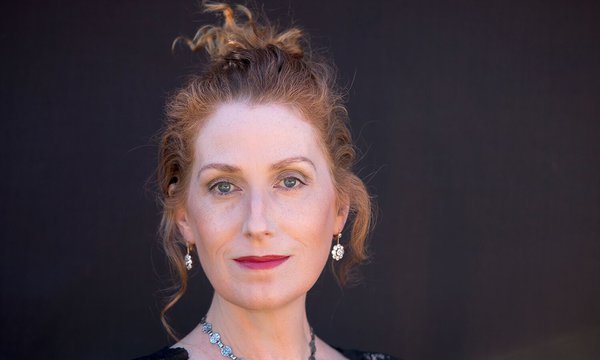 Catherine Chidgey is an award-winning and bestselling New Zealand novelist and short-story writer.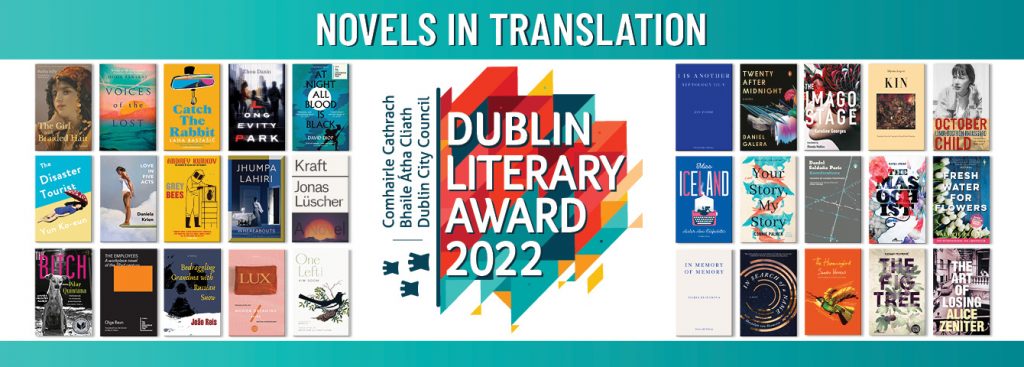
 Word by Word