Best Books of 2025 Top Reads in Translation

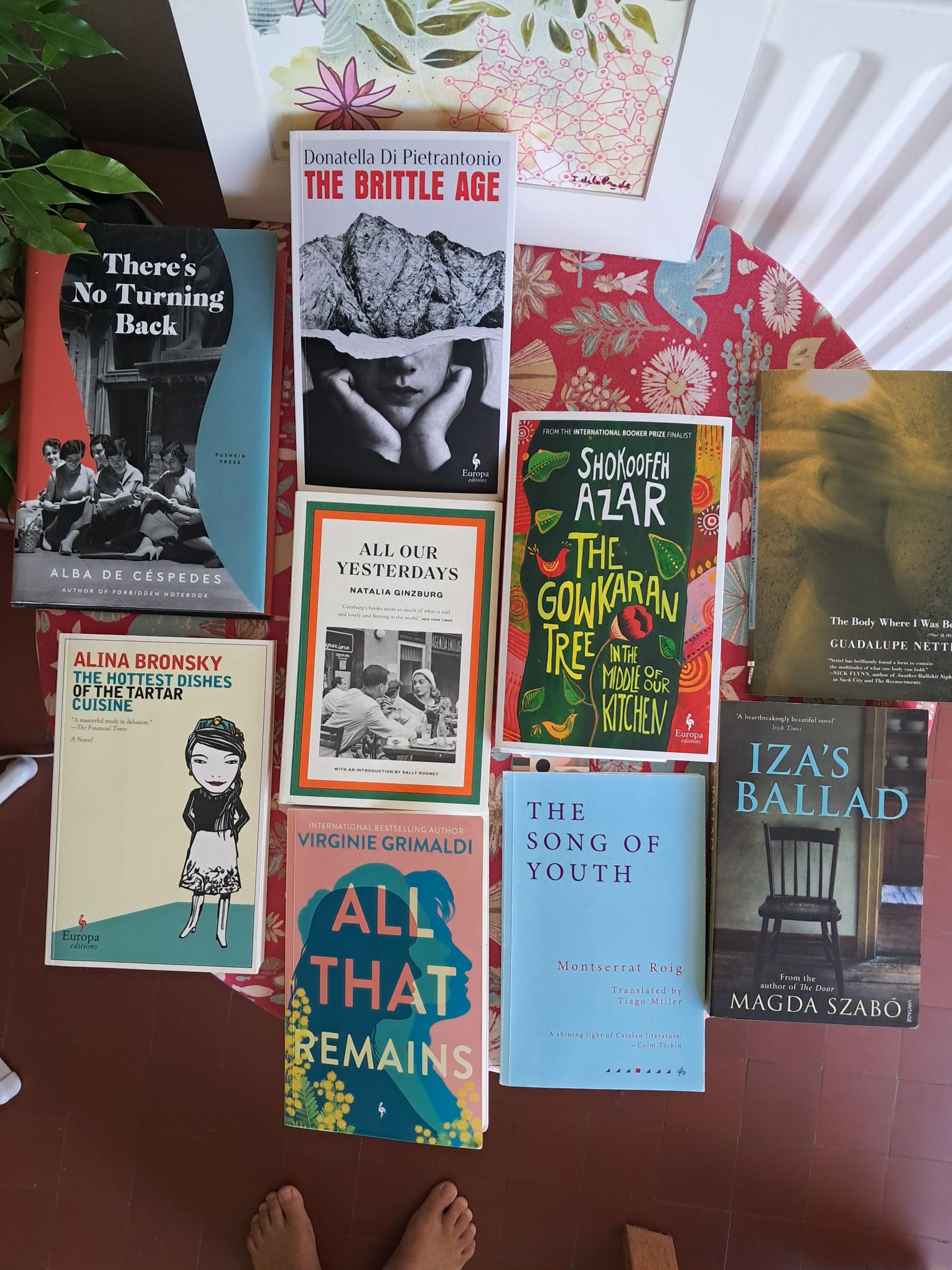
Apaprt from committing to read Women in Translation in August, I read less consciously and more by mood or whatever stood out on the shelf this year.

Though I read more books, I read from the same number of countries, but less in translation. In 2024, 33% (20 books) of the titles I read were in translation – a conscious effort. This year only 15%. It is also in part the effect of taking a subscription, I loved most of the Charco Press titles I read, but there were some I was less inclined to read; I would look at them and then choose something else.

It’s about discernment. So I remove those books from the shelf and more carefully research those I have no hesitation in wanting to read. I chose well this summer and so I here are the best seven titles I highly recommend. I’ll be making a more conscious effort to read more in translation in 2026, so please share with me your favorites from this year.

Top 7 Reads in Translation

The Runner Up Outstanding Read of 2025

Somebody is Walking On Your Grave: My Cemetery Journeys, Mariana Enriquez (Argentina) tr. Megan McDowell

See yesterday’s post Runner Up for Outstanding Book of the Year. The author travels to 13 countries over two decades, visiting cemeteries – mixing travelogue, personal history, cultural history and collective memory. I read the essays over a month, each one exhibiting not just the protocols around death, but the context of different eras that each country has been through, and how that has impacted the collective memory. Her essays take the reader to :

Europe: Italy, Spain, France, United Kingdom (England & Scotland), Czech Republic, Germany
Americas: Argentina, Chile, Mexico, United States, Peru, Cuba
Oceania: Australia

Argentina in the ’70s, the decade where I was born, had a dictatorship that made a lot of bodies disappear. Therefore, there’s a generation of people that were killed by the government, and they don’t have a grave.

I realized that that trauma, that is very engraved in my life, somehow made me feel that a grave, a tombstone – it’s something of comfort. It’s a final thing in a good way.

Far by Rosa Riba (Spain) tr. Charlotte Coombe
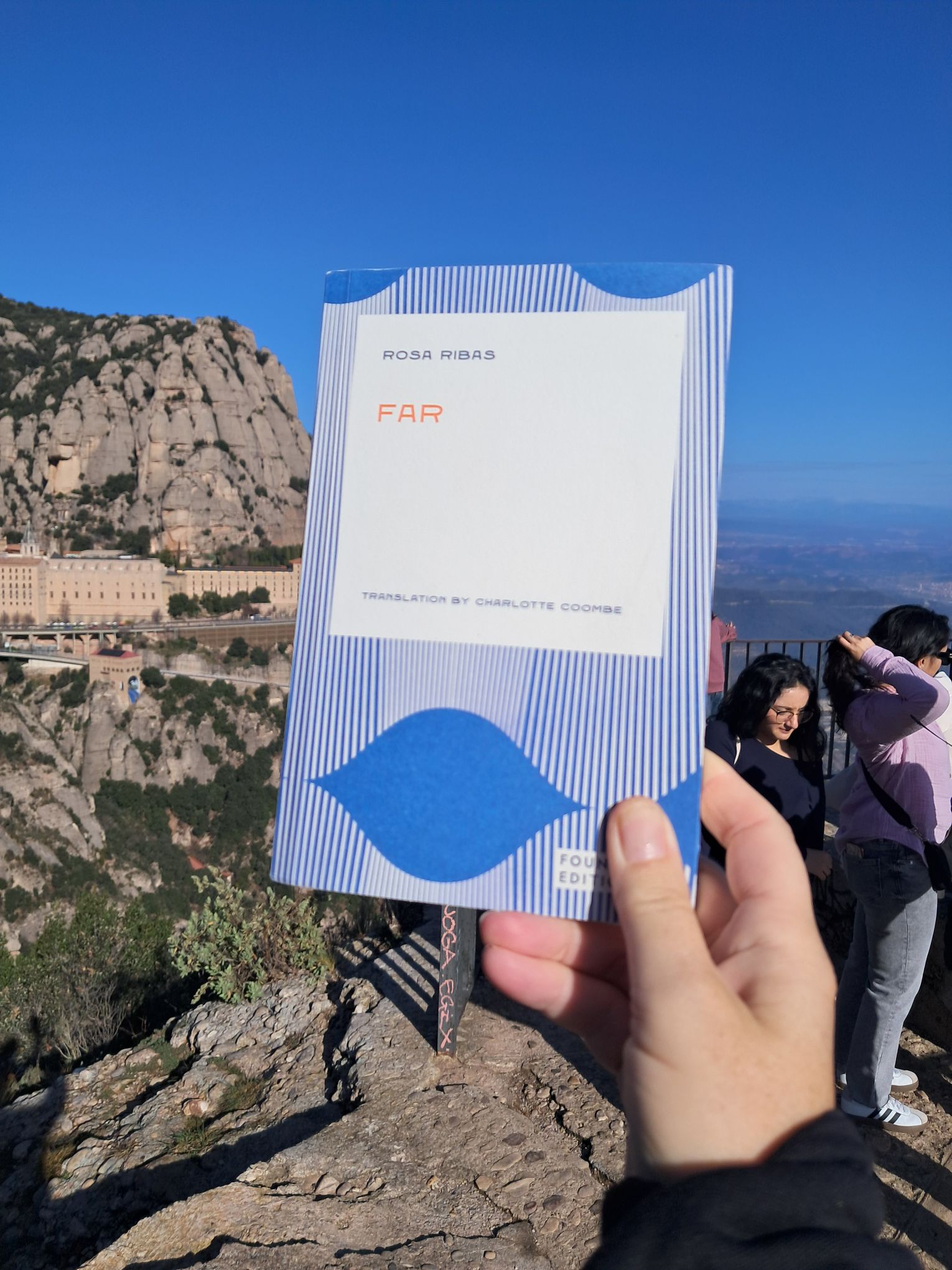
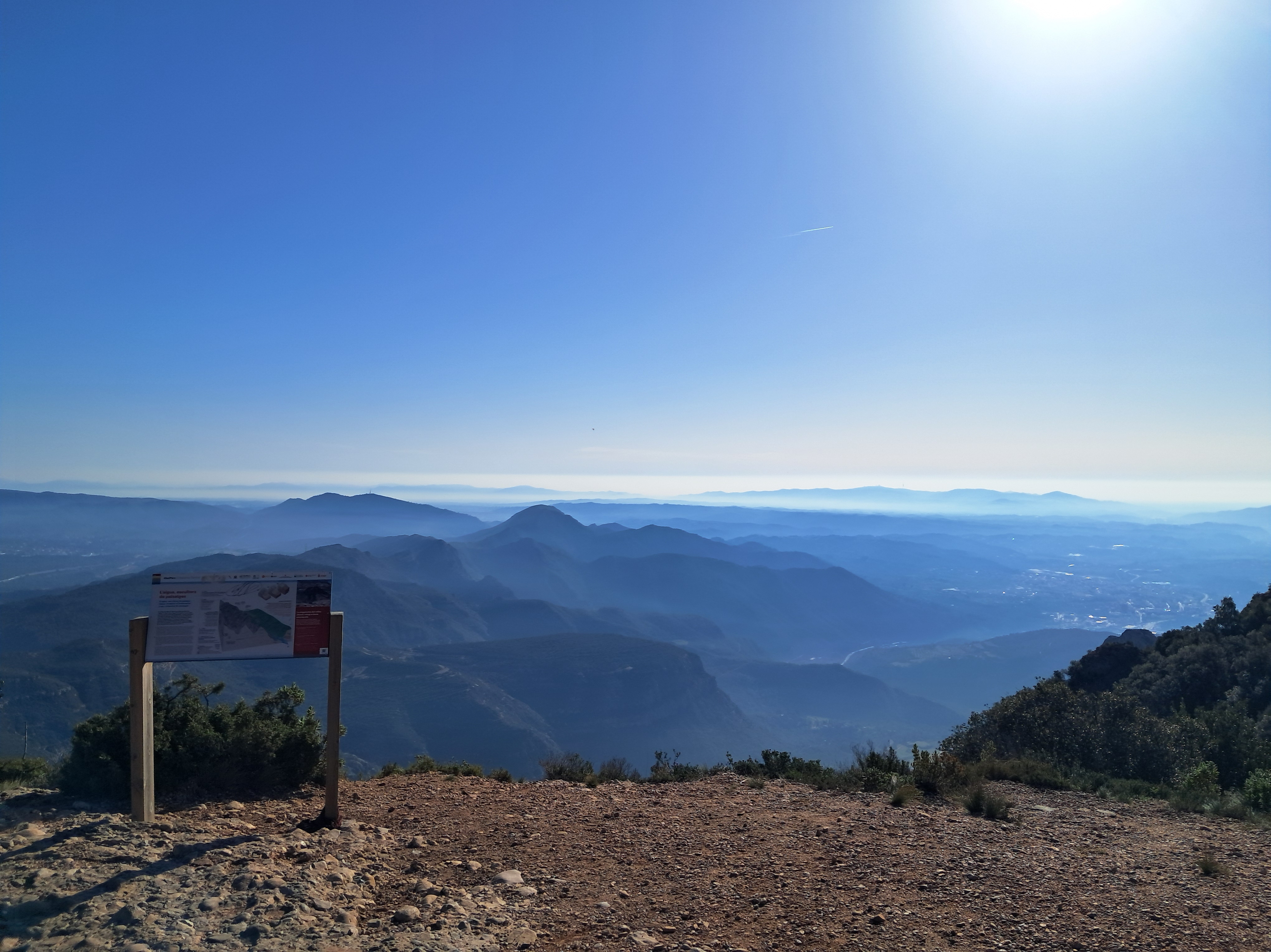
Book cover of English translation of Far by Rosa Ribas translated by Charlotte Coombe, mountain and monastery of Montserrat, Catalonia in the background

Far was a novel I came across by the relatively new publisher of Mediterranean literature, Foundry Editions after reading an article in the Guardian about a building project in Spain, 13,500 affordable apartments built to house 40,000 people, a ghost town after the global financial crisis, and the deepest economic recession Spain had experienced for fifty years.

Author Rosa Ribas was taken by friends to visit this strange monument to a broken era in Seseña; the housing development was known as ‘The Manhattan of La Mancha’ and as night fell three lights came on and inspired an idea for her novel Far, a story of determined inhabitants trying to create community, while others are escaping who knows what? We follow two characters, both dealing with issues, one in hiding, the other part of the community. Tensions rise, the locals become paranoid and angry at their untenable situation, mirroring the disintegration of the country’s economic situation, disenfranchised youth and a rise in racism and xenophobia.

The entire development was constructed on a pile of poorly concealed sleaze, a chain of bribery, corruption, intimidation, and complicit silences. No ancient manuscripts, no mythical foundations. If these lands had been the scene of some momentous event, back when battles of conquest and reconquest were being fought all over the area, no one had bothered to record it. It was a bleak place, devoid of stories, where it was impossible to satisfy any yearnings for greatness.

The Body Where I Was Born by Guadalupe Nettel (Mexico) tr. J.T. Lichenstein

The Body Where I Was Born by Guadalupe Nettel

Having loved Still Born by the same author, I picked this up and was equally mesmerised. This novel is a semi-autobiographical coming of age story set in the 1970’s, that follows a girl’s childhood in Mexico, the things that marked her experience, that she looks back on now (from a therapist’s chair) with a better understanding of the impact.

She ponders the harm of parental regimes and how they perpetuate onto the next generation the neuroses of one’s forebears, in her case her parents were ‘open-minded’ in a way that ultimately lead to the disintegration of the family and a period of living with a grandmother who disliked her. She and her brother then move to the south of France while her mother pursues studies and a new love.

Enjoying it, I was surprised to learn the narrative moved to the same town where I live. The siblings navigate life at a local school among pupils from multiple origins, North African, Indian, Asian, Caribbean and French, a unique and unforgettable experience, very much unlike the international schools they had attended elsewhere.

It is an engaging, insightful recollection of an atypical upbringing, within different cultures. Loved it!

To survive in this climate, I had to adapt my vocabulary to the local argot – a mix of Arabic and Southern French – that was spoken around me, and my mannerisms to those of the lords of the cantine.

All That Remains by Virginie Grimaldi (France) tr. by Hildegarde Serle (French)
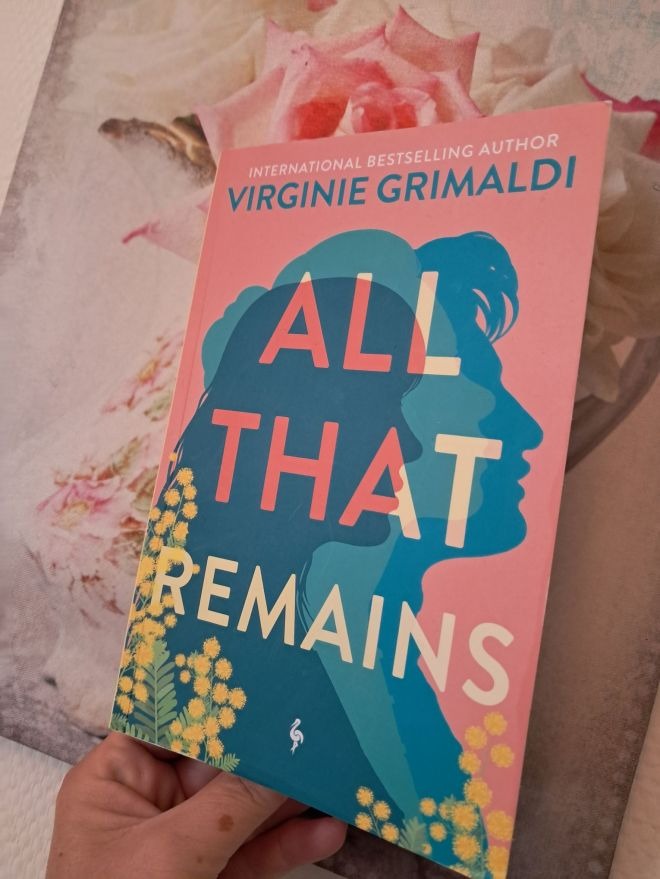
Another book set in France, this time set in Paris, this a page turner from the opening chapters, a feel good novel and another that I was attracted to due to its connection to real life events. I had heard about elderly widowed Parisians in largish apartments being assisted by a specialist agency that matched them with mature students as a way to keep them in their own homes, and to provide students with accomodation.

This is the premise of the novel; recently widowed Jeanne (74) decides to rent one of her rooms and two people quickly respond, an 18 year old Théo, apprentice boulanger, of no fixed abode and a thirty something Iris, who is escaping from something. It’s a perfect slice of ordinary life in Paris and a wonderful example of a new way to live, where young and old help each out and all the better for it.

“Hello Madame, I just wanted to confirm my interest in your room for rent. And please know that, if it weren’t for my tricky situation, I’d never have interrupted your conversation with the young man, who also seems in real need of a home. If you’ve not yet made your choice, I’d understand if you favour him. Regards Iris.”

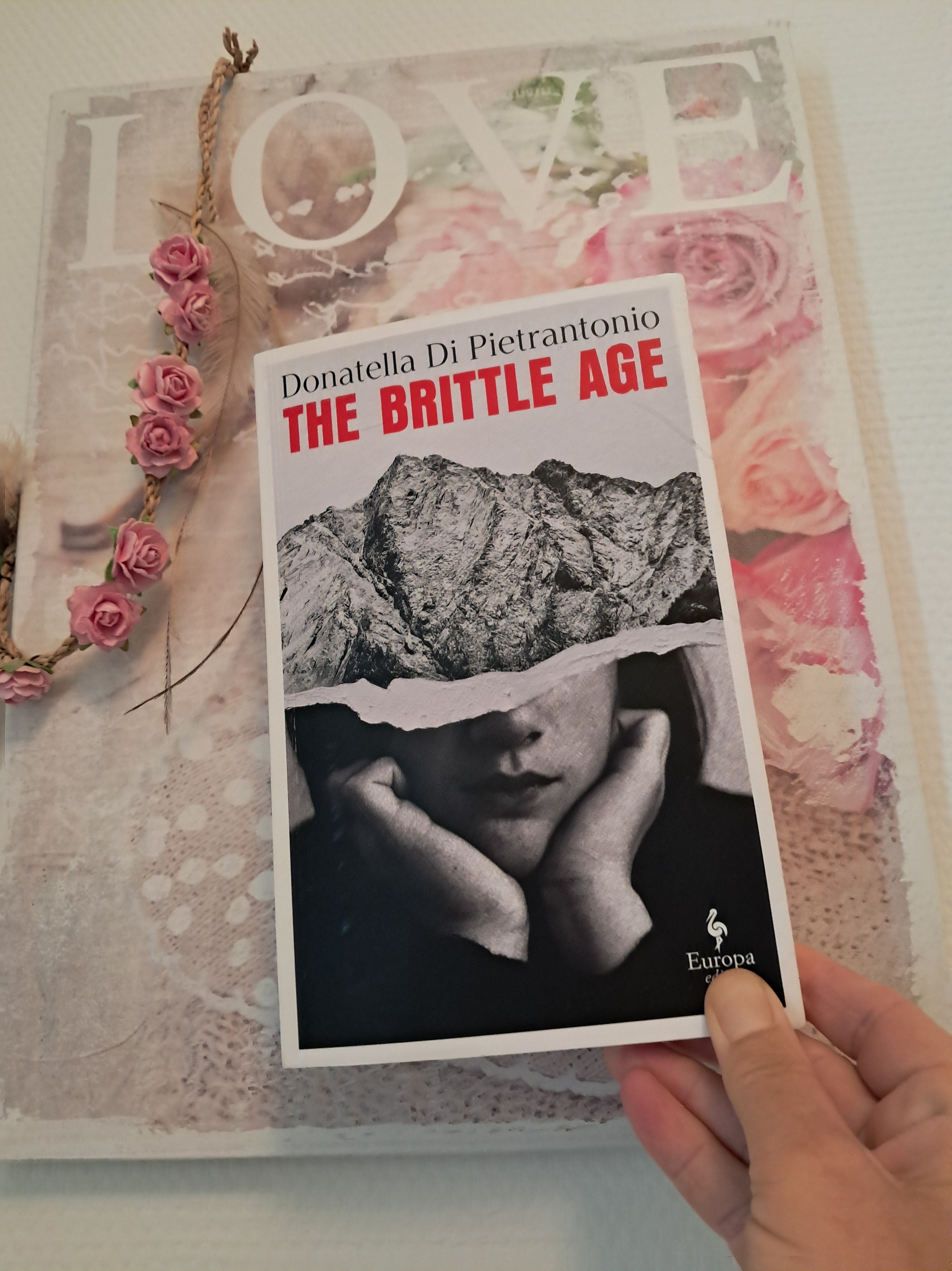
The Brittle Age (L’età fragile) by Donatella Di Pietrantonio (Italy) tr. Ann Goldstein
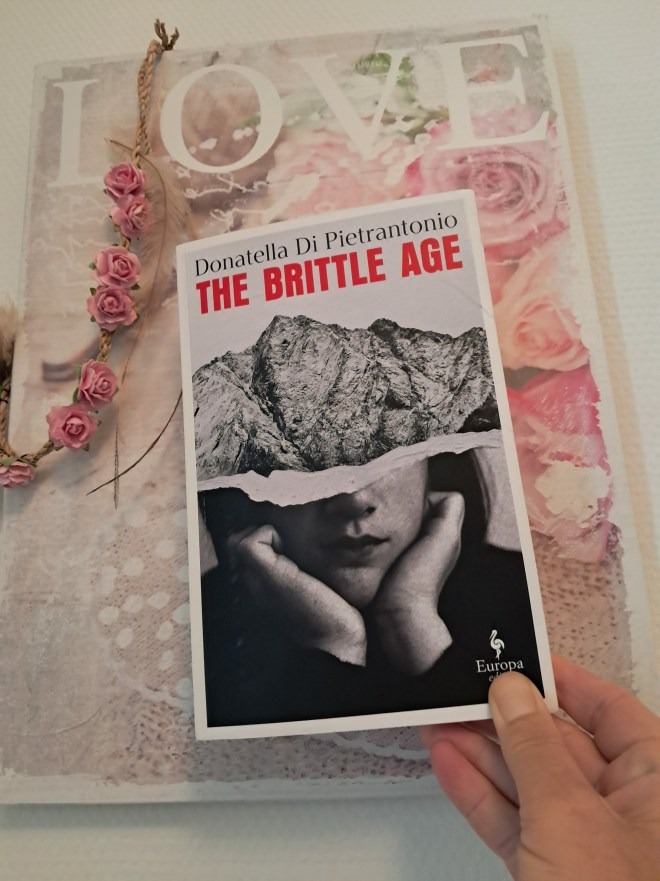
Winner of the 2024 Strega Prize, The Brittle Age is a novella inspired by an historic true-crime event in the 1990’s, a double femicide in the mountainous region of the Abruzzo Apennines in Italy, a novel dedicated to “all the women who survive”. The third novel I’ve enjoyed by her, since A Girl Returned and A Sister’s Story.

Though it is framed by an actual event, this novel really piqued my interest for the way it dealt with the mother-daughter relationship. Lucia’s daughter Amanda returns from Milan on one of the last trains as the pandemic shuts everything down, she stays in her room, barely eats, doesn’t talk, her phone lies uncharged under the bed. Lucia worries but can get nothing out of her.

The novel explores both the events of the past and the mother’s struggle to understand what is going on with her daughter. Amanda’s reclusiveness awakens memories and feelings Lucia has suppressed from 30 years ago. Although the story is about a crime, the mystery of what happens sits alongside the portrait of a fractured family and community, all impacted by the past, burying it with silence. I loved the balance of revelations of both past events and present predicaments, a most memorable read.

Our birthplace had protected us for a long time, or maybe that had been a false impression. We grew up in a single night.

All Our Yesterdays, Natalia Ginzburg (Italy) tr. Angus Davidson, Intro Sally Rooney

This might be my favourite Natalia Ginzburg novel – it sits alongside her family memoir Family Lexicon and often reminded me of parts of that book, clearly inspired by events she lived through.

Set in Northern Italy in the lead up to WWII, the war era through to liberated, it is a brilliant depiction of two Italian families (one family own the leather factory in town, the other is middle class), neighbours who live opposite each and everyone they’re connected to, everyone who enters their home – what they live through during this era, how they keep tabs on each other, the dilemmas they face, how they deal with them, their tragedies and accomplishments, their loves and losses.

The absence of the mother, and the ill health of their authoritarian father, intent on writing a memoir critical of the regime, looms over them and creates tension and an air of rebellion. Youth desire change and autonomy in a country that feels increasingly oppressive leading them towards risk and turbulent decisions.

This story and its characters was so immersive, and the depiction of difficult times treated with compassion, as we encounter each event, every friend or person connected to those two households. When not present they are the subject of letters, so at almost all times everyone is aware of the well-being of the others. In the second part of the novel, the focus shifts to the impoverished rural Italian south

It was so, so good, it really gives a sense of what it was like to live through this period for this family, especially knowing the hardship the author lived through, her young, anti-fascist husband Leone was tortured and murdered by the Gestapo.

This was a war in which no one would win or lose, in the end it would be seen that everyone had more or less lost.

Brandy Sour by Constantia Soteriou (Cyprus) tr. Lina Protopapa (Greek)

Another favourite from Foundry Editions, this is a wonderful novella that is like a series of vignettes set in an old hotel in Cyprus, each one from the perspective of a character with a connection to the hotel, their story told through a tale related to a particular beverage and often how it cures them of various afflictions. Clever but simplistic and there are threads that carry through making it read more like an interconnected story than separate stories.

He always wakes at dawn and he goes to the kitchen to have his coffee prepared the way he likes it. The only coffee of the day. With lots of kaymak and no sugar. Turkish coffee – Greek coffee, he always corrects himself – with sugar is an absolute waste of coffee. It needs to be bitter. There’s no point otherwise.
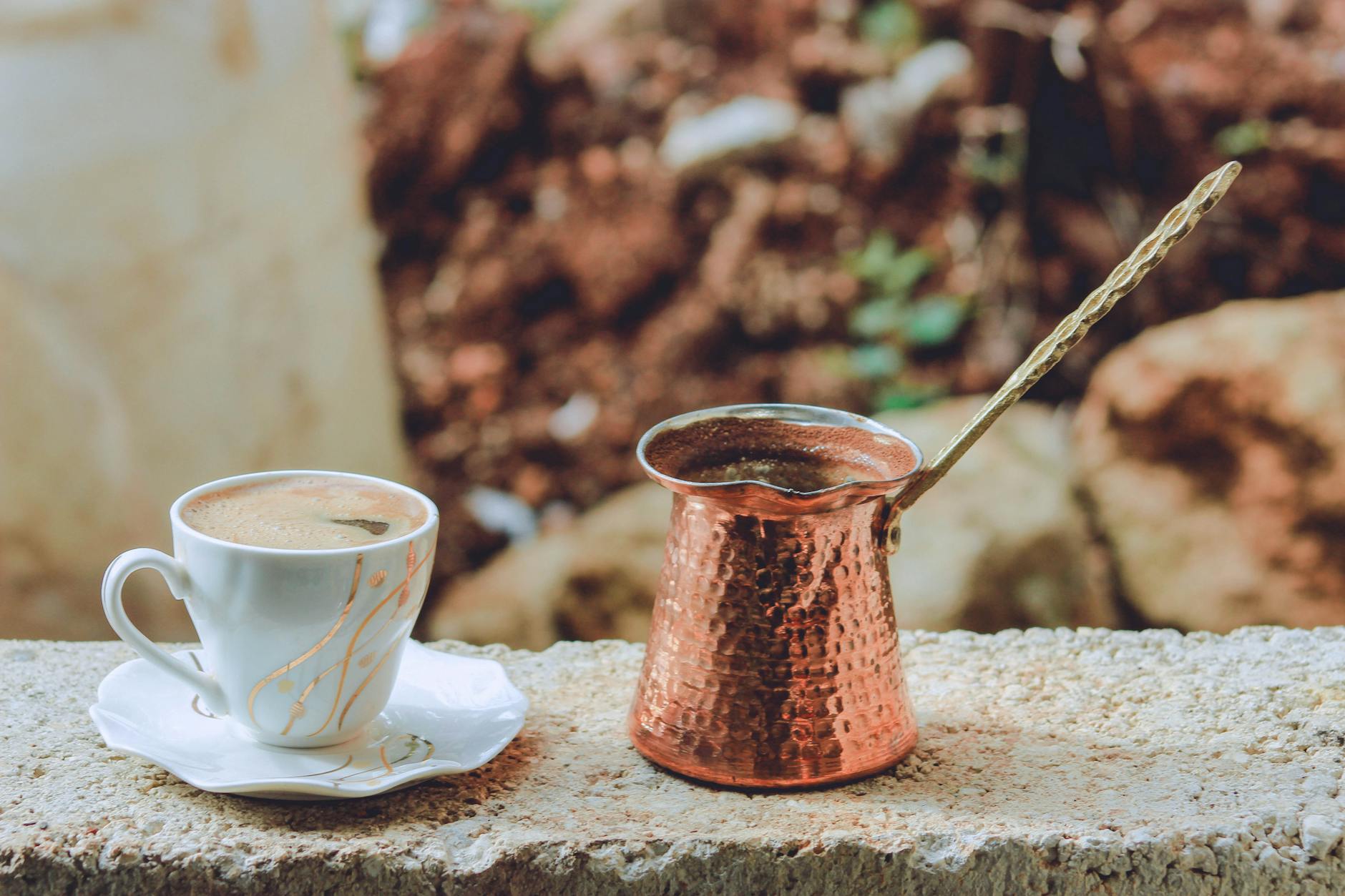
Coffee Brandy Sour turkish greek cofee Cyprus
Photo S. Daboul Pexels.com

The emblematic Ledra Palace Hotel was established in 1949 on Nicosia’s UN-controlled buffer zone, the Green Line that, since 1964, has divided the island into Greek Cypriot and Turkish Cypriot sectors and reading the book one discovers a little known history of the island and its people, those who visited int he past, from colonial visitors to the Egyptian King, employees, local villagers.

“The Palace was the epicentre of the island’s recent history. It was built as the promise of a new era; a haven for all nationalities, all communities. It drew people from all backgrounds: the wealthy bourgeoisie who lounged by its cerulean pool; the poorer working classes who made its beds – and its Brandy Sours…”

* * * * * *

That’s it for 2025. Let me know what works in translation were your favourites this year. Thanks for reading and sharing and commenting. Happy Reading!
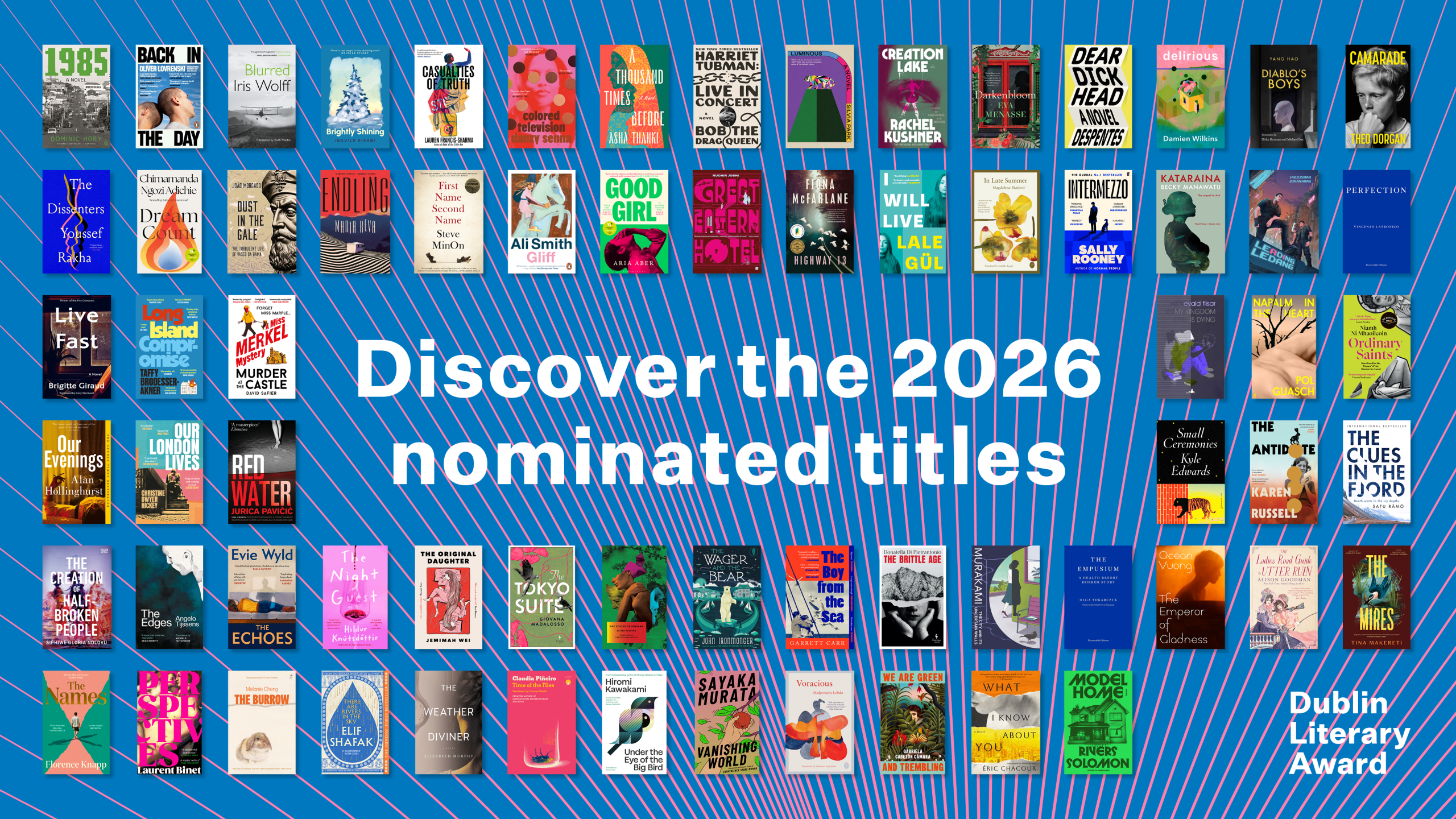
Dublin Literary Award Longlist 2026

The Dublin Literary Award nominations have been revealed, an award that allows international libraries to nominate one work of fiction, therefore achieving its aim to promote excellence in world literature.

For the 2026 Award, 69 titles have been nominated by 80 libraries from 36 countries, reflecting the best in fiction from Africa, Europe, Asia, USA, Canada, South America, Australia and New Zealand.

30 Books in Translation

The list features 20 debut authors, 30 translated titles in 17 languages including Brazilian Portuguese, Catalan, Chinese, Japanese and Polish.

This year the judges will select a longlist of up to 20 titles, to be announced on 17 February 2026 and the shortlist of 6 titles will be revealed on 7 April 2026. The winner will be announced on 21 May 2026.

Below I have listed all the titles by the country the author comes from, and next to it, the library that nominated it. I find this useful, in particular when a library votes openly and not merely patriotically.

The Nominated Titles By Country of Author

New Zealand (4 titles)

1985: a novel by Dominic Hoey (Dunedin Public Libraries)

Delirious by Damien Wilkins (Auckland Council Libraries)

Kataraina by Becky Manawatu (Wellington City Libraries) author of Aue

The Mires by Tina Makereti (Christchurch City Libraries)

Australia (4 titles)

First Name Second Name by Steve MinOn (State Library of Queensland)

Highway 13 by Fiona MacFarlane (National Library of Australia)

The Burrow by Melanie Cheng (State Library of NSW)

The Ladies Road Guide to Utter Ruin by Alison Goodman (State Library Victoria)

Ireland (5 titles)

Camarade by Theo Dorgan (Cork City Libraries)

Our London Lives by Christine Dwyer Hickey (Waterford City and County Libraries + Princess Grace Irish Library)

The Boy from the Sea by Garrett Carr (Galway Public Libraries)

Intermezzo by Sally Rooney (Redbridge Central Library + Liverpool Libraries)

Ordinary Saints by Niamh Ni Mhaoileoin (Libraries NI)

Canada (3 titles)

Small Ceremonies by Kyle Edwards (Winnipeg Public Library)

The Weather Diviner by Elizabeth Murphy (Newfoundland and Labrador Public
Libraries)

What I Know About You by Éric Chacour tr. Pablo Strauss (Bibliothèque de Québec + Toronto Public Library)

USA (10 titles)

A Thousand Times Before by Asha Thanki (The Seattle Public Library)

Casualties of Truth by Lauren Francis-Sharma (DC Public Library)

Colored Television by Danzy Senna (Milwaukee Public Library)

Creation Lake by Rachel Kushner (Chicago Public Library)

Good Girl by Aria Aber (Cleveland Public Library)

Harriet Tubman: Live in Concert: A Novel by Bob the Drag Queen (LA Public Library)

The Antidote by Karen Russell (Iowa City Public Library + New Hampshire State Library)

The Emperor of Gladness by Ocean Vuong (Hartford Public Library)

Model Home by Rivers Solomon (Carnegie Library of Pittsburgh)

Long Island Compromise by Taffy Brodesser-Akner (Bibliotheek Gent, Belgium)

United Kingdom (5)

The Names by Florence Knapp (Limerick City Library)

The Wager and the Bear by John Ironmonger (Norfolk Library)

Gliff by Ali Smith (Katona József Könyvtár, Hungary)

The Echoes by Evie Wyld (Bruges Public Library)

Our Evenings by Alan Hollinghurst (Richland Library, North Carolina)

Turkey

There Are Rivers in the Sky: A Novel by Elif Shafak (Municipal Library of Prague + Biblioteca Nazionale “Vittorio Emanuele III” Napoli)

India

Great Eastern Hotel by Ruchir Joshi (India International Centre)

Egypt

The Dissenters by Youssef Rakha (Fingal Libraries)

Nigeria

Dream Count by Chimamanda Ngozi Adichie (Almeida Garrett Municipal Library, Portugal + Openbare Bibliotheek Amsterdam + Bibliotheca Alexandrina, Egypt)

Zimbabwe

The Creation of Half-Broken People by Siphiwe Gloria Ndlovu (City of Cape Town Library, S.Africa)

Malaysia

Leading Ledang by Fadzlishah Johanabas (National Library of Malaysia)

South Korea

Luminous by Silvia Park (Bucheon City Library)

Singapore

The Original Daughter by Jemimah Wei (National Library Board Singapore)

Ukraine

Endling by Maria Reva (Ottawa Public Library)

In Translation

Norway

Back in the Day by Oliver Lovrenski tr. Nichola Smalley (Leipziger Städtische Bibliotheken, Germany)

Germany (3 titles)

Blurred by Iris Wolff tr. Ruth Martin (City Library Heidelberg)

Brightly Shining by Ingvild Rishøi tr. Caroline Waight (Oslo + Bergen Public Library)

Murder at the Castle: A Miss Merkel Mystery by David Safier tr. Jamie Bulloch (Stadtbibliothek Bremen)

Austria

Darkenbloom by Eva Manesse tr. Charlotte Collins (Zentralbibliothek Zürich)

France (3 titles)

Dear Dickhead: A Novel by Virginie Despentes tr. Frank Wynne (Mediathèque de la Grande Garenne)

Live Fast by Brigitte tr. Giraud Cory Stockwell (Bibliothèque municipale de Lyon)

Perspective(s) by Laurent Binet tr.Sam Taylor (Bibliothèques municipales de Genève)

Italy

Perfection by Vincenzo Latronico tr. Sophie Hughes (Biblioteca San Giorgio)

The Brittle Age by Donatella Di Pietrantonio tr. Ann Goldstein (Sistema Bibliotecario di Milano)

China

Diablo’s Boys by Yang Hao tr. Nicky Harman and Michael Day (Shanxi Library)

Japan (3 titles)

The City and Its Uncertain Walls by Haruki Murakami tr. Philip Gabriel (Frankfurt am Main Public Library)

Under the Eye of the Big Bird by Hiromi Kawakami tr. Asa Yoneda (Tartu Public Library, Estonia)

Vanishing World by Sayaka Murata tr. Ginny Tapley Takemori (Saiwaicho Okayama Public Library)

Portugal

Dust in the Gale by João Morgado tr. José Manuel Godinho (Lisbon Libraries)

The Netherlands

I Will Live by Lale Gül tr. Kristen Gehrma (de Bibliotheek Eindhoven)

The Edges by Angelo Tijssens tr. Michele Hutchison (De Bibliotheek Utrecht + National Library of the Netherlands)

Finland

The Clues in the Fjord by Satu Rämö tr. Kristian London (Helsinki City Library)

Iceland

The Night Guest by Hildur Knútsdóttir tr. Mary Robinette Kowal (Reykjavík City Library)

Poland

The Empusium by Olga Tokarczuk tr. Antonia Lloyd-Jones (”Octavian Goga” Cluj County Library, Romania)

Voracious by Małgorzata Lebda tr. Antonia Lloyd-Jones (Municipal Public Library of Tadeusz Różewicz, Wrocław)

Bosnia and Herzegovina

In Late Summer by Magdalena Blažević tr. Anđelka Raguž (University Library of Bern, Switzerland)

Croatia

Red Water by Jurica Pavičić tr. Matt Robinson (Rijeka City Library)

Slovenia

My Kingdom is Dying by Evald Flisar tr. David Limon (Mariborska knjižnica + Ljubljana City Library)

Spain

Napalm in the Heart by Pol Guasch Mara tr. Faye Lethem (Catalan) (Biblioteca Vila de Gràcia)

The Voices of Adriana by Elvira Navarro tr. Christina MacSweeney (Biblioteca de Andalucía)

Argentina

Time of the Flies by Claudia Piñeiro tr. Frances Riddle (Biblioteca Daniel Cosío Villegas, El Colegio de México)

We Are Green and Trembling by Gabriela Cabezón Cámara Robin Myers (Biblioteca Utopía) author of The Adventures of China Iron

Brazil

The Tokyo Suite by Giovana Madalosso tr. Bruna Dantas Lobato (Mário de Andrade Library + Biblioteca Demonstrativa Maria da Conceição Moreira Salles)

I have read four of the novels listed Elif Shafak’s There Were Rivers in the Sky which is excellent; Time of the Flies by Claudia Pineiro, a brilliant novel, Ocean Vuong’s excellent The Emperor of Gladness and the true crime novella The Brittle Age by Donatella Di Pietrantonio. I am currently reading Dream Count by Chimamanda Ngozi Adichie (Nigeria). I also have the Evie Wyld on my shelf and I want to read We Are Green and Trembling and The Mires by Tina Makereti.

There’ll likely be more but I need to look at them more carefully.

Any here interest you, especially the books in translation?

Warwick Prize for Women in Translation shortlist 2025

Six titles have been shortlisted for the 2025 Warwick Prize, established by the University of Warwick to address the gender imbalance in translated literature.

The prize highlights outstanding writing and aims to broaden the range of international women’s voices accessible to readers in the UK and Ireland. In its ninth year, from 145 eligible entries across 34 languages, came a longlist of 14 titles and now this shortlist of six titles from five languages.

Judges Comments

The judging panel of Boyd Tonkin, Susan Bassnett and Véronique Tadjo noted that the three remarkable novels on this year’s shortlist – by Evelyne Trouillot (Haiyi), Han Kang (South Korea) and Liliana Corobca (Romania) – deal in different but equally powerful ways with the traumas of history, and their long afterlives in memory, art and narrative.

“From Haiti, South Korea and the lands of the former Soviet Union, these books make the lingering shadows of the past into fully-realised experiences that can be transformed and redeemed by their telling.

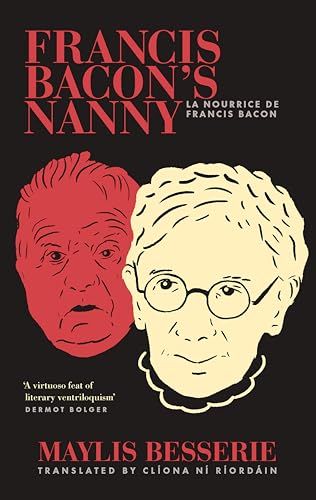
“In contrast, Maylis Besserie reinvents the genre of the “artist-novel” with wit, compassion and ingenuity. Kristina Toth’s luminous and haunting poetry tells the story of a self, in public and private. And Johanna Ekström’s and Sigrid Rausing’s commanding end-of-life memoir looks, with singular craft and courage, at how all our stories end.

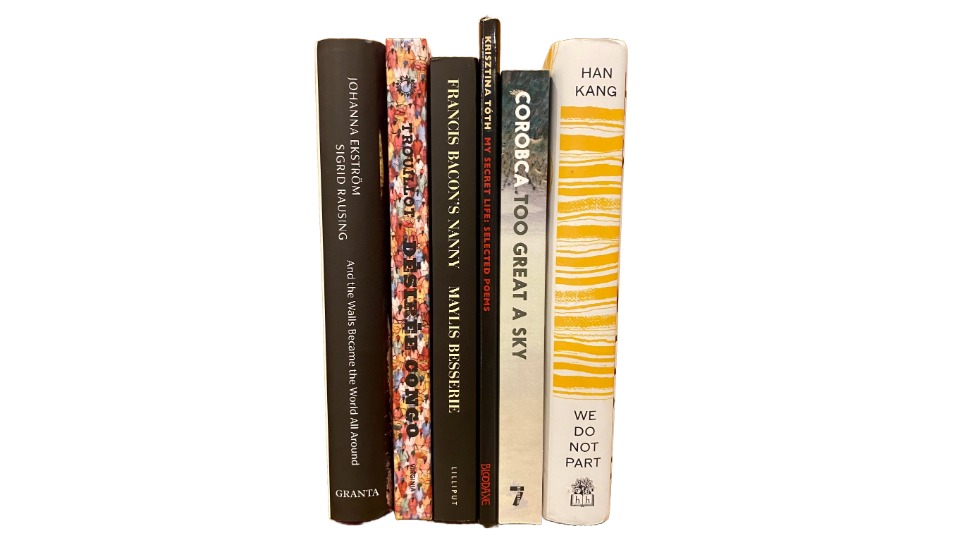
The 2025 shortlist, in alphabetical order, comprises:

Image of the shortlisted books

And the Walls Became the World All Around by Johanna Ekström and Sigrid Rausing (Sweden) (biographical memoir)

translated from Swedish by Sigrid Rausing (Granta)

And the Walls Became the World All Around Johanna Ekstrom translated by Sigrid Rausing

– Johanna Ekstrom was a Swedish artist and writer who published over a dozen books of poetry, fiction and memoir in her lifetime. In 2022, ill with cancer, she asked her closest friend, Sigrid Rausing, to edit and finish her final book. Originally a memoir on the loss of a relationship during the pandemic, the focus shifted from the loss of love to, potentially, the loss of life.

These excerpts from Ekstrom’s notebooks interwoven with Rausing’s reflections on the text and on their friendship are a testament to a voice and a life; a book made in grief over the loss of a close friendship of over thirty years.

Désirée Congo by Evelyne Trouillot (Haiti) (Historial fiction)

translated from French by M.A. Salvodon (University of Virginia Press)

Desiree Congo by Evelyne Trouillot

– Désirée Congo is a riveting, powerful, original novel set in the final years of the Haitian Revolution. In this richly textured work, Trouillot constructs an intricate web from the varied experiences of freedmen and women, maroons, enslaved African people and their Creole children, as well as French planters and white smallholders in colonial Saint-Domingue at a historical moment of upheaval.

A lyrical book whose characters enrich our understanding of the last confrontations between Haitian revolutionaries and Napoleon’s imperial forces; a conflict that resulted in the success of the largest slave revolt in recorded history and the independence of the first Black state in the western hemisphere.

Maylis Besserie, Francis Bacon’s Nanny (France) (Historical Fiction/ 20th Century Irish Art)

translated from French by Clíona Ní Ríordáin (The Lilliput Press)

Francis Bacon's Nanny by Mayliss Besserie translated from French by Clíona Ní Ríordáin

– At the centre of the life of the great artists was an unexpected life-long influences Jessie Lightfoot shielded a young Francis Bacon from the brutish violence of his bullying father, as well as from his worst self-immolating excesses later in life. The tenderness, wit and warmth of this inimitable Nanny stands in illuminating relief to the sulphurous palette that defined Bacon’s work.

Beyond the humour and heart of an extraordinary woman confronted with the shade and guile of the art world, Maylis Besserie offers a glimpse of Ireland in the first half of the 20th Centure, a place apart from the rest of the world, whose landscapes, imagery and animals haunted the painter’s canvases.

In the final of Maylis Besserie’s trilogy, her focus on the art and lives of artists who crossed borders between France and Ireland closes as Bacon confronts boundaries between the real and the imagined.

Krisztina Tóth, My Secret Life : Selected Poems (Hungary)

translated from Hungarian by George Szirtes (Bloodaxe Books)

My Secret Life, Krisztina Tóth (Hungary)
translated from Hungarian by George Szirtes

– Krisztina Tóth is one of the leading Hungarian poets of the generation who began publishing in the late 1980s. The recipient of many awards, she is also renowned for her fiction which has been translated into many languages including English.

My Secret Life is the first book of Krisztina Tóth’s poetry in English translation. The poems were selected by her from five of her nine published collections, with the addition of some new or previously uncollected poems.  This retrospective is translated by George Szirtes, winner of The King’s Gold Medal for Poetry, 2024.

‘Her work has the nervous energy of the times but is shaped by a deep and disciplined intelligence. Her subjects are invariably human. They are concerned with love, family, friendship, loss, and a kind of existential disaffection. Tragic in one sense but ever inventive, full of life’s minute yet highly resonant particulars, they seem to extend into an almost cinematic narrative about the cruelties of factory farming, murder, ageing, the treatment of women as sex toys and death itself. She is a bravura formalist when she needs to be. Her vigour and scope are enormous.’ – George Szirtes

Liliana Corobca, Too Great A Sky (Romania) (Historical fiction)

translated from Romanian by Monica Cure (Seven Stories Press UK)

The story of the deportation of Romanians from Bukovina to the steppes of Siberia in World War Two, an exercise in historical memory and a powerful story of maintaining humanity in impossible conditions.

Ana is eleven when the Soviet soldiers send her from Bukovina, Romania, to Kazakhstan. She is just one of many forced to leave behind her home and make the three-week long journey via freight train. The trip is a harsh, humiliating one, but in spite of the cold and the closeness of death, life persists in the train wagon in the form of storytelling, riddles, and ritual.

Years later, Ana recalls her childhood for her great-granddaughter, who is considering moving her to a nursing home. Her story, told with unflinching candour, is a chronicle of a life lived during a time of great political and national change, a story of an existence defined and curtailed by lines drawn on a map.

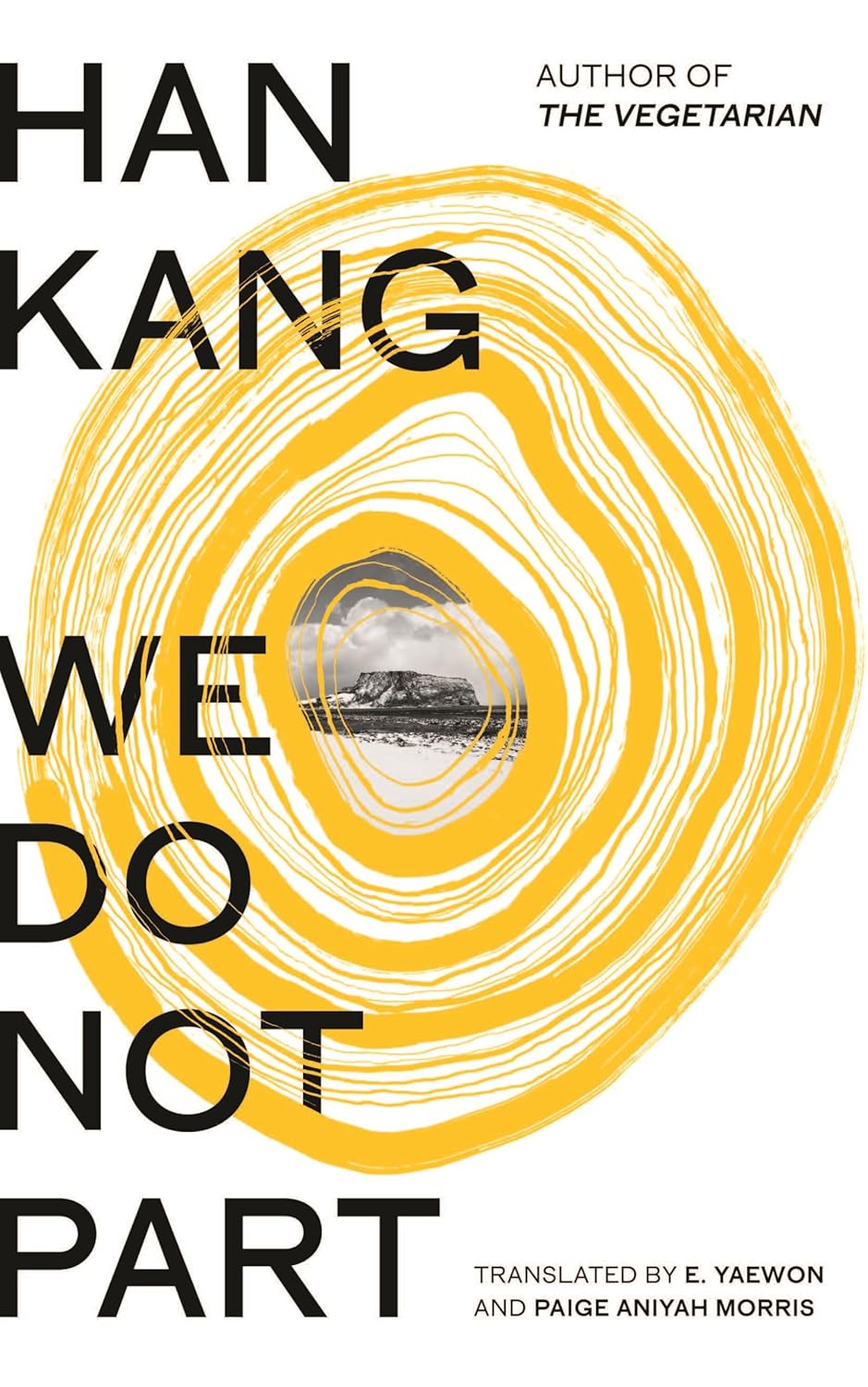
Han Kang, We Do Not Part (South Korea) (Historical fiction)

translated from Korean by e. yaewon and Paige Aniyah Morris (Hamish Hamilton, Penguin Random House UK)

We Do Not Part Han Kang shortlisted Warwick Prize for Women in Translation

– One morning in December, Kyungha is called to her friend Inseon’s hospital bedside. Airlifted to Seoul for an operation following a wood-chopping accident, Inseon is bedridden and begs Kyungha to take the first plane to her home on Jeju Island to feed her pet bird, who will quickly die unless it receives food.

As Kyungha arrives a snowstorm hits. Lost in a world of snow, she begins to wonder if she will arrive in time to save the bird – or even survive the terrible cold that envelops her with every step. She doesn’t yet suspect the darkness awaiting at her friend’s house.

There, the long-buried story of Inseon’s family surges into light, in dreams and memories passed from mother to daughter, and in a painstakingly assembled archive, documenting the terrible massacre 70 years before that saw 30,000 Jeju civilians murdered.

We Do Not Part is a hymn to friendship, a eulogy to the imagination, and above all a powerful indictment against forgetting.

* * * * * *

The winner will be announced on 27 November 2025 at a ceremony in London. 

Have you read any of the six books shortlisted? Let us know in the comments below.

Warwick Prize for Women in Translation longlist 2025

Fourteen titles have been longlisted for the 8th annual award of the Warwick Prize for Women in Translation. The 2025 competition received a total of 145 eligible entries from 34 languages.

The longlist covers 10 languages, with Slovenian represented for the first time in the history of the prize. 

The £1000 prize was established by the University of Warwick in 2017 to address the gender imbalance in translated literature and to increase the number of international women’s voices accessible by a British and Irish readership. 

“For this award that considers all genres on equal terms, the judges have found longlist places not only for fiction of all sorts – from fiercely contemporary short stories to the epic debut by one of the 20th century’s greatest literary voices. We have selected searing memoir too, and (this year) an especially rich haul of poetry. The poetry books stretch from luminous snapshots of everyday experience to immersive mythic narrative in verse. Like our prose selections, they demonstrate the vision and artistry both of the original authors – and of the translators who carry this precious cargo across languages and cultures. Without them, our imaginative worlds would be so much smaller, and poorer.”

The 14 longlisted titles are:

And the Walls Became the World All Around, Johanna Ekström & Sigrid Rausing (Sweden)

translated from Swedish by Sigrid Rausing (Granta) (Biography/Memoir)

– Johanna Ekstrom was a Swedish artist and writer who published over a dozen books of poetry, fiction and memoir in her lifetime. In 2022, ill with cancer, she asked her closest friend, Sigrid Rausing, to edit and finish her final book. Originally a memoir on the loss of a relationship during the pandemic, the focus shifted from the loss of love to, potentially, the loss of life.

These excerpts from Ekstrom’s notebooks interwoven with Rausing’s reflections on the text and on their friendship are a testament to a voice and a life; a book made in grief over the loss of a close friendship of over thirty years.

Désirée Congo, Evelyne Trouillot (Haitian)

translated from French by M.A. Salvodon (University of Virginia Press)

– Désirée Congo is a riveting, powerful, original novel set in the final years of the Haitian Revolution. In this richly textured work, Trouillot constructs an intricate web from the varied experiences of freedmen and women, maroons, enslaved African people and their Creole children, as well as French planters and white smallholders in colonial Saint-Domingue at a historical moment of upheaval.

A lyrical book whose characters enrich our understanding of the last confrontations between Haitian revolutionaries and Napoleon’s imperial forces – a conflict that resulted in the success of the largest slave revolt in recorded history and the independence of the first Black state in the western hemisphere.

Djinns, Fatma Aydemir (Kurdish)

translated from German by Jon Cho-Polizzi (Peirene Press)

– For thirty years, Hüseyin has worked in Germany, taking every extra shift and carefully saving, providing for his wife and their four children. Finally, he has set aside enough to buy an apartment back in Istanbul – a new centre for the family and a place for him to retire. Just as this future is in reach, Hüseyin’s tired heart gives up. His family rush to him, travelling from Germany by plane and car, each of his children conflicted as they process their relationship with their parents, and each other.

Reminiscent of Bernardine Evaristo or Zadie Smith, Djinns portrays a family at the end of the 20th century in all its complexity: full of secrets, questions, silence and love.

The Empusium, Olga Tokarczuk (Poland)

translated from Polish by Antonia Lloyd-Jones (Fitzcarraldo Editions)

– In Sept 1913, Mieczysław Wojnicz, a student suffering from TB, arrives at Wilhelm Opitz’s Guesthouse for Gentlemen, a health resort in what is now western Poland. Every day, residents gather to imbibe the hallucinogenic local liqueur, to obsess over money, status and to discuss the great issues of the day: Will there be war? Monarchy or democracy? Do devils exist? Are women inherently inferior?

Meanwhile, disturbing things begin to happen around the guesthouse. As stories of shocking events in the nearby highlands reach them, a sense of dread builds. Someone, or something seems to be watching them and attempting to infiltrate their world. Little does Mieczysław realise, as he tries to unravel truths within himself and the mystery of the sinister forces beyond, that they’ve chosen their next target.

A century after the publication of The Magic Mountain, Olga Tokarczuk revisits Thomas Mann territory and lays claim to it, blending horror story, comedy, folklore and feminist parable with brilliant storytelling.

Francis Bacon’s Nanny, Maylis Besserie (France)

translated from French by Clíona Ní Ríordáin (The Lilliput Press)

– At the centre of the life of the great artists was an unexpected life-long influences Jessie Lightfoot shielded a young Francis Bacon from the brutish violence of his bullying father, as well as from his worst self-immolating excesses later in life. The tenderness, wit and warmth of this inimitable Nanny stands in illuminating relief to the sulphurous palette that defined Bacon’s work.

Beyond the humour and heart of an extraordinary woman confronted with the shade and guile of the art world, Maylis Besserie offers a glimpse of Ireland in the first half of the 20th C, a place apart from the rest of the world, whose landscapes, imagery and animals haunted the painter’s canvases.

In the final of Maylis Besserie’s trilogy, her focus on the art and lives of artists who crossed borders between France and Ireland closes as Bacon confronts boundaries between the real and the imagined.

Hungry for What, María Bastarós (Spain)

translated from Spanish by Kevin Gerry Dunn (Daunt Books Publishing)

– Violence and desire shatter the surface of the everyday in an exceptional collection of short stories.

A game between a woman’s father and husband simmers and boils into scalding danger; a daughter creates an elaborate feast for her grieving mother; a solar eclipse burns the emotions and truths of a suppressed neighbourhood into the open.

Foregrounding voices and experiences of women and children, veering from claustrophobic, suffocating suburbia to untamed nature and its great vistas of desert and sky, hungry for what focuses on the terror of normality, prising back its veneer of respectability to reveal the hostility & menace that seethe beneath.

Lies and Sorcery, Elsa Morante (Italy

translated from Italian by Jenny McPhee (Penguin Press)

– For years Elisa has lived in an imaginary world of her own but when her guardian dies, young Elisa feels compelled to confront the truth of her family’s tortured and dramatic history by telling the story of her mother, Anna, and grandmother, Cesira. Elisa is a seductive, if less than reliable, spinner of stories, drawing the reader into a tale of intrigue, treachery and self-delusion, which is increasingly revealed to be an exploration of a legacy of political and social injustice.

First published in 1948, Elsa Morante’s novel won the Viareggio Prize & earned her the lasting admiration of writers such as Italo Calvino and Natalia Ginzburg.

My Secret Life, Krisztina Tóth (Hungary)

translated from Hungarian by George Szirtes (Bloodaxe Books)

My Secret Life is the first book in English translation by one of the leading Hungarian poets of the generation who began publishing in the late 1980s. The poems in My Secret Life were selected from three of nine published collections, with the addition of some new or previously uncollected poems. 

Phantom Pain Wings, Kim Hyesoon (South Korea)

translated from Korean by Don Mee Choi (And Other Stories)

– Winged ventriloquy – a powerful new poetry collection channelling the language of birds by one of South Korea’s innovative contemporary writers. An iconic figure in the emergence of feminist poetry in South Korea and now internationally renowned, Kim Hyesoon pushes the poetic envelope into the farthest reaches of the lyric universe. In her new collection, Kim depicts the memory of war trauma and the collective grief of parting through what she calls an “I-do-bird-sequence,” where “Bird-human is the ‘I.’”

Too Great A Sky, Liliana Corobca (Romania)

translated from Romanian by Monica Cure (Seven Stories Press UK)

– The story of the deportation of Romanians from Bukovina, an exercise in historical memory which demonstrates how to maintain humanity in impossible conditions.

Translation of the Route, Laura Wittner (Argentina)

translated from Spanish by Juana Adcock (Bloodaxe Books & Poetry Translation Centre)

– In poems that are precise, frank & finely tuned, award-winning Argentine poet Laura Wittner explores the specificities of parental and familial love, life after marriage, and the re-ignition of the self in middle age.

Un Amor, Sara Mesa (Spain)

translated from Spanish by Katie Whittemore (Peirene Press)

– Fleeing from past mistakes, Nat leaves her life in the city for the rural village of La Escapa. She rents a small house from a negligent landlord, adopts a dog and begins to work on her first literary translation. But nothing is easy: the dog is ill tempered and skittish and misunderstandings with her neighbour’s thrum below the surface. When conflict arises over repairs to her house, Nat receives an unusual offer that tests her sense of self, challenges her prejudices, and reveals her most unexpected desires. As she tries to understand her decision, the community of La Escapa comes together in search of a scapegoat.

Vanishing Points, Lucija Stupica (Slovenia)

translated from Slovenian by Andrej Peric (Arc Publications)

– Lucia Stupica’s 4th book of poetry comes after a decade of silence allowing her poetic voice to become more complex and sensitive to the cracks in time and in the world through which she observes fragments of life – imperfect, painful and real. Her expression retains its tenderness, establishing a deep dialogue with the world, the past and the present, with appearances and the things they conceal.

In an attempt at a new understanding of the world, Stupica writes of the role of women as the hidden movers of history, and the role of those, be they a man, a child or a random stranger, who see the experience of the other, and are open to it. These poems of love, loss, mystery and what lies beyond our understanding make for a haunting and memorable collection in Andrej Peric’s beautiful translation.

We Do Not Part, Han Kang (South Korea)

translated from Korean by e.yaewon & Paige Aniyah Morris (Hamish Hamilton, Penguin Random House UK)

– One morning in December, Kyungha is called to her friend Inseon’s hospital bedside. Airlifted to Seoul for an operation following a wood-chopping accident, Inseon is bedridden and begs Kyungha to take the first plane to her home on Jeju Island to feed her pet bird, who will quickly die unless it receives food.

As Kyungha arrives a snowstorm hits. Lost in a world of snow, she begins to wonder if she will arrive in time to save the bird – or even survive the terrible cold that envelops her with every step. She doesn’t yet suspect the darkness awaiting at her friend’s house.

There, the long-buried story of Inseon’s family surges into light, in dreams and memories passed from mother to daughter, and in a painstakingly assembled archive, documenting the terrible massacre 70 years before that saw 30,000 Jeju civilians murdered.

We Do Not Part is a hymn to friendship, a eulogy to the imagination, and above all a powerful indictment against forgetting.

* * * * * *

I have not read any of these titles, though I have read Han Kang’s extraordinary Human Acts, which this new novel reminds me of. Here the Novel Prize winning author asks similar questions of humanity. Another Nobel Prize winning author Olga Tokarczuk, has a new book here; I enjoyed Drive Your Plow Over the Bones of the Dead, but looking out for the less familiar, I’m interested in Kurdish author Fatma Aydemir‘s Djinns and another Italian classic author Elsa Morante looks tempting, despite the length.

Now that I’ve created the summaries, I can reread them at a leisurely pace in one location.

Any that interest you from this list?

The winner will be announced at a ceremony at The Shard in London on Thursday 27th November.

Somebody Is Walking on Your Grave by Mariana Enriquez tr. Megan McDowell #RIPxx

My Cemetery Journeys

Someone is Walking On Your Grave My Cemetery Journeys Mariana Enriquez

Argentinian author Mariana Enríqeuz is known for unconventional and sociopolitical stories of the macabre, amid contemporary Argentina. Her stories are populated by unruly teenagers, crooked witches, homeless ghosts and hungry women walking the troubled line between urban realism and literary horror.

Though I’ve seen her Gothic titles on the International Booker shortlist, an overactive imagination has constrained my curiosity to venture further until now.

When I saw that Granta were publishing a memoir-like collection of essays that chronicle her travels through graveyards of the world, steeped in history, legend and local culture, I was more than intrigued, I wanted to take that journey with Mariana Enriquez as my guide.

One Woman’s Obsession and Another’s

This is not fiction, it’s a journalistic travel diary, beginning with her first teenage encounter in Genoa, Italy, spanning years of visits and curating the experiences that came with them, and a potted history of characters she momentarily became obsessed with while visiting 21 cemeteries across four continents.

I admit that I have my own obsession with cemeteries, though not to visit them or to seek out historical characters; my interest is in the words left behind, the clues that help me recreate a lineage.

I discovered that it is possible to do that online through ‘Find a Grave’, another way to find ancestors and fill in the gaps in a family tree, creating one’s own virtual cemeteries populated with the memorials of those who came before.

Lest we forget or should we never have known and have a compulsion to awaken our soul remembering. I visit these virtual creations, solve some of their mysteries and see into the lives of those forgotten, as if they were there, tapping me on the shoulder inviting me to come and witness how it was.

A Goth Flaneur Coming of Age

From that very first essay about her journey as a 25-year-old to Italy with her mother I was hooked. Mariana Enriquez described herself as a ‘goth‘ from about the age of six years old and in her book, travels to cities and obscure locations around the world with the aim of visiting a place of rest, unravelling stories as she goes.

In her gripping, journalistic style, she shares why each graveyard was important to visit, whether part of an interesting historical aspect, or because of a particular personality, or a rumour about the strange things that allegedly happen there. It surprised me initially that many of these places require security, some even have ticket offices, because strange things can happen in broad daylight as well as the dead of night.

Each essay gives the country and location of the cemetery and the year she visited and sometimes there is a photo of a particularly interesting sculpture. In an NPR interview with Ayesha Rascoe, she expanded on her youthful inclinations and inspiration in seeking out these places of rest.

Reading Edgar Allen Poe – and then with the years, I learned that also cemeteries have a lot to say about life, about the history of the people. And then Argentina in the ’70s, the decade where I was born, had a dictatorship that made a lot of bodies disappear. Therefore, there’s a generation of people that were killed by the government, and they don’t have a grave.

I realized that that trauma, that is very engraved in my life, somehow made me feel that a grave, a tombstone – it’s something of comfort. It’s a final thing in a good way.

Death and the Maiden, Staglieno

So it begins with Death and the Maiden, Monumental Cemetery of Staglieno, Genoa in 1997 and this essay is literally the initial seduction into the collection, Mariana’s mother had enough money to take her first trip to Europe and invited her daughter along.

Genoa wasn’t her priority; when read of the places in Italy that were, I’m drawn down literary, art and historical rabbit holes in delight. But Staglieno at least had graves that featured on the cover Joy Division‘s single Love Will Tear Us Apart, even if she had never liked them.

In a public square in Genoa is where she meets the perfect goth boy playing violin, an Italian Englishman, like a creature out of Mary Shelley or Byron. Someone to accompany her on her pilgrimage.

Enzo was the most beautiful creature I had ever seen. At least for me, for my idea of beauty, which is shadowy and pale and pliant, black and blue, a little moribund but happy, more dusk than night.

Welsh Immigrants in Patagonia

When Enriquez travels to Trevelin Cemetery in Chubut, Agentina, 2009, I learn about the Welsh who left their homeland to settle in Patagonia in 1865. Having been exploited and discriminated against in the United Kingdom and fearing losing their language and identity, 153 Welsh men, women and children boarded the ship Mimosa and arrived in a place that was something of a disappointment, but became the most significant Welsh colony in Argentine Patagonia.

I learn about characters from this group, the little known history that explains the proliferation of Jones, Thomas and Evans, the foreign words on the gravestones, in a place where many today still speak Welsh.

The Mountains of San Sebastian to Rottnest Island

From English soldiers buried in forest graves on a Basque mountain near San Sebastian in Spain, I read of more minor historical events and wonder about the meaning of the words on the chapel, “Every hour wounds; the last one kills.” So many stories and mystery among the remains.

In 2007, she accompanies her Australian boyfriend Paul who works as a bike mechanic on Rottnest Island, half an hour from Freemantle in Western Australia. A stable, long distance relationship that is headed towards marriage and an outsider’s view of a curious part of the world where the lead singer of AC/DC came of age, went to jail and is buried. She wants to see his grave.

The place has a booming real estate market, houses with yards full of healing crystals and fairies, collectors of all kinds who exhibit their cabinets of curiosities in the streets, artists, musicians, and a sparse but continuously fluctuation itinerant population linked to the port – people who can be unhinged, unstable and on occasion violent.

Weirded out by the hotel-asylum they’re staying in, she takes the ferry to the island, once inhabited by the Noongar Aborginal people, also used as a prison and visits the burial grounds, unearthing more story of post-colonial and indigenous poeples.

Savannah to New Orleans to Cuba to Edinburgh

I don’t wish this make this overly long, because I feel like I could write paragraphs on every essay; they are so interesting, quirky, incredible and speak so much to the different cultures they inhabit, from a very different perspective than what anyone would usually encounter visiting a foreign country.

If you came from New Orleans, I guess you would know about the vibrant characters that inhabit it, both the living and the dead. I did not know that it is the site of the second most visited grave in American after Elvis, that of the 19th century midwife, herbalist and philanthropic Voodoo practitioner of French, Spanish and African origins Marie Laveau.

Then there was the controversy surrounding the Pietro Gualdi marble sculpture of a seated woman in a robe holding a bouquet of flowers that Dennis Hopper and Peter Fonda requested permission from the Italian Society to use in the tomb scene of Easy Rider. Suffice to say all requests since then have been denied. And Nicholas Cage’s pyramid? A pharaonoic tomb waiting for a body.

Frankfurt was brief, Cuba was fascinating and macabre and sad after the friend who hosted her became the first close associate whom death claimed. Savannah was touristy and disappointing, I mean how could the book cover of John Berendt’s novel Midnight in the Garden of Good and Evil have caused such havoc and chaos to a place of rest?

Edinburgh was crowded, full of folklore; people visiting the graves of random names J.K.Rowling chose as characters for her Harry Potter books. Bizarre comes in so many different forms, real, imagined and just because.

Taphophilia Syndrome and the Magnificent Seven

I learn a new word. Taphophile, people who are passionate about cemeteries, memorials, and the history they hold. And Taphophilia syndrome? An abnormal attraction for graves. Who knew there were so many?

The visit to London’s Highgate cemetery fascinated me because I lived so close to it for some years, yet never had an inclination to visit. Audrey Niffenegger’s Her Fearful Symmetry, set in the cemetery sat unread on my shelf for years. To read about it here and what the author encountered there was like stepping into another realm, as all these places are, existing in the in-between.

Highgate and London’s Magnificent Seven created from 1833-1841 just demonstrated to me how little the living can be aware of the cult of the dead right next door.

Day of the Dead 1-2 November

Mexico seems to be the only country that retains a feeling of celebration around the departed. Though she visits and writes of its traditions, Enriquez has never been there for the Day of the Dead, when souls return and are welcomed to their family home to eat with their living relatives.

Here in France 1 November is the public holiday Toussaint (All Saint’s Day) and there is a mass visitation to cemeteries all over the country, when families visit, tidy up, pay their respects and bring chrysanthemum’s to family graves.

The Mexican anthropologist Alfonso Alfaro said, “We are a people who maintain a privileged relationship with death.” And the art critic Luis Cardoza y Aragon wrote:

Death is a universal theme of human expression. Mexico’s feeling toward death, the familiarity, tenderness and simplicity in its treatment of death, its obsession, which it sees as neither tragic nor funereal, but rather nuptial and natal, imbued with an immediate everydayness, an imperious and serene visibility, characterized more by cascading laughter than lamentation – it all harbours the unlearned wisdom of a cosmic and playful conceptualization, as if in perpetual amazement, that is particular to Mexico.

Prague to Paris to Eva Peron and the Disappeared

Prague has its legends but is overrun by tourists; Mariana resists and admits maybe it’s because she’s not a fan of Kafka.

In Paris, I hear of the fascinating history and grisly dilemma of 12th century Holy Innocents Cemetery in the Les Halles quarter that lead to the creation of the Montmartre catacombs. And a visit down there.

Eventually the journey comes full circle to Buenos Aires, Argentina, to the aristocratic Recoleta Cemetery, where Eva Peron is buried. Described once as ‘Venice without the canals’ it has ostentatious vaults like palaces along narrow streets, where everything is above ground, a way of showing off grandeur.

Peron’s journey there is an enthralling tale of body snatching, written about in Santa Evita by Tomas Eloy Martinez. A macabre story, it is one that Enriquez shares with freinds visiting the cemetery, one she told her husband Paul on their first date, that turned into a second date, though not everyone reacts that well she admits.

The Appartition of Marta Angélica

Part of the reason to write these stories came from reflections when her friend’s mother’s remains were identified after being found in a mass grave, having disappeared thirty-five years previously, kidnapped, disappeared and presumed killed, by the military dictatorship in Argentina.

“for someone like me who grew up in a dictatorship that had the peculiarity of making bodies disappear,” the idea of a tomb and of a cemetery was overshadowed by the political trauma.

The idea of no burial, no grave, no funeral rite, that’s what’s traumatic for me.”

Thank you for patiently reading, if you made it this far.

I absolutely loved and was riveted by this book of essays. I read it over the course of a month or so, it was too interesting and thought provoking and worldwide encompassing to read too quickly. It surprised me how compelling it was, with the right blend of personal story, characters met on her travels, fascinating known and unknown history and the insights into different cultural rituals and treatment of the subject of death, burial and even the movement and perceived ownership of or control over bodies. It gives even more meaning to those letters RIP.

Highly Recommended.

Further Reading

Mariana Enríquez Essay: Notes on Craft – on writing dark fiction

NPR Interview : ‘Somebody Is Walking on Your Grave’ – a journey to cemeteries across 4 continents

Author, Mariana Enríquez

Mariana Enríquez is an award-winning Argentine novelist and journalist, whose work has been translated into more than twenty languages.

She is the author of Things We Lost in the Fire and The Dangers of Smoking in Bed, which was shortlisted for the 2021 International Booker Prize. Our Share of Night was awarded the prestigious Premio Herralde de Novela.

“People often ask me why I like to write dark fiction. Horror. Weird tales… There is something about horror and dark fiction that is familiar and homely, and at the same time, always audacious. It’s with this language that I can explain myself and explain what I worry about.”

N.B. This book was an ARC (Advance Reader Copy) kindly provided by the publisher via NetGalley.

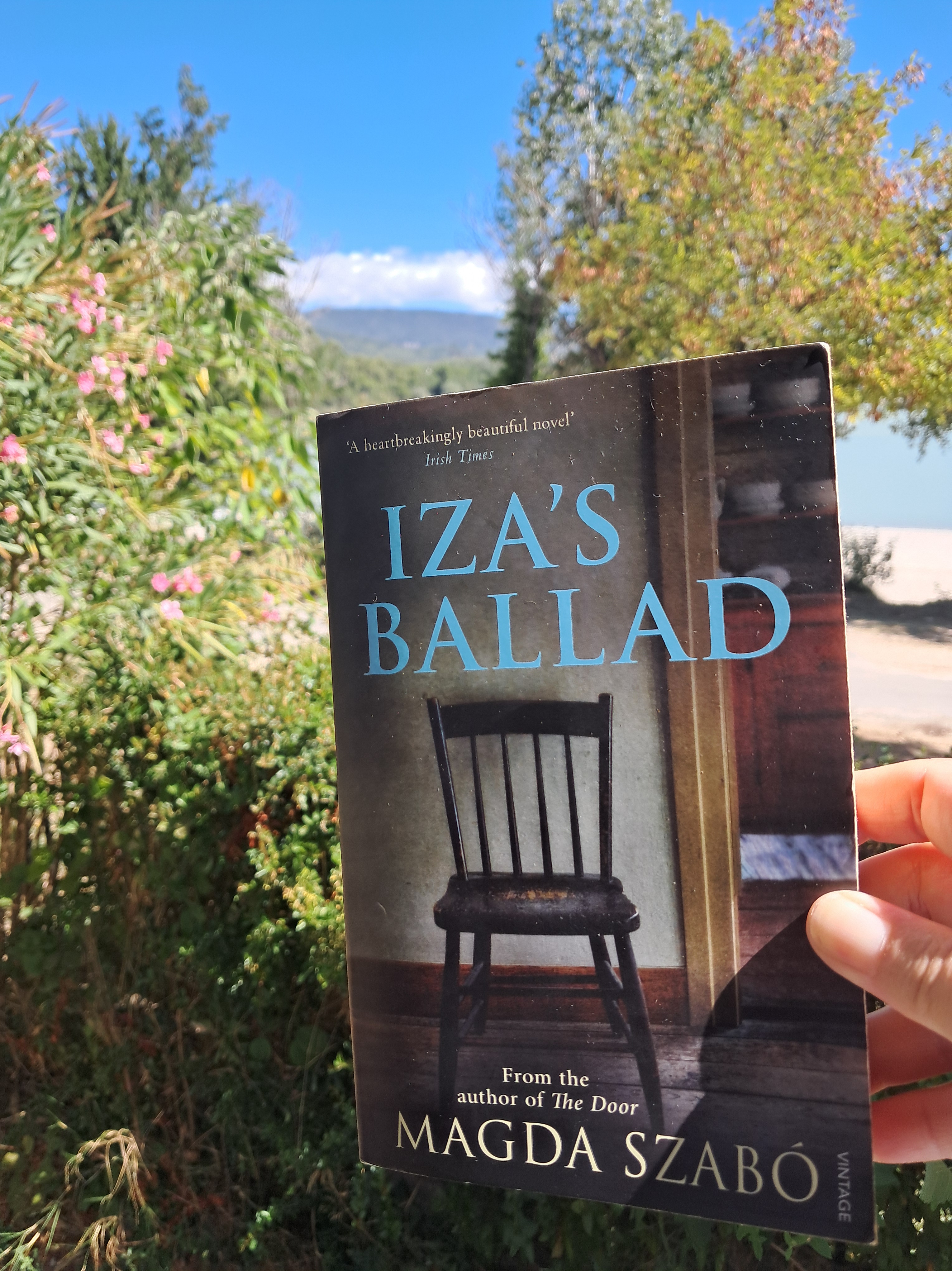
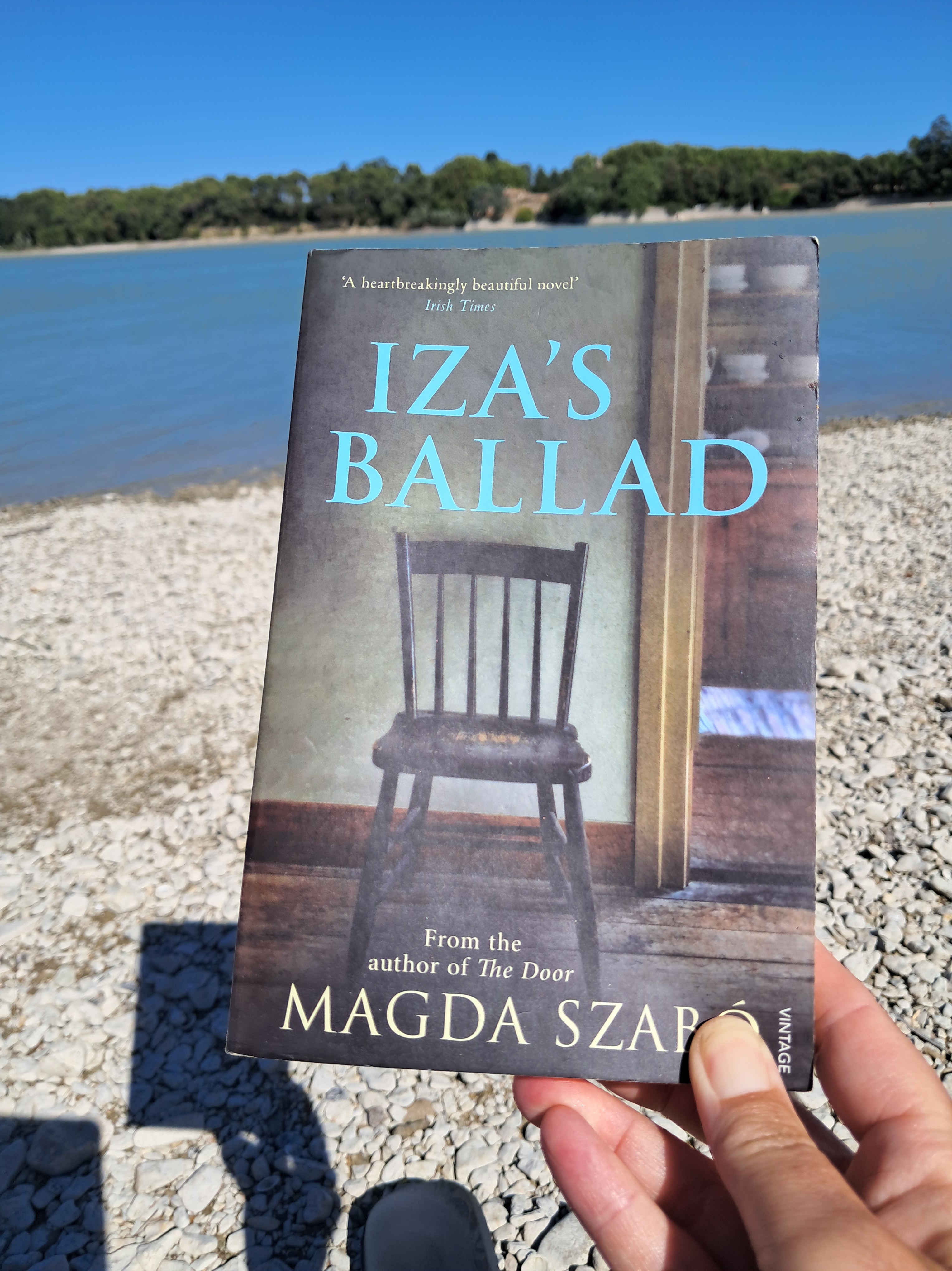
Iza’s Ballad by Magda Szabó (Hungary) tr. George Szirtes

A few catch up reviews from August 2025’s Women in Translation month. I realised I’ve mentioned them elsewhere but not here. The link above has a summary of all the novels I read during #WITMonth with links to reviews. So many of them were excellent 5 star reads, the 3 Italian novels, the Mexican, French.

Hungarian Literature in Translation

Magda Szabó’s Iza’s Ballad (2014), translated from Hungarian by George Szirtes was originally published in Hungary in 1963 and brought to English fifty years later in 2014. She was the most translated Hungarian author, brought back to popularity thanks to Len Rix’s translations of her novels Abigail (2020) and The Door (2006) and Katalin street (2017).

It is the story of traditional villager Ettie and her daughter Iza, who lives in Budapest and the sequence of events in the wake of the death of Ettie’s husband Vince, when the daughter swiftly moves her mother away from the countryside and her familiar community to the city, where everything will be taken care of.

The news arrived just as she was toasting bread.

Three years earlier Iza had sent them a clever little machine that plugged into the wall and made the bread come out a pale pink; she’d turned the contraption this way and that, examined it for a while, then stowed it on the bottom shelf of the kitchen cupboard, never to use it again.

Thrust into a Modern Era

Ettie’s grief finds no solace in the new situation, baffled by the ways of her daughter and the city, where she struggles to find her place or role to assuage her loss. Even getting outside for fresh air becomes a source of anxiety due to the confusion of not knowing the area, the traffic, the transport system. Teréz who cooks, is hostile doesn’t want her in the kitchen or cleaning, no one wants her old-fashioned coffee or help.

She understood how an old woman rapidly heading towards eighty, who had spent all her life on firm ground, coping with straight forward problems, would now feel as though her life were hanging by a thread, and she also understood the bitterness she must be feeling, a bitterness she had never articulated in words that must have been there all the time: she was, after all, an old but still active woman, and she was in mourning. Having established the nature of their relationship, Teréz wanted to show her some tenderness without endangering her own importance and position.

How Not to Age Gracefully

Photo by N. Emmert Pexels.com

Written in four parts, Earth, Fire, Water, Air, the narrative hops back and forth from present to past as we grow to understand the family, their relationships and the great divide between their generations and the lives they lead.

The story moves slowly through Vince’s illness and past and then speeds up with his demise as Ettie is literally thrust into a new era.

She was right, she was always right, it was just that old people grow fond of things that mean much more to them than the young.

A Formidable Daughter

Iza is an adept busy Doctor, divorced, childless, has a night companion and is extremely independent. Employing teréz to take care of all her domestic arrangements, she wants her mother to be looked after and not to have to do a thing, believing she should appreciate that.

Photo by J. Mahnke on Pexels.com

One activity at a time she tries to find her role, only to be continuously rebuffed. Everything is taken care of and the effect as she pulls back from one potential helpful chore after the other is a slow deterioration of all ‘joie de vivre’. Her daughter’s efficiency removes all chance of Ettie helping out and efforts to do so, create more problems, further undermining the elderly mother’s sense of well-being.

She felt as if some elemental blow had destroyed everything around her and that only now did she really know what it was to be a widow, someone absolutely abandoned.

Return to One’s Roots

book cover of Magda Szabo's Iza's Ballad Hungarian literature in translation

When she hears the headstone is ready for placement, Ettie makes plans for her return. It is quite a revelation to her for everything to feel so familiar and so strange at the same time. But her time away has hastened her decline and things don’t go as smoothly as she would have liked.

There’s so much more to the story and the backstory of the character’s that leads them to the predicament they are in by the time Ettie reaches widowhood. It’s an incredibly well portrayed depiction of the sudden transition of the aging mother from her simple village home to the modern convenience of her daughter’s third floor apartment in Budapest, and the effect that removing an elderly person from their familiar environment and from the process of transitioning can have.

Thought provoking and reflective, with an element of tension as the status quo can not be supported, it’s an excellent novel that captures an important and little acknowledged societal shift, of a dying era and of interesting mother daughter power dynamics.

Have you read any good Hungarian novels?

Further Reading

The Grande Dame: Magda Szabó – A Portrait

Author, Magda Szabó

Hungarian novelist, essayist, poet and literary translator Magda Szabó was born in Debrecen, Austria–Hungary in 1917 and died in 2007. She began her literary career as a poet and disappeared from the publishing scene in the 1950’s for political reasons, making a living teaching and translating from French to English.

She began writing novels and in 1978 was awarded the Kossuth Prize, the most prestigious literary award in Hungary. Her novel The Door won the Prix Feminina Etranger in France and the Oxford-Weidenfeld Translation Prize and made into a film starring Helen Mirren.

She lived a long, eventful life decorated with many outstanding achievements in the field of literature, with several of her books being translated into more than 40 languages.

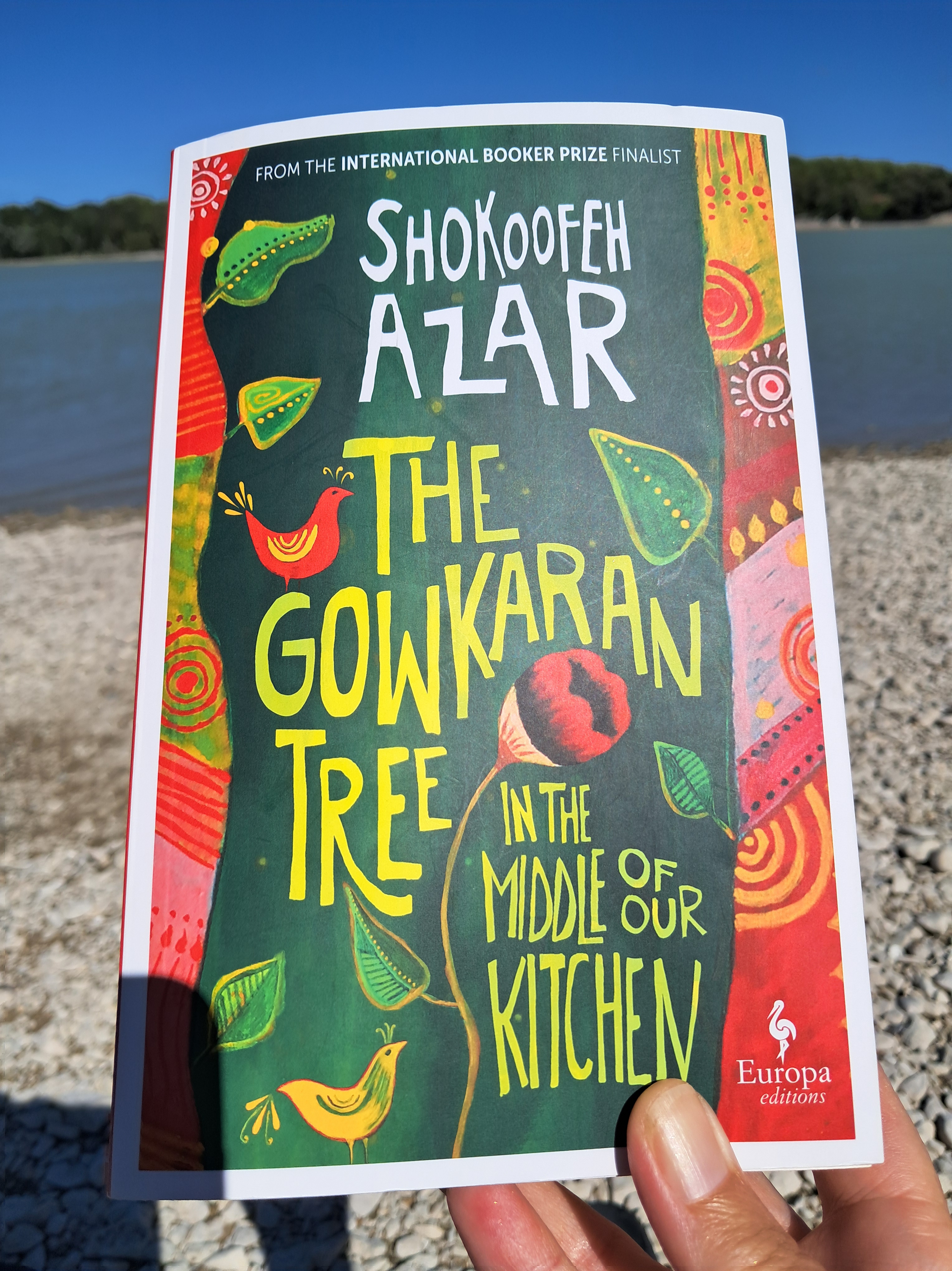
The Gowkaran Tree in the Middle of Our Kitchen by Shokoofeh Azar (Iran) tr. Anonymous

In Feb 2020 I read Shokoofeh Azar’s epic debut novel, The Enlightenment of the Greengage Tree (my review) translated from Farsi. An Iranian writer living in exile in Australia, I was excited to have the opportunity to read a brilliant work of imagination in English. It was later shortlisted for the International Booker Prize (UK), longlisted for a National Book Award for Translated Literature (US) and three Australian Book Awards including the Stella Prize.

Epic and challenging, both that novel and this latest both use elements of magic realism in a unique way to explore recent history, (that of the Iranian Revolution in 1979), while referencing mythic texts and ancient aspects of Iranian culture, which an outsider won’t necessarily pick up on them all, but how incredible a feat, to maintain a compelling plotline that explores the past and uses the metaphysical to assist with confronting situations that are painful to contemplate, creating meaning and helping to overcome trauma.

“Magical realism is not only a realm of boundless imagination, it is also a powerful literary and cultural tool for resisting dominant and imposed powers… I turn to this genre to confront authoritarian structures in Iran while celebrating the true cultural and artistic beauty of my country.”

Preserving a Culture Through Storytelling

Again in The Gowkaran Tree in the Middle of Our Kitchen, Azar writes to embrace and acknowledge family, a beautifully diverse and colourful culture, complex politics, revolution and resistance.

The novel tells a story about a Zoroastrian family with twelve children and a long, interwoven lineage, where the living and the dead are both present and absent, sometimes called on or observed when needed to understand how to navigate the present. Those living in the now are often less aware than those who came before and this connection with their heritage and family is part of the way they survive difficult times.

The story starts with the strange occurrence of a Gowkaran Tree appearing one day in their bustling kitchen, travelling up towards the ceiling, alive with bird life and firmly rooted.

No one but family can see the tree, and while making repairs, their father, a University Professor decides to build a round table around the trunk. The kitchen was their centre and beneath the walls of the old mansion lay the remains of eleven other mansions.

A big, twelve-person table. In this way the Tree of Knowledge, the Tree of Life, the Bas-Tokhmeh Tree, the Gowkaran Tree, the Tree of the Incident, became the kitchen’s centre of gravity.

The grandmother Khanom Joon tells her granddaughter (the narrator Shokoofeh) some of the old family stories, of love and storytelling and the 1,762 notebooks containing the memoirs of their ancestors. She tells her own story and that of the Ball of Light that follows her.

“Curled up in a chair, I let history go and breathed in the air of love and suddenly realised that from now on I was caught. That said, in my dreams I had seen that this madness would grip us both, neither of knowing when it began or how long it would go on. Just like this mansion and this timeless tree and the history of foreigner’s incursions and invasions in this country.”

A Heroine on a Quest, Mentors Abound

I’m not going to even attempt to describe too much of the plot, suffice to say that it is something of the heroine’s journey for the young narrator, who is in the throes of falling in love and will be sent on a quest to search for her brother Mehab, who has gone to fight in the war. A coming-of-age story in harsh times, and yet a celebration of that which continues to resist and persevere and give fruit.

The journey brings to light the terror of a country taken over by despots, and the predicaments of those who capitulate and those who refuse, the voiceless and the silenced. And throughout the Gowkaran Tree remains, rooted, alive and bringing those who remain together.

Why Trees Matter

Trees are a recurring motif in Shokoofeh Azar’s novels. Trees often live on longer than humans, just as our ancestral lineage does, they are places of refuge and transendence.

Photo by Vraj Shah on Pexels.com

The rootedness of a big tree in the middle of a kitchen is a symbol of resistance, of strength and the power of deep, familial roots. Its central presence helps preserve what is under threat – family heritage, culture and identity.

The earthy, rooted tree grounds the magical realism element, allowing the author to meander into myth and folklore without losing the connection to the aspects of the story that are firmly rooted in reality. The reader surrenders and goes with it, relieved by the presence of the Ball of Light and terrified by the danger our protagonist is exposed to on her solo journey.

Destiny and Liberty

The book is made up of 27 chapters in two parts, Part One The Womb of Destiny takes place in and around the home mansion and in Part Two The Ordeal of Liberty, our protagonist is sent out alone on her mission to overcome challenges and learn something before her return.

“The way is reached by taking it.”

Book cover of The Gowkaran Tree in the Middle of our Kitchen by Shokoofeh Azar

If you’ve read her earlier works, you’ll be prepared for how unique the storytelling is, but if you’re not a fan of magic realism, this might challenge, however for me it was worth it for the immersion in the storytelling, culture and literary tradition, even if not all the references are familiar. The occasional footnotes are helpful.

The way the plot takes the reader on the journey to save a brother, while encountering historical characters along the way reads like a blend of fable and adventure with philosophical insights mitigating the challenging obstacles required to overcome.

At 512 pages, I admit that once I was out of holiday mode, I set it aside, due to the sheer size of it. I do think it asks a lot from readers today to engage with such a massive book.

Shokoofeh Azar has developed a unique style of magic realism to narrate harsh truths about a society under political and cultural oppression, while sharing its depths of family unity, cultural heritage and dedication to resistance. Overall, I highly recommend it and look forward to where she goes next and hope for a more taut, less ambitious novel next time.

Further Reading

Review: World Literature Today : The Gowkaran Tree in the Middle of Our Kitchen by Andrew Martino

Read a great review at Tony’s Reading List

Iranian Daughters: Struggling for the Rights Their Mothers Lost in the Revolution by Sepideh Zamani

Video Conversation : After the Revolution, Edinburgh Book Festival

Shokoofeh Azar, Author

Born in Iran in 1972, the author worked as a journalist and field reporter in her country, covering human rights issues. After several arrests in connection with her work as a journalist, on advice from her family, she fled Iran in 2010 and was granted asylum in Australia, where she has lived as a political refugee since.

She is the author of essays, articles, and children’s books, and is the first Iranian woman to hitchhike the entire length of the Silk Road.

N.B. Thank you to Europa Editions for the review copy.

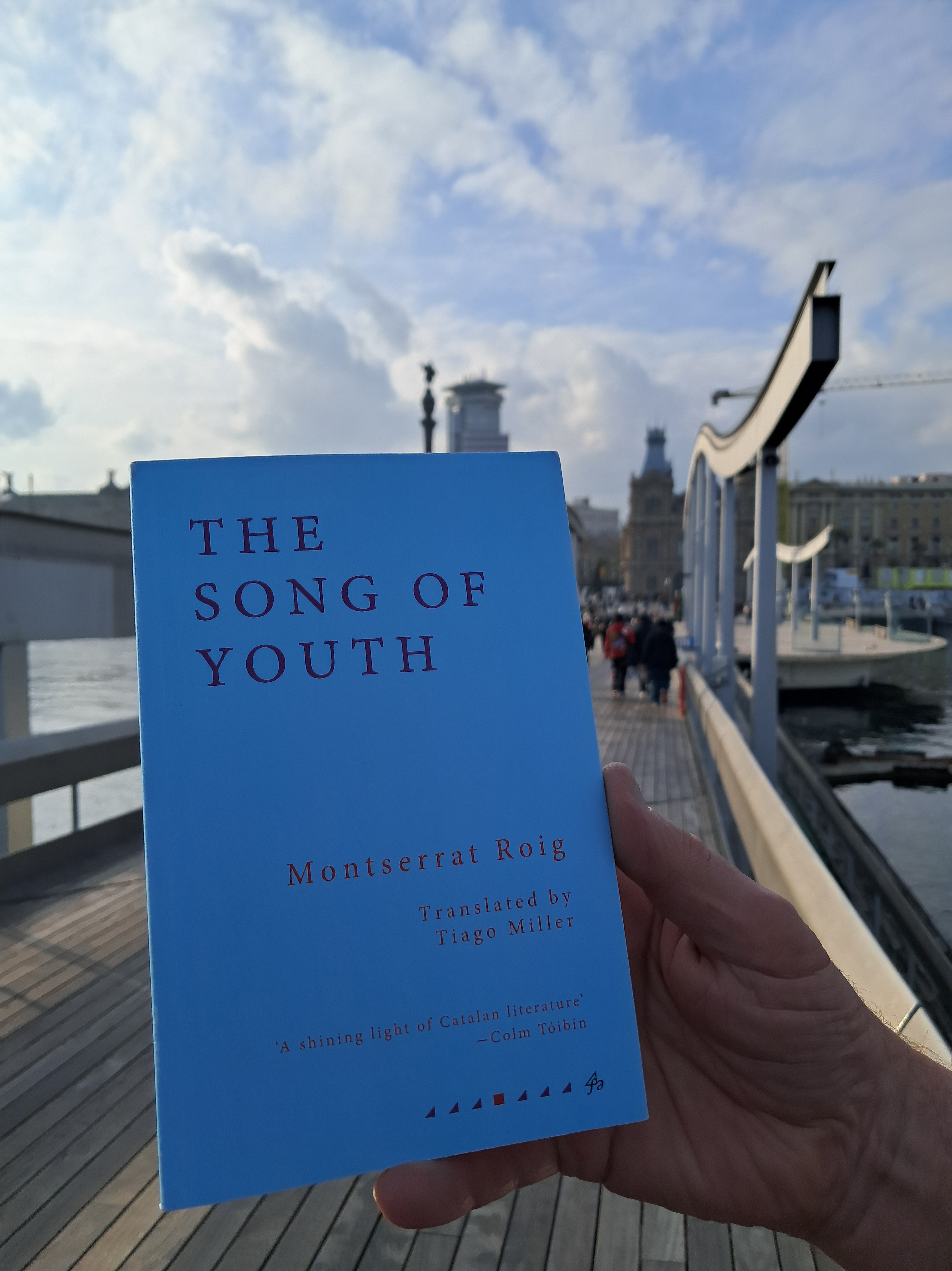
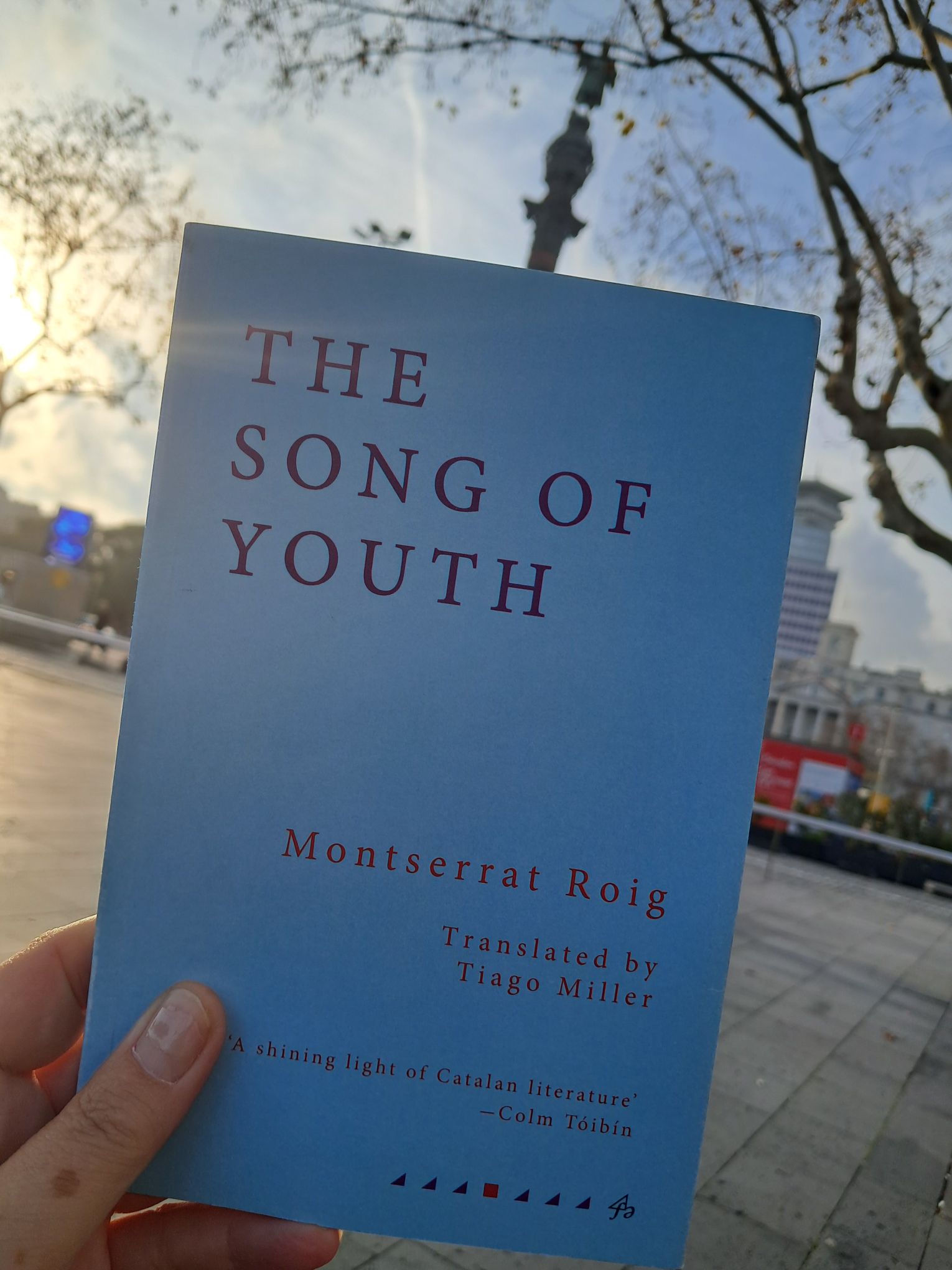
The Song of Youth by Montserrat Roig tr. Tiago Miller

The Song of Youth ‘el cant de la joventut’ is a slim collection of short stories written by Montserrat Roig translated by Tiago Miller, published in English in 2022 by fum de stampa press (originally published in Catalan in 1989).

It was shortlisted for the 2022 Republic of Consciousness Prize, (now rebranded the Queen Mary Small Press Fiction Prize) that rewards ‘bold and innovative’ literary fiction by small presses publishing 12 or fewer titles a year that are independent of any other commercial financial entity.

The winner of that prize in 2025 was There’s a Monster Behind the Door by Gaëlle Bélem (Ile de Reunion), translated from French by Karen Fleetwood and Laëtitia Saint-Loubert and in 2024 Of Cattle and Men (reviewed here) by Brazilian writer Ana Paula Maia, translated by Zoë Perry, published by Charco Press.

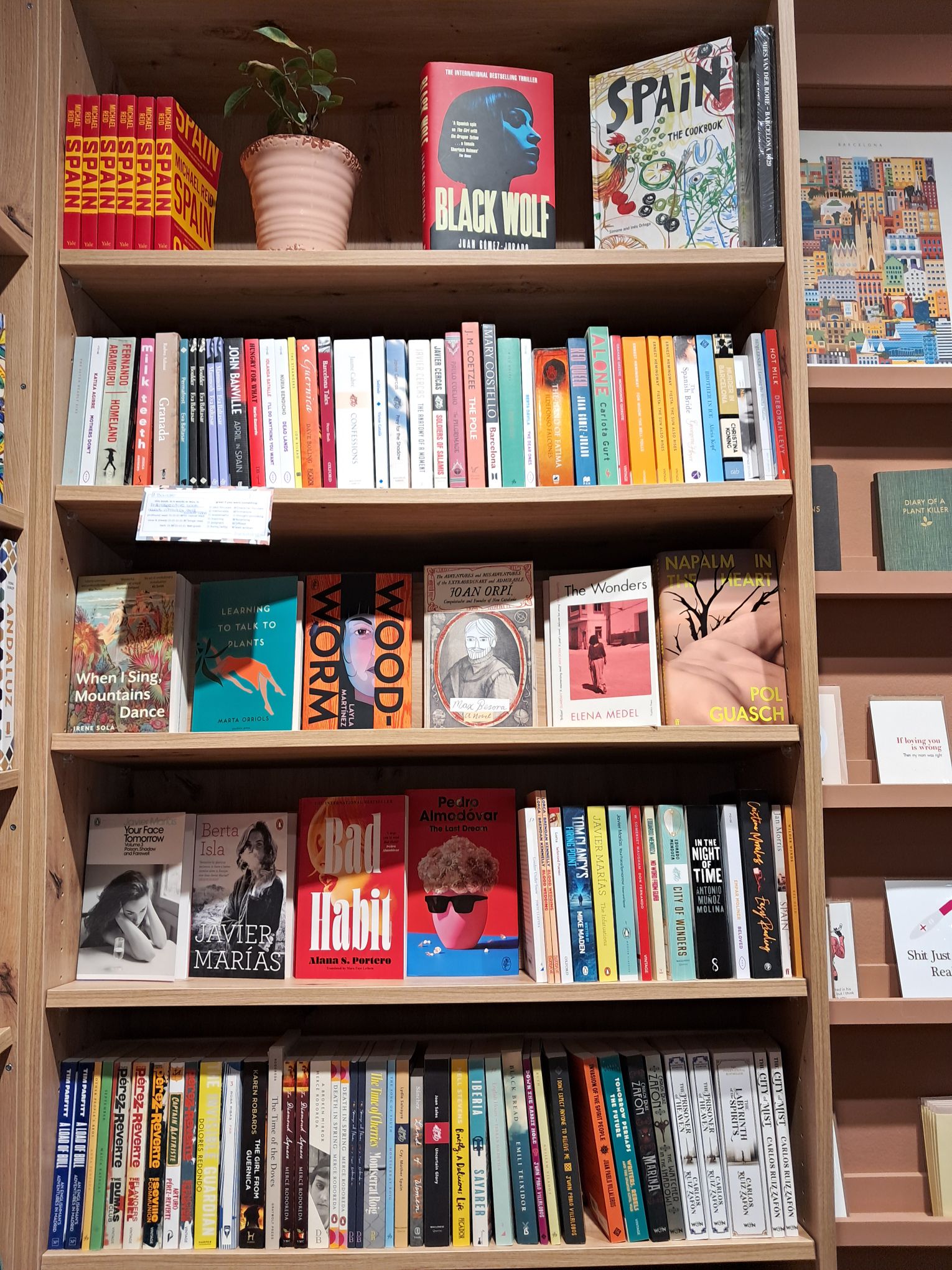
Finding and Reading Catalan literature in Catalonia

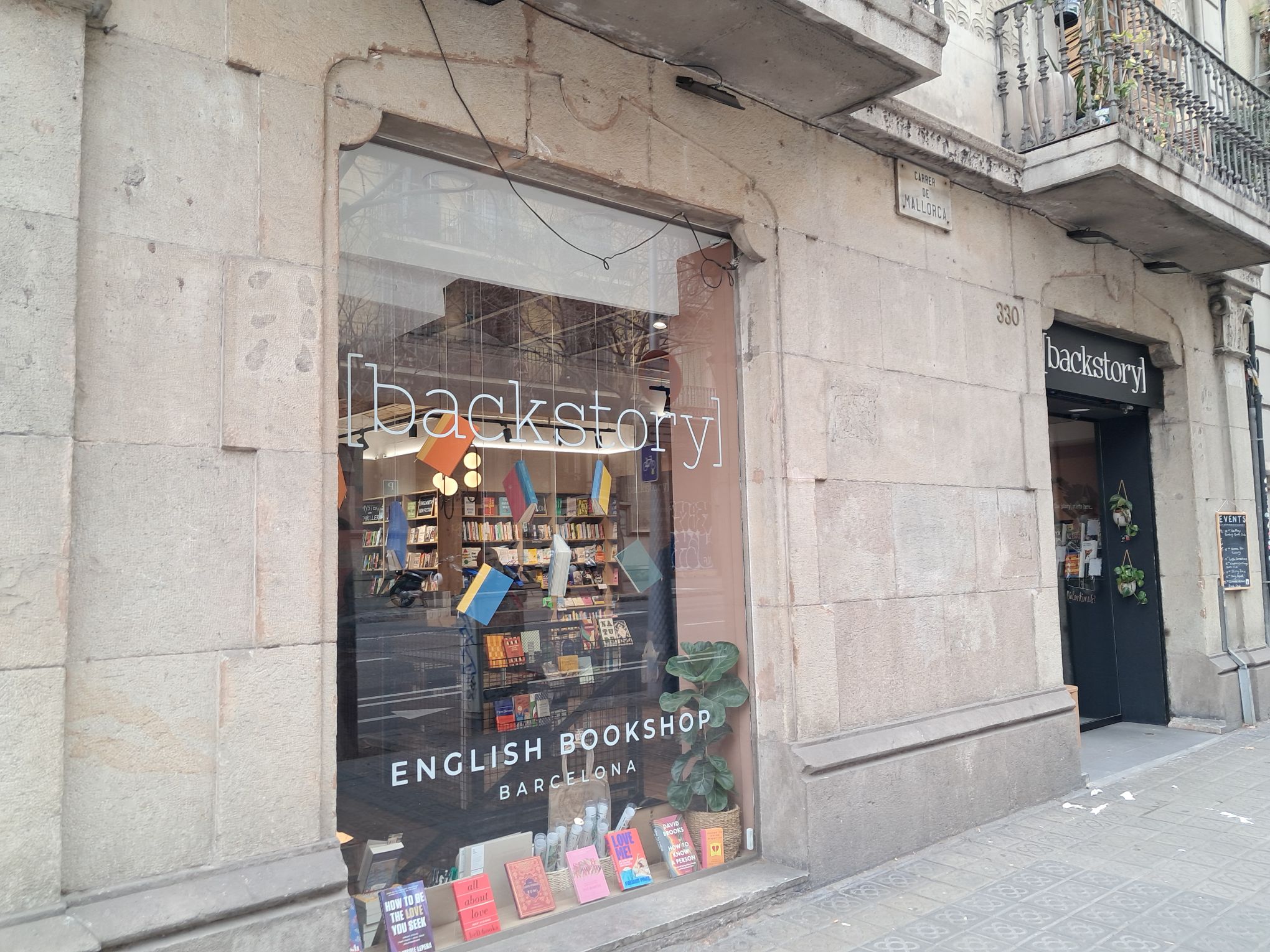
Backstory Bookstore Barcelona

When I visited the Backstory Bookshop in Barcelona, I was interested in and looking for Catalan literature that embraced something of its history in some way.

Monserrat Roig (1946-1991) was a novelist, short story writer, investigative journalist and feminist activist widely regarded as forming a central part of the Catalan canon, inspiring many other Catalonian writers to seek the intimate, personal testimonies of ordinary people, within a wider version of history guided by a strong sociopolitical engagement.

One of Roig’s many literary strengths was creating and placing subversive characters in deeply philosophical and provocative narratives, and bringing out their flawed, tender and very real aspects. It is helpful to consider this when reading her bold collection of short stories.

I’m going to mention two out of the collection that really stayed with me, The Song of Youth and Mar. Love and Ashes packs a punch, but is so short, it need not be described here.

The Song of Youth

I found it helpful to be reminded of this context, written on the back of the book.

In The Song of Youth, Montserrat Roig boldly presents eight remarkable stories that use language as a weapon against political and social “dismemory.” Her powerful and striking prose allows the important stories of those silenced by the brutal Franco regime to, at last, come to the fore. The Song of Youth is undoubtedly feminist and deeply critical but, as always, Roig’s lyrical writing gives shape, depth, and significance to the human experience.

This is how author Eva Baltasar described the collection:

The Song of Youth represents an array of lagoons in which Montserrat Roig’s most extraordinary flowers lay their roots.”

The short story collection by Montserrat Roig The Song of Youth Catalan literature translated fiction

After the first reading of each story, I felt like I was sitting at the edge of one of those lagoons, firstly appreciating the flowers, though not always seeing those roots in the deep, dark depths. And so I went back and reread them. I wrote on and around the pages, and looked up the poetic literary references and was in awe.

The opening story, The Song of Youth, reread a few times, revealed its many layers with each reading. It is magnificent. I think it is a story that needs to read quietly to concentrate, like contemplating a work of art, it won’t reveal itself at a first glimpse. However, it is perfect as it is. A celebration of dying moments and the power of memory, of a life lived courageously.

I turn my face from the ominous day,
Before it comes, everlasting night,
So lifeless, it’s long since passed away.

But shimmering faith renews my fight,
And I turn, with joy, towards the light,
Along galleries of deepest memory.
JOSEP CARNER, Absence

A woman lying prone in hospital with her eyes closed, near the end of her life, observes the white coat of the Doctor and has flashbacks to her youth, a stranger in a white shirt walked into the bar where she sat with her parents, with a decisive air. A transgression.

The men who came from the war didn’t have that air.

She opens her eyes, she is still alive. Everything as it was when she closed them. She knows the sounds. The sounds that keep them alive and the sounds that warn of encroaching death.

“They all died at daybreak. Just like the night.”

She is defiant. She is determined to remember a word. She succeeds.

It’s not easy to describe, this too is a story that needs to be experienced, to read the clues and the disjointed moments of the present and past that create the whole.

Death, Memory and Friendship

To Montserrat Blanes

Life has taught me to think but thinking has not taught me to live. HERZEN

The story MAR is the hardest hitting and most powerful – about a woman befriended, a relationship, admiration, of two people who are unalike but drawn towards each other, who go their own ways; until an accident changes everything.

…it never once occurred to me to give a name to that period of silence, madness and noise, to those moments when the hours would melt into timelessness and our intellectual friends, while watching us, would frown or raise an eyebrow.
“They’ve got some nerve,” said their suspicious eyes while they stared, unaware of their own fear.

The time they are together changes the one telling the story, she is an intellectual, always analysing everything, living in a world of opinions and judgments. While in this friendship, something shifts, changes her. The presence of this unconventional friend disturbed others, messing up the carefully compiled archives on their minds. From vastly different worlds, they each gain something powerful from being in each other’s lives. Something that unsettles others.

We hardly said a word, we certainly didn’t reinvent anything, but it was only with her that I lost my fear, the fear of revealing who I believe myself to be, that little girl I keep hidden in the deep, damp depths of my inner self.

A friendship of silences, commotion and madness

A tribute to friendship, this story originally published in 1989, was celebrated in December 2021 when a documentary was produced about Montserrat Roig and Montserrat Blanes friendship of silences, commotion and madness.

The audiovisual is made up of two narratives, the one in the short story and that told through the live voice and presence of Montserrat Blanes speaking from experience, memory and remembrance.

If you understand Catalan, you can watch and listen to the recording of “Roig i Blanes. Una amistat de silencis, enrenou i bogeria” on Youtube here.

Overall a powerful and thought provoking collection that makes me keen to read her longer fiction.

Further Reading

Biography: Amb uns altres ulls (With Other Eyes) by Betsabé Garcia (2016)

Article: Montserrat Roig : Up-close and from afar by Mercè Ibarz

“And when cancer attacked her, the hour of relentless truth that is illness brought out the self-portrait that the public persona had been hiding: a lucid, serene, combative writer and an excellent reader, who was cognisant of the fact that Franco’s dictatorship had pulled literary training up at its roots and who was, therefore, all too aware of her limits to that point and the power that, despite her illness, journalistic prose could give her.” Mercè Ibarz

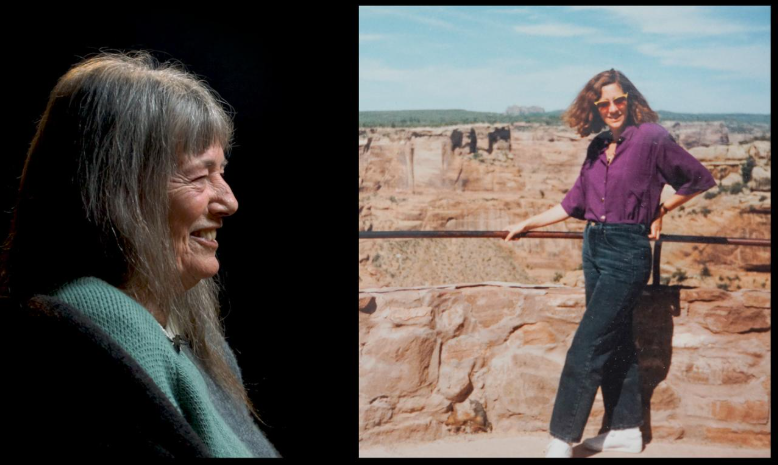
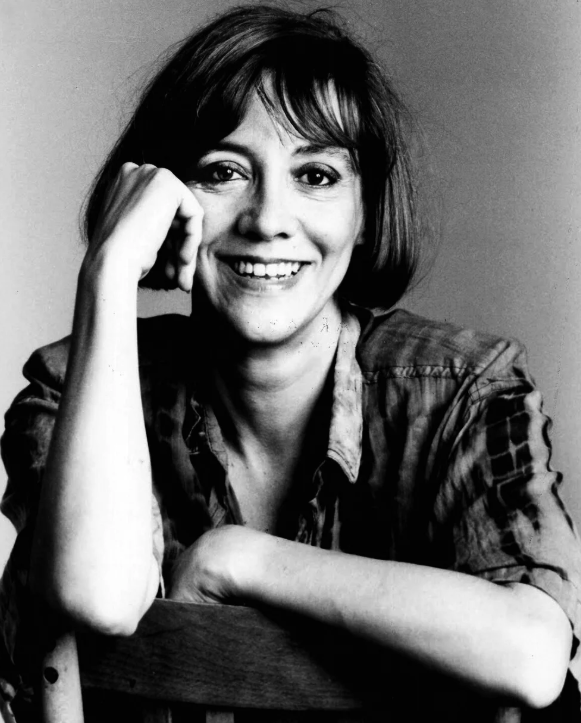
Author, Montserrat Roig

Montserrat Roig (Barcelona, 1946-1991) was an award-winning writer and journalist, and the recipient of numerous prestigious prizes including the Premi Víctor Català and the Premi Sant Jordi.

Her journalistic work focused on forging a creative feminist tradition, and on recovering the country’s political history.

Her novels take similar stances, reflecting on the need to liberate women who were silenced by history.

All That Remains by Virginie Grimaldi tr. Hildegarde Serle (2025)

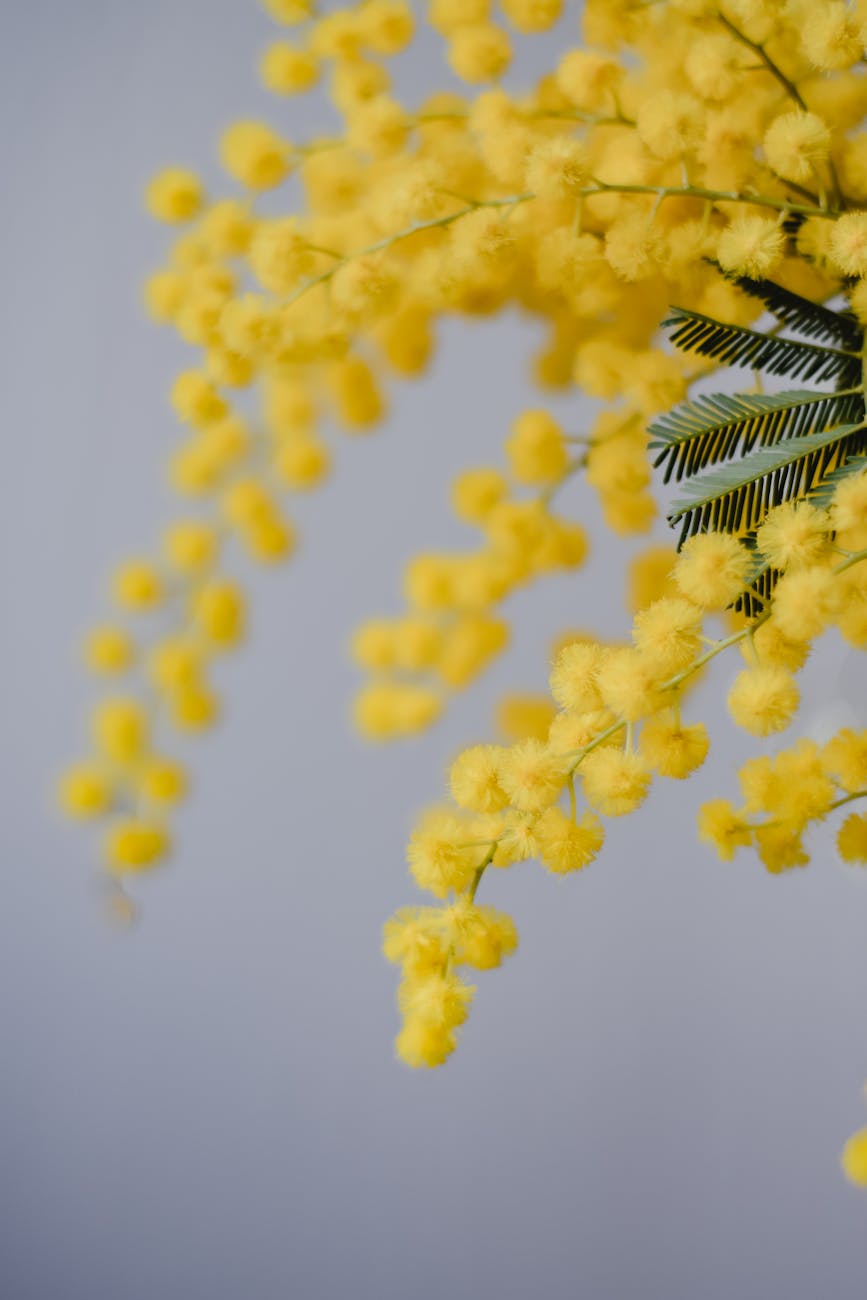
Contemporary French literature translated to English Virginie Grimaldi All That Remains Il nous restera ça three silhouettes mimosa flowers

We are just coming out of our second summer heatwave and in this kind of heat, where it’s 38°C (100°F) every afternoon, reading needs to be light and propulsive, because the brain just doesn’t function in the same way.

I chose to read French author Virginie Grimaldi’s All That Remains because I felt sure it would provide the sustenance I was looking for, without having to think too much.

Good-hearted, uplifting fiction, great characters and a connection with some of the best parts of French life, that help overcome universal problems that anyone might face. Positive aspects of humanity overcoming the oppressive.

I love the sprigs of mimosa on the book cover, a beautiful winter flowering shrub that thrives in difficult conditions, blooming on the coastal region of the south of France in January and February. It evokes such good feeling, symbolising new beginnings, resilience and adaptability and a sign that spring is on its way.

La Cohabitation Intergénérationnelle

In addition, when I read the premise of three generations living together, it reminded me of a news item I had seen on French television about “La cohabitation intergénérationnelle“, where residents (over 60 years) in Paris and elsewhere, at risk of needing to move out of their apartments or homes, were being matched with students (under 30 years) seeking affordable accommodation, able to be a reassuring presence, particularly at night, and share meals together.

Seeing these people on the screen, sitting talking together, feeling safer at home, having more space, companionship – able to get through those years of difficulty – well, as we say here, « Vive la France »!

Grief, Homelessness and New Beginnings

sprigs of mimosa new beginnings, resilience, surviving in difficult conditions Virgine Grimaldi All That Remains
Photo by Eva Bronzini on Pexels.com

It’s a novel about three people from three different generations, who wind up sharing an apartment together, when their needs intersect.

Jeanne (74) is recovering from unexpected widowhood and needs to do something soon to address unforeseen financial concerns, if she wants to remain in her apartment in Paris. The woman in the bakery won’t allow her to put up a notice, but fortunately someone overhears her asking.

For the past three months, Jeanne had been unweaving those habits, thread by thread. The plural had become singular. The setting was the same, the timing the same, and yet everything rang hollow. Even the melancholy had disappeared, as if her entire life had been training for the bereavement she was now facing. She was desensitized.

Iris (33) a care worker, is being evicted from her temporary studio, living out of a suitcase and in hiding from a situation that will be revealed.

“Hello Madame, I just wanted to confirm my interest in your room for rent. And please know that, if it weren’t for my tricky situation, I’d never have interrupted your conversation with the young man, who also seems in real need of a home. If you’ve not yet made your choice, I’d understand if you favour him. Regards Iris.”

Paul, a French boulangerie bakery in London and Aix en Provence patisserie

Théo (18) is an apprentice in a local boulangerie (bakery) and has just reached the age of independence. Having just bought a car for €200, he parked up outside the house with the blue shutters and thought he’d solved his accommodation woes, however his problems have just magnified.

I don’t intend to drive around in this car. I settle down on the back seat, head resting on my bag, covered with my coat. I put in my earbuds and play Grand Corps Malade’s latest song. I light the roll-up saved since this morning and close my eyes. It’s a long time since I’ve felt this good. No sleeping in the metro for me tonight. For 200 euros, I’ve treated myself to a home.

Jeanne, Iris and Théo in Paris

Each short chapter moves to the next character and within very few pages I was deeply invested in wanting to know more about each one and where the story was going. It’s a wonderful novel about perseverance and overcoming challenges and the messiness of life and finding support and comradeship in unexpected places.

I loved this book and would be not be surprised to see it being made into a film, it’s got all the good vibes and realistic issues that people f all generations have to face, and a unique but encouraging way that different members of a society can be there for those who were strangers at first.

Another #WITMonth read, highly recommended!

There is a crack in everything,

That’s how the light gets in.

LEONARD COHEN

Author, Virginie Grimaldi

Virginie Grimaldi was born in 1977 in Bordeaux where she still lives. Translated into more than twenty languages, her novels are carried by endearing characters and a poetic and sensitive pen. Her stories, funny and moving, echo everyone’s life. She is the most read French novelist in 2019, 2020 and 2021 (Le Figaro littéraire/GFK awards) and winner of the Favorite Book of the French in 2022 (France Télévisions).

N.B. Thank you kindly to Europa Editions UK for sending this copy for review.

Women in Translation month #WITMonth

Every novel I’ve read in translation this month has been exceptional. I do love August for seeing what others are reading in this category to ensure I have a future supply of excellent reads originating from elsewhere, coming from other languages.

Here’s what I hope to read this month and I’d love to hear your favourites, what you’ve read and loved or are looking forward to during WIT Month or any time!

Translation Opens World Views

Covers of books ftom the shelf of novels by women in translation

I find it such an immense privilege to have the opportunity to read a novel that was originally conceived and written in another language, that can naturally dive into perspectives from other cultures that might be completely different or universally connected.

I loved norms being challenged and insights shared, new words, cultural references, all those opportunities to expand one’s awareness.

So I gathered what I had on my shelf to read for August to share here and I am very grateful to Daniela at Europa Editions UK who sent me three excellent new publications published by Europa in 2025, which arrived just as the month started, two of which I have devoured already.

Read Around the World

The books I have chosen are by women from Mexico (translated from Spanish), Rome and Abruzzo in Italy, Barcelona (Catalan), France (French), Iran (living as a political refugee in Australia, translated from Farsi), Russia living in Berlin (translated from German) and Debrecen, Hungary.

Mexico

I started the month with Guadalupe Nettel’s (Mexico) excellent autobiographical novel The Body Where I Was Born (reviewed here) translated by J.T. Lichtenstein, a book that reads like a memoir of childhood and adolescence, but from the perspective of looking at how those various experiences she had, might have moulded her character.

The real surprise was when she and her brother join her mother to come and live here in Aix en Provence while she’s working towards a PhD. Very insightful and for me, utterly riveting. You can also read Still Born (reviewed here) shortlisted in 2023 for the International Booker, hers is a voice and style I adore.

Italy

I’ve definitely been in a phase of reading Italian women writers from the 30’s and 40’s, so of course there is more Natalia Ginzburg and Alba de Céspedes in my pile for this month.

I’ve already finished There’s No Turning Back (reviewed here) translated by Ann Goldstein, a novel of eight women entering adulthood and potential independence in the face of a society that wants women to stay traditional, and I’m looking forward to Ginzburg’s novel All Our Yesterdays about a pregnant 16 year old who marries an older family friend to save her reputation.

I recently read an excellent article about Italy’s feminist history and literature by Margarita Diaz, who after reading Elena Ferrante’s essay collection In the Margins, sought out a women’s bookstore collective, the Libreria delle Donne di Milano, whose work had been a source of inspiration for her Neapolitan novels. The bookstore occupies a unique place in the history of the Italian women’s movement, having established “an alternative genealogy of culture,” a perspective quite different to that of English speaking cultural feminism. I would love to visit this bookshop.

The Libreria delle Donne di Milano (The Milan Women’s Bookstore), on Via Pietro Calvi in the Zona Risorgimento, houses more than 7,500 carefully curated works, mostly in Italian, by 3,700 female writers from all around the world. Works by icons of Italian literature like Sibilla Aleramo, Grazia DeLedda, and Elena Ferrante sit next to translated copies of works by anglophone writers like Virginia Woolf and Jane Austen. It is a refreshing, unapologetic, women-only space, where female voices are celebrated and encouraged. 

My third Italian read, more contemporary, with a flashback to events of the 90’s is the Strega Prize 2024 winning novel The Brittle Age by Donatella Di Pietrantonio (reviewed here), also translated by Ann Goldstein.

Her novels are excellent. A Girl Returned was exceptional, and I was riveted reading this latest. Historical true crime inspired and a psychological exploration of the effect of traumatic events on the individual and community and the small actions that help heal – just brilliant.

Doesn’t that mountain look like our local Mount Saint Victoire, with the cross at the summit?

France

It being a busy and hot working summer, I was also looking for lighter reads that would be captivating and so I chose Virginie Grimaldi’s second novel All That Remains (my review here) translated by Hildegarde Serle, a story of three people whose paths cross when each is at a significant turning point. Jeanne (74) is widowed and is overwhelmed, Iris (33) has made a near-escape and is in hiding, and Théo (18) working in a boulangerie (bakery) is starting out having left a boy’s home.

I was particularly interested in this after having seen French a news item about inter generational living arrangements, where young people move in with the elderly, enabling them to stay in their own homes. This was a page turner, totally feel good, brilliant and uplifting, a perfect all year round read!

Catalan, Spain

In February, visiting Barcelona, I found my way to the BackStory Bookshop where I discovered works in Catalan translated into English. The Song of Youth (reviewed here) by Montserrat Roig (1946-1991) translated by Tiago Miller is a collection of eight stories, which I have already started and I am pencil scribbling all over, they are so, so good.

Looking back at that lower bookshelf in the bookstore, from where I obtained this volume, I wish I had bought Time of the Cherries as well, one I’ve seen reviewed by Jacqui and more recently, Goodbye, Ramona. The latter, wasn’t in the store, but I have recently found and ordered a copy. Those Fum de Stampa Press editions are gorgeous but not easy to find!

Iran

Delighted to see a new bold chunkster translated from Farsi by Shokoofeh Azar, The Gowkaran Tree in the Middle of Our Kitchen (reviewed here). This one, spanning fifty years in the history of modern Iran, is described as a lush, layered story embracing politics and family, revolution and reconstruction, loss and love amid the colourful stories of twelve children, each told against the backdrop of cultural and political change.

Having loved her earlier novel, The Enlightenment of the Greengage Tree shortlisted for the International Booker (2020) and The Stella Prize, I’m saving this 500 page epic for holiday week at the end of August.

Russia

The Hottest Dishes of the Tartar Cuisine was the second novel written by Alina Bronsky, a German novelist born in the Ural mountain area of Russia, a dark, funny novel that stars Rosalinda, the irrepressible tyrant babushka who’ll stop at nothing to keep her family from emigrating without her as the Soviet Union falls apart. She’s brutal and cunning but also induces sympathy and amusement. This has been on my shelf too long and reading this NYT interview has pushed me to want to read it.

“Sometimes I do readings and people can’t stop laughing, but I’m reading about pretty tragic things,” Bronsky says. “I think Soviet humor is a desperate humor, rather typical of very different nations, of Jewish people, Ukrainians, and of course Russians. It’s despair — just keep laughing, until you are dead.”

Hungary

Lastly another that’s been waiting a while to be picked up is Magda Szabo’s Iza’s Ballad translated by George Szirtes, about a woman whose daughter insists she leaves her countryside home after her husband’s death to move to the city of Budapest. Uprooted from her community she must make a place and a life for herself anew.

I read her novel The Door some years ago and enjoyed it, so I’m looking forward to visiting Budapest and the countryside she left for it.

Recommendations

That’s my pile of potential reads for August, let us know in the comments below if you have read any of these or what you are looking forward to.