Top Reads 2013

I thought it was impossible last year and this year seems just as difficult, unlike last years clear-cut outstanding read, which I would recommend to anyone and everyone, I’m not so confident that my Outstanding Read of 2013 has universal appeal. But I absolutely loved it and recommend it highly!

Outstanding Read of the Year
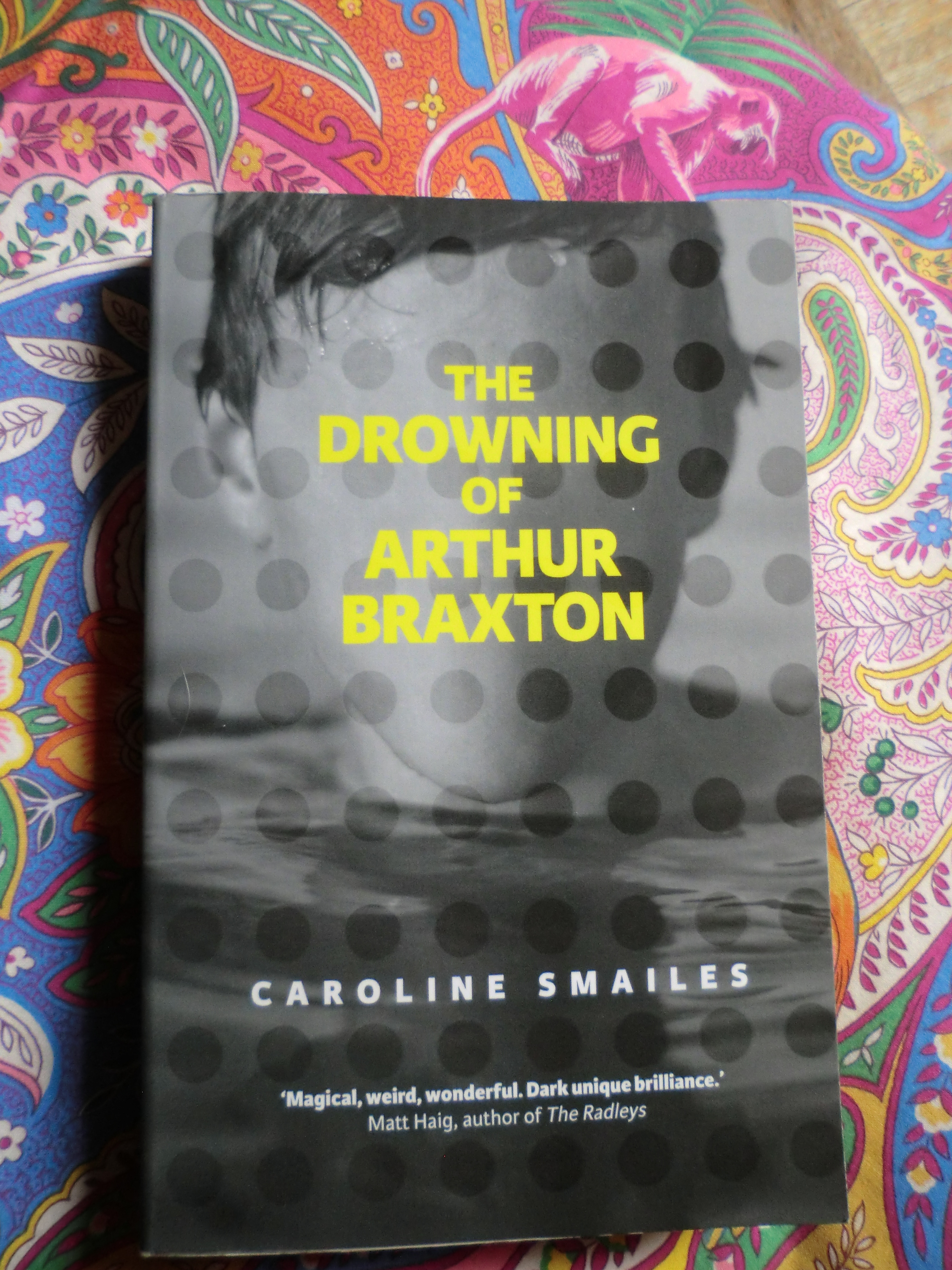
Arthur BraxtonMy outstanding read of the year, the one that stopped me in my tracks and then pulled me along at a fast pace and left me wondering what it was that was so compelling only to realise it was the originality of voice was Caroline Smailes The Drowning of Arthur Braxton.

I love that I knew nothing about it before reading it, I chose it on instinct, had never heard of the author and the book just worked its magic from the beginning . Then there was the serendipitous event occurring at the Victorian Baths where it is set, just as I was reading it – well that was the icing on the cake.

It’s a coming age story of a teenage boy who starts hanging out at an abandoned Victorian bath-house where things don’t always appear as they should, he discovers an uninhibited young woman swimming naked in the pool, the point from which all his perceptions about life begin to alter. It is strange, magical, weird and infused with hope without being in any way sentimental.  But don’t take my word for it, read it!

As for the rest, in no particular order, here are my memorable fiction and non-fiction reads for 2013.

Top Fiction

BoothThe Industry of Souls by Martin Booth was the first book of the year and a reread for me, something I rarely do, but I wanted to see if Martin Booths excellent book stood the test of time. And it sure did. I love this book and the way this author writes. The book is about a British prisoner held for many years in a Russian gulag, who decides not to return home after his release. The story is narrated on the day of his 80th birthday as he looks back and his past comes to visit him.

monster 2A Monster Calls by Patrick Ness – in all pursuits, sometimes it’s a good idea to go off piste  and for me this venture into young adult fiction was exactly that.  I picked this up in the library having recalled seeing a few excellent reviews and was intrigued by the concept of a writer picking up the threads of another writers idea and bringing it to fruition – Siobhan Dowd died tragically at the age of 47 and Patrick Ness brilliantly brings her story idea to life in this incredible, poignant tale.
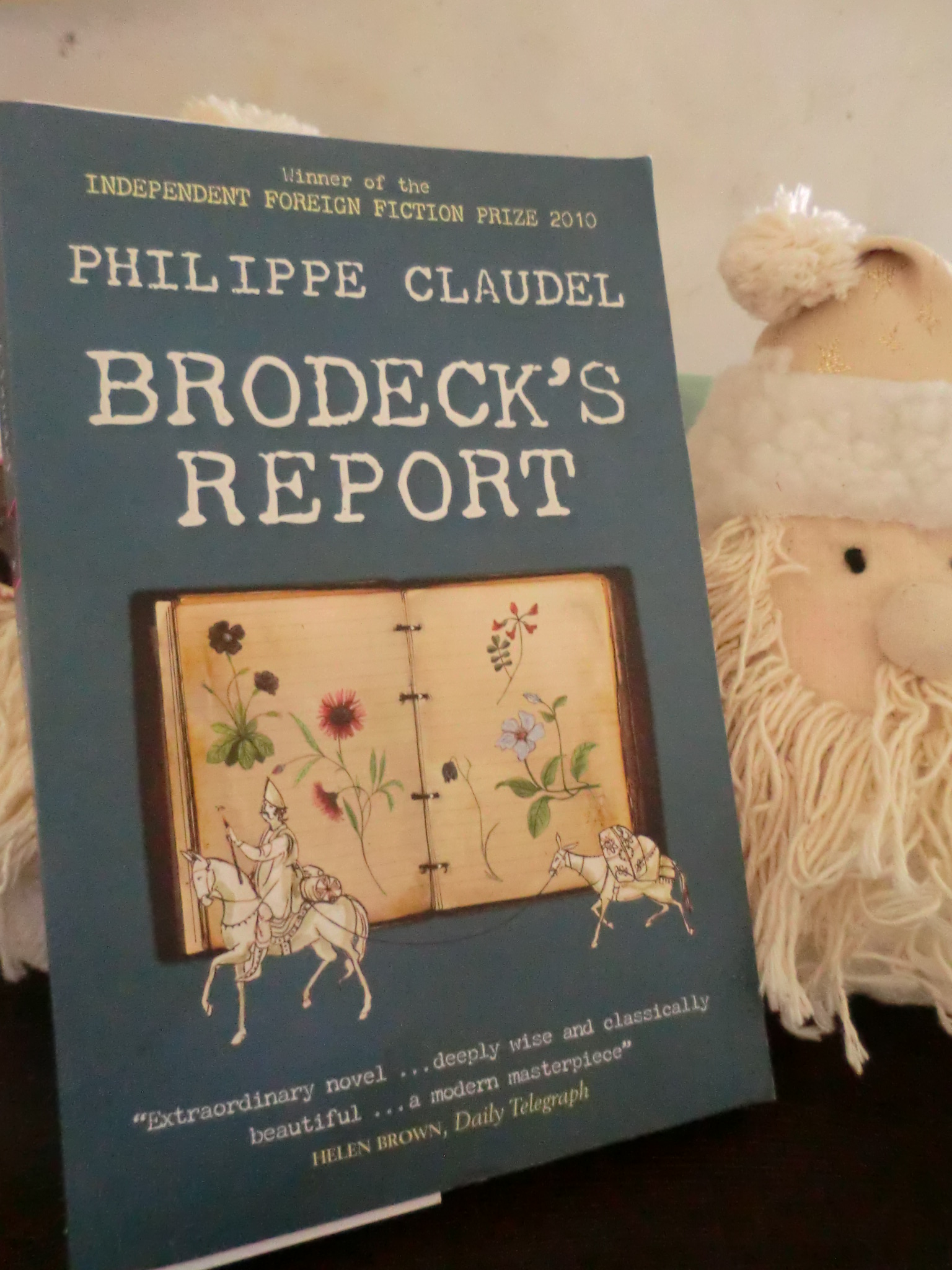
BrodeckBrodeck’s Report by Phillipe Claudel – a very recent read and his words stay with me, I feel like I want to read everything he has written. Having survived a concentration camp, Brodeck returns to his village where life resumes as before until a stranger arrives in the village unsettling the inhabitants to the point where they decide to dispose of him, Brodeck isn’t involved but is given the task of writing a report about it. He writes twin narratives, unveiling the best and worst tendencies of humanity.

HonourHonour by Elif Shafak The 4th book by this wonderful Turkish author I have read and she is becoming more known with each new book, this one being nominated for numerous prizes and Turkey being the guest nation at this years London Book Fair. Honour is a story of a poor family and follows the lives of two sisters, one who goes to live in London as an immigrant, though she will always be that girl from the village. It highlights the difficulty in straddling two worlds, especially for the next generation, who try to assimilate into the new culture, but who when vulnerable are often drawn back into the least desirable aspects of the old culture.
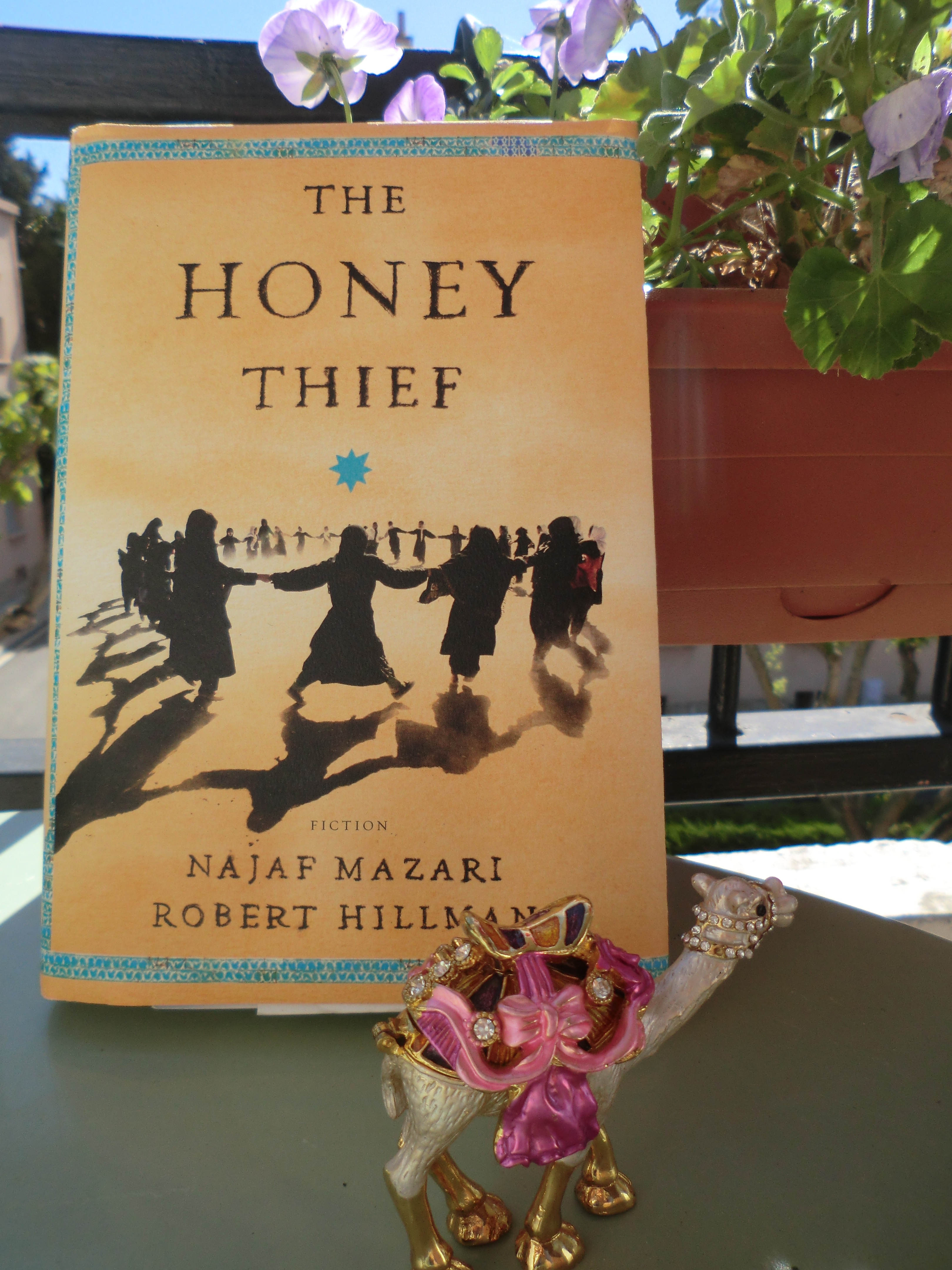
The Honey ThiefThe Honey Thief by Mazari Najaf this is an original set of short stories told by a Hazari man from Afghanistan to his Australian friend. The stories originate from an oral story telling tradition and offer a unique insight into an ancient, adaptable people, who have survived  centuries of persecution. In addition, the author shares some excellent recipes.

Shadows & WingsShadows & Wings by Niki Tulk A wonderful story about family connections, silence and our inability to bury the past. A young girl living in Australia travels to Germany to visit the birthplace of her Grandfather and to learn about his role in the war. Simultaneously, his story is narrated from when he was a boy, to when he became that young man who, like all men at that time, was drafted into war. A beautiful book, thoughtfully narrated and at times so excruciating, it is as if we are reading a personal diary, not a work of fiction. I wish more people knew about this astonishing book.

Top Non-Fiction

Hare Amber EyesThe Hare With Amber Eyes by Edmund de Waal – I am probably one of the last to have read this, since it was published two years before I picked it up, although I bought numerous copies when it did come out for family as Christmas gifts, knowing it would be an excellent read – and while it may not be to everyone’s taste, if you have any interest in European culture and history, this story of the Ephrussi’s, a Russian Jewish family from Odessa, whose two sons set themselves up in Paris and Vienna, told through the eyes and potter’s hand of the ceramicist and descendant Edmund De Waal will certainly appeal.
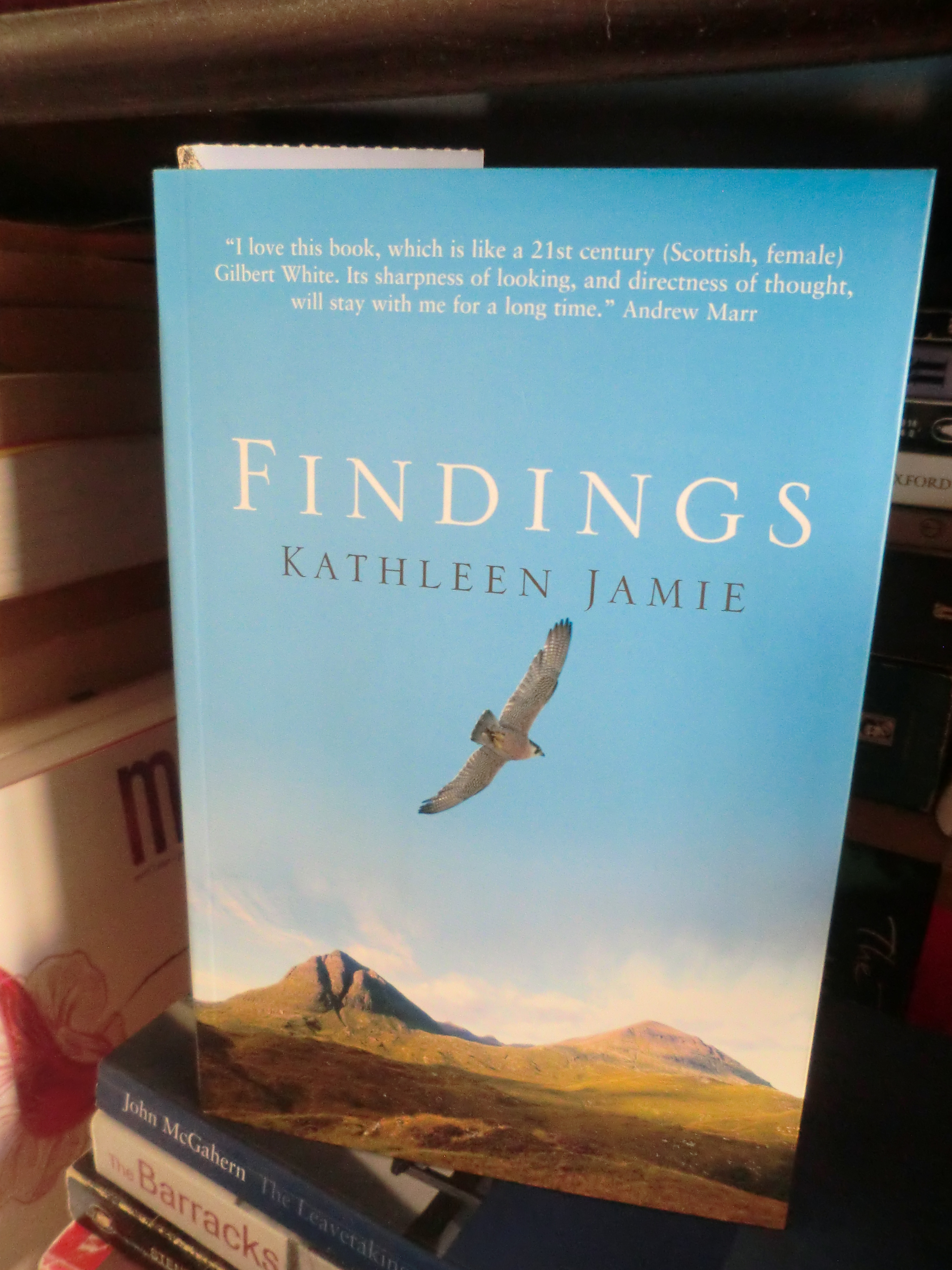
FindingsFindings by Kathleen Jamie I read this excellent collection of essays in February, a month in the northern hemisphere where many are in hibernation and there is not much to sing and dance about. Finding’s was like being in nature when we are not, the way Kathleen Jamie writes is to make us appreciate and really see without the need to label, identify or show off our knowledge. She observes with a painter’s eye and takes the reader on a similar journey, infusing the imagination with images of those forsaken Scottish  islands she visits. Brilliant winter reading.

Brain on FireBrain on Fire: My Month of Madness by Susannah Cahalan This book is a must read for anyone who knows anyone who has had any kind of brain disease or impairment. Susannah Cahalan was just an ordinary girl, working as a journalist, when in her early twenties, she started imagining things and observed herself becoming somewhat crazy. Some kind of infection got to her brain and thankfully for thousands of others, who have already benefited from the things she shares here, she lived to write about it and demystify the malfunction of the brain, something that results in thousand of incorrect diagnoses, due to the little we know about how to remedy it.

Portrait of a FamilyPortrait of a Turkish Family by Irfan Orga After a visit to Istanbul in May, I indulged in a wonderful period of reading Turkish literature and this book was a great find – a recommendation from the English bookshop in Istanbul and they weren’t wrong. It is a classic, a fabulous story of the life of one family whose destiny is changed by war – another unique insight into a culture and the intimate family life of people we don’t usually have the opportunity to witness.

Happiness of Blond PeopleThe Happiness of Blond People: A Personal Meditation on the Dangers of Identity by Elif Shafak it’s a short but compelling essay by one of my favourite writers, a woman who was born in the East and lived many years in the West and  has a unique perspective from which to make her observations. Worthwhile reading and love these Penguin Specials, short essays are so popular here in France, it’s great to see them being made available in English too.

The Hidden LampThe Hidden Lamp: Stories from Twenty-Five Centuries of Awakened Women what better way to wind up a year of reading than with some short, poignant Buddhist stories, some only a few sentences long. This is a volume to sit near the bedside and dip in and out of, because not every message will be relevant for today. One hundred stories interpreted by another 100 wise women and we are free to interpret them ourselves. 

So what books stood out for you in 2013?

They’re Reading Thousands of Great Books Here, Cité du Livre – A Local French Cultural Centre and Library

Yesterday via a link on twitter, I read a provocative article in BBC News Magazine by Hugh Schofield entitled Why don’t French books sell abroad? It was an interesting, if superficial article, that made a few observations without going into any depth to understand the contemporary literary scene in France. It asked questions, reminded us of some old provocative stereotypes and did little to enlighten us on the subject of what excites French readers and why the English-speaking world aren’t more aware of their contemporary literary gems.

Kate from BooksKateRates, reads and blog about French literature and wrote an interesting blog post in response to the article and I have been scribbling notes since reading the original article. I plan to share them here, as it is a fascinating subject if one takes the time to research and understand it.

But firstly, I wanted to show you the library, as it offers a glimpse into  how the French absorb literature and culture and it’s one our favourite local hangouts.

Situated in what was a 14,500 sqm match factory, the library, La Bibliothèque Mèjanes, is part of the Cité du livre, a centre for the arts and culture which includes an auditorium for lectures and readings, rooms for more formal lectures, a small cinema showing themed films for 3 week periods (currently Humphrey Bogart films), a music and film lending room, adult and children’s libraries, a press room, an exhibition space (currently celebrating the centenary of Albert Camus), a café and plenty of space for research and study.

Library Press Room

Library Press Room

As we walk in through the enormous sculptures of the covers of Camus’s  L’etranger on one side and Saint-Exupéry’s Le Petit Prince and Molière on the other, we arrive in a long corridor and the reception area for borrowing and returning books.

Turn left and we head towards the reading library where outside the door is a display of books for adolescents. A quick glance at these books shows us that half of them are translated fiction, from South African, German and Hispanic authors.

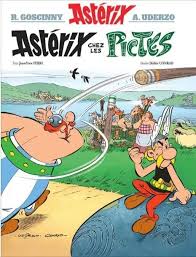
AsterixInside, we walk past displays of translated literature originating from South Africa, a tribute to Nelson Mandela, then the stacks of Bande Dessinée, the very popular hardcover graphic novels, which even today remain at the top of the French bestsellers list, right now its Asterix chez les Pictes, visiting the people of ancient Scotland!

And here are the novels, in French called romans. Rows and rows of books and you might notice something they all have in common, well, in fact, something they all lack. Colour.

Compare it to the shelf opposite which contains the English language novels. It certainly removes that whole likelihood of an impulse buy based on an intriguing cover.

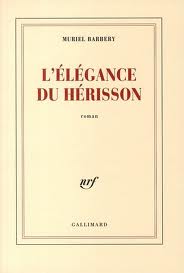
The Elegance of the Hedgehog

The Elegance of the Hedgehog

Most French literary novels are published without fancy colourful covers and while in the bookshop you might find first editions with promotional covers, there are many more with pale or cream covers without images and a black or red text title.

However, after looking around a little more, I discover that there is colour in some sections. Science Fiction and Fantasy are full of dark colours and the books covers in the section entitled Policiers (Crime) are mostly black. However, novels and poetry, even the section called American Literature pale into insignificance among a sea of white. It reminds me of one of the three principles of France l’égalitié and certainly here, all books have the same chance of being found, whether it’s from the library or in the bookshop, not just due to their bland covers, but also due to a government policy called le plan livre and the fixed price of books.

It costs €17.50 to join the library (adult) and its free for children, there is no cost for lending and no fees for late returns. 16 items (books and CD’s) and 3 DVD’s can be borrowed at any one time for a period of 3 weeks and the first renewal can be done online. The library is also full of computers providing free internet access to all members. My only complain is that its closed on Sunday and Monday. C’est la vie en France!

So what kind of books do French people read today? And is it true that nearly half of the fiction read is translated foreign fiction? And why don’t we see more books by French authors in English bookshops?  These questions and more I will talk about in the next post Reading Contemporary French literature.

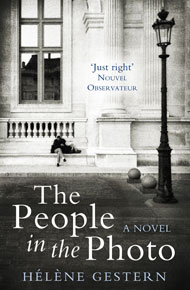
PeopleIn the meantime, if you want to know what’s popular in France and available now to read in English, check out Gallic Books, who offer the best of what’s available in French translated in English with new titles coming out every month.

I’m looking forward to reading The People in the Photo by Hélène Gestern due out in English in February 2014.  If you wish to read it in French, it’s already available with the title Eux sur la photo.

Orphan Train by Christina Baker Kline

I picked this book up knowing I would likely finish it in a couple of days.  After a period of slow reading, sometimes we need a faster paced book to get us going again. Orphan TrainOrphan Train by Christina Baker Kline was passed to me by my book buddy and I was warned that it had flaws, and I did notice a definite divide among readers on Goodreads between those who loved it and those who couldn’t get past certain criticisms.

It is a fascinating story in part because of its little known historical background, that in the Depression era of the late 1920’s, early 1930’s (and as far back as 1854) thousands of abandoned and homeless children were rounded up in New York and coastal cities and taken by train to the Midwest of America, where preceding their journey, posters had been displayed in towns announcing that the train would be passing through. These children were offered to those interested in providing a home for them and on the day the train passed through the children were paraded in front of an interested adult audience.

While some were welcomed and loved, unfortunately, particularly for the older orphans, many experienced hardship and were destined for servitude, babies were more likely to attract those looking to create a family; older children attracted those looking for cheap labour.

HomesForChldrenChristina Baker Kline had two grandparents who were orphans, whom she says spoke very little about their experiences and her husband’s grandfather and siblings featured in a non-fiction story called Orphan Train inspiring her to research the subject further.

The book follows several months in the life of 17-year-old Molly Ayer growing up in Spruce Harbour, Maine who has been in and out of about 20 foster homes already and is spending 50 hours doing community service in the home of 91-year-old Vivian, assisting her clear up her attic and interviewing her for a school project. Spending time in her home and listening to Vivian talk about her early life opens Molly’s mind when she learns Vivian’s childhood was another version to her own. It generates in her a sense of belonging that she has not experienced since her father died in a car accident and she starts to become interested in filling in some of the gaps in Vivian’s story as this unexpected friendship develops.

“In truth, though she hasn’t admitted it out loud until now, Molly has virtually given up on the idea of disposing of anything. After all, what does it matter? Why shouldn’t Vivian’s attic be filled with things that are meaningful to her? The stark truth is that she will die sooner or later. And then professionals will descend on the house, neatly and efficiently separating the valuable from the sentimental, lingering only over items of indeterminate origin or worth. So yes – Molly has begun to view her work at Vivian’s in a different light. Maybe it doesn’t matter how much gets done. Maybe the value is in the process – in touching each item, in naming and identifying, in acknowledging the significance of a cardigan, a pair of children’s boots.”

orphan trainsIn between Molly’s contemporary narrative, the author switches to Vivian’s historical narrative spanning twenty-three years from 1929 when her family first arrive in New York from Galway in Ireland. While the narrative changes from one timeline to the next, there are parallels that connect the two and keep the book from reading like separate narratives. Because Molly meets Vivian quite early on, the juxtaposition of time actually keeps the thread of the story alive, as if we are reading what Molly is hearing.

My only criticism was provoked by a nagging question I had over why the story wasn’t more emotionally engaging. There are some significant events and turning points in the story that normally create a cathartic effect, as if the reader were actually experiencing them and American writers in particular do this particularly well. However, upon re-reading I noticed that often at the point where the character shares what is happening, rather than continue with the first person narrative and share the characters dramatic reaction, the first person perspective often changes into the third and looks back at the event, rather than staying and engaging with it. It creates a feeling of detachment and prevents the reader from experiencing the drama, it cuts short what we expect to encounter and halts any feeling of empathy we might have been capable of feeling.

Towards the end of the book, Vivian as a young woman makes a decision that I found surprising and difficult to believe. Usually when we have come to know a character well, their decisions are understood and we develop empathy for the character, even when they make a decision that is counter to our own imagination. I was surprised by Vivian’s decision because despite her experiences, her character development hadn’t suggested to me that she would make such a choice.

Rather than detract from the story though, I think this is something that makes an interesting discussion point, was I the only one to think like this for example? Are the choices that people make, in particular orphans, adoptees and children who have had traumatic childhoods, influenced so predictably by their experiences? Can a writer who has not had such an experience inhabit characters like Molly or Vivian with authenticity?

An excellent read and an insightful look into a lost generation of children whose experience is difficult to imagine.

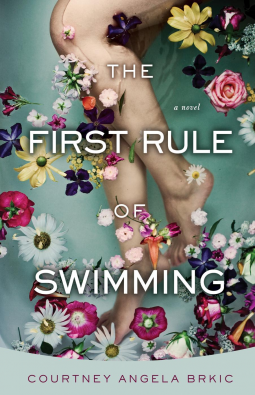
The First Rule of Swimming by Courtney Angela Brkic,

Without planning it, I have just read one book after another set in Croatia, one set in the fictitious village of Gost on the mainland the other on a small island.  Aminatta Forna’s The Hired Man and Courtney Angela Brkic’s The First Rule of Swimming portray different lives and paths, but complement each other in portraying contemporary life, where the past is ever-present and no one likes to speak of those who are absent.

First RuleThis is the first work of Courtney Angela Brkic I have read though I see she has published a noted collection of short stories entitled Stillness and a memoir The Stone Fields, short-listed for the Freedom of Expression Award.

The prologue of The First Rule of Swimming starts on the fictitious island of Rosmarina, Croatia in 1982 when 8-year-old Magdalena is reading a letter from her cousin Katarina, a letter that has clearly been opened and resealed.

“Katarina’s family had left when Magdalena was only two, a shadowy period that she tried hard to recall. But she was never sure if the faces she sometimes pictured were real or simply her imagination.”

When she writes the return postcard, her grandfather writes one as well, gluing it to hers – a message – to which they receive a cryptic reply about a cat, which causes Magdalena some confusion and her grandfather immense physical pain.

The book setting then moves to the present, with Magdalena taking care of her grandparents, her grandfather now in a stroke induced coma, but refusing to let go. Though most of the island’s youth leave to find jobs on the mainland, her strong connection to the island keeps her there pursuing a teaching career and ignoring any pressure to do otherwise, even at the expense of what seems like pending spinsterhood.

NY harbourBut when her sister Jadranka leaves for New York and disappears without trace a few weeks after her arrival, she leaves the security of the island to go after her, followed soon after by her estranged mother.

“It was as if a cord connected her to Rosmarina, and only for Jadranka did she have the will to fight against it. This attachment was both habit and biology. In her childhood a researcher had studied the islanders’ sense of direction. It was a capability he explained in terms of the Inuit in the far-off Arctic, who could find their way even through blizzards.

“It’s a rare genetic gift,” he had explained to her grandfather. The scientist had concluded that not everyone possessed the skill – which he termed innate nautical orientation – but she belonged squarely to the group that did. “

Behind these events is the slow revelation of what happened to certain members of the family including the girl’s Uncle and the truth about their father, something their mother has always kept from them and that appears to be connected to Jadranka’s disappearance. It reveals an era of suspicion, denunciation, false imprisonment and vendetta. Life was dangerous for anyone associated with those who held opinions not deemed favourable.

“Grudges went back generations, and children were judged by things their parents had done, some of them years before their birth. Small wonder, Magdalena sometimes thought, that her sister preferred places where nobody knew her.”

The two girls know little of the past, but will come to learn how much it has affected their present, the journey to New York will help them find answers.

It is a compelling read that like The Hired Man, will leave the reader curious and disturbed about the recent past and that tendency for humanity to brush things under the carpet as if they never happened.

Note: This book was an ARC (Advance Reader Copy) provided by the publisher via NetGalley.

The Hired Man by Aminatta Forna

Aminatta Forna

Aminatta Forna

Aminatta Forna has written two previous novels, The Memory of Love and Ancestor Stones both set in Sierra Leone where she was raised. She has also written an investigative memoir delving into the political events around the seizure and execution of her father on false charges of treason entitled The Devil that Danced on the Water that I plan to read.

After reading The Memory of Love last year and seeing her interviewed, it is clear she is a writer of courage and I knew I would be reading whatever she produced next.

The Hired ManJust as with The Memory of Love which is set in the aftermath of conflict of that disconcerting type where civilians mysteriously disappear and terrible unspoken things happen, in The Hired Man, we find ourselves following in the footsteps of 46-year-old Duro, an unmarried man living alone with his two dogs, his sisters and mother having already fled whatever horror occurred in their home town of Gost, a fictitious town caught between opposing sides in the former Yugoslavia.

“They have taken up a position south of the town opposite the army in the north. In between lies Gost. The army want to reach the coast but we stand in their way. Each side has roadblocks you have to pass through, on the road north and on the rods south out of Gost. Same questions, but different answers to each.”

For much of the early part of the book, we don’t know what has happened there, but Forna a somehow infuses the story with that sense of knowing yet not knowing, creating an underlying, slow building tension and unwillingness to trust any of the characters we come across. The events may be long in the past, but their memories feel as though they are not far from the surface and that anything could happen. And strange things do occur.

Into this undercurrent arrive an English woman Laura and her teenage son and daughter. Seemingly oblivious to the effect of their presence on the local villagers, they hire Duro and set about making improvements to the home they have purchased from with a view to doing it up and selling it on.

“I realised I’d upset the balance of thing. That I was a hired man and she was my employer made Laura relaxed in having me around the house. A mistake to take a day away without explanation: it made her feel she wasn’t the boss.”

Territory that made up the former Yugoslavia

Territory that made up the former Yugoslavia

We read the story through the eyes of the hired man Duro and interestingly Forna has chosen to narrate the story around Laura and her children in the past tense while Duro’s reflection on the past are written in the present even though they occurred many years before. It has that effect of making the past feel more present and could be how she succeeds in creating that tension, we read about the past as if it happened only recently.

“Vinca Pavic is an angry woman and her anger shows in the set of her teeth, the lines around her mouth into which her lipstick bleeds, the way she folds her arms. When she laughs it is to mock and in this she finds an ally in her son. But Anka, Anka was born with joy in her soul, to which they feel she has no right. Behind it all, as with so many things in life and in death, lies envy. In the end it gets the better of them.”

The Hired Man is a brilliant, quiet portrayal of the aftermath of conflict on a community, it goes some way towards explaining the meaning behind the silences, about why some can’t bear to stay and others can not bear to leave. It reminds us that nothing is forgotten and is a warning to outsiders to take care, that ignorance or indifference are sometimes deemed sufficient to warrant punishment.

Additional Reading:  Aminatta Forna: A Life in Writing provides excellent background reading and context to the book.

Note: This book was an Advance Reader Copy (ARC) provided by the publisher via NetGalley.

Halloween, The Day of the Dead & The Secret Recipe Book of Frida Kahlo

Ironically, today marks the first day of the Mexican celebration The Day of the Dead, three days in which family and friends gather in many parts of the world, but especially traditional in Mexico, to acknowledge those that have died. Traditions include building an altar or shrine using sugar skulls, marigolds and the favourite foods and beverages of those who have passed, but are still remembered.

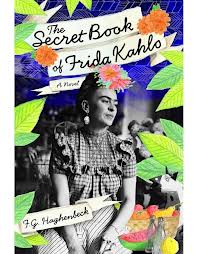
Frida KahloThe Day of the Dead has a special significance in the Mexican writer Francisco Haghenbeck’s novel The Secret Book of Frida Kahlo. Upon learning that several notebooks were found among Kahlo’s belongings, he imagines that one of them was given to Frida by her friend Tina Modotti and in it will capture recipes, memories and ideas that are inspired and connected to some of the noted people she spends time with.

“Among Frida Kahlo’s personal effects, there was a black book called “The Hierba Santa Book”. It contained a recipe collection for offerings on the Day of the Dead. According to tradition, on November 2 the departed have divine permission to return to earth, and they must be received with altars filled with Aztec marigolds, sweet pastries, photographs from long ago, religious postcards, mystically scented incense, playful sugar skulls and votive candles to illuminate their path to the next life.”

Frida Kahlo’s life story, her tomboyish, rebellious youth, her not so blind and yet all-embracing obsession with Diego Rivera, her accident, her art, her circle of friends both at home in Coyoacán, Mexico and those she fraternised with in the US and Europe are fascinating from almost any point of view, whether it’s the film Frida with Salma Hayek’s convincing role or Barbara Kingsolver’s fictional account of her in The Lacuna or this latest account with its superstitious bent.

The book started slowly, covering familiar ground and read a little like a summary of her early life, each chapter culminating in a recipe, like a tribute to the character who inhabited that episode. What makes it engaging and unique are Frida’s encounters with Death, who manifests as a man riding a horse and who visits her in the first few pages, before we even know who he is.

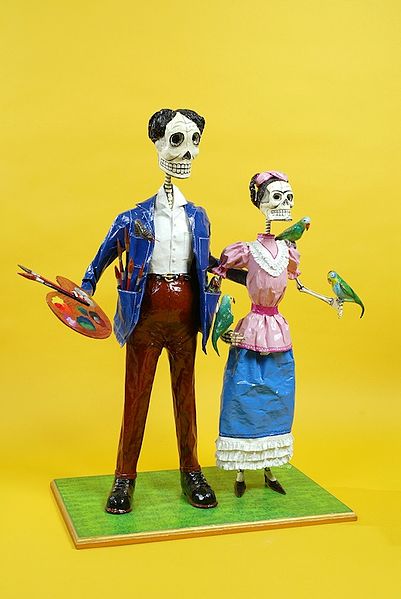
Kahlo Rivera Day of the Dead sculpture by Miguel Linares Source: Wikipedia

Kahlo Rivera Day of the Dead sculpture by Miguel Linares
Source: Wikipedia

As well as this apparition of the carrier of death, it’s warning manifests through the presence of a woman she refers to as the Godmother, Empress of the Dead, one with whom Kahlo makes a pact, after the trolley-bus accident that almost kills her. She will live, but with a constant reminder of that which she has circumvented – death. She will extend her life and avoid death but must embrace pain. And thus she becomes even more superstitious than she might have been, carefully marking the annual Day of the Dead with her shrine and offerings, keeping that man on the horse from her door until she is ready for his presence.

“The pact she had with her Godmother had given her the courage to tell stories. She liked to joke about Death. She dared it, taunted it, knowing that somewhere, Death was listening.”

She possessed a fearless personality, though susceptible to pain and expressed it in her artwork with an intensity that some would find disturbing.

Pain is the recurring metaphor in Kahlo’s life, sometimes it was so physically present it disabled her for periods of time when painting was her only release. When it wasn’t physical pain she experienced, it was emotional, for even her husband Diego, the love of her life was a manifestation of pain, one she tried to eliminate, briefly divorcing him for a year, despairing of his continuous infidelities and then just as she accepted physical pain, she accepted her flawed husband and remarried him, deciding it was better to live with than without him.

Suicide of Dorothy Hale by Frida Kahlo  Source : Wikipedia

Suicide of Dorothy Hale by Frida Kahlo
Source : Wikipedia

Channelling her experiences onto canvas, she developed a unique style and following. She became as well-known and sought after as Diego, from New York to the surrealists in Paris, meeting people such as Georgie O’Keefe, Salvador Dali and back home in Mexico, she and Diego would become hosts to the exiled Leon Trotsky and his wife.

Each encounter in the book leads to a favourite dish she might have made for or shared with her friends and it is as if each dish is also a sacrifice to the Godmother, constantly fulfilling her pact to keep Death from her door.

An excellent addition to the collection of work that exists, with its unique focus on local tradition, superstition and Frida Kahlo’s pact with Death, remembered every year when she and Diego come visiting, as they will perhaps this November 2nd.

Note: This book was an Advance Read Copy (ARC) provided by the publisher via NetGalley.

Hemingway’s Paris – A Moveable Feast

Hemingway makes me think of the debate streaming though comment threads on Goodreads.  The debate centres on the issue of discussing an author in book reviews, Goodreads suggesting that reviews focus only on the content of a book and not stray into opinions about the personality or character of the author. Hemingway

Being a book review site, it may not seem like an unreasonable request, except that the site has allowed five years of historical reviews to build up without comment, guidance or reprimand against reviews that may have crossed this line and in the meantime a strong community of reviewers has developed, spreading its roots and reviews deep into the site. Unsurprisingly, the community is now rebelling against wilful deletions of reviews. Some are threatening to abandon the Goodreads ship while its Captain is said to be sailing on oblivious to mutiny in its hold.

I think of Hemingway because in A Moveable Feast, he writes not just about himself, he reflects on writers he was acquainted with in Paris and about life in that city after the First World War. He shares exactly the kind of opinions that are forbidden to reviewers today. However, he is not writing a book review, he is writing about life.

Apart from the delightful short story A Clean Well-Lighted Place, I have not read Hemingway since the trauma of having to study The Old Man and The Sea at school. I am sorry to say that I detested this novel and although nothing of the prose has stayed with me, a kind of nausea, akin to sitting in a rocking boat with no means of rowing it, engulfs me when remembering it. I didn’t understand at the time why I reacted like this, worse than boredom, it was bereft of literary merit according to my 13-year-old standards.

Knowing now of Hemingway’s deliberate intention to strip his prose bare and understanding my love of the metaphor and habit to underline and admire the more descriptive linguistic passages, I see that we are not a good pair. But having met the writer again through the lives of Hadley Richardson in The Paris Wife and Zelda Fitzgerald in Z, I was intrigued to read his non-fiction account of life in Paris.

Ernest Hemingway,1923 Source: Wikipedia

Ernest Hemingway,1923 Source: Wikipedia

The chapters read like a series of vignettes, encapsulating the many aspects that made up his life during that time. He writes about the cafes he frequented and in particular the plight of two waiters, whom when the new management of the café decides it wants to attract a higher calibre of client, insists his employees shave their mustaches and wear a uniform. Hemingway and friend are poured overfull whiskeys by the waiter and they drink them in protest.

“They’re changing the management.” Evan said. “The new owners want to have a different clientele that will spend some money and they are going to put in an American bar. The waiters are going to be in white jackets, Hem, and they have been ordered to be ready to shave off their mustaches.”

“They can’t do that to André and Jean.”

“They shouldn’t be able to, but they will.”

Jean has had a mustache all his life. That’s a dragoon’s mustache. He served in a cavalry regiment.”

“He’s going to have to cut it off.”

He reflects on his habits as a writer and here we meet a man who was dedicated to his métier above all. He writes about his deliberate strategy to eliminate the adjective, to let the words stand alone without any qualifiers or modifiers, the naked verb. His aim is like the writing equivalent of meditation, de-cluttering the page instead of the mind. He would not have made a great meditator, as he was fearful of emptying the mind.

“I had learned already never to empty the well of my writing; but always to stop when there was still something there in the deep part of the well, and let it refill at night from the springs that fed it.”

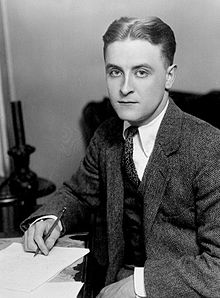
F.Scott.Fitzgerald,1921 Source: Wikipedia

F.Scott.Fitzgerald,1921 Source: Wikipedia

F.Scott Fitzgerald was a good friend. Both chapters that describe events with Fitzgerald show just how erratic his behaviour was and Hemingway suffers from having his writing discipline disrupted on a trip back to Paris from Lyon having recuperated a convertible car Scott and Zelda had abandoned due to the rain.

“I was getting tired of the literary life, if this was the literary life I was leading, and already I missed not working and I felt the death loneliness that comes at the end of every day that is wasted in your life.”

A Moveable Feast is an excellent read, sharing moments of life in Paris, we are introduced to some of Hemingway’s favourite cafés to write in, his conversations with Gertrude Stein and others about writing, up until he fell out of favour after publishing a mockery of another author’s work which she and others disapproved of, perceiving his act as disloyal to a fellow writer. He becomes a regular at the famous English bookshop Shakespeare & Co, where he is able to lend books, having no money to buy them and reads his way through Turgenev, D.H.Lawrence and Dostoevsky as well as striking up a friendship with the owner Sylvia Beach, a pleasant source of gossip as well as books.

An Auspicious Ascendancy – The Luminaries, Eleanor Catton

LuminariesEleanor Catton’s The Luminaries is an engaging, avant-garde novel, not to be read with the traditional expectations of the form, for it will entertain, intrigue, provoke, infuriate and keep you thinking about why it works, when certain aspects we know and love about stories, suggest that it shouldn’t. The allure of the new.

The Luminaries is a 19th century narrative, set in the gold –digging community of Hokitika ‘place of return‘, on the west coast of New Zealand’s South Island.

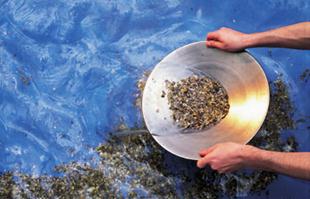
In 1866, when the story takes place, it was a thriving community, expanding in the golden glint of its anticipated resource and one of the most populous towns in New Zealand, a far cry from it’s just over 3,000 inhabitants today. While it remains possible for visitors to try their luck at gold panning today, they are more likely to be cycling the West Coast wilderness trail or to taking a helicopter over the Fox and Franz Joseph glaciers.

Hokitika township 1870s

Hokitika township 1870s – source Wikipedia

The story focuses on a group of people living in Hokitika, attracted by the prospects of finding gold or its associated business opportunities. It opens with the newest arrival, a distressed Thomas Moody, who has just disembarked from the barque Godspeed and after checking into the Crown Hotel, happens upon a gathering of 12 men in a bar of the hotel that had been closed for the evening. Already in the hotel, he had not been prevented from entering the room and thus becomes witness to a discussion of events that had occurred two weeks prior, the death of the hermit Crosbie Wells, the disappearance of the gold prospector Emery Staines, the arrest of a whore Anna Wetherell and the discovery of a cache of retorted gold bars.

As any 12 prominent men summoned to a room for a discussion might attempt to garner attention, so too does Catton give over chapters which allow those men to stand in their own limelight and this gathering will invoke a long and divergent narrative of stories, encounters and sharing of perspectives by each of the men present.

Their stories span the first half of the book, introducing a structural device Catton uses to divide the book into 12 parts, each successive part half the length of that before it, where the sequence of events moves about so that we reach the end only to discover we are at the beginning. We realise this is not a plot heading towards its climax, nor a beginning working towards its end, it is a series of revelations that unmask illusions of our own imagination as well as that of the characters portrayed and by the time we reach those last pages, the actual dramatic events that unfold will occupy fewer lines on the pages of this book than the mass of 400 plus ages that has allowed this community of men to discuss, analyse, reveal, conceal and pontificate on what might have occurred.

110611_1523_TheForestfo1.jpgAs fast as one mystery unravels, there arises another as Catton introduces one twist after another and slowly reveals the encounters and connections between characters, including those not present at the meeting.

The use of an omniscient narrator means that no one character plays a lead role, just as the lack of a detective precludes it from unravelling like a conventional mystery. Instead, it reads almost as a series of dramatic episodes, where the various interactions and focus on certain characters help the viewer/reader understand their ambitions and motivations, though like a jigsaw, the whole picture will not become clear until all the missing pieces are joined together.

The IdiotI was reminded at times of reading Dostoevsky’s The Idiot, a novel that is without comparison when it comes to penetrating character analysis, itself a complex web of relationships and associations. Catton’s insights into her characters perhaps owe more to her reading of Jung than Dostoevsky, as she penetrates the psychological depths of each character using lyrical prose. While these insights make pleasant reading, it is the actual interactions and actions of the characters that more ably create a lasting impression. As a consequence, we perceive the entire cast at a slight distance and may yearn for something more from some of them.

Much has been written elsewhere about the astrological structure and intention behind Catton’s writing, and it would be easy to turn this into as essay and begin to analyse twin hemispheres, yin and yang, predestined forces and those luminaries that represent our innermost and outermost selves whom she literalises in characters, however I have chosen to write more on the experience of reading the book, without focusing on the forces at play in their interactions. It is possible to listen to Eleanor Catton speak more on this at the Southbank reading here and in numerous articles in The Guardian and elsewhere.

It is an entertaining read, that despite its length I never wanted to put down and actually found myself wondering about other members of the community that don’t appear in the book, like the families of these characters and other inhabitants of this gold loving town. Perhaps we might get to meet them in a future TV adaptation, since I hear the rights have already been bought by a British production company.

Luminaries Cloud

and the Man Booker Prize winner is…

Catton2

The Luminaries by Eleanor Catton

I have just put it aside on page 508 to watch the presentation and I could not be more pleased!

Congratulations to our young and so talented novelist, from whom we will no doubt see much more.

The book is still alive and rather than cower under the threat of the alternative entertainment available to people today, they are taking the book to the masses.

According to the Man Booker Prize website, there is to be a free event at London’s Regent Street Apple Store, where Eleanor Catton will discuss her book and what it means to win the prize.

I hope Apple are offering the books for sale and not just their own devices to read them.

Ok, a big event is about to take place in the book too, so I’m off back there to find out what’s happening.

Alice Munro wins Nobel Prize for Literature

Alice MunroShe was a favourite to win the prize, but appears not to have been aware of being nominated, no doubt she has been enjoying her retirement from writing fiction announced earlier this year.

Alice Munro is the 13th women to have won the Nobel Prize for Literature, news to which according to the Guardian, she is said to have responded “Can this be possible? Really? It seems dreadful there’s only 13 of us.”

Not just a resounding win for a short but growing list of women writers finally being recognised, but a victory for readers and writers of the short story, Munroe’s strength and preference.

Could it be a sign that the short story is making a comeback? It is something I wonder about in one of my very first blog posts entitled Why People Don’t Read Short Stories which is a tribute to the form and a reminder of the joy short story collections can bring.

short stories

Alice Munro

aliceBorn: July 10 1931, Wingham, Ontario, Canada

Educated: 1949-51 University of Western Ontario

Books:     1968 Dance of the Happy Shades

1971 Lives of Girls and Women

1974 Something I’ve Been Meaning to Tell You

1978 Who Do You Think You Are?

1983 The Moons of Jupiter

1986 The Progress of Love

1990 Friend of My Youth

1994 Open Secrets

1996 Selected Stories

1998 The Love of a Good Woman

2001 Hateship, Friendship, Courtship, Loveship, Marriage

2004 Runaway

2006 The View from Castle Rock

2009 Too Much Happiness

2012 Dear Life

Further Reading:

Feature Article Alice Munro: Riches of a double life, the Master of the contemporary Short Story, Guardian 2003