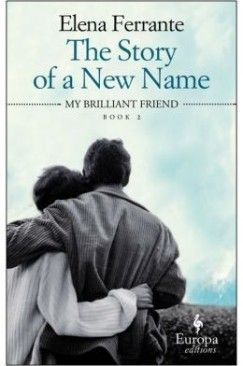
The Story of a New Name by Elena Ferrante tr. By Ann Goldstein … Neapolitan Tetralogy Book 2

The Story of a New NameThe second in the tetralogy of books about two friends Elena and Lila, growing up in an impoverished neighbourhood of Naples. The first book My Brilliant Friend I reviewed here.

Both girls were bright students in primary school, and perhaps because the story is narrated from Elena’s perspective she often sees herself in the shadow of her friend Lila, as if she must strive to attain her success, while Lila’s comes more naturally.

Lila fights to elevate herself, suggesting Elena studies with her to help her friend, thereby attaining the knowledge herself and through imposing her will on her husband, her family and business associates, who need her input and influence which she uses to both help them and to ensure her often rebellious stance is understood by them all.

It is Elena who despite her family circumstances progresses through high school and at the suggestion of a teacher applies to a university in Pisa where she can continue her studies.

Lila whose beauty and bravado bring her more to the attention of local boys wanting to move themselves up in the world financially, becomes entangled in their schemes and part of their negotiations and is married at sixteen to Stefano the grocer, partly in order to avoid the attention of the Solara brothers.

“How difficult it was to find one’s way, how difficult it was not to violate any of the incredibly detailed male regulations.”

Through her personal notebooks that she entrusts to Elena for safekeeping and Elena’s inability to withhold from the temptation of what they offer, we too as readers understand more from within the bounds of Lila’s marriage and life than we might otherwise from the limited perspective of her friend, particularly during the frequent periods where the friendship was being tested and therefore withheld.

Though unwilling to be trapped inside marriage, Elena does envy her friend the space and luxury her new status as Signora Raffaella Carracci has given her and when Lila’s husband suggests a summer holiday on doctor’s orders to increase her chances of conceiving a child, Lila’s insistence that her friend accompany becomes Elena’s excuse to find a way to be in close proximity to Nino Sarratore, the brilliant student she has had a crush on for years. His arrival becomes a turning point in their lives, though not the outcome either of them were wishing for.

Pisa NormaleElena distances herself from Lila and from her family and moves to Pisa, where initially she struggles to brush off the ways of her neighbourhood, her origin, her accent, things that make it obvious to others she is not one of them. She throws herself into her studies and into becoming more like her contemporaries; a new boyfriend aids her transition.

“That day, instead, I saw clearly the mothers of the old neighbourhood. They were nervous, they were acquiescent. They were silent, with tight lips and stooping shoulders, or they yelled terrible insults at the children who harassed them….

They had been consumed by the bodies of husbands, fathers, brothers, whom they ultimately came to resemble, because of their labours or the arrival of old age, of illness. When did that transformation begin? With housework? With pregnancies? With beatings? Would Lila be misshapen like Nunzia?…

And would my body too, one day be ruined by the emergence of not only my mother’s body, but my father’s? And would all that I was learning at school dissolve, would the neighbourhood prevail again, the cadences, the manners, everything be confounded in a black mire,…”

Leaving Naples allows Elena to begin to reform herself, to blend in, the novel highlights the tension between the Neapolitan dialect spoken in her neighbourhood and the correct Italian spoken by the professional, educated classes. Dialect is associated with aggression, insults and anger, with all the negative emotions and difficult challenges of a repressed community, while the Italian symbolises upward mobility and refinement.

Napoletana“Be careful where all this studying leads, Lenu. Remember who you are and which side you’re on.”

I found Book 2 just as engaging as Book 1, more than just narrating the events that mould the two girls’ lives is the underlying philosophical question of whether one can rise above one’s origins via the attainment of significant wealth or education. Elena and Lila represent these twin avenues, in their attempt to escape their origins.

The novel continues to focus on the friendship of the two girls and their connections with others, both those from within their sphere and those they encounter outside, a measure of how far they have progressed in their aim to rise up and out of the confines of the neighbourhood.

The narrative is less dramatic than it might be by some of the omissions. Elena doesn’t recount much of her own dialogue with her boyfriends and much of the story is narrated or told, rather than putting the reader in the midst of the events as if to experience them. It is the psychological and philosophical elements of the placement of the two women in these situations that lend themselves a kind of accepted inevitability, we won’t be shocked by anything that happens, knowing their backgrounds, it is the lure of that question of whether either of them can or will escape their fate that entices us to read on.

Next Book in the Series: Those Who Leave and Those Who Stay (click title to read review)
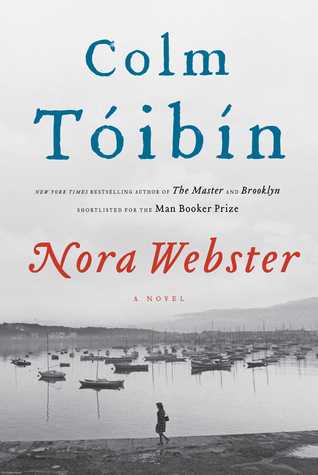
Nora Webster by Colm Tóibín

Nora WebsterSomething about the promise of Colm Tóibín’s new novel Nora Webster pulled me in right from the beginning, the cover with its familiar Irish landscape of boats moored against a grey sky, the less conspicuous protagonist, a 40-year-old housewife who doesn’t become the mother of a prophet, an oversensitive woman who rarely gives voice to the many thoughts that race through her mind as she tries to cope with the aftermath of her husband’s untimely death and the shift in relations with her four children.

We know little of her life with her husband Maurice, she doesn’t wallow in pity, though we know she neglected all else, including visiting her sons who were living with her Aunt, one of whom develops a stutter as a result, during those last months when he was dying.

“In these months, she realised, something had changed in the clear, easy connection between her and them, perhaps, for them, between each other. She felt that she would never be sure about them again.”

Nora Webster is a complex character whom few on the outside really understand, including her siblings, who despite their sister’s loss, well, according to Nora – seem to want to avoid her. Even when invited, she senses they wish her gone so they can talk about her. She behaves in a way to provoke them, ensuring they will have something to talk about, deliberately avoiding helping out, resolving not to do any washing up or to help in the kitchen.

“She wondered if she would ever be able to have a normal conversation and what topics she might be able to discuss with ease and interest.”

Set in a small town outside Dublin, in 1960’s Ireland, the novel charts a short period of time after her husband’s death in which Nora makes some important decisions such as selling the beach house and going back to work. She gets her hair dyed and joins the Gramophone Society. She takes singing lessons and following the advice of her Aunt puts her son into boarding school. She begins to create a life that would have been unimaginable in the past and becomes a woman she is comfortable with but surprised by, almost in spite of herself.

Colm Tóibín uses a particular narrative device that has a significant effect on how we see things. By writing in the third person limited perspective, we only ever see things from Nora’s point of view, there is little opportunity to see events in any other way, with the exception of the occasional insightful dialogue. This is the only time we hear what people have to say about Nora.

POVThe narrative perspective creates a narrow, introspective insight into her thinking, but also raises doubts as to whether what she thinks actually reflects reality, as she so rarely expresses her questioning thoughts and prefers to let them lie unstated, preferring to deal with the consequence of her silence. It made me want to shout  “Speak your mind Nora!”

She visits her sister who doesn’t offer them food after a long journey, Nora knows the boys are hungry and wonders if her sister believes they had already eaten, but says nothing.

“What was strange, she noticed, was that Catherine did not give her any opportunity to mention food; instead she spoke to her as though she were not really there. Once she noticed this, she found that she could notice nothing else….she had created an atmosphere in which Nora could have nothing to say.”

Nora has such powerful equanimity, that she rarely speaks, it is as if she lives continuously outside herself, observing herself and others in the situation and wondering many things that she will never utter. It is part of her character, accentuated by grief. To the point that when she does act and we see what she is capable of, it is a shock, it seems out of character. She is quite a force after all.

“She had trained herself not to ask any of the children too many questions. If she came home with a parcel of any kind when she was growing up, her mother would need to know what was in the parcel, or if a letter came for her, her mother would need to know who it was from and what news it contained. Nora had found this constantly irritating, and tried with her own children not to intrude.”

Nora Webster is a perplexing character and Colm Tóibín a masterful creator of character, deliberately using a narrative device that prevents the reader from feeling comfortable with her observation of reality, while forcing us to accept it. We too are trapped inside Nora’s mind, just as she is trapped inside her grief. We feel the need to escape, to shout, to ask someone what is really happening here.

“They did not have her way of watching every scene, every moment, for signs of what was missing or what might have been.”

I found the novel a compelling, albeit at times annoying read. I turned the pages hungry for more and found myself resenting the authorial control over the narrative perspective. I wanted to read a companion novel, the one written from the point of view of her son Donal or her daughter Fiona, I didn’t trust Nora Webster’s interpretation of people’s motives and although she knew people gossiped behind her back, I really wanted to know what it was they were saying and not just her wild, over analytic guess at what was passing through the minds of members of her family and community.

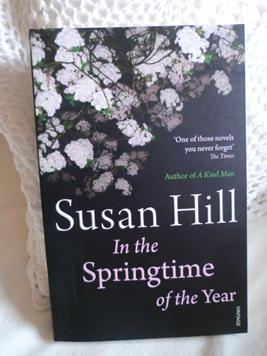
042512_1611_IntheSpring1.jpgNora’s grief is unique in that she very rarely dwells on the past and we aren’t sure whether the way she is now, is how she always was or how much of it is the result of her grieving.

One of the best novels I have read portraying a widow’s grief was Susan Hill’s astonishing, In the Springtime of the Year, which I highly recommend, her protagonist is equally displaced by grief and experiencing an existential crisis provoked by the untimely death of her young husband.

Note: This book was an ARC (Advance Reader Copy) kindly provided by the publisher via NetGalley.

My Brilliant Friend, Elena Ferrante tr. by Ann Goldstein…Neapolitan Tetralogy Book1

Elena Ferrante is already something of an Italian legend. An author said to spurn interviews, her pen name fuelling speculation about her real identity. Her work is said to be autobiographical and already capturing the attention of English readers in a similar way to the autobiographical series of novels by the Norwegian Karl Ove Knausgaard.

Being a fan of translated fiction I have had my eye on this series for a while and from the reviews and articles I have read, her work reminds me of Caroline Smailes, whose excellent novel The Drowning of Arthur Braxton was my favourite read in 2013.

My Brilliant FriendIn 2012, My Brilliant Friend, the first in the trilogy of Neapolitan novels was translated into English and the two subsequent books The Story of a New Name and Those Who Leave and Those Who Stay were published in 2013 and 2014 consecutively.

The trilogy follows the lives and friendship of Elena Greco and Lila Cerullo, two astute girls from a downtrodden suburb slum of post war  1950’s & 1960’s Naples, as they navigate the challenges and opportunities necessary to survive and overcome their upbringing.

My Brilliant Friend spans Elena and Lila’s childhood and adolescence years in their neighbourhood, one where aggression, tension and feuds reign and graduating from school is less of a priority than finding safety and protection from the inhabitants of their immediate environment.

The first pages begin with the naming of characters, a family tree of the neighbourhood, members of each family and their occupations. I often find these lists of characters overwhelming, so ignored them, telling myself, if the book is good, I’ll know who all these characters are by the end. And when I went back to look at it, sure enough, I knew who they all were.

The story then begins with a prologue when the girls are women in their mid-fifties and creates a mystery that won’t be resolved in the first book, as the girls only reach the age of sixteen by its conclusion. It intrigues and teases the reader to continue to read on and discover what it is Elena knows, that no one else does.

“It’s been at least three decades since she told me that she wanted to disappear without leaving a trace, and I’m the only one who knows what she means.”

A Naples Slum

A Naples Slum

Elena is angry and so begins to write this narrative, in an act of revenge-like competitiveness, a trait that has defined her relationship with Lila throughout their childhood and adolescence.

Narrated from the point of view of Elena, the girls first recollection of being together is around the fearful presence of Don Achille, the local grocer whose name is associated with a fairy tale ogre.

In their play, Lila’s actions are always decisive and with bold intent, Elena is less bold, yet more determined, she follows her friend but wishes to surpass her and learns how to cope with the sacrifices necessary to continue to be her friend. Starting with the day Lila dropped her doll through the street grating into a dark underground cellar.

“But that day I learned a skill at which I later excelled. I held back my despair, I held it back on the edge of my wet eyes, so that Lila said to me in dialect:

‘You don’t care about her?’

I didn’t answer. I felt a violent pain, but I sensed that the pain of quarrelling with her would be even stronger. I was as if strangled by two agonies, one already happening, the loss of the doll, and one possible, the loss of Lila.”

After her early years of passing well her exams, there is one year when Elena’s attention strays and as a result her parents are no longer willing to support her in school. They won’t pay for extra tuition but if she studies and resits the exams, they will allow her to continue.

Lila, who never fails, will have to leave school, regardless of her ability, her family isn’t willing to support her education. She has a hunger for education and follows Elena’s progress, increasing her knowledge, surpassing her friend, becoming more like her teacher, though never sitting another exam.

“She had begun to study Greek even before I went to high school? She had done it on her own, while I hadn’t even thought about it, and during the summer, the vacation? Would she always do the things I was supposed to do, before and better than me? She eluded me when I followed her and meanwhile stayed close on my heels in order to pass me by?”

Snapshot 1 (09-11-2012 17-25)

Friendship by Allia

The book ends with a wedding, the girls paths seem to be heading in different directions, they continue to navigate their lives according to the expectations and threats of their community, yet their paths, in their different ways, potentially hold the seeds of their escape.

My Brilliant Friend is an emotionally charged coming-of-age read and the story held me riveted all the way through from the prologue that isn’t resolved through their early schooldays up to that wedding day.

Ferrante’s depiction of the two girls friendship bristles with vulnerable authenticity, igniting our curiosity in their interactions with their community, making the reader care about what will happen to them all next.

Next Book in the Series: The Story of a New Name (click title to read review)
Buy This Book

Buy My Brilliant Friend at Book Depository

Mrs. Hemingway by Naomi Wood

Four wives and an addiction to marriage. Despite the difficulty he had remaining faithful, Hemingway didn’t like being single, he liked his women to be contracted to him and then to have his liberty.

Though not a huge fan of his work, being more of a Steinbeck admirer than Hemingway, his connection to France and that group of Americans referred to as the lost generation, those who stayed or returned to Europe after the war, has ensured another kind of following and spawned an entire collection of literature, that which reimagines the lives of the artists, writers, their wives, mistresses and hangers-on. So I am one of those who enjoys reading more about him, than reading his actual work.

Thus far, I enjoyed meeting Hadley Richardson, Hemingway’s first wife through Paula McLain’s novel The Paris Wife, Zelda Fitzgerald, F.Scott Fitzgerald’s wife in Therese Anne Fowler’s Z: A Novel of Zelda and Gertrude Stein and others in Hemingway’s A Moveable Feast. He even made an appearance in Francisco Haghenbeck’s The Secret Book of Frida Kahlo while she was hanging out in Paris with Salvador Dali, Georgia O’Keefe and the Surrealists.

Mrs HemingwayNaomi Wood joins the club of authors channelling the voices of expat writers wives who lived in Paris, fascinating not just because they were the wives of men who wrote famous stories, but because they are women who made the decision to abandon the comfortable and familiar, to leave their country and family behind.

Both Hadley Richardson and Zelda Fitzgerald arrived in the shadow of their husbands dreams, without any ambition other than to be a faithful and supportive wife. As such, they encountered innumerable challenges in trying to create a satisfactory home life in a foreign country.

All of Hemingway’s wives spent time living in Paris, both the city and the man the thread that bound them together. Of the four, Martha and Mary perhaps fared better, both working journalists living there on their own terms, with their own purpose outside of marriage.

The book is structured in four equal parts, each dedicated to one wife and starts by portending the end, scenes that evoke the sense of an ending while they also contain the feminine distraction that signals the introduction of the next potential marriage candidate. Not one of the wives will be immune to the repetitive Hemingway pattern. It is a pattern he repeats all his life until the brutal ends.

With each end, we witness the beginning and each wife is witness to the new arrival and a foreshadowing of her demise. The novel centres around how he entered and exited these relationships without dwelling on the mundane, the structure keeping up the pace and instilling a sense of anticipation in the reader, wanting to know what could have happened in between times to change things.

“Sitting beside this woman to whom Ernest as already dedicated a poem, Martha recognizes Mary suddenly for what she is: her ticket out of here. This morning she saw that Ernest won’t let her break things off if there’s any chance he’s going to be alone. What he fears is loneliness, and whatever brutish thoughts he has when he is left untended. Only is he is assured of another wife will he let his present wife go.”

Like a poem, there is symmetry to the four wives and while they all love their husband and support him, none can prevent his inclination towards self-destruction, his propensity for excess. It is an insightful book in the way it presents the four relationships, carefully chosen scenes depicting the emergence and decline of their relationship.

We witness the relationships come and go like waves rising out of the ocean, resplendent at their peak, despite containing the knowledge of their inevitable destiny, to crash, disappear and reform anew. Hemingway rode the waves for as long as he could, writing prolifically, often using his own experiences as his subject matter. Perhaps he finally made it to the foreshore and saw the metaphoric waves for what they are, water rising and falling until it inevitably reaches the shore and destroys itself.

Ernest Hemingway,1923 Source: Wikipedia

Ernest Hemingway,1923 Source: Wikipedia

A worthy addition to the collection of literature that imagines the lives of Hemingway, his wives and the lost generation.

Family Heirlooms by Zulmira Ribeiro Tavares

My first read of Brazilian literature, read while the World Cup Football was playing out, though I admit to watching very few of the games, and none after my 11-year-old son left for a holiday with his Grandparents, no longer here to insist I stay up and watch the game with him. But Brazilian literature, why yes please!

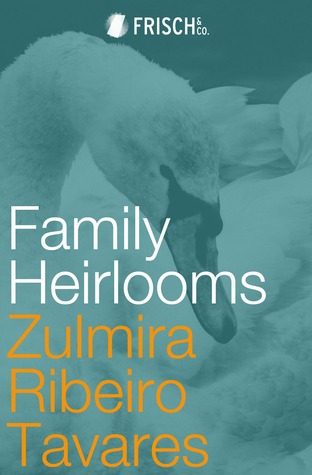
Family HeirloomsFamily Heirlooms was written by Zulmira Ribeiro Tavares, translated by Daniel Hanh. Born in 1930 in Sao Paulo, she wrote both fiction and non-fiction and was the recipient of many literary awards including the highest honour, the Jabuti Prize for this novella, now available for the first time in English.

It is the story of Maria Bráulia Munhoz, a widow whose nephew Julião is acting as her secretary, though not entirely trusted by his Aunt and especially after the news he brings her in the opening pages about her family heirloom.

The family heirloom brings back the memory of her husband, the judge, who brought it to impress her and her family. It is symbolic of their relationship, an item of great beauty and admired by all, though deceptive, multi-faceted, rarely seen for what it truly is.

Pigeon blood ruby

Pigeon blood ruby

Regardless of the deception, Maria maintains her honour, dignity and the illusion of her marriage long after her husband has departed. She uses her naiveté as a tool for her own survival, for as long as she continues to live with the perception of normalcy, so it continues to reign in her life. Like the emperor in his new clothes, she wears her heirloom with pride.

Maria reminds me a little of the mother figure in Carmen LeForet’s Nada, attempting to retain her bourgeois respectability despite evidence to the contrary, though she never allows us to feel sorry for her, for she makes of her situation exactly what she wishes it to be and insists that everyone sees it her way too. She is indeed a survivor.

An enjoyable, thought-provoking read of illusion, deception, acceptance and survival.

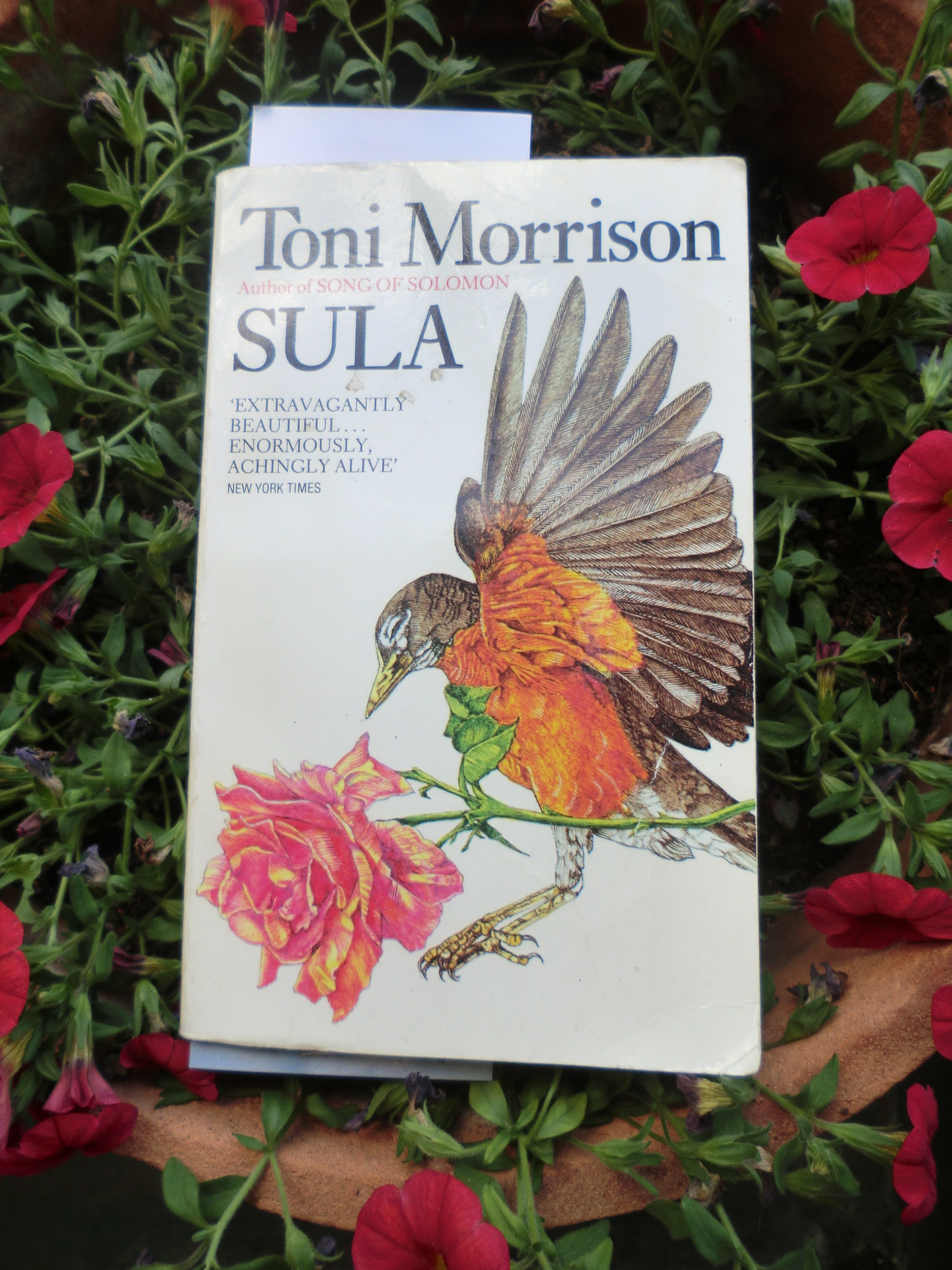
Sula, Toni Morrison

SulaA farmer promises freedom and a piece of land referred to as Bottom, to his slave if he performs some difficult chores. The town of Medallion grows up around the farmland, looking down on the valley where the more fertile land and the white folks live.

The slave blinked and said he thought valley land was bottom land. The master said, ‘Oh no! See those hills? That’s bottom land, rich and fertile.

‘But it’s high up in the hills,’ said the slave.

‘High up from us,’ said the master, but when God looks down, it’s the bottom. That’s why we call it so. It’s the bottom of heaven, the best land there is.’

It’s the town where Sula and Nel grow up in the 1920’s. Both are only children, Nel raised in her mother’s quiet, orderly neat home that oppresses her and keeps her protected and Sula in the home of her infamous grandmother Eva Pearce, a woman who hasn’t come downstairs in years and may or may not have done despicable things before she became one-legged and runs a kind of boarding house for vagrants.

“a household of throbbing disorder constantly awry with thins, people, voices and the slamming of doors”

In childhood, the two girls differences are insignificant, they revel in each other’s company, they test the boundaries of their community and environment, they experience joy and witness horror. They bury the past until it returns to haunt them in adulthood, when they can no longer avoid who they were always destined to be, thanks to the judgments and perceptions of others and the behaviours of those who went before them. And themselves.

“Their evidence against Sula was contrived, but their conclusions about her were not. Sula was distinctly different. Eva’s arrogance and Hannah’s self-indulgence merged in her and, with a twist that was all her own imagination, she lived out her days exploring her own thoughts and emotions, giving them full reign, feeling no obligation to please anybody unless their pleasure pleased her.”

The book is separated into two parts, the early 1920’s during the girls childhood and the late 30’s, early 40’s when Sula returns and creates a disturbing ripple throughout the small community, no longer used to her carefree ways, having forgotten the inclinations of the female characters she was spawned from. She becomes estranged from them all. Except one.

It is about the innocence and bonds of childhood, secrets between friends, the inclination to follow the well-trodden path of those who have gone before, despite the desire for freedom and individuality and the reluctance of others to see them any differently.

Toni Morrison

Toni Morrison

Her books are almost always the perfect size of a novella and every one of Toni Morrison’s stories I have read brings so much more than the sum of its pages to the reader in terms of things to consider, long after the last page is turned.

Her language is poetic, her characters resplendent with their flaws, they speak for the one and the many and show us ourselves, the parts we hide from view, that which is judged from outside and the inclination to judge without knowing.


14 July La Fête Nationale: A Salmagundi of French Literature

Prise de la Bastille by   Jean-Pierre Houël Source:Wikipedia

Prise de la Bastille by Jean-Pierre Houël
Source:Wikipedia

Today is a holiday here in France, marking the celebration of la fête nationale or as we know it in English Bastille Day, commemorating 14 July 1789 when the population fearing an attack by the royal military stormed the Bastille prison and released the many political prisoners in what became a symbol of the end to the rule of the monarchy and the beginning of independence.

There will be a military parade in the Avenue des Champs-Élysées in Paris and here in Aix-en-Provence and most towns in France there will be organised displays of fireworks to commemorate.

To celebrate the National Holiday, I am following the initiative of Marina Sofia at Finding Time To Write to highlight some recently read and upcoming French reads, now available in English, here is my salmagundi of French Literature!

Click on the title to read the review and read to the end to find the definition of that tasty word for the day Salmagundi:

Two French Books I am looking forward to reading:

Poisoning (3)

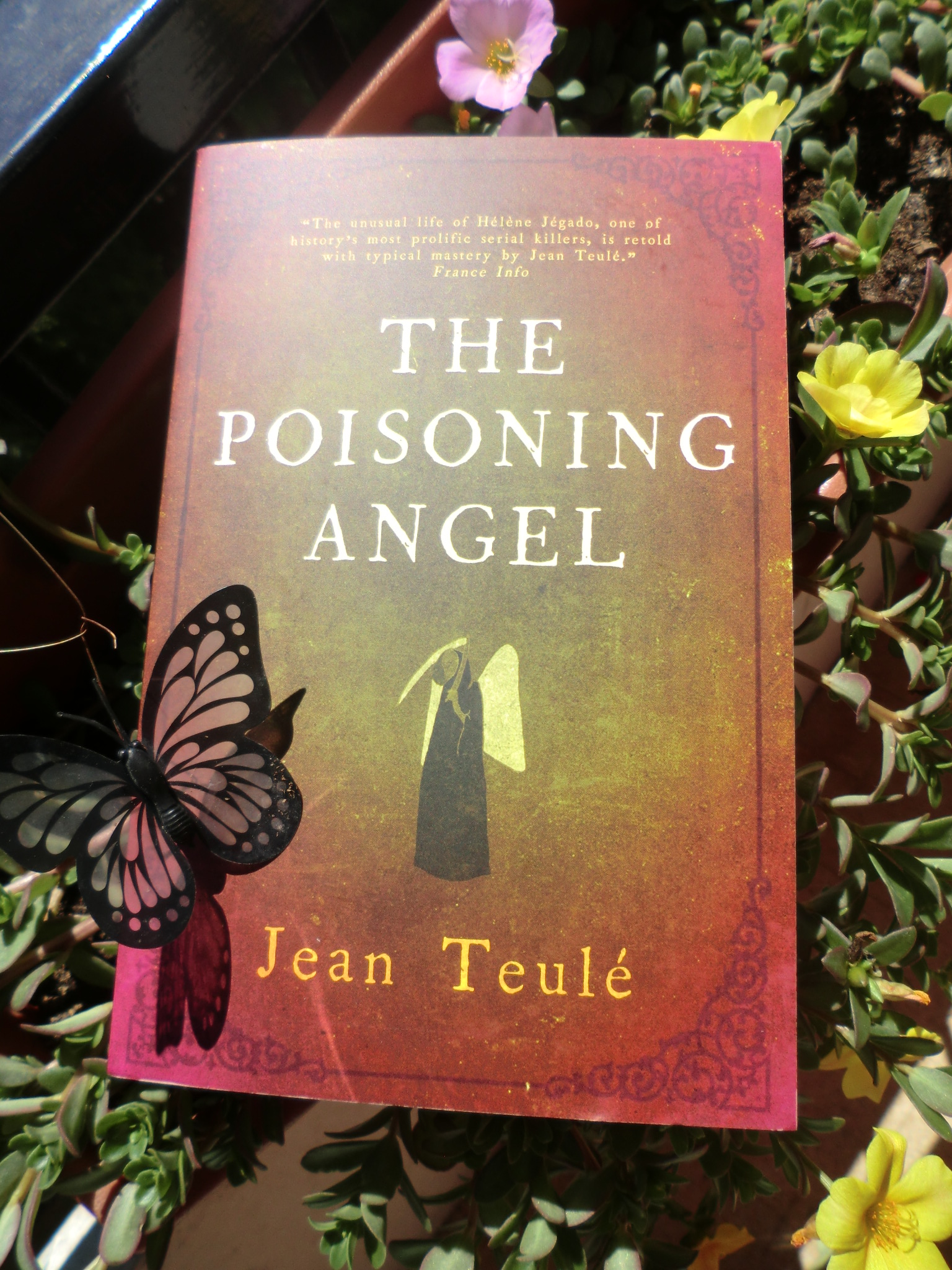
The Poisoning Angel by John Teule

translated by Melanie Florence

This book is actually to be published today 14 July 2014 and the author is a well-known name in French contemporary literature. In fact I have one of his books in French on the shelf already.

This one is based on a true but gruesome story of one of the most notorious serial poisoners that France has ever known and was described by the Sunday Telegraph as:

“a bawdy romp one minute, a gruesome tragedy the next. The writing is beautiful, witty, grisly and moving, and reeks of authenticity.”

Let’s hope all that comes off in translation.

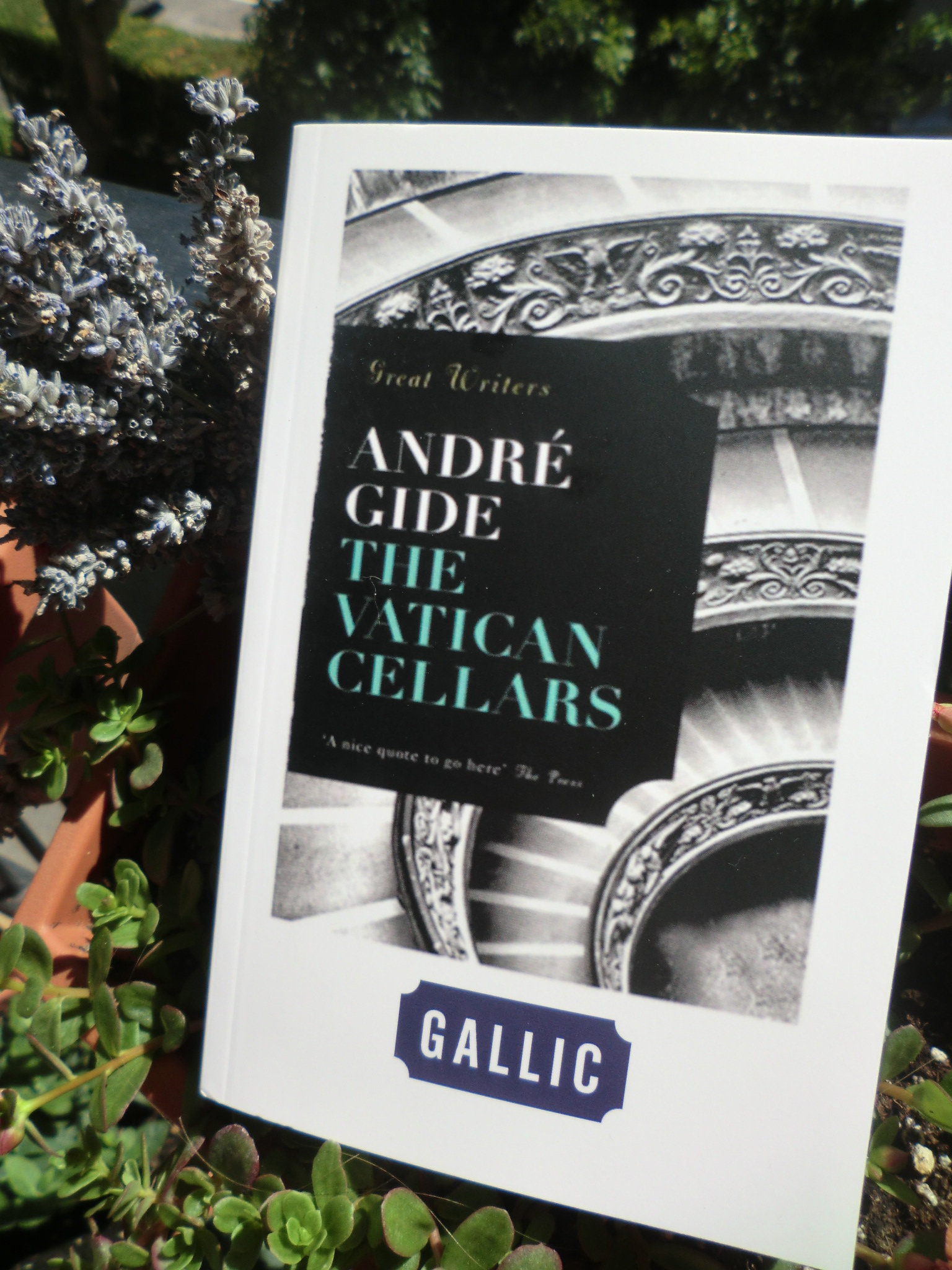
Vatican Cellars

The Vatican Cellars by André Gide

translated by Julian Evans

This book will be published in August 2014 to mark the centenary of the book’s first publication. It is set in the 1890’s around a group of ingenious fraudsters who claim that the Pope has been imprisoned and a false Pope enthroned in his place.

I haven’t read anything by this author, but he sounds like he caused quite a sensation with this novel and others, as he took it upon himself to explore morality in his work and was a major influence on the writing of Jean-Paul Sartre and Albert Camus. He was awarded the Nobel Prize for Literature in 1947 and one year after he died (in 1951) his works were placed on the Vatican’s list of banned books.

Three French Books I Read This Year:

Nagasaki (2)

Nagasaki by Eric Faye

translated by Emily Boyce

A short novella, based on a true story of an event that happened in Japan, that will make you check your fridge contents and ensure you lock the door at night.

Foundling2

The Foundling Boy by Michel Deon

translated by Julian Evans

Coming of age story of a young boy left as a baby on a doorstep, who grows up and has an insatiable need to travel and experience the world. The sequel soon to be translated into English as well.

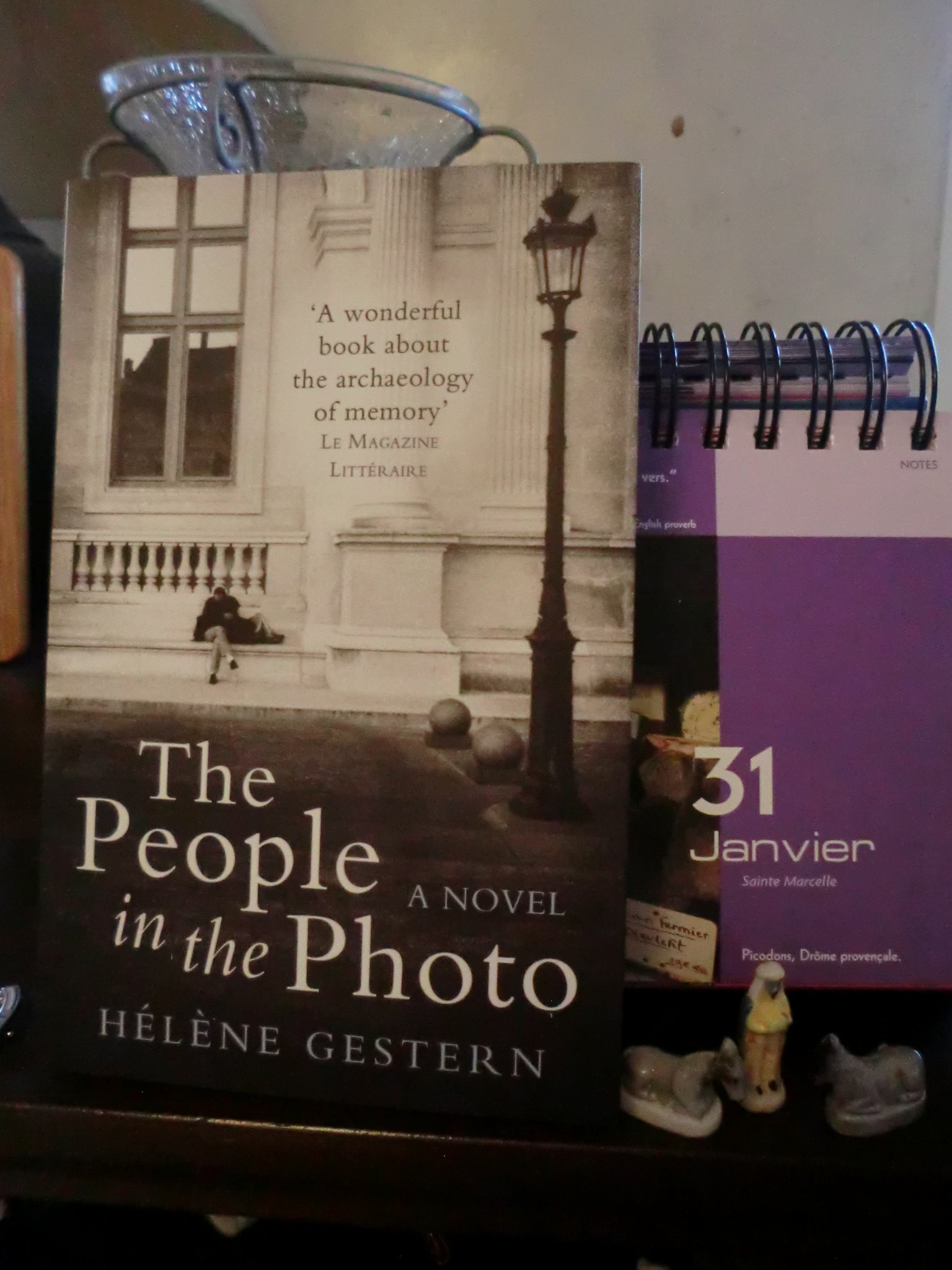
People in Photo

The People In the Photo by Hélène Gestern

translated by Emily Boyce,Ros Schwartz

A wonderful epistolary novel about a young woman searching for answers about events in her mother’s life before she was born, a photo provides a clue to those she knew.

Two Great Books Set in France:

All the Light

All the Light We Cannot See

by Anthony Doerr

Paris and Saint-Malo pre and during WWII following the lives of two children and their growth into adolescence, Marie-Laure who lost her sight at six and Werner who lost his parents and is raised in an orphanage. An excellent story that leads to the crossing of paths of these two characters and wonderfully evocative of place.

I Always Loved You

I Always Loved You

by Robin Oliveira

An insightful historical novel about the American painter Mary Cassatt, her life in late 1800’s Paris as she struggles to establish her name in the art world, enduring a life-long though fractious relationship with the impressionist painter and sculptor Edgar Degas.

Salmagundi:

  1. a mixed dish consisting usually of cubed poultry or fish, chopped meat, anchovies, eggs, onions, oil, etc., often served as a salad.
  2. any mixture or miscellany.

 Bonne Fête!


The Italian Chapel by Philip Paris

They were brought to the island as ‘the enemy’ and by the time they left they would have developed relationships and connections that continue to endure today between the inhabitants of the Orkney Islands and Moena, the Italian mountain village where the artist and decorator Domenico Chiocchetti originally came from and where he returned after the war.

the_italian_chapelPhilip Paris has written both a non-fiction account of the short history of the Italian Chapel on Lamb Holm and this book, the novel I have just read and adored. The fictional form allows the author to imagine some of the relationships for which there is little detail and create others that may have been.

It is a war-time story without guns, battles and tragedy, it could even be said it depicts what war purports to be all about, a strategy to create peace and establish tolerance and what better conduit to promote acceptance than to build a chapel, whose sole purpose is for prayer and reflection, a sanctuary from the day-to-day reality.

550 Italian soldiers are captured during WW2 in Egypt and sent to Camp 60 on Lamb Holm, Orkney Islands where they live in ramshackle Nissen huts and are used as free labour to build barriers between the islands to prevent entry to the mainland from invading forces.

“The nearest land is mainland Orkney, which is also an island. You will know from your journey that we are a long way from Italy. You’re all here to do a job, to help build a unique set of barriers between mainland Orkney to the north and between the islands to the south of Glimps Holm, Burray and South Ronaldsay. Four barriers in all.”

In the opening pages, bulldozers arrive with instructions to raze camp 60 to the ground, leaving no trace of the former POW camp. The Italian Chapel sits there beside the Nissen huts awaiting its fate. We then learn the story of how it came to be there.

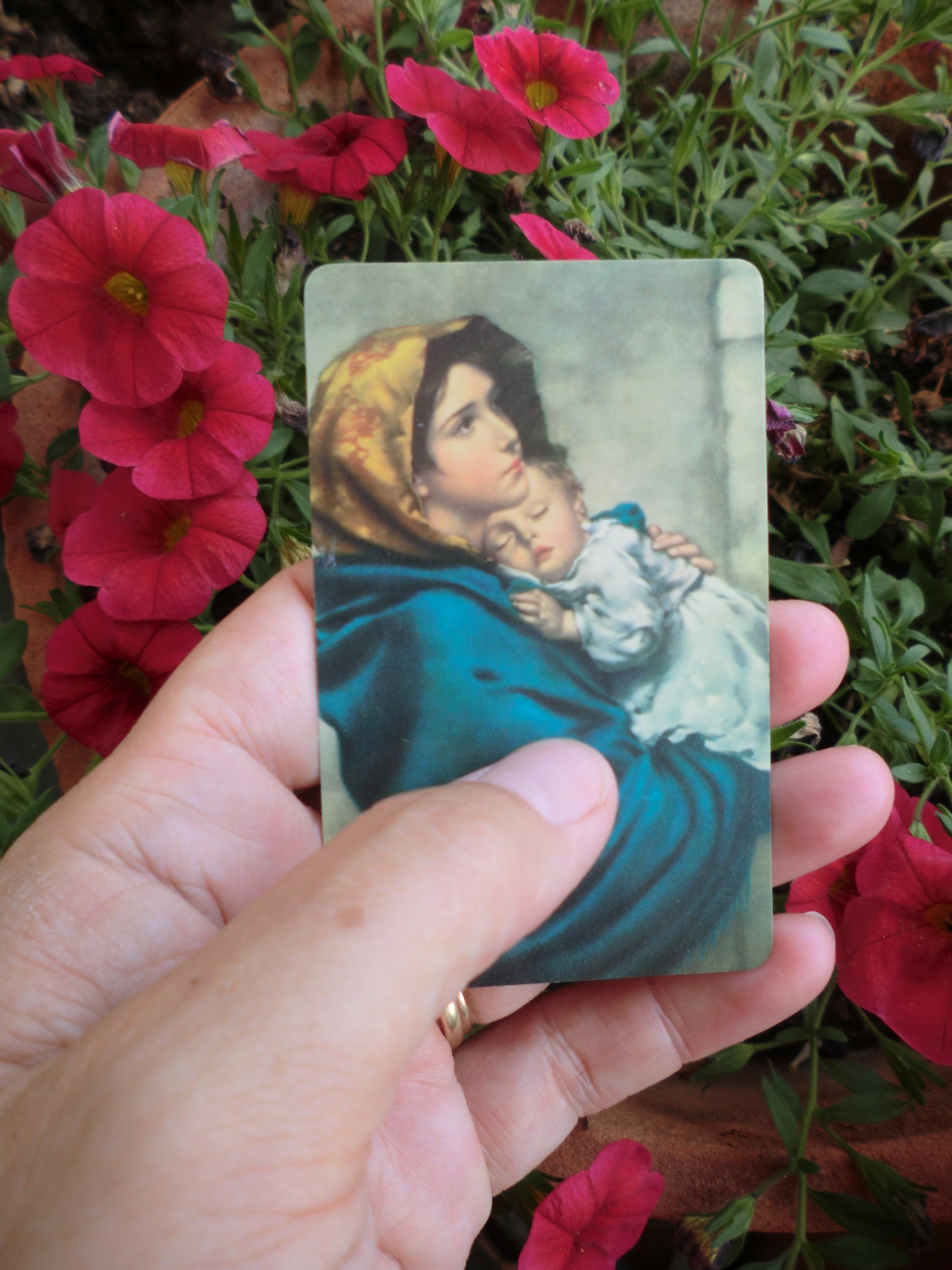
Image of the Madonna

Image of the Madonna

The novel introduces us to key characters in the camp, the artist Domenico Chiocchetti from the northern Italian village of Moena who keeps a small prayer card his mother gave him, with the image of the Madonna’s face in his pocket throughout the war, retrieving it at moments when he needed to escape the present, or remember the past and whose image will become a symbol of the thing he leaves behind, the only physical reminder that there was a POW camp on the Scottish island during the war.

We meet Aldo, who doesn’t talk about his family, but can source anything the men require, Buttapasta, a cement and stone artist, Giuseppe the romantic who had been a foundry worker in the US, they will all become instrumental in the project that occupies the men when the causeway barriers are complete and their status changes after Mussolini is sacked and the Italians are no longer the enemy. The men decide to create a chapel out of two unused Nissen huts and scraps from shipwrecks and whatever their captors can source.

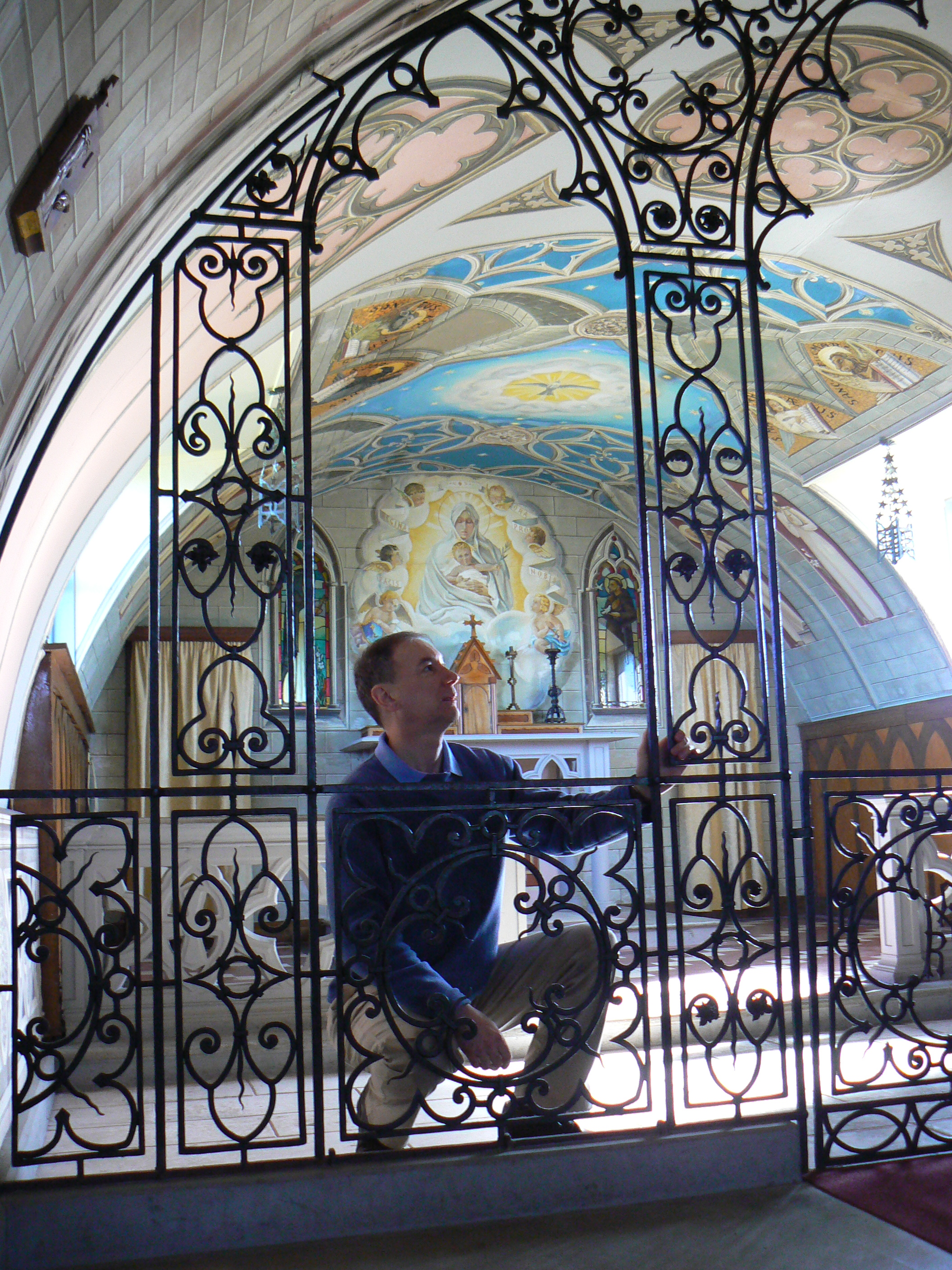
The prayer card becomes the inspiration for Chiocchetti’s portrait of the Madonna and child, painted on plasterboard behind the altar.  An altar is made from concrete left over from building the Barriers, tiles are rescued from a sunken blockship ( a ship deliberately sunk to prevent access to a channel) and wood salvaged from a shipwreck is transformed into a tabernacle. Carved lanterns are created from Bully Beef tins and candlesticks made from the brass stair rods, all contributing to create a beautiful and peaceful interior.

Philip Paris author observing the Rood Screen built by Italian POW soliders

Philip Paris author observing the Rood Screen built by Italian POW soliders

It is a story of optimism, incredible resourcefulness and the things men do to keep their spirits up when the circumstances are against them. It is an easy, light read and moving without being overly sentimental and knowing this wonderful refuge actually exists made it all the more meaningful and special for me as a reader.

Philip Paris has researched this period in history and tried to track down those who were on the island or their relatives and creates a memorable and heartfelt story of tough times that are lightened by a mutual desire to build not just a chapel, but a refuge of incredible beauty that can still be visited today.

“It was the prisoner’s escape, a tunnel to spiritual and cultural freedom, while their bodies remained in captivity.”

Art in Nature, Tove Jansson #TOVE100

Coming out of any intense, dramatic period of living can make it hard to choose appropriate reading material.

Recently I found it difficult to sustain reading as it all seemed too far removed from life’s demands that I be very present and attentive to the needs of those around me.

It made me reflect on what and who can I read I turn to during these kinds of periods. Short stories and/or non-fiction. Tove Jansson and The Dalai Lama.

TOVE 100 © Moomin Characters™

TOVE 100
© Moomin Characters™

I chose Tove Jansson (translated by Thomas Teal), because even her stories feel like they haven’t strayed too far from the reality within which they were inspired. I find immeasurable comfort in reading the words of this talented artist, the short form allowing a brief respite without requiring an ongoing commitment of a novel, when concentration spans are short.

Art in NatureArt in Nature is an intriguing collection of character studies, characters who happen to be creative, eccentric, obsessive, all curiously flawed in some way and Tove Jansson observes them in a situation until the cracks appear. They are a slice of life short narrative and any one of them could easily have morphed into a longer story such as her novel The True Deceiver I recently reviewed here.

The first story Art in Nature is about a caretaker watching over an exhibition of work in open air.

“He slept in the sauna down below the great lawn where the sculptures were set out among the trees.”

The day has its rhythm and characteristics and the evenings belong to the caretaker, the quiet contemplative time when he is alone among the unmoving silent works, still, post creation. He observes everything, every inclination, every watcher, he categorizes them and becomes attached to how things are.

“Almost all the feet moved respectfully. If they were with a guide, they’d stand still for a while, all turned in the same direction, and then they’d change direction all at the same time to look at something else. The lonely feet were uncertain in the beginning, then they’d move slowly at an angle, stop, stand with legs crossed, turn around, and sometimes they’d lift one foot and scratch with it because there were lots of mosquitos.”

Until one evening when a couple overstays, middle-aged adults breaking the rules, having a domestic argument. He intervenes, listens to them argue, provokes them with his own thoughts on the mystery of what art is.

Tove Jansson's Atelier © Moomin Characters™

Tove Jansson’s Atelier
© Moomin Characters™

The Cartoonist is a mysterious, insightful look into the daily work of an illustrator, a job that Tove Jansson’s mother did and one she dabbled in herself, making me wonder how much of this was inspired by the environment and circumstance of her mother.

A famous newspaper cartoonist has quit suddenly after 10 years and a new artist is required to assume his role without a break in the cartoon strip, without his fans knowing. The new artist slips easily into the role but becomes plagued with needing to know why his predecessor quit.

The Doll’s House is brilliant and shocking and quite different from anything else of Jansson’s I have read. Like The True Deceiver, it shows her deftness at spotting signs and cracks in character that over time can grow from barely visible flaw into raging psychological dysfunction when neither checked or dissipated.

Two recently retired men who have lived together and shared the same respect for the beautiful objects that surround them, are adjusting to the new routine of no longer having demanding day jobs. Alexander is a craftsman and Eric a retired banker.

“Alexander was an upholsterer of the old school. He was exceptionally skilled, and he took a craftsman’s natural pride in his work. He discussed commissions only with those customers who had taste and a feel for the beauty of materials and workmanship. Not wishing to show his contempt, he referred all the others to his employees.”

In the beginning they have difficulty adjusting to this new way of life, discovering that in such close proximity their interests aren’t as fine-tuned or in harmony as they had appeared when their time was absorbed by outside demands. Eric begins to take on more of the domestic role and Alexander begins a project to build a miniature house. He seeks the help of an electrician called Boy, who becomes his trusted helper.

“Boy came back almost every evening. He often brought little table lamps, sconces, or a chandelier that he’d found in some hobby shop or toy store. He came straight from work in his jeans and trailed street dirt over the rugs, but Alexander didn’t seem to notice – he just admired what Boy had brought him and listened gravely to his suggestions about improvements to the house.”

Just rereading these two quotes, makes me realise what clever insights Tove Jansson’s places into the text, the clues into character are there from the beginning and the simple daily events that follow turn these insights into something raw and dangerous.

Another excellent collection of stories from the Finnish artist and writer who would have been 100 years old next month.

Absolutely gripping!

Check out her books and events at TOVE100.com

Tove Jansson with her brother Per Olov © Moomin Characters™

Tove Jansson with her brother Per Olov
© Moomin Characters™


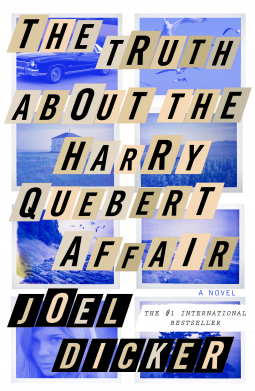
The Truth About the Harry Quebert Affair by Joël Dicker

Ok a few truths.

TruthAboutHarryThe Truth About the Harry Quebert Affair was originally written and published in French. The Swiss author, 28-year-old Joël Dicker’s first novel wasn’t a big hit, but he followed it up by writing this 600 page satire of  a young American man (his age) who writes one bestseller and then can’t write anything else.

His pushy agent and publisher threaten law suits and ruin unless he meets a deadline on his next big thing. Rather than write, he visits his ageing writing professor in New Hampshire, who was once a young man who wrote a bestseller and then didn’t write anything else. He gives him advice that prefaces many of the chapters:

“Books are interchangeable: People want a story that excites them, relaxes them, entertains them. And if you don’t give them that, someone else will – and you’ll be history.”

More truth.

Harry QuebertYesterday I was in the popular French bookstore FNAC (a kind of WH Smith equivalent) in Lyon and saw La Vérité sur l’Affaire Harry Quebert is still in the Number 1 slot. I saw it the day before in the giant supermarket Carrefour in the same position. It’s been a bestseller for over a year in France.

I do love watching a book become a runaway success and don’t always read them, but this is a book in translation, double victory –  the rights sold to 35 countries and translated into 37 languages and it won two prestigious French book awards.

The Harsh Truth.

However despite all the accolades, I have to be honest and say that I did not enjoy the read, it offered very little in terms of what I like to get from a book and worse, it annoyed me immensely in parts.

Maybe Not Your Truth Though.

But first the story, because it is a somewhat compelling read which many have and still may enjoy; full of twists and turns, a disappearance,a cold case reopened, concerning teenage girls, older men, appearances not what they seem, everyone with something to hide and more twists than an old-fashioned telephone cord. So many twists in fact, I can’t remember who did it. No, everyone did it, didn’t they? Well, Dicker certainly has a skill in making you think they’re all capable of murder.

So Marcus Goldman is living the life of a rich and famous writer in New York on the strength of a debut bestseller, when his writers block starts to have menacing consequences and he has to come up with a solution, quickly. He visits his old university professor Harry Quebert, whom he had kind of forgotten while he was busy being famous and pursued by actresses and other celebs. Not long after his visit, Harry is accused of the murder of Nola Kellergan (Nola, Lola, Lolita?), a 15-year-old girl who disappeared 30 years ago, whose remains are discovered, implicating Harry Quebert.

Marcus returns to Harry’s home when he is arrested and makes the investigation of his innocence his new purpose in life, he meddles in police affairs, interviews locals and even receives his own menacing threats penned by someone who wants him to leave town. The case might well provide him with the solution he requires, as his publisher asks him to write The Truth about what went on between Harry Quebert and Nola Kellergan.

Joel Dicker

Joël Dicker speaking in FNAC bookstore

A Consuming Truth

Viewing the wall of bestsellers is the first thing you see when you enter major supermarkets in France like Geant Casino and Carrefour; it says a lot about local culture that people are being enticed to grab a book at the very first moment they enter a supermarket! I don’t think I have seen that in any other country, I have listened to experts talk about enticing customers with fresh healthy fruit at the entrance, but not literature.

Too Many Additives

For me, although I get the requirement of a modern social satire to exaggerate, the Harry Quebert story carried too many characters that were inflated caricatures of American stereotypes, with insufficient humour to make it work. Trying to be a satire, a pastiche and a murder mystery with its innumerable twists made it for me, like a cocktail made by an unsupervised teenager  who, rather than combining two ingredients, like a mature pre-adult can’t resist adding a little of everything on offer until ultimately it becomes unpalatable.

I viewed it as an outsiders attempt at making a comment on modern American society, media, publishing, the sensationalism and obsession with broadcasting the trials of celebrities. That a 28-year-old writer could enter into a police murder investigation and  didn’t ring true enough for me to be able to read it without the constant presence of low-level annoyance at its flaws. Perhaps if I had saved it for a summer read when my expectations are lower, I may have enjoyed it more.

I do love that a French bestseller was picked up by international publishers and translated into English, the author interviewed in The Observer and elsewhere, but sadly, this award-winning novel wasn’t my cup of tea.

Great Gatsby2And in a twist of Great Gatsbyish irony, it seems that thousands of the English translation books are languishing in storage, waiting for a boom that has yet to arrive. Will it take a generation to be revered as an apt indictment of the times or will it languish in obscurity as a publishers costly mistake?

Further Reading:

The Observer Article – Joël Dicker: ‘I lost a bit of control of my life’

Note: This book was kindly sent to me by the publisher via NetGalley.