Literary Blog Hop Winner!

Thank you everyone who participated in the Literary Bloghop and to all who follow this blog, Word by Word.

I am delighted to announce the winner of the giveaway, who will soon be receiving a copy of Claire Fuller’s excellent novel Our Endless Numbered Days is……

Debbie Rodgers from Exurbanis

DebbieRodgers

Congratulations Debbie, I am sure you’re going to enjoy the book!

Thanks again to Melanie at My Book Self for organising the giveaway.

A Spool of Blue Thread by Anne Tyler

Anne Tyler is an author that is well-known to many and A Spool of Blue Thread is her 20th published novel, said perhaps to be her last.

If like me you haven’t read Anne Tyler before (am I the only one?), you can get an idea of what she’s about from this succinct, sound-bite like feature 10 Things you Need to Know about Anne Tyler by Shelley Marks via The Pool, a hip, online writing, audio and video resource for women, that launched just before Easter. Click on the image below to visit.

The Pool

Anne Tyler writes about family and domestic life in suburban America (Baltimore) and this new novel opens with something of an anti-drama when Abby and Red Whitshank receive a confusing telephone message from their son Denny, who has left home but not exactly settled into whatever it is he intends to do. Abby swings between wanting to just leave him be and being over-anxious to find out what’s going on.

A SpoolThe novel dwells on certain periods when members of the family return home, the four children are all adults in the opening pages and as the back story is filled in, we observe petty grievances, old resentments, current mysteries and a family coming to term with changes as their parents age and may need to move on from the family home.

The book is separated into four parts, starting with Abby and Red in their later years in 1994, sliding back to 1954 just before they began dating, and then even further back to the period when the family home was built by Red’s father Junior, the most intriguing chapters of the book for me, where we hear about how he and his wife Linnie met, the book then returns to the present in Part Four.

The family home could almost be considered a character in itself, the novel concerning the minutiae of family life and events related to that house that was originally built by Red’s father Junior Whitshank, a home he constructed for Mr and Mrs Brill, but one he tended with a love and obsession to detail one would normally reserve for one’s own home. For deep inside, he knew he was building it for himself, he would just have to wait the necessary years – a patience he knew well, and sure enough the opportunity came around when he would indeed reclaim it.

“It was nothing but an architect’s drawing the first time he laid eyes on it. Mr. Ernest Brill, a Baltimore textile manufacturer, had unfurled a roll of blueprints while standing in front of the lot where he and Junior had arranged to meet. And Junior glanced first at the lot and then down at the drawing of the front elevation, which showed a clapboard house with a gigantic front porch, and the words that popped into his head were ‘Why, that’s my house!’ “

Over the years and generations that followed, that home became the repository of memories, events and upbringings whose recollections were as present as the fixings that held the structure together, every inch of the house infused with the presence of family past and present. It is not until we arrive at Part Three that we really understand the significance of the house and what it meant for Junior to have arrived there, thus allowing the next generations to live as they do, in blissful ignorance of their past.

This narration of the present before the past adds an unexpected surprising element to what is otherwise a fairly straightforward domestic saga, the Whitshank’s don’t know much about their origins and the reader too won’t learn what the family will never know until later in the book. It reminds us not to make assumptions about people, not to judge a family by the size of their porch, a book by its cover, and so many other outward appearances that make it easy to create a false image of what lies within.

Spool Blue ThreadA Spool of Blue Thread reminded me in some ways of Jonathan Franzen’s The Corrections, I guess that is the book that comes to mind, when I try to recall if I’ve read anything similar to this.

Ironically, after finishing this book, I read Anne Tyler’s Ladder of Years to get more of a feel for her work and about two-thirds the way through, came across another spool of blue thread, which although a causal reference, did make me wonder if this story had been gestating a long time.

A Spool of Blue Thread is long listed for the Baileys Women’s Prize for Fiction 2015.


The Autobiography of my Mother by Jamaica Kincaid

Jamaica Kincaid’s The Autobiography of my Mother is a book that was being discarded from our local English library that I pounced on when I discovered it in the collection of books that hadn’t been borrowed for years and therefore must make way for others.

The 7 books I rescued from the Annual Library Sale!

The 7 books I rescued from the Annual Library Sale!

I already have two slim novellas by the same author that sit unread, but something about this novel, for it is fiction, despite the playful title, insisted it should be read at once. Not just a fabulous cover, which is repeated inside as chapter headings, each chapter reveals a section of the photo, until the last one revealing the entire portrait – but the comments from various publications and writers who sang its praise back in 1996 when it was first published.

“Writing in precise, lyrical prose that uses the repetition of images and words to build a musical rhythm, Jamaica Kincaid conjures up the world of Dominica in all its beauty and casual cruelty, a world in which the magical coexists with the mundane, a world in which the ghosts of colonialism still haunt the relationships between men and women. In doing so she has written a powerful and disturbing book.” NEW YORK TIMES

And let me say from the outset, I absolutely loved this book, its language, its voice, its poetry, the complexity of its narrator, who could be so distant yet simultaneously get so under your skin. There is a raw but brutal honesty to it, that disturbs and is to be admired at the same time, it is so full of contrasts and so compelling and beats its rhythm so loud, I almost can’t describe it.

Now that I have finished it, I want to read more by Kincaid and just now before writing this review I looked up a little about the author’s own life, and now I am even more intrigued, what an amazing story and experiences which are often at the heart of what she channels through her stories. A unique voice indeed.

So for those who, like me, knew little about this author, a little background before talking about the novel.

Jamaica Kincaid was born Elaine Potter Richardson in the capital city of St. John’s, Antigua in 1949.  Antigua is a small island in the West Indies (a region of the Caribbean basin), colonised by the British in 1632 that became independent in 1981.

Caribbean


Her mother was from Dominica and her biological father, a West Indian chauffeur, whom she didn’t meet until her thirties.  Kincaid was an only child until she was nine, when the first of her three brothers was born. Until then she’d had the sole attention of her mother, so life changed dramatically thereafter and at 17 she left for America, severing ties with her family and did not return to Antigua for 20 years, though it resonated deep within her creativity.

She still lives in the US today and teaches at Claremont McKenna College in Claremont, California. Her most recent novel See Now Then was published in 2013 after a 10 year absence, depicting in her original style the unravelling of an interracial marriage.

Autobiography MotherIn the autobiography of my mother, we encounter Xuela Claudette Richardson, who narrates her life looking back over seventy years, though the sense of her life reads as if it is being lived in the present, so vivid are the memories, so visceral the experiences. Her mother died in child birth and her father left her with his laundry woman until she was seven, when he remarried and came back for her.

She recalls the moment vividly through the senses and how it made her feel.

“I thanked Eunice for taking care of me. I did not mean it, I could not mean it, I did not know how to mean it, but I would mean it now. I did not say goodbye; in the world that I lived in then and the world that I live in now goodbyes do not exist, it is a small world. All my belongings were in a muslin knapsack and he placed them in a bag that was on the donkey he had been riding. He placed me on the donkey and sat behind me. And this was how we looked as my back was turned on the small house in which I spent the first seven years of my life…”

Through the narrator looking back over years and at events that she re-experiences as she recalls them, we see how it was then, that something, whether it is the lack of maternal love or the makeup of this character, nature or nurture, contributes to her way of being in the world in an emotionally detached way. She responds to instincts and observes acutely her own responses and is able to look back on them and describe and account for them, but there is a sense of something missing, that appears through the recurring dream of a mother climbing up and away from her and the questions she asks herself throughout her life.

“Who was my father? Not just who was he to me, his child – but who was he? He was a policeman, but not an ordinary policeman; he inspired more than the expected amount of fear for someone in his position…At the time I came to live with him, he has just mastered the mask that he wore as a face for the remainder of his life: the skin taut, the eyes small and drawn back as though deep inside his head, so that it wasn’t possible to get a clue to him from them, his lips parted in a smile. He seemed trustworthy.”

Yet nothing is ever as it seems and she depicts her father as dishonest and grows up in a culture and environment of distrust, discouraged from making friendships, made to see that no one can be trusted.

“We were not friends; such a thing was discouraged. We were never to trust each other. This was like a motto repeated to us by our parents; it was a part of my upbringing, like a form of good manners: You cannot trust these people, my father would say to me, the very words the other children’s parents were saying to them, perhaps even at the same time. That “these people” were ourselves, that this insistence on mistrust of others – that people who looked so very much like each other, who shared a common history of suffering and humiliation and enslavement, should be taught to mistrust each other, even as children, is no longer a mystery to me. The people we should naturally have mistrusted were beyond our influence completely; what we needed to defeat them, to rid ourselves of them, was something far more powerful than mistrust. To mistrust each other was just one of many feelings we had for each other, all of them the opposite of love, all of them standing in the place of love.”

Her father’s wife who is resentful toward Xuela and reminds her often that she can’t be her father’s daughter, soon bears two children, a boy and a girl. Though there is no love between them, Xuela doesn’t hate her, she has sympathy for her.

“Her tragedy was greater than mine; her mother did not love her, but her mother was alive, and every day she saw her mother and every day her mother let her know she was not loved. My mother was dead.”

At 15, her father removes her from his home and takes her to live with a business partner and his wife as a boarder. She develops a close friendship with the wife, Madame LaBatte, observing with the same acuity their relationship and way of living and enters womanhood herself, observing and experiencing changes in her own body and the effect it elicits in others.

She makes decisions about her own womanhood, about her body, about mothering. And she lives her life in accordance with those decisions. She marries, she discovers love and seems never to lose that ability to see through the illusions that surround all those things without sacrificing pleasure and contentedness.

“And this man I married was one of the victors, and so much a part of him was this situation, the situation of the conqueror, that only through a book of history could he be reminded of a time when he might have been something other, something like me, the vanquished, the defeated. When he looked at the night sky, it was closed off; so, too, was the midday sky, closed off; the seas were closed off, the ground on which he walked was closed off. He did not have a future, he had only the past, he lived in that way; it was not a past he was responsible for all by himself, it was a past he had inherited. He did not object to his inheritance; it was a good one, only it did not bring happiness; and his reply to such an assertion would be the correct one: What can bring happiness? At the moment the conqueror asks such a question, his defeat is secure.”

And at the end I ask, who is writing this story? Who is this mother who had no mother and no children? And in the dying pages, she will answer the question and we may realise we knew it all along.

the autobiography of my Mother plumbs the depths of maternal love and its lack, mother daughter relationships, self-love, absent fathers and the latent influences of enslavement and occupation, how they continue to distort reality even when they are no longer present.

I find it almost impossible to describe the reading experience, except that it left me asking “How did I not know about this book?” The voice is so unique and powerful and much more than an imagination, it is rooted in something strong and yet transparent and is utterly compelling.  Don’t read this for story, this is about writing and thus reading through the senses, Jamaica Kincaid creates prose that inhabits them all.

A 5 star read for me!

Click Here to Buy a Copy of The Autobiography of My Mother Now!


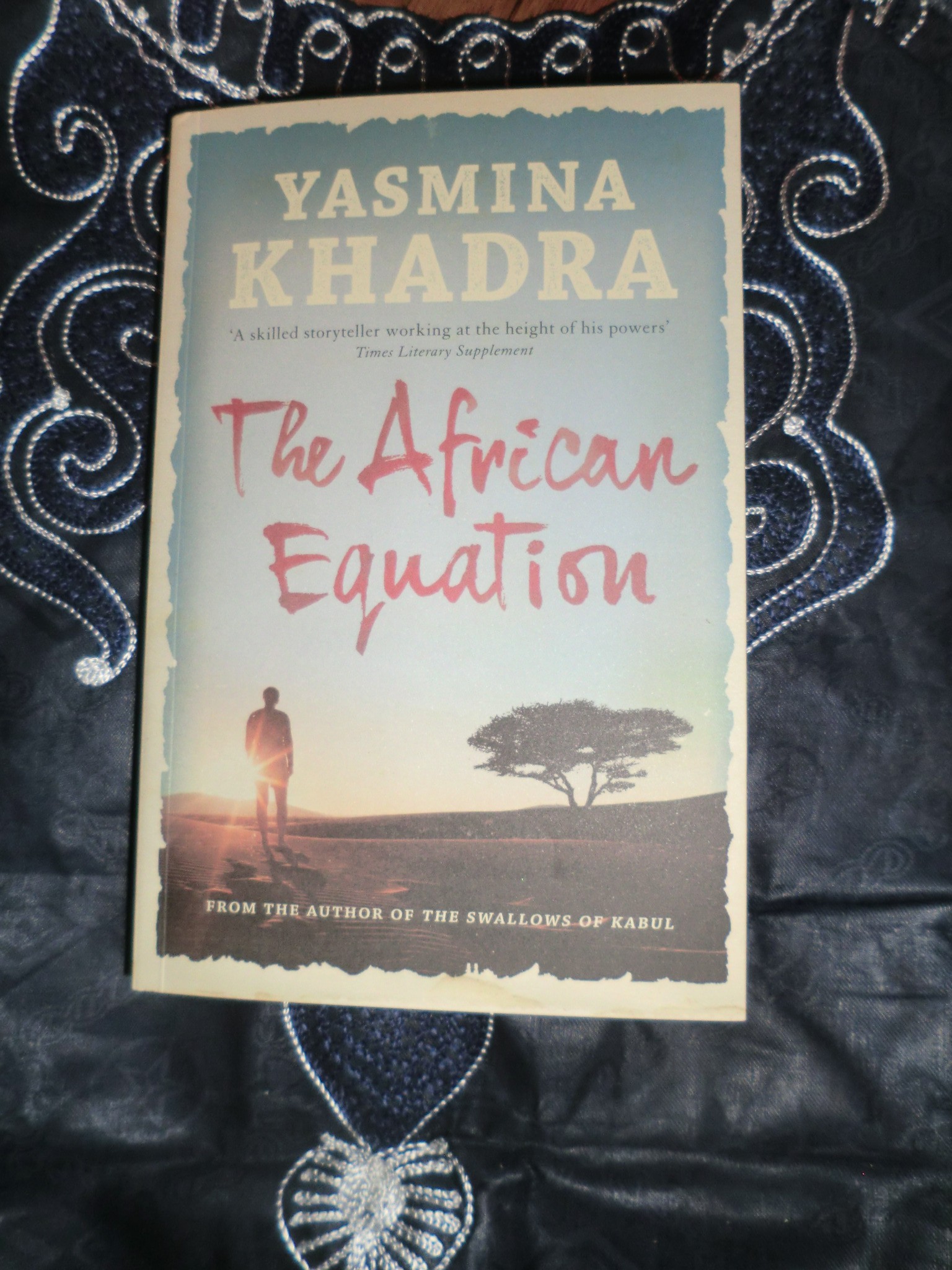
The African Equation by Yasmina Khadra tr. by Howard Curtis (French)

Yasmina Khadra is a name I have seen and heard mention often, here in France. At first, I too thought it was a woman writer. The real Yasmina Khadra is indeed a woman, but the author of the books is her husband, the Algerian writer Mohammed Moulessehoul, who created the pseudonym to deflect attention away from censors, as he was an officer in the Algerian army at the beginning of his writing career. His real identity was only revealed after he left the army and came to France to live in 2001.

He is known for offering an alternative narrative and perspective on the subjects he pursues in his fiction, a challenge to commonly held Western stereotypes. Whether he achieves that or not, his books fly off the shelves in France and now appear to be gathering an audience in the English language as well. It’s disturbing, compelling, likely to provoke much debate and makes me look forward to reading his next book.

KhadraFirst published in France in 2012, The African Equation was translated by Howard Curtis for Gallic Books and made available in February 2015. Two further titles will be published in late 2015 and 2016.

Kurt Krausmann, a doctor living in Frankfurt, Germany met a beautiful woman while in Paris, both were there for work purposes, attending different conferences in the same hotel, seemingly wedded to their careers, they found each other and if we are to believe the doctor narrator, 10 years of contentedness followed.

Moments from the past now arrive unbidden, a mocking assurance as his illusion of bliss is permanently scarred the evening he arrives home to discover the loving (though recently tormented by he knows not what) Jessica, has committed suicide.

The doctor’s ritualistic, clinical, predictable life is turned upside down and he experiences extremes of emotion, the like of which he would normally only ever encounter in the detached manner he has of observing patients, those symptoms he has so often downplayed in others threaten to overwhelm him.

‘Try to forget your dark thoughts, Frau Biribauer,’ I said. ‘You’re worrying unnecessarily. It’s all in your mind. Keep your spirits up. You’ve shown great courage and a clear head. You have no reason to give in now. With its joys and pains, life deserves to be lived to the end.’

His friend Hans Mekkenroth, a wealthy philanthropist throws him a lifeline, suggesting he travel with him on one of his regular humanitarian missions, they will sail across the seas in his yacht to deliver supplies to the Comoros Isles.

Hans lost his wife Paula some years before and though there isn’t a day when he doesn’t miss her, he appreciates that life doesn’t stop, he has found meaning in using his wealth to try and alleviate the suffering of others (while enjoying the element of adventure), whether it is the poor of Africa or the 1st world problems of his companion the Doctor, Kurt.

The Gulf of Aden

The Gulf of Aden

Kurt is about to discover a version of suffering and misery worse than he came with, when they are hijacked by pirates in the Gulf of Aden in the middle of the night and taken hostage. Transported inland, they are initially held in a cave, while their captors decide what to do with them and teach them a lesson or two in the meantime.

The men are moved and lose all sense of where they actually are, as they try to understand who is in charge and what is going on around them. When they meet fellow hostage Bruno, a Frenchman who has been living a nomadic existence in Africa for 40 years, they begin to understand the varying potential prices on their heads and fear for their survival. Despite his captivity, Bruno the ‘born again African’ Frenchman, refuses to let go of his love for Africa, countering every negative situation with an alternative view.

‘I don’t understand what goes on in these monsters’ minds.’

‘A goldfish can’t bring the complexity of the ocean back to the tranquillity of its bowl, Dr Kausmann,’ Bruno said with a hint of reproach.

‘I don’t live on another planet,’ I retorted, exasperated that he could still come out with these insinuations after all I had been through.

‘Neither does a goldfish. But what does it know about storms? The world has become colour blind. On both sides, everything is either black or white, and nobody cares to put things into perspective. Good and evil are ancient history. These days, it’s a matter of predators and prey. The predators are obsessed with extending their living space, the prey with their survival.’

‘You’ve been too long in Africa, Bruno.’

‘What is Africa, or Asia or America? he said in disgust. ‘It’s all the same. Whether you call it a brothel or a whorehouse, it’s the soul that’s in it that determines its vocation. Whether you say “it smells bad” or “it stinks” doesn’t change the air around you. The South Pole is only the North Pole lying on its back, and the West is only the East on the other side of the street. And do you know why, Dr Kausmann? Because there are no more shades of grey, anybody can rationalise anything, even the worst atrocity.’

The hostage experience awakens a once dormant, now seething rage in the Doctor, an equivalent madness that has been roused for some time in his captors, as they trade insults, tirades of hatred and contempt revealing how similar they all are, despite their intent to exert superiority and dominance, each striving to rise above the other. They have worn their societal labels, been perceived, and practised as a Poet(the African) and a Doctor(the Westerner) yet in this unforgiving environment, they are reduced to their despicable worst, seeing the other as their nemesis, representing the worst of those stereotypes, they reduce each other to in their respective forms of bigotry, showing themselves equally capable of the worst man can do, given the circumstances.

Yasmina Khadra

Yasmina Khadra

It is a compelling story that provokes as many questions as it answers, that at times risks falling into the stereotypical traps it seeks to avert. The Doctor had no desire to travel to the African continent, he is there by accident, thus he represents the perspective of those who come by their views through media and external cultural perspectives and his violent experience would seem only to strengthen those views, though they are challenged by some of his later encounters.

Without giving the plot away, I conclude he learns little from his experience, he reverts to his former self, seeks a form of escape from his reality, another version of the life he had before. Perhaps this is what Khadra is getting at, whether it’s a hostage experience, a safari trip or medical relief, that Westerners remain unchanged by their experience? Certainly tourism is rarely a life changing activity, but living in another country for more than 40 years might be.

We were puzzled by the suicide of the Doctor’s wife and though a reason is proffered, there is little introspection on his part to understand his role in it. Did his subsequent journey transform his character in any way? His reaction on his return and unwillingness to explore it, suggest not.

On the reverse side of this equation, we witness the horror of hostage taking and the keeping of prisoners in horrid conditions, the anger and violence of men, the arid landscape, civilian brutalities, villagers on the run and a refugee camp. They a significant contrast to the part of Africa I have been in recently through Wangari Maathai’s autobiography, Unbowed, One Woman’s Story she inhabited a woman’s world in the beginning and then through education, the Kenyan elite. Her story does more to dispel the myths and stereotypes than anything else I have read so far. She may have been an exceptional woman, but I have no doubt there are many more like her, who could teach us a lot more about the Frenchman Bruno’s favourite and frequent quote:

‘That’s Africa, Monsieur Krausmann!’


Top Reads 2014

It’s tough to have to choose one, and all the books below have been excellent reads, but the one standout for me was Prayers for the Stolen, because I haven’t stopped thinking about it all year,  it’s always top of mind when anyone asks me about a good book I’ve read recently, just as I still recommend Caroline Smailes The Drowning of Arthur Braxton from 2013 and Eowyn Ivey’s The Snow Child from 2012, all outstanding reads.

The Stats

This year I read 57 books, basically one book a week, 79% of my reads were fiction, 16% non-fiction and 5% poetry. I managed to read books by authors from 18 different countries and this year 40% of what I read was translated from another language. 54% of the books I read were printed books and 46% I read on a kindle. 63% were written by a female author.

Outstanding Read of the Year 2014

Prayers For The Stolen by Jennifer Clement
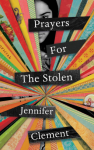
prayers for the stolen This book had a huge impact on me at the time of reading,  a fictional account of a girl named Ladydi growing up in a part of Mexico where it is dangerous to be a girl, so the mother’s disguise them as boys, from the moment of their birth.

An insightful read, about a tragic issue, told with empathy and humour and helping to raise awareness of the plight of so many women and girls unable to speak out for themselves. A must read.


And in no particular order, My Top Reads for 2014!

Top Fiction

1.Eugene Onegin by Alexander Pushkin (translated from Russian by James E. Falen)
Eugene Onegin 7 8The epic book length poem Eugene Onegin was my surprise read of the year and pure delight. I avoided reading it for years and years thinking it would be inaccessible. It was hilarious and a riveting read.

I read it two chapters at a time in a read along and was thoroughly entertained by that cad Eugene Onegin and bemused by that reader of far too many romantic novels Tatiana, and broken-hearted at the fate of the poet. Absolutely brilliant and I would quite like to read another translation after some of the comparisons other readers made as we read, what turns out to be not quite the same version. More Pushkin definitely.

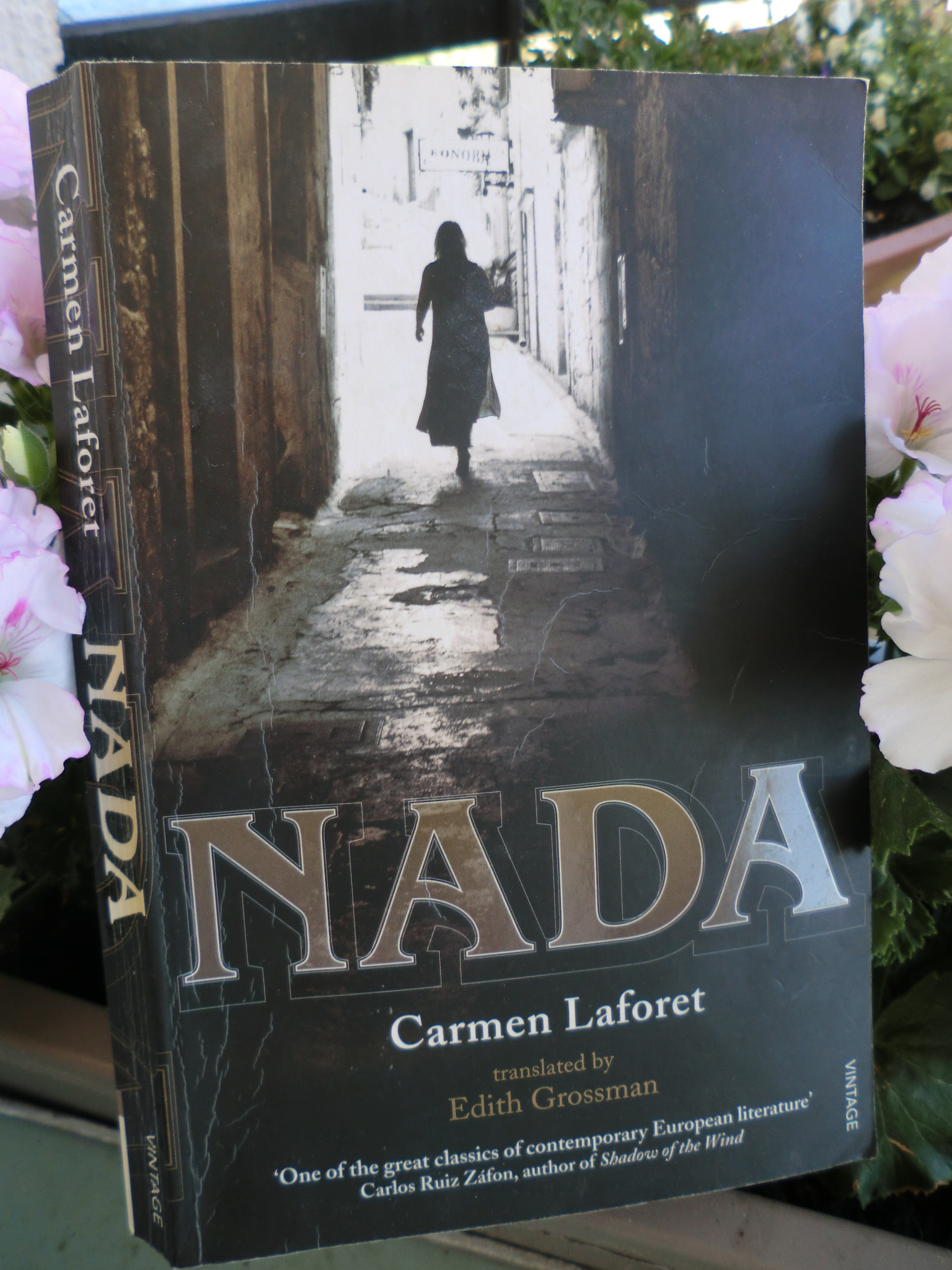
2. Nada by Carmen Laforet (translated from Spanish by Edith Grossman)
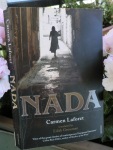
Nada (2)Nada was being passed around friends all exclaiming its wonder, a book written by the author when she was 23 years old and based on her own similar experience as a young woman moving to Barcelona to study. It takes place in the shadowy aftermath of a traumatic civil war, its effect hanging over her family. Andrea, now an orphan, arrives to stay with relatives, however her stay is not as she’d imagined it, the family are full of eccentricities and Andrea finds more refuge in the gloomy streets and with her new friends than in the oppressive atmosphere of the apartment among her strange relatives. A feverish, coming of age classic.

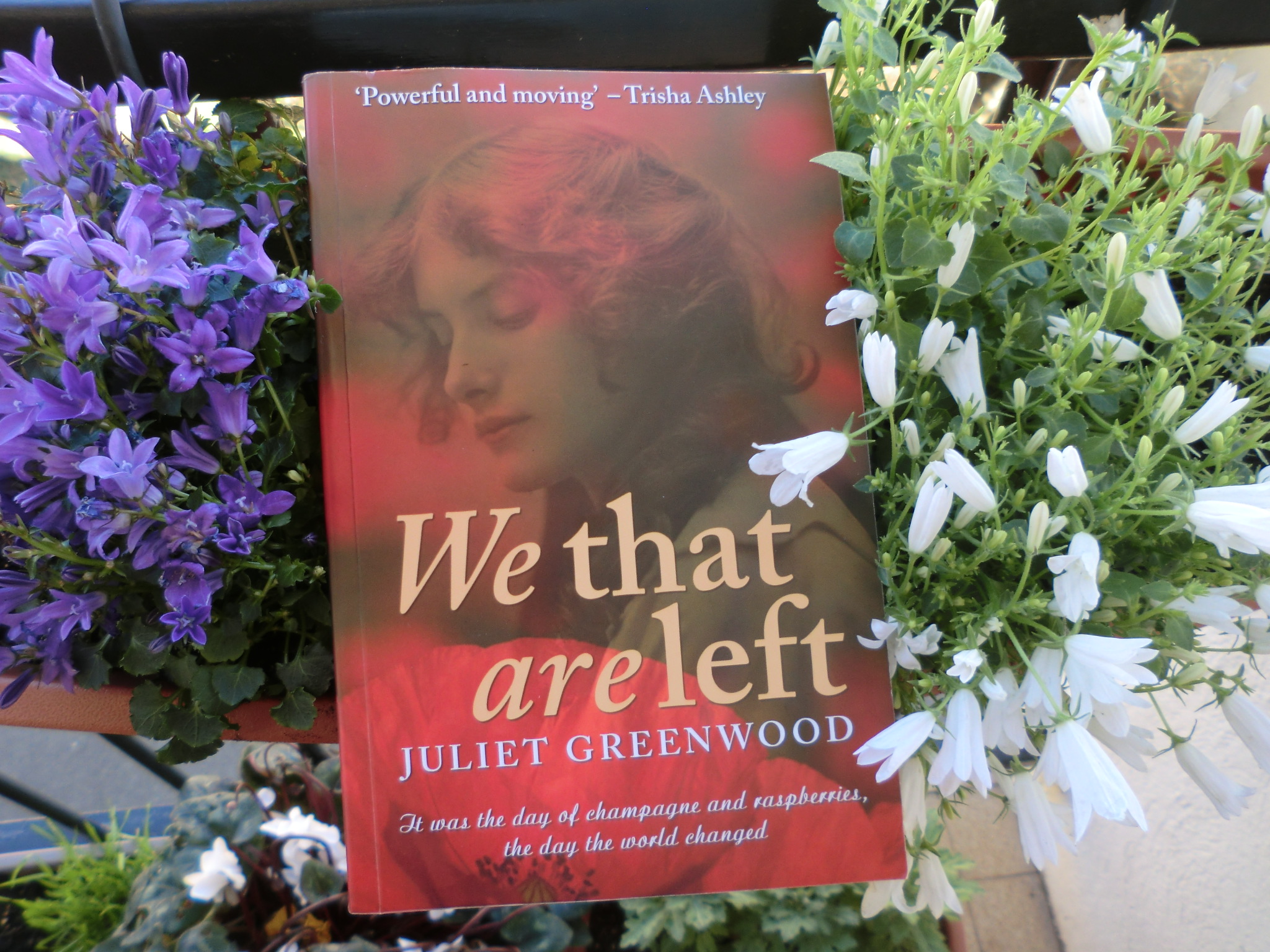
3. We That Are Left by Juliet Greenwood
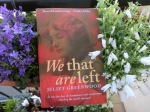
We That Are Left (2)A title I was waiting for, having loved Eden’s Garden and this promised to be just as good, set in World War One and featuring a cast of women characters who are changed by the war in ways that will continue long after.

From Cornwall to Wales to France, we follow Elin as her husband leaves for the war and she must assume responsibility for the family estate and is propelled into a dangerous mission to rescue her friend in the thick of fighting. It concerns the changes thrust upon women during the war and their refusal to go back to the more submissive role that was expected of them before the war. They prove they are just as capable of handling a crisis and if necessary will manage on their own. Brilliant, thrilling and unputdownable.

4.The True Deceiver by Tove Jansson (translated from Swedish by Thomas Teal)
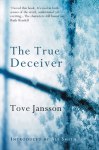
True DeceiverThe True Deceiver is the first novel I have read by Tove Jansson, having read three collections of her short stories (The Summer Book,  A Winter Book and Art in Nature) all of which I enjoyed, so this was an interesting departure to stay with the same characters throughout and it is quite a thrilling read, clearly inspired in part by her own experience, facing up to the artist struggle.

It is the perfect winter read, set in the snow bound winter months, while they await the thaw. Anna is an aging artist who lives alone and is content for it to be that way, her contact with the outside world through the many letters from her fans. But someone in the village has other plans and slowly makes herself indispensable to the older woman, preying on her vulnerabilities. And the true deceiver? That is the question that reading the novel reveals.

4. My Brilliant Friend by Elena Ferrante (translated from Italian by Ann Goldstein)
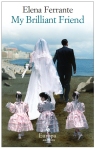
My Brilliant FriendIf you haven’t yet succumbed to #FerranteFever keep an eye out for this book and the two that follow it, The Story of a New Name and Those Who Leave & Those Who Stay. They narrate a friendship between Elena and Lila, set in an impoverished neighbourhood of Naples, one tries to escape  her place in society via a university education and a marriage that will elevate her status while the other uses her intelligence in a relentless, fearless and  often ruthless quest to survive. The books are compelling and may be semi-autobiographical, however the author remains an enigma, using a pseudonym and not ready to own up to his/her identity – believing that if a book has any merit, it will find its audience.

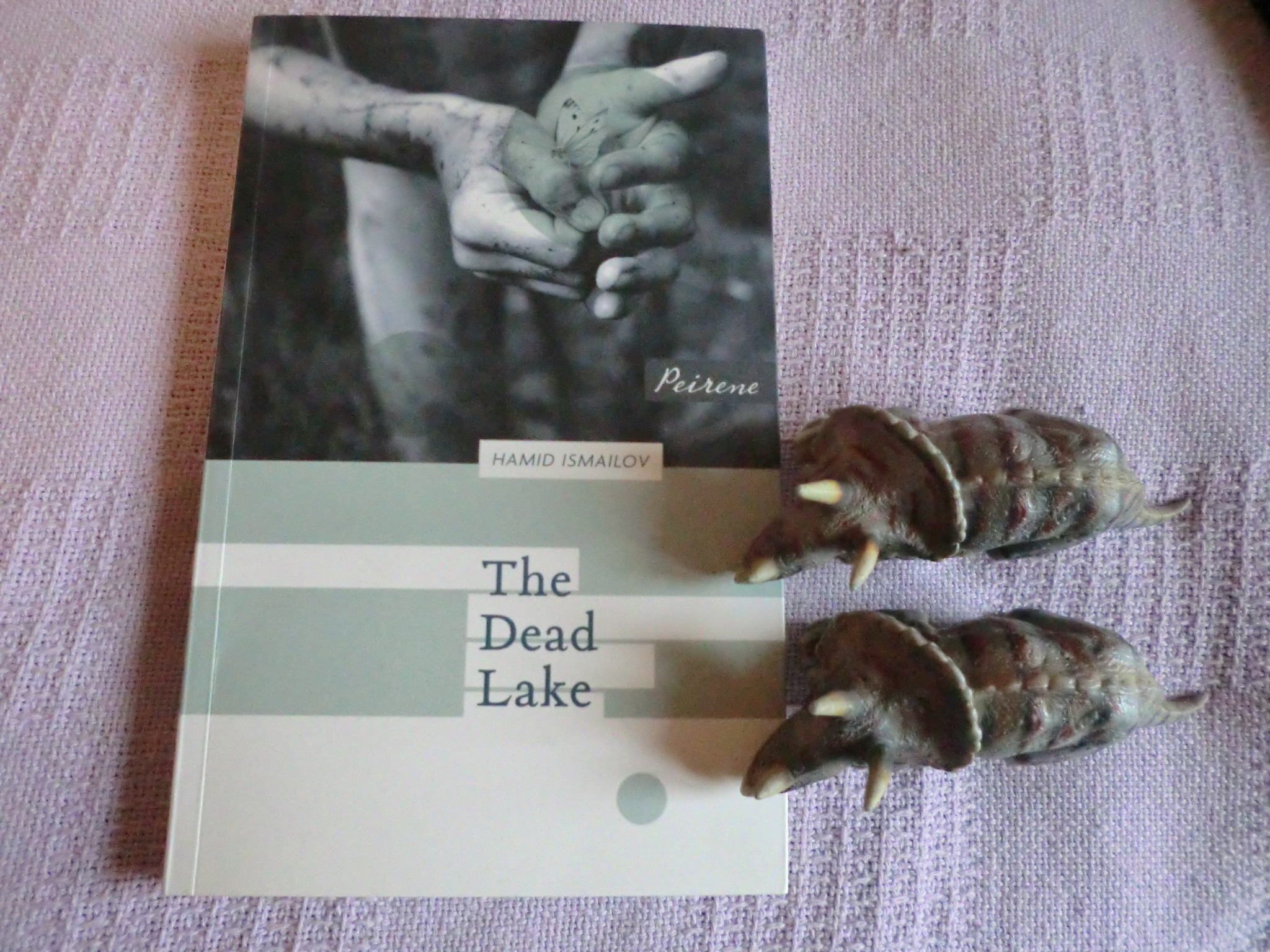
5. The Dead Lake by Hamid Ismialov (translated from Russian by Andrew Bromfield)
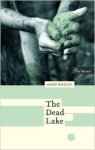
The Dead Lake

This is why I wait until the end of the year before creating my list, because who knows what special book gems we might discover before the final curtain call. The Dead Lake is part of the Peirene Press coming-of-age series published in 2014 and tells the story of Yerzhan, a boy growing up at a remote railway siding in Kazakhstan, an area where atomic weapon testing is carried out.

There are only two communities where he lives and he adores the neighbour’s daughter and it is to impress her that he walks into that lake at 12-years-old and stops growing. It is a stunning and unforgettable novella and an insightful glimpse into a nomadic culture, that we are privileged to be able to read thanks to the passionate endeavours of our friends at Peirene Press.

6. The Bees by Laline Paull

Bees2

The Bees is an extraordinary feat of the imagination, narrated from the point of view of Flora 717 a sanitation worker bee. It is about life in an orchard hive and the threats both internal and external to the hive. Totally convincing, the Hive is like a cult and each bee knows its place, its role and responds by instinct and receives energy from the Hive Mind, the Queen and the collective conscience of the Hive. Flora is different and as we discover why, we begin to fear for her life. A stunning, original work, I was enthralled but the story and love that the author was inspired by a Bronze Age Minoan palace in translating a real beehive into a fictional landscape.


Top Non-Fiction
Ex Libris1. Ex Libris: Confessions of a Common Reader by Anne Fadiman

This was the very first book of the year I read and a special read for booklovers. It contains 18 bookish essays from the bibliophile Anne Fadiman, written over a period of four years, in which she talks about how she became so book obsessed and shares many often hilarious anecdotes. It was also recommended and gifted to me by the talented blogger and world-wide reader VishyThe Knight.
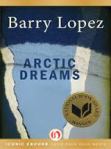
Arctic dreams2. Arctic Dreams by Barry Lopez

First published in 1986 and winner of the National Book Award for non-fiction in the US, Artic Dreams is a compilation of poetic nature essays written by a compassionate, scientific, nature loving mind, as he observes those creatures whose natural habitat is the arctic, whether they are polar bears, seals or Arctic people. Some of my best recommendations, as was the case with this book, come from Valorie at Books Can Save a Life.
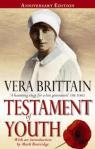
Vera Brittain3. Testament of Youth by Vera Brittain

I planned to read this right from the beginning of 2014 when it was republished as an anniversary edition to commemorate the beginning of World War one. Vera Brittain was an intellect and despite it being seen as a waster of time by many ion the provinces where she came from she set of for Oxford to compete with the boys, whom most of her friends were.

One by one, her friends, her brother, her fiance went off to fight and not able to concentrate on something that seemed meaningless in the face of war, she volunteered as a nurse. Testament of Youth is taken from her journals and is an insightful, at times heartbreaking insight into a lost youth, and an attempt to understand humanity and to prevent us from repeating the same mistakes. A brilliant book, about to be released as a feature film.
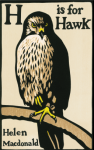
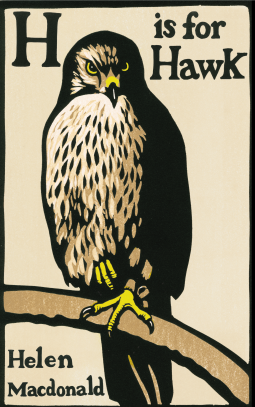
H is for Hawk4. H is for Hawk by Wendy Macdonald

There haven’t been so many non fiction titles that called out to me this year, but this one did immediately and I pushed it to the top of the pile to read and was riveted by Helen Macdonald’s grief stricken, obsessive encounter with Mebel, he Goshawk she raises, spurning human company and comfort in the aftermath of her father’s death. Great to see it then win the Samuel Johnson prize.
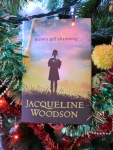
 

Brown Girl Dreaming5. Brown Girl Dreaming by Jacqueline Woodson

What a delightful memoir in free verse from a well-known children’s writer, writing of her childhood spent between South Carolina and Brooklyn, NY tales of family members, a new brother, her passion for words, being Jehovah Witness and making a great friend. Reminds me of the equally talented Margarita Engle and her collection of novels in verse.


Voila!

So what was your outstanding read(s) for 2014?

The Dead Lake by Hamid Ismailov, tr. Andrew Bromfield

Dead Lake 2An astonishing tale tinged with sadness, as recounted by the protagonist Yerzhan to a stranger on a train journey across the steppes of Soviet Kazakhstan, that in part continues to be imagined by the listener as from time to time, the young narrator sleeps.

The story begins when the boy enters the carriage playing Brahms on his violin in a manner that causes everyone to stop and look at him, not believing it possible that a boy who looks about ten to twelve-years-old could play to such perfection and with such awe-inspiring panache.

“Then, just as he had the entire carriage gaping after him open-mouthed, he broke off in mid-note. He slung the violin back over his shoulder like a rifle.

‘Wholesome local beverage – entirely organic!’ he exclaimed in a thick, adult voice. He swung a canvas sack down off his other shoulder and pulled out an immense plastic bottle of a yoghurt drink, either ayran or kumis. I approached him, without even knowing why.”

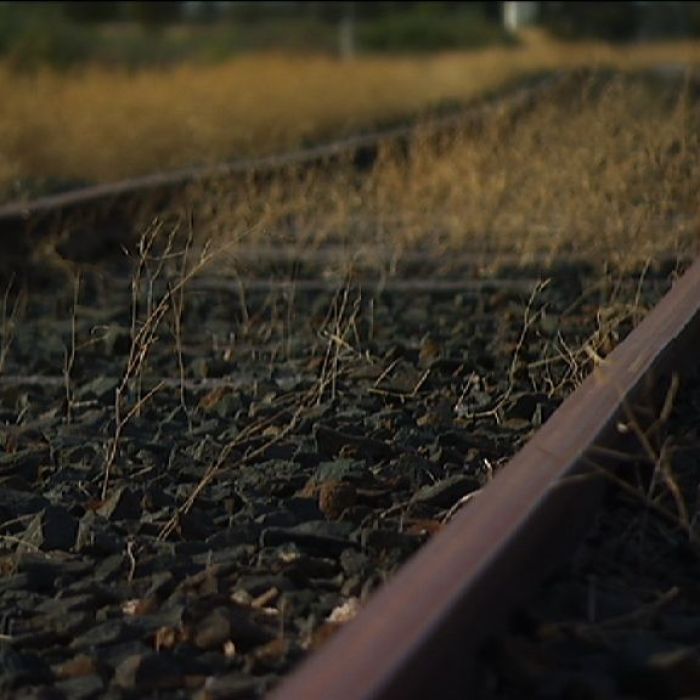
train trackYerzhan grows up at a remote railway siding in a part of the country where atomic weapons are tested. Two families live near each other, their lives more intertwined than appears on the surface.

Yerzhan and the neighbour’s daughter Aisulu travel many miles by donkey to go to school and many more miles to see the strange but talented bachelor, Petko, a Bulgarian violin teacher.

Every so often the ground shakes, another sun rises and everything is still. Then there is the Zone, that area where it is so silent, his ears ring.

“And the thing that loomed over him like a visceral fear could happen in the middle of the sweltering summer, when sheep suddenly started bleating as if they were under the knife and went dashing in all directions, cows dug their horns into the ground and the donkey squealed and rolled around in the dust…

And a slight rumble would run through the ground, Yerzhan’s legs would start trembling, and then his whole body, and the fear would rise up from his shaking knees to his stomach and freeze there in a heavy ache, until the sky cracked over his head and shattered into pieces, crushing him completely, reducing him to dust, to sand, to scraps of grass and wool. And the black whirlwind hurtled past above him with a wild howl.”

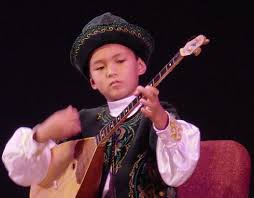
A young boy playing the dombra

A boy plays the dombra

His friend Aisulu’s Granny tells him a story of his conception and birth, intertwined with local legend; not knowing who his father is, he often replays the story in his mind, trying to understand it, and who he is.

“Granny Ulbarsyn’s story  wasn’t the only thing that had sunk deep into Yerzhan’s heart.  Grandad’s dombra playing stayed with him too. When no one was looking the boy took the instrument down from its nail high up on the wall. And while his grandfather tapped with the hammer on railway carriages, Yerzhan strummed the dombra secretly, imitating the old man’s knitted brows and hoarse voice. It didn’t take long before he picked out a few familiar melodies and then, with the keen eye he used to keep watch on Uncle Kapek’s behaviour, he followed and memorised  his granddad’s finger movements.”

Dead LakeYerzhan learns the dombra and violin and is bright, but the real light in his life is Aisulu, a light that gradually fades upon his reaching the age of 12, when he walks into the forbidden, radioactive Dead Lake to impress her and from that day on stops growing, destined to watch her pass him by.

“Other people noticed it too and wanted to help. Granny Ulbarsyn fed him with the livers of new born spring lambs, Grandad Daulet ordered carrots from the city through his  friend Tolegen,  and Uncle Shaken brought disgusting fish oil back from his shift. But that only produced a foul-smelling burp! Yerzhan ate it all. But he had stopped growing.”

Another of Peirene Press’s excellent novella’s, this really is an afternoon read, but so rich in the telling, it is a pleasure to go back and reread passages with the familiarity of having read the story. It is a tale tinged with  inevitable sadness as people live with the invisible terrors that are an environmental legacy of the Cold War.

If you want to read more contemporary European literature outside the English language, you can do no better than take out a fabulous subscription with Peirene Press. Three novellas a year and the kind you’ll rarely find in most bookshops.

Note: The author Hamid Ismailov was born in Kyrgyzstan and moved to Uzbekistan as a young man. He writes in both Russian and Uzbek and his novels have been translated into many European languages. Sadly his work is banned in Uzbekistan today and he has had to flee the country due to his ‘unacceptable democratic tendencies’.

Ignoring Gravity by Sandra Danby

Ignoring Gravity by Sandra DanbyRose Haldane is a feature writer for a popular newspaper. She spends her days chasing stories, researching popular subjects for features and occasionally interviewing high flyers that later on turn up at her house. Well, at least one, a guy named Nick who is the Managing Director of Biocare Beauty who she appears disinterested in, but is actually quite attracted to to, even though its against company protocol to get involved with interview subjects.

Rose was born in 1968 and her sister Lily not long after. Sometime after the death of their mother from cancer, when it appears their father hasn’t cleared anything away and is having a low patch, they decide to go through her belongings and clear things out. While doing so they discover among her possession a set of diaries. In a shocking revelation, Rose discovers her mother is not her biological mother and that members of her family have been concealing the truth from her. Using her well honed research skills, she sets to, to unravel the mystery surrounding her birth.

“At the beginning of the twentieth century, it was accepted that the best thing for the adopted child was a clean break with no contact with their birth parents, and no rights to search for them when the child was grown up. Then in 1953 a government report recommended that adopted children be told they were adopted or chosen.”

uman Rights Child

United Nations Article 7 – Children’s Human Rights

Her sister Lily is married to William and has a part time job, but is pining for a child and partaking all kinds of remedies to try to make it happen. Her neurotic obsession with becoming pregnant masks something lurking in her subconscious that will eventually force her to face up to the truth. She too, reads her mothers diaries to be sure of her origins and discovers other revelations that set her mind racing.

“His bowl contained organic fair trade muesli with honey and extra-chopped Brazil nuts (selenium for protection against cancer and heart disease; she was determined that William would not have a heart attack like Granddad Howard), soya milk (low cholesterol), and chopped apple from Kent followed by plain bio-yoghurt from Dorset cows.”

Simultaneously to Rose’s search, there is the love interest Nick, who seems to arrive just when she needs him despite her having forgotten to turn up to their first date, he is a pretty loyal and supportive catch, considering their brief acquaintance, and he is the perfect complement to Rose, accompanying her at the tricky stages of her investigation.

premature-menopauseAnd then there is the feature she must write on premature menopause, the more she finds out, the more concerned she becomes on behalf of her sister.

Ignoring Gravity is a fast paced novel, following the investigative skills of Rose to unearth the mystery of her birth and deal with the impact of receiving such knowledge without any prior warning, although it immediately explained in her eyes, the difficult relationship she had with her mother.

It was perhaps a little too fast paced for me, not in terms of reading the book, but in terms of how quickly she makes progress and takes significant steps to find out more about her origins, steps that by necessity mean prying into the private lives of others who have long let sleeping dogs lie.

I couldn’t believe that anyone would be able to absorb and assimilate that knowledge and move on to the next steps as quickly as she does. In reality it is a long, slow, reflective process, however the revelations when they do come are quite brilliantly conceived and although Rose doesn’t spend too much time imagining how the circumstances might have come about, she provides sufficient detail for the reader to ponder the situation and to wonder how we might react to such information and confront those who kept it secret.

As someone who was adopted in the same year as the protagonist of this book and been through the process of unravelling the mystery, there were many moments in the book that provoked familiar memories, although naturally everyone’s experience is different. It is certainly a book that will invite reflection and discussion, as it is a fascinating and oftentimes controversial subject within our society and within other cultures and how they perceive it.

Sometimes it is the little things, like those words “a chosen daughter”, which were used in place of simply “a son, or a daughter” in the birth announcements. And that detached feeling when being advised by well intended counsellors, knowing that you will find out in your own way and share it with no one until you can answer all the questions that are unknown at the outset.

An intriguing read, perfect for the holiday season and watch out for a follow up novel as Rose puts her investigative skills to the test in Spain.

Note: Thank you to the author Sandra Danby for providing me with the kindle version of the book for review.


My Brilliant Friend, Elena Ferrante tr. by Ann Goldstein…Neapolitan Tetralogy Book1

Elena Ferrante is already something of an Italian legend. An author said to spurn interviews, her pen name fuelling speculation about her real identity. Her work is said to be autobiographical and already capturing the attention of English readers in a similar way to the autobiographical series of novels by the Norwegian Karl Ove Knausgaard.

Being a fan of translated fiction I have had my eye on this series for a while and from the reviews and articles I have read, her work reminds me of Caroline Smailes, whose excellent novel The Drowning of Arthur Braxton was my favourite read in 2013.

My Brilliant FriendIn 2012, My Brilliant Friend, the first in the trilogy of Neapolitan novels was translated into English and the two subsequent books The Story of a New Name and Those Who Leave and Those Who Stay were published in 2013 and 2014 consecutively.

The trilogy follows the lives and friendship of Elena Greco and Lila Cerullo, two astute girls from a downtrodden suburb slum of post war  1950’s & 1960’s Naples, as they navigate the challenges and opportunities necessary to survive and overcome their upbringing.

My Brilliant Friend spans Elena and Lila’s childhood and adolescence years in their neighbourhood, one where aggression, tension and feuds reign and graduating from school is less of a priority than finding safety and protection from the inhabitants of their immediate environment.

The first pages begin with the naming of characters, a family tree of the neighbourhood, members of each family and their occupations. I often find these lists of characters overwhelming, so ignored them, telling myself, if the book is good, I’ll know who all these characters are by the end. And when I went back to look at it, sure enough, I knew who they all were.

The story then begins with a prologue when the girls are women in their mid-fifties and creates a mystery that won’t be resolved in the first book, as the girls only reach the age of sixteen by its conclusion. It intrigues and teases the reader to continue to read on and discover what it is Elena knows, that no one else does.

“It’s been at least three decades since she told me that she wanted to disappear without leaving a trace, and I’m the only one who knows what she means.”

A Naples Slum

A Naples Slum

Elena is angry and so begins to write this narrative, in an act of revenge-like competitiveness, a trait that has defined her relationship with Lila throughout their childhood and adolescence.

Narrated from the point of view of Elena, the girls first recollection of being together is around the fearful presence of Don Achille, the local grocer whose name is associated with a fairy tale ogre.

In their play, Lila’s actions are always decisive and with bold intent, Elena is less bold, yet more determined, she follows her friend but wishes to surpass her and learns how to cope with the sacrifices necessary to continue to be her friend. Starting with the day Lila dropped her doll through the street grating into a dark underground cellar.

“But that day I learned a skill at which I later excelled. I held back my despair, I held it back on the edge of my wet eyes, so that Lila said to me in dialect:

‘You don’t care about her?’

I didn’t answer. I felt a violent pain, but I sensed that the pain of quarrelling with her would be even stronger. I was as if strangled by two agonies, one already happening, the loss of the doll, and one possible, the loss of Lila.”

After her early years of passing well her exams, there is one year when Elena’s attention strays and as a result her parents are no longer willing to support her in school. They won’t pay for extra tuition but if she studies and resits the exams, they will allow her to continue.

Lila, who never fails, will have to leave school, regardless of her ability, her family isn’t willing to support her education. She has a hunger for education and follows Elena’s progress, increasing her knowledge, surpassing her friend, becoming more like her teacher, though never sitting another exam.

“She had begun to study Greek even before I went to high school? She had done it on her own, while I hadn’t even thought about it, and during the summer, the vacation? Would she always do the things I was supposed to do, before and better than me? She eluded me when I followed her and meanwhile stayed close on my heels in order to pass me by?”

Snapshot 1 (09-11-2012 17-25)

Friendship by Allia

The book ends with a wedding, the girls paths seem to be heading in different directions, they continue to navigate their lives according to the expectations and threats of their community, yet their paths, in their different ways, potentially hold the seeds of their escape.

My Brilliant Friend is an emotionally charged coming-of-age read and the story held me riveted all the way through from the prologue that isn’t resolved through their early schooldays up to that wedding day.

Ferrante’s depiction of the two girls friendship bristles with vulnerable authenticity, igniting our curiosity in their interactions with their community, making the reader care about what will happen to them all next.

Next Book in the Series: The Story of a New Name (click title to read review)

Buy This Book

Buy My Brilliant Friend at Book Depository

Mrs. Hemingway by Naomi Wood

Four wives and an addiction to marriage. Despite the difficulty he had remaining faithful, Hemingway didn’t like being single, he liked his women to be contracted to him and then to have his liberty.

Though not a huge fan of his work, being more of a Steinbeck admirer than Hemingway, his connection to France and that group of Americans referred to as the lost generation, those who stayed or returned to Europe after the war, has ensured another kind of following and spawned an entire collection of literature, that which reimagines the lives of the artists, writers, their wives, mistresses and hangers-on. So I am one of those who enjoys reading more about him, than reading his actual work.

Thus far, I enjoyed meeting Hadley Richardson, Hemingway’s first wife through Paula McLain’s novel The Paris Wife, Zelda Fitzgerald, F.Scott Fitzgerald’s wife in Therese Anne Fowler’s Z: A Novel of Zelda and Gertrude Stein and others in Hemingway’s A Moveable Feast. He even made an appearance in Francisco Haghenbeck’s The Secret Book of Frida Kahlo while she was hanging out in Paris with Salvador Dali, Georgia O’Keefe and the Surrealists.

Mrs HemingwayNaomi Wood joins the club of authors channelling the voices of expat writers wives who lived in Paris, fascinating not just because they were the wives of men who wrote famous stories, but because they are women who made the decision to abandon the comfortable and familiar, to leave their country and family behind.

Both Hadley Richardson and Zelda Fitzgerald arrived in the shadow of their husbands dreams, without any ambition other than to be a faithful and supportive wife. As such, they encountered innumerable challenges in trying to create a satisfactory home life in a foreign country.

All of Hemingway’s wives spent time living in Paris, both the city and the man the thread that bound them together. Of the four, Martha and Mary perhaps fared better, both working journalists living there on their own terms, with their own purpose outside of marriage.

The book is structured in four equal parts, each dedicated to one wife and starts by portending the end, scenes that evoke the sense of an ending while they also contain the feminine distraction that signals the introduction of the next potential marriage candidate. Not one of the wives will be immune to the repetitive Hemingway pattern. It is a pattern he repeats all his life until the brutal ends.

With each end, we witness the beginning and each wife is witness to the new arrival and a foreshadowing of her demise. The novel centres around how he entered and exited these relationships without dwelling on the mundane, the structure keeping up the pace and instilling a sense of anticipation in the reader, wanting to know what could have happened in between times to change things.

“Sitting beside this woman to whom Ernest as already dedicated a poem, Martha recognizes Mary suddenly for what she is: her ticket out of here. This morning she saw that Ernest won’t let her break things off if there’s any chance he’s going to be alone. What he fears is loneliness, and whatever brutish thoughts he has when he is left untended. Only is he is assured of another wife will he let his present wife go.”

Like a poem, there is symmetry to the four wives and while they all love their husband and support him, none can prevent his inclination towards self-destruction, his propensity for excess. It is an insightful book in the way it presents the four relationships, carefully chosen scenes depicting the emergence and decline of their relationship.

We witness the relationships come and go like waves rising out of the ocean, resplendent at their peak, despite containing the knowledge of their inevitable destiny, to crash, disappear and reform anew. Hemingway rode the waves for as long as he could, writing prolifically, often using his own experiences as his subject matter. Perhaps he finally made it to the foreshore and saw the metaphoric waves for what they are, water rising and falling until it inevitably reaches the shore and destroys itself.

Ernest Hemingway,1923 Source: Wikipedia

Ernest Hemingway,1923 Source: Wikipedia

A worthy addition to the collection of literature that imagines the lives of Hemingway, his wives and the lost generation.