
 I picked up Jhumpa Lahiri’s first collection of short stories ‘Interpreter of Maladies’ from the library recently, I seem to have read her work in reverse order, starting with her most recent collection ‘Unaccustomed Earth’ a collection of stories of the experience of second generation immigrants and moving eventually to the book that won the prize.
As I mention in one of my first (and most read) blog posts ‘Why People Don’t Read Short Stories’, it is not my habit to read a short story collection straight through, I stop and start and read them at random and so it has been with both these enticing volumes.
 I noticed the bookshop book club was reading ‘The Namesake’ this month and I had just read an excellent essay by Lahiri in the New York Times called ‘My Life’s Sentences’ relating to her love of certain paragraphs in books and the construction of a sentence, so I decided to read her only novel ‘The Namesake’ which had been on the shelf since seeing the Mira Nair directed film a few years ago, which I loved.
‘The Namesake’ refers to Gogol, the Bengali son of the Ganguli family who immigrate to America, a consequence of Ashoke’s (Gogol’s father) changed outlook on life following a serious train accident, a catalyst for change that impacts and shapes the lives of all his family, an event that he does not speak of to his son until he is an adult.
The train is used as a metaphor for change in the novel, many of the significant turning points in the lives of the characters take place during a train journey, which in itself transports people physically from the familiar to a less familiar location and is an environment that one usually cannot escape from.
Not speaking about things is common among these characters, aided by the distant third person narrative which skips from the present to the past, in particular the most dramatic events are seen through the prism of the past, drawing the reader into this protective shield from potentially harmful events.
Gogol, is American, but his Russian name, his Bengali family and their culture mark him as different to many in his community. His home life is different to the average neighbourhood child and he finds himself like many children of immigrants and third culture kids, living between two worlds.
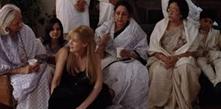 Whether we are conscious of it or not, we all grow up seeking to affirm our sense of personal and group identity, absorbing those questions of Who am I? Where do I belong? Traditionally, the family and the community reflect that notion and it is not until we step outside those comfort zones that we might question it. But for children growing up among worlds and between cultures the awareness comes much earlier.
For most of his life once he becomes aware of the differences, Gogol does what he can to minimise them, seeking out the ordinary, trying to blend in. He tries to suppress his cultural links, portrayed through his choice of girlfriend and change of name.

Jhumpa Lahiri
Like Lahiri’s short stories, which portray composites of life for immigrants of first or second generations from India, this book highlights one family’s experience, the dilemmas that each generation face which will mould their characters. We follow Gogol’s journey, try to understand it, imaging ourselves in the shoes of another, witness to the culture clash within this one family.
I consider briefly the clash of cultures within my own small family and understand the inclination to put it toward the back of mind. Writing is a good option for expressing the pathways of these experiences. I wonder if the presence of a large community from the parent culture assists or hinders integration. I find these stories leave many more questions than answers; there is no guide, just individual experience and the necessity to persevere, to survive.
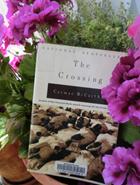 Mexico to find work where they endure numerous perilous adventures including prison, first love, betrayal and death. Quite possibly the least bleak of McCarthy’s work, which may account in part for why I enjoyed it so much, but even his more downbeat work has much that I admire linguistically.
 The first trip he attempts to return an injured, pregnant wolf he has trapped. Rather than kill her, he tries to return her to the mountains where she came from. The second journey with his brother Boyd is an attempt to retrieve stolen horses and the final crossing Billy makes alone
  to find his missing brother and bring him home.
 within reach of his homestead and away from the troubles that lie in wait of the restless, idealistic man on a dubious if well-intended mission.
 His short novel ‘The Pearl’ is based on a Mexican folk tale about Kino and Juana, a young couple who live a basic existence, their joy of a first baby threatened when it suffers the sting of a scorpion.
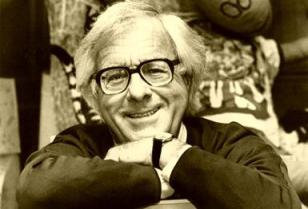 the writer Ray Bradbury who died recently at the age of 91.
 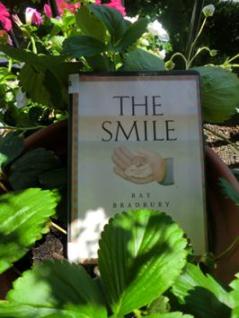 After a quick trip to our local French library yesterday, I stopped at a display table honouring Ray Bradbury and came home with his prophetic short story ‘The Smile’ the only English language work left on the display.
 It wasn’t the bookies favourite, but it was the bestselling book of the
  to avoid his death which it the oracles say will follow his killing of Hector.

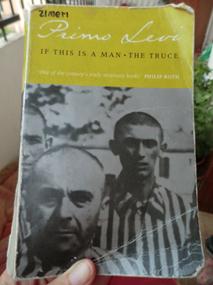
 Birkenau, part of Auschwitz.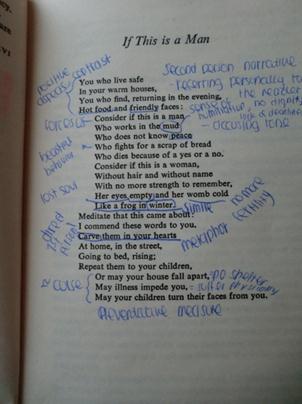
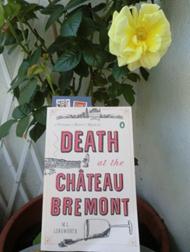 fiction travelogues such as Sarah Turnbull’s ‘Almost French’ or David Sedaris’ vignettes in ‘Me Talk Pretty One Day’, funny, true, yet never denigrating the country that has become like a second home to him. You will also find English translations of popular French authors like


 Beatrice has been living in New York and the disappearance of her sister brings her back to London and provides some distance and perspective on her own life, which will change forever as she attempts to uncover what really happened to her sister, refusing to accept the conclusions of the police and the easy acceptance of their verdict by her mother and fiancé.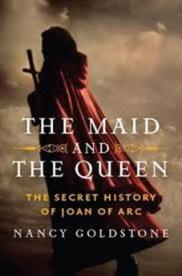
 of the female offspring of nobility to secure territorial alliances or peace between the realms. Daughters were auctioned off as young as 4 years, though depending on how power shifted and who survived into adulthood, those promises could alter.
 reinstating the dauphin as the legitimate heir to the French throne.

 It is an interesting concept and a thrilling journey, one of the most moving and real parts for me being an encounter with an anaconda that almost had fatal consequences. However, throughout the book, I couldn’t shake off a sense of reluctance, of characters holding back; was Mr Fox being honest or was he hiding something? Why doesn’t Marina question or insist on answers? It was hard to believe that the head of a large pharmaceutical pouring significant funding into a research project would tolerate the situation without acting in a more forthright manner.
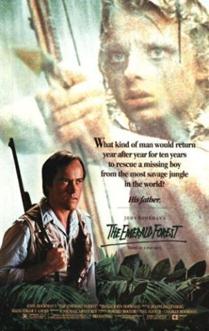 The film is based on the true story of a 7-year-old boy kidnapped by Indians, who disappear into the Amazon forest. The boy’s father, a Venezuelan engineer, spent every summer for the next 10 years searching the forests for his son and eventually found him.
 Word by Word