Thin Places is something of an enigma, when I bought it, I thought it was in the nature writing genre, the inside cover calls it a mix of memoir, history and nature writing – such a simplistic description of the reading experience, which for me was something else.
Heaven and earth, the Celtic saying goes, are only three feet apart, but in thin places that distance is even shorter. They are places that make us feel something larger than ourselves, as though we are held in a place between worlds, beyond experience.
This book is a kind of cathartic experience of being inside the experience of someone who has experienced trauma, who has yet to awaken from its implications, or be conscious of its effect – but who by the end will by necessity awaken to it, because it can no longer be contained inside the mind, the body and for the good of the soul, it must be expressed, broken down, if there is to be any change of coming out the other side.
Even as a child, I could see no way of staying in my hometown. The edges of the broken and breaking city never quite held themselves in place, and my own family life mirrored those fractures.
So the first part of the book I can only describe as “being in the fog”. We know Kerri ní Dochartaigh was born in Derry on the border of the North and South of Ireland, at the height of the troubles, that her parents were of mixed heritage, a Protestant father and Catholic mother; the family existed in the oftentime dangerous in-between, safe in neither space or only temporarily, always moving, never truly belonging.
We have a somewhat difficult relationship with the word ‘tradition’ in Ireland, particularly in the North. The way that religion has latched itself onto the politics of this land has left many people with no desire to look at the imagery of their ancestors; the story of their past. We have lost, broken, murdered, burned, stolen, hidden and undone – all in the false name of tradition. Lives, places and stories have been ripped out by their roots because ‘that’s how it has always been’. I wonder, I wonder so very much these days, what wealth of imagery and meaning was lost when we became so focused on our differences here, that we buried the things that had once tied us together, the things that might still know a way through, for us all.
Though we are told this, the uninitiated reader doesn’t really understand what that means, how it actually manifests on the human level, on a day to day basis – until she arrives at the point where she realises, she needs to confront the reality of the things that happened – because she is losing it – and finding it harder and harder to function in the bubble of denial that allows her to go about her day, to work, to live.
The past, present and future all seemed to blend into one, and every single part of the story held sorrow that I couldn’t get rid of, no matter how deeply I try to bury it. So many different things – situations, times of year, people – made the bad things rise up from inside to bite me again. Triggers, I know that now. It left me feeling scared, hollowed out and with no control over any of it, not really knowing how to make it – any of it – stop.
Only after finishing Part 1 Blood and Bone did I comprehend what I was reading, a woman’s life from childhood up to the age of 28 striving to not give in to the effects of trauma, in the opening chapters, she alludes to those things, though is unable to write directly about them, until realising the nightmares will never stop if she doesn’t, the numbing eventually worse than the pain.
And so she begins to share the events. And it’s tough to read, to absorb as we imagine the magnitude of the effect these events must have had on a child, on an adolescent, a young adult. But what courage, to make that decision, to visit that dark place, to express those thoughts, recount those events, relive the disappointments, feel again the sense of abandonment, to trust that writing about it might bring one towards healing.
While there are those moments of how nature and the many metaphors and symbolism of it kept her sane, this is more about the nature of mind and the necessity of finding and/or making meaning in navigating the troubles of life, in order to overcome past hurts, reconcile traumatic events and find a way to live again, to believe in hope, to elevate one’s self-worth and be able to function in a relationship.
It is a tough and unrelenting read, that at times I needed to take a break from, but it is one that we as readers are privileged to gain insight from, because Kerri ni Dochartaigh could very easily not be here, and yet she is – and I like to believe that in part that is because the sharing of her experience and path to healing are an important part of her soul’s purpose in this life.
This extraordinary book is part of her life’s work, she has found a way to articulate to the many, the terrible destructive effect of divisiveness , prejudice and intolerance on young people, the effect of not feeling safe during childhood and adolescence and the difficulty of becoming something other than what you knew growing up – of learning to trust, to love, of connecting to the natural environment, learning a near lost language that connects the Irish to their environment and dwelling in just being.
Naming things, in the language that should always have been offered to you, is a way to sculpt loss. A way to protect that which we still have.
Hard going at times, but extraordinary, a beating, bleeding heart, ripped open to heal.
Kerri ní Dochartaigh, Author
Born in 1983, in Derry-Londonderry at the border between the North and South of Ireland. She read English Literature and Classical Civilisation at Trinity College Dublin and trained as a Waldorf teacher in Edinburgh. She taught in Edinburgh and Bristol, before returning to Ireland in her early thirties.
She writes about nature, literature and place for the Irish Times, Dublin Review of Books, Caught by the River and others. She has also written for the Guardian, BBC, Winter Papers. Thin Places was highly commended by the Wainwright Prize for Nature Writing 2021.
Many are reading literature from or about Ukraine at the moment, whether it is history, news reports, fiction or other. Below are a book and a diary I’m reading to both stay in touch and understand.
A Daily Reflection from A Woman in Kyiv
Ukranian author Yevgenia Belorusets lives in Kyiv, each day she writes from her neighbourhood, she goes out and meets people, takes a few pictures. You can read her very moving, human interest diary here.
Today she noticed cosy lights on in a café that has been closed since the beginning of the war:
I went inside and ordered a cappuccino, a drink I keep trying to find since the war started and, if successful, enjoy in a new way each time.
It is a game I play with myself. Every day I wonder if a coffee kiosk will be open on my route. When I get a cup, I’m immensely happy, as if I’ve received an unexpected gift.
The coffeehouse was open because an employee who had quit before the war offered to come back and work alone.
I Will Die In A Foreign Country, A Novel
I thought this was an excellent and exceptional novel, that I chose to read because it is too distressing and overwhelming to be bombarded with only the terrible news that is flooding us at the moment.
Rather than look away, here is a novel, whose intention is to pay homage to those who wish to preserve a culture, to protect their homes, to help the wounded, to ease the suffering of the dying, to sing their songs and tell their stories.
Kalani Pickhart is American, passionate about Ukranian history and culture and began to write this story in 2016, in the aftermath of the American elections.
In an interview with New Lines’Lydia Wilson, Pickhart talks about her motivation and inspiration for writing this novel, which has come to the world at a time when many are trying to understand how these terrible patterns continue to repeat, and searching for some hope in a humanity that appears at times to have gone mad.
Ukraine 2013 – 2014
The novel is set in late 2013, early 2014 and on the opening page, there is a map of Ukraine and a timeline of events at Euromaidan (the site of mass protest), from November 21, 2013 the day the 4th President of Ukraine Viktor Yanukovych declined to sign an association agreement with the European Union, precipitating protests, until late 2014 when the last barriacades and tents were removed from the city of Kyiv.
The novel is about four fictional characters, whose paths cross during this time, the story goes back and forth in time. The text is interspersed with other voices, most chapter headings indicating the place, the date, the voice or a subject, pieces that connect the narrative. With its relatively concise chapters, the narrative never overwhelms, like pieces of a jigsaw, as the story evolves and events unfold, geography is traversed, people respond to what confronts them, understanding broadens, a picture emerges.
Kobzari, Singing
The first lines of the prologue are the collective voice of the Kobzari, whose story of persecution isn’t told until later in the book; like a Greek chorus, they recount aspects of Ukranina history, culture and tradition through the lyrics of song, ensuring a language, a culture and events can be carried forward to future generations.
Where does it begin? Ah, ah. Depends on who you ask…
It could begin with Scythians and Cimmerians, Slavs and the Rus’. Queen Olha. Vladmyr the Great. Yaroslav the Wise.
The Kobzari sing of events that will never be forgotten, like the church bells at St. Michael’s that rang in December 2013, something the church has only done once before: 800 years ago, against the Mongols. This collective voice slips into the narrative seamlessly, drip feeding the reader with an historical context.
Katya, the American Doctor
Katya is a Boston based, American doctor, working with the wounded inside a temporary medical clinic at St Michaels monastery. She is an outsider, drawn to the country because she was orphaned there, but grew up in America with no connection to her birth country. Hers, like the author, is an outside perspective, one that wants to know, to connect, to understand.
She has temporarily removed herself from having to face a broken marriage in the aftermath of the death of her son.
Ekaterina, her mother and father named her when they took her home from the orphanage. Ekaterina the Great. Looking over Kyiv, Katya feels neither great nor pure. Her son is dead, her marriage is dead, and her birthplace is on fire.
The Captain
One of Katya’s patients is a man they refer to as Captain, only known to people because he would play an outdoor piano every day on the street during the protests. Katya finds a telephone number and a cassette in his pocket. The Captain’s story is narrated through the playing of an audio tape, created for his daughter Anna. He too is an outsider, a former officer, a man whose loyalties have been dictated to him, who is given little choice. He shares his story in an old oral tradition.
My mother was the one with the gift. She had a soft voice that warbled like a bird, but it was my father who wanted us to learn music. We learned the arts, my father said, to be civilized people because the world was at times a most uncivilized place. I often forgot he survived the war.
The Violence of Spring
One of the (true) stories the Captain tells is of the composer Stravinsky’s controversial composition The Rite of Spring. He was invited by the Director of the newly opened Théâtre des Champs-Élysées to collaborate in a ballet. The work was so modern, it attracted a youthful audience and a riot broke out inside the theatre as the traditionalist patrons in the crowd began hurling insults, clashing with youth.
In his notes, Stravinsky said it is an episodic ballet without a cohesive beginning-to-end narrative. Instead, the episodes are bound by one unifying thread: the mystery and the great surge of the power of Spring.
It is a violent ballet, a violent composition, taking place in pagan Russia. During the performance in 1913, the choreographer, Nijinsky, before he went mad, had the dancers move in contorted, disfigured ways. It was obscene, the audience thought – an abomination of the arts, of theatre, of ballet.
Intrigued, I looked this up, it was one of the most notorious ballet performances of the 20th century, shattering the conventions of both classical music and dance. Here is France Musique’s excellent explanation (3 mins).
Micha, Ukranian Engineer
Micha is a Ukranian protest, helping out, an engineer, originally from Chernobyl, who worked in the mines. He was married to his childhood friend Vera, who succumbed to sickness.
The Exclusion Zone
His home is near where Katya was born, they return to visit his mother, to reconnect with a lost part of her, before her return.
I didn’t think people could live there anymore, but I heard stories about some old women whose husbands died, the samosely. I tried to convince my mother not to return. She said it was the only place she ever felt at home. A couple hundred babushkas had returned and she went with them. Women in their seventies, eighties having survived Stalin, genocide.
Slava, Ukranian Protestor
Slava and Micha are friends, she is from Odessa, a place she ran from after what happened to her there, something that fuels her determination. Slava meets a journalist Dascha, their relationship puts them both at risk.
You said you once protested with FEMEN – that is also very brave, I feel we have similar views, that you’re accepting of me.
Though it is novel told in fragments, through multiple narratives and voices, there is a fluidity and yet the plot moves quickly, as the connection(s) between characters are revealed, their motivations and behaviours come to be understood and revelations acknowledge the pressures and complexities of life in this country, some things universal, others unique to their history and geography.
Lest We Forget
As I neared the end of the book, on page 268, I read six pages of names that traverse the globe in culture, nationality, language, showing just how interconnected the world today is. It was the Passenger and Crew Manifest read aloud at trial for the victims of Malaysian Airlines Flight MH17 from Amsterdam to Kuala Lumpur.
The same day I read those names, I read this article indicating that today Australia and the Netherlands launched legal proceedings against Russia for the downing of flight MH17.
Loss, when it occurs, has memory stronger than the mind, stronger than visual recollection patterned in the brain. It’s something the flesh knows, the muscles know, like a dancer reciting a step done hundreds of times, like a musician playing a song or a scale after decades without practice. It’s something the body knows, something the body is aware of while the mind adapts, responds, reacts.
Kalani Pickhart, author of I Will Die in a Foreign Land, holds an MFA in Creative Writing from Arizona State University. An American, she is the recipient of research fellowships from the Virginia G. Piper Center and the U.S. Department of State Bureau of Intelligence for Eastern European and Eurasian Studies.
She currently lives and writes in Phoenix, Arizona.
It’s week three of Reading Ireland Month and today I’m sharing thoughts on a book of short stories by Irish author Mary Costello, The China Factory.
Threads of Inspiration
I’ve heard many say good things about her debut novel Academy Street and when her most recent novel The River Capture was published, a self-confessed homage to James Joyce’sUlysses, I decided I would start at the beginning with Costello’s short stories.
I will read The River Capture later, as April is the One Dublin, One Book initiative and their chosen read for 2022 is Nora by Nuala O’Connor another book with a James Joyce connection. It is a bold reimagining of the life of James Joyce’s wife and muse, Nora, the model for his character Molly Bloom in Ulysses.
The Dublin City Libraries initiative encourages people to read a book connected with the capital city during the month of April every year.
The 12 stories that make up The China Factory create a strong sense of authorial voice. Highly observant, sensitive characters, steeped in melancholy. They are practiced at holding back, trying not to make a ripple in the external world, until unforseen events pitch them into interactions, all the while controlling that emotional seepage.
In the opening story, The China Factory, a young woman works a summer job in a china factory, catching a ride with a quiet man named Gus, who she is distantly related to. She works at the sponger’s station, wiping off lines the moulds leave on clay cups.
I smiled when I passed the other girls those first days, and longed to speak, but feared that words would betray the yearning for friendship that I felt inside.
For a while she becomes closer to the girls, listening to their gossip, they quiz her about Gus, the freak, sharing an overheard story of his childhood that disturbs her. When a wayward man appears with a gun, Gus will surprise them all, and years later the impact of that summer job, his actions and her guilt will continue to haunt her.
In Things I See a woman lies in bed, hyper aware of her husbands movements downstairs, she relays scenes in her mind of being close to him, but even in her imagination she holds back. She fears not growing old, but of growing different.
There is something severe and imperious in Don’s bearing that makes me resist.
She works full time and her husband cares for their six year old child. Her sister Lucy who is visiting, seems more at ease in the family than she does. The things she sees, hears, picks up on, imagines, occupy her mind, creating a distance, a corner from which she has entrapped herself. A witness. Stifled. Knowing she will not change anything, though her indecision will imprint itself on her face and in her demeanour.
And I think this is how things are, and this is how they will remain, and with every new night and every new wind I know that am cornered too, and I will remain, because I can not unlove him.
Drudgery, Dignity and Denial
The stories examine aspects of everyday life and highlight the hidden selves, the thoughts beneath the actions, the things that people hide from each other, from themselves, the cover stories and meaningless conversations that patch over the cracks that might reveal the reality.
In The Patio Man, a gardener knows nothing about his employer, a young frail woman observes him from the window, she struggles to articulate what she requires from him, until the moment she must ask him to drive her to the hospital. Still nothing is ever said, just small talk that takes the mind elsewhere, far from the catastrophic event occurring in the present.
The collection opens with an epigram from Rilke’s poem Autumn:
And night by night, down into solitude,
the heavy earth falls far from every star.
We are all falling. This hand’s falling too –
all have this falling-sickness none withstands.
which sets the tone and theme of falling – into and out of love, of relationships, to one’s death, in and out of the kaleidoscope of emotions, whether expressed or suppressed, no one is immune to the falling-sickness.
While the stories capture that voice particular to the author, that melancholy can wear on the reader, repeated time and again as it does, manifesting in the many losses and unfortunate events each story portrays, the quiet outer acceptance of discordant inner turmoil.
That said, I am looking forward to engaging with a longer story, hoping for the chance of redemption a novel might bring.
Mary Costello, Author
Mary Costello is an Irish short story writer and novelist from Galway now living in Dublin.
Her collection of short stories, The China Factory ( 2012), was nominated for the Guardian First Book Award.
Her second book and first novel, Academy Street, was shortlisted for the International Dublin Literary Award, the Costa First Novel Prize and the EU Prize for Literature in 2014. The novel went on to win the Irish Novel of the Year Award as well as the Irish Book of the Year. Her second novel The River Capture was published in 2019.
Early in the year, when Cathy announced the Brian Moore ReadAlong, in collaboration with the BrianMoore100 project, I decided to join in (for reasons I discuss in the post above).
The project coincided with the centenary of his birth, aiming to critically appraise and revive scholarly and public interest in the work of this neglected and important Belfast-born writer Brian Moore (1921-1999).
There were 12 books scheduled to read throughout the year, and I managed to read the four above, covering a variety of genres, from political thriller to character driven fiction, literary romance to historical fiction. I plan to continue reading more Brian Moore in 2022 – watch this space.
Lies of Silence (1990) is the only novel set in Ireland that directly concerns political events. When simmering unrest in his personal life is upstaged as he and his wife are taken hostage, Michael Dillon is confronted with a terrible dilemma. The story highlights the pressures, the moral decisions, the yearnings to both leave and return, a country and each other. A thought provoking page turner I enjoyed very much.
The Lonely Passion of Judith Hearne (1955) was an earlier novel, possibly one of his most well known and a popular read, one that frustrated me enormously. I felt indignant on behalf of this character (he writes from the woman’s perspective), whom the author, overbearingly caricaturises, lessening my ability to believe in either the character or the story, let alone take anything much from it. Most unpopular opinion.
I am sure back in the late 50’s, early 60’s, women friends took him to task over it, because by the time Moore penned the next book I read, also written from a female character viewpoint, the nuance he employed was like day from night, compared to poor old Judith Hearne.
The Doctor’s Wife (1976) takes place in Paris and the south of France, and is a taut, psychological portrait of a woman in her middle years, who, while alone in Paris, reflects on her life, observing others around her and wondering how things might have been different. A hedonistic young man crosses her path at precisely the moment her guard is down and this otherwise conservative wife, crosses the line of convention and upends everything.
What makes it all the more intriguing, is the less predictable nature of Moore’s path for his character, a sign of having learned something from the catastrophe of Judith Hearne.
The Magician’s Wife (1997) was the last novel Moore wrote and is indicative of the varying interests he pursued, being a story set in both France and Algeria, a work of historical fiction around certain actual events concerning Napoleon II and France’s most famous magician, called in to perform an act that might aid the imperialistic ruler in his colonial ambitions. Very interesting, both the story and the actual history.
Memoir Like Essays
I read three memoir like works of Irish nonfiction in 2021, Constellations by Sinead Gleeson, I Am I Am I Am by Maggie O’Farrell and Diary of a Young Naturalist by Dara McAnulty, which I won’t say much about, as they all featured in my Top 5 Irish Nonfiction post linked above, except to say that after reading two exceptional works of Irish nonfiction in 2020, Sara Baume’sHandiwork and Doireanne Ni Ghriofa’sA Ghost in the Throat, I was definitely on the hunt in 2021 for more of the same. Though none of these titles eclipsed those two stellar reads, they were all equally excellent.
Top Irish Fiction
Again, you can read more about these two excellent works of feature in my Top Irish Fiction Post, but in 2021 I both started the reading year and ended it with two novels by Sara Baume.
Spill Simmer Falter Wither is a novel of a man who adopts a stray dog and ends up on a reluctant road trip, while harbouring a dangerous secret – a slow moving, brilliant character portrayal and A Line Made by Walking is the story of a young woman returning to her family home to deal with a decline in her mental health, exploring how making and revising art and being in nature and around the familiar help her move on from her lapse.
In 2021, in order to read more contemporary Northern Irish fiction, I also read two books by Jan Carson, The Fire Starters and volume 1 of her Postcard Stories. I enjoyed them, but admit I was expecting something else given what I understood of the work the author was involved in facilitating the development of empathy with people, through creative writing. That work I imagined she might write, was published in late 2021 The Last Resort, set in a caravan park in Ballycastle and it’s brilliant.
Mythology
The final highlight of my Irish Lit reading year last year was Deidre Sullivan’s disruptive feminist retellings of classic fairy tales, Tangleweed and Brine, seven tangled tales of earth and six salty tales of water beautifully illustrated by Karen Vaughan.
The author takes these time worn tales and their long suffering heros and heroines and rewrites the previous unrealistic narrative, giving us alternative versions, demanding the reader to reconsider that which we so casually perpetuate and condition generations with, those fairly tale stories that have a lot to answer for.
* * * * *
This week I have been reading Irish nonfiction and reviewed Easkey Britton’sSaltwater in the Blood and I’m now reading Kerri ni Dochartaigh’sThin Places, though I temporarily put that aside when Kalani Pickhart’s excellent I Will Die in a Foreign Land set in Ukraine (2014) landed on my doorstep.
Libraries, Women’s Fiction, Works in Translation – The Awards
It’s book award season and yes, there are plenty of them; I do enjoy seeing what libraries around the world are nominating in The Dublin Literary Award, then there are the more commercial choices in the Women’s Prize for Fiction announced this week, the literary International Booker Prize (works translated into English), then later in the year, that blend of the two, the cross genre Warwick Prize for Women in Translation.
Today the International Booker Prize announced 13 books on its long list, works of fiction translated into English and published in the UK or Ireland, originating from 11 languages and 12 countries – including Hindi for the first time.
The 13 nominated books are:
Tomb of Sand by Geetanjali Shree (India), tr. Daisy Rockwell (Hindi)
An urgent yet engaging protest against the destructive impact of borders, whether between religions, countries or genders.
In northern India, an 80-year-old woman slips into a deep depression at the death of her husband, then resurfaces to gain a new lease of life. Her determination to fly in the face of convention confuses her bohemian daughter, who is used to thinking of herself as the more ‘modern’ of the two. To her family’s consternation, Ma then insists on travelling to Pakistan, confronting the unresolved trauma of her teenage experiences of Partition.
Despite its serious themes, Geetanjali Shree’s light touch and exuberant wordplay ensures that Tomb of Sand remains constantly playful – and utterly original.
The Books of Jacob by Olga Tokarczuk (Poland), tr. Jennifer Croft (Polish)
A portrayal of Enlightenment Europe on the cusp of precipitous change, searching for certainty and longing for transcendence.
In the mid-18th century, as new ideas begin to sweep the continent, a young Jew of mysterious origins arrives in a village in Poland. Before long, he has changed not only his name but his persona; visited by what seem to be ecstatic experiences, Jacob Frank casts a charismatic spell that attracts an increasingly fervent following.
In the decade to come, Frank will traverse the Hapsburg and Ottoman empires as he reinvents himself again and again. He converts to Islam and then Catholicism, is pilloried as a heretic and revered as the Messiah, and wreaks havoc on the conventional order with scandalous rumours of his sect’s secret rituals and the spread of his increasingly iconoclastic beliefs.
Elena Knows by Claudia Piñeiro (Argentina) tr. Frances Riddle (Spanish)
A unique story that interweaves crime fiction with intimate tales of morality and the search for individual freedom.
After Rita is found dead in the bell tower of the church she used to attend, the official investigation into the incident is quickly closed. Her sickly mother is the only person still determined to find the culprit.
Chronicling a difficult journey across the suburbs of the city, an old debt and a revealing conversation, Elena Knows unravels the secrets of its characters and the hidden facets of authoritarianism and hypocrisy in our society.
Cursed Bunny by Bora Chung (Seoul), tr. Anton Hur (Korean) (short stories)
A genre-defying collection of short stories, which blur the lines between magical realism, horror and science fiction.
Using elements of the fantastic and surreal to address the very real horrors and cruelties of patriarchy and capitalism in modern society.
The translation skilfully captures the way Chung’s prose effortlessly glides from the terrifying to the wryly humorous. Winner of a PEN/Haim Grant.
Heaven by Mieko Kawakami (Tokyo) tr. Samuel Bett and David Boyd (Japanese)
Told through the eyes of a 14-year-old boy subjected to relentless bullying, a haunting novel of the threat of violence that can stalk our teenage years.
Instead of putting up resistance, a boy suffers in complete resignation. His sole ally is a girl classmate, similarly outcast and preyed upon by the bullies. They meet in secret to take solace in each other’s company, unaware their relationship has not gone unnoticed by their tormentors.
This deceptively simple yet profound work stands as a testament to a remarkable literary talent. Here, she asks us to question the fate of the meek in a society that favours the strong, and the lengths to which even children will go in their learnt cruelty.
Paradais by Fernanda Melchor (Puebla, Mexico) tr. Sophie Hughes (Spanish)
Written in a chilling torrent of prose by one of Mexico’s most thrilling new writers, Paradais explores the explosive fragility of Mexican society.
Inside a luxury housing complex, two misfit teenagers sneak around and get drunk. Franco, lonely, overweight, and addicted to porn, fantasizes about seducing his neighbour – an attractive married woman and mother.
Meanwhile Polo, the community’s gardener, dreams about quitting his gruelling job, fleeing his overbearing mother and their narco-controlled village. As each face the impossibility of getting what they think they deserve, Franco and Polo hatch a mindless and macabre scheme.
Love in the Big City by Sang Young Park (Seoul) tr. Anton Hur (Korean)
An energetic, joyful, and moving novel that depicts both the glittering night-time world of Seoul, and the bleary-eyed morning after.
Young is a cynical yet fun-loving Korean student who pinballs from home to class to the beds of recent Tinder matches. He and Jaehee, his female best friend and roommate, frequent nearby bars, where they suppress their anxieties about their love lives, families and money with rounds of soju and freezer-chilled Marlboro Reds.
In time, even Jaehee settles down, leaving Young alone to care for his ailing mother and find companionship in his relationships with a series of men – including one whose handsomeness is matched by his coldness, and another who might end up being the great love of his life.
Happy Stories, Mostly by Norman Erikson Pasaribu (Jakarta, Indonesia) tr. Tiffany Tsao (Indonesian)
A powerful blend of science fiction, absurdism and alternative-historical realism that aims to destabilise the heteronormative world and expose its underlying rot.
Inspired by Simone Weil’s concept of ‘decreation’ and drawing on Batak and Christian cultural elements, the author puts queer characters in situations and plots conventionally filled by hetero characters.
In one story, a staff member is introduced to their new workplace – a department of Heaven devoted to archiving unanswered prayers. In another, a woman’s attempt to holiday in Vietnam after her gay son commits suicide turns into a nightmarish failed escape. And in a speculative-historical third, a young man is haunted by the tale of a giant living in colonial-era Sumatra.
The Book of Mother by Violaine Huisman (Parisian living in New York) tr. Leslie Camhi (French)
A remarkable debut novel of an exquisitely wrought story about a daughter’s inextinguishable love for her magnetic, mercurial mother.
Beautiful and charismatic, Catherine, aka ‘Maman’, smokes too much, drives too fast, laughs too hard and loves too extravagantly. During a joyful and chaotic childhood in Paris, her daughter Violaine wouldn’t have it any other way. But when Maman is hospitalised after a third divorce and breakdown, everything changes.
As the story of Catherine’s traumatic childhood and coming of age unfolds, the pieces come together to form an indelible portrait of a mother as irresistible as she is impossible, as triumphant as she is transgressive.
More Than I Love My Life by David Grossman (Israel) tr.Jessica Cohen (Hebrew)
Sweeping story about loving with courage that confronts our deepest held beliefs about a woman’s duty to herself – and to her children.
On a kibbutz in 2008, Gili is celebrating the 90th birthday of her grandmother Vera, the adored matriarch of a sprawling and tight-knit family. Festivities are interrupted by the arrival of Nina, who abandoned Gili as a baby. Nina’s return precipitates a journey from Israel to the island of Goli Otok, formerly part of Yugoslavia.
It was here, five decades earlier, that Vera was tortured as a political prisoner. And it is here that three women will come to terms with the terrible moral dilemma Vera faced, that permanently altered the course of their lives.
Phenotypes by Paulo Scott (Sao Paulo, Brazil) tr. Daniel Hahn (Portuguese)
A smart and stylish account of the bigotry lurking in hearts and institutions alike.
In this complex tale, two very different brothers of mixed black and white heritage are divided by the colour of their skin, as racial tension rises in society and a guilty secret resurfaces from their shared past.
Scott probes the old wounds of race in Brazil, and in particular the loss of a black identity independent from the history of slavery. Exploratory rather than didactic, a story of crime, street-life and regret as much as a satirical novel of ideas, Phenotypes is a seething masterpiece of rage and reconciliation.
A New Name: Septology VI-VII by Jon Fosse (Norway) tr. Damion Searls (Norwegian)
A transcendent exploration of the human condition and a radically ‘other’ reading experience – incantatory, hypnotic, and utterly unique.
Asle is an ageing painter, living alone on the coast of Norway. His only friends are his neighbour, Åsleik, a traditional fisherman-farmer, and Beyer, a gallerist who lives in the city. There, in Bjørgvin, lives another Asle, also a painter but lonely and consumed by alcohol. Asle and Asle are doppelgängers – two versions of the same person, two versions of the same life, both grappling with existential questions. Written in melodious, hypnotic ‘slow prose’, this is the final instalment of Fosse’sSeptology, the major prose work by ‘the Beckett of the twenty-first century’ (Le Monde).
After the Sun by Jonas Eika (Denmark) tr. Sherilyn Hellberg (Danish)
With irrepressible urgency, Eika’s astonishing fiction juxtaposes startling beauty with grotesquery, balancing the hyper-realistic with the fantastical. After the Sun opens portals to our newest realities, haunting the margins of a globalised world that’s both saturated with yearning and brutally transactional.
Under Cancún’s hard blue sky, a beach boy provides a canvas for tourists’ desires, seeing deep into the world’s underbelly. An enigmatic encounter in Copenhagen takes an IT consultant down a rabbit hole of speculation that proves more seductive than sex. Meanwhile, the collapse of a love triangle in London leads to a dangerous, hypnotic addiction. And in the Nevada desert, a grieving man tries to merge with an unearthly machine.
* * * * *
I haven’t read any of these, though I did just read Olga Tokarczuk’sDrive Your Plow Over the Bones of the Dead, so I’m intrigued by her new translation, but at close to 1000 pages, unlikely to be any time soon. I have been keen to read Elena Knows, A Charco Press (best of contemporary Latin American literature) publication for a while. Mieko Kawakami’sBreasts and Eggs was a popular read, so I expect Heaven will be equally widely read.
It’s an interesting mix of names that regularly come up among those who read translations, and a new wave of more modern tales, addressing current contemporary issues.
It is always interesting to see the reactions, the reviews, and who will make the shortlist of six to be announced on 7 April. The winners (author + translator) will be announced on 26 May 2022.
Do any of these titles jump out at you with interest?
For me, it was Geetanjali Shree’sTomb of Hope, not a book I was aware of, but both an interesting subject and a rare translation from Hindi! Tilted Press are such trailblazers!
And another welcome tradition on International Women’s Day is the announcement of the longlist for the Women’s Prize for Fiction, which though it generally doesn’t influence my reading intentions, I do enjoy seeing what’s made the list, the familiar and the unfamiliar and becoming acquainted with them, whether read or not.
It looks like a real mix this year, with familiar names of authors I’ve read before, like Louise Erdrich, Elif Shafak and Ruth Ozeki and the titles that have been appearing often in reviews and then the lesser known surprises!
The only book I have read from the list, and likely to be one of the lesser known is New Zealand author Catherine Chidgey’s excellent historical fiction novel Remote Sympathy (reviewed here), published by Europa Editions.
This 4 minute video below gives very brief mini descriptions of the sixteen novels chosen:
Or if you prefer to read about them; the sixteen longlisted books are as follows:
Build Your House Around My Body by Violet Kupersmith – (Debut historical fiction, set in Vietnam)(US/Philadelphia, lived in Vietnam for 2 years, her mother’s family fled Vietnam in 1975)
Two Vietnamese women go missing decades apart. Both are fearless, both are lost. And both will have their revenge. The fates of both women are linked, bound together by past generations, ghosts and ancestors, by the history of possessed bodies and possessed lands. This heart-pounding fever dream of a novel hurtles through the ghostly secrets of Vietnamese history creating an immersive, playful, unforgettable debut.
Careless by Kirsty Capes – (debut contemporary fiction) (UK) (inspired from being inside the care system)
Sometimes it’s easy to fall between the cracks… At 3.04 p.m. on a hot, sticky day in June, Bess finds out she’s pregnant. She could tell her social worker Henry, but he’s useless. She should tell her foster mother, Lisa, but she won’t understand. She really ought to tell Boy, but she hasn’t spoken to him in weeks. Bess knows more than anyone that love doesn’t come without conditions. But this isn’t a love story…
A new narrative of the care experience by a writer who grew up in foster care herself. Already snapped up by the makers of BBC One’s Call The Midwife.
Creatures of Passage by Morowa Yejidé – (Fantasy/Paranormal) (US/Washington DC)
Nephthys is a taxi driver in DC, ferrying ill-fated passengers in a haunted car, with a ghost in the trunk. Endless rides and alcohol help her manage grief over the death of her twin brother, Osiris.
Unknown to Nephthys, her estranged great-nephew, ten-year-old Dash, is drawn to the banks of the same river, where he talks with a mysterious “River Man.” When Dash arrives at Nephthys’s door bearing a cryptic note, she must face the family she abandoned and what frightens her most.
Threading stories of the living and dead it shows us an unseen Washington filled with otherworldly landscapes, flawed super-humans and reluctant ghosts, bringing together a community intent on saving a boy in order to reclaim themselves.
Flamingo by Rachel Elliott – (UK/Bath) (contemporary fiction)
A novel of love, homelessness, and learning to be fearless. In the garden, there were three flamingos, gateways to a time when life was impossibly good. They were mascots, symbols of hope.
A novel about the power of love, welcome and acceptance, a celebration of kindness. Set in 2018 and the 80’s, it’s a song for the broken-hearted and the big-hearted, a book full of wild hope.
Great Circle by Maggie Shipstead – (US/California) (historical fiction)
From days as a wild child in prohibition America to wartime London, from the rugged shores of NZ to a lonely iceshelf in Antarctica, Marian Graves is driven by a need for freedom and danger. Determined to live an independent life, she resists her childhood sweetheart, burning her way through a suite of glamorous lovers. An obsession with flight consumes her. As she is about to fulfil her greatest ambition, to circumnavigate the globe, Marian crash lands in a perilous wilderness of ice.
Half a century later, troubled film star Hadley Baxter is drawn to play the enigmatic pilot on screen. It is a role that will lead her to an unexpected discovery, throwing fresh light on the story of the unknowable Marian Graves.
Remote Sympathy by Catherine Chidgey – (Historical fiction set in Germany) (New Zealander who lived some years in Germany)
Moving away from their Munich apartment isn’t as bad as for Frau Greta Hahn feared. The new villa is beautiful and life in Buchenwald seems idyllic. But beyond the forest is the looming presence of a work camp. Her husband, SS Dietrich Hahn has been assigned as the camp’s new administrator.
When Frau Hahn’s health leads her into a friendship with one of Buchenwald’s prisoners, Dr Weber, her ignorance about what is going on is challenged. A decade earlier Dr Weber invented an electrotherapy machine to cure disease, until politics interfered with progress. Did it really work? Might it save a life?
A tour de force about the evils of obliviousness, Remote Sympathy compels us to question our continuing and wilful ability to look the other way, in a world in thrall to the idea that everything – even facts and morals – is relative.
Salt Lick by Lulu Allison – (Visual artist/UK/Brighton) (Science fiction/Dystopia)
Britain is awash, the sea creeps into the land, brambles and forest swamp derelict towns. Food production has moved overseas and people are forced to move to the cities for work. The countryside is empty. A chorus, the herd voice of feral cows, wander this newly wild land watching over changing times, speaking with love and exasperation.
Jesse and his puppy Mister Maliks roam the woods until his family are forced to leave for London. Lee runs from the terrible restrictions of the White Town where he grew up. Isolde leaves London on foot, walking the abandoned A12 in search of the truth about her mother.
Sorrow and Bliss by Meg Mason – (NZ’er living in Australia) (Contemporary fiction/humour)
Everyone tells Martha she’s clever and beautiful, a brilliant writer loved by her husband Patrick. A gift, her mother once said, not everybody gets. So why is everything broken? Why is Martha – almost 40 – friendless, near jobless and so sad? Why did Patrick leave?
Maybe she is too sensitive, someone who finds it harder to be alive than most. Or maybe – as she has long believed – there is something wrong with her. Something that broke when a little bomb went off in her brain at 17 leaving her changed in a way that no therapist has been able to explain.
Returning to her childhood home to her dysfunctional, bohemian parents, Martha has one last chance to find out whether a life is too broken to fix, or by starting over, to write a better ending for herself.
The Book of Form and Emptiness by Ruth Ozeki – (Japanese American) (literary fiction/magic realism)
After the tragic death of his father, 14-year-old Benny begins to hear voices. The voices belong to the things in his house and sound variously pleasant, angry or sad. As his mother develops a hoarding problem, the voices grow louder. When ignoring them doesn’t work, Benny seeks refuge in the silence of a public library. There he meets a mesmerising street artist with a pet ferret; a homeless philosopher- poet who encourages him to find his own voice; and his very own Book, who narrates Benny’s life and teaches him to listen to the things that truly matter.
Blending unforgettable characters with everything from jazz to climate change to our attachment to material possessions, this is classic Ruth Ozeki – bold, humane and heartbreaking.
The Bread the Devil Knead by Lisa Allen-Agostini – (Trinidad & Tobago) (contemporary feminist fiction)
Alethea is turning 40. Fashionable, feisty and fiercely independent, she manages a boutique, but behind closed doors she’s covering up bruises from an abusive partner and seeking solace in an affair. When she witnesses a woman murdered by a jealous lover, the reality of her own future challenges her.
Bringing us her truth in an arresting, unsparing Trinidadian voice, Alethea unravels memories repressed since childhood and begins to understand the person she has become. She must now decide the woman she wants to be. An engrossing, atmospheric novel with a strong feminist message at the heart of a page-turning plot.
The Exhibitionist by Charlotte Mendelson – (British) (Contemporary fiction)
The Hanrahan family gather for a weekend as artist and notorious egoist Ray prepares for a new exhibition of his art – the first in many decades – and one he is sure will burnish his reputation for good.
His three children will be there: beautiful Leah, always her father’s biggest champion; sensitive Patrick, who has finally decided to strike out on his own; and insecure Jess, who has her own momentous decision to make.
And then Lucia, Ray’s steadfast and selfless wife, also an artist, who has always put her roles as wife and mother first. What will happen if she decides to change? For Lucia is hiding secrets of her own, and as the weekend unfolds and the exhibition approaches, she must make a choice.
The Final Revival of Opal & Nev by Dawnie Walton – (US/Florida) (Contemporary fiction)
Opal is a fiercely independent young woman pushing against the grain in her style and attitude, a Black punk artist before her time. Despite her unconventional looks, Opal believes she can be a star. So when the aspiring British singer/songwriter Neville Charles discovers her one night, she takes him up on his offer to make rock music together.
In early 70’s New York City, as she’s finding her niche in a flamboyant creative scene, a rival band signed to her label brandishes a Confederate flag at a promotional concert. Opal’s bold protest and the violence that ensues, set off a chain of events that will not only change the lives of those she loves, but be a reminder that repercussions are harsher for women, especially Black women, who dare to speak their truth.
The Island of Missing Trees by Elif Shafak – (British Turkish living in London) (Contemporary fiction)
In 1974 Cyprus, two teenagers, from opposite sides of a divided land meet at a tavern in the city they both call home. The tavern is the only place that Kostas, Greek/Christian and Defne, Turkish/Muslim, can meet in secret hidden beneath the blackened beams from which hang garlands of garlic, chilli peppers and wild herbs. It is where the best food, music and wine in town is. But there is something else to the place: it makes one forget, even if for just a few hours, the world outside and its sorrows.
In the centre of the tavern, growing through a cavity in the roof, is a fig tree. This tree witnesses their hushed, happy meetings, their silent, surreptitious departures; and it will be there when war breaks out, when the capital is reduced to rubble, when the teenagers vanish and break apart.
Years later in London, 16-year-old Ada has never visited the island where her parents were born. Looking for answers, she seeks to untangle years of secrets, separation and silence. The only connection she has to the land of her ancestors is a Ficus Carica growing in the back garden of their home.
The Paper Palace by Miranda Cowley Heller – (US/New York) (Contemporary fiction)
On a perfect August morning, Elle heads out for a swim in the pond below ‘The Paper Palace’ – her family’s holiday home in Cape Cod. As she dives beneath the water she relives the passionate encounter she had the night before, against the side of the house that knows all her darkest secrets, while her husband and mother chatted to their guests inside.
So begins a story that unfolds over 24 hours and 50 years, as Elle’s shocking betrayal leads her to a life-changing decision – and an ending you won’t be able to stop thinking about.
The Sentence by Louise Erdrich – (Native US/Minnesota) (Contemporary fiction)
The Sentence asks what we owe to the living, the dead, the reader and the book. A small bookstore in Minneapolis is haunted by the store’s most annoying customer. Flora dies on All Souls’ Day, but won’t leave the store. Tookie, who has landed a job selling books after years of incarceration that she survived by reading ‘with murderous attention,’ must solve the mystery of this haunting while trying to understand all that occurs during a year of grief, astonishment, isolation and furious reckoning.
The Sentence begins on All Souls’ Day and ends a year later. Its mystery and proliferating ghost stories during the year propel a narrative as rich, emotional and profound as anything Erdrich has written.
This One Sky Day by Leone Ross – (British/Jamaican) (Fantasy/Magic realism)
Dawn breaks across the archipelago of Popisho. The world is stirring awake again, each resident with their own list of things to do: A wedding feast to conjure and cook, an infidelity to investigate, a lost soul to set free. As the sun rises two star-crossed lovers try to find their way back to one another across this single day. When night falls, all have been given a gift, and many are no longer the same.
The sky is pink, and some wonder if it will ever be blue again.
* * * * *
The judging panel will announce the shortlist of six novels, on April 27th. The winner of the 2022 Women’s Prize for Fiction will be announced on Wednesday 15th June.
My calendar tells me that today is the journée internationale des droits des femme (I like that in French it focuses on the rights on women, somewhat lost in translation in English) so I’ve been thinking about what to share.
As often is the case when I ask myself an open question, my mind responds by connecting various other things I’ve noted recently together, creating a common thread.
An article about women surfing in Sri Lanka prompted me to choose Easkey Britton’s book Saltwater in the Blood to read for Reading Ireland Month and it’s the perfect choice for International Women’s Day.
Women Surfing in Sri Lanka
A couple of days ago there was a wonderful article in the Guardian, ‘When I surf I feel so strong’: Sri Lankan women’s quiet surfing revolution by Hannah Ellis-Peterson about the desire of Shamali Sanjaya who grew up in a fishing village, to experience riding the waves like her brother and father whom she would sit and watch enviously.
When a friend knocked on her door one day inviting her to go surfing, she could hold it back no more, that longing – like the title of Irish pro surfer Easkey Britton’s book alludes to – was indicative of saltwater in the blood. She was a natural surfer.
“When I surf, it is such a happy feeling for me,” she said. “I am filled with this energy, I feel so strong. Life is full of all these headaches and problems, but as soon as I get into the water, I forget about it all.”
Not content to keep her passion to herself, she persevered through disapproval and in 2018 set up the Arugam Bay Girls Surf Club, members, ranging from ages 13 to 43. Despite having broken through many local taboos amid accusations of trying to change the culture, many women still face a backlash from their families and communities; however their perseverance has also brought a new lease of life and healing to others.
Book Review and An Obsession With the Sea
I bought this book because I am a sea creature, a lover of the sea, its secrets and legends. I grew up on the wild west coast of New Zealand, near the volcanic rock and black sand beaches of Port Waikato and loved nothing more than going out past the breakers into the big swell of the huge waves there, being lifted up and down and eventually body surfing the wave back in. I loved it.
The coastline is notoriously wild and unfriendly, waves break against rugged cliffs, and the sea in some parts is slowly reclaiming the black sand dunes and dwellings that humans built.
There is something mesmerising about the sea and Easkey Britton’s story shares her physical and intellectual pursuit of it, her mindful practice in relation to it, eventually learning how to awaken to the more feminine element of her psyche in her relation to it with others.
The Irish Coast and Big Wave Surfing
Saltwater in the Blood is an account of her lifelong relationship with the sea, surfing and the rugged coastline of Ireland’s western coast. Complimented by her beautiful illustrations, as on the cover, it is perhaps the nearest thing to experiencing surfing without getting in the water!
She writes about surfing, her connection with the sea and the Irish coast, natural cycles, the ebb and flow of life and learning to let go.
Right from her early school days, if the tide was out far enough the seafront provided a shortcut to school. Her father surfed and painted and she joined the boys in the water, learning to surf at a young age and becoming a pro champion surfer who toured the world catching waves.
In the first part of the book she shares how she focused on surfing, following a well trodden path, overcoming fear, learning to read the signs, pushing her physical and mental limits as each level of difficulty was conquered, trying to stay grounded and safe, while riding and being tossed by the waves.
Connect Not Conquer
However, over time, she learned to regard the sea in a different way and began the process of letting go of the need to compete and the heightened awareness that being one of the only girls in the water carried with it. She began the process of moving away from competition towards collaboration (a process that Riane Eisler writes about in Nurturing Our Humanity).
Though she recalls the excitement of learning to tow-surf (pulled behind a jet ski in order to access big waves a paddle surfer can’t get to) and the thrill of surfing the giant waves nearby at Mullaghmore (see Conor Maguire riding a 60-foot Monster Wave), an invitation to travel to far flung places to write about surfing in countries and cultures where it is little known, provides her an opportunity to learn more from what the sea offers, and the unique experience of being in the company of women and their shared relationship to the sea.
Surfing in Iran
One of the most interesting chapters in book for me, was the time she spent in Sistan-Baluchistan in Iran, .
It was a land not known for its surf-exposed coastline. A short stretch of coast, about 60 to 80 kilometres, lies in a narrow swell window between Pakistan and the coast of Oman, exposed for a few months of the year during Indian monsoon season. This was a part of Iran that didn’t feature in any travel guides, let alone surf magazines…At first, it was primarily about the waves, like all surf trips -the discovery of waves that maybe no one else had surfed before. But it soon became something much more.
The first trip was captured in a short film by her travelling companion, French filmmaker Marion Poizeau, an effort that she eventually published on YouTube having failed to find a production or TV company to share it. It went viral – MISSION “SURF EN IRAN”! and was the beginning of their adventure, the second time, the story became about connecting with and teaching a local group of Baluch women to surf.
I wanted to understand the challenges and opportunities of being able to do it and how this compared to our notion of surfing as a pursuit that offers a sense of freedom, flow and escapism and how that was translated in the context of somewhere like Iran.
Before climbing on the surfboards, they would do what in effect were warm up exercises, but not of the traditional sportsman type, they would play in the waves and get a feel for the swell and the breakers, preparing themselves by sensing the sea’s mood, harmonising with each other.
This change of direction, firstly away from the competitive purpose of surfing and even away from the act of discovery and exploration, towards a meaningful exchange, capable of contributing something meaningful to each others lives, is what I was most impressed by, particularly thinking about that in the context of what today is about, empowering women through sharing knowledge.
It was a breakthrough moment for me personally in terms of how my relationship with surfing and my body truly altered and I realized how much more drawn I was to the connective rather than competitive aspects of surfing and the sea.
Joined by Mona Seraji, a snowboarder and Shahla Yasini, a swimmer and diver, this experience would result in the award winning documentary Into The Sea. Through the eyes of these three women, the viewer experiences the journey from a unique and unusual perspective, full of heart and emotion.
Protect the Ocean
The book ends with a message about looking after the ocean and the responsibility we all have to protect our local water sources.
I also enjoyed that there were so many familiar references to other books I’ve read about the sea or the environment, like Rachel Carson’sThe Sea Around Us, botanist Robin Kimmerer’sBraiding Sweetgrass, Anne Morrow Lindbherg’s classic Gift From the Sea and many more.
If you like reading books about the sea and particularly from a woman’s perspective, add this one to your list!
Easkey Britton Working On Her Book at Fanad Lighthouse, one of the ‘Great Lighthouses of Ireland’
Easkey Britton is a world renowned surfer, marine social scientist, activist, writer and artist passionate about the sea. She contributes her expertise in blue spaces , health and social well-being to national and international research projects.
A life-longer surfer, she channels her passion for surfing and the sea into social change. Her work is deeply influenced by the ocean and the lessons learned pioneering women’s big wave surfing in Ireland.
She is the author of 50 Things To Do Beside the Sea, has published numerous peer-reviewed articles and is a regular columnist at Oceanographic Magazine. She lives on the West Coast of Ireland with her partner and their dog Wolfie – however a picture she shared two days ago in a rock pool indicates there are twins on the way!
Somewhere on a plateau above a small forested village in Poland, near the border with the Czech Republic, lives Janina, except she doesn’t like that name, she insists on being called Mrs Duszejko.
An astute observer of things around her, she is more of a winter type, has knowledge and interest in the influence of planets and houses, likes to translate Blake’s poetry and read his letters, has great respect for all sentient beings, except perhaps those who hunt Animals for sport and take joy in it.
The novel opens as her neighbour whom she refers to as Oddball knocks on her door very early one morning to inform her that their mutual neighbour Big Foot is dead. The two visit his home and do what they think good neighbours should do, respectfully arranging the contorted corpse, though Oddball’s son Black Coat (a policeman) later tells them off for moving the body.
Our Feet Connect Us
Mrs Duszejko observing his feet:
They astonished me. I have always regarded feet as the most intimate and personal part of our bodies, and not the genitals, not the heart, or even the brain, organs of no great significance that are too highly valued. It is in the feet that all knowledge of Mankind lies hidden; the body sends them a weighty sense of who we really are and how we relate to the earth. It’s in the touch of the earth, at its point of contact with the body that the whole mystery is located – the fact that we’re built of elements of matter, while also being alien to it, separated from it. The feet – these are our plugs into the socket. And now those naked feet gave me proof that his origin was different. He couldn’t have been human. He must have been some sort of nameless form, one of the kind that – as Blake tells us – melts metal into infinity, changes order into chaos.
Referring to her Little Girls draws attention to another mystery, and while she doesn’t share the story of what happened to them initially, they are an absent presence throughout the story, a conundrum that will eventually be revealed, including its connection to the death of the neighbour.
Described as reclusive, unconventional and eccentric, she might well be the most sane person in the village, certainly she is one of the more interesting. An intellectual and a mystic, a lover of nature, philosophy, astrological influences, animals and wildlife, surviving in a village that reveres hunting, an activity undertaken by the Commandant of Police, the local priest, the village President and other dominating types puts her in the firm minority – despite her isolation, she finds her circle within the community.
Unhappy at the way the authorities are conducting their investigation, convinced by clues she has observed – ominous deer tracks – she writes to the police bringing their attention to her theory of revenge by wildlife against the actions of hunting humans. And recalls her earlier reports to them about Big Foot’s poaching activities. Death brings another element to her theory, the effect of astrological shifts and patterns.
I could also tell that he didn’t understand everything that I was saying – firstly for the obvious reason that I was using arguments alien to him, but also because he had a limited vocabulary. And that he was the type of Person who despises anything he can’t understand.
A Community of Soul Mates
Dizzy, a former student, now her 30 year old friend, helps with the Blake translations, though is unconvinced by some of her theories concerning astrology and the revenge of animals, bolstered by her having discovered real animal trials, which peaked in 14th to 16th century Europe.
It was believed by many medieval authorities that ‘crimes’ committed by animals were the devil’s work and letting them go unpunished would provide an opportunity for the devil to take over human affairs.
Dizzy, who’s prone to effusive digressions on the topic of Blake’s symbolism, has never shared my passion for Astrology. That’s because he was born too late. His generation has Pluto in Libra, which somewhat weakens their vigilance. And they think they can balance hell. I don’t believe they will manage it.
When he challenges her for going around telling people about those Animals, concerned for her reputation, she is outraged.
‘One has to tell people what to think. There’s no alternative. Otherwise someone else will do it.’
Another of the villagers is the young woman who runs a vintage clothing shop, a place Janina discovered one day when she was frozen through and hungry. The characters she befriends represent hope in an otherwise worrisome society.
The whole thing was a mixture of socialist café, dry cleaner’s and fancy-dress costume hire. And in the middle of it all was Good News.
That’s what I called her. This name suggested itself irresistibly, at first sight.
Mrs Duszejko (Janina) is fed up and no longer young, she says what she thinks and doesn’t care what others think of her. She reads the signs and takes action. She’s an unexpected delightfully, transgressive heroine, of her own existential thriller.
I absolutely loved it and was surprised at how accessible a read it was, given this is an author who recently won the Nobel Prize for Literature. Her power to provoke by telling a story is only heightened by the suggestion on the back cover that her ideas presented here caused a genuine political uproar in Poland.
Olga Tokarczuk is an Aquarian, a Psychologist and Jungian expert, a Polish essayist and author of nine novels, three short story collections and her work has been translated into forty-five languages.
Her novel Flights won the 2018 International Booker Prize, in Jennifer Croft’s translation. In 2019, she was awarded the Nobel Prize in Literature. Primeval and Other Times (1996) was her first work translated into English in 2010.
Her most recently translated novel, written over six years, The Books of Jacob (2014) was published in English in Nov 2021.
The only downside in reading The Last Resort is that it was so short!
This is the novel I have been waiting for Jan Carson to write, for here is a writer who in her ordinary life as an arts facilitator has brought together people from opposite sides in their way of thinking, encouraging them to sit down and write little stories, enabling them to imagine from within the shoes of an(other) – teaching the practice of empathy.
Her novel The Fire Starters comes from that place of darkness and indifference, when there is no empathy. I found it disturbing. I’ve since realised gothic novels aren’t my thing.
Here, Carson digs deeper into the psyche of the many that make up their community and finds a common thread that connects them, something that both pushes them forward and holds them back and shows it in its many guises, through a kaleidoscope of colourful characters. Everyone has their own mini drama and troubling perspective, that coming together might create a shift away from.
Set in a fictional Seacliff caravan park in Ballycastle on the North Coast of Ireland, as the book opens we meet Pete, who now (reluctantly) runs the caravan park and Frankie, who has gathered a few friends for the 50th anniversary of Lynette, for whom they will place a memorial bench with a brass plaque at the top of the cliff.
A caravan on the North Coast was the height of luxury, somewhere you could escape to at the weekend. They felt safe here. Or they did until that bomb went off in the car park.
It’s the first day of the holiday season and most of these people have been coming here for years, though for some this may be their last visit. Not everyone is happy to be here, like Alma and her two siblings, especially when they wake up one morning to discover their phones and her iPad are missing.
Alma is into Agatha Christie and when she discovers they are not the only family that has something missing she decides to investigate, even if there hasn’t been a murder. Yet. No really, there’s no murder.
It’d be easy to push someone over that cliff. It’s so crumbly. You could make it look like an accident. I can think of at least three different times Agatha Christie killed somebody by shoving them off a cliff. If my iPad wasn’t gone I’d google to see if there were more. I’m raging about losing my iPad. Now I have to run my investigation the old-fashioned way. Snooping around. Observing suspects. Taking notes on my jotter. Maybe it’s better like this. Poirot never looked anything up on Wikipedia or checked suspects’ alibis on Facebook. If Poirot was here, he’d say, forget the iPad, Alma. Use your leetle grey cells. I’m doing my best. I’m watching everyone, even Mum. It’s always the person you least suspect.
Alma’s Mum Lois has a PhD in mythology and her thing is sea monsters. Monsters, wizards and demons, that’s her parents thing, Harry Potter is for kids, Alma likes the real world, way scarier.
Each chapter is narrated by one of 10 characters in the caravan park and about each family we learn what is holding them back, what consumes their minds. And while there is not a murder, no smoking gun, there is the cliff – and from the beginning you sense its ominous presence, the way it draws everyone to its apex.
We meet Alma again (my favourite character) as she trails around the caravan park interrogating her disapproving adult suspects. She’s brilliant.
Richard is a complete empath, hiding it from his family as if it were a sign of weakness, a position likely to be exposed given he has used his father’s caravan to house sixteen homeless men, many of them immigrants.
I couldn’t tell Dad about them. I’ve never really told him what I really do. He wouldn’t understand. In his world, you work hard, and you do well. There’s no reason to end up on the street, hawking The Big Issue, unless you’ve brought it on yourself.
Kathleen struggles to accept her daughter for who she is, because of societal expectations, but finds it hard to follow through with her disapproval because she desperately wants a relationship with her grandson Max. She finds Alma strange, intense and curious.
Lois answers all her questions. She talks to her weans like they’re adults. When she split up with her husband, Alma was fit to tell me the ins and outs of the whole divorce. She was only ten. You have to protect a child that age. They’re not old enough to know everything. Still, I have to say I envy them – calearied as they are – at least they talk to each other, really properly talk. We’re all adults in this caravan but we’ll spend the whole weekend talking about nothing. The weather. The baby. Whether or not to put the kettle on. Avoiding the elephant in the room because nobody wants to cause a scene.
So many great lines, so much humour, angst, regret, camaraderie as the story leads to its wild denouement on the seacliff, as the thing that’s been holding them all together, holding them back, demands to be released.
Jan Carson is a writer and community arts facilitator based in Belfast. Her debut novel Malcom Orange Disappears (2014) was published to critical acclaim, followed by a short-story collection, Children’s Children (2016), and two flash fiction anthologies Postcard Stories (2017) and Postcard Stories 2 (2020).
Her second novel The Fire Starters (2019) translated into French by Dominique Goy-Blanquet as Les Lanceurs de Feu, won the EU Prize for Literature, was shortlisted for two prestigious French literary awards the Prix Femina and Prix Médicis in 2021 and was also shortlisted for the Dalkey Novel of the Year Award.
Her third novel The Raptures was released in Jan 2022.
It’s Reading Ireland Month and in addition to posting reviews as and when I read books from my Irish Literature pile, I’ll be following Cathy at 746book’s weekly prompts to explore some past favourites.
This week it’s a Top 5 prompt and I was going to do novels, but many of my all time favourite Irish reads are nonfiction, so I’m sharing both.
Top 5 Irish Fiction
There are more than 5 Irish novels that I have rated 5 star reads, so I’m listing the first five that come to mind, that have stayed with me, below. Click on the title to read my review. So honorable mentions to : the incredible Booker Prize winning Milkman by Anna Burns and Donal Ryan’s All We Shall Know, my favourite of the four novels of his I’ve read.
1.A Ghost In the Throat by Doireann Ní Ghríofa – this was my One Outstanding Read of 2020. Poet and essayist Doireann Ní Ghríofa’s work of autofiction/essay reflects on history, motherhood, female passions and the elusiveness of time, place and identity. All this, while reading, rereading, thinking about and translating a 200 year old Irish poem she is obsessed with: “Caoineadh Airt Uí Laoghaire” by the 18th century noblewoman Eibhlín Dubh Ní Chonaill. Somehow she combines this into a fluid, mesmerising text that grabs the reader. Insists. Provokes. Opens Up. Reclaims space. Awakens. Utterly compelling.
“In performing this oblique reading, I’ll devote myself to luring female lives back from male texts. Such an experiment in reversal will reveal, I hope, the concealed lives of women, present, always, but coded in invisible ink.”
2.Spill Simmer Falter Wither by Sara Baume – I read Baume’s work of nonfiction Handiwork before any of her novels; I remember looking forward to reading this, wondering what her fiction was going to be like. Having now read three of her books it is clear she has become my current favourite Irish author. Using her unique, rhythmic, contemplative style and way of creating character that is so measured and thoughtful, this novel is about a man getting himself into a state after taking on a stray dog and as it complicates his life, escaping with him on a road trip. It is exquisite, playful and surprising.
“I expected it would be exciting; I expected that the freedom from routine was somehow greater than the freedom to determine your own routine. I wanted to get up in the morning and not know exactly what I was going to do that day. But now that I don’t, it’s terrifying.”
3.A Line Made By Walking by Sara Baume – No surprise then that her second novel is also in my Top 5, a stunning work about a young woman leaving Dublin city to return to her roots. She moves into her grandmother’s empty, neglected ‘for sale’ house, a place of temporary refuge as she deals with an aberration in her mental health.
Visual art is part of her recovery and the novel includes references to over seventy art installations that she tests herself on. Taking quiet charge of her own healing, creating daily purpose, the novel is itself the work of an artist. Brilliant.
“Why must I test myself? Because no one else will, not any more. Now that I am no longer a student of any kind, I must take responsibility for the furniture inside my head. I must slide new drawers into chests and attach new rollers to armchairs. I must maintain the old highboys and sideboards and whatnots. Polish, patch, dust, buff. And, from scratch, I must build new frames and appendages; I must fill the drawers and roll along.”
4.Big Girl, Small Town by Michelle Gallen – this was a novel I saw being talked about on twitter and bought on a whim, in part because the setting in a fish & chip shop in Northern Ireland reminded me so much of our own funny story (linguistic challenge) in a chip shop in the seaside town of Newcastle in 2019.
Written in a phonetic vernacular that creates a harmonious rhythm, it follows a week in the life of socially awkward but inwardly clear-eyed, 27-year-old Majella who has a list of stuff in her head she doesn’t like and has just learned her 85 year old grandmother may have been murdered. It’s entertaining, kind of sad, funny and confrontational. Not my usuaI literary fare, but I totally loved it.
“Sometimes Majella thought that she should condense her whole list of things she wasn’t keen on into a single item: – Other People.”
5.The Heart’s Invisible Furies by John Boyne – this novel was on so many reader’s best books list the year it came out, along with an intriguing premise, I was curious.
A heart and soul epic, with a little inspiration from his own life, it is about a boy coming to terms with his identity, exposing aspects of Ireland’s history, juxtaposed with that of the Netherland’s and the US, as Cyril’s life takes him to both those places.
The novel focuses on Cyril’s attempts to survive in a world hostile to his natural inclinations, his experiences highlighting struggles many encountered during those years, unable to live their lives openly and honestly without the fear of rejection or violence.
It is a courageous attempt to show how the way we conform to society and culture’s expectations against our own nature, can be harmful to so many, making us wonder how life might be, if we lived in a more utopian world, where tolerance reigned supreme. Thought provoking and profound.
“A line came into my mind, something that Hannah Arendt once said about the poet Auden: that life had manifested the heart’s invisible furies on his face.”
Top 5 Irish Nonfiction
1.Handiwork by Sara Baume – the book that sparked my interest in the work of visual artist, sculptor and writer Sara Baume, it’s like a notebook, not too many words on each page or chapter, sharing something of her year of sculpting birds. A place for reflections on her experience, observations and insights, connections, including memories of her father and grandfather who also worked with their hands.
Quotes from influential texts she’s known for years offer up additional wisdom as daily she repeats the same rhythm; crafting, sculpting, writing, reading. Like a songbird, this mini book tweets its tribute to those who craft and create, following an intuitive inclination to fashion one thing out of another using their hands.
“From my Dad I inherited a propensity for handiwork, but also the terrible responsibility, the killing insistence.”
2.Diary of a Young Naturalist by Dara McAnulty – Incredibly this book was written by a 15 year old boy with an ability beyond his years, it is a diary of observations of the natural world around him, a place that provides him with a breathing space, a remedy to the way he is in the world.
The book follows the seasons through the senses of this autistic boy, who has a passion for nature and the environment and a family in tune with he and his siblings needs. Deservedly won The Wainwright Prize for UK Nature Writing.
“Many people accuse me of ‘not looking autistic’. I have no idea what that means. I know lots of ‘autistics’ and we all look different. We’re not some recognisable breed. We are human beings. If we’re not out of the ordinary, it’s because we’re fighting to mask our real selves. We’re holding back and holding in. It’s a lot of effort.”
3.I Am, I Am, I Am – Seventeen Brushes With Death by Maggie O’Farrell – known for her award winning novel Hamnet, this is O’Farrell’s memoir told through multiple intriguing encounters with death. The opening story is heart-stopping and frightening, deliberately placed to capture attention.
An interesting insight is the awareness of her fearlessness, something that a brush with death seems to bolster, that fortunately motherhood will quell.
“It was not so much that I didn’t value my existence but more that I had an insatiable desire to push myself to embrace all that it could offer. Nearly losing my life at the age of eight made me sanguine – perhaps to a fault – about death. I knew it would happen, at some point, and the idea didn’t scare me; its proximity felt instead almost familiar. The knowledge that I was lucky to be alive, that it so easily could have been otherwise, skewed my thinking.”
4.Constellations by Sinéad Gleeson – In her Reflections on Life, Gleeson writes essays, using parts of the body to structure the narrative, a body containing metal like constellations of stars that front each chapter.
Her essays share the struggles, shame, hopes and disappointments, of bones, of blood, of hair, of children, of grief. They bear witness to a deteriorating mind, experiences that seem like weakness, that have contributed to moulding a psyche of great strength and perseverance. An activist. A voice. A woman standing in the light, seen, heard, inspiring others.
“Kahlo, Grealy and Spence were lights in the dark for me, a form of guidance. A triangular constellation. To me, they showed that it was possible to live a parallel creative life, one that overshadows the patient life, nudging it off centre stage…That in taking all the pieces of the self, fractured by surgery, there is a rearrangement: making wounds the source of inspiration, not the end of it.”
5.An Affair With My Mother by Caitriona Palmer – an incredible adoption memoir written by an Irish journalist now living in the US, who has an experience in her mid twenties common to many adoptees, often referred to as “coming out of the fog”, when they realise that despite a happy childhood and apparent lack of effect of the trauma of relinquishment – something isn’t quite right. It’s a crisis that often results in them seeking to understand their identity, to know who they are, not who they were raised to be.
Palmer finds and meets her birth mother in Ireland, initially it is a positive experience, but the continued shame and fear of the mother, and her insistence on their connection remaining secret, compromises the connection.
In addition to sharing her story Palmer digs deep into the history of adoption in Ireland, researching archives and interviewing those affected. It’s an affecting, intimate account of real lives that continue to be impacted today, a cruel legacy of church and state judging and shaming young women, punishing innocent children.
“What I didn’t understand was that that primary loss impacted me, it did change me, I’m still grieving her. Despite my wonderful happy life, amazing husband and children… I’m internally grieving, this woman, this ghost, that’s a love that I’ll never regain in a way, memoir is an attempt to grasp at that.
I wanted people to know you can grow up happily adopted and still have this hole, I always feel like there is a hole deep down inside of me that I can’t quite fill, in spite of the abundance of love that surrounds me, this primary loss is profound.”

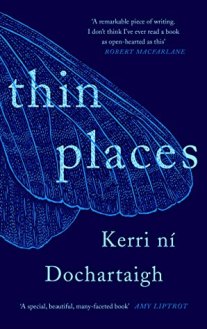 Thin Places is something of an enigma, when I bought it, I thought it was in the nature writing genre, the inside cover calls it a mix of memoir, history and nature writing – such a simplistic description of the reading experience, which for me was something else.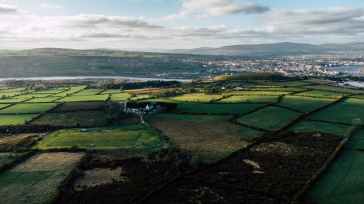
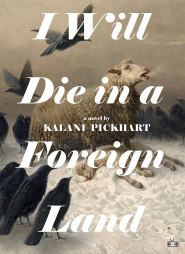 I thought this was an excellent and exceptional novel, that I chose to read because it is too distressing and overwhelming to be bombarded with only the terrible news that is flooding us at the moment.
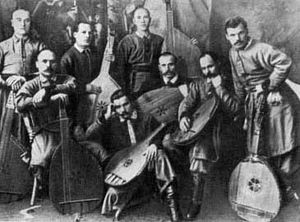 The first lines of the prologue are the collective voice of the
 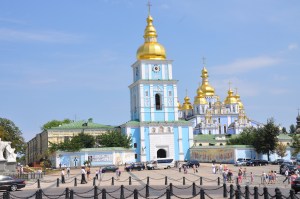 Katya is a Boston based, American doctor, working with the wounded inside a temporary medical clinic at St Michaels monastery. She is an outsider, drawn to the country because she was orphaned there, but grew up in America with no connection to her birth country. Hers, like the author, is an outside perspective, one that wants to know, to connect, to understand.
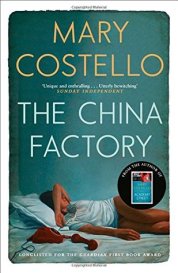 I’ve heard many say good things about her debut novel Academy Street and when her most recent novel The River Capture was published, a self-confessed homage to James Joyce’s Ulysses, I decided I would start at the beginning with Costello’s short stories.

 Mary Costello is an Irish short story writer and novelist from Galway now living in Dublin.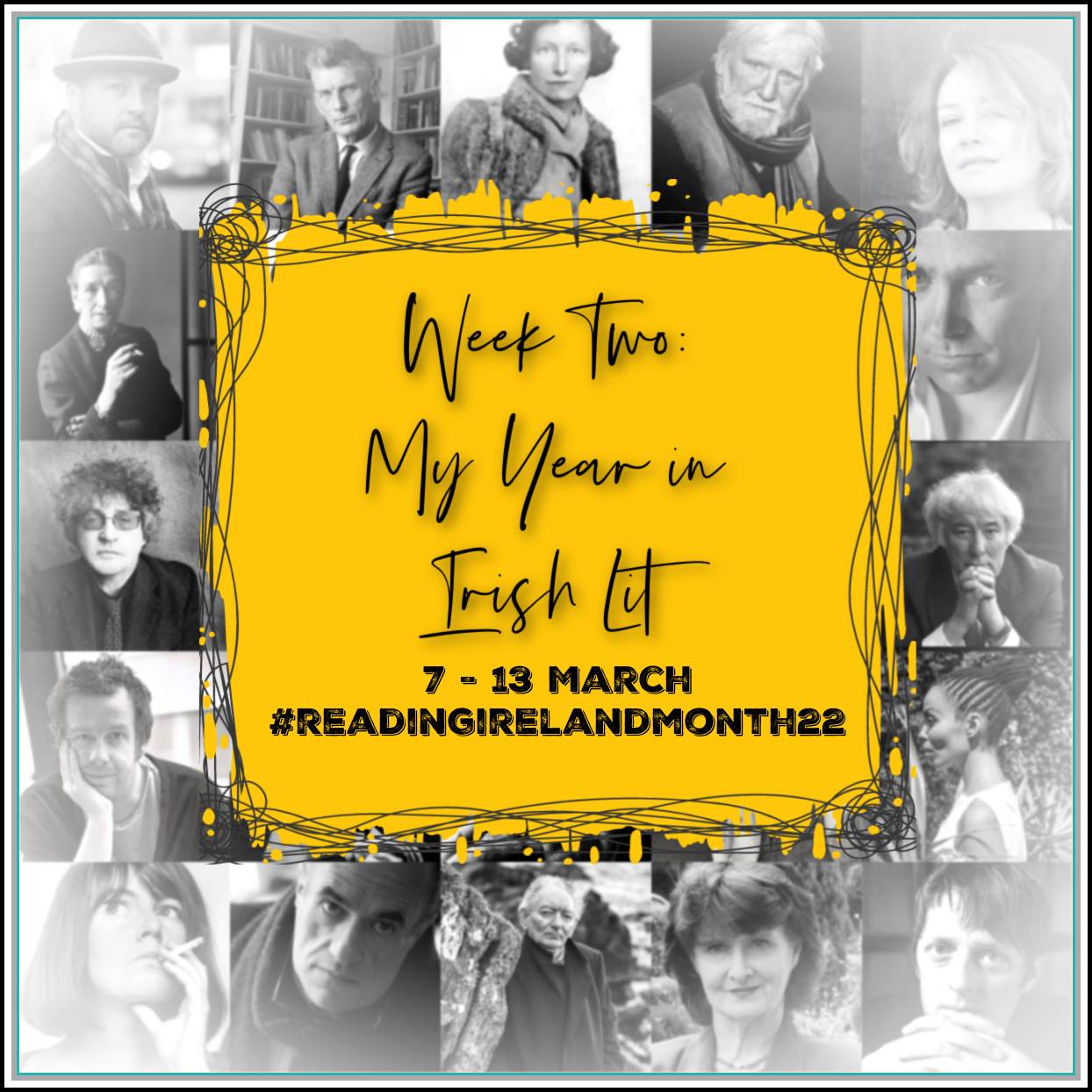
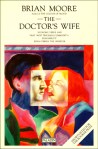
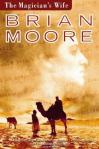
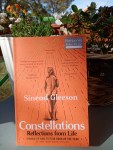
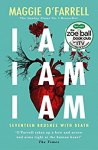
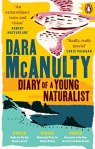
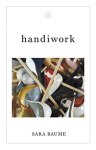
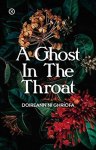
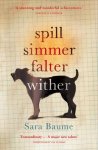
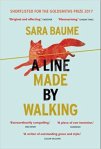
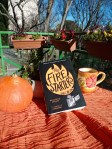
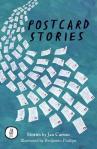
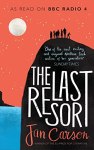
 Tomb of Sand by Geetanjali Shree (India), tr. Daisy Rockwell (Hindi)
 The Books of Jacob by Olga Tokarczuk (Poland), tr. Jennifer Croft (Polish)
 Elena Knows by Claudia Piñeiro (Argentina) tr. Frances Riddle (Spanish)
 Cursed Bunny by Bora Chung (Seoul), tr. Anton Hur (Korean) (short stories)
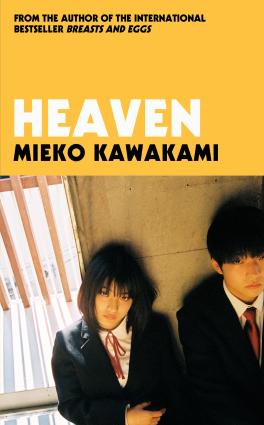 Heaven by Mieko Kawakami (Tokyo) tr. Samuel Bett and David Boyd (Japanese)
 Paradais by Fernanda Melchor (Puebla, Mexico) tr. Sophie Hughes (Spanish)
 Love in the Big City by Sang Young Park (Seoul) tr. Anton Hur (Korean)
 Happy Stories, Mostly by Norman Erikson Pasaribu (Jakarta, Indonesia) tr. Tiffany Tsao (Indonesian)
 The Book of Mother by Violaine Huisman (Parisian living in New York) tr. Leslie Camhi (French)
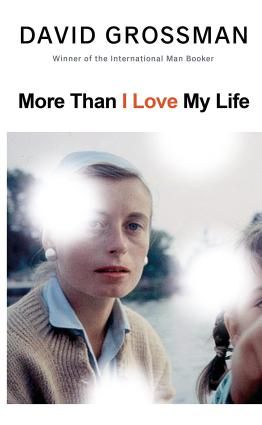 More Than I Love My Life by David Grossman (Israel) tr.Jessica Cohen (Hebrew)
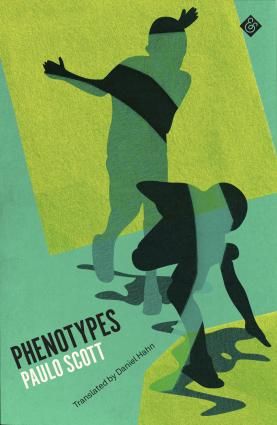 Phenotypes by Paulo Scott (Sao Paulo, Brazil) tr. Daniel Hahn (Portuguese)
 After the Sun by Jonas Eika (Denmark) tr. Sherilyn Hellberg (Danish)
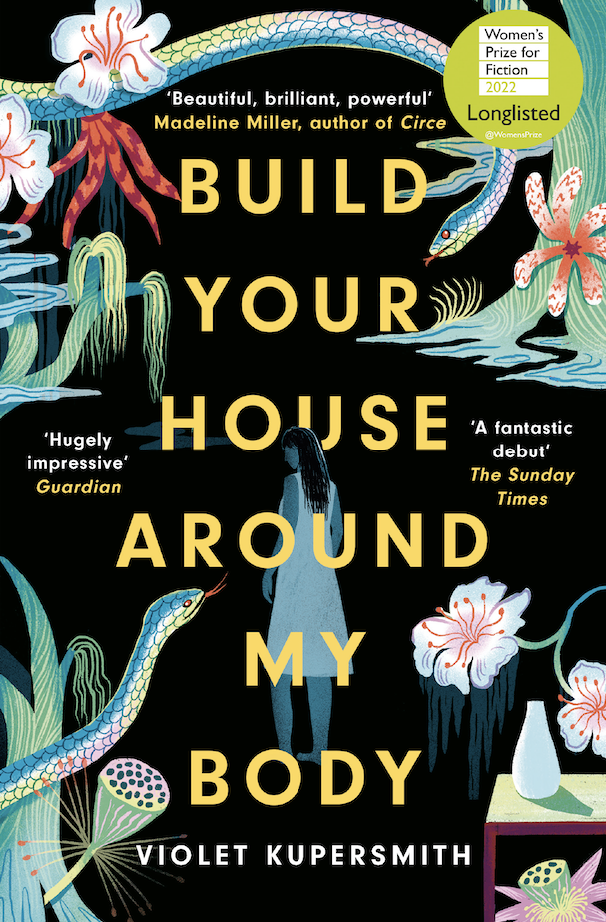 Two Vietnamese women go missing decades apart. Both are fearless, both are lost. And both will have their revenge. The fates of both women are linked, bound together by past generations, ghosts and ancestors, by the history of possessed bodies and possessed lands. This heart-pounding fever dream of a novel hurtles through the ghostly secrets of Vietnamese history creating an immersive, playful, unforgettable debut.
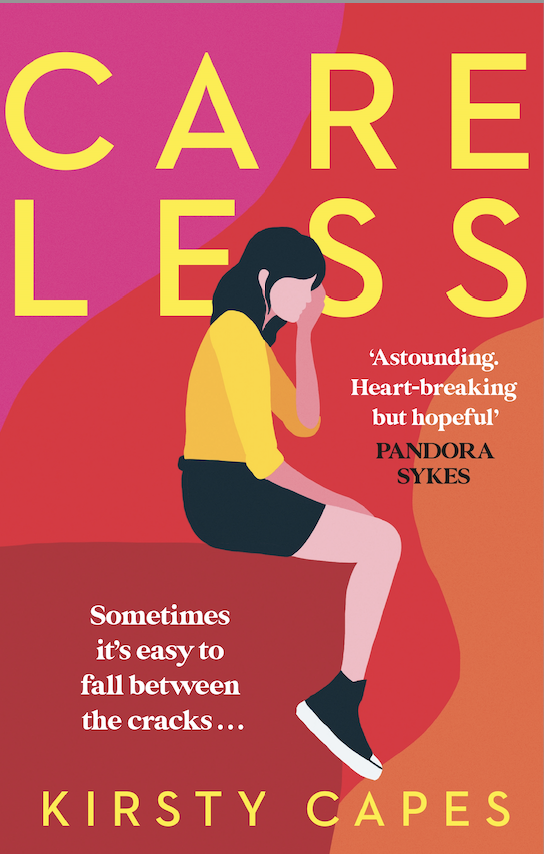 Sometimes it’s easy to fall between the cracks… At 3.04 p.m. on a hot, sticky day in June, Bess finds out she’s pregnant. She could tell her social worker Henry, but he’s useless. She should tell her foster mother, Lisa, but she won’t understand. She really ought to tell Boy, but she hasn’t spoken to him in weeks. Bess knows more than anyone that love doesn’t come without conditions. But this isn’t a love story…
 Nephthys is a taxi driver in DC, ferrying ill-fated passengers in a haunted car, with a ghost in the trunk. Endless rides and alcohol help her manage grief over the death of her twin brother, Osiris.
 A novel of love, homelessness, and learning to be fearless. In the garden, there were three flamingos, gateways to a time when life was impossibly good. They were mascots, symbols of hope.
 From days as a wild child in prohibition America to wartime London, from the rugged shores of NZ to a lonely iceshelf in Antarctica, Marian Graves is driven by a need for freedom and danger. Determined to live an independent life, she resists her childhood sweetheart, burning her way through a suite of glamorous lovers. An obsession with flight consumes her. As she is about to fulfil her greatest ambition, to circumnavigate the globe, Marian crash lands in a perilous wilderness of ice.
 Moving away from their Munich apartment isn’t as bad as for Frau Greta Hahn feared. The new villa is beautiful and life in Buchenwald seems idyllic. But beyond the forest is the looming presence of a work camp. Her husband, SS Dietrich Hahn has been assigned as the camp’s new administrator.
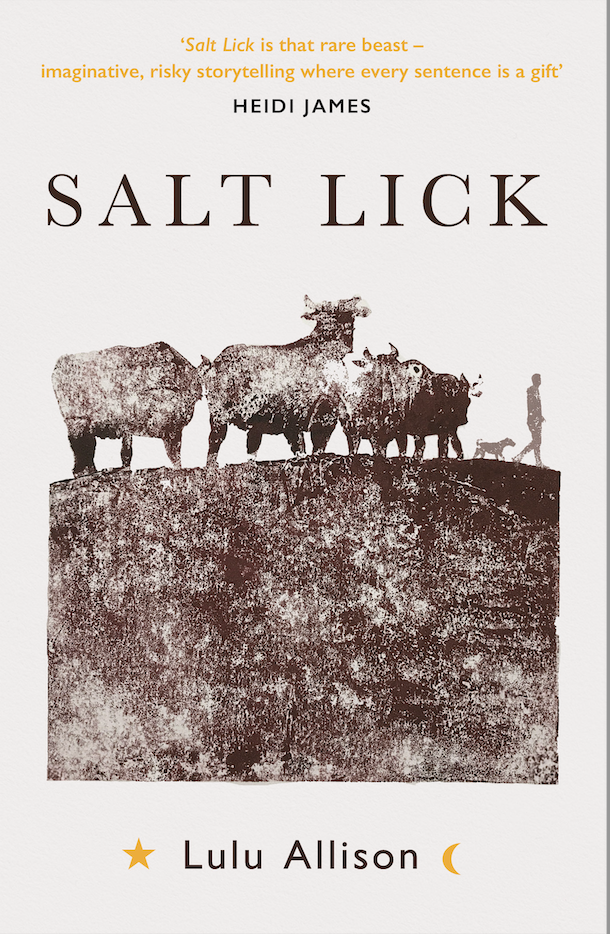 Britain is awash, the sea creeps into the land, brambles and forest swamp derelict towns. Food production has moved overseas and people are forced to move to the cities for work. The countryside is empty. A chorus, the herd voice of feral cows, wander this newly wild land watching over changing times, speaking with love and exasperation.
 Everyone tells Martha she’s clever and beautiful, a brilliant writer loved by her husband Patrick. A gift, her mother once said, not everybody gets. So why is everything broken? Why is Martha – almost 40 – friendless, near jobless and so sad? Why did Patrick leave?
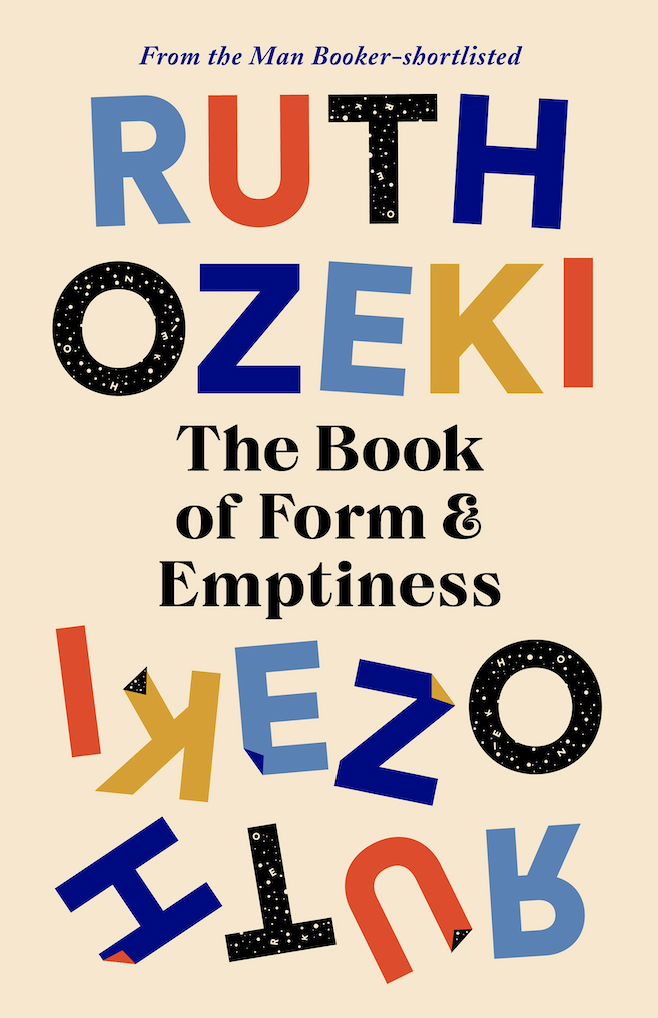 After the tragic death of his father, 14-year-old Benny begins to hear voices. The voices belong to the things in his house and sound variously pleasant, angry or sad. As his mother develops a hoarding problem, the voices grow louder. When ignoring them doesn’t work, Benny seeks refuge in the silence of a public library. There he meets a mesmerising street artist with a pet ferret; a homeless philosopher- poet who encourages him to find his own voice; and his very own Book, who narrates Benny’s life and teaches him to listen to the things that truly matter.
 Alethea is turning 40. Fashionable, feisty and fiercely independent, she manages a boutique, but behind closed doors she’s covering up bruises from an abusive partner and seeking solace in an affair. When she witnesses a woman murdered by a jealous lover, the reality of her own future challenges her.
 The Hanrahan family gather for a weekend as artist and notorious egoist Ray prepares for a new exhibition of his art – the first in many decades – and one he is sure will burnish his reputation for good.
 Opal is a fiercely independent young woman pushing against the grain in her style and attitude, a Black punk artist before her time. Despite her unconventional looks, Opal believes she can be a star. So when the aspiring British singer/songwriter Neville Charles discovers her one night, she takes him up on his offer to make rock music together.
 In 1974 Cyprus, two teenagers, from opposite sides of a divided land meet at a tavern in the city they both call home. The tavern is the only place that Kostas, Greek/Christian and Defne, Turkish/Muslim, can meet in secret hidden beneath the blackened beams from which hang garlands of garlic, chilli peppers and wild herbs. It is where the best food, music and wine in town is. But there is something else to the place: it makes one forget, even if for just a few hours, the world outside and its sorrows.
 On a perfect August morning, Elle heads out for a swim in the pond below ‘The Paper Palace’ – her family’s holiday home in Cape Cod. As she dives beneath the water she relives the passionate encounter she had the night before, against the side of the house that knows all her darkest secrets, while her husband and mother chatted to their guests inside.
 The Sentence asks what we owe to the living, the dead, the reader and the book. A small bookstore in Minneapolis is haunted by the store’s most annoying customer. Flora dies on All Souls’ Day, but won’t leave the store. Tookie, who has landed a job selling books after years of incarceration that she survived by reading ‘with murderous attention,’ must solve the mystery of this haunting while trying to understand all that occurs during a year of grief, astonishment, isolation and furious reckoning.
 Dawn breaks across the archipelago of Popisho. The world is stirring awake again, each resident with their own list of things to do: A wedding feast to conjure and cook, an infidelity to investigate, a lost soul to set free. As the sun rises two star-crossed lovers try to find their way back to one another across this single day. When night falls, all have been given a gift, and many are no longer the same.

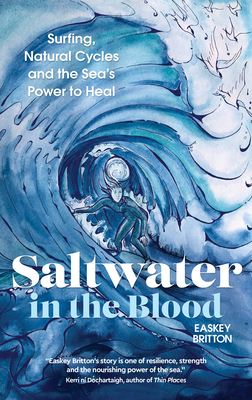
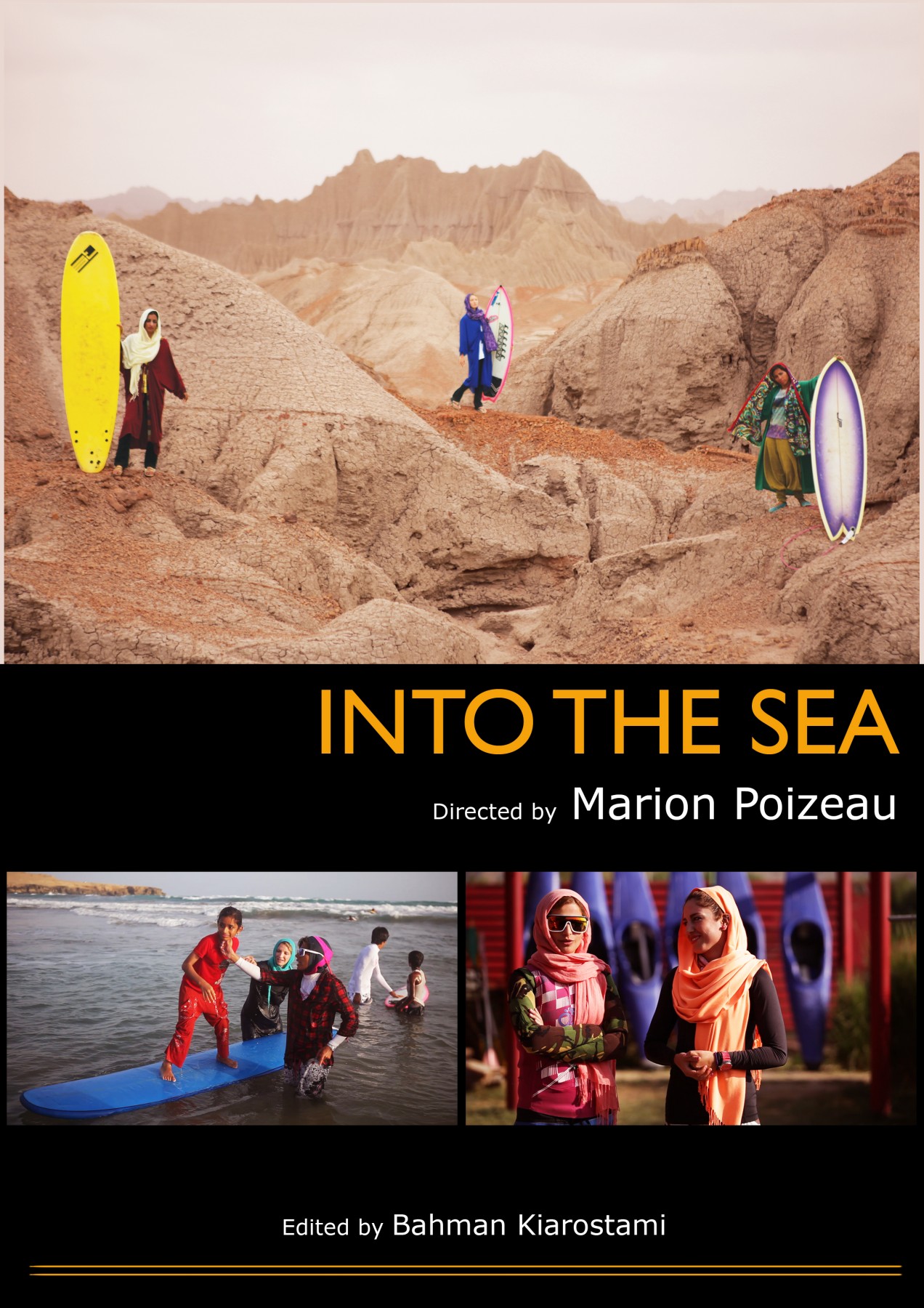 Before climbing on the surfboards, they would do what in effect were warm up exercises, but not of the traditional sportsman type, they would play in the waves and get a feel for the swell and the breakers, preparing themselves by sensing the sea’s mood, harmonising with each other.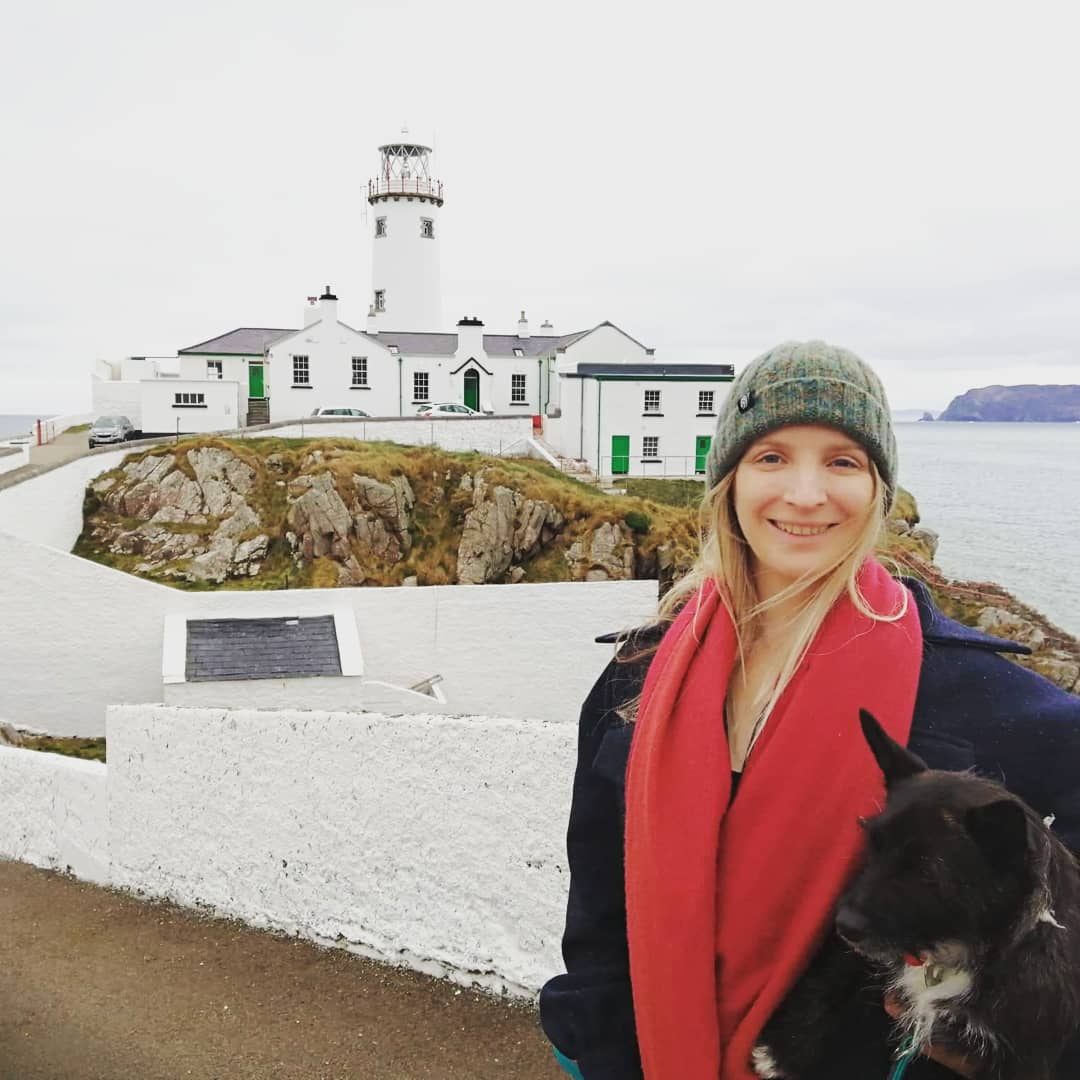
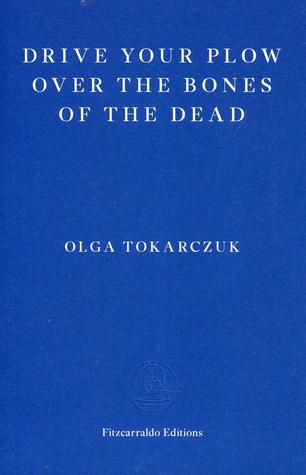 Somewhere on a plateau above a small forested village in Poland, near the border with the Czech Republic, lives Janina, except she doesn’t like that name, she insists on being called Mrs Duszejko.
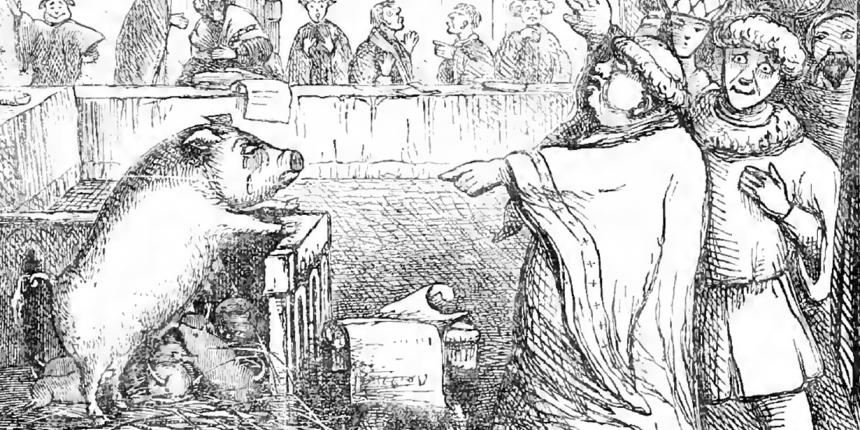 Dizzy, a former student, now her 30 year old friend, helps with the Blake translations, though is unconvinced by some of her theories concerning astrology and the revenge of animals, bolstered by her having discovered real animal trials, which peaked in 14th to 16th century Europe.
 When he challenges her for going around telling people about those Animals, concerned for her reputation, she is outraged.
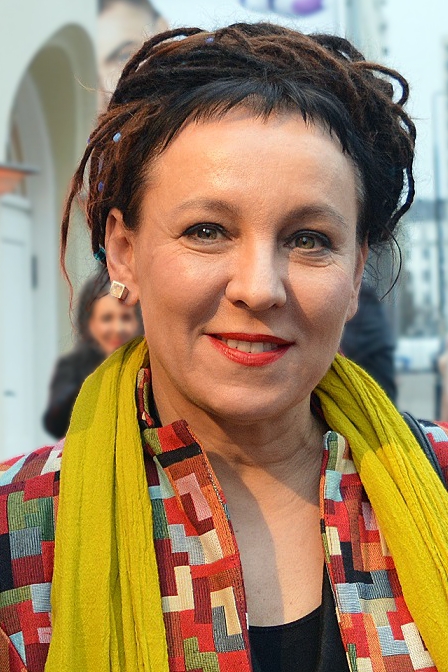 Olga Tokarczuk is an Aquarian, a Psychologist and Jungian expert, a Polish essayist and author of nine novels, three short story collections and her work has been translated into forty-five languages.
 This is the novel I have been waiting for Jan Carson to write, for here is a writer who in her ordinary life as an arts facilitator has brought together people from opposite sides in their way of thinking, encouraging them to sit down and write little stories, enabling them to imagine from within the shoes of an(other) – teaching the practice of empathy.


 1.
1. 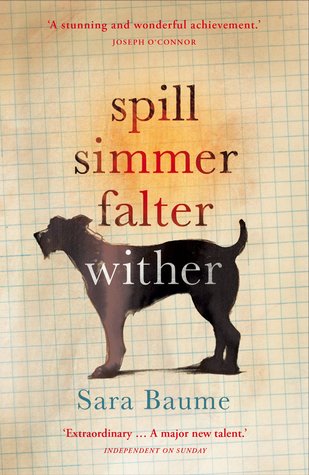 2.
2. 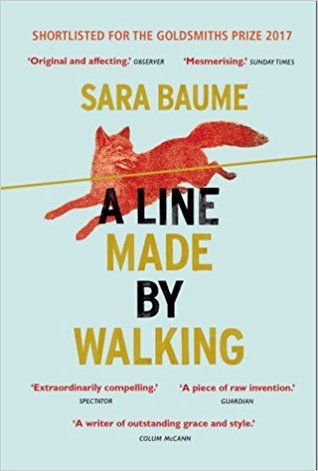 3.
3. 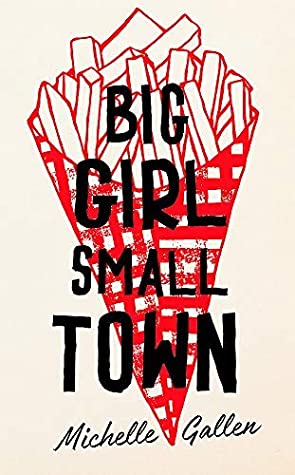 4.
4.  5.
5.  1.
1.  2.
2. 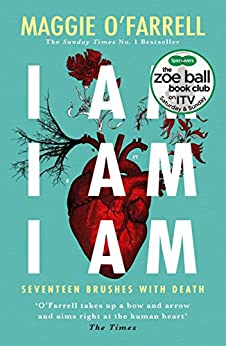 3.
3.  4.
4.  5.
5.  Word by Word