Booker Prize for Fiction Shortlist 2024

Today the Booker Prize Judges shared their shortlist of six novels, narrowed down from the 13 novels in the longlist from an original list of 156 novels.

The panel is chaired this year by artist and author Edmund de Waal, joined by award-winning novelist Sara Collins; Fiction Editor of the GuardianJustine Jordan; world-renowned writer and professor Yiyun Li; and musician, composer and producer Nitin Sawhney.  

The Shortlist of Six books below includes five women and authors from five countries including the first Dutch author to be shortlisted, the first Australian in 10 years. Below the description is a brief comment from the judges and the reason they think reader’s will love that book:

The Safekeep by Yael van der Wouden (Netherlands) – An exhilarating tale of twisted desire, histories and homes – and the legacy of one of the 20th century’s greatest tragedies.

Set in the Netherlands after the war, a quietly devastating novel of obsession and secrets, in which a relationship between two women in a perfectly ordered Dutch household becomes a story of the Holocaust.

We loved how atmospheric this book is. The austerity of these years is powerfully evoked, the particularity of where each teaspoon and coffee cup belongs is beautifully calibrated. But we adored the dynamic of the relationship between Isabel and Eva, the way they inhabit this charged space, always aware of each other and their bodies. 

Orbital by Samantha Harvey (UK) – Six astronauts rotate in the International Space Station. They are there to do vital work, but slowly they begin to wonder: what is life without Earth? What is Earth without humanity?

This brief yet miraculously expansive novel, set aboard the International Space Station is inflused with such awe and reverence that it reads like an act of worship.

This novel is superbly crafted and lyrically stunning. Sentence after sentence is charged with the kind of revelatory excitement that in a lesser book would be eked out of plot alone.   

Creation Lake by Rachel Kushner (US) – A woman is caught in the crossfire between the past and the future in this part-spy novel, part-profound treatise on human history.

A thought-provoking novel of ideas, wrapped up in a page-turning spy thriller. Kushner’s prose is juicy, her narrator jaunty, her world-building lush.

Novels that investigate what it is to be human can veer into the sentimental; this one is utterly flinty and hard-nosed. And yet, there’s mystery at its core – both the mystery of human origins and of individual identity. ‘What is it people encounter in their stark and solitary 4am self? What is inside them?’ As with the caves that play such a key part in the book, Kushner taps into something profound.

Stone Yard Devotional by Charlotte Wood (Australia) – The past comes knocking in this fearless exploration of forgiveness, grief and female friendship.

Set in a claustrophobic religious retreat in rural Australia, this is a fierce and philosophical interrogation of history, memory, nature and human existence.

Contemporary issues – climate change and a global pandemic – can sometimes appear as flat concepts or stale ideas in fiction, but Stone Yard Devotional is able to make both topics locally and vividly felt as haunting human stories.  

James by Percival Everett (US) – A profound meditation on identity, belonging and the sacrifices we make to protect the ones we love, which reimagines The Adventures of Huckleberry Finn.

A powerful, genre-defying, revisionist exploration of slavery, the indomitable resilience of the human spirit and the pursuit of freedom. It subverts all expectations.

While the book deals with the horrors of slavery, it also examines universal themes of identity, freedom and justice. Everett challenges us to question, and reflect on, the nature of morality, the corrupting influence of power and the indomitable resilience of the human spirit.  

Held by Anne Michaels (Canada) – In a narrative that spans four generations from 1917, moments of connection and consequence ignite and re-ignite as the century unfolds.

A lyrical kaleidoscope of a novel created from the scattered images and memories of four generations of a family. Few books could sustain a pitch of poetic intensity.

We loved the quietness of this book: we surrendered to it. The large themes are of the instability of the past and memory, but it works on a cellular level due to the astonishing beauty of the details. Whether it is the mistakes that are knitted into a sweater so that a drowned sailor can be identified, or the rituals of making homecoming pancakes, or what it feels like to be scrutinised as you are painted, the novel makes us pause. 

The Verdict

So I’m surprised and disappointed not to see My Friends by Hisham Matar on the list, I thought it was excellent; it is great to see Percival Everett’s masterpiece James there, I loved it. I have read Orbital and it was okay, though I felt quite detached from it and the characters, while reading.

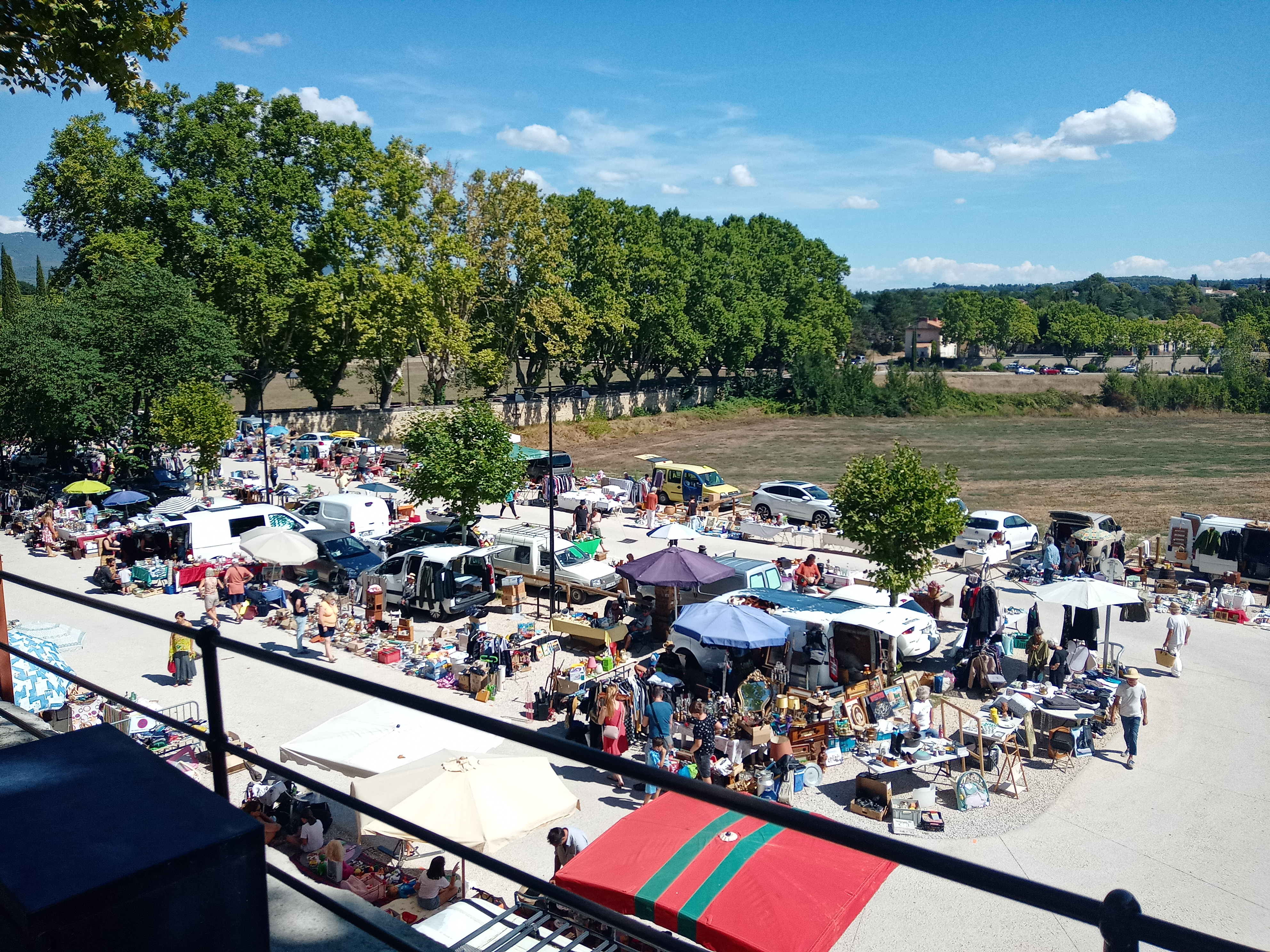
Of the others, I’m curious enough to read an extract from Stoneyard Devotional, and Held, though the Anne Michaels might be a bit much for me if its anything like her much earlier Fugitive Pieces. I’m not sure about Creation Lake, it’s giving me Birnam Wood, Eleanor Catton vibes, so likely not for me. And now I have these two previous Booker Prize winning novels to read, thanks to a lucky book haul at the Vide Grenier in Ansouis Village yesterday.

So what do you think of the shortlist? Any recommendations? Disappointments?

Read An Extract

If you want to check out some of the first chapter of any of these books, you can read an extract here.

The Booker Winner

The announcement of the winner of the Booker Prize 2024 will take place at a ceremony and dinner held at Old Billingsgate in London on Tuesday, 12 November. 

Ansouis Village Annual Book Sale

Yesterday (Sunday) was the annual ‘vide grenier‘ (garage sale) in the medieval village of Ansouis in the South Luberon area of the region Vaucluse. It’s a village I drive through at least once or twice a week for work. It’s a nice place to stop for a while.

The village has a population of around 1,000 people and is dominated by the fortress like Château d’Ansouis, sitting on a rocky perch overlooking the village and valley all around.

Every year the local French library has a few tables, where they sell second hand books, in both English and French.

It’s my favourite book sale, because it’s set up in this beautiful location, there’s easy parking and it’s always on a sunny day in mid September. If you arrive early, you are guaranteed to be rewarded.

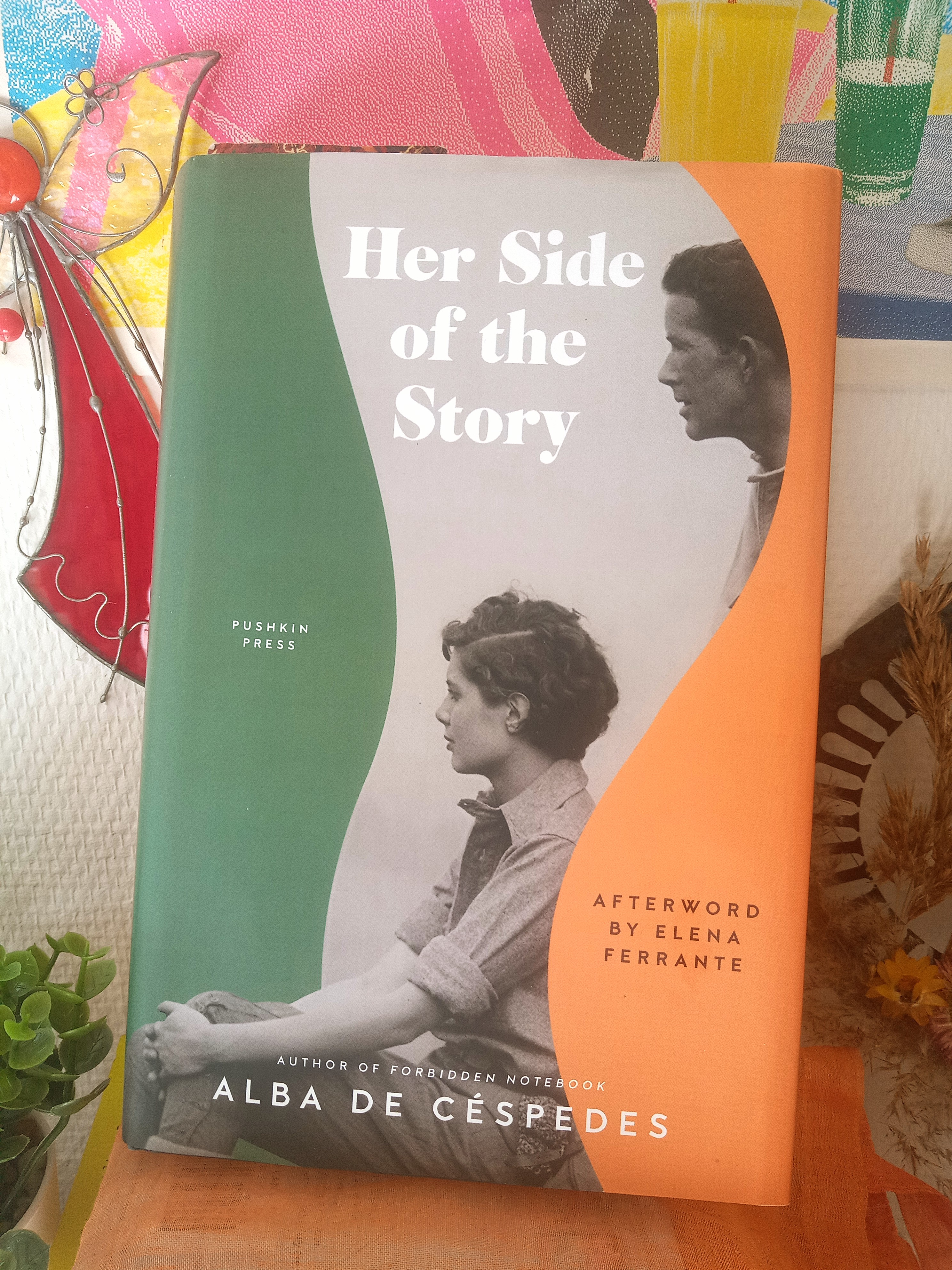
I like to cull the bookshelves every year and donate to this market, and then try not to buy back too many. However this year I arrived just as another woman was depositing her donation and I saw those two Booker Prize winning novels that I haven’t read yet, Bernadine Evaristo’s Girl, Woman, Other and Sri Lankan author Shehan Karunatilaka’s The Seven Moons of Maali Almeida.

And then there were more…

In addition to the other impulsive purchases you can see in the image above, I found Northern Irish author Jan Carson’s The Raptures, a signed copy of Kamila Shamsie’s Best of Friends, Japanese author Mieko Kawakami’s Breasts and Eggs translated from Japanese and more. Oops. 12 books later…

Often these are books I have seen reviewed and I’m interested in, but not enough to rush out and purchase a copy, however they are the kind of books I would borrow from a library, so I guess this is like an annual library visit. Isn’t it?

I had heard about the Cazalet Chronicles Quintet by British author Elizabeth Jane Howard and couldn’t pass up the opportunity when I saw all four of them sitting in a box waiting to be claimed. Anyone keen for a buddy read?

There are lots of other things that people are selling, old china and glass, cutlery, clothes, old linens, the contents of workshops, old music albums – brocante. A treasure trove of things we don’t need, but definitely fun to look at.

The only other thing I look out for are old postcards, like these of Marseille’s Le Palais Longchamp, the Route de la Corniche and Le Parc Borely, all of which I found in Ansouis a couple of years ago. And all places I connect with and have fond memories of.

Even though they have already been used and written on (many many years ago), I like to give them a second life, sending them as bookmarks, to friends who also know and remember these places.

I didn’t find any today, well, there were some very small but beautiful old black and white photos of Berlin, but I didn’t connect with them in the same way as I do with the southern French locations.

Have you read the Cazalet Chronicles or any others from this haul that you recommend?

Her Side of the Story by Alba de Céspedes tr. Jill Foulston

Stunning.

I thought The Forbidden Notebook which I read in 2023 was excellent, but this novel is in a category of its own. This is probably the title in 2024 I was looking forward to the most and it exceeded my expectations.

Originally published in Italian in 1949 as Dalla parte de lei, this captivating new English translation by Jill Foulston was published by Pushkin Press in 2024.

Women’s Partisan Struggle in 1930’s -1940’s Italy

Alba de Céspedes (1911-1997) was a bestselling Italian-Cuban novelist, poet and screenwriter who worked as a journalist throughout the 1930’s while also taking an active part in the Italian partisan struggle and was twice jailed for her anti-fascist activities.

After the fall of fascism – Rome, considered the heart of fascism under Mussolini, was liberated in June 1944 and many felt the country had lost its basic values after 20 years of fascist government – Alba de Céspedes founded a literary journal called Mercurio, publishing many great names of Italian literature and politics, as well as Katherine Mansfield, Jean-Paul Satre, Ernest Hemingway.

Due to a lack of funding it would close in 1948, and in its final issue she published an essay by Natalia Ginzburg entitled ‘On Woman’, alongside a letter she was inspired to write in response to it. Certainly, she would have been working on the novel Her Side of The Story, at the time this essay (discussed below), was published.

Women Writing From the ‘Well’

Photo by ArtHouse Studio on Pexels.com

Ginzburg had written of an affliction unique to women – at a time when they were often confined to the home and not considered equal under the law – that she described as “a continuous falling down a deep dark well“, a terrible melancholy typical of feminine disposition that likely originated from the age-long tradition of subjection and subjugation.

In her open letter, de Céspedes confesses that she also writes from the ‘well’ Ginzburg theorises. Despite that, de Céspedes believed women’s freedom consisted of being able to go down those emotional and psychological wells, which were for her a strength, rather than a curse. ‘Every time we fall down a well’, de Céspedes wrote, ‘we descend to the deepest roots of our being human; when we come back to the surface, we carry such experiences with us that enable us to understand everything men never will — since they never fall into any well’.

In the same issue of Mercurio, de Céspedes published La donna magistrato’ (‘The Woman Magistrate’), an essay by Maria Bassino, one of the most important criminal defense lawyers at the time, addressing women’s rights to become magistrates. In her letter to Ginzburg, de Céspedes explained that those two essays were published together to denounce the injustice done to women when they were tried by magistrates who cannot understand women’s reasons to ‘kill, steal, and commit other humiliating actions’; referring to men who never experienced the depth of wells.

If we are not sure of the depth and character of the mid twentieth century well, then by the time we finish reading Her Side of The Story, we most certainly have a greater understanding of it.

The Review: Her Side of the Story

Photo via Pexels.com

An expansive coming of age tale of love and resistance, this feminist, social novel explores a young woman’s attempt to break free from society’s expectations and live life on her own terms. Amid great storytelling, it is a fearless condemnation of patriarchy and rejection of fascist ideals in a society on the cusp of witnessing social change for women.

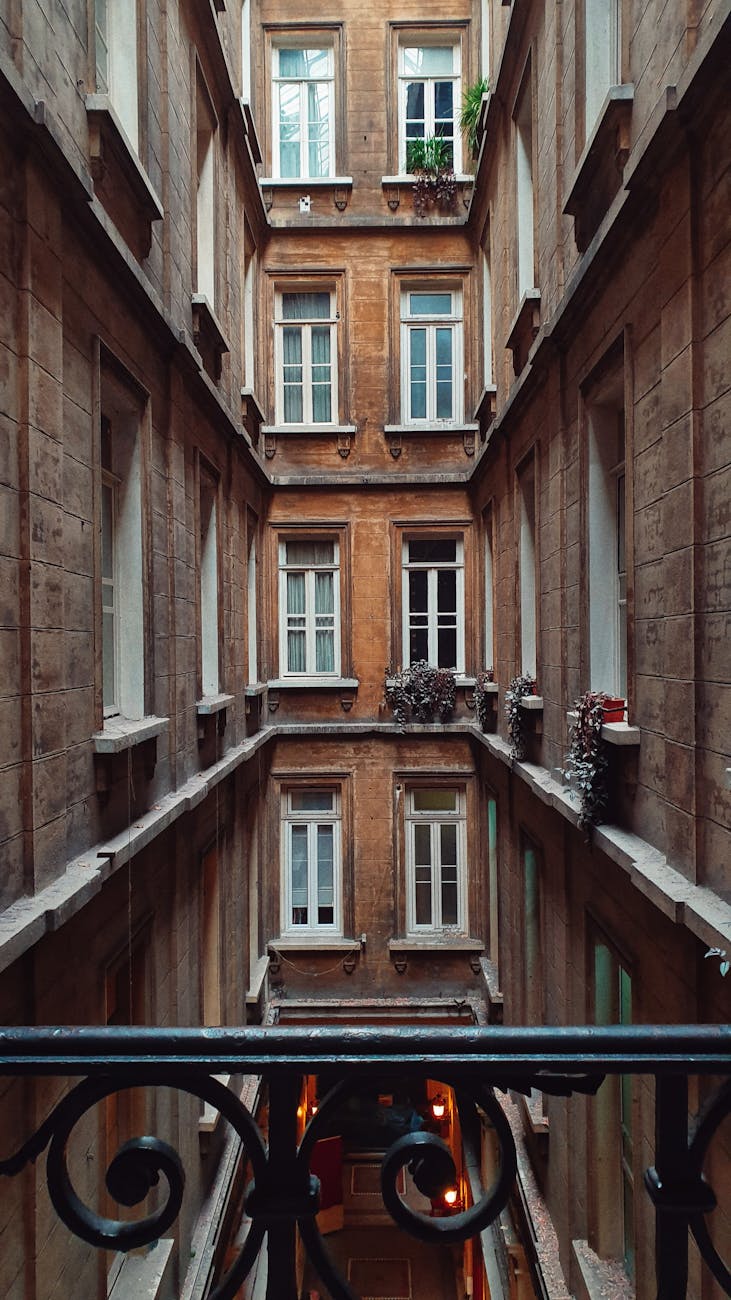
Alessandra grows up in a bustling apartment block in 1930’s Rome with a shared courtyard, where everyone knows everyone, spending most of her time alone in the apartment in the care of Sista, while her father is at his office and her mother is out teaching piano lessons. She adores her quiet, delicate mother, who keeps to herself and treats her daughter like a friend, while despising a father she believes doesn’t deserve an elegant, cultured woman like her mother.

The women felt at ease in the courtyard, with the familiarity that unites people in a boarding school or a prison. That sort of confidence, however, sprang not so much from living under a common roof as from shared knowledge of the harsh lives they lived: though unaware of it, they felt bound by an affectionate tolerance born of difficulty, deprivation, and habit. Away from the male gaze, they were able to demonstrate who they really were, with no need to play out some tedious farce.

Alessandra looks back and recounts her childhood, adolescence and marriage, describing her experience of them all, her inner world view and how it was shaped by what she observed happening around her, everything she thought and how she responded to it all.

Though she spends much time alone, she rarely keeps her thoughts to herself, allowing the deepest parts of herself to be exposed, challenging what she does not agree with, determined to take charge of her life and live it according to her own desire, against convention.

A Rare and Faultless Admiration of Mother

The first section is focused on the mother-daughter relationship, on Alessandra’s blind faith in everything her mother is and does, including her obsession with the Pierce family, their friendship with Lydia and her daughter Fulvia upstairs and sessions with the medium Ottavia who visits the apartment block on Fridays. Invited to play at a private concert with the Pierce son Hervey joining on violin, the celebratory event witnessed by her husband, becomes a turning point.

The depictions of life in the apartments, the details of the women’s lives, the absent husbands, the affairs, the way daughter’s follow mother’s examples, the witnessing of each other’s lives, the door porter who sees and knows all, the desire for privacy and impossibility of it are all brilliantly depicted. Alessandra’s mother is a romantic with dignity, she is not interested in an affair, but is vulnerable to kind attention.

After a near expulsion from school for hitting a boy for his psychological cruelty towards another girl, she confesses what happened to her mother and worries about her father’s response.

“We can’t tell him everything. Men don’t understand these things Sandi. They don’t weigh every word or gesture; they look for concrete facts. And women are always in the wrong when they come up against concrete facts. It’s not their fault. We’re on two different planets; and each one rotates on its own axis – inevitably. There are a few brief encounters – seconds, perhaps – after which each person returns to shut him- or herself away in solitude.”

Alessandra spends a lot of time reflecting, examining the depths of her thoughts, actions and observations and how they may have come about. From her parents certainly, but she recognises something restless in herself, that seeks retribution.

I could reproach her for having subjected me to that climate of perpetual exaltation, which, above all, made me completely devoted to the myth of the Great Love and thus unintentionally led to the painful situation I find myself in today. I could reproach her, perhaps, if she hadn’t already paid for her ambitions. And now that I am forced to write about her and look into the most intimate and dramatic moments of our life together, it’s not really to accuse her of having made me what I am but to explain those of my actions which would otherwise be clear only to me.

Allesandra, sono io, I am Alessandra

Photo by Piotr Arnoldes on Pexels.com

It is Sandi’s story but it is also the story of many ordinary lives of girls and women, growing up in discordant families, with the weight of expectations, the allure and (false) promise of love, the desire to be educated, to participate in something greater than ‘the home‘, to be heard, respected and taken seriously.

“…Alba de Céspedes intended to act as the defender of women. Like Flaubert, she could say of her protagonist: Alessandra, sono io, I am Alessandra.

Rural Idealism Enforced by The Matriarch

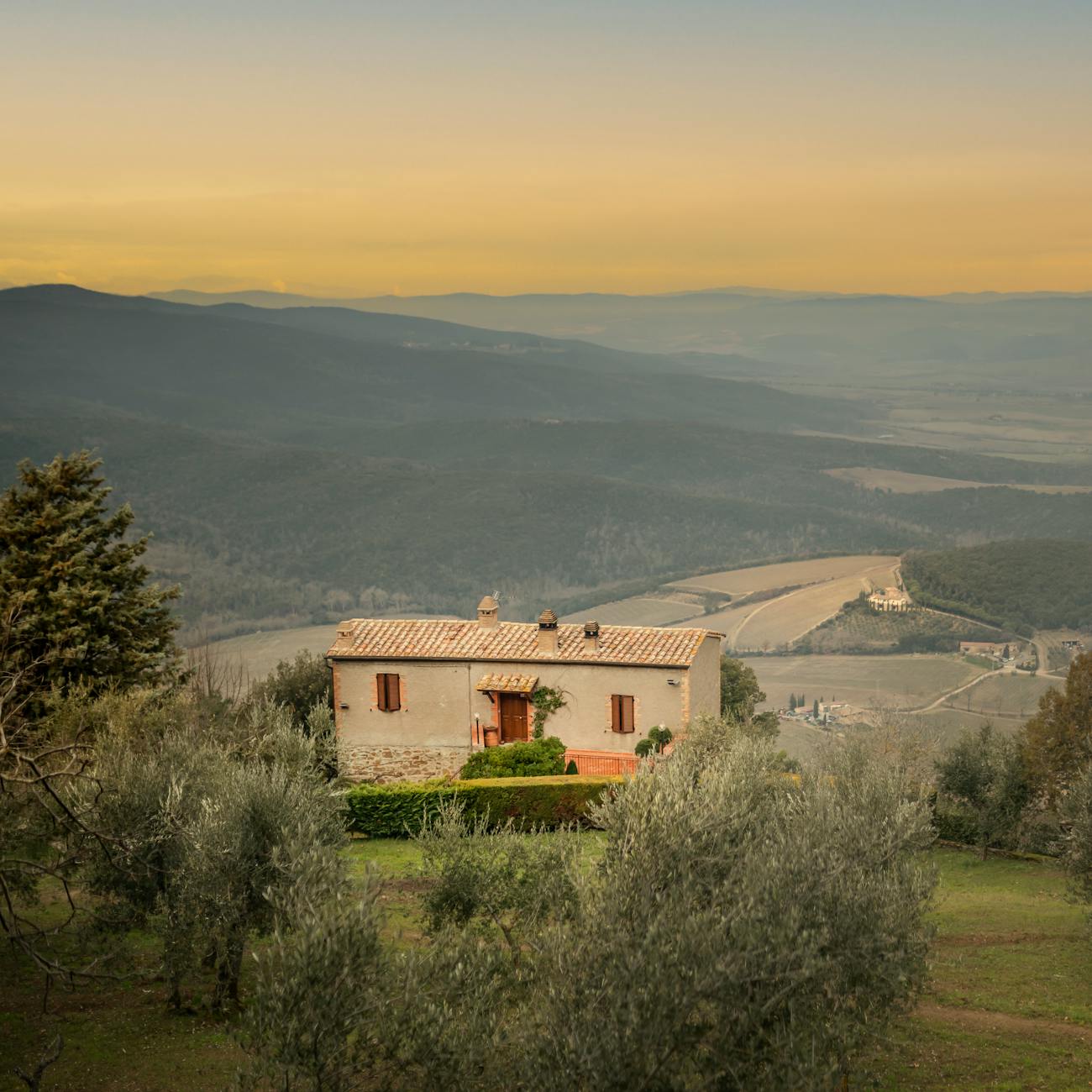
In the second section, Alessandra is sent to live on a farm with her paternal grandmother Nonna, a grand matriarch of a traditional, religious family who surround her with examples of duties expected of her and demonstrate how they will act to facilitate them. She enjoys the natural environment and complies to a certain point, but insists on her right to further her studies, rejecting the suggestion of a well aligned matrimony.

Though this section was originally cut from the first English translation (1952) of the novel, it is restored here. The rural setting represents tradition and a connection to the land, the roots of family, hard work and lineage. Mussolini’s regime focused on rural regions to uphold goals of self-sufficiency, free Italy from “the slavery of foreign bread” and control the agricultural sector. Propaganda praised this lifestyle, much of it targeted at women and upheld by women. Nonna exemplifies and encourages the virtues of sacrifice for the greater good and giving up one’s selfish desires.

Bewildered, I observed these grave, taciturn people who had been strangers to me a few hours before, but who now embraced me within a mechanism so robust I sensed it could easily overwhelm a person.

War breaks out, she returns to Rome, to her studies, to employment, to living again with her father and meeting Francesco, the man she would truly love and believe she could have a different kind of life with. And it might be said that that is where her troubles really begin.

Love, Marriage, War – the struggle

There is so much that could be said about Alessandra’s wartime and matrimonial experience, that is better left for the reader to discover.

There is no stone left unturned in her dissection of the relationship she has with the older anti-fascist Professor, a charismatic man with a sense of justice who stands up for his beliefs, the only man she will ever truly love and her attempts to talk to him about the things that unsettle her, that she feels could be easily resolved, if only he took the time to listen. Once married, he is barely aware of or able to respond to her feelings, while she continues to try to make him understand, slowly unravelling in her persistent attempt.

The most misleading virtue of marriage is the ease with which one forgets, in the morning, everything that happened the night before. Encouraged by the clear colour of the sun’s first rays and the energy and rhythm of everyday gestures, I was always the first to turn back towards Francesco.

The novel tracks the attempt to rise above expectation and the subsequent decline into acceptance, focusing on the effect of this repression, the mental deterioration of generations of women for whom the burden of that ordinary life, of a woman’s limited lot, and the inaccessibility of how (here) she imagines it might have been, become too much to bear. She wants the reader to understand this very well, effectively making you live it alongside her.

Intense, compelling and set against that backdrop of wartime Rome and Italy coming out of a long repressed fascist era, I found it utterly riveting. Her Side of the Story is a powerful, intimate and insightful exploration of the female psyche, of the desire to be, and do, more than meet long outdated representations of women in families, society and relationships. Unputdownable, one of the best of 2024 for sure. Fans of Natalia Ginzburg and Elena Ferrante will likely enjoy this. Expect to feel unsettled.

There’s No Turning Back

Delighted to learn that her debut novel There’s No Turning Back translated by Ann Goldstein will be published in February 2025.

Highly Recommended.

Further Reading

Natalia Ginzburg’s essay ‘Discorso sulle donne‘On Women’ translated by Nicoletta Asciuto, The Fortnightly Review

Jacqui’s Review at JaquiWine’s Journal, April 2024

Chicago Review of Books: The Prescience of Alba De Céspedes’s “Her Side of The Story” by Margarita Diaz November 24, 2023

Author, Alba de Céspedes

Feminism Journal writing Womens Rights Italian Literature

Alba de Céspedes (1911-97) was a bestselling Italian-Cuban novelist, poet and screenwriter.

The granddaughter of the first President of Cuba, de Céspedes was raised in Rome. Married at 15 and a mother by 16, she began her writing career after her divorce at the age of 20. She worked as a journalist throughout the 1930s while also taking an active part in the Italian partisan struggle, and was twice jailed for her anti-fascist activities. After the fall of fascism, she founded the literary journal Mercurio and went on to become one of Italy’s most successful and most widely translated authors.

After the war, she accompanied her husband, a diplomat to the United States and the Soviet Union. She would later move to Paris, where she would publish her last two books in French and where she spent the rest of her life. She died in 1997.

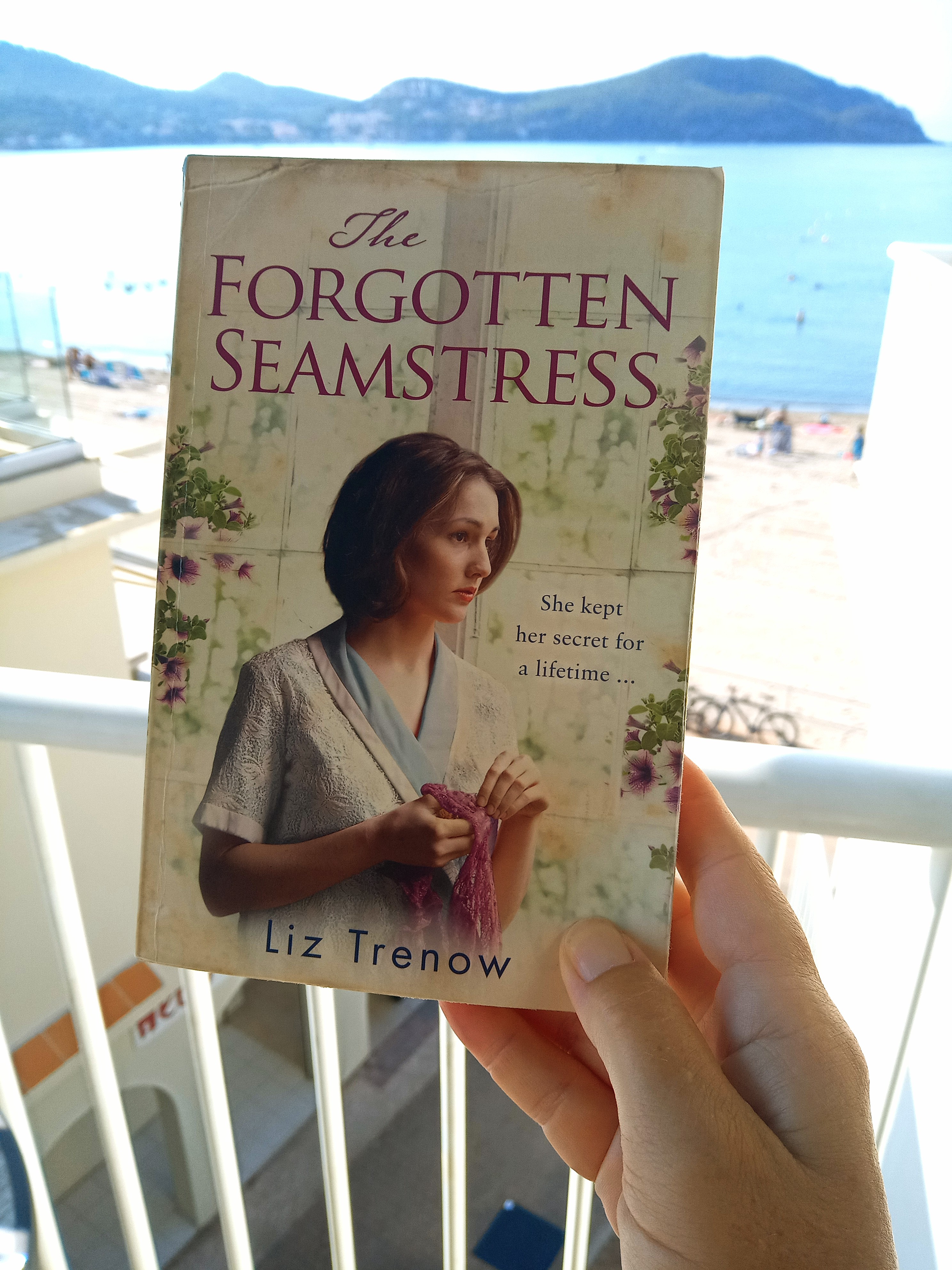
The Forgotten Seamstress by Liz Trenow

The second holiday read work of historical fiction I read was another dual narrative The Forgotten Seamstress by Liz Trenow.

Different timelines and narratives reveal the story of Maria Romano, a young orphan. She and her friend Nora, both adept at sewing, are called in one day after a grand lady visits the East End of London orphanage and admires their work.

She goes on to tell us that the grand lady who came a few months ago is a duchess and the patron of the Needlework Society and was visiting to inspect the work that the convent was doing for the poor children of the city. She was so impressed by the work Nora and me showed her that she is sending her housekeeper to interview us about going into service.

The house they are moved to, they soon discover is a royal household. Maria catches the eye of the young Prince and being young and obedient, responds when he requires her service and is unsuspecting of the trouble ahead for her, when their fun creates a dilemma for her.

A Series of Taped Interviews, 1970

An academic doing a PhD interviews patients in Helena Hall, an institutional asylum where thousands of women dwelled, recording their stories. Some speak of voices or fantasies, at least as the medical establishment puts it. Like Maria who imagined she worked for royalty and knew a prince. They called her Queenie. No one believed her story. And yet…

The transcriptions of the cassettes allow Maria to tell her story and the reader to decide whether she is a reliable narrator or not.

London 2008

In the modern day, Caroline Meadows is left a quilt by her grandmother, who spent a short time at Helena Hall. Either she or someone she knew made the quilt.

The central panel was an elegantly embroidered lover’s knot surrounded by a panel of elongated hexagons, and a frame of appliqué figures so finely executed that the stitches were almost invisible. And yet, for all the delicate needlework, the design of the quilt seemed to be quite random, the fabrics so various and contrasted it could have been made by several people, over a long period of time.

At a crossroads in her life, her relationship has ended, a job recently lost and she is coping with a mother with onset dementia who is becoming a danger to herself. It is the perfect moment for her to throw herself into the mystery of the quilt and reveal the truth behind what happened to the young Maria.

Then there is a journalist Ben, who she’s unsure about when she contacts him, is his interest in her just about the story he is chasing, or might it be something else? When the quilt goes missing, he helps her, though she remains wary.

Royal Secrets, Institutionalising Women, Lives Stolen

This was an enjoyable read of twists and turns, revelations and class punishment, the incarceration of innocent women in order to maintain the reputations of others, and the terrible expendability of babies and illegitimate children, deprived of their identities, heritage and mothers.

The Winemaker’s Wife by Kristin Harmel

In the last two weeks of August, I was on holiday in St-Cyr-sur-Mer and during this time there was a lot of swapping of books. This is one of two works of historical fiction I read.

1940s couple walking arm in arm towards stairs flanked by pillars, green foliage surrounds

I started with this one out of interest because it was set in the Champagne region of France, which I had visited in October 2023.

It was interesting to imagine this story set during the lead up to World War II, perhaps not surprising to learn that the area was occupied for four long years and equally understanding that many of the vintners were able to keep their best vintages hidden in the array of underground tunnels behind false walls.

The Winemaker’s Wife is a dual narrative historical fiction novel, set in the champagne town of Rians, France, in 1940 and in 2018 New York City, Paris and Rians.

The plot concerns the unravelling of a family mystery, with secrets, lies, cover-ups, betrayals, and goings on in the network of tunnels beneath the chateau champagne house, Maison Chauveau.

1940 Champagne Region of Rians, France

Inès has just married Michel, the owner of the champagne house, when the Germans invade. She has tried to make herself useful, but doesn’t seem to have made much of an impression. Assisting them are Céline and Theo Laurent, the chef de cave.

Céline was quiet and serious, always tromping around with a frown on her face, while Inès did her best to look on the bright side.

When Inès has had enough, she visits her friend Edith and her husband Edouard at the Brasserie Moulin, but it’s not always safe there and in her naivete, she makes a fatal mistake that is going to affect all of them.

The two couples try to continue to run the winemaking business but the invaders have a taste for more than just champagne. Despite the danger surrounding them, they seem to be inviting trouble, when they make things even more riskier for themselves. And that doesn’t include resistance activities which are even more reason to not bring attention to themselves.

New York to Paris, A Grandmother in her Centennial Year

Meanwhile, in 2019 New York, elusive 99 year old French grandmother Edith turns up unannounced to take her niece Liv on a trip to Paris and Rians and is hiding the reason for going there.

As she gets closer to understanding why they are there, it seems all roads lead to Maison Chauveau and there might even be a love interest for the recently heart broken young woman.

I have to say I questioned the grandmother’s motives given her age. It seemed strange to me that she had waited until her 99th year before taking such a trip, as good as admitting she had intended to take her secrets to the grave. I did not trust her – and with good reason, it turns out.

Imagined History versus Real History

Though it was often difficult for me to believe in the characters and the narrative, having just read the true historical account of Marie Madeleine Fourcade in Madame Fourcade’s Secret War by Lynne Olson, I would recommend The Winemaker’s Wife as a light holiday read for those who enjoy historical fiction, champagne and visiting France.

Extra pics from a stroll down Avenue de Chapagne, where there are many champagne houses like the one above and a visit to the underground champagne storage tunnels of Möet & Chandon in Épernay, October 2023. They’re incredible and worth a visit, an underground labyrinth.

Read more about Champagne Hillsides, Houses, and Cellars here.

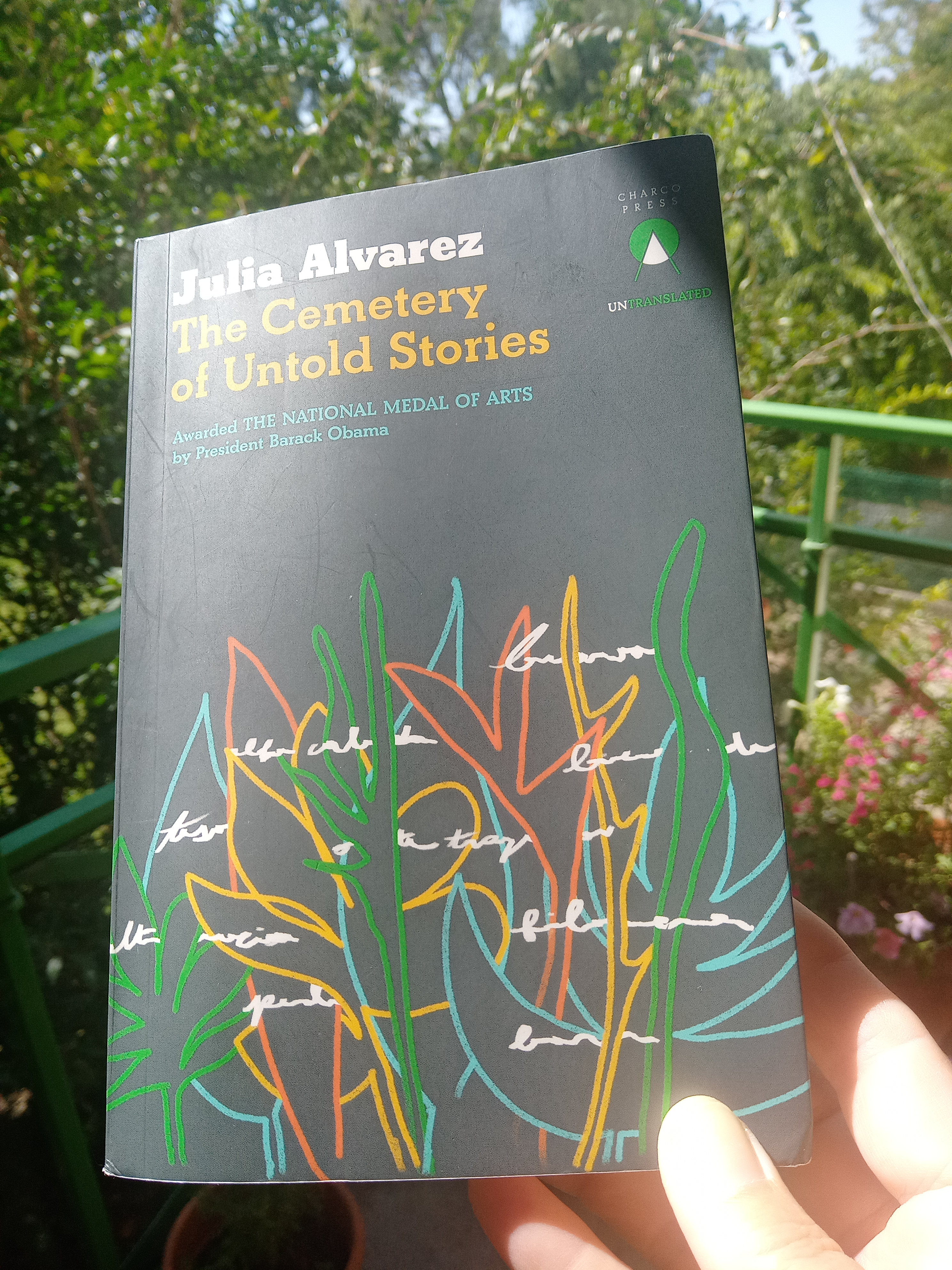
The Cemetery of Untold Stories by Julia Alvarez

The Cemetery of Untold Stories by Julia Alvarez is part of the Charco Bundle 2024 Untranslated series. Most of the Charco books are works of Latin American origin translated into English.

Julia Alvarez was born in New York City, the second of four daughters. Moving back to the Dominican Republic shortly after her birth, her family were forced to flee ten years later due to her father’s involvement in an underground movement to overthrow the oppressive dictatorship of Rafael Trujillo, who maintained control of the country for 31 years.

Reading The Cemetery of Untold Stories very quickly pulled me in and gave me the feeling I would often encounter when reading works by other woman writers from the Caribbean, like Maryse Condé’s Victoire: My Mother’s Mother, Simone Schwartz-Bart‘s The Bridge of Beyond, Cristina García’s Dreaming in Cuban.

There is something unique to their storytelling that expands beyond our known reality, that embraces the imagination, allowing it a glimpse of another dimension of perceiving that is good hearted, that exists to open minds, bring awareness and healing.

We know we are going there, because the opening chapter entitled Let’s go to Alfa Calenda is a version of that place.

Half the time Papi didn’t even know where he was. What was the harm in pretending? We’re going to Alfa Calenda, they told him as they packed up his belongings, put the house on the market, and boarded the Jet Blue flight to JFK. Just the mention of that fantasy place he’d invented with his mother seemed to soothe him. His personal Shrangri -la-la land, his daughters had dubbed it.

Alma is a writer at a turning point in her life/career. She and her three sisters live in the US and their lives have converged after the recent deaths of both parents in short succession. When their father dies, they discover that he owned many small properties in the Dominican Republic. Unable to find a fair way to apportion them, they decide to draw lots (a mediator’s suggestion), Alma draws the first lot and chooses a wasteland near a dump, on the outskirts of a barrio, then withdraws from the selection process. Closing in on her own latter years, she decides to return to her native land and bury her unfinished stories.

Should Alma follow in her parents’ footsteps, she’d be much better off in her native land. Even if it wasn’t first rate in terms of social services, that world had been her first world: her senses, her body’s rhythms, her psyche were all steeped in it. The weather, the smells, the sound of Spanish, gestures understood without explanation. Life was also cheaper there.

Alma is going to put her stories to rest, stories she has abandoned, failed to bring to life. This new development has given her a project, crazy as it sounds to her sisters. She needs a collaborator and remembers her friend Brava, she won’t judge her new ambition.

Like her art, Brava’s personality was larger than life, a fireball throwing off sparks. None of the anguished and torturous revisions and self-doubts that beseiged Alma.

They will build a cemetery for characters of Alma’s untold stories, a gallery to Brava’s art.

Alma is a curiosity to the residents of the barrio, all kinds of rumours circulate when the bulldozers arrive.

A sign goes up on the wall at the main gate. EL CEMENTERIO DE LOS CUENTOS NUNCA CONTADOS. A cemetery for untold stories. The only way to enter is to speak into a small black box at the front gate. Cuéntame, a woman’s soft voice requests. Tell me a story. Only then does the door open, or not.

Photo M. van Duijnen Pexels.com

As she builds her cemetery and buries her boxes of manuscripts, different members of the community enter her life through their own stories and the neglected buried characters begin to reveal more about theirs, defying the author and rewriting their fates. Her helpers don’t always follow her instructions.

Alma pulls Brava aside. What’s going on?

El Baron is the boss of cemeteries, Brava explains. The deity who allows passage between the worlds. The first tomb always belongs to him.

The stories reveal themselves, as do the characters who enter the cemetery, looping in on themselves and making what might have been judged, better understood. It asks the question of whose stories get to be told by who, to whom and which stories are better buried.

It is also about listening, imagining, seeing differently, knowing when to speak up and when to stay quiet. It is a quiet celebration of stories, storytelling and the inspiration behind characters who might not always have had a voice.

Did these things really happen?

That isn’t the point, Pepito explains. These stories are about real passions in people’s hearts. They tell of all that is possible.

Julia Alvarez is a long accomplished author and while clearly this is a work of fiction, it often made me wonder about aspects of her own life, as it felt as if it dipped in and out of the familiar, (a successful Dominican Republican writer in the latter years of her career) while carrying a warning about a writer’s obsession to complete the unfinished.

I loved this novel and I am very happy to have encountered Alvarez for the first time, knowing there is a promising backlist to explore. It is always a pleasure to discover another of those unique voices with connections to that Caribbean storytelling culture that I so adore. Incredibly, though her 7th novel, it is her first to be published in the UK. It feels wrong to be starting at the end, but it also is a novel that begs to be reread, to be even more deeply understood.

Have you read any of Julia Alvarez’s works? If so, tell us your favourite in the comments below.

Further Reading

New York Times Review: A Novelist Comes Home to Bury Her Words, and Brings Them Back to Life, by Luis Alberto Urrea, April 2024

Interview: Following the screening of Julia Alvarez: A Life Reimagined, by Mikaela Lefrak, 6 Sept 2024

Documentary: American Masters (PBS) Julia Alvarez: A Life Reimagined (Premiere 17 Sept, 2024)

Author, Julia Alvarez

Julia Alvarez has written many bestselling novels including: How the García Girls Lost Their Accents (1991), In the Time of the Butterflies (1994) (considered her masterpiece), ¡Yo! (1997), In the Name of Salomé (2000), and Afterlife. She has also written collections of poems, three works of non-fiction, and numerous books for young readers. The Cemetery of Untold Stories is her most recent novel. She is currently assembling “Visitations,” a collection of poems, to be published in 2025.

The immigrant experience and bicultural identity is the subject of much of Alvarez’s fiction and poetry. Her awards and recognitions include the Pura Belpré and Américas Awards for her books for young readers, the Hispanic Heritage Award, and the F. Scott Fitzgerald Award. In 2013, she received the National Medal of Arts from President Obama.

Filmed in the U.S. and the Dominican Republic, Julia Alvarez: A Life Reimagined features extensive interviews with Alvarez, her family, and her literary contemporaries.

“Eventually, storied and unstoried join in mystery. Nothing holds anyone together except imagination.”