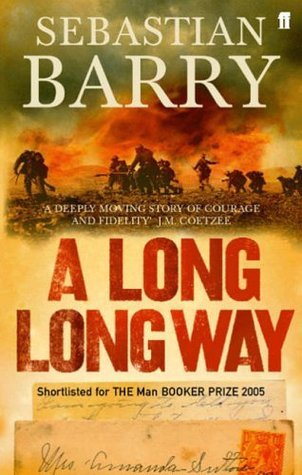
A Long Long Way by Sebastian Barry

Continuing with the Dunne Family trilogy, after the play and the first novel Annie Dunne, comes a World War I novel, one that was shortlisted for the Booker Prize in 2005.

It is about the short life of Annie’s brother William Dunne, the harsh realities of the Great War and the conflicting loyalties of Irish men at war fighting for the British Army, while others at home were fighting for freedom, putting these men at a crossroads in history, during this revolutionary shift towards Irish independence.

Dunne Family #3 Willie Dunne
The Dunne Family #2 A Long Long Way, World War 1 and the Easter Rising, Home Rule promised for Irish men volunteering

Willie Dunne was born in the withering days of 1896, named after an Uncle and the long-dead Orange King, because his father took an interest in such matters.

The only son in a family of four children, he couldn’t be held responsible for not meeting the first expectation his six foot six father held of him, to join the police force like himself.

For his growing slowed to a snail’s pace, and his father stopped putting him against the wallpaper, such was both their grief, for it was as clear as day that Willie Dunne would never reach six feet, the regulation height for a recruit.

Rather, he would join that group of young men:

piled up in history in great ruined heaps, with a loud and broken music, human stories told for nothing, for ashes, for death’s amusement, flung on the mighty scrapheap of souls, all those million boys in all their humours to be milled by the mill-stones of a coming war.

Conflicting Loyalties, In Love and War
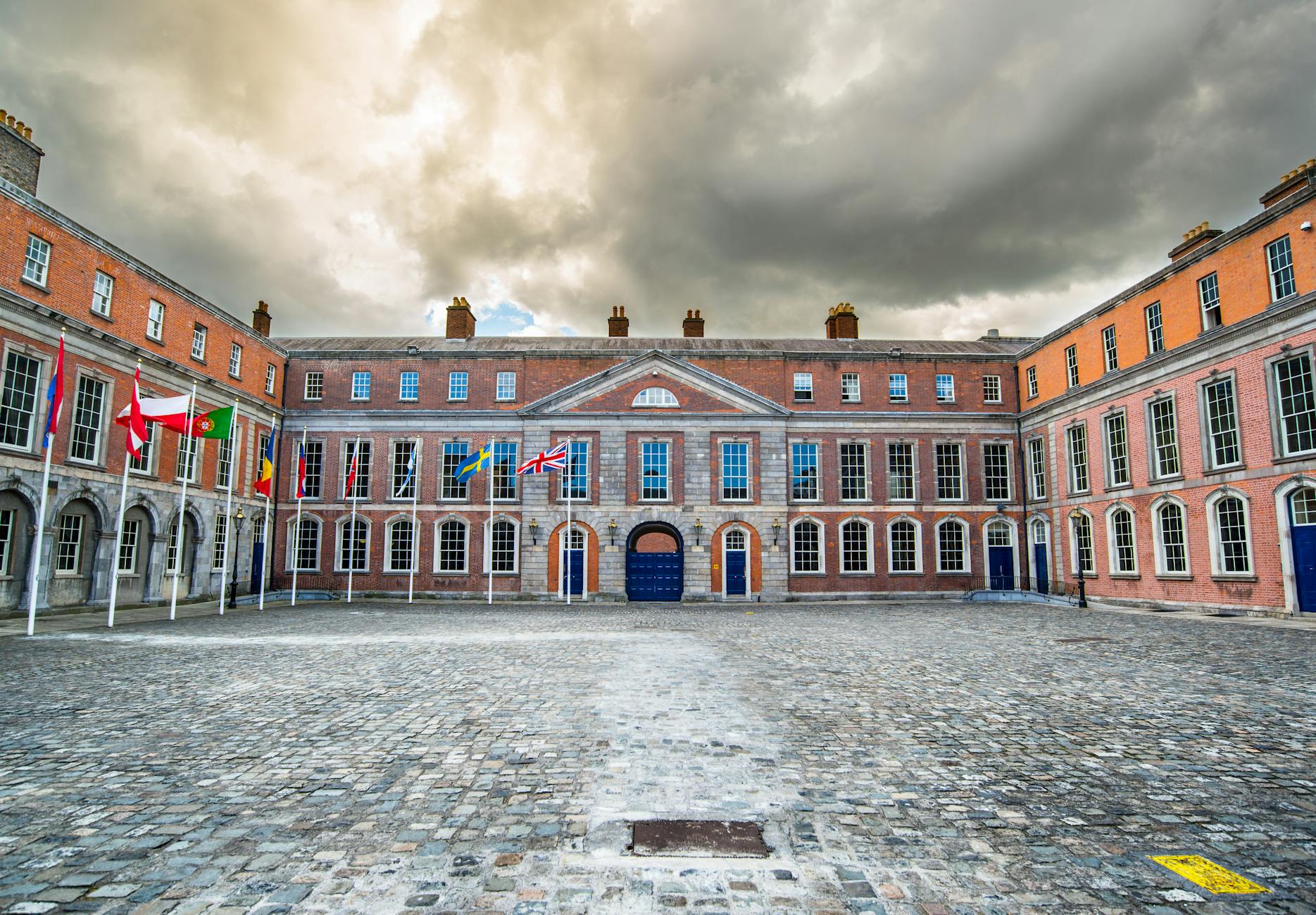
Photo by ClickerHappy on Pexels.com

Losing their mother when Willie was twelve, after the birth of the youngest daughter Dolly, they would move with their father into Dublin Castle in 1912.

During the unrest after a lock out his father, now high up in the Dublin Metropolitan Police lead a charge against the crowd that brutalised some citizens, including a man named Lawlor he wished to make amends to. Which is how Willie met the man’s daughter, Gretta, a secret he kept from his father, a desire he would carry with him throughout the coming war.

The Promise of Home Rule, Just Send Us Your Boys

Though the Ulstermen joined the same army, it was for an opposite reason, to prevent home rule, so Willie’s father said, wholely approving. A Catholic and a Mason, it was for King and country and Empire he said a man should go and fight for, never expecting that his son would depart as soon as he did.

The Parliament in London had said there would be Home Rule for Ireland at the end of the war, therefore, said John Redmond, Ireland was for the first time in seven hundred years in effect a country. So she could go to war as a nation at last – nearly – in the sure and solemnly given promise of self-rule. The British would keep their promise and Ireland must shed her blood generously.

Willie joins the Royal Dublin Fusiliers in 1914 and is soon in the trenches in Belgium, thinking of home and Gretta, disappointed that she doesn’t reply to any of his letters, but remembering that she had not been able to give her word that she would marry him. He would write to her as if she had.

Dirt, Death and Ditties
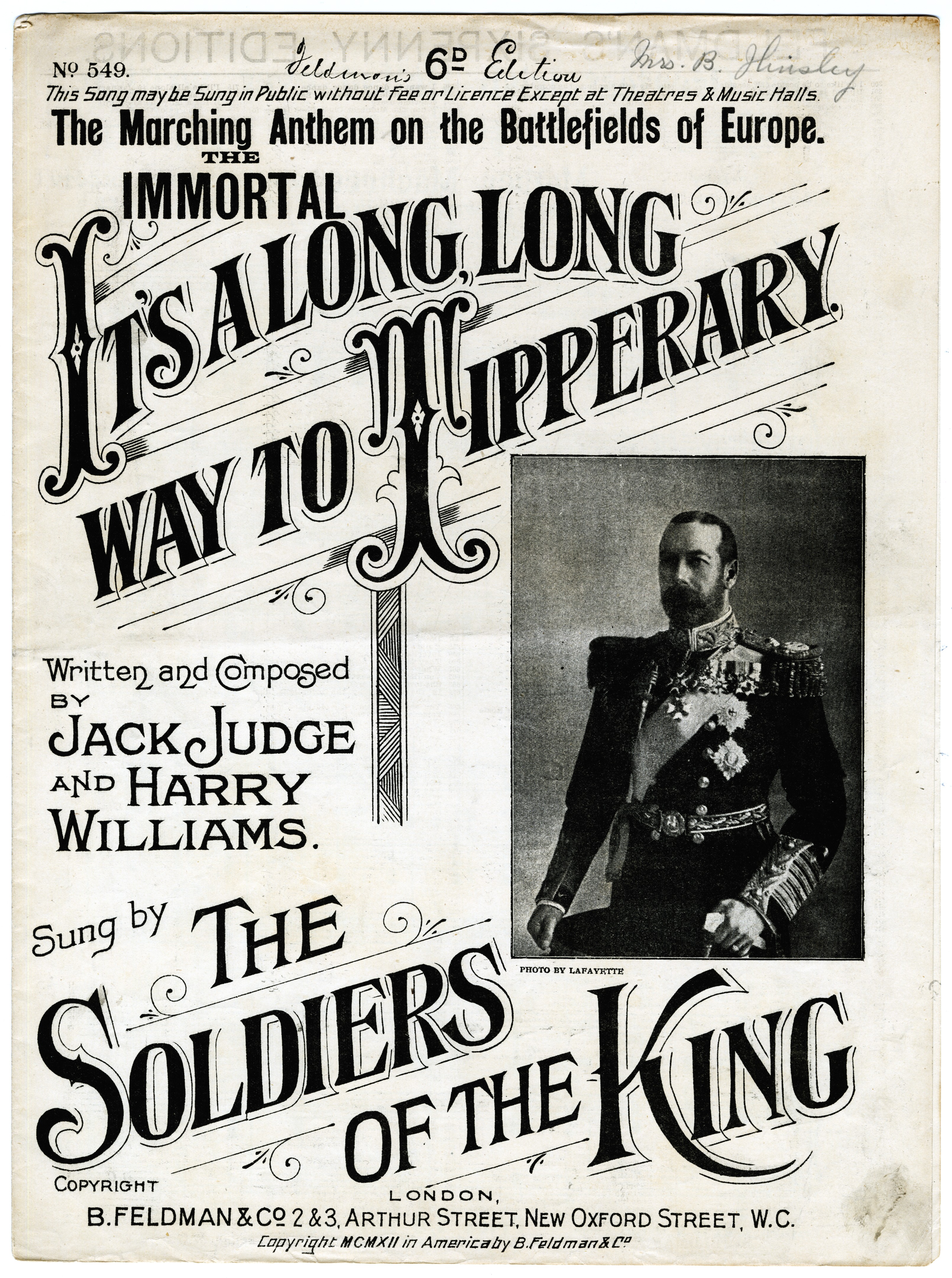
Jack Judge and Harry Williams Its a long way to Tipperary sung by soliders in world war one

Days at war were tough, dirty and relentless. As they marched between locations, the men would sing songs, most of which not everyone knew, but there was one that had everyone singing and learning, making them all feel a little better as they bawled out the lyrics.

Every man Jack of them knew ‘Tipperary’ and sang it as if most of them weren’t city-boys but hailed from the verdant fields of that country. Probably every man in the army knew it, whether he was from Aberdeen or Lahore.

But 1915-1916 was a complicated time to be fighting for King and country in Ireland. That used to indicate the same allegiances, but no longer, and for those young boys at the front, facing assault after assault, the thought of being perceived as an enemy by some back home became too confusing for them to handle.

An Uprising Confuses Irish Soliders

On his first leave in April 1916, all is well and Gretta seems to have softened towards him being away but as they are returning to the boat, they get called off and marched back towards the city to Mount Street, where they are confused by the sound of shots being fired. When a citizen offers a printed sheet to him to read, it provokes a violent reaction.

‘Step back in, Private,’ called the Captain. ‘Don’t parley with the enemy.’

‘What enemy?’ said Willie Dunne. ‘What enemy, sir?’

‘Keep back away or I will shoot him.’

When the Captain puts his gun against the citizen’s temple, Willie steps back, but none of them are given any explanation as to what the conflict was about. They are ordered to fight and in an interaction with a man who gets shot, Willie learns who the enemy are, his own countrymen, Irishmen fighting for Ireland, for freedom.

No Empathy in Judgement

When they return to the front in Flanders, thoughts and images of that Easter day won’t leave him.

Nothing had changed just here where he found himself – utter change was just across the plains. Nothing had changed. But something had changed in Willie Dunne.

Unable to reconcile what he had witnessed, Willie writes to his father of his feelings, not realising the storm erupting at home and the hardened position his father has taken, after the armed Easter Rebellion, a violent revolt against British rule. The soliders are kept deliberately vague about what is going on, for Willie saw only one of his fellow countrymen, not an enemy.

Despondency Destroys

They continue to fight on losing more and more of their compatriots and wondering what it is all for given what is happening back home in Ireland, where rows rage over conscription, Ireland no longer is willing to send their sons. Yet those who are there fight on, for each other, and for the memories of the many they have already lost.

Mothers in Ireland said they would stand in front of their sons and be shot before they would let them go…the Nationalists wouldn’t stand for it. Said King George could find lambs for the slaughter in his own green fields from now on.

From the loss of his mother, to his height and the brutality of war, Willie’s young life is beset with hardship, made all the worse by his father’s lack of understanding and other betrayals he will encounter. He finds solace and loyalty in his comrades, when his family and others disappoints him.

It’s not an easy read, but it evokes the comradary of Irish soliders during war time, the terror, cruelty and degradation of humanity war brings about.

Fiction and Storytelling Inform Us of History

Although it is not a history of Irish independence or the events that lead to it, it prompted me to read up about the Easter Rising and better understand the compromising situation those young Irish men fighting in the Great War would have been in.

It is a subject, the author said in an interview, that was not taught in schools, the focus being on the Easter Rising, than the tens of thousands of men fighting in Flanders.

In Remembrance

Reading about Willie’s experience in the Great War made me think of who in our own families was affected by World War 1. As I mentioned in my summary planning post Reading Ireland Month 2025, I discovered that my ancestor Edmund Costley, like Willie Dunne was born in 1896, and one of that decimated generation of youth born around then, who perished by the thousands.
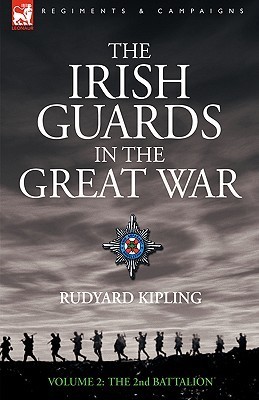
Edmund was in the Irish Guards Second Battalion, the same regiment as John Kipling, son of Rudyard Kipling. John was killed within three months of going to the front and his father in 1917, committed to write a chronicle of what the Irish Guards did during the war. That book, The Irish Guards In The Great War: The Second Battalion: Edited and Compiled from Their Diaries and Papers is an incredible of information in which to understand how it was for these young men.

Further Reading

Article: The Easter Rising 1916: the catalyst to becoming a Republic by Sinead Murphy, My Real Ireland

An Interview with Sebastian Barry About A Long Long Way by Mark Harkin

50 Facts About Ireland’s 1916 Easter Rising by Matt Keough, Irish Central

My review of: Old God’s Time (2023) by Sebastian Barry

Author, Sebastian Barry

The 2018-21 Laureate for Irish Fiction, Barry had two consecutive novels shortlisted for the Booker PrizeA Long Long Way (2005) and the top ten bestseller The Secret Scripture (2008), before Old God’s Time was longlisted for the Booker Prize in 2023. He has also won the Kerry Group Irish Fiction Prize, the Irish Book Awards Novel of the Year and the James Tait Black Memorial Prize.

His novels have twice won the Costa Book of the Year award, the Independent Booksellers Award and the Walter Scott Prize. Barry was born in Dublin in 1955, and now lives in County Wicklow.  

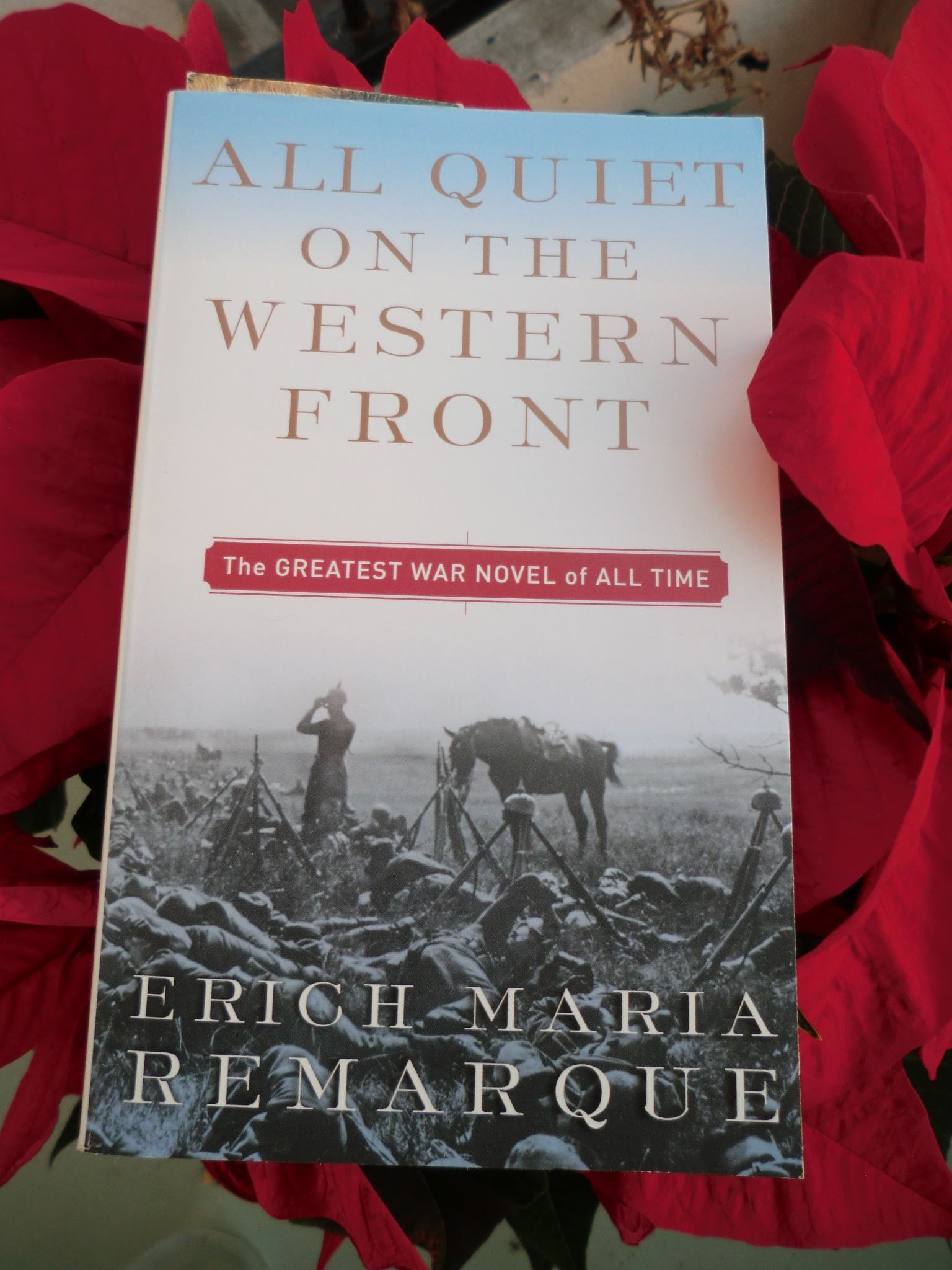
All Quiet on the Western Front by Erich Maria Remarque translated by A.W.Wheen

Vera BrittainVera Brittain gave us her Testament of Youth, an account of a generation of youth lost whether they lost their lives or survived World War One, for those who lived, something of the essence of youth was lost to them forever and none who were part of it were unaffected or not changed by it.

Earlier in the year Juliet Greenwood gave us a fictional account of woman during World War One in We That Are Left, a novel that highlights the significant changes in the lives of women during that period, to the point of not going back to the way things were.

More recently Richard Flanagan’s Testament of Horrors, which for this reader was more than was possible to absorb, despite the later redeeming passages I may have missed, so visceral were his descriptions.

And now, I add the German Literature classic All Quiet on the Western Front to that tome of war literature that shares something of the experience and its effect, the novel by Erich Maria Remarque telling the story of Paul Baumer, a 20 year old German soldier.

He and his friends are pressured by their schoolmaster to join up early, an action that won’t be forgotten and which will be repaid when they meet again under different circumstances.

“For us lads of eighteen they ought to have been mediators and guides to the world of maturity, the world of work, of duty, of culture, of progress – to the future. We often made fun of them and played jokes on them, but in our hearts we trusted them. The idea of authority, which they represented, was associated in our minds with a greater insight and a more humane wisdom. But the first death we saw shattered this belief. We had to recognise that our generation was more to be trusted than theirs. They surpassed us only in phrases and in cleverness. The first bombardment showed us our mistake, and under it the world as they had taught it to us broke in pieces. ”

All QuietHe narrates his journey, their comradeship, their fear, their daily survival. Their small joys often centred around food, their occasional escape, a mild wound or a leave pass and thoughts of how they might ever continue a life other than this if ever there is a peacetime. It is something few can imagine and most don’t want to, it isn’t relevant.

On one of his infrequent visits home, Baumer tries to understand what has changed.

“They talk too much for me. They have worries, aims, desires, that I cannot comprehend. I often sit with one of them in the little beer garden and try to explain to him that this is really the only thing: just to sit quietly, like this. They understand of course, they agree, they may even feel it so too, but only with words, yes that is it – they feel it, but always with only half of themselves, the rest of their being is taken up with other things, they are so divided in themselves that none feels it with his whole essence; I cannot even say myself exactly what I mean.”

The longer war rages, the further away from their past the young men become, they find solace in each other and even begin to miss the front when they are on leave, as they are no longer the youth they were and those that know them now are not here.

The author was himself a German solider who survived the war, became a teacher and a writer, but when in 1933, his works were banned and publicly burned on the initiative of the Nazi propaganda minister, Joseph Goebbels he and his wife left Germany to live in Switzerland. All Quiet on the Western Front had been published at a similar time to Hitler’s Mein Kampf and the two narratives were polar apart. The moment Germany elected Hitler to power, he went after Remarque. Sadly, it was his sister who paid the price, convicted of undermining morality as her brother was beyond reach. She was beheaded in 1943.

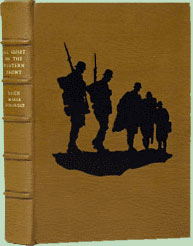
All Quiet 1st Editiom

1st edition in English

I read this on Armistice Day, 11 November, the day that an armistice was signed in France between the Allies and the Germans in 1918, commemorating the end of hostilities in WW1.

Although it is fiction, it reads like a true account. It is a remarkable book, sharing both the physical and mental aspects of youth at war and their slow realisation of its personal consequences.

It is tragic, sad and true and there is an element of hopelessness, that even though we can come to understand what will happen to those affected by war, there is little to be done to prevent it, we as humanity continue to choose it as a method of punishment disguised as a weapon of peace.

Testament of Youth by Vera Brittain

Vera BrittainThat Vera Brittain chose to name her autobiography a Testament, at first seems like an assertion of her intellectual inclinations, particularly in light of the decision she made to pause her hi-brow Oxford University studies when the First World War began as her closest friends, her fiancé Roland and brother Edward all signed up to participate, one by one departing for France.

She had fought hard to be accepted into Oxford, at a time when women were not exactly welcome, her own family and many of their social peers thought it a waste of time. It remained important, but while those she was closest to were sacrificing everything, it felt indulgent to be pursuing anything intellectual. She volunteered to become a VAD (Voluntary Aid Detachment) nurse as she sought the diversion of physically demanding work to lessen the idle hours of mental anguish concerning her male contemporaries at war.

Testament is more than one woman’s intellectual account, it is evidence of a generation’s stunted youth, a youth stolen by war and loyalty, one that for the men who participated, would continue to be acknowledged and remembered, their efforts appreciated and honoured. For Vera Brittain it would bring grief, disappointment and disillusionment.

She recalled one of her last bittersweet moments, punting up the river in Oxford with her friend Norah, whom she would not see again after the end of that term.

‘No evening on the river had held a glamour equal to that one, which might so well be the last of all such enchanted evenings. How beautiful they seemed – the feathery bend with its short, stumpy willows, the deep green shadows in the water under the bank, the blue, brilliant mayflies which somersaulted in the air and fell dying into the water, gleaming like strange, exotic jewels in the mellow light of the setting sun.

I had meant to do such wonderful things that year, to astonish my fellows by unprecedented triumphs, to lay the foundations of a reputation that would grow ever greater and last me through life; and instead the War and love had intervened and between them were forcing me away with all my confident dreams unfulfilled.’

Malta Vera Brittain

Vera Brittain, 3rd from left, in Malta, WWI

Her nursing efforts took her out of the northern provinces of England for good, away from her studies at Oxford to a military hospital in London, until events would propel her to volunteer for a foreign assignment, taking her to Malta and then close to the front line in France for the remaining years of the war.

Her account is all the richer for the journals she kept from 1913 to 1917 and rather than present them in full, she selects extracts to bring the era to life, sharing the angst and idealism of her youth, simultaneously looking back and narrating from the wisdom of early middle age, for she was 40 years old before she would finally see the much revised autobiography in print.

The book contains snippets of letters to and from Vera and her fiancé Roland and her brother Edward, they were her life blood, her motivation to face the relentless days in the hospital, where their work offered so much and yet did so little to stem the flow of blood and severed limbs, pain and hopelessness.

The letters that pass between Vera and Roland reveal the slow loss of hope, optimism and valour as they struggle to find meaning in war. Despite the often depressing content, they are fortunate to have each other, writing letters prolifically, drawing each other deeper into a love that they knew could be destroyed on any day.

After the war, Vera returns to Oxford and finds herself isolated. She has difficulty articulating her experience in a way that is understood and instead invites scorn and derision. A new generation of youth has swept up behind her and they have little time for the lessons that might be gleaned from a mature student who forsook her youth for volunteer nursing abroad. She gets involved in the debating society, and in one of the more excruciating passages in the book, valiantly tries to prove her point only to discover it will be she who is taught the lesson.

‘In the eyes of these realistic ex-High-School girls, who had sat out the war in classrooms, I was now aware that I represented neither a respect-worthy volunteer in a national cause nor a surviving victim of history’s cruellest catastrophe; I was merely a figure of fun, ludicrously boasting of her experiences in an already démodé conflict. I had been, I suspected, largely to blame for my own isolation. I could not throw off the War, nor the pride and the grief of it; rooted and immersed in memory, I had appeared self-absorbed, contemptuous and ‘stand-offish’ to my ruthless and critical juniors.’

Vera’s hope and her life purpose after the war, was to try to understand and then participate in any action that could prevent humanity from making the same terrible mistakes that caused the loss of so many lives. She changed her focus from Literature to History and searched for proof of anything that had been put in place to prevent such destructive hostilities from wiping out a generation of youth. She found what she was looking for in treaties and agreements and became an international speaker for the League of Nations attempting to advance understanding and awareness among the common population.

The book impressed me with its honesty, particularly as Vera Brittain was not afraid to portray her flaws; through the extracts from her journals we have a real sense of the character she was in her twenties and though she is the same person after the war and we recognise her inclinations, her direction in life is permanently altered by the experiences of those years.

The combination of experiencing the present through her diary and letters and her observations from the maturity of having survived war and gained some distance from it, from which to observe her former self, provides the reader a unique insight into humanity.

For me, it was a gripping read and although we learn much of the story in the opening introduction, it does nothing to lessen the effect as we witness Vera receiving news she has dreaded from the beginning and more than the individual events, the observation of emotional ups and downs and the effect of war on a generation seen from a young woman’s perspective is more insightful than any rendition of battles or victories I have ever read.

If the prospect of reading a 600 page book seems daunting, look out for the movie coming out in 2015!

Portrait of a Turkish Family by Irfan Orga

The last of my collection of Turkish literature either brought back from Istanbul or lying on the shelf unread, Portrait of a Turkish Family was hailed as a masterpiece and I have to agree, a timeless classic, capturing a changing way of life as a consequence of war and fire, two of Turkey’s most fearsome destroyers of many families life of peace and tranquility that preceded them.

Orga IrfanIrfan Orga was born in 1908 in Istanbul, his mother only 15 years old, his father 20 and a younger brother Mehmet born two years later. His sharing of the family story really starts at age 5 when he remembers certain events with an amazing clarity, although many memories and conversations are clarified in greater depth later on to him by his mother. His curiosity and gift for eavesdropping apparent early on and perhaps those memories are so clear because life was soon to change dramatically.

By 1913, war was imminent and it was clear that Irfan’s father and only uncle were going to be called up. He sold the family business which hadn’t been doing too well, against his mother’s wishes, before being sent to war, in the hope that there might be something to come back to, a fresh start.

Ottoman uniforms WWI

Imperial Army workshop making uniforms

Once the men left for war, the family, raised and assisted by servants, continued largely in ignorance of what was to come, until food became scarce and their roles began to change.  As time went on, war forced everyone to adapt without realising that life would never again be as it had been before.

As change burrowed permanently into their lives, each would suffer in their own way, the coping mechanism of one often causing suffering in another.  Mother, mother-in-law, and the two boys were forced to move houses, downsizing significantly and rebelling against this change Irfan’s mother ripped the kafes from the windows of the house, insisting on letting the light in.

Kafes are the closely latticed harem shutters always used in Ottoman times to prevent passing males from catching glimpses of the women who moved within the house, not so much in evidence today, due to the neglect that makes them a significant fire risk. As back then, even today many families struggle to afford the upkeep required to take care of these houses, thus they crack, peel, rot and deteriorate into an unlivable state, when not consumed by fire first. We were fortunate to see this excellent restored house near Topkapi Palace and its equally neglected counterpart on Heybeliada Island below.

Without giving anything away, because it is so much better to experience the book, Orga captures the events and dramatic turning points of his family life with insight and brutal honesty. It is heart breaking at times, in particular the relationship between the mother and her sons, of which there is more focus than with his younger sister, born later and not always sharing the same experiences as the two boys.

The Orga Family

The Orga Family

Orga left Istanbul in his 30’s after a period in the Air Force to come to England and eventually married his Norman-Irish wife, amid controversy, not least of which it being deemed an illegal act in Turkey at the time, thus apart from one return visit, he was forced to remain living in exile in England.

His son Ateş Orga contributes a heartfelt afterword, sharing something of his father’s life outside the scope of his book, which focuses on those first 30 years of his life in Turkey.

A brilliant read, full of insight into life in a liberal Muslim family at the beginning of the 20th century and their challenges in coping with the effects of war and devastation.

It seems timely to be reading this as contemporary events overshadow historical reflections, provoked by the seizure of one of the last remaining urban parks in central Istanbul, it is being reclaimed to build a shopping mall and the citizens begin to revolt against what they perceive as authoritarian rule.

Ironically, on our last day in the city 2 weeks ago, we tried to find Taksim Square and Gezi Park, but all we found was a corrugated iron fence and a sea of humanity traversing the great shopping street between Taksim and Tunnel. It had been said that you haven’t seen Istanbul if you have not visited this area, but I was at a loss as to what I was supposed to find, all trace of restive beauty hidden and on the verge of replacement.

I am reminded of Pamuk’s Istanbul Memories of a City and the many pages of hüzün, that sense of melancholy that has hung over the city since Ottoman times and can’t help but wonder if the time for silent brooding is erupting into a new age of outspoken demonstration.CIMG4470

And all down the Bosphor, down, down to the Black Sea, ran the tall trees and the old wood houses that suit the skyline so well. If I turned my head to the left there on the hilltop, I could see Dolmabahçe Saray white and artificial as a wedding cake in its peaceful setting. Miniature mosques front the water’s edge and there at the end of all the shining palaces lay Istanbul – my Istanbul that will forever hold something of my heart. Grey it would look from this hill and the smoke from the boats would lie over it like a soft veil and tall and tapering are the minarets that enchant the skyline, and from my hill I would see, being the Mosques, the Marmara like a faint line of thread. Irfan Orga

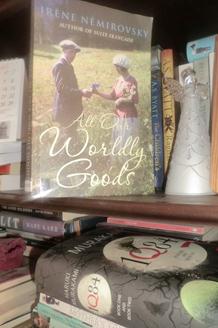
All Our Worldly Goods by Irène Némirovsky

This is the second novel I picked up from the library, the first being ‘Fire in the Blood’ a tale of the consequence of indulging forbidden love. ‘All Our Worldly Goods’ has a similar theme but with different circumstances and this is more a story of what happened in the early 1990’s to those who preferred to make their own decisions regarding matrimony rather than follow the sage advice of their parents or in this case Grandfather. It is also a prelude to Némirovsky’s masterpiece ‘Suite Francaise’.

This is an era where marrying for love can be serious enough an outrage to find oneself disinherited. When there is only one son and heir and the family fortunes are dwindling, it is necessary that said son marries a woman with a significant and esteemed dowry. Pierre Hardelot follows his heart rather than his head and becomes estranged from his family just before being conscripted into the army to fight in the First World War.

Returning to the ruins of home © IWM (B7688)

With the onset of war, their families are forced to abandon the village, some fleeing by car, others on foot, only to eventually return to ruins, which they set about rebuilding in the hope that something as horrific and terrible as this war they have experienced can never be repeated.

However history has a habit of repeating itself, and so it does in both love and war. Another generation and an heiress banished by her family due to long standing interfamily resentments, and another son called up to war.  Fortunately death, destruction and shared traumatic experiences can provide the necessary ingredients for forgiveness, especially when strong, capable, male resources become a scarce commodity.

It is an interesting story depicting the lead up to the forced evacuations by families from the cities and provinces to find safety from the advancing invading armies, though it is dealt with lightly and there is nothing of the terror that one assumes must have consumed Némirovsky herself, knowing what her own family went through. In this story we are never confronted with the invaders and neither do we have a very real feeling for how war must have changed Pierre.

First published in 1947, five years after her death at Auschwitz, this book can now seen in context with the more recently published collection of Némirovsky’s works, unearthed by her biographers.