Best Books of 2025 Top Reads in Translation

Apaprt from committing to read Women in Translation in August, I read less consciously and more by mood or whatever stood out on the shelf this year.

Though I read more books, I read from the same number of countries, but less in translation. In 2024, 33% (20 books) of the titles I read were in translation – a conscious effort. This year only 15%. It is also in part the effect of taking a subscription, I loved most of the Charco Press titles I read, but there were some I was less inclined to read; I would look at them and then choose something else.

It’s about discernment. So I remove those books from the shelf and more carefully research those I have no hesitation in wanting to read. I chose well this summer and so I here are the best seven titles I highly recommend. I’ll be making a more conscious effort to read more in translation in 2026, so please share with me your favorites from this year.

Top 7 Reads in Translation

The Runner Up Outstanding Read of 2025

Somebody is Walking On Your Grave: My Cemetery Journeys, Mariana Enriquez (Argentina) tr. Megan McDowell

See yesterday’s post Runner Up for Outstanding Book of the Year. The author travels to 13 countries over two decades, visiting cemeteries – mixing travelogue, personal history, cultural history and collective memory. I read the essays over a month, each one exhibiting not just the protocols around death, but the context of different eras that each country has been through, and how that has impacted the collective memory. Her essays take the reader to :

Europe: Italy, Spain, France, United Kingdom (England & Scotland), Czech Republic, Germany
Americas: Argentina, Chile, Mexico, United States, Peru, Cuba
Oceania: Australia

Argentina in the ’70s, the decade where I was born, had a dictatorship that made a lot of bodies disappear. Therefore, there’s a generation of people that were killed by the government, and they don’t have a grave.

I realized that that trauma, that is very engraved in my life, somehow made me feel that a grave, a tombstone – it’s something of comfort. It’s a final thing in a good way.

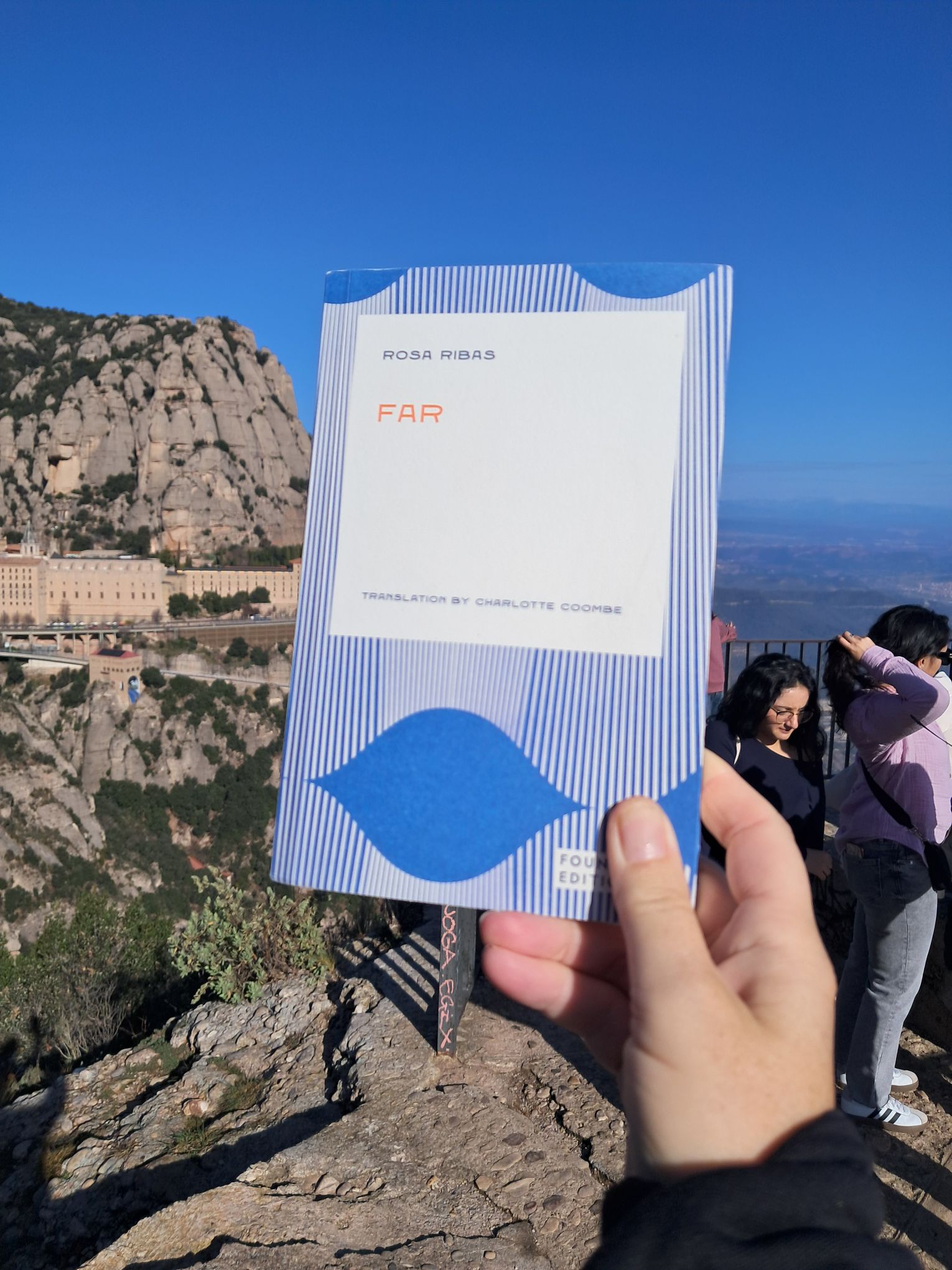
Far by Rosa Riba (Spain) tr. Charlotte Coombe

Book cover of English translation of Far by Rosa Ribas translated by Charlotte Coombe, mountain and monastery of Montserrat, Catalonia in the background

Far was a novel I came across by the relatively new publisher of Mediterranean literature, Foundry Editions after reading an article in the Guardian about a building project in Spain, 13,500 affordable apartments built to house 40,000 people, a ghost town after the global financial crisis, and the deepest economic recession Spain had experienced for fifty years.

Author Rosa Ribas was taken by friends to visit this strange monument to a broken era in Seseña; the housing development was known as ‘The Manhattan of La Mancha’ and as night fell three lights came on and inspired an idea for her novel Far, a story of determined inhabitants trying to create community, while others are escaping who knows what? We follow two characters, both dealing with issues, one in hiding, the other part of the community. Tensions rise, the locals become paranoid and angry at their untenable situation, mirroring the disintegration of the country’s economic situation, disenfranchised youth and a rise in racism and xenophobia.

The entire development was constructed on a pile of poorly concealed sleaze, a chain of bribery, corruption, intimidation, and complicit silences. No ancient manuscripts, no mythical foundations. If these lands had been the scene of some momentous event, back when battles of conquest and reconquest were being fought all over the area, no one had bothered to record it. It was a bleak place, devoid of stories, where it was impossible to satisfy any yearnings for greatness.

The Body Where I Was Born by Guadalupe Nettel (Mexico) tr. J.T. Lichenstein

The Body Where I Was Born by Guadalupe Nettel

Having loved Still Born by the same author, I picked this up and was equally mesmerised. This novel is a semi-autobiographical coming of age story set in the 1970’s, that follows a girl’s childhood in Mexico, the things that marked her experience, that she looks back on now (from a therapist’s chair) with a better understanding of the impact.

She ponders the harm of parental regimes and how they perpetuate onto the next generation the neuroses of one’s forebears, in her case her parents were ‘open-minded’ in a way that ultimately lead to the disintegration of the family and a period of living with a grandmother who disliked her. She and her brother then move to the south of France while her mother pursues studies and a new love.

Enjoying it, I was surprised to learn the narrative moved to the same town where I live. The siblings navigate life at a local school among pupils from multiple origins, North African, Indian, Asian, Caribbean and French, a unique and unforgettable experience, very much unlike the international schools they had attended elsewhere.

It is an engaging, insightful recollection of an atypical upbringing, within different cultures. Loved it!

To survive in this climate, I had to adapt my vocabulary to the local argot – a mix of Arabic and Southern French – that was spoken around me, and my mannerisms to those of the lords of the cantine.

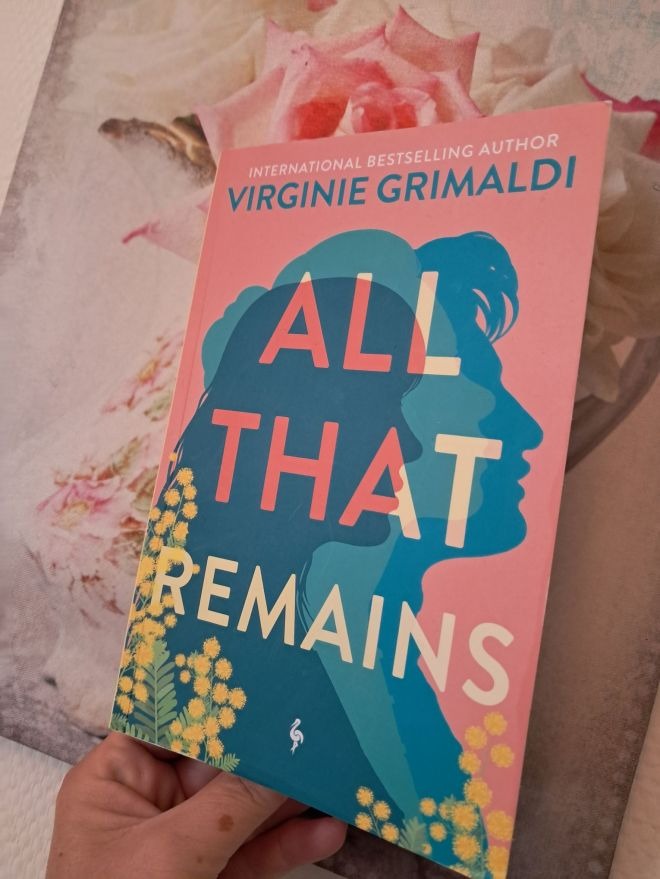
All That Remains by Virginie Grimaldi (France) tr. by Hildegarde Serle (French)

Another book set in France, this time set in Paris, this a page turner from the opening chapters, a feel good novel and another that I was attracted to due to its connection to real life events. I had heard about elderly widowed Parisians in largish apartments being assisted by a specialist agency that matched them with mature students as a way to keep them in their own homes, and to provide students with accomodation.

This is the premise of the novel; recently widowed Jeanne (74) decides to rent one of her rooms and two people quickly respond, an 18 year old Théo, apprentice boulanger, of no fixed abode and a thirty something Iris, who is escaping from something. It’s a perfect slice of ordinary life in Paris and a wonderful example of a new way to live, where young and old help each out and all the better for it.

“Hello Madame, I just wanted to confirm my interest in your room for rent. And please know that, if it weren’t for my tricky situation, I’d never have interrupted your conversation with the young man, who also seems in real need of a home. If you’ve not yet made your choice, I’d understand if you favour him. Regards Iris.”

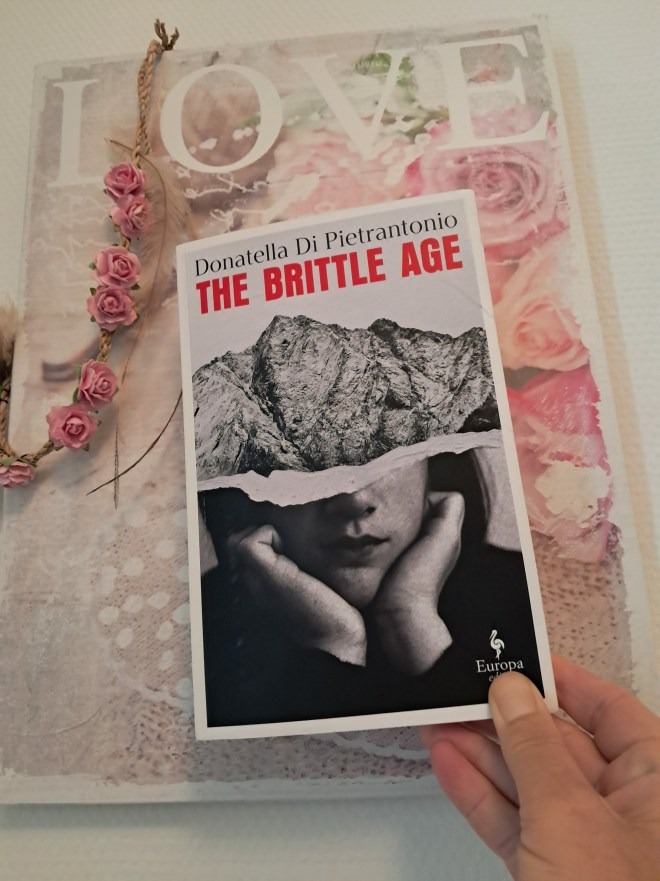
The Brittle Age (L’età fragile) by Donatella Di Pietrantonio (Italy) tr. Ann Goldstein

Winner of the 2024 Strega Prize, The Brittle Age is a novella inspired by an historic true-crime event in the 1990’s, a double femicide in the mountainous region of the Abruzzo Apennines in Italy, a novel dedicated to “all the women who survive”. The third novel I’ve enjoyed by her, since A Girl Returned and A Sister’s Story.

Though it is framed by an actual event, this novel really piqued my interest for the way it dealt with the mother-daughter relationship. Lucia’s daughter Amanda returns from Milan on one of the last trains as the pandemic shuts everything down, she stays in her room, barely eats, doesn’t talk, her phone lies uncharged under the bed. Lucia worries but can get nothing out of her.

The novel explores both the events of the past and the mother’s struggle to understand what is going on with her daughter. Amanda’s reclusiveness awakens memories and feelings Lucia has suppressed from 30 years ago. Although the story is about a crime, the mystery of what happens sits alongside the portrait of a fractured family and community, all impacted by the past, burying it with silence. I loved the balance of revelations of both past events and present predicaments, a most memorable read.

Our birthplace had protected us for a long time, or maybe that had been a false impression. We grew up in a single night.

All Our Yesterdays, Natalia Ginzburg (Italy) tr. Angus Davidson, Intro Sally Rooney

This might be my favourite Natalia Ginzburg novel – it sits alongside her family memoir Family Lexicon and often reminded me of parts of that book, clearly inspired by events she lived through.

Set in Northern Italy in the lead up to WWII, the war era through to liberated, it is a brilliant depiction of two Italian families (one family own the leather factory in town, the other is middle class), neighbours who live opposite each and everyone they’re connected to, everyone who enters their home – what they live through during this era, how they keep tabs on each other, the dilemmas they face, how they deal with them, their tragedies and accomplishments, their loves and losses.

The absence of the mother, and the ill health of their authoritarian father, intent on writing a memoir critical of the regime, looms over them and creates tension and an air of rebellion. Youth desire change and autonomy in a country that feels increasingly oppressive leading them towards risk and turbulent decisions.

This story and its characters was so immersive, and the depiction of difficult times treated with compassion, as we encounter each event, every friend or person connected to those two households. When not present they are the subject of letters, so at almost all times everyone is aware of the well-being of the others. In the second part of the novel, the focus shifts to the impoverished rural Italian south

It was so, so good, it really gives a sense of what it was like to live through this period for this family, especially knowing the hardship the author lived through, her young, anti-fascist husband Leone was tortured and murdered by the Gestapo.

This was a war in which no one would win or lose, in the end it would be seen that everyone had more or less lost.

Brandy Sour by Constantia Soteriou (Cyprus) tr. Lina Protopapa (Greek)

Another favourite from Foundry Editions, this is a wonderful novella that is like a series of vignettes set in an old hotel in Cyprus, each one from the perspective of a character with a connection to the hotel, their story told through a tale related to a particular beverage and often how it cures them of various afflictions. Clever but simplistic and there are threads that carry through making it read more like an interconnected story than separate stories.

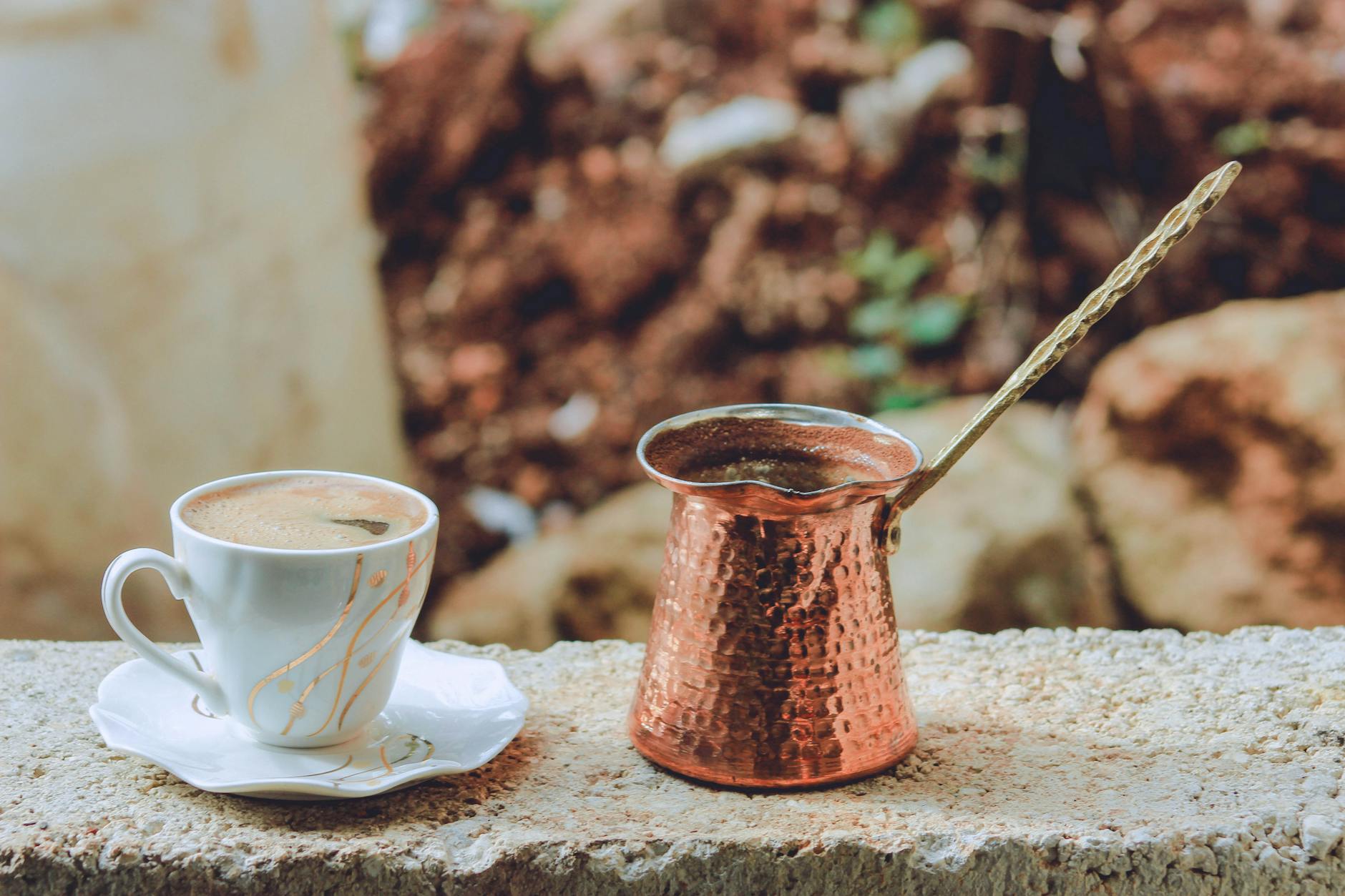
He always wakes at dawn and he goes to the kitchen to have his coffee prepared the way he likes it. The only coffee of the day. With lots of kaymak and no sugar. Turkish coffee – Greek coffee, he always corrects himself – with sugar is an absolute waste of coffee. It needs to be bitter. There’s no point otherwise.

Coffee Brandy Sour turkish greek cofee Cyprus
Photo S. Daboul Pexels.com

The emblematic Ledra Palace Hotel was established in 1949 on Nicosia’s UN-controlled buffer zone, the Green Line that, since 1964, has divided the island into Greek Cypriot and Turkish Cypriot sectors and reading the book one discovers a little known history of the island and its people, those who visited int he past, from colonial visitors to the Egyptian King, employees, local villagers.

“The Palace was the epicentre of the island’s recent history. It was built as the promise of a new era; a haven for all nationalities, all communities. It drew people from all backgrounds: the wealthy bourgeoisie who lounged by its cerulean pool; the poorer working classes who made its beds – and its Brandy Sours…”

* * * * * *

That’s it for 2025. Let me know what works in translation were your favourites this year. Thanks for reading and sharing and commenting. Happy Reading!

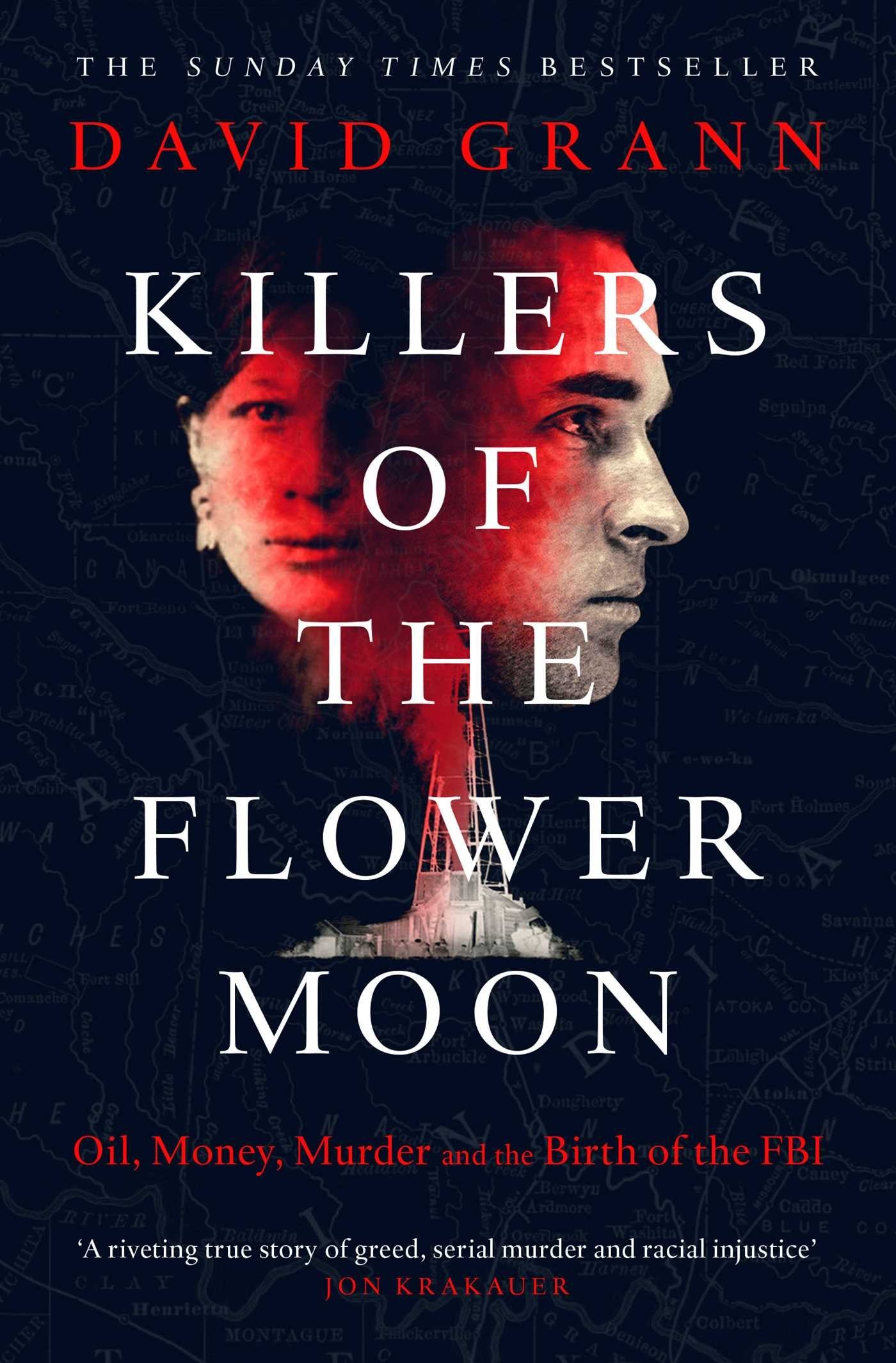
Killers of the Flower Moon by David Grann (2017)

Around the time the Martin Scorsese film of this book came out, the author David Grann had a new nonfiction book coming out The Wager, A Tale of Shipwreck, Mutiny and Murder.

The film about the Native American Osage murders was three and a half hours long and I knew that was not for me, not because the story isn’t important, but the way stories like this are portrayed cinematically in the 21st century is not for me.

I did read The Wager and thought it was excellent, and I knew if I ever came across Killers of the The Flower Moon, I would read that too.

Last week I visited our local English bookstore and there was a second hand copy sitting on the shelf, so I snapped it up and read it in a day.

Killers of the Flower Moon

So what is that title all about?

“In April, millions of tiny flowers spread over the blackjack hills and vast prairies in the Osage Territory of Oklahoma. There are Johnny-jump-ups and spring beauties and little bluets… In May, when coyotes howl beneath an unnervingly large moon, taller plants such as spiderworts and black-eyed Susans, begin to creep over the tinier blooms, stealing their light and water. The necks of the smaller flowers break and their petals flutter away, and before long they are buried underground. This is why the Osage Indians refer to May as the time of the flower-killing moon.”

Land and Oil – From Greed to Domination to Dehumanisation

Grann twists the metaphor to describe what happened to the Osage people when white settler individuals, driven by greed, racism and a total lack of empathy conspired to kill multiple members of families for their wealth and rights to oil profits.

In nature, one species nourishes the next, governed by the cycles of the Moon whereas the story he presents here, uses that phrase to describe a murderous cycle of greed and violence to annihilate and supplant the native Osage.

An Obsession with Wealth and Control

In the early 1870’s , the Osage had been driven from their lands in Kansas onto a rocky, presumably worthless reservation in northeastern Oklahoma, only to discover, decades later, that this land was sitting above some of the largest oil deposits in the United States. To obtain that oil, prospectors had to pay the Osage for leases and royalties.

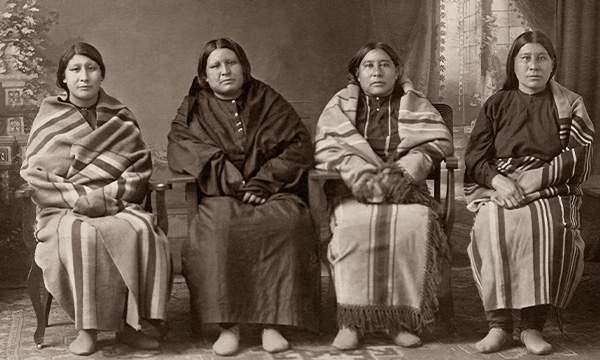
I raced through this book, enjoying how thorough it had been researched. It is divided into three parts, Chronicle One: The Marked Woman (or The Marked Family or The Marked Tribe) focuses on four sisters Mollie, Anna , Minnie and Rita (pictured below) and their mother Lizzie, all of whom find themselves in danger of being killed in an elaborate conspiracy, without knowing who or why.

Four Sisters Targeted

The story opens with the gruesome murder of Anna and then goes back to describe the events that lead the Osage people to be where they were living, how their lives were changed, the treaty that forced them to give up their lands or be declared enemies of the United States, the banned aspects of their languages and lifestyles, the imposed education and names.

In the early 1870’s the Osage were forced to cede nearly a hundred million acres of their ancestral land (between the Arkansas River and the Missouri River), ultimately finding refuge in a 50 – by – 125 mile area in southeastern Kansas. And it was in this place that Mollie’s mother and father had come of age.

One native Osage family of four sisters targeted in the Reign of Terror in the US from 1913 - 1931 by whites seeking to obtain headrights
Osage sisters Me-se-moie (Rita), Wah-hrah-lum-pah (Anna), Wah-kon-tah–he-um-pah (Mollie) and Wa-sha-she (Minnie)

Decades later it was discovered that this infertile land sat above some of the largest oil deposits in the country. To obtain that oil, prospectors had to pay the Osage for leases and loyalties. As a result, as oil revenues grew and their wealth accumulated, the Osage became the wealthiest people per capita in the world. However, severe controls were placed on their ability to access their own money.

Who Was Behind the Murders? A Texas Lawman Investigates

While the family got no help from the local sheriff they paid various private investigators to look into the murder of Anna, when Rita and her husband were killed. The community lived in fear and needed answers.

Chronicle Two: The Evidence Man turns the focus to Texas Ranger, Tom White, who becomes the government appointed (by Edgar Hoover) lead in an investigation, when a number of others who attempt to report back to authorities are mysteriously killed, hinting at a wider conspiracy. Tom White focuses on Mollie’s family when her mother mysteriously dies and Mollie becomes the sole survivor of her family.

Under Hoover, agents were now seen as interchangeable cogs, like employees in a large corporation. This was a major departure from traditional policing, where lawmen were typically products of their own communities. The change helped insulate agents from local corruption and created a truly national force, yet it also ignored regional difference and had the dehumanising effect of constantly uprooting employees.

A Wider Conspiracy Revealed

Chronicle Three: The Reporter circles back and relooks at these events and sees that they were part of a wider pattern of targeted murders, but this is in the 21st century, where there are few people left who can recall events. However, the archives and family testimony reveal the depth of this terrible vengeance against a marginalised population, just because in the process of being banished from their original lands to other infertile lands, they happened to land on undiscovered deposits of oil and became wealthy.

Brilliantly pieced together and a horror to read, how this family of women were targeted and those around them easily influenced to participate in it and the wounding legacy of future generations who lost so much of their family over the greed and jealously of remorseless white men.

Further Reading

Guardian: Killers of the Flower Moon by David Grann review – family murder, oil & the FBI by RO Kwon

NYTimes: The Osage Indians Struck It Rich Then Paid the Price

FBI History : Osage Murders Case – A deadly conspiracy against the Osage Nation and the agents who searched for answers

“The most common comment I have received is: ‘I can’t believe I never learned about this. I think that is a reflection to some degree of the underlying force that led to these crimes, which was prejudice.” David Grann

Author, David Grann

David Grann is an American journalist, a staff writer for The New Yorker, author of The WagerThe Lost City of ZA Tale of Deadly Obsession in the Amazon, shortlisted for the Samuel Johnson Prize.

Killers of the Flower Moon: The Osage Murders and the Birth of the FBI was a finalist for the National Book Award and winner of an Edgar Allan Poe Award for best true crime book. It was adapted into a film directed by Martin Scorsese, starring Leonardo DiCaprio, Lily Gladstone, Robert De Niro, and Jesse Plemons. 

His stories have also been published in the New York Times MagazineAtlanticWashington PostBoston Globe, and Wall Street Journal.

In addition to writing, Grann is a speaker who has given talks about topics from Killers of the Flower Moon and the importance of historical memory to the dangers of complicity in unjust systems, and from the art of writing and detection to the leadership methods of explorers, such as Ernest Shackleton.

The Brittle Age by Donatella Di Pietrantonio tr. Ann Goldstein

Having very much enjoyed her previous two novels translated into English A Girl Returned (my review) and A Sister’s Story (my review), I jumped at the chance to read her latest, winner of the 2024 Strega Prize, a novel inspired by a historic true-crime event in the 90’s, a double femicide in the mountainous region of the Abruzzo Apennines in Italy, a novel dedicated to “all the women who survive”.

Brittle or Fragile, the Impact of Events

l'età fragile The Brittle Age  Donatella Di Pietrantonio Abruzzo Europa Editions winner of the 2024 Strega Prize

When the novel opens, its first three chapters, just over a page each, touch on everything to come, Lucia’s daughter Amanda who has returned from Milan on one of the last trains as the pandemic shuts everything down, she stays in her room, barely eats, doesn’t talk, her phone uncharged under the bed. Lucia worries but can get nothing out of her.

Lucia visits her elderly widowed father, who lives in the house she was born, halfway between the town and the mountain. They walk up there and he reminds her all this will be hers one day too, land he owns that he no longer wants responsibility for.

An alarm signal arises from my stomach to my throat, suffocating me.
“That’s impossible. You sold this land.”
He tried for a long time, he confesses, without success.
I’m silent for a while, in the chorus of birds. At regular intervals the cuckoo solos.
“After what happened no one wanted it, I couldn’t give it away,” he says, as if to justify himself.
“I don’t want it either, it’s a frightening place.”
I’ve raised my voice, the last syllables echo. It will be mine of necessity, I’m his only heir.

Eighteen months before, the excitement of her daughter’s departure for Milan, the city where life would open up and happen for her, a grandfather’s pride. Now in quarantine, returned and nothing like that ambitious young woman that had left.

The Present Awakens the Past

Amanda’s reclusiveness awakens Lucia’s memories of those events of 30 years ago and throughout the novel, we learn not only what happened, but of the guilt Lucia carries for her absence and the heaviness that surviving the tragedy cost her friend, who, to make a better life left the place that held those terrible memories.

She doesn’t want to be seen in the town, people said of her, after the crime. No one mentions her anymore now. They’ve all forgotten Doralice and her story. The young people of Amanda’s age never knew her. Our parents didn’t help us stay connected.

With the memories come scenes that depict generational ways of living, ways of being, some things that stay the same, the things that change, the reasons some stay, while others leave.

Photo by Serafettin on Pexels.com

Lucia recalls trying not to worry about her daughter in the city alone, allowing her her freedom, throwing herself into her work to stop herself taking the train after her. But now she questions whether she underestimated the impact of something that happened to her.

I consoled her as well as I could, from a distance. That time, I really was wrong not to get on a train. Respecting her freedom, I failed her when she needed me. Some boundaries are too subtle for an indecisive mother like me. But do the most stable parents know at every moment the truth of what to do?
“Don’t worry, it will pass,” and I believed her.

Although the story is about a crime, the mystery of what happens sits alongside the portrait of a fractured family and community, all impacted by the past, burying it with silence.

A sacred forest in the south of France, hiking trails in forest mountain areas Italy, France

Our birthplace had protected us for a long time, or maybe that had been a false impression. We grew up in a single night.

The return of Amanda, interest in the mountain property from a developer and a need for resolution, ultimately brings the community together in an act that will work to heal wounds and create momentum for a new era.

The novel is told in five parts: Amanda, The Girls, Dente del Lupo, The Flight, and The Concert in short chapters, going back and forth in time, revealing aspects of the past of Amanda (recent) and her mother (long ago), while witnessing the changed state of their present and their dual need for healing.

The slow reveal of the tragic murders, alongside understanding how it impacted our narrator, plus her own awakening to the effect of that suppressed event, from the safer distance of 30 years in the future, is skillfully blended with the present day psychological suffering of her daughter, as they move towards recovering.

I thought this was so well portrayed, blending the mystery of tragic events, with inter-generational trauma and present day personal struggles, facing the difficulty of breaking through patterns of silence and repression, of deep caring even without understanding, of the need to forgive oneself and the dedicated perseverance of familial maternal love.

Highly Recommended.

N.B. Thank you to Europa Editions UK for sending me a copy of the novel for review.

Author, Donatella Di Pietrantonio

Donatella Di Pietranonio lives in Penne, Abruzzo, where she practices as a pediatric dentist. She began publishing books in 2011, at the age of 49. In the span of a little more than a decade, she has come to the attention of Italian critics and readers, winning the Campiello Prize with her third novel L’Arminuta (A Girl Returned) in 2017. A Sister’s Story was shortlisted for the prestigious Strega Prize and The Brittle Age the 2024 winner of the Strega and Strega Youth Prize. Her short fiction has been published by Granta Italy.

The Woman’s Prize for Nonfiction longlist 2025

Today the Women’s Prize for Nonfiction longlist 2025 was announced.

16 books ranging in matter, style and genre, from agenda-setting reportage on contemporary issues alongside revisionist histories and myth-busting biographies; to memoirs of self-determination and intimate narratives that shine a light on ordinary people combine with real-life criminal cases, notorious and forgotten, whilst others defy genre-classification, weaving multiple disciplines into a compelling narrative work.

The authors nominated are from a range of professional areas and expertise, including a music icon, human rights lawyer, political adviser, marine biologist, NHS palliative care doctor and Pulitzer Prize winner.

What the Judges Said

What unites these diverse titles, that boast so many different disciplines and genres, is the accomplishment of the writing, the originality of the storytelling and the incisiveness of the research. Here are books that provoke debate and discussion, that offer insight into new experiences and perspectives, and that bring overlooked stories back to life and recognition. Amongst this stellar list, there are also reads that expertly steer us through the most pressing issues of our time, show the resilience of the human spirit, alongside others that elucidate the dangers of unchecked power, the consequence of oppression and the need for action and defiance.

Kavita Puri, Chair of Judges

The Longlist of 16 titles

Click on any title to read the longer description of the book on the Women’s Prize website.

Autocracy, Inc.: The Dictators Who Want to Run the World  (Political Science) by Anne Applebaum (Poland/US) – explains the world we live in today and how liberal democracy is currently under threat.

Embers of the Hands: Hidden Histories of the Viking Age (History) by Eleanor Barraclough (UK) – described as an accessible gateway into this period of time, it has great storytelling, it is told with extreme authority and very readable.

The Eagle and the Hart: The Tragedy of Richard II and Henry IV (History) by Helen Castor (UK) – this book is a timely study of political power focused on Kings Richard II and Henry IV who are vividly brought to life in astonishing detail. Not just a personal history but a glimpse into different music and performance.

A Thousand Threads (Memoir) by Neneh Cherry – (Sweden/Sierra Leone) – a unique portrait of a life lifved fully creatively.

The Story of a Heart (Medical Memoir) by Rachel Clarke (UK) – it tells how one family, in the midst of their grief gives the heart of their child so that another human being can survive. It is written with such compassion, it is storytelling at its best.

Raising Hare by Chloe Dalton (UK) – a charming and beguiling book that captures the unusual relationship between the author and the leveret (baby hare) that she rescues.

Ootlin (Memoir) by Jenni Fagan (UK) – moving, enlightening and at times harrowing, a read about growing up in a broke, UK care system, a memoir written like poetry.

Why Fish Don’t Exist: A Story of Loss, Love and the Hidden Order of Life (biography/memoir/science adventure) by Lulu Miller (US) – a book that defies category, combining a personal voyage of discovery with a taxonomy of fish.

Agent Zo: The Untold Story of Fearless WW2 Resistance Fighter Elżbieta Zawacka  (biography/history/WWII) by Clare Mulley (UK) – this is a masterclass of biographical writing, a gripping read, well-researched, about a woman we should know about.

By the Fire We Carry: The Generations-Long Fight for Justice on Native Land (History/True Crime/Social Justice) by Rebecca Nagle (US) – an eye-opening read, the book delves deep into a court case that reveals the forced removal of native Americans onto treaty lands in the nations earliest years.

Wild Thing: A Life of Paul Gauguin (Biography/Art History) by Sue Prideaux ( UK/Norway) – this deep dives into a phenomenal and artistic career, the pages come alive with colour and magic, with incredible storytelling.

What the Wild Sea Can Be: The Future of the World’s Ocean (science/climate/environment) by Helen Scales (UK) – a widely researched, deeply resonant account of our threatened oceans, which strikes a helpful balance between hope and pragmatism.

The Peepshow: The Murders at 10 Rillington Place (true crime/history) by Kate Summerscale (UK) – this is how history should be written, it is evocative, carefully researched and hard to put down.

Sister in Law: Fighting for Justice in a System Designed by Men (social justice/true crime) by Harriet Wistrich (UK) – this is both a harrowing and hopeful account of of Wistrich’s battles to fight injustices against women in the legal system.

Tracker (collective memoir/biography/oral history) by Alexis Wright (Australia) – explores new ways to write biography, challenging the expectations of form, whilst giving a unique glimpse into the life of someone from the stolen generation in Australia.

Private Revolutions: Coming of Age in a New China (history/biography/feminism) by Yuan Yang (China/UK) – a powerful and intimate portrait of life in modern China told through the stories of four young women.

Have You Read Any of These?

Let us know in the comments if you have any of these titles or if there are any that you are particularly looking forward to reading.

I haven’t read any, but I enjoyed Kate Summerscales’s The Suspicions of Mr Whicher, another true crime tale and Mrs Robinson’s Disgrace, so I’m sure her book will be an interesting read.

I like the sound of Private Revolutions, something new, to be delving into the modern lives of young women in today’s China and I can’t help but be interested in Agent Zo, the story of another woman in the resistance, after reading the excellent Madame Fourcade’s Secret War in 2024.

What do you think?

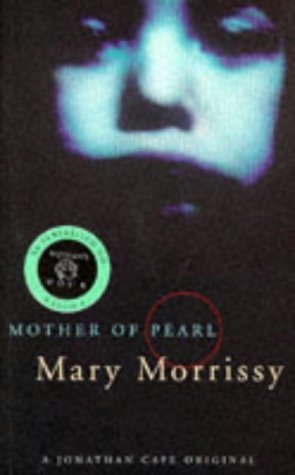
Mother of Pearl by Mary Morrissy

I decided to read Mother of Pearl (1996) as a precursor to Mary Morrissy’s latest novel Penelope Unbound (2023), a re-imagined and slightly changed life of Nora Barnacle (the wife of James Joyce) which I intend to read in 2024. Having enjoyed Nuala O’Connor’s excellent novel Nora, I’ll be curious to see where Morrissy takes her.

It is only now, since the death of Joyce’s grandson Stephen in 2020, one of the most litigious heirs in history, that stories can safely be written about Nora and James Joyce – as Stephen did all he could to prevent access or usage of the family archive, including the destruction of hundreds of letters. James Joyce, a brilliant writer with an overprotective grandson

It seems that Mary Morrissy likes to take inspiration from real life characters or stories, and so it was with Mother of Pearl. A little backstory then before reviewing the novel.

Truth Stranger Than Fiction

A notorious baby-snatching case in 1950’s Ireland was the inspiration for Mary Morrissy’s Mother of Pearl. Re-imagining elements of that story, rather than retelling the facts was a decision she made because the truth would have come across to readers as unbelievable. Morrissy in an article on her website explains:

Elizabeth Browne 1950 Dublin kidnap victim

Elizabeth Browne, above, was kidnapped from a pram on Henry Street in Dublin on November 25, 1950. Her kidnapper, Mrs Barbara McGeehan, who lived in Belfast, took her north on the train and passed her off as her own child to her unsuspecting husband.

Four years later – and this is where truth is stranger than fiction – Mrs McGeehan travelled south again and stole another child, this time a boy, Patrick Berrigan, from outside Woolworths on Henry Street. As luck would have it, a fellow passenger on the Belfast train noticed Mrs McGeehan, in particular that she had no milk for her baby, and went to the dining car to get some. Afterwards when the alert was raised about the Berrigan baby kidnap, she remembered this incident and contacted the police.

Mrs McGeehan was traced to her home in the White City estate in Belfast where police found the Berrigan baby and the four-year-old Elizabeth Browne, now renamed Bernadette. In these pre-DNA days, she was identified by a distinctive birth mark, and her parents, news-vendors John and Bridget Browne, travelled to Belfast to claim her.

Identity Trauma

What interested Morrissy in particular, was the identity trauma of a four-year-old being forcibly removed from a loving home and familiar “parents” and being returned to a family, who though biologically related, were strangers to her.

Clearly this was something Elizabeth’s parents thought about or experienced the repercussions of, because there was another twist, a strange fact that once again did not go into the novel. After Mrs McGeehan served her two year jail year sentence for the kidnap, the Browne family contacted her. Following their reconciliation, every year Elizabeth would travel to Belfast to spend a holiday with the very same woman who had kidnapped her.

Though Elizabeth would marry and have her own family, sadly she died at the very young age of 38 years from cancer.

The Novel, A Dark Re-Imagining

A novel in three parts, Mother of Pearl explores perspectives in three women’s lives, the first two will mother the same child, the third is that of the child grown – the consequence of a repressed childhood, of events never talked about, of the effect of those events and years and the suppression of them, on her psyche.

Part 1 – We meet Irene in Granitefield sanotorium, an institution where she spends some years due to having contracted TB. She willingly leaves her family behind and finds some kind of comfort in the hospital environment, electing to remain there as an employee long after she has recovered from her illness and might easily have left.

The operation, they told her, had saved her. But she had lost four of her ribs, cracked open by a giant pair of shears…Without her ribs Irene felt as if part of her protection against the world had been removed.

Standing vigil, she is known to recognise the imminence of death patients. One in particular will be kife changing.

Irene knew the moment she saw Stanley Godwin that he was watching someone beloved die. Healthy people keeping vigil seemed to take on the symptoms of the disease.

This son, who is with his mother, suddenly understands the implications of his mothers death, of the great loss and hole in his life, her absence will mean for him. His attention moves towards Irene.

Inwardly he was quaking. He could comprehend the impending loss; what he couldn’t imagine was his life afterwards. A middle-aged man about to be granted unwanted freedom.

Outside of the institution, longing for a child she knows will not come, brooding on her own losses, Irene succumbs to fantasies and one day indulges her desire, removing a sickly child from a hospital, a baby she names Pearl.

This was her offspring, hers alone, the child of her illness, Irene’s first loss. And she was still out there. Not dead, simply lost. In a hospital ward somewhere, unclaimed, waiting for her mother. This time Irene determined she would tell no one, not even Stanley. She would seek out the child who was rightfully hers, the fruit of Eve’s ribs.

Part 2 – We meet Rita, who becomes Mrs Mel Spain, mother of the baby she had not initially realised how much she wanted, until the day she is taken from her. And the husband Mel, son of an absent father, who feels a yearning to follow in his carefree footsteps.

It didn’t stop Mel wondering, however, how his father had managed the extraordinary trick of disappearing into thin air. He had become invisible by simply walking out of his life. Ten years after the event, as he nursed his fourth drink of the night, Mel finally understood how easy it must have been. It was not, as he had always thought, a daring but calculated move; it was a matter of impulse and extreme selfishness.

Part 3 – we meet the child, a child who remembers little of her early life, who is told stories that don’t resonate with the dream-like memories she has, who feels like an outsider in her family and can not explain to herself why.

Exploring themes of loss, abandonment, denial, Mother of Pearl takes us inside the dysfunction of family, of obsession with and rejection of a child, of the long-lasting impact on those formative years of the compromised adult that will little understand their own inclination(s), as those threads of early development and the scars of traumatic events imprint on their psyche and affect their future selves.

A compelling and thought provoking read that is all the more astounding given the events that propelled the author to recreate such a situation.

Further Reading

The Guardian: Penelope Unbound by Mary Morrissy review – masterly alternative life of Nora Barnacle by John Banville

JSTOR Interview With Mary Morrissy, Studies, An Irish Quarterly Review Vol. 87, No. 347 (Autumn, 1998)

Author, Mary Morrissy

Mary Morrissy was born in Dublin in 1957.  She has published four novels – Mother of Pearl (1995), The Pretender (2000), The Rising of Bella Casey (2013) and Penelope Unbound (2023) and a collection of short stories, A Lazy Eye (1993). 

She won a Hennessy Award for short fiction in 1984 and a prestigious US Lannan Literary Foundation Award in 1995.  Mother of Pearl was shortlisted for the Whitbread/Costa Award and longlisted for the Women’s (Orange)Prize for Fiction (1996) while The Pretender was nominated for the Dublin Impac Award and shortlisted for the Kerry Group Irish Fiction Award. The Rising of Bella Casey was nominated for the Dublin Literary Award.

A member of Aosdána, she is a journalist, a teacher of creative writing and a literary mentor. She blogs on art, fiction and history at marymorrissy.com

“I suppose I explore a female kind of darkness. My characters tend to be very restricted, restricted emotionally, I mean, by fear and guilt and an inability to move in and inhabit the centre of their own lives. And despite all our so-called modernity, I think this still holds true for thousands of women. We may have broken away from the traps of our mothers’ generation, but there is a long way to travel before women have, if I may use the phrase in this context, parity of esteem. - Interview with Mary Morrissy, Studies, An Irish Quarterly Review Vol. 87, No. 347 (Autumn, 1998)

The Poisoning Angel by Jean Teulé tr. by Melanie Florence #TranslationThursday

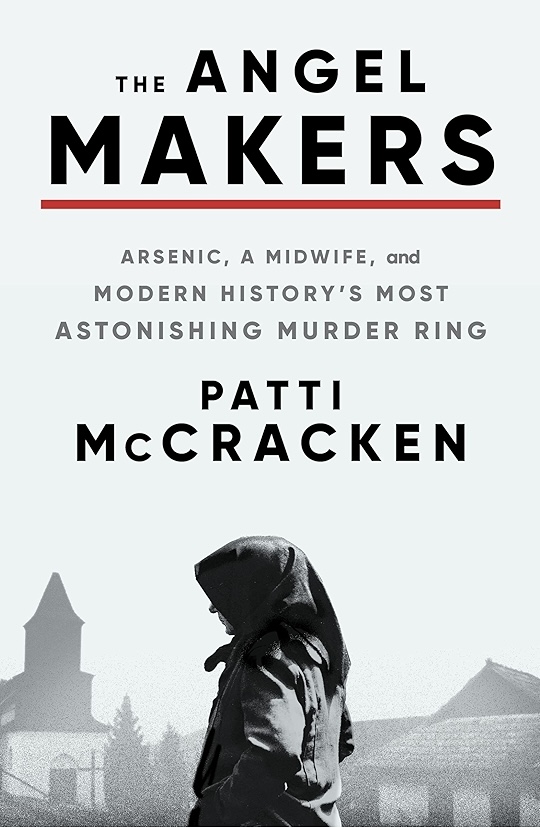
Poisoning (3)A real-life character tour de force from French author Jean Teulé featuring a famous female serial killer from the nineteenth century.

Hélène Jégado is warned about and thus introduced to the deathly effects of certain plants and flowers from a young age, she learns what to watch out for, including their superstitions.

‘Maman, who’s this Ankou you’re always talking about?’

Her mother tells her he is Death’s worker, the girl becomes obsessed with this idea, and makes it her vocation to fulfill his wishes, the only way she knows how.

Beginning with the demise of her very own maman.

Ankou‘The Ankou wears  a cloak and a broad hat,’ said Anne Jégado, sitting down again. ‘He always carries a scythe with a sharpened blade. He’s often depicted as a skeleton whose head swivels constantly at the top of his spine like a sunflower on its stem so that with one glance he can take in the whole region his mission covers.’
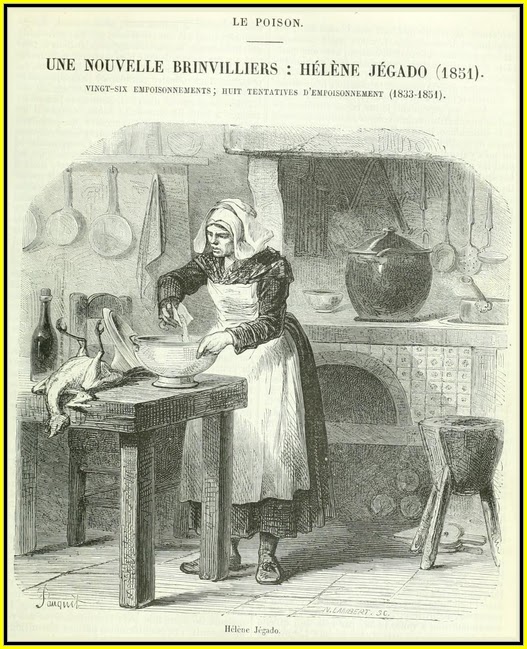
 

A story of the travels and inclinations of a girl who after poisoning her mother, travels from household to household as a domestic cook unable to restrain herself from eventually succumbing to the desire to add that little something extra to the recipe, her speciality the infamous soupes-aux-herbes.

Her deathly intent, seemingly existed without malice or evil inclination, more of an addiction, a calling, a macabre loyalty to that voice in her head, the legend of Ankou, death’s helper, leading her on, guiding her towards the next victim.

Each chapter begins with a small map of the Breton region, indicating her journey, where she will travel to next, until finally, very much later, she is confronted and must face her accusers.

Macabre, yet told with an element of detachment that stops it from being sinister. Entertaining and fascinating, a little insight into another era and a moment of unforgettable history in the north of France.

Jégado

Note: This book was an ARC (Advance Reader Copy) kindly provided by the publisher Gallic Books.