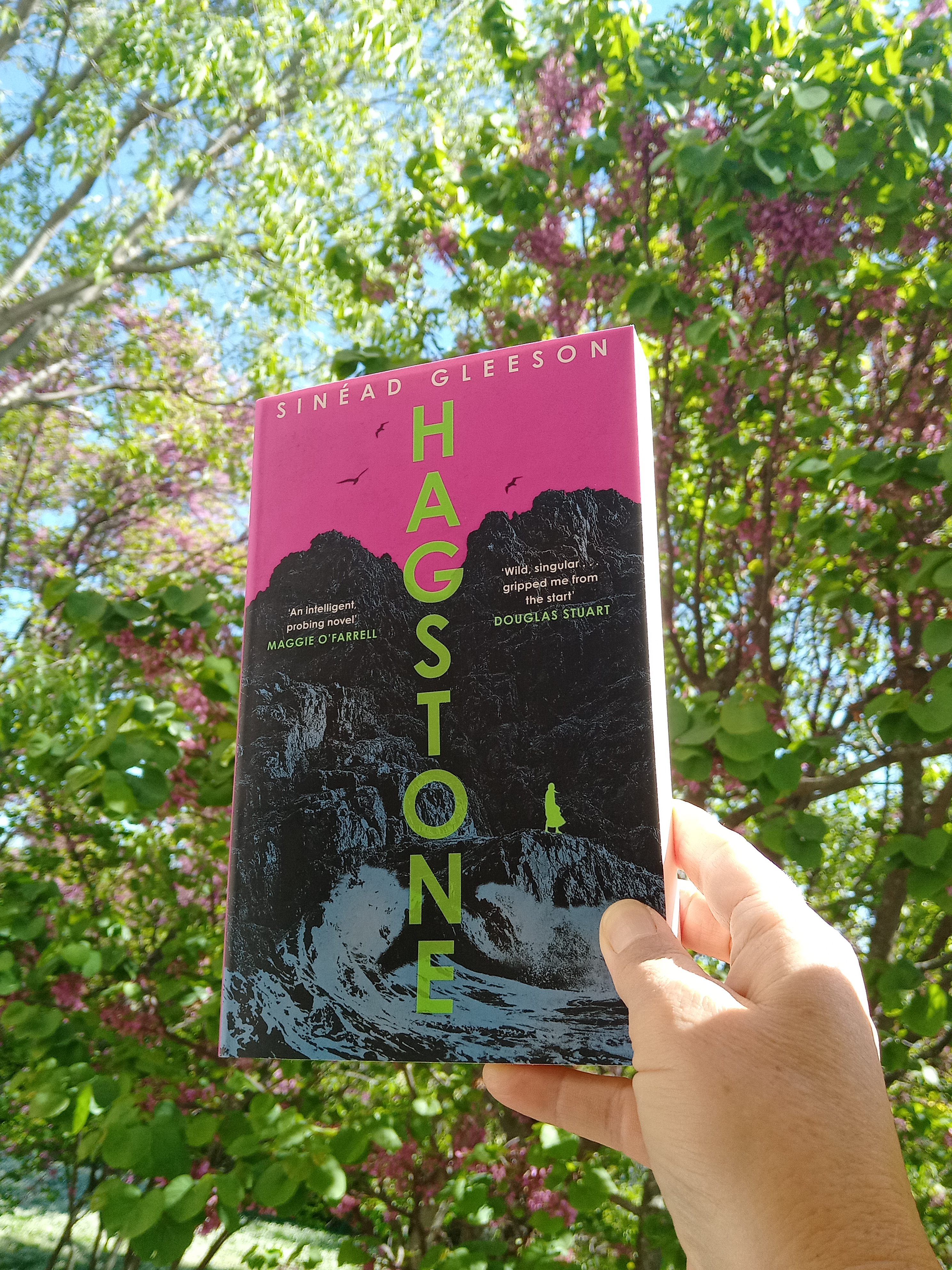
Hagstone by Sinead Gleeson

I was intrigued to read this debut novel Hagstone having enjoyed Sinéad Gleeson’s voice in her nonfiction narrative essay collection Constellations (reviewed here).

Island Culture and Art

On a wild and rugged island, artist Nell feels at home. It is the source of inspiration for her art, rooted in the landscape, local superstitions and the feminine.

The island has a way of tethering people to the soil, despite high watermarks of loss. Even when people leave, stories survive.

The mysterious Inions, a commune of women who have travelled there from all over the world, consider it a place of refuge and safety, of solace in nature. They have barely any contact with anyone outside of the convent where they reside.

wild woman Island literature Irish commune of women refuge in nature waves crash on rocks silhouette of a woman standing on a rock pink sky birds circling

Hagstone centres around the life of Nell, living alone in a cottage on the island (putting me in mind of Sophie White’s Where I End) where she tries to eek out a living doing tours of the island and changeovers in holiday rentals, to support her preferred activity, making ‘durational art’.

Up on a hill lies an old convent named Rathglas, inhabited by the group of women (not nuns, though they live in a very nun-like fashion) who have opted out of society, headed by a woman they refer to as Maman.

Given its gynocratic nature, Rathglas attracted activists and agitators, though you couldn’t help but wonder if some were drawn there by the sound.

A clever use of the French word for Mother and the title of French artist Louise Bourgeois’s most famous sculpture, an enormous bronze, stainless steel, and marble sculpture of a spider, found in several locations, representative of the protective and nurturing nature of her mother.

A Commission For Samhain, Rogue Elements

Louise Bourgeois art installation Maman, A Crouching Spider in an infinity pool reflected in the water Chateau La Coste Puy Sainte Reparade near Aix en Provence

One day Nell receives a letter, an invitation to create an artwork for the thirtieth anniversary since the Inions arrived, to coincide with the festival of Samhain.

Then there is Cleary, a man recently returned to the island, a subject of intrigue and attraction, the two of them seeking to fill some void, craving each other’s company while avoiding attachment.

And the rich actor, Nick, a man everyone recognises but no one knows. Nell takes him on a tour and his inquisitive questioning unsettles her.

Haunting Sounds That Not All Can Hear

Photo by Oliver S. Pexels.com

There is a strange sound that emits from the island, that only women can hear and not only hear, but it has a strange effect on them. Birds fall out of the sky.

It was impossible to exactly predict the arrival of the sound. The canonball rumble of it. It paid no heed to scientific forecasts.Storm warnings in traffic light colours. Some felt it in advance, like a tingle on the skin. Others said the air felt heavier. Last night it arrived along with a new moon. The result was something never seen before.

I never quite understood what this was, was it an element of magic realism or something else. It was one of the threads left to the reader’s imagination, a missed opportunity or perhaps I missed something?

It all leads up to the night of Samhain, after which nothing will be the same.

Hagstone started out really well and drew me in and had a strong first half, introducing the different characters, elements of intrigue and clever satirical humour, that wasn’t sustained in the latter half where it lost opportunities to delve deeper into the intentions behind some of its characters and tie up some unfinished threads.

– A hagstone – I have a thing for them! Thank you.

– For years I just thought they were battered stones with holes in them, until Sile set me right. About the fact they’re lucky, and fishermen tie them to their boats to ward off evil.

– And that if you look through the hole, you’re meant to see a different view of the world. I think that’s why I collect them.Looking, seeing, an artist thing.

Further Reading

The Guardian: Hagstone by Sinéad Gleeson review – portrait of an artist by Jessie Greengrass

Author, Sinéad Gleeson

Sinéad Gleeson is an Irish author and artist.

Her essay collection, Constellations: Reflections from Life, won Non-Fiction Book of the Year at 2019 Irish Book Awards and the Dalkey Literary Award for Emerging Writer. It was shortlisted for the Rathbones Folio Prize and the James Tait Black Memorial Prize and the Michel Déon Prize.

Women’s Prize for Fiction Shortlist 2024

The Women’s Prize for Fiction have announced their shortlist of six novels. You can view the entire longlist here.

Identity, Resilience, Migrant Experiences, Family Relationships

Many of the books depict characters who are navigating seismic changes in their identity, undergoing a process of self-reckoning and self-acceptance, with several dealing with the inheritance of trauma and the resilience of women overcoming the weight of the past.

Half of the books in this year’s shortlist explore the migrant experience through different lenses, offering moving, distinct, explorations of race, identity and family, of the West’s false promise and the magnetism of home.

The shortlist encompasses stories that both focus on intimate family relationships, as well as those that convey a sweep of history, always with an eye on the particularity of women’s experience, whether in the home or in the context of war and political upheaval.

The Shortlist

Below are descriptions of the individual titles, along with a quote from a judge, to help you discern if they might be of interest:

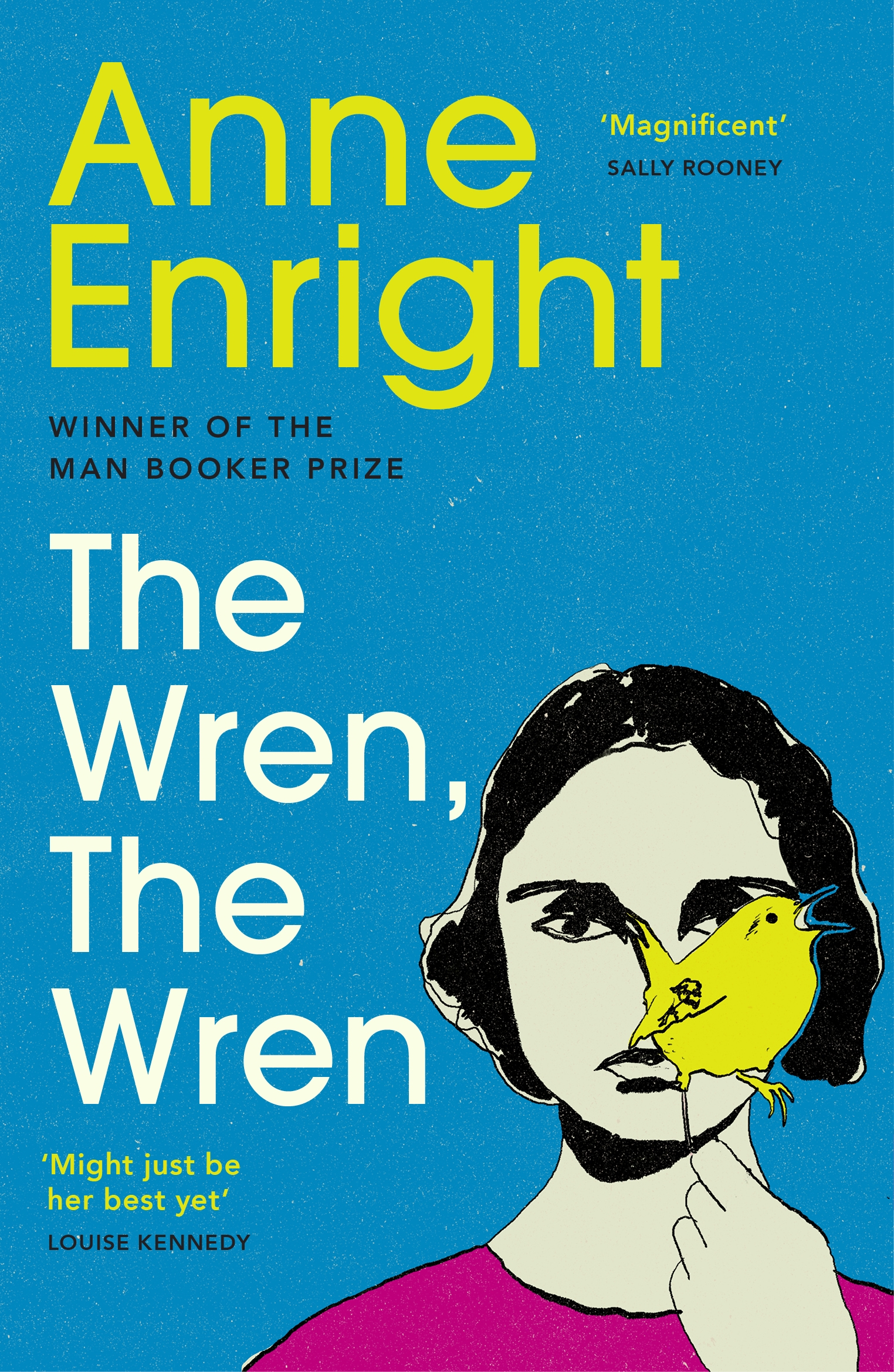
The Wren, The Wren by Anne Enright (Ireland) published by Jonathan Cape, 283 pgs

A psychologically astute examination of family dynamics and the nature of memory. Enright’s prose is gorgeous and evocative and scalpel sharp.

Nell – funny, brave and much loved – is a young woman with adventure on her mind. As she sets out into the world, she finds her family history hard to escape. For her mother, Carmel, Nell’s leaving home opens a space in her heart, where the turmoil of a lifetime begins to churn. Across the generations falls the long shadow of Carmel’s famous father, an Irish poet of beautiful words and brutal actions.

A consideration of love: spiritual, romantic, darkly sexual or genetic. A generational saga tracing the inheritance of trauma and wonder, it is a testament to the resilience of women in the face of promises, false and true. An exploration of the love between a mother and daughter – sometimes fierce, often painful, always transcendent.

Brotherless Night by V. V. Ganeshananthan (Sri Lanka), published by Viking, 348 pgs (see my review here)

Visceral, historical, emotional. It is 300 pages of must-read prose. A powerful book that has the intimacy of memoir, the range and ambition of an epic, and tells a truly unforgettable story about the Sri Lankan civil war.

Sixteen-year-old Sashi wants to become a doctor. But over the next decade, as a vicious civil war subsumes Sri Lanka, her dream takes her on a different path as she watches those around her, including her four beloved brothers and their best friend, get swept up in violent political ideologies and their consequences. She must ask herself: is it possible for anyone to move through life without doing harm?

Restless Dolly Maunder by Kate Grenville (Australia), published by Canongate Books, 256 pgs

[It] follows the life of Dolly, who really is restless. It begins in the 1880s in rural Australia, and it follows Dolly’s ambitions to live a bigger life than the one she’s been given.

Dolly Maunder is born at the end of the 19th century, when society’s long-locked doors are just starting to creak ajar for determined women. Growing up in a poor farming family in rural New South Wales, Dolly spends her life doggedly pushing at those doors. A husband and two children do not deter her from searching for love and independence.

Restless Dolly Maunder is a subversive, triumphant tale of a pioneering woman working her way through a world of limits and obstacles, who is able – despite the cost – to make a life she could call her own.

Enter Ghost by Isabella Hammad (Britain/Palestine), published by Jonathan Cape, 336 pgs (see my review here)

How can a production of Hamlet in the West Bank resonate with the residents’ existential issues? Enter Ghost is a beautiful, profound meditation on the role of art in our society and our lives.

After years away from her family’s homeland, and reeling from a disastrous love affair, actress Sonia Nasir returns to Haifa to visit her sister Haneen. While Haneen made a life here commuting to Tel Aviv to teach at the university, Sonia remained in London to focus on her acting career and now dissolute marriage. On her return, she finds her relationship to Palestine is fragile, both bone-deep and new.

When Sonia meets the charismatic, candid Mariam, a local director, she joins a production of Hamlet in the West Bank. Soon, Sonia is rehearsing Gertrude’s lines in classical Arabic with a dedicated group of men who, in spite of competing egos and priorities, all want to bring Shakespeare to that side of the wall. As opening night draws closer and the warring intensifies, it becomes clear just how many obstacles stand before the troupe. Amidst it all, the life Sonia once knew starts to give way to the daunting, exhilarating possibility of finding a new self in her ancestral home.

Timely, thoughtful, and passionate, Isabella Hammad’s highly anticipated second novel is an exquisite story of the connection to be found in family and shared resistance.

Soldier Sailor by Claire Kilroy (Ireland), published by Faber & Faber, 233 pgs (my review)

A full-bodied, remorseless, visceral deep dive into the maternal mind. It is ultimately a love story between Soldier, the mother, and Sailor, the son.

In her acclaimed new novel, Claire Kilroy creates an unforgettable heroine, whose fierce love for her young son clashes with the seismic change to her own identity.
As her marriage strains, and she struggles with questions of autonomy, creativity and the passing of time, an old friend makes a welcome return – but can he really offer her a lifeline to the woman she used to be?

River East, River West by Aube Rey Lescure (France/China), published by Duckworth, 352 pgs

Set in Shanghai in the 2000s, it’s a novel about reinvention. It’s original, it’s funny, and it’s sometimes heartbreaking as well.

A mesmerising reversal of the east–west immigrant narrative set against China’s economic boom, River East, River West is an exploration of race, identity and family, of capitalism’s false promise and private dreams.

Shanghai, 2007: feeling betrayed by her American mother’s engagement to their rich landlord Lu Fang, fourteen-year-old Alva begins plotting her escape. But the exclusive American School – a potential ticket out – is not what she imagined.

Qingdao, 1985: newlywed Lu Fang works as a lowly shipping clerk. Though he aspires to a bright future, he is one of many casualties of harsh political reforms. Then China opens up to foreigners and capital, and Lu Fang meets a woman who makes him question what he should settle for.

The 2024 Winners

The winner of both the Women’s Prize for Fiction and the inaugural Women’s Prize for Non Fiction will be announced on June 13th, 2024.

I have only read one from the list, Claire Kilroy’s excellent Soldier, Sailor. I’m most interested in reading V.V. Ganeshananthan’s Brotherless Night and Isabella Hammad’s Enter Ghost and am reminded that a friend recommended her debut The Parisian back in 2019 (but you know, 700+ pages).

Have you read any of these from the shortlist? Let us know what you thought in the comments below.

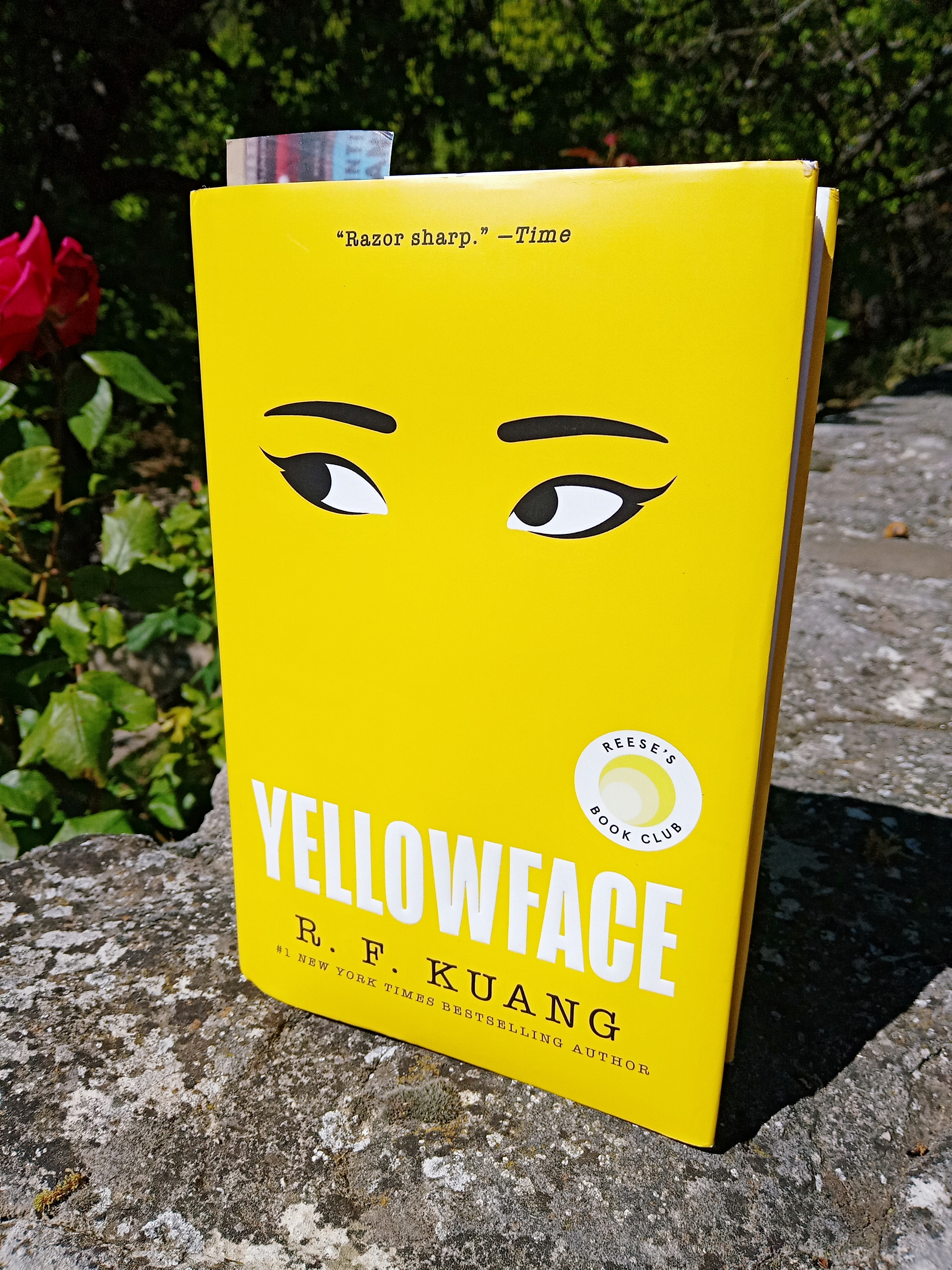
Yellowface by R. F. Kuang

Yellowface is a satirical novel about the publishing industry and cultural appropriation, by the New York Times bestselling author R.F. Kuang who wrote the equally popular, ambitious novel about the British Empire Babel.

Being so popular, I had seen it pop up in many bookish places, but what made me get a copy and find out for myself was listening to writer and journalist Afua Hirsch’s one minute description of it here. Her commentary is so interesting, I share part of it below.

Afua Hirsch created the podcast We Need to Talk About the British Empire where she talked to six different people about their family history and education, in the context of the British Empire and colonisation.

Literary Opportunity or Cultural Theft

Yellowface is a fascinating look into the game of being a published writer, the universe of social media, the dangers of cultural appropriation, cancel culture, revenge and who can get away with things and who can not.

Two women, June Hayward and Athena Liu, who knew each other while at university, who may or may not have been close, are now launched into their adult lives as newly published writers, one a rising star, the other fast becoming a nobody.

It is a kind of psychological thriller, as June capitalises on the death of her friend, rebranding herself to take advantage of what she is planning to do. To steal her friend’s unpublished work. But can someone who has none of the life experience of their protagonist or witness to the testimony of people interviewed, get away with convincing readers of the authenticity of their work?

“Quirky, aloof and erudite” is Athena’s brand. “Commercial, and compulsively readable yet still exquisitely literary,” I’ve decided, will be mine.

Authorial Projection or Authentic Voice

Ironically, the one thing that doesn’t ring true is the main protagonist, a white girl appropriating her Asian friend’s work and passing it off as her own. Kuang writes from this perspective, a role she is required to step into, and perhaps because we can see she is not that, it felt a little like acting. Therein lies the point, that the only way to be authentic is to be authentic.

Of course, I have my detractors. The more popular a book becomes, the more popular it becomes to hate on said book, which is why revulsion for Rupi Kaur’s poetry has become a millennial personality trait. The majority of my reviews on Goodreads are five stars, but the one-star reviews are vitriolic. Uninspired colonizer trash, one reads. Another iteration of the white woman exploitation sob story formula: copy, paste, change the names, and voila, bestseller, reads another.

A riveting read, if you’re prepared to follow the paranoid delusions of a writer playing a risky game, but along the way we learn all about the world that certain writers aspire to, that of traditional publishing and the very capitalist desire to overcome all obstacles in pursuit of profit, with little regard for the exploitation of other cultures, the dead and vulnerable.

Have you read Babel or Yellowface?

Further Reading

The Guardian: Yellowface by Rebecca F Kuang – a wickedly funny publishing thriller

New York Times: Yellowface review: Her Novel Became a Bestseller. The Trouble: She Didn’t Write It.

Author, R. F. Kuang

Rebecca F. Kuang is the #1 New York Times and #1 Sunday Times bestselling author of the Poppy War trilogy, Babel: An Arcane HistoryYellowface, and Katabasis (forthcoming). Her work has won the Nebula, Locus, Crawford, and British Book Awards.

A Marshall Scholar, she has an MPhil in Chinese Studies from Cambridge and an MSc in Contemporary Chinese Studies from Oxford. She is now pursuing a PhD in East Asian Languages and Literatures at Yale, where she studies Sinophone literature and Asian American literature.

Afua Hirsch on Reading Yellowface

It is the story of two young women, one of Chinese heritage, the other white, who become intertwined in a complicated way, and it’s really about, in my opinion, the reality of what happens when someone who does not have the lived experience of a character they are writing about, attempts to tell a story in that person’s world, but lacks the complexity, the perspective and the humility to know that there is an integrity to that experience that they don’t share and the result is something problematic, no matter how much research that person has done. 

I relate to that and I think that my position on cultural appropriation is that we shouldn’t police the stories we can tell, but if you are going to tell the story of somebody whose life and perspective and truth is very different to yours, you better be prepared to acknowledge what you don’t know and ask yourself hard questions about whether you can do justice to that story. 

The character in this book doesn’t and it is a great morality tale of what happens when somebody who doesn’t have that credibility insists on taking up space.

I also think this book is a metaphor for something deeper about western cultures and how they have been predatory for centuries, not just the land and the resources of other people, which we talk about a lot in the history of colonisation, but the intellectual property, the ideas, the art, the genius, the innovation of other cultures. Afua Hirsch

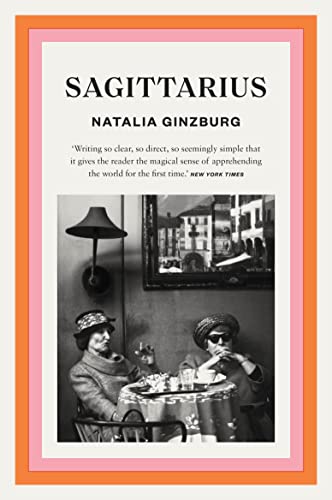
Sagittarius by Natalia Ginzburg (1957) tr. Avril Bardoni

After just finishing Domenico Starnone’s The House on Via Gemito (my review here) featuring a domineering father, it felt appropriate to read another Italian author Natalia Ginzburg and her fictional account of a domineering mother.

The Interfering Parent

However, Ginzburg’s parent in the novella Sagittarius might be considered timid compared to Starnone’s Federico. While she is over invested in the lives of her two daughters, they seem able to pursue their own desires in spite of her interference.

Fed up with life in a small town she moves to the suburb of a city to be closer to her sisters, who run a china shop and her student daughter (who narrates the story), then demands that her second daughter and husband move with her, she has promised to give him money to set up a practice.

What he needed was a practice of his own in a good central location. My mother had promised to give him the money for this as soon as she had won a certain lawsuit against the local council in Dronero, concerning a property dispute; she had made the promise lightly, finding it easy to part with money that was so far away and so unlikely ever to be hers; the litigation had already dragged on for more than three years, and Cousin Teresa’s husband, a solicitor, had told us that our chances of winning were nil.

Photo by Ylanite Koppens on Pexels.com

We learn she disapproves of the husband Chaim, a Jewish Polish Doctor with only one brother left in his family, having lost his family in wartime. She was initially distraught over the one that got away, – a rich, blond, young man her daughter met on holiday, until she became ill and her mother arrived – not realising that her overbearing parental behaviour might have had something to do with it. She had done everything to ensure her daughter would marry well.

Every time she thought about the boy with the blond crew cut my mother became enraged. Not one spark of generosity had he shown! No crumb of comfort had he offered! And to think he had disappeared without even saying goodbye! Without a single word of any kind: The very memory of the blond crew cut and of the afternoon spent with is family now filled her with disgust.

There were days when my mother was almost as bored in town as she had been in Dronero. She already knew the central shopping district like the back of her hand, having walked the length and breadth of it looking for suitable premises, small but attractive, for her art gallery; but the rents were all extremely high and, besides; another problem was beginning to occur to her, that of finding painters willing to show in her gallery. She knew nobody.

Making Friends in the City

Finding it more lonely and isolating than she imagined, she is happy when she meets Pricilla (call me Scilla), a woman who (eventually) listens to her dreams and desires and seems in tune with them and even willing to partner with her on her project to open an art gallery.

My mother was now anxious to talk about her gallery project but was unable to get a word in edgeways because Signora Fontana never stopped chattering for an instant.

In her dogged pursuit of ambition, and desperate desire for a true friend, she overlooks important signs that perhaps all is not as it should be and naively keeps her plans to herself, avoiding criticism or advice from any of her family members that might have lead her to question her association – though probably not.

A Greek Mythology Warning

Photo by Damir on Pexels.com

It is no coincidence that Ginzburg names her character Scilla, that name immediately conjured up for me the creature Scylla lurking in the sea that enticed ships onto the rocks. She is adept at luring men into a perilous and rocky waterway, thus as I read, every person that Scilla was connected to, became for me, a potential villain or obstacle in her path, some perhaps by accident, others by design.

Scilla convinces her friend to wait on the art gallery project and invites her in on another shop idea. They will decide on a name, Scilla’s zodiac sign, Sagittarius, one that could easily be transferred to an art gallery.

Ultimately she will be confronted with her own poor judgement, both those she put her trust in that she should not have and those who she neglected and would be there for her in her downfall.

This novella is often read with the excellent Valentino which I read earlier in the year and loved. Sagittarius is a little more predictable, whereas for me, Valentino was exceptional, my favourite of the two, but I highly recommend them both and look forward to reading more Ginzburg this year.

Further Reading

My reviews of other Natalia Ginzburg works: Family Lexicon (memoir), The Dry Heart (debut novel), Valentino (novella)

JacquiWine’s Journal reviews Valentino and Sagittarius

Author, Natalia Ginzburg

Natalia Ginzburg (1916-1991) was born in Palermo, Sicily. She wrote dozens of essays, plays, short stories and novels, including Voices in the EveningAll Our Yesterdays and Family Lexicon, for which she was awarded the prestigious Strega Prize in 1963.

Her work explored family relationships, politics and philosophy during and after the Fascist years, World War II. Modest and intensely reserved, Ginzburg never shied away from the traumas of history, whether writing about the Turin of her childhood, the Abruzzi countryside or contemporary Rome—approaching those traumas indirectly, through the mundane details and catastrophes of personal life.

She was involved in political activism throughout her life and served in the Italian parliament between 1983 to 1987. Animated by a profound sense of justice, she engaged with passion in various humanitarian issues, such as the lowering of the price of bread, support for Palestinian children, legal assistance for rape victims and reform of adoption laws. 

She died in Rome in 1991 at the age of seventy-five.

Ockham New Zealand Book Awards Shortlist 2024

Earlier this month the shortlists were announced for the New Zealand Book Awards 2024. All four of the shortlisted authors have won the prize before. You can read my post on the 8 novels that made the longlist here.

Eleanor Catton, who won the Booker Prize in 2013 for The Luminaries,(my review) is a finalist for her novel Birnam Wood (my review).

Emily Perkins, who won the Montana Medal for Fiction or Poetry in 2009 for Novel About My Wife is shortlisted with Lioness. (I read and enjoyed it, but not reviewed)

Pip Adam, who won the Acorn Foundation Fiction Prize in 2018 for The New Animals (recently read but not reviewed) is in the running with Audition. (On my bookshelf!)

Stephen Daisley, who won the first awarded Acorn Foundation Fiction Prize in 2016 for Coming Rain is a contender this year with A Better Place.

Judge’s Comment

Juliet Blyth, convenor of judges for the Jann Medlicott Acorn Prize for Fiction, says there is much to celebrate among this year’s shortlisted novels, and readers will be rewarded by the richness contained within their pages.

“These four singular and accomplished titles encompass pertinent themes of social justice, violence, activism, capitalism, war, identity, class, and more besides. Variously confronting, hilarious, philosophical, and heart-rending, these impressive works showcase Aotearoa storytellers at the top of their game.”

The Shortlist

The four novels shortlisted for the fiction prize, along with judges’ comments are:

Jann Medlicott Acorn Prize for Fiction

NZ book awards 2024 shortlist

Audition by Pip Adam, Te Herenga Waka University Press – [Science Fiction/Dystopia]

– A spaceship called Audition is hurtling through the cosmos. Squashed immobile into its largest room are three giants: Alba, Stanley and Drew. If they talk, the spaceship keeps moving; if they are silent, they resume growing.

Talk they must, and as they do, Alba, Stanley and Drew recover their shared memory of what has been done to their former selves – experiences of imprisonment, violence and misrecognition, of disempowerment and underprivilege.

A novel, part science fiction, part social realism that asks what happens when systems of power decide someone takes up too much room – about how we imagine new forms of justice, and how we transcend the bodies and selves we are given.

Judges’ Comment

Three giants hurtle through the cosmos in a spacecraft called Audition powered by the sound of their speech. If they are silent, their bodies continue to grow. Often confronting and claustrophobic, but always compelling, Audition asks what happens when systems of power decide someone takes up too much space and what role stories play in mediating truth. A mind-melting, brutalist novel, skillfully told in a collage of science fiction, social realism, and romantic comedy.

A Better Place  by Stephen Daisley, Text – [WWII visceral novel]

– a novel about brothers at war, empathy and the aftermath. Aged 19 in 1939, Roy and his twin brother Tony enlist in the NZ Infantry Brigade. They fight in Crete where Tony dies. Burdened by the loss of his brother, Roy continues to Africa and Europe.

Beautifully written, brutal, tender and visceral, A Better Place is about love in its many forms.

Judges’ Comment

The tragedies of war and prevailing social attitudes are viewed with an unflinching but contemporary eye as Stephen Daisley’s lean, agile prose depicts faceted perspectives on masculinity, fraternity, violence, art, nationhood and queer love in this story about twin brothers fighting in WW2. With its brisk and uncompromising accounts of military action, and deep sensitivity to the plights of its characters, A Better Place is by turns savage and tender, absurd and wry.

eco thriller tech billionaire New Zealand

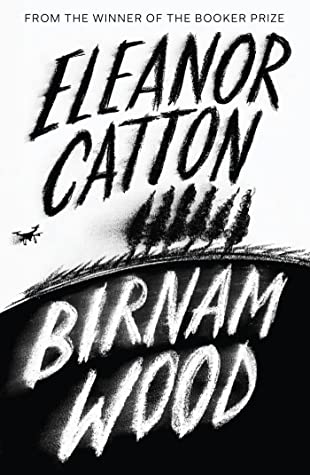
Birnam Wood  by Eleanor Catton, Te Herenga Waka University Press – [Eco Mystery/Thriller(y)]

– an eco-thriller of sorts that considers intentions, actions, and consequences, an unflinching examination of the human impulse to ensure our own survival. Featuring green activists, politician farmer and his wife, a tech billionaire and the lone wolf investigative journalist with a past.

Judges’ Comment

When Mira Bunting, the force behind guerilla gardening collective Birnam Wood, meets her match in American tech billionaire Robert Lemoine, the stage is set for a tightly plotted and richly imagined psychological thriller. Eleanor Catton’s page-turner gleams with intelligence, hitting the sweet spot between smart and accessible. And like an adrenalised blockbuster grafted on to Shakespearian rootstock, it accelerates towards an epic conclusion that leaves readers’ heads spinning.

Lioness by Emily Perkins, Bloomsbury – [Literary Fiction/Blended Family, Second Wife Drama]

– a novel of a woman’s self doubt and shifting place in second family’s and relationships.

Trevor and Therese are a power couple living in the capital city, he is a developer and she runs a chain of fashion boutiques. That’s the exterior. At home, there is his adult family (issues) to contend with and her uncertain place in a scenario that is rapidly shifting when his deals come under scrutiny and his children make increasing demands. Increasingly, she finds refuge elsewhere, inviting another kind of risk into her precarious existence.

Judges’ Comment

After marrying the older, wealthier Trevor, Teresa Holder has transformed herself into upper-class Therese Thorn, complete with her own homeware business. But when rumours of corruption gather around one of Trevor’s property developments, the fallout is swift, and Therese begins to reevaluate her privileged world. Emily Perkins weaves multiple plotlines and characters with impressive dexterity. Punchy, sophisticated and frequently funny, Lioness is an incisive exploration of wealth, power, class, female rage, and the search for authenticity.

Winner Announced

The winners will be announced on 15 May during the Auckland Writer’s Festival.

Dublin Literary Award Shortlist 2024

Back in January, the Dublin Literary Award 2024 announced a longlist of 70 books nominated by 80 libraries including librarians and readers, from 35 countries around the world.

Six novels have now been shortlisted for the award, featuring authors who are American, Canadian, Australian, Romanian and Irish, nominated by public libraries in Romania, Germany, Jamaica, Canada and Australia.

The only one I have read, and it was a 5 star read for me is Sebastian Barry’s Old God’s Time (see my review here) I include the judges’ comments below to help you decide if you are interested in reading any of the nominated titles.

Solenoid sounds interesting and has been highly praised, but 840 pages is too grand of an ask for this reader. Praiseworthy is tempting, but again 740 pages!

The Shortlist of Six Novels

Old God’s Time by Sebastian Barry (Ireland) (literary fiction)

– Retired policeman Tom Kettle is enjoying the quiet of his new home in Dalkey, overlooking the sea. His peace is interrupted when two former colleagues turn up at his door to ask about a traumatic, decades-old case. A case that Tom never came to terms with. His peace is further disturbed by a young mother who asks for his help. And what of Tom’s wife, June, and their two children? A beautiful, haunting novel about what we live through, what we live with, and what will survive of us.

Judges’ Comments

Old God’s Time by Sebastian Barry is a book about love. It’s a world of precarious balancing, a high wire act in which the ghosts of the past intermingle with the challenges of the present. Here a retired policeman settling into a new stage in his life faces the legacy of an old case. This exploration of trauma, childhood abuse in catholic institutions, memory and the lingering impact of loss is devastating. It deftly avoids the trap of solely being one note in that regard. Barry does something clever here where he elevates the work beyond the confines of its themes into a reading experience that often feels transcendent despite the painful subject matter. It’s impossible to read this novel and not be moved by its mercurial power, the ways in which it shifts ideas of human consciousness. This is a beautiful and, in some ways, tender work. Full of heart, risk and that illusive, rare quality the best storytellers possess, it marks Barry, one of our most gifted talents as a writer who continues to invigorate the novel form. 

‘Outstanding, a revelatory and deeply affecting work. Barry’s meditation on trauma, memory and loss is a book about love that lingers in the body long after reading it.’ — Irenosen Okojie, 2024 Dublin Literary Award Judge

Solenoid by Mircea Cărtărescu, translated by Sean Cotter (Romania)

– Based on Cărtărescu’s own role as a high school teacher, Solenoid begins with the mundane details of a diarist’s life and spirals into a philosophical account of life, history, philosophy, and mathematics.

On a broad scale, the novel’s investigations of other universes, dimensions, and timelines reconcile the realms of life and art. Grounded in the reality of late 1970s/early 1980s Communist Romania, including long lines for groceries, the absurdities of the education system, and the misery of family life.

Combining fiction, autobiography and history, Solenoid ruminates on the exchanges possible between the alternate dimensions of life and art within the Communist present.

Judges’ Comments

We can imagine (it not fully grasp) a world that has, in comparison to our own, an extra dimension.” In some respects, this is the world of Solenoid. The city of Bucharest in which the narrator is a teacher and failed writer is a place in which what appears to be an abandoned factory contains unexpected caverns, tunnels and a gallery of enormous parasites, where an apparently ordinary, run-down house is built upon an electrical device that causes people lying in bed to float. By turns wildly inventive, philosophical, and lyrical, with passages of great beauty, Solenoid is the work of a major European writer who is still relatively little known to English-language readers. Sean Cotter’s translation of the novel sets out to change that situation, capturing the lyrical precision of the original, thereby opening up Cărtărescu’s work to an entirely new readership.

‘An anti-novel that for all intents and purposes should not exist but still does despite itself, thanks to the overpowering talents of the author and the translator.’ — Anton Hur,  2024 Dublin Literary Award Judge

Haven by Emma Donoghue (Ireland) (historical fiction)

– In 7th-century Ireland, a scholar/priest called Artt has a dream telling him to leave the sinful world behind. Taking two monks – young Trian & old Cormac – he rows down the river Shannon in search of an isolated spot on which to found a monastery. With only faith to guide them and drifting out into the Atlantic, the three men find a steep, bare island, inhabited by tens of thousands of birds, and claim it for God. In such a place, what will survival mean? What they find is the extraordinary island now known as Skellig Michael.

Judges’ Comments

A novel of stylistic precision yet ethical complexity, Haven tells the story of three monks in seventh-century Ireland in search of a place of retreat from worldly temptation. Their journey by boat to a barren islet allows the com- plex interaction between experience and idealism to be revealed and subtly explores the importance of evolving human bonds in shaping community. Haven’s searching treatment of authority, and the tensions between rigid beliefs and openness of thought, extend beyond interpersonal dynamics to our relationship with the natural environment. The world Emma Donoghue creates in this novel is at once strange and familiar, provoking us to think deeply about the importance of human empathy in navigating our place on this earth.

‘A novel of stylistic precision yet ethical com- plexity, Haven offers a searching treatment of authority, examining the implications of fixed beliefs for our relationships with each other and with the more-than-human world.’ — Lucy Collins, 2024 Dublin Literary Award Judge 

If I Survive You by Jonathan Escoffery (USA/Jamaica) (Short Stories)

–  In the 1970s, Topper and Sanya flee to Miami as political violence consumes their native Kingston. But America, as the couple and their two children learn, is far from the promised land. Excluded from society as Black immigrants, the family pushes on first through Hurricane Andrew and later the 2008 recession. But even as things fall apart, the family remains motivated by what their younger son calls “the exquisite, racking compulsion to survive.”

Pulsing with vibrant lyricism and sly commentary, Escoffery’s debut unravels what it means to be in between homes and cultures in a world at the mercy of capitalism and white supremacy.

Judges’ Comments

Jonathan Escoffery’s energetic novel-in-stories, If I Survive You, follows a Jamaican family living hand-to-mouth in Florida. The different members of the family search for a foothold in this new and exhausting country, each in their own way, struggling against poverty, racism, recession and hurricanes. At the heart of the story lies a deep-rooted racial ambiguity; where does one belong and is it possible to be “a little of this and a little of that” and still find your way, find your people, find a future? The story also deals with the universal condition of fatherly rejection and sibling rivalry, with a remarkable eye for perfect de- tails. The narrative is vibrant, humorous, snappy and quietly devastating; eight interlinking stories told by various voices, often from an urgent and empathetic second-person point of view, and also in Jamaican dialect, that describe how life keeps knocking the family back in their pursuit of identity and happiness.

‘A fresh voice in fiction, Jonathan Escoffery blurs the lines between the short story and the novel in a work that brings us into the lives of Jamaican-Americans in Miami. Through linked stories, the form mirrors the lives of the characters and their struggles to connect, both with their families, and with the society around them.’ — Chris Morash, 2024 Dublin Literary Non-Voting Chair

The Sleeping Car Porter by Suzette Mayr (Canada) (Historical Fiction)

– It’s 1929, and Baxter is considered lucky, as a Black man, to have a job as a porter on a train that crisscrosses the continent. He has to smile and nod for the white passengers when they call him ‘George.’ He’s obsessed with teeth, and saving up tips for dentistry school.

On this trip, the passengers are unruly, especially when the train is stranded for days – their secrets leak out, blurring with Baxter’s sleep-deprivation hallucinations. When he finds an illicit postcard of two men, Baxter’s longings are reawakened; keeping it puts his job in peril, but he can’t part with it or his memories of a certain Porter Instructor.

Judges’ Comments

An unconventional historical novel that combines meticulous research and deep imagination, The Sleeping Car Porter by Suzette Mayr takes readers on a vividly depicted train ride in the 1920’s from the perspective of a Black and queer sleeping car porter as he tries to make a life that is a little less precarious and a lot more hopeful despite the odds stacked against him. As the train travels through the rural Canadian landscape, Baxter, the porter of the title, similarly traverses the vistas of memory, the reality that surrounds him, and his hopes and visions of the future on his own interior journey of discovery and self-creation. Written in a concise yet evocative style, this slim novel combines the epic scope of history with the lift and verve of ghost stories and queer narrative, creating a quietly propulsive read that at the same time takes stock of an entire life in the space of a single train voyage.

“He drinks melting glacier, plunges his hands into the water past the point of ice just to wake himself up and calm himself down. He ascends into the vestibule, his legs shaky, his hands icy numb.”

‘You can almost taste the exhaustion and despair in this quiet, yet vivid, story of a black man working as a porter on a sleeper train in Canada in 1929. Beautifully written, melancholy but never without hope.’ Ingunn Snaedel, 2024 Dublin Literary Award Judge

Praiseworthy by Alexis Wright (Australia) (Literary fiction)

–  In a small town in northern Australia dominated by a haze cloud, a crazed visionary sees donkeys as the solution to the global climate crisis and the economic dependency of the Aboriginal people. His wife seeks solace from his madness in the dance of moths and butterflies. One of their sons, called Aboriginal Sovereignty, is determined to commit suicide. The other, Tommyhawk, wishes his brother dead so that he can pursue his dream of becoming white and powerful.

Praiseworthy is a novel which pushes allegory and language to its limits, a cry of outrage against oppression and disadvantage, and a fable for the end of days.

Judges’ Comments

Alexis Wright’s Praiseworthy is a wonder of twenty-first century fiction. This modernist more-than-an-allegory about a pernicious haze that settles over a northern Australia town yokes a painfully contemporary tale of political, social and climatic disaster to a narrative consciousness embodying 65,000 years of aboriginal survival. Intimate while epic, the family drama at its center reads like chamber music on a symphonic scale. Wright has authored a blisteringly funny book, replete with situations and speech that elicit wild laughter – a laughter through tears we may recognize from our readings of Beckett and Kafka. She has also written a beautiful one: time and again Praiseworthy delivers unforgettable images, from ‘aerial rivers’ of dancing butterflies to hordes of stinking donkeys. Startlingly original, fiercely political, uncompromising in every respect, Praiseworthy expands the possibility of the novel form.

‘Funny and fierce, Alexis Wright’s Praiseworthy is a wonder of twenty-first century fiction. This modernist more-than-an-allegory yokes a painfully contemporary tale of political, social and climatic disaster to a narrative consciousness embodying 65 000+ years of aboriginal survival.’ — Daniel Medin, 2024 Dublin Literary Award Judge

Reading From Libraries

The novels nominated and shortlisted for the Award will be available for readers to borrow from Dublin City Libraries and from public libraries around Ireland, or can be borrowed as eBooks and some as eAudiobooks on the free Borrowbox app, available to all public library users.

Have you read any of the shortlist? Are you tempted by any of these titles? Let me know in the comments below.

Ockham New Zealand Book Awards longlist 2024

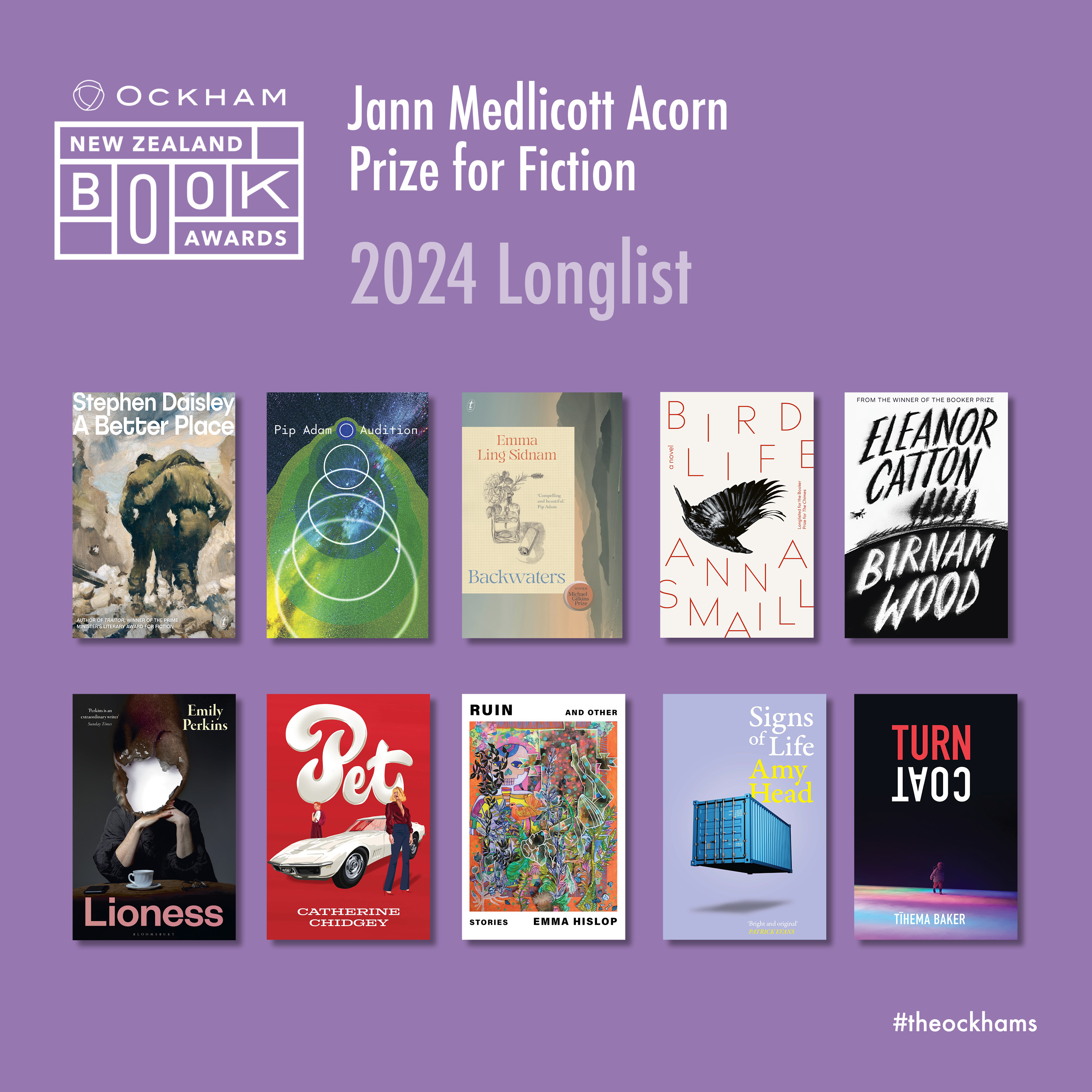
The NZ Book Awards longlist comes out so early in the year, I am often late catching up with it. There are longlists for fiction, poetry, general nonfiction and illustrated nonfiction, a total of 44 titles. The complete list can be viewed here.

2023 was a great reading year for New Zealand fiction, and author Catherine Chidgey who won last year’s fiction award for her novel The Axeman’s Carnival, is again nominated this year for her latest Pet. Both her novels were longlisted for the Dublin Literary Award 2024, a unique position to be in. This year’s longlist features eight novels and two short story collections.

From the list below, I have read three novels, though only reviewed Birnam Wood by Eleanor Catton. I enjoyed both Lioness and Pet, and may reread them to review later, as I read them during the summer months, when books tend to be devoured and not thought too deeply about.

It’s good to see two short story collections nominated that address topical themes and the intergalactic indie hit about alienation that entertains and makes its readers consider what that feels like.

The links in the titles will take you to the Goodreads descriptions of the novels. I have created or copied short blurbs to give you an idea of what they’re each about.

The Jann Medlicott Acorn Prize for Fiction longlist

A Better Place by Stephen Daisley [WWII visceral novel] – a novel about brothers at war, empathy and the aftermath. Aged 19 in 1939, Roy and his twin brother Tony enlist in the NZ Infantry Brigade. They fight in Crete where Tony dies. Burdened by the loss of his brother, Roy continues to Africa and Europe.

Audition by Pip Adam [Science Fiction/Dystopia] – a novel, part science fiction, part social realism that asks what happens when systems of power decide someone takes up too much room – about how we imagine new forms of justice, and how we transcend the bodies and selves we are given.

Backwaters by Emma Ling Sidnam [family history/belonging] – debut novel by award-winning New Zealand poet about a 4th generation New Zealander struggling with a sense of identity and belonging.

Laura is tired of being asked where she’s really from. Her family has lived in Aotearoa New Zealand for four generations, and she’s ambivalent at best about her Chinese heritage. But when she’s asked to write about the Chinese New Zealander experience for a work project, Laura finds herself drawn to the diary of her great-great-grandfather Ken, a market gardener in the early years of the British colony.

Bird Life by Anna Smaill [literary fiction/magical realism] – A lyrical and ambitious exploration of madness and what it is like to experience the world differently. Smaill teases out the tension between our internal and external lives and asks what we lose by having to choose between them.

In Ueno Park, Tokyo, as workers and tourists gather for lunch, the pollen blows, a fountain erupts, pigeons scatter, and two women meet, changing the course of one another’s lives. Two women deal with individual traumas, form an unlikely friendship, helping each other see a different possible world.

Birnam Wood by Eleanor Catton [Eco Mystery/Thriller(y)] – an eco-thriller of sorts that considers intentions, actions, and consequences, an unflinching examination of the human impulse to ensure our own survival. Featuring green activists, politician farmer and his wife, a tech billionaire and the lone wolf investigative journalist with a past.

Lioness by Emily Perkins (Literary Fiction/Blended Family, Second Wife Drama) – a novel of a woman’s self doubt and shifting place in second families and relationships.

Trevor and Therese are a power couple living in the capital city, he is a developer and she runs a chain of fashion boutiques. That’s the exterior. At home, there is his adult family (issues) to contend with and her uncertain place in a scenario that is rapidly shifting when his deals come under scrutiny and his children make increasing demands. Increasingly, she finds refuge elsewhere, inviting another kind of risk into her precarious existence.

Pet by Catherine Chidgey [Coming of Age/School Drama/Literary Fiction] – Set in New Zealand in 1984 and 2014, traversing themes of misplaced trust, bullying, racism and misogyny, a chilling novel that explores the consequences of age old complacency and silence.

Like every other girl in her class, twelve-year-old Justine is drawn to her glamorous, charismatic new teacher, and longs to be her pet. However, when a thief begins to target the school, Justine’s sense that something isn’t quite right grows ever stronger. With each twist of the plot, this gripping story of deception and the corrosive power of guilt takes a yet darker turn. Young as she is, Justine must decide where her loyalties lie.

Ruin and Other Stories by Emma Hislop (Kāi Tahu) [Short Stories on Being A Woman/Friendship/Relationships/Power] – Moving between contemporary New Zealand and London, a debut short story collection that explores power and its contortions, powerlessness and its depravities, and the ends to which we will go to claim back agency.

Women and girls walk a perilously thin line between ruin and redemption in these stories as they try—with varying degrees of success—to outmanouver the violence that threatens to define their lives.

There’s the physical violence of men against their bodies—and sometimes the violence they exact in revenge. While doubts about a romantic partner, an abandonment by a sister, the fallout of a parent’s porgnography addiction, the betrayal of a friend, even the desire to touch a stranger’s fur-like body are subtler aggressions that pack their own kinds of punches.

Signs of Life by Amy Head [short stories/earthquake/post recovery] – A ‘lest we forget’ collection.

Christchurch, post earthquakes, the earth is still settling. Containers line the damaged streets, inhabitants waver – like their city – suspended between disaster and recovery. Tony, very much alive, is declared dead, Gerald misreads one too many situations in his community patrol, and boomer Carla tries online dating. At the epicentre of these taut, magnetic stories is 20-something Flick who, just as she is finding her feet, faces a violent disruption – this time in human form – while her mostly-ex gets set to marry. Keenly observed, deftly humorous, Signs of Life turns on the smallest of details to show how we carry on.

Turncoat by Tīhema Baker (Raukawa te Au ki te Tonga, Ātiawa ki Whakarongotai, Ngāti Toa Rangatira) (Science Fiction/Literary Political Satire/Indie smash-hit!) – a futuristic novel about an idealistic human, that explores the effect of being colonised and serves as a commentary on the experiences of Māori public servants while inviting Pākehā to imagine that experience.

Daniel is a young, idealistic Human determined to make a difference for his people. He lives in a distant future in which Earth has been colonised by aliens. His mission: infiltrate the Alien government called the Hierarch and push for it to honour the infamous Covenant of Wellington, the founding agreement between the Hierarch and Humans.

With compassion and insight, Turncoat explores the trauma of Māori public servants and the deeply conflicted role they are expected to fill within the machinery of government. From casual racism to co-governance, Treaty settlements to tino rangatiratanga, Turncoat is a timely critique of the Aotearoa zeitgeist, holding a mirror up to Pākehā New Zealanders and asking: “What if it happened to you?”

Shortlist Annoucement

The 2024 Ockham New Zealand Book Awards shortlist will be announced on 6 March, 2024.

The Jann Medlicott Acorn Prize for Fiction will be judged by reading advocate and former bookseller Juliet Blyth (convenor); writer, reviewer and literary festival curator Kiran Dass; and fiction writer Anthony Lapwood (Ngāti Ranginui, Ngāi Te Rangi, Ngāti Whakaue, Pākehā). They will be joined in deciding the ultimate winner from their shortlist of four by an international judge.

The winner of the Jann Medlicott Acorn Prize for Fiction will receive $65,000.

A Year of Reading New Zealand Literature

In 2024, Lisa at ANZLitLovers and Theresa at TheresaSmithWrites will celebrate the rich literary heritage of Antipodean writing by joining forces to spend a year discovering New Zealand fiction. 

Reading from their TBR and whatever else comes their way, they’ll be posting reviews on their blogs and sharing via social media using the hashtag #AYearofNZLit

Follow them or join in if you’re interested in reading Kiwi fiction!

Valentino (1957) by Natalia Ginzburg tr. Avril Bardoni (Italian), Intro by Alexander Chee

The more I read of the Italian author Natalia Ginzburg, the more I am hooked.

Valentino leads the reader along, thinking you are reading a straight forward story, until you arrive at the point of realising that your reactions are judgements and the book holds up a mirror to our own conditioning. And that is how it feels reading it in 2024. I can’t even imagine the storm it likely raised when published in 1957.

Little Sense or Sensibility

novella Italy parody fiction gender conditioning

Valentino is a short novella narrated by Caterina, who is training to become a teacher. She lives with her father, a retired schoolteacher, her mother, who used to give piano lessons and her brother, Valentino who does very little, but whose medicine studies and equipment cost a lot.

we had to help my sister who was married to a commercial traveller and had three children and a pitifully inadequate income, and we also had to support my student brother who my father believed was destined to become a man of consequence. There was little enough reason to believe this, but he believed it all the same and had done ever since Valentino was a small boy and perhaps found it difficult to break the habit.

Valentino spends his time playing with a kitten, making toys out of scraps of material, dressing up and admiring himself. A string of engagements to teenagers raise false hopes and always end the same way – broken. So when he announces he will be married within the month, naturally the family expect the pattern to continue.

What a Wife Can Be or Not to Be

So when he turned up with his new fiancée we were amazed to the point of speechlessness. She was quite unlike anything we had ever imagined.

We learn of all the family members reactions to this new fiancée, with the exception of the father.

he was about to launch into a long speech about what was the main consideration but my mother interrupted him. My mother always interrupted his speeches, leaving him choking on a half-finished sentence, puffing with frustration.

A Man of Consequence, The Weight of Expectation

Photo by W R on Pexels.com

Valentino is oblivious to the reactions and judgements of his family and continues to act and communicate as he always has, holding nothing back, expecting everyone to be happy for him.

Is he fearless? A truth teller who doesn’t hide things or worry about what others think of him? Is he a narcissist? He is a wonderful character because he is like the mystery at the centre of the story. Who don’t quite know who he is because he isn’t acting as everyone including the reader might expect him to.

His father lost for words, does not understand that what he is witnessing is the incarnation of his desire, his son is indeed becoming a man of consequence, just not in the way he had expected.

Valentino is captivated by his wife, by her look, her intelligence, her culture. She showers him in gifts, he has upended social convention, insulted the patriarchy and all who prop it up.

My father said he would go to have a talk with Valentino’s fiancée, but my mother was opposed to this, partly because my father had a weak heart and was supposed to avoid any excitement, partly because she thought his arguments would be completely ineffectual. My father never said anything sensible; perhaps what he meant to say was sensible enough, but he never managed to express what he meant, getting bogged down in empty words, digressions and childhood memories, stumbling and gesticulating. So at home he was never allowed to finish what he was saying because we were all too impatient, and he would hark back wistfully to his teaching days when he could talk as much as he wanted and nobody humiliated him.

Out of Place

Once they are married, it is his family that feels out of place, ill at ease. Valentino is easily able to be among his wife’s friends and family as well as his own. He does not feel undeserving or unworthy of their company or his newfound social status. Neither is he aware of the dilemmas facing his family.

It is best not to share too much of the storyline, but to discover it yourself, because every page is a wonderful discovery, of thought provoking insights into the human condition and the reaction of those around us when one defies convention and how they too can be displaced when set down inside an unfamiliar environment.

When Caterina finishes her diploma and gets a job, we observe how Maddalena’s offer to house and feed her, though on the surface seems attractive, acts to disempower her, denying her independence and supporting a selfish desire. Through the unconventional marriage, we see the ridiculousness of gender conditioning all the more clearly.

I thought it was absolutely brilliant, the way Ginzburg has created these two characters, upending societal norms and inverting typical behaviours.

Highly recommended.

Author, Natalia Ginzburg

Natalia Ginzburg (1916-1991) was born in Palermo, Sicily. She wrote dozens of essays, plays, short stories and novels, including Voices in the EveningAll Our Yesterdays and Family Lexicon, for which she was awarded the prestigious Strega Prize in 1963.

Her work explored family relationships, politics and philosophy during and after the Fascist years, World War II. Modest and intensely reserved, Ginzburg never shied away from the traumas of history, whether writing about the Turin of her childhood, the Abruzzi countryside or contemporary Rome—approaching those traumas indirectly, through the mundane details and catastrophes of personal life.

She was involved in political activism throughout her life and served in the Italian parliament between 1983 to 1987. Animated by a profound sense of justice, she engaged with passion in various humanitarian issues, such as the lowering of the price of bread, support for Palestinian children, legal assistance for rape victims and reform of adoption laws. 

She died in Rome in 1991 at the age of seventy-five.

Further Reading

My review of Ginzburg’s memoir, Family Lexicon (1963)

My review of Ginzburg’s debut novel The Dry Heart (1947)

Interview with Alexander Chee: On Natalia Ginzburg’s Valentino by Sander Pleij, 6 May 2023

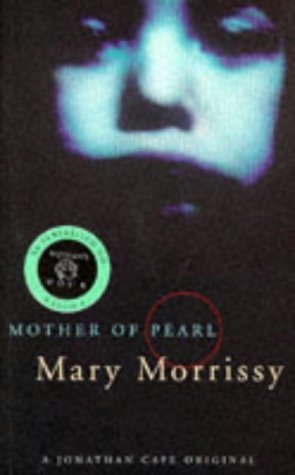
Mother of Pearl by Mary Morrissy

I decided to read Mother of Pearl (1996) as a precursor to Mary Morrissy’s latest novel Penelope Unbound (2023), a re-imagined and slightly changed life of Nora Barnacle (the wife of James Joyce) which I intend to read in 2024. Having enjoyed Nuala O’Connor’s excellent novel Nora, I’ll be curious to see where Morrissy takes her.

It is only now, since the death of Joyce’s grandson Stephen in 2020, one of the most litigious heirs in history, that stories can safely be written about Nora and James Joyce – as Stephen did all he could to prevent access or usage of the family archive, including the destruction of hundreds of letters. James Joyce, a brilliant writer with an overprotective grandson

It seems that Mary Morrissy likes to take inspiration from real life characters or stories, and so it was with Mother of Pearl. A little backstory then before reviewing the novel.

Truth Stranger Than Fiction

A notorious baby-snatching case in 1950’s Ireland was the inspiration for Mary Morrissy’s Mother of Pearl. Re-imagining elements of that story, rather than retelling the facts was a decision she made because the truth would have come across to readers as unbelievable. Morrissy in an article on her website explains:

Elizabeth Browne 1950 Dublin kidnap victim

Elizabeth Browne, above, was kidnapped from a pram on Henry Street in Dublin on November 25, 1950. Her kidnapper, Mrs Barbara McGeehan, who lived in Belfast, took her north on the train and passed her off as her own child to her unsuspecting husband.

Four years later – and this is where truth is stranger than fiction – Mrs McGeehan travelled south again and stole another child, this time a boy, Patrick Berrigan, from outside Woolworths on Henry Street. As luck would have it, a fellow passenger on the Belfast train noticed Mrs McGeehan, in particular that she had no milk for her baby, and went to the dining car to get some. Afterwards when the alert was raised about the Berrigan baby kidnap, she remembered this incident and contacted the police.

Mrs McGeehan was traced to her home in the White City estate in Belfast where police found the Berrigan baby and the four-year-old Elizabeth Browne, now renamed Bernadette. In these pre-DNA days, she was identified by a distinctive birth mark, and her parents, news-vendors John and Bridget Browne, travelled to Belfast to claim her.

Identity Trauma

What interested Morrissy in particular, was the identity trauma of a four-year-old being forcibly removed from a loving home and familiar “parents” and being returned to a family, who though biologically related, were strangers to her.

Clearly this was something Elizabeth’s parents thought about or experienced the repercussions of, because there was another twist, a strange fact that once again did not go into the novel. After Mrs McGeehan served her two year jail year sentence for the kidnap, the Browne family contacted her. Following their reconciliation, every year Elizabeth would travel to Belfast to spend a holiday with the very same woman who had kidnapped her.

Though Elizabeth would marry and have her own family, sadly she died at the very young age of 38 years from cancer.

The Novel, A Dark Re-Imagining

A novel in three parts, Mother of Pearl explores perspectives in three women’s lives, the first two will mother the same child, the third is that of the child grown – the consequence of a repressed childhood, of events never talked about, of the effect of those events and years and the suppression of them, on her psyche.

Part 1 – We meet Irene in Granitefield sanotorium, an institution where she spends some years due to having contracted TB. She willingly leaves her family behind and finds some kind of comfort in the hospital environment, electing to remain there as an employee long after she has recovered from her illness and might easily have left.

The operation, they told her, had saved her. But she had lost four of her ribs, cracked open by a giant pair of shears…Without her ribs Irene felt as if part of her protection against the world had been removed.

Standing vigil, she is known to recognise the imminence of death patients. One in particular will be kife changing.

Irene knew the moment she saw Stanley Godwin that he was watching someone beloved die. Healthy people keeping vigil seemed to take on the symptoms of the disease.

This son, who is with his mother, suddenly understands the implications of his mothers death, of the great loss and hole in his life, her absence will mean for him. His attention moves towards Irene.

Inwardly he was quaking. He could comprehend the impending loss; what he couldn’t imagine was his life afterwards. A middle-aged man about to be granted unwanted freedom.

Outside of the institution, longing for a child she knows will not come, brooding on her own losses, Irene succumbs to fantasies and one day indulges her desire, removing a sickly child from a hospital, a baby she names Pearl.

This was her offspring, hers alone, the child of her illness, Irene’s first loss. And she was still out there. Not dead, simply lost. In a hospital ward somewhere, unclaimed, waiting for her mother. This time Irene determined she would tell no one, not even Stanley. She would seek out the child who was rightfully hers, the fruit of Eve’s ribs.

Part 2 – We meet Rita, who becomes Mrs Mel Spain, mother of the baby she had not initially realised how much she wanted, until the day she is taken from her. And the husband Mel, son of an absent father, who feels a yearning to follow in his carefree footsteps.

It didn’t stop Mel wondering, however, how his father had managed the extraordinary trick of disappearing into thin air. He had become invisible by simply walking out of his life. Ten years after the event, as he nursed his fourth drink of the night, Mel finally understood how easy it must have been. It was not, as he had always thought, a daring but calculated move; it was a matter of impulse and extreme selfishness.

Part 3 – we meet the child, a child who remembers little of her early life, who is told stories that don’t resonate with the dream-like memories she has, who feels like an outsider in her family and can not explain to herself why.

Exploring themes of loss, abandonment, denial, Mother of Pearl takes us inside the dysfunction of family, of obsession with and rejection of a child, of the long-lasting impact on those formative years of the compromised adult that will little understand their own inclination(s), as those threads of early development and the scars of traumatic events imprint on their psyche and affect their future selves.

A compelling and thought provoking read that is all the more astounding given the events that propelled the author to recreate such a situation.

Further Reading

The Guardian: Penelope Unbound by Mary Morrissy review – masterly alternative life of Nora Barnacle by John Banville

JSTOR Interview With Mary Morrissy, Studies, An Irish Quarterly Review Vol. 87, No. 347 (Autumn, 1998)

Author, Mary Morrissy

Mary Morrissy was born in Dublin in 1957.  She has published four novels – Mother of Pearl (1995), The Pretender (2000), The Rising of Bella Casey (2013) and Penelope Unbound (2023) and a collection of short stories, A Lazy Eye (1993). 

She won a Hennessy Award for short fiction in 1984 and a prestigious US Lannan Literary Foundation Award in 1995.  Mother of Pearl was shortlisted for the Whitbread/Costa Award and longlisted for the Women’s (Orange)Prize for Fiction (1996) while The Pretender was nominated for the Dublin Impac Award and shortlisted for the Kerry Group Irish Fiction Award. The Rising of Bella Casey was nominated for the Dublin Literary Award.

A member of Aosdána, she is a journalist, a teacher of creative writing and a literary mentor. She blogs on art, fiction and history at marymorrissy.com

“I suppose I explore a female kind of darkness. My characters tend to be very restricted, restricted emotionally, I mean, by fear and guilt and an inability to move in and inhabit the centre of their own lives. And despite all our so-called modernity, I think this still holds true for thousands of women. We may have broken away from the traps of our mothers’ generation, but there is a long way to travel before women have, if I may use the phrase in this context, parity of esteem. - Interview with Mary Morrissy, Studies, An Irish Quarterly Review Vol. 87, No. 347 (Autumn, 1998)

The Booker Prize Winner 2023

Back in August the Booker Dozen 13 novels were longlisted for the Prize, which in September became a shortlist of six novels, and today a winner announced.

The judges were looking for the best work of long-form fiction, written in English, selected from entries published in the UK and Ireland between 1 October 2022 and 30 September 2023.

I read two from the longlist, both Irish novels that I very much enjoyed, Sebastian Barry’s Old God’s Time and Elaine Feeney’s How To Build A Boat. Sadly, neither made the shortlist below, but another two Irish novels did make it, The Bee Sting by Paul Murray which just won the Irish Novel of the Year and Paul Lynch’s Prophet Song.

From this shortlist of six novels, the winning novel is:

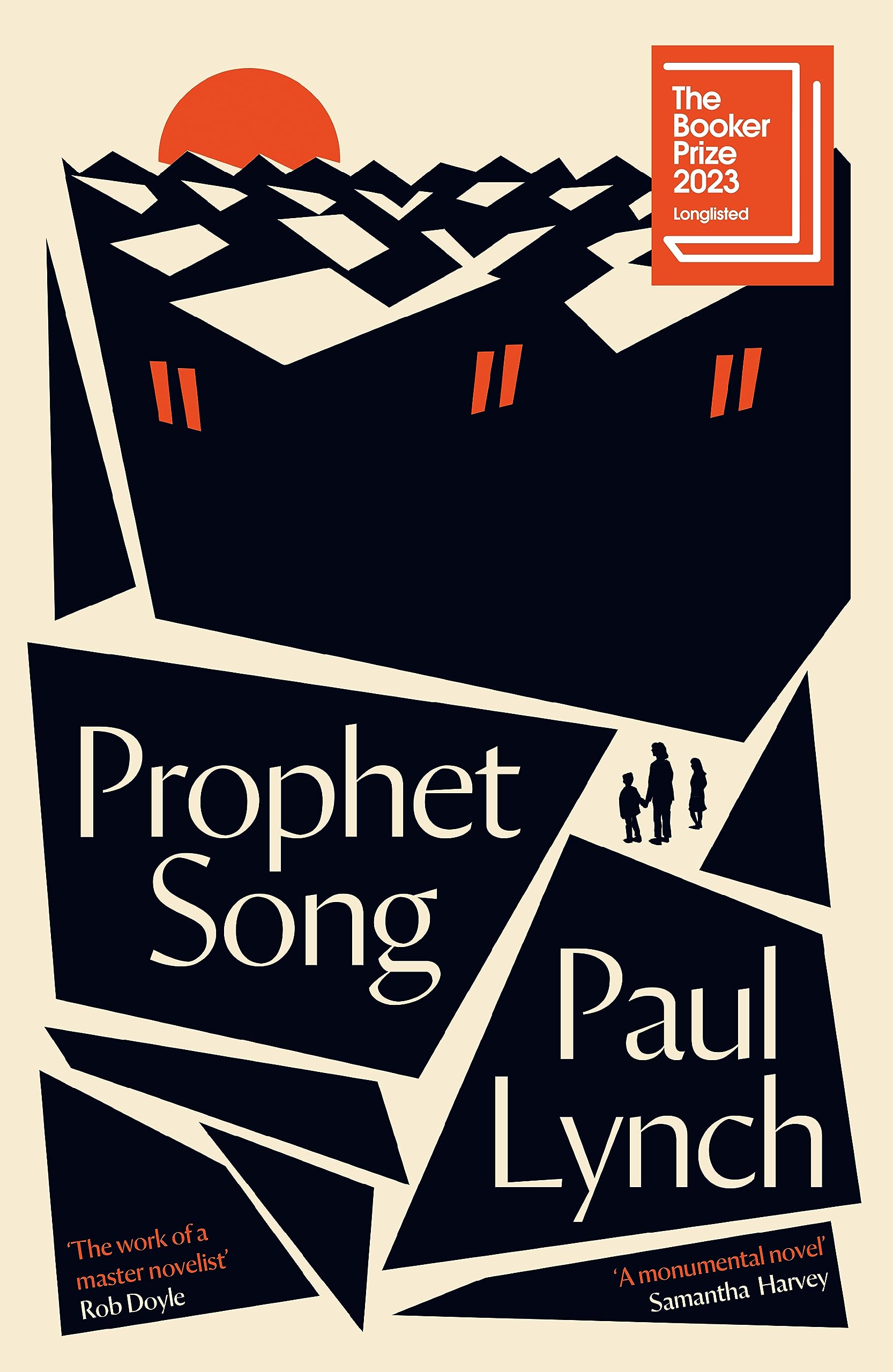
Prophet Song by Paul Lynch

Why You Should Read This Book According to the Judges

How would you summarise this book in a sentence to encourage readers to pick it up? 

Prophet Song follows one woman’s attempts to save her family in a dystopic Ireland sliding further and further into authoritarian rule. It is a shocking, at times tender novel that is not soon forgotten.  

Is there something unique about this book, something that you haven’t encountered in fiction before? 

The prose is a feast, with gorgeous rolling sentences you sink into. A stylistic gem.  

What do you think it is about this book that readers will not only admire, but really love? 

It is propulsive and unsparing, and it flinches away from nothing. This is an utterly brave performance by an author at the peak of his powers, and it is terribly moving.  

Can you tell us about any particular characters that readers might connect with, and why? 

Eilish is our guide through this relentless world, and we feel as deeply as she feels. The situations are sometimes dire, and yet she remains resilient, determined and, above all, human. She breaks our hearts. 

Although it’s a work of fiction, is there anything about it that’s especially relevant to issues we’re confronting in today’s world? 

Far from didactic, the book warns of the precarity of democratic ideals and the ugly possibilities that lie beyond their desecration. 

Is there one specific moment in the book that has stuck in your mind and, if so, why?  

Prophet Song has one of the most haunting endings you will ever read. The book lives long in the mind after you’ve set it down.

* * * * * * * * * * *

That’s a wrap, the end of the literary award season 2023.

Have you read Prophet Song, or if not, do you think you might be tempted to read it?