
 Well, this is a first for me, a read along!
Alexander Pushkin’s Eugene Onegin has long been on my list of books to read, since it was gifted to me by husband many years ago. I don’t know why it seemed to intimidate me, since I loved long prose poems as a teenager, especially that other Alexander – Alexander Pope.
The book is a verse novel and I’m reading the Penguin Classic version translated by Charles Johnston with an introduction by the novelist and literary critic John Bayley (husband of the late Iris Murdoch).
So I’m a little late finishing, but I have read the first two chapters and have a few basic impressions, though not much idea of the story, without reading outside the text.
So, I’ll follow Tanglewood’s lead (hosting this read-along) and try to answer her questions:
First impressions of Eugene?
A bit of a dandy? Son of a lavish spender who clearly didn’t instill much of a work ethic into his son. Then thanks to the legacy of a rich Uncle, he will spend more time in a dressing room, than any character I’ve ever read of.
Eugene turned countryman. He tasted
the total ownership of woods,
mills, lands and waters – he whose goods
till then had been dispersed and wasted –
and glad he was he’d thus arranged
for his old courses to be changed.
Not interested in history or politics or activism, he possesses a wealth of well polished stories to offer at the many social engagements he attends. Hates the Greek heros and prefers the theories of economics. Something of a chameleon, a charmer, dare I suggest, a manipulator, seducer? Prefers balls to ballet, the city to the countryside, yet tolerates boredom, cynicism suits him.
Chapter One introduces Eugene while chapter two introduces the characters he meets when he moves to the countryside, descriptions of Eugene are superficial, he lacks depth, something he may encounter soon perhaps.
What do you make of the narrator’s commentary?
I find the commentary more accessible than I thought, certainly it’s easier to interpret than Shakespeare and mildly humorous with its frequent drift into French words and an “I’ll write how I like” attitude, although it’s difficult to know when reading a translation, fortunately the French isn’t translated, so we have a better appreciation for the play with words intended.
Thoughts on the characters in Chapter 2?
Chapter Two begins to broaden the range of characters and they provide a welcome contrast to Onegin and the possibility of assisting him perhaps to see things through different eyes. He is charmed by his friend, the poet Vladimir Lenksy and enjoys listening to his outpourings of emotion:
He roamed the world, his lyre behind him;
Schiller and Goethe had refined him,
and theirs was the poetic flame
that fired his soul, to burn the same;

Olga, the subject of the poets verses since boyhood, the loved one and her elder sister Tatyana, the dreamer, the loner, living vicariously through her books.
I can see why it’s good to read and reread, even going back and reading earlier passages from yesterday seem to enlighten the story further. So forgive my ignorance as I trundle forward for the first time, slowly discovering what it is I am reading.
Click here to read the follow up review of Eugene Onegin Chapters 3 & 4




 Now she has turned her pen and research skills towards the diary and letters of a Victorian lady, Mrs Isabella Robinson, an impulsive, intellectual woman, widowed young and remarried to an uninterested man who seemed to require nothing more of her than to keep house and children in order, a role she fulfilled, but was not content to be limited to and thus her attentions strayed towards the happily married Dr Edward Lane.


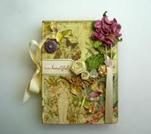 Fefa opens the book hesitantly, finds the pages blank within but wide open to her imagination, a place where she can write unobserved, in any way she wishes.
 “After my mother
 Long awaited and much anticipated (by me), Susan Hill’s ghost story ‘The Woman in Black’, though first published in 1983, is experiencing something of a revival with
  The story unfolds as we are taken back to his early days as a young solicitor, journeying to the cold, misty, windswept marshes of Crythin Gifford where he must wind up the affairs of the recently deceased Mrs Alice Drablow. Ever prosaic, he takes the responsibility in his stride and tries to ignore the reluctance of locals to engage with him or have anything to do with the matters of the deceased widow and the eerie Eel Marsh House.
 Suggested by a local book club and interested in an outsider’s perception of life in France, I find myself in the company of Elaine Sciolino, Paris bureau chief of the New York Times between the pages of her alluring book.
 The book describes a world and a manner of being I know little about, despite living within its midst these past six or so years; but Paris, like many large cities is not necessarily typical of the rest and after listening to others discuss this book, opinion is indeed varied, some suggesting ‘la seduction’ old fashioned, a prerogative of certain social classes, political circles or even pure fantasy. I tend to think there are sufficient anecdotes to say oui to all of those suggestions.
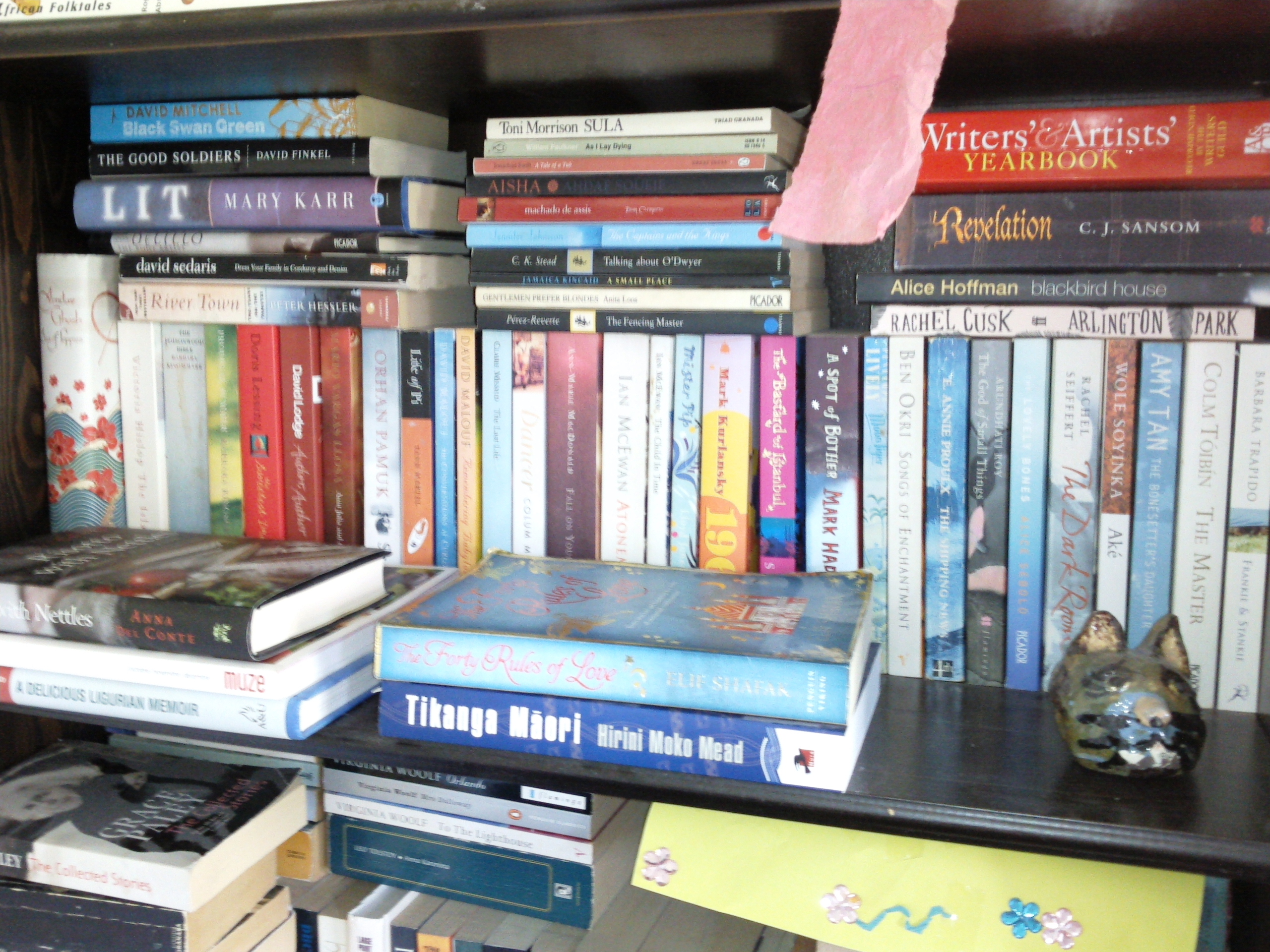


 Having recently discovered and read Yoko Ogawa’s
 The housekeeper arrives each morning and introduces herself as if they have never met. Slowly, she and her ten year old son, whom the Professor refers to as Root – a reference to the square root sign and his hair, are drawn into the Professor’s reduced world where numbers reign supreme and the two visitors begin to understand the magic and meaning behind what they had always thought of as ordinary numbers.
 Word by Word