Daphne’s Dilemma – Part II

Click here To Read Daphne’s Dilemma – Part I first

Annie was my first horse. No thoroughbred, she was what some might call an ‘old nag’, not tall enough to be called a horse, just an unexceptional, somewhat lazy pony.

Chocolate brown and rotund, she liked to spend her days grazing in the paddock getting fatter and fatter. She was slow and patient and a good pony for my sister and I to ride on, though she did have a couple of stubborn habits. Sometimes she would turn her head when we put our foot in the stirrup and try to nip us on the backside.

She also had a habit of pulling her head down quickly to eat grass if we paused for a few seconds. Knowing this, we kept a firm grip on the reins to prevent her from eating, to which she would retaliate by throwing her head forward with a sudden jerk, flinging the reins out of our hands. Sliding down her neck to rest behind her ears, the reins then became impossible to reach without dismounting. We had to climb off, lead her alongside a log to give us extra height so our feet could reach the stirrup, or find a sheep track on a steep part of the hillside so we could jump back on, hoping she didn’t move while we attempted such daredevil tactics.

Annie had been pregnant and due to give birth. We had stopped riding her and Dad had put her in a different paddock from where she was usually kept. Every day she would come up to the fence so she could see the other horses in the adjoining paddocks, until that day she stopped coming.

“That’s strange” Dad had said, “I haven’t seen Annie. Perhaps she has had her foal and moved away from the fence-line to be nearer water.” Steep limestone cliffs lay beyond the trees where the soil was damp from underground water springs. It is a dangerous area, my father later agreed, but animals have good instincts he’d said.

Limestone CliffsImages of water, slippery rock and a pregnant horse left me with a sick feeling in my stomach and that racing heart. A heavy black cloud descended as we waited for Dad to return from his search, one we were forbidden to participate in. He returned alone. He had found Annie lying bloated and very dead at the foot of one of the cliffs. She had been about to give birth, he said.

I wished I had gone searching for her the day before, I wished we could have anticipated the risk, I wished so hard that we could rewind those days and she would be back up at the fence-line neighing to the other horses. I did not mind that she was bad-tempered, ate too much and tried to bite us, I just wanted her back and to remove forever that terrible helpless feeling in the pit of my stomach.

*

I walk up to the cottage when I see the distant figures of cow, man and dog disappear out of sight behind the trees between the airstrip and the shepherd’s cottage. When I arrive, there is Daphne, fat as ever but no calf. Dad leads her to the steel gate that opens into the main paddock in front of the house. Opening the gate right back on its hinges, he sandwiches her into the space between the gate and the fence. There is no chance of her bolting.

Now that she is standing still, I can see a tiny pair of hooves emerging from the much swollen, pink, fleshy area beneath her tail. I am told she is having difficulty and seems to have given up pushing. Dad rolls up his sleeves just like he would on a lambing beat, to lend a helping hand. Literally. He puts his hand inside that swollen, pink, fleshy area and tries to get a grip further up the protruding legs to assist the calf to come out. The legs emerge a little further but nothing more.

“It’s a big calf alright” he says as he tries again, “but she doesn’t wanna budge.” I walk to the corner where the gate meets the fence to check out Daphne’s face. She has an angry look, I struggle to find any glimmer of recognition in those big frowning, brown eyes.

She is flicking her tail down the other end, back and forth like a fly swat. It is easy to see she is not impressed with her captivity or the interference with her private cow parts. She will get used to it though, this is to become a familiar setting, to be locked in a tight holding area while my father sits on his small wooden stool in front of her hind leg to commence with the ritual morning teat pulling,  ‘milking the house-cow’ as we say.

After a few more attempts at hand assisted birth, Dad comes up with the idea to tie a rope around the calf’s ankles and pull it out. He knows he must be careful not to pull too quickly, as this could endanger Daphne’s reproductive equipment. He must be careful in case those contracting muscles suddenly give way, that could land him and the calf on the ground with a heavy thump, another scenario he wishes to avoid. He pulls as carefully and as strongly as he dares, but still nothing more than the front legs emerge. Daphne is beginning to protest. She starts to bellow loudly and tries to sit down. She has had enough.

“Get up you old bitch” Dad bellows back, thumping his hand on her rump. I cast him my own angry look but keep silent. I know she has to stay standing and the calf has to get out, we could lose them both if she gives up.

“Come on Daphne, you can do it” I say under my breath, just like I did two years ago while leading her around the obstacle course at the agricultural calf club day at school.

Finally Dad announces that he is going to get the tractor. The tractor! What is he going to do with the tractor?

He comes back with his old Massey Ferguson tractor and parks it in front of Daphne’s rear end. He ties the rope to the tractor, puts it in its lowest gear and very slowly inches it forward until the head of the calf emerges, followed by a loud bellow from Daphne.

Leaving the tractor running in neutral, he pulls on the hand brake, jumps out of the seat and returns to the calf just in time to catch it as it makes its first tumble into the outside world.

The calf is covered in a light, greasy film and as Dad moves the tractor away, I close the gate to let Daphne move from her confined position. She immediately turns around, puts her head down, sniffs her new-born calf and begins licking it.

The calf puts its front legs forward and tries to lift itself off the ground. The first attempt is unsuccessful; he is a little unsteady on his feet. But with the second attempt he manages to stand and begins to butt at his mother, searching for that universal elixir of life, ‘mother’s milk’.

The End

Daphne's Calf

Daphne’s Calf

Daphne’s Dilemma – Part I

Daphne is pregnant.

She is no longer my teat sucking, sun frolicking pet calf, she has matured into a fully grown cow. She doesn’t even look like my Daphne anymore – but I know it is her because I recognize the familiar black and white patchwork pelt she wears and she still walks up to me in the paddock, something no other cow will do.

I no longer feed her milk from a bottle, nor offer my hand to her once willing, hungry mouth; the welcome teat substitute she liked to suckle in a noisy rhythmic motion, her rough sand-paper like tongue producing sticky foam milk bubbles from the sides of her mouth. She is almost ready for milking now. We will be digesting the warm, nutritious contents of her udder with our Weet-Bix very soon.

CowWhen I say she doesn’t look like my Daphne anymore, it is her face that I am referring to. When she was a calf she had an eager, yearning sort of facial expression, a hungry face, hungry for her next feed and starving for my affection. Now she has a mature cow’s face – I’ve noticed that with all the calves, when they grow up they stop smiling. Something happens as their facial features mature that makes their grown up expression more like a frown than a smile, they no longer exhibit the contentedness of frolicking calves, high on powdered milk and the scent of fresh spring pastures.
So Daphne has a mature grown up look now, but despite this I know she remembers me, even though those baby calf memories of less than two years ago for me, are the equivalent of nine cow years ago for her.
Sweet scented Daphne is both my mother’s favorite fragrant, flowering shrub and the name of her mother, our Nana. I have always loved this name and thought that everyone would understand and appreciate the gesture, to name my pet calf after my very dear grandmother and something sweet-smelling and adored by my mother. Unfortunately my parents didn’t agree, though they allowed me to keep the name, they just made sure that Nana was never to learn of the esteemed honor I had gifted her.

Daphne is really fat now, she has a baby calf inside her and this morning at breakfast Dad announced she is ready to drop. At lunch there is a call from a neighbor to say he has seen a cow in distress down by the airstrip gate. Although I don’t hear the words myself, I can tell from what Dad is saying that it is my Daphne. I know because I feel this terrible pain in my chest and stomach, my heart is beating way too fast, there is a dry lump in my throat and I can’t even finish my favourite cold roast lamb and home-made chutney sandwich. I haven’t experienced a feeling like this since Annie died.

“Better go take a look” Dad says, placing the receiver of the party line telephone back on its cradle and ringing off one short to let callers know the line is free. There are few secrets in this neighborhood when four families share one telephone line and bored operators sit with nothing better to do than listen in. I imagine by tonight everyone will have heard about Daphne.

“I’m coming too” I say, pushing back my chair and getting up from the table.

“No, you stay put for now, finish your lunch and help your mother clean up first. I’ll bring ‘er up to the yards next to the shepherd’s cottage. You can meet us up there. It’s best not to have too many people around, you know they’re warrant to get a bit spooked and we don’t want ‘er taking fright and bolting off down by that big hole.”

“Alright” I mutter, slumping back in my chair, arms crossed, appetite ruined. I know what he says makes sense, though I don’t believe she will be scared off because of me. More likely those yapping dogs that never listen when you shout ‘Shut Up!’ or ‘Get in behind!’ I’d like to say, but don’t.

Animals’ giving birth is a common and natural event in the spring, although here it is more common to see thousands of sheep giving birth, not so many cows and a very large pet giving birth is a new experience for us. Pet lambs always go back into the main flock before they became adult sheep, so we never know whether they give birth or not, but despite the familiarity with animals giving birth, I am worried about Daphne.

I too have matured in these past two years, I am about to go off to boarding school in the city away from my family; I know I am old enough not to become attached to farm animals, but somewhere in a dark chamber of my mind, a closed-door of slumbering memories has drifted open and I cannot stop the rush of disturbing flashbacks which enter my mind and begin to replay that terrible thing that happened to Annie.

Daphne’s Dilemma – Part II 

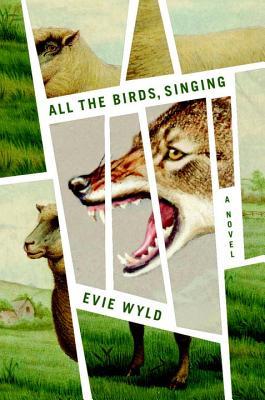
All the Birds, Singing by Evie Wyld

All the BirdsAn Australian woman named Jake Whyte has bought a farm on an unnamed remote island somewhere off the coast of England and although she has lived there alone for years, it is as if she has only just arrived, there is reticence, suspicion, distrust, an unwillingness to engage, to form new relationships or retain old ones.

In the opening paragraphs she visits a farm shop and we don’t get any sense that they know each other, there is no acknowledgment of neighbourly acquaintance. She is suffering from the violent loss of yet another of her 50 sheep that she farms with the help of her dog, Dog.

As the present day narrative progresses towards the mystery of the creature that is mauling her flock of sheep, alternate chapters reveal her past in Australia, from a point some years ago when she was working in a shearing gang back through a year or so living in remote countryside with a man, to her adolescent years and the significant event that caused her to run the first time. Is she a fugitive?

I was intrigued by the references to farm life and her stint working in a shearing gang, experiences I am familiar with. I grew up on a large sheep farm, and remember the job of ‘rousie’ (a wool handler) as we call it in New Zealand, not only working during school holidays helping out at home, but I spent a summer when I was 17 working for a local shearing gang on other farms in the area, although it did not involve handing the sheep to the shearer and I couldn’t quite get my head around how anyone could do that for four shearers without getting in the way.

Being a rousie was the most physically demanding job I have ever had (more so than the summer picking pumpkins, another in a vegetable patch, the kiwifruit orchard and that unforgettable summer job in a large freezing works/slaughterhouse).

Working in a shearing gang can feel a little like qualifying for an Olympic event, because while the rousie, responsible for removing the wool off the floor out of the way of the shearer as it falls from the sheep, separating the clean from the dirty wool, is paid by the hour, the shearer is paid by the sheep/lamb.

The more sheep they can shear, the more they will earn and there are indeed big competitions and world records (see David Fagan below) for those who can shear a sheep the fastest, without nicking or cutting them –something the farmer keeps an eye on when he releases the shorn sheep from the pen, there’ll be a few harsh words to any shearer increasing his rate at the expense of bloodying those precious ewes.

The photos below are taken from a visit to my father’s farm three years ago, now that he has retired, he created this one stand woolshed by converting part of an old cowshed.  The shearer shears, while Grandpa explains to the children what happens.

This slideshow requires JavaScript.

The female narrator of Evie Wyld’s novel is tough, to be a female sheep shearer is as rare as Scottish sumo wrestling and not for the faint-hearted. Gender demarcation lines in the shearing shed haven’t changed much over the last century.

“The shed smells good. Sweat and dung, lanolin and turps. I can’t imagine being away from it.”

Ironically for all her distrust, she does allow a complete stranger to take up residence for the few days over which the story is told. He is something of a metaphor for her tendency to succumb to the one impulsive act that in her past has lead her astray and required an escape.

In that respect it could be a coming-of-age story, but there is much in terms of her character that is stunted, damaged, unresolved, that I am not sure she has transformed much, if at all by the end of the novel. It shows how an unresolved past will continue to haunt the present, if not healed.

It was an interesting read though somewhat unfulfilling for me, I had read quite a lot about it so perhaps I had higher expectations or maybe it was because I was less tolerant of the controlled narrative, I don’t mind the presence of a narrative framework as long as it doesn’t impose too much on the reading experience.

The writing was excellent and often that can be enough when the threads of a narrative don’t tie up as we want them to and certainly I am interested in reading more of her work, she is a talented writer and was worthy candidate for the Baileys Women’s Prize, though sadly this title did not make it to the shortlist.

Further Viewing

The History of Sheep Shearing in New Zealand – a wonderful short film from the NZ archives demonstrating the shearing technique.

The Golden Shears – the Olympics of Sheep Shearing – David Fagan, world record holder, 14 seconds.

Note: This book was an ARC (Advance Reader Copy) kindly provided by the publisher via NetGalley.

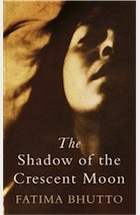
The Shadow of the Crescent Moon by Fatima Bhutto

I thought I still had quite a few pages left in my current notebook until I opened it just now to discover 20 pages of predatory animals and prehistoric looking reptiles wreaking havoc across the lines. Trying to keep an energetic 11-year-old amused in a waiting room, I lent him my notebook and black pen for a short period and this is a sample of what now intersperses my less animated prose. And I see his sister has been in here as well, quite different styles.

So with Spring well and truly here, it is time to start afresh, so a new notebook seems appropriate.

But back to my unadorned scribble within, now transferred to the screen.

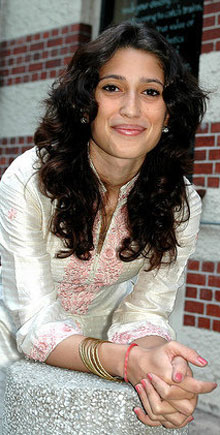
Shadow of the CrescentThis novel was longlisted for the Baileys Women’s Prize for Fiction and it was a title I had not heard of, but a name that looked familiar. Which it is, the Bhutto family name is renowned in Pakistan politics as is its tragic link with political assassination. Fatima Bhutto is part of that family, though she has said she is not interested in pursuing a political career, preferring to express herself in poetry and now this, her first novel.

It wasn’t the blurb so much that drew me to the book, it was that unique perspective that can be present in someone who has lived across different cultures and is equally at home in the East and in the West for example the Turkish writer Elif Shafak.

Fatima Bhutto was born in Afghanistan, raised in Syria, educated in the US and now lives in Pakistan. The kind of cultural traversing of frontiers that could potentially give a writer a unique perspective, no? And didn’t she once date George Clooney? Okay, not relevant, but then maybe it is.

Set in a town called Mir Ali, the story takes place over a period of three and a half hours and the chapters are labelled 9.00, 9.25, 9.53 and so on until Noon. The prologue is at 8.30am in a white house in Mir Ali on the day of the festival of Eid (the end of Ramadan). The bazaar is opening, rain threatens and a fog blankets the rooftops.

Three brothers live with their widowed mother, one of whom is married and lives on the upper floor. The brothers are Aman Erum the eldest and most recently returned home from studying in the US after the death of their father, Sikander, the middle married brother who is a doctor and Hayat, the youngest who attends meetings and seems uncertain of himself.

“Most Pakistanis thought of Mir Ali with the same hostility they reserved for India or Bangladesh; insiders – traitor – who fought their way out of the body and somehow made it on their own without the glory of the crescent moon and the star shining overhead.

But the shadow of that moon never faded over Mir Ali. It hung over its sky night after night, condemning the town to life under its shadow.”

Over breakfast, they discuss where they will each separately pray that day, not wishing to be at the same mosque should there be any danger, the first time they have done this.

“No one prays together, travels in pairs, or eats out in groups. It is how they live now, alone.”

The chapters alternate between the three brothers following their movements or reflecting on their recent past although this wasn’t clear until the end when I went back to try to understand why I felt after reading the entire book, I didn’t know the youngest brother at all and could make such little sense of the other two.

Fatima BhuttoThe character who stood out the most for me was Sikander’s wife Mina who rescues the narrative with her odd behaviour of looking up public notices of funerals and making her way to the homes of the grieving families. Something is wrong here and Bhutto has the reader in the palm of her hand teasing out what is going on with Mina and the reluctance of her husband to intervene.

Despite the format of alternative chapters for each brother, Hayat’s are very short and of little depth, which may be deliberate, but this has the effect of making him an inconsequential participant in the narrative. The first chapter on Aman makes up 20% of the novel and I almost gave up here due to the style of telling, the introduction of his childhood sweetheart Samarra providing some relief.

It was when we met Sikander that the pace picked up and the characters became more real and interesting, due in part to the odd behaviour of his wife.

The novel was heading for Noon while filling in back story and narrating an extraordinary event that Sikander and his wife encounter; the reader is anticipating something about to happen and the use of the clock is like the count down and I turn the page anticipating… well not anticipating…

Acknowledgements. The End.

I really wanted to enjoy this book, as I did with Elif Shafak’s Honour, The Forty Rules of Love and The Bastard of Istanbul , as she seamlessly traverses the East West cultural divide, but I found it lacked too many essential elements that I was unable to ignore and played into too many post 9/11 clichés, leaving little room for hope or healing.

Baileys Women’s Prize for Fiction Shortlist 2014

Baileys logoThings are a little busy in this part of my world currently, but I have just seen the announcement of the shortlist of the Baileys Women’s Prize and given the result, I don’t feel so bad about not having yet written reviews of two novels that were on the longlist, that I recently read.

They were Fatima Bhutto’s The Shadow of the Crescent Moon and Evie Wyld’s All the Birds, Singing. I am sorry to say that I did not enjoy either of them.

But on to the shortlist!

The six novels chosen are:

Americanah (2)

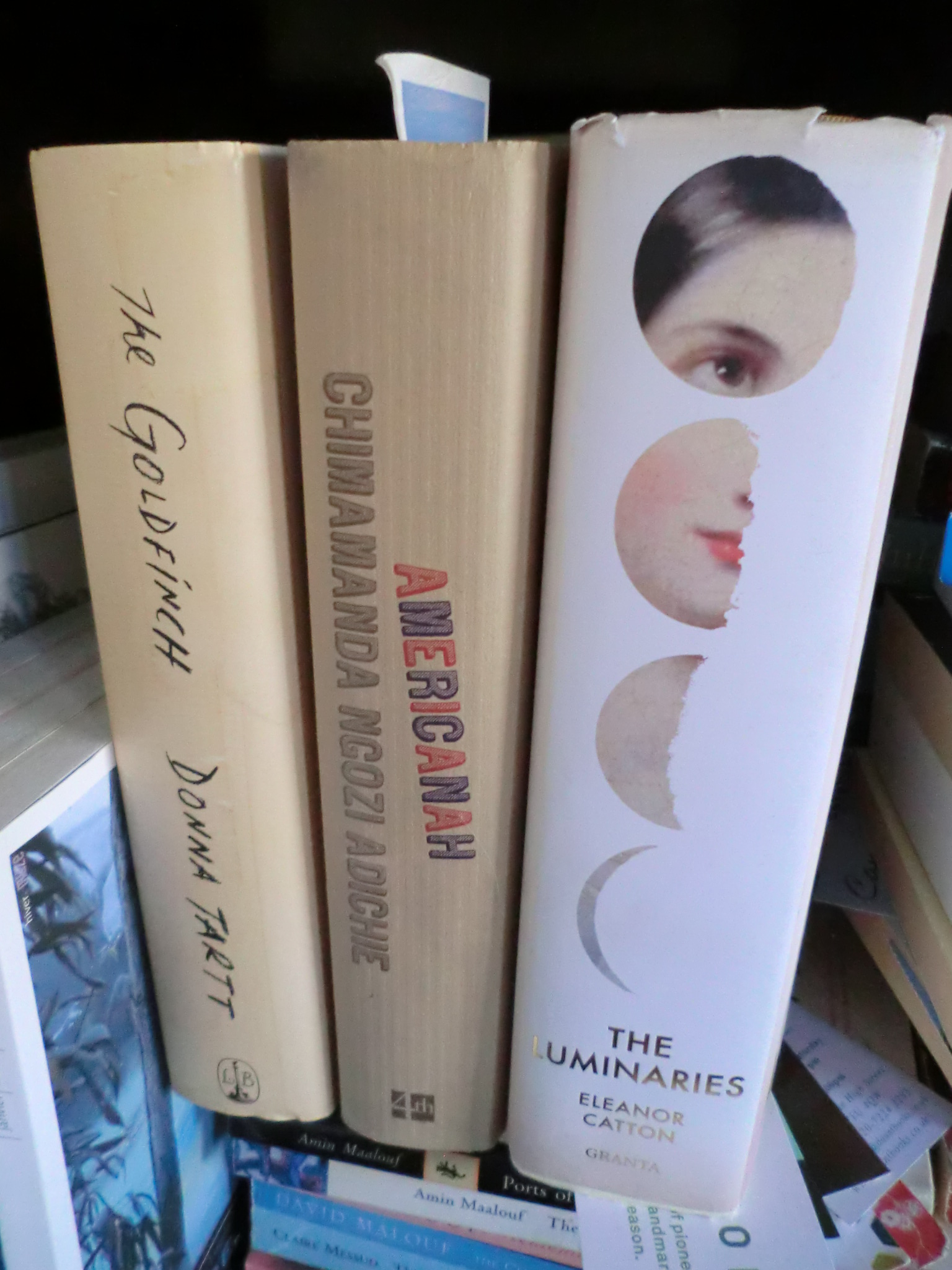
Americanah by Chimamanda Ngozi Adichie – my review here

A story of love and reflections on race via a young man and woman from Nigeria who face difficult choices and challenges in the countries they come to call home and on their return.

Goldfinch

The Goldfinch by Donna Tartt

10-year-old Theo steals a painting from an Amsterdam gallery after his mother dies.

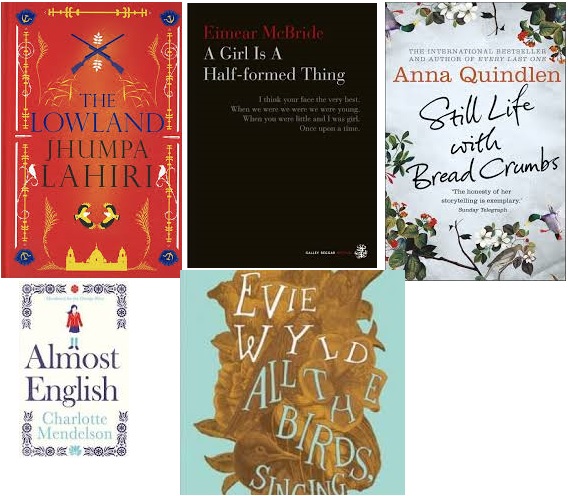
Lowland

The Lowland by Jhumpa Lahiri

Two Bengali brothers growing up in 1960s Calcutta.

burial rites

Burial Rights by Hannah Kent

A woman is condemned to death in Iceland,  inspired by true events.

Girl Half

A Girl is A Half-Formed Thing by Eimear McBride

 Experimental novel written in the second-person, “you” being the narrator’s fiercely loved, brain-damaged brother.

Undertaking

The Undertaking by Audrey Magee

A marriage marked by cruelty and violence, a husband who spends nights hurting Jewish children and comes home to a wife who never asks questions.

***

Very happy indeed to see Americanah on the list and although it is the only one I have read, I have been championing this title since it came out last year.

I will definitely be reading The Goldfinch, though probably not until August as I am saving it for my summer chunkster beach read and I am sure it be perfect for that.  I think i will have to track down Burial Rites next, I have been talking about this Icelandic novel for too long without having read a page!


So which one of these appeals to you to read next?


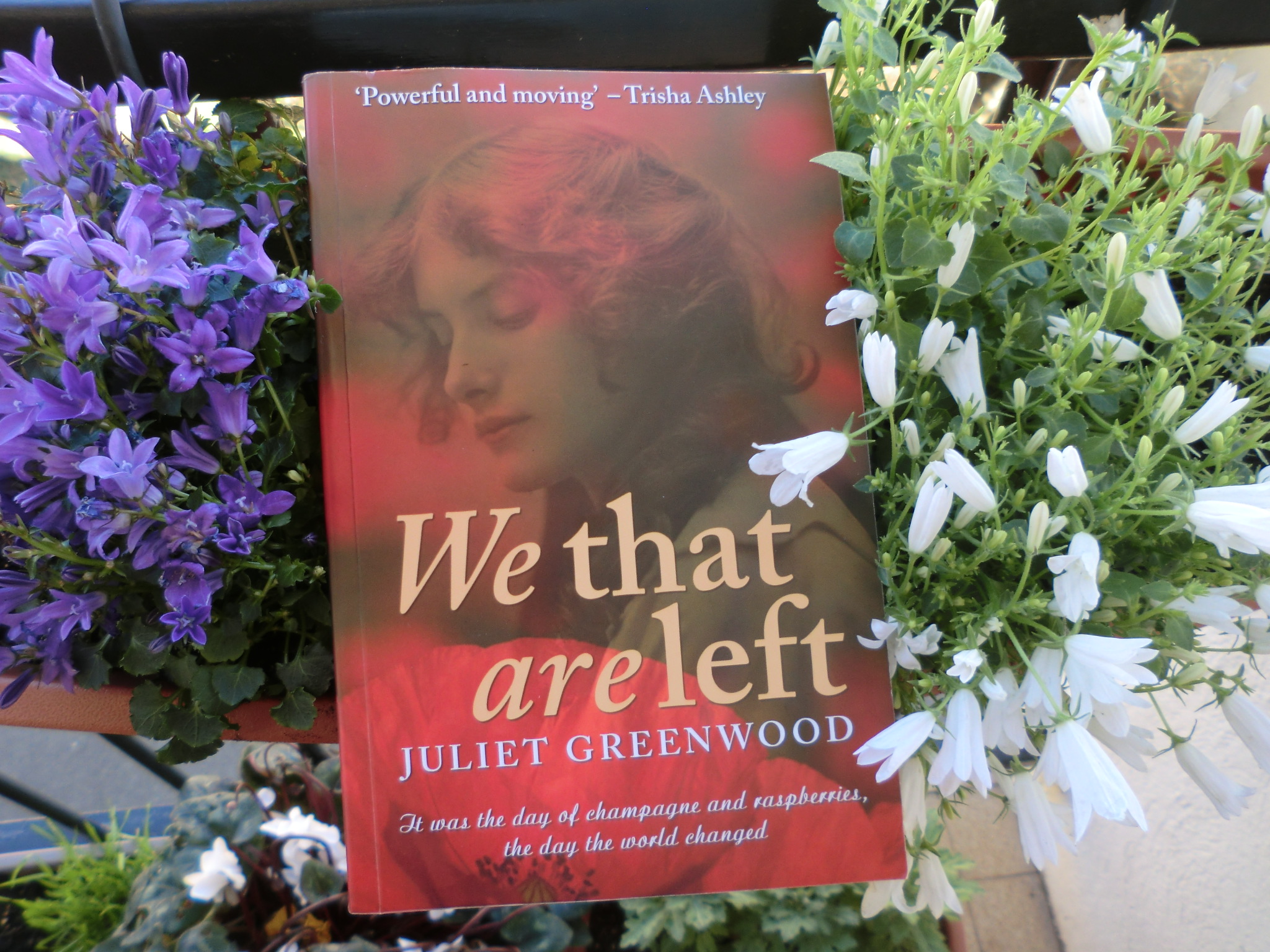
We That Are Left by Juliet Greenwood

There are few greater delights than a book that draws you in from the very first pages and immediately makes you care about what happens next, that demands your attention in every free moment you can conjure until the end.

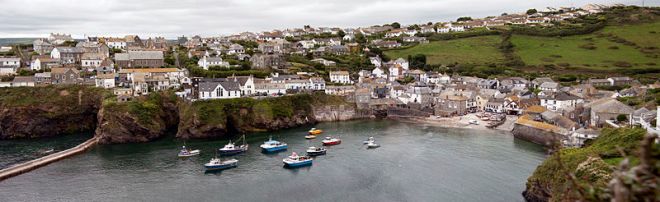
We That Are Left (2)Juliet Greenwood, while painting a world that is far from one that we might imagine living ourselves, one that takes place in an enormous stately home on a hill overlooking a village in Cornwall – manages to imbue in the reader a kind of aspiring fantasy that those who prefer an episode of Downton Abbey to Twilight will be more than happy to immerse themselves within.

Two years ago I read her novel Eden’s Garden also set in Cornwall and Wales and adored it. That book was a dual narrative of two women, one in contemporary time, the other in the Victorian era, whose lives we follow and as the novel progresses reveals what connects them.

Now Juliet Greenwood has written a timely novel, chronicling the lives of a group of young women, focused on Elin Helstone, a young wife living in Hiram House, a country estate that has been her family home since birth.  Now run by her increasingly distant husband Hugo, he has become consumed by dark thoughts he is unwilling to share connected to events of the Boer War and is now likely to be called up in yet another war. Elin tries to anticipate her husbands needs until the onset of war provides the circumstance  that will propel her towards asserting an independence she will find difficult to relinquish.

Elin’s unmarried cousin Alice lives with them, though Hugo pursues every opportunity to introduce her to eligible company in the hope that she too might exit his orbit. Then there is Mouse, Lady Margaret Northholme, whom the two young women meet in the opening pages and become firm friends, their lives will become forever entwined as war descends upon the country and everything as they have previously known it changes forever.

The opening pages possess an air of excitement and potential, young people meet at their big houses, conforming to social convention and can’t quite believe the rumours of pending war.

‘It will most likely blow over. War is such a medieval occupation. I can’t imagine any modern state embarking on such barbarity.’

War Draft

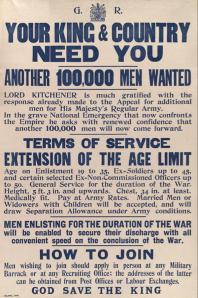
However, war does arrive and strips the village bare of men, plunging those who stay behind into an alternative way of living, they must live with the fear of not knowing what will happen, of the risk of attack and the dread of a telegram bearing tragic news.

That fear of the unknown will become less significant in comparison with the experience awaiting Elin and her gardener Jack as they depart on their own dangerous mission.

‘Nervous?’

‘Terrified,’ I replied.

‘So you should be. There’s no point in being brave from now on. Forget what anyone ever told you about heroes. Once we reach the other side, it’s fear that will keep you alive.’

Juliet Greenwood creates believable characters, putting them in credible but challenging situations where they fulfill our suspicions of their true natures, while her trademark elements of mystery and intrigue run on continuously throughout the narrative.

She does the same with country locations, we inhabit Hiram Hall and the Welsh farmhouse as if we had known them for years, the author invokes the reader’s imagination bringing the outdoor landscape and its associated elements into the page like fog creeping in from the bay. As Lewis Hyde, author of The Gift reminded us “The spirit of an artist’s gifts can wake our own.’

Port Issac Cornwall

We that are left begins in 1914, a mere five years before Michel Déon’s The Foundling Boy (reviewed here) in 1919 and yet the contrast couldn’t be greater.

Here we become immersed in the war years (Déons novel set in the interwar years) where the absence of so many men advanced opportunities for women like no suffragette initiative yet had, though they certainly paved the way for women like Elin, Lady Margaret, Kitty, Alice and others to be able to take the initiative and get involved in the war effort. They learn to drive, volunteer in hospitals, grow food and distribute it to those with little or nothing. Women of the upper classes who were used to being waited on found themselves with few staff and having to manage like common people. Servants experienced the shift in equality between the classes.

Having complained about the lack of female role models with redeeming features in Michel Déon’s coming of age novel, I find them in abundance here and can’t help but observe the contrast in the female characters portrayed here versus those we met across the channel.

The actions of these women were no doubt inspired from Juliet Greenwood’s research into women and the war effort and she mentions the Virago Book of Women and the Great War edited by Joyce Marlow in the bibliography.

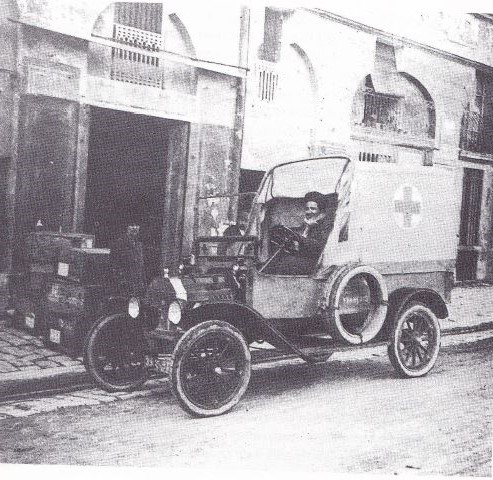
!!!!Car

Gertrude Stein With Auntie and war supplies, 1917

I was reminded of the incredible and courageous efforts of Gertrude Stein and Alice Toklas as portrayed in Diana Souhami’s excellent biography Gertrude and Alice; Gertrude having sold her Matisse Women with a Hat she and Alice initially decamped for the French Riviera abandoning Paris, but after some time became bored and returned deciding they too wanted to help with the war effort.

After meeting with an organisation that distributed supplies to hospitals, they were informed it would be most useful if they could provide a truck and do the same. So Gertrude took driving lessons, wrote to a cousin in New York asking for a van to be sent, had it converted and named Auntie and off they went road tripping around the country, becoming known at the garages throughout France, distributing the hospital supplies, writing letters to soldiers whom they referred to as their military godsons and collecting recipes along the way. But that’s another story!

We That Are Left is an enthralling read that sets a compulsive pace from that first intriguing landing and doesn’t let up until the final pages. It  is a moving contribution to contemporary WWI fiction and an enlightening exposé on how perceptions and the role of women experienced a complete and irreversible paradigm shift during those years, from which we have benefited more than we realise.

Highly recommended.

Note: Thank you to the author Juliet Greenwood for providing the photos of Glynllifon Hall above, and to her publisher Honno Press for providing me with a copy of the book to read.

Of Mice and Men by John Steinbeck

A book that has been read by so many and is such a tour de force that I wasn’t sure if I had anything to add to the millions of words already said and written and of much more critical depth than I plan to cover, so I waited until I was sitting in the airport yesterday and just decided to write whatever came to mind.

CIMG5356Steinbeck narrates a simple story that reads like a play, which it did indeed become. It was a time when Steinbeck believed the novel to be dead and his work seemed to sit on the cusp of genre, able to swing both ways.

“The work I am doing now, is neither a novel nor a play but it is a kind of playable novel.”

Lennie likes to keep a mouse in his pocket, he gains pleasure from the soft caress of fingers on a smooth pelt, the feel of silky hair, new-born puppies. He is a simple man and a hard worker, however his strength is fallible and his appreciation of the sense of touch incompatible with it.

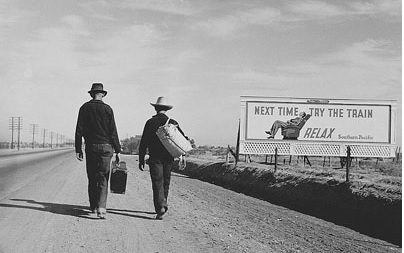
The story is a short but life-changing episode in the lives of two friends George and Lennie, itinerant labourers on the Californian seasonal workers trail, trying to avoid trouble and dreaming like others of one day having their own plot of land, a few animals, vegetables, a working life yes, but one that would not be lived at the beck and call of those who claim superiority.

They meet others like them, they meet sceptics, they meet a man who would never have dared dream of what they pine for and they encounter those who have it already. Without needing to tell or describe, Steinbeck presents through sparse narrative and dialogue: friendship, cruelty (with and without intention), jealousy, indifference and fear. He uses the colloquial language of men of the time giving it a raw, frank boldness that requires no embellishment (the book was written in 1937, though perhaps inspired by his own experiences in the early 1920’s).

Crooks interrupted brutally.

“You guys is just kiddin’ yourself. You’ll talk about it a hell of a lot, but you won’t get no land. You’ll be a swamper here till they take you out in a box. Hell, I seen too many guys. Lennie here’ll quit an’ be on the road in two, three weeks. Seems like ever’ guy got land in his head.”

Candy rubbed his cheek angrily.

“You God damn right we’re gonna do it. George says we are. We got the money right now.”

Steinbeck himself spent time working as an itinerant agricultural worker in the Salinas Valley for nearly two years in the 1920’s after dropping out of university, so had first-hand observations of the kinds of men whose lives were entrenched in these routines and their familiar aspirations.

“Lennie was a real person” he told a New York Times reporter in 1937.

MenHis own experiences, observations, his compassion, perhaps born of a certain humbleness having left the hi-brow corridors of Stanford University where he would have brushed shoulders with another kind of person, lend the narrative authenticity and empathy.

An exceptional novella, told mostly through dialogue where every word is made to count without losing its beauty or power. We sense the inevitability of the outcome which unnerves the reader while we encounter a brilliant, sensitive portrayal of two friends with a similar dream, who if the world was a kinder place, should have been able to achieve it with the genuine camaraderie and work ethic they possessed .

Previous Steinbeck Reviews – A Pearl

This is the Story of a Happy Marriage by Ann Patchett

Ann Patchett MarriageAs a metaphor for a collection of essays that pays tribute to a life of writing, it’s an apt title, though as the title of a book that lures me towards picking it up to read the blurb and buy it, I admit to being slow to respond to this collection. It is actually a very beautiful minimal cover, the fact that it has a white background and contains only text proof it is a book targeted at existing fans of Ann Patchett, no need for seductive images or clever marketing to lure readers, this cover has the mark of confidence and attitude.

It also contains something of an illusion, the author’s name is embossed in a shiny aquatic blue, which depending on how much light you expose it to, either appears blue or black. It occurred to me while reading, that this might not be an accident, I played around with the cover, watching letters I would swear were shiny blue disappear and become matt black. Appearances are not always the truest guide, looking at things from a slightly different angle, can significantly alter perceptions. Even this title is not all that it seems and now that I have finished the book, I find it most apt.

Many of the essays have been published in other publications, as Ann Patchett describes how she grew to become a writer of fiction, something she always wanted and knew she would do, but that necessitated a slew of other jobs as well as writing non-fiction articles for magazines that would pay. As she points out in the very first lines of the book:

“The tricky thing about being a writer, or about being any kind of artist, is that in addition to making art you also have to make a living. My short stories and novel have always filled my life with meaning, but, at least in the first decade of my career, they were no more capable of supporting me than my dog was.”

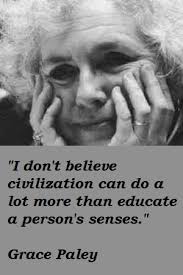
Grace PaleyWe read about the memorable story her father read to her over the telephone one Christmas, her fiction teacher Allan Gurganus who made them write a story every week for two semesters, turning them into musicians of language who learnt that a habit of regular practice leads to improvement and classes with Grace Paley, for whom support of human rights sometimes trumped attendance at class, whether that meant her disappearing to protest in Chile or being absent from a scheduled appointment having given her attention to a tearful tale from another student.

“Grace wanted us to be better people than we were, and she knew that the chances of our becoming real writers depended on it. Instead of telling us what to do, she showed us. Human rights violations were more important than fiction. Giving your full attention to a person who is suffering was bigger than marking up a story, bigger than writing a story.”

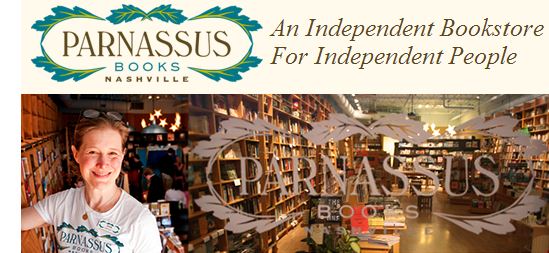
It is perhaps not until she opens her own bookstore, Parnassus Books that the influence of Grace Paley rises, as Ann Patchett becomes something of an activist herself for the plight of the independent bookstore, which she writes about ni the essay The Bookstore Strikes Back.

Parnassus Books

She writes about a legacy of separation and divorce stretching back generations, not so much present in the genes, more like evidence that we all need to experience those natural life stages that often mean a significant relationship or marriage doesn’t survive. Finding it hard to accept and taking advice from her mother to heart, she vows never to remarry. She is wedded to her work. And she has a dog. She loves.

She shares a growing love of opera, a late bloomer having discovered it almost by accident while researching her novel Bel Canto she discovers what becomes a lifelong passion, which living in Nashville, known for another type of music altogether wasn’t so easy to foster, until The Met realising that thousands of people would love to see opera regularly but couldn’t, came up with the idea of bringing it to the masses via cinema – live high-definition opera performances.

Met Opera“We watch the patrons in New York, people who have paid ten times more for tickets, and some more than that, as they make their way to their seats. Like us, the audience members on the screen stop to greet the familiar people around them, and like the audience in New York, we clap for both arias and curtain calls. We call out Brava! And Bravo! The rational mind understands the singers can’t hear us, and yet we are living so completely in our high-definition moment it is easy to forget.”

“There, in a comfortable fold-down seat with a whiff of popcorn in the air, I watched Anna Netrebko lie on her back, dangle her head down into the orchestra pit, and sing Bellini like her heart was on fire.”

And The Story of a Happy Marriage? Yes, it is an essay in the collection and one that she was endlessly encouraged to write and in the end becomes the cover title of this book, because the metaphor is all embracing of a woman who always knew what she wanted, never straying from that despite the numerous obstacles and even finds time now to give back to those who helped set her out on the path early on.

The essays stand on their own but equally form a cohesive narrative and are written as if Ann Patchett is writing to that one true friend, one of the reasons that many readers and reviewers have commented on this collection by saying they could imagine being friends with
her. And as she says in one of her books, Truth and Beauty:

“Writing is a job, a talent, but it’s also the place to go in your head. It is the imaginary friend you drink your tea with in the afternoon.”

Baileys Women’s Prize for Fiction Longlist 2014

Baileys logoOverjoyed to see the Baileys (nee Orange) Women’s Prize for Fiction come out early this morning and to recognise a few books that I have actually read and really enjoyed. And even more pleasure in the fact that there is now a list from which I am sure to find more that I might not have been aware of, to add to the ever-growing list.

It may be a women’s prize, but it celebrates diversity across generations, genres, countries and cultures, something that blogging has certainly encouraged as the recommendations and access to what is available out there is no longer limited by geographic borders and what’s on display in bookshops.

BaileysThe 20 titles are selected for excellence, originality and accessibility in writing by women (in English) from throughout the world.

The judges had this to say:

“The judges feel that this is a fantastic selection of books of the highest quality – intensely readable, gripping, intelligent and surprising – that you would want to press on your friends, and the judges have been doing just that,” commented Helen Fraser, Chair of Judges. “There was a great deal of talent and exciting writing in the books that were submitted this year and we hope that between now and the announcement of the shortlist on 7th April many readers will want to share the enjoyment we have had with these 20 terrific novels.”

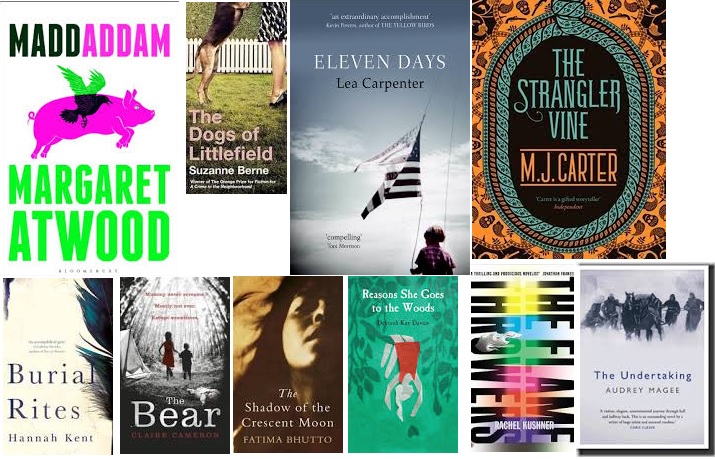
And the longlisted titles are:

Baileys1Chimamanda Ngozi AdichieAmericanah –  Nigerian – My review here 

Margaret AtwoodMaddaddam – Canadian

Suzanne BerneThe Dogs of Littlefield – American

Fatima BhuttoThe Shadow of the Crescent Moon – Pakistani – My review here

Claire CameronThe Bear – Canadian

Lea CarpenterEleven Days – American

M.J. CarterThe Strangler Vine – British – 1st Novel

Baileys2Eleanor CattonThe Luminaries  – New Zealand/Canadian – my review here

Deborah Kay DaviesReasons She Goes to the Woods – British

Elizabeth GilbertThe Signature of All Things – American – my review here 

Hannah KentBurial Rites – Australian

Rachel KushnerThe Flamethrowers  – American

Jhumpa LahiriThe Lowland – Indian/American

Baileys3

Audrey MageeThe Undertaking  – Irish

Eimear McBrideA Girl is a Half-Formed Thing – Irish

Charlotte MendelsonAlmost English – British

Anna QuindlenStill Life With Bread Crumbs – American

Elizabeth StroutThe Burgess Boys – American – my review here

Donna TarttThe Goldfinch  – American

Evie WyldAll the Birds, Singing  – British – my review here

So, one month to read a few more from the list – I will definitely be reading Evie Wyld, I have The Goldfinch, but that’s my summer chunkster, so I’m saving that for August, I’d like to read Hannah Kent’s novel Burial Rites set in Iceland and based on a true story, I have mentioned that numerous times to people and not got around to reading it myself yet. I am curious about The Flamethrowers and Fatima Bhutto’s book sounds interesting.

So what titles are you considering?

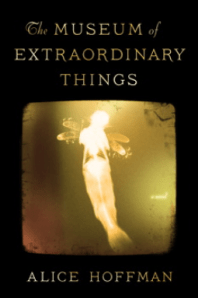
The Museum of Extraordinary Things by Alice Hoffman

Alice Hoffman

Alice Hoffman

Alice Hoffman is a prolific and engaging storyteller known for the occasional touch of magical realism and an ability to transport her reader into the worlds she creates.

She wrote one of my favourite books Blackbird House, referred to by some as a collection of short stories, the connecting thread running through each story being an old Massachusetts house, the narrative tracing the lives of its various occupants over a span of 200 years. The house bears witness to change through each family’s loved ones and the lives they live inside Blackbird House.

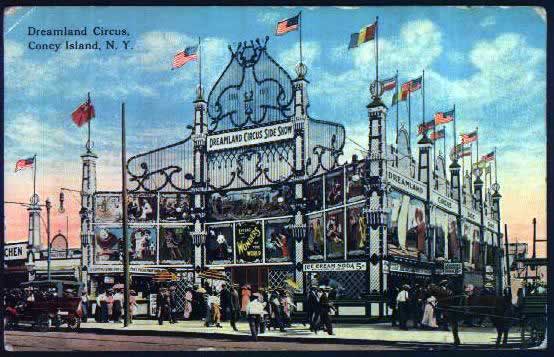
Since that haunting book I have kept an eye out for her work and when I read the premise of this new novel, The Museum of Extraordinary Things, I was more than intrigued. It is set in 1917 New York, when things of a freakish nature fascinated and amusement parks were becoming bigger and bolder in their scope, trying to outdo each other with what they offered the public.

Museum of Extraordinary Things

Professor Sardie is an eccentric French scientist and magician, who came to America seeking his fortune and when we meet him, he has opened a museum of extraordinary living oddities in a room connected to his home on Coney Island, New York. He lives there with his daughter Coralie and Maureen, the woman he has hired to take care of his daughter, herself an extraordinary being, a loving and devoted carer and the victim of disfiguring burns over her face and body.

In addition to the museum, he is constantly thinking up new exhibits and working on bizarre projects in the basement cellar, a den that no one but he has access to.

The story has a dual narrative, firstly from the point of view of his daughter Coralie who becomes part of her father’s exhibit alongside performers including the Wolfman, the Butterfly Girl, and a one-hundred-year-old turtle. She has been trained since a small girl to withstand extreme cold and secretly swims along the Hudson River to build up her strength.

The second narrative is from the perspective of a young Russian-Ukrainian immigrant, Eddie Cohen, who has drifted away from his father and the Lower East Side Orthodox community where they lived, having fled persecution in their homeland. Leaving his job as a tailor’s apprentice, he first works for a psychic investigator finding missing people and then attaches himself to a photographer leading eventually to work for a newspaper. He too has a fascination with the Hudson River and it is here that Coralie will catch her first glimpse of the young man, she will become fascinated by.

“A motherless boy is hardened in many ways yet will often search for a place to deposit his loyalty and devotion. Eddie had found this in the city he saw as one great and tormented beauty, one ready to embrace him when all others turned away.”

Dreamland Circus, Coney Island, New York  1917

Dreamland Circus, Coney Island, New York 1917

Hoffman writes the story of the lives of these two characters and others, eventually bringing them together, while sharing two significant tragic events in New York’s history in 1911. During one of these events a young woman goes missing and it is this mystery that will ultimately bring the young couple together.

The city and the river are themselves like characters, struggling to live in harmony, with the knowledge that one will eventually encroach on the other and destroy its peaceful surrounding. For now the river is like a refuge and the city a menace that threatens to overthrow its flanks, bringing dark elements to its shores.

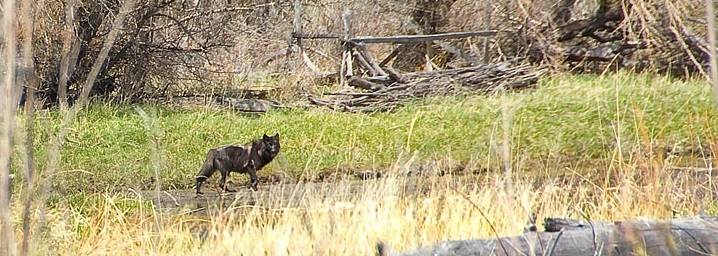
Wolf Hudson

The Museum of Extraordinary Things brings New York City and the conditions of 1911 alive. The river, the streets and the changing landscape between them are sketched using all the senses as we step into the lives of characters living on the edge of society trying to survive. We observe those for whom it comes naturally to exploit the weak while witnessing the compassionate few who will risk everything including life itself to do the opposite.

It is a riveting read, transporting us to an era when fantasy and the imagination were sought as a literal means of escape and we look behind the scenes of an extraordinary, freakish world. Spellbinding!

Note: This book was an Advance Reader Copy(ARC) provided by the publisher via NetGalley.