
Today the short list was announced for the Booker Prize for Fiction 2021.
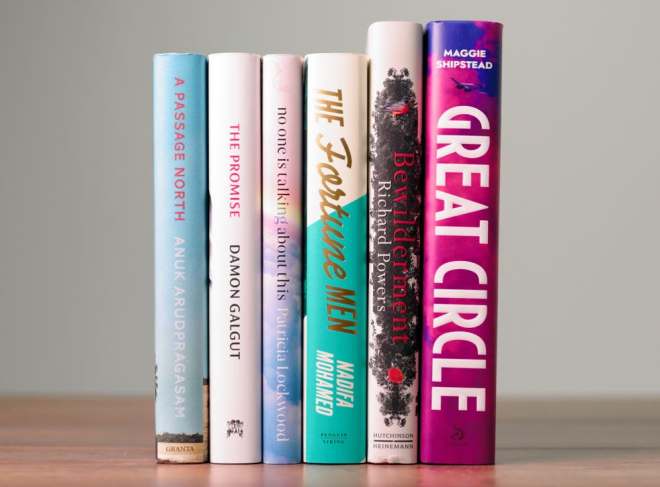
Six novels were chosen, listed below, with summaries and judges comments sourced from the Booker Prize website.
Damon Galgut, The Promise (South Africa)
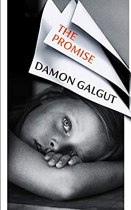 In Damon Galgut’s deft, powerful story of a diminished family and a troubled land, brutal emotional truths hit home.
The narrator’s eye shifts and blinks, deliciously lethal in its observation of the crash and burn of a white South African family. On their farm outside Pretoria, the Swarts are gathering for Ma’s funeral.
The younger generation detests everything the family stands for, not least the failed promise to the Black woman who has worked for them her whole life. After years of service, Salome was promised her own house, her own land, yet somehow, as each decade passes, that promise remains unfulfilled.
What the Judges Said
“An expansive family novel that explores the interconnected relationships between members of one family through the sequential lens of multiple funerals.
Death assumes here both a closing but also an opening into lives lived. It is an unusual narrative style that balances Faulknerian exuberance with Nabokovian precision, pushes boundaries, and is a testament to the flourishing of the novel in the 21st century.
In The Promise, Damon Galgut makes a strong, unambiguous commentary on the history of South Africa and of humanity itself that can best be summed up in the question: does true justice exist in this world? The novel’s way of tackling this question is what makes it an accomplishment and truly deserving of its place on the shortlist.”
Anuk Arudpragasam, A Passage North (Sri Lanka)
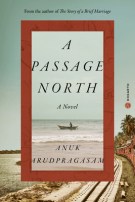 Anuk Arudpragasam’s masterful novel is an attempt to come to terms with life in the wake of devastation of Sri Lanka’s 30-year civil war. As Krishan makes the long journey by train from Colombo into the war-torn Northern Province to attend a family funeral, so begins an astonishing passage into the innermost reaches of a country.
At once a powerful meditation on absence and longing, and an unsparing account of the legacy of Sri Lanka’s 30-year civil war, this procession to a pyre ‘at the end of the earth’ lays bare the imprints of an island’s past, the unattainable distances between who we are and what we seek.
What the Judges Said
“The story unfurls like smoke as our narrator sifts through memories of a lost love affair while turning over in his mind the strange death of his grandmother’s carer, a woman irrevocably damaged by the death of her young sons in the Sri Lankan civil war.
In hypnotic, incantatory style, Arudpragasam considers how we can find our way in the present while also reckoning with the past.”
Patricia Lockwood, No One is Talking About This (US)
 Patricia Lockwood’s sincere and delightfully profane love letter to the infinite scroll, and a meditation on love, language and human connection.
A social media guru travels the world, her entire existence overwhelmed by the internet or what she terms ‘the portal’. ‘Are we in hell?’ The people of the portal ask themselves. ‘Are we all just going to keep doing this until we die?’ Two urgent texts from her mother pierce the guru’s bubble.
As real life collides with the absurdity of the portal, she confronts a world that seems to suggest there is goodness, empathy and justice in the universe – and a deluge of evidence to the contrary.
What the Judges Said
“This is a first novel from a writer already outstanding as a poet and memoirist, and her gifts in both roles are much in evidence in this extremely funny, poignant and challenging book. Patricia Lockwood manages to tell her story in the glancing, mayfly-attention-span idiom of contemporary social media, but she uses this apparently depth-free dialect with precision and even beauty.
The drastic shift of gear in the middle of the story, the introduction of real suffering, love and loss, doesn’t break the seamless flow of wit; but the book’s triumph is in evoking so full a range of emotional discovery and maturing within the unpromising medium of online prattle.
We’re left wondering about the processes by which language expands to cope with the expansiveness of changing human relations and perceptions at the edge of extremity.”
Nadifa Mohamed, The Fortune Men (Somali/UK)
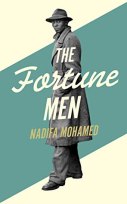 Nadifa Mohamed’s gripping novel about a petty criminal in Cardiff who becomes the last man to be hanged there, wrongfully convicted of murder in 1952.
Mahmood Mattan is a father, a chancer, a petty thief. Many things, in fact, but he is not a murderer. So when a shopkeeper is brutally killed and all eyes fall on him, Mahmood isn’t too worried – secure in his innocence in a country where justice is served.
But as the trial nears, it starts to dawn on him that he is in a fight for his life – against conspiracy, prejudice and the ultimate punishment. In the shadow of the hangman’s noose, he realises that the truth may not be enough to save him.
What the Judges Said
“The Fortune Men takes us to a place we haven’t encountered on the page before: the docklands of 1950s Cardiff, jostling with Somali, Welsh, Jewish, Jamaican, and Indian communities, thrown together by the tides of empire and war.
In the story of Mahmood Mattan, a Somali sailor accused of murder, Nadifa Mohamed creates a story as local as it is exhilaratingly global. Grippingly-paced and full of complex, richly-drawn characters, the novel combines pointed social observation with a deeply empathetic sensibility.
The Fortune Men demonstrates what historical fiction can achieve at its best—to get inside the head of the past—while implicitly yet urgently underscoring the present-day persistence of racism and injustice.”
Richard Powers, Bewilderment (US)
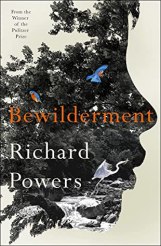 An astrobiologist thinks of a creative way to help his rare and troubled son in Richard Powers’ deeply moving and brilliantly original novel.
Theo Byrne is an astrobiologist. He is also the widowed father of a most unusual nine-year-old. Robin is loving, funny and full of plans to save the world. He is also about to be expelled, for smashing his friend’s face in with a metal thermos.
What can a father do, when the only solution offered is to put his boy on psychoactive drugs? What can he say, when his boy asks why we are destroying the world? The only thing to do is to take the boy to other planets, while helping him to save this one.
What the Judges Said
“Theo is a widowed astrobiologist raising a troubled nine-year-old son tagged with a ‘special needs’ label. On his mission to help the boy, Robin, he is prepared to engage with experimental treatments.
He dares to decode his son’s mind in order to save him, thereby drawing us into the claustrophobic relationship of a grieving man playing solo parent to a vulnerable child.
Theo’s determination to protect Robin from becoming a prisoner of bureaucracy, something of a high wire act of its own, is beautiful and truly inspiring. That, and his willingness to venture beyond the known world into the cosmos make this book a clarion call for us to wake up and realise what our minds might be truly capable of if we were less obedient to the status quo.”
Maggie Shipstead, Great Circle (US)
 The lives of a fearless female aviator and the actress who portrays her on screen decades later intersect in Maggie Shipstead’s vivid, soaring novel.
Marian Graves was a daredevil all her life, from her wild childhood in the forests of Montana to her daring wartime Spitfire missions. In 1950, she sets off on her ultimate adventure, the Great Circle – a flight around the globe. She is never seen again.
Half a century later, Hadley Baxter, a scandal-ridden Hollywood actress, whose own parents perished in a plane crash, is irresistibly drawn to play Marian Graves. This role will lead her to uncover the real mystery behind the vanished pilot.
What the Judges Said
“A book of tremendous narrative ambition and scale, Great Circle pulled us into its vividly-created worlds—from prohibition-era Montana to wartime Britain to present-day Hollywood—and made us want to dwell in them indefinitely.
Maggie Shipstead has an extraordinary ability to conjure characters and settings so fully-realised one feels one knows them—and spills her story out in one gorgeously-crafted sentence after another.
Absorbing in the manner of the immersive realist novels of the 19th century, the book speaks to ever-present questions about freedom and constraint in womens’ lives.”
The 2021 winner will be announced on Wednesday 3 November.
Have you read any of these books? Are you tempted by any particular title?
 Set in late 1800’s Ireland, Bath, London and Borneo, this is the story of a community of people whose lives intersect in the town of Bath, a dual narrative of events concerning those who live there and the efforts of two men in Borneo with ambitions slightly at cross purposes.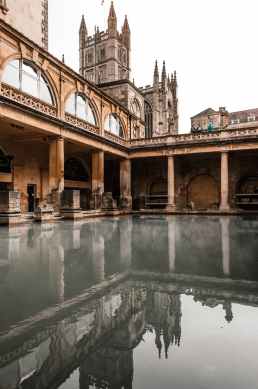

 In a sense that too is at the heart of Transcendent Kingdom, a family from Ghana immigrate to the US, the mother, the father (who the narrator, the daughter Gifty, the only one of the family born in the US, refers to as Chin Chin man), and their son Nana. Though they leave their country behind, something of remains in them, and though they are determined to ascend in their new country, it comes at a price.
 Yaa Gyasi was born in Mampong, Ghana and raised in Huntsville, Alabama. Her first novel, Homegoing, was a Sunday Times and New York Times bestseller, won the National Book Critics Circle Award for Best First Novel and was shortlisted for the PEN/Robert W. Bingham Prize for Debut Fiction.
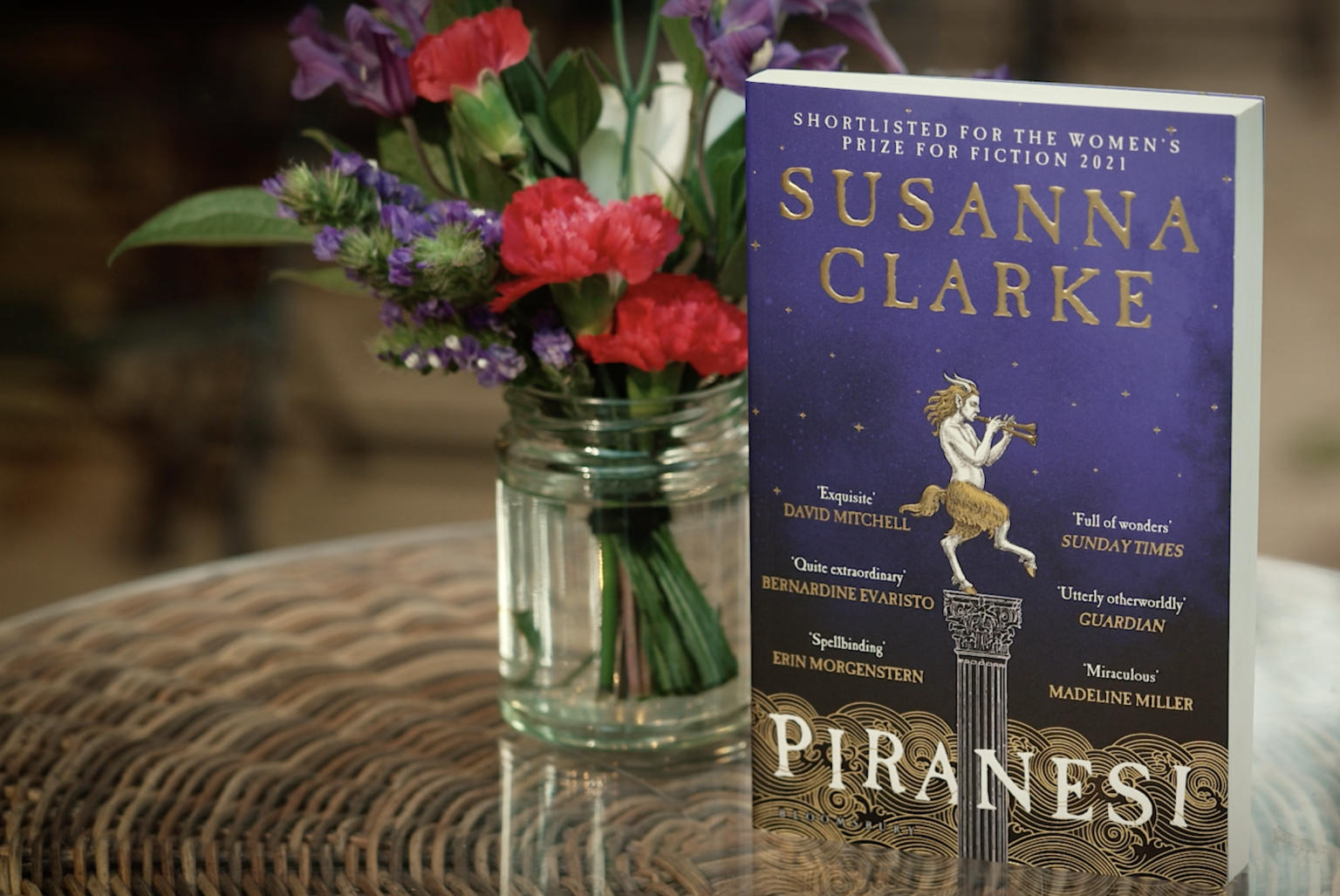


 What I wasn’t expecting was to then see this novel
 Mary Lawson was born and brought up in a small farming community in southwestern Ontario and moved to England after graduating from McGill University with a degree in psychology.
 It is a vast tome, that traverses generations and continents, though the thing that connects them all is the country Zambia.
 A Passage North begins with a message from out of the blue: a telephone call informing Krishan that his grandmother’s caretaker, Rani, has died under unexpected circumstances. The news arrives soon after an email from Anjum, an impassioned yet aloof activist Krishnan fell in love with years before while living in Delhi, stirring old memories and desires from a world he left behind.
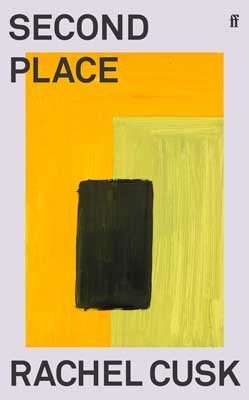 A woman invites a famed artist to visit the remote coastal region where she lives, in the belief that his vision will penetrate the mystery of her life and landscape. Over the course of one hot summer, his provocative presence provides the frame for a study of female fate and male privilege, of the geometries of human relationships, and of the struggle to live morally between our internal and external worlds.
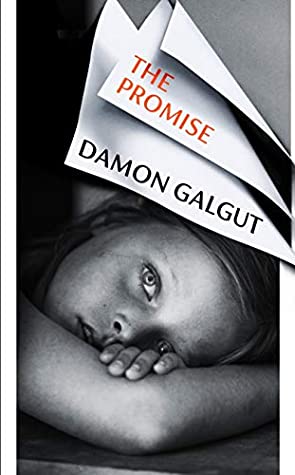 The Promise charts the crash and burn of a white South African family, living on a farm outside Pretoria. The Swarts are gathering for Ma’s funeral. The younger generation, Anton and Amor, detest everything the family stand for, not least the failed promise to the Black woman who has worked for them her whole life. After years of service, Salome was promised her own house, her own land… yet somehow, as each decade passes, that promise remains unfulfilled.
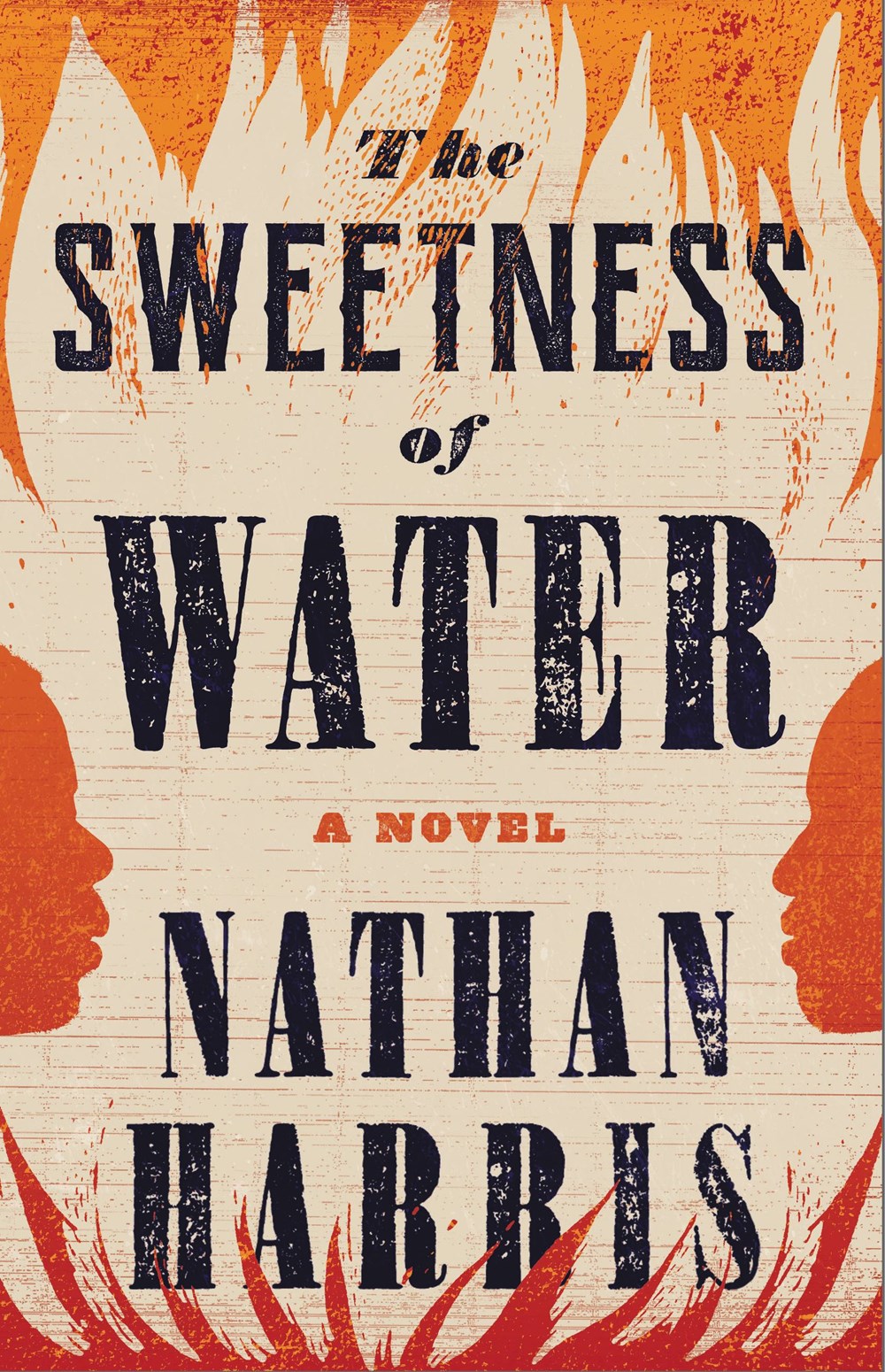 In the dying days of the American Civil War, newly freed brothers Landry and Prentiss find themselves cast into the world without a penny to their names. Forced to hide out in the woods near their former Georgia plantation, they’re soon discovered by the land’s owner, George Walker, a man still reeling from the loss of his son in the war.
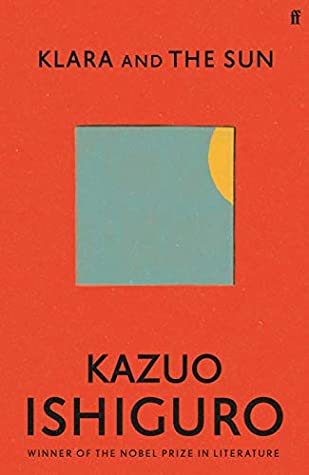 From her place in the store, Klara, an Artificial Friend with outstanding observational qualities, watches carefully the behaviour of those who come in to browse, and those who pass in the street outside. She remains hopeful that a customer will soon choose her, but when the possibility emerges that her circumstances may change for ever, Klara is warned not to invest too much in the promises of humans.
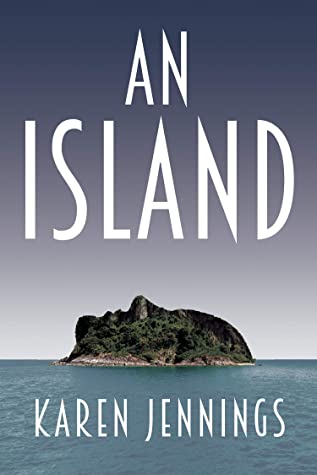 Samuel has lived alone for a long time; one morning he finds the sea has brought someone to offer companionship and to threaten his solitude…
 A woman known for her viral social media posts travels the world speaking to adoring fans, her entire existence overwhelmed by the internet — or what she terms ‘the portal’. Are we in hell? the people of the portal ask themselves. Who are we serving? Are we all just going to keep doing this until we die?
 Mahmood Mattan is a fixture in Cardiff’s Tiger Bay, 1952, which bustles with Somali and West Indian sailors, Maltese businessmen and Jewish families. A father, a chancer, a some-time petty thief, he is many things but not a murderer.
 Theo Byrne is a promising young astrobiologist who has found a way to search for life on other planets dozens of light years away. The widowed father of an unusual nine-year-old, his son Robin is funny, loving and filled with plans. He thinks and feels deeply, adores animals and spends hours painting elaborate pictures. On the verge of being expelled from third grade for smashing his friend’s face with a metal thermos, this rare and troubled boy is being recommended psychoactive drugs.
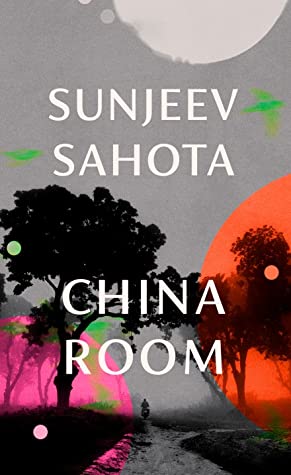 Mehar, a young bride in rural 1929 Punjab, is trying to discover the identity of her new husband. She and her sisters-in-law, married to three brothers in a single ceremony, spend their days hard at work in the family’s ‘china room’, sequestered from contact with the men.
 In 1920s Montana, wild-hearted orphan Marian Graves spends her days roaming the rugged forests and mountains of her home. When she witnesses the roll, loop and dive of two barnstorming pilots, she promises herself that one day she too will take to the skies.
 Lunchtime on a Saturday, 1944: the Woolworths on Bexford High Street in South London receives a delivery of aluminum saucepans. A crowd gathers to see the first new metal in ages—after all, everything’s been melted down for the war effort. An instant later, the crowd is gone; incinerated. Among the shoppers were five young children.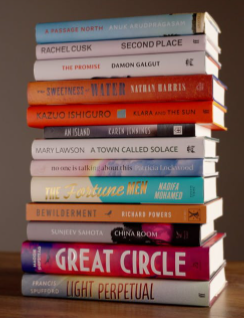
 Though the story follows Babakar, each time we encounter a new character, there is this digression into their backstory(s), so we learn of all these male characters stories, Babakar (in Mali and the often present apparition of his mother Thécla Minerve), Movar, (in Haiti) Fouad (in Lebanon, though being Palestinian he dreams of the poetry of Mahmoud Darwich) who all come together in Haiti, and underlying the visit, this search to find family and learn why the young mother had fled.
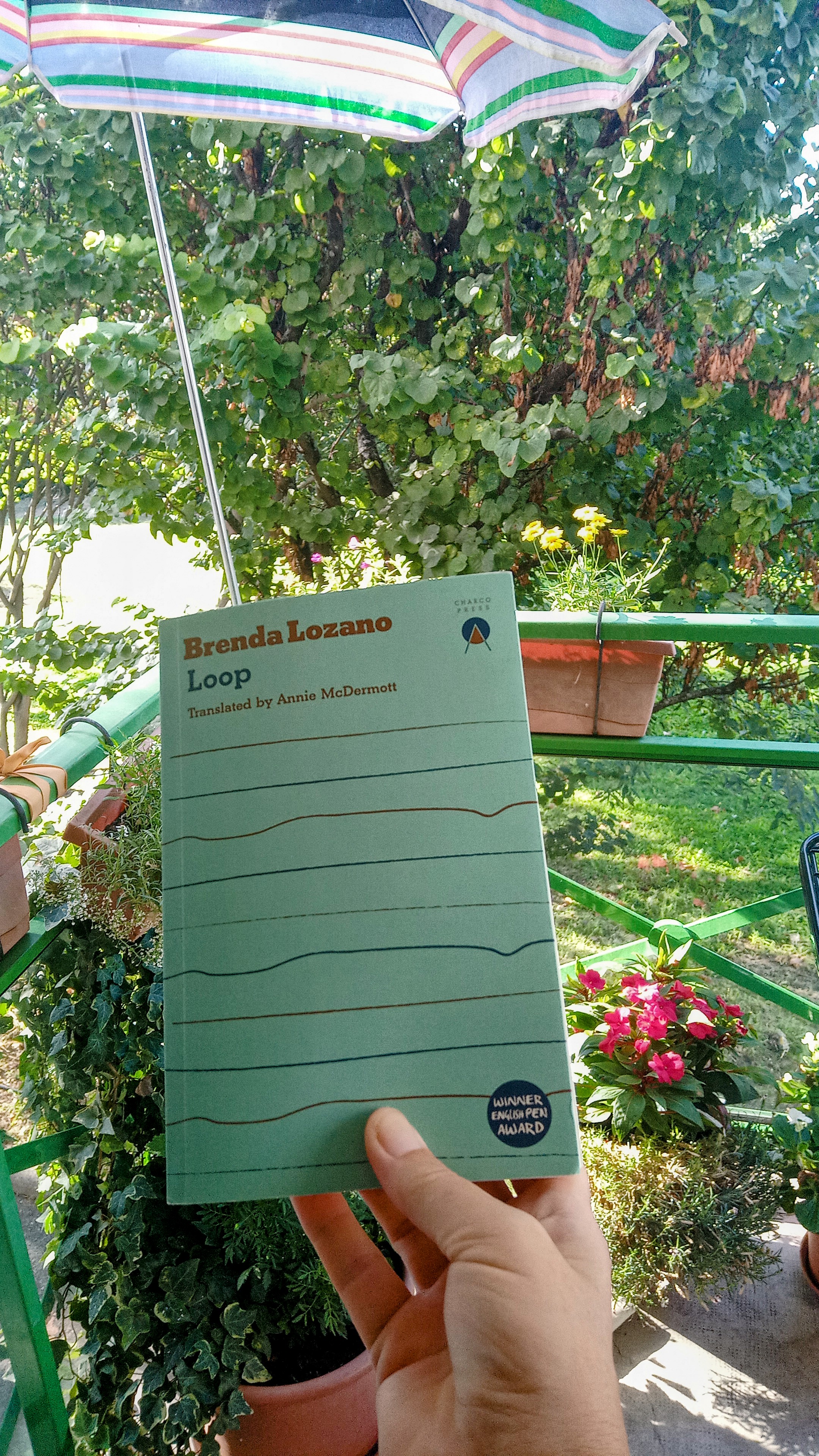 I picked up Loop for WIT (Women in Translation) month and I loved it. I had few expectations going into reading it and was delightfully surprised by how much I enjoyed its unique, meandering, playful style.
 The narrator is waiting for the return of her boyfriend, who has travelled to Spain after the death of his mother.
 A celebration of the yin aspect of life, the jewel within. And that jewel of a song, sung by both
  Brenda Lozano is a novelist, essayist and editor. She was born in Mexico in 1981.
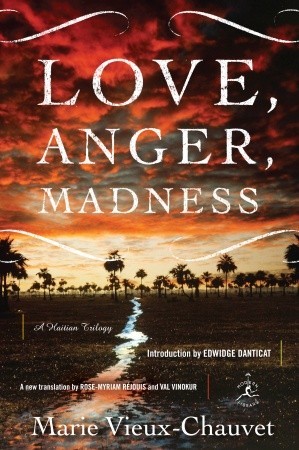 Originally published in French as Amour, colère et folie, this trilogy of novellas was originally suppressed upon its initial publication in 1968. Seen as a scathing response to the struggles of race, class and sex that had occurred in Haiti, this major work became an underground classic, would send its author into exile and would finally be released in an authorised edition in France in 2005 (this English version in 2009).
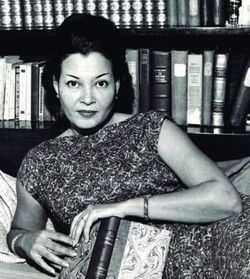 Marie Vieux-Chauvet was a Haitian novelist, poet and playwright, the author of five novels including Dance on the Volcano, Fonds des Negres, Fille d’Haiti and Les Rapaces.
 Word by Word