
The Women’s Prize for Fiction have announced their shortlist of six novels. You can view the entire longlist here.

Identity, Resilience, Migrant Experiences, Family Relationships
Many of the books depict characters who are navigating seismic changes in their identity, undergoing a process of self-reckoning and self-acceptance, with several dealing with the inheritance of trauma and the resilience of women overcoming the weight of the past.
Half of the books in this year’s shortlist explore the migrant experience through different lenses, offering moving, distinct, explorations of race, identity and family, of the West’s false promise and the magnetism of home.
The shortlist encompasses stories that both focus on intimate family relationships, as well as those that convey a sweep of history, always with an eye on the particularity of women’s experience, whether in the home or in the context of war and political upheaval.
The Shortlist
Below are descriptions of the individual titles, along with a quote from a judge, to help you discern if they might be of interest:
The Wren, The Wren by Anne Enright (Ireland) published by Jonathan Cape, 283 pgs
A psychologically astute examination of family dynamics and the nature of memory. Enright’s prose is gorgeous and evocative and scalpel sharp.
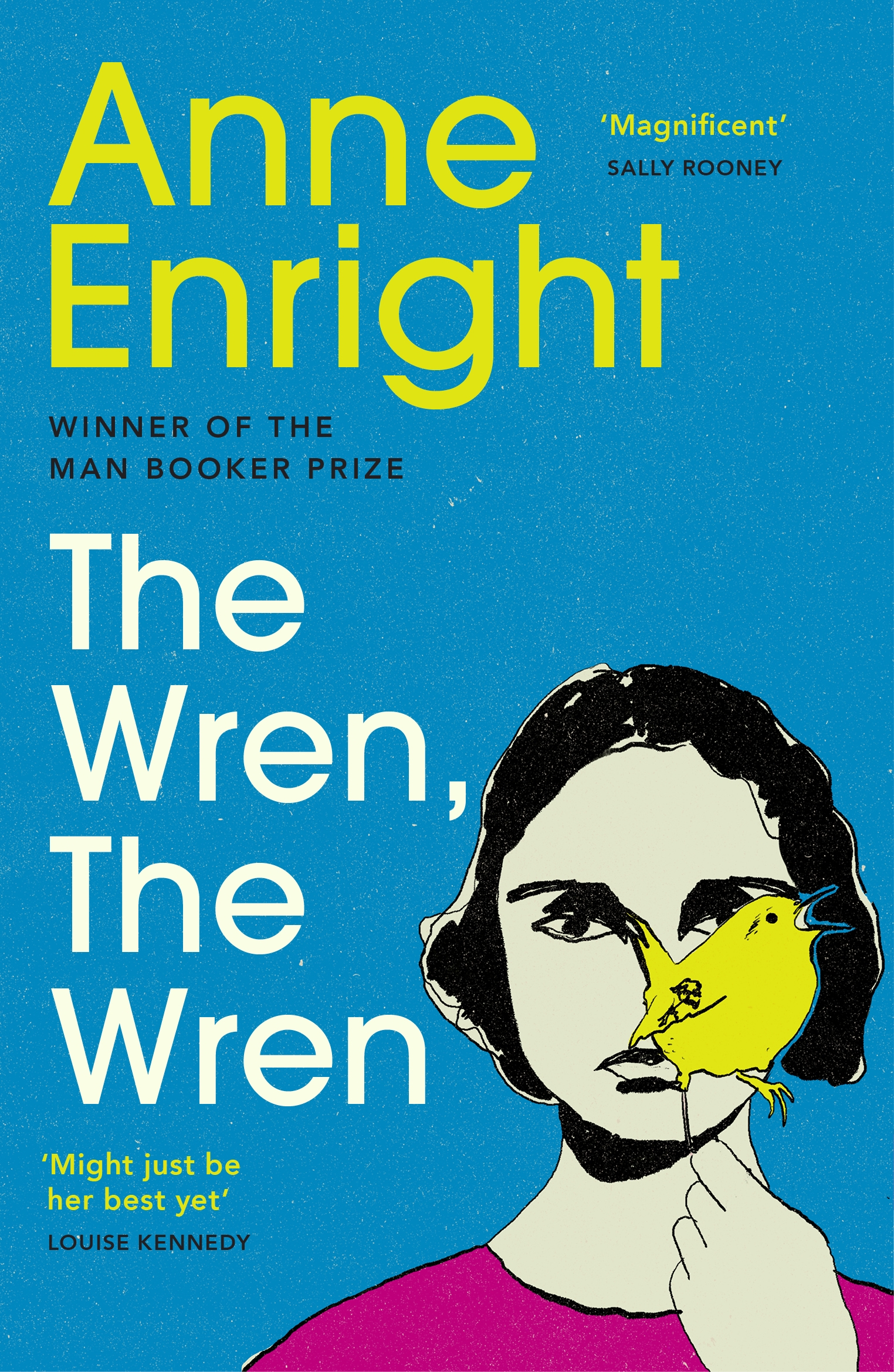
Nell – funny, brave and much loved – is a young woman with adventure on her mind. As she sets out into the world, she finds her family history hard to escape. For her mother, Carmel, Nell’s leaving home opens a space in her heart, where the turmoil of a lifetime begins to churn. Across the generations falls the long shadow of Carmel’s famous father, an Irish poet of beautiful words and brutal actions.
A consideration of love: spiritual, romantic, darkly sexual or genetic. A generational saga tracing the inheritance of trauma and wonder, it is a testament to the resilience of women in the face of promises, false and true. An exploration of the love between a mother and daughter – sometimes fierce, often painful, always transcendent.
Brotherless Night by V. V. Ganeshananthan (Sri Lanka), published by Viking, 348 pgs (see my review here)
Visceral, historical, emotional. It is 300 pages of must-read prose. A powerful book that has the intimacy of memoir, the range and ambition of an epic, and tells a truly unforgettable story about the Sri Lankan civil war.

Sixteen-year-old Sashi wants to become a doctor. But over the next decade, as a vicious civil war subsumes Sri Lanka, her dream takes her on a different path as she watches those around her, including her four beloved brothers and their best friend, get swept up in violent political ideologies and their consequences. She must ask herself: is it possible for anyone to move through life without doing harm?
Restless Dolly Maunder by Kate Grenville (Australia), published by Canongate Books, 256 pgs
[It] follows the life of Dolly, who really is restless. It begins in the 1880s in rural Australia, and it follows Dolly’s ambitions to live a bigger life than the one she’s been given.
Dolly Maunder is born at the end of the 19th century, when society’s long-locked doors are just starting to creak ajar for determined women. Growing up in a poor farming family in rural New South Wales, Dolly spends her life doggedly pushing at those doors. A husband and two children do not deter her from searching for love and independence.
Restless Dolly Maunder is a subversive, triumphant tale of a pioneering woman working her way through a world of limits and obstacles, who is able – despite the cost – to make a life she could call her own.
Enter Ghost by Isabella Hammad (Britain/Palestine), published by Jonathan Cape, 336 pgs (see my review here)
How can a production of Hamlet in the West Bank resonate with the residents’ existential issues? Enter Ghost is a beautiful, profound meditation on the role of art in our society and our lives.

After years away from her family’s homeland, and reeling from a disastrous love affair, actress Sonia Nasir returns to Haifa to visit her sister Haneen. While Haneen made a life here commuting to Tel Aviv to teach at the university, Sonia remained in London to focus on her acting career and now dissolute marriage. On her return, she finds her relationship to Palestine is fragile, both bone-deep and new.
When Sonia meets the charismatic, candid Mariam, a local director, she joins a production of Hamlet in the West Bank. Soon, Sonia is rehearsing Gertrude’s lines in classical Arabic with a dedicated group of men who, in spite of competing egos and priorities, all want to bring Shakespeare to that side of the wall. As opening night draws closer and the warring intensifies, it becomes clear just how many obstacles stand before the troupe. Amidst it all, the life Sonia once knew starts to give way to the daunting, exhilarating possibility of finding a new self in her ancestral home.
Timely, thoughtful, and passionate, Isabella Hammad’s highly anticipated second novel is an exquisite story of the connection to be found in family and shared resistance.
Soldier Sailor by Claire Kilroy (Ireland), published by Faber & Faber, 233 pgs (my review)
A full-bodied, remorseless, visceral deep dive into the maternal mind. It is ultimately a love story between Soldier, the mother, and Sailor, the son.

In her acclaimed new novel, Claire Kilroy creates an unforgettable heroine, whose fierce love for her young son clashes with the seismic change to her own identity.
As her marriage strains, and she struggles with questions of autonomy, creativity and the passing of time, an old friend makes a welcome return – but can he really offer her a lifeline to the woman she used to be?
River East, River West by Aube Rey Lescure (France/China), published by Duckworth, 352 pgs
Set in Shanghai in the 2000s, it’s a novel about reinvention. It’s original, it’s funny, and it’s sometimes heartbreaking as well.

A mesmerising reversal of the east–west immigrant narrative set against China’s economic boom, River East, River West is an exploration of race, identity and family, of capitalism’s false promise and private dreams.
Shanghai, 2007: feeling betrayed by her American mother’s engagement to their rich landlord Lu Fang, fourteen-year-old Alva begins plotting her escape. But the exclusive American School – a potential ticket out – is not what she imagined.
Qingdao, 1985: newlywed Lu Fang works as a lowly shipping clerk. Though he aspires to a bright future, he is one of many casualties of harsh political reforms. Then China opens up to foreigners and capital, and Lu Fang meets a woman who makes him question what he should settle for.
The 2024 Winners
The winner of both the Women’s Prize for Fiction and the inaugural Women’s Prize for Non Fiction will be announced on June 13th, 2024.
I have only read one from the list, Claire Kilroy’s excellent Soldier, Sailor. I’m most interested in reading V.V. Ganeshananthan’s Brotherless Night and Isabella Hammad’s Enter Ghost and am reminded that a friend recommended her debut The Parisian back in 2019 (but you know, 700+ pages).
Have you read any of these from the shortlist? Let us know what you thought in the comments below.


 The first two thirds of the book is the story of Luke, a young man who has taken a year out from his teaching job in Dublin and returned to the home he inherited from his parents.


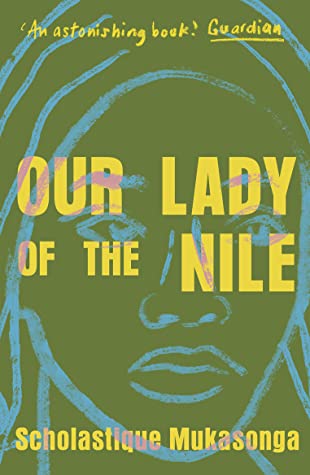 Parents send their daughters to Our Lady of the Nile to be moulded into respectable citizens, to protect them from the dangers of the outside world. The young ladies are expected to learn, eat, and live together, presided over by the colonial white nuns.
 A dazzling cabinet of curiosities from one of Europe’s most acclaimed and inventive writers.
 With the death of her aunt, Maria Stepanova is left to sift through an apartment full of faded photographs, old postcards, letters, diaries, and heaps of souvenirs: a withered repository of a century of life in Russia. Carefully reassembled, these shards tell the story of how a seemingly ordinary Jewish family somehow managed to survive the myriad persecutions and repressions of the last century.
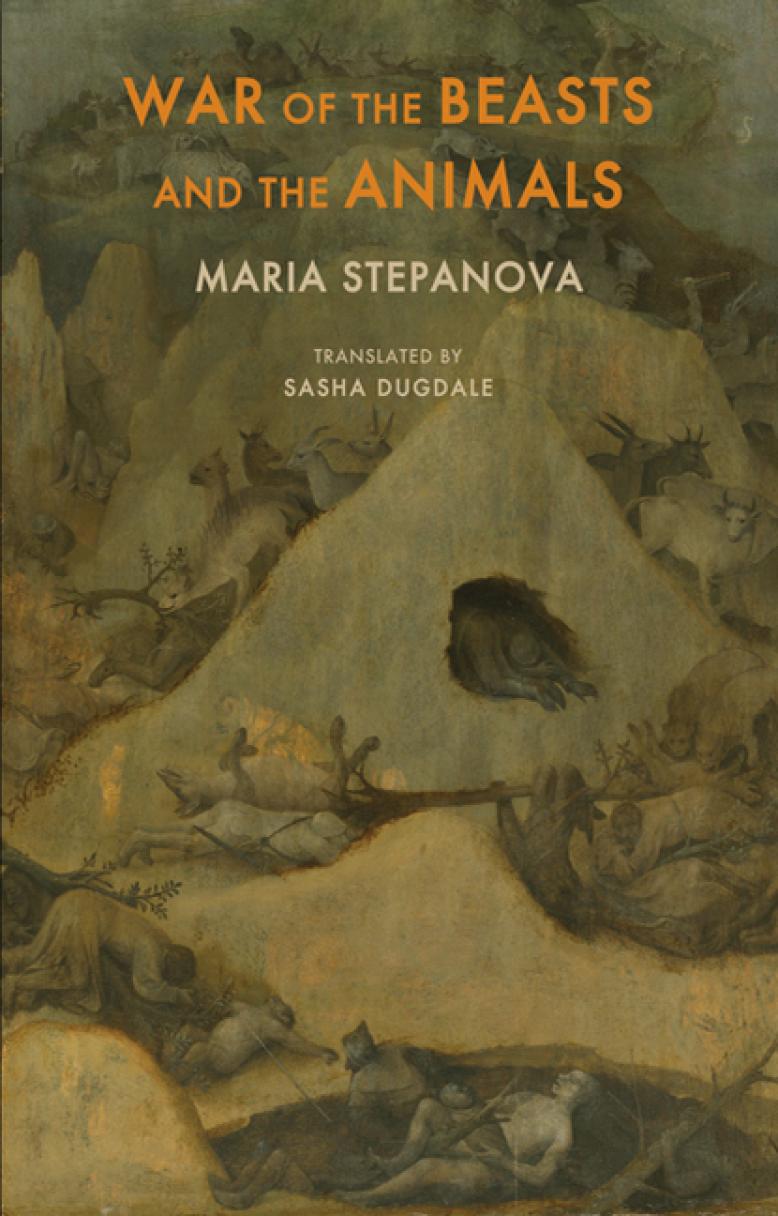 One of Russia’s most innovative and exciting poets and thinkers, though high-profile in Russia, her reputation has lagged elsewhere.
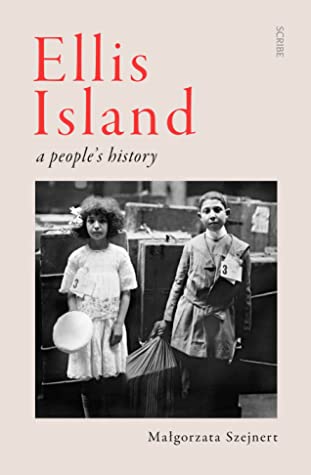 A landmark work of history that brings voices of the past vividly to life, transforming our understanding of the immigrant experience.
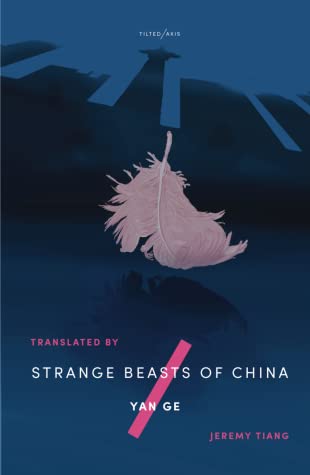 In the fictional Chinese town of Yong’an, human beings live alongside spirits and monsters, some of almost indistinguishable from people.
 Naïma has always known her family came from Algeria – until now, that meant little to her. Born and raised in France, her knowledge of that foreign country is limited to what she’s learned from her grandparents’ tiny flat in a crumbling French housing estate: the food cooked for her, the few precious things they brought with them when they fled.
 Written in three parts, this award winning novel by Lebanese author Hada Barakat, is composed of a series of six letters written in a stream of consciousness narrative that are interlinked. The letters are read, but not by their intended recipient, found between the pages of a book, dug out of a bin or otherwise encountered. They prompt the finder to write their own letter.
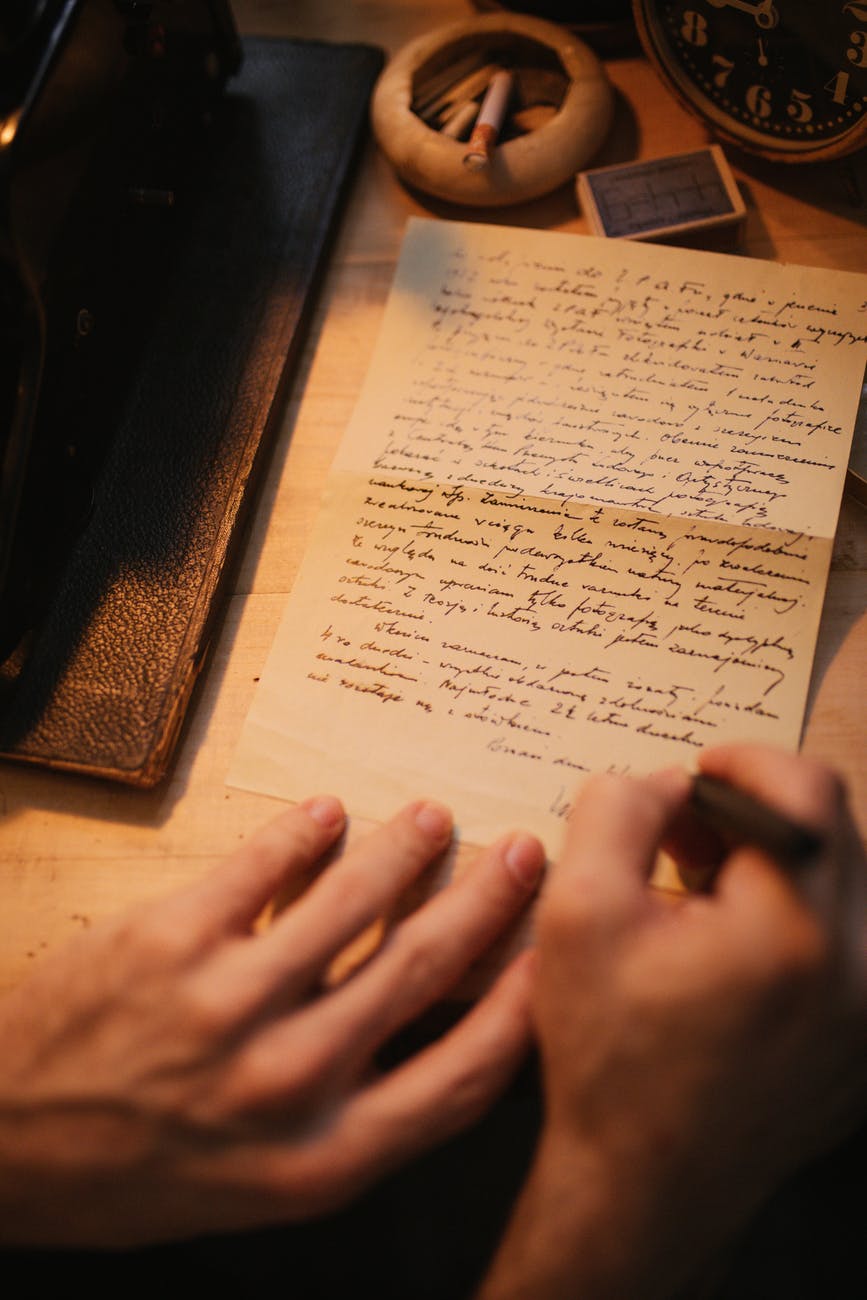
 Hoda Barakat was born in Beirut in 1952. She has worked in teaching and journalism and lives in France. She has published six novels, two plays, a book of short stories and a book of memoirs, as well as contributing to books written in French. Her work has been translated into a number of languages.
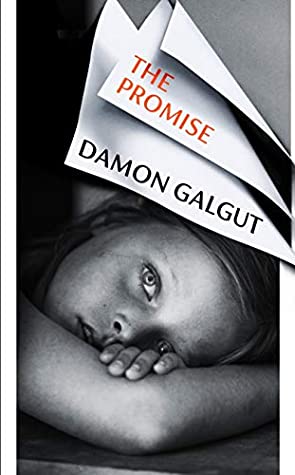 In Damon Galgut’s deft, powerful story of a diminished family and a troubled land, brutal emotional truths hit home.
 Anuk Arudpragasam’s masterful novel is an attempt to come to terms with life in the wake of devastation of Sri Lanka’s 30-year civil war.
  Patricia Lockwood’s sincere and delightfully profane love letter to the infinite scroll, and a meditation on love, language and human connection.
 Nadifa Mohamed’s gripping novel about a petty criminal in Cardiff who becomes the last man to be hanged there, wrongfully convicted of murder in 1952.
 An astrobiologist thinks of a creative way to help his rare and troubled son in Richard Powers’ deeply moving and brilliantly original novel.
 The lives of a fearless female aviator and the actress who portrays her on screen decades later intersect in Maggie Shipstead’s vivid, soaring novel.


 Bitter Orange is less mysterious and though it is set in 1969, it has something of the feel of a timeless classic, with its setting in a dilapidated English mansion, with two characters employed by the new, absent owner to make a report on the inventory and architecture of the interior and garden, people interested in old things from the past, haunted by them in fact.
 Once settled into her attic room, France spies her housemates, Cara the carefree young woman, who it soon becomes clear is tormented by something and Peter the older lover of antiquities, a man who more than admires, wishes to possess all that he finds alluring.
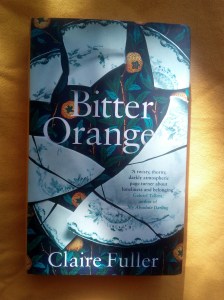 For me, it didn’t have the same captivating atmosphere, characterisation and thought-provoking aspects present in Swimming Lessons, which is my favourite of the three books and was a five-star read for me last year, however it excels in demonstrating the murky depths of people, who are often not what they seem on the surface, and even when unravelled and revealed may not be telling things as they really are or were. Yes, watch out for the unreliable narrator,.
 Word by Word