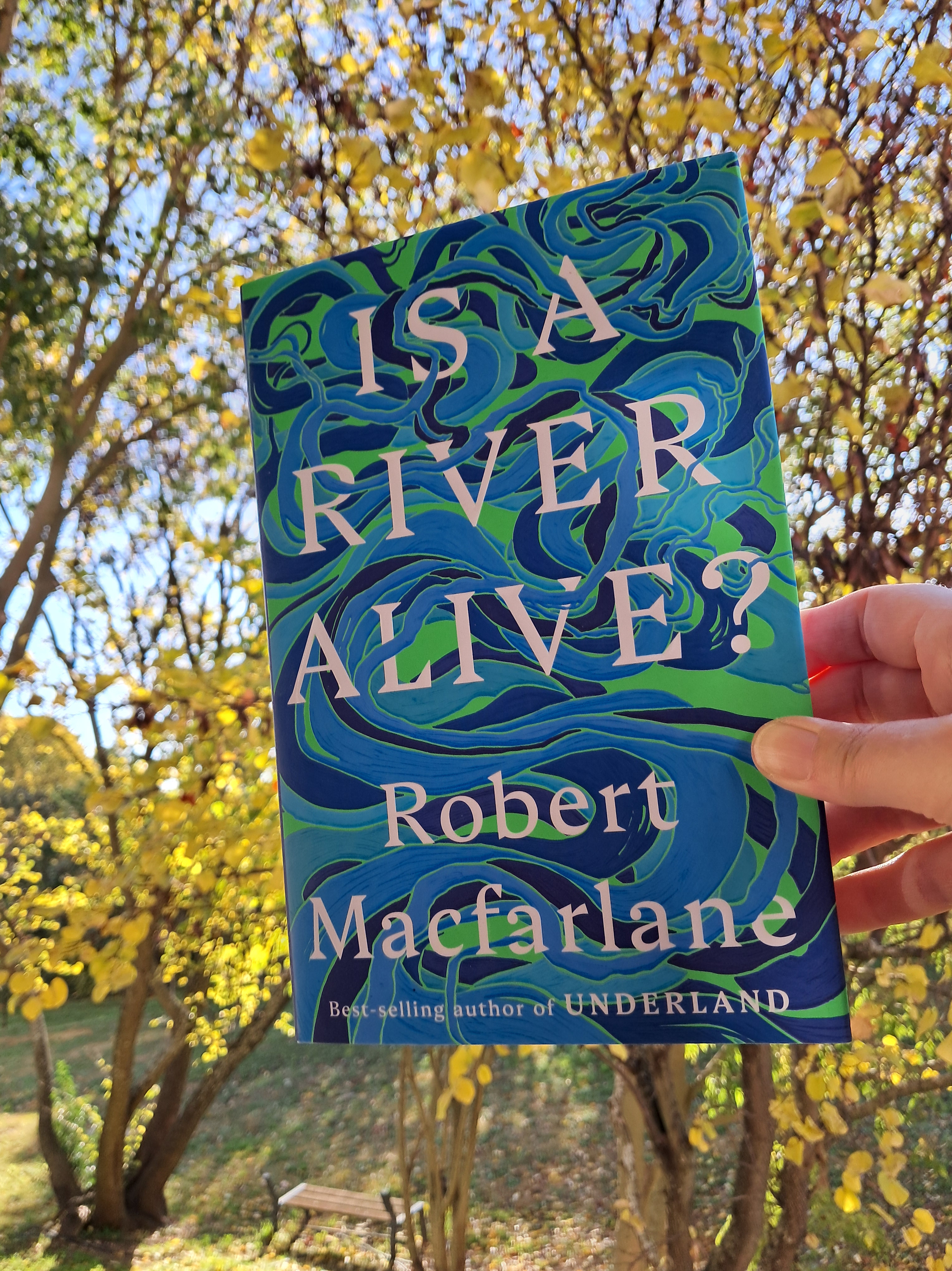
Is A River Alive by Robert Macfarlane

Though I really enjoy nature writing of the creative nonfiction kind, I had never read a book by Robert Macfarlane. I’d heard of The Old Ways, but steered away from what I perceived was a very English text.

In that book he travelled Britain’s ancient paths discovering the secrets of their beautiful, underappreciated landscape.

Deliberate Reading and Intentional Rejection

To be honest, we have lived through multiple decades of male English explorer literature and I find they have been over represented in the past. I was more interested in rebel explorers like Jane Digby and in this century, nature writers whose work was lyrical and/or moving, authors like Kathleen Jamie, Annie Dillard, Tove Jansson’s Summer & Winter books, Rachel Carson’s Sea Trilogy, Terry Tempest Williams When Women Were Birds, Rebecca Solnit’s The Faraway Nearby.

Travel Companions Matter

So while I had deliberately turned my attention elsewhere, something about the premise of Is a River Alive? made me loosen my gaze and look to find out for myself what he was seeing. Because firstly, he was going to Ecuador, India and Canada, and secondly, he was keeping unorthodox, interesting, and passionately dedicated company on his travels.

On Partnership and Healthy Collaboration

A few years ago I read Riane Eisler’s excellent book The Chalice and the Blade (1987) and its follow up Nurturing Our Humanity: How Domination and Partnership Shape Our Brains, Lives and Future (2019) books that explore the concept of partnership, how it fosters connection and positive collaboration to build healthy communities, encouraging creativity to solve problems.

Robert Macfarlane’s book, to me, is a living example of those dedicated to pursuing this kind of philosophy, it is not just about one man’s observations, it is about bringing together people with a common interest, with different strengths or expertise, doing good to bring attention to that which needs help – NATURE – to prevent further destruction and death, because YES, A River IS Alive!

Three River Journeys and an English Spring

A journey into an idea that changes the world – the idea that a river is alive.

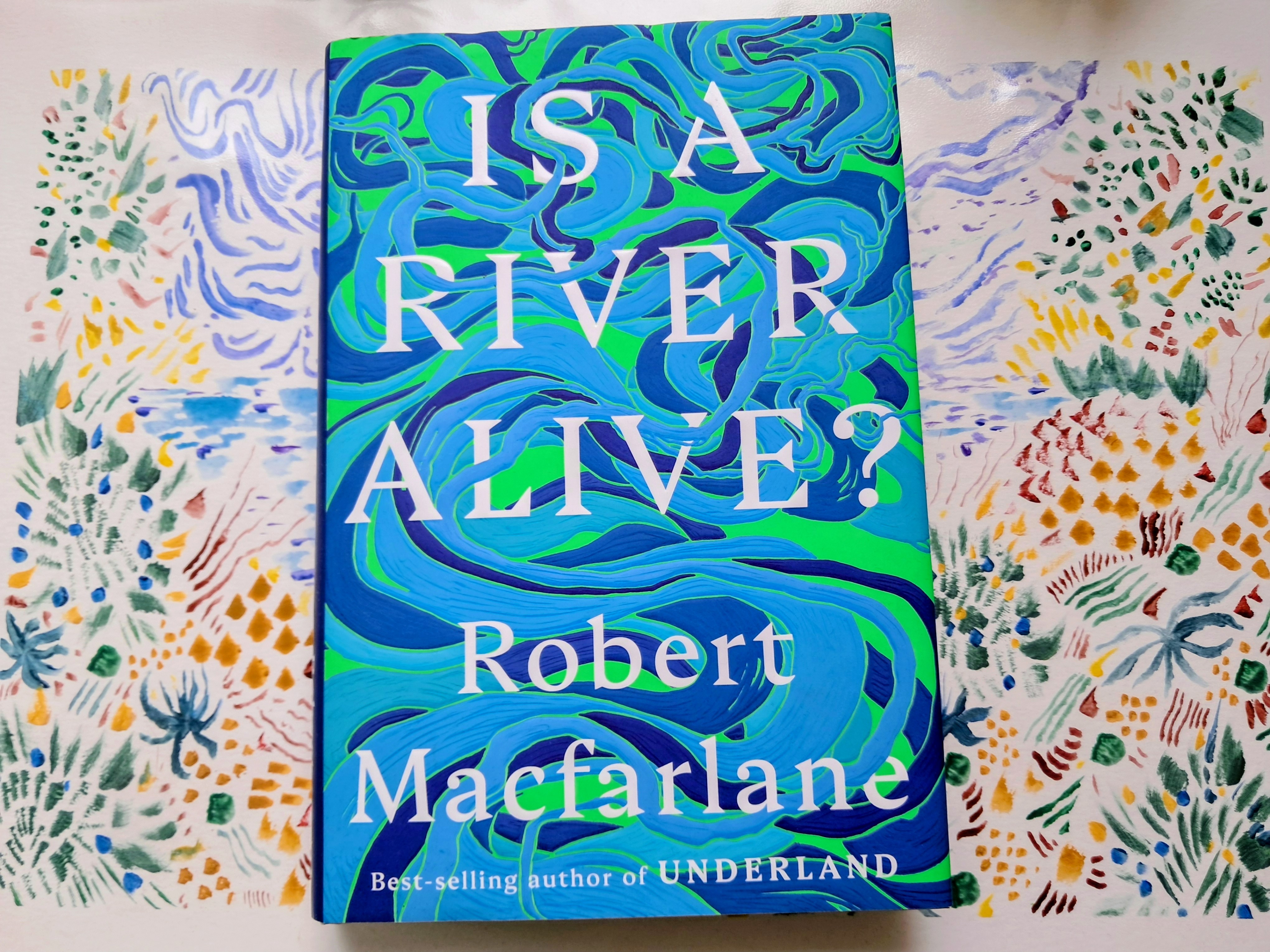
Book cover of Is A River Alive by Robert Macfarlane

Apart from starting and ending the book at a local spring he walks with his children in England, the book is divided into three, covering geographically diverse journeys in three countries, connecting with their rivers and eco-systems.

Part I : The River of the Cedars (Ecuador); Part II : Ghosts, Monsters and Angels (India) and Part III : The Living River (Nitassinan/Canada).

It is the summer of 2022, the hottest on global record – the summer when nearly all the rivers die…

The rivers have it worst. The Po dead-pools. Sections of the Rhine are no longer navigable to the shallow-draughted barges that keep Germany’s heartlands moving. In Canada, spawning salmon are poached alive in gravel beds. On the banks of the Yangtze in Sichuan, parents sit their young children in buckets of water to keep them from heatstroke. In the borderlands of England and Wales, the run-off from giant chicken farms sickens the listless water of the River Wye.

A Personified Natural World – Te Awa Tupua

But first the introduction. An idea was presented in 1971 by Christopher Stone to a seminar in Southern California, an idea that made his students sit upright, pay attention and apply their problem solving skills. It led to a landmark paper called ‘Could Trees Have Standing? Toward Legal Rights for Natural Objects‘.

‘So,’ he asked hesitantly, ‘what would a radically different law-driven consciousness look like? A consciousness in which…Nature has rights. Yes, rivers, lakes, trees, animals. How would such a posture in law affect a community’s view of itself?’

An idea that then found traction in New Zealand, nearly forty years later, when Māori legal scholar Professor Jacinta Ruru (Raukawa, Ngāti Ranginui) after reading his work and together with student James Morris, took it further, publishing the paper ‘Giving Voice to Rivers‘.

Ideas move in space and time. They swim like fish. They drift like pollen. They migrate like birds. Sometimes their movement carries them right around the world, and they find new niches in which to flourish.

Their article demonstrated an affinity between the concept of legal personhood for natural entities and the long-standing Māori relationship with rivers as living, sacred ancestors.

This lead to the Te Awa Tupua Act and entered into law. The river was alive, it was an ancestor to the iwi (people), a ‘legal person’ with rights and now Guardians would uphold those rights. It created a global ripple, super-charging the ‘Rights of Nature ‘ movement.

In 2017, after more than a century of legal struggles by the Māori people of the Whanganui River (Te Āti Haunui-a-Pāpārangi), the 292-kilometer Whanganui River — also known as Te Awa Tupua — became the first river in the world to be recognized as a legal entity, granting it the same rights and powers as a legal person.

Ultimately, Christopher D. Stone (1937-2021) left a profound and lasting legacy in environmental law, legal philosophy, and human rights, reshaping how the law understands who – or what – can have rights.

Book Review

Exploring Rivers Considering the Rights of Nature

Part I : Los Cedros, Ecuador

The book follows these three journeys to places threatened by mining, pollution and dams: first to the cloud forest, Los Cedros, in northern Ecuador with Chilean-Italian-British fungi expert, Guiliana Furci; musician/singer Cosmo Sheldrake (who listens and records nature sounds) and César Rodriguez-Garavitoa, Colombian social justice lawyer advocating for the Rights of Nature.

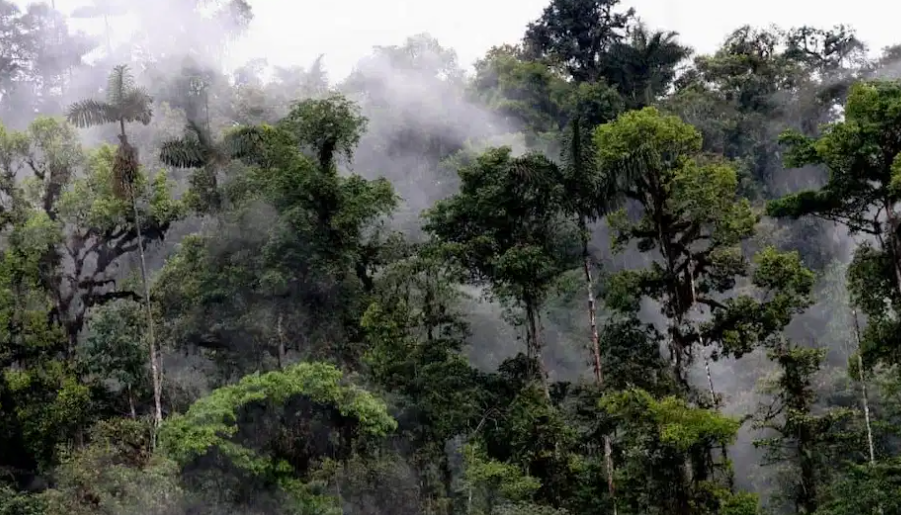
A cloud-forest is a river maker.

Cloud-forests form at higher altitudes than rainforests; typically between three thousand and eight thousand feet above sea level, in steep landscapes of peak, ridge and valley. The elevation means that cloud-forests are cooler than rainforests, and the drama of their topography means that their rivers are fast, shallow, clear and rock-bedded, compared to the muddier, slower rivers of of rainforests.

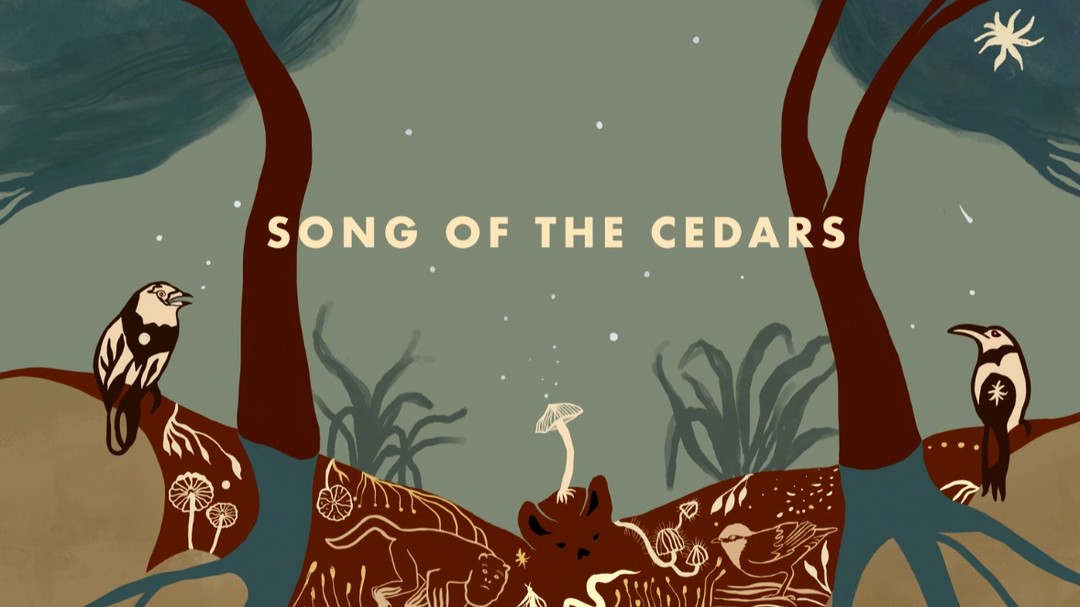
Song of the Cedars a co creation with Los Cedros cloud forest and Cosmo Sheldrake Robert Macfarlane Giuliana Furci and César Rodríguez-Garavito

As the group walks into the forest, each person brings their knowledge, concern and creativity, they join in the excitement of finding new species of fungi, they listen to the sounds captured and together they create their own song from what they hear and what they learn. It will be the first legal attempt to recognise an ecosystem’s moral authorship in the co- creation of a work of art. I can only imagine how it must have been to travel with this group and be part of this.

I listened to the song they co-created with the forest. The Song of the Cedars. I was blown away by the combination of listening and feeling its vibration as I read the accompanying text. Prepare to be moved if you listen and read, especially when it gets to the drumbeat refrain about 2.30 minutes in.

✨️CLOUDS DEEPEN MY SIGHT✨️

Part II : Chennai, India

I have come to Chennai in search of ghosts, monsters and angels.

The ghosts are those of the rivers who had to be killed for this city to live.

The monsters are the terrible forms those river ghosts take every few years, when they are resurrected by cyclone or monsoon.

The angels are those who watch over the lives of the rivers where they survive, and who seek to revive those who are dying and Yuvan Aves – teacher, naturalist, writer, water activist – is one of these angels.

In Part II, Macfarlane travels to Chennai, India to follow three wounded rivers to their source with Yuvan Aves, a young man he has never met, but corresponded with for five years. Together they will trace Chennai’s rivers and waterbodies from inland to coast.

Part III : Mutehekau Shipu River, Canada

Photo by Baskin Creative Co. on Pexels.com

And finally Part III, a wild kayak ride down the threatened Mutehekau Shipu river, with instructions from local native healer, Rita Mestokosho that will make the accomplishment and observations even more meaningful than his original intentions.

The Mutehekau Shipu had become the first river in Canada to be recognised as a living, rights-bearing Being.

Inspired by the negotiations between indigenous Maori and the Crown in New Zealand, they too have signed a resolution to recognise the river as a living being.

The small team will travel down the challenging river for a hundred miles to its mouth at the sea over two weeks. It is a wild adventure and a spiritual experience, Macfarlane has been told to forget his notebooks and ‘be the river’.

‘You need to pay attention to the river, Robert. The important thing is to wake up not the consciousness but the heart. Rather than you speaking of the river, it is the river who will speak to you.’

This is an extraordinary, informative, compelling read that, though packed with information, is full of humanity and incredibly passionate characters, all trying to do more to honour and protect nature’s gifts, before other less enlightened aspects of humanity kill them off or choke them forever.

I completely devoured this. Highly Recommended if you have any interest in understanding the wilds of nature and her impact on our living, breathing world.

Further Reading

Article: Jacinta Ruru : Recalibrating the law to recognise Māori interests

Article: The Revelator, Environmental Truth & Justice : The Te Awa Tupua Act: An Inspiration for Communities to Take Responsibility for Their Ecosystems

Article: Canadian Geographic : I am Mutehekau Shipu: A river’s journey to personhood in eastern Quebec

Author, Robert Macfarlane

Robert Macfarlane’s best-selling books include UnderlandThe Old Ways, and Mountains of the Mind. With the artist Jackie Morris he is the coauthor of The Lost WordsThe Lost Spells, and The Book of Birds.

Is A River Alive? was a finalist for the 2025 Banff Mountain Book Competition in Environmental Literature & longlisted for the 2026 Andrew Carnegie Medal for Excellence in Nonfiction. It was named a Best Book of 2025 by The New YorkerEconomistGuardianMinneapolis Star-TribuneKirkus Reviews, and Publishers Weekly.

He is the recipient of the E. M. Forster Prize for Literature and the Henry David Thoreau Prize for Literary Excellence and is a fellow of Emmanuel College, Cambridge.

Raising Hare by Chloe Dalton

There is nothing quite like a thoughtful work of nature writing to end the year with, as we move from autumn into winter hibernation. I missed out on the Nonfiction November themed reads that many other bloggers participate in, however I seem to have been attracted to reading nonfiction in December.

Best Nature Writing of 2025

Raising Hare by Chloe Dalton shortlisted womens prize nonfiction winner Wainwright Prize 2025

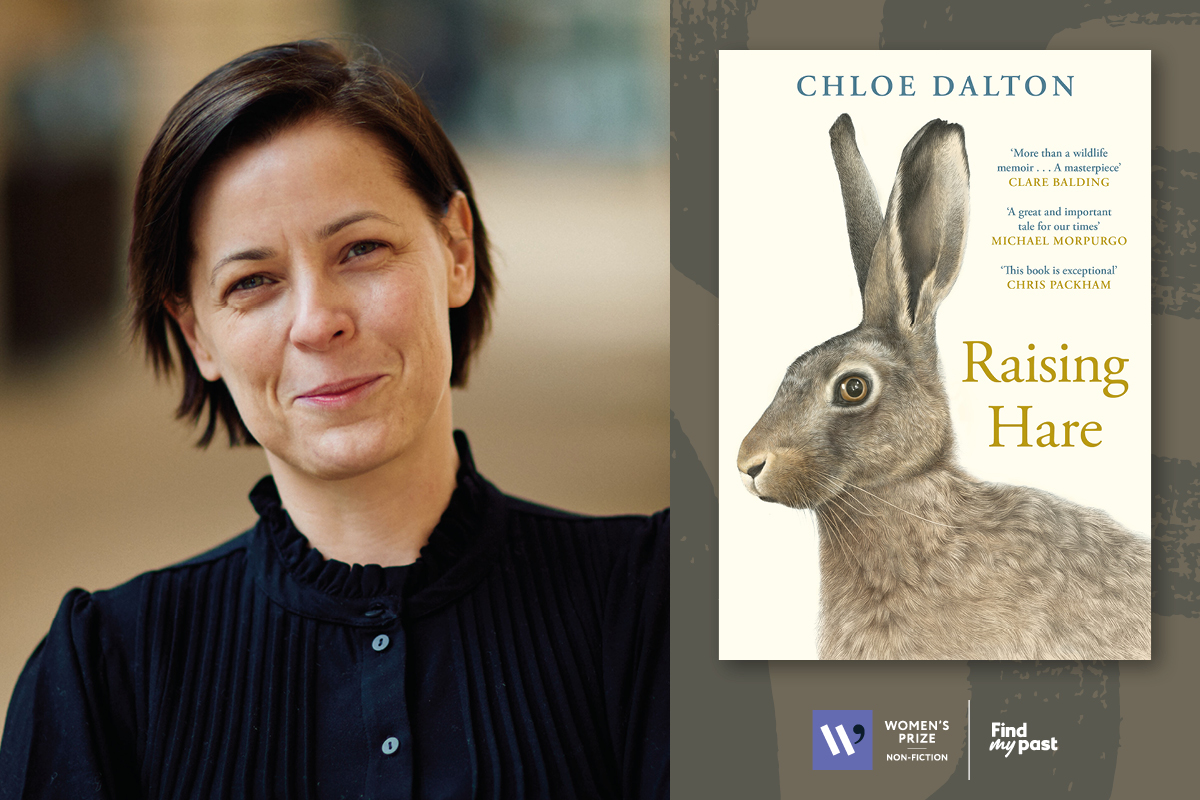
I liked the sound of Raising Hare from the moment I heard of it, when it was longlisted and then shortlisted for the women’s prize for non-fiction. And in these last weeks of the year, it seems to be sustaining interest by readers, having won the Wainwright Prize for Nature Writing and Overall Book of the Year. The chair of judges, referring to it as a ‘soulful debut’ said,

“A whole new audience will be inspired by the intimate storytelling of Chloe Dalton. Raising Hare is a warm and welcoming book that invites readers to discover the joy and magic of the natural world. As gripping and poignant as a classic novel, there is little doubt this will be read for years and decades to come.”

Not a Typical Animal Rescuer

The author Chloe Dalton as we read in her short bio, does not have the typical profile of someone who might rescue an animal. She lived and worked in London as a political adviser and foreign policy specialist, something of a workaholic who travelled a lot and was always on hand when needed. So this story and transformation likely would not have happened, had there not been a lock down that sent her to her home in the English countryside and changed the way she lived and worked.

If I had an addiction, it was to the adrenaline rush of responding to events and crises, and to travel, which I often had to do, at a few hours notice.

It makes me wonder how many other unique experiences with nature and wildlife occurred during this time, when the world slowed down and people started noticing how we live and the detrimental impact we are having, even in a small acreage like this.

Born in a Pandemic

Photo by Pixabay on Pexels.com

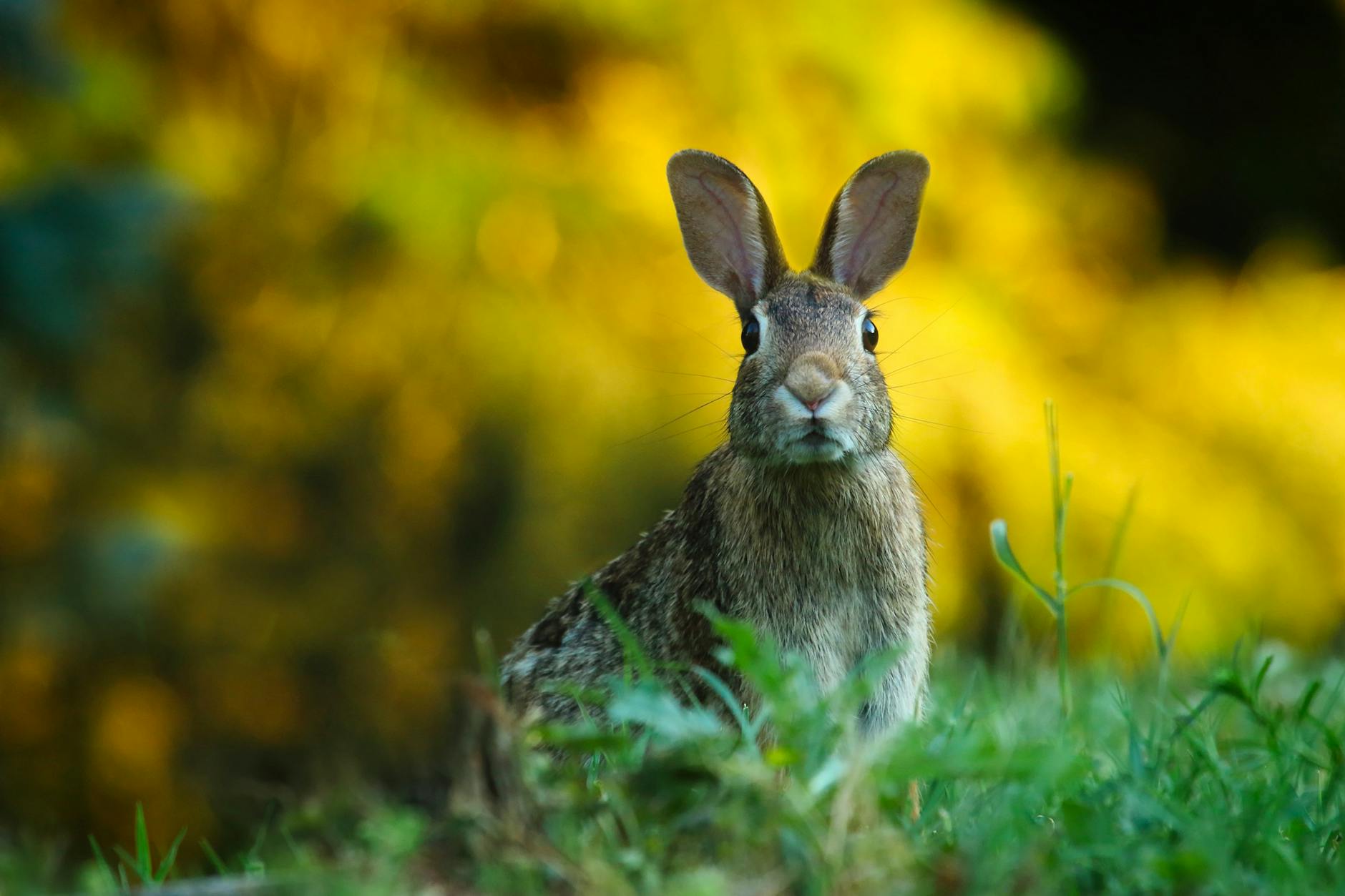
It’s the story of how a woman, living alone in the English countryside encounters a leveret after hearing a dog barking, clearly disturbing the nest. Initially ignoring it, then four hours later when it had not moved, she could not – the poor thing as small as the palm of her hand, frozen in the middle of a track leading directly to her house.

A call to a local conservationist dispelled any notion she had that she could return it to the field later, and further telling her hares could not be domesticated.

I felt embarrassed and worried. I had no intention of taming the hare, only of sheltering it, but it seemed that I had committed a bad error of judgement. I had taken a young animal from the wild – perhaps unnecessarily – without considering if and how I could care for it, and it would probably die as a result. My heart sank.

Overwhelmed and terrified she’d kill it by accident, she begged her sister, who lived with a menagerie of animals to take the leveret. After explaining how unsuitable that cacophonous environment would be for a baby hare, her sister told her ‘You’ll do fine’ and hung up.

Providing Care and Gaining an Education

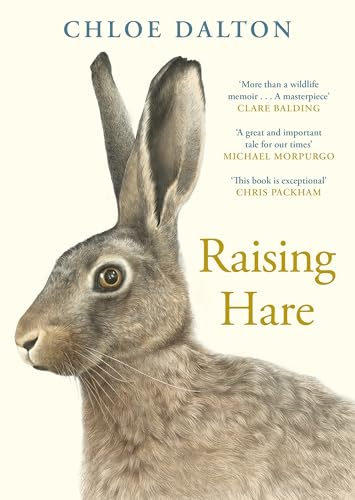
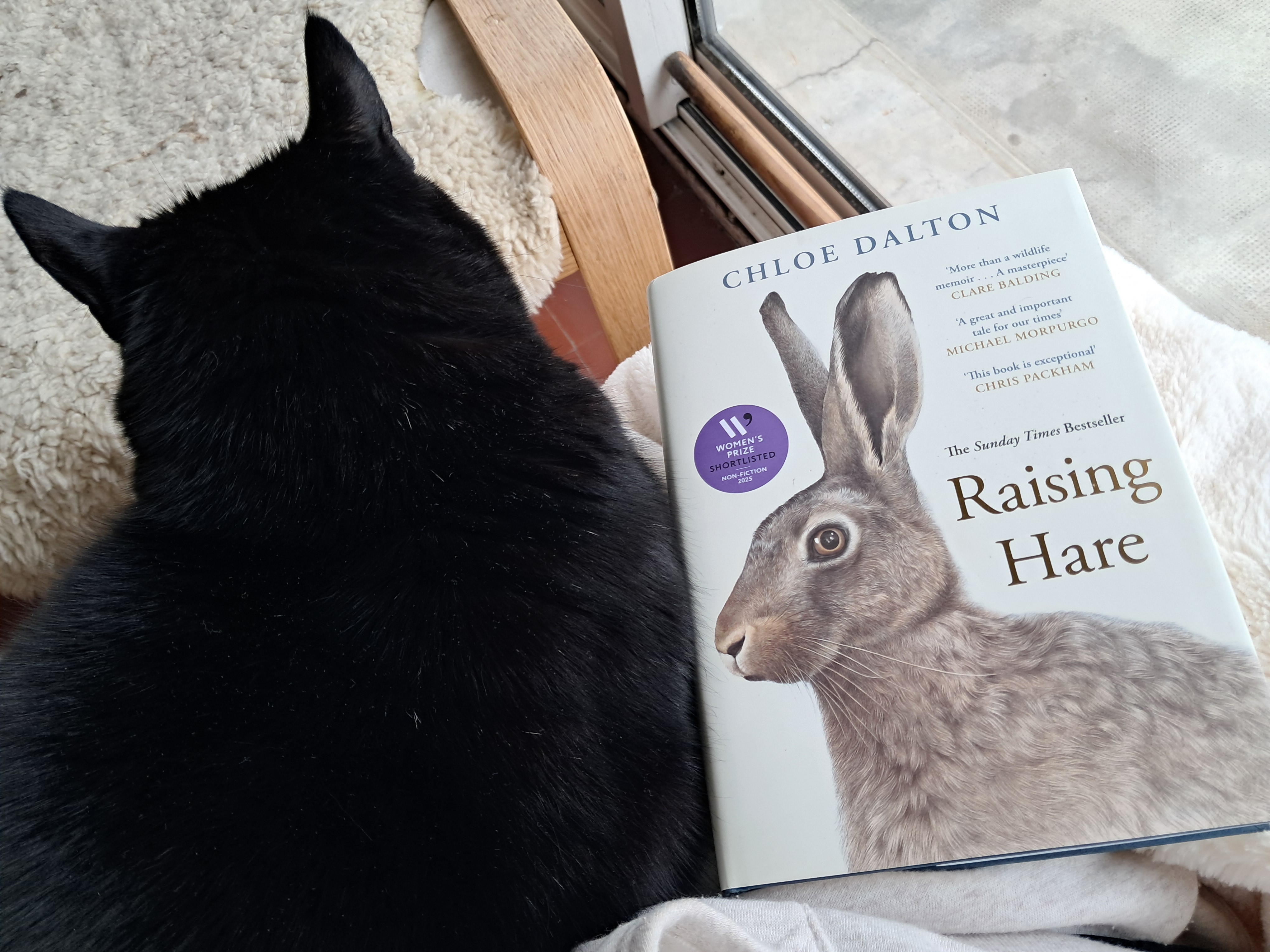
Book cover Raising Hare by Chloe Dalton

We then observe where all that leads, not just into the care of a vulnerable animal, but how she educates herself all about leverets and hares, all the while focused on observing its every movement and behaviour, as they live alongside one another throughout the pandemic period and beyond.

I found it highly educational and loved the subtle transformation the author undergoes, as she learns to see her own environment through the purview of local wildlife and in effect provides an update to much existing research and knowledge about this breed, due to the unique opportunity of getting so close to living in proximity to a hare and her protege, while allowing it to stay wild so that it could continue to breed in the wild.

It is a gentle, enquiring, observational work of nature writing and a tender transformation of one human in her own ways, through the observation of the little known leveret, its home environment and habits. It is almost impossible not to be moved by the young hare, coming to know how sensitive the species is, and how it navigates this unorthodox contact with a female human.

I pondered the concept of ‘owning’ a living creature in any context. Interaction with animals nurtures the loving, empathetic, compassionate aspects of human nature. It taps into a primordial reverence towards the living world and a sense of the commonality and connectedness across species. It is a gateway, as I was discovering, into a state of greater respect for nature and the environment as a whole. We all too easily subordinate animals to our will, constraining or confining them to suit our purposes, needs and lifestyles.

Consciousness Raising Around Wildlife

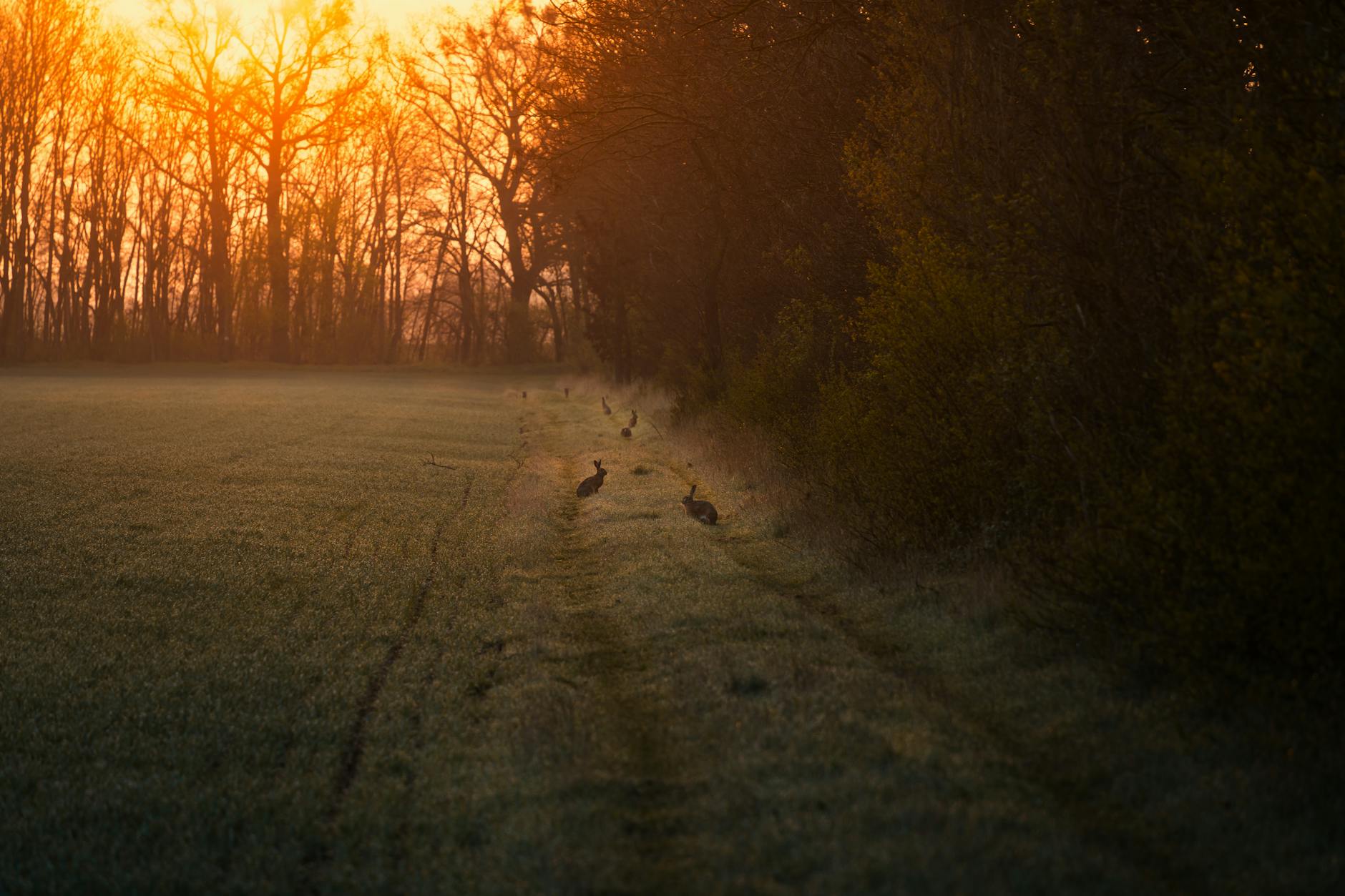
Photo by Michael Pointner on Pexels.com

What a chance to have occurred, for someone interested in policy, to take an interest in a more local and domestic situation, pouring herself into the research, taking care of a vulnerable sentient being and starting to consider the changes that can be made, to enable all species, including human to coexist in a less destructive manner.

Hares are the only game species which are not protected by a ‘close season’ in England and Wales: a period of the year during which they cannot be shot and killed. Other ‘game’ species – such as deer, pheasants and partridges, to name a few – are all protected by a close season. Hares by contrast can be shot at any time of year, including during the crucial months of February to September, when they typically raise their young.

Scotland and the rest of Europe already protect hares in this way. Only in England and Wales does this anomaly persist.

Highly Recommended.

Further Reading

Women’s Prize Interview: In conversation with Chloe Dalton

Read a Sample – the opening pages of Raising Hare by Chloe Dalton

Author, Chloe Dalton

Chloe Dalton is a writer, political adviser and foreign policy specialist. She spent over a decade working in the UK Parliament and the Foreign and Commonwealth Office and has advised, and written for and with, numerous prominent figures. She divides her time between London and her home in the English countryside.

Her debut book, Raising Hare, was an instant Sunday Times and New York Times bestseller. It won the Wainwright Prize for Nature Writing and was shortlisted for the Women’s Prize for Non-Fiction, and was selected as a Waterstones Book of the Year and as the Hay Festival Book of the Year. It was a Critics Best Books pick for The Times, Financial Times, Guardian, Spectator and iNews and was a Waterstones Non-Fiction Book of the Month.

‘Imagine holding a baby hare and bottle feeding it. Imagine it living under your roof, drumming on your duvet to attract your attention. Imagine the adult hare, over two years later, sleeping in the house by day, running freely in the fields by night and raising leverets of its own in your garden. This happened to me.’  

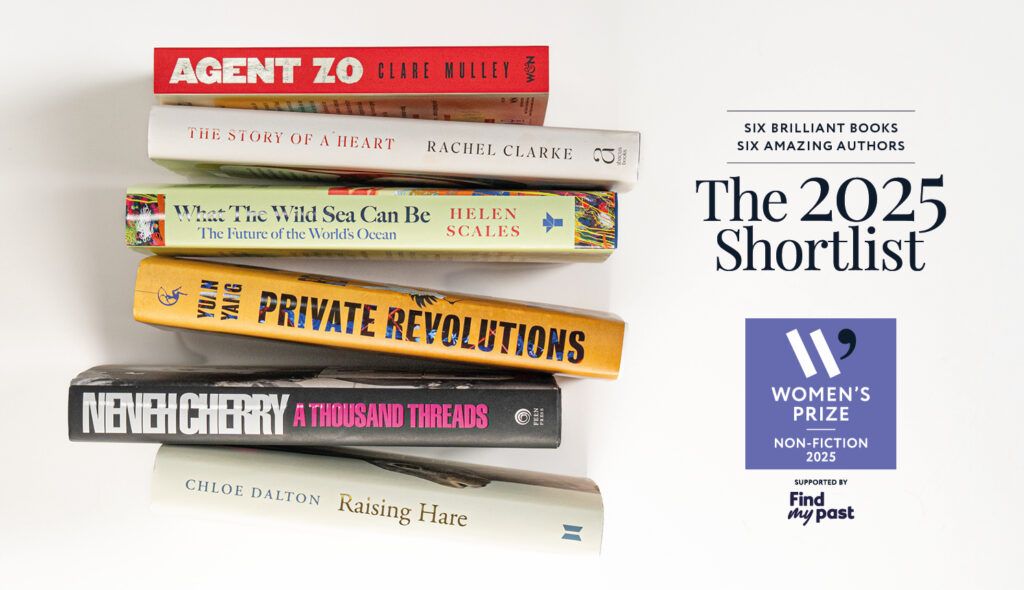
Women’s Prize for Non-Fiction Shortlist 2025

Now in it’s second year running, the Women’s Prize for Non-Fiction Shortlist has been announced. If you want a reminder, here are the 16 books that were on the longlist.

The six titles chosen range from history, science and nature, to current affairs and memoir, united by the power of hope and the necessity of resistance to initiate change.

Judge’s Comment

It’s an absolute pleasure to announce six books on our 2025 shortlist from across genres, that are united by an unforgettable voice, rigour, and unique insight. Included in our list are narratives that honour the natural world and its bond with humanity, meticulously researched stories of women challenging power, and books that illuminate complex subjects with authority, nuance and originality. These books will stay with you long after they have been read, for their outstanding prose, craftsmanship, and what they reveal about the human condition and our world. It was such a joy to embrace such an eclectic mix of narratives by such insightful women writers – we are thrilled and immensely proud of our final shortlist.

Kavita Puri, Chair of Judges

The Shortlist

Here are the six books chosen with a description, a short commentary by one of the judges and a link to a sample read or audio, if you’re interested to read/listen to a little of each title. Listening to the judges describe each book made them all sound really interesting to me.

I think I’m most interested by Agent Zo (after reading Madame Fourcade’s Secret War by Lynne Olson last year) and Private Revolutions because of its insight to another culture and those lives and stories that are so unlike our own. What do you think? Do any of these sound interesting to you?

Let me me know in the comments below.
Womens Prize for NonFiction Shortlist 2025

A Thousand Threads by Neneh Cherry (read a sample) (listen to audio)

Top of the Pops, December 1988. The world sat up as a young woman made her debut: gold bra, gold bomber jacket, and proudly, gloriously, seven months pregnant. This was no ordinary artist. This was Neneh Cherry.

But navigating fame and family wasn’t always simple. In this beautiful and deeply personal memoir, Cherry remembers the collaborations, the highs and lows, the friendships and loves, and the addictions and traumas that have shaped her as a woman and an artist. At the heart of it, always, is family: the extraordinary three generations of artists and musicians that are her inheritance and her legacy.

Musician. Songwriter. Collaborator. Activist. Mother. Daughter. Lover. Friend. Icon. This is her story.

A Thousand Threads by Neneh Cherry is the story of a remarkable life and the many threads that made it. Its about belonging, family, how we find our place in society, as well as music of course. The writing is exceptional and effortless. It’s a complex portrayal full of warmth, honesty and integrity and of how Neneh came to be who she is today.

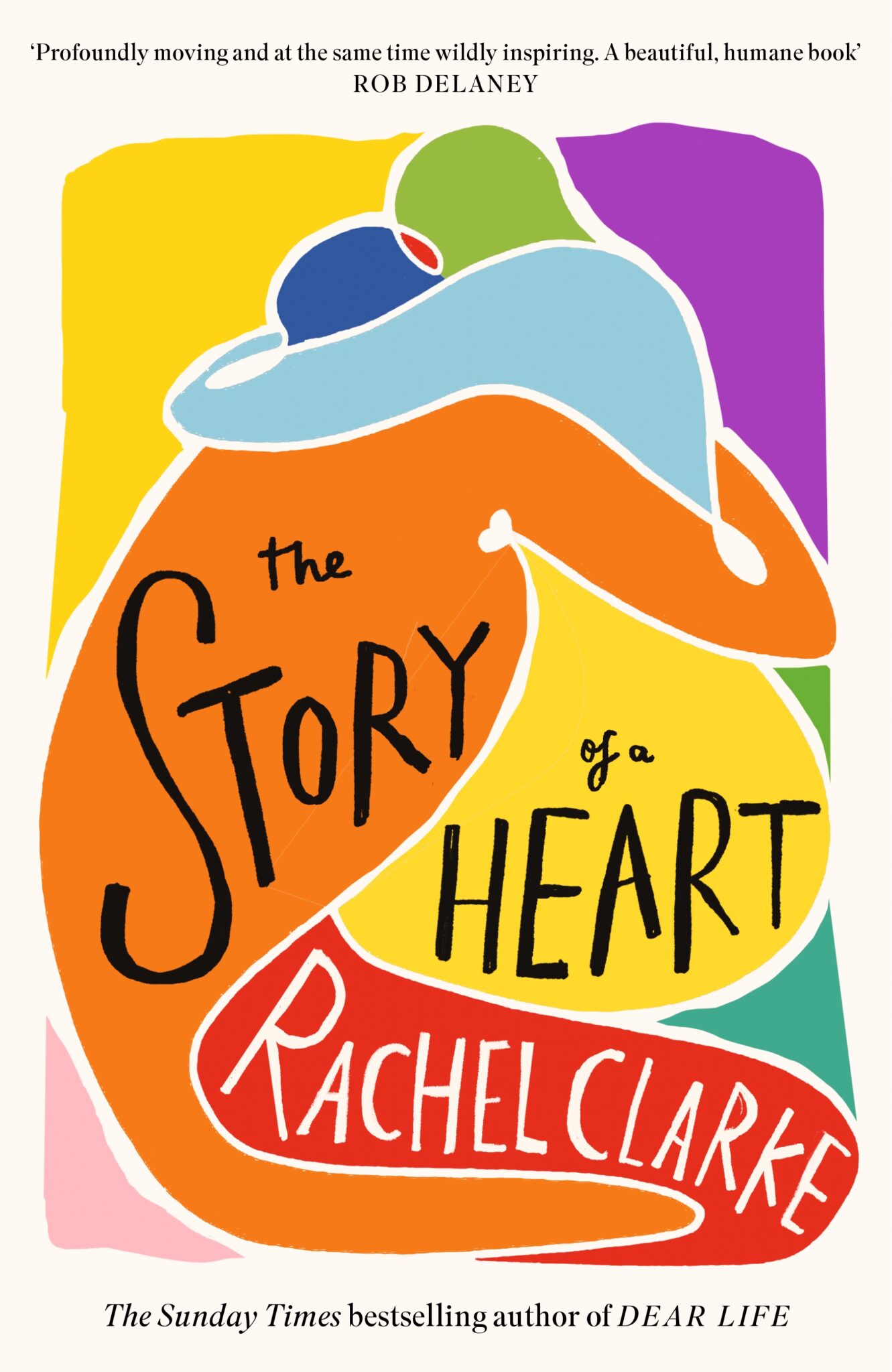
The Story of a Heart by Rachel Clarke (read a sample) (listen to audio)

The first of our organs to form, the last to die, the heart is both a simple pump and the symbol of all that makes us human: as long as it continues to beat, we hope.

One summer day, nine-year-old Keira suffered catastrophic injuries in a car accident. Though her brain and the rest of her body began to shut down, her heart continued to beat. In an act of extraordinary generosity, Keira’s parents and siblings agreed that she would have wanted to be an organ donor. Meanwhile nine-year-old Max had been hospitalised for nearly a year with a virus that was causing his young heart to fail. When Max’s parents received the call they had been hoping for, they knew it came at a terrible cost to another family.

This is the unforgettable story of how one family’s grief transformed into a lifesaving gift. With tremendous compassion and clarity, Dr Rachel Clarke relates the urgent journey of Keira’s heart and explores the history of the remarkable medical innovations that made it possible, stretching back over a century and involving the knowledge and dedication not just of surgeons but of countless physicians, immunologists, nurses and scientists.

The Story of a Heart is a testament to compassion for the dying, the many ways we honour our loved ones, and the tenacity of love.

The Story of a Heart by Rachel Clark is the tale of a boy, a girl and the heart they share. I like how the book combines the author’s expertise and the emotional resonance of the subject to bring together an extraordinary story. It moves effortlessly between disciplines and is meticulously researched and superbly written. I will find it impossible to forget.

Raising Hare by Chloe Dalton (read a sample) (listen to audio)

Imagine you could hold a baby hare and bottle-feed it. Imagine that it lived under your roof and lolloped around your bedroom at night, drumming on the duvet cover when it wanted your attention. Imagine that, over two years later, it still ran in from the fields when you called it and snoozed in your house for hours on end. This happened to me.

When lockdown led busy professional Chloe to leave the city and return to the countryside of her childhood, she never expected to find herself custodian of a newly born hare. Yet when she finds the creature, endangered, alone and no bigger than her palm, she is compelled to give it a chance at survival.

Raising Hare chronicles their journey together and the challenges of caring for the leveret and preparing for its return to the wild. We witness an extraordinary relationship between human and animal, rekindling our sense of awe towards nature and wildlife. This improbable bond of trust serves to remind us that the most remarkable experiences, inspiring the most hope, often arise when we least expect them.

Raising Hare by Chloe Dalton is a beautiful meditation on the interactions between the human and the more than human that takes you under its spell. I really like how the book opens up questions of wildness, how do we let the wild into our lives, what can we do in our spaces to cultivate wild living? This is a captivating book that really stayed with me.

Agent Zo: The Untold Story of Courageous WW2 Resistance Fighter Elżbieta Zawacka by Clare Mulley (read a sample) (listen to audio)

This is the incredible story of Elzbieta Zawacka, the WW2 resistance fighter known as ‘Zo’. The only woman to reach London from Warsaw during the Second World War as an emissary of the Polish Home Army command, Zo undertook two missions in the capital before secret SOE training in the British countryside. As the only female member of the Polish elite Special Forces – the SOE-affiliated ‘Silent Unseen’ – Zo became the only woman to parachute from Britain to Nazi German-occupied Poland. There, whilst being hunted by the Gestapo who arrested her entire family, she took a leading role in the Warsaw Uprising and the liberation of Poland.

After the war she was demobbed as one of the most highly decorated women in Polish history. Yet the Soviet-backed post-war Communist regime not only imprisoned her, but also ensured that her remarkable story remained hidden for over forty years. Now, through new archival research and exclusive interviews with people who knew and fought alongside Zo, Clare Mulley brings this forgotten heroine back to life, and also transforms how we see the history of women’s agency in the Second World War.

Agent Zo: The Untold Story of Courageous WW2 Resistance Fighter Elżbieta Zawacka by Clare Mulley is a masterfully written biography that brings Elżbieta’s extraordinary story to life in exceptional detail. Phenomenally well researched, it’s a window into World War 2 stories that aren’t often heard, told through the life of an inspiring and powerful protagonist. I loved how the book follows Elżbieta right into the twenty-first century, showing the complexity of post-war politics. This is a history that still resonates today.

What the Wild Sea Can Be: The Future of the World’s Ocean by Helen Scales (read a sample) (listen to audio)

No matter where we live, ‘we are all ocean people,’ Helen Scales observes in her bracing yet hopeful exploration of the future of the ocean. Beginning with its fascinating deep history, Scales links past to present to show how prehistoric ocean ecology holds lessons for the ocean of today.

In elegant, evocative prose, she takes us into the realms of animals that epitomize current increasingly challenging conditions, from emperor penguins to sharks and orcas. Yet despite these threats, many hopeful signs remain, in the form of highly protected reserves, the regeneration of seagrass meadows and giant kelp forests and efforts to protect coral reefs.

Offering innovative ideas for protecting coastlines and cleaning the toxic seas, Scales insists we need more ethical and sustainable fisheries and must prevent the other existential threat of deep-sea mining. Inspiring us all to maintain a sense of awe and wonder at the majesty beneath the waves, she urges us to fight for the better future that still exists for the ocean.

A heartfelt exploration of the deep sea from coral to whales to emperor penguins to kelp, the writing is urgent and spellbinding and gripping, showing how humans have accelerated climate change and how we can fight for a better future. I absolutely loved spending time with the marine biologist Helen Scales down in the brutal and beautiful depths of the ocean.

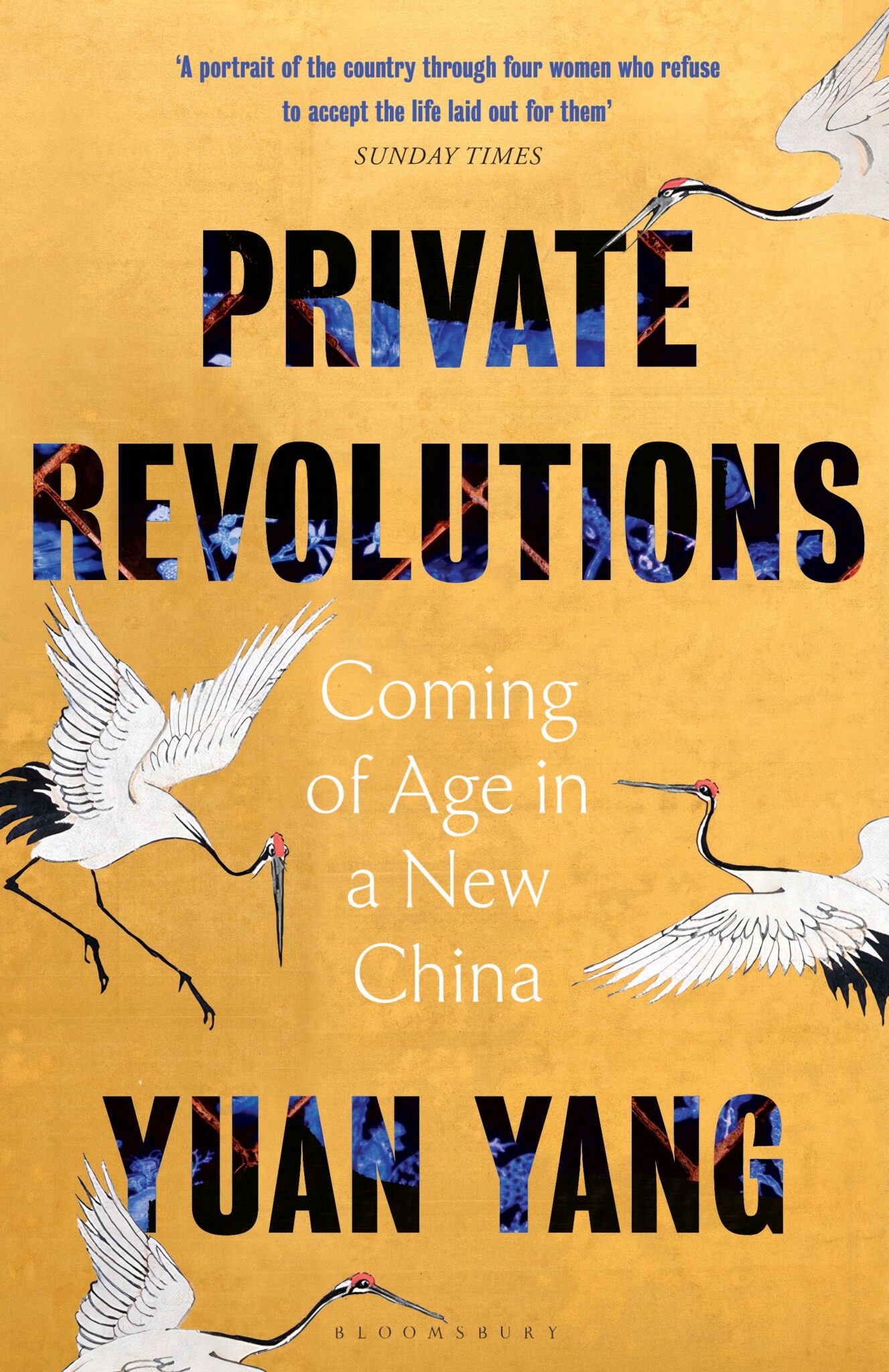
Private Revolutions: Coming of Age in a New China by Yuan Yang (read a sample) (listen to audio)

Yuan Yang, the first Chinese-born British MP, tells the stories of four Chinese women striving for a better future in an unequal society.

From June, who dreams of going to university rather than raising pigs, to Sam, forced into hiding as her activist peers are lifted from the streets, this is a singularly immersive portrait of a rapidly changing nation – and of the courage of those caught in the swell.

Private Revolutions: Coming of Age in a New China by Yuan Yang traces a moment of transition in China through the lives of four women who were growing up in the years after Tiananmen Square.These coming-of-age stories are ones you rarely hear of; individuals who want different lives from their parents who are battling the system.It’s eye-opening, beautifully written and carefully researched.

The Winner

The winner of the Women’s Prize for Non-Fiction will be announced on 12 June 2025, the same day as the winner for the Women’s Prize for Fiction, whose longlist you can view here. That shortlist will be announced on 2 April.

The Woman’s Prize for Nonfiction longlist 2025

Today the Women’s Prize for Nonfiction longlist 2025 was announced.

16 books ranging in matter, style and genre, from agenda-setting reportage on contemporary issues alongside revisionist histories and myth-busting biographies; to memoirs of self-determination and intimate narratives that shine a light on ordinary people combine with real-life criminal cases, notorious and forgotten, whilst others defy genre-classification, weaving multiple disciplines into a compelling narrative work.

The authors nominated are from a range of professional areas and expertise, including a music icon, human rights lawyer, political adviser, marine biologist, NHS palliative care doctor and Pulitzer Prize winner.

What the Judges Said

What unites these diverse titles, that boast so many different disciplines and genres, is the accomplishment of the writing, the originality of the storytelling and the incisiveness of the research. Here are books that provoke debate and discussion, that offer insight into new experiences and perspectives, and that bring overlooked stories back to life and recognition. Amongst this stellar list, there are also reads that expertly steer us through the most pressing issues of our time, show the resilience of the human spirit, alongside others that elucidate the dangers of unchecked power, the consequence of oppression and the need for action and defiance.

Kavita Puri, Chair of Judges

The Longlist of 16 titles

Click on any title to read the longer description of the book on the Women’s Prize website.

Autocracy, Inc.: The Dictators Who Want to Run the World  (Political Science) by Anne Applebaum (Poland/US) – explains the world we live in today and how liberal democracy is currently under threat.

Embers of the Hands: Hidden Histories of the Viking Age (History) by Eleanor Barraclough (UK) – described as an accessible gateway into this period of time, it has great storytelling, it is told with extreme authority and very readable.

The Eagle and the Hart: The Tragedy of Richard II and Henry IV (History) by Helen Castor (UK) – this book is a timely study of political power focused on Kings Richard II and Henry IV who are vividly brought to life in astonishing detail. Not just a personal history but a glimpse into different music and performance.

A Thousand Threads (Memoir) by Neneh Cherry – (Sweden/Sierra Leone) – a unique portrait of a life lifved fully creatively.

The Story of a Heart (Medical Memoir) by Rachel Clarke (UK) – it tells how one family, in the midst of their grief gives the heart of their child so that another human being can survive. It is written with such compassion, it is storytelling at its best.

Raising Hare by Chloe Dalton (UK) – a charming and beguiling book that captures the unusual relationship between the author and the leveret (baby hare) that she rescues.

Ootlin (Memoir) by Jenni Fagan (UK) – moving, enlightening and at times harrowing, a read about growing up in a broke, UK care system, a memoir written like poetry.

Why Fish Don’t Exist: A Story of Loss, Love and the Hidden Order of Life (biography/memoir/science adventure) by Lulu Miller (US) – a book that defies category, combining a personal voyage of discovery with a taxonomy of fish.

Agent Zo: The Untold Story of Fearless WW2 Resistance Fighter Elżbieta Zawacka  (biography/history/WWII) by Clare Mulley (UK) – this is a masterclass of biographical writing, a gripping read, well-researched, about a woman we should know about.

By the Fire We Carry: The Generations-Long Fight for Justice on Native Land (History/True Crime/Social Justice) by Rebecca Nagle (US) – an eye-opening read, the book delves deep into a court case that reveals the forced removal of native Americans onto treaty lands in the nations earliest years.

Wild Thing: A Life of Paul Gauguin (Biography/Art History) by Sue Prideaux ( UK/Norway) – this deep dives into a phenomenal and artistic career, the pages come alive with colour and magic, with incredible storytelling.

What the Wild Sea Can Be: The Future of the World’s Ocean (science/climate/environment) by Helen Scales (UK) – a widely researched, deeply resonant account of our threatened oceans, which strikes a helpful balance between hope and pragmatism.

The Peepshow: The Murders at 10 Rillington Place (true crime/history) by Kate Summerscale (UK) – this is how history should be written, it is evocative, carefully researched and hard to put down.

Sister in Law: Fighting for Justice in a System Designed by Men (social justice/true crime) by Harriet Wistrich (UK) – this is both a harrowing and hopeful account of of Wistrich’s battles to fight injustices against women in the legal system.

Tracker (collective memoir/biography/oral history) by Alexis Wright (Australia) – explores new ways to write biography, challenging the expectations of form, whilst giving a unique glimpse into the life of someone from the stolen generation in Australia.

Private Revolutions: Coming of Age in a New China (history/biography/feminism) by Yuan Yang (China/UK) – a powerful and intimate portrait of life in modern China told through the stories of four young women.

Have You Read Any of These?

Let us know in the comments if you have any of these titles or if there are any that you are particularly looking forward to reading.

I haven’t read any, but I enjoyed Kate Summerscales’s The Suspicions of Mr Whicher, another true crime tale and Mrs Robinson’s Disgrace, so I’m sure her book will be an interesting read.

I like the sound of Private Revolutions, something new, to be delving into the modern lives of young women in today’s China and I can’t help but be interested in Agent Zo, the story of another woman in the resistance, after reading the excellent Madame Fourcade’s Secret War in 2024.

What do you think?

Cairn (2024) by Kathleen Jamie

A Poet Writing Nature Essays

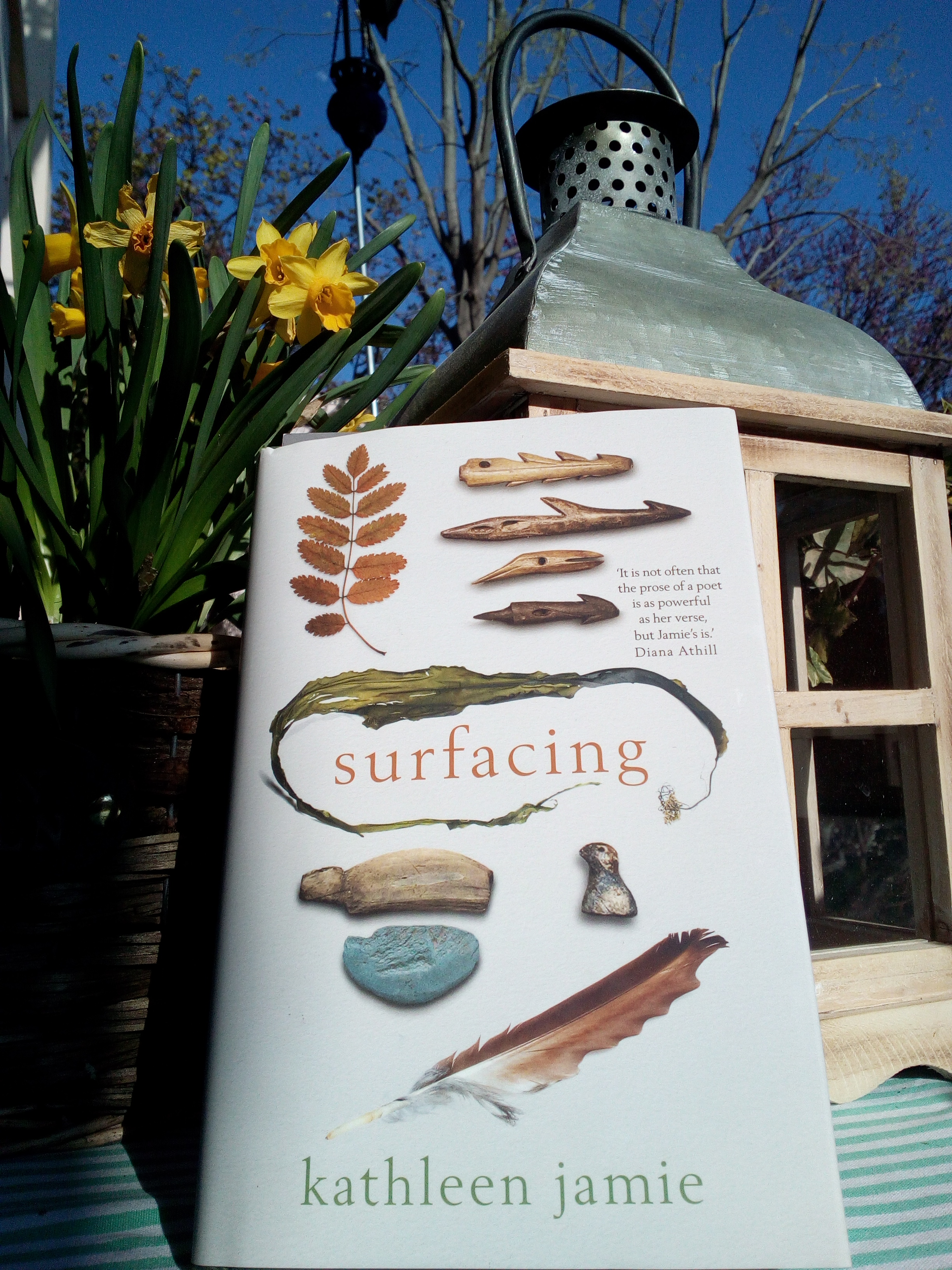
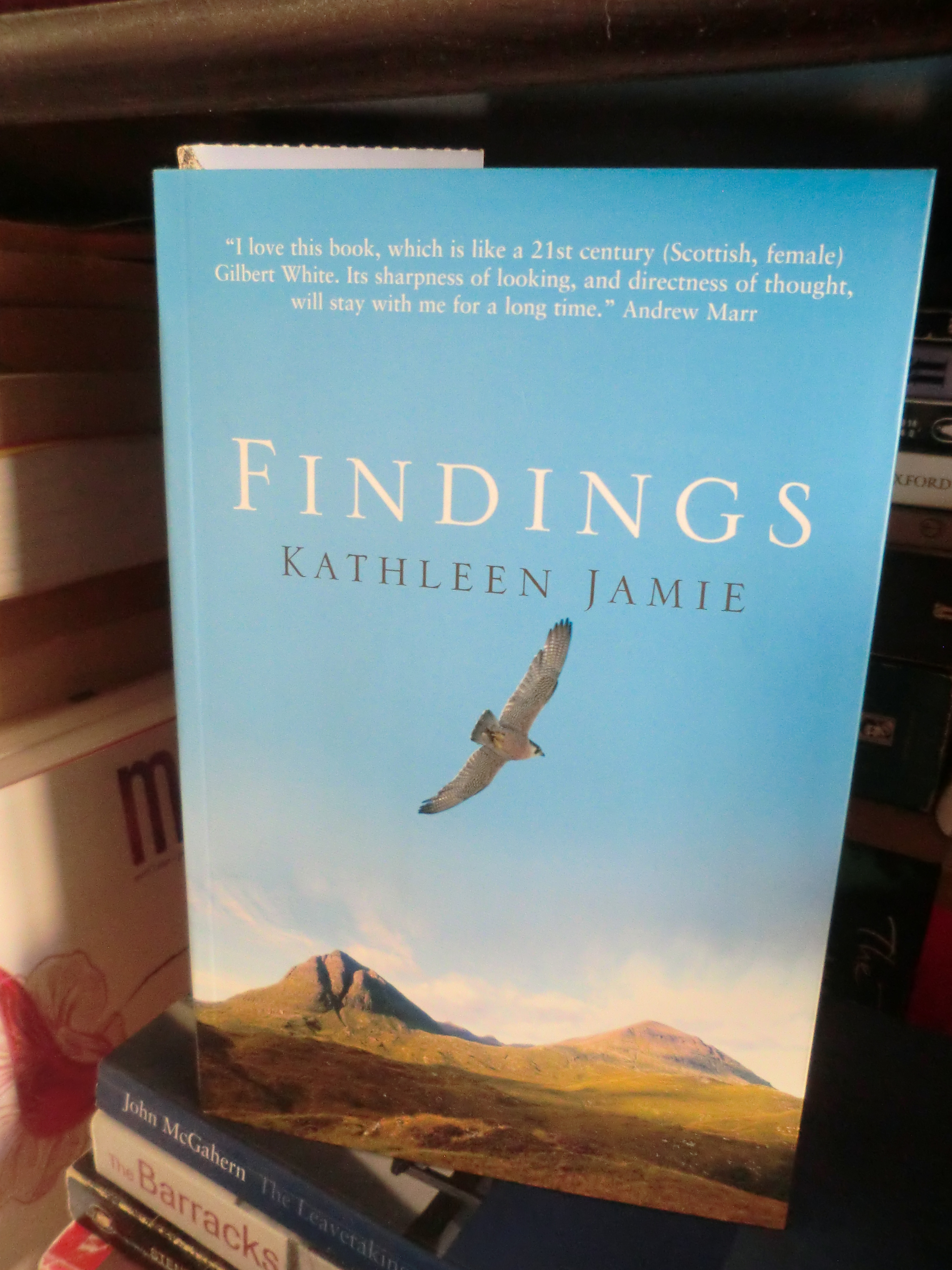
Kathleen Jamie is a poet and writer of creative nonfiction about nature. She has written three wonderful collections that I have adored. Findings (2005), my favourite, included essays about the Hebridean and Orkney Islands near her home in Fife and Peregrines nesting; Sightlines (2012) covers a fascinating archaeological dig, tales of more birds on lonely, windswept islands and a visit to the Arctic and finally Surfacing (2019) which I review here in Surfacing 1 and Surfacing 2.

Making Ripples at 60

creative non fiction essays poetry by Scottish poet and nature writer Kathleen Jamie

In Cairn, we find a collection of writings, fragments, observations and memories. Sometimes an individual observation and other times a collective witnessing of changes in the local environment. Of migratory patterns disrupted, of things once common on the horizon, now departed.

As she arrives at her 60th year, she begins to ask different questions, about the next generation and the one after that, if there will indeed be one as children question whether to bring another generation into this vastly changing world.

There is less a note of wonder and more a tone of trepidation at the precarious situation of the natural world and those being born into what will continue after we have left.

The Bass Rock and Bird Flu

It’s a while since we could turn to the natural world for reassurance, since we could map our individual lives against the eternal cycles of the seasons, our griefs against the consolation of birds, the hills. Instead there’s the sense that things are breaking, cracking like a parched field. There they are, the seabird people, among their beloved birds at the height of the breeding season, wearing hazmat suits as they pile corpses into bin bags.

Photo by Magda Ehlers on Pexels.com

Like a cairn, these short prose pieces are markers, memories, memorials or perhaps even metaphorical or literary burial mounds, tracking the thoughts and observations of an observer over the years of the natural environment, of change in both the natural surroundings and humanity. Testimonies.

‘Stones propose another sense of time, whereby the past, the deep past of the plant, proffers a meagre yet massive support to acts of human resistance…’ John Berger

A thought-provoking collection.

Further Reading

The Guardian: Cairn by Kathleen Jamie review – a wry SOS for the world

The Caught by the River Book of the Month: July 2024 Cairn by Kathleen Jamie With its bursts of beautiful brilliance, it is something akin to lightning, writes Annie Worsley

The Guardian: Scotland’s Bass Rock: world’s largest colony of northern gannets – in pictures

Author, Kathleen Jamie

Kathleen Jamie, Photo by Alan Young

Kathleen Jamie is one of Britain’s foremost writers. In 2021 she was appointed Makar, Scotland’s national poet.

Jamie resists being identified solely as a Scottish poet, a woman writer, or a nature poet. Instead, she aims for her poetry to “provide a sort of connective tissue”.  Influenced by Seamus HeaneyElizabeth BishopJohn Clare, and Annie Dillard, Jamie writes musical poems that attend to the intersection of landscape, history, gender, and language.

Her groundbreaking works of prose – Findings (2005), Sightlines (2012) and Surfacing (2019) – are considered pioneers and exemplars of new nature writing. She lives in Fife.

All My Wild Mothers by Victoria Bennett

Motherhood, Loss and an Apothecary Garden

I loved this book, a kind of hybrid memoir that combined a passion for herbal folklore and a creative project, the building of an apothecary garden in a location where there were many obstacles to overcome, environmental and human, while exploring and healing from the loss of a loved one.

It reminded me a little of the experience of reading Helen Macdonald’s H is For Hawk, another memoir where the author takes on challenging project while navigating the tumultuous waves of grief – in that case, training a goshawk.

grief nature writing memoir motherhood loss apothecary garden

The memoir began at a moment in the author’s life when there was an unexpected death in the family; grief and coping with it, learning how to manage its lingering presence, is one of the themes she reflects on throughout the book.

At the time of this initial event, she is pregnant with her first child and as the story continues, her son becomes as much a part of the narrative as the author herself.

Victoria Bennett grew up in a large family, one that due to her father’s career, relocated countries often, that fragmented when some of the children were sent to boarding school, and even when they did settle down, did not partake in community life. They were self contained.

Used to living in places where they were outsiders, it became a way of being, even in their country of origin, England. In a conservative rural community, her mother wore hot-pants and homemade kaftans, had an art studio in the shed and had once offered to liven up a craft show with an exhibition of nudes.

Due to circumstance, Bennett and her husband move to a new social housing estate in rural Cumbria, built over what was an industrial site, a barren, rubble-filled, now rule-restricted, wasteland.

Mother and son slowly repurpose their backyard, building an apothecary garden – a construction of permaculture beauty, an appreciation of nature, an alternative education – yet encounter resistance, judgement, complaint and obstacle as subscribers to a more authoritarian rule, attempt to oppress or stamp out their initiative, unable to see the bigger picture of a more sustainable, kinder way of living in the shared world we inhabit.

wildflowers weeds apothecary garden

Photo E. BolovtsovaPexels.com

Bennett’s quest, to build an apothecary garden and educate (home-school) her son, was in part, an effort to integrate into the community, to overcome an inherited sense of not belonging, a deconditioning of learned ways. She overcomes anxiety, often lead by her son’s enthusiasm, to become more participative.

Despite her reticence, she had been raised by a feminist, ‘my mother was fierce about being fair,’ her sisters were outspoken, when Bennett discovers that her efforts to create something sustainable are being undermined by neighbours, she sets out to inform and educate them all.

“When we first moved onto the estate, the garden was a patch of newly sown grass, a thin layer of topsoil, and several metres of rock, rubble, and industrial hardcore. With no money, and only the weeds we found growing on the building site, my young son and I set out to see what we could grow. What was once a wasteland, became a haven for wildlife, and a balm for the body and soul. “

For a memoir that  navigated emotions, it had a good solid structure within which to contain the outpourings – each chapter began with a different plant, starting with the intriguing medieval, magical perception of it, including stunning yet simple black & white woodcut illustrations, the medicinal properties, a bit of folklore and where it might be found.  There followed a meandering through events, memories and reflections from Bennett’s life, that often ventured off from an aspect of the plant’s curative powers.

ALL My Wild Mothers

Photo Yan Krukau Pexels.com

Sow Thistle, Sonchus Oleraceus

Milkweed, swine thistle, turn sole, hare’s colewort, soft thistle

Hang sow thistle in the home to drive out melancholy…

Sow thistle grows abundantly on rubbish dumps, wasteland and roadsides.

All My Wild Mothers is also a reflection on motherhood, of one woman’s experience, given her own inclinations, personality and the effect of being the youngest in a family of six children. It is a celebration of the power and reward of maternal nurturing, of focusing on the development of a child according to their individual needs,

It is sensitively narrated, introspective and a tribute in particular to her sisters and her mother and a celebration of her son, for all that he teaches her, that he reflects back to her, due to the way she parents him and the way he in turn reminds her what it is to be a child, the gifts they offer having been nurtured, loved and allowed to grow into themselves authentically. He is a less conditioned mini human than most and Bennett’s articulate expression and capturing of his innocent yet profound utterances are a gift to all who read her prose.

Children can teach and remind us of so much that is simple and good in life, sadly conditioned out of us by the effect of a societal system that squashes it before it can have enough of a chance to flourish.

I absolutely loved this quiet book, that celebrates the wisdom of small children, nurtured through the early years and the symbiosis of mother and child.

Highly Recommended.

“What is grief, if not love persevering.” WandaVision

Victoria Bennett, Author

Victoria Bennet AuthorVictoria Bennett was born in Oxfordshire in 1971. A poet and author, her writing has previously received a Northern Debut Award, a Northern Promise Award, the Andrew Waterhouse Award, and has been longlisted for the Penguin WriteNow programme and the inaugural Nan Shepherd Prize for under-represented voices.

She founded Wild Women Press in 1999 to support rural women writers in her community, and since 2018 has curated the global Wild Woman Web project, an inclusive online space focusing on nature, connection, and creativity. When not juggling writing, full-time care, and genetic illness, she can be found where the wild weeds grow.  All My Wild Mothers is her debut memoir.

In 2022, her family made the difficult decision to leave the garden and follow a long-held dream of moving to Orkney, where they will discover anew what wildness will grow in a new soil.

Further Reading

For a Peek Inside the Garden + some of Victoria Bennett’s herbal potion recipes

N.B. Thank you to the publisher for the ARC (Advance Reader Copy) ebook provided via NetGalley.

Thin Places by Kerri ní Dochartaigh

Northern Irish Literature nonfiction memoir troublThin Places is something of an enigma, when I bought it, I thought it was in the nature writing genre, the inside cover calls it a mix of memoir, history and nature writing – such a simplistic description of the reading experience, which for me was something else.

Heaven and earth, the Celtic saying goes, are only three feet apart, but in thin places that distance is even shorter. They are places that make us feel something larger than ourselves, as though we are held in a place between worlds, beyond experience.

This book is a kind of cathartic experience of being inside the experience of someone who has experienced trauma, who has yet to awaken from its implications, or be conscious of its effect – but who by the end will by necessity awaken to it, because it can no longer be contained inside the mind, the body and for the good of the soul, it must be expressed, broken down, if there is to be any change of coming out the other side.

Even as a child, I could see no way of staying in my hometown. The edges of the broken and breaking city never quite held themselves in place, and my own family life mirrored those fractures.

So the first part of the book I can only describe as “being in the fog”. We know Kerri ní Dochartaigh was born in Derry on the border of the North and South of Ireland, at the height of the troubles, that her parents were of mixed heritage, a Protestant father and Catholic mother;  the family existed in the oftentime dangerous in-between, safe in neither space or only temporarily, always moving, never truly belonging.

We have a somewhat difficult relationship with the word ‘tradition’ in Ireland, particularly in the North. The way that religion has latched itself onto the politics of this land has left many people with no desire to look at the imagery of their ancestors; the story of their past. We have lost, broken, murdered, burned, stolen, hidden and undone – all in the false name of tradition. Lives, places and stories have been ripped out by their roots because ‘that’s how it has always been’. I wonder, I wonder so very much these days, what wealth of imagery and meaning was lost when we became so focused on our differences here, that we buried the things that had once tied us together, the things that might still know a way through, for us all.

Though we are told this, the uninitiated reader doesn’t really understand what that means, how it actually manifests on the human level, on a day to day basis – until she arrives at the point where she realises, she needs to confront the reality of the things that happened – because she is losing it – and finding it harder and harder to function in the bubble of denial that allows her to go about her day, to work, to live.

The past, present and future all seemed to blend into one, and every single part of the story held sorrow that I couldn’t get rid of, no matter how deeply I try to bury it. So many different things – situations, times of year, people – made the bad things rise up from inside to bite me again. Triggers, I know that now. It left me feeling scared, hollowed out and with no control over any of it, not really knowing how to make it – any of it – stop.

Derry River Foyle Ireland

Photo by Ducky on Pexels.com

Only after finishing Part 1 Blood and Bone did I comprehend what I was reading, a woman’s life from childhood up to the age of 28 striving to not give in to the effects of trauma, in the opening chapters, she alludes to those things, though is unable to write directly about them, until realising the nightmares will never stop if she doesn’t, the numbing eventually worse than the pain.

And so she begins to share the events. And it’s tough to read, to absorb as we imagine the magnitude of the effect these events must have had on a child, on an adolescent, a young adult. But what courage, to make that decision, to visit that dark place, to express those thoughts, recount those events, relive the disappointments, feel again the sense of abandonment, to trust that writing about it might bring one towards healing.

While there are those moments of how nature and the many metaphors and symbolism of it kept her sane, this is more about the nature of mind and the necessity of finding and/or making meaning in navigating the troubles of life, in order to overcome past hurts, reconcile traumatic events and find a way to live again, to believe in hope, to elevate one’s self-worth and be able to function in a relationship.

thin places between worlds trauma spiritual healing

Photo by Leigh Heasley on Pexels.com

It is a tough and unrelenting read, that at times I needed to take a break from, but it is one that we as readers are privileged to gain insight from, because Kerri ni Dochartaigh could very easily not be here, and yet she is – and I like to believe that in part that is because the sharing of her experience and path to healing are an important part of her soul’s purpose in this life.

This extraordinary book is part of her life’s work, she has found a way to articulate to the many, the terrible destructive effect of divisiveness , prejudice and intolerance on young people, the effect of not feeling safe during childhood and adolescence and the difficulty of becoming something other than what you knew growing up – of learning to trust, to love, of connecting to the natural environment, learning a near lost language that connects the Irish to their environment and dwelling in just being.

Naming things, in the language that should always have been offered to you, is a way to sculpt loss. A way to protect that which we still have.

Hard going at times, but extraordinary, a beating, bleeding heart, ripped open to heal.

Kerri ní Dochartaigh, Author

Born in 1983, in Derry-Londonderry at the border between the North and South of Ireland. She read English Literature and Classical Civilisation at Trinity College Dublin and trained as a Waldorf teacher in Edinburgh. She taught in Edinburgh and Bristol, before returning to Ireland in her early thirties.

She writes about nature, literature and place for the Irish Times, Dublin Review of Books, Caught by the River and others. She has also written for the Guardian, BBC, Winter Papers. Thin Places was highly commended by the Wainwright Prize for Nature Writing 2021.

Best Books Read in 2021 Part 3: Top 10 Non Fiction

Paris Hotel de Ville Christmas 2021

Sisters in Paris

I had hoped to issue Part 3 of My Top Reads of 2021 in December, however that didn’t happen. I put my books and blog aside for a month while my sister was visiting, to just enjoy each other’s company and the beauty of the local environment where I live.

Given the times we are currently living through, it has been a humbling gift to combine those two things, to re-connect and enjoy our surroundings, albeit mid-winter.

2022 Reading Plans of a Mood Reader

Today my friend Deidre at Brown Girl Reading called and it was like a sign from the book world, a reminder that this post was sitting here, as are the many piles of unread books. Before speaking to her I had no idea what I might read next, or in 2022.

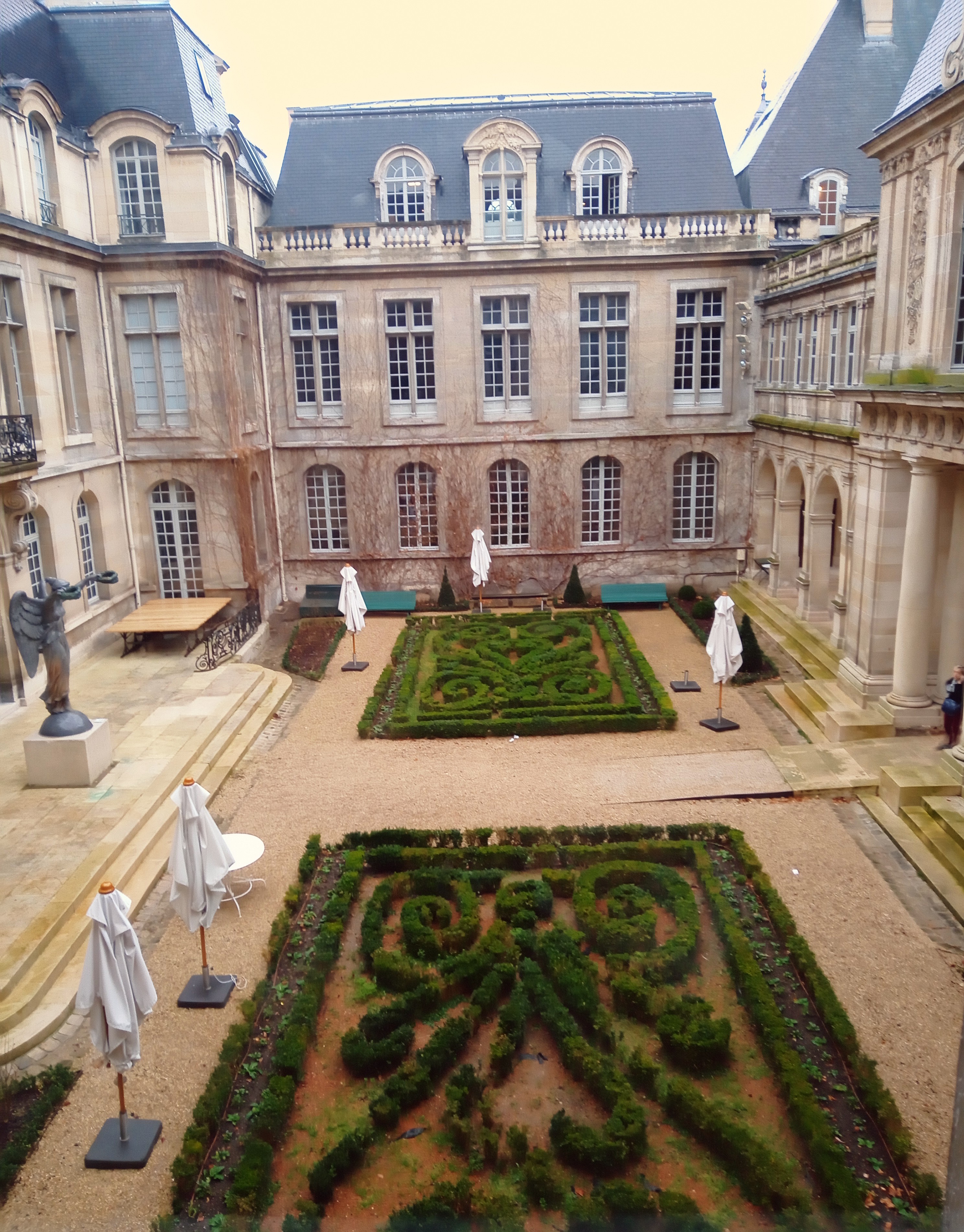
Musée Carnavalet Me Marais Paris History Madame Sévigné de Seve

History of Paris, Musée Carnavalet

As a mood reader, I don’t tend to make plans, but as I stood in front of the shelves, I noticed that I have already accumulated some little piles of books by authors I want to read more of, like Buchi Emecheta, Gayl Jones, Mary Costello, Janet Frame; more books by Northern Irish authors, including a few more by Brian Moore.

There’s a French history written by women pile, inspired by a recent visit to the History of Paris, Musée Carnavalet. It seems something in my subconscious had indeed been planning!

Best NonFiction Reads of 2021

So, to complete there three part series, following on from Part 1: The Stats + One Outstanding Read of the Year and Part 2: Best Fiction Reads, here is my Part 3: Best NonFiction Books of 2021 and at the end, I’ve tagged on 4 books from my Spiritual Well-being collection that I read in 2021, each of them equally inspiring and nourishing.

In 2021 I read 28 works of nonfiction, so many of them were were excellent, below is a selection of those that I really enjoyed, that have stayed with me, in no particular order:

Autobiography/Memoir

To My Childresn Children Sindiwe Magona1. To My Children’s Children (1990) + Forced to Grow (1992) by Sindiwe Magona (South Africa) – discovering Sindiwe Magona was one of my reading highlights of 2021. Tired of her people being written about and misrepresented by others, she decided for the sake of generations to come, and especially for girls, to share her experience, of an enriching, loving childhood, of growing up under apartheid and overcoming racist and patriarchal challenges.

The first volume covers her life up to the age of 23, when she encounters the most challenging circumstance ever and then in Forced to Grow, from age 23-40 we learn how she finds a way not only to survive but to grow, develop and thrive, overcoming poverty, pursuing education, collaborating with empowered women, spending over 20 years serving in the United Nations. These two books are like nothing else I’ve ever read coming out of South Africa, more than a gift to her grandchildren, they are a treasure and a lesson in humility to all humanity. I’m hoping there is a third volume in the making.

The Cost of LIving Deborah Levy memoir2. Real Estate (2021) + The Cost of Living (2018) by Deborah Levy (Creative Nonfiction) (South Africa/UK) – An author who left South Africa at the age of 9, Levy’s life and reminiscences are a world away from her birthplace and from the life of her compatriot above, though they have left a barely discernible imprint. While Magona embraces the entirety of her experience, Levy in titling her opening memoir Things I Don’t Want to Know (2013), struggles to talk about what she doesn’t want to talk about, using humour, her observation of others and a feminist lens to deflect her existentialism.

In three volumes, as she begins a new phase, unravelling from marriage into mature, independent woman, she reflects on life, her influences, her frustrations, critiquing the roles society assigns us, the way literature and cinema perpetuate them and considers the effect of disrupting them, breaking free. She observes what is going on around her while considering the wisdom of writers who came before, liberates herself from convention, while longing still for aspects of a distorted dream. Slim volumes, entertaining to read, they both inform and obscure, a life in fragments.

autobiography memoir australia indigenous3. My Place by Sally Morgan (1987) (Australia) (Biography/Memoir) – a classic of Australian aboriginal literature, Morgan writes about her childhood when her identity was hidden from her, uncovering her Aboriginal ancestry and understanding why her grandmother was so fearful of talking about the past.

Sharing what she discovered of the life stories of her mother, grandmother and great Uncle to understand why it was deemed necessary to be protected from the knowledge of who she was, she uncovers a heritage and her place in it, in this extraordinary and valuable account. An absolute must read.

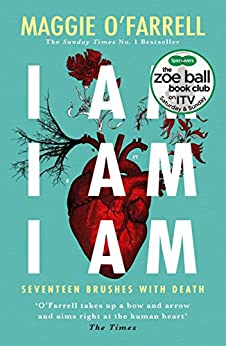
Maggie O'Farrell Memoir Near Death Experiences4. I Am, I Am, I Am, Seventeen Brushes With Death (2017) by Maggie O’Farrell (Northern Ireland/British) (memoir) – a unique memoir told through 17 encounters with death that range from the terrifying to the mundane, the memorable to the repressed.

O’Farrell finds meaning in these experiences, initially cultivating a state of fearlessness followed by the magical effect and shift in perspective that giving birth to a child brings about. A remarkable and thought provoking work using a unique structure, I thought it was brilliant.

Nature Writing

Indigenous Wisdom, Scientific Knowledge and the Teachings of Plants5. Braiding Sweetgrass by Robin Wall Kimmerer (2013) (Creative Non Fiction) (US) – In this remarkable collection of 32 essays, organised into 5 sections that follow the life cycle of sweetgrass, we learn about the philosophy of nature from the perspective of Native American Indigenous Wisdom, shared by a woman of native origin who is a scientist, botanist, teacher, mother.

Sharing scientific knowledge and going out into the forest and field, she demonstrates how close and quiet observation of plants in their habitat teach us. The most crucial lessons being learning how to give back, reciprocity and gift giving, using our imagination and intuition to reconnect with nature and understand the connection between them and us. Just stunning.

nature writing Wainwright prize6. Diary of a Young Naturalist by Dara McAnulty (2020) (Northern Ireland) – an inspired account of a year in the life of a 15 year old boy with a passion for nature and all forms of wildlife and how his connection to them assists him to navigate life mitigating the intensity and challenges of autism.

His observations are a pleasure to read, his use of language evocative and resonant in bringing the natural world he loves to life for the reader. A writer to watch, inspirational.

Justice/Social Science/History

The Fire Next Time James Baldwin7. The Fire Next Time James Baldwin (1963) (Letters) (Social Justice) (US) – a short book of just two letters, one written to his young nephew, a kind of preparation for what lies ahead of him as he will become a young black man in America and a tender description of who he sees in him, his heritage, his family connection and that he is loved, a beautiful literary gift to a young boy.

The second letter he writes to himself, Letter From a Region of My Mind – like a journal entry, he writes of his own development of his self-awareness, of the experiences that moulded him, of his choices to seek refuge and revenge in the same calling, his assessment of meeting Elijah Muhammed, leader of the Nation of Islam. Baldwin’s message is one of love, of standing up for one’s rights, of dignity and the health of one’s soul, of our responsibility to life. A gem of a book, as relevant now as when he wrote it.

Nurturing Humanity8. Nurturing Our Humanity, Riane Eisler, Douglas Fry (Austria/US) (Social Science/Cultural History/Anthropology) (2019) – The long awaited sequel to her brilliant The Chalice and The Blade (1987) which introduced Eisler’s theory on domination versus partnership models of society, this new book written in collaboration with Anthropologist Douglas Fry, explores how domination and partnership have shaped our brains, lives and futures.

They demonstrate through decades of research how we have been influenced by a system of domination that favours hierarchical structures, ranking of one over another, authoritarian parenting and leadership, fueled by fear, tamed by punishment, sustained by conditioning. They argue that the path to human survival and well-being hinges on our human capacities to cooperate and promote social equality, through empathy, equity, helping, caring and various other prosocial acts. A riveting, essential read on understanding human nature and where we are headed.

Sea People In Search of Ancient Navigators of the Pacific9. Sea People Christina Thompson (2019) (Australia/US) (History)  – I loved and was fascinated by this book, a woman curious about her husband and son’s cultural heritage, looks back at what has been written by various/mostly male historians about these ancient navigators of the Pacific and according to their own paradigm and biases, their theories on how they arrived there.

What she discovers are non-instrument navigation techniques that Europeans weren’t aware of, abilities developed by these ancient mariners that are fascinating to imagine, and that a small group seek to emulate, challenging themselves to go back in time, to think and understand the sea, the stars and nature, as their ancestors did. Fascinating and insightful.

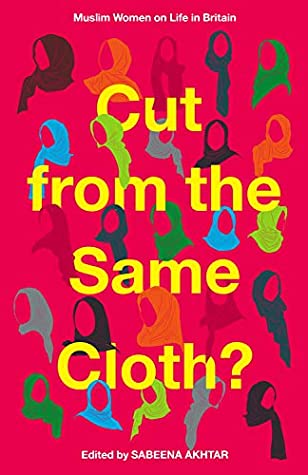
Cut From the Same Cloth Sabeena Akhtar10. Cut From the Same Cloth, Muslim Women on Life in Britain (2021) Edited Sabeena Akhtar (UK) (Essays) – this was a long awaited volume of essays, crowdfunded by many supporters, brings together the voices of 21 Muslim women of different ages, races and backgrounds, allowing them to explore their experience and spiritual perspectives, expressing them creatively.

More than mere essays, collectively, their words bust the all too common stereotypic myths of the hijab wearing woman and introduce us to a bright, humorous, passionate group of women, whose honesty and thoughts are both empowering and insightful. Though they are writing for themselves and each other, anyone interested in understanding the many diverse views of British Muslim women today, will enjoy reading this anthology.

Spiritual Well-being Reads

Finally, one of the genres I like to read is Spiritual Well-being and there is a page dedicated to those books at the top of this blog, for easy reference. They tend to be winter reads, corresponding to that time when we tend to go within and might benefit from a revisiting of inspirational words and an alternative perspective on how to co-exist with whatever it is we are dealing with in the external world.

Sensitives and Soul Purpose

The Power of Empaths in an Increasingly Harsh WorldThis year I found inspiration from two of my favourites in this field, and two new authors, all of them coming from renowned publisher Hay House.

“Every thought we think is creating our future.” Louise Hay

Anita Moorjani’s Sensitive is the New Strong (2021) (India/Hong Kong/US) is written in particular for highly sensitive empaths, with information about recognising this in oneself, learning to develop it as a strength, while understanding the importance of  how to protect your energetic body from the negative effects of the kind of world we live in today.

Rebecca Campbell What is a Soul WLetters to a Starseed (2021) by Australian intuitive and creative, now based in Glastonbury, Rebecca Campbell, who previously wrote Light is the New Black(2015) and Rise Sister Rise (2016). This latest book is for those interested in understanding more about soul purpose.

She considers the big questions that mystics and philosophers through the ages have been asking about our cosmic origins, in a much lighter way: What is the soul, where did it originate and why have we chosen to come here at this time? You’ll know if this is meant for you or not.

Archangel Guidance and Self-Worth

the female archangels Claire StoneAnother new author I picked up this year was Claire Stone and her book The Female Archangels (2021) (UK) having already read quite a few books by Kyle Gray, which I’ve found hugely beneficial in previous years to carry with me and read whenever I had to deal with stressful hospital environments, unhelpful bureaucracy, anxiety producing school meetings – an alternative to pharmaceuticals I guess!
I enjoyed reading her book, although it might be more suited to practitioners or those already in the habit of ritual, as many of her suggestions require props.

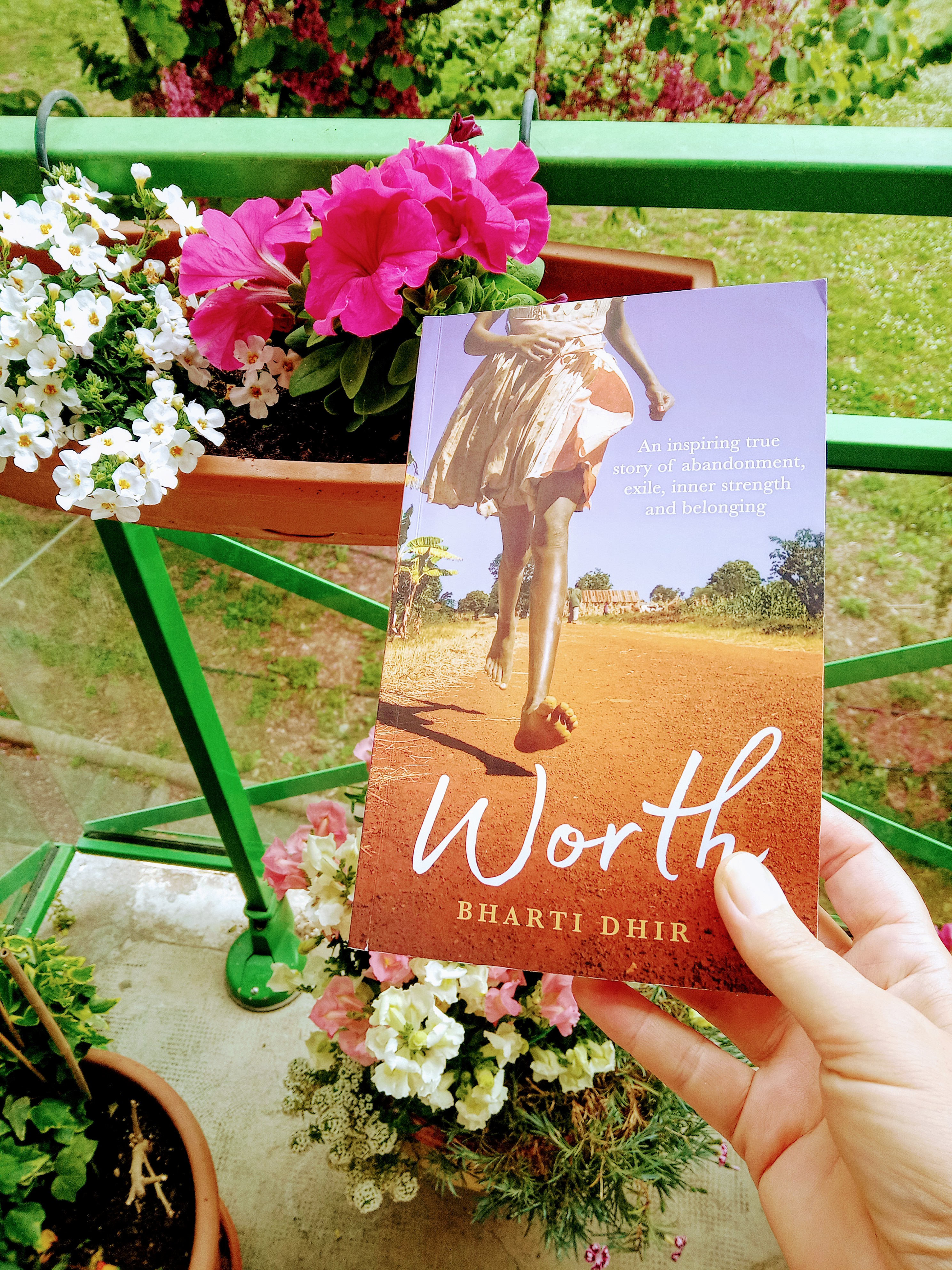
Inspirational memoir of belongingFinally, Worth by Bharti Dhir (2021) (UK/Uganda) – Bharti Dhir was abandoned as a newborn in a fruit box on the side of the road in the Uganda countryside. To this day she doesn’t know who her birth mother was, though rumours created a version of the story and the imagination of the author and reader contribute to what might have happened.

Throughout her childhood there are numerous events, situations, heath problems and challenges that Bharti and her family live through, address and overcome, some of which contribute (at the time) to diminishing her sense of self-worth. With each situation, she shares how she is able to look back with compassion and forgiveness and describe how she was able to turn all that around.

Her reflections on compassion and empathy are enlightening and model a nurturing way to embrace our humanity and practice them as acts of self-care.

 * * * * *

That’s it for 2021 nonfiction reads. Share with me your recent nonfiction favourites or thoughts on any of the above.

Happy Reading for 2022 and thank you for reading!

Claire

Diary of a Young Naturalist by Dara McAnulty

A stunning reflection by a 15 year old boy, over the course of a year, season by season into how nature provides him with a breathing space, a remedy to his own being.

nature writing Wainwright prizeDara McAnulty is autistic, as are his mother and two siblings, a beautiful advantage, because the family seem to understand exactly how to mitigate the intensity and lived experience of this characteristic.

As a result, they often escape their suburban habitat for the slightly wilder places within reach, places where whatever constraints they might be feeling inside, that might otherwise result in some kind of behavioural impulse, can be released into the conducive expanse of a living outdoors, an ecosystem, they feel at one with.

He reflects on the influence of both parents:

“Many people attribute my love of nature on him He’s definitely contributed deeply to my knowledge and appreciation, but I also feel the connection was forged while I was in Mum’s womb the umbilical still nourishing. Nature and nurture – it’s got to be a mix of both. It may be innate, something I was born with, but without encouragement from parents and teachers and access to the wilder places, it can’t bind to everyday life.”

Dara channels his passion for wildlife and nature into a series of journal entries, written with language that is beautifully descriptive and resonant, that conjures up exactly how it might feel like to be this young man, whose five senses are so intense, who wants to understand more, to do what he can to improve the state of our planet, its nature.

On dandelions:

yellow dandelion flower

Photo by Daniel Absi on Pexels.com

“…I love dandelions. They make me feel like sunshine itself, and you will always see some creature resting on an open bloom, if you have a little patience to wait. This vital source for all emerging pollinators is a blast of uplifting yellow to brighten even the  greyest of days. It stands tall and proud, unlike all  the others opening and swaying in the breeze. The odd one out.”

Spring ends with the announcement that the family will move to another village to be closer to a different school and for their father to be in closer proximity to Belfast. At first disillusioned, Dara soon learns there is a forest nearby and a whole new ecosystem to explore and learn. The move marks a significant change in his experience of the school system, he begins to thrive.

“Many people accuse me of ‘not looking autistic’. I have no idea what that means. I know lots of ‘autistics’ and we all look different. We’re not some recognisable breed. We are human beings. If we’re not out of the ordinary, it’s because we’re fighting to mask our real selves. We’re holding back and holding in. It’s a lot of effort. What’s a lot more effort, though, is the work Mum did and does still, so light-heartedly. She tells us it’s because she knows. She knows the confusion. That’s why she and Dad will be doing the worrying about moving, and why Mum will be doing all the planning and mind-mapping, and will somehow know how everything fits together. I’m lucky, very lucky.”

He asks himself constantly, is this enough; to observe, to spend time in nature, to speak, to write?

If this was all he ever did, it is already enough, but it is clear he is destined to do more.

Silverbar, the Sanderling

A sanderling shore bird

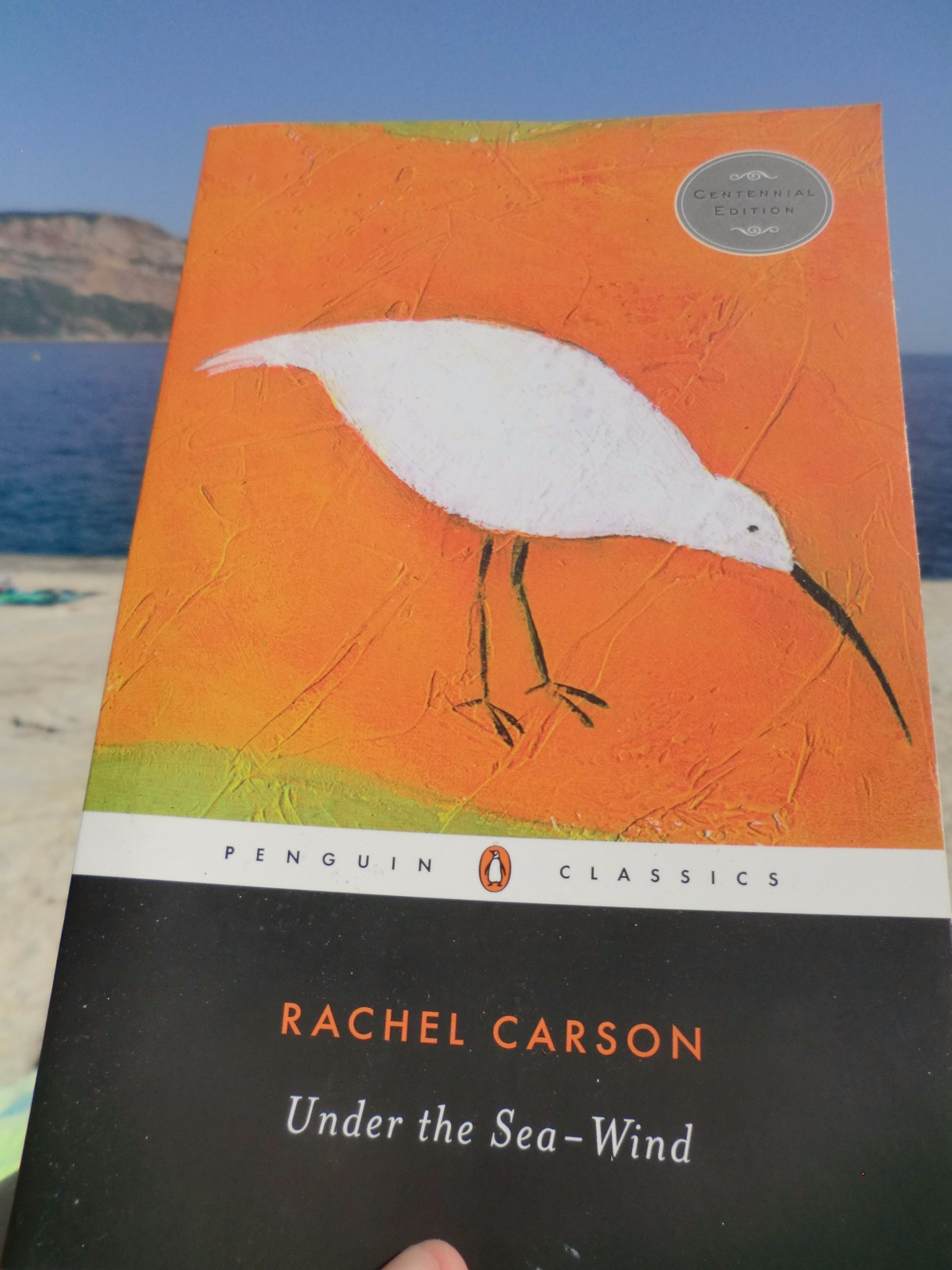
Observing the sanderling, I am reminded of Rachel Carson’s excellent Under the Sea-Wind, where she too brings this bird to life:

I reach for my binoculars and see them: sanderlings, about thirty, moving erratically yet with powerful purpose. Blurred black legs. A flash of beak prodding the sand. Sand ploughman. They whirl with the waves, never stopping. Scurrying. Rushing. Every movement too fast for me to focus on. Dazzlers of the shore.

Sanderling plumage is snow-white and pewter-black, the crown darted with linear black-among-white. They come to winter in Ireland from the high Arctic, travelling nonstop for over 3,000 miles. Their movements are completely hypnotic, especially as I focus in one bird and observe how it moves relentlessly at speed between the waves and shoreline, sandpeckering as it goes, and repeating it all over again as the waves recede, over and over, over and over. What tenacity. I’m not sure how productive it all is, as they never stop for a second and must spend so much energy making each tack from wave to shoreline.

When he begins to doubt himself or feel overwhelmed by what he understands is happening to the environment, his ever patient, wise, knowing mother is there:

She also tells me that I need to hold on to grace and gratitude. ‘Hold them close’ she says. ‘And remember by writing down all the good things in life.’ She’s right of course, but it takes every muscle to agree.

A wonderful, inspirational book and journey to a few of the wildish places of Northern Ireland.

Loved it.

A Spell In the Wild, A Year and Six Centuries of Magic by Alice Tarbuck

I came across this book in a newsletter I read by the founders of Tramp Press, who published two nonfiction books I recently read and loved, Doireann Ni Ghriofa’s A Ghost In The Throat and Sara Baume’s Handiwork.

Laura Waddell mentioned hibernation season approaching and the desire to curl up and zone out, which she’d been doing with A Spell in the Wild, describing it as “a witch’s year broken down month by month, full of foraging, feminism, magic, and making meaning” expounding further in this column she wrote for The Scotsman.

At the time I was reading two novels about a woman accused of being a witch, Ann Petry’s Tituba of Salem Village and Maryse Condé’s I, Tituba, Black Witch of Salem and I thought it would be interesting to follow those up with a contemporary view of witchcraft, so the timing of this book, from a Scottish/British perspective, with rich historical references was perfect. 

Review

Dr Alice Tarbuck is a woman at the intersection of many interests and influences, a poet, an academic, a keen forager with a practical and intellectual interest in witchcraft. Being such a loaded word, her book is a wonderful celebration of ritual and magic as well as a demystification of things witch-related, from someone who appreciates the natural world, pulling various practices together into her version of ‘witchcraft’, a blend of the practical, spiritual, academic, magical and intuitive.

Magic happens in all those moments when the world and you aren’t separated any longer by any sort of barrier; be it the brain or the body. It is a stepping into awareness of connection, a tuning into that feeling. Witchcraft is, among other things, a good container for trying to communicate these difficult-to-talk about experiences. We aren’t sure how else to articulate them, so we use metaphor, metaphysics, magic.

She records a year living in accordance with this way of being in the world, sharing it from both a practical perspective and through the vast canon of literature that has gone before.

A Spell For Every Season

Dr Alice Tarbuck, Author

The book is structured into twelve chapters, months of the year, mapping seasonal occurrences, discovering magic in the ordinary, sharing rituals, spells, making suggestions and backing up her pondering with a wealth of literature, indexed at the end. I read the book straight through, but it can be dipped into month by month.

Reigning in the academic somewhat, makes it an extremely accessible and compelling read, blending in personal experience, musing on and striking back at the snobbery, judgement and the often patronising attitudes of those who diminish the occult as some dark, fanciful indulgence, while applying critical academic rigour and vigour to her subject.

An urban dweller, she seeks to demonstrate and share the possibilities inherent in a city, the sacred spaces, the possibility of urban foraging, making use of what is around, rather than dwelling on what it is not.

Debunking the myths, she makes a case for creating one’s own practices, and takes us along as she enters what might be a more traditional sacred space, a forest near Moniack Mhor, and sits and waits. And gauges everything with a sense of humour and realism.

The ground is soft with the decaying remnants of falling trees, velveted with moss. It’s damp. Unmistakeably, so am I. There is nothing less transcendent than a damp arse. It’s time to go back I think.

A Spell in the Wild Alice Tarbuck December magic

Photo by Lisa Fotios on Pexels.com

Reading this in December, the month entitled Midwinter and Magic in the Dark holds particular resonance. Solstice means ‘sun-stop,’ in Neolithic times, sacrifices were made to entreat the sun to return. We in turn become sorcerers of light, following traditions that illuminate, with candles, hanging lights to create a warm ambiance indoors.

It isn’t surprising that humans quickly turn to introspection as the light fails. We light candles against the darkness, and talk long into the night, turning thoughts inward, using the little light left to illuminate our darkest places. Winter can be seen as a time of healing, regrouping, of doing work on ourselves rather than work in the world.

Witches Confessions and Popular Medieval Literature

Tarbuck gives a fascinating short talk, an extension of her April chapter Witches Becoming Animals referring to the trials and subsequent writings that exist around a cotter’s wife Isobel Gowdie’s confession in 1662. She has a wonderful storytelling voice and gives an informative, riveting account, questioning many of the assumptions various writer’s have made about her.

History and reference to the North Berwick witch trials, King James Daeomonologie text, Isobel Gowdie’s confession and Latin treaties on witchcraft make for mesmerising reading.

Referring to a popular Latin text that likely influenced King James text, Malleus Maleficarum (The Hammer of Witches) produced in 1487 in Germany, was so popular that by 1669, thirty editions had been published.

It contained among other things why women were particularly prone to satanic seduction, the answer – their weak character and voracious sexual appetite – a misogynistic, church-sanctioned sentiment which echoed throughout medieval witch panics.

Listening to her speak so knowledgeably on her subject in the two talks below, especially the historical context, makes me realise how much Tarbuck has held back, each chapter could easily have been a book. Her ability to narrow it down into something digestible to the everyday reader is exceptional.

Totally down to earth, yet open to the magic of being the silent observer, Alice Tarbuck introduces an enchanting perspective on connecting with nature, creating one’s own simple remedies from urban foraging, keeping and displaying little things one collects on nature walks, inventing spell-poems, (which could as easily be affirmations or prayers) and a little bit of ritual and divination to see one through various difficulties.

Witchcraft is, I believe, the practice of entering into relation with the world, of exerting your will in it and among it, and learning how to work with it in ways that are fruitful for yourself and the world.

The casual, engaging style is a pleasure to read and I couldn’t help but think what a privilege of the 21st century it is, to nonchalantly be able to refer to one’s passion and pastime as witchcraft, without threat of dire consequence. As Tarbuck reminds us, now that witchcraft and research into it is legal, those with an interest are able to reclaim the nuances that were lost during that terrible period of history that condemned women for their ways, opening ourselves up to the more than human environment that surrounds us.

“magic is the superpowerfulness of everything, just as it is” Sabrina Scott

Further Reading/Listening

Human Animal Transformation in Early Witchcraft – a video/talk by Dr Alice Tarbuck, Nov 2020
 
What the Witch Trials & Herecy was All About – Alice Tarbuck talks to Hannah Trevarthen at the Wigtown Book Festival
 
Witchcraft Workshops – for those with an interest in the history, ethics and practice of witchcraft, whether from a personal or a research-based point of view.
 

Purchase a Copy via UK Independent Bookshop