Greek Lessons by Han Kang (Korea) tr. Deborah Smith + Emily Yae Won

The first book I read by Han Kang was Human Acts and it remains my favourite, a deeply affecting novel. Her novel The Vegetarian won the Booker International Prize 2016 and she has written another book translated into English, that I have not read The White Book (a lyrical, disquieting exploration of personal grief, written through the prism of the color white).

Of Language and Loss

Korean literature women in translation

In a classroom in Seoul, a young woman watches her Greek language teacher at the blackboard. She tries to speak but has lost her voice. Her teacher finds himself drawn to the silent woman, as day by day he is losing his sight.

The novel goes back in time, slowly uncovering their stories, occasionally revisiting the present, when they are in class, until finally near the end, there is a scene where they properly interact.

Greek Lessons was enjoyable, but it took me a while to figure out which characters (unnamed) were controlling the narrative at any one time, and that didn’t really become clear until quite a way into the book, when the Korean man who teaches Greek and who had lived in Germany for some time, began to interact with the mature woman student in his class, due to a minor accident and his need for help.

Yearning for the Unattainable

Both these characters are dealing with issues, the woman has just lost custody of her 6 year old child, due to an imbalance in power and wealth between the two parents. She was mute as a child and had a special relationship with language, which has lead to her unique desire to learn to read and write in Greek. She dwells in silence, sits and stares, or pounds the streets at night, walking off the frustration she is unable to express with words.

The Greek teacher is slowly losing his sight, a condition inherited from his father. He is aware that he needs to prepare himself for a future without sight.

He recalls a lost, unrequited love and the mistakes he made. His narrative is addressed to this woman who he knew from a young age. There are letters that recount his memories, as well as the discomfort of living in another culture and his desire to return to Korea without his parents. It took me a while to realise this was a different woman.

Ultimately I was a little disappointed, because it lacked the emotive drive that I had encountered before from Han Kang. There were flashes of it, but about halfway, I lost interest and stopped reading for a while. I am glad I persevered as I enjoyed the last 30% when the characters finally have a more intimate encounter and are brought out of themselves, but I was hoping for more, much earlier on.

Reading Print Improves Comprehension

Photo: Perfecto Capucine @ Pexels.com

I did wonder too if it might have been better for me to read the printed version, when the narrator is unclear, I can flick back and forth and take notes in a way that isn’t as easily done reading an ebook.

This perspective is supported by a recent study from the University of Valencia that found print reading could boost skills by six to eight times more than digital reading. I tend to agree that digital reading habits do not pay off nearly as much as print reading.

I picked it up now after reading that it was one of Tony’s Top 10 Reads of 2023 at Tony’s Reading List. He reads a ton of Japanese and Korean fiction, so this is a highly regarded accolade from him. I would recommend reading his review here for a more succinct account of the book. I see he read a library print version.

He finds echoes of The Vegetarian ‘with a protagonist turning her back on the world, unable to conform’ and ‘the poetic nature of The White Book, often slowing the reader down so they can reflect on what’s being said’ describing the reading experience as:

a slow-burning tale of wounded souls.  Poignant and evocative, Greek Lessons has the writer making us feel her creations’ sadness, their every ache. 

In a review for The Guardian, 11 Apr 2023, Em Strang acknowledged that the book wasn’t about characters or plot, so asked what was driving the craft, identifying a courageous risk the writer took.

One answer is that it’s language itself, and the dissolution of language, which is why in parts the narrative seems to almost dissolve.

If you’re interested in reading Greek Lessons, I do recommend reading the print version.

Author, Han Kang

Han Kang was born in 1970 in South Korea. A recipient of the Yi Sang Literary Award, the Today’s Young Artist Award, and the Manhae Prize for Literature, she is the author of The Vegetarian, winner of the International Booker Prize; Human Acts; and The White Book.

Further Reading

The Guardian Article: Greek Lessons by Han Kang review – loss forges an intimate connection by Em Strang, 11 Apr, 2023

The Guardian Article: Reading print improves comprehension far more than looking at digital text, say researchers by Ella Creamer, 15 Dec 2023

N.B. This book was an ARC (Advance Reader Copy) kindly provided by the publisher via NetGalley.

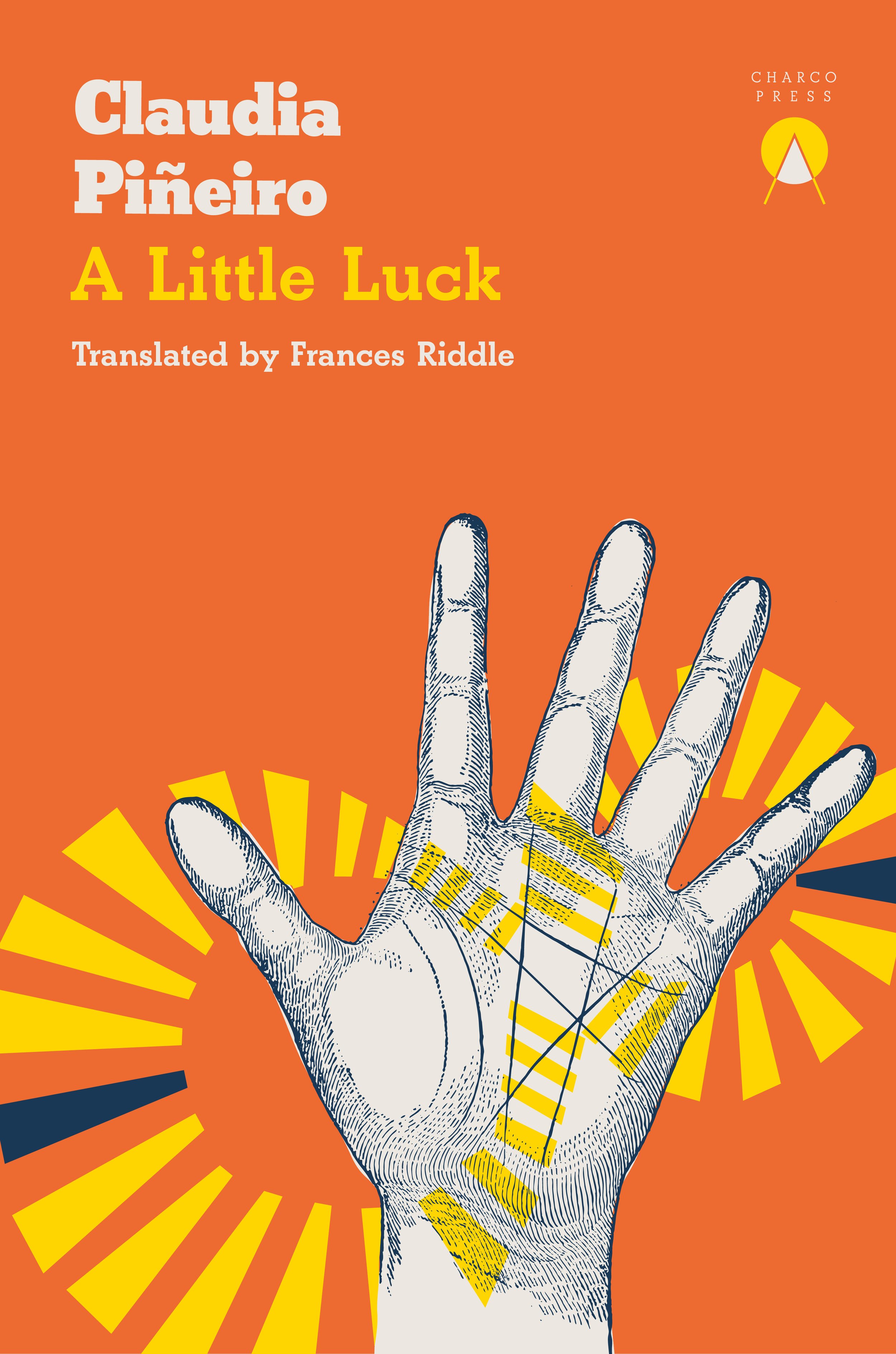
A Little Luck by Claudia Piñeiro tr. Frances Riddle

women in translation argentinian literature crime fiction literary fiction

Stunning.

This was a heart-racing, thrilling and moving read that begins mysteriously as a woman returns to her home country (Argentina) following some kind of event 20 years earlier that we don’t fully learn of until almost halfway into the novel. 

Though she lived most of her early life there, her physical appearance is so radically different, no one recognises her – yet.

We are made aware, though it takes a while to reveal, that she is anxious about the possibility of seeing someone connected to that past event, that sent her into self-imposed exile.

I should have said no, that I couldn’t go, that it would have been impossible for me to make the trip. Whatever excuse. But I didn’t say anything. Instead I made excuses to myself, over and over, as to why, even though I should’ve said no, I agreed in the end. The abyss calls to you. Sometimes you don’t even feel its pull. There are those who are drawn to it like a magnet. Who peer over the edge and feel a desire to jump. I’m one of those people. Capable of plunging headlong into the abyss to feel – finally – free. Even if it’s a useless freedom, a freedom that has no future. Free only for the brief instant that the fall lasts.

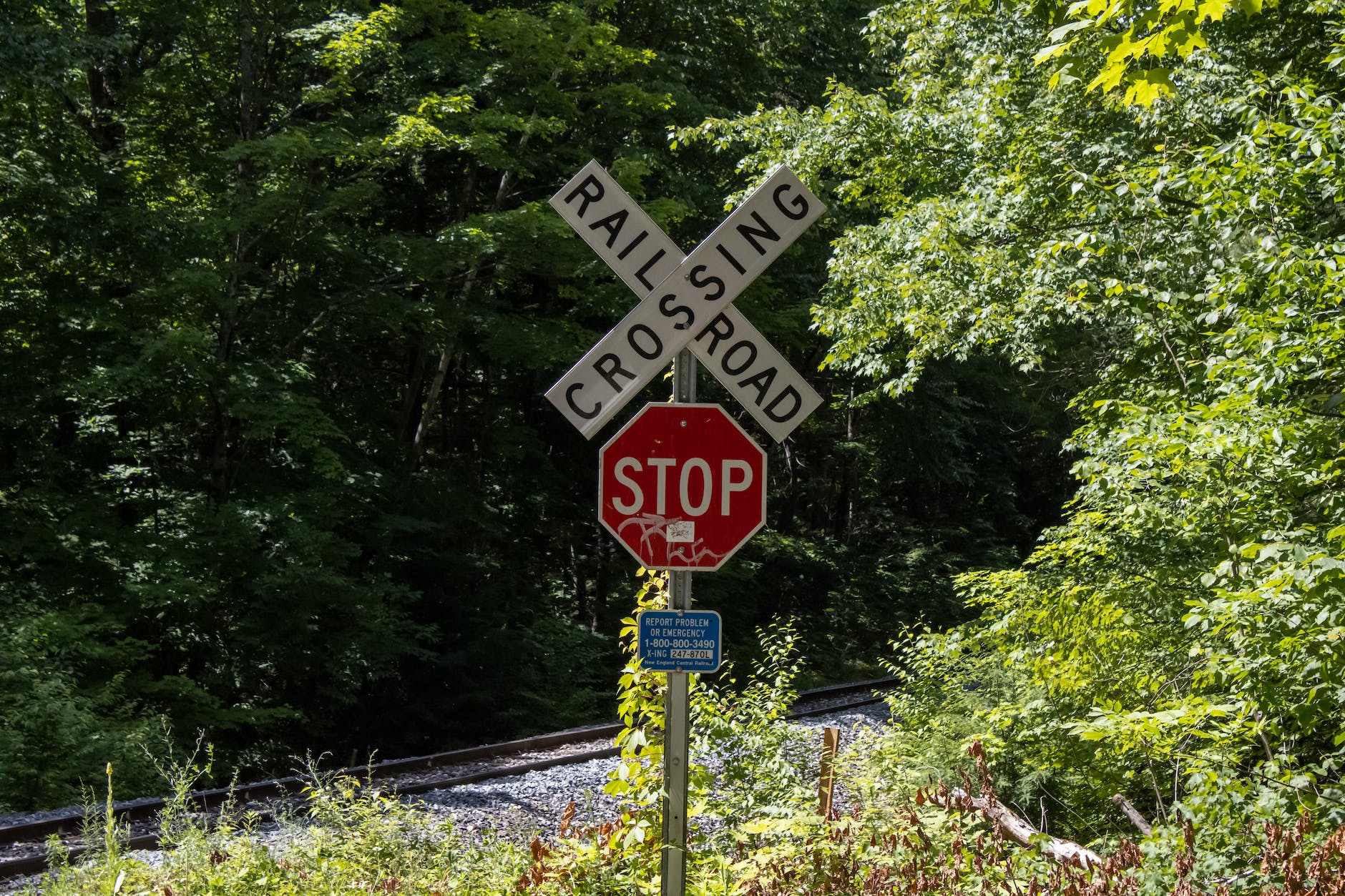
rail crossing train barrier A Little Luck
Photo Tim Dusenberry Pexels.com

As the mystery unravels, the tension mounts. Each new chapter begins with part of the backstory, then stops, this is used as a kind of repetition, as the narrator acquires the courage to reveal the full extent of the backstory.

The constant repeating of this text adds to the volume of its impact on the reader and the sense of suspense and intrigue.

The barrier arm was down. She stopped, behind two other cars. The alarm bell rang out through the afternoon silence. The red lights below the railway crossing sign blinked off and on. The lowered arm, the alarm bell, and the red lights all indicated that a train was coming.

As these events of the past some into clarity, in the present day this woman is booking into a motel, arranging to visit the school that she will consider for accreditation, we encounter the mndane reason for her visit and the extraordinary motivation behind it.

Photo by Y. Shuraev Pexels.com

Simultaneously we follow a small sub-plot drama featuring a bat. And a theme of entrapment. The story of the bat corresponds to our protagonists state of mind and how it evolves over the course of the novel. Once again she must make a life or death decision.

I’m still trapped. I must now decide whether to go out and face the task at hand or stay here and wait for the poison to kill me or the smoke to force me out.

Ultimately, it explores many themes, in a profound way, of motherhood, of domination, community judgement, condemnation and gas-lighting, of the effect of undermining a person’s self-worth, of twin aspects of abandonment, of why it might be deemed necessary and the effect it has on the one abandoned.

Do I deserve to explain why? What I mean is, do I have that right? The right to unburden myself and expect someone to listen?

Claudia Piñeiro’s Elena Knows (see my review here) I found curious; there is a similar feeling of mysteriousness as the author withholds telling all, drawing the reader in – however, in A Little Luck, she plummets the mind of the protagonist, letting us into her thoughts, showing us the events and enabling the reader to witness the reactions – allowing us to see the patterns, those all too familiar ways of subjugating a person, of the desire to blame, the withdrawal, the disappearance.

A Little Luck is also a story of healing, of kindness and finding the one person who puts the right thing in one’s way that will lead to release. In this story, a kind man finds the right stories that assist a woman to express and release suppressed emotions. And sends her on a trip.

I began to list the questions that I’d asked myself while reading Alice Munro’s story, questions posed in her words. ‘Is it true that the pain will become chronic? Is it true that it will be permanent but not constant, that I won’t die from the pain? Is it true that someday I won’t feel it every minute, even though I won’t spend many days without it?

Brilliantly conceived, after a few chapters, I absolutely could not put it down, I highlighted so many passages, and it had a surprising though satisfying, tear-jerking conclusion, definitely one of my top fiction reads of 2023. I read this in October, but found it hard to describe the intense reading experience, but I’m sharing my thoughts now, before my end of year review, where it will feature!

Highly Recommended, another fabulous title from Charco Press!

Claudia Piñeiro, Author

As an author and scriptwriter for television, Claudia Piñeiro has won numerous national and international prizes, among them the renowned German LiBeraturpreis for Elena Knows and the prestigious Sor Juana Inés de la Cruz Prize for Las grietas de Jara (A crack in the wall).

She is best known for her crime novels which are bestsellers in Argentina, Latin American and around the world. Many of her novels have been adapted for the big screen. According to the prestigious newspaper La Nación, Claudia Piñeiro is the third most translated Argentinean author, after Borges and Cortázar.

More recently, Piñeiro has become a very active figure in the fight for the legalisation of abortion in Argentina and for the legal recognition of writers as workers. Her fiction (as shown with Elena Knows) is stemmed in the detective novel but has recently turned increasingly political and ideologically committed, reflecting the active role she plays in the fight for the legalisation of abortion in Argentina and Latin America, and for the recognition of employment rights for writers..

So Late In the Day by Claire Keegan

So Late in the Day (2023) was recently shortlisted for the Irish Book Awards Novel of the Year; it didn’t win that award however Claire Keegan won Author of the Year 2023.

The Literary Withhold

I read So Late in the Day as if it were a kind of literary mystery.

It is so short, (it’s a small square book of 4 chapters, 47 pages, around 11,000 words), that with Keegan’s combination of economy and precision with words, I found I was reading vigilantly between the lines as I went, not being able to stop myself from trying to guess the significance of every utterance and carefully constructed phrase. I mean, right from that opening line…

On Friday, July 29th, Dublin got the weather that was forecast.

…it read to me like something imbued with meaning. Did something or someone get what they deserved, I wondered?

Recalling other stories of Keegan’s, like Foster and Small Things Like These, I would suggest this is a motif of her storytelling, the slow reveal, the building up of a sense of something untold, omitted. The reader can’t help but wonder, question, try and guess as each page reveals a little more, what might be coming, the denouement.

Keegan herself suggested in a recent interview that the book requires a second reading:

So Late in the Day deploys her typically hushed technique to devastating effect; plain sentences unfurl their full implication only on rereading, the narration a veiled disclosure of the protagonist’s poisonous habits of thought.  – extract from Guardian article

Review

A young man, Cathal, is at his workplace on a Friday afternoon and seems very conscious of the time, in the first couple of pages it is mentioned twice, it passes slowly, perhaps excruciatingly. People act on guard around him, they know something we don’t.

It was almost ready (his coffee) when Cynthia, the brightly dressed woman from accounts, came in, laughing on her mobile. She paused when she saw him, and soon hung up.

Photo by R.Esquivel Pexels.com

His boss indicates he needn’t stay the rest of the day, and Cathal is aware of him closing his door softly, all of which makes the reader wonder why, what has happened to this young man that people seem to be treading carefully around him? As he leaves the office at the end of the day and waits for the lift, on hearing someone approach, he pushes open the door to the stairwell.

On the bus ride home, another clue:

He would ordinarily have taken out his mobile then, to check his messages, but found he wasn’t ready – then wondered if anyone ever was ready for what was difficult or painful.

The final clue before the end of the chapter is when a young woman gets on the bus and sits in a vacant seat opposite him. He breathes in her scent…

until it occurred to him that there must be thousands if not hundreds of thousands of women who smelled the same.

A Relationship Unravelled

He returns home, steps over wilted flowers on his doorstep and spends the evening alone, consuming a weight watchers microwave dinner and opens a bottle of champagne.

The four short chapters alternate between the past and the present. When the narrative steps back in time, we learn about his relationship with a half French, half English girl Sabine that he’d met in Toulouse. The dialogue between them reveals a disconnect that goes unnoticed by him and is ignored by her.

It is the discordant undertones within their conversation and his contemptuous observations that reveal the long, dark shadow of influence and inference.

After the reveal, when we learn what has happened to him, who he is, he recalls things about his own mother, his father, things from the past that shaped them, though he does not acknowledge that.

If a part of Cathal now wondered how he might have turned out if his father had been another type of man and had not laughed, Cathal did not let his mind dwell on it. He told himself it meant little, it was just a bad joke.

A Take on Language and Lore

It is a thought-provoking, provocative read, that subtly explores a seismic patriarchal crack in Irish society, one that infiltrates language, habits, behaviours and attitudes.

It is ironic, that the title in English is ‘So Late in the Day‘ compared to the French translated title which was translated or treated as ‘Misogynie‘. One title refers to the actions of the female character while the other refers to the behaviours of the male character. The story is told through the observations of Cathal, so the English language title belongs to his perception of reality, while the French title takes on a more overarching thematic approach.

In the article below, in The Guardian, it was revealed that the American author George Saunders was a fan of the story and recently chose it when invited to pick a favourite New Yorker story to discuss on the magazine’s podcast, but stopped short of reading it, due to one of the words used.

Keegan (who read the story herself, with riveting poise) tells me she respects his reluctance “even though he considered it to be the perfect word – as I do. It’s what Irish men often call women here. Writing the language people use is part of what a writer does to portray the lives we lead, the world we live in.”

Further Reading

The Guardian Interview: Claire Keegan: ‘I can’t explain my work. I just write stories’ by Anthony Cummins

Still Born by Guadalupe Nettel tr. Rosalind Harvey

Shortlisted for the International Booker Prize 2023, Still Born is the fourth novel by Mexican writer Guadalupe Nettel, and one that stood out for me to read. It was a book that once I turned the very first page, I was unable to put it down. A fiercely compelling narrative around a highly emotional subject, told in a neutral linguistic style that demands attention.

To Be or Not to Be

The story covers a short period in the lives of two independent and career-driven women, Laura and Alina, friends who have initially declared they do not wish to have children.

My friends, for instance, could be divided into two groups of equal size: those who considered relinquishing their freedom and sacrificing themselves for the sake of the species, and those who were prepared to accept the disgrace heaped on them by society and family as long as they could preserve their autonomy. Each one justified their position with arguments of substance. Naturally, I got along better with the second group, which included Alina.

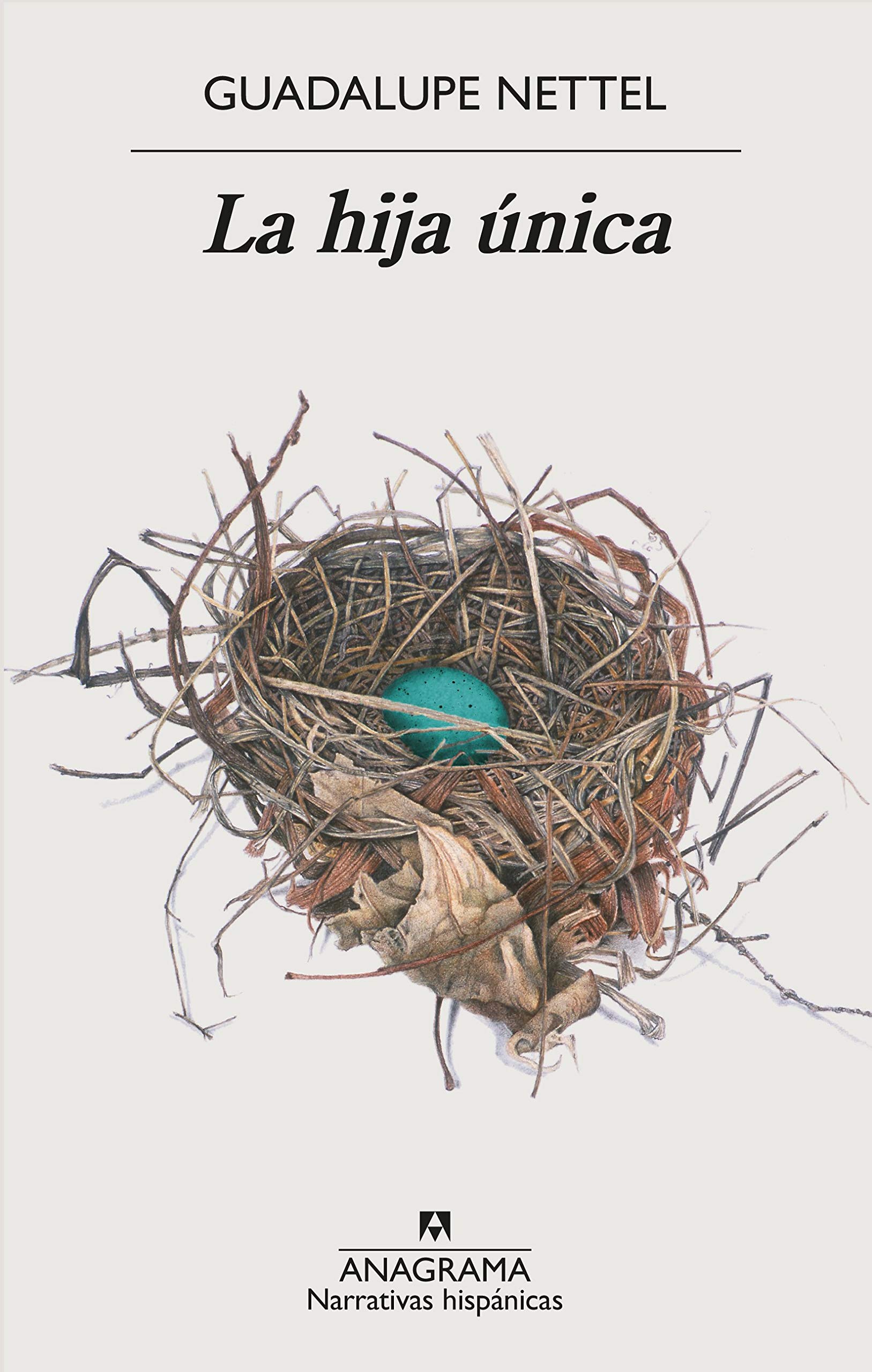
Mexican literatureLater, Laura, to ensure pregnancy doesn’t occur accidentally, takes the drastic measure of having her tubes tied, forever removing that risk.
It’s not that kids annoy me altogether. I might even find it entertaining watching them play in the park or tearing each other apart over some toy in the sandpit. They are living examples of how we would be as humans if the rules of etiquette and civility did not exist.

Alina changes her mind, now in a committed relationship, she becomes pregnant.

What follows each of these decisions is not what either woman expects.

Of Fledglings and Changelings

Guadalupe Nettel Still Born

Photo by Kati Tuomaala on Pexels.com

Laura finds herself increasingly involved with the care and in the company of her depressed neighbour’s son, surprised by the awakening of a protective and nurturing aspect.

Alina is given all kinds of dire expectations from medical specialists who pronounce on her unborn baby, a genetic condition they say will not allow it to live. This causes her and her partner great distress, without reckoning on the will of a tiny life-form that desires against all prediction and preparation otherwise – to exist.

There is a word to describe someone who loses their spouse, and a word for children who are left without parents. There is no word, however, for a parent who loses their child.

The descriptions of the medical encounters are delivered in such a black and white, scientific manner, that we feel profoundly that which is unspoken; the confusion and emotional turmoil of two people who should be feeling ecstatic, being crushed by words delivered as if they were already true. Devastation. Probabilities delivered as facts. In hindsight, lies.

The style of language employed by the writer, in mimicry to the attitudes of the medical staff is neutral, impersonal. Presented as objective, it avoids any personal opinion or emotion. Doctors. Highly trained in precise linguistic delivery, the reader experiences acutely how inhumane it is.

The narrative is so straightforwardly delivered and was so familiar to something I have experienced first-hand, that it felt like I was reading nonfiction. I am sure that any woman who has spent weeks in a post-natal ward will read this and feel a similar sense of deja-vu. I am sure there must be a personal experience(s) wrapped behind this text somewhere.

Brood Parasites

La hija unica Mexican literary fictionMeanwhile, outside Laura’s apartment a pair of pigeons with two eggs in their nest (a refuge she tried to destroy without success), appear to have been subject to a brood parasite.
Brood parasitic birds such as the cuckoo, lay their eggs in the nests of others, sparing themselves the inconvenience of rearing their own young.

Alina too brings in a young woman as a nanny to help with the needs of her newborn daughter, a woman whose role at times usurps the natural mother, giving rise to both appreciation and resentment.

It is a story of the complexity of birthing and raising offspring and the unconventionality that certain circumstances bring about, that can potentially create hybrid parenting situations, where one steps in for the other. It also highlights the little explored experience of a pregnancy that doesn’t follow expected patterns, that delivers an anomaly, something few imagine or are ever prepared for.

Maternal Instinct & Survival

Choosing Laura as the narrator of the story, one who is often at a distance from the more turbulent and harrowing events that Alina is going through, is another way that the author softens the impact of her experience. We are not close enough to be brought down by it and the urgency of her own situation, from which she is also one step removed, keeps the reader from dwelling too long on any on situation. It is like the maternal, survival instinct. The mother keeps busy and active to avoid the slippery slopes of sadness or despair.

I found this novel stunning, shocking, brilliant and in many ways familiar. It was a riveting read, a visceral encounter of all that surrounds the decision or not to become a mother, a carer and how the most insistent of intentions can mould, evolve and change according to our nature and circumstances.

Highly Recommended.

Guadalupe Nettel, Author

Still Born La hija única

Guadalupe Nettel ©Lisbeth Salas_slice

Guadalupe Nettel was born in Mexico and grew up ‘between Mexico and France’.

She is the author of the international award-winning novels The Body Where I Was Born (2011), After the Winter (2014, Herralde Novel Prize) and Still Born (2020). She has also written three collections of short stories. Nettel’s work has been translated into more than 15 languages and has appeared in publications such as Granta, the White Review, El País, the New York Times, La Repubblica and La Stampa. She currently lives in Mexico City.

Rosalind Harvey is a literary translator and educator from Bristol, now based in Coventry in the West Midlands, UK.

‘Many demands weigh on mothers. They are always compared to an unattainable stereotype, one that has made women feel inadequate. Not to mention those who decide to remain childless, who are rarely represented in literature up to now. To me, Still Born is a novel which affirms female choices and which challenges patriarchal ideas of motherhood and maternal instinct.

‘I would like this novel to help readers realise that human diversity – especially that of children with neurological conditions and women of all kinds – is always beautiful and interesting and that there is no reason to fear or reject it.’ Guadalupe Nettel

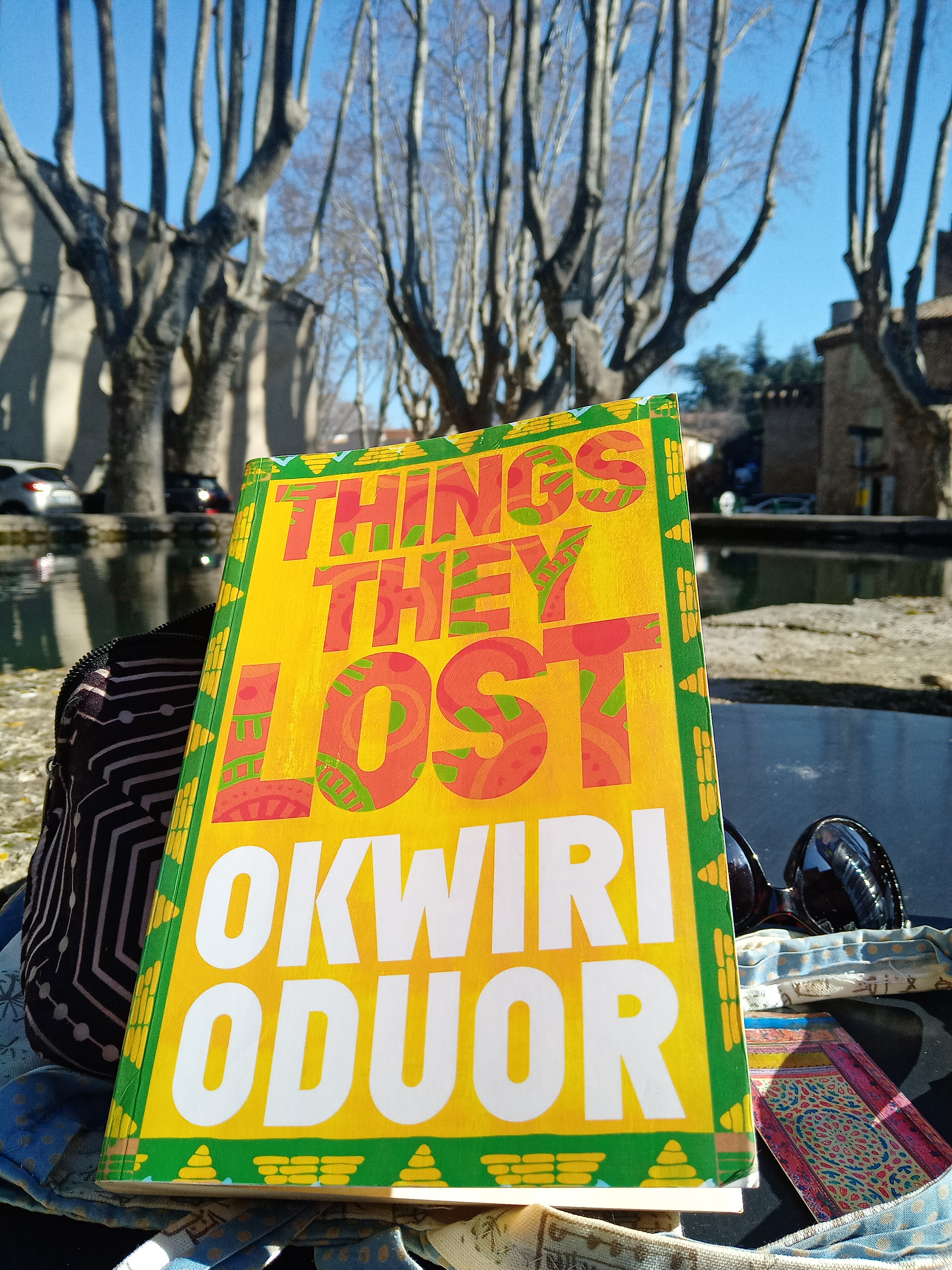
Things They Lost by Okwiri Oduor

A Focus on World Literature

I came across Kenyan author, Okwiri Oduor’s Things They Lost in 2022 while perusing OneWorld Publications, one of my favourite indie publishers. Their books are described as:

“emotionally engaging stories with strong narratives and distinctive voices. In addition to being beautifully written, we hope our novels play their part in introducing the reader to a different culture or an interesting historical period/event, and deeply explore the human condition in all its vagaries”

Some of the wonderful books they have published that I have read and reviewed are Ugandan author, Jennifer Nansubuga Makumbi’s Kintu and The First Woman, Russian author Guzel Yakhina’s Zuleikha, Lebanese author Hoda Barakat’s Voices of the Lost, Iraqi author Shahad Al Rawi’s The Baghdad Clock and Korean author Sun-mi Hwang’s The Hen Who Dreamed She Could Fly.

Otherworldly Surrealism that Feels Real

Kenyan literary fiction Dylan Thomas Award 2023Things They Lost is a coming-of-age tale of a young girl who is highly intuitive and sensitive to other spiritual dimensions. She has always been aware of the presence of entities that may not be apparent to others, although some of the women around her also have perceptive abilities.
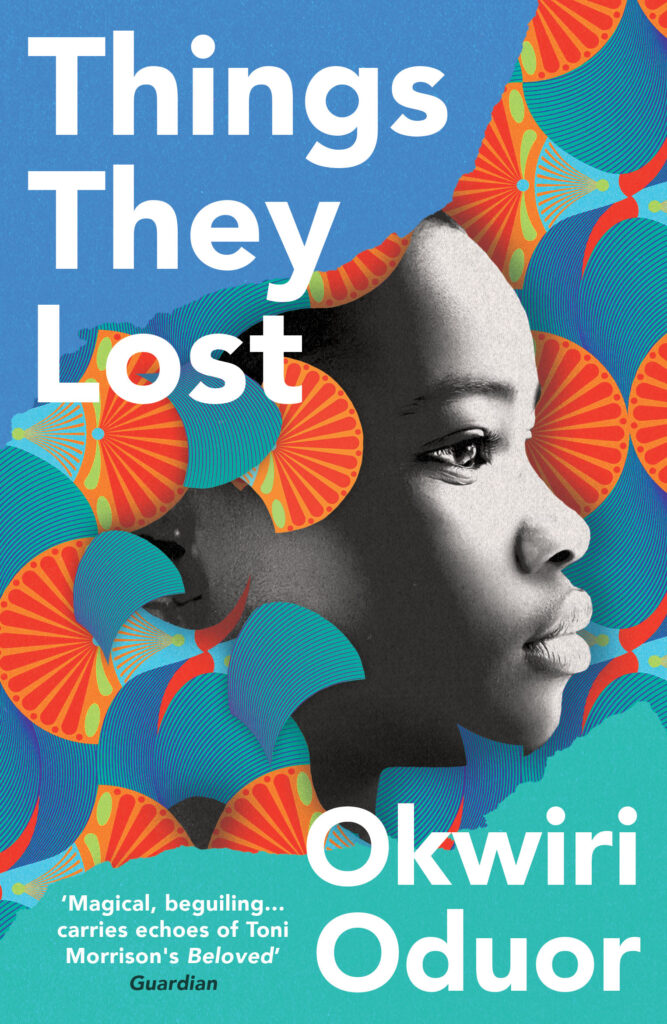
I absolutely loved this novel and was pulled in by the narrative voice immediately. It was one that gave me a frisson of excitement very early on, that feeling of having encountered an author that might become a favourite, their assured use of language above and beyond the norm.

Ayosa Ataraxis Brown is a character that is going to stay with me for a long time. She is 12 years old and lives virtually alone in a large house that has passed down the family since the English woman Mabel Brown first arrived and built a house and employed enough people to call the surrounding area Mabel Town. It has now evolved into the more aptly named Mapeli Town.

It was not so much a deformation as an emancipation, for the name had softened, and could wedge itself better in the townspeople’s mouths. Mabel Town had belonged to the Englishwoman, but Mapeli Town was theirs.

Poetry, Death News, Snatchers

Ayosa, the great grand daughter of Mabel now lives in the big house. Her expanded awareness is a necessary trait for her survival, when it is difficult to tell whether the person standing in front of you is real and kind, or a wraith that has sussed out your innermost desire, used as a lure to snatch you. The Fatunas who dwell upstairs keep her company and at times make the whole house shake.

The radio keeps her and the townsfolk company. Radio man reads the death news while Ms. Temperance recites a daily poem;  violence has been known to occur when she missed a day, so important is the daily poem to the welfare of this community. It helps them deal with the things that have happened.

She also keeps a notebook and jots things down, about what it’s like for her as a girl. Of memories, things remembered from the Yonder Days.

She said, I wish it were true.

You wish what were true?
That you could remember me as a girl. There are things I cannot tell you with my own mouth. I wish you could have been there to see them yourself.

Ayosa said nothing. In her notebook, she wrote, I was there.

Jolly anna ha-ha-ha

The prose is magical, how to even describe it, reading Okwiri Obuor is to enter into another world, her rich, vibrant, incantatory prose doesn’t just shine, it is deeply invested in portraying the day to day presence and effect of abandonment by the mother.

Certain repetitions of phrases and words create the girls own vernacular and familiarise the reader with their linguistic world. There is mystery throughout, we are at the edge of knowing, the more we read, the more questions we have, trying to understand and interpret through these young all seeing eyes.

Her mama had an outside life and an inside life. In the outside life, she was Nabumbo Promise Brown. Daughter of Lola Freedom. Sister of Rosette Brown. Granddaughter of Mabel Brown. But in the inside life she was none of those things. She was Another Person. She lived in a tree hollow, inside a red city. She was a beggar and a thief. She robbed and plundered and murdered.

Things They Lost Dylan ThomasThere but Not There, A Peculiar Absence

It is never entirely clear what ails her mother, sometimes absent, sometimes there, but not there. Ayosa has been aware of her mother since before she was born, when she was a mere wriggling thing. She is able to remember things that happened before.

That was how it was. Mamas left. Daughters waited. Was that why Mamas birthed daughters – so there would always be someone in the world devastated with desire for them?

Ayosa is one in a line of daughters who have been abandoned, of those who have continued the pattern; this is her coming-of-age story, this all-seeing girl, how she lives, what she sees, what nurtures and nourishes her in the absence of mother.

Along the way, we meet a host of entertaining characters, woman who stand in on occasion for the absent mother, the reliable Madame Apothecary and her granddaughter Temerity, the mysterious Sindano in her empty cafe, so while we are concerned for Ayosa, it is reassuring to know there is a community nearby.

Friendship and Sisterhood

Through her burgeoning friendship and connection with Mbiu – with her horse Magnolia, that pulls a pockmarked Volkswagon – she has the opportunity to break free of her self-imposed entrapment, despite the maternal protectiveness that has developed in her as a result of all she has experienced until now.

Okwiri Oyuor succeeds in making the reader see through the perspective of young protagonist, we are forced to let go of our own version of reality and accept Ayosa’s, to see and understand as she does. Some will read this and interpret it as magic realism, but for me it felt realistic, like stepping into the mind of a well-developed and highly sensitive imagination, attuned to their local environment and cultural heritage, their ancestral connections, to realms beyond the physical – it seems that the absence of one (the mother) creates the opportunity for the elevated development of the other.

This is a journey of the soul, of the many lives already lived, of those met along the way in this one precious life, of overcoming challenges and learning to stand up to what is no longer acceptable. Written in mesmerizing poetic prose, that pulls you into a magical, if somewhat fearful world, until the devotion of female friendship liberates all.

Highly Recommended.  Will Be One of My Favourites of 2023.

Okwiri Oduor, Author

Things They Lost Dylan Thomas awardOkwiri Oduor was born in Nairobi, Kenya. At the age of 25, she won the Caine Prize for African Writing 2014 for her story ‘My Father’s Head’. Later that year, she was named on the Hay Festival’s Africa39 list of 39 African writers under 40 who would define trends in African literature.
She has been a MacDowell Colony fellow, and she received her MFA from the Iowa Writers’ Workshop. She has a story forthcoming in Granta.

Things They Lost is her debut novel and was long listed for the Dylan Thomas Award 2023. She currently lives in Germany.

Further Reading

Interview, Guernica Magazine: “What is your specific lonely like?” Okwiri Oduor on her debut novel, Things They Lost By Carey Baraka

A Profile: breathless babbling and blathering about Okwiri Oduor By Aaron Bady

Seven Steeples by Sara Baume

Call It Baumish Prose

There’s a kind of magic in the poetic prose of Irish author Sara Baume, something uniquely identifiable, that you know you are in the presence of within a few pages.

Irish literary fiction poetic proseMy first encounter was her nonfiction title Handiwork, one I highly recommend as a starting place to her work and style. This title is like a spring board into her fiction, an introduction to the visual artist, the poet, the keen observer and storyteller.
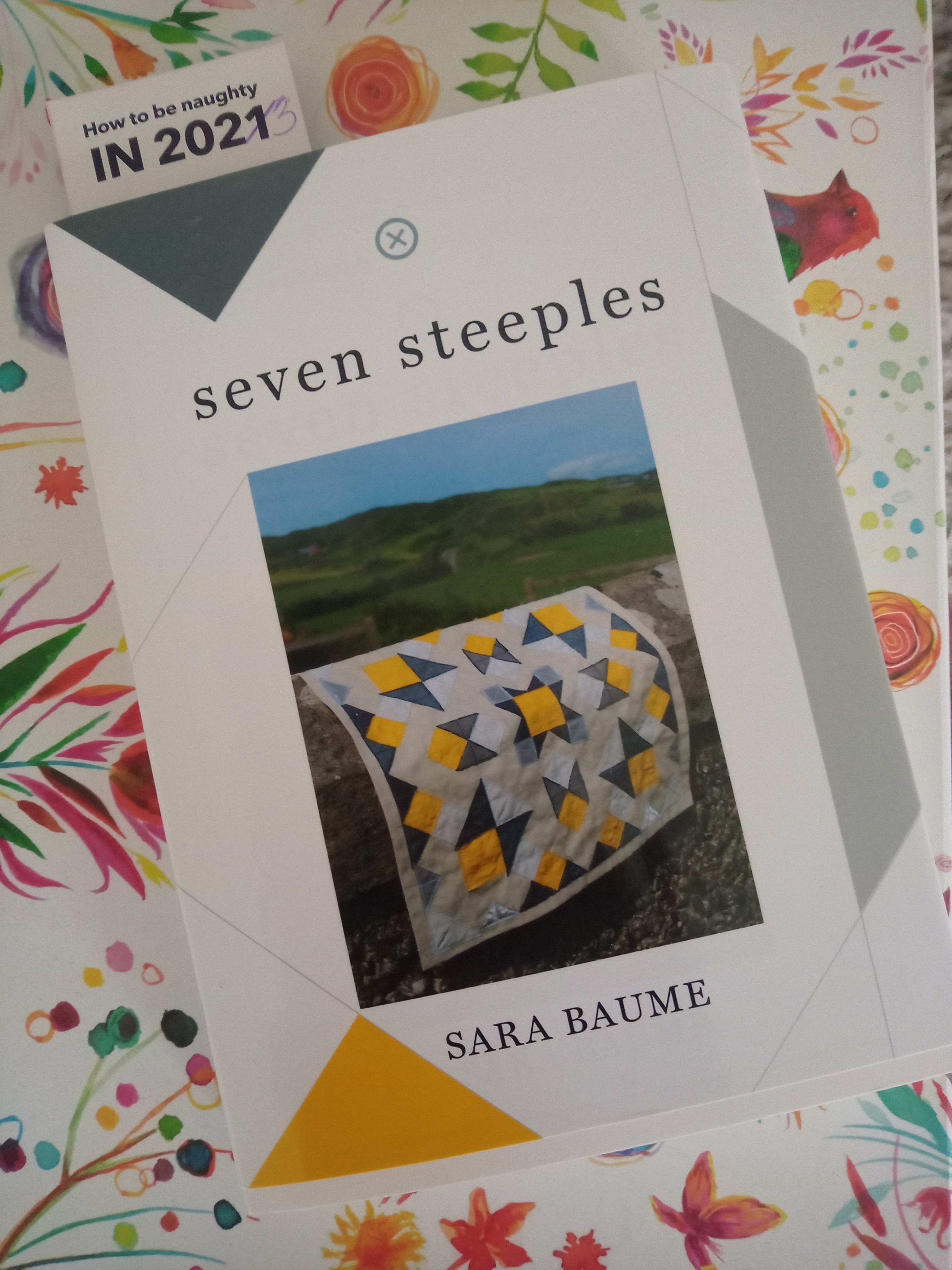
Seven Steeples feels like a levelling up in confidence, it casts aside the idea that a novel requires a plot; if there is one, it might be the ever present question, addressed in the first sentence of each chapter, of another passing year, will the mountain be climbed?

The Irony – A Misanthropic Romantic Encounter

Bell and Sigh meet at an outing with mutual friends and fall into step together. Soon they are moving out of their respective lodgings to a house in the country, in the south-west of Ireland; flanked by a mountain, near the sea, opposite a field where bullocks roam, neighbours to a dairy farmer and his black and white cows. They have a dog each, Voss and Pip. There is a van. A tree in the backyard.

They say there is a wild goat who lives up there, the landlord said, the last surviving member of an indigenous flock.
They say that from the top, the landlord said,
you can see
seven standing stones, seven schools,
and seven steeples.

Bell and Sigh avoid humankind as much as possible, letting go of social and family ties, of obligations, of convention. They are creatures of routine, as are their animals.

It Was Windy

wind instrument music nature champ harmoniqueBaume describes everything about them, about the house, its character, its creaks and groans, its smallest inhabitants, the habits of all those who dwell within its walls, inside its walls, outside its walls in her multiple adjective, poetic prose, that skips across the page to a rhythmic beat.
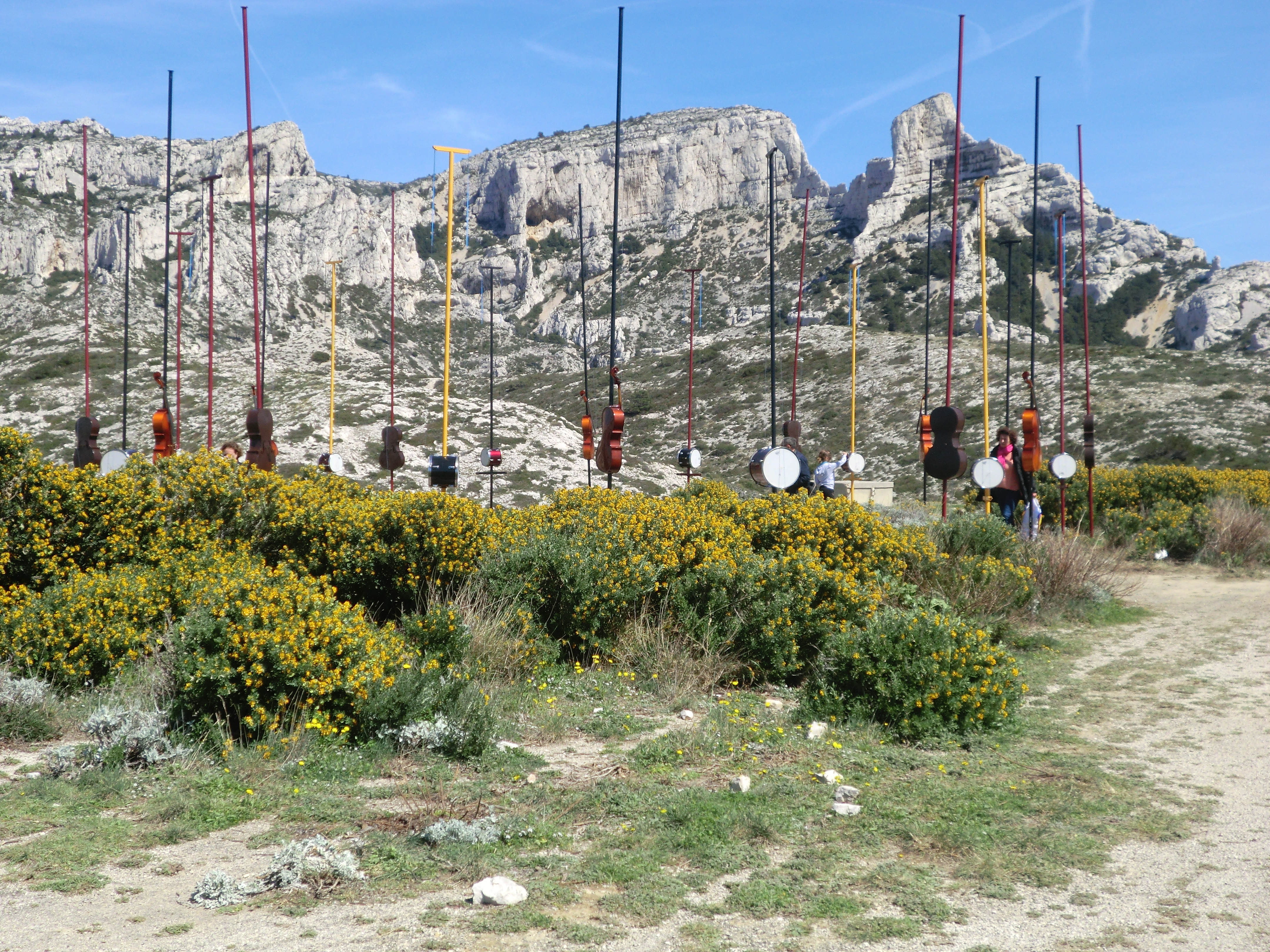
Discovering a blue rope clothes line in the overgrown grass, they string it up between the tree and the house.

Without knowing it, they had fashioned  a wind instrument. There was the flapping of wet fabric, the dull jangle of the wooden pegs, the ping of weathered springs as they came apart, the thud of timber pincers against sod.

The tree was an instrument too. The tips of its branches rapped the plaster skin of the house like drumsticks.

The house was an orchestra – of pipes and whistles, of cymbals and chimes,  of missing keys and broken reeds. All January the elements played its planes  and lax panes, its slates and flutes.  Sometimes its music was a kind of keening , other times, a spontaneous round of applause.

I had the feeling I was reading a prose poem, one that celebrated and played with words, that painted a picture of two people who’d stepped outside of the ordinary life that had become too onerous and sought another kind of ordinary; a slower, quieter more insular version, that fostered simplicity and ignored conformity, that sacrificed the greater community for being at one with the immediate surrounds.

The Hybrid Poet & Spiders

Sara Baume is hands down one of my favourite authors; I love it when a poet rises above that conventional form to create something more akin to storytelling, without losing their adeptness at poetic flow. She is the hybrid poet, one who can take a skill in one area and apply it to another and create something unique, a singular recognisable, assured voice.

In this text she surpasses what was one of my favourite ever literary descriptions of a spider, until now that prize belonged to Martin Booth in his stunning novel The Industry of Souls, for years my favorite novel.

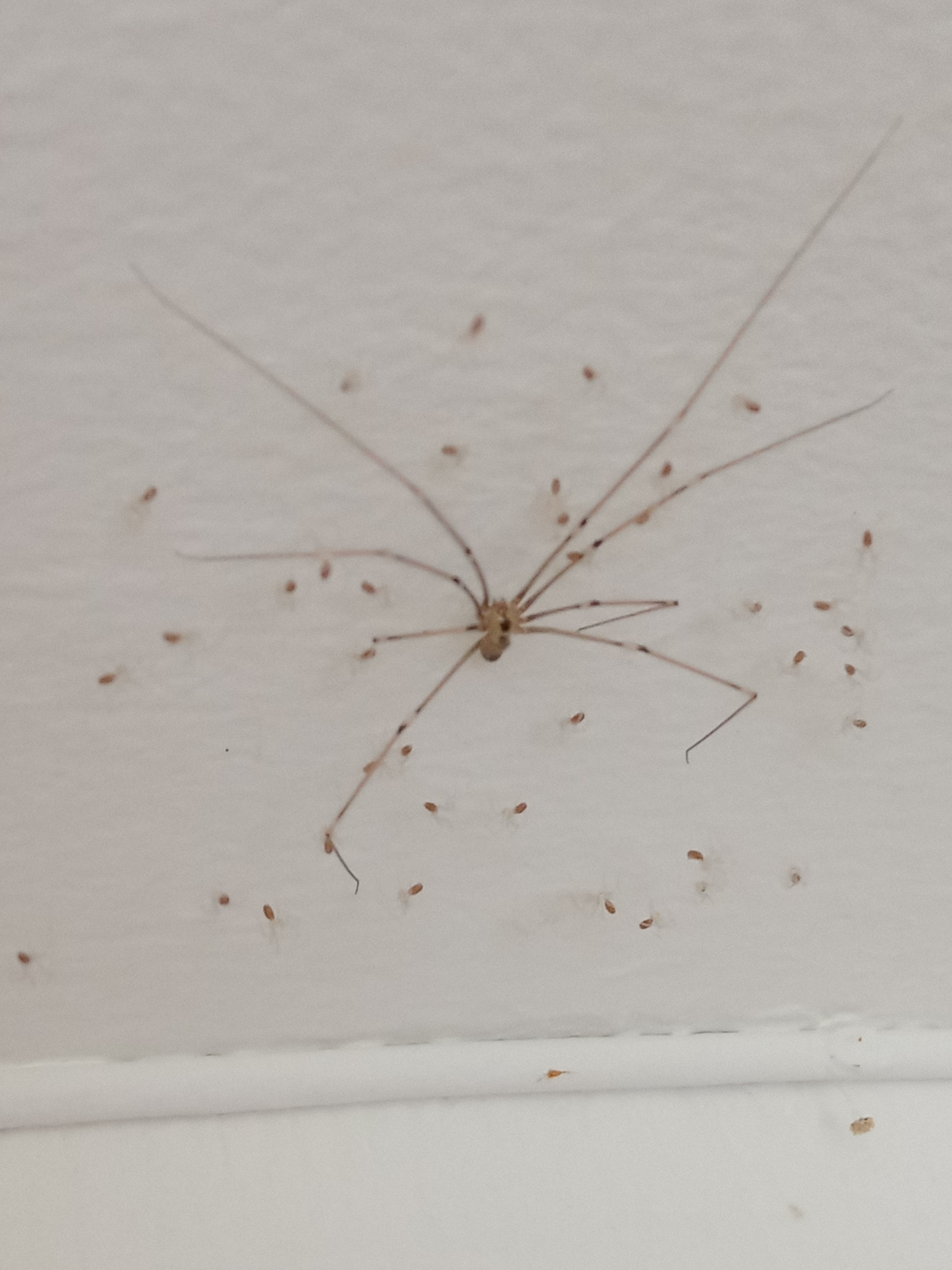
Here is a glimpse at what Sara Baume can do with the common household spider, while subtly acknowledging their insistence in inhabiting various places, in this unconventional life:

wp-1675248154796First we meet the spider that lives behind the wing mirror of their van, who takes refuge behind the glass.
After every journey, it mended the damage done to its tenuous web by the forcing of rushing air and whipping briars.

And then we meet more, these passages delighted me not just for their linguistic beauty, but due to the familiar feeling of having observed and got to know the habits of certain household spiders, to the point of almost thinking of them as free-ranging pets. When they become something your son wants to show people who visit, who begins to trap insects himself to feed the arachnid.

A different, less industrious spider took up residence in the hollow bars of the steel gate. Another lived in the rubber hollows of the welcome mat. And there were dozens distributed throughout the house –
in alcoves, cupboards, inglenooks,
in open spaces and plain sight.

The largest house spider kept to a cranny beneath the bathroom radiator by day. By night it crawled into the folds of the towels or slid down the gently-slanting sides of the bathtub. In the morning, Bell or Sigh – whoever happened to discover it first – had to dangle a corner of the bathmat down like a rope ladder;
like a lifebuoy.

To the spider, the tub was a snowy fjord, a glacial valley – vast, unmarred, arresting. It knew this was an unsafe place. Still it could not quell a desire to summit the tub’s outer edge. Each time it was blinded by a white glare,
and lost its footing, all eight of its footings,
and skied.

Language skips, pauses, ponders, leaves gaps, creates shapes on the page, carries the reader along on a repetitive yet spellbinding journey that never moves outside a 20 mile radius of their humble abode.

The narrative passes through the months, the seasons, and seven years as they learn about the patterns of their environment and each other, about how to live in harmony with their surroundings, until these humans and their dogs are no longer separate entities, they are as if one.

Highly Recommended.

Sara Baume, Author

Irish literature Poetry Visual artistSara Baume’s debut novel, Spill Simmer Falter Wither won the Geoffrey Faber Memorial Prize and has been widely translated. Her second novel, A Line Made by Walking, was shortlisted for the Goldsmiths Prize and her 2020 bestselling non-fiction book, handiwork, was shortlisted for the Rathbones Folio Prize. Seven Steeples, was shortlisted for the Goldsmiths Prize and has just been longlisted for the Dylan Thomas Prize 2023.

Her writing has won the Davy Byrnes Short Story Award, the Hennessy New Irish Writing Award, the Rooney Prize, an Irish Book Award, as well as being nominated for countless others including the Costa and the Dublin Literary Award. She is the recipient of a Lannan Literary Fellowship and lives in West Cork where she works as a visual artist as well as a writer.

Further Reading

My review of Handiwork (Creative Nonfiction)

My review of Spill Simmer Falter Wither

My review of A Line Made By Walking

The Passenger Ireland – including an essay by Sara Baume – Talismans

Interview, Public Libraries Online: “I’m Always Writing in Extremity of My Life” — Sara Baume on Her Gorgeous and Poetic New Novel by Brendan Dowling

Child of Fortune by Yuko Tsushima tr. Geraldine Harcourt

‘Hark, my distant, quiet friend, and feel
Your breath still enriching this emptiness.’
RilkeSonnets to Orpheus

Such a thought provoking novel.

Child of Fortune begins inside Koko’s dream. Dreams appear often in the narrative, as do memories, not exactly nightmares, they make her uneasy, leave her feeling unsatisfied.

The dream consisted simple of staring at the ice mountain. It had no beginning and no end. When she opened her eyes the mountain was there, and when she closed them it was gone. Cold and abrupt, it wouldn’t allow her emotions free play like any ordinary dream.

Japanese literature literary fiction36 year old Koko raises her 11 year old daughter Kayako alone, she works part time teaching piano, though the way she is obliged to teach it pains her. Since she bought her apartment (thanks to a partial inheritance) she has also become independent of her family, something her sister Shoko constantly criticizes her for.

Shoko chose to stay living in the family home after the death of their mother, using her money to upgrade their lifestyle, the children’s schools. She is full of judgement. Undermining Koko, she lures the daughter away, to the point where Kayako only spends Saturday’s with her mother.

Koko was in fact proud of the way she and her daughter lived in their apartment – with no frills, and entirely on her own earnings – and she wanted Kayako to share that pride, but the cousins in their setting made a too-perfect picture.

Not wishing to nag and risk losing her completely (as she had done with the father and her lover), she allows her this freedom to come and go. She suspects the visit is a way of her sister keeping an eye on her. Her daughter confirms it.

That’s right. She said we can’t let your mother out of our sight or there’s no telling what she’ll get up to next.

Child of Fortune Dreams Ice Mountain Yuko

Photo Simon Berger @ Pexels.com

Koko begins to feel unwell.

She remembers her marriage to Hatanaka and how ill-suited they were, her husband so focused on his studies, never working, all his women friends, the loss of the few of her own, because they didn’t like him.

Though she has no memory of it, her father died when she was young, she knew he had gone to live elsewhere before she was born. Her mother too had raised her children alone.

Koko suspects she may be pregnant. She ignores it.

Three people. Koko was strongly attracted by the number’s stability. Not two, not four, but three. A triangle: a full, beautiful form. There was something to be said for the square, too, but the triangle was the basis of all form. The dominant.

She remembers her affair with Doi, three years before, how attentive he had become when he became a father himself. Then in the fall, she began seeing Osada, a friend of Hatanaka, stirring up old, deep regrets.

He reminds Koko of her brother who died, a child who found happiness in making others happy. The loss of this childhood connection is deep, profound, forgotten, almost non-existent. He had been Kayako’s age.

She was sure there could be no happiness for her without her brother. For the first time, Koko knew a kind of joy that had nothing to do with the intellect. The boy’s emotions were unclouded: what pleased him meant joy, what displeased him meant anger; but he experienced his deepest joy in enduring what displeased him for the sake of those he loved. She wondered why. Though he lacked intelligence, he was endowed with love, which was another kind of wisdom.

The sister arranges an interview for Koko’s daughter at the school her cousins attend. Koko isn’t comfortable but allows it. Kayako is worried about what to say about her father, having heard a lot of people are turned down because of their home background.

Koko’s dreams are like insights into a state of mind she can’t quite grasp. She is passive, the consequences of which threaten to overwhelm her, the potential loss of her daughter, the pending arrival of a baby, the secrecy around it. She thinks of everything, except what she must do, make a decision, confront reality. She has become somewhat paralysed.

She could hear her sister’s voice now, drawing gradually closer: so you’ve finally begun to understand what a bad mother you’ve been, how little sense you’ve shown? And hear herself protest; no, that’s not it – don’t think I’ve liked choosing a different world from other people. I know I’ve been stubborn – but not about Kayako alone. All my life, though often I haven’t known which way to turn, I have managed to make choices of my own. I don’t know if they were right or wrong. I don’t think anyone can say that.

Because of the insight into her mind, her thoughts, dreams, her past, we see all aspects of Koko and we hear the damning, irresponsible voice of her sister, the judgement that wears down what little self-worth remains. There is no recognition of her pain, of her depression, neither seen within nor by others. It is never mentioned, never thought of, yet it is obvious.

One thing, though, was certain: that she had never betrayed the small child she’d once been; the child who had pined for her brother in the institution; the child who had watched her mother and sister resentfully, unable to understand what made them find fault with her grades, her manners, her languages. And she was not betraying that child now, thirty years later. This, she had always suspected, was the one thing that mattered. And although she was often tempted by a growing awareness of the ‘proper thing to do’ once Kayako was born – not only in the harsh advice she was constantly offered by others, but within her own mind – in the long run her choices had always remained true to her childhood self.

Tsushima explores this in a powerful stream of consciousness narrative that invites all kinds of reactions from readers, many sit in judgement, casting Koko as the bad mother, the unconventional mother, the selfish woman pursuing her own desires.

And yet, she is the new woman, safeguarding the home, choosing to do something she loves without it stealing all her time, so she has time for her daughter and herself. She is independent and does not aspire to that which accrued wealth can buy.

It is a reflection on the many manifestations of grief, of events, moods and emotions that arrive unbidden; often unseen, rarely unexplained, but very present; and how little patience our society can have for understanding, how punitive we can be in our insistence on conventionality, how intolerant of depression, of weakness, of prolonged grief.

Rather than stand for any one view, Tsushima presents her character Koko and shows us the effect of her struggle for freedom.

As I finished the book, which was originally published in 1978, I was struck by the relevance of a quote by the French author Constance Debré, author of Love Me Tender translated by Holly James; in the Guardian on 14 Jan, 2023:

“There’s always a price to pay for freedom. To me, that’s a happier, livelier way to see things: rather than saying there are injustices or blows raining down on you, you realise it’s all because you’re living life in the way you want, seeking out an existence … trying to give life some shape. That’s why life and literature are so connected: it’s the quest for form.”

Yuko Tsushima, Author

Japanese literature feminismYuko Tsushima (1947-2016) was a prolific writer, known for her stories that centre on women striving for survival and dignity outside the confines of patriarchal expectations. Groundbreaking in content and style, Tsushima authored more than 35 novels, as well as numerous essays and short stories.

Like her protagonist in Child of Fortune, Tsushima’s childhood was marked by the death of her disabled brother. Her father, Osamu Dazai was one of the most celebrated Japanese writers of the 20th century, who passed away when she was a year old.

Tsushima’s 1978 novel Child of Fortune  won the 1978 Women’s Literature Prize in Japan, it was published in English in 1986 by The Women’s Press, earning the translator Geraldine Harcourt the Wheatland Foundation’s translation prize in 1990.

Further Reading

New York Times: The Overlooked Autofiction of Yuko Tsushima By Abhrajyoti Chakraborty

Free Love by Tessa Hadley

Nothing Free About It

relationshipsAfter seeing this title on a few end of year Top Fiction Reads for 2022, this was one of the first books I chose, to get back into the reading rhythm. Perhaps for that reason, it took a little while to get into, but once it reached the first significant turning point, the plot became more interesting and surprising and the choices the author made, much more thought provoking. It would make an excellent book club choice.

In essence, 40 year old Phyllis – who was living a conventional life as a housewife with two children, her husband Roger working at the Foreign Office – steps out of the submissive role she has been wed to, when a friends’ son comes to visit. Prior to this moment she hadn’t appeared to be frustrated with her life.

“In fact she was easy, an easy person, easily made happy, glad to make others happy. She was pleased with her life. The year was 1967.”

The encounter leads to numerous consequences, increasingly dramatic, that will affect everyone in the family. Our housewife leaves her middle class, manicured English lawn suburb for a rundown, seedy apartment building in Ladbroke Grove, teeming with diversity, creativity, and people living in the moment.

A Housewife Acting on a Crazy Impulse. Really?

Free Love Tessa Hadley Sixties fashion UtopiaIn the initial chapters, it was difficult to believe. Every reader will bring to their reading of the story, their own imagining of how this mother could abandon all for something that feels like it will be fleeting.
But then you slowly accept it, recalling the era in which it was set, knowing there was a whole other way of living and being in the 1960’s, a revolution against convention and authority, a risk taking utopian fever spreading its tentacles among the young and not so young. A time bomb, but still.

Colette, Not Yet Colette

The teenage daughter Colette is the more tortured soul, an astute observer, a lonely intellectual who read everything, though refused to read the novelist her mother said she was named after.

“Her father’s intelligence was so much stronger than her mother’s, Colette thought; yet it was the slippery labyrinth of her mother’s mind – illogical, working through self-suggestion and hunches according to her hidden purposes – which was closed to Colette, and therefore more dangerous for her.”

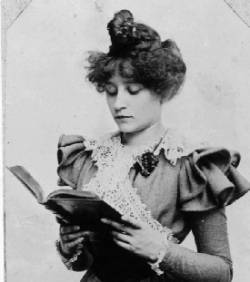
Colette Reading

              The Other Colette

While we may feel sorry for the children – the son was always going to be sent away to boarding school, an interesting juxtaposition, to set side by side, twin forms of abandonment – it is interesting to see how the relationship between mother and daughter evolves under the new circumstance of their lives.

Colette starts skipping school.

“When she got to London Bridge she put her satchel and uniform in a left-luggage locker. All she did in the city was walk around in the crowds, pretending to be absorbed and purposeful like everyone else. She went to browse in certain bookshops, in Carnaby Street she bought tinted sunglasses, underground magazines and cones of incense from stuffy little shops, also henna to dye her hair at home. Sometimes she screwed up her courage to ask for a glass of barley wine in a pub, then sat alone defiantly to drink, reading.”

Honesty versus Secrecy

It was interesting to imagine a conventional housewife having such courage or impulsivity to do what she did. The choices Phyllis makes are surprising and daring, and just when we think she is the only one capable of making such counter conventional choices, there is another twist in the story.

It becomes a story about consequences, those that are dared lived out in the open, versus those that have been hidden. Then it gets really interesting. It makes you wonder, should those secrets be kept or shared? One can never predict the consequences of either route, but this story attempts to pit one against the other.

It reminded me of the experience of reading Brian Moore’s The Doctor’s Wife.

Coming Full Circle

The ending is more poignant than conclusive, it reiterates the messiness of real lives and the power of forgiveness, the benefit of setting aside judgement, of being true to oneself without having to reject the other.

“Phyllis had been braced to defend herself against her husband. On her way to meet him, she’d summoned an idea of his authority, implacable and punitive, mixed up with his role in the world of Establishment power. Now she was taken aback by how he bent his head before her, opening himself so easily; his kindness drew one sob out of everything loosened and raw inside her.”

An enjoyable and thought provoking read ad an author I’d be happy to read more of. Have you read any of Tessa Hadley’s novels?

N.B. Thank you to the publisher for providing an ARC via Netgalley.

Further Reading

NPR review –A woman embraces change in the 1960s in Tessa Hadley’s novel ‘Free Love’ by Heller McAlpin

Guardian review: sexual revolution in 60s suburbia by Michael Donkor

Interview with Lisa Allardice: Tessa Hadley: ‘Long marriages are interesting. You either hang on or you don’t’

Guardian Short Story, Dec 18, 2022 : Juana the Mad – A chance encounter at a Christmas party churns up buried memories in this exclusive tale by the prize-winning novelist.

Tessa Hadley, Author

Free Love London based fiction A9Tessa Hadley is a British author of 8 novels, short stories and nonfiction. Born in Bristol in 1956, she was 46 when she published her first novel, Accidents in the Home, which she wrote while bringing up her 3 sons and studying for a PhD.

Her writing focuses on women, families and relationships – what she has called “the intricate tangle of marriage, divorce, lovers, close friends, children and stepchildren – the web people create for themselves”.

She reviews regularly for the London Review of Books and is a frequent contributor to the New Yorker and Granta. Professor of Literature and Creative Writing at Bath Spa University, her special interests including Jane Austen, Henry James, Jean Rhys and Elizabeth Bowen.

“I love the irresponsibility of short stories. Writing short, you create with a free hand. Each new development you imagine can be drawn in to the story without consequences, with all the lightning-bolt effect of a first thought, no requirement to elaborate a hinterland. A quickly scribbled indication of background can stand in for a whole city, a whole past. And yet I can’t stop wanting to write novels too. Novels see things through. The reader is in for the long term; the writer is in for a sizeable stretch of her life. In a novel there’s not only the dazzle of the moment, but also the slow blooming of the moment’s aftermath in time, its transformation over and over into new forms. I love to write about the present, and the past that’s recent enough for me to remember. The fiction writer’s ambition is modest and overweening: to take the imprint of the passing moment, capture it in the right words, keep it for the future to read.” Tessa Hadley, Author Statement

Top Reads of 2022

It feels a little fraudulent to write about my favourite reads of 2022, when I forbid myself to read or write about books for six months of the year, while I was working on a creative writing project. Writing about books is one of my greatest pleasures, however I realised that if I could harness that energy and apply it to something else I wished to complete, perhaps I could finish that other project.

I did finish it, so I’m giving myself a break and reopening the blog door, keeping the ‘thoughts on books’ muscle active.

An Irish Obsession and A Foreign Language Desire

Reading Ireland Month 2022 TBRThough I read less than half the number of books of 2021, I did manage to read 30 books from 13 countries, a third Irish authors, thanks to Cathy’s annual Reading Ireland month in February. I’m looking forward to more Irish reads this year; there were many promising reads published in 2022 that I wasn’t able to get to.

Sadly I missed Women in Translation month in August, though I managed to read six books in translation, two making my top reads of the years.

2023 will definitely be better for translations, since I’ve taken out a Charco Press subscription, giving me the opportunity to read a few Latin American contemporary authors from Argentina, Brazil, Bolivia, Peru, Colombia and Mexico.

Books Read By Country

Non-Fiction, A Rival to the Imagination

As far as genre went, there was a much greater balance between fiction and non-fiction than in previous years, due to having been in the mood to read a lot more non-fiction this year.

Books Read by Genre

And so to the books that left the most significant impression, where I have reviewed them I’ll create a link in the title.

One Outstanding Read

Was there one book that could claim the spot of Outstanding Read of 2022? This wasn’t easy to decide given most of my reading occurred in the beginning of the year, but as I look over the titles, there was one book that I remember being pleasantly surprised by and having that feeling of it not wanting to end, and being laugh out loud funny in places.

It is one of those novels, or perhaps I ought to say she is one of those writer’s whose works I wouldn’t mind being stuck on a desert island with, more than just a story, they open your mind to other works, stimulate curiosity and have a particular sensibility that reassures this reader that the novel will endure.

“I absolutely loved it and was surprised at how accessible a read it was, given this is an author who recently won the Nobel Prize for Literature. Her power to provoke by telling a story is only heightened by the suggestion on the back cover that her ideas presented here caused a genuine political uproar in Poland.” – extract from my review

So here it is, my One Outstanding Read of 2022 was :

Olga Tokarczuk’s Drive Your Plow Over the Bones of the Dead translated from Polish by Antonia Lloyd-Jones

In no particular order, here are my top 5 fiction and non-fiction reads for 2022.

Top 5 Fiction

Peirene Press German Literature Women in TranslationMarzhan, mon amour, Katja Oskamp (Germany) translated by Jo Heinrich

– What a joy this Peirene novella was, one of those rare gems of what I perceived as uplifting fiction, until I lent it to a friend who is a nurse, who DNF’d it, making me realise that what can be delightful for one reader can be quite the opposite for another, in this case, someone who had heard too many sad stories from patients, requiring an empathetic barrier, to endure the overwhelm it creates.

Marzhan is a much maligned multi-storied, communist-era, working class quarter in East Berlin, where our protagonist, a writer, leaves her career behind to retrain as a chiropodist, due to the sudden illness of her husband. In each chapter, we meet one of her clients, members of the local community, many who have lived there since its construction 40 years earlier. A chronicler of their personal histories, we witness the humanity behind the monolith structures of the housing estates, the connections created between the three women working in the salon and the warmth and familiarity they provide to those who cross their threshold. A semi-autobiographical gem.

Northern Irish Literature novellaThe Last Resort, Jan Carson (Northern Ireland)

– Another novella, this was another delightful, often hilarious story, with well constructed characterisation. Set in a fictional Seacliff caravan park in Ballycastle on the North Coast of Ireland, a group gather to place a memorial bench on the cliff top for a departed friend.

Each chapter is narrated by one of 10 characters, revealing their state of mind and concerns, while exploring complex family dynamics, ageing, immigration, gender politics, the decline of the Church and the legacy of the Troubles.  A sense of mystery and suspense, pursued by teenage sleuth Alma, lead to the final scene, the cliff-hanger.  A delightful afternoon romp.

Ukraine historical fictionI Will Die in a Foreign Land, Kalani Pickhart (US) (Set in Ukraine 2013/14) (Historical Fiction)

– Set in Ukraine in 2014, during the Euromaiden protests, four characters with different backgrounds (two outsiders, two protestors) cross paths, share histories, traverse geography and represent different perspectives in this Revolution of Dignity, the origin of a conflict that endures today.

The narrative is gripping, informative, well researched and had me veering off to look up numerous historical references. Moved by the documentary, Winter on Fire: Ukraine’s Fight for Democracy, Pickhart was struck by the fighting spirit of the Ukrainian people against their government and the echo of the past, when the bells of St. Michael’s Golden-Domed Monastery rang for the first time since the Mongols invaded Kyiv in 1240AD.

“Though it is novel told in fragments, through multiple narratives and voices, there is a fluidity and yet the plot moves quickly, as the connection(s) between characters are revealed, their motivations and behaviours come to be understood and revelations acknowledge the pressures and complexities of life in this country, some things universal, others unique to their history and geography.”

Dublin One City One Read Irish LiteratureNora, A Love Story of Nora Barnacle & James Joyce, Nuala O’Connor (Ireland) (Historical Fiction)

– Absolutely loved it. I was instantly transported into Nora’s world, seeing their life and travels, the many challenges they faced and the unique connection that kept them together throughout. I knew nothing of their lives before picking this up during the One Dublin, One Book initiative in April 2022. Knowing now all the many places they lived and how Europe allowed them to live free of convention, I’m curious to encounter the stories Joyce created while Nora was keeping everything else together for him.

It is incredible that Nuala O’Connor managed to put together such a cohesive story given the actions of Joyce’s formidable grandson/gatekeeper Stephen, who did all he could to prevent access or usage of the family archive, including the destruction of hundreds of letters, until his death in 2020.

In 2023 the One Dublin, One Book read will be The Coroner’s Daughter by Andrew Hughes.

London Homesickness New Zealand writers abroadTowards Another Summer, Janet Frame (NZ) (Literary Fiction)

–  What a treat this was, one of Janet Frame’s early novels written in the 1960’s when she was living in London, one she was too self conscious to allow to be published, so it came out posthumously in 2007. Written long before any of her autobiographical work, it clearly was inspired by much of her own experience as a writer more confident and astute with her words on the page than social graces.

In the novel, a young NZ author living in a studio in London, is invited to spend a weekend with a journalist and his family, something she looks forward to until beset by anxiety and awkwardness. Her visit is interspersed with reminiscences of her homeland, of a realisation of her homesickness and desire to return. She imagines herself a migratory bird, a kind of shape-shifting ability that helps her to be present, absent, to cope with the situation and informs her writing.

“A certain pleasure was added to Grace’s relief at establishing herself as a migratory bird. She found that she understood the characters in her novel. Her words flowed, she was excited, she could see everyone and everything.”

Top 5 Non-Fiction

nonfiction essays love effect of domination patriarchy black woman perspectiveAll About Love: New Visions, bell hooks (US)

– What a joy it was to discover the voice and beautifully evolved mind of bell hooks in these pages.

Her perspective is heart lead, her definition of love leaves behind conditioned perceptions of romance and desire and the traditional roles of carer, nurturer, provider – and suggests that it might be ‘the will to do for oneself or another that which enables us to grow and evolve spiritually’ love becomes a verb not a noun.

It is a way of looking at this least discussed human emotion and activity that fosters hope and encouragement, in an era where we have been long suffering the effects of lovelessness under a societal system of domination.

essays Sara Baume Colum McCann Europa EditionsThe Passenger – Ireland (Essays, Art, Investigative Journalism)

– This collection of essays, art and information about contemporary Ireland is an underrated gem! Europa Editions noticed my prolific reading around Ireland after I read Sara Baume’s wonderful A Line Made By Walking and mentioned that she was one of the contributors to this stunning collection.

I planned to read a couple of essays each day, but it was so interesting, I kept reading until I finished it. Brilliant!

Across 11 essays, the collection explores the life and times of modern Ireland, with contributions from Catherine Dunne and Caelinn Hogan – discussing the decline of the Church’s influence, the dismantling of a system designed to oppress women and a culture of silence in The Mass is Ended; William Atkins writes a fascinating essay on the Boglands; Manchan Magnan shares how the contraction of a small local fishing industry heralded the decline and disappearance of much of the Irish language in An Ocean of Wisdom; Sara Baume writes of Talismans and Colum McCann of nostalgia in Everything That Falls Must Also Rise.

The BBC’s former political editor in Northern Ireland Mark Devenport, writes about a region hanging in the balance, the UK and the EU, torn between fear and opportunity and the distinct feeling of having been abandoned in At The Edge of Two Unions: Northern Ireland’s Causeway Coast; while Lyra McKee’s gut-wrenching essay Suicides of the Ceasefire Babies investigates the troubling fact that since the signing of the Good Friday Agreement in 1998, more people in Northern Ireland have committed suicide than were killed during the 30 year conflict.

“Intergenerational transmission of trauma is not just a sociological or psychological problem, but also a biological one.”

And more, a brilliant essay on citizen assemblies, another on Irish music, rugby and a less enchanting one that explores locations in The Game of Thrones.

What My Bones Know Stefanie FooWhat My Bones Know, A Memoir of Healing from Complex Trauma, Stefanie Foo (US) (Memoir)

– This was a gripping memoir I couldn’t put down. I read it for reference purposes, interested in the solutions she finds for healing complex PTSD. It is well researched, while each section contributes to the arc of a comprehensive and compelling narrative.

Stefanie Foo had a dream job as an award-winning radio producer at This American Life and was in a loving relationship. But behind her office door, she was having panic attacks and sobbing at her desk every morning.  After years of questioning what was wrong with herself, she was diagnosed with complex PTSD – a condition that occurs when trauma happens continuously, over the course of years.

She becomes the subject of her own research, her journalist skills aiding her to interview those responsible for various discoveries and healing modalities, gaining insights into the effect and management of her condition, eventually reclaiming agency over it.

“Every cell in my body is filled with the code of generations of trauma, of death, of birth, of migration, of history that I cannot understand. . . . I want to have words for what my bones know.”

Ancestor Trouble Maud NewtonAncestor Trouble, A Reckoning & A Reconciliation, Maud Newton (US) (Memoir/Genealogy)

– This was a fascinating read and exploration, at the intersection between family history and genetics; the author sets out to explore the nurture versus nature question with the aid of DNA genetic reports and stories both documented about and passed down through her family. Some of those stories and people she was estranged from create a concern/fear about what she might inherit.

Maud Newton explores society’s experiments with eugenics pondering her father’s marriage, a choice he made based on trying to create “smart kids”. She delves into persecuted women, including a female relative accused of being a witch, and discovers a clear line of personality inclinations that have born down the female line of her family. A captivating and highly informative read.

My Fathers Daughter Hannah Azieb PoolMy Father’s Daughter, Hanna Azieb Pool (UK/Eritrea) (Adoptee Memoir)

– A memoir of the Eritrean-British journalist, Hannah Azieb-Pool, who returns to Eritrea at the age of 30 to meet her family for the first time. In her twenties, Azieb-Pool is given a letter that unravels everything she knows about her life. Adopted from an orphanage in Eritrea, brought to the UK, it was believed she had no surviving relatives. When she discovers the truth in a letter from her brother – that her birth father is alive and her Eritrean family are desperate to meet her, she is confronted with a decision and an opportunity, to experience her culture origins and meet her family for the first time.

It’s a story of uncovering the truth, of making connections, a kind of healing or reconciliation. Ultimately what has been lost can never be found. It’s like she was able to view an image of who she might have been and the life she may have had, and while viewing it was cathartic, it is indeed an illusion, a life imagined, one never possible to live.

 *  *  *  *  *  *

Have you read any of these books? Anything here tempt you for reading in 2023?
Happy Reading All!

Booker International Prize Shortlist 2022

In my recent absence, six translated novels have been shortlisted for the International Booker Prize including book from six languages: Korean, Norwegian, Japanese, Spanish, Hindi and Polish.

Wildly original works of literature that will captivate readers, this year’s shortlisted books all explore trauma, whether on an individual or societal level. 

Translated literary fiction

Summaries of the novels are below, with the judges comments. The winners of the prize will be named on 26 May 2022.

The Shortlist

Heaven by Mieko Kawakami (Japan) Translated by Sam Bett, David Boyd

HeavenTold through the eyes of a 14-year-old boy subjected to relentless bullying, Heaven is a haunting novel of the threat of violence that can stalk our teenage years.

Instead of putting up resistance, the boy suffers in complete resignation. His sole ally is a girl classmate, similarly outcast and preyed upon by the bullies. They meet in secret to take solace in each other’s company, unaware that their relationship has not gone unnoticed by their tormentors.

Mieko Kawakami’s deceptively simple yet profound work stands as a testament to her remarkable literary talent. Here, she asks us to question the fate of the meek in a society that favours the strong, and the lengths to which even children will go in their learnt cruelty.

An intense, claustrophobic novel, Heaven uses its tale of middle school bullying to enact
Nietzsche’s critique of morality.

Elena Knows by Claudia Piñeiro (Argentina) Translated by Frances Riddle

Elena KnowsA unique story that interweaves crime fiction with intimate tales of morality and the search for individual freedom.

After Rita is found dead in the bell tower of the church she used to attend, the official investigation into the incident is quickly closed. Her sickly mother is the only person still determined to find the culprit.

Chronicling a difficult journey across the suburbs of the city, an old debt and a revealing conversation, Elena Knows unravels the secrets of its characters and the hidden facets of authoritarianism and hypocrisy in our society.

“Claudia Piñeiro’s short and deeply felt novel, evokes the loneliness of ageing and the uncertainty of memory. Frances Riddle’s brutal yet sparing translation suggests the shadows and light of noir without ever eclipsing the very human tragedy at the core of the book.”

A New Name: Septology VI-VII by Jon Fosse (Norway) Translated by Damion Searls

A New NameJon Fosse delivers both a transcendent exploration of the human condition and a radically ‘other’ reading experience – incantatory, hypnotic, and utterly unique.

Asle is an ageing painter who lives alone on the coast of Norway. His only friends are his neighbour, Åsleik, a traditional fisherman-farmer, and Beyer, a gallerist who lives in the city. There, in Bjørgvin, lives another Asle, also a painter but lonely and consumed by alcohol. Asle and Asle are doppelgängers – two versions of the same person, two versions of the same life, both grappling with existential questions.

Written in melodious and hypnotic ‘slow prose’, this is the final instalment of Fosse’s Septology, the major prose work by ‘the Beckett of the twenty-first century’ (Le Monde).

Tomb of Sand by Geetanjali Shree (India) Translated by Daisy Rockwell

Tomb of SandAn urgent yet engaging protest against the destructive impact of borders, whether between religions, countries or genders.

In northern India, an 80-year-old woman slips into a deep depression at the death of her husband, then resurfaces to gain a new lease of life. Her determination to fly in the face of convention confuses her bohemian daughter, who is used to thinking of herself as the more ‘modern’ of the two. To her family’s consternation, Ma then insists on travelling to Pakistan, confronting the unresolved trauma of her teenage experiences of Partition.

Despite its serious themes, Geetanjali Shree’s light touch and exuberant wordplay ensures that Tomb of Sand remains constantly playful – and utterly original.

A loud and irresistible novel.

The Books of Jacob by Olga Tokarczuk (Poland) Translated by Jennifer Croft

The Books of JacobOlga Tokarczuk’s portrayal of Enlightenment Europe on the cusp of precipitous change, searching for certainty and longing for transcendence.
In the mid-18th century, as new ideas begin to sweep the continent, a young Jew of mysterious origins arrives in a village in Poland. Before long, he has changed not only his name but his persona; visited by what seem to be ecstatic experiences, Jacob Frank casts a charismatic spell that attracts an increasingly fervent following.

In the decade to come, Frank will traverse the Hapsburg and Ottoman empires as he reinvents himself again and again. He converts to Islam and then Catholicism, is pilloried as a heretic and revered as the Messiah, and wreaks havoc on the conventional order with scandalous rumours of his sect’s secret rituals and the spread of his increasingly iconoclastic beliefs.

Cursed Bunny by Bora Chung (South Korea) Translated by Anton Hur

Cursed BunnyBora Chung presents a genre-defying collection of short stories, which blur the lines between magical realism, horror and science fiction.
Korean author Bora Chung uses elements of the fantastic and surreal to address the very real horrors and cruelties of patriarchy and capitalism in modern society. Anton Hur’s translation skilfully captures the way Chung’s prose effortlessly glides from the terrifying to the wryly humorous. Winner of a PEN/Haim Grant.

While the stories in Cursed Bunny by Bora Chung blend elements of horror, fantasy and the surreal, each is viscerally rooted in the real fears and pressures of everyday life.