Best Reads of 2025 Top Fiction

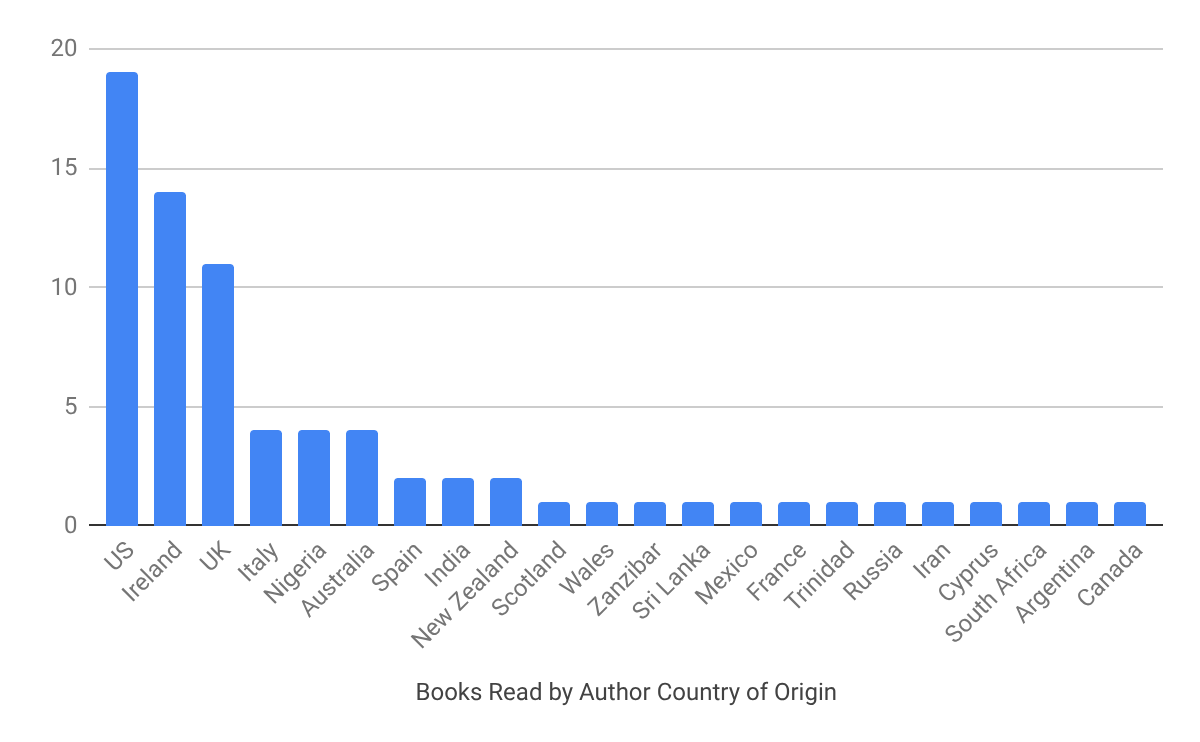
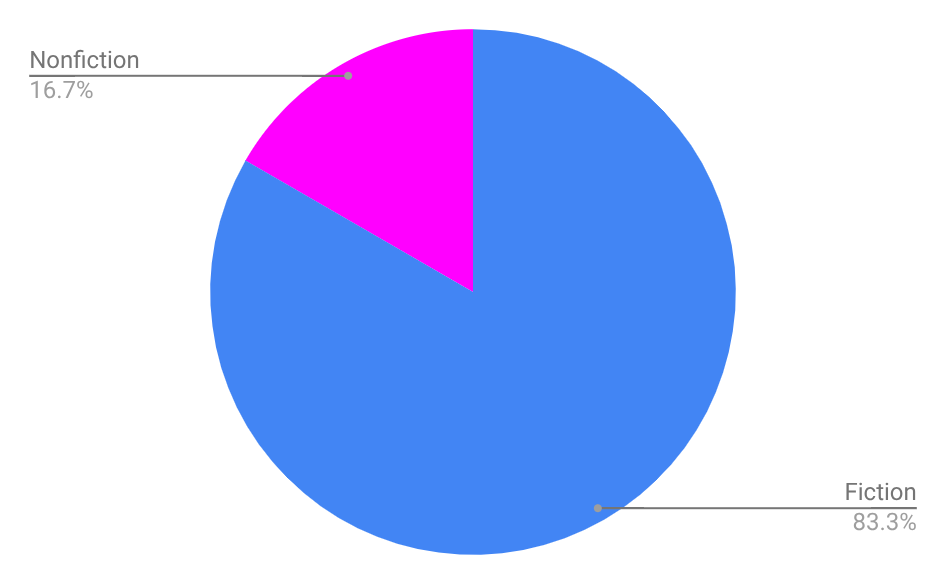
In 2025, I read 75 books from 22 countries (the exact same number of countries as in 2024), 55 of those titles were fiction and 20 were nonfiction.

73 percent of my reads were by female authors and 27% by male authors. Of the total books read, 15% were books in translation, originally written in a language other then English.

I will be sharing my One Outstanding Read of the year, the runner up, Top 9 Fiction, tomorrow my Top 8 Non-Fiction and since there were so many excellent reads, the following day Top 7 Reads in Translation.

One Outstanding Read of 2025

My One Outstanding Read of the year for 2025 is the non-fiction memoir, Mother Mary Comes to Me (2025) by Arundhati Roy, (review to come), a phenomenal, engaging, wide-ranging book that is as much about her mother Mary Roy as it is herself. From the back cover:

‘In these pages, my mother, my gangster, shall live. She was my shelter and my storm.’

Mother Mary Come to Me by Arundhati back cover photo of author

It is about the family she was born into, the matriarch Mary Roy she was raised by, the controversy around their housing, as her mother struggled initially to raise two children on her own, the lawsuit Mary Roy would launch against her brother and mother that changed inheritance laws in their state; the school Mary Roy founded and how it was being the child of the school principal. We follow Arundhati Roy through her seven year estrangement from family, her architectural studies, her early film-making ventures, her relationships and difficulties in them due to the strong values she held.

“When it came to me, Mrs Roy taught me how to think, then raged against my thoughts. She taught me to be free and raged against my freedom. She taught me to write and resented the author I became”

It is a raw, honest account and an insight into a passionate, dedicated, creative individual, who won the Booker Prize with her debut novel, The God of Small Things (1997) a feat that had a major effect and influence on what she has been able to do in life, and enabled the support she has been able to provide to other causes, in order that they remain independent and are not compromised by the stultifying agendas of large corporate and NGO organisations.

Outstanding Read Runner Up 2025

Someone is Walking On Your Grave My Cemetery Journeys Mariana Enriquez

Somebody is Walking On Your Grave: My Cemetery Journeys (2025) by Mariana Enriquez (Argentina) tr. Megan McDowell (Spanish) – I have to mention this book as it was also an outstanding, unique and far-reaching book that kept me entranced for the most part of October, as the author travels in 13 countries visiting 21 cemeteries, (something she is passionate about) sharing cultural anecdotes about each country, history, legend and their relationship to the dead. She wrote these essays over a period of about 25 years, starting with a visit to Genoa, Italy with her mother through two and half decades of experience, learning, and journeying that no doubt continues in her life today.

It’s not so much macabre, as it is insightful to learn about some of the communities of people she comes across, like the Welsh speaking community in Patagonia, what it means to have Taphophilia syndrome, the controversy surrounding the Pietro Gualdi marble sculpture of a seated woman in New Orleans, people who have already constructed elaborate tombs for themselves ahead of time, the dilemma of the 12th century Holy Innocents Cemetery in Paris that led to the catacombs, the first date she has with her Australian boyfriend, taking him to the aristocratic Recoleta Cemetery in Buenos Aires, where Eva Peron was finally laid to rest (after much debate, body snatching and travel). The entire book was an eye-opener and an unforgettable read and one I highly recommend.

Top Fiction

Small Worlds by Caleb Azumah Nelson

Small Worlds (2023) by Caleb Azumah Nelson (UK/Ghanaian) – a brilliant, meandering coming-of-age story set mostly in Peckham, London. A story-line that spans three years as he finishes school and decides what to do next, it is an introspective excavation of a young British-Ghanaian man’s soul, the situations he will encounter and confront, as he matures and grows into a version of himself that he likes. I read this early in the year and this one is my Number 1. Top Fiction of the Year.

Second Class Citizen Buchi Ememcheta Nigerian Literature Classic London

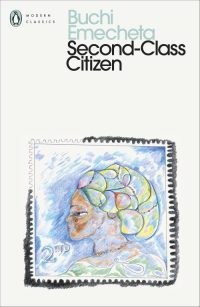
Second Class Citizen (1974) by Buchi Emecheta (Nigeria/UK) – I read The Joys of Motherhood by Buchi Emecheta some years ago and loved it and have long wanted to read this. It’s absolutely brilliant and poignant and tells the story of a young Nigerian girl in the 1960’s, much like the author herself, determined to get herself an education and raise herself up in the world, which she does – until a marriage and in-laws start to rely on her as their income source, so she sets London in her sights, only for the challenges to increase as children begin to appear – as a woman she has no control over her reproductive rights. It is a powerful story of a woman dealing with and overcoming the odds, in her home country and as an immigrant.

Buchi Emecheta, while raising five children, published novels, obtained a degree in sociology, wrote plays for television and radio, worked as a librarian, teacher, youth worker and sociologist, and community worker. She was one of Granta’s Best of Young British Novelists in 1983.

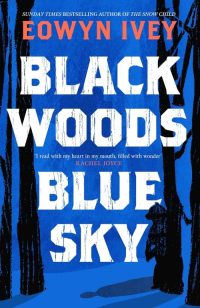
Black Woods Blue sky by Eowyn Ivey book cover, the words a reference to Proust, the cover shows black tree trunks and a blue background, behind a tree a standing bear, his shadow is the shape of a man

Black Woods, Blue Sky (2025) by Eowyn Ivey (Alaska) – Eowyn Ivey remains one of my favourite authors, most known for her debut novel The Snow Child (2012). She also wrote The Bright Edge of the World (2016) and now her latest, a novel that subtly references Beauty and the Beast, is her most autobiographical novel and again set in her local region of the wilds of Alaska.

It is the story of a troubled, young mother Birdie, her six year old daughter Emaleen and a reclusive character Arthur. Ignoring the warnings of those who care about them, Birdie and Emaleen move to Arthur’s isolated cabin in the mountains on the far side of the Wolverine River, far from roads, telephones, electricity, and outside contact. At first everything is idyllic, until it is not and this sense of things not being quite right creates acute suspense while reading. Ivey has a wonderful way of capturing the magic and menace of the wilderness while creating down to earth characters and that hint of an unsettling feeling lurking beneath the narrative.

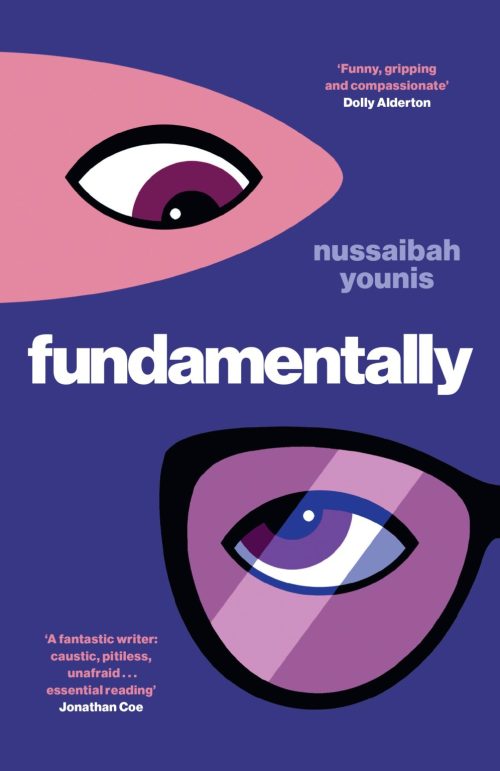
Fundamentally Nussaibah Younis shortlisted womens prize set in UN Iraq comedy in print

Fundamentally (2025) by Nussaibah Younis (UK/Iraq/Pakistan) – Not reviewed here, but one of my favourite reads of 2025, I just loved the comic narrative voice of Fundamentally and the unique setting of a UN workplace in Iraq, even if some of the characters were somewhat cliche. Shortlisted for the Women’s Prize 2025.

When academic Nadia is disowned by her puritanical mother and dumped by her lover, she decides to leave, accepting a UN job in Iraq. Tasked with rehabilitating ISIS women, Nadia observes the inside of world international aid and finds herself quickly compromised. As the tension ratchets up, as Nadia tries to make up for her mistakes, the humour fades and the danger increases, as they cross lines that can’t be reversed.

Younis is a fearless, talented writer, creating fiction from a place of knowledge that not too many authors occupy and is able to bring depth, humour and insight to serious subjects. I found it a relief to read a light version of the harsh reality of war zones and displacement, still having the imprint of Sally Hayden’s ambitious award-winning work of nonfiction, My Fourth Time We Drowned, which depicts the plight of those seeking asylum, risking their lives taking small craft across the Mediterranean.

The Marriage Portrait (2022) by Maggie O’Farrell (Ireland/UK) – In 1540 -1561 Renaissance Italy, we encounter the story of Lucrezia of Florence, who, due to the death of her older sister Maria, becomes the intended fiance of the man her sister was going to marry, Alfonso of Ferrara. It tells of her childhood in Florence, her year of wretched wifedom, her solace in creating art and the act of sitting for a portrait that she dislikes.

Told in twin timelines, childhood and marriage, beginning with a historical note in the opening pages about her alleged death, there is an underlying tension and suspicion all the way through the narrative which adds to the pace and intrigue. The character of Lucrezia is exquisitely constructed and rich in visual imagery, thanks to her artistic inclinations, despite the fact that she is often confined to quarters. The era of Renaissance Italy, the day to day lives, the close environment of these dynastic families is intricately portrayed and sumptuously imagined.

Look out for more historical fiction from Maggie O’Farrell in 2026, Land is set in 1865 Ireland.

Scottish Island literature Clear by Carys Davies Wales

Clear (2024) by Carys Davies (Wales/UK) – Clear is a short historical novella that gripped me from the opening pages and transported me to 1843 Scotland, the time of the Great Disruption, the Highland Clearances. It is about a quiet, worrisome, rebel pastor, John Ferguson, his wife Mary and Ivar, a lone islander out in the North Sea, somewhere between the Shetland Islands and the coast of Norway.

John, like other rebel ministers who signed the controversial Act of Separation and Deed of Demission, is under financial pressure to meet his new responsibilities and accepts a paid role from a landowner’s factor against his wife’s wishes. He must visit a remote island in the north and evict the last inhabitant. Evocative of its time and place. I thought this was a brilliant, atmospheric tale.

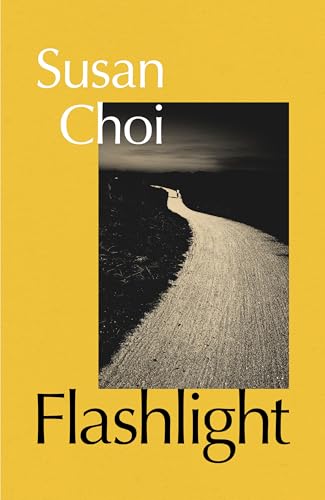
Flashlight by Susan Choi set in Japan USA and North Korea

Flashlight (2025) by Susan Choi (US) – Shortlisted for the Booker Prize 2025, Flashlight interested me because of its portrayal of a cross-cultural marriage (American and Korean-Japanese) and family that highlights the tensions between adults with different backgrounds and expectations, coping within one culture (America), while Louisa, the child of that union navigates her own life and connection to her parents.

Also the further stretch of scope and understanding it provides, as the narrative moves from the US to Japan to North Korea, because it concerns a family exiled from Jeju Island in South Korea, living in Japan, wanting to return. Their son Serk (Louisa’s father) has grown up and been educated in Japan and values that education, resists his family’s desire, while they wish to take up an offer to return.

When Serk goes missing, the narrative splits and we follow each family member on their own timeline, observing our characters while learning something of a complicated history of Korea and Japan. While slow to begin, this became captivating, mysterious and frightening as time began to run out for a man trying to return and a daughter trying to find herself. I loved the immersion in another culture, the multiple cultural perspectives and coming to understand the complication of borders, ethnicities, allegiances, and the creepy stealth of some nations and complete (or deliberate) ignorance of others.

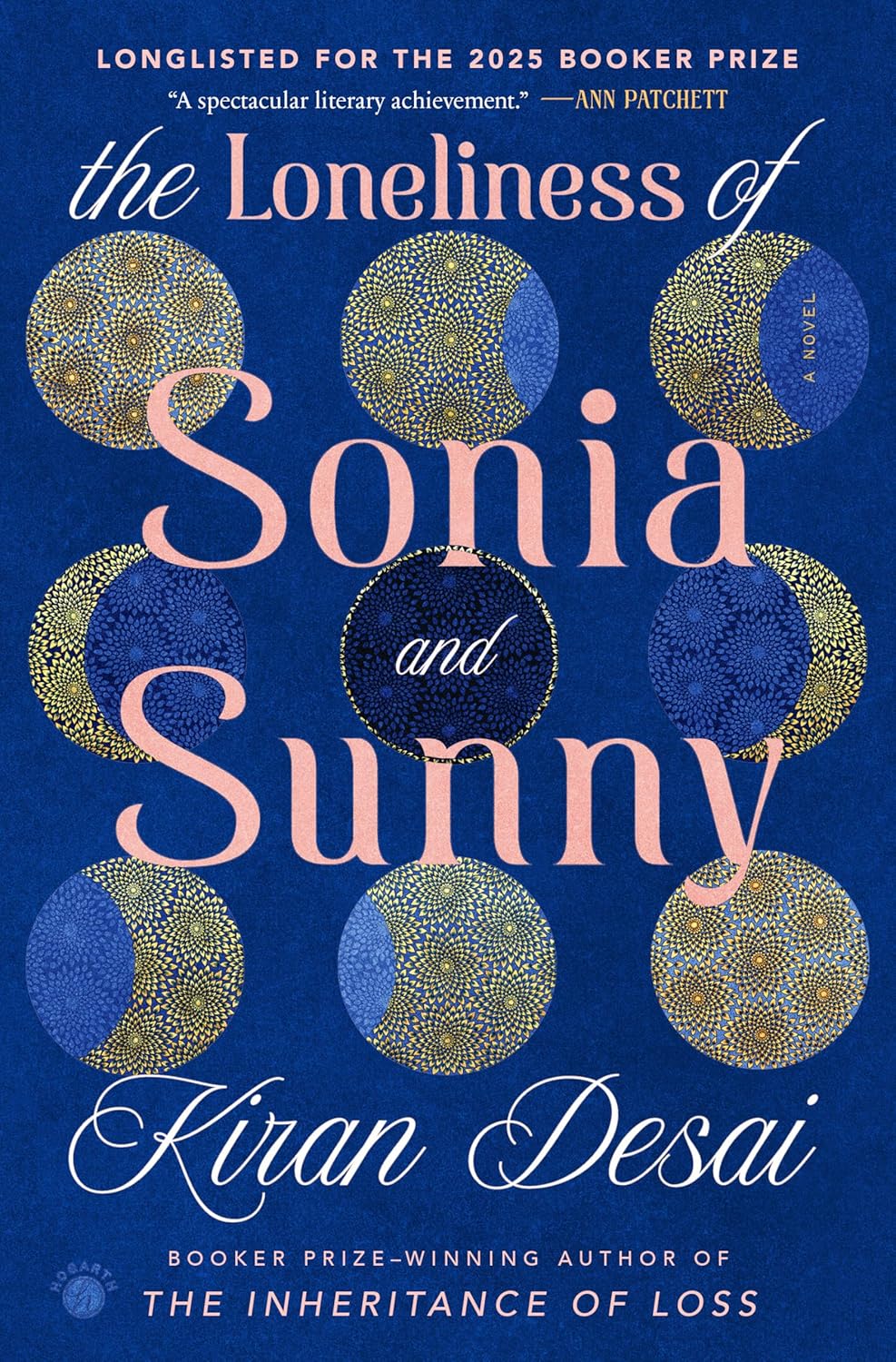
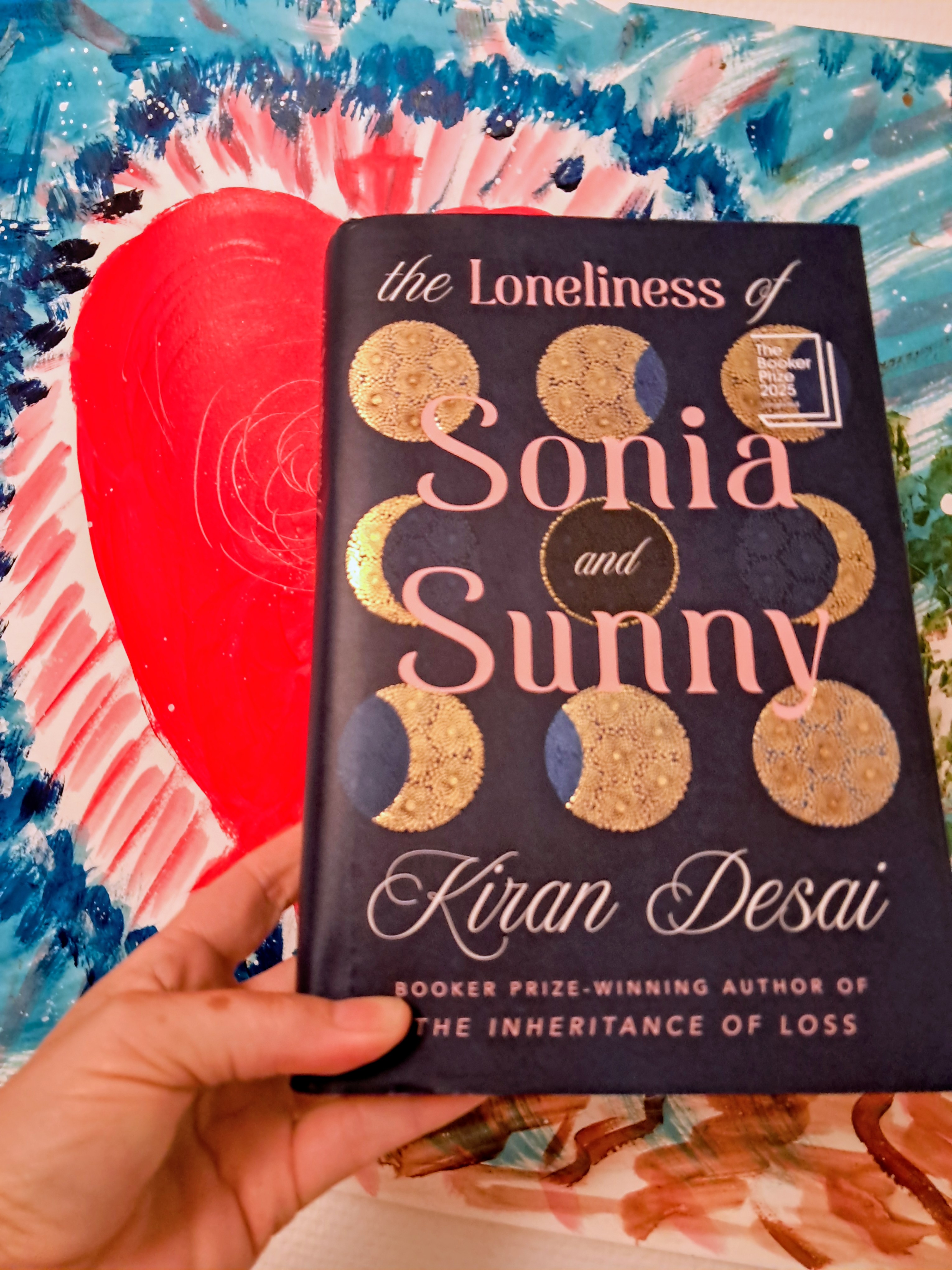
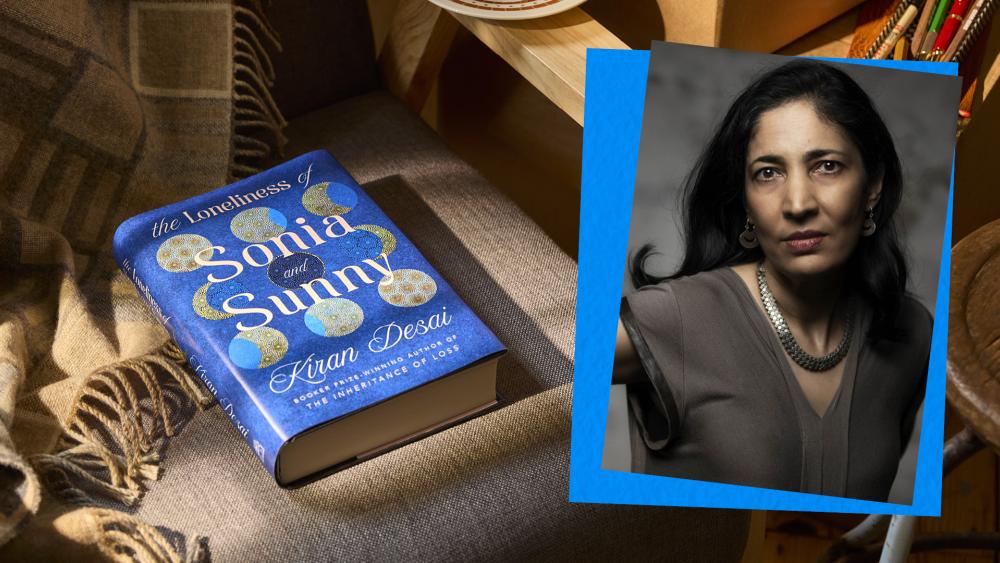
Cover of The Loneliness of Sonia and Sunny by Kiran Desai

The Loneliness of Sonia and Sunny (2025) by Kiran Desai (India) – I do love a good cross-cultural novel, and one that is in part set in India, by a known author, sounded promising. As soon as I saw the Booker longlist I knew I would be reading this, and I loved it. The story is about two young people who have just finished studying in the US, Sunny is working as a freelance journalist and Sonia is in a college library, looking for an internship. Their families have a connection but are no longer close, however a letter arrives suggesting marriage, to absolve a past discretion, but goes nowhere.

It is an interesting navigation of their young adult lives, where they struggle to cope with the freedom and direction their lives might take, now that they are living outside of their country and culture. Both must deal with challenging issues on their own, their families far away and ignorant of their dilemmas. On a trip home, the two cross paths, make a strong connection, only to diverge again. This is enough to ignite in the reader, a wish that they might meet again, though it is clear the timing had not been right.

I loved this immersive, meandering novel, the loneliness and confusion of the protagonists, the clash of cultures and past/present values, the defiance and stubbornness of each parent, the multi-generational threads as everyone is going through their transition and it’s a wild, contemporary ride to the end. Brilliant.

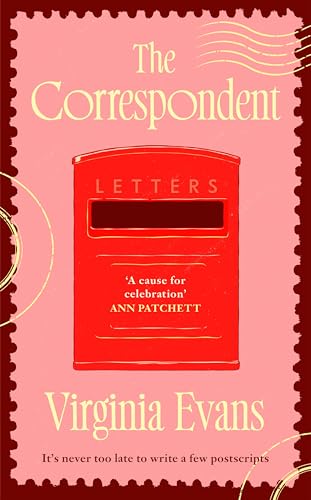
The Correspondent by Virginia Evans (US) – Nothing like a feel good novel to wrap up the end of the year. This is a charming book of letters by a dedicated 73 year old retired law clerk and correspondent who sits at her desk every morning to write letters, emails, notes, through which we come to learn all the issues she’s currently juggling and something of her stubborn, somewhat dogmatic attitude. It’s also an unlikely word-of-mouth book that is enjoying some success thanks to readers, not marketing hype.

It’s entertaining, has multiple engaging storylines and some of the letters contain excellent book recommendations, which is always fun for readers. There’s mystery, loss, relationship troubles, mother-daughter issues, potential love interest(s) and a tribute to the lost art of letter-writing. Loved it!

* * * * *

So that’s my Top 9 Fiction Reads for 2025, tomorrow I’ll share my Top 8 Non-Fiction Reads for 2025 and after that I’ll share my Top 7 Translated Reads of 2025.

Are any of these in your Top Reads of 2025? Let us know in the comments your thoughts, or share your favourite fiction read of 2025, I would love to know.

The Loneliness of Sonia and Sunny by Kiran Desai

It has been twenty years since Kiran Desai published her Booker Prize winning The Inheritance of Loss, so this latest novel has been much anticipated by many.

It was one of two Booker shortlisted novels this year that I was interested to read, because of their cross-cultural settings, the other being Flashlight by Susan Choi, set in Japan, US and North Korea.

Character led New Generation Indian Drama

Cover of The Loneliness of Sonia and Sunny by Kiran Desai

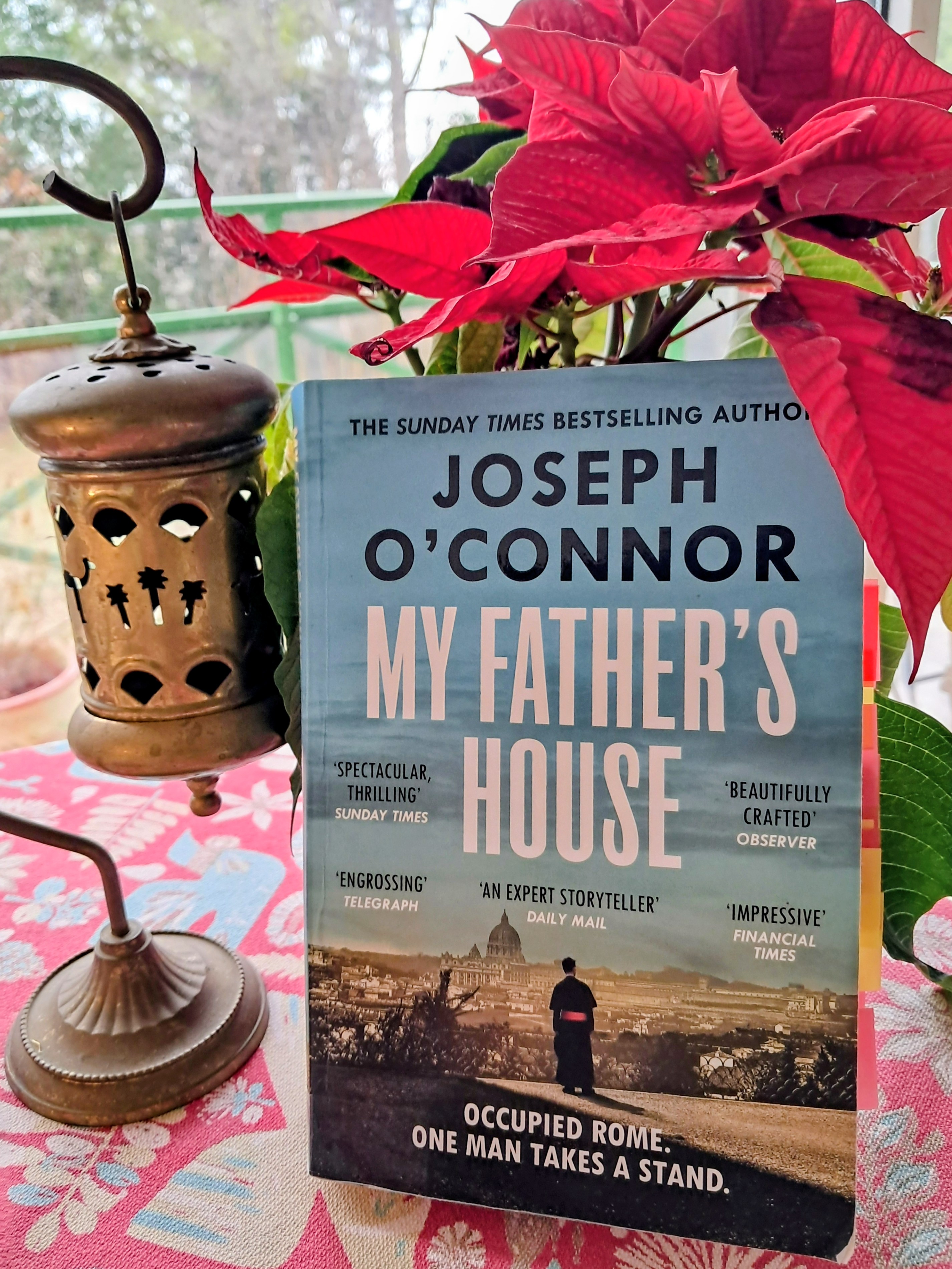
At 670 pages, I had to be sure about Desai’s novel before committing to read it, an immersive Indian family saga sounded promising, then the author’s intention to write ‘a present-day romance with an old-fashioned beauty’ sealed it for me.

It was everything I hoped and more. All the old fashioned values and dilemmas of an India of the past and then the mix of young people sent abroad for an American education, isolated from their home culture and influences, while both benefiting from, and coping with the effect of a western education and so-called freedoms as they try to find their place in the world.

We also bear witness to the imbalance in power in a co-dependent and coercive relationship of a manipulative and emotionally abusive man over a young woman, who struggles to see what is happening to her and yet knows it is not right.

The Loneliness of Winter in a Foreign Country

In this modern day Indian family chronicle, we meet aspiring novelist, freelance writer Sonia in the snowy mountains of Vermont, and Sunny a struggling journalist now in New York.

Unable to return home during the holidays, having been in America for three years and not returned to India for two, Sonia complains to her family.

“Lonely? Lonely?”

In Allahabad they had no patience with loneliness. They might have felt the loneliness of being misunderstood; they might know the sucked-dead feeling of Allahabad afternoons, a tide drawn out perhaps, never to return, which was a kind of loneliness: but they had never slept in a house alone, never eaten a meal alone, never lived in a place where they were unknown, never woken without a cook bringing tea or wishing good morning to several individuals.

In Vermont working on campus in the library over the two month winter closure, with two foreign students, one day she encounters a much older man Ilan de Toorjen Foss, who invites her to dine, promises to find an internship for her. He takes something from her that becomes one of the core threads of the story, the thing that will bring Sonia and Sunny’s fates full circle.

Her colleagues in the library are suspicious.

“I still don’t understand who this person is and why he is here in the dead of winter. It doesn’t add up. Where is his family?”

The Jealous Confused Girlfriend

Photo by viresh studio on Pexels.com

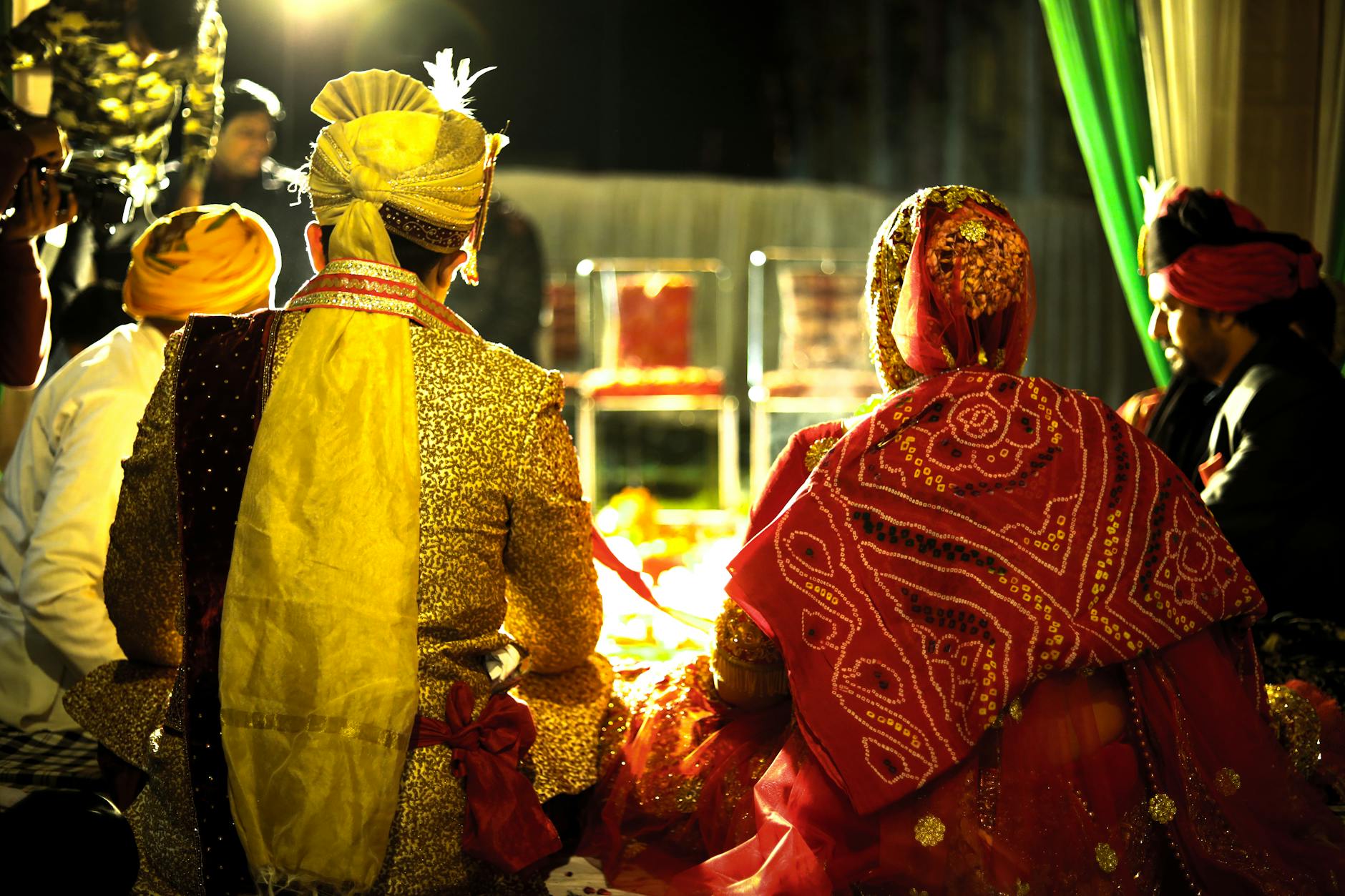
When Sunny’s American girlfriend Ulla opens a letter from his mother with a photo of Sonia inside, he tries to downplay the foreign custom it refers to. She is suspicious.

“There’s nothing sinister about the letter,” he said. “Everyone gets these at my age, forwarded by relatives, friends, people who’ve never set eyes on you – a great pile arrives when you finish college, and the flood continues until everyone is settled. Then there is a lull before they begin marrying off the progeny of these mishaps, each generation lesser than what came before, because what hope can you have from such a process?”

Sunny avoids answering his mother’s calls and now his girlfriend suspects this custom might be the real reason he is reluctant to tell his family about their relationship. He finds it increasingly difficult to navigate his relationship, discovering there are as many pressures and expectations, with little understanding of the rules. He seeks an escape.

An Arranged Marriage? Not Likely!

Neither Sonia or Sunny are thinking about marriage according to the cultural traditions of their parents generation; they are too swept up dealing with their current circumstances. The letters they received were a response to a letter in India, sent from one family to the other, suggesting a match, inferring but never outright stating, a kind of favour that might balance out an old grievance these families had faced a decade ago, after an investment turned sour.

It was essential to remain close to those who had caused you harm so that the ghost of guilt might breathe through their dreams, that their guilt might slowly mature to its fullest potential. Not that Dadaji had thought it through – it never worked to consciously plot, to crudely calculate – and he himself was astonished at the possibility of what was unfolding. Even now it would never do to name this liability. The Colonel would not allow his grandson to bear the burden of his grandfather’s mistake. Dadji and Ba may simply suggest a desirable match between the grandchildren, two America-educated individuals, two equals, two people who naturally belonged together because of where they came from and where they were going. Without either of them mentioning it, the obligation might be beautifully unravelled.

The intended match fizzles out without Sonia or Sunny meeting, neither are interested, both already in romantic connections they are attached to but not entirely happy in.

However their paths will cross, igniting intrigue, but again they separate, as they struggle to find their place in the world and in themselves and overcome the mistakes they have made on the way, which have nothing to do with each other.

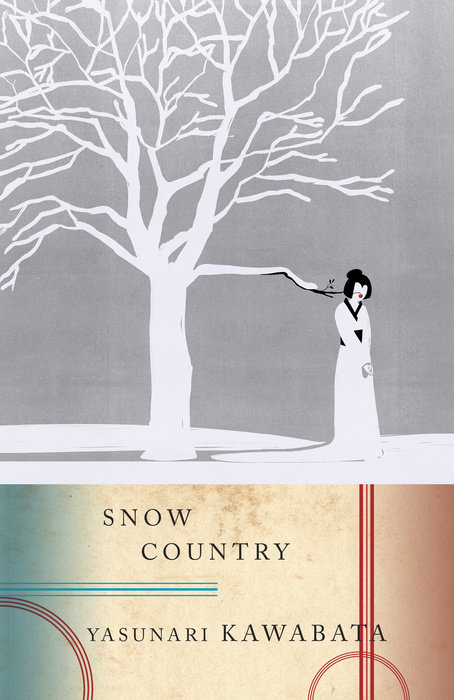
He passed a young woman sitting cross-legged staring at the rain. By her side was a book. Because Sunny couldn’t abide passing a book whose title he could not read, he walked by again and saw she had a face planed like a leopard, long lips, and watchful eyes, hair in a single oiled braid, but he still couldn’t see the title. So he passed by again. And one more time before he detected it: Snow Country by Kawabata.

Ultimately the two young people flee their present and go into a period of self imposed reflection, Sonia retreating to her mother’s house in the mountains, where she has mystical revelations that she decides not to be frightened of, but to look for simpler meaning from; while Sunny finds solace in nature and human rhythms in a village on the coast of Mexico, blending in with locals and receiving a visit from his friend Satya who is having his own realisations, seeking apology and reconciliation.

There is so much to navigate and nothing mentioned gives anything away, just an idea of the journey these two will go on as they seek a solution to their loneliness, a confrontation with themselves, in various parts of the world.

A Cultural Coming of Age Youth’s Journeying

Photo by Kunal on Pexels.com

I was hoping for an immersive, character led Indian novel and this was everything I hoped for and more. It had all the old fashioned values and dilemmas of an India of the past and then the interesting blend of young people sent abroad for an education, isolated from their culture and influences, experimenting with the new and forbidden, benefiting from and coping with the effect of a western education and freedoms, while trying to understand themselves and their place in the world.

Though there were aspects that were deeply troubling, like the grooming of a young foreign student by a much older man, they are sadly relevant to the situation an isolated young woman without family around, might encounter abroad.

At the same time there were generational threads and mystical elements that disturb the equilibrium; there are parasitic entities met on their paths that cause them to learn, to suffer and grow, requiring surrender and courage. Everyone, young and old alike, must deal with their situation in order for any kind of balance to be regained.

I found the novel thoroughly entertaining and engaging, the mix of traditional and contemporary attitudes, the facing up to change and resistance against old roles. To a certain extent, as outsiders to the culture, we rely on authors to represent it authentically, but here we have characters that have been influenced and educated outside their own culture from within privileged families, which makes them neither one thing nor the other.

Loved all of it, did not want it to end, the ending was perfect.

Further Reading

Book Extract: An extract from The Loneliness of Sonia and Sunny by Kiran Desai

NPR Review: ‘The Loneliness of Sonia and Sunny’ is a terrific, tangled love story by Maureen Corrigan

Kiran Desai, Author

Kiran Desai portrait with her novel The Lonliness of Sonia and Sunny © Yuki Sugiura for Booker Prize Foundation
Author Kiran Desai © Yuki Sugiura for Booker Prize Foundation

Kiran Desai was born in New Delhi, India, was educated in India, England and the United States, and now lives in New York.

She is the author of Hullabaloo in the Guava Orchard, which was published to unanimous acclaim in over 22 countries, and The Inheritance of Loss, which won the Booker Prize in 2006, as well as the National Book Critics Circle Award, and was shortlisted for the Orange Broadband Prize for Fiction. Her third novel, The Loneliness of Sonia and Sunny, was shortlisted for the Booker Prize 2025

In 2015, the Economic Times listed her as one of 20 most influential global Indian women. 

In the past of my parents, and certainly my grandparents, an Indian love story would mostly be rooted in one community, one class, one religion, and often also one place. But a love story in today’s globalised world would likely wander in so many different directions. My characters consider: Why this person? Why not as easily someone else? Why here, not there? In the past people were always where they had to be. My indecisive lovers, Sonia and Sunny, meet and part across Europe, India and America, their idea of themselves turning ever more fluid.

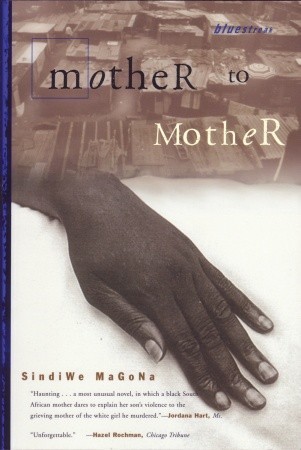
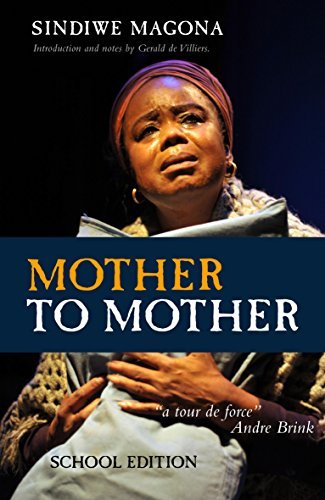
Mother to Mother by Sindiwe Magona

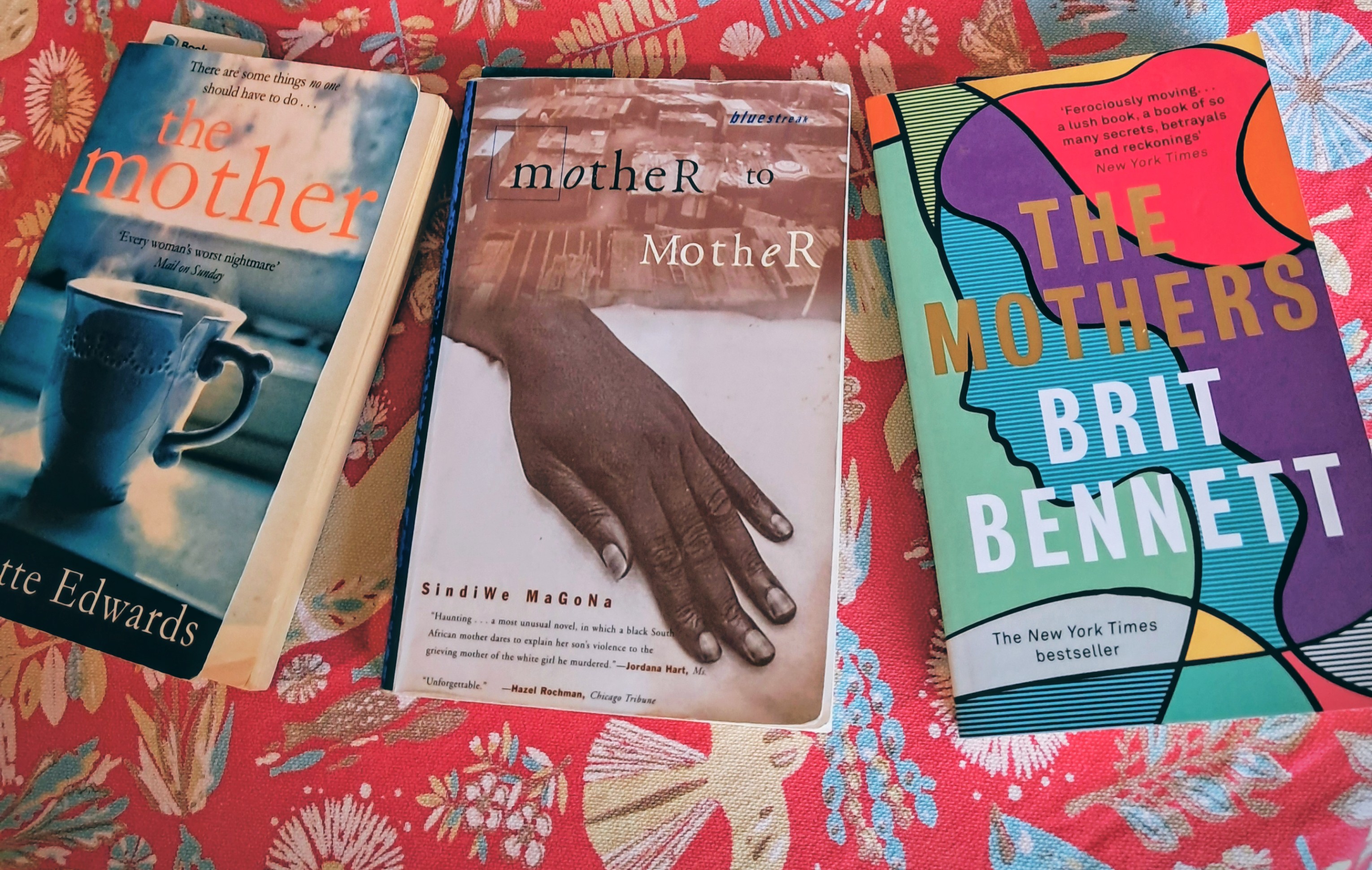
Mother to Mother is the second novel in my reading about the complexity of motherhood from three different perspectives, from within London’s Caribbean diaspora in The Mother by Yvvette Edwards, apartheid-era South Africa in Mother to Mother, and contemporary Black America in Brit Bennett’s The Mothers.

Making Sense of a Tragedy

 Sindiwe Magona decided to write this novel when she discovered that Fulbright Scholar Amy Biehl, who was set upon and killed by a mob of black youth in August 1993, died just a few yards away from her own permanent residence in Guguletu, Capetown.

She then learned that one of the boys held responsible for the killing was in fact her neighbor’s son. Magona began to imagine how easily it might have been her own son caught up in the wave of violence that day.

The outpouring of grief, outrage, and support for the Biehl family was unprecedented in the history of the country. Amy, a white American, had gone to South Africa to help black people prepare for the country’s first truly democratic elections. Ironically, therefore, those who killed her were precisely the people for whom, by all subsequent accounts, she held a huge compassion, understanding the deprivations they had suffered.

Mother to Mother, A Novel

When there are tragedies such as what happened here, usually and rightly, a lot is heard about the world of the victim, their family, friends, achievements and aspirations. The Biehl case was no exception.

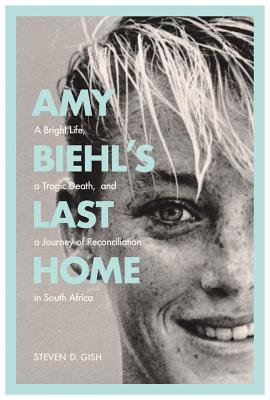
Amy Biehl’s Last Home: A Bright Life, a Tragic Death, and a Journey of Reconciliation in South Africa by Steven D. Gish

Sindiwe Magona reflects and asks; are there no lessons to be had from knowing something of that other world, the opposite environments to those that grow and nurture the likes of Amy Biehl; to grow up under the legacy of apartheid, a society where you were born a second-class citizen, a system that relegated black people to the periphery and treated them as sub-human.

What was the world of this young woman’s killers, the world of those, young as she was young, whose environment failed to nurture them to the higher ideals of humanity and who, instead, became lost creatures of malice and destruction?

In reality, there were four young men, in the novel there is just one. Through the mother’s narrative of her life raising her children in this oppressive environment, through her memories, we come to understand a number of factors that contributed to the continuing dehumanisation of a population that became more and agitated as the little they had was taken from them, destroyed, bulldozed over and opportunities few and far between and one race of privileged people responsible.

Mandisa’s Lament

Mandisa, bewildered and grief-stricken, on learning the news of her son’s involvement in this terrible tragedy, mines her memory and reflects on the life her son has lived, that brought them to this moment. In looking for answers she paints a vision of her son and his world, the world she has inhabited and done her best to navigate and lead her children through, as if in conversation with that other mother, the one who has lost a daughter, forever.

Forced Removals

What began as a rumour, that the government was going to forcibly remove all Africans from numerous settlements to a common area set aside for them all was initially laughed off, not believed. Everyone talked about it, but not with concern, it was impossible.

There were so many of us in Blouvlei, a tin-shack location where I grew up, Millions and millions. Where would the government start? Who could believe such a thing?

The sea of tin shacks lying lazily in the flats, surrounded by gentle white hills, sandy hills dotted with scrub, gave us (all of us, parents and children alike) such a fantastic feeling of security we could not conceive of its ever ceasing to exist. This, convinced of the inviolability offered by our tremendous numbers, the size of our settlement, the belief that our dwelling places, our homes, and our burial places were sacred, we laughed at the absurdity of the rumour.

Mother to Mother by Sindiwe Magona "a tour de force" Andre Brink

But the government was not laughing. When the rumour paled and was all but forgotten, one day if returned with a deafening roar, as an aeroplane dropped flyers warning them all of the impending deadline, that they would be forcibly removed. To Guguletu.

A grey, unending mass of squatting structures. Ugly. Impersonal. Cold to the eye. Most with their doors closed. Afraid.

Oppressed by all that surrounds them…by all that is stuffed into them…by the very manner of their conception. And, in turn, pressing down hard on those whom, shameless pretence stated, they were to protect and shelter.

Segregation was enforced and black people were removed from their settlements, from suburbs where only white people would now live, pushed into a place and among people they did not know, in challenging conditions and the need to find work.

On A Dark Day, Resentments Build

The narrative is written in two timelines, the day of the protest, when Mandisa is sent home early from her job as a cleaner in a white woman’s home, due to the unrest – interspersed with memories of how their lives came to arrive at this point. She waits and waits for her son to come home and becomes increasingly concerned at his lack of appearance.

10.05 PM – Wednesday 25 August 1993

…where was Mxolisi? Not for the first time, I asked myself what it was that made him so different from the other two children… What had made Mxolisi stop confiding in me? And when had that wall of silence sprung between us? I couldn’t remember. He used to tell me everything…and then, one day I woke up to find I knew almost nothing about his activities or his friends.

As the family circumstances are shared and the life of this mother is revealed, I am reminded of the two autobiographies I have read, of the similarly challenging life and raising of her own children the author in similar circumstances. Although this is fiction, there is resemblance to her own circumstances, no doubt the reason why she understands this could so easily have been any one of those mothers in their neighbourhood.

The story leads up to the actual event, to what occurred on that day, the clash, the terrible crossing of paths, of being in the wrong pace at the wrong time, the burning hatred of an oppressor, the innocent face of one who looked like them, the dark desire of a race seeking revenge, the deep resentment of decades expressing itself in rage.

My son, the blind but sharpened arrow of the wrath of his race.

Your daughter, the sacrifice of hers. Blindly chosen. Flung towards her sad fate by fortune’s cruellest slings.

It is a courageous attempt to present a community in the grip of violent rage, to allow the voice of a mother to speak and share the growth of a family, the intense pain of all touched by a tragedy, to consider a path of redemption, to learn something from it. There may not be any conclusions, but perhaps we are all, all the better for being open to listen to the mothers, to find empathy for people doing the best they can in challenging circumstances. A thought provoking, powerful read.

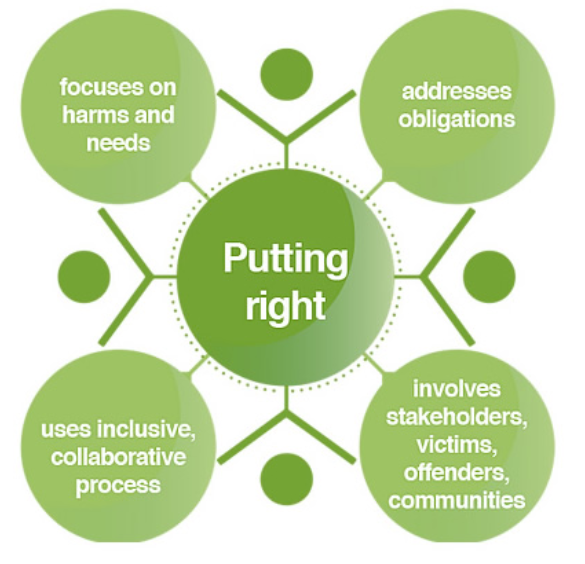
Restorative Justice

In a final end piece to the story of Amy Biehl, after four men were convicted and given 18 -year prison sentences, there was in July 1987, an appearance before the Truth and Reconciliation Commission’s amnesty committee to argue for their release from prison, due to the politically motivated nature of the crime.

The parents, the Biehl’s attended the trial and shook hands with the parents of all four men. They understood the context of the South African struggle better than many South Africans.

Restorative justice communities of care and reconciliation, victim reparation, offender responsibility and accountability

The men spoke and asked for forgiveness. After consideration, all four were pardoned and the Biehl family supported their release.

Linda and Peter Biehl created a humanitarian organisation, the Amy Biehl Foundation Trust to develop and empower youth in the townships, in order to discourage further violence.

Two of the men who had been convicted of her murder went on to work for the foundation as part of its programs.

Further Reading

Amy Biehl’s Last Home: A Bright Life, a Tragic Death, and a Journey of Reconciliation in South Africa by Steven D. Gish

South African Press Association: Excerpts from SAPA Coverage of Biehl Amnesty Trials

Author, Sindiwe Magona

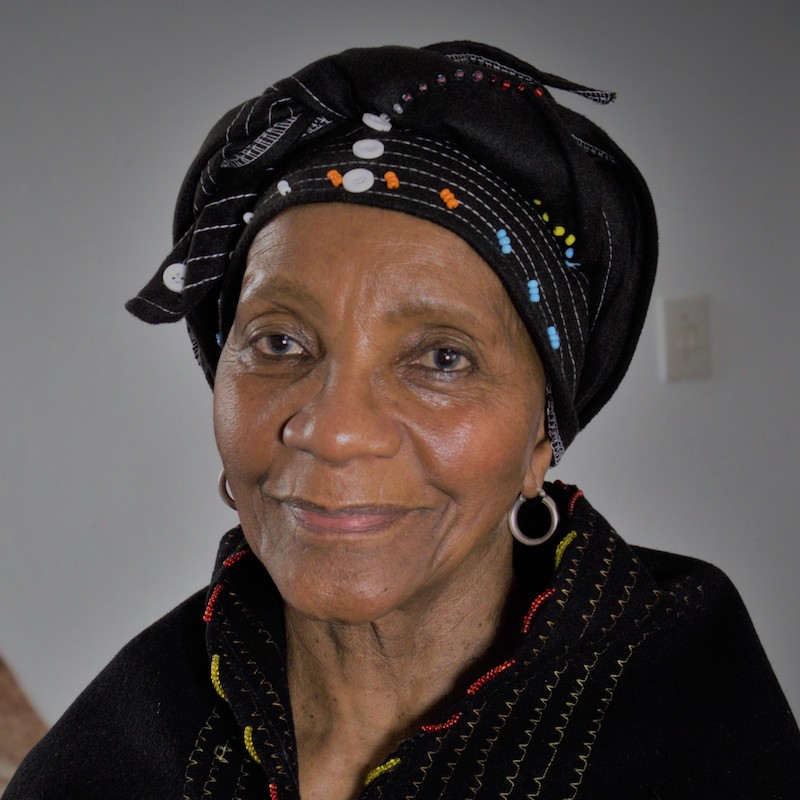
Sindiwe Magona (born.1943) a graduate of Columbia University, is an author, poet, playwright, storyteller, actor, and inspirational speaker. Magona retired from the United Nations, where she worked in the Anti-Apartheid Radio Programmes until June 1994 and UN Film Archives till her retirement. After twenty-five years in New York, she relocated to her home country, South Africa.

Her writings include To My Children’s Children and Forced to Grow (autobiography); Living, Loving, and Lying Awake at Night and Push-Push and Other Stories (short stories).

Her novels are When the Village Sleeps, Mother to MotherBeauty’s GiftLife is a Hard but Beautiful Thing (YA) and Chasing the Tails of My Father’s Cattle! Please, take photographs! a book of poetry, Modjaji Books and Awam Ngqo,(short stories) and Twelve Books of Folktales – written in both English and Xhosa.

Magona has written over a 120 children’s books, including: The Best Meal Ever and Skin We Are In and Her awards include include Honorary Doctorates from Hartwick College, USA; Rhodes University; and Nelson Mandela University; and the Order of iKhamanga.

My writing, on the whole, is my response to current social ills, injustice, misrepresentation, deception – the whole catastrophe that is the human existence. Sindiwe Magona

Next Up, the third novel : The Mothers by Brit Bennett

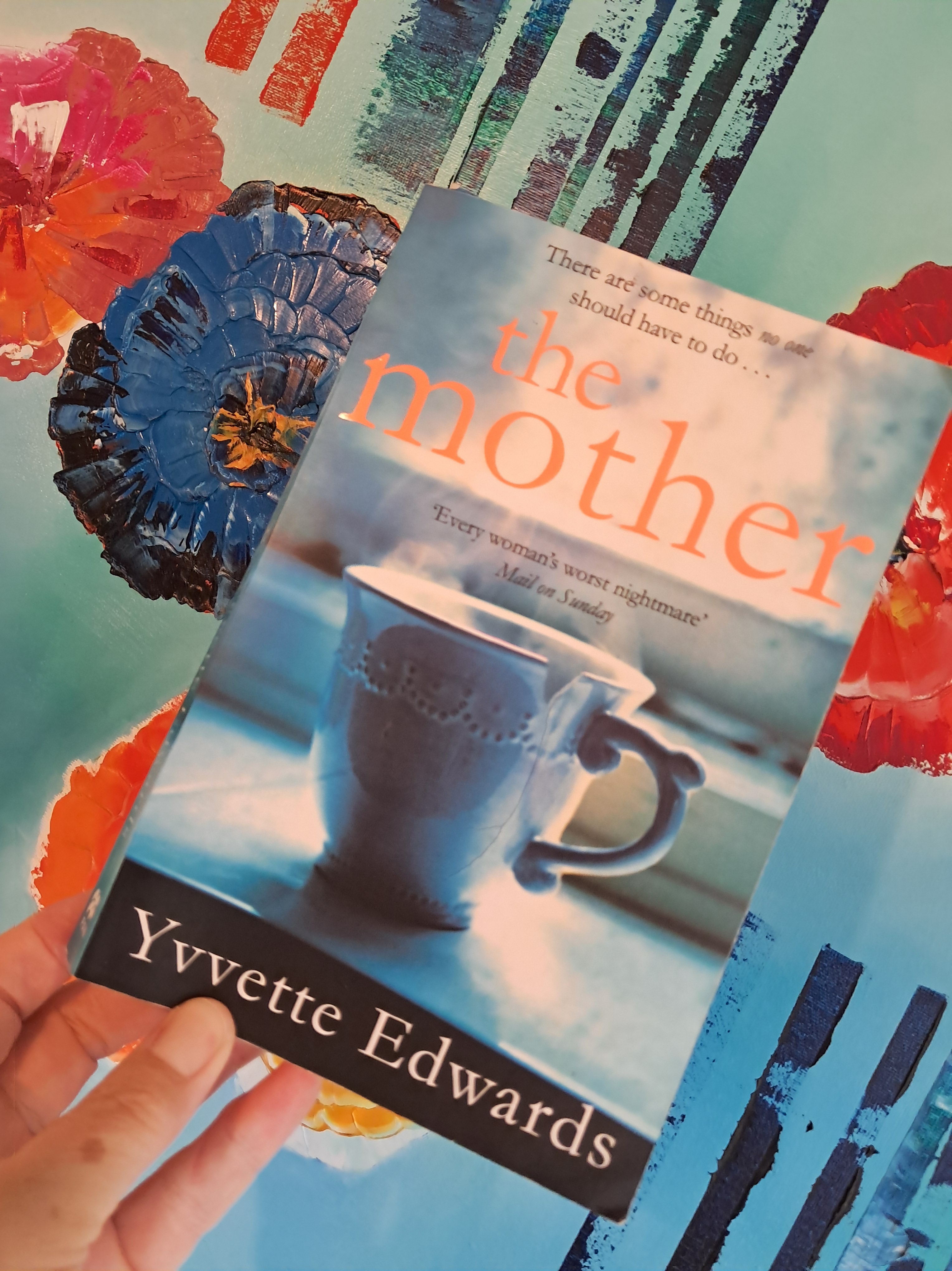
The Mother by Yvvette Edwards

Mothers in Literature

I had long wished to read Yvvette Edwards second novel, The Mother (2016) after very much enjoying her Booker longlisted A Cupboard Full of Coats (2011). I decided to read it alongside two novels on my shelf with similar themes of the bonds, burdens and breakthroughs of motherhood.

The three novels I chose are set in different countries and contexts: The Mother by Yvvette Edwards (UK) is set in London’s Caribbean community, Mother to Mother by Sindiwe Magona is set in apartheid-era South Africa, and The Mothers by Brit Bennett is set in contemporary Black America.

Sindiwe Magona has written numerous novels; however I have read and reviewed her autobiographies To My Children’s Children (1990) and Forced to Grow (1992), while Brit Bennett is well known for her novel that addresses the theme of passing, The Vanishing Half (2020).

The Complexity of Motherhood

All three novels expose motherhood as fraught with social pressure, moral judgment, and emotional complexity. Despite the different settings, they collectively form a global conversation about motherhood, resilience, and the human cost of structural and racial inequality.

3 novels of mothers and motherhooh The Mother Yvvette Edwards Mother to Mother Sindiwe Magona The Mothers Brit Bennett

In The Mother, Marcia grapples with grief and guilt after the murder of her son.

In Mother to Mother, Mandisa reflects on her life while writing to the mother of the girl her son has murdered.

And The Mothers, focuses on young women (and a collective “we” voice of church “mothers”) navigating the expectations of womanhood, including unwanted pregnancy.

The Mother by Yvvette Edwards

The Mother is the story of a mother’s struggle to come to terms with understanding her teenage son’s violent death, it is both a courtroom drama following the murder of Marcia and Lloydie’s 16-year-old son Ryan and a story of transformation and healing through grief.

I used to be good at making decisions, took it for granted completely, imagined it was one of those things that because I’d always been good at it, I would continue to be good at it, and then something like what happened to Ryan comes along and you realise some things are just temporary gifts granted for part of your life only, like the headful of hair you imagined would be yours forever that you went to sleep with one night and as usual but woke the following morning to find gone, clean gone.

Suffering Together, Drifting Apart – the Complexity of Grief

The Mother by Yvvette Edwards courtroom drama in London youth stabbing gang culture

Marcia wants to be present every day at court, her husband Lloydie does not. Increasingly emotionally estranged, she does not understand what he does all day, where he goes. Their habits are changing and they seem to be leaving each other behind, dealing with the loss in completely different ways, on their own.

Lloydie is putting my cup of tea on the side when I return to the bedroom. He looks slightly sheepish, is probably annoyed with himself for the mistiming that has meant he has found himself alone with me when we are both awake and alert. He looks at me without speaking.

‘Aren’t you going to ask how it went?’ I say.

It’s not the question I intended; too in-your-face, accusatory. I didn’t want to start the discussion here but it’s out now, I can’t take it back.
His tone is dutiful. ‘How did it go?’

‘It was hard. Listening. Seeing that boy, his mother. Very hard.’

The Need to Understand

Marci is determined to be present every day, to understand why this happened and comes to realise that there may be things about her son that she did not know.

Understanding has been my problem from the start. How is it possible that my son was doing all the right things, that as parents, Lloydie and I, we were doing all the right things, and yet still Ryan is dead?

The novel follows the case and outside the court other events begin to shed light on the situation, Marcia’s beliefs and assumptions are challenged. In her need to know, she becomes reckless.

She observes the boy who is being charged, his fixed stare and has already decided his fate.

…he stares ahead as if it is all beneath him, and as usual I find it unnerving. I have to say that single quality in him is enough to convince me that he did it, that he’s guilty because he has something in his aura of the type of person who could kill someone at six thirty, then stroll home, have dinner and a hot bath, followed by an early night of unbroken sleep.

Edwards is adept at tapping into the realms of Ryan’s peers and the insidious, threatening world of youth gang culture, which comes into full view through he character of Sweetie, the girl caught between the earnest world of Ryan and the manipulative obedience she has to Tyson Manley and his type.

It is a thought provoking story of complicated parenting and motherhood highlighting effects of judgment, truth seeking, and the social forces that shape personal and family outcomes, while reflecting on the particular role of mother. Motherhood becomes a lifelong, consuming identity, the loss of a child, in this case, destabilising her sense of self.

Author, Yvvette Edwards

Yvvette Edwards is a British East Londoner of Montserratian origin and author of two novels, A Cupboard Full of Coats (2011) nominated for The Hurston-Wright Legacy Award and longlisted for the Booker Prize, and The Mother (2016). Her short stories have been published in anthologies and broadcast on radio.

She is interested in writing that challenges the single narrative, giving voice to characters who are absent or under-represented in contemporary fiction.

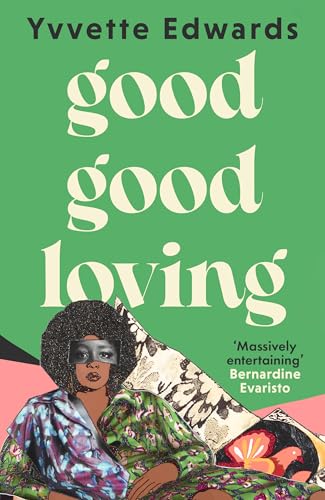
An Upcoming Novel in March 2026

Good Good Loving, Yvvette Edwards first book in almost a decade, will be published in March 2026 by Virago. The synopsis reads:

Good Good Loving Yvvette Edwards a multi-generational British-Caribbean family across five decades

“Ellen’s big, beautiful family are gathered around her hospital bed as she prepares to slip away… her children have chosen now of all times to have a never-ending discussion about all her failings. Every single tiny thing they think she’s done wrong over the years – and the one big thing too. Even after everything, after all the sacrifices Ellen has made for every last ungrateful one of them, they still all take their father’s side. If only they knew the whole story.

“Moving backwards in time through all the decisive moments that have shaped Ellen’s life – the disasters, celebrations and surprises, the revelations, confrontations and betrayals – Good Good Loving is the vibrant story of a multi-generational British-Caribbean family across five decades.”

Next up is Sindiwe Magona’s Mother to Mother :

Booker Prize Shortlist 2025

The winner of the Booker Prize 2005 will be announced on Monday November 10. I only read one novel from the longlist, Love Forms by Trinidad and Tobagan author Claire Adam (my review here). Initially, I perceived on the list as being too clever with the form, even if that is a characteristic of literary fiction, but then I saw two novels that fit my own preference, written by women, about lesser known cultures.

Below is a reminder of the six books on the shortlist being considered for the prize with a quote from the author and another from the judges answering different questions about each novel. You can read more interesting facts about the shortlisted authors here.

In the coming days I’ll share my thoughts on the two that I am reading, Flashlight by Susan Choi (my review here) and The Loneliness of Sonia and Sunny by Kiran Desai (my review here).

The Booker Shortlist 2025

Penned in English, these shortlisted books are worldly in settings and universal in their themes, often featuring characters living outside their familiar communities and cultures, navigating a diverse set of eye-opening challenges, exposing aspects of history and geopolitical issues from Hungary to Japan, from Venice to New York, from India to England’s West Country.  

If you click on the title of the book, you can read an extract from the novel:

The Loneliness of Sonia and Sunny by Kiran Desai (India)

‘I wanted to write a present-day romance with an old-fashioned beauty’

The Loneliness of Sonia and Sunny is the epic tale of two young people navigating the many forces that shape their lives: country, class, race, history, and the complicated bonds that link one generation to the next. A love story, a family saga, and a rich novel of ideas, it is said to be the most ambitious and accomplished work yet by one of our greatest novelists. 

What do you think it is about this book that readers will not only admire, but really love?  

Its rich intricacies and the sheer bounty each page offers. Inter-generational family saga, sharp humour, poignant love story, state-of-the-nation novel, this book has it all. As a result, reading The Loneliness of Sonia and Sunny is an immersive, wonderful experience. 

Flashlight by Susan Choi (US)

‘Reading a great book feels like being dropped onto an alien planet’

Flashlight by Susan Choi set in Japan USA and North Korea

Flashlight moves between the post-war Korean immigrant community in Japan, to suburban America, to two children trying to forge their own identities, and an eye-opening venture into the fate of those returned to North Korea, an astonishing story of one family swept up in the tides of 20th-century history. 

What do you think it is about this book that readers will not only admire, but really love?  

The scale of it, and the life-spanning trajectories of these characters of whom we get such intimate knowledge: all their drama and pain and, very occasionally, their joy. We found Flashlight to be one of those books that completely dominates your thoughts while you’re reading it. 

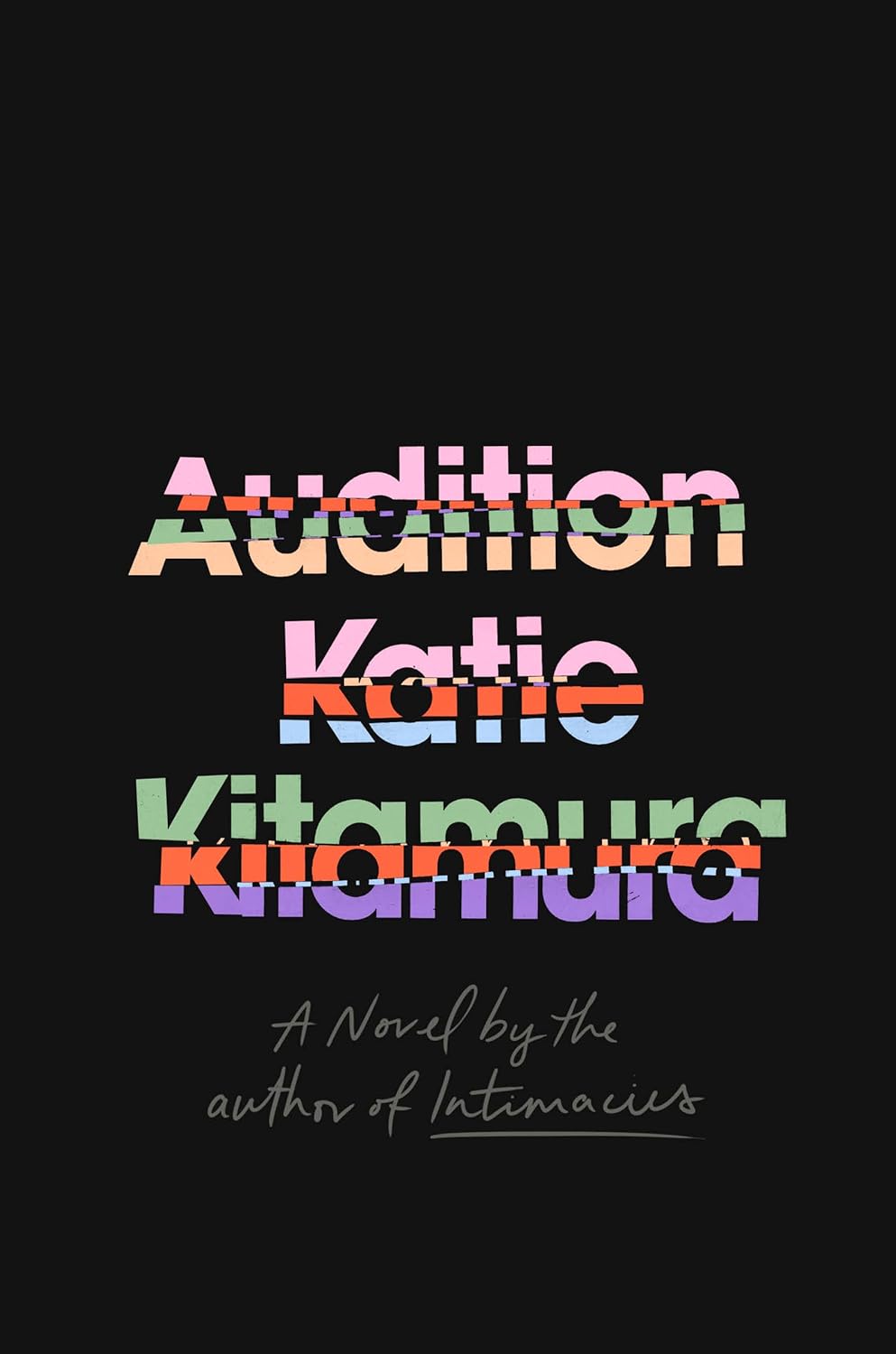
Audition by Katie Kitamura (US)

‘As a culture, we’re becoming quite bad at holding a contradiction in our heads’

– An exhilarating, destabilising novel that asks whether we ever really know the people we love. In this compulsively readable, brilliantly constructed novel, two competing narratives unspool, rewriting our understanding of the roles we play every day – partner, parent, creator, muse – and the truths every performance masks, especially from those who think they know us most intimately.

Is there something unique about this book, something that you haven’t encountered in fiction before?  

Yes, the way Kitamura transitions between supposed reality – modern-day Manhattan – and something deeper and stranger, is bracing. She doesn’t hand-hold or explain, which some might see as a kind of hostility towards the reader. We saw it as a marker of trust. 

This is a very controlled performance of a book that intentionally leaves a lot open to interpretation. We think readers will love finding others who’ve read it and talking to them about what it all might mean.  

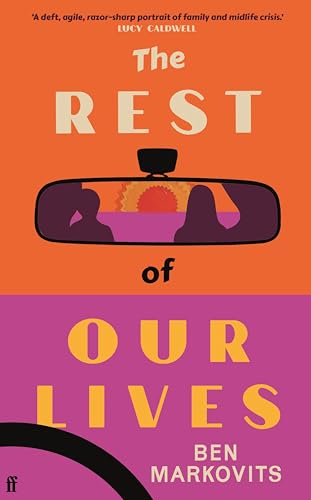
The Rest of Our Lives by Ben Markovits (US)

‘I wanted to write about a certain period of family life coming to an end’

The Rest of Our Lives by Ben Markovits

– An unforgettable road trip of a novel about a middle-aged academic whose marriage, career and body are failing him. Pitch perfect, quietly exhilarating and moving, The Rest of Our Lives is a novel about family, marriage and those moments which may come to define us.

What do you think it is about this book that readers will not only admire, but really love? 

Tom is not a literary king – he’s a dad and basketball enthusiast. We think readers will admire and enjoy high-concept analysis recounted by a ridiculously relatable narrator. 

The star of this novel is Tom’s voice: the lodestar and the ‘why now’. He is a democratic guide, he’s delightfully embarrassed, and he is as observant as he is negligent. But what’s most impressive is Markovits’ dedication to Tom as an averagely flawed human. Tom makes bad jokes, he’s a pushover, and it’s difficult to imagine being taken with him in person. 

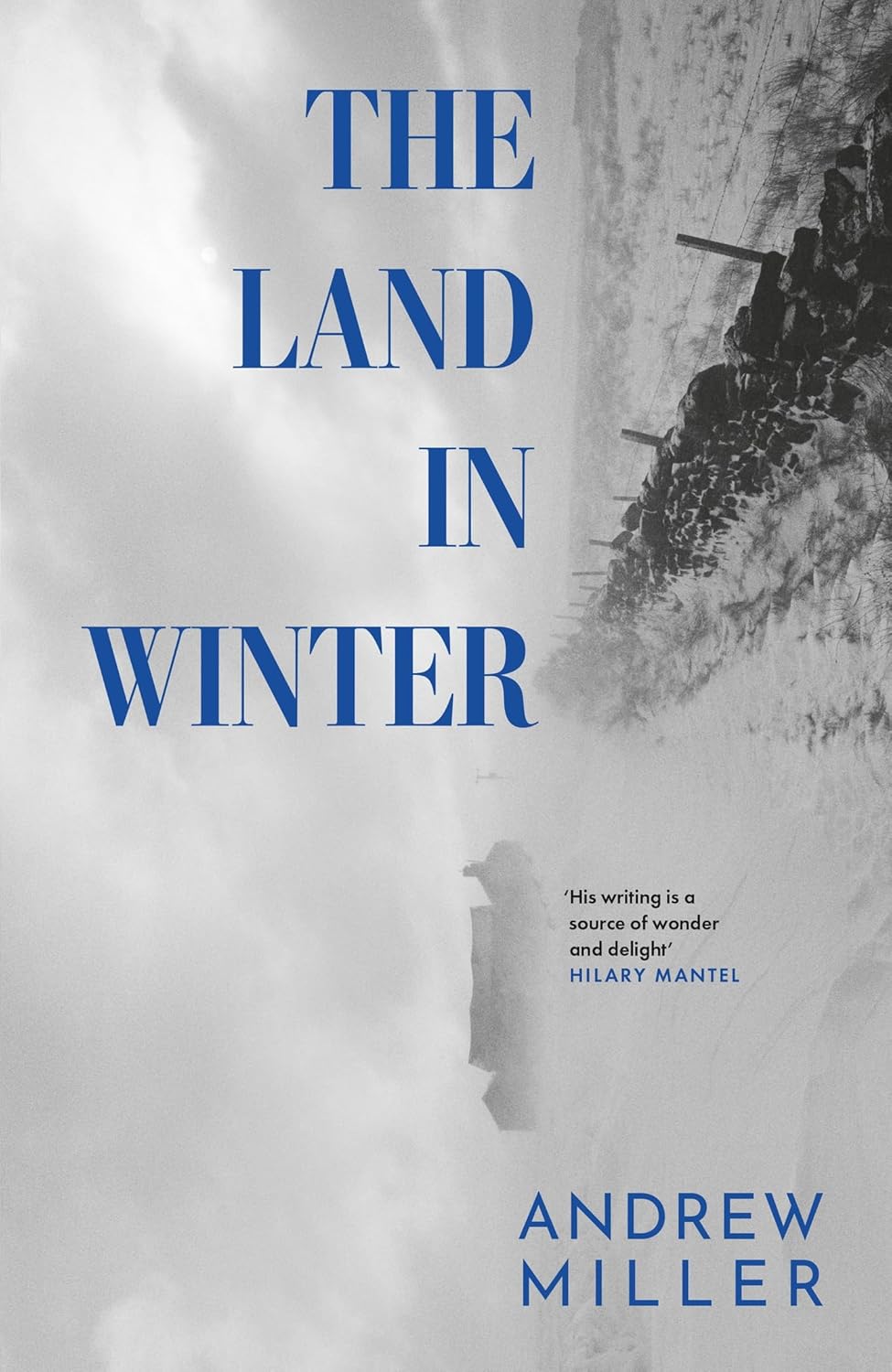
The Land in Winter by Andrew Miller (UK)

‘I’ll write anywhere, with anything, on anything’

The Land in Winter Andrew Miller Booker Prize 2025

– A masterful, page-turning examination of the minutiae of life and a dazzling chronicle of the human heart. As the ordinary cold of an English December gives way to violent blizzards, two couples find their lives beginning to unravel.  
  
Where do you hide when you can’t leave home? And where, in a frozen world, can you run to? 

Although it’s a work of fiction, is there anything about it that’s especially relevant to issues we’re confronting in today’s world?  

The novel is set during the harsh winter of 1962-63 and, given what’s been happening to the weather since then, a harsh winter would be reassuring. But the novel is about the tensions within marriage and other relationships and those tensions are the same today as they were back then. How to live: that’s the big human issue and it forms the spine of the book. 
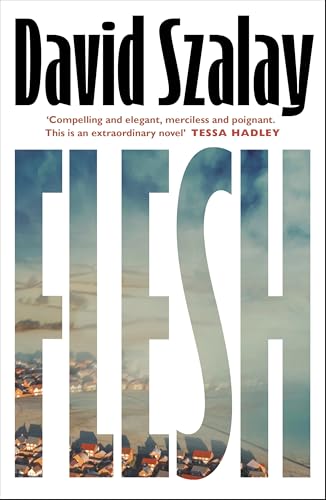
Flesh by David Szalay (Hungary-UK)

‘I wanted to write about what it’s like to be a living body in the world’

Flesh by David Szalay Booker Prize 2025

– A propulsive, hypnotic novel about a man who is unravelled by a series of events beyond his grasp. Fifteen-year-old István lives with his mother in a quiet apartment complex in Hungary. As the years pass, he is carried gradually upwards on the 21st century’s tides of money and power, moving from the army to the company of London’s super-rich, with his own competing impulses for love, intimacy, status and wealth winning him unimaginable riches, until they threaten to undo him completely.
What do you think it is about this book that readers will not only admire, but really love? 

Flesh is a disquisition on the art of being alive, and all the affliction that comes along with it, but it is also an absolute page-turner. It’s nearly impossible to put down. The emotional detachment of the main character, István, is sustained by the tremendous movement of the plot. The pace of this novel speaks to one of the greater themes; the detachment of our bodies from our decisions. 

* * * * * *

Have you read any of these novels from the shortlist? Do you have a favourite to win?

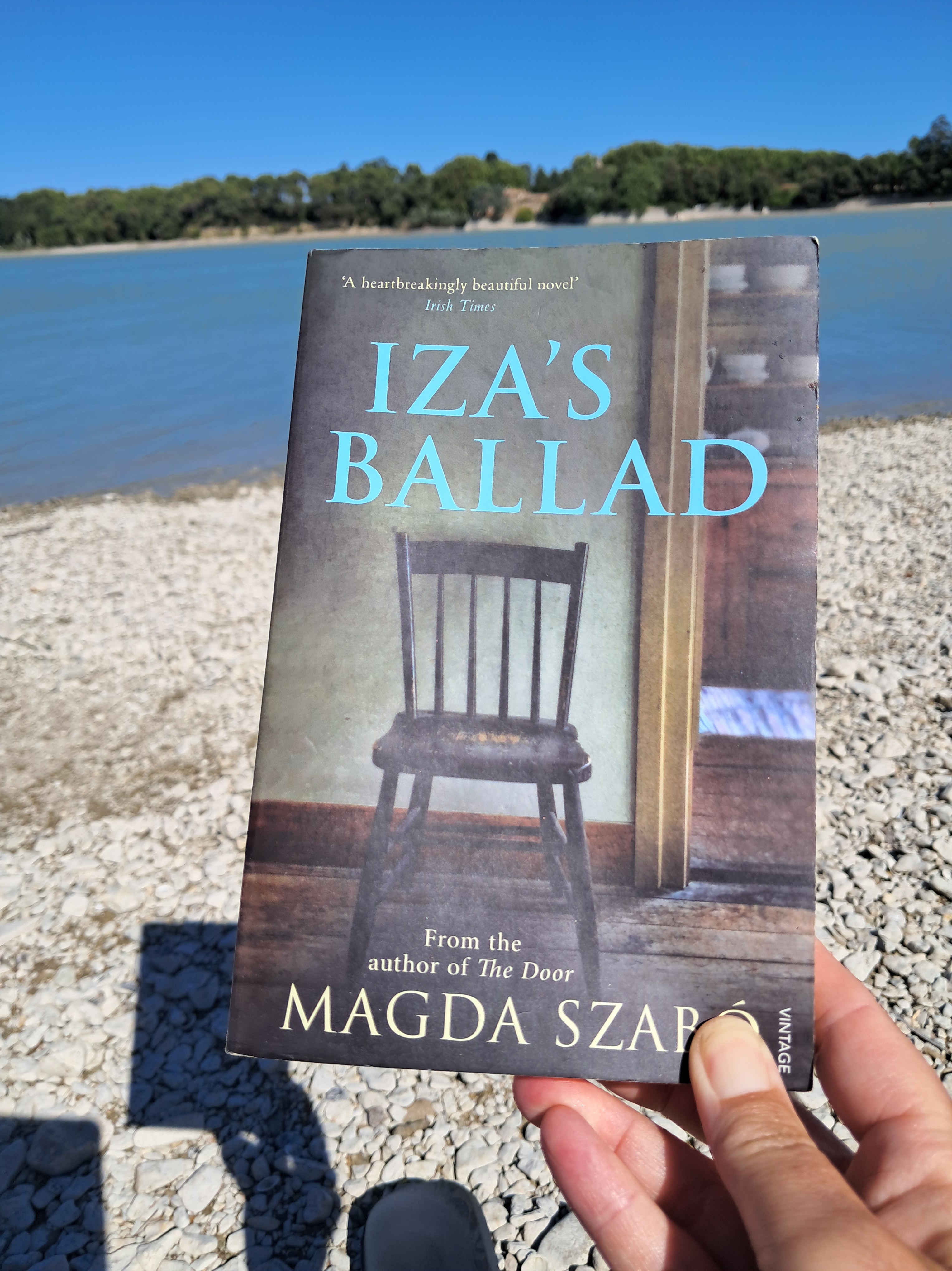
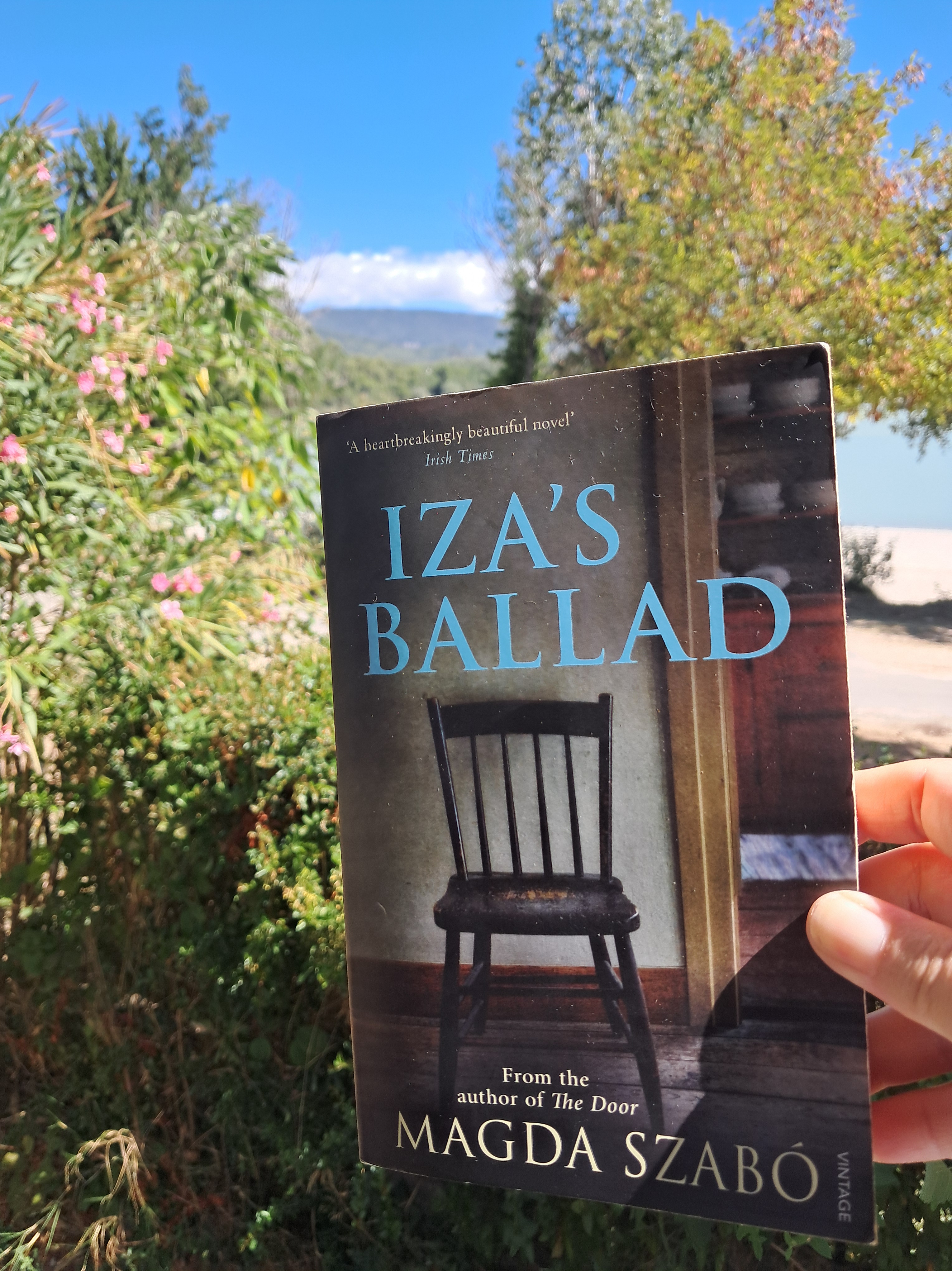
Iza’s Ballad by Magda Szabó (Hungary) tr. George Szirtes

A few catch up reviews from August 2025’s Women in Translation month. I realised I’ve mentioned them elsewhere but not here. The link above has a summary of all the novels I read during #WITMonth with links to reviews. So many of them were excellent 5 star reads, the 3 Italian novels, the Mexican, French.

Hungarian Literature in Translation

Magda Szabó’s Iza’s Ballad (2014), translated from Hungarian by George Szirtes was originally published in Hungary in 1963 and brought to English fifty years later in 2014. She was the most translated Hungarian author, brought back to popularity thanks to Len Rix’s translations of her novels Abigail (2020) and The Door (2006) and Katalin street (2017).

It is the story of traditional villager Ettie and her daughter Iza, who lives in Budapest and the sequence of events in the wake of the death of Ettie’s husband Vince, when the daughter swiftly moves her mother away from the countryside and her familiar community to the city, where everything will be taken care of.

The news arrived just as she was toasting bread.

Three years earlier Iza had sent them a clever little machine that plugged into the wall and made the bread come out a pale pink; she’d turned the contraption this way and that, examined it for a while, then stowed it on the bottom shelf of the kitchen cupboard, never to use it again.

Thrust into a Modern Era

Ettie’s grief finds no solace in the new situation, baffled by the ways of her daughter and the city, where she struggles to find her place or role to assuage her loss. Even getting outside for fresh air becomes a source of anxiety due to the confusion of not knowing the area, the traffic, the transport system. Teréz who cooks, is hostile doesn’t want her in the kitchen or cleaning, no one wants her old-fashioned coffee or help.

She understood how an old woman rapidly heading towards eighty, who had spent all her life on firm ground, coping with straight forward problems, would now feel as though her life were hanging by a thread, and she also understood the bitterness she must be feeling, a bitterness she had never articulated in words that must have been there all the time: she was, after all, an old but still active woman, and she was in mourning. Having established the nature of their relationship, Teréz wanted to show her some tenderness without endangering her own importance and position.

How Not to Age Gracefully

Photo by N. Emmert Pexels.com

Written in four parts, Earth, Fire, Water, Air, the narrative hops back and forth from present to past as we grow to understand the family, their relationships and the great divide between their generations and the lives they lead.

The story moves slowly through Vince’s illness and past and then speeds up with his demise as Ettie is literally thrust into a new era.

She was right, she was always right, it was just that old people grow fond of things that mean much more to them than the young.

A Formidable Daughter

Iza is an adept busy Doctor, divorced, childless, has a night companion and is extremely independent. Employing teréz to take care of all her domestic arrangements, she wants her mother to be looked after and not to have to do a thing, believing she should appreciate that.

Photo by J. Mahnke on Pexels.com

One activity at a time she tries to find her role, only to be continuously rebuffed. Everything is taken care of and the effect as she pulls back from one potential helpful chore after the other is a slow deterioration of all ‘joie de vivre’. Her daughter’s efficiency removes all chance of Ettie helping out and efforts to do so, create more problems, further undermining the elderly mother’s sense of well-being.

She felt as if some elemental blow had destroyed everything around her and that only now did she really know what it was to be a widow, someone absolutely abandoned.

Return to One’s Roots

book cover of Magda Szabo's Iza's Ballad Hungarian literature in translation

When she hears the headstone is ready for placement, Ettie makes plans for her return. It is quite a revelation to her for everything to feel so familiar and so strange at the same time. But her time away has hastened her decline and things don’t go as smoothly as she would have liked.

There’s so much more to the story and the backstory of the character’s that leads them to the predicament they are in by the time Ettie reaches widowhood. It’s an incredibly well portrayed depiction of the sudden transition of the aging mother from her simple village home to the modern convenience of her daughter’s third floor apartment in Budapest, and the effect that removing an elderly person from their familiar environment and from the process of transitioning can have.

Thought provoking and reflective, with an element of tension as the status quo can not be supported, it’s an excellent novel that captures an important and little acknowledged societal shift, of a dying era and of interesting mother daughter power dynamics.

Have you read any good Hungarian novels?

Further Reading

The Grande Dame: Magda Szabó – A Portrait

Author, Magda Szabó

Hungarian novelist, essayist, poet and literary translator Magda Szabó was born in Debrecen, Austria–Hungary in 1917 and died in 2007. She began her literary career as a poet and disappeared from the publishing scene in the 1950’s for political reasons, making a living teaching and translating from French to English.

She began writing novels and in 1978 was awarded the Kossuth Prize, the most prestigious literary award in Hungary. Her novel The Door won the Prix Feminina Etranger in France and the Oxford-Weidenfeld Translation Prize and made into a film starring Helen Mirren.

She lived a long, eventful life decorated with many outstanding achievements in the field of literature, with several of her books being translated into more than 40 languages.

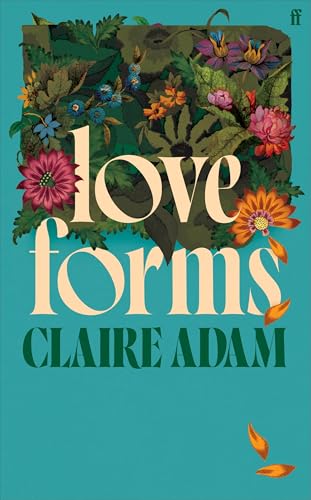
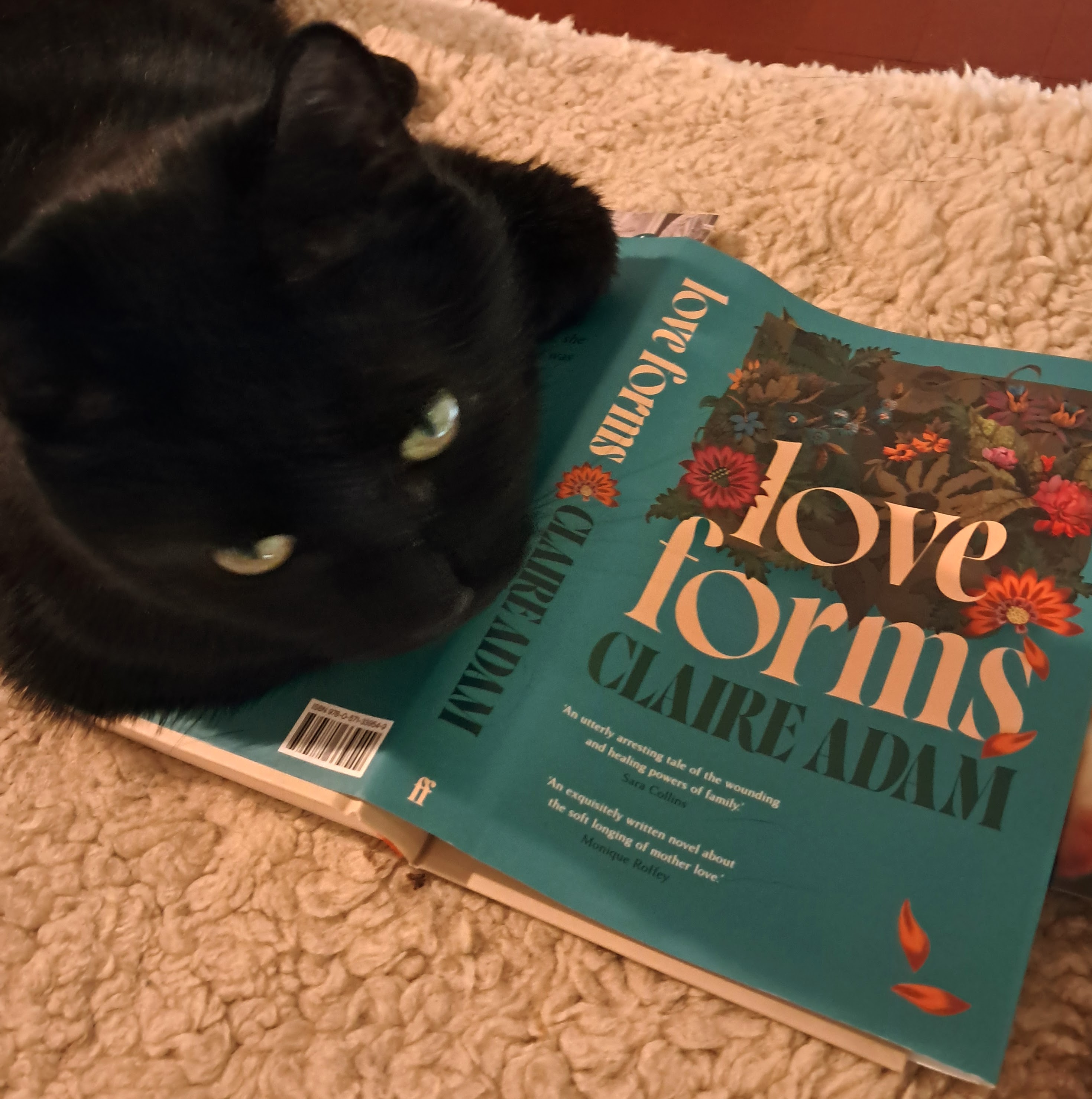
Love Forms by Claire Adam (Trinidad & Tobago)

I first heard this recommended on the Irish Times Women’s podcast summer reads of 2025 and shortly after that it was longlisted for the Booker Prize 2025. It didn’t make the shortlist, but it was the novel I was most drawn to, given the adoption theme, but coming from a different culture than that we usually hear from.

Love

forms in the human body

Louise Glück ‘The Fortress’

Forced Relinquishment Across Seas

Love FOrms by Claire Adams longlisted Booker Prize 2025 Trindad & Tobago

A 16 year old living in relative privilege in Trinidad, has one crazy night out at carnival and months later is clandestinely bundled into various transportations, made to wait at different locations, never told where she is going, crossing the water to a hideaway in neighbouring Venezuela, where she will stay a while, give birth to her baby and return alone.

It was my father who made the arrangements. My uncle helped, since he lived down south, where all this kind of business is carried out. I’m talking south-south : down past the airport, past the swamp, past the oilfields, everything. Way down at the bottom of the island, down where Columbus landed, long ago.

Years later, 58 years old, living alone in London, unable to pick up her career in medicine, two grown sons, divorced, her family still in Trinidad, she begins to search for her lost daughter, with very little knowledge, except that memory of the trip in the dark. The rest must be imagined.

I’ve spent many hours trawling through images online, trying to find this place again.But Venezuela is a big country…Even now, over forty years later, I still don’t know exactly where I was.

Gone But Never Forgotten

Photo by W. Fortunato Pexels.com

The novel explores a certain way of living in Trinidad, a daughter made to feel shame, an event unspoken of for more than a decade, a self-exile imposed. A child never forgotten, forever part of her, out of reach.

Over the years, I’ve come across a few photos in magazines and newspapers that I’ve cut out and kept, because they look the way I imagine her to look. I have them in different ages.

Though she maintains contact with her family, there is more than just physical distance between them. There’s a loss of intimacy, of trust, a love that overnight became conditional, an imposed silence that is easier to bear from afar.

I do love my mother dearly, despite everything, but this particular issue is fraught for us. If she and I were to start talking, and I were to finally tell her the honest truth about everything I’ve felt over these past forty years? Well, I couldn’t do something like that – not now, at her stage of life.

There’s A Community Out There

Not until she begins her search and becomes familiar with the experiences of others like her, of children like the one she abandoned, does she begin to be able to understand what it is she has been feeling, a life long loss, momentarily offered the promise of being filled, as each potential contact (a woman her daughter’s age searching for their mother) raises that hope. She confides in a work colleague, a safe stranger.

‘I wasn’t going to tell you,’ I said. ‘But I guess, why not. Another person has been in touch. A girl. I mean, a woman. From the websites. As a possible, you know. Match.

He was watching me closely, and I tried to take on the right manner. Steady and controlled, hopeful but in a measured way. With a hint of detachment, as if I were talking about something at a much greater remove, of academic interest. I said she was in Italy, a town in the north, and that she was a professional person, a biochemist with a pharmaceutical company.

This was a compelling read that would create interesting discussions, with its deeply flawed characters, many terribly inhumane behaviours and the life long wounding adults commit, who care more for status and reputation than the damage heaped on women and children for being in the too common situation of being pregnant, or birthed, unwanted. It’s a conversation and narrative that has for too long been dominated by one side, so it is good to see it being explored through fiction.

This kind of story comes in so many varieties and though this one is unique, again it is driven by the shame and blame of young women, without consideration for those whose consent is never given, those future adults severed from the natural maternal bond and their lineage, conditioned into false belonging.

On the return journey, in the jeep and then in the dented, rattling airplane, I felt as if something had changed, although I couldn’t, at that stage, have fully articulated what it was. Pieces were beginning to settle in new patterns. Maybe my story wasn’t: Dawn, who made a mistake and brought shame to her family. Maybe its: Dawn, mortal woman, who took a wrong turn in life and got lost.

One of the most hopeful parts of this novel for me, was the knowledge that this character and this author, read the forums and the stories of the many humans born into this paradigm who write of their shared, common experience of how that separation affects a child, their life, their future relationships, which helps dispel the myth, that it’s a good or right thing to do, to sever any baby from its mother.

The Politics of Adoption and the Privilege of American Motherhood

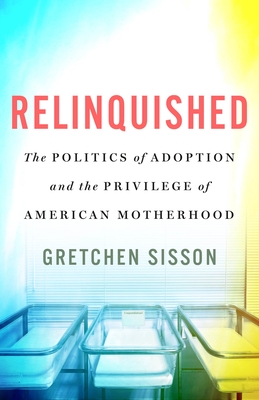
Last year, I read the book Relinquished by Gretchen Sisson, a non fiction work that was the result of ten years of interviews, research and analysis of young women who had given up their babies, looking back at the impact of those decisions.

If you have any interest in the subject of family preservation, and creating conditions where families are supported not separated, read this. If you want to know the truth behind the experience of relinquishing a child (a lifelong trauma), not to mention the impact that has on the child (loving family or not), become more well informed by reading this excellent work.

Further Reading

Read an Extract from the novel ‘Love Forms’ by Claire Adam

Guardian Review: Love Forms by Claire Adam, reviewed by Julie Myerson, June 2025

Recommended Resources : Adoptee Documentaries, Adoptee Podcasts, Adoptee Books

Recent Research: Relinquished: The Politics of Adoption and the Privilege of American Motherhood by Gretchen Sisson (2024)

Claire Adam, Author

Novelist Claire Adam was born and raised in Trinidad. She was educated in the United States, where she studied Physics at Brown University, and now lives in London with her husband and two children.

Her first novel, Golden Child, published in 2019, won the Desmond Elliott Prize, the McKitterick Prize, the Authors Club Best First Novel Award and was named one of the BBC’s ‘100 Novels that Changed the World’. Adam’s second novel, Love Forms, was longlisted for the Booker Prize 2025

I wanted to explore the bond between mothers and their children. On one hand, it’s the most ordinary, mundane, taken-for-granted thing in the world… on the other hand, it’s deeply mysterious. In the case of a mother and child who’ve been separated since birth, for example, often there is a pull towards each other that lasts a whole lifetime. These are people who don’t know each other, who’ve basically never ‘met’ – and yet they yearn to be together. Why is that? Claire Adam

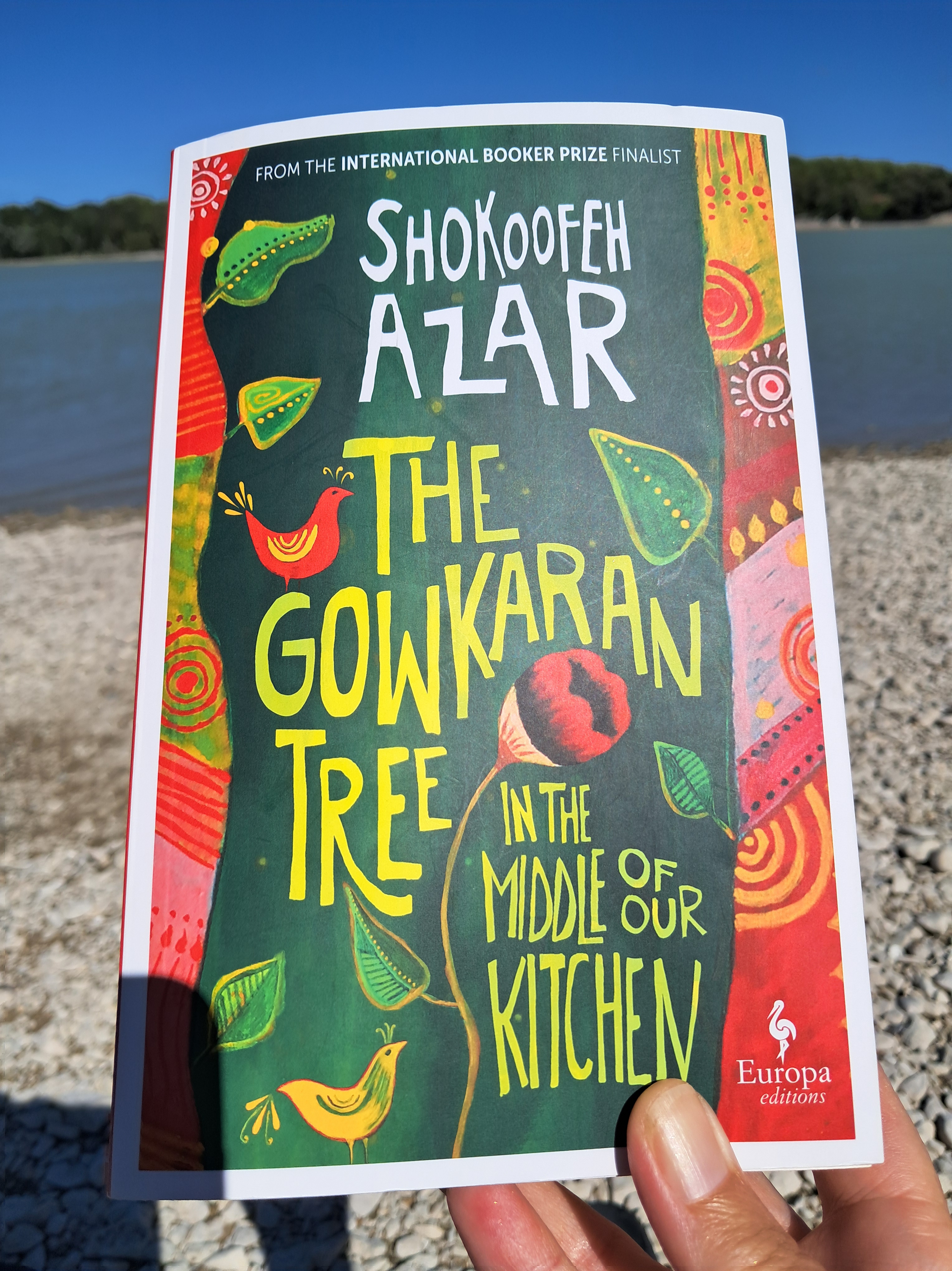
The Gowkaran Tree in the Middle of Our Kitchen by Shokoofeh Azar (Iran) tr. Anonymous

In Feb 2020 I read Shokoofeh Azar’s epic debut novel, The Enlightenment of the Greengage Tree (my review) translated from Farsi. An Iranian writer living in exile in Australia, I was excited to have the opportunity to read a brilliant work of imagination in English. It was later shortlisted for the International Booker Prize (UK), longlisted for a National Book Award for Translated Literature (US) and three Australian Book Awards including the Stella Prize.

Epic and challenging, both that novel and this latest both use elements of magic realism in a unique way to explore recent history, (that of the Iranian Revolution in 1979), while referencing mythic texts and ancient aspects of Iranian culture, which an outsider won’t necessarily pick up on them all, but how incredible a feat, to maintain a compelling plotline that explores the past and uses the metaphysical to assist with confronting situations that are painful to contemplate, creating meaning and helping to overcome trauma.

“Magical realism is not only a realm of boundless imagination, it is also a powerful literary and cultural tool for resisting dominant and imposed powers… I turn to this genre to confront authoritarian structures in Iran while celebrating the true cultural and artistic beauty of my country.”

Preserving a Culture Through Storytelling

Again in The Gowkaran Tree in the Middle of Our Kitchen, Azar writes to embrace and acknowledge family, a beautifully diverse and colourful culture, complex politics, revolution and resistance.

The novel tells a story about a Zoroastrian family with twelve children and a long, interwoven lineage, where the living and the dead are both present and absent, sometimes called on or observed when needed to understand how to navigate the present. Those living in the now are often less aware than those who came before and this connection with their heritage and family is part of the way they survive difficult times.

The story starts with the strange occurrence of a Gowkaran Tree appearing one day in their bustling kitchen, travelling up towards the ceiling, alive with bird life and firmly rooted.

No one but family can see the tree, and while making repairs, their father, a University Professor decides to build a round table around the trunk. The kitchen was their centre and beneath the walls of the old mansion lay the remains of eleven other mansions.

A big, twelve-person table. In this way the Tree of Knowledge, the Tree of Life, the Bas-Tokhmeh Tree, the Gowkaran Tree, the Tree of the Incident, became the kitchen’s centre of gravity.

The grandmother Khanom Joon tells her granddaughter (the narrator Shokoofeh) some of the old family stories, of love and storytelling and the 1,762 notebooks containing the memoirs of their ancestors. She tells her own story and that of the Ball of Light that follows her.

“Curled up in a chair, I let history go and breathed in the air of love and suddenly realised that from now on I was caught. That said, in my dreams I had seen that this madness would grip us both, neither of knowing when it began or how long it would go on. Just like this mansion and this timeless tree and the history of foreigner’s incursions and invasions in this country.”

A Heroine on a Quest, Mentors Abound

I’m not going to even attempt to describe too much of the plot, suffice to say that it is something of the heroine’s journey for the young narrator, who is in the throes of falling in love and will be sent on a quest to search for her brother Mehab, who has gone to fight in the war. A coming-of-age story in harsh times, and yet a celebration of that which continues to resist and persevere and give fruit.

The journey brings to light the terror of a country taken over by despots, and the predicaments of those who capitulate and those who refuse, the voiceless and the silenced. And throughout the Gowkaran Tree remains, rooted, alive and bringing those who remain together.

Why Trees Matter

Trees are a recurring motif in Shokoofeh Azar’s novels. Trees often live on longer than humans, just as our ancestral lineage does, they are places of refuge and transendence.

Photo by Vraj Shah on Pexels.com

The rootedness of a big tree in the middle of a kitchen is a symbol of resistance, of strength and the power of deep, familial roots. Its central presence helps preserve what is under threat – family heritage, culture and identity.

The earthy, rooted tree grounds the magical realism element, allowing the author to meander into myth and folklore without losing the connection to the aspects of the story that are firmly rooted in reality. The reader surrenders and goes with it, relieved by the presence of the Ball of Light and terrified by the danger our protagonist is exposed to on her solo journey.

Destiny and Liberty

The book is made up of 27 chapters in two parts, Part One The Womb of Destiny takes place in and around the home mansion and in Part Two The Ordeal of Liberty, our protagonist is sent out alone on her mission to overcome challenges and learn something before her return.

“The way is reached by taking it.”

Book cover of The Gowkaran Tree in the Middle of our Kitchen by Shokoofeh Azar

If you’ve read her earlier works, you’ll be prepared for how unique the storytelling is, but if you’re not a fan of magic realism, this might challenge, however for me it was worth it for the immersion in the storytelling, culture and literary tradition, even if not all the references are familiar. The occasional footnotes are helpful.

The way the plot takes the reader on the journey to save a brother, while encountering historical characters along the way reads like a blend of fable and adventure with philosophical insights mitigating the challenging obstacles required to overcome.

At 512 pages, I admit that once I was out of holiday mode, I set it aside, due to the sheer size of it. I do think it asks a lot from readers today to engage with such a massive book.

Shokoofeh Azar has developed a unique style of magic realism to narrate harsh truths about a society under political and cultural oppression, while sharing its depths of family unity, cultural heritage and dedication to resistance. Overall, I highly recommend it and look forward to where she goes next and hope for a more taut, less ambitious novel next time.

Further Reading

Review: World Literature Today : The Gowkaran Tree in the Middle of Our Kitchen by Andrew Martino

Read a great review at Tony’s Reading List

Iranian Daughters: Struggling for the Rights Their Mothers Lost in the Revolution by Sepideh Zamani

Video Conversation : After the Revolution, Edinburgh Book Festival

Shokoofeh Azar, Author

Born in Iran in 1972, the author worked as a journalist and field reporter in her country, covering human rights issues. After several arrests in connection with her work as a journalist, on advice from her family, she fled Iran in 2010 and was granted asylum in Australia, where she has lived as a political refugee since.

She is the author of essays, articles, and children’s books, and is the first Iranian woman to hitchhike the entire length of the Silk Road.

N.B. Thank you to Europa Editions for the review copy.

Women in Translation month #WITMonth

Every novel I’ve read in translation this month has been exceptional. I do love August for seeing what others are reading in this category to ensure I have a future supply of excellent reads originating from elsewhere, coming from other languages.

Here’s what I hope to read this month and I’d love to hear your favourites, what you’ve read and loved or are looking forward to during WIT Month or any time!

Translation Opens World Views

Covers of books ftom the shelf of novels by women in translation

I find it such an immense privilege to have the opportunity to read a novel that was originally conceived and written in another language, that can naturally dive into perspectives from other cultures that might be completely different or universally connected.

I loved norms being challenged and insights shared, new words, cultural references, all those opportunities to expand one’s awareness.

So I gathered what I had on my shelf to read for August to share here and I am very grateful to Daniela at Europa Editions UK who sent me three excellent new publications published by Europa in 2025, which arrived just as the month started, two of which I have devoured already.

Read Around the World

The books I have chosen are by women from Mexico (translated from Spanish), Rome and Abruzzo in Italy, Barcelona (Catalan), France (French), Iran (living as a political refugee in Australia, translated from Farsi), Russia living in Berlin (translated from German) and Debrecen, Hungary.

Mexico

I started the month with Guadalupe Nettel’s (Mexico) excellent autobiographical novel The Body Where I Was Born (reviewed here) translated by J.T. Lichtenstein, a book that reads like a memoir of childhood and adolescence, but from the perspective of looking at how those various experiences she had, might have moulded her character.

The real surprise was when she and her brother join her mother to come and live here in Aix en Provence while she’s working towards a PhD. Very insightful and for me, utterly riveting. You can also read Still Born (reviewed here) shortlisted in 2023 for the International Booker, hers is a voice and style I adore.

Italy

I’ve definitely been in a phase of reading Italian women writers from the 30’s and 40’s, so of course there is more Natalia Ginzburg and Alba de Céspedes in my pile for this month.

I’ve already finished There’s No Turning Back (reviewed here) translated by Ann Goldstein, a novel of eight women entering adulthood and potential independence in the face of a society that wants women to stay traditional, and I’m looking forward to Ginzburg’s novel All Our Yesterdays about a pregnant 16 year old who marries an older family friend to save her reputation.

I recently read an excellent article about Italy’s feminist history and literature by Margarita Diaz, who after reading Elena Ferrante’s essay collection In the Margins, sought out a women’s bookstore collective, the Libreria delle Donne di Milano, whose work had been a source of inspiration for her Neapolitan novels. The bookstore occupies a unique place in the history of the Italian women’s movement, having established “an alternative genealogy of culture,” a perspective quite different to that of English speaking cultural feminism. I would love to visit this bookshop.

The Libreria delle Donne di Milano (The Milan Women’s Bookstore), on Via Pietro Calvi in the Zona Risorgimento, houses more than 7,500 carefully curated works, mostly in Italian, by 3,700 female writers from all around the world. Works by icons of Italian literature like Sibilla Aleramo, Grazia DeLedda, and Elena Ferrante sit next to translated copies of works by anglophone writers like Virginia Woolf and Jane Austen. It is a refreshing, unapologetic, women-only space, where female voices are celebrated and encouraged. 

My third Italian read, more contemporary, with a flashback to events of the 90’s is the Strega Prize 2024 winning novel The Brittle Age by Donatella Di Pietrantonio (reviewed here), also translated by Ann Goldstein.

Her novels are excellent. A Girl Returned was exceptional, and I was riveted reading this latest. Historical true crime inspired and a psychological exploration of the effect of traumatic events on the individual and community and the small actions that help heal – just brilliant.

Doesn’t that mountain look like our local Mount Saint Victoire, with the cross at the summit?

France

It being a busy and hot working summer, I was also looking for lighter reads that would be captivating and so I chose Virginie Grimaldi’s second novel All That Remains (my review here) translated by Hildegarde Serle, a story of three people whose paths cross when each is at a significant turning point. Jeanne (74) is widowed and is overwhelmed, Iris (33) has made a near-escape and is in hiding, and Théo (18) working in a boulangerie (bakery) is starting out having left a boy’s home.

I was particularly interested in this after having seen French a news item about inter generational living arrangements, where young people move in with the elderly, enabling them to stay in their own homes. This was a page turner, totally feel good, brilliant and uplifting, a perfect all year round read!

Catalan, Spain

In February, visiting Barcelona, I found my way to the BackStory Bookshop where I discovered works in Catalan translated into English. The Song of Youth (reviewed here) by Montserrat Roig (1946-1991) translated by Tiago Miller is a collection of eight stories, which I have already started and I am pencil scribbling all over, they are so, so good.

Looking back at that lower bookshelf in the bookstore, from where I obtained this volume, I wish I had bought Time of the Cherries as well, one I’ve seen reviewed by Jacqui and more recently, Goodbye, Ramona. The latter, wasn’t in the store, but I have recently found and ordered a copy. Those Fum de Stampa Press editions are gorgeous but not easy to find!

Iran

Delighted to see a new bold chunkster translated from Farsi by Shokoofeh Azar, The Gowkaran Tree in the Middle of Our Kitchen (reviewed here). This one, spanning fifty years in the history of modern Iran, is described as a lush, layered story embracing politics and family, revolution and reconstruction, loss and love amid the colourful stories of twelve children, each told against the backdrop of cultural and political change.

Having loved her earlier novel, The Enlightenment of the Greengage Tree shortlisted for the International Booker (2020) and The Stella Prize, I’m saving this 500 page epic for holiday week at the end of August.

Russia

The Hottest Dishes of the Tartar Cuisine was the second novel written by Alina Bronsky, a German novelist born in the Ural mountain area of Russia, a dark, funny novel that stars Rosalinda, the irrepressible tyrant babushka who’ll stop at nothing to keep her family from emigrating without her as the Soviet Union falls apart. She’s brutal and cunning but also induces sympathy and amusement. This has been on my shelf too long and reading this NYT interview has pushed me to want to read it.

“Sometimes I do readings and people can’t stop laughing, but I’m reading about pretty tragic things,” Bronsky says. “I think Soviet humor is a desperate humor, rather typical of very different nations, of Jewish people, Ukrainians, and of course Russians. It’s despair — just keep laughing, until you are dead.”

Hungary

Lastly another that’s been waiting a while to be picked up is Magda Szabo’s Iza’s Ballad translated by George Szirtes, about a woman whose daughter insists she leaves her countryside home after her husband’s death to move to the city of Budapest. Uprooted from her community she must make a place and a life for herself anew.

I read her novel The Door some years ago and enjoyed it, so I’m looking forward to visiting Budapest and the countryside she left for it.

Recommendations

That’s my pile of potential reads for August, let us know in the comments below if you have read any of these or what you are looking forward to.

There’s No Turning Back by Alba de Céspedes tr. Ann Goldstein (2025)

Every novel I’ve read by Alba de Céspedes has been excellent and this controversial debut (at the time of its original publication in Italy, 1938) brims with the seeds of what was to come from her work, starting with this excellent, collective coming-of-age, of eight, twenty-something year old women in pre-war Rome.

I pre-ordered this novel, as she is a favourite author, of whose work I want to read everything, sharing now for WIT Month (Women in Translation).

Literature and Morality

Feminism Journal writing Womens Rights Italian Literature

In the informative translator’s note at the beginning of the book, Ann Goldstein shares some of the historical context within which the book became an immediate and immensely popular bestseller, despite the authorities finding the novel’s breaking of female stereotypes and suggestion of other possible pathways for women offensive.

“By the time the novel was published the fascist dictator Benito Mussolini had been in power for more than a decade. His government promoted the idea that the proper place for women was to be at home and to bear children; sposa e madre esemplare (exemplary wife and mother). While there is no overt mention of Mussolini or fascism in the novel, none of the young women conform to this female ideal. In fact, in their different ways they are challenging it, even if not intentionally or even consciously.”

Selected to win the prestigious Viareggio Literary Prize in 1939, a government order stopped it and attempted to block further editions from being published, claiming it went against ‘fascist morality’. As Margarita Diaz points out in a recent article ‘An Immoral Endeavour‘:

Vague accusations of ‘immorality’ have been, and continue to be, used by dominant institutions, governments and autocratic regimes to stifle free expression and to censor legions of books and artworks. 

Women at a Turning Point

Alba de Cespedes debut novel Theres No Rurning Back translated by Ann Goldstein from Italian

Set in Rome 1936-1938, the novel focuses on eight young women in higher education, most studying at university, who live together in convent boarding house in Rome. They have greater freedoms than school girls, with restrictions deemed appropriate for unmarried single women.

From different backgrounds they have different issues, desires and ideas about life, which they share with each other as they progress through the year and one by one prepare to leave the premises.

On the cusp of “no turning back”, concluding their theses, each must make a decision about what to do next and none of them are thinking, acting or passively accepting the route that tradition has dictated.

The mere consideration of other life avenues and the outward expression of those thoughts, the girls’ discussions with each other, in this safe and open, female community, demonstrate an important processing step in their being better informed, while equally often challenged by their peers, at this formative moment in their lives.

“In all her novels de Céspedes investigates women’s attempts to both deconstruct and construct their lives and gain a sense of themselves, as she investigated her own life.”

A Year In the Life

Photo by cottonbro studio Pexels.com

Throughout that year, the girls will learn more than just the subject of their thesis as they share and navigate the issues that arise, including their reactions to things some have kept secret. They attend mass and adhere to the curfew, then gather after lights out to talk about everything deemed pressing.

Their conversations and reflections often lead to scenes from the past, as the reader gains insight into each of the circumstances that lead each young woman to this place.

Xenia is the first to present her thesis and to leave and she does so under cover of night, severing her connection with the girls, choosing the least conventional path, allowing an older businessman to arrange a job for her and accommodation, introducing her to a different circle of associates. Her desires are revealed in one of the early exchanges with the girls:

“Some nights a kind of yearning grips me: I can’t close my eyes and I get worn out thinking how I’m caged in this cloister of nuns, while outside life is flowing, fortune passing by – who knows? – and I can’t take advantage of it. You have to jump into life head-long, grab it by the throat. I won’t ever go back to Veroli, anyway.”

No Two Paths

If Xenia’s failure and disappearance shakes the girls up, the fate of quiet Milly, who writes letters in braille to a blind organist rocks their world even more.

As soon as Papa found out about our meetings, he made me come to Rome. But I’m not unhappy here: I can play the harmonium and write to him with that device there, which is all holes, in the braille alphabet, made just for blind people. By now I can write well, and he reads my letters by running his fingers over them, like this, see?

Silvia is a high performing literature student, a favourite of the Professor, who asks her to do research on his behalf, which he presents to great acclaim, telling her she will go far.

Silvia had on her face the expression of servile gratitude typical of those who are accustomed to submission from birth. Who were her parents, after all? Scarcely more than peasants. Someone had always taken possession of their work without even saying “Thank you, well done.” Confused by that praise, Silvia would have liked to promise : “I won’t take my eyes off the books professor, I’ll even work at night”; but at that moment Belluzzi’s wife came in, carrying a cup of tea.

Mirroring and Reflecting

a woman holds a mirror a reflection
Photo by Tasha Kamrowski on Pexels.com

Emanuela has told everyone her parents are travelling in America, disappearing every Sunday to visit her five year old daughter she has told no-one about, just like her father had written to the Mother Superior of the boarding school she attends, saying his daughter was abroad.

Though she does not study, she is drawn into the literature group, who appreciate her vigilant, intuitive faculty:

which revealed and illuminated, in those who approached her, only the aspect of the self capable of inspiring a mutual sympathy. So each saw her own image reflected, as in a mirror; and although the mirror had many faces, it projected only the one that it animated. And this game of reflections was a continuous revelation for Emanuela, too, who saw rising from the depths of herself, and appearing on the surface, constantly new and until then unknown aspects of her personality. Illuminated from the outside, exposed by the contact with others, her true physiognomy emerged gradually, and in a surprising way, from the shadows.

Women as Masters of Themselves

Debut novel by Italian author Alba de Cespedes Theres No Turning Back, banned by Mussolini challenged female stereotypes in 1938 Italy

Augusta is enrolled in classes but doesn’t plan to sit the exams. She stays up late writing novels and sending them out. When Emanuela asks her how long she plans to stay, she replies:

Until I’ve done something. I go back to Sardinia only for a month or two, in summer. By now, one can’t go home anymore. Our parents shouldn’t send us to the city; afterward, even if we return, we’re bad daughters, bad wives. Who can forget being master of herself? And in our villages a woman who’s lived alone in the city is a fallen woman. Those who remained, who passed from the father’s authority to the husband’s, can’t forgive us for having had the key to our own room, going out and coming in when we want. And men can’t forgive us for having studied, for knowing as much as they do.

Vinca is from Spain and during her time with the girls, she learns from the newspaper that Spain is at war and that the young man she has been seeing will go and join the fight. These and subsequent events change her trajectory.

One by one, they have their experiences and they make their own decisions, no two the same, yet all of them having been through the process of living together and sharing their developing ideas, strengthening their positions and coming to some kind of resolution about how they will live their lives.

It’s another brilliant read by this fabulous author and one can just imagine how this book would have been devoured by many women in the era it was published, providing them insight and a form of company to their own thoughts, or provoking them in their solitude as they lived out those traditional paths and dreamed of something else.

Highly Recommended.

“Emanuela took her head in her hands. “I think that at a certain point you have to stop searching and accept yourself. Find the courage not to count on others anymore, to separate from childhood even at the cost of solitude;”
“It’s all a matter of courage, in life. If you have it, you do well to leave,” Augusta murmured, tapping the ashes from her cigarette.”

Further Reading

Cleveland Review of Books: An Immoral Endeavor: On Alba de Céspede’s “There’s No Turning Back” by Margarita Diaz, August 7, 2025

The Guardian: Resistance fighter, novelist – and Sartre’s favourite agony aunt: rediscovering Alba Céspedes by Lara Fiegel, Mar 2023

My reviews of Alba de Céspedes Forbidden Notebook and Her Side of The Story

Author, Alba de Céspedes

Alba de Céspedes (1911-97) was a bestselling Italian-Cuban novelist, poet and screenwriter.

The granddaughter of the first President of Cuba, de Céspedes was raised in Rome. Married at 15 and a mother by 16, she began her writing career after her divorce at the age of 20. She worked as a journalist throughout the 1930s while also taking an active part in the Italian partisan struggle, and was twice jailed for her anti-fascist activities.

After the fall of fascism, she founded the literary journal Mercurio and went on to become one of Italy’s most successful and most widely translated authors.

After the war, she accompanied her husband, a diplomat to the United States and the Soviet Union. She would later move to Paris, where she would publish her last two books in French and where she spent the rest of her life. She died in 1997.