Saltblood by Francesca de Tores

In a rented room outside Plymouth in 1685, a daughter is born as her half-brother is dying. Her mother makes a decision: Mary will become Mark, and Ma will continue to collect his inheritance money.

Girls Initially Raised as Boys

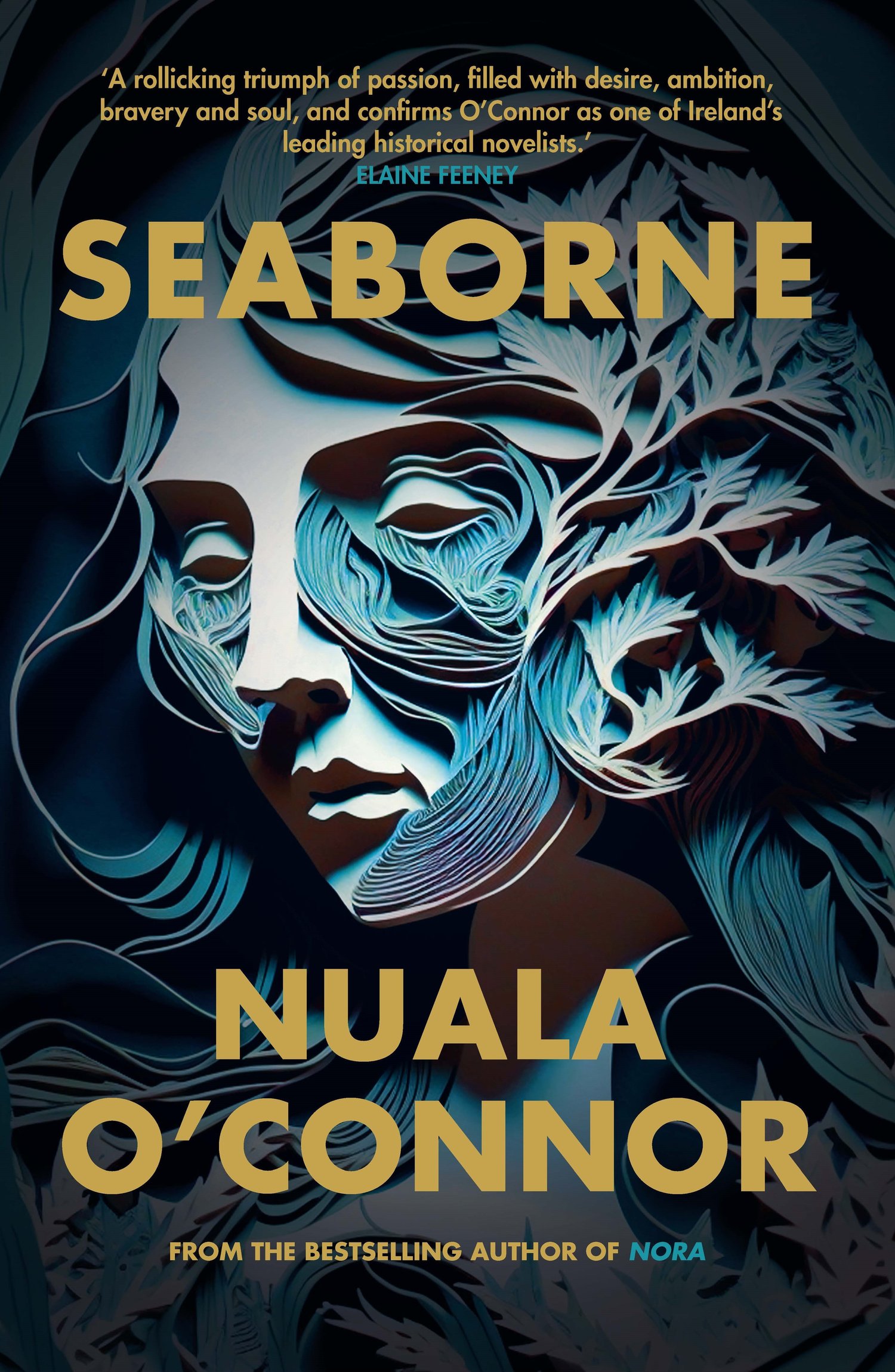
As I began to read about Mary Read in Saltblood by Tasmanian author Francesca de Tores, I had a sense of deja vu. I paused reading and revisited my review of Irish author Nuala O’Connor’s Seaborne, another work of historical fiction, but focused on Kinsale born Anne Bonny.

Stories of Real Female Pirates
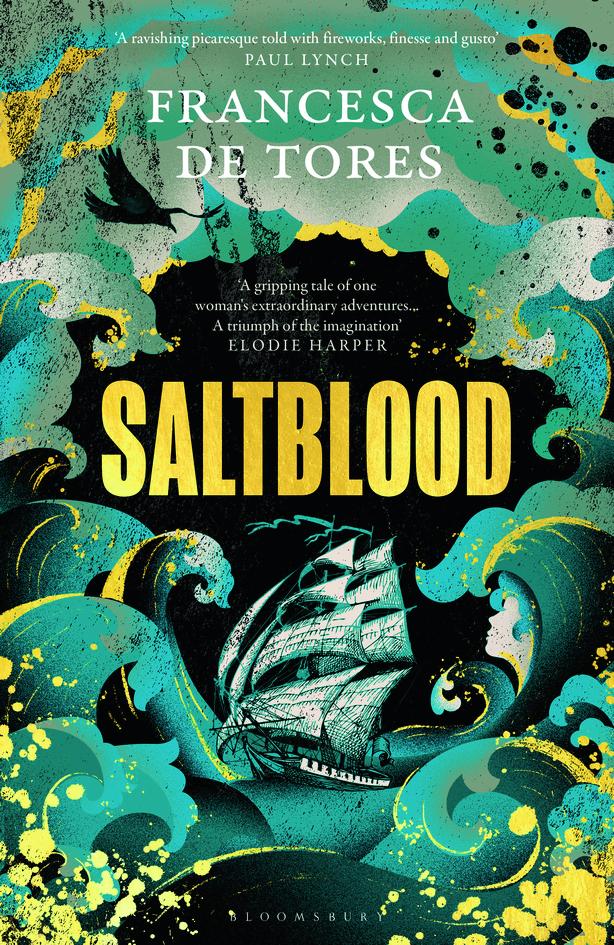
In Saltblood, we meet Mary Read (true historical figure), raised by her mother as Mark, a practical solution to poverty, inheritance laws and social restrictions.

After such a beginning, perhaps not surprisingly, Mary preferred for some years to live as Mark, due to opportunity and freedom. Working in service in a grand house as a man led to her/him enlisting in the Navy, then as the battles moved to land, joining the Army.

From the Military to Piracy

Settling for a short period as a married woman, she would then return to the sea after a tragic loss.

I went to sea a girl dressed as a boy, and I come back as something else entirely. I come back sea-seasoned: watchful of winds, and with an eye on the tides. I do not know if I have come back wiser, or better or perhaps madder. But I am not the same. What the sea takes, it does not return.

Initially working as crew for a privateer ship (authority sanctioned raiders); when they are raided by pirates, she elects to jump ship to escape the overly attentive Captain Payton and joins pirate Captain Jack Rackman. Although in her earlier years in the navy and army she was disguised, her later years at sea she presents as a woman, but is accepted as one of the crew due to her experience and abilities.

Pirating Protocols

Most pirates know the rules: go in fierce and fast, and the captains will beg for quarter, just as Payton did, and the Spaniards now do too.

One of the things the novel does well is really give you an idea of how pirating and raids work, for a start each member of the crew is made to sign a contract ‘articles of conduct’ that state policies around behaviour, pirate behavior (such as drunkenness, fighting, and interaction with women) and disciplinary action should a code be violated. Failing to honour the Articles could get a pirate marooned, whipped, even executed. It was the Captain’s way to maintain order and avoid dissent and ensure loyalty. The articles stated how gains would be shared.

There was a lot less fighting than we might imagine. Pirates preferred their target acquiesce. A black flag signaled to a vessel that they were about to be attacked, but that “quarter” would be given. This meant the pirates would not kill everyone on board if they cooperated and handed over any cargo. Seeing the black flag instilled fear and alerted ships to what was about to happen. If crew members did not fight, they might save their lives, but not their cargo.  Crew sometimes elected to join the pirate ship as Mary did.

A Companion Crow

Photo by Alex Jaison on Pexels.com

One of the interesting fictional elements in de Tore’s version of Mary Read’s life is the appearance of a crow that follows Mary on land and out to sea. The crows presence acts as a warning to the men, it is not a good sign to them, but for Mary, it’s presence is reassuring.

A bird that can pounce from the top of the mainmast to skewer a sardine in the water, or snatch a crab from under rock and find out its soft parts, is a bird that sees well, and clear. It counts, this witnessing. To live your life under the vigilance of a crow is a kind of covenant.

A Pirate Nest in the Bahamas

Nassau became the base for English privateers, many of whom became lawless pirates over time. The Bahamas were ideal as a base for pirates as its waters were too shallow for a large man-of-war but deep enough for the fast, shallow vessels favoured by pirates.

It was here that Mary Read eventually met and befriended the much younger (by 15 years), emboldened Anne Bonny, encountered in Seaborne by Nuala O’Connor. The two women became fast friends, though opposite personalities.

Anne falls for Captain Jack and decides to join the crew, deepening her relationship with Mary simultaneously.

Photo by Pixabay on Pexels.com

Next to Anne Bonny, so bold and notorious, I had thought myself meek and colourless, and my story of little note. Yet she never tires of asking me about my years in the navy, and the army. Even my years on the Walcheren, which to me seem largely drab, fascinate Anne.

A Governor on a Mission

Saltblood continues to narrate the scrapes and adventures these two embark on and the efforts of Captain Rackham to avoid Governor Rogers, an English sea captain, privateer and colonial administrator who governed the Bahamas from 1718 to 1721 and again from 1728 to 1732. He aimed to rid the colony of pirates.

Initially I started then put this aside due to that feeling of having read something too similar, it starts off slowly and didn’t really pull me in, but more recently I picked it up again and continued only to find it much more engaging, as Mary is indeed quite a different character to Anne, and I enjoyed her land adventures as much as those at sea and the way their piracy days end is unforgettable.

After reading this I noticed I had another pirate book on my shelf, a work of history, The Stolen Village: Baltimore and the Barbary Pirates by Des Ekin, review coming soon.

Further Reading

Reviewed by Lisa at ANZ LitLovers

Author, Francesca de Tores

Francesca de Tores is a novelist, poet and academic. She is the author of five previous novels, published in over 20 languages, including Saltblood, which won the 2024 Wilbur Smith Adventure Writing Prize.

In addition to a collection of poems, her poetry is published widely in journals and anthologies. She grew up in Lutruwita/Tasmania and, after fifteen years in England, is now living in Naarm/Melbourne.

This Is Happiness (2019) by Niall Williams

Irish literature portrait of a community Faha Kerry Novel Historical fiction

I decided to read Niall William’s This Is Happiness, when I saw that he had won the 2025 Kerry Group Irish Novel of the Year Award with his latest novel Time of the Child.

That was the novel I wanted to read, but when I learned that it was a story set in the village of Faha and that an earlier novel preceded it, I decided I would read them both. This is Happiness was longlisted for the Walter Scott Prize for Historical Fiction (2020). The prize that year was won by another Irish author Christine Dwyer Hickey for The Narrow Land, an exploration the marriage of artists Edward and Jo Hopper.

I was curious to see how it would be to read a Niall Williams novel today, remembering the utter pleasure of reading Four Letters of Love in London in 1997, the inaugural book of the first book club I ever joined.

Certain Past, Uncertain Future

I didn’t pay too much attention to this passage on page 3 when I read it, but now that I’ve finished and contemplating why I highlighted so many excellent passages and loved the storyline, somehow this didn’t grip me, I find a clue in this early revelation. When a story is told in the distant past, it brings with it for me, an element of negative nostalgia, because I know this is done, there is little possibility for transformation, it is missing the element of the great unknown, the limitless potential for things to be different.

I myself am seventy-eight years old and telling here of a time over six decades ago. I know it seems unlikely that Faha then might have been the place to learn how to live, but in my experience the likely is not in God’s lexicon.

So we meet our protagonist Noel Crowe reflecting back to when he was 17 years old and had been sent to Faha, County Clare; initially we know not what for, just that something has happened in his life and it had been seen fit for him spend time living with his grandparents.

I had come down from Dublin on the train, not exactly in disgrace – my grandparents, Doady and Ganga were too contrary and crafty for that – but certainly distant from grace, if grace is the condition of living your time at ease on the earth.

Lifting of the Clouds, Coming of the Light

Photo by T. Bernard Pexels.com

The first thing that happens is that it stopped raining. And even though it initially went unnoticed, it became a non-event of significance in that spring of 1958. The second thing was that electricity was to be installed in the area for the first time since the villagers filled in forms a few years before.

Consider this: when the electricity did finally come, it was discovered that the 100-watt bulb was too bright for Faha. The instant garishness was too shocking. Dust and cobwebs were discovered to have been thickening on every surface since the sixteenth century. Reality was appalling…

In the week following the switch-on, Tom Clohessy couldn’t keep mirrors in stock, had a run on hand-, oval-round- and even full-length as people came in from out the country and brought looking glasses of all variety, wet home, and in merciless illumination endured the chastening of all flesh when they saw what they looked like for the first time.

This brought the arrival of the second main character, 60 year old lodger Christy, whom Noel would come to know.

I thought he must be travelling man, there were many at the time, not just the whitesmiths and pot-menders but people adrift in the country generally, for all the reasons known to man unmoored from family or home and making a kind of living from wares carried in cases and opened like miniature theatres to display whatever was newest in the larger world.

Love’s Beginning, Affection’s Endurance

Accompanying world-travelled Christy, Noel was intrigued by his subtle enquiries, indicating past connections in Faha.

I chose Ganga’s method for dealing with catastrophe and pretended nothing had happened. It wasn’t so easy. The scene not only stayed with me, it grew larger for not being spoken and proved perhaps the theorem of imaginary numbers by showing that imagination is many times the size of reality.

When he learns of that history and his intentions, Noel makes a judgement and can’t help himself from interfering, trying to hasten an outcome, until he too experiences the fickleness of youthful desire, the power and impenetrability of the class system and feelings of regret.

A Portrait of A Community in Changing Times

There’s much about this novel I really enjoyed, lots of great passages and the way it tells 17 year old Noe’s perspective and experience, as he spends time with his grandparents, alongside Christy, friend and elder, bringing light to most but not all of the village of Faha, while seeking to atone for past events.

Perhaps it was the slow pace of village life, but the dwelling and description, which often I love, slowed down the narrative and had me less inclined to pick it up.

It could be that I had unrealistic expectations, but also it feels less contemporary than other Irish lit I’ve been reading like Elaine Feeney’s Let Me Go Mad In My Way, where characters are beginning to confront that repressed traditional way of being, while this novel is narrated by a now aged man looking back to that time from the perspective of a younger and older man, where if carried a feeling of foregone conclusions. And knowing that a young person, I felt exactly the opposite to this quote below: the unlived and unknown life in front of me was precisely what made life bearable.

There was every reason to feel natural joy in the world, but for the one that makes it accessible. When your spirit is uneasy, stillness can be a kind of suffering. And when you’re young, the unlived life in front of you, all that future, urgent and unreachable, can be unbearable.

Shortlist of Kerry Group Irish Novel of the Year 2025 won by Niall Williams for Time of the Child Donal Ryan Joseph O'Connor Colm Toibin Christine Dwyer Hickey
Kerry Group Irish Novel of the Year Shortlist 2025

I do recommend it and having noted the book has a significant number of 5 star reviews, I’m clearly in the minority. I will be interested to see how I find The Time of the Child, but I need a break from Faha for the moment, so my next stop is a translated novel set in Mexico City and Aix-en-Provence!

Further Reading

New York Times review: Once Upon a Time In Ireland by Elizabeth Graver

“This Is Happiness” is as full of detours and backward glances as it is of forward motion and — as befits a novel narrated by an old man who comments that “as you get toward the end, you revisit the beginning” — is centrally preoccupied with time itself. NYT

Have you read a recent novel by Niall Williams? Let us know in the comments below.

The Seven Moons of Maali Almeida by Shehan Karunatilaka

The Seven Moons of Maali Almeida by Sri Lankan author Shehan Karunatilaka won the Booker Prize in 2022. It wasn’t on my radar, probably because it seemed to me like it was trying to be too many things, but when I saw a hardcover copy on sale at the annual Ansouis vide grenier last September, I decided to delve into it and see for myself.

Outstanding Sri Lankan Literature

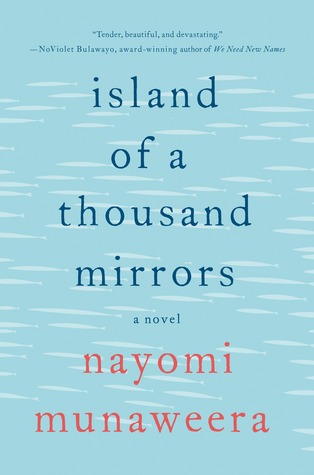
I knew that it was about the civil war era in Sri Lanka and I have read some excellent novels that are set in those difficult times, most recently the novel that won the Women’s Prize for Fiction in 2024 Brotherless Night by V.V. Ganeshananthan (see my review here), but my favourite novel set in that country is Naomi Munaweera’s Island of a Thousand Mirrors (my review here), winner of the Commonwealth Writer’s Prize in 2013.

Munaweera writes exquisitely of the island of Sri Lanka, in lyrical prose that takes the reader inside the family experiences, evoking all the senses, the aroma of the cuisine, the fear and excitement of young, forbidden love, the pain of heartbreak, the palpable tension as sisters walk to school, sometimes witnessing images that will stain their minds and revisit their dreams for years.

Mystery, Satire, Historical Fiction and Magical Realism in One

Booker Prize Winner 2022 Sri Lankan literature magic realism afterlife noir

Seven Moons is a literary mystery about the life and death of Maali Almeida, who from the opening pages, in a second person narrative, turns up dead and from the In Between, that place between life and the afterlife that he now inhabits, proceeds to uncover the mystery of his death.

Set in 1990 Colombo, Maali was a war photographer, a promiscuous gay man, sometimes gambler and seeker of the next photograph that will show the dark and gruesome elements of those in power, a witness to crimes he believes can bring down governments, stop wars.

The In Between, Down Below and The Light

When he arrives at the In Between, he and others like him are told they have seven moons, seven nights to meet the criteria to enter The Light. As they queue and ask questions about their deaths, Maali hopes he is about to wake up from a dream.

The swarm of souls presses closer, berating and badgering the woman in white. You gaze upon the pallid faces, sunken eyes in broken heads, squinted in rage and pain and confusion. The pupils are in shades of bruises and scabs. Scrambled browns, blues and greens – all of which disregard you. You have lived in refugee camps, visited street markets at noon, and fallen asleep at packed casinos. The heave of humanity has never been picturesque. This heave throngs towards you and heaves you away from the counter.

metaphysical thriller civil war Sri Lanka supernatural

Every soul has those seven moons to wander around the In Between, to recall past lives, and to forget.

While he should be completing the tasks to get to The Light, instead he shifts from The In Between back to the present, the Down Below and observes the aftermath of his death.

He tries to direct those close to him towards his most incriminating photographs in order to achieve which he was not able during life. He doesn’t understand quite how these shifts happen, and neither does the reader, making it somewhat confusing to keep up with this trippy journey.

Here’s what you remember from two nights ago: (a) visiting the Leo casino, (b) drinking at the bar, (c) eating the buffet, (d) fooling around with the bartender. here’s what you don’t remember: (a) sitting with a suddha (b) being thrown to your death.

Conversations With the Dead

As well as investigating his own murder, along the way he has conversations with a dead athiest, a dead revolutionary, lawyer, bodyguard, priest, dogs and more. He observes the number of spirits hanging on to the living whispering their ears.

You’ve always thought the voice in your head belonged to someone else. Telling you the story of your life as if it had already happened. The omniscient narrator adding a voiceover to your day. The coach telling you to stop feeling sorry and do what you’re good at. Which was winning at blackjack, seducing young peasants and photographing scary places.

Moons, Chapters and Beats

On his motivation for writing this novel, the author had this to say:

‘I began thinking about [Seven Moons] in 2009, after the end of our civil war, when there was a raging debate over how many civilians died and whose fault it was. A ghost story where the dead could offer their perspective seemed a bizarre enough idea to pursue, but I wasn’t brave enough to write about the present, so I went back 20 years, to the dark days of 1989.’

Not just an author of fiction, Shehan Karunatilaka has also written rock songs and speaks of his work in terms of beats and rhythm, infused with supernatural folklore, ghost stories and history.

It’s a long novel that for me held my interest in parts and then lost me as it shifted, but each time that began to annoy me and slow me down, the narrative would shift back to something of interest and so I persevered, however, I did find it overly long in its digressions, drifting in and out of reality. It’s an undeniably clever, erudite novel, unique in its conception that reminded me a little of the surreal experience of reading David Mitchell’s Cloud Atlas.

The Judges on A Metaphysical Thriller Winner

In addition to praising its ambitious scope and hilarious audacity of narrative techniques, the Booker judges had this to say of the metaphysical thriller:

‘Life after death in Sri Lanka: an afterlife noir, with nods to Dante and Buddha and yet unpretentious. Fizzes with energy, imagery and ideas against a broad, surreal vision of the Sri Lankan civil wars. Slyly, angrily comic.’

‘This is a metaphysical thriller, an afterlife noir that dissolves the boundaries not just of different genres, but of life and death, body and spirit, east and west. It is an entirely serious philosophical romp that takes the reader to ’the world’s dark heart’ — the murderous horrors of civil war Sri Lanka. And once there, the reader also discovers the tenderness and beauty, the love and loyalty, and the pursuit of an ideal that justify every human life.’

Have you read The Seven Moons of Maali Almeida? Share your thoughts in the comments below.

Further Information

Read an Interview With the author Shehan Karunatilka

Click here to read an extract from the first section of the novel – Read an Extract from The Seven Moons of Maali Almeida

Clear by Carys Davies

Scottish Island literature

Clear by Carys Davies (Granta) is one of those books that stood out for me from the moment I first saw it mentioned. I could tell it was going to be excellent. And it is.

That atmospheric painting, Moonlight on the Norwegian Coast by artist Baade Knud Kunstenr (1876), depicting a fisherman looking out to sea, reading the dark and broody skies, where through a gap, there beholds light, promise.

What will he decide?

1843 Scotland, the Great Disruption, the Clearances

Clear is an exceptional novella, set in 1843 Scotland. It is about a quiet, worrisome, rebel pastor, John Ferguson and his wife Mary, who met rather unexpectedly and dramatically during one of the Comrie earthquakes; and Ivar, the lone islander out there in the North Sea, somewhere between the Shetland Islands and the coast of Norway.

We encounter them in the months after The Great Disruption, when 474 clergy radically separated from the Church of Scotland over government interference in appointments and ‘patronage‘, the dominant influence of wealthy landowners in putting those they wished in position and removing others unwanted.

She remembered a dinner, a long time ago now, at her father’s house in Penicuik, where the talk had turned to a removal somewhere north of Cannich, and remembered her father remarking that he was surprised there was still anyone left to remove – that he thought all the big estates must by now have been thoroughly cleansed of their unwanted people.

Desperate Times, Desperate Measures

John, like other rebel ministers who signed the controversial Act of Separation and Deed of Demission, is now under financial pressure to meet all his new responsibilities, thus he accepts a paid role from a landowner’s factor, much to the consternation of his wife, to visit a remote island in the north to evict the last inhabitant, part of the final throes of the Highland Clearances.

The important thing was not to become dispirited – the important thing was to remember that this was a job, an errand: a means to a very important end.

He sets out by boat, and is left on the island, with the promise of a return berth (with his charge in tow) some weeks ahead. Things don’t go quite to plan and all that passes sets up the already complex dilemma this man faces.

Life on Scottish Islands

Photo by C. Proust on Pexels.com

Set in that mid 1800’s period on the island, felt so authentic, it reminded me of reading a Kathleen Jamie essay from Findings.

The author brings alive the damp, blustery, natural environment, the daily rhythms of Ivar and his few animals, his survival skills.

Then the precise observations of his encounter and time spent with the first man he has seen in years and the portrayal of the care he expends – just brilliant.

He’d been out very little this past spring, first because of his illness and then because of the bad weather when it had been too rough for much outdoor work, and impossible to fish off the rocks – the sea restless and unruly and wild, spindrift from the heavy breakers striking against the shore and forming a deep mist along the coast. He’d spent most of his time knitting, mainly sitting in his great chair next to the hearth but also sometimes on the stool in the byre with Pegi, occasionally talking to her but mostly just sitting in her company with a sock or cap or whatever else he was making.

As well as the natural environment, there is the language Ivar speaks, neither Scots nor English, something else altogther.

Ivar was not garrulous. He did not speak often, and when he did his sentences were short.

Woven through them were a few words John Ferguson thought he recognised – a handful that sounded like ‘fish’, ‘peat’, ‘sheep’, ‘look’, ‘me’, ‘I’, but delivered in an accent that made it impossible to be sure.

Scottish Genealogy and Family History

What made this short novel all the more interesting for me was that I have been researching my Scottish ancestors from the late 1700’s to late 1800’s in and around Dundee, people involved in the weaving and shipping industries.

Reading a novel set in this same period felt strangely but appropriately familiar; the detail on the map on the inside cover, shown here, add to that sense of time and wonder.

If you have spent any time poring over Scotland’s National Records, census indexes and records of the historic environment (archaeological sites, buildings, industry and maritime heritage), then this book is like a short, entertaining breather from that, to embark on another journey, while staying immersed in the era. Reading newspapers or stories, looking at artworks and photos really awakens the lives of those who have gone before us.

Artists Using Photography

When the Great Disruption occurred, the meeting of the First Assembly to sign the Deed was recorded via a painting depicting all 474 men. It was a culturally significant moment. The painting, by the artist David Octavius Hill was internationally important as the first work of art painted with the help of photographic images. Robert Adamson, photographer, had a Calotype studio (an early photographic process introduced in 1841) in Edinburgh and he worked in partnership with Hill, realising the potential of the new medium.

In the novel Clear, one of the significant items that John Ferguson takes with him to the island, is a framed portrait of his wife Mary, an object that is a catalyst of many different emotions in the two men on the island.

The picture of Mary Ferguson in the tooled-leather frame was a colotype by Robert Adamson.

It was made in Edinburgh a few months after the Fergusons’ marriage, and six weeks after the Revernd John Ferguson resigned his living in the city’s northern parish of Broughton and became a poor man by throwing in his lot with the Free Church of Scotland.

Certain aspects of Scottish historical importance are subtly planted like this throughout the text and while they do not distract from it (unless like me you go hunting for those references), they are a welcome authentic addition to an already scintillating text.

I absolutely loved it, my copy now has many scribbled pencil jottings all over it and this is one I would definitely read again as I feel as though there is more to unravel if I went beachcombing through it!

Highly Recommended.

I also read this during March to coincide with Karen at Booker Talk’s Reading Wales Month 2025.

Further Reading

New York Times review: In ‘Clear,’ a Planned Eviction Leads to Two Men’s Life-Changing Connection

Guardian review: Clear by Carys Davies review – in search of a shared language

Author, Carys Davies

Carys Davies‘s first novel West won the Wales Book of the Year Fiction Award, was Runner-Up for the Society of Author’s McKitterick Prize and shortlisted for the Rathbones Folio Prize. Clear has been longlisted for the Walter Scott Historical Fiction Prize 2025.

Her short stories have been widely published and broadcast on BBC Radio 4. Her second collection, The Redemption of Galen Pike, won the Frank O’Connor International Short Story Award 2015. She lives in Edinburgh.

Reading Wales Month 2025 Clear by Carys Davies

A Long Long Way by Sebastian Barry

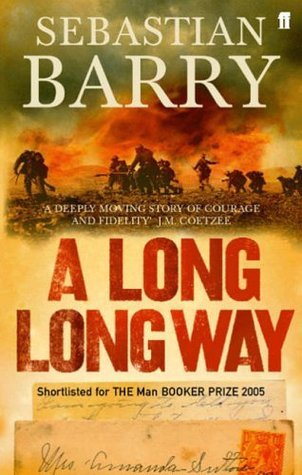
Continuing with the Dunne Family trilogy, after the play and the first novel Annie Dunne, comes a World War I novel, one that was shortlisted for the Booker Prize in 2005.

It is about the short life of Annie’s brother William Dunne, the harsh realities of the Great War and the conflicting loyalties of Irish men at war fighting for the British Army, while others at home were fighting for freedom, putting these men at a crossroads in history, during this revolutionary shift towards Irish independence.

Dunne Family #3 Willie Dunne

The Dunne Family #2 A Long Long Way, World War 1 and the Easter Rising, Home Rule promised for Irish men volunteering

Willie Dunne was born in the withering days of 1896, named after an Uncle and the long-dead Orange King, because his father took an interest in such matters.

The only son in a family of four children, he couldn’t be held responsible for not meeting the first expectation his six foot six father held of him, to join the police force like himself.

For his growing slowed to a snail’s pace, and his father stopped putting him against the wallpaper, such was both their grief, for it was as clear as day that Willie Dunne would never reach six feet, the regulation height for a recruit.

Rather, he would join that group of young men:

piled up in history in great ruined heaps, with a loud and broken music, human stories told for nothing, for ashes, for death’s amusement, flung on the mighty scrapheap of souls, all those million boys in all their humours to be milled by the mill-stones of a coming war.

Conflicting Loyalties, In Love and War

Photo by ClickerHappy on Pexels.com

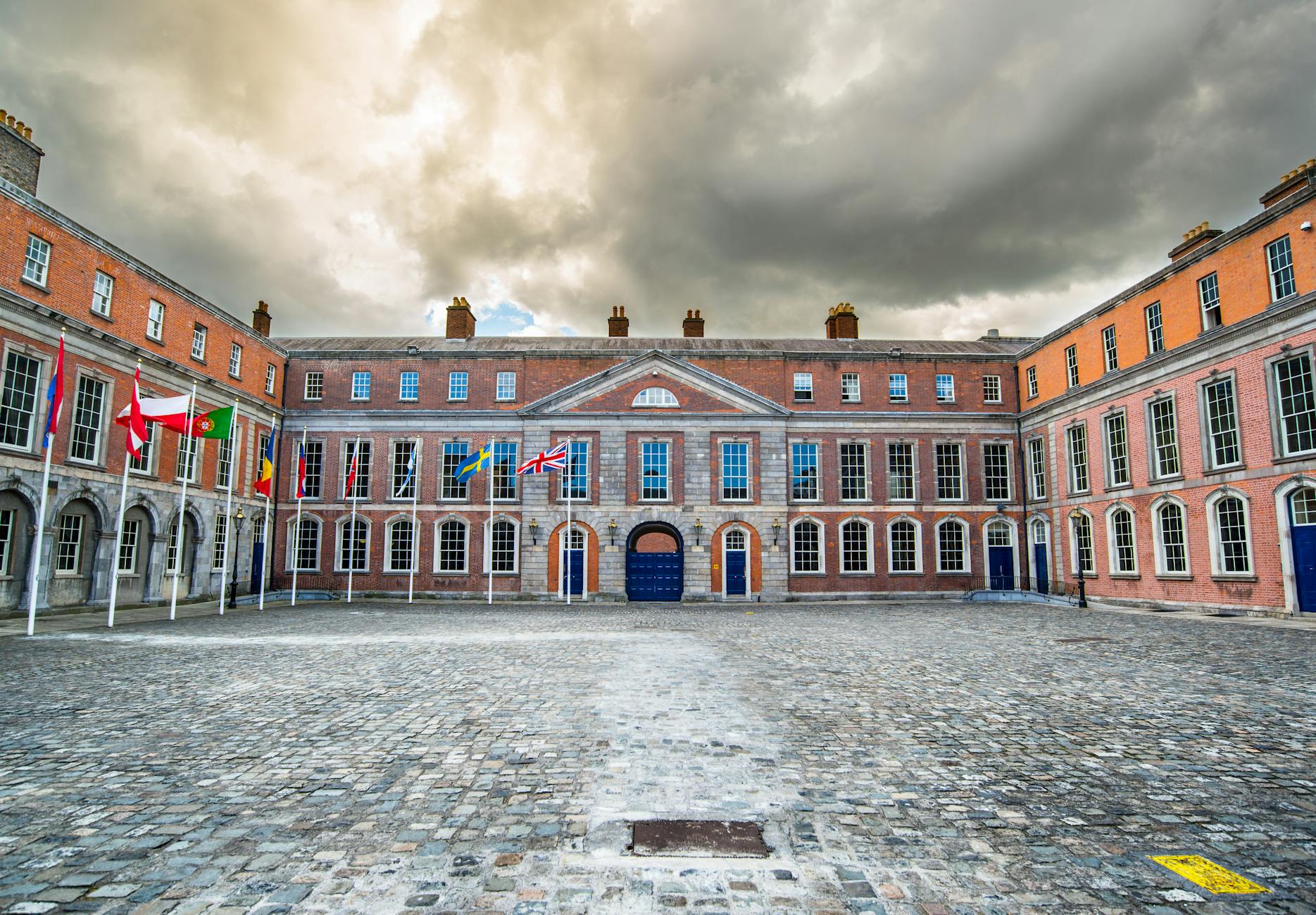
Losing their mother when Willie was twelve, after the birth of the youngest daughter Dolly, they would move with their father into Dublin Castle in 1912.

During the unrest after a lock out his father, now high up in the Dublin Metropolitan Police lead a charge against the crowd that brutalised some citizens, including a man named Lawlor he wished to make amends to. Which is how Willie met the man’s daughter, Gretta, a secret he kept from his father, a desire he would carry with him throughout the coming war.

The Promise of Home Rule, Just Send Us Your Boys

Though the Ulstermen joined the same army, it was for an opposite reason, to prevent home rule, so Willie’s father said, wholely approving. A Catholic and a Mason, it was for King and country and Empire he said a man should go and fight for, never expecting that his son would depart as soon as he did.

The Parliament in London had said there would be Home Rule for Ireland at the end of the war, therefore, said John Redmond, Ireland was for the first time in seven hundred years in effect a country. So she could go to war as a nation at last – nearly – in the sure and solemnly given promise of self-rule. The British would keep their promise and Ireland must shed her blood generously.

Willie joins the Royal Dublin Fusiliers in 1914 and is soon in the trenches in Belgium, thinking of home and Gretta, disappointed that she doesn’t reply to any of his letters, but remembering that she had not been able to give her word that she would marry him. He would write to her as if she had.

Dirt, Death and Ditties

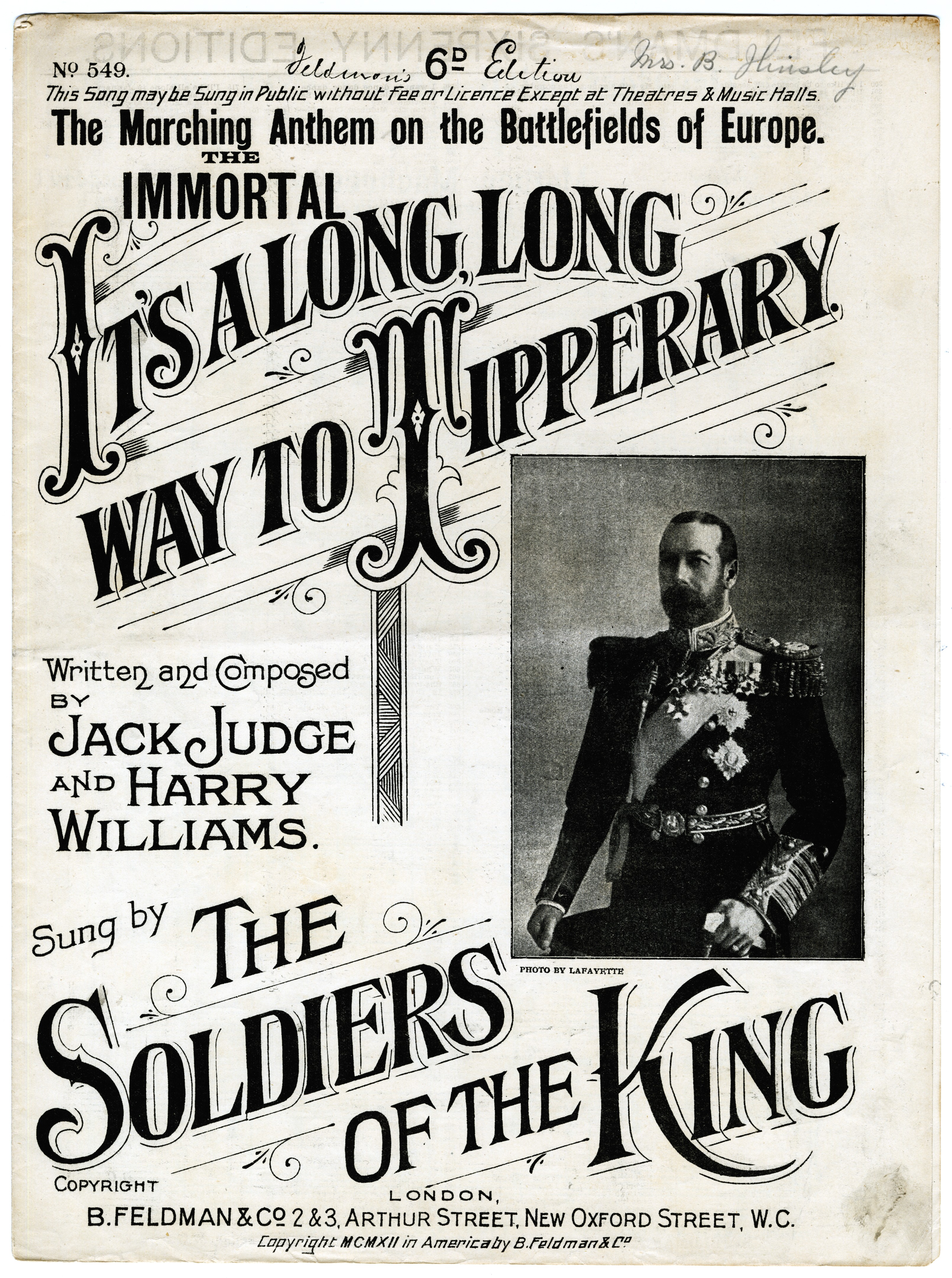
Jack Judge and Harry Williams Its a long way to Tipperary sung by soliders in world war one

Days at war were tough, dirty and relentless. As they marched between locations, the men would sing songs, most of which not everyone knew, but there was one that had everyone singing and learning, making them all feel a little better as they bawled out the lyrics.

Every man Jack of them knew ‘Tipperary’ and sang it as if most of them weren’t city-boys but hailed from the verdant fields of that country. Probably every man in the army knew it, whether he was from Aberdeen or Lahore.

But 1915-1916 was a complicated time to be fighting for King and country in Ireland. That used to indicate the same allegiances, but no longer, and for those young boys at the front, facing assault after assault, the thought of being perceived as an enemy by some back home became too confusing for them to handle.

An Uprising Confuses Irish Soliders

On his first leave in April 1916, all is well and Gretta seems to have softened towards him being away but as they are returning to the boat, they get called off and marched back towards the city to Mount Street, where they are confused by the sound of shots being fired. When a citizen offers a printed sheet to him to read, it provokes a violent reaction.

‘Step back in, Private,’ called the Captain. ‘Don’t parley with the enemy.’

‘What enemy?’ said Willie Dunne. ‘What enemy, sir?’

‘Keep back away or I will shoot him.’

When the Captain puts his gun against the citizen’s temple, Willie steps back, but none of them are given any explanation as to what the conflict was about. They are ordered to fight and in an interaction with a man who gets shot, Willie learns who the enemy are, his own countrymen, Irishmen fighting for Ireland, for freedom.

No Empathy in Judgement

When they return to the front in Flanders, thoughts and images of that Easter day won’t leave him.

Nothing had changed just here where he found himself – utter change was just across the plains. Nothing had changed. But something had changed in Willie Dunne.

Unable to reconcile what he had witnessed, Willie writes to his father of his feelings, not realising the storm erupting at home and the hardened position his father has taken, after the armed Easter Rebellion, a violent revolt against British rule. The soliders are kept deliberately vague about what is going on, for Willie saw only one of his fellow countrymen, not an enemy.

Despondency Destroys

They continue to fight on losing more and more of their compatriots and wondering what it is all for given what is happening back home in Ireland, where rows rage over conscription, Ireland no longer is willing to send their sons. Yet those who are there fight on, for each other, and for the memories of the many they have already lost.

Mothers in Ireland said they would stand in front of their sons and be shot before they would let them go…the Nationalists wouldn’t stand for it. Said King George could find lambs for the slaughter in his own green fields from now on.

From the loss of his mother, to his height and the brutality of war, Willie’s young life is beset with hardship, made all the worse by his father’s lack of understanding and other betrayals he will encounter. He finds solace and loyalty in his comrades, when his family and others disappoints him.

It’s not an easy read, but it evokes the comradary of Irish soliders during war time, the terror, cruelty and degradation of humanity war brings about.

Fiction and Storytelling Inform Us of History

Although it is not a history of Irish independence or the events that lead to it, it prompted me to read up about the Easter Rising and better understand the compromising situation those young Irish men fighting in the Great War would have been in.

It is a subject, the author said in an interview, that was not taught in schools, the focus being on the Easter Rising, than the tens of thousands of men fighting in Flanders.

In Remembrance

Reading about Willie’s experience in the Great War made me think of who in our own families was affected by World War 1. As I mentioned in my summary planning post Reading Ireland Month 2025, I discovered that my ancestor Edmund Costley, like Willie Dunne was born in 1896, and one of that decimated generation of youth born around then, who perished by the thousands.

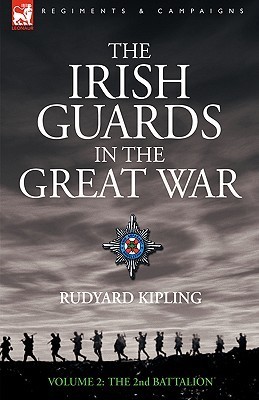
Edmund was in the Irish Guards Second Battalion, the same regiment as John Kipling, son of Rudyard Kipling. John was killed within three months of going to the front and his father in 1917, committed to write a chronicle of what the Irish Guards did during the war. That book, The Irish Guards In The Great War: The Second Battalion: Edited and Compiled from Their Diaries and Papers is an incredible of information in which to understand how it was for these young men.

Further Reading

Article: The Easter Rising 1916: the catalyst to becoming a Republic by Sinead Murphy, My Real Ireland

An Interview with Sebastian Barry About A Long Long Way by Mark Harkin

50 Facts About Ireland’s 1916 Easter Rising by Matt Keough, Irish Central

My review of: Old God’s Time (2023) by Sebastian Barry

Author, Sebastian Barry

The 2018-21 Laureate for Irish Fiction, Barry had two consecutive novels shortlisted for the Booker PrizeA Long Long Way (2005) and the top ten bestseller The Secret Scripture (2008), before Old God’s Time was longlisted for the Booker Prize in 2023. He has also won the Kerry Group Irish Fiction Prize, the Irish Book Awards Novel of the Year and the James Tait Black Memorial Prize.

His novels have twice won the Costa Book of the Year award, the Independent Booksellers Award and the Walter Scott Prize. Barry was born in Dublin in 1955, and now lives in County Wicklow.  

Reading Ireland Month 2025

March is Reading Ireland month, an initiative created by Cathy at 746 Books and it is simply a way of being in community, while reading anything written by Irish authors or that relates to Ireland, there are no fixed rules, just the intention to Read Ireland, whatever that means to you! There’s even a Spotify playlist if you’re interested in a bit of musical culture.

Getting a Jump Start

For me that means reading more Irish authors from my bookshelves. I did read two in January, in fact my first read of 2025 was Donal Ryan’s Irish Book Award 2024 winning, heart, be at peace, a novel about multiple characters in a rural town in County Tipperary facing the different issues that face them a decade or so on from his debut novel The Spinning Heart.

Then I picked up a beautiful second hand hardback Water by John Boyne on holiday, and read it on my flight home. It is the first of four novellas in his The Elements series and now I want to read the next three, Earth, Fire and the final one Air due out in May 2025. But not yet, I’m prioritising what I already have!

Reading From the Shelves

A selection of books to read during Reading Ireland month of March

So here is the pile from my bookshelves, from which I will be choosing what to read in March 2025.

There are also three titles languishing on my kindle, which doesn’t get as much attention as it should, because out of sight is out of mind when it comes to reading. So I’m jogging my memory and will try to read at least one of these e-books.

On the kindle I have Listening Still by Anne Griffin, The Quiet Whispers Never Stop by Olivia Fitzsimons and Quickly, While They Still Have Horses by Jan Carson. In physical print I have another Carson The Raptures, that I picked up at the annual Ansouis vide grenier in September 2024.

Audrey Magee’s The Colony (2022) was longlisted for the Booker Prize, shortlisted for the Orwell Prize for political fiction and the Kerry Group Irish Novel award, so it gained a lot of attention and I have been keen to read it.

When Fiction Reminds Us of Those Who’ve Passed

I really enjoyed Sebastian Barry’s Old God’s Time (2023) and want to read more of his work, so I chose his Dunne Family trio of books, Annie Dunne (2002), A Long Long Way (2005) and On Canaan’s Side (2011) to delve more into his storytelling. I am part way through reading these now.

I love that this collection of novels and the play that was the first in the series, were all inspired by characters from his own ancestral lineage. That inspired me too.

After reading A Long Long Way, I became curious, as I too have an ancestor, born in the same year as his character Willie Dunne (1896), who like Willie, went to France in World War I, was in an Irish regiment and did not return. My ancestor Edmund Costley died on 9 April 1916, in Ypres, West Flanders, Belgium at the age of 19. I’ll be writing a post about him in April.

Historical Re-Imaginings, True Crime, Women’s Lot

I have read two novels by Mary Morrissey, Mother of Pearl (1995) and Penelope Unbound (2023). Morrissey tends to take historical stories and/or characters and re-imagine their lives. Mother of Pearl was inspired by a notorious baby-snatching case in 1950’s Ireland, that she chose to fictionalise, having said that the truth would have come across to readers as unbelievable; while Penelope Unbound re-imagines the life of Nora Barnacle, if in Trieste, Italy, when James Joyce made her wait all day outside a train station for him, she decides to leave.

This year I’m going to read her imagined autobiography, The Rising of Bella Casey (2013); she was the sister of the acclaimed playwright Sean O’Casey, and it is set at the turn of the century Dublin, a social commentary on the lives of women in that era.

Then there is Maggie O’Farrell’s The Marriage Portrait (2022), another historical re-imagining, this time of the short life of Lucrezia de’ Medici, a sixteenth century member of the renowned aristocratic House of Medici in Italy. I enjoyed O’Farrell’s riveting memoir I Am, I Am, I Am – Seventeen Brushes With Death (2017), the first of her works I read, and then the multiple award-winning, Hamnet (2020) and The Hand That First Held Mine (2010), so I’m looking forward to immersing in this one.

Irish Non-Fiction

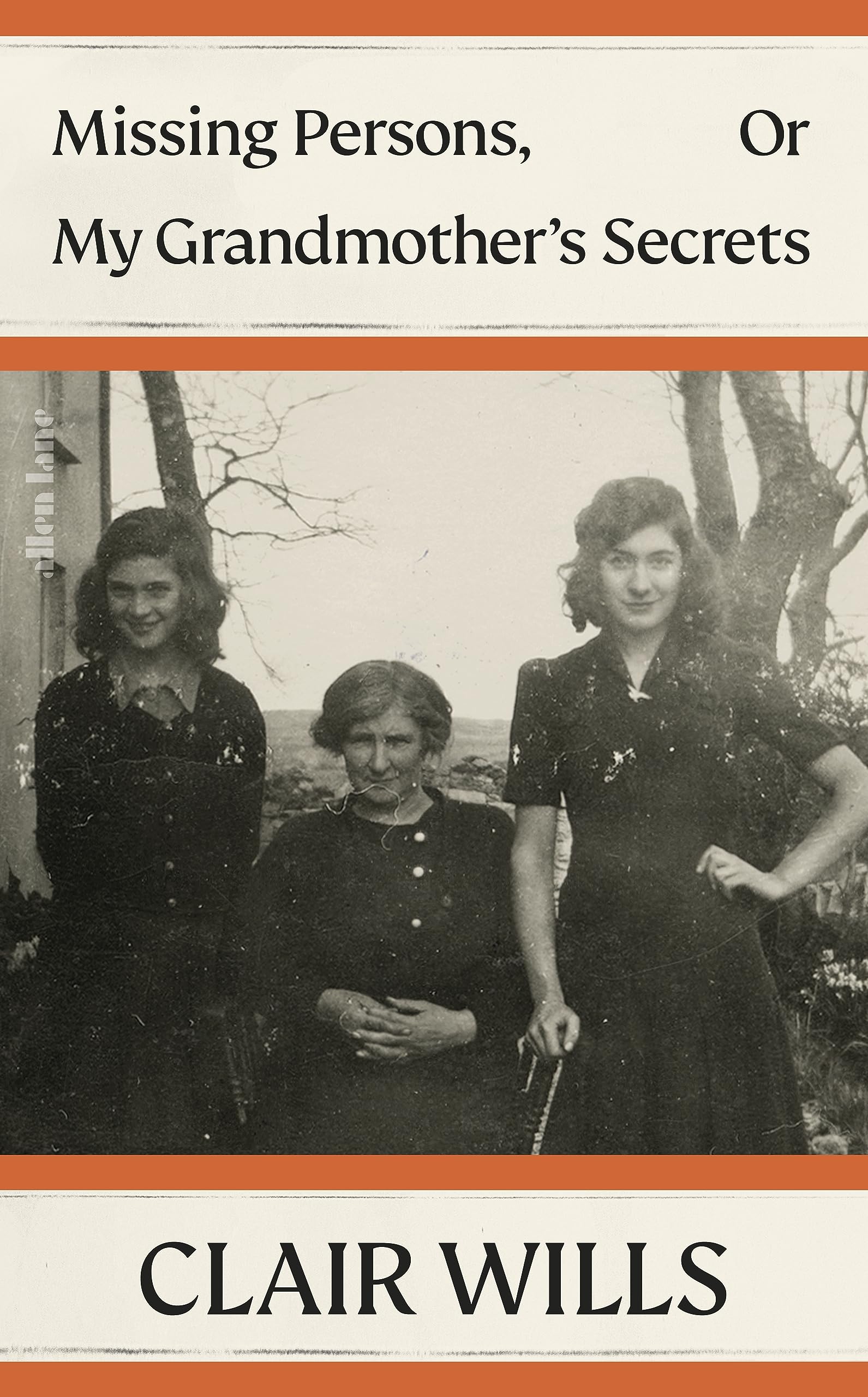
missing persons or my grandmothers secrets unmarried mothers in ireland nonfiction memoir that excavates the truth about silence

There are two non-fiction titles on my pile, Missing Persons, Or My Grandmother’s Secrets by Claire Wills, author, critic and cultural historian, winner of the Irish Book Award for non-fiction, who has written a family history that blends memoir with social history. She explores the gaps in that history, brought about by Ireland’s brutal treatment of unmarried mother’s and their babies, and a culture of not caring, not looking into or asking questions, rolling back a dark period of its history of loss and forgetting.

The second non-fiction title is the candid Fierce Appetiteslessons from my year of untamed thinking, also subtitled, Loving, Losing and Living to Excess in my Present and in the Writings of the Past by medieval historian Elizabeth Boyle.

The title is a reference to Vivian Gornick’s memoir Fierce Attachments, which is part of what intrigued me, but also the uniqueness of someone finding sense of three dramatic events in their life through medieval literature.

Every day a beloved father dies. Every day a lover departs. Every day a woman turns forty.All three happening together brings a moment of reckoning.

Boyle writes on grief, addiction, family breakdown, the complexities of motherhood, love and sex, memory, class, education, travel (and staying put), with unflinching honesty,deep compassion and occasional dark humour.

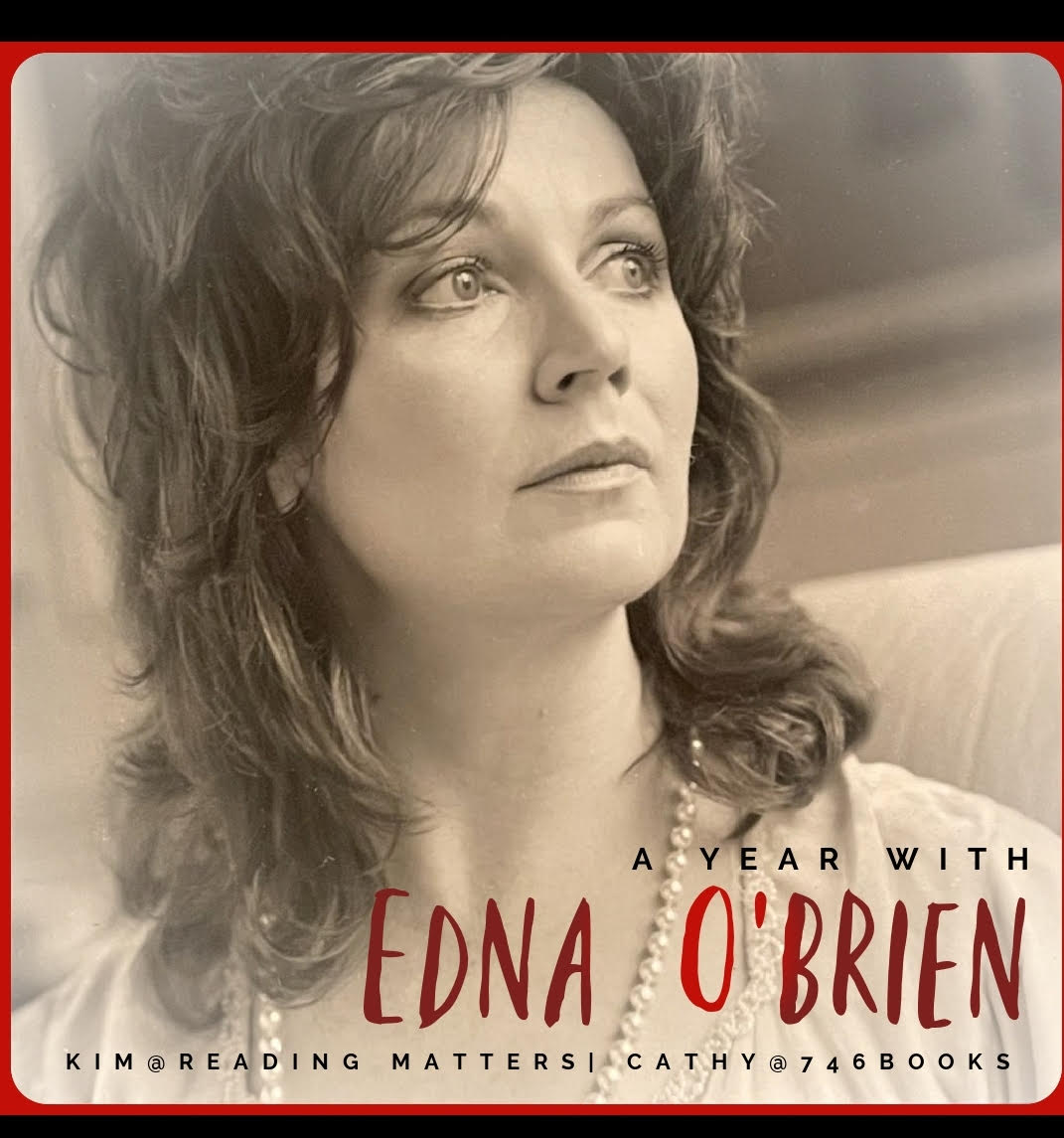
Remembering Edna O’Brien (15 December 1930 – 27 July 2024)

Edna O'Brien The Country Girls The House of Splendid Isolation

I couldn’t read Ireland without adding a title from Edna O’Brien, who died in 2024 at the age of 93. In 2023, I read The Country Girls trilogy, made up of three stories The Country Girls (1960), The Lonely Girl (1962), and Girls in Their Married Bliss (1964) released in 1986 in a convenient single volume.

Credited with breaking the silence on issues young girls faced growing up in Ireland, it was a subject she would often return to. She was punished for it, but lead the way for others to eventually follow.

O’Brien described her work in this way:

I have depicted women in lonely, desperate, and often humiliated situations, very often the butt of men and almost always searching for an emotional catharsis that does not come. This is my territory and one that I know from hard-earned experience. Edna O’Brien (Roth, 1984, p. 6)

Cathy at 746 Books and Kim at Reading Matters are spending a year reading Edna O’Brien and are reading Country Girls in February, you can see their reading schedule for the year if you go to their blog.

I have decided to read one my shelf, The House of Splendid Isolation (1991), the first book in her Modern Ireland trilogy, a political novel, depicting the relations of an Irish Republican Army terrorist and his hostage, an ageing Irish widow, in a house that represents the troubled nation.

Suggestions, Recommendations?

That’s the selection I have made, no guarantees on what I’ll get through, but I’m looking forward to the immersion. Have you read and enjoyed of the titles I mention above?

Are you going to read any Irish literature in March? Let me know in the comments below.

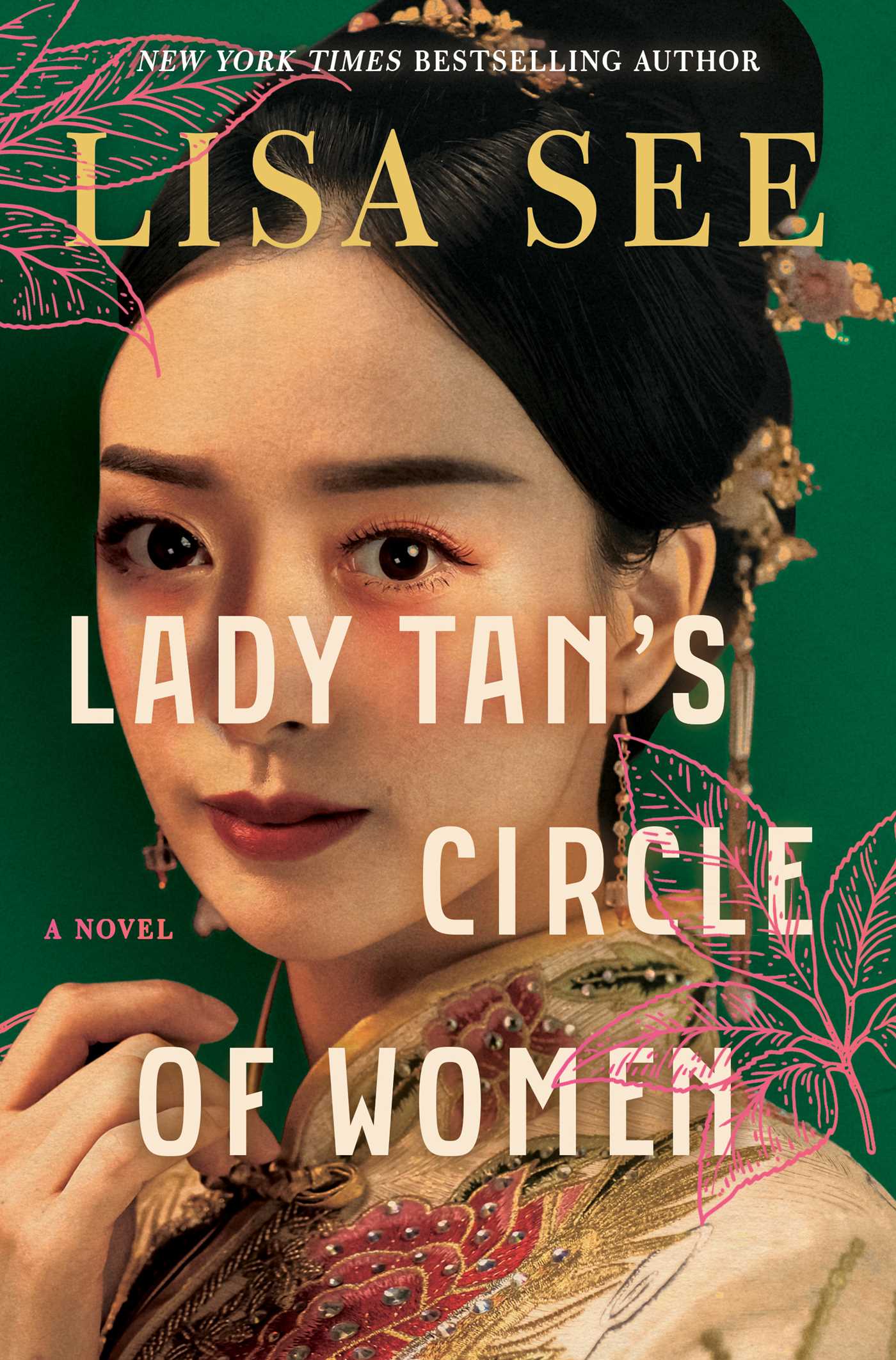
Lady Tan’s Circle of Women by Lisa See

A Girl Born into an Elite Family

15th century China, a girl from an elite family, follows in her grandmother's tradition, as a Doctor of Women's ailments.

Lady Tan’s Circle of Women by Lisa See is historical fiction set in 15th century China.

The story begins in 1469, the fifth year of the Chenghua Emperor’s Reign, when the main protagonist Tan Yunxian, is eight years old.

From the opening passages we see how she is being indoctrinated for the role ahead of her, as her mother who all refer to as Respectful Lady, an honorary title of rank, questions her on the rules she must know by heart.

“You are a little girl, so you are still in milk days. When you turn fifteen, you will enter hair-pinning days. The way we style your hair will announce to the world that you are ready for marriage.

She smiles at me. “Tell me Daughter, what comes next?”

The Year of the Metal Snake

Photo by Zlau.cz on Pexels.com

The story unfolds around two characters of the same age, born under the same sign, in the year of the Metal Snake. Each of the twelve zodiac signs is paired with one of the five elements of Chinese Medicine and in the case of these two girls, it is the Metal snake.

Out of interest, we will enter the Year of the Wood Snake this January 29, 2025.

Of different classes, they are friends as children, one training to become a midwife, like her mother, the other to become a noble, cloistered wife and a doctor like her grandmother.

Respectful Lady asks me to repeat the rules we’ve covered.

“When walking, don’t turn my head,” I recite without protest. “When talking, don’t open my mouth wide. When standing, don’t rustle my skirts. When happy, don’t rejoice with loud laughter. When angry, never raise my voice. I will bury all desire to venture beyond the inner chambers. Those rooms are for women alone.”

The story follows their lives and the precarious events of navigating life under the rule of a mother in law, the intrigues of concubines, the ambitions of those seeking power and the risks of those who stand in their way.

I particularly enjoyed the descriptions of the different cases of disharmony and disequilibrium Lady Tan attended to, making her diagnoses according to the principles of traditional Chinese medicine, a subject I find endlessly interesting.

A Woman Doctor in 15th Century China

historical novel inspired by the true story of a woman physician in 15th-century China

Lady Tan was inspired by Tan Yunxian, a woman doctor in the Ming Dynasty, who at the age of fifty, was the first to write a book of medical cases about women’s maladies and treatments, an incredible feat given the era in which she lived. Many of the cases in her book have been used by the author, creating fictional lives around the information gleaned from that record.

If you enjoy historical fiction about the lives of women in centuries past, especially those that defy the norms and live remarkable lives, you’ll likely enjoy this. And if like me, you have an interest in traditional medicine philosophies and treatments, then this is a wonderfully insightful and interesting read.

Author, Lisa See

Lisa See is the New York Times bestselling author of Lady Tan’s Circle of Women, The Island of Sea Women (my review here), The Tea Girl of Hummingbird Lane (my review here), Snow Flower and the Secret FanPeony in LoveShanghai GirlsChina Dolls, and Dreams of Joy. She is known for her deeply researched, lyrical stories about Chinese characters and cultures.

Lady Tan’s Circle of Women is not only a captivating story of women helping women, but it is also a triumphant re-imagining of a woman who was remarkable in the Ming dynasty and would be considered remarkable and inspirational today.

She is also the author of On Gold Mountain, which tells the story of her Chinese American family’s settlement in Los Angeles. 

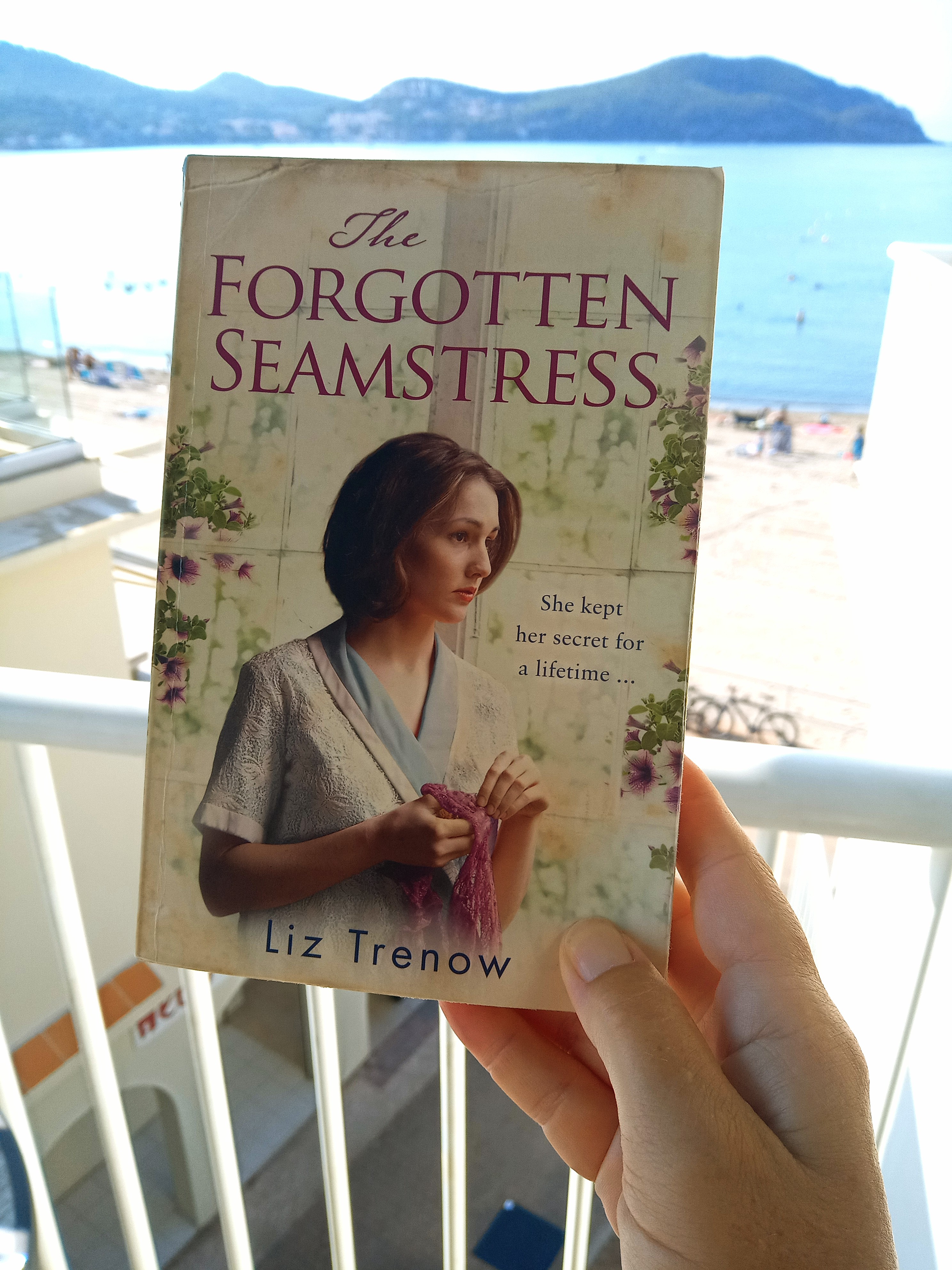
The Forgotten Seamstress by Liz Trenow

The second holiday read work of historical fiction I read was another dual narrative The Forgotten Seamstress by Liz Trenow.

Different timelines and narratives reveal the story of Maria Romano, a young orphan. She and her friend Nora, both adept at sewing, are called in one day after a grand lady visits the East End of London orphanage and admires their work.

She goes on to tell us that the grand lady who came a few months ago is a duchess and the patron of the Needlework Society and was visiting to inspect the work that the convent was doing for the poor children of the city. She was so impressed by the work Nora and me showed her that she is sending her housekeeper to interview us about going into service.

The house they are moved to, they soon discover is a royal household. Maria catches the eye of the young Prince and being young and obedient, responds when he requires her service and is unsuspecting of the trouble ahead for her, when their fun creates a dilemma for her.

A Series of Taped Interviews, 1970

An academic doing a PhD interviews patients in Helena Hall, an institutional asylum where thousands of women dwelled, recording their stories. Some speak of voices or fantasies, at least as the medical establishment puts it. Like Maria who imagined she worked for royalty and knew a prince. They called her Queenie. No one believed her story. And yet…

The transcriptions of the cassettes allow Maria to tell her story and the reader to decide whether she is a reliable narrator or not.

London 2008

In the modern day, Caroline Meadows is left a quilt by her grandmother, who spent a short time at Helena Hall. Either she or someone she knew made the quilt.

The central panel was an elegantly embroidered lover’s knot surrounded by a panel of elongated hexagons, and a frame of appliqué figures so finely executed that the stitches were almost invisible. And yet, for all the delicate needlework, the design of the quilt seemed to be quite random, the fabrics so various and contrasted it could have been made by several people, over a long period of time.

At a crossroads in her life, her relationship has ended, a job recently lost and she is coping with a mother with onset dementia who is becoming a danger to herself. It is the perfect moment for her to throw herself into the mystery of the quilt and reveal the truth behind what happened to the young Maria.

Then there is a journalist Ben, who she’s unsure about when she contacts him, is his interest in her just about the story he is chasing, or might it be something else? When the quilt goes missing, he helps her, though she remains wary.

Royal Secrets, Institutionalising Women, Lives Stolen

This was an enjoyable read of twists and turns, revelations and class punishment, the incarceration of innocent women in order to maintain the reputations of others, and the terrible expendability of babies and illegitimate children, deprived of their identities, heritage and mothers.

The Winemaker’s Wife by Kristin Harmel

In the last two weeks of August, I was on holiday in St-Cyr-sur-Mer and during this time there was a lot of swapping of books. This is one of two works of historical fiction I read.

1940s couple walking arm in arm towards stairs flanked by pillars, green foliage surrounds

I started with this one out of interest because it was set in the Champagne region of France, which I had visited in October 2023.

It was interesting to imagine this story set during the lead up to World War II, perhaps not surprising to learn that the area was occupied for four long years and equally understanding that many of the vintners were able to keep their best vintages hidden in the array of underground tunnels behind false walls.

The Winemaker’s Wife is a dual narrative historical fiction novel, set in the champagne town of Rians, France, in 1940 and in 2018 New York City, Paris and Rians.

The plot concerns the unravelling of a family mystery, with secrets, lies, cover-ups, betrayals, and goings on in the network of tunnels beneath the chateau champagne house, Maison Chauveau.

1940 Champagne Region of Rians, France

Inès has just married Michel, the owner of the champagne house, when the Germans invade. She has tried to make herself useful, but doesn’t seem to have made much of an impression. Assisting them are Céline and Theo Laurent, the chef de cave.

Céline was quiet and serious, always tromping around with a frown on her face, while Inès did her best to look on the bright side.

When Inès has had enough, she visits her friend Edith and her husband Edouard at the Brasserie Moulin, but it’s not always safe there and in her naivete, she makes a fatal mistake that is going to affect all of them.

The two couples try to continue to run the winemaking business but the invaders have a taste for more than just champagne. Despite the danger surrounding them, they seem to be inviting trouble, when they make things even more riskier for themselves. And that doesn’t include resistance activities which are even more reason to not bring attention to themselves.

New York to Paris, A Grandmother in her Centennial Year

Meanwhile, in 2019 New York, elusive 99 year old French grandmother Edith turns up unannounced to take her niece Liv on a trip to Paris and Rians and is hiding the reason for going there.

As she gets closer to understanding why they are there, it seems all roads lead to Maison Chauveau and there might even be a love interest for the recently heart broken young woman.

I have to say I questioned the grandmother’s motives given her age. It seemed strange to me that she had waited until her 99th year before taking such a trip, as good as admitting she had intended to take her secrets to the grave. I did not trust her – and with good reason, it turns out.

Imagined History versus Real History

Though it was often difficult for me to believe in the characters and the narrative, having just read the true historical account of Marie Madeleine Fourcade in Madame Fourcade’s Secret War by Lynne Olson, I would recommend The Winemaker’s Wife as a light holiday read for those who enjoy historical fiction, champagne and visiting France.

Extra pics from a stroll down Avenue de Chapagne, where there are many champagne houses like the one above and a visit to the underground champagne storage tunnels of Möet & Chandon in Épernay, October 2023. They’re incredible and worth a visit, an underground labyrinth.

Read more about Champagne Hillsides, Houses, and Cellars here.

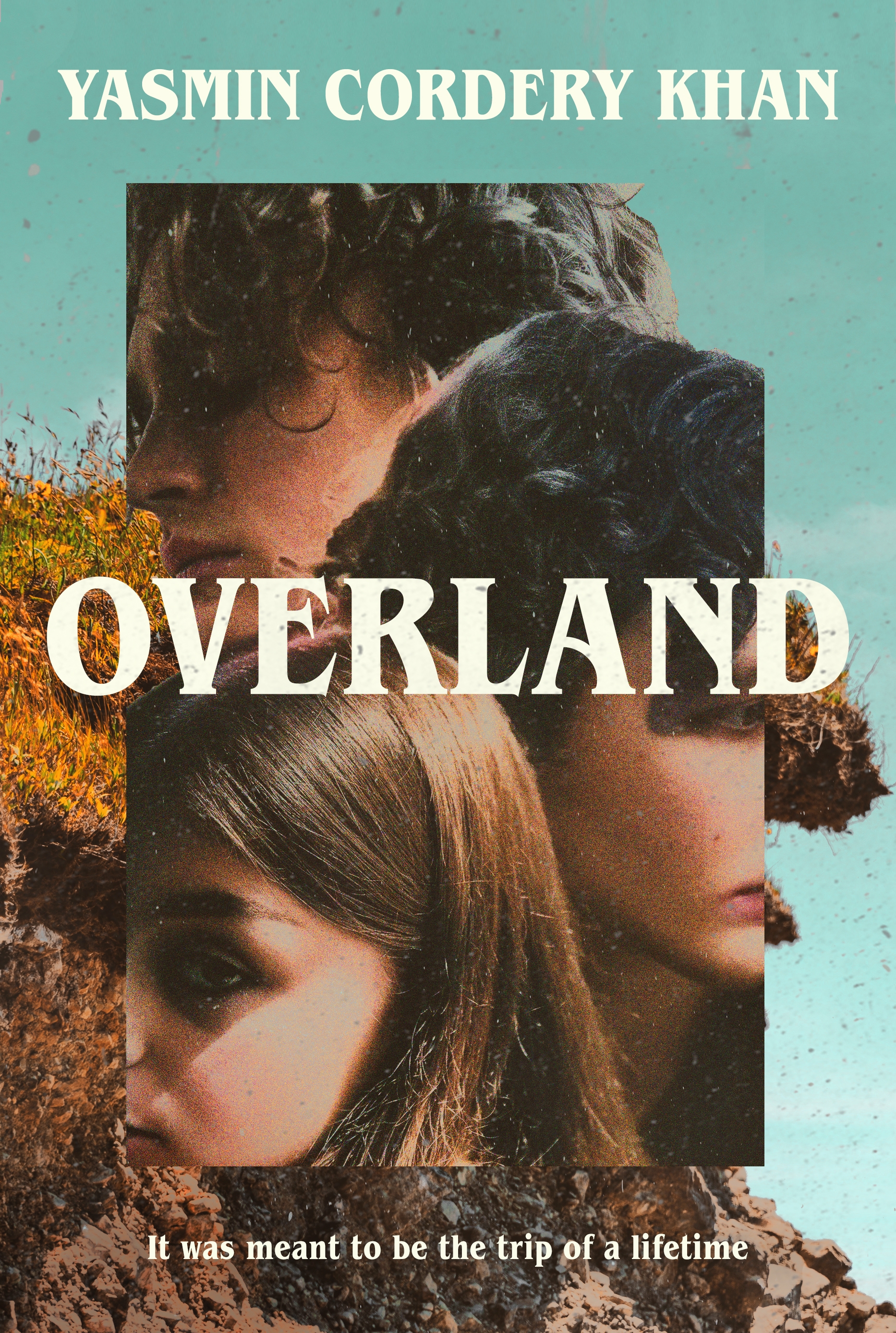
Overland (2024) by Yasmin Cordery Khan

The Overland, the Hippie Trail, the Big OE

I was interested to read this to observe some of this particular overland route that many young people took in the late 1960’s early 1970’s.

While for some it signified the hippie trail, for others, for example, those coming from New Zealand, it was a kind of right of passage, referred to as ‘the Big OE’, the ‘overseas experience’, which that culture accepts is something that every young person might do in their twenties, while still single, and eligible to get a working holiday visa in the UK to help fund their travels.

By the 1990’s when I did my OE, the overland route had changed, it was no longer advisable to take the route that those from the 1970’s had taken. My mini version of the overland, was to spend three months travelling through India, Nepal, Vietman and Thailand.

Employers expected many young in their twenties to leave to take up the two year visa opportunity and gain valuable experience from living in another country and travelling in other cultures. I remember my boss when I told him I was leaving telling me that he learnt more in first couple of weeks travelling in Asia than he had in the previous couple of years in his employment. It did make me wonder what happened in those couple of weeks!

Both of my birth parents travelled a similar route, from different starting points, and reading Overland made me want to know more about their experiences, because they were very different from what I read here.

Both had to find work in foreign countries to fund their travels, and set off on their own, without a vehicle or travelling mate, although as anyone travelling alone soon discovers, it doesn’t take long to connect with other like minded travellers.

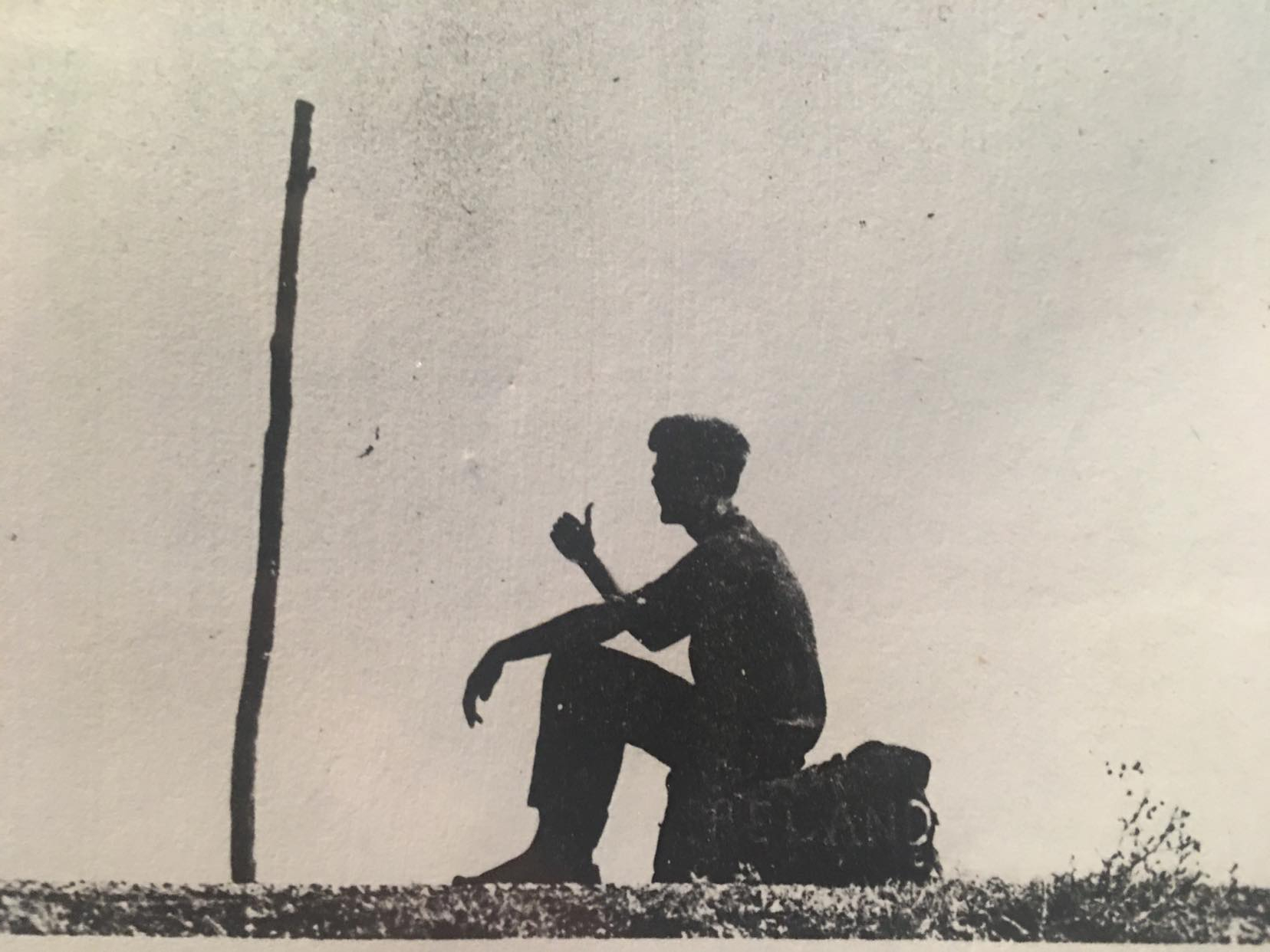
Recently my father found some old photos from that journey he set out on at the age of 18, one of which is depicted above, others show him working on a construction site in Kuwait, interacting with local workers. Not the same route followed as this overland novel depicts, much more of an intrepid journey.

Young Brits Abroad in a Land Rover

Three youth did an overland trip and on the first page of the novel, Joyce, who describes herself as a nobody, is looking back fifty years later after an otherwise uneventful life, recollecting the trip. There had been scandal and controversy at the time of their voyage and she had slipped under the radar. A recent visit to a car boot sale in the grounds of an old country house has awakened memories and now she is reliving the trip.

I saw Persia in the time of the Shah, and the sun set over Kabul and the sun rise at Taj Mahal. I was there too and this is my story.

Overland thus begins with an advertisement in a London newspaper in 1970.

Kathmandu by van, leave August

Share petrol and costs.

Joyce is just out of secretarial college and comes across the ad because she likes reading the miscellaneous section of the newspaper. She goes to Clapham to meet the two boys who are taking the Land Rover on the trip. Friends from boarding school Fred, whose aristocratic family own the vehicle, and Anton, son of an Egyptian Doctor and English mother, who has been supported by Fred’s family since a family tragedy.

From London to South Asia via Istanbul, Turkey, to Tehran, Iran to Kabul, Afghanistan to Pakistan, India, Nepal, Sri Lanka, Bangladesh to Thailand

The Aristocrat, The Son of an Immigrant, A Working Class Girl

It becomes clear that the three travellers are from different socio-economic backgrounds and being confined to a vehicle for a trip through foreign lands is going to bring out aspects of what each of them is either escaping or moving towards. When Anton asks Joyce why she wants to go, she can tell he’s looking for an intellectual response and sceptical of her motives. Reasons she keeps to herself (and from the reader) for a long while.

First impression: arrogant little twit. My face was burning with embarrassment at having been corrected, but he didn’t seem to notice. I might not have all your certificates, but I know about real life, I thought.

There’s No Place Like Home

The three of them go on the journey and have to overcome various challenges they confront in each country, whether cultural, mechanical or human. Over time their characters and back stories are revealed and in Fred’s case his father’s dark history, in one of the countries they will travel to. All of this plays into how they cope with the situations they encounter. And they come to consider their own destiny.

In a nutshell, if I could have articulated it, I’d have said that England was my destiny. Because by that point – although I liked those landscapes and those wild places that we drove through, don’t get me wrong – a realisation was growing in me, more and more, about the sheer beauty of the English countryside.

They will discover the consequences of acting or not acting on their instincts, who they can trust, who they should avoid and what to do when one of them starts experimenting in ways that threaten to derail them from their objective.

“We were all on pretty much the same route, there were only so many digs to stay in. So even though we were crossing the world, there was a small world on the overland, its own little bubble, the same faces and names and rumours recirculated and resurfaced.”

The Memory Trip

I enjoyed the novel for the way it depicted the journey and the places they stopped, mostly unfamiliar until they get to India, then it awakened my own overland journey, particularly the memory of taking the local night buses, with 3 people per seat (no headrest) and trucks/buses driving in the middle of the road in the dark of night. (We soon understood what “HORN PLEASE” on the back of the vehicle in front referred to). Yes, the all night loud music playing to keep the driver awake (ear plugs essential), stopping for sweet roadside chai, meeting young Indian astronomers on their way to view the total solar eclipse in Fatepar Sikri.

Ultimately, the overland is an opportunity to immerse in a culture, live for a period in a different way, encounter different ways of thinking and being, different perspectives, that much of this was missed in their journey taints the possibility of this experience having any meaning.

I enjoyed less the depiction of the dysfunctional character of Fred and the obsessive, slightly unreliable narrator Joyce. Anton was the more interesting character for me, due to his interest in the culture and languages and people, so without giving anything away, the ending was disappointing, but maybe that’s the message, about who in this life gets protected and who falls into the cracks.

So, there is the significance of the roles each of them played, their own histories, that of their families, the different social class they issued from and how that figured in the way they behaved and how they end up.

Alwynne, one of my Goodread’s friends articulates the themes succinctly here, in and extract from her review:

“Khan’s novel’s convincing, beautifully-observed and meticulously researched, making it hard sometimes to remember Joyce is a purely fictional creation. This isn’t a nostalgic glimpse at lost innocence, instead Khan’s narrative gradually constructs a damming portrait of a newly post-colonial world, casually racist, steeped in orientalist attitudes. A place where, for people like Joyce and Fred, nation, the myth of empire, class and identity are still tightly intertwined. Khan’s exploration of these connects to an oblique, underlying series of reflections on history, memory and the legacy of imperialist atrocities – and above all the failure to take responsibility or atone for the evils of the past. But despite the complexity of Khan’s themes, it’s highly readable. An absorbing, fluid piece.”

Highly Recommended.

Yasmin Cordery Khan, Author

Yasmin Cordery Khan is a novelist and historian. Her first book, The Great Partition: the Making of India and Pakistan (2007), won the Gladstone Prize for History from the Royal Historical Society. Her second book was The Raj At War: A People’s History of India’s Second World War (2015) followed by the novel Edgeware Road (2022).

She has written for the New Statesman and Guardian and appeared on BBC radio and television, and is an editor of History Workshop Journal and a trustee of the Charles Wallace India Trust. She lives in Oxfordshire.