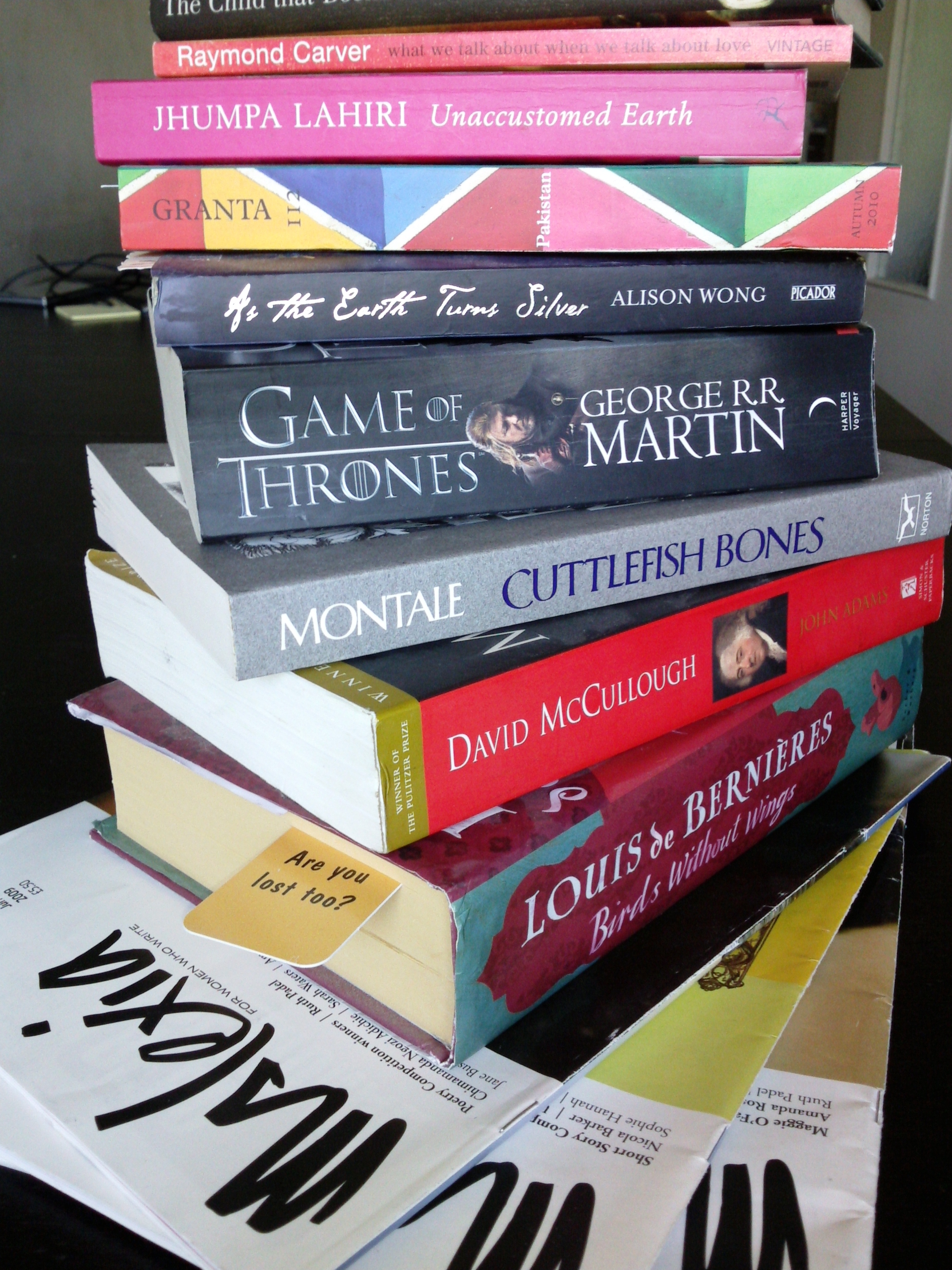
Top Reads 2013

I thought it was impossible last year and this year seems just as difficult, unlike last years clear-cut outstanding read, which I would recommend to anyone and everyone, I’m not so confident that my Outstanding Read of 2013 has universal appeal. But I absolutely loved it and recommend it highly!

Outstanding Read of the Year
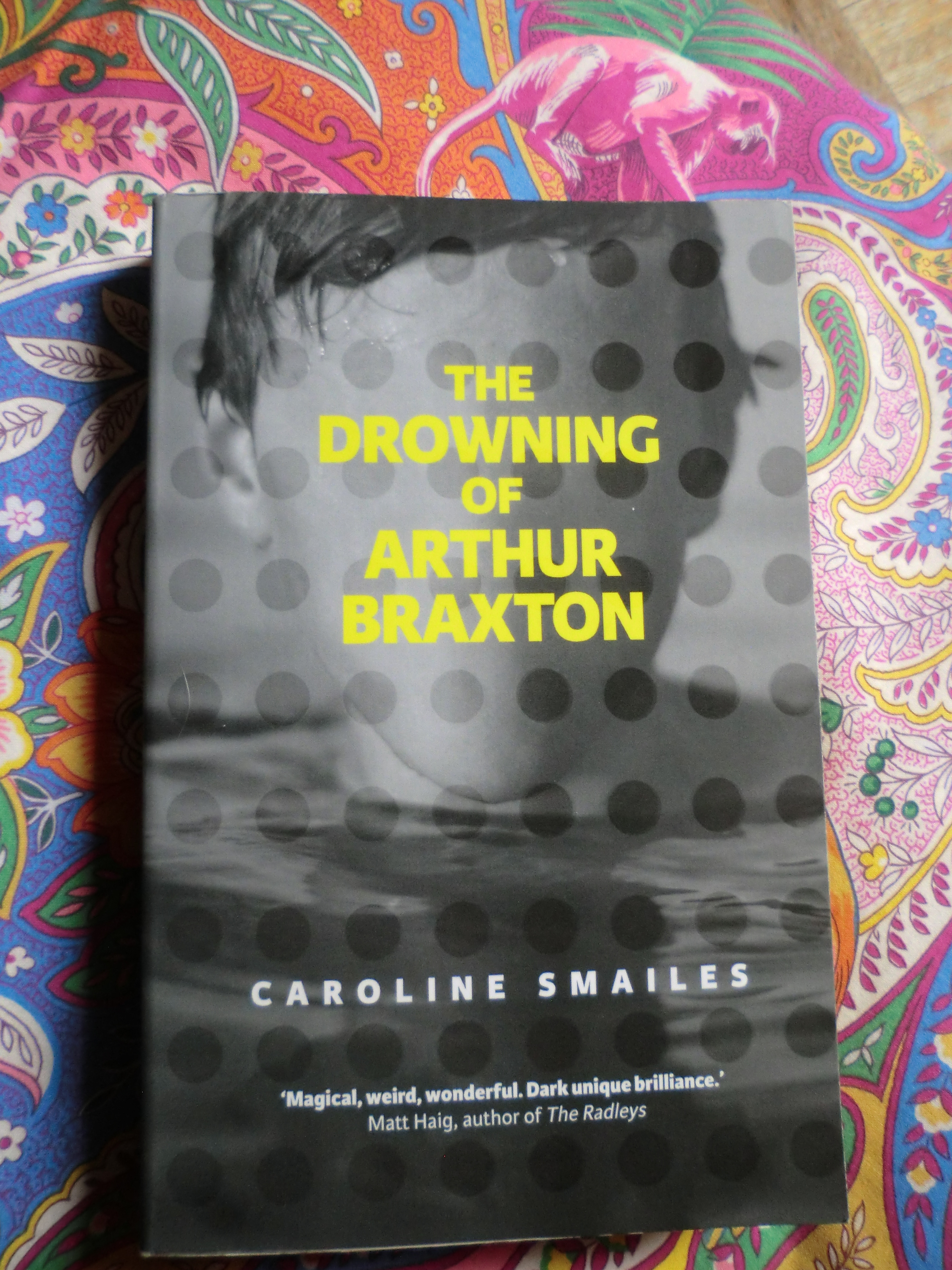
Arthur BraxtonMy outstanding read of the year, the one that stopped me in my tracks and then pulled me along at a fast pace and left me wondering what it was that was so compelling only to realise it was the originality of voice was Caroline Smailes The Drowning of Arthur Braxton.

I love that I knew nothing about it before reading it, I chose it on instinct, had never heard of the author and the book just worked its magic from the beginning . Then there was the serendipitous event occurring at the Victorian Baths where it is set, just as I was reading it – well that was the icing on the cake.

It’s a coming age story of a teenage boy who starts hanging out at an abandoned Victorian bath-house where things don’t always appear as they should, he discovers an uninhibited young woman swimming naked in the pool, the point from which all his perceptions about life begin to alter. It is strange, magical, weird and infused with hope without being in any way sentimental.  But don’t take my word for it, read it!

As for the rest, in no particular order, here are my memorable fiction and non-fiction reads for 2013.

Top Fiction

BoothThe Industry of Souls by Martin Booth was the first book of the year and a reread for me, something I rarely do, but I wanted to see if Martin Booths excellent book stood the test of time. And it sure did. I love this book and the way this author writes. The book is about a British prisoner held for many years in a Russian gulag, who decides not to return home after his release. The story is narrated on the day of his 80th birthday as he looks back and his past comes to visit him.

monster 2A Monster Calls by Patrick Ness – in all pursuits, sometimes it’s a good idea to go off piste  and for me this venture into young adult fiction was exactly that.  I picked this up in the library having recalled seeing a few excellent reviews and was intrigued by the concept of a writer picking up the threads of another writers idea and bringing it to fruition – Siobhan Dowd died tragically at the age of 47 and Patrick Ness brilliantly brings her story idea to life in this incredible, poignant tale.
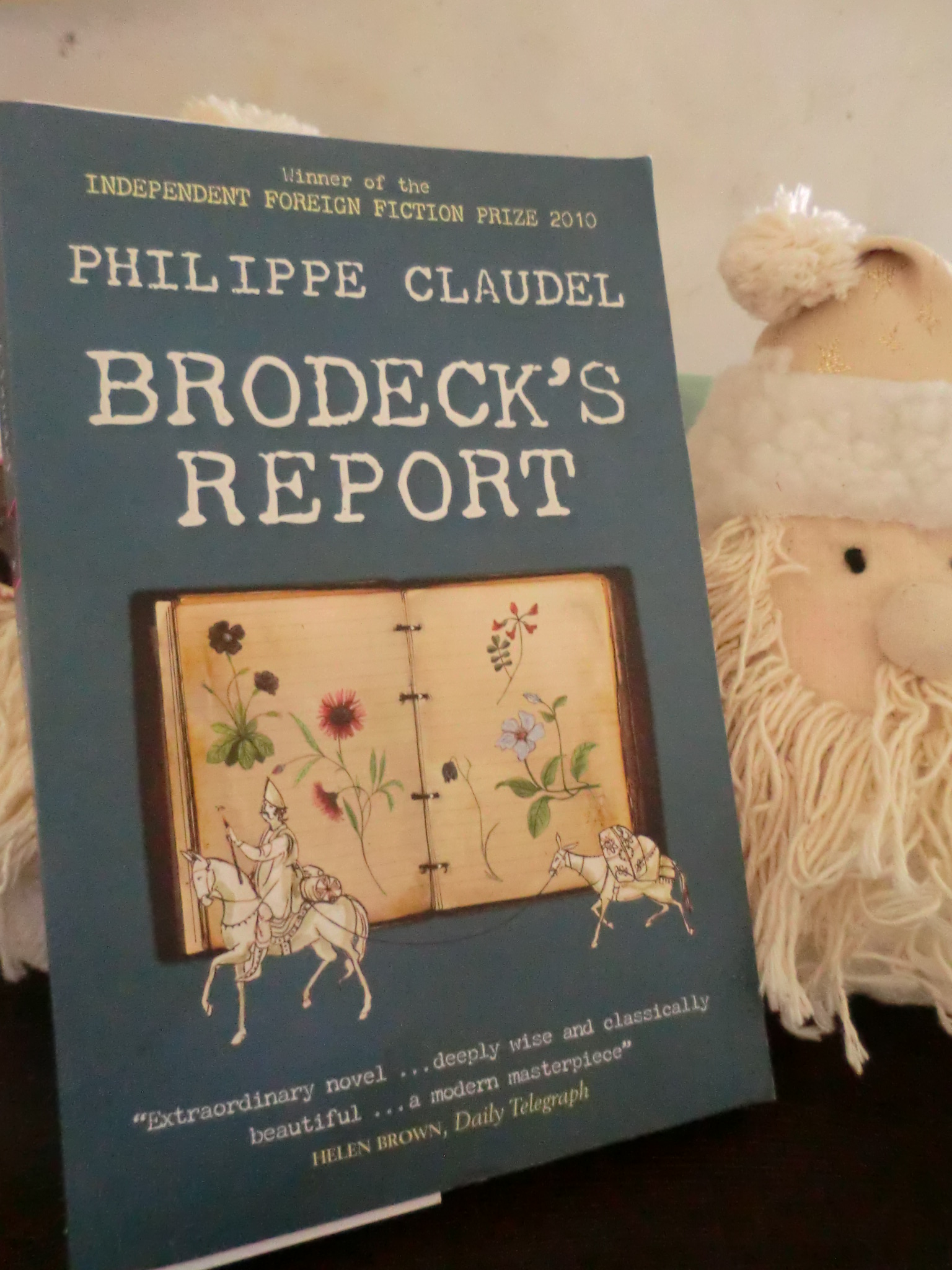
BrodeckBrodeck’s Report by Phillipe Claudel – a very recent read and his words stay with me, I feel like I want to read everything he has written. Having survived a concentration camp, Brodeck returns to his village where life resumes as before until a stranger arrives in the village unsettling the inhabitants to the point where they decide to dispose of him, Brodeck isn’t involved but is given the task of writing a report about it. He writes twin narratives, unveiling the best and worst tendencies of humanity.

HonourHonour by Elif Shafak The 4th book by this wonderful Turkish author I have read and she is becoming more known with each new book, this one being nominated for numerous prizes and Turkey being the guest nation at this years London Book Fair. Honour is a story of a poor family and follows the lives of two sisters, one who goes to live in London as an immigrant, though she will always be that girl from the village. It highlights the difficulty in straddling two worlds, especially for the next generation, who try to assimilate into the new culture, but who when vulnerable are often drawn back into the least desirable aspects of the old culture.
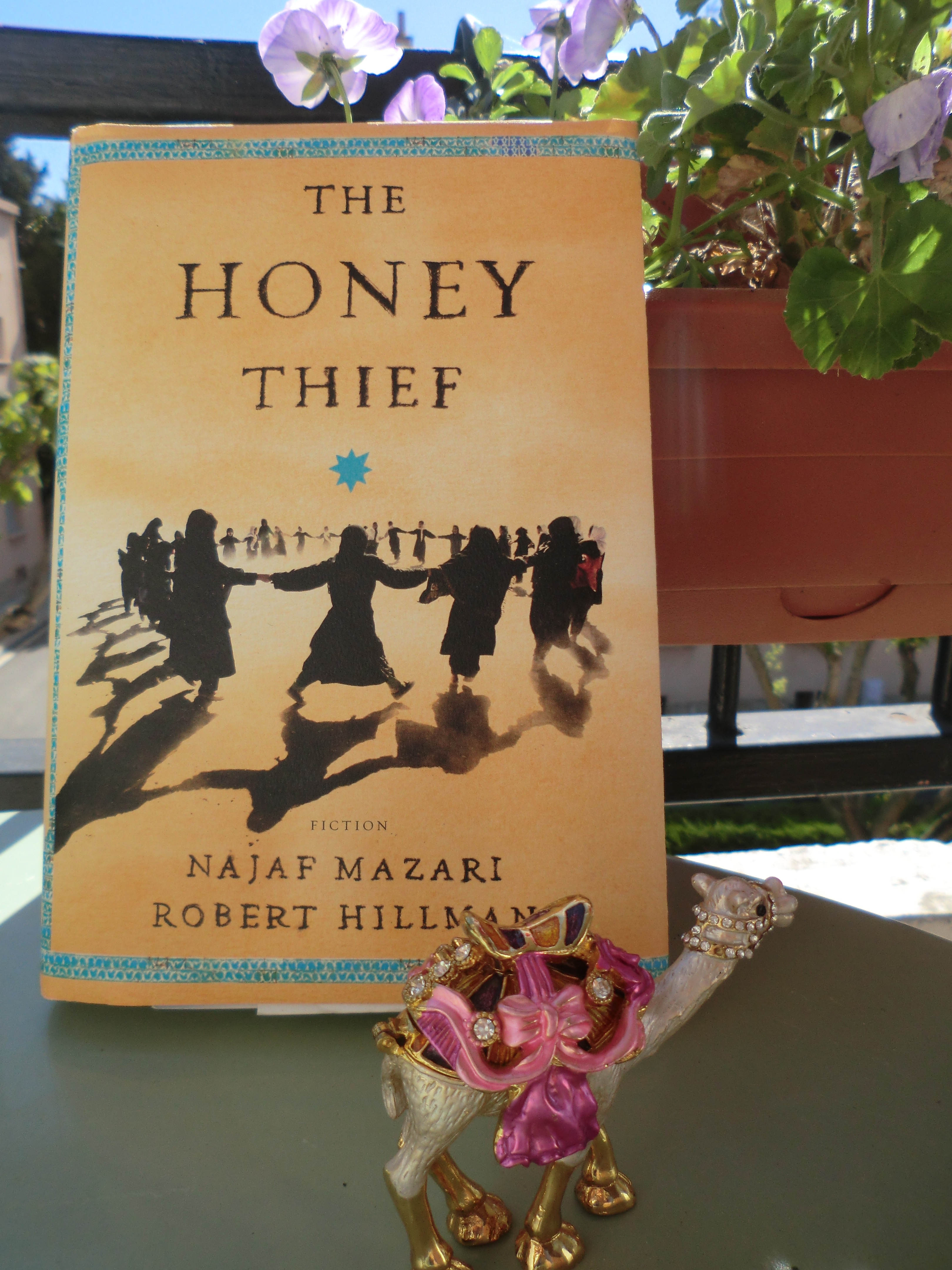
The Honey ThiefThe Honey Thief by Mazari Najaf this is an original set of short stories told by a Hazari man from Afghanistan to his Australian friend. The stories originate from an oral story telling tradition and offer a unique insight into an ancient, adaptable people, who have survived  centuries of persecution. In addition, the author shares some excellent recipes.

Shadows & WingsShadows & Wings by Niki Tulk A wonderful story about family connections, silence and our inability to bury the past. A young girl living in Australia travels to Germany to visit the birthplace of her Grandfather and to learn about his role in the war. Simultaneously, his story is narrated from when he was a boy, to when he became that young man who, like all men at that time, was drafted into war. A beautiful book, thoughtfully narrated and at times so excruciating, it is as if we are reading a personal diary, not a work of fiction. I wish more people knew about this astonishing book.

Top Non-Fiction

Hare Amber EyesThe Hare With Amber Eyes by Edmund de Waal – I am probably one of the last to have read this, since it was published two years before I picked it up, although I bought numerous copies when it did come out for family as Christmas gifts, knowing it would be an excellent read – and while it may not be to everyone’s taste, if you have any interest in European culture and history, this story of the Ephrussi’s, a Russian Jewish family from Odessa, whose two sons set themselves up in Paris and Vienna, told through the eyes and potter’s hand of the ceramicist and descendant Edmund De Waal will certainly appeal.
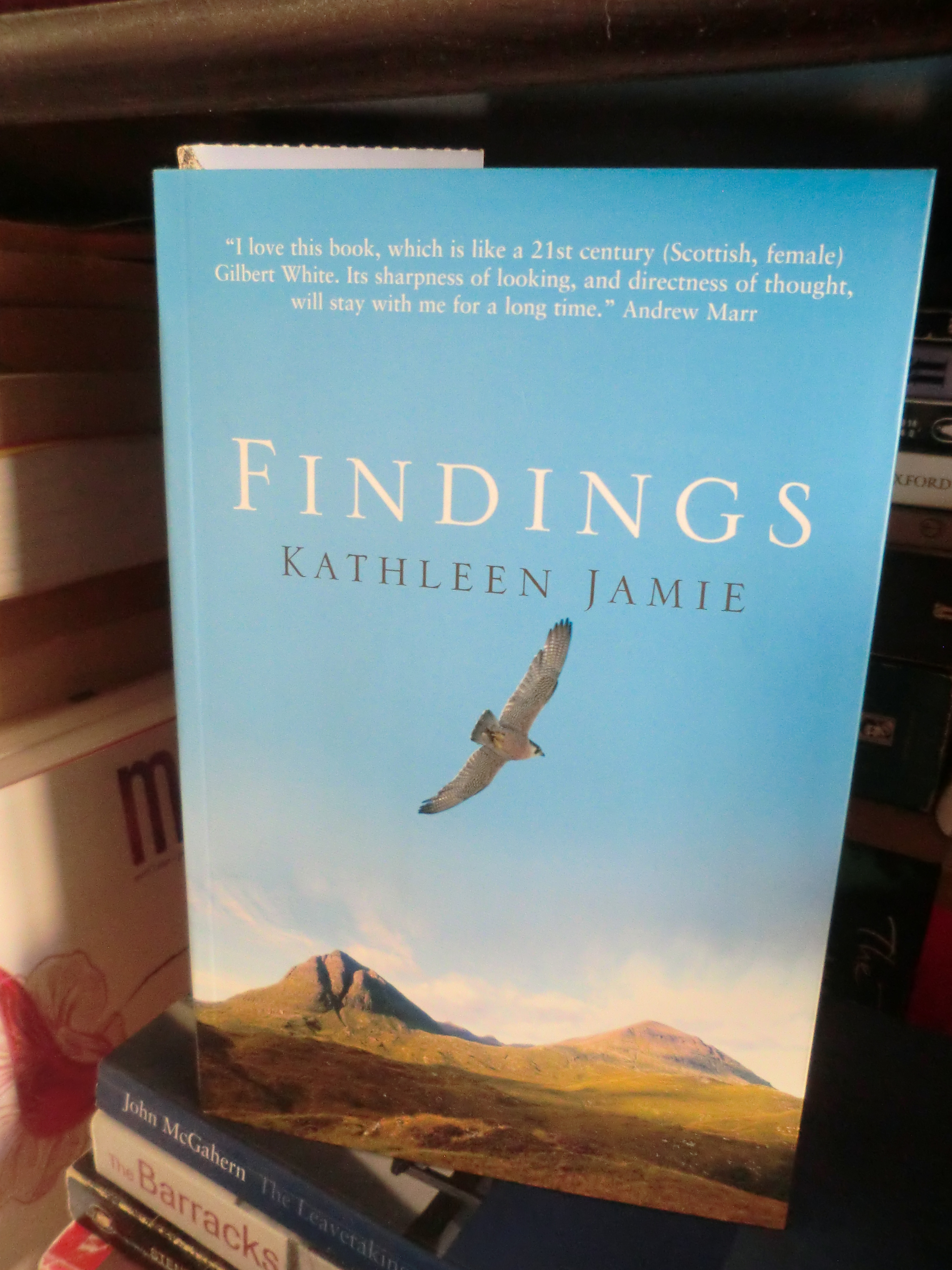
FindingsFindings by Kathleen Jamie I read this excellent collection of essays in February, a month in the northern hemisphere where many are in hibernation and there is not much to sing and dance about. Finding’s was like being in nature when we are not, the way Kathleen Jamie writes is to make us appreciate and really see without the need to label, identify or show off our knowledge. She observes with a painter’s eye and takes the reader on a similar journey, infusing the imagination with images of those forsaken Scottish  islands she visits. Brilliant winter reading.

Brain on FireBrain on Fire: My Month of Madness by Susannah Cahalan This book is a must read for anyone who knows anyone who has had any kind of brain disease or impairment. Susannah Cahalan was just an ordinary girl, working as a journalist, when in her early twenties, she started imagining things and observed herself becoming somewhat crazy. Some kind of infection got to her brain and thankfully for thousands of others, who have already benefited from the things she shares here, she lived to write about it and demystify the malfunction of the brain, something that results in thousand of incorrect diagnoses, due to the little we know about how to remedy it.

Portrait of a FamilyPortrait of a Turkish Family by Irfan Orga After a visit to Istanbul in May, I indulged in a wonderful period of reading Turkish literature and this book was a great find – a recommendation from the English bookshop in Istanbul and they weren’t wrong. It is a classic, a fabulous story of the life of one family whose destiny is changed by war – another unique insight into a culture and the intimate family life of people we don’t usually have the opportunity to witness.
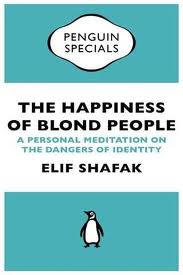
Happiness of Blond PeopleThe Happiness of Blond People: A Personal Meditation on the Dangers of Identity by Elif Shafak it’s a short but compelling essay by one of my favourite writers, a woman who was born in the East and lived many years in the West and  has a unique perspective from which to make her observations. Worthwhile reading and love these Penguin Specials, short essays are so popular here in France, it’s great to see them being made available in English too.

The Hidden LampThe Hidden Lamp: Stories from Twenty-Five Centuries of Awakened Women what better way to wind up a year of reading than with some short, poignant Buddhist stories, some only a few sentences long. This is a volume to sit near the bedside and dip in and out of, because not every message will be relevant for today. One hundred stories interpreted by another 100 wise women and we are free to interpret them ourselves. 

So what books stood out for you in 2013?

They’re Reading Thousands of Great Books Here, Cité du Livre – A Local French Cultural Centre and Library

Yesterday via a link on twitter, I read a provocative article in BBC News Magazine by Hugh Schofield entitled Why don’t French books sell abroad? It was an interesting, if superficial article, that made a few observations without going into any depth to understand the contemporary literary scene in France. It asked questions, reminded us of some old provocative stereotypes and did little to enlighten us on the subject of what excites French readers and why the English-speaking world aren’t more aware of their contemporary literary gems.

Kate from BooksKateRates, reads and blog about French literature and wrote an interesting blog post in response to the article and I have been scribbling notes since reading the original article. I plan to share them here, as it is a fascinating subject if one takes the time to research and understand it.

But firstly, I wanted to show you the library, as it offers a glimpse into  how the French absorb literature and culture and it’s one our favourite local hangouts.

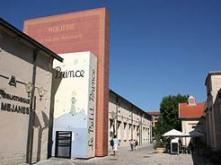
Situated in what was a 14,500 sqm match factory, the library, La Bibliothèque Mèjanes, is part of the Cité du livre, a centre for the arts and culture which includes an auditorium for lectures and readings, rooms for more formal lectures, a small cinema showing themed films for 3 week periods (currently Humphrey Bogart films), a music and film lending room, adult and children’s libraries, a press room, an exhibition space (currently celebrating the centenary of Albert Camus), a café and plenty of space for research and study.

Library Press Room

Library Press Room

As we walk in through the enormous sculptures of the covers of Camus’s  L’etranger on one side and Saint-Exupéry’s Le Petit Prince and Molière on the other, we arrive in a long corridor and the reception area for borrowing and returning books.

Turn left and we head towards the reading library where outside the door is a display of books for adolescents. A quick glance at these books shows us that half of them are translated fiction, from South African, German and Hispanic authors.

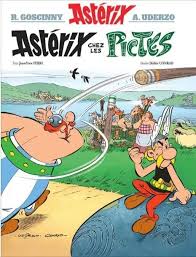
AsterixInside, we walk past displays of translated literature originating from South Africa, a tribute to Nelson Mandela, then the stacks of Bande Dessinée, the very popular hardcover graphic novels, which even today remain at the top of the French bestsellers list, right now its Asterix chez les Pictes, visiting the people of ancient Scotland!

And here are the novels, in French called romans. Rows and rows of books and you might notice something they all have in common, well, in fact, something they all lack. Colour.

Compare it to the shelf opposite which contains the English language novels. It certainly removes that whole likelihood of an impulse buy based on an intriguing cover.

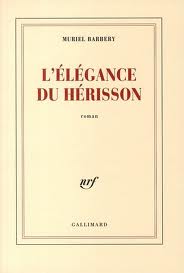
The Elegance of the Hedgehog

The Elegance of the Hedgehog

Most French literary novels are published without fancy colourful covers and while in the bookshop you might find first editions with promotional covers, there are many more with pale or cream covers without images and a black or red text title.

However, after looking around a little more, I discover that there is colour in some sections. Science Fiction and Fantasy are full of dark colours and the books covers in the section entitled Policiers (Crime) are mostly black. However, novels and poetry, even the section called American Literature pale into insignificance among a sea of white. It reminds me of one of the three principles of France l’égalitié and certainly here, all books have the same chance of being found, whether it’s from the library or in the bookshop, not just due to their bland covers, but also due to a government policy called le plan livre and the fixed price of books.

It costs €17.50 to join the library (adult) and its free for children, there is no cost for lending and no fees for late returns. 16 items (books and CD’s) and 3 DVD’s can be borrowed at any one time for a period of 3 weeks and the first renewal can be done online. The library is also full of computers providing free internet access to all members. My only complain is that its closed on Sunday and Monday. C’est la vie en France!

So what kind of books do French people read today? And is it true that nearly half of the fiction read is translated foreign fiction? And why don’t we see more books by French authors in English bookshops?  These questions and more I will talk about in the next post Reading Contemporary French literature.

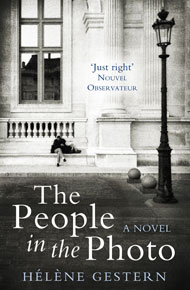
PeopleIn the meantime, if you want to know what’s popular in France and available now to read in English, check out Gallic Books, who offer the best of what’s available in French translated in English with new titles coming out every month.

I’m looking forward to reading The People in the Photo by Hélène Gestern due out in English in February 2014.  If you wish to read it in French, it’s already available with the title Eux sur la photo.

and the Man Booker Prize winner is…

Catton2

The Luminaries by Eleanor Catton

I have just put it aside on page 508 to watch the presentation and I could not be more pleased!

Congratulations to our young and so talented novelist, from whom we will no doubt see much more.

The book is still alive and rather than cower under the threat of the alternative entertainment available to people today, they are taking the book to the masses.

According to the Man Booker Prize website, there is to be a free event at London’s Regent Street Apple Store, where Eleanor Catton will discuss her book and what it means to win the prize.

I hope Apple are offering the books for sale and not just their own devices to read them.

Ok, a big event is about to take place in the book too, so I’m off back there to find out what’s happening.

#ManBookerLive at the SouthBank Centre

Listening to Six Shortlisted Authors Read

Last night the six shortlisted authors of the Man Booker Prize came together at the SouthBank Centre in London’s Royal Festival Hall and thanks to seeing a tweet from someone present I discovered that it was streaming live from the Man Booker website.

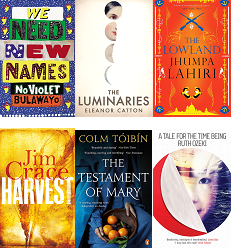
So instead of reading another 200 pages of Eleanor Catton’s The Luminaries, I listened to her, NoViolet Bulawayo, Jim Crace, Jhumpha Lahiri, Ruth Ozeki and Colm Tóibín read from their books and answer questions from the host Mark Lawson and the audience.

2013

It was a wonderful evening and risks making us want to read all the books, to see the writers presenting their works and sharing their private anecdotes about the journey to publication.

Today the live event has been uploaded to YouTube, so if you are interested to hear more about these excellent books, before tomorrow evenings announcement of the winner, here is the link to watch it yourself.

http://www.youtube.com/watch?v=b6cDXw0Y2BQ

The event starts at 28 minutes 20 seconds.

Don’t expect it to help you decide, I think they are all winners and have no idea who the judges will choose. The bookmakers and the BBC are backing  Jim Crace, the quintessential English vote.

Five Favourite Fiction Reads

I recall stumbling across Chalk the Sun and reading many of the posts, Julie had read many books I loved and many more that I aspired to read. The first review I read there was The Buddha in the Attic, the first time I had heard of both the book and its author Julie Otsuka. Since then, I have been an avid follower of Chalk the Sun. Not only is Julie a talented, observant, evocative writer and reader, she is working on her own book set in France, which many of us are waiting to read!

Photo0650Julie tagged me in the Five Favourite Reads challenge, a near impossible task, so I will share 5 favourites that come to mind spontaneously.

Kimberly, a Bostonian writer living in Rome, also nominated me in the Happy Booker Alternative Book Award and since she’s stretched the rules to choose outside the 2012-2013 year, I’m going to combine these two awards and exercise freedom in choosing.

Whenever I visit Kimberly’s blog, she’s either reading, visiting a European city (known to be inspired to write a short story as a result), winning prizes for those excellent short stories, or planning to go to the Women’s Fiction Festival in Matera, Italy. This is a blog to linger in and be inspired by.

Thanks also to writer Deborah Brasket of Living on the Edge of the World for nominating this blog for the Inspiring blog Award and to Red Headed Stitcher who has nominated me in the past for the Sisterhood of Bloggers award and more recently the Liebster Award. I’m not too good at participating in awards, but thank you to all those who passed them on to me, I appreciate every gesture.

First, five out of too many bloggers whose posts I look forward to reading, whose exchanges I appreciate and whose favourite books I’d love to know (no obligation though):

Five Great Blogs

ReadEng Didi’s Press – lives and works in the north of France, loves books and the English language, sound familiar?

Three Hundred Sixty Five – it’s an ambitious challenge guaranteed to improve your writing skills and Fransi is doing it, I’m reading it in awe.

JoV’s Book Pyramid – reading around the world, across genre, an eclectic collection of book gems to be found here.

PB Writes – poet, writer doing the NaMeSitDifStarDaiWri(expletive)Po check her out and be inspired, I was, I wrote 2 poems this week, first in 2 years!

Books Can Save a Life – thoughts on books and how they make us who we are, with an emphasis on the personally meaningful.

My Five Great Fiction Reads

010413_1256_TheIndustry1.jpgThe Industry of Souls, Martin Booth My first read on 2013 was a reread one of my all-time favourite books and one that has stayed with me over the years and stood the test of time. He wrote one other novel Islands of Silence which I also loved and a memoir which I have still to read, Gweilo: Memories Of A Hong Kong Childhood. Sadly, he died in 2004 just after finishing this memoir. My recent review here.

Astonishing GodsAstonishing the Gods, Ben Okri This was a real favourite from my twenties, when life was full of indecision and anything was possible. I love a good fable and this small volume was a surprise read after struggling through Okri’s more infamous, head spinning work The Famished Road.

Birds Without WingsBirds Without Wings, Louis de Bernières When this book was published Loius de Bernières had not published a book for 10 years, so it arrived amidst significant intrigue. He is something of a hit or miss author, Captain Corelli’s Mandolin was a word of mouth sensation, even if was a struggle to get into, however this is his masterpiece. Birds without Wings is a book to read slowly and savour each word, each character, each facet of that tragic and bitter struggle between the Greeks and the Turks during the collapse of the Ottoman Empire. Epic and profoundly humane.

HummingbirdHummingbird, James George In 2006, three New Zealand writer’s, Elisabeth Knox, James George and Vincent O’Sullivan visited Aix-en-Provence and I listened to them read. I had read Knox’s Vintner’s Luck, I knew of Vincent O’Sullivan’s work, but wasn’t familiar with James George. He read from his book Hummingbird and I was entranced. Just those few pages and I knew it was a book I had to read.

Three strangers arrive at a camping ground on a part of the barren, isolated Ninety Mile Beach. They are a former prostitute, a young man just released from prison, and a retired Cambridge don, former Battle of Britain pilot and veteran of the Battle of Crete. Slowly we learn their stories as the author examines their past, lost souls who find solace in this endless sea, sand and sky. It is an incredibly moving, lyrical work from a little known but exceptionally talented writer and poet.

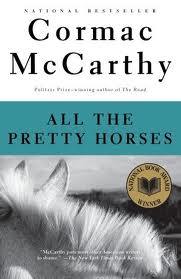
all the pretty horsesAll the Pretty Horses, Cormac McCarthy I picked this up in the library, not realising it was the first in The Border Trilogy, and what a thrill it was to discover that McCarthy, though bleak in his subject writes such pure, lyrical prose.

This coming of age novel and it’s sequel The Crossing are something of the best a book can offer someone like me, a great story, exceptional visual writing, inspiring awe. It’s like unlocking another door to that mystery of what makes us tick, it remains something of a mystery true, but I know that Cormac McCarthy’s way of expressing and describing in words is one of my keys.

So, what are the first books that spontaneously come to mind as your favourites?

Not the Orange Women’s Prize for Fiction Longlist

Womens prize logoThere may not be a new sponsor yet, however 20 books appear on the long list for the international Women’s Prize for Fiction and although there are certain predictable inclusions, such as Hilary Mantel’s Bring Up the Bodies, Barbara Kingsolver’s Flight Behaviour and Zadie Smith’s NW, it is great to see such a diverse range of excellent books.

life after lifeI have managed to read a few already, here are links to my reviews of Elif Shafak’s HonourM.L.Stedman’s The Light Between Oceans and Kate Atkinson’s Life after Life. I enjoyed all three books, but won’t be trying to guess the winner, it’s much too subjective to choose, read the reviews and see what appeals to you. I am sure there is something for everyone.

There is an interesting article in The Guardian today with links to a synopsis and reviews for all of the books. They include reader reviews as well as journalist reviews. The Guardian Bookshop is an interesting alternative for buying new books in the UK, particularly as they don’t charge an additional delivery charge for every book.

The Women’s Prize for Fiction 2013 is awarded for the best novel of the year written by a woman. Any woman writing in English of any nationality, country of residence, age or subject matter is eligible. The shortlist will be announced on April 16. Happy Reading!

The Longlist of 20 novels

Womens-Prize-longlist

Kitty Aldridge A Trick I Learned From Dead Men

Kate Atkinson Life After LifeHonour

Ros Barber The Marlowe Papers

Shani Boianjiu The People of Forever are Not Afraid

Gillian Flynn Gone Girl

Sheila Heti How Should A Person Be?

A M Homes May We Be Forgiven

Barbara Kingsolver Flight Behaviour

Deborah Copaken Kogan The Red Book

Hilary Mantel Bring Up the Bodies

Bonnie Nadzam Lamb

Emily Perkins The Forrests122012_0454_TheLightBet1.jpg

Michèle Roberts Ignorance

Francesca Segal The Innocents

Maria Semple Where’d You Go, Bernadette

Elif Shafak Honour

Zadie Smith NW

M L Stedman The Light Between Oceans

Carrie Tiffany Mateship with Birds

G. Willow Wilson Alif the Unseen

1Q84 The Finale

Foyles bookshop, Southbank Centre, Royal Festival Hall, London

It’s been a busy month and my reading has suffered for it, not to mention having to take a break 400 pages into a historical novel about the French revolution, but a visit to London and another wonderful bookshop, Foyles on the Southbank helped, tempting me with Book 3 of Murakami’s trilogy and promising to be even more of a page-turner than the first two books.

If you haven’t read it already, I suggest you begin with Book 1 &2, which I read in the summer and review here.

In essence Book 1 and 2 follow the lives of the two main protagonist’s Aomame and Tengo, who were in the same class at primary school, twenty years before the episode the book narrates occurs.

In these first two books, we follow the two characters into the alternative world of 1Q84, where everything appears normal, until they notice the presence of the two moons. Tengo has ghost-written what he assumes is a fantasy novel, however the presence of the two moons suggests otherwise. Aomame is a sports instructor with a penchant for carrying out untraceable acts of revenge.

By Book 3, we are just waiting for these two to meet as they seem to be on a collision course for doing so and Murakami seems to delight in teasing the reader, as this reunion almost happens on more than one occasion. He adds tension and pace by introducing Ushikawa, a private investigator searching for leads after the murder of the leader of a cult, an act that has yet to become public. He has sniffed out a connection between the two, before they have realised it, Tengo and Aomame are relying on and following an instinct, Ushikawa deals only in facts and is closing in on them both.

In times like these Ushikawa didn’t like to have a set objective. He let his thoughts run free, as if he were releasing dogs on a broad plain. He would tell them to go wherever they wanted and do whatever they liked, and then he would just let them go. He sank down into bath water up to his neck, closed his eyes, and, half listening to the music, let his mind wander.

Yet again, I am in awe of the grand imagination of Haruki Murakami in conceiving this extraordinary plot and notice once again the mirroring effect in the separate lives of two characters who have not yet met up and yet who encounter equivalent or parallel situations. I am sure I am only skimming the surface of what lies beneath this narrative, but it was a joy to find Book 3 as enticing as and perhaps even more exciting than the book preceding it.

Man Booker Prize Winner 2012

Tonight is the grand dinner in the Grand Hall of London’s Guildhall, where invited guests, judges and shortlisted nominees will be dining on porcini soufflé with a warm salad of wild mushrooms, black truffle shavings and cep velouté to start, then roast lamb with all the trimmings and a dessert of autumn textures and scents.

I do love how twitter lends a sense of occasion to an event I am far from, but can so vividly imagine thanks to our ever faithful, if somewhat distracted guests.

Drapers Livery Hall

It takes me back to a time-out year while studying in London and working part-time as a silver service waitress, serving many of the worshipful companies of vintners, weavers, apothecaries, blacksmiths, basketmakers, bowyers, broderers, feltmakers, farriers (ancient trade and craft brotherhoods fraternities), referred to collectively as livery companies, of which more than 100 continue to survive and meet inside some of the most extraordinary inner environments in the City of London today.

The Loving Cup

The livery companies are said to have originated in England before 1066. Guilds or associations were very popular throughout Europe and here in France, they remain prolific, although without all the pomp and ceremony that I was witness to during that year in London.

Ceremony of the Loving Cup

Rose petals in finger bowls and the loving cup ceremony, where two daggers are passed from man to man, while a third man (or woman) drinks in a protective ritual said to date back to Saxon times when King Edward was assassinated (stabbed in the back), place settings for multiple courses, at least 4 glasses for the water, wines and port and women smoking cigarettes in long-stemmed holders.

They had responsibility for standards, policy, educational qualifications, statutory and regulatory functions, and many of the guilds continue to play an important role in those areas today – however I was only witness to their meal time etiquette, which as a foreigner was a fascinating world to me, like living inside a medieval book for a night – surreal and the experience came with no explanation, only how to serve meat and vegetable using a fork and spoon in one hand, while holding a heavy plate with said food in the other. I developed very strong biceps and a unique cultural insight.

Today many of the City’s (London’s inner financial district) street names – such as Milk Street, Bread Street, Ironmonger Lane, Poultry, Cloth Fair and Mason’s Avenue – mark the sites where it all began.

And tonight book lovers and writers gather in that great medieval-style guildhall to celebrate literature and make one writer’s night, one never to forget.

Now that I’ve spent the last hour on a bit of a nostalgia trip, let’s check twitter again to see what we will be reading, will it be Deborah Levy’s Swimming Home, the one on the list I have read, or Tan Twan Eng’s The Garden of Evening Mists which I haven’t read, though I did just read his first novel The Gift of Rain.

………and the winner of the Man Booker Prize for 2012 is……..

Bring Up the Bodies by Hilary Mantel!

Who or what is really harming literature?

All the hoopla created by Booker judge and TLS Editor Peter Stothard’s untimely comments in The Independent suggesting that book bloggers are harming literature, reminded me that I have yet to post a review of Deborah Levy’s Swimming Home, which I finished a short while ago and shall rectify shortly. (now done)

While posting a rant isn’t one of the objectives of this blog, since I’ve been commenting on the issue elsewhere, I decided to do something a little different and turn our eyes away from the culpability of book bloggers for a moment – who if you’ve read anything I’ve written in the last 24 hours you will know I think do a marvellous job – and instead suggest some other groups or individuals who it might also be said are harming literature today.

Voila, the list:

  1. Governments – I’m referring more to the British government whose budget cuts in the culture sector have had a crushing effect on many cultural and literary organisations (and libraries!!) who relied on funding to keep their operations and artists/writers supported. Sadly, either the government doesn’t appreciate the cultural value and importance of the Arts or hopes it will turn itself into a more commercial business model, if it can’t earn a living, either the private sector will save it, or it will cease to exist.
  2. Literacy – there had been a significant increase in the percentage of non-readers, an alarming trend and certainly harmful to all literature however, a recent survey in the US has shown that for the first time in a quarter century, literary reading has increased among American adults.

    A decline in both reading and reading ability was clearly documented in the first generation of teenagers and young adults raised in a society full of videogames, cell phones, iPods, laptops, and other electronic devices.

  3. Technology – the quote above says it all; technology has affected the leisure and entertainment options of children and young people, who might otherwise have picked up a book. However, this cloud may have a silver lining if the same people then hear about books via social networks and get reading on their gadgets. The book industry is going to have to get pretty creative to capture the attention of young people. Bloggers are the first step in that direction, right?
  4. Parents – Yes. Parents. Are we encouraging our kids to read by reading to them, taking them to the library, buying books or engaging in animated storytelling? All kids love being read to or told made-up stories and while they are young, books also assist them to undercover their passions and interests! Not a new problem, but one that can be detrimental to our beloved literature.
  5. Artists and Book Sculptors – Well, really this is an excuse to show you the extraordinary, exquisite, mysterious sculptures created by an unknown sculptor in Edinburgh late last year, which also sets out to prove that sometimes great literature actually needs to be harmed in order to generate support, awareness and appreciation.
  6. Libraries – both a victim and a culprit, the poor old library is being phased out in many cities, but libraries have also been known to be engaged in selling off and destroying the old to make room for the shiny new things that want to steal the limelight!

    Cité du livre Bibliothèque Méjanes Aix-en-Provence

  7. Social Networking – it may be having an adverse effect on some writers as they navigate the fine line between having a public profile to assist with promotion of their titles and the distraction of random communications and information that keeps them from writing. Not surprising that some enterprising company has come up with an app you pay for that restricts your internet access, we can now purchase discipline for the undisciplined!
  8. E-books – so you think e-books are good for literature? I’m not so sure, I think that e-books have turned literature into a much more accessible and easy to purchase commodity, with an associated risk that many people are consuming books and not actually reading them. So good for the writer’s pocket and for the estates of classics and at least the bookshelves aren’t suffering, but are we at risk of becoming collectors rather than readers.
  9. Telephones – I’ve mentioned technology already, but I have to register my concern at lugging my brick of a book, Murakami’s 1Q84 on holiday and a quick glance around the beach suggested I was one the very few doing that old fashioned thing, reading a book. Everyone else was doing the finger tapping dance on their teeny gadgets – alas, the mobile telephone has replaced the beach read, at least in St Tropez this summer!
  10. Steve Jobs & the Apple team – when computer hard drives required an entire office to house them and technology was beige, boring and you had to be a geek to operate it, literature was in no way threatened – now that it’s sleek, sexy and can facilitate a music, film, or other visual experience, a whole new level of entertainment has captured our imaginations, to the detriment of the more passive, noiseless book.
  11. The iGen – the baby boomers are becoming grandparents, the X generation are coping with being older parents and the new generation have been dubbed the iGen. They are going to create and imagine a whole new way of doing things. We don’t yet know what kind of literature they will want to read or create and they will decide which of our contemporary writers become future classics. Perhaps books are going to become more of an interactive experience?

The point being, there are a good many things out there and I am sure you can think up more of them, that could be said to be harming literature. But at least it stimulates a good debate and brings out those who are passionate about reading, writing, reviewing, critiquing.

Ok, back to writing that review then.

Orange Prize Shortlist

From the longlist of 20 books, today a shortlist of five has been announced, for the 17th annual Orange Prize for women’s writing.

Set up to acknowledge and celebrate women’s contribution to storytelling the Award celebrates excellence, originality and accessibility in women’s writing throughout the world. It is awarded to a novel written by a woman in the English language.

Last year the award was won by Téa Obreht for The Tiger’s Wife and previous winners have included Barbara Kingsolver for The Lacuna, Andrea Levy’s A Small Island and Chimamanda Ngozi Adichie for Half of a Yellow Sun, which is currently being made into a film.

This year the shortlist includes:

Esi Edugyan                 ‘Half Blood Blues’           Canadian      2nd Novel

Anne Enright               ‘The Forgotten’                Irish             5th Novel

Georgina Harding      ‘Painter of Silence’             British         3rd Novel

Madeline Miller         ‘The Song of Achilles’         American      1st Novel

Cynthia Ozick              ‘Foreign Bodies’              American      7th Novel

Ann Patchett              ‘State of Wonder’             American      6th Novel

Short Synopses and Biographies can be read here.

The winner will be announced at an awards ceremony to be held at the Royal Festival Hall in London on 30 May 2012.

I haven’t read any on the list yet, but I have Ann Patchett’s ‘State of Wonder’ on the shelf and I have been eyeing up ‘Half Blood Blues’ for some time.

And you? Have you read any of the titles from either the short or the long list yet, or planning to?