This is the Story of a Happy Marriage by Ann Patchett

Ann Patchett MarriageAs a metaphor for a collection of essays that pays tribute to a life of writing, it’s an apt title, though as the title of a book that lures me towards picking it up to read the blurb and buy it, I admit to being slow to respond to this collection. It is actually a very beautiful minimal cover, the fact that it has a white background and contains only text proof it is a book targeted at existing fans of Ann Patchett, no need for seductive images or clever marketing to lure readers, this cover has the mark of confidence and attitude.

It also contains something of an illusion, the author’s name is embossed in a shiny aquatic blue, which depending on how much light you expose it to, either appears blue or black. It occurred to me while reading, that this might not be an accident, I played around with the cover, watching letters I would swear were shiny blue disappear and become matt black. Appearances are not always the truest guide, looking at things from a slightly different angle, can significantly alter perceptions. Even this title is not all that it seems and now that I have finished the book, I find it most apt.

Many of the essays have been published in other publications, as Ann Patchett describes how she grew to become a writer of fiction, something she always wanted and knew she would do, but that necessitated a slew of other jobs as well as writing non-fiction articles for magazines that would pay. As she points out in the very first lines of the book:

“The tricky thing about being a writer, or about being any kind of artist, is that in addition to making art you also have to make a living. My short stories and novel have always filled my life with meaning, but, at least in the first decade of my career, they were no more capable of supporting me than my dog was.”
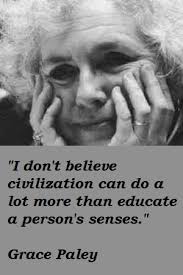
Grace PaleyWe read about the memorable story her father read to her over the telephone one Christmas, her fiction teacher Allan Gurganus who made them write a story every week for two semesters, turning them into musicians of language who learnt that a habit of regular practice leads to improvement and classes with Grace Paley, for whom support of human rights sometimes trumped attendance at class, whether that meant her disappearing to protest in Chile or being absent from a scheduled appointment having given her attention to a tearful tale from another student.

“Grace wanted us to be better people than we were, and she knew that the chances of our becoming real writers depended on it. Instead of telling us what to do, she showed us. Human rights violations were more important than fiction. Giving your full attention to a person who is suffering was bigger than marking up a story, bigger than writing a story.”

It is perhaps not until she opens her own bookstore, Parnassus Books that the influence of Grace Paley rises, as Ann Patchett becomes something of an activist herself for the plight of the independent bookstore, which she writes about ni the essay The Bookstore Strikes Back.
Parnassus Books

She writes about a legacy of separation and divorce stretching back generations, not so much present in the genes, more like evidence that we all need to experience those natural life stages that often mean a significant relationship or marriage doesn’t survive. Finding it hard to accept and taking advice from her mother to heart, she vows never to remarry. She is wedded to her work. And she has a dog. She loves.

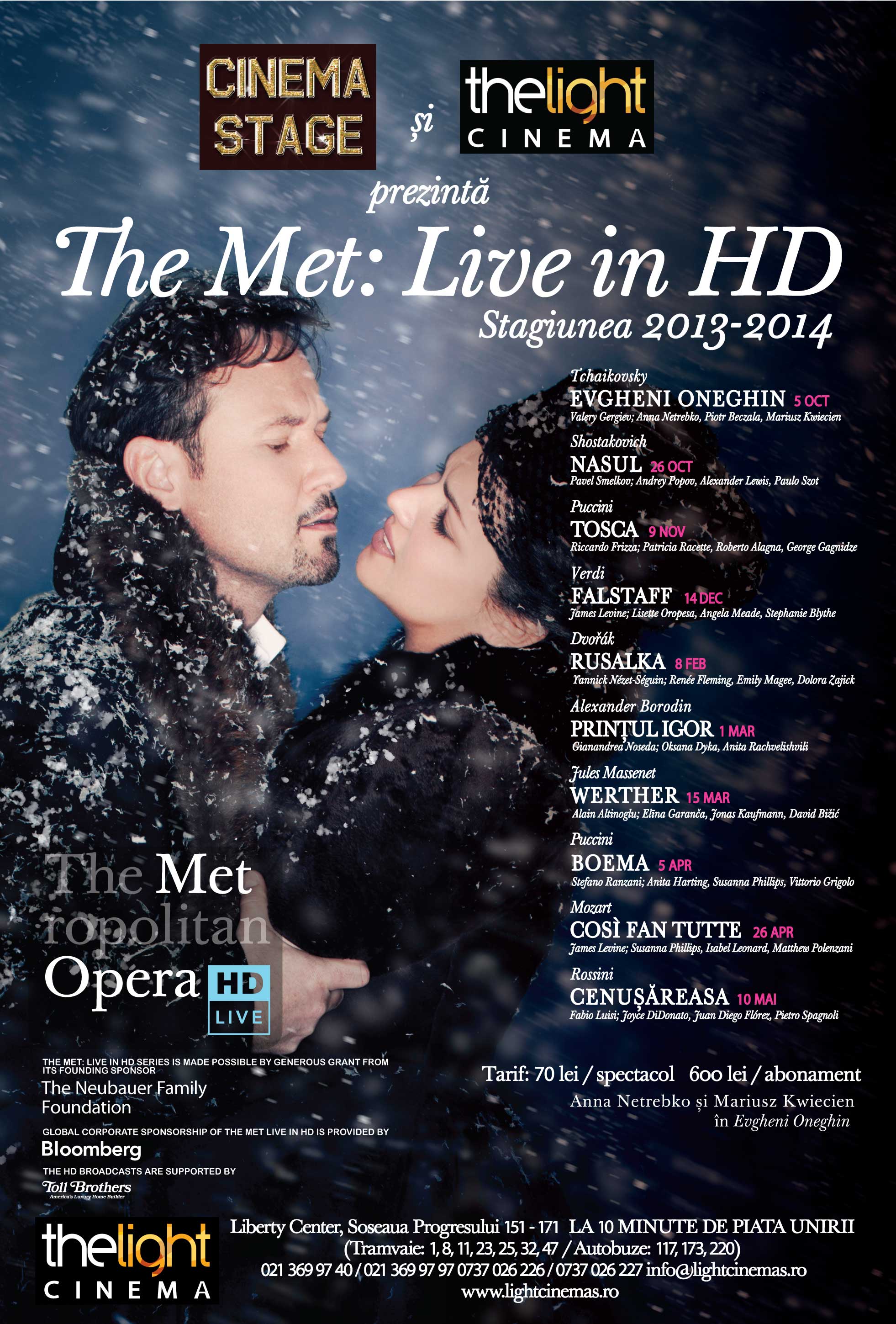
She shares a growing love of opera, a late bloomer having discovered it almost by accident while researching her novel Bel Canto she discovers what becomes a lifelong passion, which living in Nashville, known for another type of music altogether wasn’t so easy to foster, until The Met realising that thousands of people would love to see opera regularly but couldn’t, came up with the idea of bringing it to the masses via cinema – live high-definition opera performances.

Met Opera“We watch the patrons in New York, people who have paid ten times more for tickets, and some more than that, as they make their way to their seats. Like us, the audience members on the screen stop to greet the familiar people around them, and like the audience in New York, we clap for both arias and curtain calls. We call out Brava! And Bravo! The rational mind understands the singers can’t hear us, and yet we are living so completely in our high-definition moment it is easy to forget.”

“There, in a comfortable fold-down seat with a whiff of popcorn in the air, I watched Anna Netrebko lie on her back, dangle her head down into the orchestra pit, and sing Bellini like her heart was on fire.”
And The Story of a Happy Marriage? Yes, it is an essay in the collection and one that she was endlessly encouraged to write and in the end becomes the cover title of this book, because the metaphor is all embracing of a woman who always knew what she wanted, never straying from that despite the numerous obstacles and even finds time now to give back to those who helped set her out on the path early on.

The essays stand on their own but equally form a cohesive narrative and are written as if Ann Patchett is writing to that one true friend, one of the reasons that many readers and reviewers have commented on this collection by saying they could imagine being friends with
her. And as she says in one of her books, Truth and Beauty:

“Writing is a job, a talent, but it’s also the place to go in your head. It is the imaginary friend you drink your tea with in the afternoon.”


Write A Book Review, Anyone Can Do It

GyannA little while ago I received a request from Corinne, an inspirational blogger from Mumbai in India, who shares her thoughts on keeping life simple, authentic and holistic at Everyday Gyann.

She recently started another blog called Write Tribe – Motivation and Support for Writers and Bloggers.  Write Tribe sometimes offers books for review to its followers and as Corinne is a loyal follower of Word by Word, she asked if I could write a post on How to Write a Book Review.

Write Tribe

I’m not a rule follower myself, but I decided to share my thoughts on this habit I have been practising for the last two years, as when something becomes a regular habit, there develop patterns. So I wrote 10 tips on writing a book review and then added number 11 which is to ignore the rules!

The Review Notebooks!

The Review Notebooks!

If you would like to read my thoughts on writing a book review, you can read them in Corinne’s three-part series over at Write Tribe, just follow the links below.

How To Write A Book Review – Part 1

How To Write A Book Review – Part 2

How To Write A Book Review – Part 3

Thanks again Corinne for the invitation and I hope this might encourage readers of this blog who might have been considering it, to go ahead and write a review too.

Claire

What Do We Read?

Photo0652

Recently there has been discussion in the media, on twitter and on various blogs about how books written by women are represented with respect to published reviews and the #readwomen2014 campaign launched as a result.

The annual survey carried out by VIDA – The Count continues to show them as  being under represented in most of the major publications that provide reviews and in translated fiction.

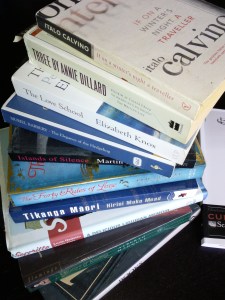
It made me wonder what I do read. I don’t think I have a bias towards male or female authors, but I do have a preference for cross-cultural fiction and I like to read translations, so I decided to look back over the last year and see how I fared.  As you can see below, I definitely read more female than male authors and slightly more than 2012 when 62% of the books I read were by women.

Gender 2013

In total, during 2013 I read 70 books, slightly more than the one book a week I have as an intention and 10 books more than I read in 2012.

As those who read this blog may know, I like to read cross-cultural, contemporary literature, so I read more modern than classics and I like to read around the world. What I hadn’t realised was that last year I read books by authors from 22 countries! Check out this fabulous pie chart.

Country 2013

Compared to 2012 when I only read books from 17 countries! From the US and the UK, I read exactly the same number of books (19) and a visit to Istanbul in May prompted an increase in Turkish literature (5) and three books in December helped my French literature (4) to increase, but I hope that will improve in 2014.

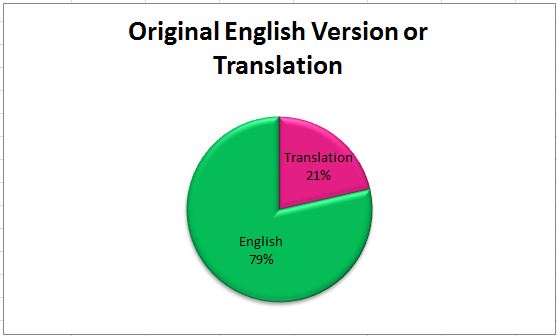
To read that widely, it is necessary to read translated work and 15 of the books I read or 21% were translated compared to only 10% in 2012. I’ve certainly travelled the world through books, I may have to start checking the globe to see which continents are missing.

Translation 2013

And what kind of books do I read? Well mostly fiction, a hefty 76% compared to 23% non-fiction and only 1% poetry, but less than 2012 when 82% of my reading was fiction and 16% non-fiction. I did read some excellent non-fiction in 2013 and hope to do the same this year.

Genre 2013

And lastly, how do I read? Yes, I have a kindle and in 2012 I read 25 books or 41% of them electronically. In 2013 that has increased to 46%, that’s 32 books on the kindle, almost half my reading! That’s thanks mostly to NetGalley who send me ARC’s (Advance Reader Copies) from the publishers that I request, which I am immensely grateful for.

E Book 2013

So now I know what I read and I think I shall just keep on doing the same, which is to be as spontaneous as possible, to engage with others who read for recommendations and keep reading around the world!

Ex Libris: Confessions of a Bibliobibuli by Anne Fadiman

This is my kind of memoir. Or non-fiction. Or essays. Collection of whatever it is we wish to call it. Vignettes.

I have to thank one of my favourite bloggers for bringing this beautiful slim volume of vignettes to my attention, literally.  And if you haven’t already been there, you must visit: Vishy The Knight, an impassioned bibliophile and meticulous reviewer of a wide range of books.

Ex LibrisAnne Fadiman has compiled this collection of eighteen essays written over a period of four years. She calls them confessions, I say they are a tribute to reading and to books. The subtitle to the book actually reads Confessions  of a Common Reader, but I think she might also be a bibliobibuli (those who read too much). One of the most preferable over indulgences I can think of.

I love that her first line is a reference to the Irish novelist John McGahern.  She shares an anecdote from his reading life that she relates to and that many of you, if you have ever been carried away with the reading of a book to the exclusion of all else, will recognise. From that first sketch we read on  continuing to delight in her bookish obsessions and hilarious family, with whom she has long shared the joy of sesquipedalians (big words).

Merging book collections with her husband only takes six years after moving in together and the difficult decisions that are required to be made as a result of deciding not to keep multiple copies and other dilemmas are hilarious and almost comforting to read.

Her attitude on how to treat a book starts off with a hilarious encounter between her brother and a hotel chambermaid  in Copenhagen, a woman who shared their passion for books but clearly sat in the opposite camp with regard to their treatment.

“To us, a book’s words were holy, but the paper, cloth, cardboard, glue, thread, and ink that contained them were a mere vessel, and it was no sacrilege to treat them as wantonly as desire and pragmatism dictated. Hard use was a sign not of disrespect but of intimacy.”

It is the smallest book ever to teach a reader so many new words and the perfect beginning of year read. A collection of entertaining, head-nodding, essays by a bibliophile. A must read for all!

Ex Libris

Sensual Delight

How differently do mental pleasures

Lead us from book to book to roam

And ever, with these ancient treasures,

How cheerful winter nights become!

*

A happy life grows warm in every limb;

And if a precious parchment you unroll,

Your senses in delight appear to swim

And heaven itself descends upon your soul.

J.W.Goethe (1749-1832)

Top Reads 2013

I thought it was impossible last year and this year seems just as difficult, unlike last years clear-cut outstanding read, which I would recommend to anyone and everyone, I’m not so confident that my Outstanding Read of 2013 has universal appeal. But I absolutely loved it and recommend it highly!

Outstanding Read of the Year

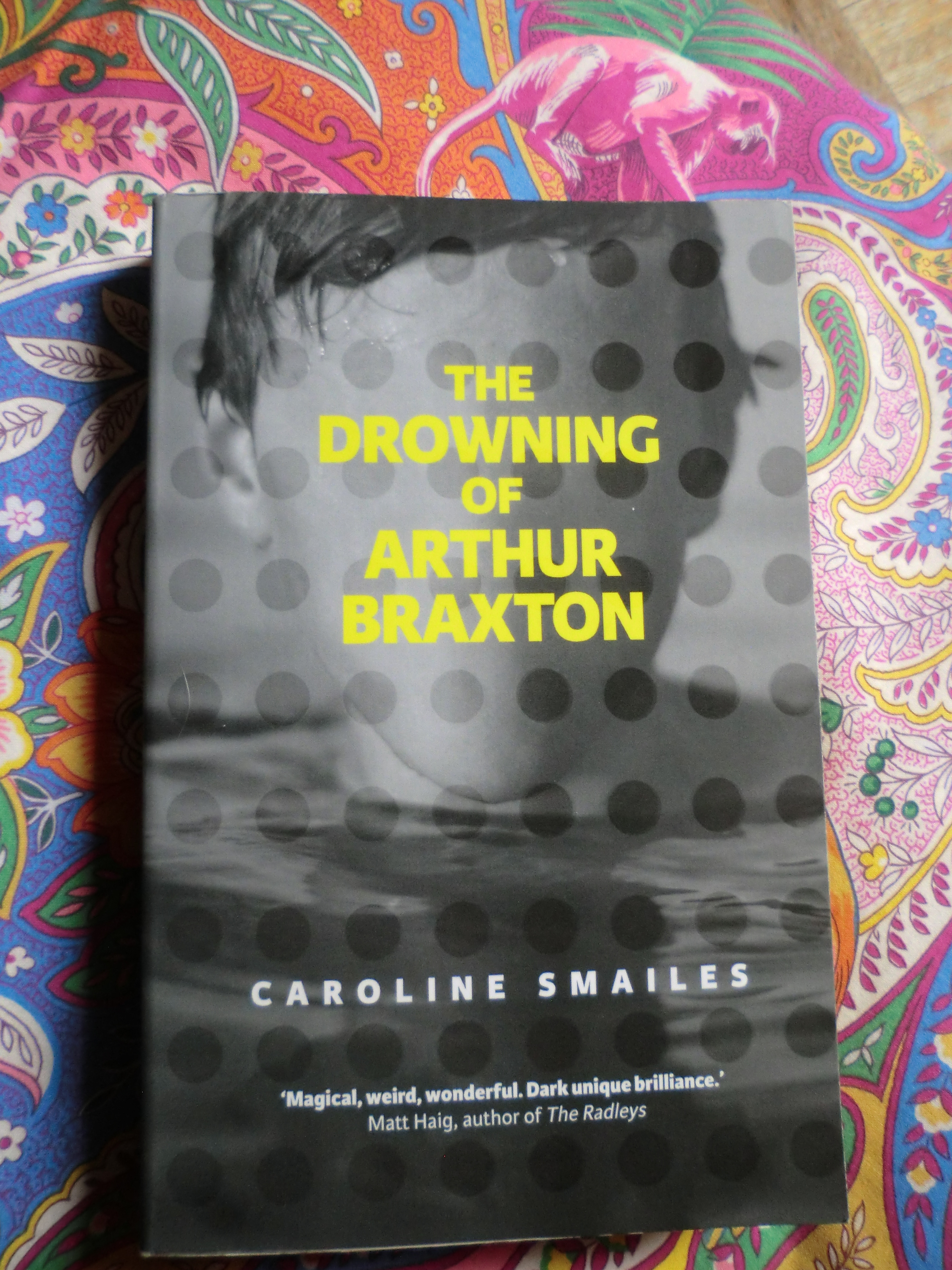
Arthur BraxtonMy outstanding read of the year, the one that stopped me in my tracks and then pulled me along at a fast pace and left me wondering what it was that was so compelling only to realise it was the originality of voice was Caroline Smailes The Drowning of Arthur Braxton.

I love that I knew nothing about it before reading it, I chose it on instinct, had never heard of the author and the book just worked its magic from the beginning . Then there was the serendipitous event occurring at the Victorian Baths where it is set, just as I was reading it – well that was the icing on the cake.

It’s a coming age story of a teenage boy who starts hanging out at an abandoned Victorian bath-house where things don’t always appear as they should, he discovers an uninhibited young woman swimming naked in the pool, the point from which all his perceptions about life begin to alter. It is strange, magical, weird and infused with hope without being in any way sentimental.  But don’t take my word for it, read it!

As for the rest, in no particular order, here are my memorable fiction and non-fiction reads for 2013.

Top Fiction

BoothThe Industry of Souls by Martin Booth was the first book of the year and a reread for me, something I rarely do, but I wanted to see if Martin Booths excellent book stood the test of time. And it sure did. I love this book and the way this author writes. The book is about a British prisoner held for many years in a Russian gulag, who decides not to return home after his release. The story is narrated on the day of his 80th birthday as he looks back and his past comes to visit him.

monster 2A Monster Calls by Patrick Ness – in all pursuits, sometimes it’s a good idea to go off piste  and for me this venture into young adult fiction was exactly that.  I picked this up in the library having recalled seeing a few excellent reviews and was intrigued by the concept of a writer picking up the threads of another writers idea and bringing it to fruition – Siobhan Dowd died tragically at the age of 47 and Patrick Ness brilliantly brings her story idea to life in this incredible, poignant tale.

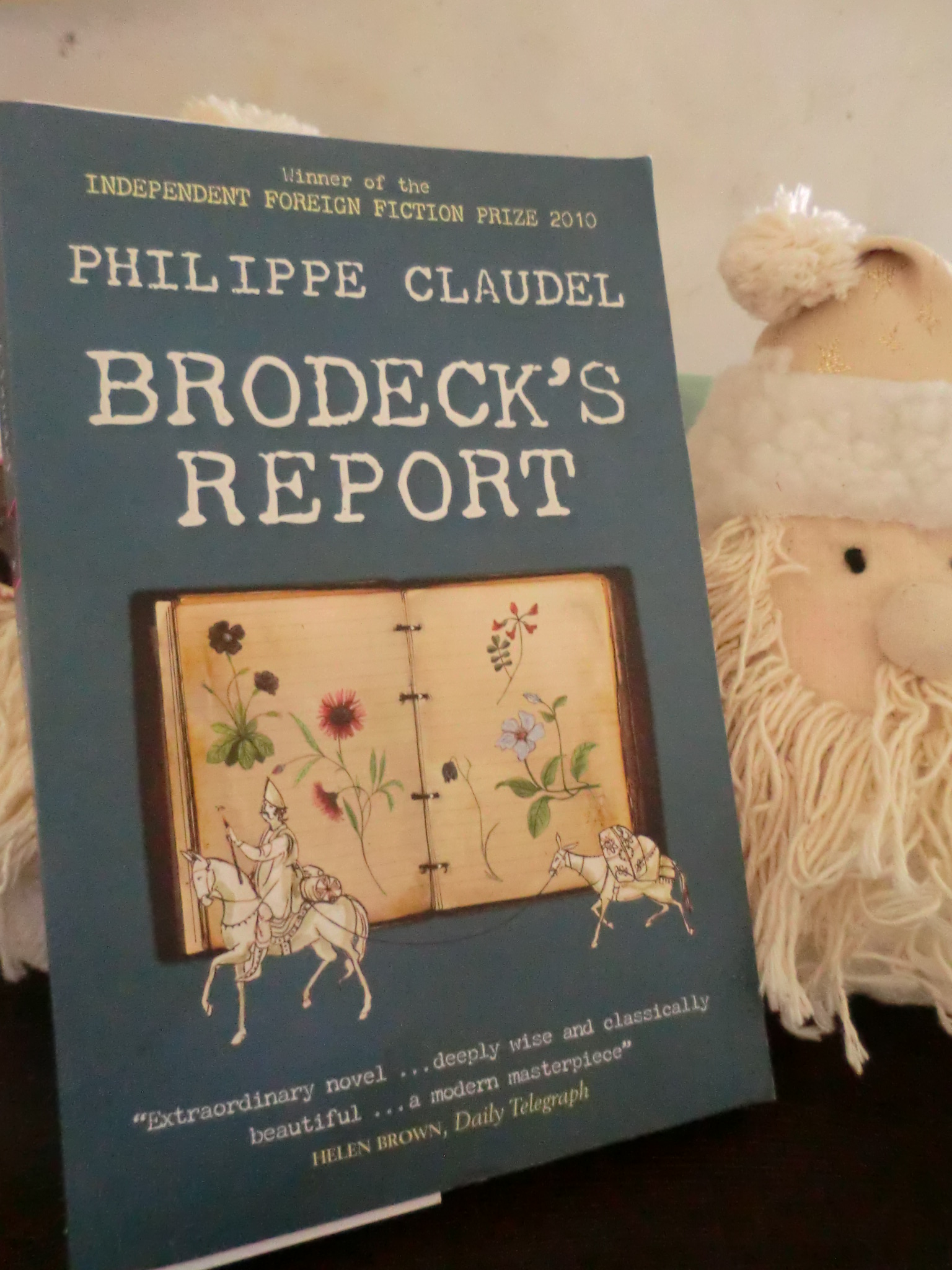
BrodeckBrodeck’s Report by Phillipe Claudel – a very recent read and his words stay with me, I feel like I want to read everything he has written. Having survived a concentration camp, Brodeck returns to his village where life resumes as before until a stranger arrives in the village unsettling the inhabitants to the point where they decide to dispose of him, Brodeck isn’t involved but is given the task of writing a report about it. He writes twin narratives, unveiling the best and worst tendencies of humanity.

HonourHonour by Elif Shafak The 4th book by this wonderful Turkish author I have read and she is becoming more known with each new book, this one being nominated for numerous prizes and Turkey being the guest nation at this years London Book Fair. Honour is a story of a poor family and follows the lives of two sisters, one who goes to live in London as an immigrant, though she will always be that girl from the village. It highlights the difficulty in straddling two worlds, especially for the next generation, who try to assimilate into the new culture, but who when vulnerable are often drawn back into the least desirable aspects of the old culture.

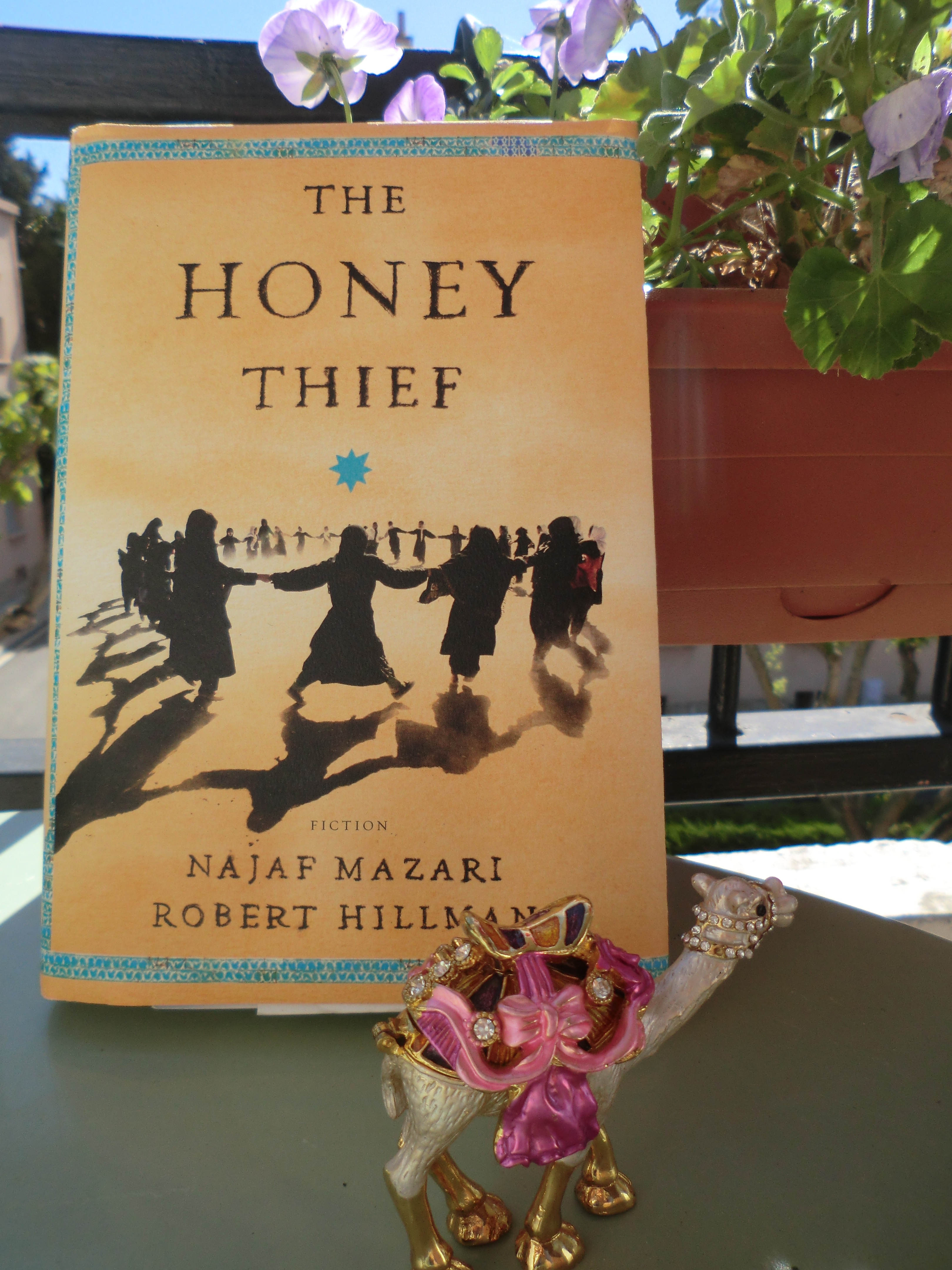
The Honey ThiefThe Honey Thief by Mazari Najaf this is an original set of short stories told by a Hazari man from Afghanistan to his Australian friend. The stories originate from an oral story telling tradition and offer a unique insight into an ancient, adaptable people, who have survived  centuries of persecution. In addition, the author shares some excellent recipes.

Shadows & WingsShadows & Wings by Niki Tulk A wonderful story about family connections, silence and our inability to bury the past. A young girl living in Australia travels to Germany to visit the birthplace of her Grandfather and to learn about his role in the war. Simultaneously, his story is narrated from when he was a boy, to when he became that young man who, like all men at that time, was drafted into war. A beautiful book, thoughtfully narrated and at times so excruciating, it is as if we are reading a personal diary, not a work of fiction. I wish more people knew about this astonishing book.

Top Non-Fiction

Hare Amber EyesThe Hare With Amber Eyes by Edmund de Waal – I am probably one of the last to have read this, since it was published two years before I picked it up, although I bought numerous copies when it did come out for family as Christmas gifts, knowing it would be an excellent read – and while it may not be to everyone’s taste, if you have any interest in European culture and history, this story of the Ephrussi’s, a Russian Jewish family from Odessa, whose two sons set themselves up in Paris and Vienna, told through the eyes and potter’s hand of the ceramicist and descendant Edmund De Waal will certainly appeal.

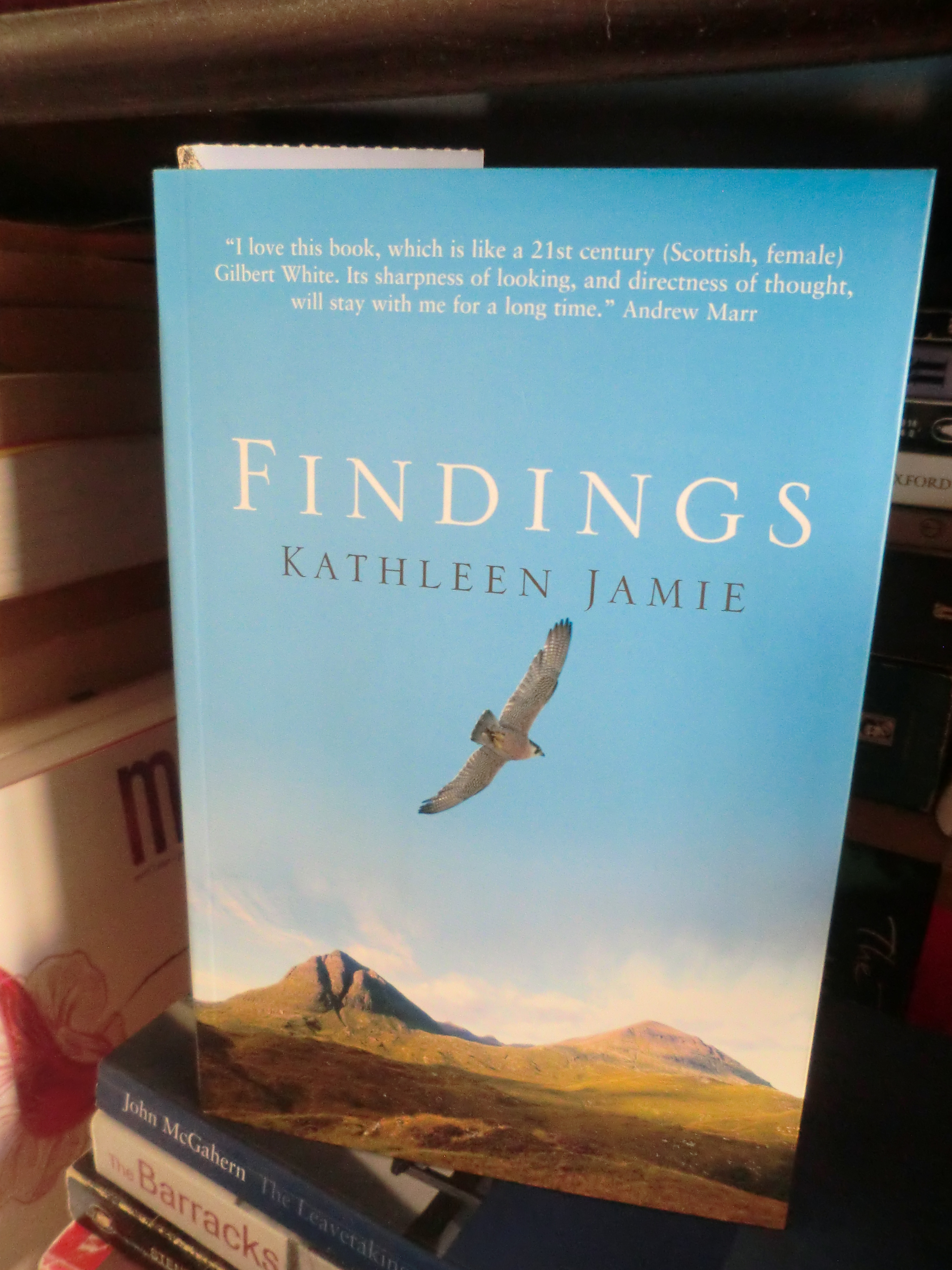
FindingsFindings by Kathleen Jamie I read this excellent collection of essays in February, a month in the northern hemisphere where many are in hibernation and there is not much to sing and dance about. Finding’s was like being in nature when we are not, the way Kathleen Jamie writes is to make us appreciate and really see without the need to label, identify or show off our knowledge. She observes with a painter’s eye and takes the reader on a similar journey, infusing the imagination with images of those forsaken Scottish  islands she visits. Brilliant winter reading.

Brain on FireBrain on Fire: My Month of Madness by Susannah Cahalan This book is a must read for anyone who knows anyone who has had any kind of brain disease or impairment. Susannah Cahalan was just an ordinary girl, working as a journalist, when in her early twenties, she started imagining things and observed herself becoming somewhat crazy. Some kind of infection got to her brain and thankfully for thousands of others, who have already benefited from the things she shares here, she lived to write about it and demystify the malfunction of the brain, something that results in thousand of incorrect diagnoses, due to the little we know about how to remedy it.

Portrait of a FamilyPortrait of a Turkish Family by Irfan Orga After a visit to Istanbul in May, I indulged in a wonderful period of reading Turkish literature and this book was a great find – a recommendation from the English bookshop in Istanbul and they weren’t wrong. It is a classic, a fabulous story of the life of one family whose destiny is changed by war – another unique insight into a culture and the intimate family life of people we don’t usually have the opportunity to witness.

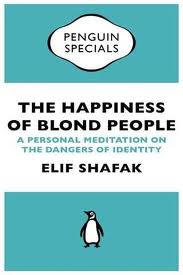
Happiness of Blond PeopleThe Happiness of Blond People: A Personal Meditation on the Dangers of Identity by Elif Shafak it’s a short but compelling essay by one of my favourite writers, a woman who was born in the East and lived many years in the West and  has a unique perspective from which to make her observations. Worthwhile reading and love these Penguin Specials, short essays are so popular here in France, it’s great to see them being made available in English too.

The Hidden LampThe Hidden Lamp: Stories from Twenty-Five Centuries of Awakened Women what better way to wind up a year of reading than with some short, poignant Buddhist stories, some only a few sentences long. This is a volume to sit near the bedside and dip in and out of, because not every message will be relevant for today. One hundred stories interpreted by another 100 wise women and we are free to interpret them ourselves. 

So what books stood out for you in 2013?

Hemingway’s Paris – A Moveable Feast

Hemingway makes me think of the debate streaming though comment threads on Goodreads.  The debate centres on the issue of discussing an author in book reviews, Goodreads suggesting that reviews focus only on the content of a book and not stray into opinions about the personality or character of the author. Hemingway

Being a book review site, it may not seem like an unreasonable request, except that the site has allowed five years of historical reviews to build up without comment, guidance or reprimand against reviews that may have crossed this line and in the meantime a strong community of reviewers has developed, spreading its roots and reviews deep into the site. Unsurprisingly, the community is now rebelling against wilful deletions of reviews. Some are threatening to abandon the Goodreads ship while its Captain is said to be sailing on oblivious to mutiny in its hold.

I think of Hemingway because in A Moveable Feast, he writes not just about himself, he reflects on writers he was acquainted with in Paris and about life in that city after the First World War. He shares exactly the kind of opinions that are forbidden to reviewers today. However, he is not writing a book review, he is writing about life.

Apart from the delightful short story A Clean Well-Lighted Place, I have not read Hemingway since the trauma of having to study The Old Man and The Sea at school. I am sorry to say that I detested this novel and although nothing of the prose has stayed with me, a kind of nausea, akin to sitting in a rocking boat with no means of rowing it, engulfs me when remembering it. I didn’t understand at the time why I reacted like this, worse than boredom, it was bereft of literary merit according to my 13-year-old standards.

Knowing now of Hemingway’s deliberate intention to strip his prose bare and understanding my love of the metaphor and habit to underline and admire the more descriptive linguistic passages, I see that we are not a good pair. But having met the writer again through the lives of Hadley Richardson in The Paris Wife and Zelda Fitzgerald in Z, I was intrigued to read his non-fiction account of life in Paris.

Ernest Hemingway,1923 Source: Wikipedia

Ernest Hemingway,1923 Source: Wikipedia

The chapters read like a series of vignettes, encapsulating the many aspects that made up his life during that time. He writes about the cafes he frequented and in particular the plight of two waiters, whom when the new management of the café decides it wants to attract a higher calibre of client, insists his employees shave their mustaches and wear a uniform. Hemingway and friend are poured overfull whiskeys by the waiter and they drink them in protest.

“They’re changing the management.” Evan said. “The new owners want to have a different clientele that will spend some money and they are going to put in an American bar. The waiters are going to be in white jackets, Hem, and they have been ordered to be ready to shave off their mustaches.”

“They can’t do that to André and Jean.”

“They shouldn’t be able to, but they will.”

Jean has had a mustache all his life. That’s a dragoon’s mustache. He served in a cavalry regiment.”

“He’s going to have to cut it off.”

He reflects on his habits as a writer and here we meet a man who was dedicated to his métier above all. He writes about his deliberate strategy to eliminate the adjective, to let the words stand alone without any qualifiers or modifiers, the naked verb. His aim is like the writing equivalent of meditation, de-cluttering the page instead of the mind. He would not have made a great meditator, as he was fearful of emptying the mind.

“I had learned already never to empty the well of my writing; but always to stop when there was still something there in the deep part of the well, and let it refill at night from the springs that fed it.”

F.Scott.Fitzgerald,1921 Source: Wikipedia

F.Scott.Fitzgerald,1921 Source: Wikipedia

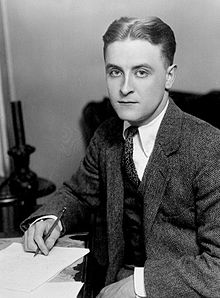
F.Scott Fitzgerald was a good friend. Both chapters that describe events with Fitzgerald show just how erratic his behaviour was and Hemingway suffers from having his writing discipline disrupted on a trip back to Paris from Lyon having recuperated a convertible car Scott and Zelda had abandoned due to the rain.

“I was getting tired of the literary life, if this was the literary life I was leading, and already I missed not working and I felt the death loneliness that comes at the end of every day that is wasted in your life.”

A Moveable Feast is an excellent read, sharing moments of life in Paris, we are introduced to some of Hemingway’s favourite cafés to write in, his conversations with Gertrude Stein and others about writing, up until he fell out of favour after publishing a mockery of another author’s work which she and others disapproved of, perceiving his act as disloyal to a fellow writer. He becomes a regular at the famous English bookshop Shakespeare & Co, where he is able to lend books, having no money to buy them and reads his way through Turgenev, D.H.Lawrence and Dostoevsky as well as striking up a friendship with the owner Sylvia Beach, a pleasant source of gossip as well as books.

A Hundred Thousand White Stones: An Ordinary Tibetan’s Extraordinary Journey

Kunsang Dolma might have had a more ordinary life, if it hadn’t been her turn to be the family representative at the annual ten-day prayer session at their local village temple when she was 15 years old. An event peripheral to that obligation changed the path she was on, which would have been an arranged marriage to a local boy and raising children to help with the farm work. For those of us reading it however, this is no ordinary life, but an insight into an ancient culture and one courageous woman who survives its harshness, revels in its deep, spiritual wonders and travels outside all that she knows to become the wife of an American citizen.

A Hundred Thousand White StonesThe consequence of that event sets her on the path towards becoming a Buddhist nun, something she had previously considered but had been rejected by her parents, so she and a friend decided to run away from their village to ensure it happened, without parental consent.

While she doesn’t remain a nun all her life, ironically the second major turning point in her life that moved her away from being a nun towards marriage and a life in America was not dissimilar to that which motivated her action towards pursuing a monastic life in the beginning. This is a true story, however I am reminded of all those turning points in the life of the fictitious character Ursula’s in Kate Atkinson’s Life After Life and the significant power that one event can have to alter the direction of a young woman’s life.

Tibetan farmersKunsang shares her upbringing with a quiet, practical, honest voice and it is a childhood and adolescence we see as difficult, though in the context of where she lived, a small Tibetan village, it was quite like many other villagers and something she now looks back on with appreciation and an incessant longing, having left it all behind. It is in leaving a difficult way of life and family behind us, in making it no longer attainable that the deepest yearning for that which was willingly fled, is often felt.

Her parents married at 15 which is not uncommon, however they were unable to conceive until they were 28 years old, something that came as a relief as being farmers, children are essential to their survival as future workers. Kunsang was the youngest of 8 children and by the time she was born, there were sufficient children to manage the farm work; it was this fact that enabled her to have an education.

At the time, there was no birth control, so after thirteen years without a child, it looked like they definitely weren’t going be able to have any children, which are essential to help with work on the farm. My father’s sister already had two kids and felt sorry for my parents’ situation, so when she was pregnant a third time she told my father, “Look, this is my third child. I’m going to give him to you.” The baby was twenty-two days old when my parents took him home. After that, my mother started to have her own babies. My parents always thought that my adopted brother Yula had brought them good luck.

Tibet mapKunsang eventually makes a pilgrimage to Dharamsala to see the Dalai Lama and during her time here she meets her future husband, narrating the heart-breaking, tedious administrative process they must overcome to be together and the struggles she will face even when they succeed. It is a moving story of a life we can hardly imagine and a journey that crosses many boundaries most of us will never have to traverse, to hike over terrain while risking one’s life, to encounter a revered spiritual leader, create a way to support oneself financially in a foreign country alone and to raise your children in yet another country which will become their home, but never yours.

CIMG3772Reading stories like Kunsang’s is not just an eye-opener into another culture and way of life and another way of dealing with life’s issues, it invites us to practise empathy and patience in the way we interact with foreigners in our own country. Kindness and compassion are there in abundance if we choose to offer them to others and it is stories like Kunsang’s that motivate us to want to extend it.

Note: This book was an ARC (Advance Reader Copy) provided by the publisher via NetGalley.

Stet, an Editor’s Life Diana Athill

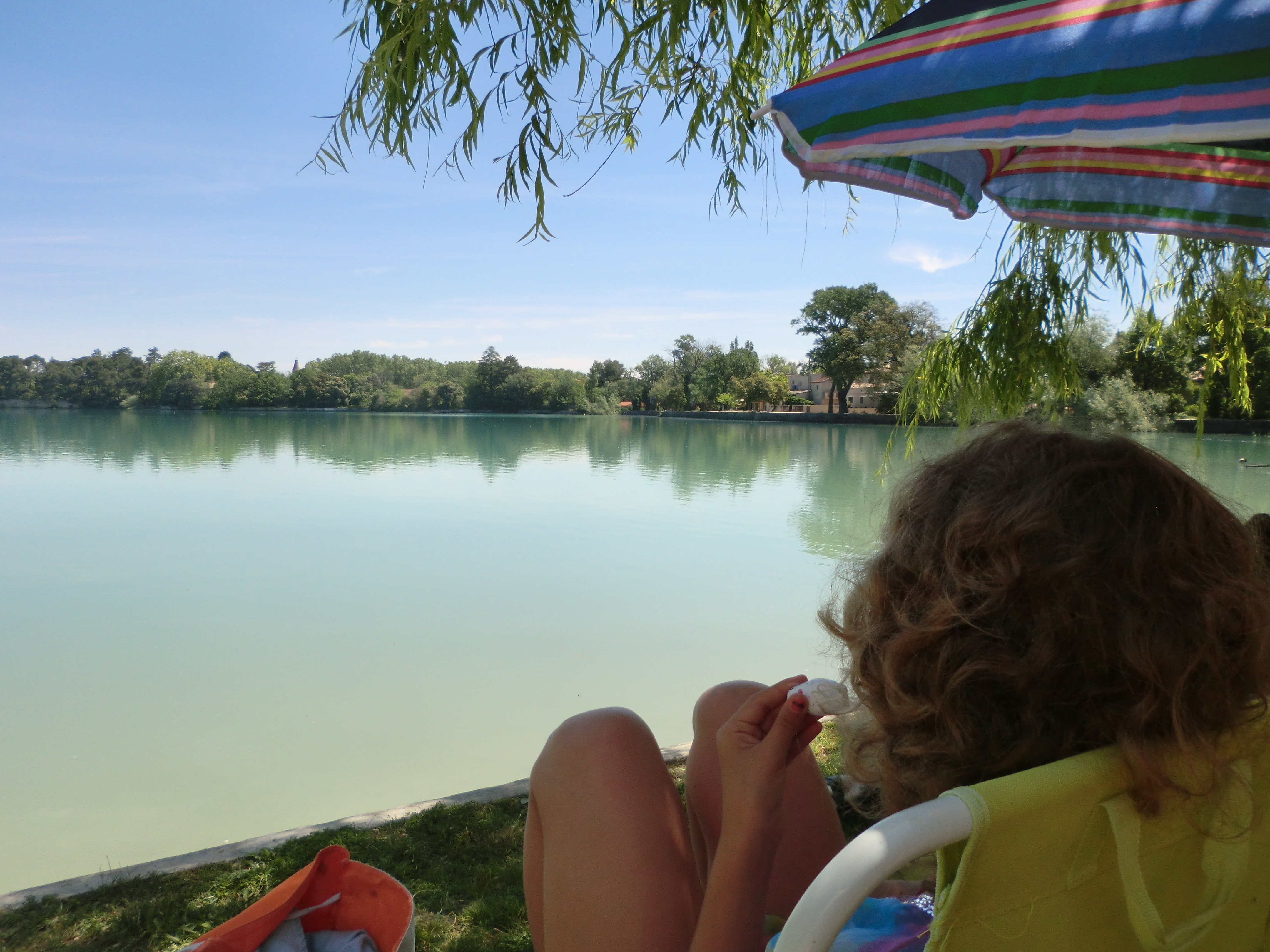
LakesideI read most of Diana Athill’s book in two afternoons, sitting under a willow tree beside the lake L’étang de la Bonde as the children swam continuously, refusing to get out until it was time to leave. Despite the fact that we were outdoors, I felt as if I had just spent two days in Athill’s living room, listening to her share this particular segment of her life, that as Editor at André Deutsch, the publishing house where she worked for four decades.

Stet is not a common word and I am perhaps only familiar with it because, back in the old days, when I was a 23-year-old Market Research Assistant without typing skills, I used to write reports and had a secretary to type them. I even had my own office with a door that could be closed. Using the word stet meant I’d changed my mind after I’d crossed something out, wanting it left in. The Concise Oxford Dictionary tells us :

Not the first of Athill’s memoirs, but the one I was attracted to, since it offers a glimpse inside an Editors office. I had already read and reviewed Betsy Lerner’s The Forest For the Trees, which this book made me recall, you could say they complement each other in a certain respect, though they are very different books, as one might expect when comparing the perspective of an English Editor to that of an American Editor. Both equally interesting and insightful in their own way.

In Part One, Athill shares how she fell into publishing as a career, knowing she would have to find a job, while her great-grandparents generation had made or married into money, her father’s generation had lost it and she talks about many aspects of the job, the decisions that were made, the dramas that were lived and worked through.

“The story began with my father telling me: ‘You will have to earn your living.’ He said it to me several times during my childhood (which began in 1917), and the way he said it implied that earning one’s living was not quite natural. I do not remember resenting the idea, but it was slightly alarming…Daughters would not, of course, have to earn their livings if they got married, but (this was never said) now that they would have to depend on love unaided by dowries, marriage could no longer be counted on with absolute confidence.”

Diana Athill

Diana Athill

The start to her career was disrupted by the onset of the Second World War, however she was fortunate to have a friend working in the recruitment office of the BBC and found an information/research position in the Overseas News Department. She and a friend lived in a small apartment in London and had a good social life, at one of the parties she met the young Hungarian intellect André Deutsch, the start of a lifelong friendship and she would eventually leave her job to join him as a shareholder and working Director when he decided to start his own publishing firm.

Not the easiest of employers, Athill shares some interesting insights about working for an often disagreeable and intolerant man whom she respected despite his deficiencies. She is also quick to point out her own flaws and it is perhaps the counterbalance of their personalities that made them such a successful pair and helped keep the publisher in business for as long as it was able. She also shares her continued love of literature, reading and writing.

Stet“They brought home to me the central reason why books have meant so much to me. It is not because of my pleasure in the art of writing, though that has been very great. It is because they have taken me so far beyond the narrow limits of my own experience and have so greatly enlarged my sense of the complexity of the life: of its consuming darkness, and also – thank God – of the light which continues to struggle through.”

In Part Two, she expounds on her relationship with a small selection of writers, providing a chapter each and very frank accounts of what transpires between Athill, the publishing house and the following authors: Mordecai Richler and Brian Moore, Jean Rhys, Alfred Chester, V.S.Naipul and Molly Keane. One is left with the impression that there was a lot more drama and pandering to personalities in the past than there can be in today’s less nurturing publisher – author relationships. Eye opening indeed!

As I mentioned in the Man Booker Prize longlist post, Diana Athill won the Costa Prize for her most recent memoir Somewhere Near the End in 2009, which she wrote in her nineties, a book which is sure to be equally enlightening and one I look forward to indulging, knowing as I did with this book, it is bound to offer delightful company for future afternoon reading.

CIMG4553

She Left Me the Gun

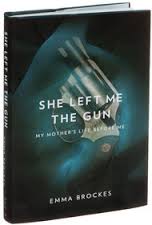
The GunNeither the title nor this book cover would normally attract me towards picking up this book, however it was through neither of those avenues that I came to hear about the book. It was a random tweet that included the following:

Any sentence that contains the words “Maya Angelou and Emma Brockes, who both…” works for me.

I was reading Maya Angelou’s Mom & Me & Mom at the time and so wondered who Emma Brockes was, intrigued by the reader’s comment implying she’d enjoy curling up with both books. I saw that Brockes had published a memoir about her mother and then read an excellent article in The Guardian, where it turns out Emma Brockes works (in the New York office).

Emma Brockes was born in England, her mother leaving her own country of birth South Africa in her early twenties. After some years living in London, she met her husband and they moved to an English village. She was a mature mother, having her only child later in life and lived a quite routine-lead life with her small family and had a job doing accounts for a jeweller in a neighbouring town.

Brockes recalls her mother mentioning that she’d one day tell her about her life in South Africa before coming to England, however the daughter didn’t press her mother and that moment of revelation never arrived. Apart from a couple of offhand comments hinting at some dark past and a court case, any opportunity to quietly share her past with her daughter in her later years was cut short by her illness and premature death, a time when the days seemed better spent just appreciating each other’s company.

It seemed absurd at this stage to ruin what time we had left with painful and long-avoided subjects.

Whether it was the journalist instinct or some kind of closure in making an effort to understand her mother more fully, Brockes decides to find out what it was that drove her mother to abandon her family and her country and never look back.

Jo'burg High Court

Jo’burg High Court

Knowing there was a court case against her grandfather and using her journalistic knowledge and access to resources, she searches archives, only to discover an earlier judgement, one that preceded his marriage to her grandmother, a murder conviction.

She requests the file to be sent to her and then discovers the second court case, in which mother is named in bringing a charge against her own father. The file is too large, so she makes plans to visit South Africa to do her research and to meet the numerous family members, her mother’s half sisters and brothers, the seven aunts and uncles who live there.

When she was in her mid-twenties, she said, she’d had her father arrested. There had been a highly publicized court case, during which he had defended himself, cross-examining his own children in the witness-box and destroying them one by one. Her stepmother had covered for him. He had been found not guilty.

Emma Brockes

Emma Brockes

This is a book that once started is hard to put down, the way Emma Brockes writes, it is as if you are on the same journey, with the same feeling of curiosity tempered by an instinct not to get too involved.

In fact, for me there was a turning point somewhere in her travels, just when she starts to become part of a local crowd of journalists, when she begins to become part of the weave of family fabric, when it felt like it was time to get out. That while she was there and had a clear purpose and was fulfilling some kind of tribute to her mother, all was well, but that getting any further involved might in some way rub something into her that her mother had spent a lifetime trying to protect her from.

She was right to leave when she did.

And the gun? Well you know whenever a gun is mentioned, a shot must be fired and so it was, yet while the title stretches the truth somewhat, all must be forgiven, since it was suggested to the author by the late Nora Ephron, another fitting tribute.

Note: This book was an ARC (Advance Reader Copy) provided by the publisher via NetGalley.

Portrait of a Turkish Family by Irfan Orga

The last of my collection of Turkish literature either brought back from Istanbul or lying on the shelf unread, Portrait of a Turkish Family was hailed as a masterpiece and I have to agree, a timeless classic, capturing a changing way of life as a consequence of war and fire, two of Turkey’s most fearsome destroyers of many families life of peace and tranquility that preceded them.

Orga IrfanIrfan Orga was born in 1908 in Istanbul, his mother only 15 years old, his father 20 and a younger brother Mehmet born two years later. His sharing of the family story really starts at age 5 when he remembers certain events with an amazing clarity, although many memories and conversations are clarified in greater depth later on to him by his mother. His curiosity and gift for eavesdropping apparent early on and perhaps those memories are so clear because life was soon to change dramatically.

By 1913, war was imminent and it was clear that Irfan’s father and only uncle were going to be called up. He sold the family business which hadn’t been doing too well, against his mother’s wishes, before being sent to war, in the hope that there might be something to come back to, a fresh start.

Ottoman uniforms WWI

Imperial Army workshop making uniforms

Once the men left for war, the family, raised and assisted by servants, continued largely in ignorance of what was to come, until food became scarce and their roles began to change.  As time went on, war forced everyone to adapt without realising that life would never again be as it had been before.

As change burrowed permanently into their lives, each would suffer in their own way, the coping mechanism of one often causing suffering in another.  Mother, mother-in-law, and the two boys were forced to move houses, downsizing significantly and rebelling against this change Irfan’s mother ripped the kafes from the windows of the house, insisting on letting the light in.

Kafes are the closely latticed harem shutters always used in Ottoman times to prevent passing males from catching glimpses of the women who moved within the house, not so much in evidence today, due to the neglect that makes them a significant fire risk. As back then, even today many families struggle to afford the upkeep required to take care of these houses, thus they crack, peel, rot and deteriorate into an unlivable state, when not consumed by fire first. We were fortunate to see this excellent restored house near Topkapi Palace and its equally neglected counterpart on Heybeliada Island below.

Without giving anything away, because it is so much better to experience the book, Orga captures the events and dramatic turning points of his family life with insight and brutal honesty. It is heart breaking at times, in particular the relationship between the mother and her sons, of which there is more focus than with his younger sister, born later and not always sharing the same experiences as the two boys.

The Orga Family

The Orga Family

Orga left Istanbul in his 30’s after a period in the Air Force to come to England and eventually married his Norman-Irish wife, amid controversy, not least of which it being deemed an illegal act in Turkey at the time, thus apart from one return visit, he was forced to remain living in exile in England.

His son Ateş Orga contributes a heartfelt afterword, sharing something of his father’s life outside the scope of his book, which focuses on those first 30 years of his life in Turkey.

A brilliant read, full of insight into life in a liberal Muslim family at the beginning of the 20th century and their challenges in coping with the effects of war and devastation.

It seems timely to be reading this as contemporary events overshadow historical reflections, provoked by the seizure of one of the last remaining urban parks in central Istanbul, it is being reclaimed to build a shopping mall and the citizens begin to revolt against what they perceive as authoritarian rule.

Ironically, on our last day in the city 2 weeks ago, we tried to find Taksim Square and Gezi Park, but all we found was a corrugated iron fence and a sea of humanity traversing the great shopping street between Taksim and Tunnel. It had been said that you haven’t seen Istanbul if you have not visited this area, but I was at a loss as to what I was supposed to find, all trace of restive beauty hidden and on the verge of replacement.

I am reminded of Pamuk’s Istanbul Memories of a City and the many pages of hüzün, that sense of melancholy that has hung over the city since Ottoman times and can’t help but wonder if the time for silent brooding is erupting into a new age of outspoken demonstration.CIMG4470

And all down the Bosphor, down, down to the Black Sea, ran the tall trees and the old wood houses that suit the skyline so well. If I turned my head to the left there on the hilltop, I could see Dolmabahçe Saray white and artificial as a wedding cake in its peaceful setting. Miniature mosques front the water’s edge and there at the end of all the shining palaces lay Istanbul – my Istanbul that will forever hold something of my heart. Grey it would look from this hill and the smoke from the boats would lie over it like a soft veil and tall and tapering are the minarets that enchant the skyline, and from my hill I would see, being the Mosques, the Marmara like a faint line of thread. Irfan Orga