My Father’s House (2023) by Joseph O’Connor

The Rome Escape Line

My Father’s House was a spontaneous library read, an historical thriller based on a true story and the first book in the Rome Escape Line Trilogy.

The second book The Ghosts of Rome (2025) continues the story of Irish priest Father Hugh O’Flagherty  and the clandestine group known as ‘The Choir’ who smuggle thousands of escapees out of Nazi-occupied Rome via a secret route known as the Rome Escape Line.

Inspired by Real People and Events in Rome WWII

The first chapter begins:

Sunday 19th December 1943

10.49pm

119 hours and 11 minutes before the mission
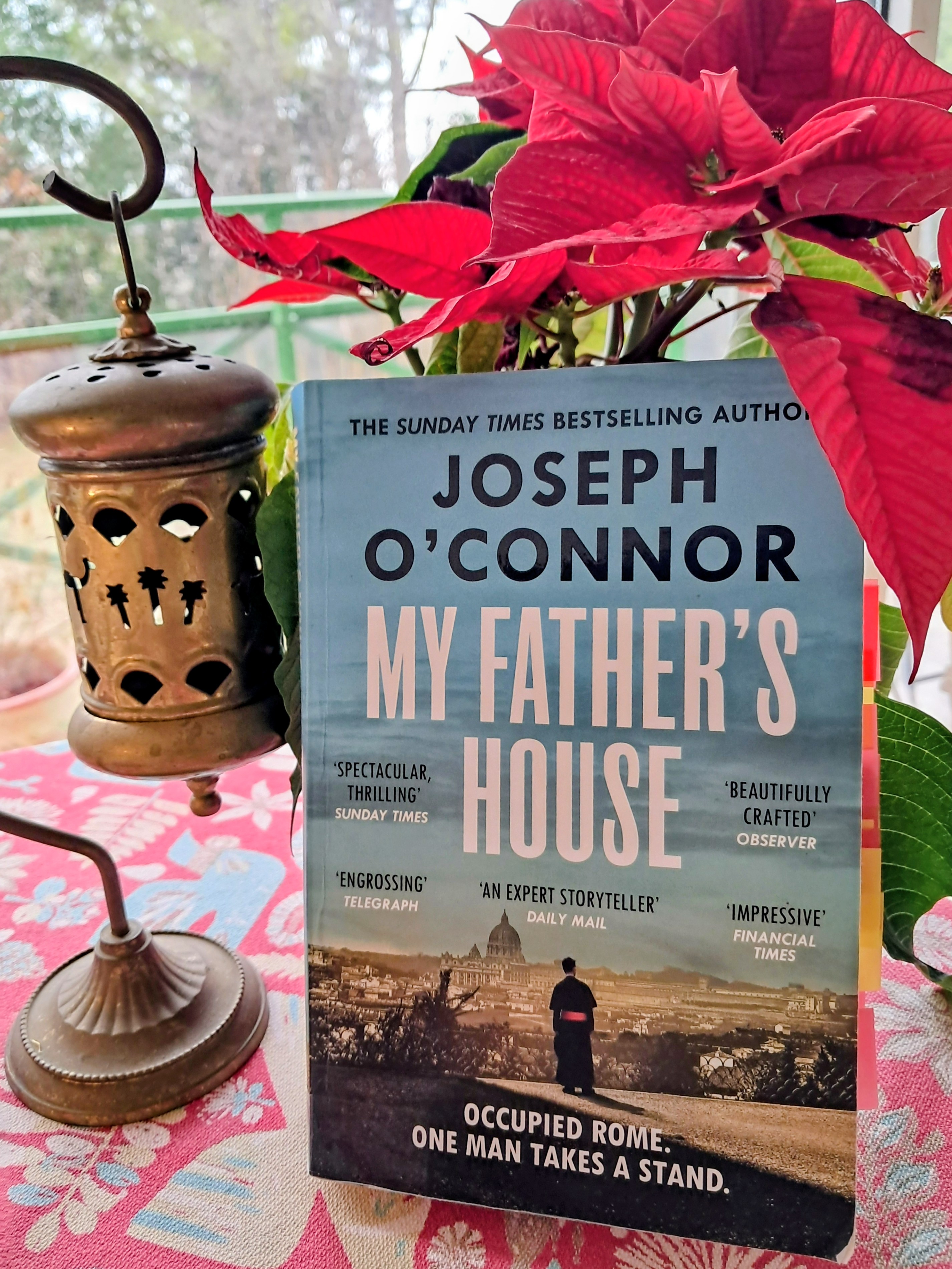
My Fathers House by Joseph O'Connor Book 1 Rome Escape Line Trilogy

A car is being driven in the streets of Rome with Delia Kiernan, a diplomat’s wife and an injured man in the back. The pace and elements of danger are set. The next chapter is her voice, in January 1963, from a transcipt of a BBC research interview, questions inaudible, conducted in White City, London.

In her interview, as the wife of the senior Irish diplomat to the Vatican, she answers questions about the young Irish of the city, many of them seminarians.

One or two were scarcely into long trousers and they staring down the barrel of priesthood. Some of them, you wondered had it maybe been more Mammy’s idea than their own.And, often enough, though some won’t like me saying it, a nun was the youngest daughter of a poor family, with no other prospects.

On Father Hugh O’Flagherty she said:

But this Monsignor fellow was different, down to earth. Affable. You get that with Kerry people, a sort of courtesy. Too many priests at the time saw themselves not as a sign of mercy but as grim little thin-lipped suburban magistrates. Hugh wasn’t too mad on authority.

A City of Hiding Places and Bridges

On the opening pages we also see a 1943 map of Rome and the boundaries of Vatican City, the only safe zone in the city during the war. In the narrative that continues, we observe and learn of its streets, alleys and underground tunnels and those who know them well, like a London cabbie used to know ‘The Knowledge’, crucial to the group during the event of 24 Dec 1943 that is to be carried out.

A Polyphonic Literary Thriller

Written like a literary thriller, as we read, are not exactly sure what the mission on Dec 24 is, like those involved, we too read on a need to know basis, and we begin to understand as an alternative thread of the story is told twenty years in the future in 1962 and 1963, by some of the participants in that mission. These chapters are given headings that tell us they are The Voice of… BBC transcript, research interviews, though again, we do not know what the purpose was for. But they give us another form of chorus, allowing multiple voices to perpetuate the wider moral and political considerations, each voice uniquely shaped and restrained.

So the evening unfolds and we feel the danger and the writing is a kind of lyrical realism with a sense of moral urgency. Short sentences are very descriptive, they act like a constant scan of the area every time a character moves. They must be able to detect without being detected. It creates taut, cinematic prose that at times I almost wanted to skip over, but eventually I got used to the style and it flowed better. While it is not melodramatic at all, it made me think of the shadow elements in a thriller, those not very well lit forms infused with creepy music that make the viewer uneasy. O’Connor succeeds through language to create this unease in the reader.

Father O’Flaherty writes his last will and testament that same night.

As for me, in those days, I saw all political systems as more or less the same, forms of foolishness, the prattling of apes, designed to keep the lesser chimps down. This was a shameful foolishness of my own. I have come to see that neutrality is the most extremist stance of all; without it, no tyranny can flourish.

Classic Theatrical Structure

A prolific writer of novels and Theatre/Spoken word, it is no surprise that the narrative is so propulsive, but it is done in a way that is not action oriented, as descriptive, it is written in a way that makes the reader pay attention to everything around them. The description is purposeful rather than decorative, it contributes to the sense of unease and provides cover, hiding places, makes us aware of danger.
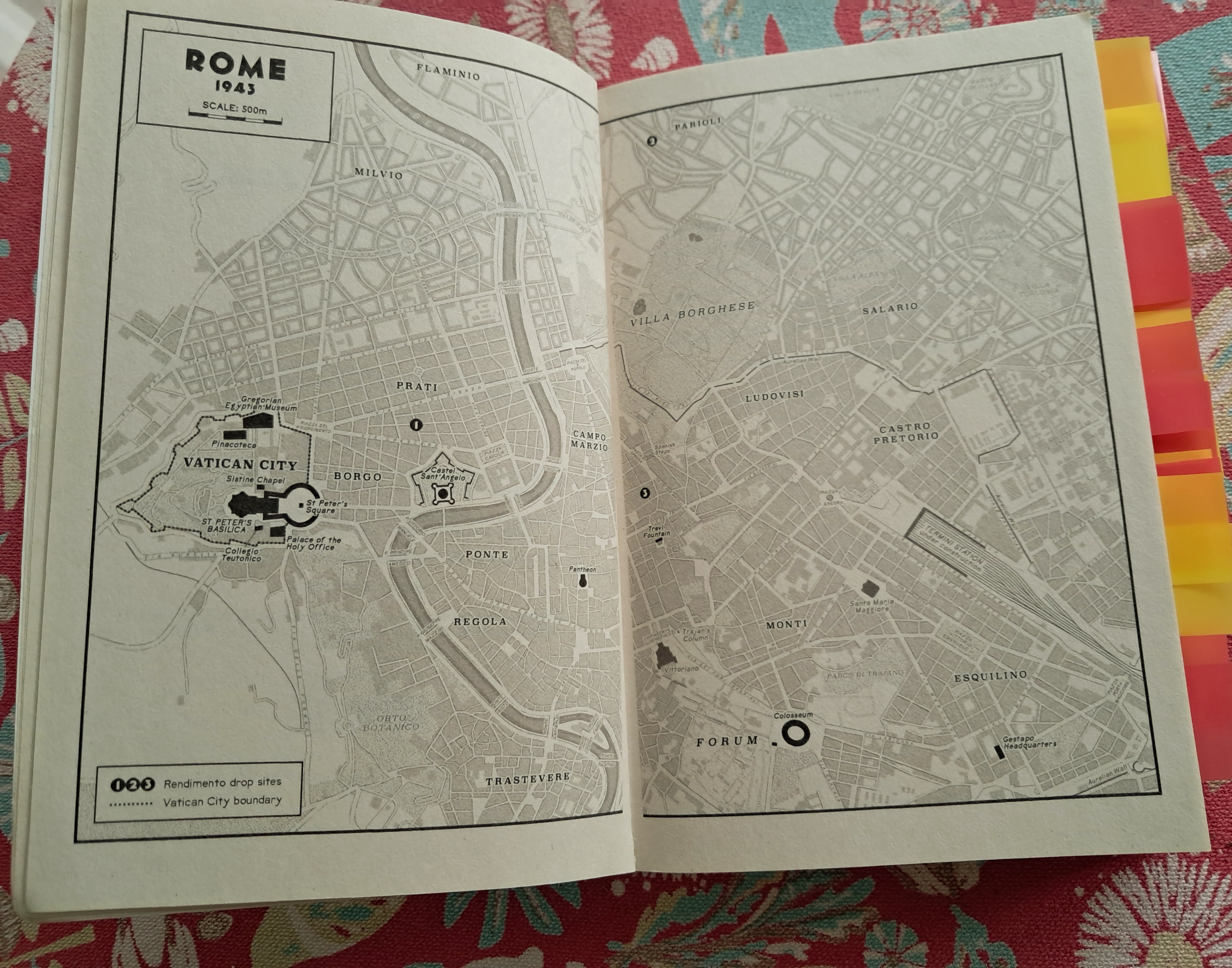
Rome and Vatican City Map 1943 Joseph O'Connor My Father's House

The novel is structured into Act I: The Choir, Act II The Solo, Act III The Huntsman, and the final Act is Coda. So we meet all the characters, the mission is carried by one, supported by all the other characters, and then the one who really wants to capture him, has his moment.

Countdown To the Solo Act

The hours before the mission commences are narrated and then Hugh O’Flaherty is off on the night crusade, but one man is determined to catch him outside the neutral territory of Vatican city, SS Officer Paul Hauptmann, a man who rules with terror and is obsessed with stopping the one man who does not fear him. Within the walls of the Vatican no one can be touched, he is biding time, waiting for the priest to cross over into the occupied territory.

A Neutral Territory Within an Occupied City
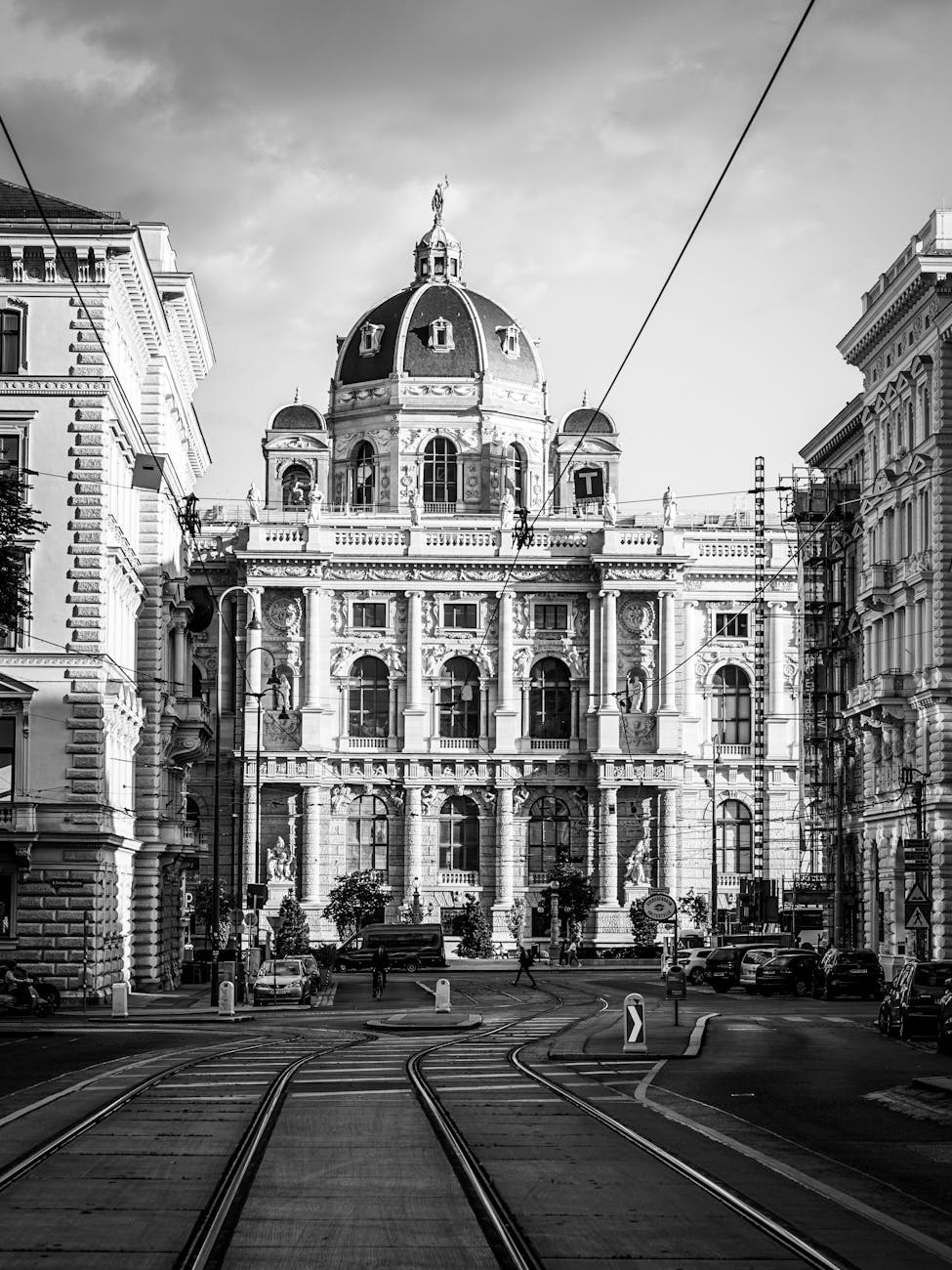
Photo by Alexandre Moreira on Pexels.com

The way it’s written deftly portrays the dark, menacing shadow of occupation and the risk these people take and the incredible preparations they make and memorise should they be confronted. Ultimately, they are facilitating the continued funding of the Escape Line, in order that others can continue to help those whose lives are at greatest risk to find safe haven.

Written in such a propulsive and careful manner, that even as the reader, we are not entirely sure of the mission until it fully progresses, making one feel the risk of having too much knowledge and experience the tension and potential danger waiting around each corner.

Not at all my genre, I was intrigued to find out what the Rome Escape Line was all about and recalled that the sequel The Ghosts of Rome won the overall Book of The Year in all categories at the 2025 An Irish Book Awards as well as the Listener’s Choice Award.

Described by the Irish Times as an “extraordinary picture of Rome under Nazi control; brutal, chaotic, treacherous, decaying, wrecked and crumbling, and yet sometimes still bathed in glorious and unexpected light’

Highly Recommended if you are interested in WWII history of Rome and the Vatican. The third and final book in the trilogy is expected in 2027, though nothing has been announced yet.

Have you read either of the Rome Escape Line books? Share your thoughts with us below.

Further Reading

The Guardian: My Father’s House by Joseph O’Connor review – a literary thriller of the highest order

Author, Joseph O’Connor

Joseph O’Connor is a novelist, screenwriter, playwright and broadcaster from Dublin.

He is the author of eleven novels including ‘Star of the Sea’‘Ghost Light’ (Dublin One City One Book novel 2011) and ‘Shadowplay’.

Among his awards are the Prix Zepter for European Novel of the Year, France’s Prix Millepages, Italy’s Premio Acerbi, an American Library Association Award and the Irish Pen Award for Outstanding Achievement in Literature. His work has also been translated into forty languages and in 2014, he was appointed Frank McCourt Professor of Creative Writing at the University of Limerick.
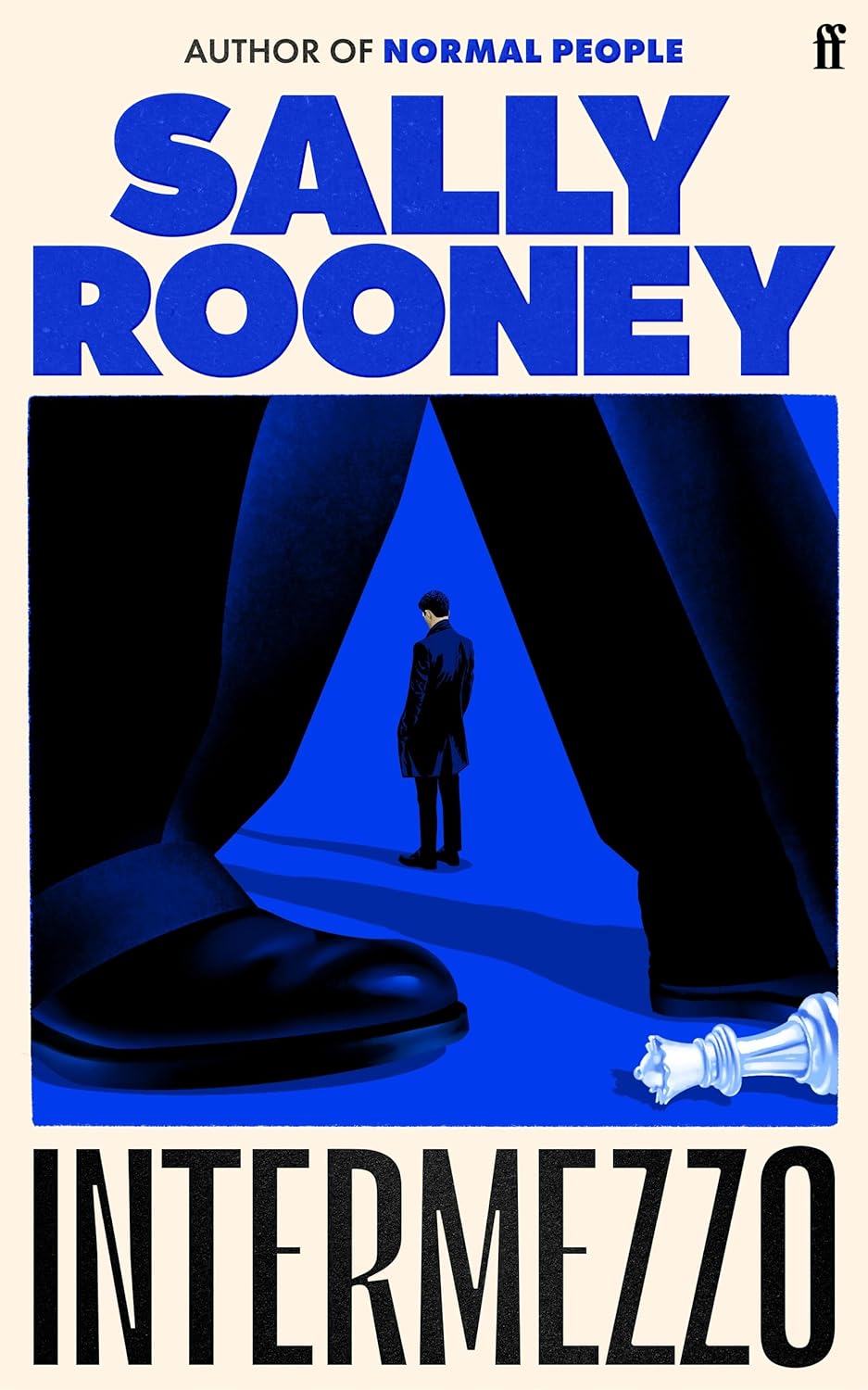
Intermezzo by Sally Rooney (2024)

After donating a bag of books at a recent book sale, I spotted a few novels on the shelves of this small English library that I was curious about, so joined the library and came home with four popular titles I thought I might read over the festive season, the first one being Intermezzo by Irish author Sally Rooney. I had heard it discussed by the Irish Times Woman’s Podcast Bookclub where thoughts on it were quite divisive.

Sally Rooney’s earlier novels Conversations With Friends (2017), Normal People (2018) and Beautiful World, Where Are You (2021) all examine how educated young people try to love each other under conditions of class inequality, political exhaustion, and intense self-consciousness, where desire is constantly constrained by these factors and the question then becomes whether love can survive these somewhat undermining conditions.

An Irish Millennial Perspective

Intermezzo by Sally Rooney Irish literature 2025

I haven’t read anything by Rooney, however knowing those novels have been a huge international success, being a writer with her literary pen poised on particular millennial characteristics, I picked up the latest, Intermezzo (2024) set in modern day Dublin, to understand what that might be all about.

I finished it in late December and overall I enjoyed it, though in the beginning I found it a little tiresome and repetitive, especially all the awkward self-conscious sex scenes between the younger brother and his newfound lover, but as the story progressed and the conflicts and mysteries become more present in the narrative, it became ever more psychologically interesting and I ended up really liking it. So it almost lost me in the beginning, but ultimately (in 442 pages) it gets there and I’m all the more appreciative of it for going back and considering it again now, from a distance.

Grief As a Turning and Growth Point

The Kindness of Enemies Leila Aboulela The Queen's Gambit Intermezzo Sally Rooney
Photo C. Solorzano Pexels.com

The novel charts the months following the father’s premature death and how it affects his two sons Ivan 22, a socially awkward, competitive chess player who has not been on form recently and is questioning whether he might be past his best, and his elder brother Peter 32, a corporate, detached Dublin lawyer juggling two relationships and medicating himself to get sleep.

You know, a lot of people told me I was letting it take up too much time, and I just thought they didn’t understand. But now I think, maybe I’ve really wasted a lot of my life.

Unresolved Mother Son Issues

The boys mother has long since moved on to a new relationship and the boys have complicated relationships with her.

I guess I would say, if you’re interested, they’re both kind of dominant personalities. Who like getting their own way. So my mother trying to be the authority figure, that never went down too well with Peter, if you get me. Because he wouldn’t be a great fan of getting bossed around.

I see, Margaret says.

Ivan is looking at her. Yeah, he says. Whereas with me, I guess, my mother can be the authority more. But with no great results, because she’s never happy with me.

Photo: Katrin Bolovtsova

The brothers have different personalities and are no longer close like they once were. In fact, they find it difficult being around each other without emotions escalating to volatility. And yet. Underneath, there’s a desire to connect.

Without their father present in their lives, they get easily derailed, falling into old destructive patterns. Something needs to shift and change if they are to arrive in a place of acceptance.

The same ritual he thinks each time. She tries to extract from him some valuably hurtful information and he tries to conceal from her any aspect of his life in which he suspects she might gain a foothold. Her fake innocuous queries and his studied evasions. Screens her calls whenever Naomi is home. Why does his mother even want to know; why does he want not to. Contest for dominance. Story of his life.

In essence, this is what the novel explores. Are these two brothers able to grow through the grieving process into a new form of relationship with each other that might sustain them in the years ahead? And can they successfully be in a relationship with another, given the stagnant place they are currently at.

Millennial Self-Consciousness and Entangled Love Lives

They are each trying to navigate romantic relationships, and here there is much interiority expressed, both anxiety and indecisiveness, but the feelings push them forward and the interactions they have with women allow them to be tested and move forward as they confront someone else they have feelings for and have to adapt to stay in relationship.

Ivan meets the older, separated Art Centre Manager, 36 year old Margaret, who struggles with how they might be perceived due to the age difference, but she can’t deny the strong connection and positive effect they have on each other. They must explore their own different perspectives and experiences to maintain that something they have together, if it is deemed worth it.

Dimly she wonders now whether she has been thinking somehow about herself, her own circumstances, and she feels her face again growing flushed. It is this, she thinks, her own sense of identification, that has thrown everything into confusion. She has lost sight of the brother Ivan has been describing, replacing him with herself, and therefore attributing to herself a greater understanding of his motives than she could possibly possess.

Peter is navigating the familiar, intellectually compatible friendship with his ex-girlfriend Sylvia, a chronically ill English literature professor he’s known since college, and a more challenging, non-committal relationship with student Naomi who sells images of herself online to help fund her studies.

Unclear whether you’re cheating on me with her, or you’re cheating on her with me, she said. Absentmindedly he considered the proposition. Either option preferable he thought. Dignity of old-fashioned faithlessness. Neither, he answered. Sylvia is a very dear friend of mine. And you’re just a homeless college student who lives in my house. That made her laugh. The actual disrespect, she said.

Using Voice Stylistically to Create Power Dynamics

Photo by Leeloo Pexels.com

Rooney explores how intimacy is negotiated under constant moral and social evaluation, both from the family and society and from one’s own self-judgement.

Peter’s thoughts are expressed in short, clipped, declarations with little depth, a voice trained to avoid vulnerability, and control interpretation, reducing the risk of him being misunderstood or judged, which doesn’t always help navigate the path of more intimate relationships.

This controlled minimal manner of speaking suits his profession and will have developed as he absorbed criticism in the maternal relationship and created a habit regarding his brother. His short sentences create discomfort, they become a form of domination by withholding forcing the other to elaborate.

They are initially disconcerting to read, but after a while you get used to the style. This manner has been said by some to be ‘Joycean’ not because it is like Ulysses in style, but because it shares with Joyce a particular attitude to consciousness, authority, and language under pressure. This way of expression gives Peter’s voice a hard, self-contained quality that Joyce often gave to male consciousness.

Meanwhile Ivan’s longer, more considered sentences allow for doubt and consideration, for exploration and confirmation in the relationship. Oh, and there is a touching storyline around the family whippet.

A Long Positional Game

Ultimately every character has a reckoning, no one is immune to the need to look at their own part in creating some of the perceived conflict and the novel travels the arc from the initial state of these relationships, through the hashing things out, blame, judgement, self pity, self consciousness, fear of what others might think, and out the other side to talking it out, owning up, allowing unconventionally without fear of judgement, settling differences through to forgiveness.

It’s not a fast paced read, it’s more of a slow, gradual navigation of challenging relationships between not particularly likeable characters, but that makes it all the more interesting to see how and whether they might overcome the exit of the one person who was their centre, and move to a healthier way of co-existing. It is an exploration of buried pain and unresolved issues meeting new opportunities and fresh hurts. A long, positional game played in mutual fear of getting it wrong.

Further Reading

The Guardian – Intermezzo by Sally Rooney review – is there a better writer at work right now?

Chicago Review of Books – Mixing Loss with Life in “Intermezzo” by Cait O’Neill, October 1, 2024

Author Sally Rooney

Sally Rooney is an Irish novelist from Castlebar, Country Mayo. She is the author of Conversations With Friends, Normal People and Beautiful World, Where Are You.

Interesting Fact: While attending Trinity College Dublin, Rooney was a university debater and in 2013 became the top debater at the European Universities Debating Championships.

The Stolen Village by Des Ekin (2006)

Baltimore and the Barbary Pirates

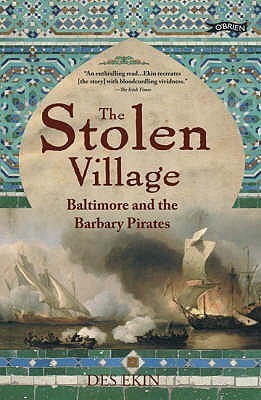
After Mary Read’s pirate adventures in Saltblood by Francesca de Tores, I turned to a book of history, The Stolen Village that tells of a pirate raid on the West Irish village of Baltimore. I must have picked this up at a sale, because it’s not a book that I recall looking for, but it fits perfectly with the pirate theme, and I was curious to know more since like many readers, I had never heard of an Irish village being pillaged to traffic humans.

Conspiracy, Corruption and Ethnic Cleansing

The story of the raid on Baltimore is a tale of plotting and intrigue, of conspiracy and betrayal, and it involves corruption in the highest ranks of of the King’s Navy.

And perhaps most fascinating of all is the theory that the raid may have not been a chance event, but a mission of revenge: a pre-planned act of ethnic cleansing aimed at removing the English newcomers and restoring the village to its original Irish owners.

From Dutch Privateer to Barbary Pirate, A Name Change

The Stolen Village by Des Akin The Irish village of Baltimore raided by Barbary Pirates and taken to Algiers sold into slavery

Captain Morat Rais and his crew of Barbary Pirates aided by 200 troops of the Ottoman Empire enter Baltimore in June 1631, where they succeed in capturing 109 villagers, abandoning 2 elders, taking the rest to Algiers to be traded as slaves, once the Pacha had taken his pick.

We learn this captain was born in Dutch Haarlem around 1570, his real name Jan Jansen. A man who began his career as a privateer in the Dutch War of Liberation. He sought opportunities on the Barbary coast, in the 3 states of Tunis, Tripoli & Algiers, after being captured himself, choosing to reinvent himself and swap allegiances.

In an era when it was commonplace for white traders from England to land on the African coast and to seize black people as slaves, this was one of the comparatively rare occasions when the boot was on the other foot: a slaving mission from Africa landing on English-held territory and seizing white slaves.

More Villagers Taken From Iceland

Four years before the Irish raid, the same captain, in 1627 led 5 ships to Iceland, showing no mercy, assaulting multiple villages and returning to Algiers with over 400 captives, including 240 from the volcanic island Heimaey.

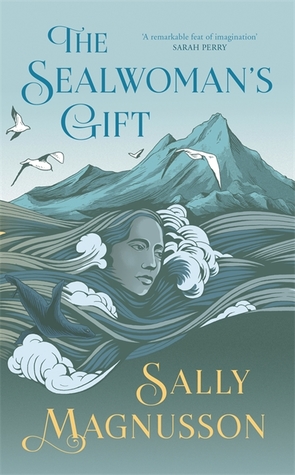
The Sealwoman's Gift by Sally Magnusson The capture of 400 villagers from Iceland sold into slavery in Algiers Morat Rias

When I encountered his name, I knew I’d come across Morat Rais before. In Sally Magnusson’s excellent work of historical fiction, The Sealwoman’s Gift. Much of that story is known from the journals Reverend Ólafur Egillson kept, depicting the terror of the invasion, the sea journey, slave markets and the fates of the survivors.

Of the Irish villagers no written account by a person survived so Ekin uses other sources that inform us what their likely fate would have been, which can make the text feel a little disjointed, without the fluidity of a fictional story, sticking to facts and documented accounts requires the reader to imagine.

Some readers have criticised the book for this, but I read it already knowing this and didn’t mind that it sticks to the facts and therefore lets you know when he is sourcing known information from another event that might gives clues about this one.

Who Were These People in Baltimore?

There is a layer of conspiracy to the Irish raid, a rumour regarding feudal clans and unwanted English settlers that Ekin explores, adding more intrigue to the tale.

There are plenty of myths about that and Ekin dispells three of them, one that they were aggressive colonists, usurpers who had stolen the village from local Irish by force, two, that they were ‘blow ins’, and as such had no permanent ties there; and the third myth that they’d been sent to impose the State religion upon the area.

Ekin tells us they were themselves viewed as rebels and dissenters, refugees who went there to escape all that.

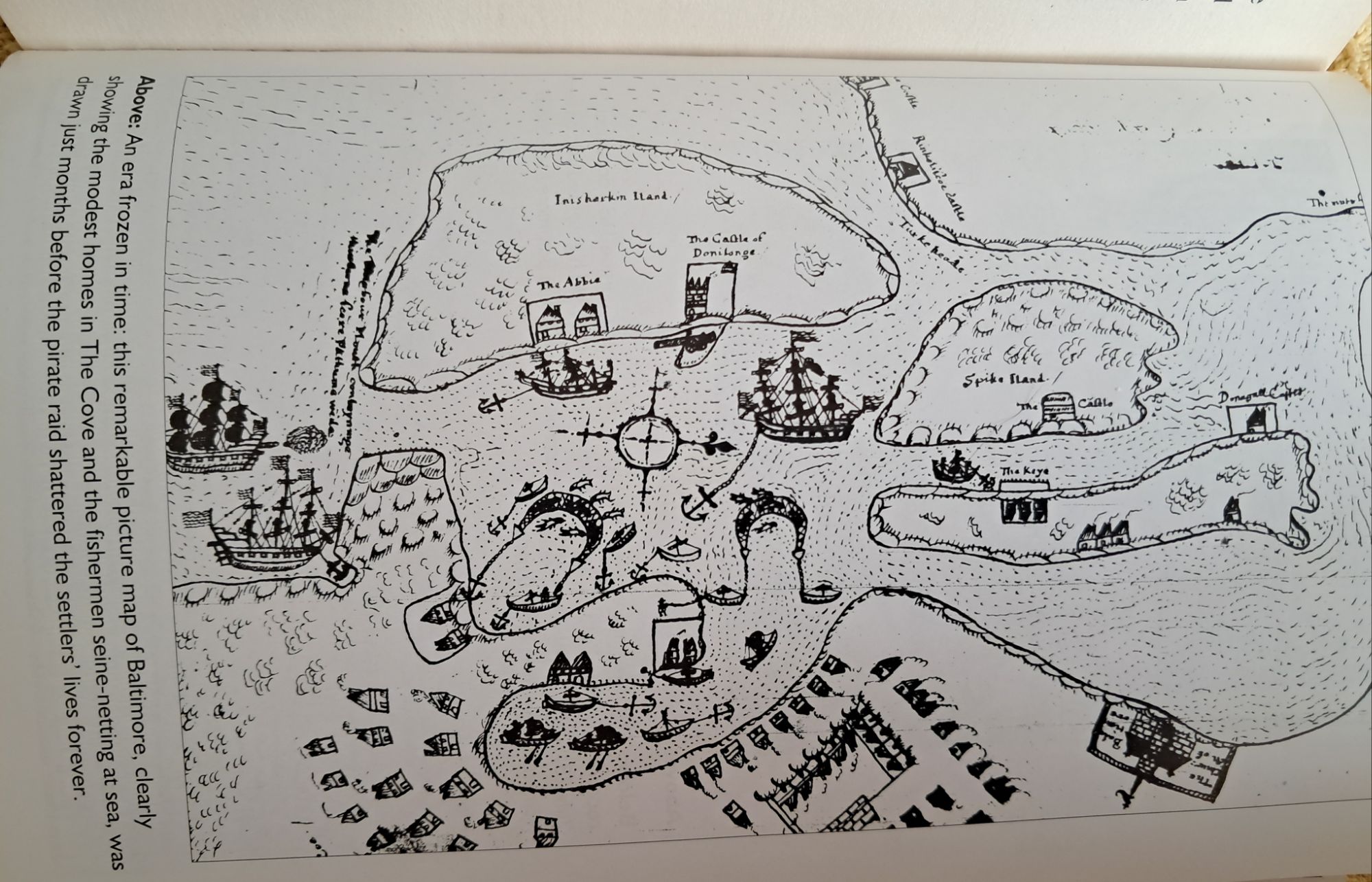
The village of Baltimore, drawn months before the pirate raid shattered the settlers' lives
Baltimore village just months before the pirate raid shattered the settlers’ lives

The new Baltimore settlement had been created by a family of intellectual freethinkers whose fierce refusal to conform had made them a thorn in the side of the religious and political establishment in England for generations.

It is a fascinating story, as is the history of the movement of people and the way in which privateers or corsairs move from legitimate to illegitimate activities, the bases the pirates used that others wanted rid of and all the machinations of the establishment and the clans behind it all that fueled so many conspiracy theories.

With eight pages of glossy black & white photos, a list of The Taken and a comprehensive bibliography, it was a most enjoyable read.

A Roundup of Book Award Winners 2025

It’s nearing the end of the year and some of the book awards I have been following have made their announcements, while others like the Dublin Literary Award 2026 are sharing their nominations for next year.

Booker Prize Winner 2025

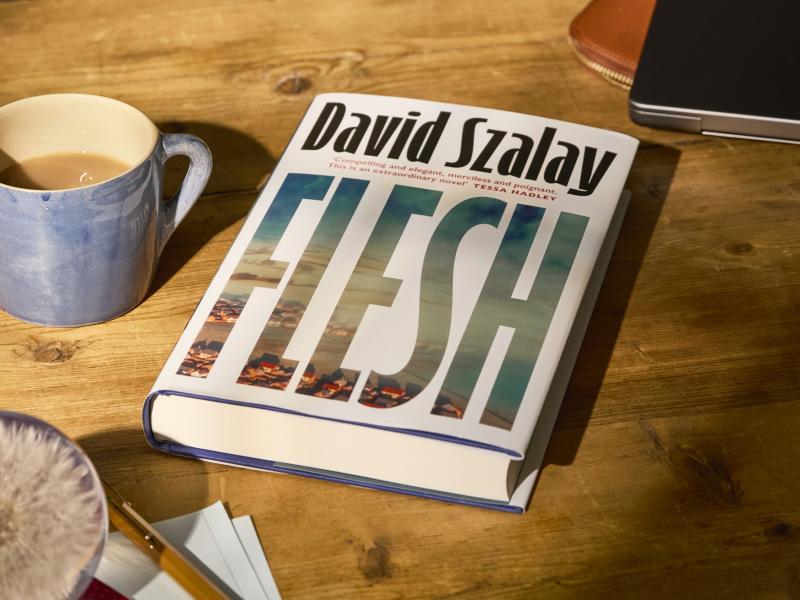
From the Booker shortlist of six novels, the prize went to Flesh by Hungarian-British writer David Szalay, a novel that follows a man from adolescence to old age as he is unravelled by a series of events beyond his grasp. It asks profound questions about what drives a life, what makes it worth living, and what breaks it.

The judges chose it for its singularity and said:

‘At the end of the novel, we don’t know what the protagonist, István, looks like but this never feels like a lack; quite the opposite. Somehow, it’s the absence of words – or the absence of István’s words – that allow us to know István. Early in the book, we know that he cries because the person he’s with tells him not to; later in life, we know he’s balding because he envies another man’s hair; we know he grieves because, for several pages, there are no words at all.    

‘I don’t think I’ve read a novel that uses the white space on the page so well. It’s as if the author, David Szalay, is inviting the reader to fill the space, to observe – almost to create – the character with him. The writing is spare and that is its great strength. Every word matters; the spaces between the words matter. The book is about living, and the strangeness of living and, as we read, as we turn the pages, we’re glad we’re alive and reading – experiencing – this extraordinary, singular novel.’ 

And this from Keiran Goddard at the Guardian:

‘There will be a temptation to pigeonhole Flesh as a novel about masculinity; its silences and its contortions, its frustrations and its codes. But while that is clearly a central concern, Szalay is also grappling with broader, knottier, more metaphysical issues. Because, at its heart, Flesh is about more than just the things that go unsaid: it is also about what is fundamentally unsayable, the ineffable things that sit at the centre of every life, hovering beyond the reach of language.’

I haven’t read ‘Flesh‘ and I’m on the fence about it based on reviews I’ve read, the lack of interiority, the focus on toxic masculinity and comments on the base dialogue. I still remember the first time I heard about it on the Irish Women’s Summer Reading podcast live at Kildare Village, but I am yet to be convinced I would enjoy it and I am not curious enough to consider it for its “singularity“.

Warwick Prize for Women in Translation Winner 2025

From their shortlist of six novels by women in translation that included works from French, Hungarian, Korean, Romanian and Swedish, the Warwick Prize this year went to :

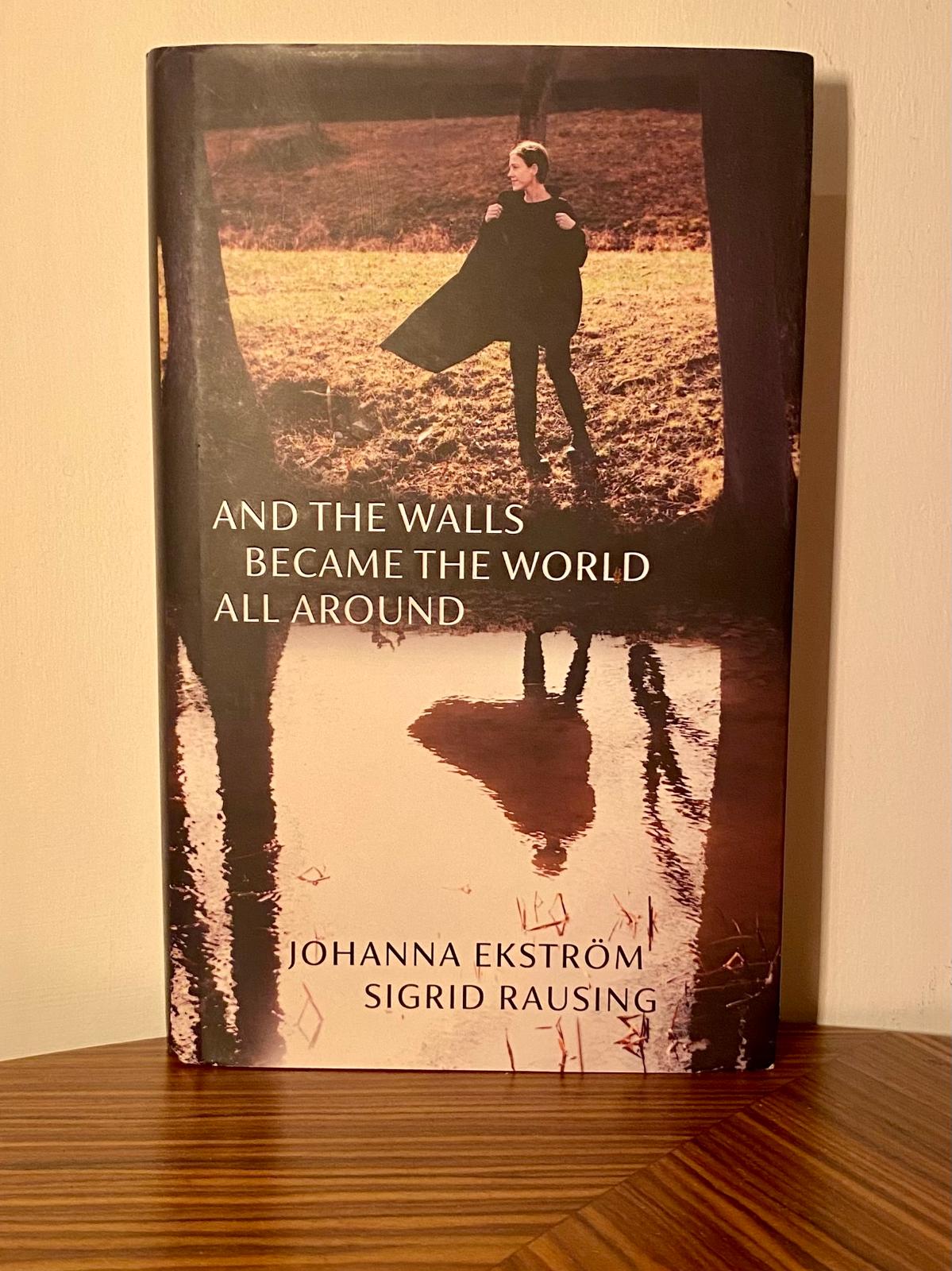
And the Walls Became the World All Around by Johanna Ekström & Sigrid Rausing,

translated from Swedish by Sigrid Rausing

published by Granta.

This book is a memoir created from 13 handwritten notebooks that Johanna Ekström (1970-2022) asked her friend Sigrid Rausing to finish.

First published in Swedish in 2023, it has been described as a literary experiment, a continuation of 30 years of friendship, and a deep meditation on grief.

“Just as the end of life will take us into unknown territory, so this extraordinary book pioneers new ways of thinking, feeling and writing about losses of many kinds.

Sigrid Rausing’s completion of, and commentary on, her friend Johanna Ekström’s final notebooks is not just a poignant and powerful double memoir: it is a record of a distinguished writer’s last years and the friendship she inspired.

Its language, beautifully chosen and artfully translated, helps us confront and understand grief and absence. But it also permits us to celebrate a unique inner life of dreams and visions that now survives in memories, and words.”

Warwick Prize for Women in Translation Highly Commended

The judges also highly commended:

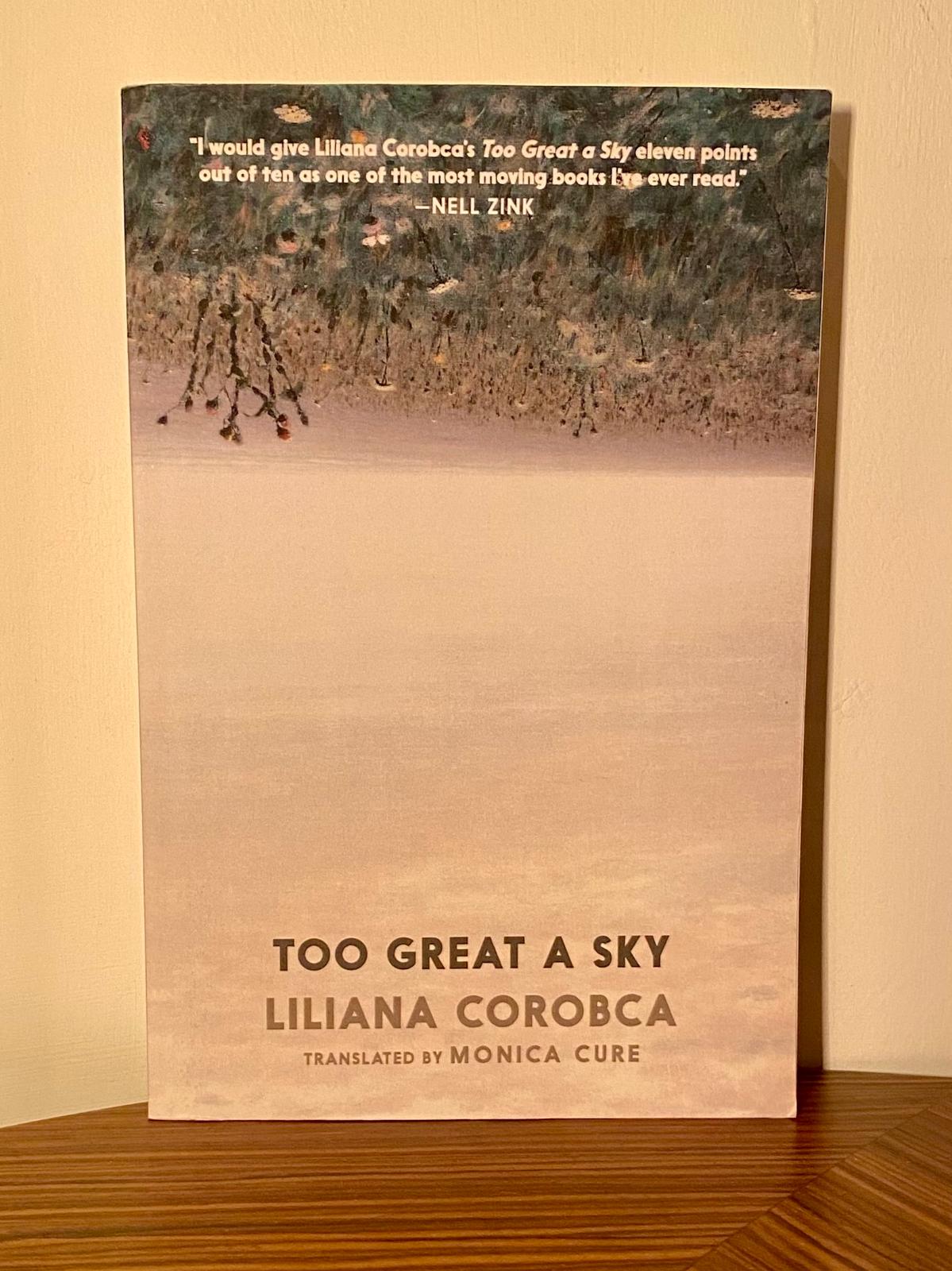
Too Great A Sky, by Liliana Corobca,

translated from Romanian by Monica Cure

published by Seven Stories Press UK:

“This prose epic not only tells an astonishing, but largely forgotten, story of suffering and endurance amid the terrors of total war; Liliana Corobca also turns her historical research into the experience of Romanians deported by Soviet authorities from Bucovina to Kazakhstan into captivating fiction.

In Monica Cure’s immersive translation, the narrator’s voice seasons horror and upheaval with humour, resilience and folkloric charm as she recounts the ordeal of the deportees and the ways they survived it. This mighty, moving novel transforms fact into art, and brings ancient storytelling skills to bear on modern tragedies.”

Both these sound excellent and I’m definitely keen to read them, so watch this space for future reviews once I manage to get hold of copies. Ask your library to get these in, if they have a copy already, I’d love to hear what you think of them if you’re also interested to read them.

An Post Irish Book Awards 2025

I didn’t create a post this year for the Irish Book Awards but I like to read Irish literature, so I keep an eye on it, in particular fiction and memoir/biography.

Exclusively Irish, inclusive in every other sense, the An Post Irish Book Awards brings together the entire literary community – readers, authors, booksellers, publishers and librarians to celebrate Irish writing.

A reminder of the shortlist for fiction, from which I have reviewed two. You can read the shortlists of the other prizes here.

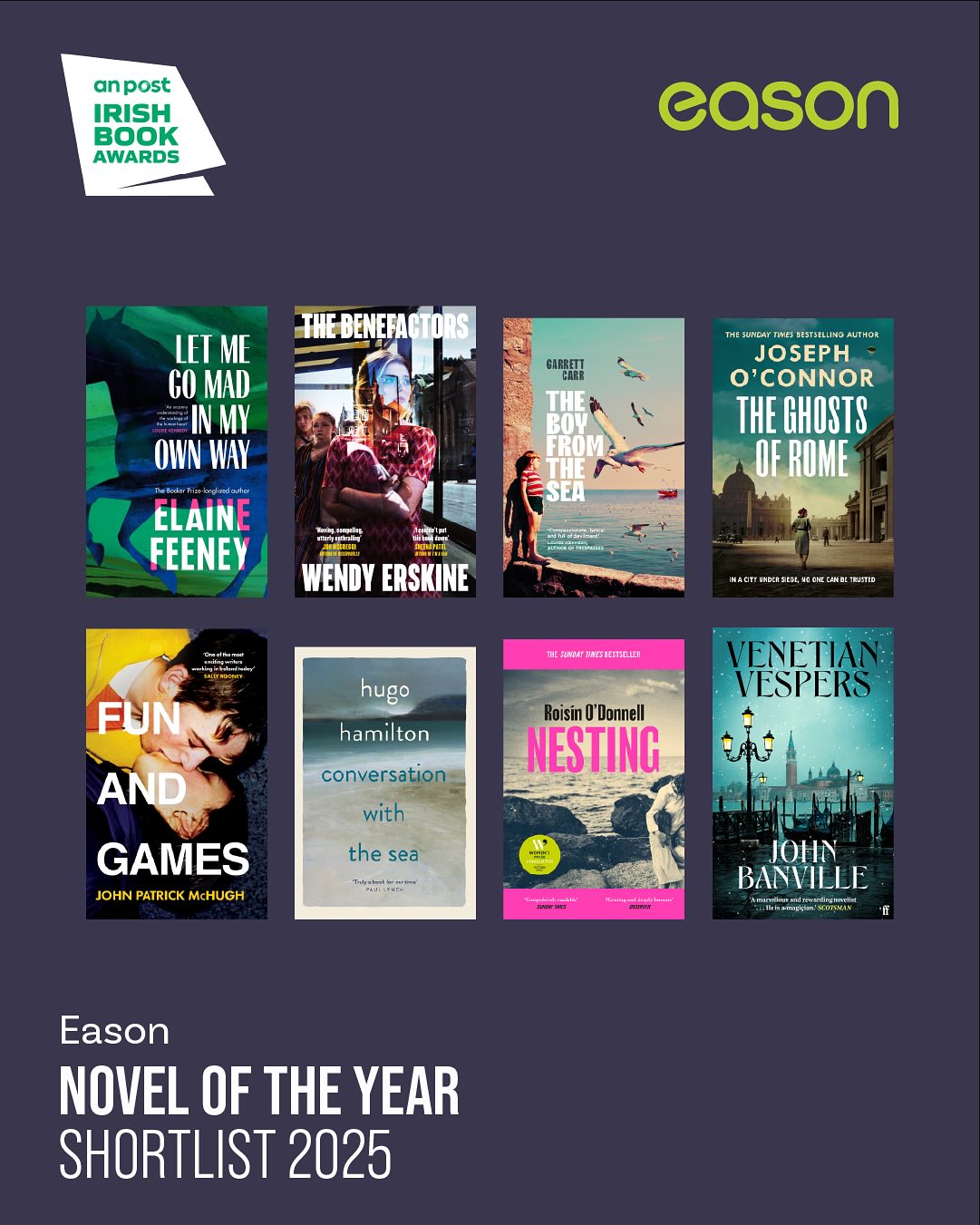
Eason Novel of the Year shortlist 2025

  • Conversation with the Sea by Hugo Hamilton (Hachette Books Ireland)
  • Fun and Games by John Patrick McHugh (Fourth Estate, HarperCollins)
  • Let Me Go Mad in My Own Way by Elaine Feeney (Harvill, Penguin)
  • Nesting by Roisín O’Donnell (Scribner Bools from Simon & Schuster)
  • The Benefactors by Wendy Erksine (Sceptre)
  • The Boy from the Sea by Garrett Carr (Picador, Pan MacMillan)
  • The Ghosts of Rome by Joseph O’Connor (Harvill, Penguin)
  • Venetian Vespers by John Banville (Faber)

Eason Novel of the Year Winner 2025

Nesting by Rosisin O'Donnell longlisted for Womens Prize fiction 2025 Reading Ireland Month

The winner of the novel of the year went to:

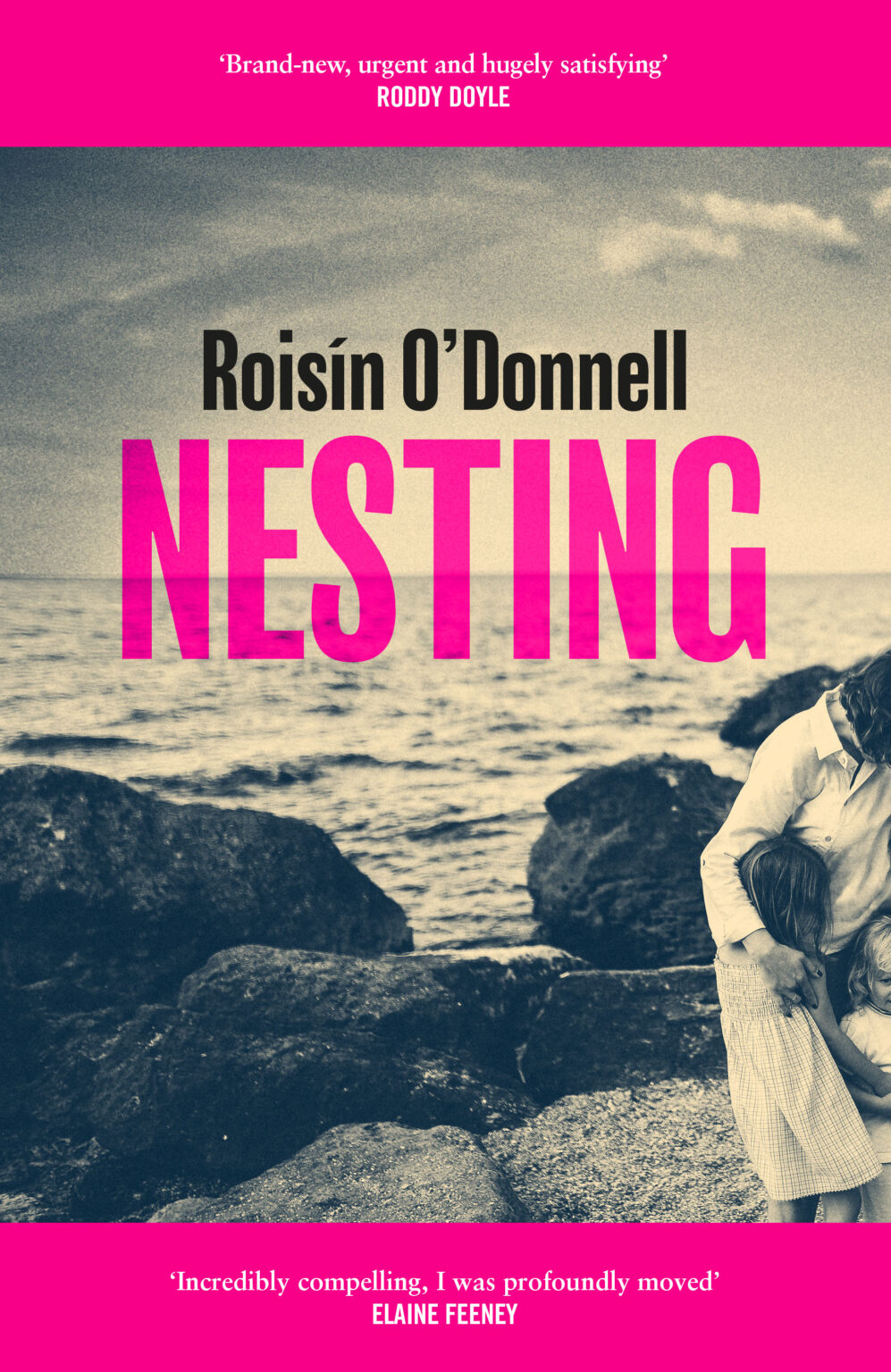
Nesting by Roisín O’Donnell

a story of one woman’s escape from a coercive relationship and the challenges faced to stay away, while trying against the odds to build a new life.

Two of the shortlisted authors also won elsewhere.

Joseph O’Connor’s The Ghosts of Rome won the people’s choice, The Last Word Listener’s Choice Award and Elaine Feeney took home The Library Association of Ireland Author of the Year Award.

The popular fiction award went to Celia Ahearn’s Paper Heart, and The Book Centre Crime Fiction award went to It Should Have Been You by Andrea Mara.

Non-Fiction Awards

The Dubray Biography of the Year went to A Time for Truth: My Father Jason and My Search for Justice and Healing by Sarah Corbett Lynch and the nonfiction award went to Deadly Silence: A Sister’s Battle to Uncover the Truth Behind the Murder of Clodagh and Her Sons by Alan Hawe by Jacqueline Connolly & Kathryn Rogers.

Lots to consider here for next year’s Reading Irish Month in March 2026.

Have you read any of the above prize winners?

This Is Happiness (2019) by Niall Williams

Irish literature portrait of a community Faha Kerry Novel Historical fiction

I decided to read Niall William’s This Is Happiness, when I saw that he had won the 2025 Kerry Group Irish Novel of the Year Award with his latest novel Time of the Child.

That was the novel I wanted to read, but when I learned that it was a story set in the village of Faha and that an earlier novel preceded it, I decided I would read them both. This is Happiness was longlisted for the Walter Scott Prize for Historical Fiction (2020). The prize that year was won by another Irish author Christine Dwyer Hickey for The Narrow Land, an exploration the marriage of artists Edward and Jo Hopper.

I was curious to see how it would be to read a Niall Williams novel today, remembering the utter pleasure of reading Four Letters of Love in London in 1997, the inaugural book of the first book club I ever joined.

Certain Past, Uncertain Future

I didn’t pay too much attention to this passage on page 3 when I read it, but now that I’ve finished and contemplating why I highlighted so many excellent passages and loved the storyline, somehow this didn’t grip me, I find a clue in this early revelation. When a story is told in the distant past, it brings with it for me, an element of negative nostalgia, because I know this is done, there is little possibility for transformation, it is missing the element of the great unknown, the limitless potential for things to be different.

I myself am seventy-eight years old and telling here of a time over six decades ago. I know it seems unlikely that Faha then might have been the place to learn how to live, but in my experience the likely is not in God’s lexicon.

So we meet our protagonist Noel Crowe reflecting back to when he was 17 years old and had been sent to Faha, County Clare; initially we know not what for, just that something has happened in his life and it had been seen fit for him spend time living with his grandparents.

I had come down from Dublin on the train, not exactly in disgrace – my grandparents, Doady and Ganga were too contrary and crafty for that – but certainly distant from grace, if grace is the condition of living your time at ease on the earth.

Lifting of the Clouds, Coming of the Light

Photo by T. Bernard Pexels.com

The first thing that happens is that it stopped raining. And even though it initially went unnoticed, it became a non-event of significance in that spring of 1958. The second thing was that electricity was to be installed in the area for the first time since the villagers filled in forms a few years before.

Consider this: when the electricity did finally come, it was discovered that the 100-watt bulb was too bright for Faha. The instant garishness was too shocking. Dust and cobwebs were discovered to have been thickening on every surface since the sixteenth century. Reality was appalling…

In the week following the switch-on, Tom Clohessy couldn’t keep mirrors in stock, had a run on hand-, oval-round- and even full-length as people came in from out the country and brought looking glasses of all variety, wet home, and in merciless illumination endured the chastening of all flesh when they saw what they looked like for the first time.

This brought the arrival of the second main character, 60 year old lodger Christy, whom Noel would come to know.

I thought he must be travelling man, there were many at the time, not just the whitesmiths and pot-menders but people adrift in the country generally, for all the reasons known to man unmoored from family or home and making a kind of living from wares carried in cases and opened like miniature theatres to display whatever was newest in the larger world.

Love’s Beginning, Affection’s Endurance

Accompanying world-travelled Christy, Noel was intrigued by his subtle enquiries, indicating past connections in Faha.

I chose Ganga’s method for dealing with catastrophe and pretended nothing had happened. It wasn’t so easy. The scene not only stayed with me, it grew larger for not being spoken and proved perhaps the theorem of imaginary numbers by showing that imagination is many times the size of reality.

When he learns of that history and his intentions, Noel makes a judgement and can’t help himself from interfering, trying to hasten an outcome, until he too experiences the fickleness of youthful desire, the power and impenetrability of the class system and feelings of regret.

A Portrait of A Community in Changing Times

There’s much about this novel I really enjoyed, lots of great passages and the way it tells 17 year old Noe’s perspective and experience, as he spends time with his grandparents, alongside Christy, friend and elder, bringing light to most but not all of the village of Faha, while seeking to atone for past events.

Perhaps it was the slow pace of village life, but the dwelling and description, which often I love, slowed down the narrative and had me less inclined to pick it up.

It could be that I had unrealistic expectations, but also it feels less contemporary than other Irish lit I’ve been reading like Elaine Feeney’s Let Me Go Mad In My Way, where characters are beginning to confront that repressed traditional way of being, while this novel is narrated by a now aged man looking back to that time from the perspective of a younger and older man, where if carried a feeling of foregone conclusions. And knowing that a young person, I felt exactly the opposite to this quote below: the unlived and unknown life in front of me was precisely what made life bearable.

There was every reason to feel natural joy in the world, but for the one that makes it accessible. When your spirit is uneasy, stillness can be a kind of suffering. And when you’re young, the unlived life in front of you, all that future, urgent and unreachable, can be unbearable.

Shortlist of Kerry Group Irish Novel of the Year 2025 won by Niall Williams for Time of the Child Donal Ryan Joseph O'Connor Colm Toibin Christine Dwyer Hickey
Kerry Group Irish Novel of the Year Shortlist 2025

I do recommend it and having noted the book has a significant number of 5 star reviews, I’m clearly in the minority. I will be interested to see how I find The Time of the Child, but I need a break from Faha for the moment, so my next stop is a translated novel set in Mexico City and Aix-en-Provence!

Further Reading

New York Times review: Once Upon a Time In Ireland by Elizabeth Graver

“This Is Happiness” is as full of detours and backward glances as it is of forward motion and — as befits a novel narrated by an old man who comments that “as you get toward the end, you revisit the beginning” — is centrally preoccupied with time itself. NYT

Have you read a recent novel by Niall Williams? Let us know in the comments below.

Let Me Go Mad In My Own Way (2025) by Elaine Feeney

Electra Sophles Anne Carson Annie Ernaux Shame Intergenerational inheritance Ireland

Back in 2023 Irish author Elaine Feeney’s novel How To Build a Boat (my review) was longlisted for the Booker Prize and shortlisted for the Irish Book Awards. That was a bumper year for Irish novelists with four of them on the longlist and Paul Lynch’s Prophet Song winning the prize.

How to Build a Boat was a great read with interesting, memorable characters, about an oppressive school and a free spirit whose presence disturbed the controlling order and rigidity of the institution by making a boat inside the school walls.

When I saw she had another book out with a provocative title like this, I decided to dip in and see what it was about.

French and Greek Literary References, The Female Voice

If the title isn’t a giveaway to reclaiming and redefining madness, a convenient label historically used to oppress women and have them incarcerated in the past, the epigram from Annie Ernaux’s novella Shame further reminds us of the often silenced, lived experience of women and girls, peeling back social shame, intergenerational violence and little recognised, inherited trauma that continues to reverberate and affect current behaviours and relationships.

This can be said about shame: those who experience it feel that anything can happen to them, that the shame will never cease and that it will only be followed by more shame. Annie Ernaux, Shame

A Story In a Title

The title of Feeney’s book is a powerful statement from the ancient Greek playwright Sophocles. The line appears in his play Electra, translated as: “I ask this one thing: let me go mad in my own way.” In the play, the main character, overwhelmed by grief, injustice and familial violence, demands to grieve and rage on her own terms. It is a cry for the right to express and feel one’s own emotional suffering and pain, in the way it is desired, needed.

“Don’t tell me how to feel or how to react, let me experience my madness as I must.”

Elaine Feeney said in an interview that she encountered the phrase in Anne Carson’s translation of Electra and immediately felt its resonance, both personally and within her book’s themes.

Going Mad or Getting to Grips With the Past

irish literature contemporary fiction

Her novel is about an Irish woman named Claire O’Connor who had been living in London with her boyfriend Tom Morton, unravelling after the death of her mother. Unable to cope, she breaks up with Tom and returns to the West of Ireland, initially to care for her father.

Back living in the family home awakens memories and issues for Claire and her two brothers, who are more used to avoiding and ignoring past and present bad behaviours.

The unexpected arrival of Tom and new friends Claire makes at her new university job, create a situation that brings people together that wouldn’t ordinarily meet.

Choosing to Live Differently

This new dynamic challenges some of those repressed feelings and the characters will either continue to deny or choose to grow.

‘There’s land here, isn’t there?’ He was playing with me now. ‘They’re not making any more of it – I’ll bet they don’t teach you that inside in the universities.’

I wanted to say that none of us wanted his land, full of rock, thistles and furze bushes. That it was a noose. I wanted to say the land was never mine. I knew well enough to know that.

Generational Influence

The story is told in different timelines, in the first person present, when Claire is an adult and has returned to Ireland, in 2022 and then there are chapters about the family from 1920, events around the old abandoned house at the back their property.

The O’Connor’s were good tenant farmers and had then been given this small handsel of land, a slight acreage of a holding from the Estate in the Land Commission’s Exchange for compliance. They had, until this, been generations of shepherds. Mostly, too, they were emigrants. A compliant people who believed in God being good and work being eventually rewarded for all eternity.

1920 was a period when there was unsettling violence from the Black and Tan Forces in East Galway around the Irish War of Independence, cultivating an atmosphere of fear and violence and an era where there was little escape, and few and far opportunities. Though 100 years in the past, undercurrents of that violent era continue to pump through the veins of this family.

Then there is Claire’s childhood memory of a Hunt Day in 1990, when the Queen of England was looking for a black mare for the Household Cavalry. Flashes of memory bring it all back as Claire confronts the past in order to better create any chance she might have of a better future.

Great Storytelling and Thought Provoking Depth

It is a thought provoking novel rooted in personal, collective and inherited memory, that deals with ‘the home‘ as the institution that requires dismantling, and it is the coming together of family, friends and the new relationships in Claire’s life that will facilitate the change that can redefine what home can become.

It’s also a novel that is entertaining with or without the layers of meaning that come from the references, but it is one that I have enjoyed all the more for understanding more about the motivations of the author and the literary influences she has referenced and talks about in the following interview.

And speaking of the Booker Prize, the longlist for 2025 will be announced on Tuesday 29 July 2025. This year’s Chair of Judges is an author who has never been in a book club, Roddy Doyle, who is joined by Booker Prize-longlisted novelist Ayọ̀bámi Adébáyọ̀; award-winning actor, producer and publisher Sarah Jessica Parker; writer, broadcaster and literary critic Chris Power; and New York Times bestselling and Booker Prize-longlisted author Kiley Reid.

Further Reading or Listening

An Interview by Bad Apple, Aotearoa: Ash Davida Jane interviews Elaine Feeney

Listen to Elaine Feeney read an extract from her novel Met Me Go Mad In My Own Way

Elain Feeney, Author

Elaine Feeney is an acclaimed novelist and poet from the west of Ireland. Her debut novel, As You Were, was shortlisted for the Rathbones Folio Prize and the Irish Novel of the Year Award, and won the Kate O’Brien Award, the McKitterick Prize and the Dalkey Festival Emerging Writer Award. How to Build a Boat was also shortlisted for Irish Novel of the Year, longlisted for the Booker Prize, and was a New Yorker Best Book of the Year.

Feeney has published the poetry collections Where’s Katie?The Radio Was GospelRise and All the Good Things You Deserve, and lectures at the University of Galway.

House of Splendid Isolation by Edna O’Brien

Back to the final days of Reading Ireland Month 2025, this week I slowly read Edna O’Brien’s political novel House of Splendid Isolation, the first of the Modern Ireland Trilogy, books written in the 1990’s that depict significant events in modern Ireland. The other two novels in that series are Down By the River and Wild Decembers.

Incarceration, Idealism and Ignorance, An Irish Story

Modern Ireland trilogy Edna O'Brien a political novel of the 1990's

House of Splendid Isolation is a story of one event and incidents involving a community, over a few days as a man involved in murderous events is on the loose and actively being hunted.

It is also a book of parts and voices, a child’s voice, the past, the present, a woman Josie who returns to Ireland after a period of youth in Brooklyn, her disappointing yet predictable marriage, an impossible affair and violent retribution, an accident, people who drop by, whose good deeds lead to violent consequences, friendships that hide betrayal, communities that breathe suspicion, harbour fear and occasionally a fugitive.

I hear stories. It could be myself telling them to myself or it could be these murmurs that come out of the earth. The earth so old and haunted, so hungry and replete. It talks. Things past and things yet to be. Battles, more battles, bloodshed, soft mornings, the saunter of beasts and their young. What I want is for all the battles to have been fought and done with. That’s what I pray for when I pray. At times the grass is like a person breathing, a gentle breath, it hushes things.

A Not So Quiet Last Act

Josie is now a lone widow in a big old house that she came to inhabitant through marriage, she did not wish to die in a Home, she has returned. A nurse visits occasionally and her grocery order is delivered. Memories still haunt her.

The nurse muses why, the older they get, the madder they are for talk; their past, their present, their futures, anything, everything, afraid of death too as if she was not afraid of it herself.

Edna O'Brien The Country Girls The House of Splendid Isolation

Into her last solitary days arrives this unwelcome visitor on the run, they play cat and mouse, wary of each other, challenging each other, co-existing nevertheless, never quite knowing if one can trust the other, providing each other something they need for a brief moment, while the world outside goes mad in their paranoia, the rumour-mill running rampant, suspicions gone mad.

The grass smells good to him and after three months cooped up in a house in a town, he’s tuned to the smell of grass and the fresh smell of cow-dung, to the soft and several lisps of night. He knows his country well, McGrevvy does, but only in dark. The dark is his friend. Daylight his enemy. Who set him up. Who can he trust, not trust.

The Grass Was Never Greener

While their words and worlds would never align, there is something in the brief respite one provides the other in this house of Splendid Isolation, before they each face the inevitable that awaits them; capture or death, peace no longer an option. Here the first confrontation.

‘There’s myself and my maker,’ she says quietly. So this is how it happens, this is how a life is suborned, one’s insides turned to whey, an opening door, a man, hooded, with not a lax muscle in his being, a loaded rifle and outside crows cawing with the same eventide fussiness and no one any the wiser that her time is up.

A novel of many layers and consequences revealed of humans wronged, who know not how to seek healing or harmless resolution, whose path leads to occasional respite en route to destruction.

It brilliantly depicts two faces of a staunchly divided territory, their failed attempts to escape their destiny, a brutal confrontation and a land that continues to absorb the repercussions.

Forward, back, slow, quick, slow

The writing moves from poetic, contemplative reflection to rapid, coarse dialogue to action oriented tension as the slow hours spent in captivity contrast with the build up externally as the police net closes in on the fugitives location. At times the prose is sparse, and other times it shifts as our protagonist loses her grip on reality and shifts into past memories or present situations that confuse her.

It’s not a straight forward read, as it navigates and holds all these time frames, but it propels forward at a good pace and leaves the reader with much to reflect on.

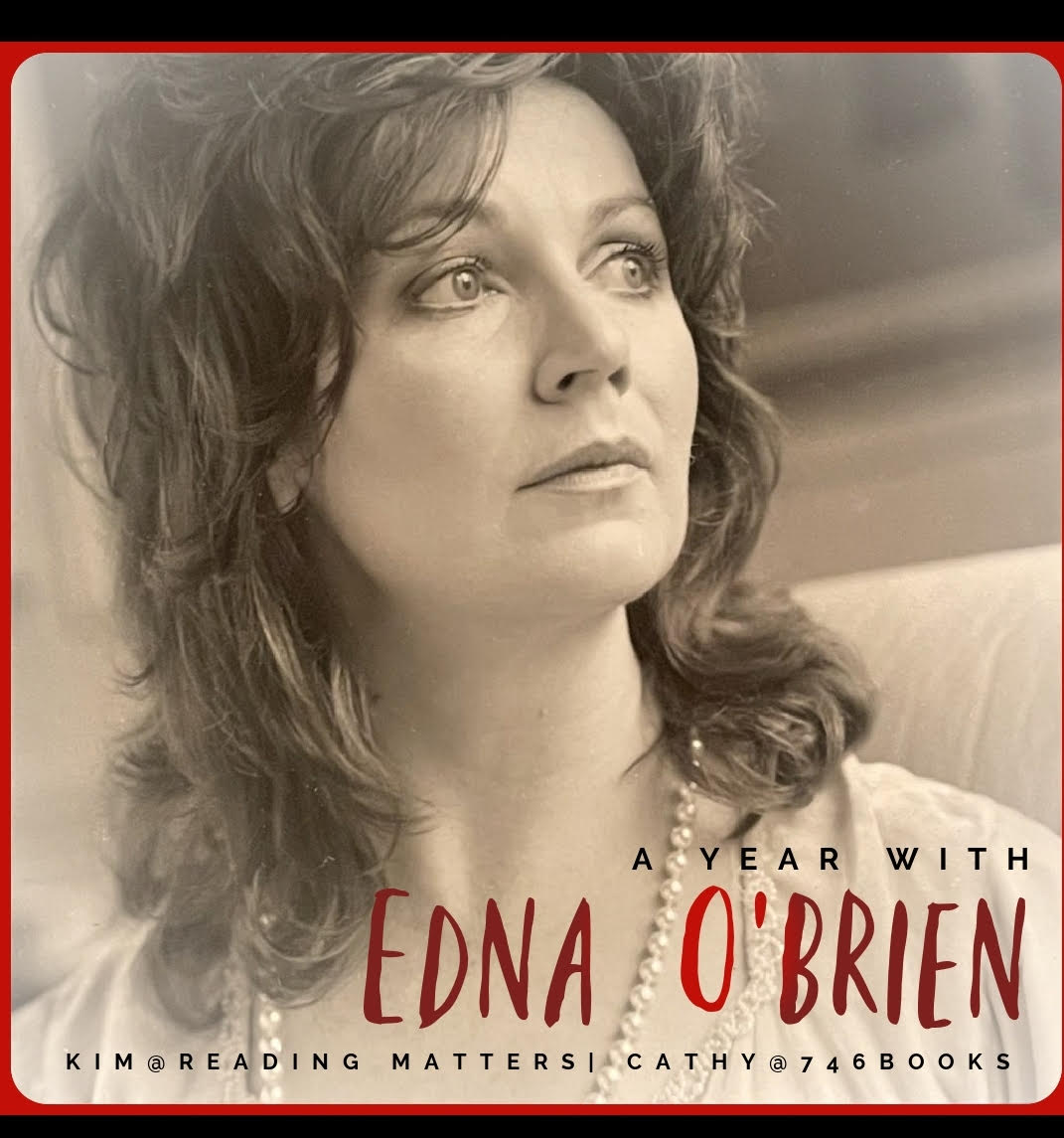
A Year With Edna O’Brien

I read this for Reading Ireland Month 2025 with Cathy at 746Books and also for Cathy and Kim’s A Year With Edna O’Brien which they are doing in 2025. Kim will be reading another of the Modern Ireland trilogy novels, Wild Decembers in August.

Further Reading

My review of Edna O’Brien’s renowned Country Girls Trilogy (initially banned in Ireland due to its bold faced portrayal of a young woman’s quest for independence and awakening sexuality) consists of three novels: The Country Girls (1960), The Lonely Girl (1962), and Girls in Their Married Bliss (1964). It was re-released in 1986 in a single volume including a revised ending to Girls in Their Married Bliss and the addition of an epilogue.

Author, Edna O’Brien

Edna O’Brien was born in December 1930 in Tuamgraney, County Clare. She died in 2024, having written over 20 works of fiction, known to provoke, dissect and dig into social, cultural and religious issues deep in the fabric of Irish society.

In addition to The Country Girls trilogy, her novels include A Pagan Place (1970), the story of a girl growing up in rural Ireland, winner of the Yorkshire Post Book of the Year Award; Zee & Co (1972); Johnny I Hardly Knew You (1977), a story of love, murder and revenge; Time and Tide (1992), winner of a Writers’ Guild Award, the story of a young wife who faces a crisis when she leaves her husband and is forced to fight for the custody of her sons.

She is the author of a trilogy of novels about modern Ireland: House of Splendid Isolation (1994), she writes about Irish nationalism and sectarian violence; Down by the River (1996), based on the true story of a young Irish rape victim forced to travel to England for a legal abortion; and Wild Decembers (1999), about a farmer, Joseph Brennan, and his sister, Breege, living in an isolated rural community. In the Forest (2002), is based on the true story of a disturbed, abused young man who murdered a young mother, her infant son and a Catholic priest in the west of Ireland in the early 1990s. The Light of Evening (2006) and Byron in Love (2009), Haunted (2010), The Little Red Chairs (2016), Girl (2020), Joyce’s Women (2022).

She wrote Mother Ireland (1976), a travelogue with photographs by Fergus Bourke, and a biography of James Joyce, published in 1999. She is the author of several plays. In 2021 she was awarded the French Ordre des Arts et Des Lettres.

“I wanted to write from as far back as I can recall. Words seemed and still seem an alchemy, and story the true conductor of life, of lives.”

Reading Ireland Month 2025

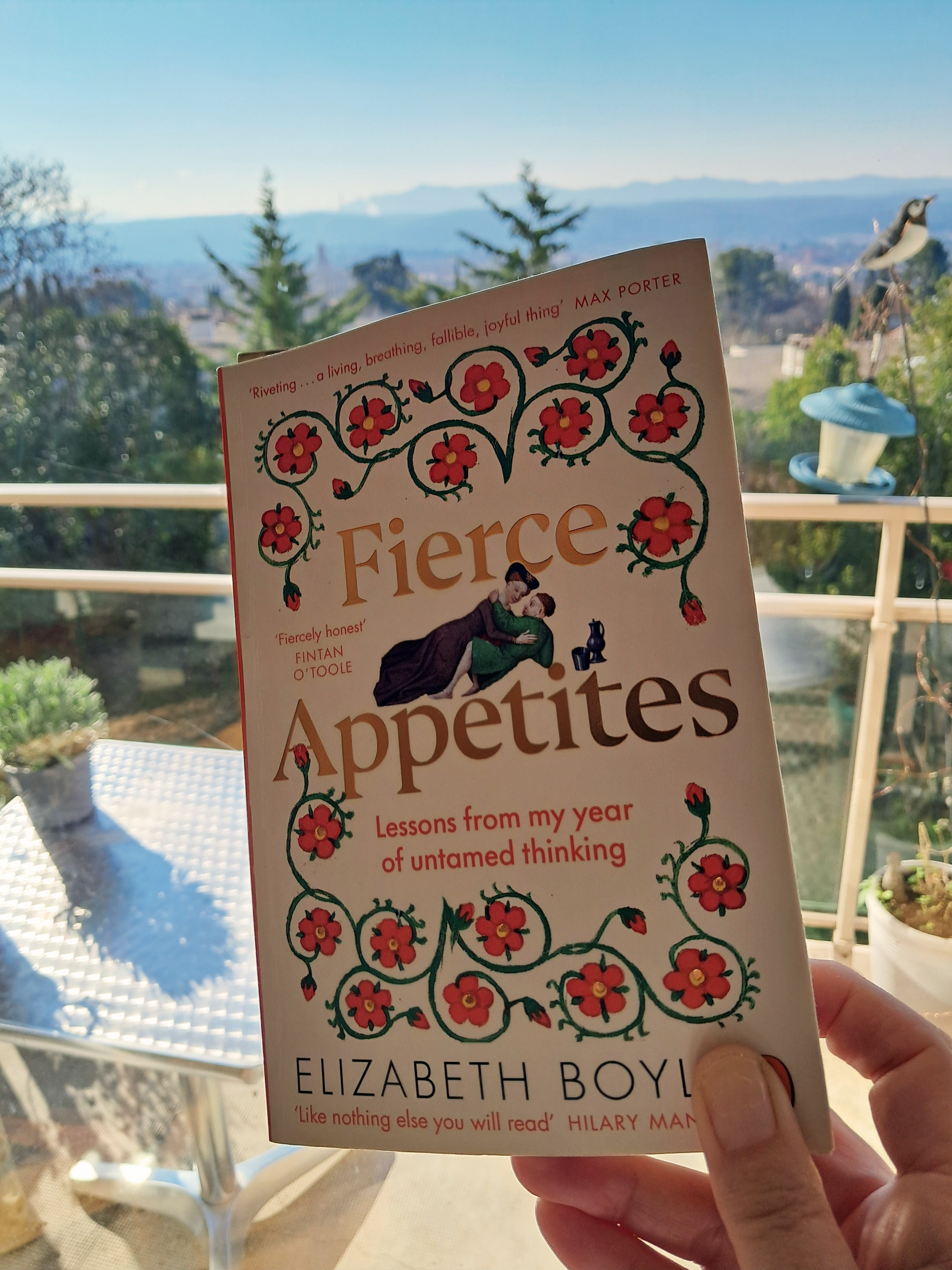
Fierce Appetites by Elizabeth Boyle

Fierce Appetites is my next read for Reading Ireland Month 2025, a nonfiction title I came across in 2022 when it was shortlisted for the Irish Book Awards Non Fiction Book of The Year. It didn’t win the award, that went to the excellent book I reviewed here, journalist Sally Hayden’s My Fourth Time We Drowned.

Lessons From My Year of Untamed Thinking

Fierce Appetites Elizabeth Boyle Medieval Irish literature The Táin Bó Cúailnge

Fierce Appetites is a hybrid memoir, written over the year following the death of the author’s father, which gives her cause to reflect on their relationship, her childhood, her role as a parent/mother, her academic profession and some of the decisions she has made over the years, both the well thought out and the impulsive, those she takes some pride in and others she regrets.

The bonds between different members of a family are explored and pondered and found in the ancient texts.

The world has always been full of stepmothers, foster-mothers, fathers who do the ‘mothering’, aunts and cousins and grandparents who take on primary caring responsibilities, adoptive mothers, institutions that rear children (for better or worse), and innumerable kinds of almost-mothers, surrogate mothers, ‘they-were-like-a-mother-to-me’s. I was reared by a stepmother who mothered me as best she could, even when I sometimes believed she was like the mythic wicked stepmother from a fairy tale, and treated her accordingly.

Writings of the Past

Alongside the memoir aspect, written in 12 chapters, months of the years, her reflections lead into a potted introduction to medieval literature, each chapter finding some connection between the personal narrative and something of the medieval history/literature texts that she is reminded of. In fact each chapter is an essay, but I read it more as an interconnected text.

There is a popular misconception that people in the Middle Ages didn’t grieve as much or as deeply as we do today. Perhaps because of the extremely high rates of infant mortality, and images in modern culture of the Middle Ages as a time of endemic warfare, people tend to think that societies became numbed to death. But the medieval literature of grief disproves that claim. People suffered from the loss of their loved ones then just as much as we do now.

Most of this was unfamiliar to me, as it would be to most people unless you had studied it in university, but that was what initially piqued my interest in the book and I found it fascinating to read about all these references and the translations of those texts and how the author demonstrates how they have something relevant to say today if you care to sit with them and interpret/reflect on their meaning or find a connection, which Elizabeth Boyle does so brilliantly.

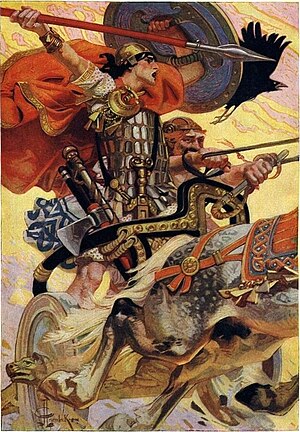
The things we fight for, and the reasons we fight for them, can be so elusive, so futile, and yet so deeply felt. Every year, I try to explain the emotional complexities of The Táin: From the Irish Epic Táin Bó Cúailnge to a new generation of students: Fer Diad and Cú Chulainn, fighting on opposite sides of a conflict and yet deeply bound by love for each other; Fergus’s divided loyalties; Medb’s myopic willingness to sacrifice her daughter for the sake of a bull.

They tell us through their stories and poems, how people lived, loved, coped and the scale of their imagination, and we reflect on how much things have or haven’t changed. Boyle not only shares her losses, she shares her excesses, yet this is not a transformational memoir, it is raw and unashamedly wicked, just like some of the characters in those ancient texts.

At the mortuary, we had been handed a NHS leaflet on dealing with grief. One of its sensible pieces of advice is not to make any major life changes in the first year of losing someone close to you. In medieval literature, characters are not given self-help pamphlets. When they suffer grief, they destroy mountains, raze kingdoms, tear their hair out and scorch the earth. I just sat numbly at the kitchen table, drinking gin and sending unwise WhatsApp messages to ex-lovers.

History Repeats

The book was written in 2020, which is also interesting because it was a year that gave many the opportunity to pursue projects like this, and also because of the political climate that gets occasionally referenced.

While Boyle lives in Ireland, she often travels to the UK to see her daughter and abroad to speak on her subject of expertise.

One of the main objections to travel in the Middle Ages was that it led to sin.

When she mentions the political situation, she does so from the point of view of a historian, and these points made from five years ago are interesting to reconsider today.

History is full of incremental improvements and revolutionary convulsions – often these are followed by reactionary backlashes in which rights are revoked, inequalities re-established.

There are so many interesting insights and observations, challenges and meandering trains of thought, I highlighted so many and could easily have spent many more hours looking up the references.

Highly Recommended, if you are curious about medieval literature and balancing family, career and personal interests.

Author, Elizabeth Boyle

Elizabeth Boyle was born in Dublin, grew up in Suffolk and returned to live in Dublin in 2013. She is a medieval historian specialising in the intellectual, literary and religious culture of Ireland and Britain. A former Leverhulme Early Career Fellow at the University of Cambridge, she now works in the Department of Early Irish at Maynooth University, where she was Head of Department for five years until 2020. 

Fierce Appetites is her debut collection of personal essays and was shortlisted for the Irish Book Awards Non Fiction Book of the Year 2022.

Reading Ireland Month 2025 Best Irish literature

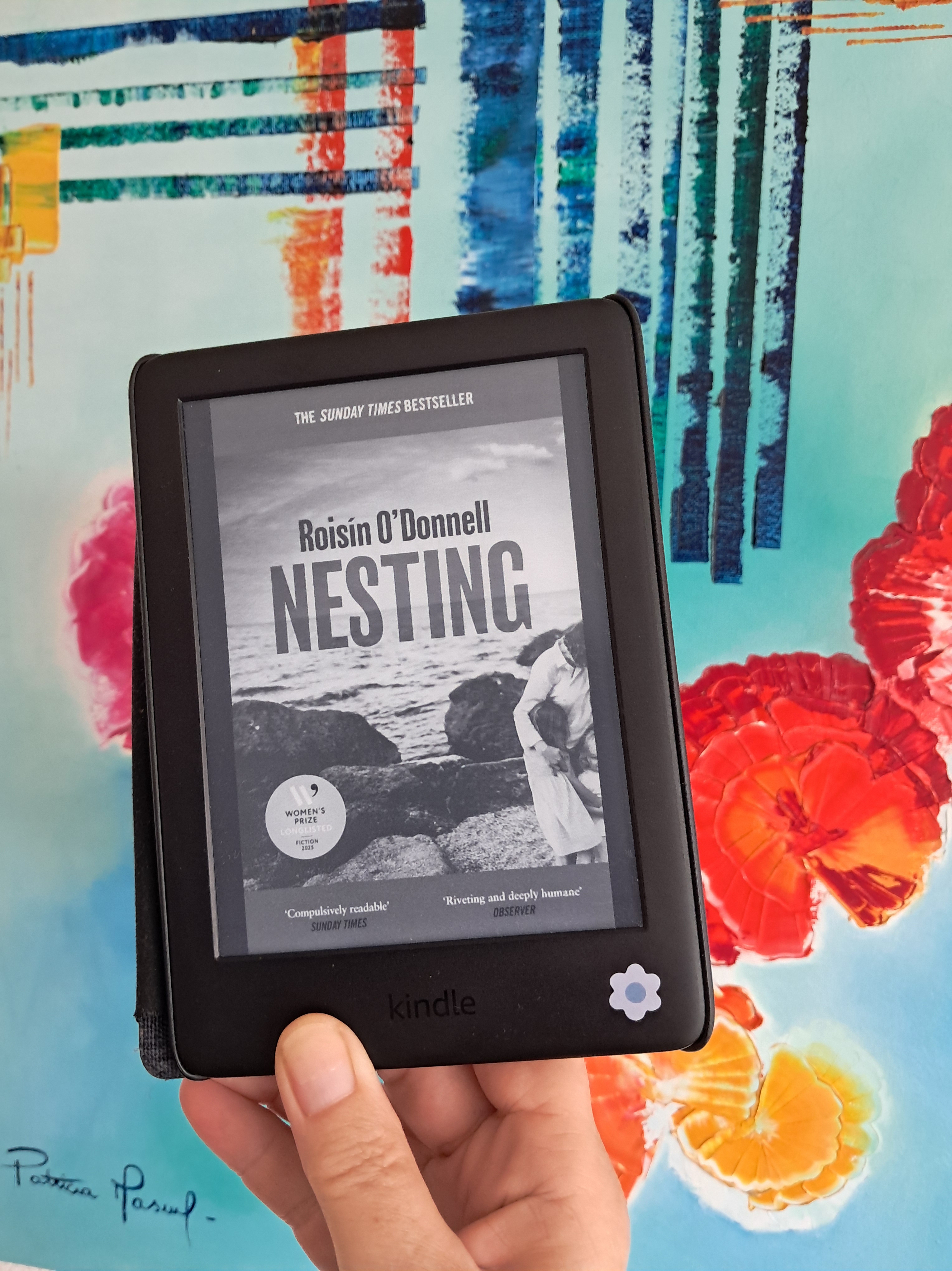
Nesting by Roísin O’Donnell

I have added this new title to my pile of books to read for Reading Ireland Month 2025, since it came to my attention, when it was longlisted for the Women’s Prize for Fiction 2025.

On the Run, Creating Home

Nesting by Rosisin O'Donnell longlisted for Womens Prize fiction 2025 Reading Ireland Month

Nesting is a visceral observation of one worldly capable woman trying to create a safe, stable home environment for her preschool age daughters in Dublin.

At the outset, Ciara appears to be living an idyllic middle class suburban life in a leafy suburban of Dublin, until that day – after bringing in the washing, shortly before her handsome civil servant husband is due to arrive home, she bundles her 3 & 5 yr old girls into the car and leaves – the marriage.

Every memory, even the good ones, are laced with clues, with red flags, but also with the critical voice within, that constantly judges her and has kept her there until now. Her battle will not be just with survival and the actions of her husband, but the battle against a conditioned life that resides within her mind, talking constantly, undermining her.

There it is again, that voice in her head. Haven’t you got what you wanted? The thing you’ve been secretly longing for? A lovely home in Ireland. Two little girls. Pigtails curling in the salty spray, jumping around in Minnie Mouse swimsuits with frills around the bums. Ryan, a loyal, hard-working husband. The type of man who other women sneak glances at, when he’s pushing the swings or ordering lunch, or standing – as he is right now – bare chested, towel drying his hair. And yet – on this bright day with seagulls screeching – there’s a gathering weight in her chest, like the feeling before thunder.

The Need for Safety, A Refuge

As the novel opens she is about to leave home for the second time with the girls, she has little money and nowhere to stay, but the intimidating psychological abuse she is subject to from her husband, has arrived at a tipping point. Inside that home, she is unable to think herself into a solution, so she runs.

It’s a habit that started when she was pregnant with Sophie. She used to call it ‘nesting’. That thing women do when they sense their baby is arriving soon. Grouting, hoovering, taking a mad notion to paint the backyard wall Azores Blue. Only, she didn’t sense an arrival but an impending threat. Cleaning, painting, fixing every centimetre of that house felt like the only thing that was safe.

And then the mountain she must climb to establish stability for the three of them, the constant demands of small children, the intimidating messages she is bombarded with, the ticking bomb of needing to get employed quickly and the near impossible task of renting a home as a young single mother in a city going through a housing crisis, with a severe housing shortage, with overpriced rentals and family across a border, unable to do much more than provide moral support..

Battling the System, the Enablers

Full of tension, this novel speeds along thriller-like, as Ciara tries to gain traction in her life and avoid the pitfalls and obstacles, including the compulsory nightly 8pm check in at the temporary hotel housing and the shame of being told to use the back entrance. Determined to escape the lure of going back, Ciara perseveres with the challenge of choosing safety over risk, when all the odds feel stacked against her.

You feel the vulnerability, the fear, the relentless pressure and overwhelm experienced, knowing she is one of the few with the determination and willpower to not go back. She will be tested.

Ciara bites her lip. Fighting the urge to tell Ryan everything. Where they are staying. What they had for dinner. It’s hard to justify her need to keep him informed of her every move. To keep herself under surveillance.

It’s a roller coaster ride of will she, won’t she, as she struggles to not give in to what at times seems the easier, self-sacrificing route…totally gripping, emotionally charged, an uncomfortable cathartic but necessary read.

Not an easy read, but a grim reminder of the absolute importance of every person to have some means of independence and a recognition of the signs of coercive control and psychological abuse in relationships and the path out.

Chair of judges for the Women’s Prize Kit de Waal said the book was:

‘a moving story, well told about what it’s like to try and leave an abusive relationship, the hurdles, the stigma, the doubt, the ease and temptation of return. Not maudlin or depressing, there’s lots of light here but ultimately this is about a system ripe for change where getting help is nearly as hard as escape itself.’

Further Reading

Women’s Prize for Fiction 2025: In Conversation with Roisin O’Donnell – the book, idea inspiration, the writing & creative process, advice to writers, author whose work has impacted her, favorite author.

The Guardian: Nesting by Roisín O’Donnell review – a tense portrait of coercive control

Author, Roisin O’Donnell

Roisín O’Donnell is an award-winning Irish author. She won the prize for Short Story of the Year at the An Post Irish Book Awards in 2018, and was shortlisted for the same prize in 2022. She is the author of the story collection Wild Quiet, longlisted for the Edge Hill Short Story Prize and shortlisted for the Kate O’Brien Award.

Her short fiction has featured in The Stinging Fly, The Tangerine, the Irish Times and many other places. Other stories have been selected for major anthologies such as The Long Gaze Back, and have featured on RTÉ Radio. Nesting is her first novel. She lives near Dublin with her two children.

Reading Ireland Month 2025 Best Irish literature

On Canaan’s Side by Sebastian Barry

Continuing Reading Ireland Month 25 I finish the last of the three novels about the Dunne Family.

The final novel in the 4 book collection about the Dunne Family, first being the play about the Dad Thomas, the last superintendent of the Dublin Police, then his children Annie Dunne and Willie’s stories A Long Long Way and now Dolly, who we knew left Ireland for America as a young woman, but we never knew why.

Interestingly she too is based on a real ancestor, the Great Aunt of the author, whose true story only came out to him in recent years.

One Grievance Too Many

We meet her as Lily, a grieving octogenarian during the 2 weeks – each day a chapter – following the death of her grandson Bill, the boy she raised alone from 2 yrs of age, as she did her son.

I am so terrified by grief that there is solace in nothing. I carry in my skull a sort of molten sphere instead of a brain, and I am burning there, with horror, and misery.

So while in the present she is grieving and finding it difficult to find reason for still being alive, the novel is a form of her confession, an ode to herself, to all that has passed; so we are taken back to Dublin, to Wicklow, to what happened after the war, after the loss of Willie, to her meeting his young friend, the solider Tadg Bere and how their destinies become entwined.

A Fateful Meeting

‘The thing about Willie was,’ Tadg Bere was saying, ‘it wasn’t just you could be depending on him, you knew he was keeping a weather eye out for you, like you might a brother. So I was always thinking, that was a sorta compliment to his family, that they had reared him up in that frame of mind.’

Her father helps him find a job in the police force. Lily isn’t too sure about her feelings for him, their relationship has barely begun, when it reaches a significant turning point.

He was proud to be working, at something akin to soldiering, and something that would allow him to serve his country. He felt he was making a new beginning. He did not believe in any new Ireland, he devoutly loved the old one. The new force paid decently, but was otherwise poorly funded and put together in great haste. They barely had uniforms, and in the beginning wore bits and bobs of various forces, half army and half police, which is why they were dubbed the Black and Tans.

Ultimately the thing she desires, she can never truly embrace, as her life is lived always looking over her shoulder, always somewhat in fear.

Absence and Loss, Refuge in Cleveland

There are patterns in her life of men departing for war, her brother, her son, her grandson, and how it affected them all. And the departure of husbands, the losses she has borne, the perseverance, the continued service to others she has willingly offered, until the last revelation, the one that undoes her.

The title On Canaan’s Side is a reference to a bible story, to a song, about leaving a place of incertitude or danger to travel to a place of refuge. In the bible it is the “promised land”, in Irish history, it is to America they look as a place they ought to be safe and happy. It represents humbleness and receptivity, values that Lily has honoured, only to have encountered its curse, an inability to rise above her station.

Barry had this reference in mind too, after hearing it was mentioned by a newsreader in relation to the death of Martin Luther King, the tragedy of his killing, to be on Canaan’s side. There is a scene where King visits the house where Lily cooks, it seems out of place in the novel, but perhaps it is a nod to this reference.

Interestingly, Barry’s Canaan is Cleveland, Ohio, where Lily ends up; a place he developed an interest in due to the building of the Ohio Canal, a work of civil engineering designed to invigorate the northern territories up into Canada, already destroyed by the great flood in 1913.

The novel brilliantly portrays the struggle of making a new life, the lack of choices, the nostalgia of what has been left behind, the inability to prevent certain tragedies that arrive unbidden.

“I do believe writing for a writer is as natural as birdsong to a robin. I do believe you can ferry back a lost heart and soul in the small boat of a novel or a play. That plays and novels are a version of the afterlife, a more likely one maybe than that extravagant notion of heaven we were reared on. That true lives can nest in the actual syntax of language. Maybe this is daft, but it does the trick for me. I write because I can’t resist the sound of the engine of a book, the adventure of beginning, and the possible glimpses of new landscapes as one goes through. Not to mention the excitement of breaking a toe in the potholes.” Interview with Sebastian Barry, Words With Writers, 2011

Further Reading Listening

Talking About “On Canaan’s Side” with author Sebastian Barry, CBC Radio

Guardian review: On Canaan’s Side by Sebastian Barry – Sebastian Barry’s fifth novel is a lyrical evocation of trauma and exile, bearing a seemingly endless series of potent images

Author, Sebastian Barry

The 2018-21 Laureate for Irish Fiction, Barry had two consecutive novels shortlisted for the Booker PrizeA Long Long Way (2005) and the top ten bestseller The Secret Scripture (2008), before Old God’s Time was longlisted for the Booker Prize in 2023. He has also won the Kerry Group Irish Fiction Prize, the Irish Book Awards Novel of the Year and the James Tait Black Memorial Prize.

His novels have twice won the Costa Book of the Year award, the Independent Booksellers Award and the Walter Scott Prize. Barry was born in Dublin in 1955, and now lives in County Wicklow.