Literary Blog Hop Book #Giveaway

From today until Wednesday June 25th I am participating along with many other international bloggers in a Literary Blog Hop Giveaway hosted by Judith at Leeswamme’s Blog, an avid reader and reviewer from the Netherlands.

literarybloghop

Comment below to win the books I am offering and visit the other blogs to enter their offers.

I am offering two books, recent reads and not the usual thing you find in a bookshop. Both titles are literary gems, one an award-winning Norwegian translation, the other a riveting, thought-provoking glimpse into a cross cultural family that thanks to blogging and twitter connections I became aware of. They are fabulous reads, but do check out my reviews first to find out if they sound like something you might enjoy.

You can enter for one title only or for both, one comment puts you in the draw for both books, unless you tell me you are only interested in one of the titles. Ok, here they are:

COMMENT to WIN A COPY of

The Blue Room by Hanne Ørstavik translated by Deborah Dawkin – read my review here.

“a gripping portrayal of a mother-daughter relationship that will send a chill down your spine.”

OR

Carrots and Jaffas by Howard Goldenberg – read my review here.

 “a glimpse into the heart of an ancient land and a fractured family, through the story of a stolen child.”


BlogHop Button

To enter the giveaway, open worldwide to anyone whether you have a blog or not, just leave a comment below to be entered in the draw.

Follow my blog Word by Word to get two chances to win and mention it in your comment.

Follow the blog Word by Word and @clairewords on twitter to have three entries in the draw.

If you are already following, make sure to remind me in your comment.

Good Luck and enjoy visiting the other blogs listed here, just click to visit:

Linky List:

  1. Leeswammes
  2. The Misfortune of Knowing
  3. Bibliosue
  4. Too Fond
  5. Under a Gray Sky
  6. Read Her Like an Open Book (US)
  7. My Devotional Thoughts
  8. WildmooBooks
  9. Guiltless Reading
  10. Fourth Street Review
  11. Nishita’s Rants and Raves
  12. Word by Word
  13. Words And Peace (US)
  14. Ciska’s Book Chest
  15. Falling Letters
  16. Roof Beam Reader
  17. Readerbuzz
  18. The Relentless Reader (US)
  19. Mom’s Small Victories (US)
  20. Daily Mayo (US)
  1. The Emerald City Book Review (US)
  2. A Lovely Bookshelf on the Wall
  3. Lost Generation Reader
  4. Booklover Book Reviews
  5. Bay State Reader’s Advisory
  6. River City Reading (US)
  7. Books Speak Volumes
  8. Words for Worms
  9. Wensend
  10. Bibliophile’s Retreat
  11. Readers’ Oasis
  12. The Book Musings
  13. My Book Retreat (N. Am.)
  14. Books on the Table (US)

Baileys Women’s Prize for Fiction 2014 Winner

It seems like a very long time since we learned of the short list.

My blog post about the shortlist is here, and it gives a one sentence summary about each of the books, the only book I have read and reviewed, so of course it is my favourite is Chimamanda Ngozi Adichie’s Americanah which I reviewed here.

Here are the six novels that were shortlisted for the prize:

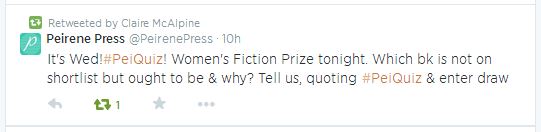
Today Peirene Press are running their weekly quiz using the hashtag #PeiQuiz and their question is:

PeiQuiz

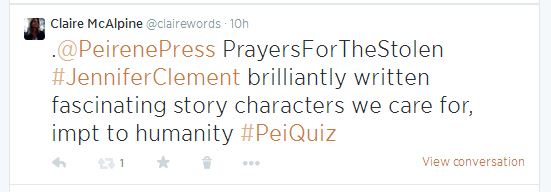
My answer to the quiz was:

PeiQuiz2

a book I read recently, which was not only a great story, but one you won’t be able to stop thinking about and one I gave a rare 5 stars to. You can read the review here if you missed it.

But back to the Baileys Prize!

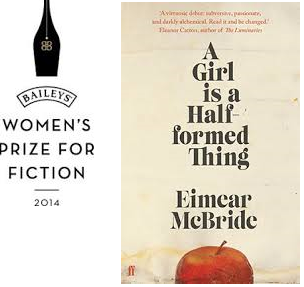
The winner of the Baileys Women’s Prize for Fiction in 2014 is….


Baileys 2014 winner

Congratualtions to Eimear McBride and Galley Beggars Press, a fabulous result for a novel that was written in six months and took 10 years to find its place in the world, proof if ever there was for writers to continue to persevere!

Further Reading

Review Eric Karl Anderson at Lonesome Reader, who read them all and accurately picked the winner, he writes excellent reviews, I recommend following

Review Anne Enright’s review of A Girl is a Half-Formed Thing in The Guardian.

Scattered Dreams by Karin Crilly

On March 4th I sent an email to Karin Crilly about a competition being run on The Good Life France. I saw this competition mentioned on twitter  @lifefrance and thought of Karin as I knew she was writing a memoir about her year in Aix-en-Provence and I thought it would be a good idea for her to send something out into the world.

The Good Life France is an independent online magazine that celebrates life in France and attracts a number of writers and contributors who write on a wide range of subjects, keeping visitors and residents informed about France and all things French. The competition was to celebrate the 2nd anniversary since their inception and they invited contributions of work up to 1000 words on France or French related.

Good Life

Karin replied and said she would be very interested in entering the competition and asked if I would like to read the extract she had chosen, from the first chapter of her book.

Unbeknown to us both at the time, it was the beginning of the two of us working together. I read her work, made some suggestions and she polished her already excellent prose into a shape resembling 1000 words of an evocative experience in Paris that did indeed wow the judges, moving some of them to tears yet uplifting them at the same time.

Earlier this week, to our great joy, we learned that Karin had won the competition, ahead of more than 100 other entries and her story Scattered Dreams in Paris has now been published on The Good Life France.

You can read the story here by clicking on the title.

Winner of 2014 Writing Competition The Good Life France!

Scattered Dreams in Paris by Karin Crilly

CIMG2976


Congratulations Karin and  Bonne Continuation!

Update: Karin’s memoir has now been published, you can find out more by reading my review here: The Blue Satin NightGown by Karin Crilly.

Nagasaki by Éric Faye

Thanks to Gallic Books, another recent English translation of a French literary work is being published in 2014, Nagasaki, a slim novella inspired by a newspaper cutting of real life events.

Belgravia Books

Belgravia Bookshop offering Gallic Books and other translations

Shimura Kobo lives alone in a quiet suburban street, by day he works as a meteorologist, he rarely socialises with his colleagues, nor does he see family much, his life causes fewer ripples in Nagasaki than the weather he forecasts for it.

“There comes a time when nothing happens any more. The ribbon of destiny, stretched too wide, has snapped. There’s no more. The shockwave caused by your birth is far, oh so far, behind you now. That is modern life. Your existence spans the distance between failure and success. Between frost and the rising of sap.”

Recently there have been a few barely detectable disturbances to his inanimate way of living. A container of fruit juice seems to have lost a few centimetres, and isn’t there one yoghurt pot less than was there this morning? He begins to take extra care securing his home, yet still has the feeling of something not being quite right.

Nagasaki (2)He sets up a webcam in his home and sits at work watching his kitchen as if studying the meteorological charts, waiting to detect any sign of disturbance.

It is a brief story where the revelation comes early, its slow residual effect only beginning in the aftermath. About halfway the narrative shifts, adding to the mystery of how the revelation impacts Shimura, as we no longer have access to his thoughts.

That it is based on a true story is enough to haunt the reader, but the way Eric Faye narrates it, contributes to the way this story inhabits the mind as we read. Like the best stories, it stays with you long after reading and invites discussion with others about how such a thing could happen in our society.

And it will make you check your door locks more carefully.


Note: Thank you to Gallic Books for providing a copy of the book.

This is the Story of a Happy Marriage by Ann Patchett

Ann Patchett MarriageAs a metaphor for a collection of essays that pays tribute to a life of writing, it’s an apt title, though as the title of a book that lures me towards picking it up to read the blurb and buy it, I admit to being slow to respond to this collection. It is actually a very beautiful minimal cover, the fact that it has a white background and contains only text proof it is a book targeted at existing fans of Ann Patchett, no need for seductive images or clever marketing to lure readers, this cover has the mark of confidence and attitude.

It also contains something of an illusion, the author’s name is embossed in a shiny aquatic blue, which depending on how much light you expose it to, either appears blue or black. It occurred to me while reading, that this might not be an accident, I played around with the cover, watching letters I would swear were shiny blue disappear and become matt black. Appearances are not always the truest guide, looking at things from a slightly different angle, can significantly alter perceptions. Even this title is not all that it seems and now that I have finished the book, I find it most apt.

Many of the essays have been published in other publications, as Ann Patchett describes how she grew to become a writer of fiction, something she always wanted and knew she would do, but that necessitated a slew of other jobs as well as writing non-fiction articles for magazines that would pay. As she points out in the very first lines of the book:

“The tricky thing about being a writer, or about being any kind of artist, is that in addition to making art you also have to make a living. My short stories and novel have always filled my life with meaning, but, at least in the first decade of my career, they were no more capable of supporting me than my dog was.”

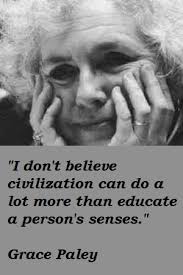
Grace PaleyWe read about the memorable story her father read to her over the telephone one Christmas, her fiction teacher Allan Gurganus who made them write a story every week for two semesters, turning them into musicians of language who learnt that a habit of regular practice leads to improvement and classes with Grace Paley, for whom support of human rights sometimes trumped attendance at class, whether that meant her disappearing to protest in Chile or being absent from a scheduled appointment having given her attention to a tearful tale from another student.

“Grace wanted us to be better people than we were, and she knew that the chances of our becoming real writers depended on it. Instead of telling us what to do, she showed us. Human rights violations were more important than fiction. Giving your full attention to a person who is suffering was bigger than marking up a story, bigger than writing a story.”

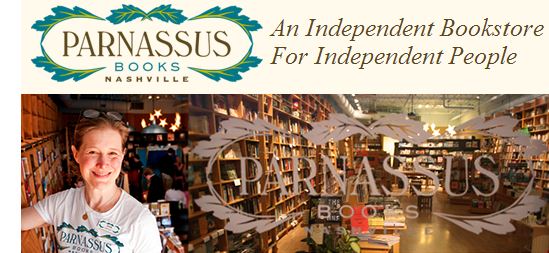
It is perhaps not until she opens her own bookstore, Parnassus Books that the influence of Grace Paley rises, as Ann Patchett becomes something of an activist herself for the plight of the independent bookstore, which she writes about ni the essay The Bookstore Strikes Back.

Parnassus Books

She writes about a legacy of separation and divorce stretching back generations, not so much present in the genes, more like evidence that we all need to experience those natural life stages that often mean a significant relationship or marriage doesn’t survive. Finding it hard to accept and taking advice from her mother to heart, she vows never to remarry. She is wedded to her work. And she has a dog. She loves.

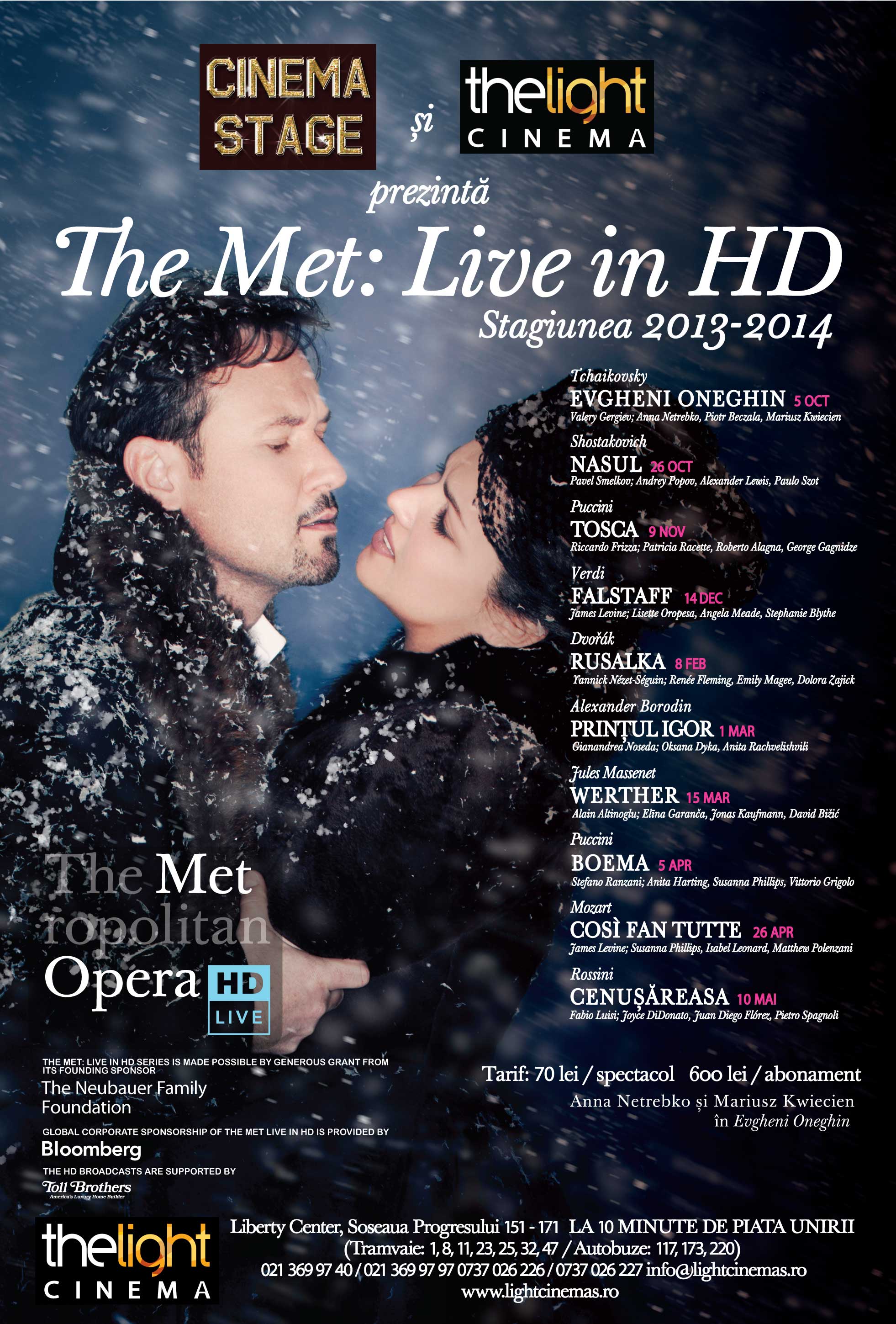
She shares a growing love of opera, a late bloomer having discovered it almost by accident while researching her novel Bel Canto she discovers what becomes a lifelong passion, which living in Nashville, known for another type of music altogether wasn’t so easy to foster, until The Met realising that thousands of people would love to see opera regularly but couldn’t, came up with the idea of bringing it to the masses via cinema – live high-definition opera performances.

Met Opera“We watch the patrons in New York, people who have paid ten times more for tickets, and some more than that, as they make their way to their seats. Like us, the audience members on the screen stop to greet the familiar people around them, and like the audience in New York, we clap for both arias and curtain calls. We call out Brava! And Bravo! The rational mind understands the singers can’t hear us, and yet we are living so completely in our high-definition moment it is easy to forget.”

“There, in a comfortable fold-down seat with a whiff of popcorn in the air, I watched Anna Netrebko lie on her back, dangle her head down into the orchestra pit, and sing Bellini like her heart was on fire.”

And The Story of a Happy Marriage? Yes, it is an essay in the collection and one that she was endlessly encouraged to write and in the end becomes the cover title of this book, because the metaphor is all embracing of a woman who always knew what she wanted, never straying from that despite the numerous obstacles and even finds time now to give back to those who helped set her out on the path early on.

The essays stand on their own but equally form a cohesive narrative and are written as if Ann Patchett is writing to that one true friend, one of the reasons that many readers and reviewers have commented on this collection by saying they could imagine being friends with
her. And as she says in one of her books, Truth and Beauty:

“Writing is a job, a talent, but it’s also the place to go in your head. It is the imaginary friend you drink your tea with in the afternoon.”

Write A Book Review, Anyone Can Do It

GyannA little while ago I received a request from Corinne, an inspirational blogger from Mumbai in India, who shares her thoughts on keeping life simple, authentic and holistic at Everyday Gyann.

She recently started another blog called Write Tribe – Motivation and Support for Writers and Bloggers.  Write Tribe sometimes offers books for review to its followers and as Corinne is a loyal follower of Word by Word, she asked if I could write a post on How to Write a Book Review.

Write Tribe

I’m not a rule follower myself, but I decided to share my thoughts on this habit I have been practising for the last two years, as when something becomes a regular habit, there develop patterns. So I wrote 10 tips on writing a book review and then added number 11 which is to ignore the rules!

The Review Notebooks!

The Review Notebooks!

If you would like to read my thoughts on writing a book review, you can read them in Corinne’s three-part series over at Write Tribe, just follow the links below.

How To Write A Book Review – Part 1

How To Write A Book Review – Part 2

How To Write A Book Review – Part 3

Thanks again Corinne for the invitation and I hope this might encourage readers of this blog who might have been considering it, to go ahead and write a review too.

Claire

The Crane Wife by Patrick Ness

The Extraordinary Happens Every Day

A Monster Calls

A Monster Calls

You may remember that last year Patrick Ness’s A Monster Calls was one of my few 5 star reads for the year, a young adult novel, it told the story of a teenage boy coping with his mother’s illness and his nightly visits from a tree-like monster creating an allegory that captures the angst and silent rage of a fearful boy like nothing I have ever read.

Not only is the storytelling incredible as well as moving, the author was telling a story that another author Siobhan Dowd wanted to tell, but her own illness kept her from doing so. If you haven’t read it, keep an eye out for it, it is a timeless classic.

I had seen a few reviews for The Crane Wife, an adult novel by Patrick Ness that sounded intriguing and when our local English bookstore put the hardcover version of it out in their sale, I snapped it up and immediately stopped everything I was reading to begin reading. Such is the power of words written by Patrick Ness for this reader. He is a writer who deftly uses a touch of magic realism which I like, not to dwell in it all the time, but when used sparingly with purpose to elevate or create a turning point in a story, I find it no trouble to accept.

The Crane Wife is inspired by the Japanese myth of the same name Ness was read in kindergarten by the Japanese-American teacher he adored, in which a sail maker finds an injured crane and helps it and the next day a mysterious woman walks into his life, whom he falls in love with and marries. She tells him, “I can weave you beautiful sails, as long as you don’t watch me weave”. She does so, they grow rich, until he becomes too consumed by greed and curiosity and breaks his promise, only to experience irretrievable loss.

The_Crane_Wife__pentaptych_by_Crooty

The story stayed with the author over the years and then many years later he heard The Decemberists song The Crane Wife 1 which captured the emotion of the story just as he felt it. It was the catalyst to start writing, he was ready to tell the story that had been in incubation for so long. And what a beautiful song, I can’t stop listening to it myself.

In this novel, George wakes one morning to hear a mournful keening come from his backyard and in the freezing temperatures, investigates to find a large crane with an arrow shot through its wing. He assists the crane and then watches it fly off. The next day in his print shop as he is working on his latest obsession, making paper cut-outs from second-hand abandoned books, in walks a woman we come to know as Kumiko, an event that marks the beginning of an artistic and love bound encounter, touching the lives of George, his daughter Amanda and those close to them.

George is in his 40’s and in something of a comfortable rut, amicably divorced, running his small shop with the help of Mehmet, his assistant and alter-ego. His daughter Amanda lives alone with her son Jean-Pierre, her uncontrollable anger having driven out her French husband, despite their still burning love.

Crane Wife

There is much unsaid between characters and that which is communicated, isn’t always done so as it was intended, until Kumiko and George begin to collaborate through their art, work that affects all who see it, accessing those uncommunicative wordless depths and giving them expression. The work affects them all, artists and observers.

It is a story about humanity, how even those who act out of kindness make mistakes, are tempted by greed and suffer tragic consequences. It is also about how a story changes depends on who is telling it, the power of the imagination in creating different perspectives, viewed in the shadow or in the light. Kumiko says,

‘A story must be told. How else can we live in this world that makes no sense?’

‘How else can we live with the extraordinary?’ George murmured.

‘Yes,’ Kumiko said, seriously. ‘Exactly that. The extraordinary happens all the time. So much, we can’t take it. Life and happiness and heartache and love. If we couldn’t put it into a story-‘

‘And explain it-‘

‘No!’ she said, suddenly sharp. ‘Not explain. Stories do not explain. They seem to, but all they provide is a starting point. A story never ends at the end. There is always after. And even within itself, even by saying that this version is the right one, it suggests other versions, versions that exist in parallel. No, a story is not an explanation, it is a net, a net through which the truth flows. The net catches some of the truth, but not all, never, all, only enough so that we can live with the extraordinary without it killing us.’ She sagged a little, as if exhausted by this speech. ‘As it surely, surely, would.’

In the beginning I was reminded a little of Nick Hornby, the London novel set in a shop, the banter between employer and employee, the vulnerable, angry young woman, the great dialogue and strong characters that come to life from the very first pages and the immediate interest in what will befall them, wondering what consequences their flaws will make manifest. But then Kumiko walks in, a traveller from afar and I remember this is Patrick Ness, something extraordinary is going to happen, even if it is not immediately apparent.

He writes with compassion and as a reader I trust him, whether it’s tragedy, darkness or exhilaration, he handles it all with responsibility, without resorting to cliché and makes me want to slow read every word.

Coincidentally, yesterday on The Guardian, Patrick Ness participated in the books podcast performing an exclusive short story, an addition to his short story collection for adults Topics About Which I Know Nothing which is to be republished and talked to Claire Armistead about writing short stories and the differences in writing for adults and teenagers.

Armistead thought he was being coy about the differences between young adult (YA) and adult fiction, suggesting YA books had a ‘more cheerful trajectory’ to which he replied:

‘I always say the concerns of a teenage novel tend to be about testing your boundaries and finding out who you are and finding out the limits of yourself and crossing those limits and discovering it hurts or discovering that it’s a new thing that you can be and are, and an adult novel tends to be …about someone whose boundaries are already solidified and the story tends to be about what happens when you are taken outside those boundaries or how those boundaries are limited to you …both make for fantastic stories, intellectual ones, complex ones, the concerns might be different, but it’s not a simplistic thing, that you must be direct in one and indirect in another’ Patrick Ness

Arctic Dreams – Imagination and Desire in a Northern Landscape by Barry Lopez

“Sometimes we need a story more than food to stay alive.”

Barry Lopez

Valorie Hallorin

This quote sits on the home page of one my favourite blogs, Books Can Save A Life and it is also where I came across the non-fiction writer Barry Lopez. Not just in this quote, but in her reviews of a number of his collections, reading about Barry Lopez makes me want to read every book he has written.

From the essays I review below, it may appear he is a nature writer, but he can not be categorised so easily, he  writes about humanity and could I am sure turn his pen towards any subject and make it an engaging read.

About This Life

Valories shares this quote from her review of About This Life: Journeys on the Threshold of Memory and the following conversation gives us a flavour of the diversity of his observations and subsequent learnings about life.

In the introduction to his essay collection About This Life: Journeys on the Threshold of Memory, Barry Lopez tells of meeting a man on a plane who asked what words of advice he could pass on to his teen-age daughter, who wanted to be a writer. This is what Lopez said:

She must read, and her choices should be whatever she is drawn to.

She should read the classics, too, but she’ll have to work harder to find stories of heroism, love, and our noblest values that are written by women.

Second, she must “become someone” and “speak to us from within those beliefs.”

Third, he advised that she “separate herself from the familiar.” After exploring other places and meeting a diversity of people, she’ll know why she loves the familiar and share this knowledge through her writing.

Arctic dreamsHowever, it was her review Arctic Dreams – gathering words that had me chasing up this book, because it was not only a powerful book of nature essays, but as she says, it is a source of “the most dazzling and poetic passages about the natural world you’ll ever encounter.”

Valorie is “into words” and does Lexicon Practice, inspired by the author of The Writer’s Portable Mentor, Pricilla Long. Lexicon Practice involves compiling new words encountered in books into a notebook, noting the original sentence and creating a new one. It inspires our vocabulary which may otherwise degenerate into those overused phrases we read every day in various media. And Barry Lopez exposes us to an abundance of wonderful new words!

Arctic Dreams was originally published in 1986 and won the US National Book Award for non-fiction. It is a compilation of around 10 essays, which can be read separately, each one focusing on a different subject, as Lopez focuses on the inhabitants, visitors and four-legged, two-winged migrants of a frozen territory in the North.

Reading his work is a little like being mesmerised by a compelling narrator in a nature documentary, for it is not just the images of the animals and the landscape that are interesting, but his recounting philosophical thoughts of our interaction with nature and  local populations, whether they are polar bears, seals or Arctic peoples.

Narwhal

The Narwhal

I don’t think I have ever highlighted so many passages in one book, as I have in Lopez’s Arctic Dreams, it is a privilege to walk in his footsteps, to figuratively look over his shoulder and see inside a compassionate mind as he whispers words onto the page of this incredible collection of observations of natural life.

I recognise that change that can come over us, when we spend long enough in an environment completely foreign to our norm, long enough that our behaviour starts to change, something primal occurs and so it is no surprise to me when Lopez mentions that on his evening walks, he starts bowing to the birds he encounters. This ritual will inspire his own questions into how humanity imagines the landscapes they are in and how in turn the land shapes the imaginations of the people who dwell within it. And so he journeys into the unknown to find out.

“I took to bowing on these evening walks. I would bow slightly with my hands in my pockets, towards the birds and the evidence of life in their nests – because of their fecundity, unexpected in this remote region, and because of the serene arctic light that came down over the land like breath, like breathing.”

muskox

Musk-oxen

And so I find myself immersed in chapters that expound on characteristics and behaviour of musk-oxen, polar bears, the narwhal, the influence and importance of ice and light, the great migrations and more.

“Watching the animals come and go, and feeling the land swell up to meet them and then feeling it grow still at their departure, I came to think of the migrations as breath, as the land breathing. In spring a great inhalation of light and animals. The long-bated breath of summer. And an exhalation that propelled them all south in the fall.”

Barry Lopez has a unique voice, on the page and in person. Even you never read his words in a book, listen to him here speaking for less than two minutes about the gift of story in our lives.

Note: This book was an Advance Reader Copy(ARC) kindly provided by the publisher via NetGalley.

Top Reads 2013

I thought it was impossible last year and this year seems just as difficult, unlike last years clear-cut outstanding read, which I would recommend to anyone and everyone, I’m not so confident that my Outstanding Read of 2013 has universal appeal. But I absolutely loved it and recommend it highly!

Outstanding Read of the Year
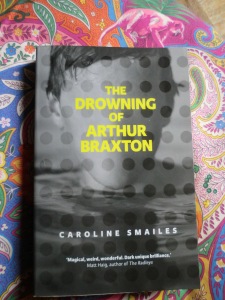
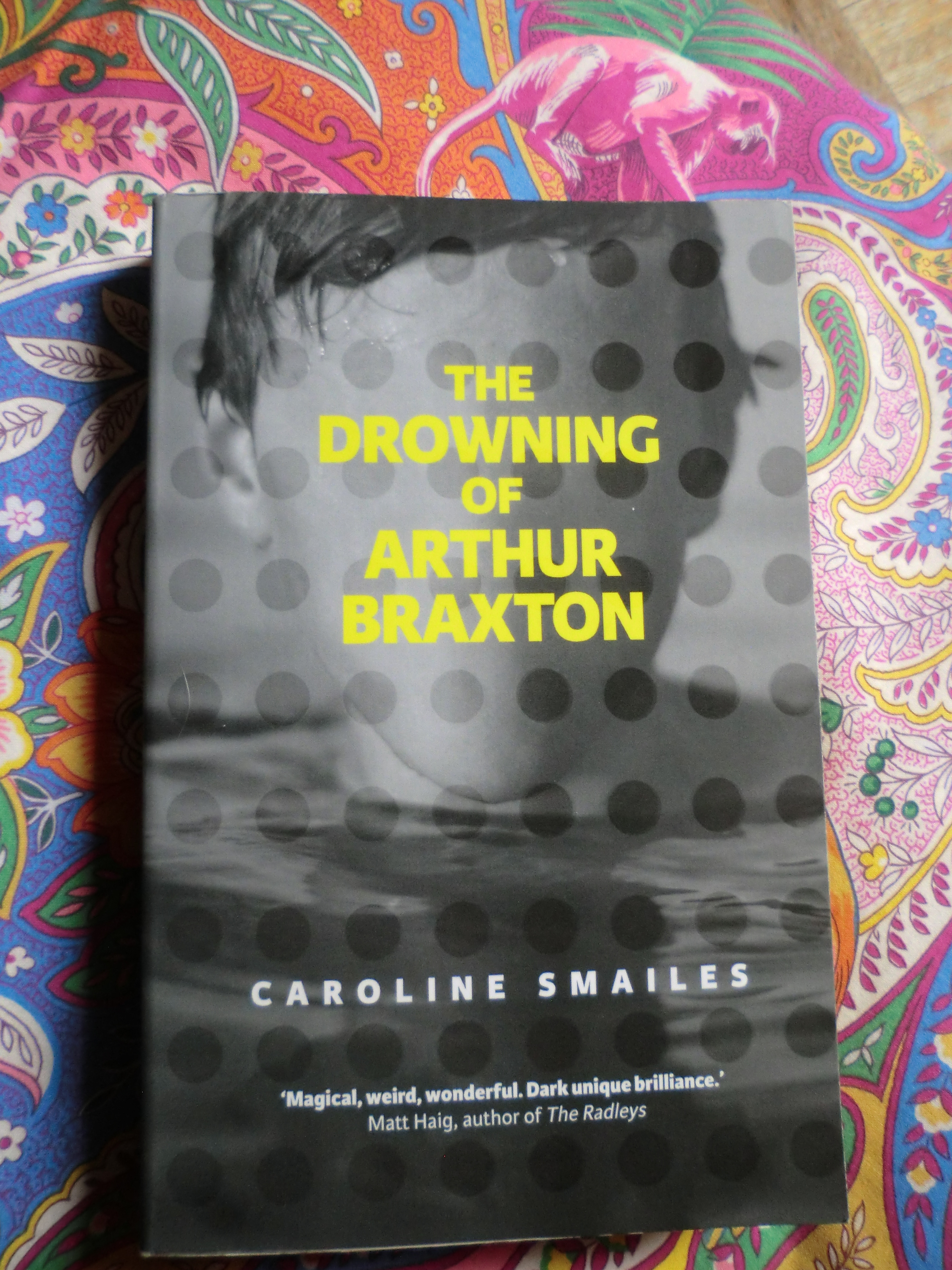
Arthur BraxtonMy outstanding read of the year, the one that stopped me in my tracks and then pulled me along at a fast pace and left me wondering what it was that was so compelling only to realise it was the originality of voice was Caroline Smailes The Drowning of Arthur Braxton.

I love that I knew nothing about it before reading it, I chose it on instinct, had never heard of the author and the book just worked its magic from the beginning . Then there was the serendipitous event occurring at the Victorian Baths where it is set, just as I was reading it – well that was the icing on the cake.

It’s a coming age story of a teenage boy who starts hanging out at an abandoned Victorian bath-house where things don’t always appear as they should, he discovers an uninhibited young woman swimming naked in the pool, the point from which all his perceptions about life begin to alter. It is strange, magical, weird and infused with hope without being in any way sentimental.  But don’t take my word for it, read it!

As for the rest, in no particular order, here are my memorable fiction and non-fiction reads for 2013.

Top Fiction
BoothThe Industry of Souls by Martin Booth was the first book of the year and a reread for me, something I rarely do, but I wanted to see if Martin Booths excellent book stood the test of time. And it sure did. I love this book and the way this author writes. The book is about a British prisoner held for many years in a Russian gulag, who decides not to return home after his release. The story is narrated on the day of his 80th birthday as he looks back and his past comes to visit him.
monster 2A Monster Calls by Patrick Ness – in all pursuits, sometimes it’s a good idea to go off piste  and for me this venture into young adult fiction was exactly that.  I picked this up in the library having recalled seeing a few excellent reviews and was intrigued by the concept of a writer picking up the threads of another writers idea and bringing it to fruition – Siobhan Dowd died tragically at the age of 47 and Patrick Ness brilliantly brings her story idea to life in this incredible, poignant tale.
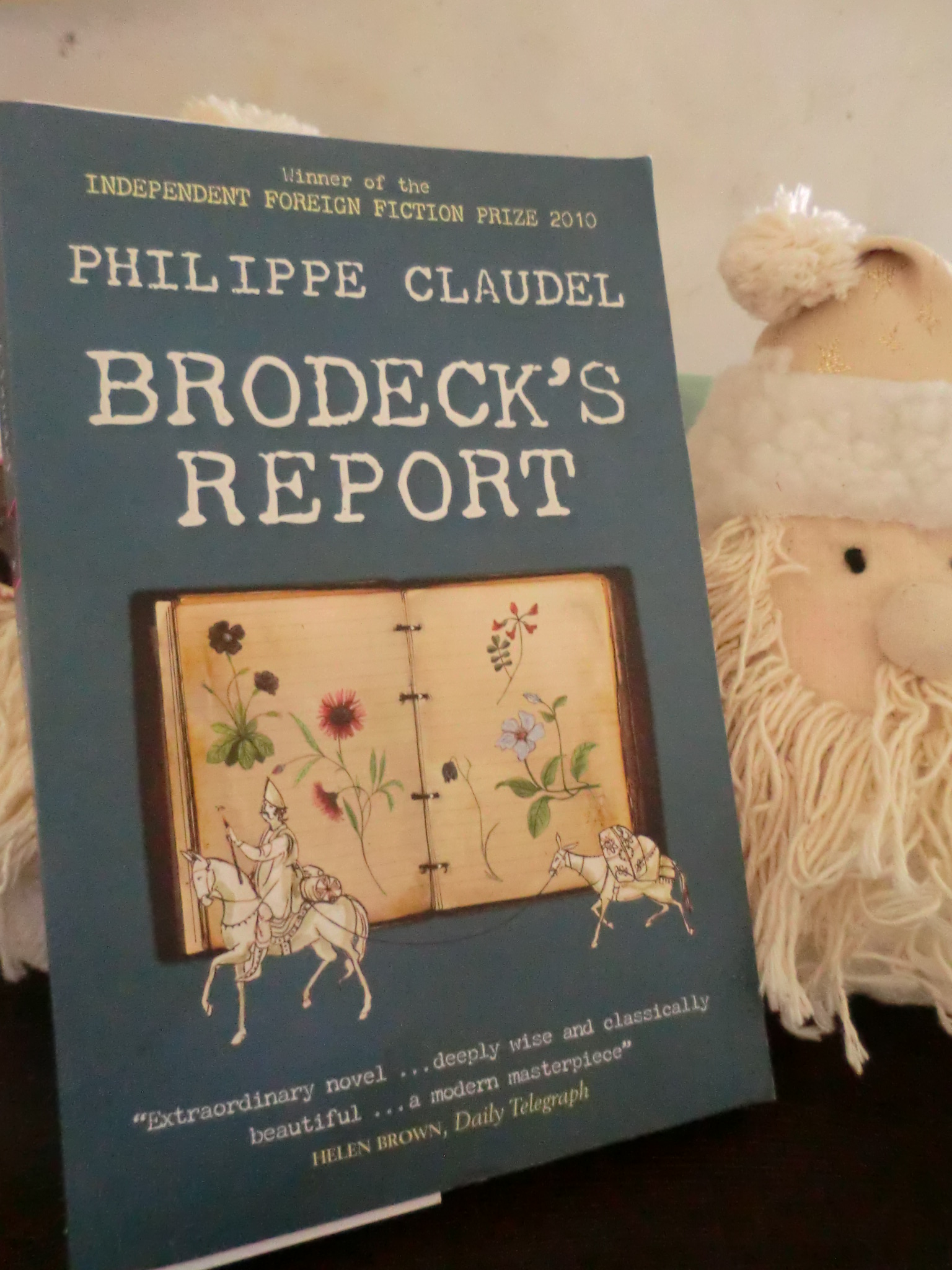
BrodeckBrodeck’s Report by Phillipe Claudel – a very recent read and his words stay with me, I feel like I want to read everything he has written. Having survived a concentration camp, Brodeck returns to his village where life resumes as before until a stranger arrives in the village unsettling the inhabitants to the point where they decide to dispose of him, Brodeck isn’t involved but is given the task of writing a report about it. He writes twin narratives, unveiling the best and worst tendencies of humanity.
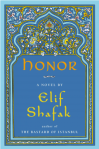
HonourHonour by Elif Shafak The 4th book by this wonderful Turkish author I have read and she is becoming more known with each new book, this one being nominated for numerous prizes and Turkey being the guest nation at this years London Book Fair. Honour is a story of a poor family and follows the lives of two sisters, one who goes to live in London as an immigrant, though she will always be that girl from the village. It highlights the difficulty in straddling two worlds, especially for the next generation, who try to assimilate into the new culture, but who when vulnerable are often drawn back into the least desirable aspects of the old culture.
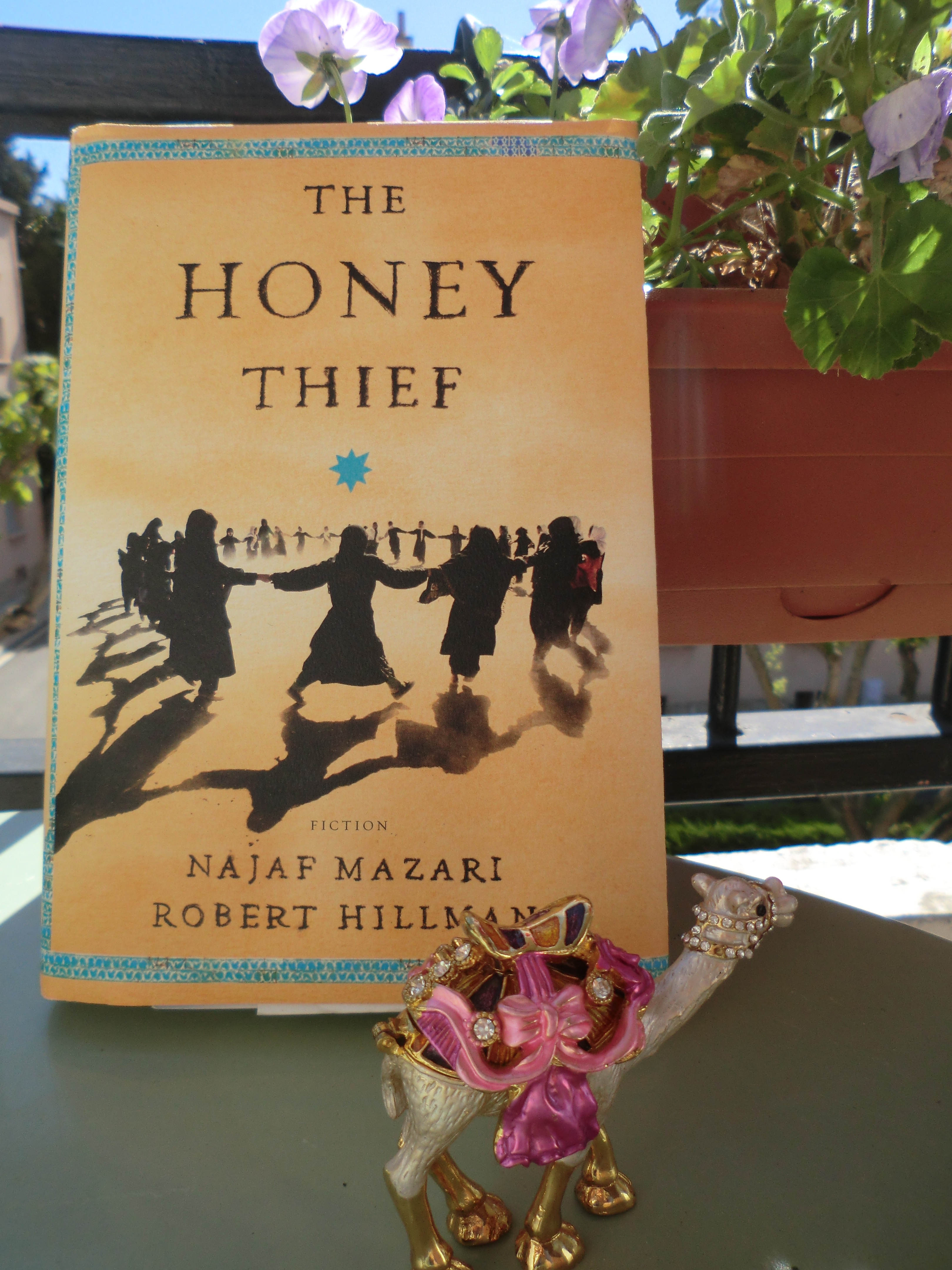
The Honey ThiefThe Honey Thief by Mazari Najaf this is an original set of short stories told by a Hazari man from Afghanistan to his Australian friend. The stories originate from an oral story telling tradition and offer a unique insight into an ancient, adaptable people, who have survived  centuries of persecution. In addition, the author shares some excellent recipes.
Shadows & WingsShadows & Wings by Niki Tulk A wonderful story about family connections, silence and our inability to bury the past. A young girl living in Australia travels to Germany to visit the birthplace of her Grandfather and to learn about his role in the war. Simultaneously, his story is narrated from when he was a boy, to when he became that young man who, like all men at that time, was drafted into war. A beautiful book, thoughtfully narrated and at times so excruciating, it is as if we are reading a personal diary, not a work of fiction. I wish more people knew about this astonishing book.

Top Non-Fiction
Hare Amber EyesThe Hare With Amber Eyes by Edmund de Waal – I am probably one of the last to have read this, since it was published two years before I picked it up, although I bought numerous copies when it did come out for family as Christmas gifts, knowing it would be an excellent read – and while it may not be to everyone’s taste, if you have any interest in European culture and history, this story of the Ephrussi’s, a Russian Jewish family from Odessa, whose two sons set themselves up in Paris and Vienna, told through the eyes and potter’s hand of the ceramicist and descendant Edmund De Waal will certainly appeal.
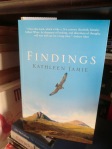
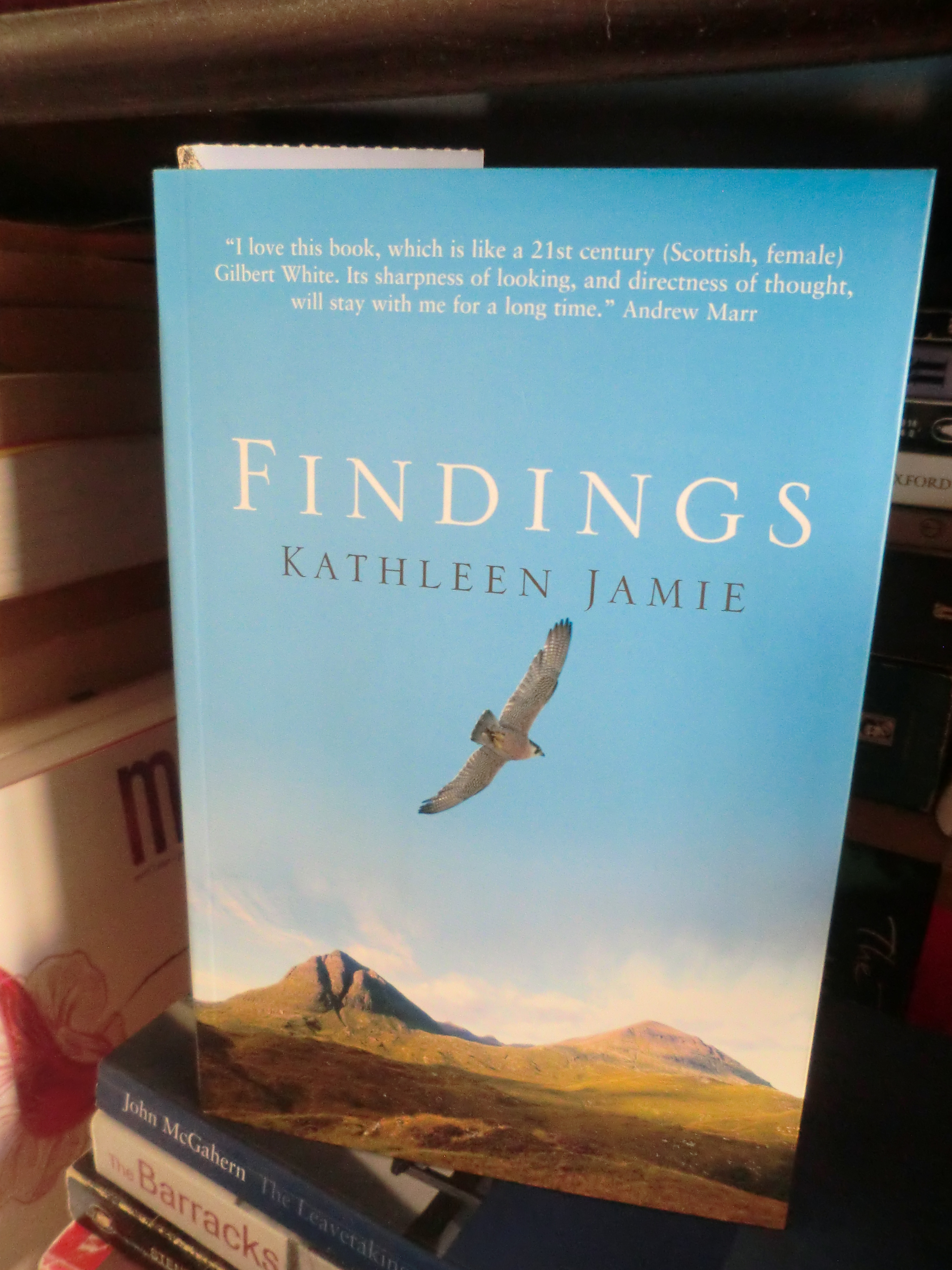
FindingsFindings by Kathleen Jamie I read this excellent collection of essays in February, a month in the northern hemisphere where many are in hibernation and there is not much to sing and dance about. Finding’s was like being in nature when we are not, the way Kathleen Jamie writes is to make us appreciate and really see without the need to label, identify or show off our knowledge. She observes with a painter’s eye and takes the reader on a similar journey, infusing the imagination with images of those forsaken Scottish  islands she visits. Brilliant winter reading.
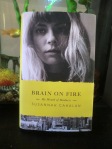
Brain on FireBrain on Fire: My Month of Madness by Susannah Cahalan This book is a must read for anyone who knows anyone who has had any kind of brain disease or impairment. Susannah Cahalan was just an ordinary girl, working as a journalist, when in her early twenties, she started imagining things and observed herself becoming somewhat crazy. Some kind of infection got to her brain and thankfully for thousands of others, who have already benefited from the things she shares here, she lived to write about it and demystify the malfunction of the brain, something that results in thousand of incorrect diagnoses, due to the little we know about how to remedy it.
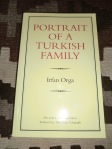
Portrait of a FamilyPortrait of a Turkish Family by Irfan Orga After a visit to Istanbul in May, I indulged in a wonderful period of reading Turkish literature and this book was a great find – a recommendation from the English bookshop in Istanbul and they weren’t wrong. It is a classic, a fabulous story of the life of one family whose destiny is changed by war – another unique insight into a culture and the intimate family life of people we don’t usually have the opportunity to witness.
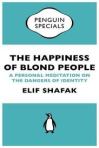
Happiness of Blond PeopleThe Happiness of Blond People: A Personal Meditation on the Dangers of Identity by Elif Shafak it’s a short but compelling essay by one of my favourite writers, a woman who was born in the East and lived many years in the West and  has a unique perspective from which to make her observations. Worthwhile reading and love these Penguin Specials, short essays are so popular here in France, it’s great to see them being made available in English too.
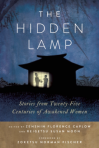
The Hidden LampThe Hidden Lamp: Stories from Twenty-Five Centuries of Awakened Women what better way to wind up a year of reading than with some short, poignant Buddhist stories, some only a few sentences long. This is a volume to sit near the bedside and dip in and out of, because not every message will be relevant for today. One hundred stories interpreted by another 100 wise women and we are free to interpret them ourselves. 

So what books stood out for you in 2013?

Seasonal Comfort Reads

Merry Christmas to you all, I hope you all have/had a wonderful, relaxing day spending it exactly as you wish.

tower-and-santa-336x280We had a unique Christmas Day, with a picnic lunch on the TGV (fast train) to Paris – delicious savoury canapés, no cooking required and no dishes to wash up afterward either.

I am looking forward to reading time, although I may not get much done, since there is so much to see and do here in Paris.

But first, some Christmas Book news!

Christmas DayThis season The Guardian ran a series on writers and readers’ favourite books to curl up with on biting winter nights.

As some of you might remember, as I mentioned and gave away a copy of this book last year, my seasonal comfort read is Paul Durcan’s book length poem Christmas Day.

Well, there might not have been any books under the tree this year, but having my review published by The Guardian on Christmas Day was the best gift of all!

Click here to read the review.

Joyeuses fêtes à tous!

joyeuses fete