
Mothers in Literature
I had long wished to read Yvvette Edwards second novel, The Mother (2016) after very much enjoying her Booker longlisted A Cupboard Full of Coats (2011). I decided to read it alongside two novels on my shelf with similar themes of the bonds, burdens and breakthroughs of motherhood.
The three novels I chose are set in different countries and contexts: The Mother by Yvvette Edwards (UK) is set in London’s Caribbean community, Mother to Mother by Sindiwe Magona is set in apartheid-era South Africa, and The Mothers by Brit Bennett is set in contemporary Black America.
Sindiwe Magona has written numerous novels; however I have read and reviewed her autobiographies To My Children’s Children (1990) and Forced to Grow (1992), while Brit Bennett is well known for her novel that addresses the theme of passing, The Vanishing Half (2020).
The Complexity of Motherhood
All three novels expose motherhood as fraught with social pressure, moral judgment, and emotional complexity. Despite the different settings, they collectively form a global conversation about motherhood, resilience, and the human cost of structural and racial inequality.
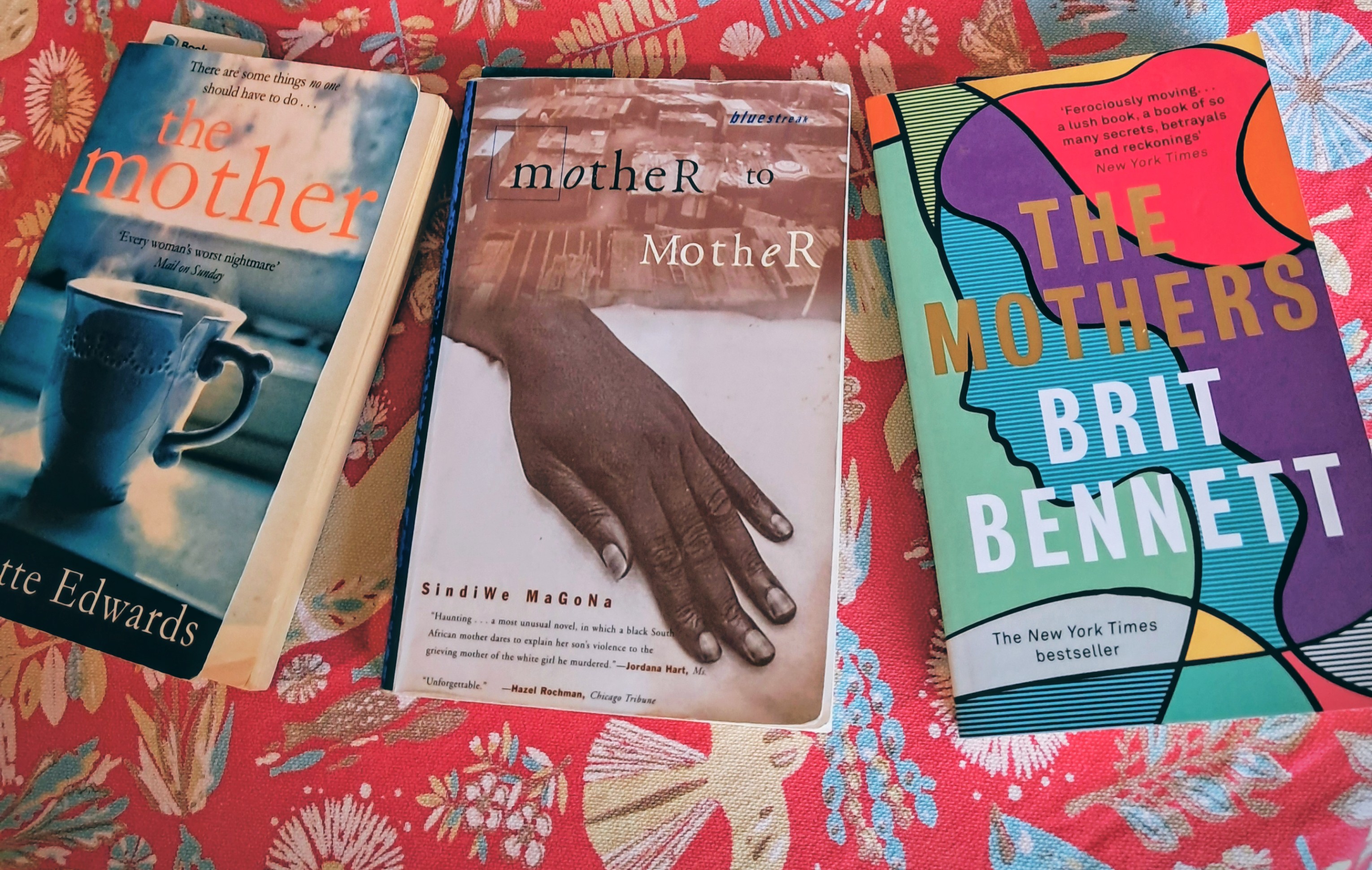
In The Mother, Marcia grapples with grief and guilt after the murder of her son.
In Mother to Mother, Mandisa reflects on her life while writing to the mother of the girl her son has murdered.
And The Mothers, focuses on young women (and a collective “we” voice of church “mothers”) navigating the expectations of womanhood, including unwanted pregnancy.
The Mother by Yvvette Edwards
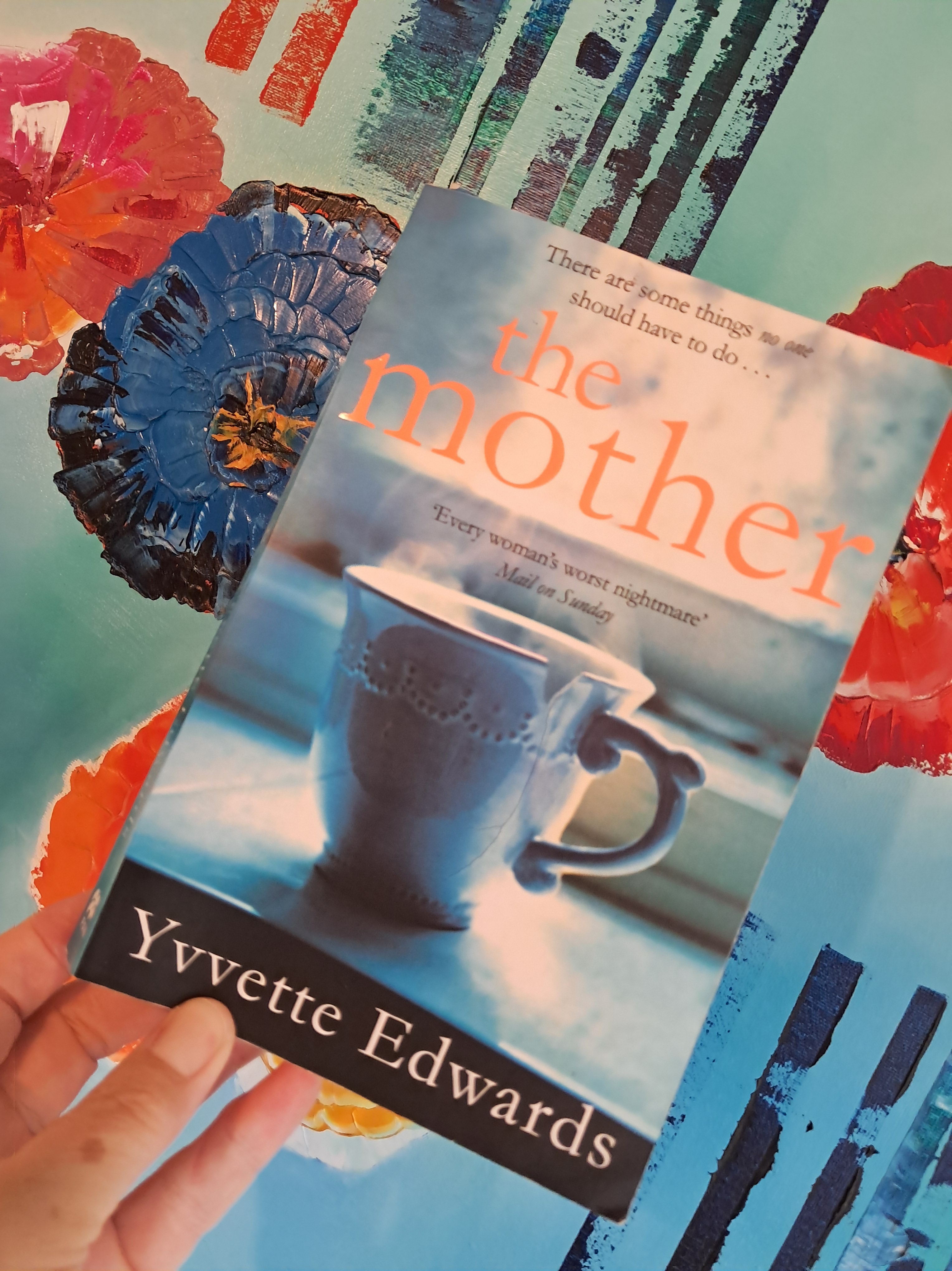
The Mother is the story of a mother’s struggle to come to terms with understanding her teenage son’s violent death, it is both a courtroom drama following the murder of Marcia and Lloydie’s 16-year-old son Ryan and a story of transformation and healing through grief.
I used to be good at making decisions, took it for granted completely, imagined it was one of those things that because I’d always been good at it, I would continue to be good at it, and then something like what happened to Ryan comes along and you realise some things are just temporary gifts granted for part of your life only, like the headful of hair you imagined would be yours forever that you went to sleep with one night and as usual but woke the following morning to find gone, clean gone.
Suffering Together, Drifting Apart – the Complexity of Grief
Marcia wants to be present every day at court, her husband Lloydie does not. Increasingly emotionally estranged, she does not understand what he does all day, where he goes. Their habits are changing and they seem to be leaving each other behind, dealing with the loss in completely different ways, on their own.
Lloydie is putting my cup of tea on the side when I return to the bedroom. He looks slightly sheepish, is probably annoyed with himself for the mistiming that has meant he has found himself alone with me when we are both awake and alert. He looks at me without speaking.
‘Aren’t you going to ask how it went?’ I say.
It’s not the question I intended; too in-your-face, accusatory. I didn’t want to start the discussion here but it’s out now, I can’t take it back.
His tone is dutiful. ‘How did it go?’
‘It was hard. Listening. Seeing that boy, his mother. Very hard.’
The Need to Understand
Marci is determined to be present every day, to understand why this happened and comes to realise that there may be things about her son that she did not know.
Understanding has been my problem from the start. How is it possible that my son was doing all the right things, that as parents, Lloydie and I, we were doing all the right things, and yet still Ryan is dead?
The novel follows the case and outside the court other events begin to shed light on the situation, Marcia’s beliefs and assumptions are challenged. In her need to know, she becomes reckless.
She observes the boy who is being charged, his fixed stare and has already decided his fate.
…he stares ahead as if it is all beneath him, and as usual I find it unnerving. I have to say that single quality in him is enough to convince me that he did it, that he’s guilty because he has something in his aura of the type of person who could kill someone at six thirty, then stroll home, have dinner and a hot bath, followed by an early night of unbroken sleep.
Edwards is adept at tapping into the realms of Ryan’s peers and the insidious, threatening world of youth gang culture, which comes into full view through he character of Sweetie, the girl caught between the earnest world of Ryan and the manipulative obedience she has to Tyson Manley and his type.
It is a thought provoking story of complicated parenting and motherhood highlighting effects of judgment, truth seeking, and the social forces that shape personal and family outcomes, while reflecting on the particular role of mother. Motherhood becomes a lifelong, consuming identity, the loss of a child, in this case, destabilising her sense of self.
Author, Yvvette Edwards
Yvvette Edwards is a British East Londoner of Montserratian origin and author of two novels, A Cupboard Full of Coats (2011) nominated for The Hurston-Wright Legacy Award and longlisted for the Booker Prize, and The Mother (2016). Her short stories have been published in anthologies and broadcast on radio.
She is interested in writing that challenges the single narrative, giving voice to characters who are absent or under-represented in contemporary fiction.
An Upcoming Novel in March 2026
Good Good Loving, Yvvette Edwards first book in almost a decade, will be published in March 2026 by Virago. The synopsis reads:
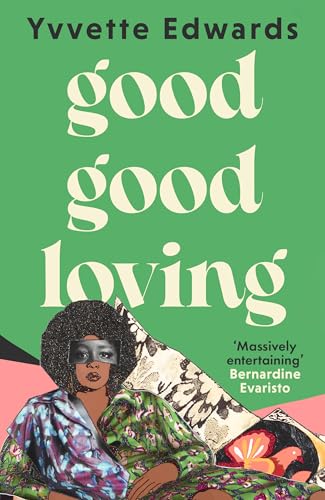
“Ellen’s big, beautiful family are gathered around her hospital bed as she prepares to slip away… her children have chosen now of all times to have a never-ending discussion about all her failings. Every single tiny thing they think she’s done wrong over the years – and the one big thing too. Even after everything, after all the sacrifices Ellen has made for every last ungrateful one of them, they still all take their father’s side. If only they knew the whole story.
“Moving backwards in time through all the decisive moments that have shaped Ellen’s life – the disasters, celebrations and surprises, the revelations, confrontations and betrayals – Good Good Loving is the vibrant story of a multi-generational British-Caribbean family across five decades.”
Next up is Sindiwe Magona’s Mother to Mother :



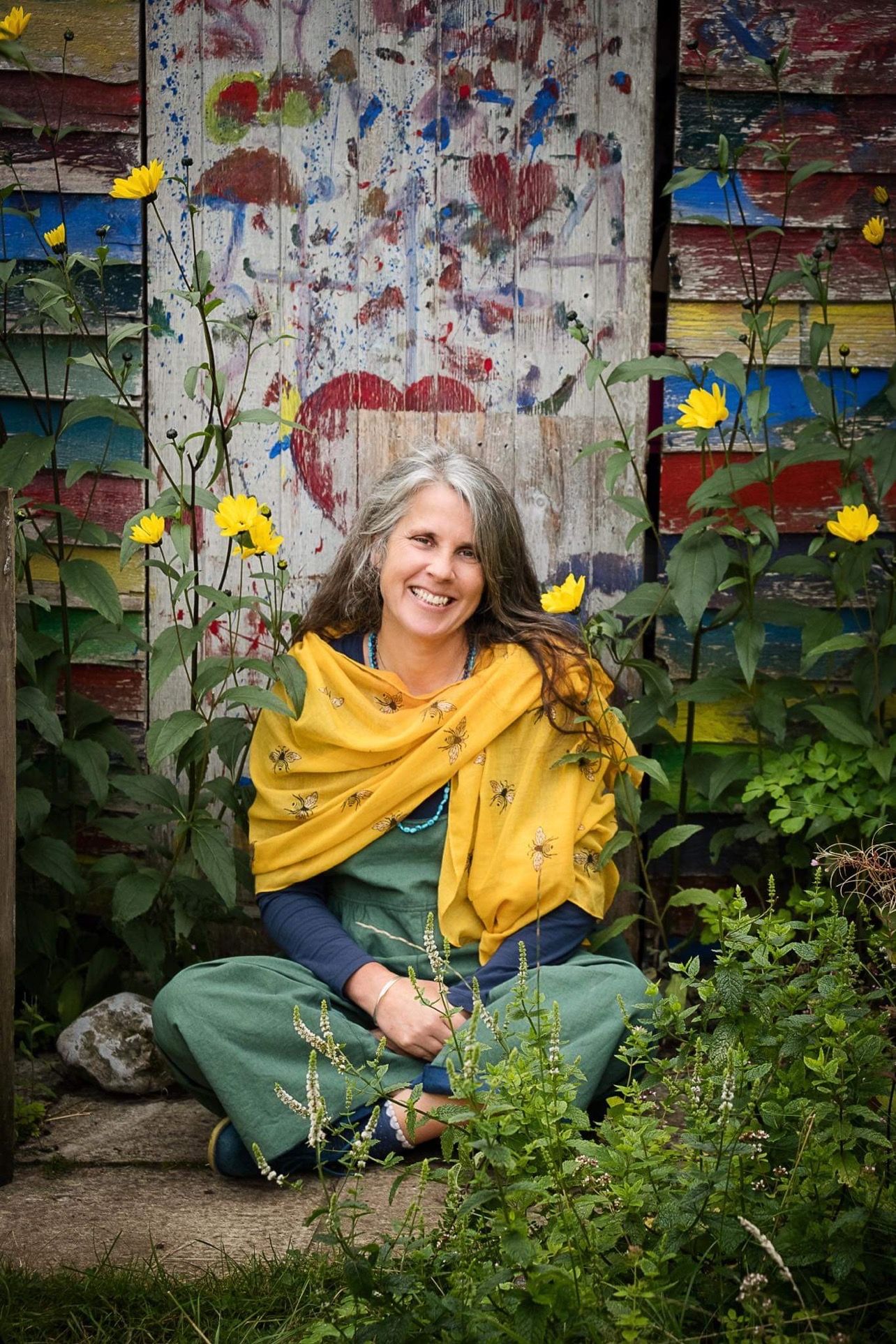 Victoria Bennett was born in Oxfordshire in 1971. A poet and author, her writing has previously received a Northern Debut Award, a Northern Promise Award, the Andrew Waterhouse Award, and has been longlisted for the Penguin WriteNow programme and the inaugural Nan Shepherd Prize for under-represented voices.
 The book is about Theo, a widower and astrophysicist, raising his nine year old son Robin alone, two years after the death of his wife.
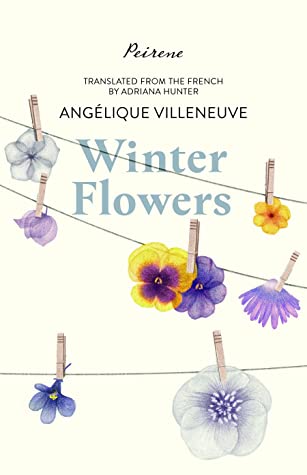 Winter Flowers (Les Fleurs d’hiver) by Angélique Villenueuve, translated by Adriana Hunter is published Oct 7 by

 A thirty year old woman named Casey rents a tiny room and is soon to be evicted, she’s under a mountain of student debt, prone to crying, having lost her mother quite suddenly, is estranged from her father who tried to turn her into a golf pro as a youngster, an activity she now refuses to have anything to do with.
 And some thought provoking words about writing and fear:
 In the first of so many I still owe thank you’s to, I would like to say a heart-felt public thank you to a woman who makes magic with words, author

 A few years ago a lady who had recently moved here to Aix-en-Provence contacted me in relation to
  Excited about the opportunity to put her writing skills to the test, Karin took the first chapter of her book, moulded it as much as she could to meet the criteria, sent it to me to look over and to make recommendations on how to whittle it down further without losing any of the content and then sent it off! We came up with the title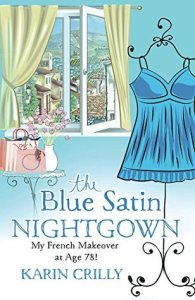


 The novel unfolds and weaves like threads in a tapestry, as characters share their understanding of Billy, their memories of his charm and inclinations and what they knew about the short-lived romance with the Irish girl Eva.

 Word by Word