
Call It Baumish Prose
There’s a kind of magic in the poetic prose of Irish author Sara Baume, something uniquely identifiable, that you know you are in the presence of within a few pages.
 My first encounter was her nonfiction title Handiwork, one I highly recommend as a starting place to her work and style. This title is like a spring board into her fiction, an introduction to the visual artist, the poet, the keen observer and storyteller.
Seven Steeples feels like a levelling up in confidence, it casts aside the idea that a novel requires a plot; if there is one, it might be the ever present question, addressed in the first sentence of each chapter, of another passing year, will the mountain be climbed?
The Irony – A Misanthropic Romantic Encounter
Bell and Sigh meet at an outing with mutual friends and fall into step together. Soon they are moving out of their respective lodgings to a house in the country, in the south-west of Ireland; flanked by a mountain, near the sea, opposite a field where bullocks roam, neighbours to a dairy farmer and his black and white cows. They have a dog each, Voss and Pip. There is a van. A tree in the backyard.
They say there is a wild goat who lives up there, the landlord said, the last surviving member of an indigenous flock.
They say that from the top, the landlord said,
you can see
seven standing stones, seven schools,
and seven steeples.
Bell and Sigh avoid humankind as much as possible, letting go of social and family ties, of obligations, of convention. They are creatures of routine, as are their animals.
It Was Windy
 Baume describes everything about them, about the house, its character, its creaks and groans, its smallest inhabitants, the habits of all those who dwell within its walls, inside its walls, outside its walls in her multiple adjective, poetic prose, that skips across the page to a rhythmic beat.
Discovering a blue rope clothes line in the overgrown grass, they string it up between the tree and the house.
Without knowing it, they had fashioned a wind instrument. There was the flapping of wet fabric, the dull jangle of the wooden pegs, the ping of weathered springs as they came apart, the thud of timber pincers against sod.
The tree was an instrument too. The tips of its branches rapped the plaster skin of the house like drumsticks.
The house was an orchestra – of pipes and whistles, of cymbals and chimes, of missing keys and broken reeds. All January the elements played its planes and lax panes, its slates and flutes. Sometimes its music was a kind of keening , other times, a spontaneous round of applause.
I had the feeling I was reading a prose poem, one that celebrated and played with words, that painted a picture of two people who’d stepped outside of the ordinary life that had become too onerous and sought another kind of ordinary; a slower, quieter more insular version, that fostered simplicity and ignored conformity, that sacrificed the greater community for being at one with the immediate surrounds.
The Hybrid Poet & Spiders
Sara Baume is hands down one of my favourite authors; I love it when a poet rises above that conventional form to create something more akin to storytelling, without losing their adeptness at poetic flow. She is the hybrid poet, one who can take a skill in one area and apply it to another and create something unique, a singular recognisable, assured voice.
In this text she surpasses what was one of my favourite ever literary descriptions of a spider, until now that prize belonged to Martin Booth in his stunning novel The Industry of Souls, for years my favorite novel.
Here is a glimpse at what Sara Baume can do with the common household spider, while subtly acknowledging their insistence in inhabiting various places, in this unconventional life:
 First we meet the spider that lives behind the wing mirror of their van, who takes refuge behind the glass.
After every journey, it mended the damage done to its tenuous web by the forcing of rushing air and whipping briars.
And then we meet more, these passages delighted me not just for their linguistic beauty, but due to the familiar feeling of having observed and got to know the habits of certain household spiders, to the point of almost thinking of them as free-ranging pets. When they become something your son wants to show people who visit, who begins to trap insects himself to feed the arachnid.
A different, less industrious spider took up residence in the hollow bars of the steel gate. Another lived in the rubber hollows of the welcome mat. And there were dozens distributed throughout the house –
in alcoves, cupboards, inglenooks,
in open spaces and plain sight.The largest house spider kept to a cranny beneath the bathroom radiator by day. By night it crawled into the folds of the towels or slid down the gently-slanting sides of the bathtub. In the morning, Bell or Sigh – whoever happened to discover it first – had to dangle a corner of the bathmat down like a rope ladder;
like a lifebuoy.To the spider, the tub was a snowy fjord, a glacial valley – vast, unmarred, arresting. It knew this was an unsafe place. Still it could not quell a desire to summit the tub’s outer edge. Each time it was blinded by a white glare,
and lost its footing, all eight of its footings,
and skied.
Language skips, pauses, ponders, leaves gaps, creates shapes on the page, carries the reader along on a repetitive yet spellbinding journey that never moves outside a 20 mile radius of their humble abode.
The narrative passes through the months, the seasons, and seven years as they learn about the patterns of their environment and each other, about how to live in harmony with their surroundings, until these humans and their dogs are no longer separate entities, they are as if one.
Highly Recommended.
Sara Baume, Author
 Sara Baume’s debut novel, Spill Simmer Falter Wither won the Geoffrey Faber Memorial Prize and has been widely translated. Her second novel, A Line Made by Walking, was shortlisted for the Goldsmiths Prize and her 2020 bestselling non-fiction book, handiwork, was shortlisted for the Rathbones Folio Prize. Seven Steeples, was shortlisted for the Goldsmiths Prize and has just been longlisted for the Dylan Thomas Prize 2023.
Her writing has won the Davy Byrnes Short Story Award, the Hennessy New Irish Writing Award, the Rooney Prize, an Irish Book Award, as well as being nominated for countless others including the Costa and the Dublin Literary Award. She is the recipient of a Lannan Literary Fellowship and lives in West Cork where she works as a visual artist as well as a writer.
Further Reading
My review of Handiwork (Creative Nonfiction)
My review of Spill Simmer Falter Wither
My review of A Line Made By Walking
The Passenger Ireland – including an essay by Sara Baume – Talismans
Interview, Public Libraries Online: “I’m Always Writing in Extremity of My Life” — Sara Baume on Her Gorgeous and Poetic New Novel by Brendan Dowling
 This latest novel begins with a short chapter on the last day of a young man’s life. His name is Zakaria and he lives in one of the Palestinian camps in Beirut. His death is part of a cycle of revenge, one that causes people in many countries to seek asylum elsewhere, people caught in the wrong pace at the wrong time, lives changed in a moment.

 Though I have never visited Damascus, I have been to Beirut a couple of times and I found that the novel evoked many memories of being in that city (over 20 years ago) and the surrounding countryside, the presence of the Syrian army, checkpoints, traffic lights that were recently installed but not compulsory, a generation of youth that had spent their childhoods in bunkers who just wanted to listen to music and party all night long.
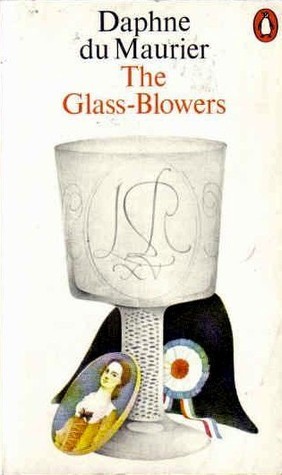 Daphne du Maurier was a fifth-generation descendant of a master glassblower who moved to England during the French Revolution. Until the author began researching her French ancestry, the family believed they were descended from the French aristocracy and that their ancestor Robert Busson (1747 – 1811) had fled France and the threat of the guillotine during the French Revolution.
 “She was not at all snobbish,” says American academic Anne Hall, who lives in the Perche region and has made a study of the du Mauriers’ French connection. “So she was genuinely very proud when she found out her ancestors were craftsmen.”



 Valérie Perrin is a photographer and screenwriter who was born in the Vosges in 1967, grew up in Bourgogne and settled in Paris in 1986, then Normandy in 1995.
 After seeing this title on a few end of year Top Fiction Reads for 2022, this was one of the first books I chose, to get back into the reading rhythm. Perhaps for that reason, it took a little while to get into, but once it reached the first significant turning point, the plot became more interesting and surprising and the choices the author made, much more thought provoking. It would make an excellent book club choice.
 In the initial chapters, it was difficult to believe. Every reader will bring to their reading of the story, their own imagining of how this mother could abandon all for something that feels like it will be fleeting.
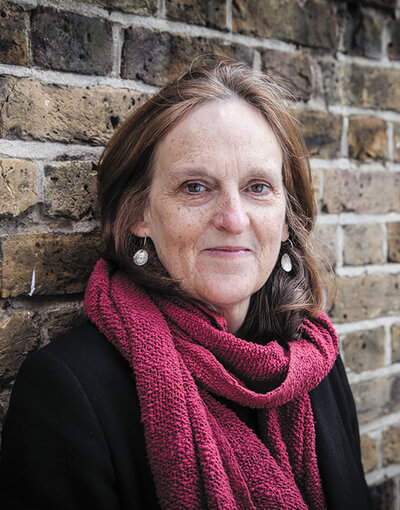 Tessa Hadley is a British author of 8 novels, short stories and nonfiction. Born in Bristol in 1956, she was 46 when she published her first novel, Accidents in the Home, which she wrote while bringing up her 3 sons and studying for a PhD.
 – New Zealander Catherine Chidgey opens a new chapter of Holocaust literature as she tells the story of Greta Hahn, who is the wife of a concentration camp manager and doesn’t know – then doesn’t want to know – what goes on behind the fence. When her Nazi husband becomes convinced that only a prisoner can save Greta from dying of cancer, Dr. Weber enters her parallel universe at the edge of the camp. The prisoner-doctor treats Greta because he hopes it will help his Jewish wife and their young daughter who have been forcibly separated from him and sent further East. Slowly he bursts Greta’s bubble of oblivion and she is forced to confront the horror to which she has been an accomplice.
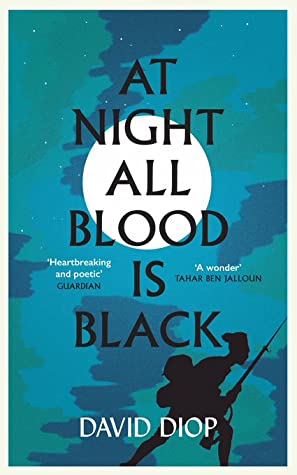 – At Night All Blood is Black is a carefully crafted, heart-wrenching, passionate, and engaging story about the insanity of war and its devastating toll on humanity. Told from the perspective of Alfa Ndiaye, a 20-year-old Senegalese who, like his friend, Mademba Diop and many other young West Africans were conscripted by European imperial powers – in this case, France – to fight in World War I. The novel raises fresh concerns about the issues of war, humanity, identity, sexuality, racism, violence, and colonialism as it explores strong emotions like love, apathy, fear, and indignation towards war. The plot hinges around the gruesome death in battle of Mademba, and Ndiaye’s refusal to carry out the “mercy killing” for his friend. From that point onward, Ndiaye begins to spiral towards insanity, consciously becoming the “dämme”, “demon” or “savage” his European trench-mates think him to be.
 – Akwaeke Emezi’s novel opens with a chapter of only one sentence: “They burned down the market on the day Vivek Oji died.” From that first sentence, we are immersed in contemporary Nigeria in all of its complexity, where tight family and community bonds are woven into the submerged stories of gay, bisexual and transgender people, and where groups such as the ‘Nigerwives’ (foreign-born wives of Nigerian men) form one of the cultures that make up the mosaic of Nigerian society. Emezi’s novel manages to balance an unflinching realism with something of the quality of a folktale or a myth. On one level, this is a very directly told story of two people coming of age and grappling with sexualities that struggle to find expression.
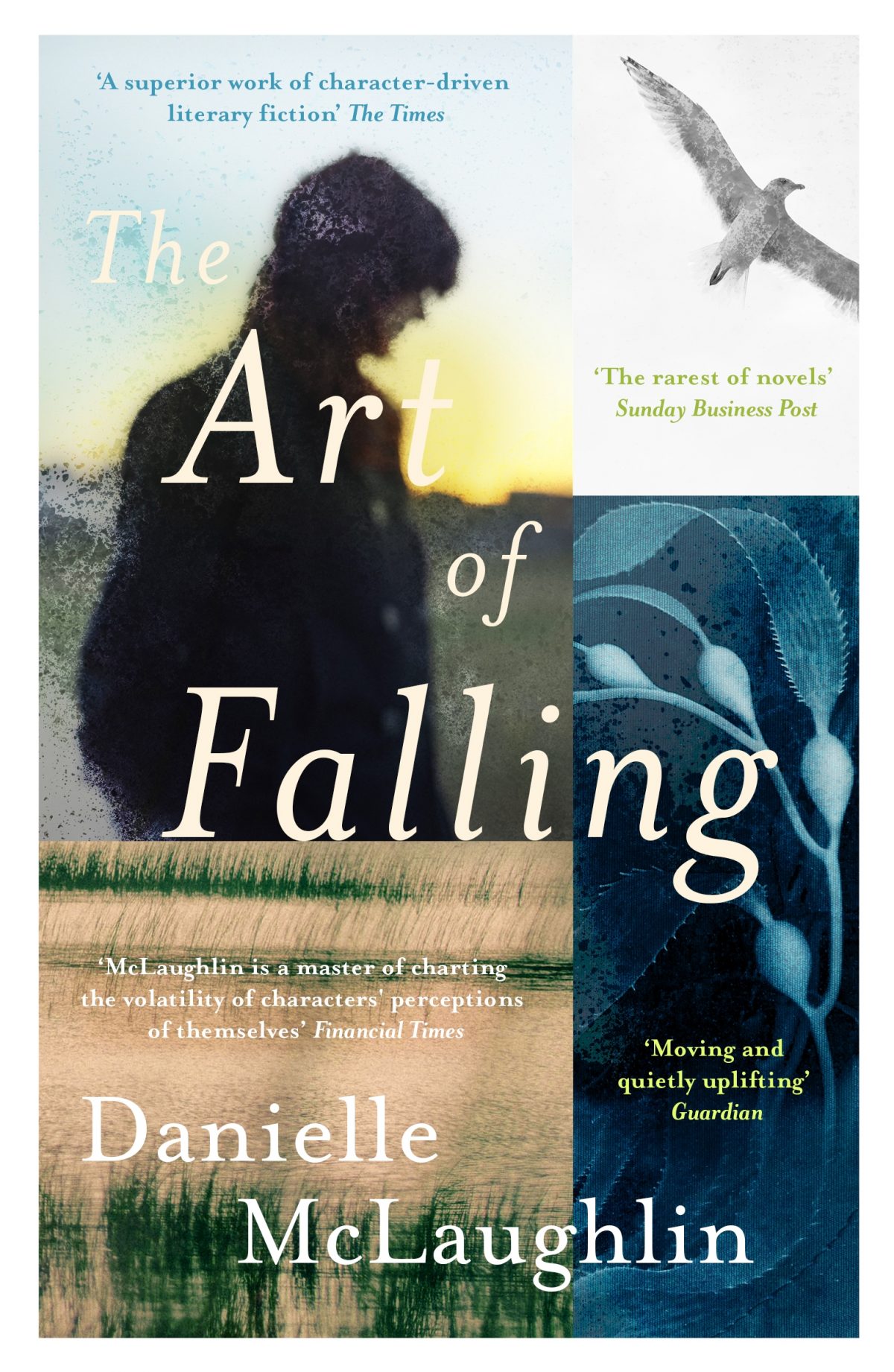 – Danielle McLaughlin’s novel is set in Cork. Its curator protagonist Nessa , is organizing a retrospective of the work of a Scottish-born sculptor, Robert Locke. Locke established himself in West Cork, at the end of the 1960s, after years of wandering. Locke’s studio and his sculpture ‘Venus at the Hotel Negresco’, known colloquially as ‘The Chalk Sculpture’ will become a permanent exhibit in the museum where Nessa is employed. Nessa has worked long and hard for this event and has nurtured a relationship with Locke’s widow Eleanor and daughter Loretta. Women attribute healing powers to the statue, fetishizing it as a cure for infertility. At a public lecture on Locke’s work, another woman, Melanie Doerr, comes forward and tells Nessa that she was the model for the monumental piece, claiming that Locke spent a period of time with her in 1972. These are lost months in Locke’s biography, when Locke disappeared without trace, turning up later, like an unkempt beggar, on Eleanor’s doorstep offering neither explanation nor apology. While Nessa’s professional life revolves around the mystery of Locke’s disappearance and the veracity of Melanie Doerr’s claims, Nessa’s own personal life is in turmoil. She struggles with the aftermath of her husband’s affair, their threadbare finances, and their teenage daughter’s behavioural problems.
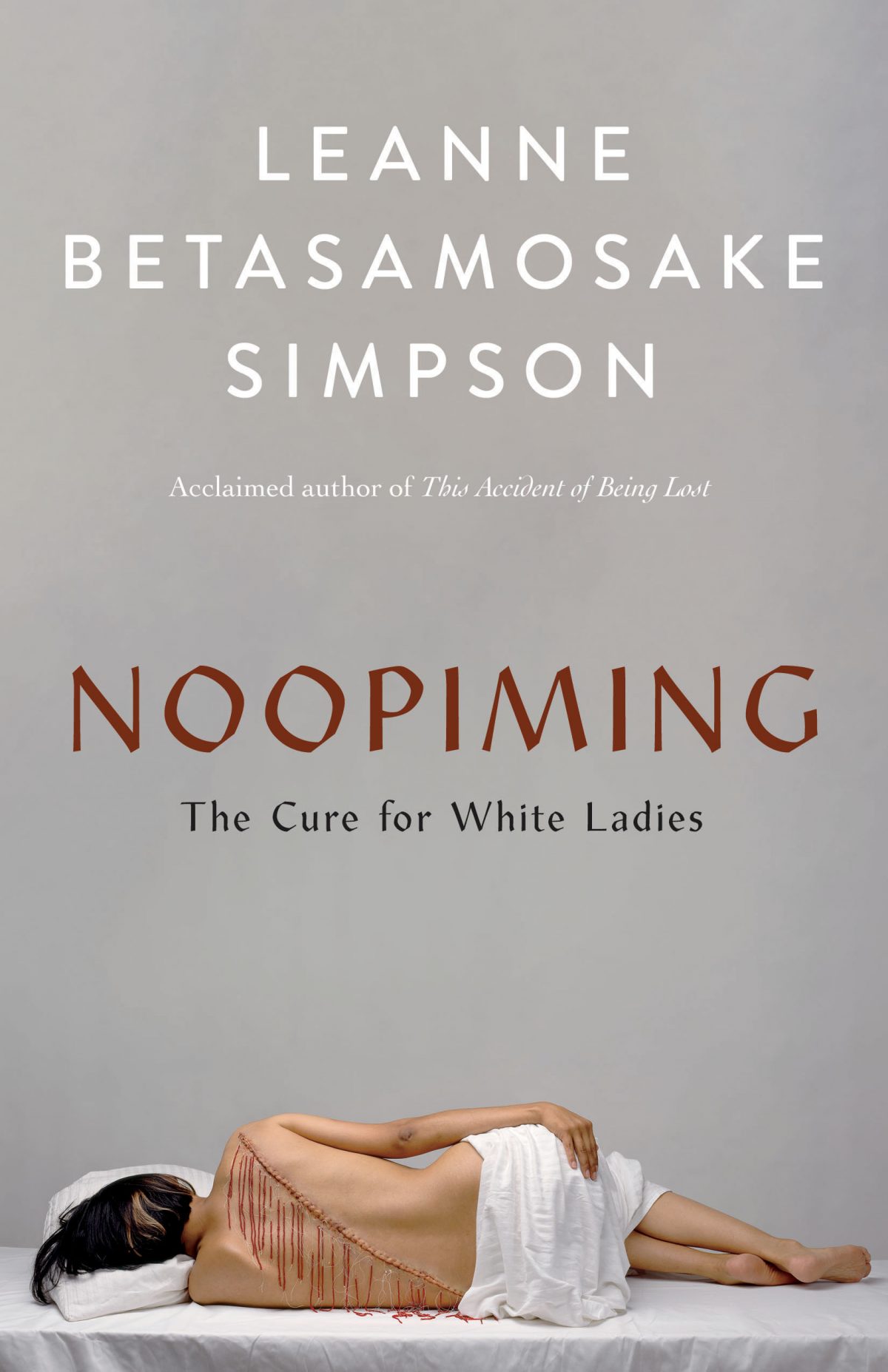 – This book is literary art. It’s charming, witty, insightful and unforgettable. The way Simpson writes is completely unique. The love and honour about which she writes among Anishinaabeg (an indigenous people in Canada) and the land is both poetic and lyrical. Narrators include Mashkawaji (they/them), who lies frozen in the ice, remembering a long-ago time of hopeless connection and now finding freedom and solace in isolated suspension. They introduce us to the seven main characters: Akiwenzii, the old man who represents the narrator’s will; Ninaatig, the maple tree who represents their lungs; Mindimooyenh, the old woman who represents their conscience; Sabe, the giant who represents their marrow; Adik, the caribou who represents their nervous system; Asin, the human who represents their eyes and ears; and Lucy, the human who represents their brain.
 – Deriving its title from the piercing first line of Elizabeth Bishop’s arch poem “One Art”, The Art of Losing follows three generations of an Algerian family from the 1950s to the present day—as they progressively lose, in the fog of conflict and post-colonial transition, their country, their roots, and their innocence. The narrative wings its way from the contested highlands of Northern Algeria to a French refugee camp, to the streets of Paris and back, borne forward by a cast of nuanced characters: from the patriarch Ali to his granddaughter Naïma, heir to a new digital age in which old prejudices and presumptions persist. Each is profoundly human in their passions, griefs, vanities, contradictions and silences. The family’s journey unspools in a deft weave of fiction and research, as the narrator fills in with compassion and imagination what the clan’s muteness about the past have refused to yield.
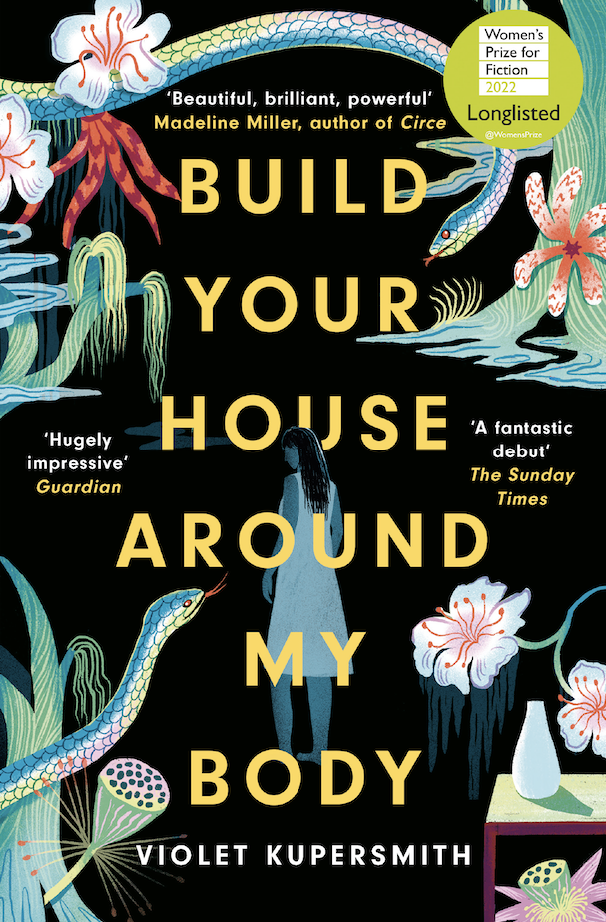 Two Vietnamese women go missing decades apart. Both are fearless, both are lost. And both will have their revenge. The fates of both women are linked, bound together by past generations, ghosts and ancestors, by the history of possessed bodies and possessed lands. This heart-pounding fever dream of a novel hurtles through the ghostly secrets of Vietnamese history creating an immersive, playful, unforgettable debut.
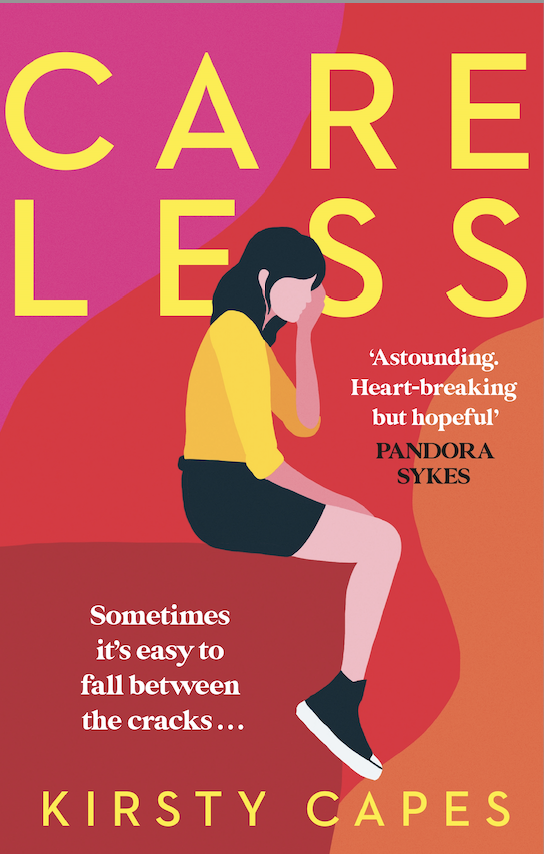 Sometimes it’s easy to fall between the cracks… At 3.04 p.m. on a hot, sticky day in June, Bess finds out she’s pregnant. She could tell her social worker Henry, but he’s useless. She should tell her foster mother, Lisa, but she won’t understand. She really ought to tell Boy, but she hasn’t spoken to him in weeks. Bess knows more than anyone that love doesn’t come without conditions. But this isn’t a love story…
 Nephthys is a taxi driver in DC, ferrying ill-fated passengers in a haunted car, with a ghost in the trunk. Endless rides and alcohol help her manage grief over the death of her twin brother, Osiris.
 A novel of love, homelessness, and learning to be fearless. In the garden, there were three flamingos, gateways to a time when life was impossibly good. They were mascots, symbols of hope.
 From days as a wild child in prohibition America to wartime London, from the rugged shores of NZ to a lonely iceshelf in Antarctica, Marian Graves is driven by a need for freedom and danger. Determined to live an independent life, she resists her childhood sweetheart, burning her way through a suite of glamorous lovers. An obsession with flight consumes her. As she is about to fulfil her greatest ambition, to circumnavigate the globe, Marian crash lands in a perilous wilderness of ice.
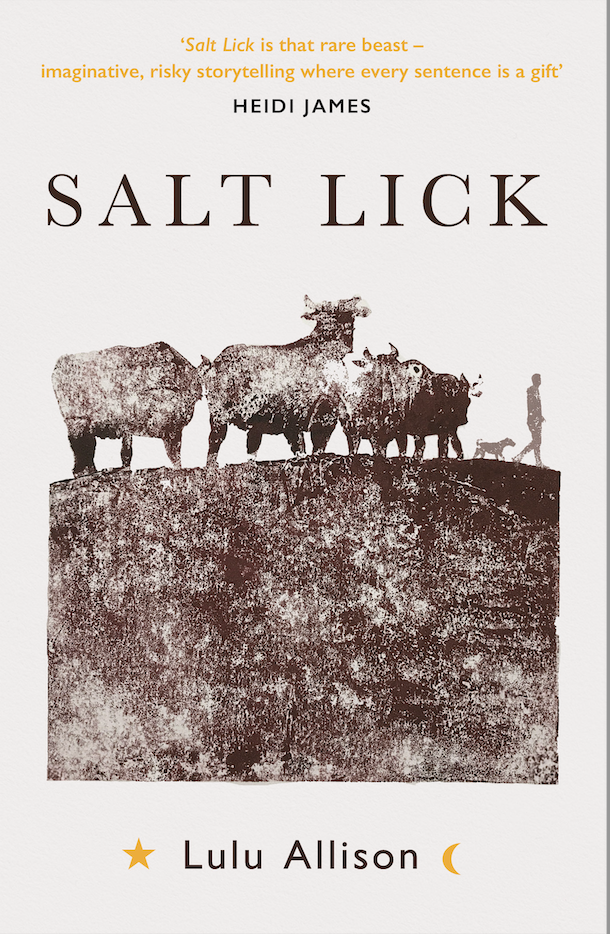 Britain is awash, the sea creeps into the land, brambles and forest swamp derelict towns. Food production has moved overseas and people are forced to move to the cities for work. The countryside is empty. A chorus, the herd voice of feral cows, wander this newly wild land watching over changing times, speaking with love and exasperation.
 Everyone tells Martha she’s clever and beautiful, a brilliant writer loved by her husband Patrick. A gift, her mother once said, not everybody gets. So why is everything broken? Why is Martha – almost 40 – friendless, near jobless and so sad? Why did Patrick leave?
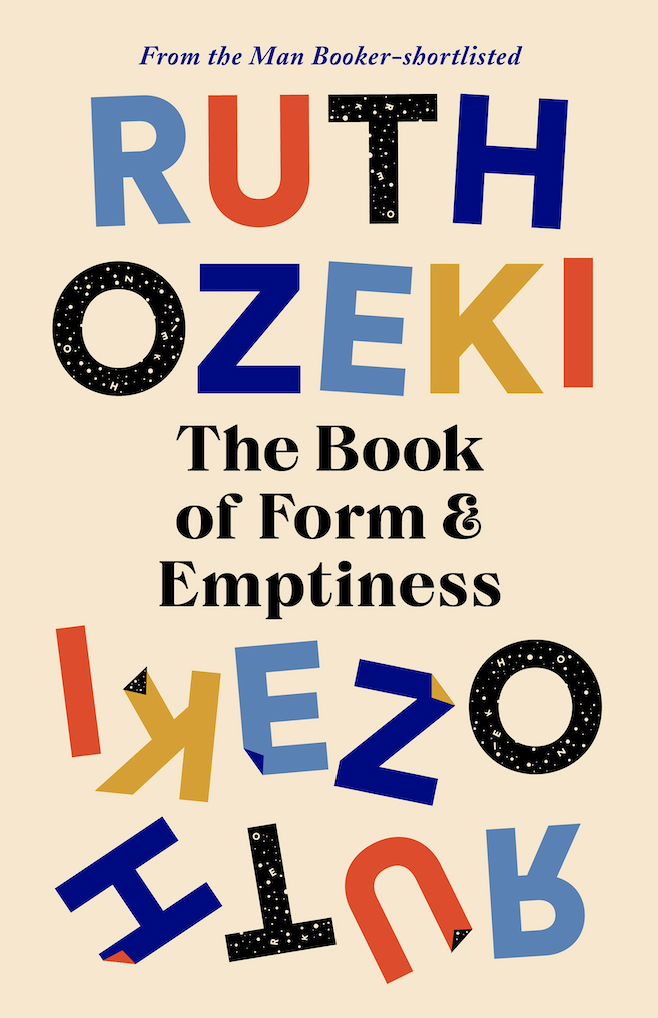 After the tragic death of his father, 14-year-old Benny begins to hear voices. The voices belong to the things in his house and sound variously pleasant, angry or sad. As his mother develops a hoarding problem, the voices grow louder. When ignoring them doesn’t work, Benny seeks refuge in the silence of a public library. There he meets a mesmerising street artist with a pet ferret; a homeless philosopher- poet who encourages him to find his own voice; and his very own Book, who narrates Benny’s life and teaches him to listen to the things that truly matter.
 Alethea is turning 40. Fashionable, feisty and fiercely independent, she manages a boutique, but behind closed doors she’s covering up bruises from an abusive partner and seeking solace in an affair. When she witnesses a woman murdered by a jealous lover, the reality of her own future challenges her.
 The Hanrahan family gather for a weekend as artist and notorious egoist Ray prepares for a new exhibition of his art – the first in many decades – and one he is sure will burnish his reputation for good.
 Opal is a fiercely independent young woman pushing against the grain in her style and attitude, a Black punk artist before her time. Despite her unconventional looks, Opal believes she can be a star. So when the aspiring British singer/songwriter Neville Charles discovers her one night, she takes him up on his offer to make rock music together.
 In 1974 Cyprus, two teenagers, from opposite sides of a divided land meet at a tavern in the city they both call home. The tavern is the only place that Kostas, Greek/Christian and Defne, Turkish/Muslim, can meet in secret hidden beneath the blackened beams from which hang garlands of garlic, chilli peppers and wild herbs. It is where the best food, music and wine in town is. But there is something else to the place: it makes one forget, even if for just a few hours, the world outside and its sorrows.
 On a perfect August morning, Elle heads out for a swim in the pond below ‘The Paper Palace’ – her family’s holiday home in Cape Cod. As she dives beneath the water she relives the passionate encounter she had the night before, against the side of the house that knows all her darkest secrets, while her husband and mother chatted to their guests inside.
 The Sentence asks what we owe to the living, the dead, the reader and the book. A small bookstore in Minneapolis is haunted by the store’s most annoying customer. Flora dies on All Souls’ Day, but won’t leave the store. Tookie, who has landed a job selling books after years of incarceration that she survived by reading ‘with murderous attention,’ must solve the mystery of this haunting while trying to understand all that occurs during a year of grief, astonishment, isolation and furious reckoning.
 Dawn breaks across the archipelago of Popisho. The world is stirring awake again, each resident with their own list of things to do: A wedding feast to conjure and cook, an infidelity to investigate, a lost soul to set free. As the sun rises two star-crossed lovers try to find their way back to one another across this single day. When night falls, all have been given a gift, and many are no longer the same.
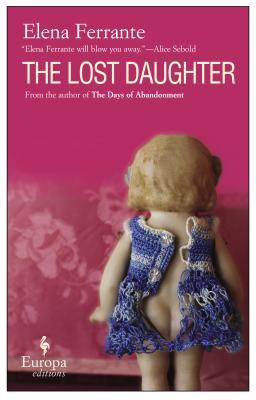 I just love the way her novels cast women in various stages of life, and this one, like
  She becomes acquainted with the regulars, the boy who puts out the chairs and umbrellas, a young woman with her child, a pregnant woman – part of a large Neapolitan family.


 Thus a struggle arises between two ways of seeing, of being, one that requires natural behaviour to be modified, medicated, suppressed, so that the child will appear and behave in the family and society as “normal”, while the other allows for that natural “but judged and condemned” way of being to exist.
 I enjoyed Lies of Silence, however was completely wound up by his treatment of the character in The Lonely Passion of Judith Hearne, a feeling of indignation in his treatment of the female protagonist that was expounded on by Colm Tóibín who admitted:


 Word by Word