
 Having come to the end of Sebastian Faulks ‘A Week in December’, a title reminiscent of Ian McEwan’s similarly named ‘Saturday’, I’m not convinced of its label as the ‘state of the nation’ novel of the 21st century, though it does provide an interesting glimpse into the media focus of the first decade. It is the week before Sophie Topping is to hold a dinner party for her politician husband and during the days leading up to the event, we observe the lives of some of the guests and the issues confronting them, real and imagined.
Jenni Fortune isn’t one of the dinner party guests; she is a London underground train driver with a court case pending over a jumper (suicide) survivor, whose parents are claiming negligence. Representing her case, Gabriel is one of the few non-millionaire/billionaires attending the dinner party (not quite a typical dinner party then). Jenni spends her evenings in an online ‘parallel universe’, while Gabriel’s brother Adam lives in a psychiatric facility with what seem like very real voices, a remnant of his recreational drug induced schizophrenia.
John Veals is a fortunes trader living in another alternate universe, one that will have a greater impact on the world, though none of it traced back to him. He is a deal maker for the thrill of it and oblivious to much else that doesn’t impact on his game. Like the film ‘The Inside Job’, it is disturbing to absorb such blind obsession without heed for its devastating consequences. His reclusive son Finn is fine tuning his own fascination for gambling, participating in a fantasy football team, while his mother, more concerned with appearances, is reluctant to intrude on her son’s perceived need for privacy.
A second generation Pakistani family, their fortune made in lime pickle, will also be present; their son Hassan has been given everything but feels like an outsider. Searching for purity, he judges how others spend their lives and is disappointed with himself when he experiences reluctant joy in the same things. He finds solace with a group of young Muslim radicals, while Finn finds it with expensive drugs, reality TV and his football.
Through the lives of these dinner guests, we observe how people communicate and interact; many have lost their social graces and ability to openly and honestly connect or to even know each other. People live in different worlds, yet in the same world, disconnected. Similarly, global interconnectedness has become a complex mirage of companies, names, contracts and invisible links between banks, traders, importers, middle men, the many who work in the in-between world where nothing is actually made or produced, but where vast fortunes are skimmed off before the reality of this invisible transactional world is exposed, too late seen for the bluff that it was which will then be paid for by those in the real but mundane economy who will lose their jobs, pay higher taxes, while the government bails out those all-important ‘bonus winning’ gamblers bankers.
Ironically, just as I finished reading this, I hear on the news that HSBC, who has been fined £10 million by the FSA for mis-selling financial products to elderly and disabled clients, has decided to hit back on bonuses. One almost wonders if it is a public relations strategy, such little faith we have left in these grandiose institutions.
I haven’t mentioned the snarky book reviewer, indeed references to books abound and you will be endlessly entertained finding parallels between the worlds these characters inhabit. It offers an insight into a few not quite typical London characters, the makings of a terrorist and the arrogance of the financial markets.
And now, a welcome escape into magic realism and the snows of Alaska, watch this space for ‘The Snow Child’ coming soon…
 Long awaited and much anticipated (by me), Susan Hill’s ghost story ‘The Woman in Black’, though first published in 1983, is experiencing something of a revival with
 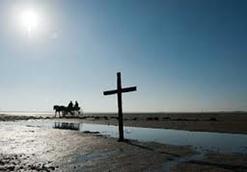 The story unfolds as we are taken back to his early days as a young solicitor, journeying to the cold, misty, windswept marshes of Crythin Gifford where he must wind up the affairs of the recently deceased Mrs Alice Drablow. Ever prosaic, he takes the responsibility in his stride and tries to ignore the reluctance of locals to engage with him or have anything to do with the matters of the deceased widow and the eerie Eel Marsh House.
 I couldn’t let the day pass without acknowledging that it is 200 years today since Charles Dickens, perhaps the greatest English novelist of the Victorian era, the second of eight children, was born on 7 February 1812 at Landport, near Portsmouth, Hampshire. So…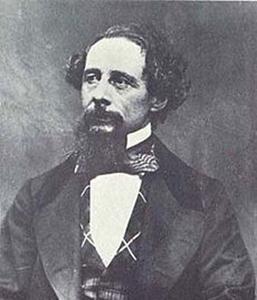
 It is interesting that I should plunge straight into this story after reading Edith Wharton’s
 Irène Némirovsky’s family fled the Russian revolution in 1918 when she was a teenager and she became a bestselling novelist in France until forced to hide out with her husband and two daughters in the village at the centre of this novel during the 1940 German occupation. She was arrested and deported to Auschwitz where she died in 1942. Her daughters remained in hiding and survived and it is thanks to them and the efforts of Némirovsky’s biographers, that her previously unpublished manuscripts are now being read.

 one evening in his home, an abode no one has entered or been invited to for many years. Upon hearing of his invitation, one of the villagers curious to learn more from the visitor, opens up and reveals much of the story of Ethan’s past to him.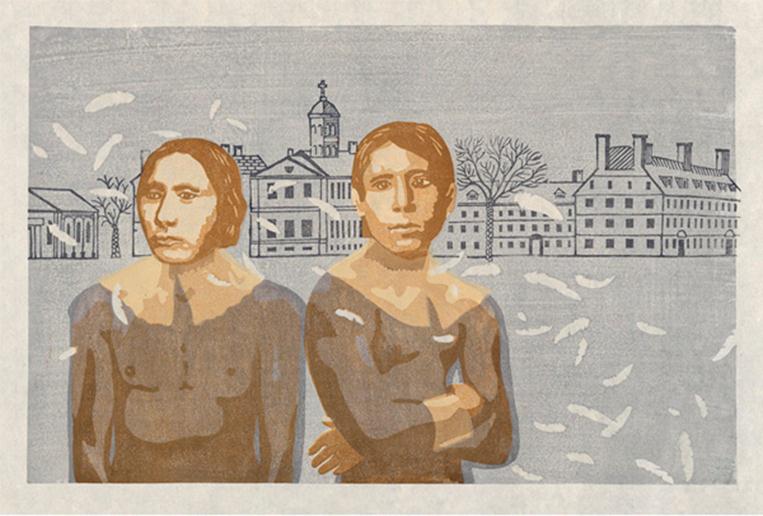
 The book is split into three periods in Bethia’s life, moments when she picked up the pen and looking back recorded certain events in her life, the first period when she was an adolescent on the island records her transformation from carefree girl within a stable family environment to young adult when a change in family fortune requires her to be indentured as a housemaid in a Cambridge school so her brother can continue his education.
 Suggested by a local book club and interested in an outsider’s perception of life in France, I find myself in the company of Elaine Sciolino, Paris bureau chief of the New York Times between the pages of her alluring book.
 The book describes a world and a manner of being I know little about, despite living within its midst these past six or so years; but Paris, like many large cities is not necessarily typical of the rest and after listening to others discuss this book, opinion is indeed varied, some suggesting ‘la seduction’ old fashioned, a prerogative of certain social classes, political circles or even pure fantasy. I tend to think there are sufficient anecdotes to say oui to all of those suggestions.
 And so to Téa Obreht’s debut novel and
  Framing stories within another story can be distracting, particularly when we have a preference for one over the other and when the narrative voice changes; it reminds me of the Rumi scholar and novelist Elif Shafak’s book
 Blogging awards make excellent writing prompts and get me writing about something other than books as well as encouraging good blogging etiquette; i.e. visiting other blogs, commenting and being supportive.


 Word by Word