The Axeman’s Carnival by Catherine Chidgey

The Axeman’s Carnival won the NZ Book Award for Fiction in 2023. I have enjoyed a few books by Catherine Chidgey, including Remote Sympathy (my review), The Transformation and most recently Pet.

Surviving the High Country

While the novel’s hero and narrator is a common magpie, The Axeman’s Carnival is a social commentary on the struggles of carrying on family farm traditions and tending to relationships on a remote high country farm, infused with magic realism and comic relief. The author acknowledges the use of diaries belonging to her late mother-in-law, who lived on a high country sheep station.

Strong Man Chops Wood

The Axeman’s Carnival refers to a wood chopping competition, which is one of the final scenes in the novel and an event that Marnie’s husband Rob judges himself by.

He runs a hill country sheep farm in Central Otago, in the South Island of New Zealand, land that his father in part cleared of stones making it more fertile for grass, but also land that was in part lost (including his childhood home) to flooding required to create a large dam. Though he doesn’t remember the home, images of it recur often in his dreams.

The farm is struggling, they are increasingly drowning in debt and despite Marnie’s working outside the home as well as helping on the farm, her husband is volatile and easily made jealous, quick to turn his rage against his wife. When he’s not outside tending to the farm, he watches one genre of crime show.

Later he watched his crime show about beautiful dead women found in alleyways, all rucked up and staring. The man who came to look at the beautiful dead women wore a gun strapped to his side and sunglasses that were also mirrors, and he said things like This was no suicide, Trent. See the spatter patterns and The perp’s taunting us. He’s dangling the victims as bait and we’re biting.

Separation from the Family of Origin

One day Marnie acquires a fledgling magpie chick and brings it inside, despite the threats from Rob. The entire novel is narrated from the perspective of Tama, including those first memories of being lifted into her pillowed palm.

My siblings cried out as she carried me away, calling from our nest high in the spiny branches: Father! Father! Where are you? Come back! My mother called for him too, her voice frantic and afraid – but he , hunting for food, had left us all unguarded.

Can Humans Be Trusted?

Photo by Boys in Bristol Photography on Pexels.com

The bird is named Tama, he survives and grows and when she releases him, he revisits his magpie family up in the pines, but realises they seem to have disowned him due to his association with humans.

Father magpie is an expert on the faults of humans and preaches lessons to the younger generations, warning of traps and lures. When he learns what happened to his mother ‘Death by car’ and his brothers ‘Death by cold‘, he makes up his mind.

Tama, who has learned to use the cat door, returns to Marnie and begins to speak his first words. Because Tama is the narrator, we also hear his thoughts on what he is observing and see how he tries to navigate between the worlds of the two species he is entwined with, his magpie family and his human one.

My father kept his eye on me, waiting or me to betray myself. Every day he told me another bad story about humans: they wrung our necks, they ran us down, they shot us, they poisoned us.

‘Doesn’t that bother you?’ he said.

‘Yes, Father,’ I said.

‘I don’t think it bothers you. I don’t think you believe me.’

‘I believe you, Father.’

‘You still reek of her.’

Bringing the Outside World In

While Marnie is amused by Tama’s antics, her husband is irritated by his attachment to her and encroachment into their lives. But every threatening line he utters adds to the increased repository of retorts that come out of the beak of the bird.

I suppose I should have tried to behave myself – and I was wary of him, don’t get me wrong. I saw the strength in his hard hands, and I knew it could lead nowhere good. I knew he’d had a gutsful. But I couldn’t keep quiet; I was my own worst enemy.

When she creates a twitter account for the magpie, it becomes popular while being another source of disapproval by her possessive husband. Until they discover he could be a source of income and help save the farm.

The story follows the family and the impact of the internet sensation and becoming known, however none of these changes to their life or fortune transform our characters in any way. Marnie continues to try and gain approval of her husband, he remains jealous of any contact she has with others, whether around them or online. While his behaviour is checked by the presence of webcams in the home, through Tama’s eyes, we witness the relaationship unravelling with mounting dread.

Champion or Brute

The narrative builds up to the carnival where he aims to become a 10 times ‘golden axes’ champion and Marnie and her sister have a surprise planned for their husbands, which she becomes increases nervous about whether it is a good idea or not.

The novel is full of clever wise-cracking moments, thanks to the mimicking retorts of the magpie, which lighten what is otherwise a threatening environment and a serious subject. Marnie is a victim of domestic violence and the only witness, Tama the talking magpie. He is the intelligent observer and hero of the novel, even if his own authenticity has been compromised by how the humans have turned him into a money making spectacle causing him to be spurned by his own.

While the theme is covered well, including the victims tendency to make excuses for the perpetrator and the constant critical comments of a mother, ceaselessly undermining her self-worth, I was disappointed that there wasn’t real transformation or growth in the human characters. There is resolution yes, but an opportunity missed, particularly given the serious nature of the crime.

As unsettling as it is entertaining, the brilliantly written voice and antics of Tama, carry the story forward, poking fun and provoking an already tense situation, until its splintering, scorching conclusion.

Highly Recommended.

Further Reading

The Conversation review: Catherine Chidgey’s revealing, uncomfortable novels bridge worlds by Julian Novitz, 25 Mar 2024

Financial Times review: The Axeman’s Carnival — when a magpie steals the limelight

Irish Times review: An imaginative and well executed novel

New Zealand Family Violence and Economic Harm Statistics

Author, Catherine Chidgey

Catherine Chidgey is an award-winning and bestselling New Zealand novelist and short-story writer whose novels have been published to international acclaim.

Her first novel, In a Fishbone Church, won the Betty Trask Award, and was longlisted for the Women’s Prize for FictionGolden Deed was Time Out’s Book of the year, a Best Book in the LA Times Book Review and a Notable Book in the New York Times Book Review. Her fourth novel, The Wish Child (2016) won the 2017 Acorn Foundation Fiction Prize, the country’s major literary prize. 

Remote Sympathy (2021) was shortlisted for the Dublin Literary Award and the Jann Medlicott Acorn Prize for Fiction, and longlisted for the Women’s Prize for Fiction. Her most recent novel Pet (2023) was longlisted for the Dublin Literary award.

N.B. Thank you kindly to Europa Editions for providing me with a copy of the book to read and review.
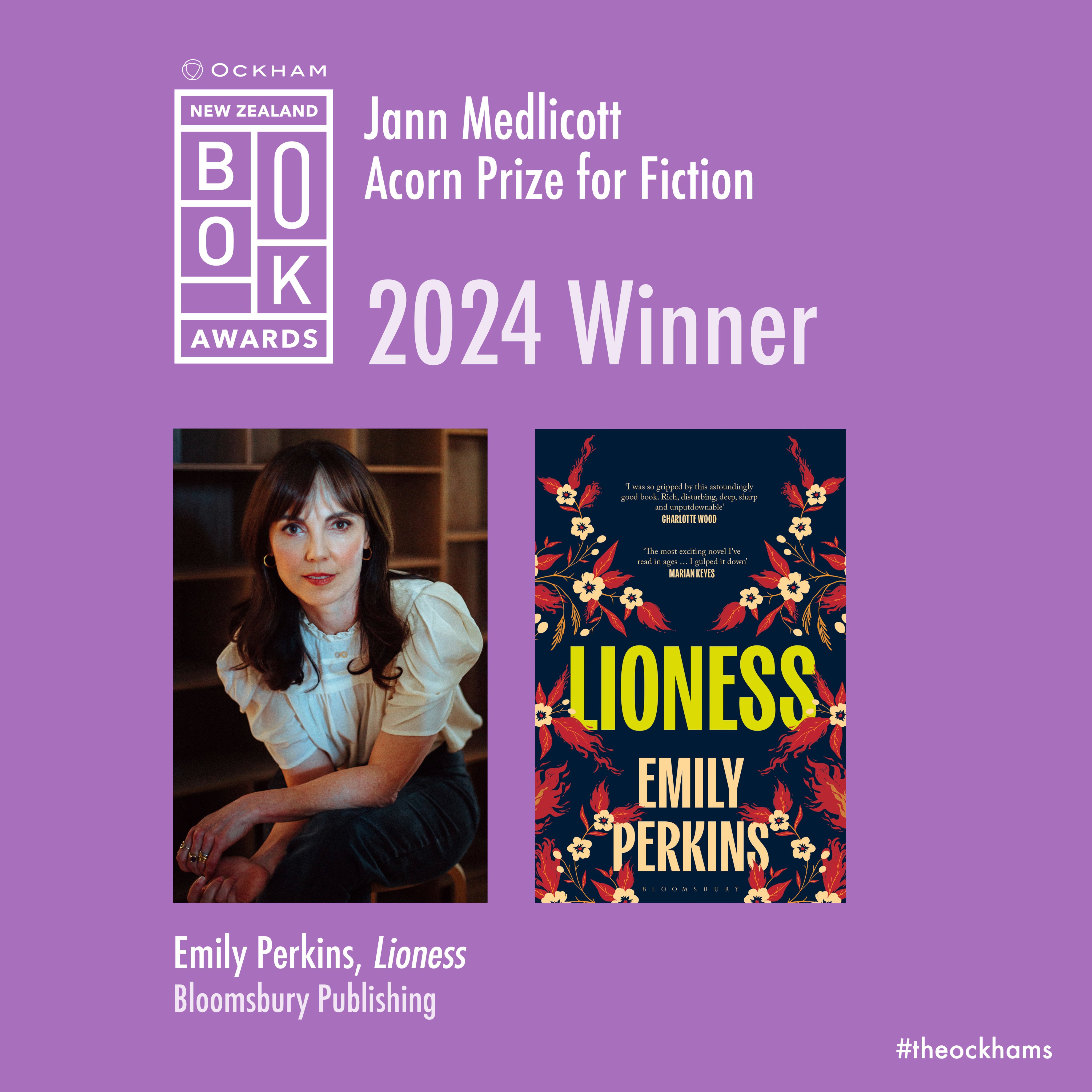
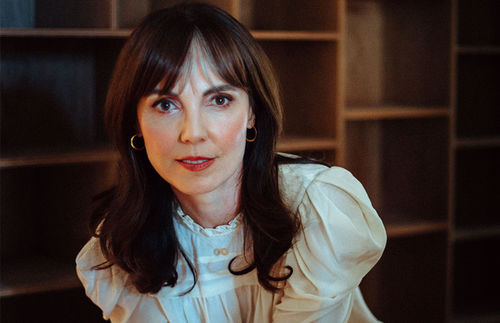
New Zealand Book Awards Winner 2024 #theOckhams

Today the New Zealand Book Awards 2024 announced their winners. Known as The Ockham’s they are regarded as the country’s premier literary honours for books written by New Zealanders.

Awards are given for Fiction (the Jann Medlicott Acorn Prize for Fiction), Poetry (the Mary and Peter Biggs Award for Poetry), Illustrated Non-Fiction (the Booksellers Aotearoa New Zealand Award for Illustrated Non-Fiction) and General Non-Fiction.

There are also four awards for first-time authors (the Mātātuhi Foundation Best First Book Awards) and, at the judges’ discretion, Te Mūrau o te Tuhi, a Māori Language Award.

Auckland Writer’s Festival | Waituhi O Tāmaki 2024

The announcement of the winners, hosted by Jack Tame coincided with the beginning of the annual Auckland Writer’s Festival, running from 14 – 19 May, 2024.

The Jann Medlicott Acorn Prize for Fiction

From a shortlist of four novels, the winner of the Fiction award is Emily Perkins for Lioness.

Jann Medlicott Acorn Prize for Fiction 2024

A searing and urgent novel crackling with tension and intelligence, Lioness starts with a hiss and ends with a roar as protagonist Therese’s dawning awareness and growing rage reveals itself.

At first glance this is a psychological thriller about a privileged wealthy family and its unravelling. Look closer and it is an incisive exploration of wealth, power, class, female rage, and the search for authenticity.

Emily Perkins deftly wrangles a large cast of characters in vivid technicolour, giving each their moment in the sun, while dexterously weaving together multiple plotlines. Her acute observations and razor-sharp wit decimate the tropes of mid-life in moments of pure prose brilliance, leaving the reader gasping for more. Disturbing, deep, smart, and funny as hell, Lioness is unforgettable.

Author, Emily Perkins

Emily Perkins is an award-winning writer living in Aotearoa, New Zealand. Her books include the Women’s Prize longlisted The Forrests, Novel About My Wife, winner of the Believer Book of the Year Award and the Montana Medal for Fiction, and the short story collection Not Her Real Name, winner of the Geoffrey Faber Memorial Prize.

She also writes for theatre, film and television, including the original play The Made and an adaptation of Henrik Ibsen’s The Doll’s House, both with Auckland Theatre Company. With director Alison Maclean, she co-wrote the feature film The Rehearsal, adapted from Eleanor Catton’s novel.

Emily has taught creative writing and was the host of TVNZ’s books programme The Good Word. She is a member of the UK’s Folio Academy, an Arts Foundation Laureate, and a Member of the New Zealand Order of Merit for services to literature.

Other Category Winners

The winner of the Booksellers Aotearoa New Zealand Award for Illustrated Non-Fiction was Gregory O’Brien for Don Binney: Flight Path, an illustrated account of the life and work of one of NZ’s most iconic artists.

The Mary and Peter Biggs Award for Poetry went to Grace Yee for her fusion of Cantonese-Taishanese and English collection that moves between old newspaper cuttings, advertisements, letters, recipes, cultural theory, and dialogue, evoking the unsettledness of migration, Chinese Fish.

The General Non-Fiction Award went to Damon Salesa for An Indigenous Ocean: Pacific Essays and the Maori Language Award went to Tā Pou Temara (Ngāi Tūhoe) for Te Rautakitahi o Tūhoe ki Ōrākau.

I read Lioness in the summer of 2023 and found it a compelling thought provoking read, where there is as much going on beneath the surface of scenes depicted, in the spaces its protagonist inhabits, observing those around her, as there was in their reality. While reading, it felt like I hadn’t read anything that had done this before, it provoked hyper-vigilant observations, readers will likely have strong opinions about the characters, it’s almost impossible not to.

I’m happy to see Emily Perkins‘ work being celebrated, there is often a frisson of excitement around one of her novels coming out, her readership extending much beyond NZ.

Have you read Lioness? What did you think of it?

Ockham New Zealand Book Awards Shortlist 2024

Earlier this month the shortlists were announced for the New Zealand Book Awards 2024. All four of the shortlisted authors have won the prize before. You can read my post on the 8 novels that made the longlist here.

Eleanor Catton, who won the Booker Prize in 2013 for The Luminaries,(my review) is a finalist for her novel Birnam Wood (my review).

Emily Perkins, who won the Montana Medal for Fiction or Poetry in 2009 for Novel About My Wife is shortlisted with Lioness. (I read and enjoyed it, but not reviewed)

Pip Adam, who won the Acorn Foundation Fiction Prize in 2018 for The New Animals (recently read but not reviewed) is in the running with Audition. (On my bookshelf!)

Stephen Daisley, who won the first awarded Acorn Foundation Fiction Prize in 2016 for Coming Rain is a contender this year with A Better Place.

Judge’s Comment

Juliet Blyth, convenor of judges for the Jann Medlicott Acorn Prize for Fiction, says there is much to celebrate among this year’s shortlisted novels, and readers will be rewarded by the richness contained within their pages.

“These four singular and accomplished titles encompass pertinent themes of social justice, violence, activism, capitalism, war, identity, class, and more besides. Variously confronting, hilarious, philosophical, and heart-rending, these impressive works showcase Aotearoa storytellers at the top of their game.”

The Shortlist

The four novels shortlisted for the fiction prize, along with judges’ comments are:

Jann Medlicott Acorn Prize for Fiction

NZ book awards 2024 shortlist

Audition by Pip Adam, Te Herenga Waka University Press – [Science Fiction/Dystopia]

– A spaceship called Audition is hurtling through the cosmos. Squashed immobile into its largest room are three giants: Alba, Stanley and Drew. If they talk, the spaceship keeps moving; if they are silent, they resume growing.

Talk they must, and as they do, Alba, Stanley and Drew recover their shared memory of what has been done to their former selves – experiences of imprisonment, violence and misrecognition, of disempowerment and underprivilege.

A novel, part science fiction, part social realism that asks what happens when systems of power decide someone takes up too much room – about how we imagine new forms of justice, and how we transcend the bodies and selves we are given.

Judges’ Comment

Three giants hurtle through the cosmos in a spacecraft called Audition powered by the sound of their speech. If they are silent, their bodies continue to grow. Often confronting and claustrophobic, but always compelling, Audition asks what happens when systems of power decide someone takes up too much space and what role stories play in mediating truth. A mind-melting, brutalist novel, skillfully told in a collage of science fiction, social realism, and romantic comedy.

A Better Place  by Stephen Daisley, Text – [WWII visceral novel]

– a novel about brothers at war, empathy and the aftermath. Aged 19 in 1939, Roy and his twin brother Tony enlist in the NZ Infantry Brigade. They fight in Crete where Tony dies. Burdened by the loss of his brother, Roy continues to Africa and Europe.

Beautifully written, brutal, tender and visceral, A Better Place is about love in its many forms.

Judges’ Comment

The tragedies of war and prevailing social attitudes are viewed with an unflinching but contemporary eye as Stephen Daisley’s lean, agile prose depicts faceted perspectives on masculinity, fraternity, violence, art, nationhood and queer love in this story about twin brothers fighting in WW2. With its brisk and uncompromising accounts of military action, and deep sensitivity to the plights of its characters, A Better Place is by turns savage and tender, absurd and wry.

eco thriller tech billionaire New Zealand

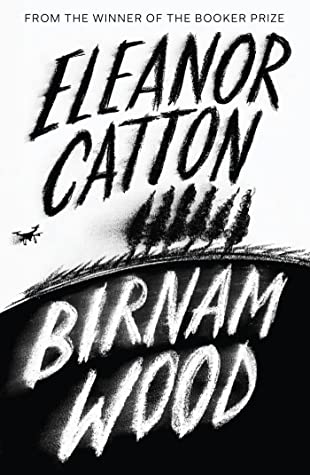
Birnam Wood  by Eleanor Catton, Te Herenga Waka University Press – [Eco Mystery/Thriller(y)]

– an eco-thriller of sorts that considers intentions, actions, and consequences, an unflinching examination of the human impulse to ensure our own survival. Featuring green activists, politician farmer and his wife, a tech billionaire and the lone wolf investigative journalist with a past.

Judges’ Comment

When Mira Bunting, the force behind guerilla gardening collective Birnam Wood, meets her match in American tech billionaire Robert Lemoine, the stage is set for a tightly plotted and richly imagined psychological thriller. Eleanor Catton’s page-turner gleams with intelligence, hitting the sweet spot between smart and accessible. And like an adrenalised blockbuster grafted on to Shakespearian rootstock, it accelerates towards an epic conclusion that leaves readers’ heads spinning.

Lioness by Emily Perkins, Bloomsbury – [Literary Fiction/Blended Family, Second Wife Drama]

– a novel of a woman’s self doubt and shifting place in second family’s and relationships.

Trevor and Therese are a power couple living in the capital city, he is a developer and she runs a chain of fashion boutiques. That’s the exterior. At home, there is his adult family (issues) to contend with and her uncertain place in a scenario that is rapidly shifting when his deals come under scrutiny and his children make increasing demands. Increasingly, she finds refuge elsewhere, inviting another kind of risk into her precarious existence.

Judges’ Comment

After marrying the older, wealthier Trevor, Teresa Holder has transformed herself into upper-class Therese Thorn, complete with her own homeware business. But when rumours of corruption gather around one of Trevor’s property developments, the fallout is swift, and Therese begins to reevaluate her privileged world. Emily Perkins weaves multiple plotlines and characters with impressive dexterity. Punchy, sophisticated and frequently funny, Lioness is an incisive exploration of wealth, power, class, female rage, and the search for authenticity.

Winner Announced

The winners will be announced on 15 May during the Auckland Writer’s Festival.

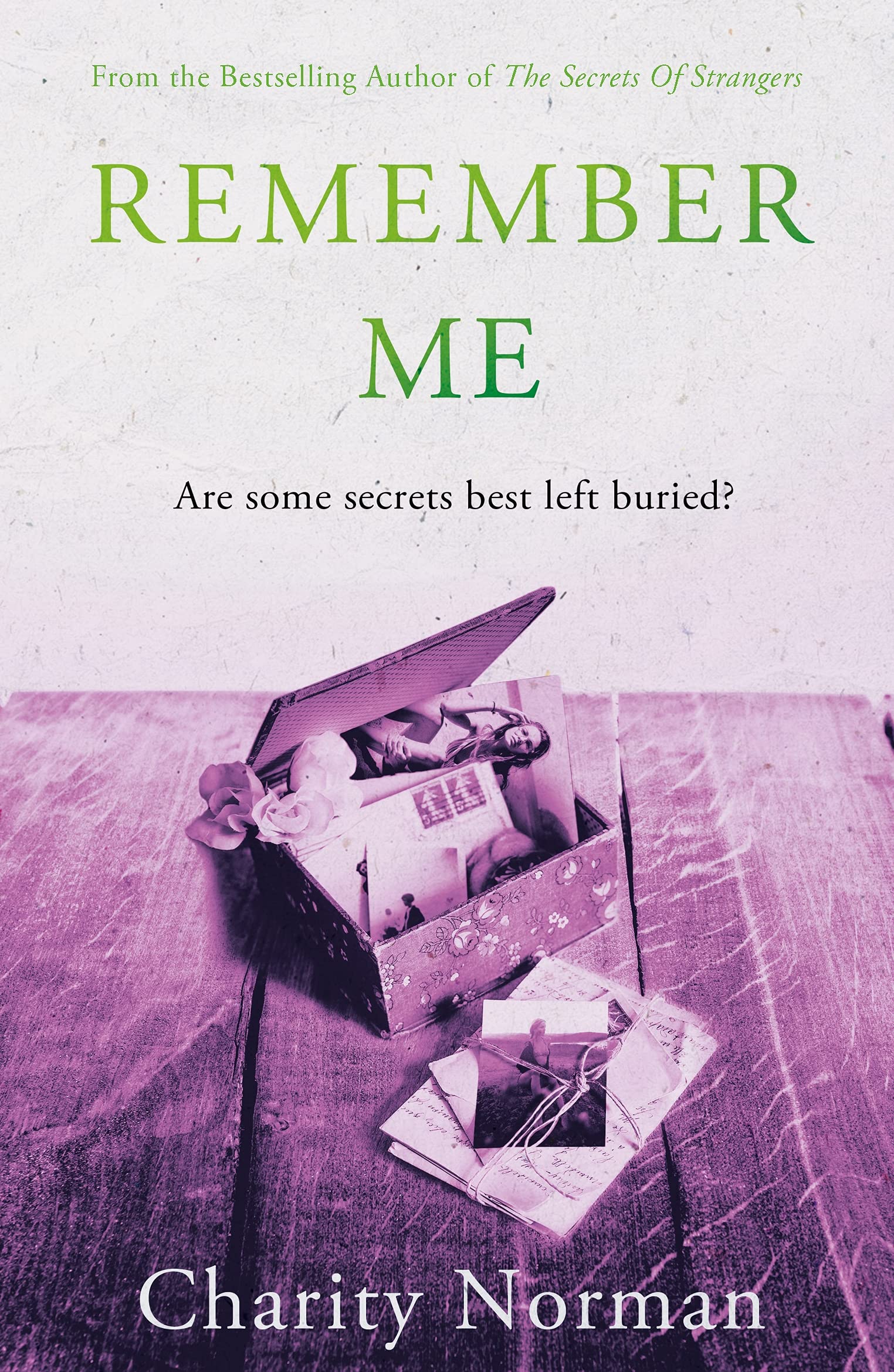
Remember Me by Charity Norman (2022)

A new author to me, I became aware of this novel when I saw that it had won Best Novel in the Ngaio Marsh Awards 2023 (an award made for the best crime, mystery, or thriller novel written by a New Zealand citizen or resident, published in New Zealand during the previous year).

Life’s Turning Point

Ngaio Marsh Award winner
crime fiction

Emily, a middle aged children’s book illustrator, living alone in London, receives a call from her father’s neighbour Raewyn in Tawanui, New Zealand to say she ought to come, that her father Felix’s memory is deteriorating, the dementia much worse than when she last visited. The neighbour has been voluntarily helping him out, her son leases land off him, their families have been close for many years.

Emily is the youngest, her brother and sister though nearer have reasons why they can’t help. Not only does her father not recognise her when she first arrives, but the house is full of notes he has written to himself, an attempt to slow down the fast encroaching disease.

Notes To Self

He held up the envelope. ‘Something for you to look after.’
‘What’s this?’
‘Keep it for me, will you? Please, please, don’t open it until the event mentioned on the front. Until then, I’d rather you didn’t let anyone know of its existence. I will undoubtedly forget I’ve give it to you. I’m afraid I’m going doolally.’

Her return coincides with the 25th anniversary since Raewyn’s daughter Leah disappeared without a trace, last seen by Emily who was working in a petrol station where Leah bought something before going into the local bush on one of her conservation research trips, trying to save an endangered snail species from predators, but making a few enemies in the process. She was never seen again.

‘I envy you,’ she says.

She doesn’t. Why would she envy me? She’s Dr Leah Parata, five years older and infinitely, effortlessly superior. Everything about the woman screams energy and competence, even the way she’s twirling that turquoise beanie around her index finger. She’s tall, light on her feet, all geared up for back-country hiking in a black jacket – or maybe navy blue, as I’ll later tell the police.

The Slow Unravelling

Though she had never been close to her father, now that his short term memory is failing and his guard is slipping, she comes to realise there is much about her father she did not know, both in the way he cared and the terrible secrets he has kept.

Emily, I’m lost in the mist, I’m sliding into an abyss. You can’t begin to imagine the terror.’

Determined not to put him into care, as her siblings prefer, Emily decides to stay, reconnecting with her own past and begins to unravel what has been covered up and must decide what to do about it.

Photo by UMUT on Pexels.com

It’s an evocative read that brings the reader deep into the east coast North Island setting of a small town in the foothills of the bush covered Ruahine Mountain Range. It creates a strong sense of its locals, both those who stay and those who leave, all of whom have a history and connections, who harbour secrets, fear judgement and maintain strong loyalties, especially when outsiders come into the community.

It’s a slow unravelling of the mystery of Leah’s disappearance and the revelation of who a father really is to his daughter, as time runs out and he begins to forget not just who she is, but who he is himself and the important final task he has set himself.

Author, Charity Norman

Charity Norman was born in Kampala, Uganda, the seventh child of missionary parents, raised in Yorkshire and Birmingham. A barrister specialising in crime, family law and mediation, in 2002 she took a break from law and moved with her family to New Zealand and began a writing career.

She has written seven novels, See You in September (2017) and The Secrets of Strangers (2020) were both shortlisted for the Ngaio Marsh Award for crime novel. The New Woman/The Secret Life of Luke Livingstone was selected for the BBC Radio 2 Book Club. Remember Me (2022) was a Ngaio Marsh Award winner.

Ockham New Zealand Book Awards longlist 2024

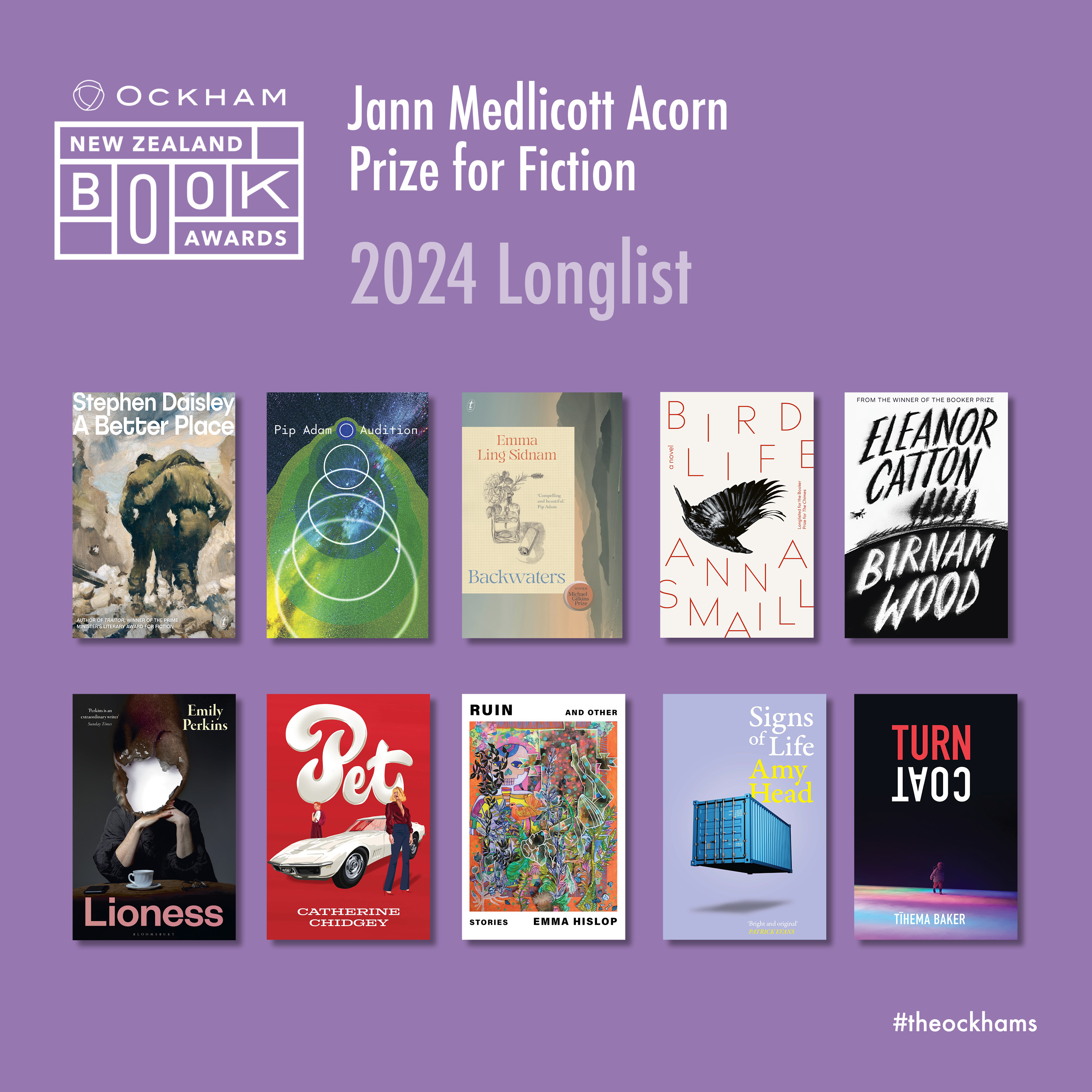
The NZ Book Awards longlist comes out so early in the year, I am often late catching up with it. There are longlists for fiction, poetry, general nonfiction and illustrated nonfiction, a total of 44 titles. The complete list can be viewed here.

2023 was a great reading year for New Zealand fiction, and author Catherine Chidgey who won last year’s fiction award for her novel The Axeman’s Carnival, is again nominated this year for her latest Pet. Both her novels were longlisted for the Dublin Literary Award 2024, a unique position to be in. This year’s longlist features eight novels and two short story collections.

From the list below, I have read three novels, though only reviewed Birnam Wood by Eleanor Catton. I enjoyed both Lioness and Pet, and may reread them to review later, as I read them during the summer months, when books tend to be devoured and not thought too deeply about.

It’s good to see two short story collections nominated that address topical themes and the intergalactic indie hit about alienation that entertains and makes its readers consider what that feels like.

The links in the titles will take you to the Goodreads descriptions of the novels. I have created or copied short blurbs to give you an idea of what they’re each about.

The Jann Medlicott Acorn Prize for Fiction longlist

A Better Place by Stephen Daisley [WWII visceral novel] – a novel about brothers at war, empathy and the aftermath. Aged 19 in 1939, Roy and his twin brother Tony enlist in the NZ Infantry Brigade. They fight in Crete where Tony dies. Burdened by the loss of his brother, Roy continues to Africa and Europe.

Audition by Pip Adam [Science Fiction/Dystopia] – a novel, part science fiction, part social realism that asks what happens when systems of power decide someone takes up too much room – about how we imagine new forms of justice, and how we transcend the bodies and selves we are given.

Backwaters by Emma Ling Sidnam [family history/belonging] – debut novel by award-winning New Zealand poet about a 4th generation New Zealander struggling with a sense of identity and belonging.

Laura is tired of being asked where she’s really from. Her family has lived in Aotearoa New Zealand for four generations, and she’s ambivalent at best about her Chinese heritage. But when she’s asked to write about the Chinese New Zealander experience for a work project, Laura finds herself drawn to the diary of her great-great-grandfather Ken, a market gardener in the early years of the British colony.

Bird Life by Anna Smaill [literary fiction/magical realism] – A lyrical and ambitious exploration of madness and what it is like to experience the world differently. Smaill teases out the tension between our internal and external lives and asks what we lose by having to choose between them.

In Ueno Park, Tokyo, as workers and tourists gather for lunch, the pollen blows, a fountain erupts, pigeons scatter, and two women meet, changing the course of one another’s lives. Two women deal with individual traumas, form an unlikely friendship, helping each other see a different possible world.

Birnam Wood by Eleanor Catton [Eco Mystery/Thriller(y)] – an eco-thriller of sorts that considers intentions, actions, and consequences, an unflinching examination of the human impulse to ensure our own survival. Featuring green activists, politician farmer and his wife, a tech billionaire and the lone wolf investigative journalist with a past.

Lioness by Emily Perkins (Literary Fiction/Blended Family, Second Wife Drama) – a novel of a woman’s self doubt and shifting place in second families and relationships.

Trevor and Therese are a power couple living in the capital city, he is a developer and she runs a chain of fashion boutiques. That’s the exterior. At home, there is his adult family (issues) to contend with and her uncertain place in a scenario that is rapidly shifting when his deals come under scrutiny and his children make increasing demands. Increasingly, she finds refuge elsewhere, inviting another kind of risk into her precarious existence.

Pet by Catherine Chidgey [Coming of Age/School Drama/Literary Fiction] – Set in New Zealand in 1984 and 2014, traversing themes of misplaced trust, bullying, racism and misogyny, a chilling novel that explores the consequences of age old complacency and silence.

Like every other girl in her class, twelve-year-old Justine is drawn to her glamorous, charismatic new teacher, and longs to be her pet. However, when a thief begins to target the school, Justine’s sense that something isn’t quite right grows ever stronger. With each twist of the plot, this gripping story of deception and the corrosive power of guilt takes a yet darker turn. Young as she is, Justine must decide where her loyalties lie.

Ruin and Other Stories by Emma Hislop (Kāi Tahu) [Short Stories on Being A Woman/Friendship/Relationships/Power] – Moving between contemporary New Zealand and London, a debut short story collection that explores power and its contortions, powerlessness and its depravities, and the ends to which we will go to claim back agency.

Women and girls walk a perilously thin line between ruin and redemption in these stories as they try—with varying degrees of success—to outmanouver the violence that threatens to define their lives.

There’s the physical violence of men against their bodies—and sometimes the violence they exact in revenge. While doubts about a romantic partner, an abandonment by a sister, the fallout of a parent’s porgnography addiction, the betrayal of a friend, even the desire to touch a stranger’s fur-like body are subtler aggressions that pack their own kinds of punches.

Signs of Life by Amy Head [short stories/earthquake/post recovery] – A ‘lest we forget’ collection.

Christchurch, post earthquakes, the earth is still settling. Containers line the damaged streets, inhabitants waver – like their city – suspended between disaster and recovery. Tony, very much alive, is declared dead, Gerald misreads one too many situations in his community patrol, and boomer Carla tries online dating. At the epicentre of these taut, magnetic stories is 20-something Flick who, just as she is finding her feet, faces a violent disruption – this time in human form – while her mostly-ex gets set to marry. Keenly observed, deftly humorous, Signs of Life turns on the smallest of details to show how we carry on.

Turncoat by Tīhema Baker (Raukawa te Au ki te Tonga, Ātiawa ki Whakarongotai, Ngāti Toa Rangatira) (Science Fiction/Literary Political Satire/Indie smash-hit!) – a futuristic novel about an idealistic human, that explores the effect of being colonised and serves as a commentary on the experiences of Māori public servants while inviting Pākehā to imagine that experience.

Daniel is a young, idealistic Human determined to make a difference for his people. He lives in a distant future in which Earth has been colonised by aliens. His mission: infiltrate the Alien government called the Hierarch and push for it to honour the infamous Covenant of Wellington, the founding agreement between the Hierarch and Humans.

With compassion and insight, Turncoat explores the trauma of Māori public servants and the deeply conflicted role they are expected to fill within the machinery of government. From casual racism to co-governance, Treaty settlements to tino rangatiratanga, Turncoat is a timely critique of the Aotearoa zeitgeist, holding a mirror up to Pākehā New Zealanders and asking: “What if it happened to you?”

Shortlist Annoucement

The 2024 Ockham New Zealand Book Awards shortlist will be announced on 6 March, 2024.

The Jann Medlicott Acorn Prize for Fiction will be judged by reading advocate and former bookseller Juliet Blyth (convenor); writer, reviewer and literary festival curator Kiran Dass; and fiction writer Anthony Lapwood (Ngāti Ranginui, Ngāi Te Rangi, Ngāti Whakaue, Pākehā). They will be joined in deciding the ultimate winner from their shortlist of four by an international judge.

The winner of the Jann Medlicott Acorn Prize for Fiction will receive $65,000.

A Year of Reading New Zealand Literature

In 2024, Lisa at ANZLitLovers and Theresa at TheresaSmithWrites will celebrate the rich literary heritage of Antipodean writing by joining forces to spend a year discovering New Zealand fiction. 

Reading from their TBR and whatever else comes their way, they’ll be posting reviews on their blogs and sharing via social media using the hashtag #AYearofNZLit

Follow them or join in if you’re interested in reading Kiwi fiction!

Grand: Becoming My Mother’s Daughter by Noelle McCarthy

A thought provoking memoir that won the Best First Book in the General Nonfiction category of the New Zealand Book Awards 2023, ‘Grand’ is a reference to the good old Irish vernacular, a bit like the way others use the word ‘fine’, when it covers a multitude of sins, lies, omissions – a word that sums up an aspect of societal tendency, used to avoid expressing what is actually occurring.

Grand Becoming My Mothers DaughterGrand, tells the story of Noelle McCarthy’s growing up in Hollymount, County Cork and the highs and lows of being around a mother, who had already lost two children before she was born and was herself never comforted by her own mother. Seeking to self-regulate through the effect of alcohol, Grand demonstrates numerous effects of having been raised under those circumstances and how a multi-faceted generational trauma passes down.
McCarthy finishes university and after a chance encounter with a New Zealander in a cafe where she worked, decides to travel to New Zealand and finds herself propelled into a media career after a stint in student radio, then becoming a sought after broadcaster and interviewer.

Though it does wonders for her freelance prospects and professional reputation, the lifestyle also pushes her deeper into addictive tendencies, denial and dysfunctional relationships, until the day arrives when she knows she has to change.

She doesn’t hold back from sharing the increasingly ugly detail of late nights, memory lapses and destructive episodes. She notices her inability to schedule morning appointments, in anticipation of planned hangovers and realises it is not normal.

I do not know, at this point, how the people I work with are able to ignore the general air of chaos that surrounds me.

There is a moment in a conversation with an experienced friend, while contemplating whether or not to attend meetings, she is confronted with a moment of choice.

I ask her: ‘What will happen if I go back to the meetings, but I’m not really an addict or an alcoholic?

She shrugs her narrow shoulders. ‘I don’t know. I guess you go for a while, and then stop because you don’t need to be there? Not that big a deal really.’

A pause. ‘ And what if I am an alcoholic, and I don’t go? What will happen then?’

She moves her spoon to one side, picks up a pair of chopsticks delicately. ‘It will get worse. Addiction is progressive.’

The feeling better part after having given up alcohol takes some time to manifest and is beautifully described in one scene by simple observations through the window of a bus. As the vehicle picks up speed, she is filled with “a fierce, clean joy that comes out of nowhere”. She is nearly 31 years old and her life is beginning anew.

The bushes that line the road are full of passionfruit vines and spiky, colourful bird-of-paradise flowers. I watch the kids in their school uniforms chugging Cokes, women at the bus stop, just normal workers going about their business, and I don’t hate them the way I used to. I am just a person among people, no better and no worse. I am nearly six months sober.

The memoir tracks her path to sobriety and to a coming to terms with who her mother is and was, and to her own ‘becoming a mother’.

Noelle McCarthy Grand

Photo by Doug Brown on Pexels.com

It’s interesting that subtitle, because to me she doesn’t “become” her mother’s daughter, if anything that is who and what she is fated to be, without healing or recognition of the generational trauma that lead to her addiction. What she does “become” is’ a mother to her own daughter’, the one role where there is an opportunity to heal from the past and choose to do things differently, to learn how to self regulate her own distorted central nervous system, in order to nurture her daughter in a way that will mitigate what they have all inherited.

It is a compelling read, a deeply honest and vulnerable account of a women in self-imposed exile, trying to live differently, dealing with her own inner demons and having a kind of love/hate relationship with her mother.

The thing that really stood out to me, something that isn’t exactly written, but that is understood, was that Noelle McCarthy was the first child, her mother was able to keep. Though she struggles as a mother, Caroline kept that daughter and loved her fiercely, so this daughter, though she has to deal with the effects of her mother’s alcoholism, she has not inherited the complex-PTSD that babies who were not ‘kept‘ are cruelly gifted with. Ironically, it appears that the mother suffered this neglect, it being suspected that her own mother, most likely suffering from post natal depression, never or rarely held her own daughter.

I want to tell her then, about the study I read about baby monkeys. The ones that don’t get touched and cuddled as much, don’t grow as well, physically or mentally.

Though the relationships are a challenge to navigate, there is a sense of knowing, a sense of belonging to both that family, those siblings and the place she grew up, that leaves the reader appreciating the importance these things contribute to the wholeness of a life.

A compelling memoir and an important contribution to literature that captures the chaos, pain and steps towards healing from alcoholism and addiction.

Noelle McCarthy, Author

Noelle McCarthy Author MemoirNoelle McCarthy is an award-winning writer and radio broadcaster. Her story ‘Buck Rabbit’ won the Short Memoir section of the Fish Publishing International Writing competition in 2020 and this memoir Grand won the Best First Book General Nonfiction Award at the NZ Book Awards 2023.

Since 2017, she and John Daniell have been making critically acclaimed podcasts as Bird of Paradise Productions.  She has written columns, reviews, first-person essays and features for a wide range of media in New Zealand including Metro, The NZ Herald and Newsroom. In Ireland, she’s provided commentary for radio and written for The Irish Times, The Independent and The Irish Examiner.

She lives in the New Zealand countryside with her husband and their daughter, and she misses Irish chocolate.

Grand Becoming my mother's daughter

New Zealand Book Awards 2023 winners #theockhams

Back in February I posted on the long longlist of 44 books in four categories for the New Zealand Book Awards 2023, also known as  “the ockhams”. The shortlist whittled that down to 16 titles and now we have a set of winners in each of those four categories and a handful of ‘Best First Book’ prizes.

Fiction Prize

No surprise that the winning novel that has captivated not just the nation (winning The People’s Choice), but also the twitterverse, narrated by Tama the magpie, @TamaMagpie, Catherine Chidgey’s The Axeman’s Carnival won the $64,000 Jann Medlicott Acorn Prize for Fiction.

I’m very much looking forward to reading this, and hoping that since Europa Editions UK published her excellent novel Remote Sympathy in 2021, it won’t be long before we see this novel available in Europe and the rest of the English reading world.

Catherine Chidgey Tama the magpie

Chidgey’s masterful writing explores the diversifying of rural life, the predicament of childlessness, the ageing champ, and domestic violence. She provides a perspicacious take on the invidious nature of social media and a refreshingly complex demonstration of feminist principle.

“The unforgettable Tama – taken in and raised by Marnie on the Te Waipounamu high country farm she shares with champion axeman husband Rob – constantly entertains with his take on the foibles and dramas of his human companions. Catherine Chidgey’s writing is masterful, and the underlying sense of dread as the story unfolds is shot through with humour and humanity.

“The Axeman’s Carnival is unique: poetic, profound and a powerfully compelling read from start to finish.”

Poetry Prize

I was particularly intrigued by acclaimed Māori poet and scholar, Alice Te Punga Somerville’s poetry collection, Always Italicise, How To Write While Colonised and was pleased to see it win this category.

‘Always italicise foreign words’, a friend of the poet was cautioned. Alice Te Punga Somerville does exactly that. With humour and rage, regret and compassion, she ponders ‘how to write while colonised’ – penning poetry in English as a Māori writer; tracing connections between Aotearoa, New Zealand and the greater Pacific region, Indigenous and colonial worlds; reflecting on being the only Māori person in a workplace; and how – and why – to do the mahi anyway.

Alice Te Punga Somerville Always Italicise

“Readers are challenged but crucially invited in to accept that challenge and reach a new understanding of what it is to be a Māori woman scholar, mother and wife in 2022 encountering and navigating uncomfortable and hostile spaces.

“Always Italicise stood out amongst a very strong field for its finely crafted, poetically fluent and witty explorations of racism, colonisation, class, language and relationships. It’s a fine collection, establishing and marking a new place to stand.”

General Non-Fiction & Illustrated Non-Fiction

Broadcaster, music critic and author Nick Bollinger won the Booksellers Aotearoa New Zealand Award for Illustrated Non-Fiction for Jumping Sundays: The Rise and Fall of the Counterculture in Aotearoa New Zealand.

Drawing on archival research and rich personal narratives, Nick Bollinger has written a compelling account of an epoch-making period, linking international trends to the local context in a purposeful-yet-playful way.

“A joy to read and to hold, Jumping Sundays is a fantastic example of scholarship, creativity and craft.”

Historian and lawyer Ned Fletcher won the General Non-Fiction Award for his work, The English Text of the Treaty of Waitangi, shedding new light on New Zealand’s founding document’s implications, contributing fresh thinking to what remains a very live conversation for those that call Aotearoa New Zealand home. The treaty was made between the British Crown and about 540 Māori rangatira (chiefs) on February 6, 1840.

Best First Books

Home Theatre by Anthony Lapwood, a collection of interlinked short stories won the Hubert Church Prize for Fiction; Khadro Mohamed’s We’re All Made of Lightning takes the reader to distant lands, Egypt and Somalia, in heightened sensory language as she grieves for her homeland, winner of the Jessie MacKay Prize for Poetry; the Judith Binney Illustrated non-fiction, first book award went to Christall Lowe’s Kai ,which offers whānau stories and recipes that provide wider insight into te ao Māori, creating a homage to food that is grounded in tradition yet modern, the new Edmonds!

Finally, the E.H. McCormick Prize for General Non-fiction and the book I am currently reading, went to Noelle McCarthy for Grand, Becoming My Mother’s Daughter. This book was running neck-a-neck with The Axeman’s Carnival for The People’s Choice, up until the last few days, when Chidgey’s book surged ahead.

An exquisite debut, it masterfully weaves together the threads of Noelle McCarthy’s life, and her relationship with her mother, in a memoir that connects with truths that unite us all. Poignant and poetic language renders scenes with honesty and colour. Intimate, but highly accessible, the fragility and turbulence of the mother-daughter relationship is at times brutally detailed. Despite this, Grand is an uplifting memoir, delicate and self-aware, and a credit to McCarthy’s generosity and literary deftness.

NZ Book Awards

A Special Mention

Non fiction NZ art assessment 50 years as an artistOne that didn’t win, but that was Number 4 in The People’s Choice and one I have heard a lot about and sighted on a recent visit to London, is Robin White: Something Is Happening Here.
Described as more than an exhibition turned art book. It features stunning reproductions, historical essays and the insights of two dozen contributors that do justice to the institution that is Robin White. As iconic screenprints flow seamlessly into large format barkcloth, White’s border-crossing practice is temporally divided with the savvy use of typographic spreads. Space, too, is given to the voices of her Kiribati, Fijian and Tongan co-collaborators.

More recently in her life, collaboration with others has become important, a way of working in the space between cultures, enriching and liberating from the confines of self.

Strikingly elegant yet comprehensive, excellence is what’s happening here.

Check out Robin White’s Artist Profile here.

Birnam Wood by Eleanor Catton

Hecate and the Three Witches, Shakespeare’s MacBeth

This novel, the first in ten years, since Eleanor Catton won the Booker Prize 2013 for The Luminaries, sounded intriguing and looking up the significance of Birnam Wood in Shakespeare’s MacBeth had me quietly hopeful.

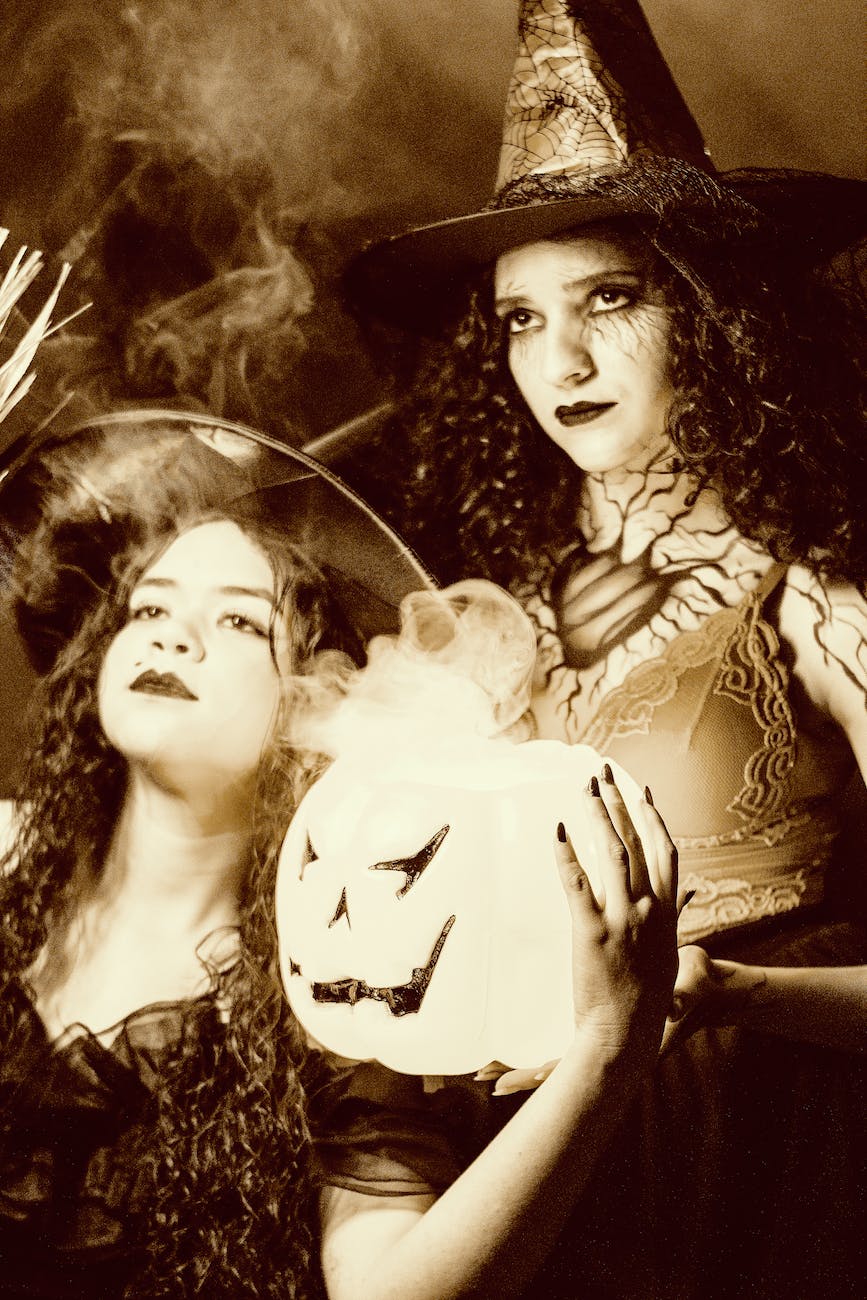
women in witch costumes

Photo by Becca Correia on Pexels.com

Shakespeare’s three witches were women believed to have the ability for foresee events – (intuitives, regarded as supernatural thus often portrayed as old crones with or without pointy hats) – who made cryptic predictions of Macbeth’s ascent to kingship and eventual downfall.

They are women, present, often brushed aside, whose warnings have long been ignored, opinions under-estimated or ridiculed.  Macbeth believed the first prediction and ignored the second, both would come to fruition, the messenger’s long forgotten.

It is interesting that Catton uses the analogy of Birnam Wood and its association with women who speak out, as she too has a little history of having said some things about those in power in her own country and been belittled for it. Will the passage of time demonstrate that those words uttered might too have been a kind of prophecy? Perhaps they were too obvious, and so now we have something a little more cryptic to figure out. A Birnam Wood analogy of New Zealand.

Catton’s Theatre, An Eco-Tech-Thriller(y) Political Maelstrom

Birnam Wood is populated with characters that loosely connect to Shakespeare’s play. Our three women are present, and they appropriately, are not always as they seem on the outside. There are the men with power, twin aspects, one acquired through politics, the other wealth and the MacDuff character, recently returned from his travels, the righteous young freelancer Tony, armed with his pen to combat tyranny and fight against evil, something of a loner, acting independently of the group.

Sadly, the novel suffered from a head spinning beginning, in which the righteous characters dominate the conversation, which read like speeches. Looking back, I can see why that might have been done, but the abundance of proselytising in the opening pages almost had me put it aside. It was not a great start. Characters shared verbose opinions and given space on the page to rant, they were like an unwelcome ambush. Way too theatrical.

Eco-Warriors, A Tech Billionaire, Neo-Liberal Politician

I persevered (a characteristic I associate with reading Catton) and the novel becomes a kind of cat and mouse, eco-warrior-tech suspense story, set in New Zealand’s South Island, in 2017.

eco thriller tech billionaire New ZealandBirnam Wood itself is the name of a gardening collective, a group of people doing gently rebellious activism, planting sustainable gardens in places where they don’t have permission. There is a rivalrous friendship between the founder Mira and her flatmate, sidekick Shelley, who we learn early on has a desire to undermine her friend.

When a past member Tony turns up looking for Mira, the focus of the novel changes and becomes more character and action oriented. Embarrassing himself at the group’s six weekly ‘hui’ (meeting), he maintains a low profile, until he has an idea for an investigative journalism scoop he thinks is going to make his career. No one else knows what he is up to, he becomes something of the lone wolf, loyal to the cause, the avenging hero.

Mira hears about a farm up for sale, that has been cut off due to a landslide and thinks it might be a good location for their next project, she decides to scout the location for suitability.

A Billionaire’s Secret Agenda, Altruistic or Ambitious?

She is unaware that someone else has an idea for the property, with a very different agenda. Lemoine is an American tech mogul billionaire looking to build a bolt hole in an isolated location in New Zealand. Their paths cross and it seems they might be able to coexist, despite the risk of compromising the group’s ideals.

Rotorua Lakes - EditedThe farm, nestled up against a national park, was inherited by Jill Darvish; her husband Owen, a self-made pest-control business man has just been knighted for services to conservation, though he is unsure exactly why.

Everyone pursues their agenda – unaware of being under the watchful eye of the man with the money, while another with few resources, pieces together the larger picture of a potentially damaging conspiracy.

Like the “wood” referred to by Macbeth’s witches, a warning brushed aside, so too Catton’s three women characters provide clues to the demise of the men who hold power in her story.

Catton excels at mining the introspective psychological depths of her characters intentions, behaviours and motivations and once the plot moves to the farm, the pace picks up and it becomes a more engaging read.

An intriguing writer, there is an element of unpredictability, that feeling of not knowing what will come next, given how different all three of her novels have been from each other, crossing genre – a writer experimenting with form, taking her time but unafraid to try something completely different. And so again, who knows what she might write next.

Further Reading

Interview Guardian: Eleanor Catton: ‘I felt so much doubt after winning the Booker’ by Lisa Allardice

Review Guardian: ‘hippies v billionaires’ – The Booker winner captures our collective despair in a thrillerish novel about climate crisis by Kevin Power

Review The SpinOff, NZ: Birnam Wood review: An astounding analysis of human psychology by Claire Mabey

Eleanor Catton, Author

Eleanor Catton was born in 1985 in Ontario, Canada and raised in New Zealand.

Her first novel, The Rehearsal, won the 2007 Adam Award from the International Institute of Modern Letters, and a Betty Trask Award. Her second novel, The Luminaries, was awarded the the 2013 Man Booker Prize and the 2013 Governor General’s Literary Award.

N.B. Thank you to Granta Publications for the ebook Advance Reader Copy, provided via Netgalley. Published 2 March, 2023.

Ockham New Zealand Book Awards 2023 #theockhams

Longlist Announced

The annual New Zealand book awards have announced their longlist, 44 books in four categories (fiction, general nonfiction, poetry, illustrated nonfiction) from 191 nominations (20% increase on 2022), showing how much more dynamic the industry has become in recent years. Read the entire list of nominees for each category here.

This year there were more debut authors than recently (a third of longlisters), which bodes well for the future, according to Nicola Legat, Chair of the New Zealand Book Awards Trust who discusses the longlist here on Radio NZ’s Nights With Karyn Hay.

The Jann Medlicott Prize for Fiction

The 10 novels below will compete for a place on the shortlist of 4, featuring established names like Catherine Chidgey, alongside popular newcomers like Coco Solid who was on the NZ bestsellers list for many weeks, a young urban Aucklander and performance poet, part of a rising generation of Pacifica writers increasingly prominent in New Zealand’s literature scene.

It’s good to see historical fiction starting to become more present and a notable crime thriller, highly praised by Val McDermid.

Jann Medlicott Acorn Prize for Fiction NZ

Better the Blood (Crime Thriller) by Michael Bennett – an exploration of Maori history, the crimes of colonisation and their impact on current lives, through the eyes of single mother and policewoman Hana Westerman, who investigates a serial killer seemingly keen to take revenge for the historic murder of a rangatira (leader). Described here as ‘the stunning new crime novel that’s a Trojan horse for exploring the hurt of colonisation’.

Chevalier & Gawayn: The Ballad of the Dreamer (Speculative/Science fiction/Fantasy) by Phillip Mann – published just weeks before his death, it is describes as a fable for our times. Serious, whimsical, funny, powerful and sexy, Chevalier & Gawayn is a thrilling mix of adventure and adversity and the need to heed the past.

Down from Upland (Domestic Fiction) by Murdoch Stephens – described as a character-driven “slice of life” novel, featuring millenials raising a teenager, set in Kelburn, so doses of Wellington high schools, civil servants & cringe culture.

Home Theatre (Short Stories) by Anthony Lapwood – a genre-bending collection, spanning the fantastical and the keenly real, introducing an ensemble of remarkable characters – and the fateful building that connects them all. Repertory Apartments – where scenes of tenderness and trouble, music and magic, the uncanny and the macabre play out on intimate stages.

How to Loiter in a Turf War (Popular Fiction) by Coco Solid – a lucid, genre-bending cinematic work of fiction from one of the country’s most versatile performance artists. A day in the life of three friends beefing with their own city. With gentrification closing in and racial tensions sweltering, the girls must cling to their friendship like a life raft, determined not to let their neighbourhood drift out to sea. Fast, ferocious, crack-up funny and unforgettably true. Recommended to listen to, narrated by the artist themselves.

Kāwai: For Such a Time as This (Historical Fiction) by Monty Soutar – A young Māori man, compelled to learn the stories of his ancestors, returns to his family marae to speak to his elderly grand-uncle, the keeper of the stories. Set in mid 18th century through to first encounters with Europeans, it delves into an exploration of the culture, first in a series.

Mary’s Boy, Jean-Jacques and other stories (short stories) by Vincent O’Sullivan – a sequel to the tale of Dr Frankenstein’s creature + new stories that traverse other time periods and minds  – stories described as wry, humane, unsparing, essential.

Mrs Jewell and the Wreck of the General Grant (Historical Fiction) by Cristina Sanders –  Set in 1866, the story behind the enduring mystery of one of New Zealand’s early shipwrecks, told from the perspective of the one woman survivor. Fourteen men make it ashore and one woman – Mary Jewell. Stuck on a freezing and exposed island, they must work out how to survive. Described as a gripping page turner.

The Axeman’s Carnival (Bird Narrated Literary fiction) by Catherine Chidgey – Narrated by Tama the magpie (who tweets @TamaMagpie) “Chidgey fuses the sensibility of our cinema of unease – of life on a struggling back-blocks farm with a dour farmer – with the liberating and alienating madness of fame, all of it seen by the novel’s hero, the magpie Tama. Tama does all the voices – orchardists, tourists, fairground commentators, daffy activists, and the unappeasable axeman – and he does them justice. The Axeman’s Carnival is a compulsive read and flat-out brilliant” says author Elisabeth Knox.

The Fish (Absurdist Literary Fiction) by Lloyd Jones – described by Claire Mabey (books editor, The SpinOff) as ‘a brave reckoning with the dark sides of family, memory and the self’. Set in 1960’s NZ, it is a novel of family bonds, strained and strengthened by tragedy, an allegorical tale of absence and return. Who or what the fish is, seems like a mystery to many readers, might be a marmite book, due to the ‘slippery nature of the storytelling’.

General Non-Fiction Award

A big increase in submissions for here with a lot of memoir, Noelle McCarthy’s Grand, filmmaker Gaelene Preston’s Take, Fiona Kidman’s essays So Far, For Now, Kate Camp’s You Probably Think this Song is About You covering a wide range of subjects, creative non-fiction becoming much more prevalent.

This award remains somewhat controversial, given the wide range of sub-genres it includes, pitted against each other: creative nonfiction, memoir, history and academic texts. For this reason, an additional four titles make the longlist.

ONZBA 2023 Longlist NF

Mary and Peter Biggs Award for Poetry

Poetry in NZ is on fire at the moment says Nicola Legat, so many strong voices coming through, on decolonisation, gender issues, it is the poets who seem to be addressing many of these subjects.

Check out Initial Thoughts, Thrills, Surprises, Hidden Gems and Predictions from Claire Mabey and Louise Wallace at The SpinOff.

They predict Echidna by Essa May Manapouri to win.

ONZBA 2023 Longlist_Poetry

Booksellers Aotearoa New Zealand Award for Illustrated Non-Fiction

With incredibly strong representation, this longlist features seven different publishers and you might say adds another 10 to the general non-fiction category. Books with a visual dimension continue to be popular and there are some interesting and intriguing titles here.

Te Motonui Epa by Rachel Buchanan tells the strange but true story of the theft of five wooden panels carved in the late 1700s by Taranaki tūpuna and their connection to the 11 day kidnapping of Graziella, daughter of the collector George Ortiz, who put the Motunui epa up for auction to pay back money he borrowed for the ransom. Epic and fascinating!

I Am Autistic by Chanelle Moriah, is described as ‘a first of its kind: smashing through stereotypes and presenting a clear, interactive tool for those eager to either learn about themselves, or people around them’.

Something Is Happening Here looks at 50 years of the art of Robin White, including insights from art critics and interviews from many others. Including more than 150 of her artworks, from early watercolour and drawings through to the exquisite recent collaborations with Pasifika artists, as well as photographs from throughout her career.

Jumping Sundays, The Rise and Fall of the Counterculture of Aotearoa New Zealand by music historian Nick Bollinger, is a vivid account of the transformation of NZ life brought about by the 1960-70s counter-culture from a bi-cultural perspective – its goals and impact, the festivals and gatherings, of radicals and bohemians resisting the authority of that era.

Illustrated Nonfiction Ockhams 2023

Shortlist Announcement

The shortlist of 16 titles will be announced on 8 March and the winners announced in May, the award ceremony will be the first event of the Auckland Writer’s Festival which runs from 16-21 May, 2023.

Towards Another Summer by Janet Frame

This novel grew on me the more I read it and the less I expected from it.

A Kiwi Writer In London

London Homesickness New Zealand writers abroadThe story takes place over one weekend when a young New Zealand novelist named Grace Cleave, who is living in London, takes a train to spend the weekend with Philip, a journalist, his wife and two young children. She has escaped the city for a while after accepting an invitation to visit the family following an interview about her work and ambitions.

She is the author of a few published novels, a writer with an expanding reputation, living in a small, cold, uninspiring flat, moving between her writing desk, her therapist and a nagging yearning to be elsewhere. 

Keen to take up the opportunity to escape and the familiarity the visit may offer (they have a connection to her home country), she is disappointed to be confronted by dreadful anxiety once she arrives. Her tendency to analyse everything and to express herself more articulately in her thoughts (or on paper) than in actual conversation makes her feel shameful.  She has been invited in her capacity as a writer; she feels sure they expect more from her and sees herself as a disappointment, not measuring up to the perception created by her talent.

Grace was stricken with the terrible certainties and uncertainties of speech…The ritual of spoken communication is so firmly accepted that few people question it or dare to rearrange it. If you look towards someone, speak to that person, saying You, you, you, then what you say refers to that person; it’s all so simple.
Not being a human being and not being practiced in the art of verbal communication, Grace was used to experiencing moments of terror when her mind questioned or rearranged the established ritual; when commonplace certainties became, from her point of view, alarming uncertainties.

Homesickness

New Zealand landscape cabbage tree Janet FrameDuring the visit, many instances, objects and mutterings remind her of her own faraway home, memories of childhood intercede and brilliant metaphors come to her fully formed. It was as if she were being filled with future content and yet the contrast with how she came across to others was painful for her to witness.

Filled with longing born out of the loneliness of her self-imposed exile, she hoped to fill that void by being with someone who valued her work and understood her connection to a landscape elsewhere.

“So I, a migratory bird, am suffering from the need to return to the place I have come from before the season and sun are right for my return. Do I meet spring summer or winter? Here I live in a perpetual other season unable to read in the sky, the sun, the temperature, the signs for returning. Is it homesickness – ‘I know a place whereon…’ the matagouri, the manuka, the cabbage tree grow…”

A Migratory Bird

In her dream life, day or night, there are moments when Grace thinks of herself as a migratory bird.  It adds something to her work, to be able to retreat into this imagined form and see things from another perspective.

“A certain pleasure was added to Grace’s relief at establishing herself as a migratory bird. She found that she understood the characters in her novel. Her words flowed, she was excited, she could see everyone and everything.”

Semi-Autobiographical

It is all the more brilliant, having learned that it was published posthumously, that it is semi autobiographical, though written twenty years before any of her own autobiographical works. She set the novel aside referring to it as ’embarrassingly personal’. The character of Philip was based on a Guardian journalist who had interviewed her.

“I matter. I fly alone, apart from the flock, on long journeys through storm and clear skies to another summer. Hear me!”

Highly recommended for Janet Frame fans.

migratory bird, get on your bird, Janet Frame Towards Another Summer

Photo by Flo Maderebner on Pexels.com

Janet Frame, Author

Janet Frame died on January 29 2004 at the age of 79. She wrote novels, poems, and a three-volume autobiography that were read and admired worldwide. She won many awards and was short-listed for the Nobel Prize in Literature.

Further Reading

‘a sharp drama, of fleeing and missing, home’ – Guardian review by Catherine Taylor

Short Biography of Janet Frame – by Patrick Evans Dictionary of New Zealand Biography

The Janet Frame Collection, NZ On Screen – a collection of films and material relating to Janet Frame

Wrestling With the Angel – a brilliant biography written by esteemed historian Michael King