The Stolen Village by Des Ekin (2006)

Baltimore and the Barbary Pirates

After Mary Read’s pirate adventures in Saltblood by Francesca de Tores, I turned to a book of history, The Stolen Village that tells of a pirate raid on the West Irish village of Baltimore. I must have picked this up at a sale, because it’s not a book that I recall looking for, but it fits perfectly with the pirate theme, and I was curious to know more since like many readers, I had never heard of an Irish village being pillaged to traffic humans.

Conspiracy, Corruption and Ethnic Cleansing

The story of the raid on Baltimore is a tale of plotting and intrigue, of conspiracy and betrayal, and it involves corruption in the highest ranks of of the King’s Navy.

And perhaps most fascinating of all is the theory that the raid may have not been a chance event, but a mission of revenge: a pre-planned act of ethnic cleansing aimed at removing the English newcomers and restoring the village to its original Irish owners.

From Dutch Privateer to Barbary Pirate, A Name Change

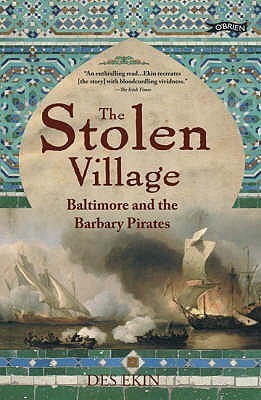
The Stolen Village by Des Akin The Irish village of Baltimore raided by Barbary Pirates and taken to Algiers sold into slavery

Captain Morat Rais and his crew of Barbary Pirates aided by 200 troops of the Ottoman Empire enter Baltimore in June 1631, where they succeed in capturing 109 villagers, abandoning 2 elders, taking the rest to Algiers to be traded as slaves, once the Pacha had taken his pick.

We learn this captain was born in Dutch Haarlem around 1570, his real name Jan Jansen. A man who began his career as a privateer in the Dutch War of Liberation. He sought opportunities on the Barbary coast, in the 3 states of Tunis, Tripoli & Algiers, after being captured himself, choosing to reinvent himself and swap allegiances.

In an era when it was commonplace for white traders from England to land on the African coast and to seize black people as slaves, this was one of the comparatively rare occasions when the boot was on the other foot: a slaving mission from Africa landing on English-held territory and seizing white slaves.

More Villagers Taken From Iceland

Four years before the Irish raid, the same captain, in 1627 led 5 ships to Iceland, showing no mercy, assaulting multiple villages and returning to Algiers with over 400 captives, including 240 from the volcanic island Heimaey.

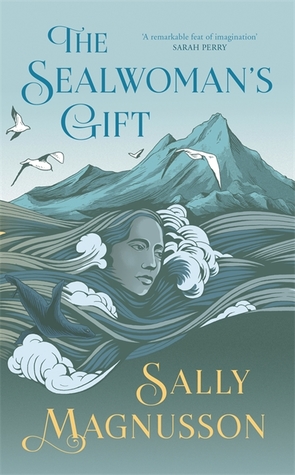
The Sealwoman's Gift by Sally Magnusson The capture of 400 villagers from Iceland sold into slavery in Algiers Morat Rias

When I encountered his name, I knew I’d come across Morat Rais before. In Sally Magnusson’s excellent work of historical fiction, The Sealwoman’s Gift. Much of that story is known from the journals Reverend Ólafur Egillson kept, depicting the terror of the invasion, the sea journey, slave markets and the fates of the survivors.

Of the Irish villagers no written account by a person survived so Ekin uses other sources that inform us what their likely fate would have been, which can make the text feel a little disjointed, without the fluidity of a fictional story, sticking to facts and documented accounts requires the reader to imagine.

Some readers have criticised the book for this, but I read it already knowing this and didn’t mind that it sticks to the facts and therefore lets you know when he is sourcing known information from another event that might gives clues about this one.

Who Were These People in Baltimore?

There is a layer of conspiracy to the Irish raid, a rumour regarding feudal clans and unwanted English settlers that Ekin explores, adding more intrigue to the tale.

There are plenty of myths about that and Ekin dispells three of them, one that they were aggressive colonists, usurpers who had stolen the village from local Irish by force, two, that they were ‘blow ins’, and as such had no permanent ties there; and the third myth that they’d been sent to impose the State religion upon the area.

Ekin tells us they were themselves viewed as rebels and dissenters, refugees who went there to escape all that.

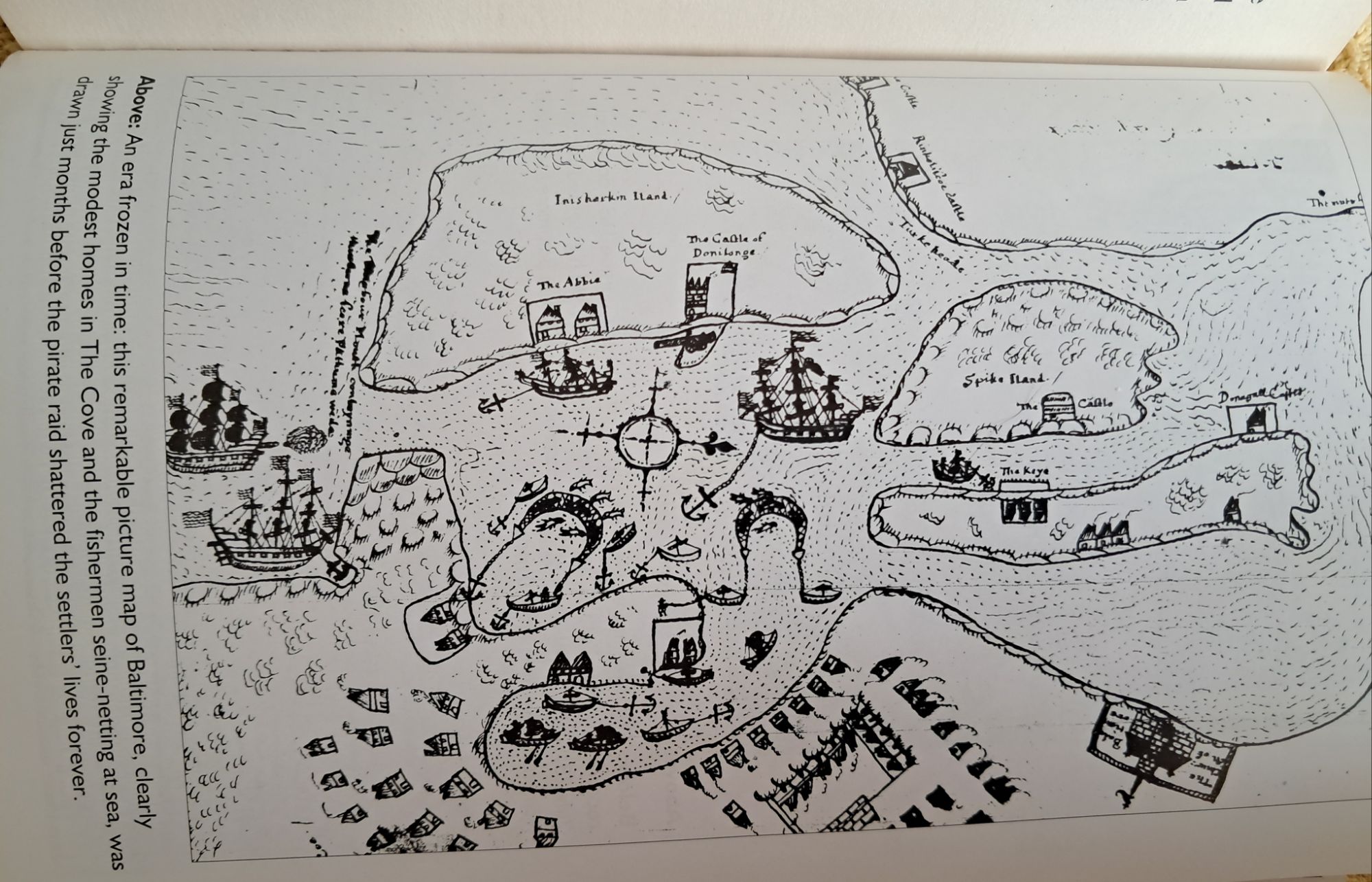
The village of Baltimore, drawn months before the pirate raid shattered the settlers' lives
Baltimore village just months before the pirate raid shattered the settlers’ lives

The new Baltimore settlement had been created by a family of intellectual freethinkers whose fierce refusal to conform had made them a thorn in the side of the religious and political establishment in England for generations.

It is a fascinating story, as is the history of the movement of people and the way in which privateers or corsairs move from legitimate to illegitimate activities, the bases the pirates used that others wanted rid of and all the machinations of the establishment and the clans behind it all that fueled so many conspiracy theories.

With eight pages of glossy black & white photos, a list of The Taken and a comprehensive bibliography, it was a most enjoyable read.

Somebody Is Walking on Your Grave by Mariana Enriquez tr. Megan McDowell #RIPxx

My Cemetery Journeys

Someone is Walking On Your Grave My Cemetery Journeys Mariana Enriquez

Argentinian author Mariana Enríqeuz is known for unconventional and sociopolitical stories of the macabre, amid contemporary Argentina. Her stories are populated by unruly teenagers, crooked witches, homeless ghosts and hungry women walking the troubled line between urban realism and literary horror.

Though I’ve seen her Gothic titles on the International Booker shortlist, an overactive imagination has constrained my curiosity to venture further until now.

When I saw that Granta were publishing a memoir-like collection of essays that chronicle her travels through graveyards of the world, steeped in history, legend and local culture, I was more than intrigued, I wanted to take that journey with Mariana Enriquez as my guide.

One Woman’s Obsession and Another’s

This is not fiction, it’s a journalistic travel diary, beginning with her first teenage encounter in Genoa, Italy, spanning years of visits and curating the experiences that came with them, and a potted history of characters she momentarily became obsessed with while visiting 21 cemeteries across four continents.

I admit that I have my own obsession with cemeteries, though not to visit them or to seek out historical characters; my interest is in the words left behind, the clues that help me recreate a lineage.

I discovered that it is possible to do that online through ‘Find a Grave’, another way to find ancestors and fill in the gaps in a family tree, creating one’s own virtual cemeteries populated with the memorials of those who came before.

Lest we forget or should we never have known and have a compulsion to awaken our soul remembering. I visit these virtual creations, solve some of their mysteries and see into the lives of those forgotten, as if they were there, tapping me on the shoulder inviting me to come and witness how it was.

A Goth Flaneur Coming of Age

From that very first essay about her journey as a 25-year-old to Italy with her mother I was hooked. Mariana Enriquez described herself as a ‘goth‘ from about the age of six years old and in her book, travels to cities and obscure locations around the world with the aim of visiting a place of rest, unravelling stories as she goes.

In her gripping, journalistic style, she shares why each graveyard was important to visit, whether part of an interesting historical aspect, or because of a particular personality, or a rumour about the strange things that allegedly happen there. It surprised me initially that many of these places require security, some even have ticket offices, because strange things can happen in broad daylight as well as the dead of night.

Each essay gives the country and location of the cemetery and the year she visited and sometimes there is a photo of a particularly interesting sculpture. In an NPR interview with Ayesha Rascoe, she expanded on her youthful inclinations and inspiration in seeking out these places of rest.

Reading Edgar Allen Poe – and then with the years, I learned that also cemeteries have a lot to say about life, about the history of the people. And then Argentina in the ’70s, the decade where I was born, had a dictatorship that made a lot of bodies disappear. Therefore, there’s a generation of people that were killed by the government, and they don’t have a grave.

I realized that that trauma, that is very engraved in my life, somehow made me feel that a grave, a tombstone – it’s something of comfort. It’s a final thing in a good way.

Death and the Maiden, Staglieno

So it begins with Death and the Maiden, Monumental Cemetery of Staglieno, Genoa in 1997 and this essay is literally the initial seduction into the collection, Mariana’s mother had enough money to take her first trip to Europe and invited her daughter along.

Genoa wasn’t her priority; when read of the places in Italy that were, I’m drawn down literary, art and historical rabbit holes in delight. But Staglieno at least had graves that featured on the cover Joy Division‘s single Love Will Tear Us Apart, even if she had never liked them.

In a public square in Genoa is where she meets the perfect goth boy playing violin, an Italian Englishman, like a creature out of Mary Shelley or Byron. Someone to accompany her on her pilgrimage.

Enzo was the most beautiful creature I had ever seen. At least for me, for my idea of beauty, which is shadowy and pale and pliant, black and blue, a little moribund but happy, more dusk than night.

Welsh Immigrants in Patagonia

When Enriquez travels to Trevelin Cemetery in Chubut, Agentina, 2009, I learn about the Welsh who left their homeland to settle in Patagonia in 1865. Having been exploited and discriminated against in the United Kingdom and fearing losing their language and identity, 153 Welsh men, women and children boarded the ship Mimosa and arrived in a place that was something of a disappointment, but became the most significant Welsh colony in Argentine Patagonia.

I learn about characters from this group, the little known history that explains the proliferation of Jones, Thomas and Evans, the foreign words on the gravestones, in a place where many today still speak Welsh.

The Mountains of San Sebastian to Rottnest Island

From English soldiers buried in forest graves on a Basque mountain near San Sebastian in Spain, I read of more minor historical events and wonder about the meaning of the words on the chapel, “Every hour wounds; the last one kills.” So many stories and mystery among the remains.

In 2007, she accompanies her Australian boyfriend Paul who works as a bike mechanic on Rottnest Island, half an hour from Freemantle in Western Australia. A stable, long distance relationship that is headed towards marriage and an outsider’s view of a curious part of the world where the lead singer of AC/DC came of age, went to jail and is buried. She wants to see his grave.

The place has a booming real estate market, houses with yards full of healing crystals and fairies, collectors of all kinds who exhibit their cabinets of curiosities in the streets, artists, musicians, and a sparse but continuously fluctuation itinerant population linked to the port – people who can be unhinged, unstable and on occasion violent.

Weirded out by the hotel-asylum they’re staying in, she takes the ferry to the island, once inhabited by the Noongar Aborginal people, also used as a prison and visits the burial grounds, unearthing more story of post-colonial and indigenous poeples.

Savannah to New Orleans to Cuba to Edinburgh

I don’t wish this make this overly long, because I feel like I could write paragraphs on every essay; they are so interesting, quirky, incredible and speak so much to the different cultures they inhabit, from a very different perspective than what anyone would usually encounter visiting a foreign country.

If you came from New Orleans, I guess you would know about the vibrant characters that inhabit it, both the living and the dead. I did not know that it is the site of the second most visited grave in American after Elvis, that of the 19th century midwife, herbalist and philanthropic Voodoo practitioner of French, Spanish and African origins Marie Laveau.

Then there was the controversy surrounding the Pietro Gualdi marble sculpture of a seated woman in a robe holding a bouquet of flowers that Dennis Hopper and Peter Fonda requested permission from the Italian Society to use in the tomb scene of Easy Rider. Suffice to say all requests since then have been denied. And Nicholas Cage’s pyramid? A pharaonoic tomb waiting for a body.

Frankfurt was brief, Cuba was fascinating and macabre and sad after the friend who hosted her became the first close associate whom death claimed. Savannah was touristy and disappointing, I mean how could the book cover of John Berendt’s novel Midnight in the Garden of Good and Evil have caused such havoc and chaos to a place of rest?

Edinburgh was crowded, full of folklore; people visiting the graves of random names J.K.Rowling chose as characters for her Harry Potter books. Bizarre comes in so many different forms, real, imagined and just because.

Taphophilia Syndrome and the Magnificent Seven

I learn a new word. Taphophile, people who are passionate about cemeteries, memorials, and the history they hold. And Taphophilia syndrome? An abnormal attraction for graves. Who knew there were so many?

The visit to London’s Highgate cemetery fascinated me because I lived so close to it for some years, yet never had an inclination to visit. Audrey Niffenegger’s Her Fearful Symmetry, set in the cemetery sat unread on my shelf for years. To read about it here and what the author encountered there was like stepping into another realm, as all these places are, existing in the in-between.

Highgate and London’s Magnificent Seven created from 1833-1841 just demonstrated to me how little the living can be aware of the cult of the dead right next door.

Day of the Dead 1-2 November

Mexico seems to be the only country that retains a feeling of celebration around the departed. Though she visits and writes of its traditions, Enriquez has never been there for the Day of the Dead, when souls return and are welcomed to their family home to eat with their living relatives.

Here in France 1 November is the public holiday Toussaint (All Saint’s Day) and there is a mass visitation to cemeteries all over the country, when families visit, tidy up, pay their respects and bring chrysanthemum’s to family graves.

The Mexican anthropologist Alfonso Alfaro said, “We are a people who maintain a privileged relationship with death.” And the art critic Luis Cardoza y Aragon wrote:

Death is a universal theme of human expression. Mexico’s feeling toward death, the familiarity, tenderness and simplicity in its treatment of death, its obsession, which it sees as neither tragic nor funereal, but rather nuptial and natal, imbued with an immediate everydayness, an imperious and serene visibility, characterized more by cascading laughter than lamentation – it all harbours the unlearned wisdom of a cosmic and playful conceptualization, as if in perpetual amazement, that is particular to Mexico.

Prague to Paris to Eva Peron and the Disappeared

Prague has its legends but is overrun by tourists; Mariana resists and admits maybe it’s because she’s not a fan of Kafka.

In Paris, I hear of the fascinating history and grisly dilemma of 12th century Holy Innocents Cemetery in the Les Halles quarter that lead to the creation of the Montmartre catacombs. And a visit down there.

Eventually the journey comes full circle to Buenos Aires, Argentina, to the aristocratic Recoleta Cemetery, where Eva Peron is buried. Described once as ‘Venice without the canals’ it has ostentatious vaults like palaces along narrow streets, where everything is above ground, a way of showing off grandeur.

Peron’s journey there is an enthralling tale of body snatching, written about in Santa Evita by Tomas Eloy Martinez. A macabre story, it is one that Enriquez shares with freinds visiting the cemetery, one she told her husband Paul on their first date, that turned into a second date, though not everyone reacts that well she admits.

The Appartition of Marta Angélica

Part of the reason to write these stories came from reflections when her friend’s mother’s remains were identified after being found in a mass grave, having disappeared thirty-five years previously, kidnapped, disappeared and presumed killed, by the military dictatorship in Argentina.

“for someone like me who grew up in a dictatorship that had the peculiarity of making bodies disappear,” the idea of a tomb and of a cemetery was overshadowed by the political trauma.

The idea of no burial, no grave, no funeral rite, that’s what’s traumatic for me.”

Thank you for patiently reading, if you made it this far.

I absolutely loved and was riveted by this book of essays. I read it over the course of a month or so, it was too interesting and thought provoking and worldwide encompassing to read too quickly. It surprised me how compelling it was, with the right blend of personal story, characters met on her travels, fascinating known and unknown history and the insights into different cultural rituals and treatment of the subject of death, burial and even the movement and perceived ownership of or control over bodies. It gives even more meaning to those letters RIP.

Highly Recommended.

Further Reading

Mariana Enríquez Essay: Notes on Craft – on writing dark fiction

NPR Interview : ‘Somebody Is Walking on Your Grave’ – a journey to cemeteries across 4 continents

Author, Mariana Enríquez

Mariana Enríquez is an award-winning Argentine novelist and journalist, whose work has been translated into more than twenty languages.

She is the author of Things We Lost in the Fire and The Dangers of Smoking in Bed, which was shortlisted for the 2021 International Booker Prize. Our Share of Night was awarded the prestigious Premio Herralde de Novela.

“People often ask me why I like to write dark fiction. Horror. Weird tales… There is something about horror and dark fiction that is familiar and homely, and at the same time, always audacious. It’s with this language that I can explain myself and explain what I worry about.”

N.B. This book was an ARC (Advance Reader Copy) kindly provided by the publisher via NetGalley.

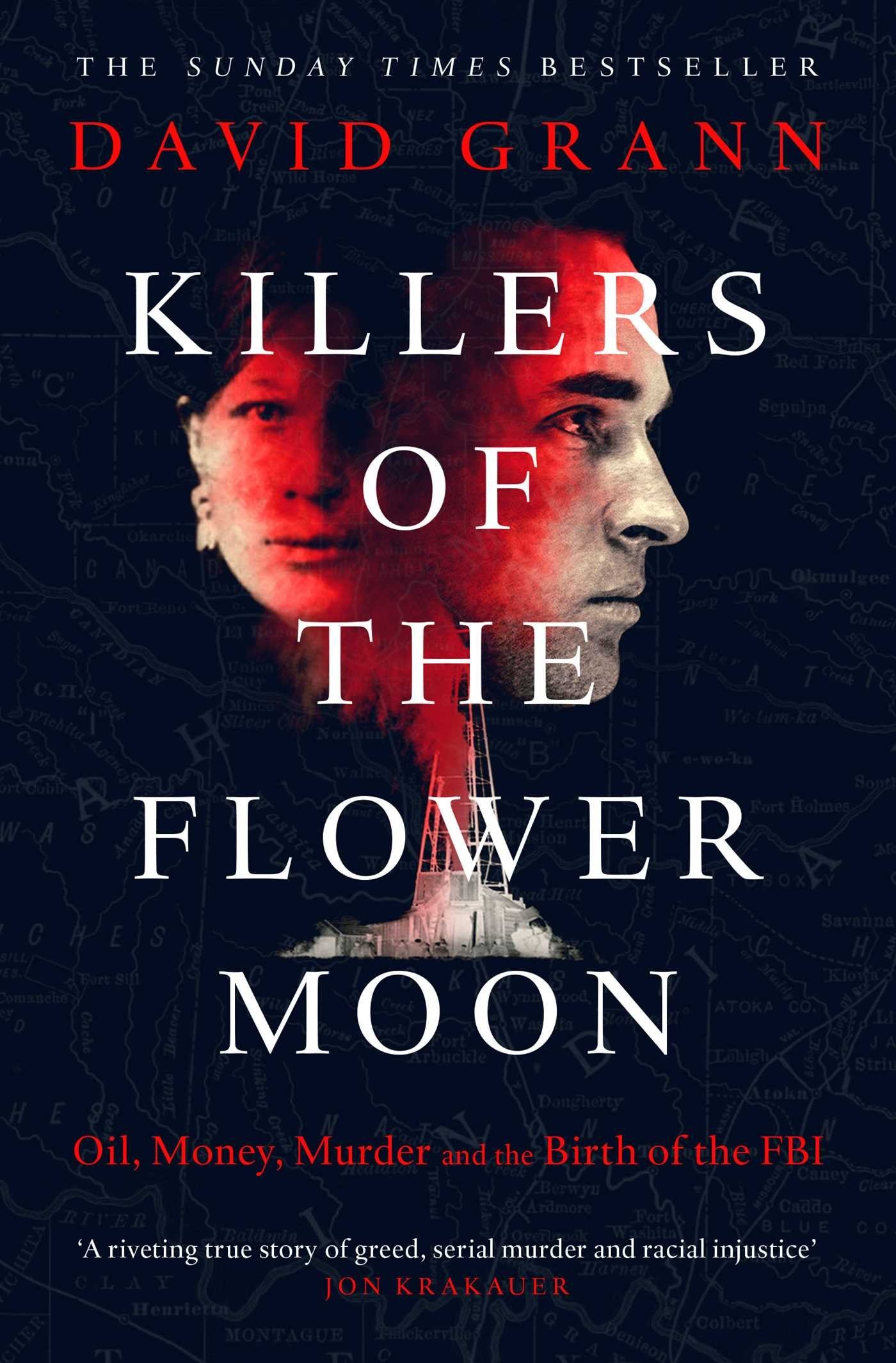
Killers of the Flower Moon by David Grann (2017)

Around the time the Martin Scorsese film of this book came out, the author David Grann had a new nonfiction book coming out The Wager, A Tale of Shipwreck, Mutiny and Murder.

The film about the Native American Osage murders was three and a half hours long and I knew that was not for me, not because the story isn’t important, but the way stories like this are portrayed cinematically in the 21st century is not for me.

I did read The Wager and thought it was excellent, and I knew if I ever came across Killers of the The Flower Moon, I would read that too.

Last week I visited our local English bookstore and there was a second hand copy sitting on the shelf, so I snapped it up and read it in a day.

Killers of the Flower Moon

So what is that title all about?

“In April, millions of tiny flowers spread over the blackjack hills and vast prairies in the Osage Territory of Oklahoma. There are Johnny-jump-ups and spring beauties and little bluets… In May, when coyotes howl beneath an unnervingly large moon, taller plants such as spiderworts and black-eyed Susans, begin to creep over the tinier blooms, stealing their light and water. The necks of the smaller flowers break and their petals flutter away, and before long they are buried underground. This is why the Osage Indians refer to May as the time of the flower-killing moon.”

Land and Oil – From Greed to Domination to Dehumanisation

Grann twists the metaphor to describe what happened to the Osage people when white settler individuals, driven by greed, racism and a total lack of empathy conspired to kill multiple members of families for their wealth and rights to oil profits.

In nature, one species nourishes the next, governed by the cycles of the Moon whereas the story he presents here, uses that phrase to describe a murderous cycle of greed and violence to annihilate and supplant the native Osage.

An Obsession with Wealth and Control

In the early 1870’s , the Osage had been driven from their lands in Kansas onto a rocky, presumably worthless reservation in northeastern Oklahoma, only to discover, decades later, that this land was sitting above some of the largest oil deposits in the United States. To obtain that oil, prospectors had to pay the Osage for leases and royalties.

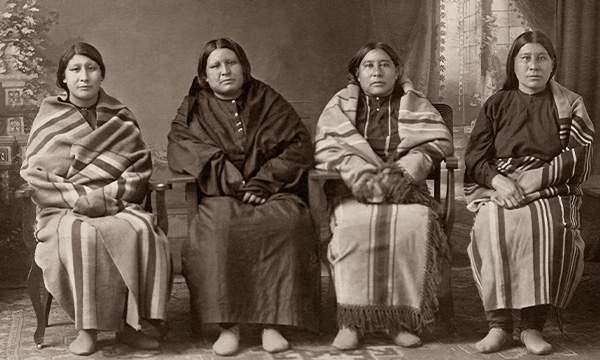
I raced through this book, enjoying how thorough it had been researched. It is divided into three parts, Chronicle One: The Marked Woman (or The Marked Family or The Marked Tribe) focuses on four sisters Mollie, Anna , Minnie and Rita (pictured below) and their mother Lizzie, all of whom find themselves in danger of being killed in an elaborate conspiracy, without knowing who or why.

Four Sisters Targeted

The story opens with the gruesome murder of Anna and then goes back to describe the events that lead the Osage people to be where they were living, how their lives were changed, the treaty that forced them to give up their lands or be declared enemies of the United States, the banned aspects of their languages and lifestyles, the imposed education and names.

In the early 1870’s the Osage were forced to cede nearly a hundred million acres of their ancestral land (between the Arkansas River and the Missouri River), ultimately finding refuge in a 50 – by – 125 mile area in southeastern Kansas. And it was in this place that Mollie’s mother and father had come of age.

One native Osage family of four sisters targeted in the Reign of Terror in the US from 1913 - 1931 by whites seeking to obtain headrights
Osage sisters Me-se-moie (Rita), Wah-hrah-lum-pah (Anna), Wah-kon-tah–he-um-pah (Mollie) and Wa-sha-she (Minnie)

Decades later it was discovered that this infertile land sat above some of the largest oil deposits in the country. To obtain that oil, prospectors had to pay the Osage for leases and loyalties. As a result, as oil revenues grew and their wealth accumulated, the Osage became the wealthiest people per capita in the world. However, severe controls were placed on their ability to access their own money.

Who Was Behind the Murders? A Texas Lawman Investigates

While the family got no help from the local sheriff they paid various private investigators to look into the murder of Anna, when Rita and her husband were killed. The community lived in fear and needed answers.

Chronicle Two: The Evidence Man turns the focus to Texas Ranger, Tom White, who becomes the government appointed (by Edgar Hoover) lead in an investigation, when a number of others who attempt to report back to authorities are mysteriously killed, hinting at a wider conspiracy. Tom White focuses on Mollie’s family when her mother mysteriously dies and Mollie becomes the sole survivor of her family.

Under Hoover, agents were now seen as interchangeable cogs, like employees in a large corporation. This was a major departure from traditional policing, where lawmen were typically products of their own communities. The change helped insulate agents from local corruption and created a truly national force, yet it also ignored regional difference and had the dehumanising effect of constantly uprooting employees.

A Wider Conspiracy Revealed

Chronicle Three: The Reporter circles back and relooks at these events and sees that they were part of a wider pattern of targeted murders, but this is in the 21st century, where there are few people left who can recall events. However, the archives and family testimony reveal the depth of this terrible vengeance against a marginalised population, just because in the process of being banished from their original lands to other infertile lands, they happened to land on undiscovered deposits of oil and became wealthy.

Brilliantly pieced together and a horror to read, how this family of women were targeted and those around them easily influenced to participate in it and the wounding legacy of future generations who lost so much of their family over the greed and jealously of remorseless white men.

Further Reading

Guardian: Killers of the Flower Moon by David Grann review – family murder, oil & the FBI by RO Kwon

NYTimes: The Osage Indians Struck It Rich Then Paid the Price

FBI History : Osage Murders Case – A deadly conspiracy against the Osage Nation and the agents who searched for answers

“The most common comment I have received is: ‘I can’t believe I never learned about this. I think that is a reflection to some degree of the underlying force that led to these crimes, which was prejudice.” David Grann

Author, David Grann

David Grann is an American journalist, a staff writer for The New Yorker, author of The WagerThe Lost City of ZA Tale of Deadly Obsession in the Amazon, shortlisted for the Samuel Johnson Prize.

Killers of the Flower Moon: The Osage Murders and the Birth of the FBI was a finalist for the National Book Award and winner of an Edgar Allan Poe Award for best true crime book. It was adapted into a film directed by Martin Scorsese, starring Leonardo DiCaprio, Lily Gladstone, Robert De Niro, and Jesse Plemons. 

His stories have also been published in the New York Times MagazineAtlanticWashington PostBoston Globe, and Wall Street Journal.

In addition to writing, Grann is a speaker who has given talks about topics from Killers of the Flower Moon and the importance of historical memory to the dangers of complicity in unjust systems, and from the art of writing and detection to the leadership methods of explorers, such as Ernest Shackleton.

Women’s Prize for Non-Fiction Shortlist 2025

Now in it’s second year running, the Women’s Prize for Non-Fiction Shortlist has been announced. If you want a reminder, here are the 16 books that were on the longlist.

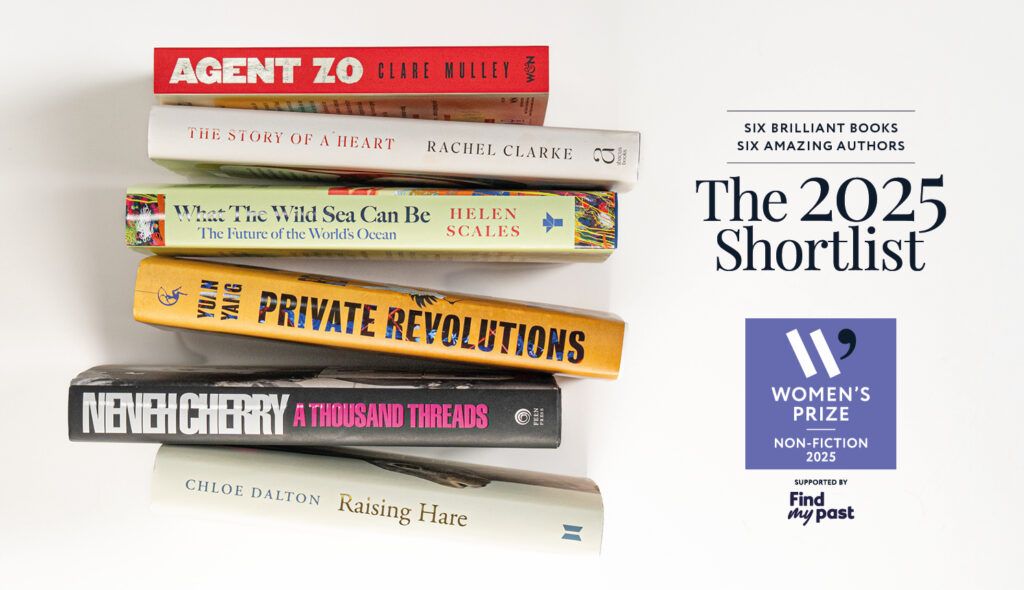
The six titles chosen range from history, science and nature, to current affairs and memoir, united by the power of hope and the necessity of resistance to initiate change.

Judge’s Comment

It’s an absolute pleasure to announce six books on our 2025 shortlist from across genres, that are united by an unforgettable voice, rigour, and unique insight. Included in our list are narratives that honour the natural world and its bond with humanity, meticulously researched stories of women challenging power, and books that illuminate complex subjects with authority, nuance and originality. These books will stay with you long after they have been read, for their outstanding prose, craftsmanship, and what they reveal about the human condition and our world. It was such a joy to embrace such an eclectic mix of narratives by such insightful women writers – we are thrilled and immensely proud of our final shortlist.

Kavita Puri, Chair of Judges

The Shortlist

Here are the six books chosen with a description, a short commentary by one of the judges and a link to a sample read or audio, if you’re interested to read/listen to a little of each title. Listening to the judges describe each book made them all sound really interesting to me.

I think I’m most interested by Agent Zo (after reading Madame Fourcade’s Secret War by Lynne Olson last year) and Private Revolutions because of its insight to another culture and those lives and stories that are so unlike our own. What do you think? Do any of these sound interesting to you?

Let me me know in the comments below.

Womens Prize for NonFiction Shortlist 2025

A Thousand Threads by Neneh Cherry (read a sample) (listen to audio)

Top of the Pops, December 1988. The world sat up as a young woman made her debut: gold bra, gold bomber jacket, and proudly, gloriously, seven months pregnant. This was no ordinary artist. This was Neneh Cherry.

But navigating fame and family wasn’t always simple. In this beautiful and deeply personal memoir, Cherry remembers the collaborations, the highs and lows, the friendships and loves, and the addictions and traumas that have shaped her as a woman and an artist. At the heart of it, always, is family: the extraordinary three generations of artists and musicians that are her inheritance and her legacy.

Musician. Songwriter. Collaborator. Activist. Mother. Daughter. Lover. Friend. Icon. This is her story.

A Thousand Threads by Neneh Cherry is the story of a remarkable life and the many threads that made it. Its about belonging, family, how we find our place in society, as well as music of course. The writing is exceptional and effortless. It’s a complex portrayal full of warmth, honesty and integrity and of how Neneh came to be who she is today.

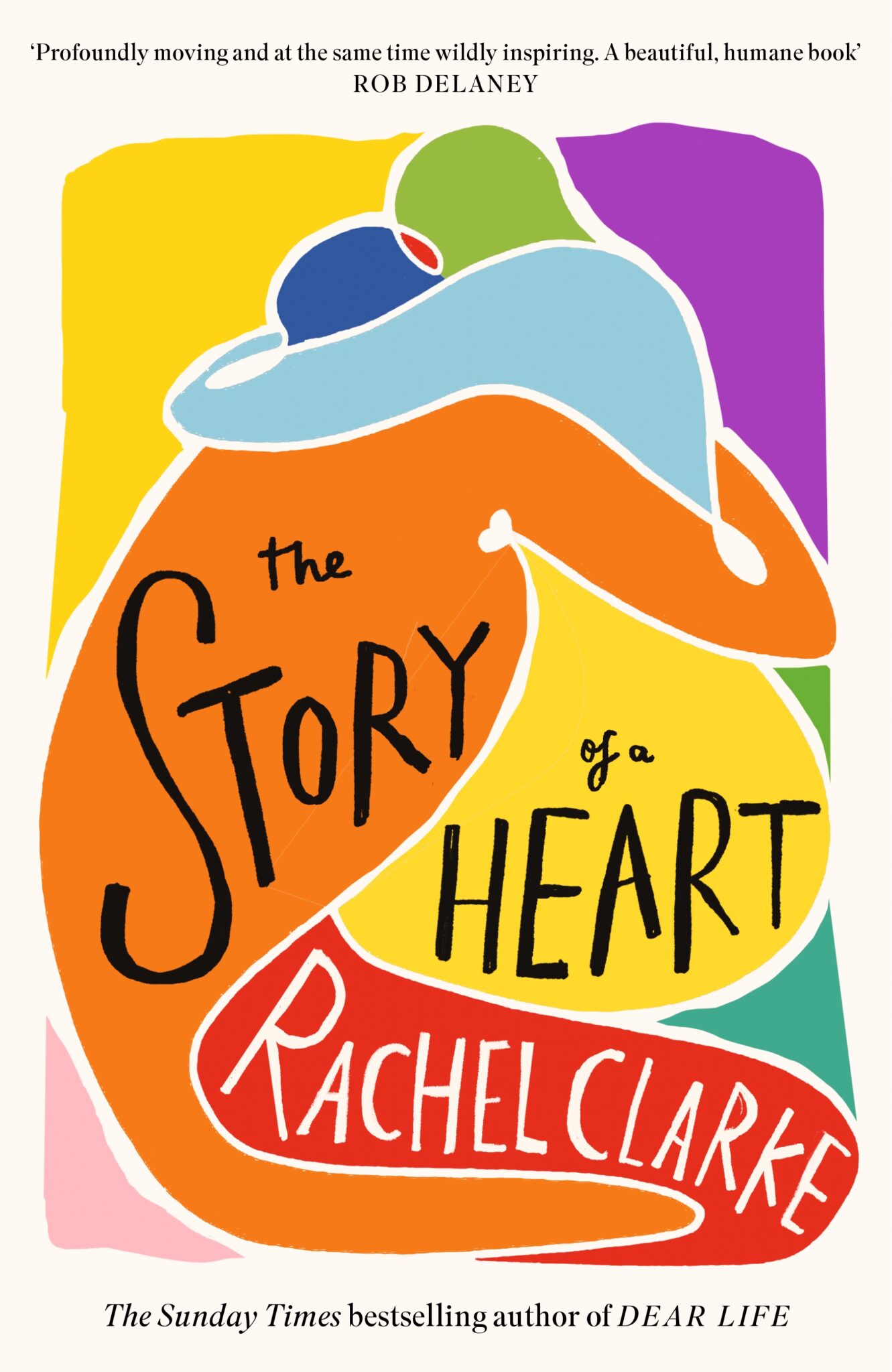
The Story of a Heart by Rachel Clarke (read a sample) (listen to audio)

The first of our organs to form, the last to die, the heart is both a simple pump and the symbol of all that makes us human: as long as it continues to beat, we hope.

One summer day, nine-year-old Keira suffered catastrophic injuries in a car accident. Though her brain and the rest of her body began to shut down, her heart continued to beat. In an act of extraordinary generosity, Keira’s parents and siblings agreed that she would have wanted to be an organ donor. Meanwhile nine-year-old Max had been hospitalised for nearly a year with a virus that was causing his young heart to fail. When Max’s parents received the call they had been hoping for, they knew it came at a terrible cost to another family.

This is the unforgettable story of how one family’s grief transformed into a lifesaving gift. With tremendous compassion and clarity, Dr Rachel Clarke relates the urgent journey of Keira’s heart and explores the history of the remarkable medical innovations that made it possible, stretching back over a century and involving the knowledge and dedication not just of surgeons but of countless physicians, immunologists, nurses and scientists.

The Story of a Heart is a testament to compassion for the dying, the many ways we honour our loved ones, and the tenacity of love.

The Story of a Heart by Rachel Clark is the tale of a boy, a girl and the heart they share. I like how the book combines the author’s expertise and the emotional resonance of the subject to bring together an extraordinary story. It moves effortlessly between disciplines and is meticulously researched and superbly written. I will find it impossible to forget.

Raising Hare by Chloe Dalton (read a sample) (listen to audio)

Imagine you could hold a baby hare and bottle-feed it. Imagine that it lived under your roof and lolloped around your bedroom at night, drumming on the duvet cover when it wanted your attention. Imagine that, over two years later, it still ran in from the fields when you called it and snoozed in your house for hours on end. This happened to me.

When lockdown led busy professional Chloe to leave the city and return to the countryside of her childhood, she never expected to find herself custodian of a newly born hare. Yet when she finds the creature, endangered, alone and no bigger than her palm, she is compelled to give it a chance at survival.

Raising Hare chronicles their journey together and the challenges of caring for the leveret and preparing for its return to the wild. We witness an extraordinary relationship between human and animal, rekindling our sense of awe towards nature and wildlife. This improbable bond of trust serves to remind us that the most remarkable experiences, inspiring the most hope, often arise when we least expect them.

Raising Hare by Chloe Dalton is a beautiful meditation on the interactions between the human and the more than human that takes you under its spell. I really like how the book opens up questions of wildness, how do we let the wild into our lives, what can we do in our spaces to cultivate wild living? This is a captivating book that really stayed with me.

Agent Zo: The Untold Story of Courageous WW2 Resistance Fighter Elżbieta Zawacka by Clare Mulley (read a sample) (listen to audio)

This is the incredible story of Elzbieta Zawacka, the WW2 resistance fighter known as ‘Zo’. The only woman to reach London from Warsaw during the Second World War as an emissary of the Polish Home Army command, Zo undertook two missions in the capital before secret SOE training in the British countryside. As the only female member of the Polish elite Special Forces – the SOE-affiliated ‘Silent Unseen’ – Zo became the only woman to parachute from Britain to Nazi German-occupied Poland. There, whilst being hunted by the Gestapo who arrested her entire family, she took a leading role in the Warsaw Uprising and the liberation of Poland.

After the war she was demobbed as one of the most highly decorated women in Polish history. Yet the Soviet-backed post-war Communist regime not only imprisoned her, but also ensured that her remarkable story remained hidden for over forty years. Now, through new archival research and exclusive interviews with people who knew and fought alongside Zo, Clare Mulley brings this forgotten heroine back to life, and also transforms how we see the history of women’s agency in the Second World War.

Agent Zo: The Untold Story of Courageous WW2 Resistance Fighter Elżbieta Zawacka by Clare Mulley is a masterfully written biography that brings Elżbieta’s extraordinary story to life in exceptional detail. Phenomenally well researched, it’s a window into World War 2 stories that aren’t often heard, told through the life of an inspiring and powerful protagonist. I loved how the book follows Elżbieta right into the twenty-first century, showing the complexity of post-war politics. This is a history that still resonates today.

What the Wild Sea Can Be: The Future of the World’s Ocean by Helen Scales (read a sample) (listen to audio)

No matter where we live, ‘we are all ocean people,’ Helen Scales observes in her bracing yet hopeful exploration of the future of the ocean. Beginning with its fascinating deep history, Scales links past to present to show how prehistoric ocean ecology holds lessons for the ocean of today.

In elegant, evocative prose, she takes us into the realms of animals that epitomize current increasingly challenging conditions, from emperor penguins to sharks and orcas. Yet despite these threats, many hopeful signs remain, in the form of highly protected reserves, the regeneration of seagrass meadows and giant kelp forests and efforts to protect coral reefs.

Offering innovative ideas for protecting coastlines and cleaning the toxic seas, Scales insists we need more ethical and sustainable fisheries and must prevent the other existential threat of deep-sea mining. Inspiring us all to maintain a sense of awe and wonder at the majesty beneath the waves, she urges us to fight for the better future that still exists for the ocean.

A heartfelt exploration of the deep sea from coral to whales to emperor penguins to kelp, the writing is urgent and spellbinding and gripping, showing how humans have accelerated climate change and how we can fight for a better future. I absolutely loved spending time with the marine biologist Helen Scales down in the brutal and beautiful depths of the ocean.

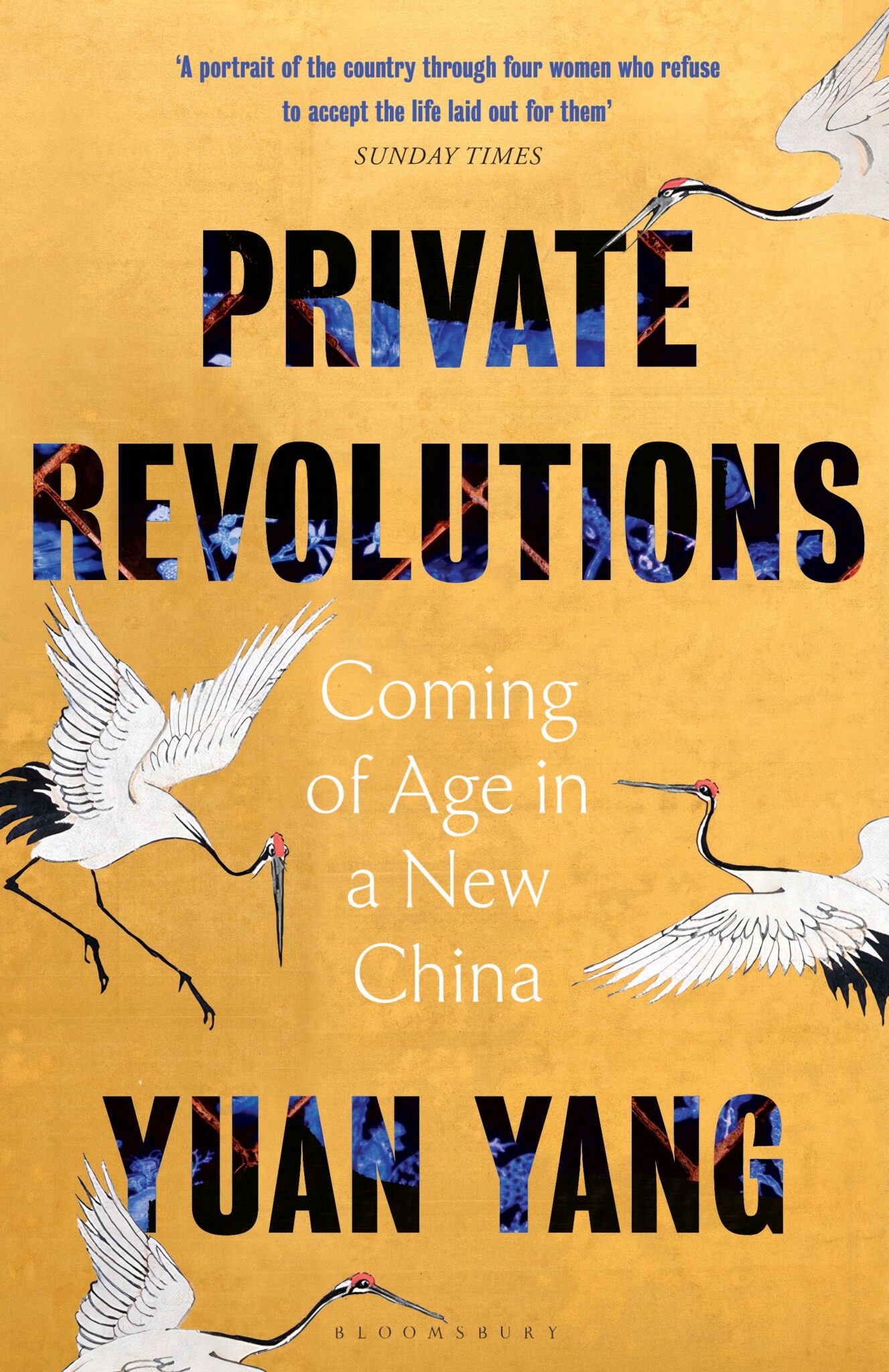
Private Revolutions: Coming of Age in a New China by Yuan Yang (read a sample) (listen to audio)

Yuan Yang, the first Chinese-born British MP, tells the stories of four Chinese women striving for a better future in an unequal society.

From June, who dreams of going to university rather than raising pigs, to Sam, forced into hiding as her activist peers are lifted from the streets, this is a singularly immersive portrait of a rapidly changing nation – and of the courage of those caught in the swell.

Private Revolutions: Coming of Age in a New China by Yuan Yang traces a moment of transition in China through the lives of four women who were growing up in the years after Tiananmen Square.These coming-of-age stories are ones you rarely hear of; individuals who want different lives from their parents who are battling the system.It’s eye-opening, beautifully written and carefully researched.

The Winner

The winner of the Women’s Prize for Non-Fiction will be announced on 12 June 2025, the same day as the winner for the Women’s Prize for Fiction, whose longlist you can view here. That shortlist will be announced on 2 April.

Clear by Carys Davies

Scottish Island literature

Clear by Carys Davies (Granta) is one of those books that stood out for me from the moment I first saw it mentioned. I could tell it was going to be excellent. And it is.

That atmospheric painting, Moonlight on the Norwegian Coast by artist Baade Knud Kunstenr (1876), depicting a fisherman looking out to sea, reading the dark and broody skies, where through a gap, there beholds light, promise.

What will he decide?

1843 Scotland, the Great Disruption, the Clearances

Clear is an exceptional novella, set in 1843 Scotland. It is about a quiet, worrisome, rebel pastor, John Ferguson and his wife Mary, who met rather unexpectedly and dramatically during one of the Comrie earthquakes; and Ivar, the lone islander out there in the North Sea, somewhere between the Shetland Islands and the coast of Norway.

We encounter them in the months after The Great Disruption, when 474 clergy radically separated from the Church of Scotland over government interference in appointments and ‘patronage‘, the dominant influence of wealthy landowners in putting those they wished in position and removing others unwanted.

She remembered a dinner, a long time ago now, at her father’s house in Penicuik, where the talk had turned to a removal somewhere north of Cannich, and remembered her father remarking that he was surprised there was still anyone left to remove – that he thought all the big estates must by now have been thoroughly cleansed of their unwanted people.

Desperate Times, Desperate Measures

John, like other rebel ministers who signed the controversial Act of Separation and Deed of Demission, is now under financial pressure to meet all his new responsibilities, thus he accepts a paid role from a landowner’s factor, much to the consternation of his wife, to visit a remote island in the north to evict the last inhabitant, part of the final throes of the Highland Clearances.

The important thing was not to become dispirited – the important thing was to remember that this was a job, an errand: a means to a very important end.

He sets out by boat, and is left on the island, with the promise of a return berth (with his charge in tow) some weeks ahead. Things don’t go quite to plan and all that passes sets up the already complex dilemma this man faces.

Life on Scottish Islands

Photo by C. Proust on Pexels.com

Set in that mid 1800’s period on the island, felt so authentic, it reminded me of reading a Kathleen Jamie essay from Findings.

The author brings alive the damp, blustery, natural environment, the daily rhythms of Ivar and his few animals, his survival skills.

Then the precise observations of his encounter and time spent with the first man he has seen in years and the portrayal of the care he expends – just brilliant.

He’d been out very little this past spring, first because of his illness and then because of the bad weather when it had been too rough for much outdoor work, and impossible to fish off the rocks – the sea restless and unruly and wild, spindrift from the heavy breakers striking against the shore and forming a deep mist along the coast. He’d spent most of his time knitting, mainly sitting in his great chair next to the hearth but also sometimes on the stool in the byre with Pegi, occasionally talking to her but mostly just sitting in her company with a sock or cap or whatever else he was making.

As well as the natural environment, there is the language Ivar speaks, neither Scots nor English, something else altogther.

Ivar was not garrulous. He did not speak often, and when he did his sentences were short.

Woven through them were a few words John Ferguson thought he recognised – a handful that sounded like ‘fish’, ‘peat’, ‘sheep’, ‘look’, ‘me’, ‘I’, but delivered in an accent that made it impossible to be sure.

Scottish Genealogy and Family History

What made this short novel all the more interesting for me was that I have been researching my Scottish ancestors from the late 1700’s to late 1800’s in and around Dundee, people involved in the weaving and shipping industries.

Reading a novel set in this same period felt strangely but appropriately familiar; the detail on the map on the inside cover, shown here, add to that sense of time and wonder.

If you have spent any time poring over Scotland’s National Records, census indexes and records of the historic environment (archaeological sites, buildings, industry and maritime heritage), then this book is like a short, entertaining breather from that, to embark on another journey, while staying immersed in the era. Reading newspapers or stories, looking at artworks and photos really awakens the lives of those who have gone before us.

Artists Using Photography

When the Great Disruption occurred, the meeting of the First Assembly to sign the Deed was recorded via a painting depicting all 474 men. It was a culturally significant moment. The painting, by the artist David Octavius Hill was internationally important as the first work of art painted with the help of photographic images. Robert Adamson, photographer, had a Calotype studio (an early photographic process introduced in 1841) in Edinburgh and he worked in partnership with Hill, realising the potential of the new medium.

In the novel Clear, one of the significant items that John Ferguson takes with him to the island, is a framed portrait of his wife Mary, an object that is a catalyst of many different emotions in the two men on the island.

The picture of Mary Ferguson in the tooled-leather frame was a colotype by Robert Adamson.

It was made in Edinburgh a few months after the Fergusons’ marriage, and six weeks after the Revernd John Ferguson resigned his living in the city’s northern parish of Broughton and became a poor man by throwing in his lot with the Free Church of Scotland.

Certain aspects of Scottish historical importance are subtly planted like this throughout the text and while they do not distract from it (unless like me you go hunting for those references), they are a welcome authentic addition to an already scintillating text.

I absolutely loved it, my copy now has many scribbled pencil jottings all over it and this is one I would definitely read again as I feel as though there is more to unravel if I went beachcombing through it!

Highly Recommended.

I also read this during March to coincide with Karen at Booker Talk’s Reading Wales Month 2025.

Further Reading

New York Times review: In ‘Clear,’ a Planned Eviction Leads to Two Men’s Life-Changing Connection

Guardian review: Clear by Carys Davies review – in search of a shared language

Author, Carys Davies

Carys Davies‘s first novel West won the Wales Book of the Year Fiction Award, was Runner-Up for the Society of Author’s McKitterick Prize and shortlisted for the Rathbones Folio Prize. Clear has been longlisted for the Walter Scott Historical Fiction Prize 2025.

Her short stories have been widely published and broadcast on BBC Radio 4. Her second collection, The Redemption of Galen Pike, won the Frank O’Connor International Short Story Award 2015. She lives in Edinburgh.

Reading Wales Month 2025 Clear by Carys Davies

The Woman’s Prize for Nonfiction longlist 2025

Today the Women’s Prize for Nonfiction longlist 2025 was announced.

16 books ranging in matter, style and genre, from agenda-setting reportage on contemporary issues alongside revisionist histories and myth-busting biographies; to memoirs of self-determination and intimate narratives that shine a light on ordinary people combine with real-life criminal cases, notorious and forgotten, whilst others defy genre-classification, weaving multiple disciplines into a compelling narrative work.

The authors nominated are from a range of professional areas and expertise, including a music icon, human rights lawyer, political adviser, marine biologist, NHS palliative care doctor and Pulitzer Prize winner.

What the Judges Said

What unites these diverse titles, that boast so many different disciplines and genres, is the accomplishment of the writing, the originality of the storytelling and the incisiveness of the research. Here are books that provoke debate and discussion, that offer insight into new experiences and perspectives, and that bring overlooked stories back to life and recognition. Amongst this stellar list, there are also reads that expertly steer us through the most pressing issues of our time, show the resilience of the human spirit, alongside others that elucidate the dangers of unchecked power, the consequence of oppression and the need for action and defiance.

Kavita Puri, Chair of Judges

The Longlist of 16 titles

Click on any title to read the longer description of the book on the Women’s Prize website.

Autocracy, Inc.: The Dictators Who Want to Run the World  (Political Science) by Anne Applebaum (Poland/US) – explains the world we live in today and how liberal democracy is currently under threat.

Embers of the Hands: Hidden Histories of the Viking Age (History) by Eleanor Barraclough (UK) – described as an accessible gateway into this period of time, it has great storytelling, it is told with extreme authority and very readable.

The Eagle and the Hart: The Tragedy of Richard II and Henry IV (History) by Helen Castor (UK) – this book is a timely study of political power focused on Kings Richard II and Henry IV who are vividly brought to life in astonishing detail. Not just a personal history but a glimpse into different music and performance.

A Thousand Threads (Memoir) by Neneh Cherry – (Sweden/Sierra Leone) – a unique portrait of a life lifved fully creatively.

The Story of a Heart (Medical Memoir) by Rachel Clarke (UK) – it tells how one family, in the midst of their grief gives the heart of their child so that another human being can survive. It is written with such compassion, it is storytelling at its best.

Raising Hare by Chloe Dalton (UK) – a charming and beguiling book that captures the unusual relationship between the author and the leveret (baby hare) that she rescues.

Ootlin (Memoir) by Jenni Fagan (UK) – moving, enlightening and at times harrowing, a read about growing up in a broke, UK care system, a memoir written like poetry.

Why Fish Don’t Exist: A Story of Loss, Love and the Hidden Order of Life (biography/memoir/science adventure) by Lulu Miller (US) – a book that defies category, combining a personal voyage of discovery with a taxonomy of fish.

Agent Zo: The Untold Story of Fearless WW2 Resistance Fighter Elżbieta Zawacka  (biography/history/WWII) by Clare Mulley (UK) – this is a masterclass of biographical writing, a gripping read, well-researched, about a woman we should know about.

By the Fire We Carry: The Generations-Long Fight for Justice on Native Land (History/True Crime/Social Justice) by Rebecca Nagle (US) – an eye-opening read, the book delves deep into a court case that reveals the forced removal of native Americans onto treaty lands in the nations earliest years.

Wild Thing: A Life of Paul Gauguin (Biography/Art History) by Sue Prideaux ( UK/Norway) – this deep dives into a phenomenal and artistic career, the pages come alive with colour and magic, with incredible storytelling.

What the Wild Sea Can Be: The Future of the World’s Ocean (science/climate/environment) by Helen Scales (UK) – a widely researched, deeply resonant account of our threatened oceans, which strikes a helpful balance between hope and pragmatism.

The Peepshow: The Murders at 10 Rillington Place (true crime/history) by Kate Summerscale (UK) – this is how history should be written, it is evocative, carefully researched and hard to put down.

Sister in Law: Fighting for Justice in a System Designed by Men (social justice/true crime) by Harriet Wistrich (UK) – this is both a harrowing and hopeful account of of Wistrich’s battles to fight injustices against women in the legal system.

Tracker (collective memoir/biography/oral history) by Alexis Wright (Australia) – explores new ways to write biography, challenging the expectations of form, whilst giving a unique glimpse into the life of someone from the stolen generation in Australia.

Private Revolutions: Coming of Age in a New China (history/biography/feminism) by Yuan Yang (China/UK) – a powerful and intimate portrait of life in modern China told through the stories of four young women.

Have You Read Any of These?

Let us know in the comments if you have any of these titles or if there are any that you are particularly looking forward to reading.

I haven’t read any, but I enjoyed Kate Summerscales’s The Suspicions of Mr Whicher, another true crime tale and Mrs Robinson’s Disgrace, so I’m sure her book will be an interesting read.

I like the sound of Private Revolutions, something new, to be delving into the modern lives of young women in today’s China and I can’t help but be interested in Agent Zo, the story of another woman in the resistance, after reading the excellent Madame Fourcade’s Secret War in 2024.

What do you think?

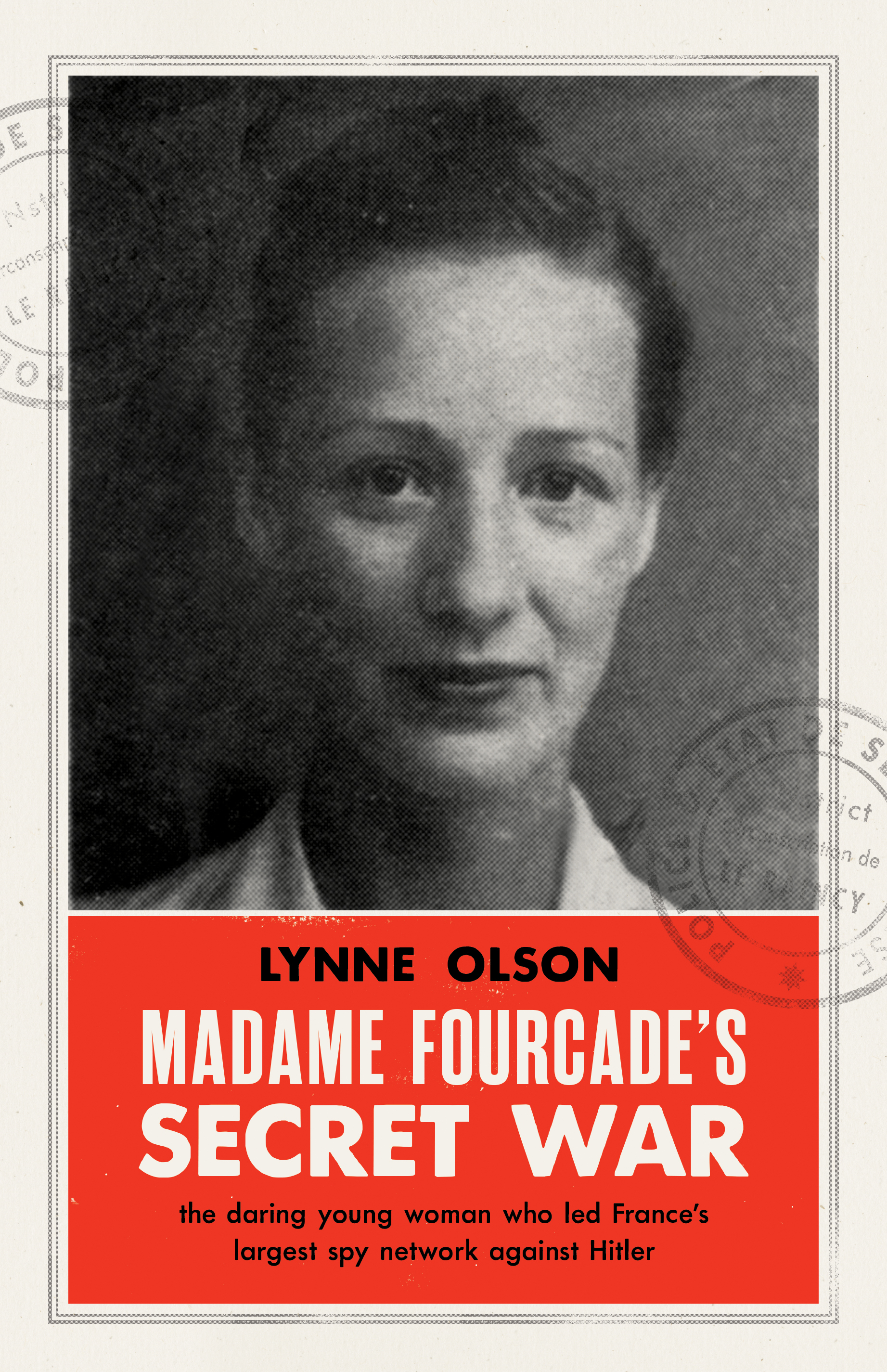
Madame Fourcade’s Secret War by Lynne Olson

The Daring Young Woman Who Led France’s Largest Spy Network Against Hitler

I became aware of this book thanks to a friend who is also interested in historical stories about women in France. I knew at once I had to read it.

While my friend was still reading it some months ago, I happened to go on a walk, following a route I have taken many times and noticed for the first time that Madame Fourcade’s name featured on one of the street signs. You can imagine my surprise and delight! She became even more of a talking point and I looked forward to getting a copy of the book (not that easy) to read.

I will say if you are interested in reading it, that the font size of the paperback version (which I read) is quite small compared to the hardback version (a copy of which I bought for a friend).

Famous French Women, A Rare Vision

Most of the street signs in France are the names of people that have featured in their recent history. However, it is very rare to come across the name of a woman. In our town Marie Curie has a street sign, but even then, she shares it with her husband. Marie Madeleine Fourcade not only has a sign all to herself, strategically placed at the top of a hill overlooking the town, but she was also the very first woman in France’s history to be given a funeral at Les Invalides, an important complex of buildings in Paris that celebrates France’s military glory.

Marie Madeleine’s father worked for a French shipping company in Shanghai. Her mother refused to stay behind in Paris, though agreed to return to Marseille for the birth of her daughter in 1909. Marie-Madeleine and her siblings grew up in Shanghai, with freedoms unheard of for the social and family circles they hailed from. Those freedoms, an early bilingual education and their return to Paris when she was 10 years old, set her up in many ways for the future role she would play, organising and ultimately leading an important French intelligence network.

As a young woman, she again lived abroad, in Morocco. She drove a car, learned to fly a plane and had a job. She rejected French society’s (and her husband’s) restrictive ideas about how women should behave. She had trained to become a concert pianist, worked at a commercial radio station and would forge her own future.

Access to Important Connections, Two Rivals

Street named after Marie Madeleine Fourcade, co founder and chef de resistance of the Alliance network 'Noah's Ark' codename hérrison, hedgehog during World War 2

Though never in the military herself, she was married briefly to a French military officer, as was her sister. She thus had opportunity to meet and observe some of the younger officers through her social connections, men who would later become important during the war years.

Two of the most prominent members of that younger group – Lieutenant Colonel Charles de Gaulle and Major Georges Loustaunau Lacau – took centre stage in the discussion on rue Vaneau, engaging in a debate that quickly escalated into a full-blown argument. It soon became obvious to Marie-Madeleine that the two officers viewed each other as rivals…

Both products of Saint-Cyr, France’s elite military academy Ecole Supérieure de Guerre, both fought and received multiple citations for bravery in WWI; they were brilliant, ambitious and egocentric. A rebellious streak put them at odds with Marshal Philippe Pétain (a French general who commanded the French Army in WW1 and would become head of what became known as the Régime de Vichy Vichy France). The rivalry between the pair would also keep them from being unified during the war years and likely impacted perceptions afterwards.

A Partnership, A Turning Point

After a discussion at one of the social events around March 1936, Loustaunau-Lacau contacted Marie-Madeleine and asked for her help in creating a journal that would argue the case for reform of the military and open the eyes of leaders to the imminent threat of Germany. The work would begin immediately.

“One of my Belgian friends has procured secret dossiers that expose the intentions of the German high command,” he said. “I need to get them quickly. Such documents must not travel by mail. You have a car. You must go to Brussels and collect them. I will pay all expenses.”

An Intelligence Network is Formed, Working Inside France

Caught up in this real life spy drama, Marie-Madeleine agreed – a decision that would radically change her life. From that moment, she wrote later, she and Loustaunau-Lacau began building an intelligence network against Nazi Germany.

Over the next two years, they would recruit informants in France, Switzerland, Belgium and Germany who passed on reports about the build up of the German armed forces. Loustaunau-Lacau adopted the codename Navarre, after Henri de Navarre, later King Henri IV of France. Given the risks they faced, that one of them might be captured or killed, Navarre insisted they share leadership of the network and when he was compromised, as promised Fourcade took the lead role.

At the same time, backbencher in the British House of Commons, Winston Churchill had created a similar private network and Charles de Gaulle decamped to London, setting up his Free French operation. Fourcade suggested they join with him.

Her mentor rejected the idea outright. In England, he said, they would be refugees, just like de Gaulle, dependent on the British for everything. At that point, almost no one in the British government, with the promising exception of Winston Churchill, took de Gaulle and his minuscule band of followers seriously.

They would resist from within.

Another Perspective of History

Founded in Vichy in Septemeber 1940 by Georges Loustaunau-Lacau and Marie-Madeleine Fourcade, the Crusade Intelligence Network (later called Alliance) moves it headquarters from Vichy to Pau in early 1941 and to Marseille later that year.

Madame Fourcade’s Secret War is a work of history, told in a compelling narrative voice, that not only focuses on the leadership role of this one extraordinary woman, but will likely expand most reader’s knowledge of what living in France under German occupation was like for the many, who vehemently opposed the way their government had capitulated to a hostile outside force, without much initial resistance.

Personally, the history I learned in school was quite different, as it was told from a very anglo-centric perspective, so the narratives stemmed from how this threat impacted the United Kingdom and their allies.

I never really understood what exactly happened within France in the lead up to the occupation, how it impacted their government and rendered the military ineffective. So many of the protections a country might normally expect when facing a hostile enemy were lacking; to go against the orders of a government (even if under occupation) was a betrayal.

Cinema Can Create Its Own Self Serving Narrative

Though there have been books and films about the war and the French resistance, little has been shown of the importance of the Alliance network and of Marie-Madeleine Fourcade’s achievements. Most of the attention has gone to stories of sabotage and escape lines, of battles and blitzes.

Saboteurs and other resistance fighters in France were certainly important after D-Day, but they did little to obstruct the Germans before then. Escape networks did heroic work in smuggling shot-down Allied airmen and others out of occupied Europe and back to freedom, but their actual contribution to victory was small.

I would certainly be interested in a cinematic development of Fourcade’s story, one that traverses France and shows a very different side to those who travelling around the country, making radio transmissions and secret flights across the channel, where they are hosted by memorable characters in this real life adventure.

Noah’s Ark and the Hedgehog

Les Invalides Paris, where Marie Madeleine Fourcade's funeral was held, the first woman in France to be commemorated there.
Les Invalides Paris

In the late 1960’s Fourcade would get her story down in a gripping memoir entitled Noah’s Ark, the name the German’s referred to their network as, after they would use codenames of animals, Fourcade’s was hérrison (hedgehog), a small animal that intelligently eluded predators.

Lynne Olson provides a thoroughly researched, immensely readable account of the creation of the Alliance, one of the original and most important resistance networks in France. From its foundation by Navarre and Fourcade to the establishment of thousands of recruits, the many dangerous activities they undertook, throughout the war, all that was able to be continued by Fourcade due to her continued leadership deserves to be more widely recognised and appreciated.

They Will Not Be Forgotten, The People

L'Arche de Noé Réseau Alliance 1940-1945 by Marie Madeleine Fourcade autobiogrpahy of her role as the leader of a French resistance during world war 2

The book is full of stories about the different people she recruited, the relationships and loyalties and daring escapades each of them went on, in order to bring their intelligence to the Alliance.

It is also, sadly, a homage to those who would be punished and killed for their roles, some, so close to the end of the war, it is excruciating to read. That Fourcade survived and was able to share her story and thus the courage and bravery and loyalty of others is a true gift to all humanity.

It’s the first time I have read an account that centres what was happening in France at this local level, with a more global scope, that renders the dangerous and delicate situation of those in the military, who were against the capitulation of their government. While in great danger to themselves, they were able to band together like-minded civilians and provide those on the outside with the information they needed to mount a significant and ultimately successful defence.

Highly Recommended!

Author, Lynne Olson

Lynne Olson is a New York Times bestselling author of nine books of history, most of which focus on World War II. Former U.S. Secretary of State Madeleine Albright has called her “our era’s foremost chronicler of World War II politics and diplomacy.”

Born in Hawaii, Lynne graduated magna cum laude from the University of Arizona. Before becoming a full-time author, she worked as a journalist, with the Associated Press as a national feature writer in New York, a foreign correspondent in AP’s Moscow bureau, and a political reporter in Washington. She left the AP to join the Washington bureau of the Baltimore Sun, where she covered national politics and eventually the White House.

Lynne’s latest book is Empress of the Nile: The Daredevil Woman Archaeologist Who Saved Egypt’s Ancient Temples From Extinction (2023).

Three of her earlier books were immediate New York Times bestsellers; Madame Fourcade’s Secret War: The Daring Young Woman Who Led France’s Largest Spy Network Against the Nazis (2019), Those Angry Days: Roosevelt, Lindbergh, and America’s Fight Over World War II (2013)and Citizens of London: The Americans Who Stood with Britain in Its Darkest, Finest Hour (2010)

Lynne lives in Washington, DC with her husband, Stanley Cloud, with whom she co-authored two books.

Women’s Prize Nonfiction Shortlist 2024

In 2024 The Women’s Prize created a new prize to raise the profile and awareness of women authors writing nonfiction.

They began with a list of 16 titles, from gripping memoirs and polemic narratives, to groundbreaking investigative journalism and revisionist history. It featured seven debut writers, two international bestsellers, two poets and five journalists. You can see the longlist here.

From Sixteen to Six Titles

The longlist has now been whittled down to six books covering a broad range of subjects – from life writing, religion, art and history, to AI, social media and online politics. What links them is an originality of voice and an ability to turn complex ideas and personal trauma into inventive, compelling and immersive prose.

“Our magnificent shortlist is made up of six powerful, impressive books that are characterised by the brilliance and beauty of their writing and which each offer a unique, original perspective. The readers of these books will never see the world – be it through art, history, landscape, politics, religion or technology – the same again.” Suzannah Lipscomb, Chair of Judges

The six titles shortlisted are:

Thunderclap: A Memoir of Art and Life and Sudden Death by Laura Cumming (UK) (Art History & Grief)

‘We see with everything that we are’

On the morning of 12 October 1654, a gunpowder explosion devastated the Dutch city of Delft. The thunderclap was heard over seventy miles away. Among the fatalities was the painter Carel Fabritius, dead at thirty-two, leaving only his haunting masterpiece The Goldfinch and barely a dozen known paintings. The explosion that killed him also buried his reputation, along with answers to the mysteries of his life and career.

What happened to Fabritius before and after this disaster is just one of the discoveries in a book that explores the relationship between art and life, interweaving the lives of Laura Cumming, her Scottish painter father, who also died too young, and the great artists of the Dutch Golden Age.

This is a book about what a picture may come to mean: how it can enter your life and change your thinking in a thunderclap.

Doppelganger: A Trip Into the Mirror World by Naomi Klein (Canada) (Mistaken Identity)

– When Naomi Klein discovered that a woman who shared her first name, but had radically different, harmful views, was getting chronically mistaken for her, it seemed too ridiculous to take seriously. Then suddenly it wasn’t. She started to find herself grappling with a distorted sense of reality, becoming obsessed with reading the threats on social media, the endlessly scrolling insults from the followers of her doppelganger. Why had her shadowy other gone down such an extreme path? Why was identity – all we have to meet the world – so unstable?

To find out, Klein decided to follow her double into a bizarre, uncanny mirror world: one of conspiracy theories, anti-vaxxers and demagogue hucksters, where soft-focus wellness influencers make common cause with fire-breathing far right propagandists (all in the name of protecting ‘the children’). In doing so, she lifts the lid on our own culture during this surreal moment in history, as we turn ourselves into polished virtual brands, publicly shame our enemies, watch as deep fakes proliferate and whole nations flip from democracy to something far more sinister.

This is a book for our age and for all of us; a deadly serious dark comedy which invites us to view our reflections in the looking glass. It’s for anyone who has lost hours down an internet rabbit hole, who wonders why our politics has become so fatally warped, and who wants a way out of our collective vertigo and back to fighting for what really matters.

A Flat Place by Noreen Masud (Pakistan/UK) (Nature Writing Memoir)

– Noreen Masud has always loved flat landscapes – their stark beauty, their formidable calm, their refusal to cooperate with the human gaze. They reflect her inner world: the ‘flat place’ she carries inside herself, emotional numbness and memory loss as symptoms of childhood trauma. But as much as Britain’s landscapes provide solace for suffering, they are also uneasy places for a Scottish-Pakistani woman, representing both an inheritance and a dispossession.

Pursuing this paradox across the wide open plains that she loves, Noreen weaves her impressions of the natural world with the poetry, folklore and history of the land, and with recollections of her own early life, rendering a startlingly strange, vivid and intimate account of a post-traumatic, post-colonial landscape – a seemingly flat and motionless place which is nevertheless defiantly alive.

All That She Carried: The Journey of Ashley’s Sack, a Black Family Keepsake by Tiya Miles (US) (History)

– In 1850s South Carolina, Rose, an enslaved woman, faced a crisis: the imminent sale of her daughter Ashley. Thinking quickly, she packed a cotton bag with a few items. Soon after, the nine-year-old girl was separated from her mother and sold. Decades later, Ashley’s granddaughter Ruth embroidered this family history on the sack in spare, haunting language.

That, in itself, is a story. But it’s not the whole story. How does one uncover the lives of people who, in their day, were considered property? Harvard historian Tiya Miles carefully traces these women’s faint presence in archival records, and, where archives fall short, she turns to objects, art, and the environment to write a singular history of the experience of slavery, and the uncertain freedom afterward. All That She Carried gives us history as it was lived, a poignant story of resilience and love passed down against steep odds.

Code Dependent: Living in the Shadow of AI by Madhumita Murgia (India/UK) (Technology)

– What does it mean to be human in a world that is rapidly changing thanks to the development of artificial intelligence, of automated decision-making that both draws on and influences our behaviour?

Through the voices of ordinary people in places far removed from Silicon Valley, Code Dependent explores the impact of a set of powerful, flawed, and often exploitative technologies on individuals, communities, and our wider society. Madhumita Murgia, AI Editor at the FT, exposes how AI can strip away our collective and individual sense of agency – and shatter our illusion of free will.

AI is already changing what it means to be human, in ways large and small. In this compelling work, Murgia reveals what could happen if we fail to reclaim our humanity.

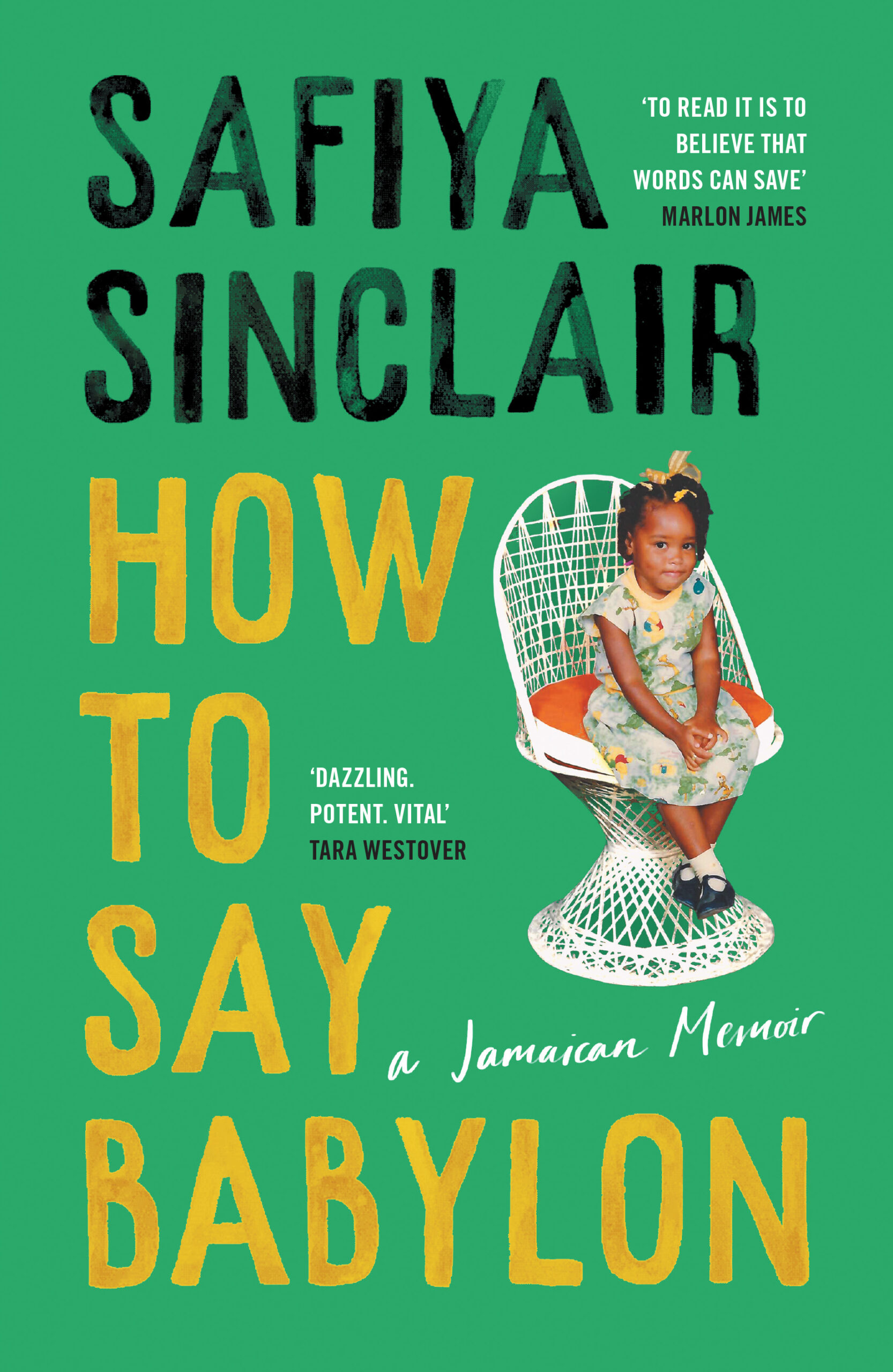
How to Say Babylon: A Jamaican Memoir by Safiya Sinclair (Jamaica) (Memoir)

There was more than one way to be lost, more than one way to be saved.

Born in Montego Bay, Jamaica, where luxury hotels line pristine white sand beaches, Safiya Sinclair grew up guarding herself against an ever-present threat. Her father, a volatile reggae musician and strict believer in a militant sect of Rastafari, railed against Babylon, the corrupting influence of the immoral Western world just beyond their gate. To protect the purity of the women in their family he forbade almost everything: nowhere but home and school, no friends but this family and no future but this path.

Her mother did what she could to bring joy to her children with books and poetry. But as Safiya’s imagination reached beyond its restrictive borders, her burgeoning independence brought with it ever greater clashes with her father. Soon she realised that if she was to live at all, she had to find some way to leave home. But how?

In seeking to understand the past of her family, Safiya Sinclair takes readers inside a world that is little understood by those outside it and offers an astonishing personal reckoning. How to Say Babylon is an unforgettable story of a young woman’s determination to live life on her own terms.

The Winner

The winner will be announced on the 13th of June 2024.

Have you read any of these titles? Anything here interest you? Leave a comment below letting us know if you have read or intend to read any of these titles.

The Wager, A Tale of Shipwreck, Mutiny and Murder by David Grann

A tale of shipwreck mutiny and murder British navy

The Wager by David Grann recently won the 2023 Goodreads Choice Award for Best History & Biography.

David Grann is the author of the #1 New York Times bestsellers Killers of the Flower Moon (recently made into a film by Martin Scorcese) and The Lost City of Z.

In this latest book he chronicles the fate of the 18th century British warship, the Wager, which had set out on a secret mission during an imperial war with Spain (with dubious reasoning behind it), with the intention of tracking down a fleet rumoured to be carrying a horde of treasure.

Not only was there a significant human cost to these excursions, it was the era of plundering natural resources, constructing a single large warship could require as many as four thousand trees, therefore a hundred acres of forest might be felled.

The conflict was the result of the endless jockeying among the European powers to expand their empires. They each vied to conquer or control ever larger swathes of the earth, so that they could exploit and monopolise other nations’ valuable natural resources and trade markets. In the process, they subjugated and destroyed innumerable indigenous peoples, justifying their ruthless self-interest – by claiming they were somehow spreading “civilisation” to the benighted realms of the earth. Spain had long been the dominant empire in Latin America, but Great Britain, which already possessed colonies along the American eastern seaboard, was now on the ascendance – and determined to break its rival’s hold.

Wrecked off the coast of Patagonia, after rounding the notoriously dangerous Cape Horn, those who survived would spend months on an island before putting together makeshift vessels from what they had salvaged, leaving the island in two groups, heading in opposite directions, with different stories to tell.

Reading Outside the Norm

It’s not my usual reading fare, however after reading a praise-worthy review, I was drawn to it, when I read that the men who laboured on these large ships were often kidnapped and forced to crew, sometimes taken from workhouses or even snatched just as they were returning from having crewed on another ship, much to the consternation of their waiting families.

After peaceful efforts to man the fleets failed, the Navy resorted to what a secretary of the Admiralty called a “more violent” strategy. Armed gangs were were dispatched to press seafaring men into service – in effect, kidnapping them. The gangs roamed cities and towns, grabbing anyone who betrayed the telltale signs of a mariner: the familiar checkered shirt and wide-kneed trousers and round hat; the fingers smeared with tar, which was used to make virtually everything on a ship more water-resistant and durable.

It took a little to get into the rhythm of the book, as the various characters and their backgrounds were introduced, just as the ship HMS Wager delayed leaving British shores due to setbacks, both human and due to adverse weather conditions. Once they set sail, on August 23, 1740 and with the help of route maps on the inside front and back flaps, the story became more captivating.

Hidden Histories in the Archives, Disrupting the Historical Narrative

It is a fascinating account that David Grann became aware of upon visiting the UK National Archive in Kew, reading an ancient logbook of one of the crew of the ship, which then lead him to other accounts of the adventures of those onboard, in particular, rival perspectives on what happened after HMS Wager was shipwrecked on May 14, 1741 off the southern coast of Patagonia, Chile.

The time survivors spent on Wager Island is reminiscent of William Golding’s Lord of the Flies. As Captain David Cheap tries to keep order and calm, as food sources they manage to salvage deplete and disagreements increase, men become desperate, divisions occur, loyalties waver.

When the Captain crosses a serious line, his authority and ability to stay in charge decline, causing a major rupture in support for the direction they plan to take.

Indigenous Intuition, Avoiding the Real Savagery

One of the more interesting parts of their land based story, given how difficult it was for them to survive and the factions that develop as the group splits loyalties, was the arrival of a group of Kawésqar indigenous people, who pretty much live in their canoes circumnavigating the coast, living off the land, sea and foreshore.

These people helped the castaways by obtaining meat and seafood for them, quickly and adeptly building dwellings and then would leave (they knew not to trust these pale faced marauders). Witnessing the insidious tensions mounting among the castaways, one morning they would awake to discover them, their canoes and dwelling all gone, never to return.

Aware of how helpless the Englishmen were, the Kawésqar would regularly venture out to sea and then magically return with nourishment for them. Byron saw one woman depart with a companion in a canoe and , once offshore, grip a basket between her teeth and leap into the freezing water. “Diving to the bottom,” Byron wrote, she “continued under water in an amazing time.” When she emerged, her basket was filled with sea urchins – a strange shellfish, Byron wrote, “from which several prickles project in all directions.”

Logbooks of Seafaring Adventures Can Be Important Navigation Tools

Eventually the castaways would rebuild from what they had been able to salvage, another sailing vessel and one group who disagreed with the Captain which route to take would depart in one direction and the rest, some months later in the opposite direction.

Cheap’s plan, meanwhile, was taking on new, hidden dimensions. Poring over charts, he began to believe that there was a way to not only preserve their lives but also fulfill their original military mission. He calculated that the nearest Spanish settlement was on the island of Chiloé, which was off the Chilean coast and some 350 miles north of their present location.

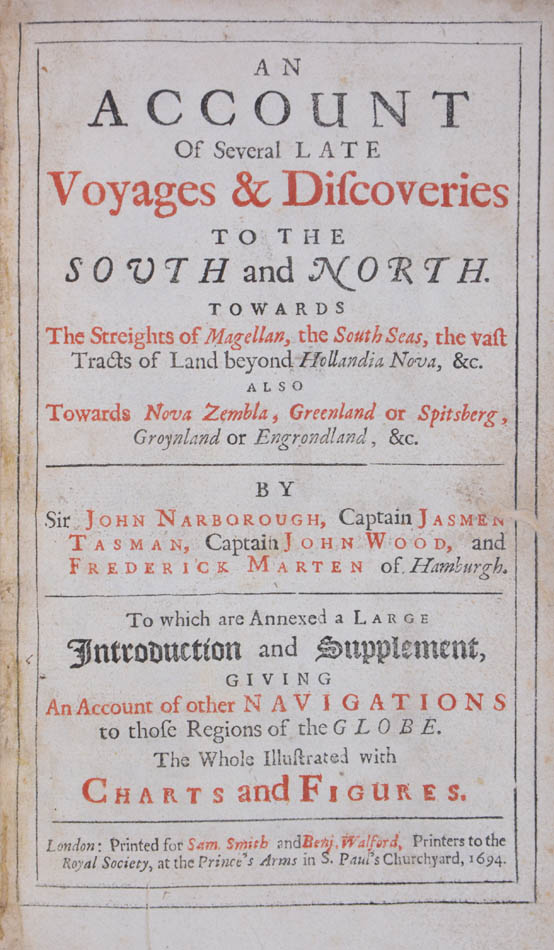
Bulkeley, on the other hand, borrowed the 16-year-old midshipman John Byron’s copy of Sir John Narborough’s chronicle of sea tales exploring the Patagonia region, believing it may contain critical clues for navigating a safe passage away from Wager Island. He would use this reference to take his group of men through the tricky Strait of Magellan, thus avoiding Cape Horn.

After a voyage, the captain of a ship turned over the requisite logbooks to the Admiralty, providing reams of information for building an empire – an encyclopedia of the sea and of unfamiliar lands.

Anson and his officers would frequently consult the journals of the few seamen who had ventured around Cape Horn.

Moreover, these “logbooks of memory”, as one historian coined them, created a record of any controversial actions or mishaps that occurred during a voyage. If need be they could be submitted as evidence at courts-martial; careers and lives might depend on them.

Who Is Actually On Trial Here, Man or An Empire?

The trip culminates in some survivors return to England and various allegations against different people, threat of imprisonment or hanging. A trial will be held.

In the meantime the stories and individual accounts captured the imagination of ‘Grub Street hacks’ and others who profited by publishing narratives of the high sea and inhospitable island adventures, in an era that ironically resembled the ‘fake news’ era of our own time. Due to the sheer number of differing accounts, perceptions of the Wager affair varied from reader to reader.

Once the broadsheet newspapers and periodicals were filled with breathless reports, book publishers competed to release first-hand accounts from the former castaways.

Though few of those narratives survived today, plenty of archive material made it possible for David Grann to put together an interesting account of an inconclusive British imperial adventure that may have lost the nation more than just men and a ship, but much credibility for the human and financial cost of their exploits, all in the name of retaining their perception as being a superior imperial power.

Author, David Grann

David Grann is an American journalist, a staff writer for The New Yorker and author of Killers of the Flower Moon, The Osage Murders and the Birth of the FBI, which was a finalist for the National Book Award and winner of an Edgar Allan Poe Award for best true crime book. He also wrote The Lost City of Z, A Tale of Deadly Obsession in the Amazon shortlisted for the Samuel Johnson Prize, also adapted into a critically acclaimed film directed by James Gray.

Grann’s investigative reporting has accumulated several honours, including a George Polk Award. He lives with his wife and two children in New York.

Time For Outrage, Indignez-vous! by Stéphane Hessel tr. Marion Duvert

Looking Beyond the Ordinary & Expected

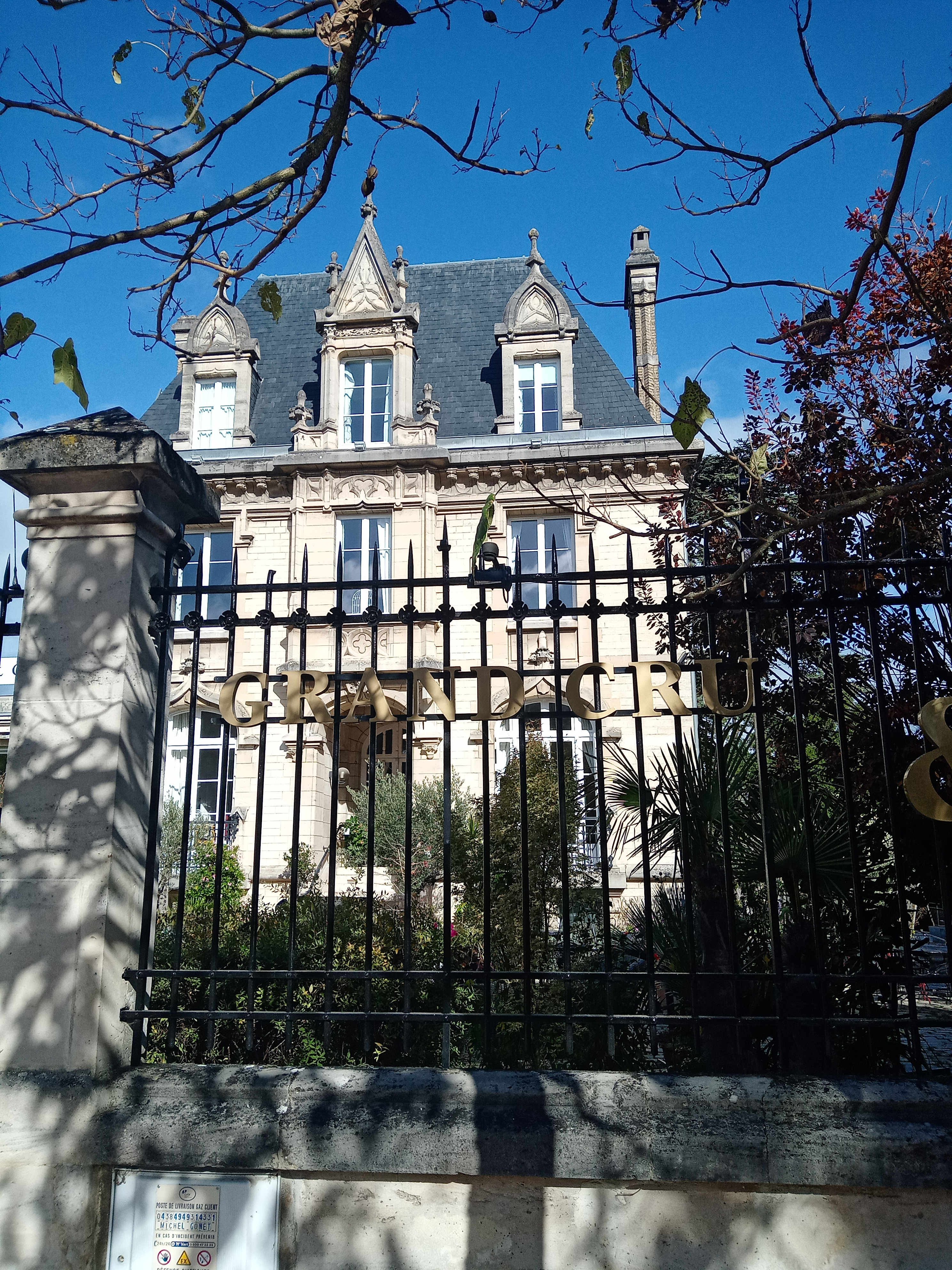
On a recent visit to Paris, I accompanied friends on a day-trip to the town of Épernay in the North East of Paris, 30 kilometres south west of Reims. Like Reims, it is known for its champagne houses, vineyards and the close to 50 kilometres of underground tunnels built to store their wine, a veritable underground city.

The town sits on layers of chalk, which gives those underground tunnels their unique aspect that contributes to the uniqueness of their product and why the fierce protection over the use of the word ‘champagne‘. Champagne is only ‘champagne‘ if grown and cellared and produced in the Champagne region of France. If not, its crémant, prosecco, cava, sparkling …

The archbishops of Reims controlled the town of Épernay from the 5th-10th century, it then passed to the counts of Champagne and in 1642 to the Duke of Bouillon.

 It was badly damaged during the Hundred Years’ War, and was burned by Francis I in 1544. Having been destroyed or burned more than 20 times, the town has few ancient buildings, the mansions you can see there today are mostly from the 1800’s.

The Champagne Hillsides, Houses and Cellars are on the World Heritage list for the Protection of World Culture and Heritage for all humanity.

The town also houses some 9th century manuscripts, a wine museum and archaeological artifacts.

Stéphane Hessel encourages youth to engage!

As we wandered along the famous Avenue Champagne with its palatial 19th century mansions, some of which can be visited for wine tastings, I looked for number 31 (a favourite number) to take a photo. At about the halfway point in the long, fairly sterile avenue, it was not a champagne house, but a 2,000 + student lycée (high school), named Lycée Stéphane Hessel.

I was intrigued and delighted to see the name of this institution, certain that it must have been named recently, I knew that Stéphane Hessel had died only 10 years ago.

Indignez vous Time for Outrage

The high school was named in 2013/2014 when the lycée Godart-Roger et lycée Léon-Bourgeois merged to become the lycée Stéphane Hessel, renamed in tribute to this inspirational author of a best-selling essay, written and directed specifically towards youth.

Discovering this lycée was one of the highlights of my visit, I found it brilliantly provocative that in the middle of this world famous avenue of procuring bubbles, sat a human rights activist, member of the Resistance, a voice for peace and equality, the author of a famous essay, written in his 93rd year, 3 years before his death in 2013.

It a short half hour read that has since been translated into numerous languages and sold 4.5 million copies worldwide.

I knew about it because at the Salon de Livre in Paris in 2014, there were massive queues of young people lining up to get their booklet signed by him or to listen to him talk. Journalists were intrigued and wanted to know why these young students were so interested in the words of a very old man. The response was “because he lived it” they said, unlike most who teach us about this era, this man actually lived through everything he has written about. He is authentic, we respect that.

The Essay

Stéphane Hessel wrote his essay in his 93rd year and considered himself fortunate to be able to reflect at that age on events that laid the foundation for his lifelong commitment to politics and human rights.

Born in Germany, he became French in 1939 and in 1941 fled to London and became part of Charles de Gaulle’s group of Resistance members.

He returned to France to organise communications, was captured and sent to Buchenwald, tortured and later sentenced to execution by hanging. He and two others managed to escape execution through an act of identity exchange.

He wrote of the declaration adopted by the National Council of Resistance in March 1944, a set of values and principles created to guide the nation’s modern democracy once it was freed from occupation. He reiterated the importance of many freedoms that came with the end of the war, demanding that they continue to be protected for the good of all.

It is the duty of us all to ensure that our society remain one of which we are proud, not a society wary of immigrants and intent on their expulsion or a society that disputes the welfare state or a society in which the media are controlled by the wealthy.

Find Your Reason

The basic motive of the Resistance was indignation. He addressed his young audience, reminding them of this and implores them to find their reason for indignation, to join the great course of history, to understand the Universal Declaration of Human Rights and if encountering someone who is robbed of these rights, to have empathy and them help them reclaim them.

He wrote about the rise of fascism and his understanding of the origins of it, and how young people today will find their own reasons for expressing their outrage. His indignation was born less of emotion than a desire to engage. He was influenced by the words of Jean-Paul Sartre who said “You must engage – your humanity depends on it.”

The Worst Attitude is Indifference

There are unbearable things all around us, look for them he said:

This is what I tell young people: If you spend a little time searching, you will find your reasons to engage. The worst attitude is indifference. “There’s nothing I can do; I get by” – adopting this mindset will deprive you of one of the fundamental qualities of being human: outrage. Our capacity for protest is indispensable, as is our freedom to engage.

He highlights the challenges, of grievous injustices inflicted on people deprived of the essential requirements for a decent life, the widening gap between rich and poor and the violation of basic freedoms and fundamental rights, citing Franklin Delano Roosevelt’s “Four Freedoms” and his own participation in the creation of the UN’s Universal Declaration of Human Rights.

I will never forget the crucial role played by Eleanor Roosevelt, whose great kindness and natural authority worked wonders to help reconcile the disparate personalities that comprised the commission. She was a vibrant feminist, and it is largely due to her that, for the first time, and on a global scale, the equality of men and women was inscribed without ambiguity in an official text.

His message is one of active engagement, nonviolence and hope, against injustice.

“TO CREATE IS TO RESIST.
TO RESIST IS TO CREATE.”

It is an inspiring short work, that I encourage everyone to read, its message could not be more appropriate at this time, given all that the world is currently facing.

Stéphane Hessel, Author

Stéphane Frédéric Hessel (20 Oct 1917–26 Feb 2013) was a French diplomat, ambassador, writer, concentration camp survivor, French Resistance member. Born in Germany, he became a naturalised French citizen in 1939. He became an observer of the editing of the Universal Declaration of Human Rights of 1948.

In 2011 he was named by Foreign Policy magazine in its list of top global thinkers. In later years his activism focused on economic inequalities, the Israeli-Palestinian conflict and protection for the post-World War II social vision.

His book IndignezVous! (Time for Outrage! )sold 4.5 million copies worldwide. Hessel and his book were linked and cited as an inspiration for the Spanish Indignados, the Arab Spring, the American Occupy Wall Street movement and other political movements.