Back to the final days of Reading Ireland Month 2025, this week I slowly read Edna O’Brien’s political novel House of Splendid Isolation, the first of the Modern Ireland Trilogy, books written in the 1990’s that depict significant events in modern Ireland. The other two novels in that series are Down By the River and Wild Decembers.
Incarceration, Idealism and Ignorance, An Irish Story
House of Splendid Isolation is a story of one event and incidents involving a community, over a few days as a man involved in murderous events is on the loose and actively being hunted.
It is also a book of parts and voices, a child’s voice, the past, the present, a woman Josie who returns to Ireland after a period of youth in Brooklyn, her disappointing yet predictable marriage, an impossible affair and violent retribution, an accident, people who drop by, whose good deeds lead to violent consequences, friendships that hide betrayal, communities that breathe suspicion, harbour fear and occasionally a fugitive.
I hear stories. It could be myself telling them to myself or it could be these murmurs that come out of the earth. The earth so old and haunted, so hungry and replete. It talks. Things past and things yet to be. Battles, more battles, bloodshed, soft mornings, the saunter of beasts and their young. What I want is for all the battles to have been fought and done with. That’s what I pray for when I pray. At times the grass is like a person breathing, a gentle breath, it hushes things.
A Not So Quiet Last Act
Josie is now a lone widow in a big old house that she came to inhabitant through marriage, she did not wish to die in a Home, she has returned. A nurse visits occasionally and her grocery order is delivered. Memories still haunt her.
The nurse muses why, the older they get, the madder they are for talk; their past, their present, their futures, anything, everything, afraid of death too as if she was not afraid of it herself.
Into her last solitary days arrives this unwelcome visitor on the run, they play cat and mouse, wary of each other, challenging each other, co-existing nevertheless, never quite knowing if one can trust the other, providing each other something they need for a brief moment, while the world outside goes mad in their paranoia, the rumour-mill running rampant, suspicions gone mad.
The grass smells good to him and after three months cooped up in a house in a town, he’s tuned to the smell of grass and the fresh smell of cow-dung, to the soft and several lisps of night. He knows his country well, McGrevvy does, but only in dark. The dark is his friend. Daylight his enemy. Who set him up. Who can he trust, not trust.
The Grass Was Never Greener
While their words and worlds would never align, there is something in the brief respite one provides the other in this house of Splendid Isolation, before they each face the inevitable that awaits them; capture or death, peace no longer an option. Here the first confrontation.
‘There’s myself and my maker,’ she says quietly. So this is how it happens, this is how a life is suborned, one’s insides turned to whey, an opening door, a man, hooded, with not a lax muscle in his being, a loaded rifle and outside crows cawing with the same eventide fussiness and no one any the wiser that her time is up.
A novel of many layers and consequences revealed of humans wronged, who know not how to seek healing or harmless resolution, whose path leads to occasional respite en route to destruction.
It brilliantly depicts two faces of a staunchly divided territory, their failed attempts to escape their destiny, a brutal confrontation and a land that continues to absorb the repercussions.
Forward, back, slow, quick, slow
The writing moves from poetic, contemplative reflection to rapid, coarse dialogue to action oriented tension as the slow hours spent in captivity contrast with the build up externally as the police net closes in on the fugitives location. At times the prose is sparse, and other times it shifts as our protagonist loses her grip on reality and shifts into past memories or present situations that confuse her.
It’s not a straight forward read, as it navigates and holds all these time frames, but it propels forward at a good pace and leaves the reader with much to reflect on.
My review of Edna O’Brien’s renowned Country Girls Trilogy (initially banned in Ireland due to its bold faced portrayal of a young woman’s quest for independence and awakening sexuality) consists of three novels: The Country Girls (1960), The Lonely Girl (1962), and Girls in Their Married Bliss (1964). It was re-released in 1986 in a single volume including a revised ending to Girls in Their Married Bliss and the addition of an epilogue.
Author, Edna O’Brien
Edna O’Brien was born in December 1930 in Tuamgraney, County Clare. She died in 2024, having written over 20 works of fiction, known to provoke, dissect and dig into social, cultural and religious issues deep in the fabric of Irish society.
In addition to The Country Girls trilogy, her novels include A Pagan Place (1970), the story of a girl growing up in rural Ireland, winner of the Yorkshire Post Book of the Year Award; Zee & Co (1972); Johnny I Hardly Knew You (1977), a story of love, murder and revenge; Time and Tide (1992), winner of a Writers’ Guild Award, the story of a young wife who faces a crisis when she leaves her husband and is forced to fight for the custody of her sons.
She is the author of a trilogy of novels about modern Ireland: House of Splendid Isolation (1994), she writes about Irish nationalism and sectarian violence; Down by the River (1996), based on the true story of a young Irish rape victim forced to travel to England for a legal abortion; and Wild Decembers (1999), about a farmer, Joseph Brennan, and his sister, Breege, living in an isolated rural community. In the Forest (2002), is based on the true story of a disturbed, abused young man who murdered a young mother, her infant son and a Catholic priest in the west of Ireland in the early 1990s. The Light of Evening (2006) and Byron in Love (2009), Haunted (2010), The Little Red Chairs (2016), Girl (2020), Joyce’s Women (2022).
She wrote Mother Ireland (1976), a travelogue with photographs by Fergus Bourke, and a biography of James Joyce, published in 1999. She is the author of several plays. In 2021 she was awarded the French Ordre des Arts et Des Lettres.
“I wanted to write from as far back as I can recall. Words seemed and still seem an alchemy, and story the true conductor of life, of lives.”
Now in it’s second year running, the Women’s Prize for Non-Fiction Shortlist has been announced. If you want a reminder, here are the 16 books that were on the longlist.
The six titles chosen range from history, science and nature, to current affairs and memoir, united by the power of hope and the necessity of resistance to initiate change.
Judge’s Comment
It’s an absolute pleasure to announce six books on our 2025 shortlist from across genres, that are united by an unforgettable voice, rigour, and unique insight. Included in our list are narratives that honour the natural world and its bond with humanity, meticulously researched stories of women challenging power, and books that illuminate complex subjects with authority, nuance and originality. These books will stay with you long after they have been read, for their outstanding prose, craftsmanship, and what they reveal about the human condition and our world. It was such a joy to embrace such an eclectic mix of narratives by such insightful women writers – we are thrilled and immensely proud of our final shortlist.
Kavita Puri, Chair of Judges
The Shortlist
Here are the six books chosen with a description, a short commentary by one of the judges and a link to a sample read or audio, if you’re interested to read/listen to a little of each title. Listening to the judges describe each book made them all sound really interesting to me.
I think I’m most interested by Agent Zo (after reading Madame Fourcade’s Secret War by Lynne Olson last year) and Private Revolutions because of its insight to another culture and those lives and stories that are so unlike our own. What do you think? Do any of these sound interesting to you?
Top of the Pops, December 1988. The world sat up as a young woman made her debut: gold bra, gold bomber jacket, and proudly, gloriously, seven months pregnant. This was no ordinary artist. This was Neneh Cherry.
But navigating fame and family wasn’t always simple. In this beautiful and deeply personal memoir, Cherry remembers the collaborations, the highs and lows, the friendships and loves, and the addictions and traumas that have shaped her as a woman and an artist. At the heart of it, always, is family: the extraordinary three generations of artists and musicians that are her inheritance and her legacy. Musician. Songwriter. Collaborator. Activist. Mother. Daughter. Lover. Friend. Icon. This is her story.
A Thousand Threads by Neneh Cherry is the story of a remarkable life and the many threads that made it. Its about belonging, family, how we find our place in society, as well as music of course. The writing is exceptional and effortless. It’s a complex portrayal full of warmth, honesty and integrity and of how Neneh came to be who she is today.
The first of our organs to form, the last to die, the heart is both a simple pump and the symbol of all that makes us human: as long as it continues to beat, we hope.
One summer day, nine-year-old Keira suffered catastrophic injuries in a car accident. Though her brain and the rest of her body began to shut down, her heart continued to beat. In an act of extraordinary generosity, Keira’s parents and siblings agreed that she would have wanted to be an organ donor. Meanwhile nine-year-old Max had been hospitalised for nearly a year with a virus that was causing his young heart to fail. When Max’s parents received the call they had been hoping for, they knew it came at a terrible cost to another family.
This is the unforgettable story of how one family’s grief transformed into a lifesaving gift. With tremendous compassion and clarity, Dr Rachel Clarke relates the urgent journey of Keira’s heart and explores the history of the remarkable medical innovations that made it possible, stretching back over a century and involving the knowledge and dedication not just of surgeons but of countless physicians, immunologists, nurses and scientists.
The Story of a Heart is a testament to compassion for the dying, the many ways we honour our loved ones, and the tenacity of love.
The Story of a Heart by Rachel Clark is the tale of a boy, a girl and the heart they share. I like how the book combines the author’s expertise and the emotional resonance of the subject to bring together an extraordinary story. It moves effortlessly between disciplines and is meticulously researched and superbly written. I will find it impossible to forget.
Imagine you could hold a baby hare and bottle-feed it. Imagine that it lived under your roof and lolloped around your bedroom at night, drumming on the duvet cover when it wanted your attention. Imagine that, over two years later, it still ran in from the fields when you called it and snoozed in your house for hours on end. This happened to me.
When lockdown led busy professional Chloe to leave the city and return to the countryside of her childhood, she never expected to find herself custodian of a newly born hare. Yet when she finds the creature, endangered, alone and no bigger than her palm, she is compelled to give it a chance at survival.
Raising Hare chronicles their journey together and the challenges of caring for the leveret and preparing for its return to the wild. We witness an extraordinary relationship between human and animal, rekindling our sense of awe towards nature and wildlife. This improbable bond of trust serves to remind us that the most remarkable experiences, inspiring the most hope, often arise when we least expect them.
Raising Hare by Chloe Dalton is a beautiful meditation on the interactions between the human and the more than human that takes you under its spell. I really like how the book opens up questions of wildness, how do we let the wild into our lives, what can we do in our spaces to cultivate wild living? This is a captivating book that really stayed with me.
Agent Zo: The Untold Story of Courageous WW2 Resistance Fighter Elżbieta Zawacka by Clare Mulley (read a sample) (listen to audio)
This is the incredible story of Elzbieta Zawacka, the WW2 resistance fighter known as ‘Zo’. The only woman to reach London from Warsaw during the Second World War as an emissary of the Polish Home Army command, Zo undertook two missions in the capital before secret SOE training in the British countryside. As the only female member of the Polish elite Special Forces – the SOE-affiliated ‘Silent Unseen’ – Zo became the only woman to parachute from Britain to Nazi German-occupied Poland. There, whilst being hunted by the Gestapo who arrested her entire family, she took a leading role in the Warsaw Uprising and the liberation of Poland.
After the war she was demobbed as one of the most highly decorated women in Polish history. Yet the Soviet-backed post-war Communist regime not only imprisoned her, but also ensured that her remarkable story remained hidden for over forty years. Now, through new archival research and exclusive interviews with people who knew and fought alongside Zo, Clare Mulley brings this forgotten heroine back to life, and also transforms how we see the history of women’s agency in the Second World War.
Agent Zo: The Untold Story of Courageous WW2 Resistance Fighter Elżbieta Zawacka by Clare Mulley is a masterfully written biography that brings Elżbieta’s extraordinary story to life in exceptional detail. Phenomenally well researched, it’s a window into World War 2 stories that aren’t often heard, told through the life of an inspiring and powerful protagonist. I loved how the book follows Elżbieta right into the twenty-first century, showing the complexity of post-war politics. This is a history that still resonates today.
No matter where we live, ‘we are all ocean people,’ Helen Scales observes in her bracing yet hopeful exploration of the future of the ocean. Beginning with its fascinating deep history, Scales links past to present to show how prehistoric ocean ecology holds lessons for the ocean of today.
In elegant, evocative prose, she takes us into the realms of animals that epitomize current increasingly challenging conditions, from emperor penguins to sharks and orcas. Yet despite these threats, many hopeful signs remain, in the form of highly protected reserves, the regeneration of seagrass meadows and giant kelp forests and efforts to protect coral reefs.
Offering innovative ideas for protecting coastlines and cleaning the toxic seas, Scales insists we need more ethical and sustainable fisheries and must prevent the other existential threat of deep-sea mining. Inspiring us all to maintain a sense of awe and wonder at the majesty beneath the waves, she urges us to fight for the better future that still exists for the ocean.
A heartfelt exploration of the deep sea from coral to whales to emperor penguins to kelp, the writing is urgent and spellbinding and gripping, showing how humans have accelerated climate change and how we can fight for a better future. I absolutely loved spending time with the marine biologist Helen Scales down in the brutal and beautiful depths of the ocean.
Yuan Yang, the first Chinese-born British MP, tells the stories of four Chinese women striving for a better future in an unequal society.
From June, who dreams of going to university rather than raising pigs, to Sam, forced into hiding as her activist peers are lifted from the streets, this is a singularly immersive portrait of a rapidly changing nation – and of the courage of those caught in the swell.
Private Revolutions: Coming of Age in a New China by Yuan Yang traces a moment of transition in China through the lives of four women who were growing up in the years after Tiananmen Square.These coming-of-age stories are ones you rarely hear of; individuals who want different lives from their parents who are battling the system.It’s eye-opening, beautifully written and carefully researched.
The Winner
The winner of the Women’s Prize for Non-Fiction will be announced on 12 June 2025, the same day as the winner for the Women’s Prize for Fiction, whose longlist you can view here. That shortlist will be announced on 2 April.
Clear by Carys Davies (Granta) is one of those books that stood out for me from the moment I first saw it mentioned. I could tell it was going to be excellent. And it is.
That atmospheric painting, Moonlight on the Norwegian Coast by artist Baade Knud Kunstenr (1876), depicting a fisherman looking out to sea, reading the dark and broody skies, where through a gap, there beholds light, promise.
What will he decide?
1843 Scotland, the Great Disruption, the Clearances
Clear is an exceptional novella, set in 1843 Scotland. It is about a quiet, worrisome, rebel pastor, John Ferguson and his wife Mary, who met rather unexpectedly and dramatically during one of the Comrie earthquakes; and Ivar, the lone islander out there in the North Sea, somewhere between the Shetland Islands and the coast of Norway.
We encounter them in the months after The Great Disruption, when 474 clergy radically separated from the Church of Scotland over government interference in appointments and ‘patronage‘, the dominant influence of wealthy landowners in putting those they wished in position and removing others unwanted.
She remembered a dinner, a long time ago now, at her father’s house in Penicuik, where the talk had turned to a removal somewhere north of Cannich, and remembered her father remarking that he was surprised there was still anyone left to remove – that he thought all the big estates must by now have been thoroughly cleansed of their unwanted people.
Desperate Times, Desperate Measures
John, like other rebel ministers who signed the controversial Act of Separation and Deed of Demission, is now under financial pressure to meet all his new responsibilities, thus he accepts a paid role from a landowner’s factor, much to the consternation of his wife, to visit a remote island in the north to evict the last inhabitant, part of the final throes of the Highland Clearances.
The important thing was not to become dispirited – the important thing was to remember that this was a job, an errand: a means to a very important end.
He sets out by boat, and is left on the island, with the promise of a return berth (with his charge in tow) some weeks ahead. Things don’t go quite to plan and all that passes sets up the already complex dilemma this man faces.
Set in that mid 1800’s period on the island, felt so authentic, it reminded me of reading a Kathleen Jamie essay from Findings.
The author brings alive the damp, blustery, natural environment, the daily rhythms of Ivar and his few animals, his survival skills.
Then the precise observations of his encounter and time spent with the first man he has seen in years and the portrayal of the care he expends – just brilliant.
He’d been out very little this past spring, first because of his illness and then because of the bad weather when it had been too rough for much outdoor work, and impossible to fish off the rocks – the sea restless and unruly and wild, spindrift from the heavy breakers striking against the shore and forming a deep mist along the coast. He’d spent most of his time knitting, mainly sitting in his great chair next to the hearth but also sometimes on the stool in the byre with Pegi, occasionally talking to her but mostly just sitting in her company with a sock or cap or whatever else he was making.
As well as the natural environment, there is the language Ivar speaks, neither Scots nor English, something else altogther.
Ivar was not garrulous. He did not speak often, and when he did his sentences were short.
Woven through them were a few words John Ferguson thought he recognised – a handful that sounded like ‘fish’, ‘peat’, ‘sheep’, ‘look’, ‘me’, ‘I’, but delivered in an accent that made it impossible to be sure.
Scottish Genealogy and Family History
What made this short novel all the more interesting for me was that I have been researching my Scottish ancestors from the late 1700’s to late 1800’s in and around Dundee, people involved in the weaving and shipping industries.
Reading a novel set in this same period felt strangely but appropriately familiar; the detail on the map on the inside cover, shown here, add to that sense of time and wonder.
If you have spent any time poring over Scotland’s National Records, census indexes and records of the historic environment (archaeological sites, buildings, industry and maritime heritage), then this book is like a short, entertaining breather from that, to embark on another journey, while staying immersed in the era. Reading newspapers or stories, looking at artworks and photos really awakens the lives of those who have gone before us.
Artists Using Photography
When the Great Disruption occurred, the meeting of the First Assembly to sign the Deed was recorded via a painting depicting all 474 men. It was a culturally significant moment. The painting, by the artist David Octavius Hill was internationally important as the first work of art painted with the help of photographic images. Robert Adamson, photographer, had a Calotype studio (an early photographic process introduced in 1841) in Edinburgh and he worked in partnership with Hill, realising the potential of the new medium.
In the novel Clear, one of the significant items that John Ferguson takes with him to the island, is a framed portrait of his wife Mary, an object that is a catalyst of many different emotions in the two men on the island.
The picture of Mary Ferguson in the tooled-leather frame was a colotype by Robert Adamson.
It was made in Edinburgh a few months after the Fergusons’ marriage, and six weeks after the Revernd John Ferguson resigned his living in the city’s northern parish of Broughton and became a poor man by throwing in his lot with the Free Church of Scotland.
Certain aspects of Scottish historical importance are subtly planted like this throughout the text and while they do not distract from it (unless like me you go hunting for those references), they are a welcome authentic addition to an already scintillating text.
I absolutely loved it, my copy now has many scribbled pencil jottings all over it and this is one I would definitely read again as I feel as though there is more to unravel if I went beachcombing through it!
New York Times review: In ‘Clear,’ a Planned Eviction Leads to Two Men’s Life-Changing Connection
Guardian review: Clear by Carys Davies review – in search of a shared language
Author, Carys Davies
Carys Davies‘s first novel West won the Wales Book of the Year Fiction Award, was Runner-Up for the Society of Author’s McKitterick Prize and shortlisted for the Rathbones Folio Prize. Clear has been longlisted for the Walter Scott Historical Fiction Prize 2025.
Her short stories have been widely published and broadcast on BBC Radio 4. Her second collection, The Redemption of Galen Pike, won the Frank O’Connor International Short Story Award 2015. She lives in Edinburgh.
The novel is about two women living in a rundown, gentrifying seaside town in Britain, arriving at their moment of realisation of how their lives have been affected by damaging events of the past and their beginning to separate from and reject the power this has had over them.
One Woman’s Trauma is Another (Wo)Man’s Drama
Lydia, in her late forties is contacted by Henry “the most assiduously avoidant human she’d ever encountered”, to inform her he will put on a play that recounts a part of their history that ought to have negated their continued contact. Lydia is stunned, haunted and full of regret.
Joyce, of similar age, lives with her super controlling, critical mother Betty in a small house a few blocks back from the sea, after their comedown from The Palace, the departure of Joyce’s father without a word of explanation or contact since she was a child.
Beyond the beach, streets lined with terraces and bungalows crouch behind Victorian buildings with mid-century interiors; carved up into bedsits and B&Bs, their pastel facades crumble like stale cake after a party.
The impact of absent men on both women works like an invisible thread, until a mass social movement of women sharing their experiences of abuse awakens the impact and creates an increasingly conscious ripple effect in their lives.
Joyce has never joined adulthood, her mother keeping her in a kind of stasis, until one Saturday evening when they prepare to go to the club, Betty utters that maybe they might meet a man, both of them, mother and daughter.
Joyce knows people stare because she and her mother wear identical outfits and hairstyles, attired as if they are twins.
Birding navigates a short period of time in these two women’s lives as they live with who they have become and reflect on significant aspects of the past in the 90’s that shaped them.
A lifetime’s habit of exactitude Joyce never used to question. But it has begun to feel stuffy and constricting, as if Joyce is outgrowing all her clothes.
Fake Spice Not Nice
Lydia and her friend Pandora had been a one hit pop wonder in their youth, a promising career thwarted by bad decisions made by powerful people that had little impact on the decision maker’s, but curtailed the girls’ dreams and made them targets of scorn for a while.
Lydia has always been carried by Pan’s sheer force of will; even when unsure if she’s been bullied or beloved, Lydia’s always ridden pillion on Pan’s survival instinct.
But whereas Pan has perfected the art of utter denial, Lydia has not. It never works.
Both have a desire to step outside of their patterns and in some small way the shift begins to happen, as their current minor transgressions exhibit a healthier rebellion and acknowledgement of what inside them, needs to find expression.
It’s a novel that carries a message of hope amid the lost opportunities that stunt some lives, showing the effect one has upon the other. In an interview about her multi-disciplinary creative life, Rose Ruane shared lines from a poem by Frank Bidart that reflect a truth she has learned to live by, one perhaps shared by her characters as they come into their own.
Whether you love what you love
Or live in divided ceaseless
Revolt against it
What you love is your fate
Birding asks if we can ever see ourselves clearly or if we are always the unreliable narrators of our own experiences. It is a story about the difference between responsibility and obligation, unhealthy relationships and abusive ones, third acts and last chances, and two women trying to take flight on clipped wings. Women’s Prize
Author, Rose Ruane
Rose Ruane is an artist and writer living and working in Glasgow. She graduated from the Glasgow School of Art in 2007 and completed a Master of Fine Art research degree and an MLitt in creative writing at the University of Glasgow. She has made podcasts and documentaries for BBC Radio 3, BBC Radio Scotland and Radiophrenia, exhibited her art at home and abroad, and was the 2015 winner of the Off West End Adopt A Playwright award.
Rose is chair of The Adamson Collection, comprised of work created in the art therapy studio at Netherne Hospital during the mid-20th century and is about to complete a PhD exploring the lives and experiences of the individuals who were compelled to live there. Rose is an avid collector of 20th Century crafts and kitsch. Birding is her second novel.
Fierce Appetites is my next read for Reading Ireland Month 2025, a nonfiction title I came across in 2022 when it was shortlisted for the Irish Book Awards Non Fiction Book of The Year. It didn’t win the award, that went to the excellent book I reviewed here, journalist Sally Hayden’sMy Fourth Time We Drowned.
Lessons From My Year of Untamed Thinking
Fierce Appetites is a hybrid memoir, written over the year following the death of the author’s father, which gives her cause to reflect on their relationship, her childhood, her role as a parent/mother, her academic profession and some of the decisions she has made over the years, both the well thought out and the impulsive, those she takes some pride in and others she regrets.
The bonds between different members of a family are explored and pondered and found in the ancient texts.
The world has always been full of stepmothers, foster-mothers, fathers who do the ‘mothering’, aunts and cousins and grandparents who take on primary caring responsibilities, adoptive mothers, institutions that rear children (for better or worse), and innumerable kinds of almost-mothers, surrogate mothers, ‘they-were-like-a-mother-to-me’s. I was reared by a stepmother who mothered me as best she could, even when I sometimes believed she was like the mythic wicked stepmother from a fairy tale, and treated her accordingly.
Writings of the Past
Alongside the memoir aspect, written in 12 chapters, months of the years, her reflections lead into a potted introduction to medieval literature, each chapter finding some connection between the personal narrative and something of the medieval history/literature texts that she is reminded of. In fact each chapter is an essay, but I read it more as an interconnected text.
There is a popular misconception that people in the Middle Ages didn’t grieve as much or as deeply as we do today. Perhaps because of the extremely high rates of infant mortality, and images in modern culture of the Middle Ages as a time of endemic warfare, people tend to think that societies became numbed to death. But the medieval literature of grief disproves that claim. People suffered from the loss of their loved ones then just as much as we do now.
Most of this was unfamiliar to me, as it would be to most people unless you had studied it in university, but that was what initially piqued my interest in the book and I found it fascinating to read about all these references and the translations of those texts and how the author demonstrates how they have something relevant to say today if you care to sit with them and interpret/reflect on their meaning or find a connection, which Elizabeth Boyle does so brilliantly.
The things we fight for, and the reasons we fight for them, can be so elusive, so futile, and yet so deeply felt. Every year, I try to explain the emotional complexities of The Táin: From the Irish Epic Táin Bó Cúailnge to a new generation of students: Fer Diad and Cú Chulainn, fighting on opposite sides of a conflict and yet deeply bound by love for each other; Fergus’s divided loyalties; Medb’s myopic willingness to sacrifice her daughter for the sake of a bull.
They tell us through their stories and poems, how people lived, loved, coped and the scale of their imagination, and we reflect on how much things have or haven’t changed. Boyle not only shares her losses, she shares her excesses, yet this is not a transformational memoir, it is raw and unashamedly wicked, just like some of the characters in those ancient texts.
At the mortuary, we had been handed a NHS leaflet on dealing with grief. One of its sensible pieces of advice is not to make any major life changes in the first year of losing someone close to you. In medieval literature, characters are not given self-help pamphlets. When they suffer grief, they destroy mountains, raze kingdoms, tear their hair out and scorch the earth. I just sat numbly at the kitchen table, drinking gin and sending unwise WhatsApp messages to ex-lovers.
History Repeats
The book was written in 2020, which is also interesting because it was a year that gave many the opportunity to pursue projects like this, and also because of the political climate that gets occasionally referenced.
While Boyle lives in Ireland, she often travels to the UK to see her daughter and abroad to speak on her subject of expertise.
One of the main objections to travel in the Middle Ages was that it led to sin.
When she mentions the political situation, she does so from the point of view of a historian, and these points made from five years ago are interesting to reconsider today.
History is full of incremental improvements and revolutionary convulsions – often these are followed by reactionary backlashes in which rights are revoked, inequalities re-established.
There are so many interesting insights and observations, challenges and meandering trains of thought, I highlighted so many and could easily have spent many more hours looking up the references.
Highly Recommended, if you are curious about medieval literature and balancing family, career and personal interests.
Author, Elizabeth Boyle
Elizabeth Boyle was born in Dublin, grew up in Suffolk and returned to live in Dublin in 2013. She is a medieval historian specialising in the intellectual, literary and religious culture of Ireland and Britain. A former Leverhulme Early Career Fellow at the University of Cambridge, she now works in the Department of Early Irish at Maynooth University, where she was Head of Department for five years until 2020.
Fierce Appetites is her debut collection of personal essays and was shortlisted for the Irish Book Awards Non Fiction Book of the Year 2022.
Nesting is a visceral observation of one worldly capable woman trying to create a safe, stable home environment for her preschool age daughters in Dublin.
At the outset, Ciara appears to be living an idyllic middle class suburban life in a leafy suburban of Dublin, until that day – after bringing in the washing, shortly before her handsome civil servant husband is due to arrive home, she bundles her 3 & 5 yr old girls into the car and leaves – the marriage.
Every memory, even the good ones, are laced with clues, with red flags, but also with the critical voice within, that constantly judges her and has kept her there until now. Her battle will not be just with survival and the actions of her husband, but the battle against a conditioned life that resides within her mind, talking constantly, undermining her.
There it is again, that voice in her head. Haven’t you got what you wanted? The thing you’ve been secretly longing for? A lovely home in Ireland. Two little girls. Pigtails curling in the salty spray, jumping around in Minnie Mouse swimsuits with frills around the bums. Ryan, a loyal, hard-working husband. The type of man who other women sneak glances at, when he’s pushing the swings or ordering lunch, or standing – as he is right now – bare chested, towel drying his hair. And yet – on this bright day with seagulls screeching – there’s a gathering weight in her chest, like the feeling before thunder.
The Need for Safety, A Refuge
As the novel opens she is about to leave home for the second time with the girls, she has little money and nowhere to stay, but the intimidating psychological abuse she is subject to from her husband, has arrived at a tipping point. Inside that home, she is unable to think herself into a solution, so she runs.
It’s a habit that started when she was pregnant with Sophie. She used to call it ‘nesting’. That thing women do when they sense their baby is arriving soon. Grouting, hoovering, taking a mad notion to paint the backyard wall Azores Blue. Only, she didn’t sense an arrival but an impending threat. Cleaning, painting, fixing every centimetre of that house felt like the only thing that was safe.
And then the mountain she must climb to establish stability for the three of them, the constant demands of small children, the intimidating messages she is bombarded with, the ticking bomb of needing to get employed quickly and the near impossible task of renting a home as a young single mother in a city going through a housing crisis, with a severe housing shortage, with overpriced rentals and family across a border, unable to do much more than provide moral support..
Battling the System, the Enablers
Full of tension, this novel speeds along thriller-like, as Ciara tries to gain traction in her life and avoid the pitfalls and obstacles, including the compulsory nightly 8pm check in at the temporary hotel housing and the shame of being told to use the back entrance. Determined to escape the lure of going back, Ciara perseveres with the challenge of choosing safety over risk, when all the odds feel stacked against her.
You feel the vulnerability, the fear, the relentless pressure and overwhelm experienced, knowing she is one of the few with the determination and willpower to not go back. She will be tested.
Ciara bites her lip. Fighting the urge to tell Ryan everything. Where they are staying. What they had for dinner. It’s hard to justify her need to keep him informed of her every move. To keep herself under surveillance.
It’s a roller coaster ride of will she, won’t she, as she struggles to not give in to what at times seems the easier, self-sacrificing route…totally gripping, emotionally charged, an uncomfortable cathartic but necessary read.
Not an easy read, but a grim reminder of the absolute importance of every person to have some means of independence and a recognition of the signs of coercive control and psychological abuse in relationships and the path out.
Chair of judges for the Women’s Prize Kit de Waal said the book was:
‘a moving story, well told about what it’s like to try and leave an abusive relationship, the hurdles, the stigma, the doubt, the ease and temptation of return. Not maudlin or depressing, there’s lots of light here but ultimately this is about a system ripe for change where getting help is nearly as hard as escape itself.’
Further Reading
Women’s Prize for Fiction 2025: In Conversation with Roisin O’Donnell – the book, idea inspiration, the writing & creative process, advice to writers, author whose work has impacted her, favorite author.
Roisín O’Donnell is an award-winning Irish author. She won the prize for Short Story of the Year at the An Post Irish Book Awards in 2018, and was shortlisted for the same prize in 2022. She is the author of the story collection Wild Quiet, longlisted for the Edge Hill Short Story Prize and shortlisted for the Kate O’Brien Award.
Her short fiction has featured in The Stinging Fly, The Tangerine, the Irish Times and many other places. Other stories have been selected for major anthologies such as The Long Gaze Back, and have featured on RTÉ Radio. Nesting is her first novel. She lives near Dublin with her two children.
Next book on my pile for Reading Ireland Month 2025, a brilliant work of historical fiction, set in 1540 -1561 Renaissance Italy, a gripping, excellent tale.
The Accidental Deaths of Young Wives
The Marriage Portrait opens with an historical note, prior to the opening chapter ‘a wild and lonely place’ in which our main protagonist Lucrezia de’ Medici has been brought to an isolated fortress by her husband, without her maid or usual retinue. In her state of fear, she recalls her sister-in-laws hoarse whisper ‘you will be blamed’.
Historical Note
In 1560, fifteen-year-old Lucrezia di Cosimo de’ Medici left Florence to begin her married life with Alfonso II d’Este, Duke of Ferrara.
Less than a year later, she would be dead.
The official cause of her death was given as ‘putrid fever’, but it was rumoured that she had been murdered by her husband.
Lucrezia de’ Medici, the replacement
The novel tells a story of Lucrezia of Florence, who, due to the death of her older sister Maria, becomes the intended fiance of the man her sister was going to marry, Alfonso of Ferrara, news that Lucrezia overheard before it was announced.
She had extraordinarily sensitive hearing: she could hear what was being said, sometimes, on the floor below, or at the other end of the largest state room. The palazzo was a place of strange acoustics, with sound and vibrations, whispers and footsteps journeying along the joists, behind the marble reliefs, up the spines of statues, through the bubbling waters of the fountains. Lucrezia, even aged seven, found that if she pressed the outer folds of her ear to the panelling or frame of a door, it was possible to find out all sorts of things.
Thanks to the close relationship she has with Sophia, a nurse-maid, they manage to hide her entry into womanhood at 13, delaying the pending marriage; however, by the age of 15 she becomes the new Duchess.
By the time the four eldest children of the ruling family were approaching the end of their childhood, their futures were already mapped out for them. Their parents and emissaries and secretaries and advisers had been working on these plans since the children’s births.
Life at the Palazzo Veccchio, Florence
After the creepy opening chapter in 1561, the narrative returns to 1544 Florence, the year of her conception, and subsequent chapters depict memories and events from her childhood in Florence. There is one scene where her father, orders a tiger to be brought to his palace. When the children are shown the tiger, Lucrezia lags behind and waits for it to appear from behind the darkened interior of its cage and lays a hand on it.
The appearance of the tiger, its entrapment and the suppression of its nature, perhaps foretell her own future, where women of such families are traded like exotic animals, chattels born into one family to be traded into another, expected to produce heirs, to facilitate territorial occupation, to be observed, painted; rarely to express opinions or be expert at much beyond the limits of the walls they are encased by.
While her brothers have been coached and trained to rule, she sees it is only her vital will that will protect her, that will never yield.
If she is to survive this marriage, or perhaps even to thrive within it, she must preserve this part of herself and keep it away from him, separate, sacred. She will surround it with a thorn-thicket or a high fence, like a castle in a folktale; she will station bare-toothed, long-clawed beasts at its doors. He will never know it, never see it, never reach it. He shall not penetrate it.
The more time she spends around Alfonso, the less she understands of his nature, one moment tender, the next cruel and indifferent.
A Year of Wifedom and Wretchedness
The novel moves back and forth in time during that year of her marriage, telling the story of the days leading up to her marriage, the initial stay with her new husband in a country villa, then flicking forward in time to a more sombre, fortified country property where he has taken her alone, where she feels threatened by a strong premonition that she is to die, by his hand.
During the early days of their marriage, Alfonso engages a well known artist of a certain style of portraiture and fresco art, one that Lucrezia doesn’t particularly like – to create ‘the marriage portrait’ of his Duchess.
A note sent early to her door, in her husband’s handwriting: she is to be painted in an outfit designed to his specification, which was delivered late last night. Would she please put it on, along with the betrothal gift, and come down to the salon?
The simultaneously told timelines all converge as the portrait is unveiled and the Duchess finds herself at her most vulnerable, alone, either in the grip of madness or about to become victim to the predator.
Vividly Imagined, Underlying Suspense, a Young Woman Honoured
I was totally gripped by the story from those suggestive opening pages, the effect of beginning the story so near its end, created an underlying tension and suspicion all the way through, even as she goes into the marriage with optimism.
The character of Lucrezia is beautifully constructed and rich in visual imagery thanks to her artistic inclinations, despite the fact that she is often confined to quarters. The era of Renaissance Italy, the day to day lives, the close environment of these dynastic families is intricately portrayed and sumptuously imagined. I love that Maggie O’Farrell has resurrected this fifth child, taken so young and breathed new life into her story.
Highly Recommended if you like lush period pieces and the hidden dramas of olden day, wealthy land owners with political and societal influence and historical characters who get to show us how it might have been.
Let us know in the comments if you have read The Marriage Portrait and what you thought of it.
Maggie O’Farrell is a Northern Irish novelist, now one of Britain’s most acclaimed and popular contemporary fiction authors whose work has been translated into over 30 languages.
Her debut novel After You’d Gone won the Betty Trask Award and The Hand That First Held Mine the Costa Novel Award (2010). She is the author of Hamnet, winner of the Women’s Prize for Fiction 2020, and the memoir I Am, I Am, I Am, both Sunday Times No.1 bestsellers.
Her novels include After You’d Gone, My Lover’s Lover, The Distance Between Us, winner of a Somerset Maugham Award, The Vanishing Act of Esme Lennox, The Hand That First Held Mine, winner of the 2010 Costa Novel Award, Instructions for a Heatwave, This Must Be the Place and The Marriage Portrait, shortlisted for the Women’s Prize. She lives in Edinburgh.
Continuing Reading Ireland Month 25 I finish the last of the three novels about the Dunne Family.
The final novel in the 4 book collection about the Dunne Family, first being the play about the Dad Thomas, the last superintendent of the Dublin Police, then his children Annie Dunne and Willie’s stories A Long Long Way and now Dolly, who we knew left Ireland for America as a young woman, but we never knew why.
Interestingly she too is based on a real ancestor, the Great Aunt of the author, whose true story only came out to him in recent years.
One Grievance Too Many
We meet her as Lily, a grieving octogenarian during the 2 weeks – each day a chapter – following the death of her grandson Bill, the boy she raised alone from 2 yrs of age, as she did her son.
I am so terrified by grief that there is solace in nothing. I carry in my skull a sort of molten sphere instead of a brain, and I am burning there, with horror, and misery.
So while in the present she is grieving and finding it difficult to find reason for still being alive, the novel is a form of her confession, an ode to herself, to all that has passed; so we are taken back to Dublin, to Wicklow, to what happened after the war, after the loss of Willie, to her meeting his young friend, the solider Tadg Bere and how their destinies become entwined.
A Fateful Meeting
‘The thing about Willie was,’ Tadg Bere was saying, ‘it wasn’t just you could be depending on him, you knew he was keeping a weather eye out for you, like you might a brother. So I was always thinking, that was a sorta compliment to his family, that they had reared him up in that frame of mind.’
Her father helps him find a job in the police force. Lily isn’t too sure about her feelings for him, their relationship has barely begun, when it reaches a significant turning point.
He was proud to be working, at something akin to soldiering, and something that would allow him to serve his country. He felt he was making a new beginning. He did not believe in any new Ireland, he devoutly loved the old one. The new force paid decently, but was otherwise poorly funded and put together in great haste. They barely had uniforms, and in the beginning wore bits and bobs of various forces, half army and half police, which is why they were dubbed the Black and Tans.
Ultimately the thing she desires, she can never truly embrace, as her life is lived always looking over her shoulder, always somewhat in fear.
Absence and Loss, Refuge in Cleveland
There are patterns in her life of men departing for war, her brother, her son, her grandson, and how it affected them all. And the departure of husbands, the losses she has borne, the perseverance, the continued service to others she has willingly offered, until the last revelation, the one that undoes her.
The title On Canaan’s Side is a reference to a bible story, to a song, about leaving a place of incertitude or danger to travel to a place of refuge. In the bible it is the “promised land”, in Irish history, it is to America they look as a place they ought to be safe and happy. It represents humbleness and receptivity, values that Lily has honoured, only to have encountered its curse, an inability to rise above her station.
Barry had this reference in mind too, after hearing it was mentioned by a newsreader in relation to the death of Martin Luther King, the tragedy of his killing, to be on Canaan’s side. There is a scene where King visits the house where Lily cooks, it seems out of place in the novel, but perhaps it is a nod to this reference.
Interestingly, Barry’s Canaan is Cleveland, Ohio, where Lily ends up; a place he developed an interest in due to the building of the Ohio Canal, a work of civil engineering designed to invigorate the northern territories up into Canada, already destroyed by the great flood in 1913.
The novel brilliantly portrays the struggle of making a new life, the lack of choices, the nostalgia of what has been left behind, the inability to prevent certain tragedies that arrive unbidden.
“I do believe writing for a writer is as natural as birdsong to a robin. I do believe you can ferry back a lost heart and soul in the small boat of a novel or a play. That plays and novels are a version of the afterlife, a more likely one maybe than that extravagant notion of heaven we were reared on. That true lives can nest in the actual syntax of language. Maybe this is daft, but it does the trick for me. I write because I can’t resist the sound of the engine of a book, the adventure of beginning, and the possible glimpses of new landscapes as one goes through. Not to mention the excitement of breaking a toe in the potholes.” Interview with Sebastian Barry, Words With Writers, 2011
Guardian review: On Canaan’s Side by Sebastian Barry – Sebastian Barry’s fifth novel is a lyrical evocation of trauma and exile, bearing a seemingly endless series of potent images
Author, Sebastian Barry
The 2018-21 Laureate for Irish Fiction, Barry had two consecutive novels shortlisted for the Booker Prize, A Long Long Way (2005) and the top ten bestseller The Secret Scripture (2008), before Old God’s Time was longlisted for the Booker Prize in 2023. He has also won the Kerry Group Irish Fiction Prize, the Irish Book Awards Novel of the Year and the James Tait Black Memorial Prize.
His novels have twice won the Costa Book of the Year award, the Independent Booksellers Award and the Walter Scott Prize. Barry was born in Dublin in 1955, and now lives in County Wicklow.
Continuing with the Dunne Family trilogy, after the play and the first novel Annie Dunne, comes a World War I novel, one that was shortlisted for the Booker Prize in 2005.
It is about the short life of Annie’s brother William Dunne, the harsh realities of the Great War and the conflicting loyalties of Irish men at war fighting for the British Army, while others at home were fighting for freedom, putting these men at a crossroads in history, during this revolutionary shift towards Irish independence.
Dunne Family #3 Willie Dunne
Willie Dunne was born in the withering days of 1896, named after an Uncle and the long-dead Orange King, because his father took an interest in such matters.
The only son in a family of four children, he couldn’t be held responsible for not meeting the first expectation his six foot six father held of him, to join the police force like himself.
For his growing slowed to a snail’s pace, and his father stopped putting him against the wallpaper, such was both their grief, for it was as clear as day that Willie Dunne would never reach six feet, the regulation height for a recruit.
Rather, he would join that group of young men:
piled up in history in great ruined heaps, with a loud and broken music, human stories told for nothing, for ashes, for death’s amusement, flung on the mighty scrapheap of souls, all those million boys in all their humours to be milled by the mill-stones of a coming war.
Losing their mother when Willie was twelve, after the birth of the youngest daughter Dolly, they would move with their father into Dublin Castle in 1912.
During the unrest after a lock out his father, now high up in the Dublin Metropolitan Police lead a charge against the crowd that brutalised some citizens, including a man named Lawlor he wished to make amends to. Which is how Willie met the man’s daughter, Gretta, a secret he kept from his father, a desire he would carry with him throughout the coming war.
The Promise of Home Rule, Just Send Us Your Boys
Though the Ulstermen joined the same army, it was for an opposite reason, to prevent home rule, so Willie’s father said, wholely approving. A Catholic and a Mason, it was for King and country and Empire he said a man should go and fight for, never expecting that his son would depart as soon as he did.
The Parliament in London had said there would be Home Rule for Ireland at the end of the war, therefore, said John Redmond, Ireland was for the first time in seven hundred years in effect a country. So she could go to war as a nation at last – nearly – in the sure and solemnly given promise of self-rule. The British would keep their promise and Ireland must shed her blood generously.
Willie joins the Royal Dublin Fusiliers in 1914 and is soon in the trenches in Belgium, thinking of home and Gretta, disappointed that she doesn’t reply to any of his letters, but remembering that she had not been able to give her word that she would marry him. He would write to her as if she had.
Dirt, Death and Ditties
Days at war were tough, dirty and relentless. As they marched between locations, the men would sing songs, most of which not everyone knew, but there was one that had everyone singing and learning, making them all feel a little better as they bawled out the lyrics.
Every man Jack of them knew ‘Tipperary’ and sang it as if most of them weren’t city-boys but hailed from the verdant fields of that country. Probably every man in the army knew it, whether he was from Aberdeen or Lahore.
But 1915-1916 was a complicated time to be fighting for King and country in Ireland. That used to indicate the same allegiances, but no longer, and for those young boys at the front, facing assault after assault, the thought of being perceived as an enemy by some back home became too confusing for them to handle.
An Uprising Confuses Irish Soliders
On his first leave in April 1916, all is well and Gretta seems to have softened towards him being away but as they are returning to the boat, they get called off and marched back towards the city to Mount Street, where they are confused by the sound of shots being fired. When a citizen offers a printed sheet to him to read, it provokes a violent reaction.
‘Step back in, Private,’ called the Captain. ‘Don’t parley with the enemy.’
‘What enemy?’ said Willie Dunne. ‘What enemy, sir?’
‘Keep back away or I will shoot him.’
When the Captain puts his gun against the citizen’s temple, Willie steps back, but none of them are given any explanation as to what the conflict was about. They are ordered to fight and in an interaction with a man who gets shot, Willie learns who the enemy are, his own countrymen, Irishmen fighting for Ireland, for freedom.
No Empathy in Judgement
When they return to the front in Flanders, thoughts and images of that Easter day won’t leave him.
Nothing had changed just here where he found himself – utter change was just across the plains. Nothing had changed. But something had changed in Willie Dunne.
Unable to reconcile what he had witnessed, Willie writes to his father of his feelings, not realising the storm erupting at home and the hardened position his father has taken, after the armed Easter Rebellion, a violent revolt against British rule. The soliders are kept deliberately vague about what is going on, for Willie saw only one of his fellow countrymen, not an enemy.
Despondency Destroys
They continue to fight on losing more and more of their compatriots and wondering what it is all for given what is happening back home in Ireland, where rows rage over conscription, Ireland no longer is willing to send their sons. Yet those who are there fight on, for each other, and for the memories of the many they have already lost.
Mothers in Ireland said they would stand in front of their sons and be shot before they would let them go…the Nationalists wouldn’t stand for it. Said King George could find lambs for the slaughter in his own green fields from now on.
From the loss of his mother, to his height and the brutality of war, Willie’s young life is beset with hardship, made all the worse by his father’s lack of understanding and other betrayals he will encounter. He finds solace and loyalty in his comrades, when his family and others disappoints him.
It’s not an easy read, but it evokes the comradary of Irish soliders during war time, the terror, cruelty and degradation of humanity war brings about.
Fiction and Storytelling Inform Us of History
Although it is not a history of Irish independence or the events that lead to it, it prompted me to read up about the Easter Rising and better understand the compromising situation those young Irish men fighting in the Great War would have been in.
It is a subject, the author said in an interview, that was not taught in schools, the focus being on the Easter Rising, than the tens of thousands of men fighting in Flanders.
In Remembrance
Reading about Willie’s experience in the Great War made me think of who in our own families was affected by World War 1. As I mentioned in my summary planning post Reading Ireland Month 2025, I discovered that my ancestor Edmund Costley, like Willie Dunne was born in 1896, and one of that decimated generation of youth born around then, who perished by the thousands.
Edmund was in the Irish Guards Second Battalion, the same regiment as John Kipling, son of Rudyard Kipling. John was killed within three months of going to the front and his father in 1917, committed to write a chronicle of what the Irish Guards did during the war. That book, The Irish Guards In The Great War: The Second Battalion: Edited and Compiled from Their Diaries and Papers is an incredible of information in which to understand how it was for these young men.
The 2018-21 Laureate for Irish Fiction, Barry had two consecutive novels shortlisted for the Booker Prize, A Long Long Way (2005) and the top ten bestseller The Secret Scripture (2008), before Old God’s Time was longlisted for the Booker Prize in 2023. He has also won the Kerry Group Irish Fiction Prize, the Irish Book Awards Novel of the Year and the James Tait Black Memorial Prize.
His novels have twice won the Costa Book of the Year award, the Independent Booksellers Award and the Walter Scott Prize. Barry was born in Dublin in 1955, and now lives in County Wicklow.
This year’s longlist includes 16 genre-spanning novels, offering an expansive world that pulls readers in with rich storytelling and deeply resonating themes.
“a highly emotive psychedelic read, with writing that is poetic and incredibly moving. Set in Berlin’s artistic underground, it follows Nila, a young woman born to Afghan parents, as she come to terms with her identity.”
In Berlin’s underground, where techno rattles buildings still scarred with the violence of the last century, nineteen-year-old Nila finds her tribe. In their company she can escape the parallel city that made her, the public housing block packed with refugees and immigrants, where the bathrooms are infested with silverfish and the walls are graffitied with swastikas.
Escaping into the clubs, Nila tries to outrun the shadow of her dead mother, once a feminist revolutionary; her catatonic, defeated father; and the cab-driver uncles who seem to idle on every corner. To anyone who asks, her family is Greek, not Afghani.
And then Nila meets American writer Marlowe Woods, whose literary celebrity, though fading, opens her eyes to a world of patrons and festivals, one that imbues her dreams of life as an artist with new possibility. But as she finds herself drawn further into his orbit and ugly, barely submerged tensions begin to roil and claw beneath the city’s cosmopolitan veneer, everything she hopes for, hates, and believes about herself will be challenged.
“This is a genre bending novel, it’s sci-fi, it’s romance, it’s a spy thriller, fantasy, and historical fiction about a civil servant who falls in love with a man from 1857. This book was addictive, propulsive and a total joy to read.”
In the near future, a disaffected civil servant is offered a lucrative job in a mysterious new government ministry gathering ‘expats’ from across history to test the limits of time-travel.
Her role is to work as a ‘bridge’: living with, assisting and monitoring the expat known as ‘1847’ – Commander Graham Gore. As far as history is concerned, Commander Gore died on Sir John Franklin’s doomed expedition to the Arctic, so he’s a little disoriented to find himself alive and surrounded by outlandish concepts such as ‘washing machine’, ‘Spotify’ and ‘the collapse of the British Empire’. With an appetite for discovery and a seven-a-day cigarette habit, he soon adjusts; and during a long, sultry summer he and his bridge move from awkwardness to genuine friendship, to something more.
But as the true shape of the project that brought them together begins to emerge, Gore and the bridge are forced to confront their past choices and imagined futures. Can love triumph over the structures and histories that have shaped them? And how do you defy history when history is living in your house?
“This was a beautiful book about a young child who escapes Poland and is adopted by a Scottish couple. It is an epic generational story about womanhood and living in a country even though you feel that home is somewhere else.”
Rosa Roshkin is five years old when her family are murdered in a pogrom and she is forced to leave behind everything she knows with only a suitcase of clothes and her father’s violin.
An epic generational novel about womanhood and Judaeo-Scottish experience across two World Wars, the creation of Israel and the fall of the Berlin Wall. Jenni Daiches’s Somewhere Else explores today’s most difficult and urgent questions, not least of which: how to find identity in displacement.
“I didn’t want this book to end. It’s a multi-generational story about a Sri-Lankan woman, her daughter and her grand-daughter, and spans decades and countries from Sri-Lanka to New Zealand. It shows how societal judgments on women have changed over time, and there are so many powerful scenes in it, that it stayed with me long after finishing the book.”
1951, Singapore. Ten-year-old Josephina kills her abuser. This event becomes the defining moment in the lives of Josephina, her daughter Sithara, and her granddaughter Annie. The effects cascade through generations as Annie sets out across the world to discover what happened to fracture her family.
Set in Sri Lanka, Singapore, New Zealand, Australia and London, Amma is a novel about how the past lives with us forever, and wherever we are. Written in sensuous, vivid prose, Amma is a story of the rich history and unknown future of the Sri Lankan diaspora – and of one family desperately trying to find peace.
“This book is set in Cape Town. It’s a sort of mystery book, but also about alcoholism. It made my skin crawl, in the best possible way.”
Deidre is a victim, of her family, her society, her history. That is how she sees herself, and so she feels free of all obligations, moral and practical. Until the police take her back to her family home… In a Cape Town where water is rationed and has to be collected from trucks each day, with the consequences of apartheid and the ending of it still evident, Deidre lives from day to day in squalor – largely created by herself – borrowing, persuading, cadging her way from the water trucks to the bar, testing the tolerance and pity of everyone she knows. Then she is contacted by the police, and taken by a respectful constable to the house where she grew up and where she lost her leg in a shattering explosion while still young. Faced with what is found there, she has to accept the truth of her past, and of her older brother, her parents’ golden boy. She must confront herself and her responsibility, and what it truly is to be a victim.
“This is a conversation starting book. The minute I finished it, I ordered copies for all of my friends. It feels like part manifesto, part battle cry.”
A semi-famous artist announces her plan to drive cross-country from LA to NY. Thirty minutes after leaving her husband and child at home, she spontaneously exits the freeway, beds down in a nondescript motel and immerses herself in a temporary reinvention that turns out to be the start of an entirely different journey.
Miranda July’s novel confirms the brilliance of her unique approach to fiction. With a wry voice, perfect comic timing, unabashed curiosity about human intimacy and palpable delight in pushing boundaries, All Fours tells the story of one woman’s quest for a new kind of freedom. Part absurd entertainment, part tender reinvention of the sexual, romantic and domestic life of a 45-year-old female artist,it transcends expectations while excavating our beliefs about life lived as a woman. Once again, July hijacks the familiar and turns it into something new and thrillingly, profoundly alive.
“It’s a book that explores the consequences of a society that becomes hyper reliant on algorithms. And the world created by Laila seems scarily within reach. I’ve not stopped thinking about it.”
Sara is returning home from a conference abroad when agents from the Risk Assessment Administration pull her aside at the airport. Using data from her dreams, their algorithm has determined that she is at imminent risk of harming her husband. For his safety, she must be transferred to a retention centre, and kept under observation for twenty-one days.
But as Sara arrives to be monitored alongside other dangerous dreamers, she discovers that with every deviation from the facility’s strict and ever-shifting rules, their stays can be extended – and that getting home to her family is going to cost much more than just three weeks of good behaviour…
The Dream Hotel is a gripping speculative mystery about the seductive dangers of the technologies that are supposed to make our lives easier. As terrifying as it is inventive, it explores how well we can ever truly know those around us – even with the most invasive surveillance systems in place.
“This book is full of larger than life characters, and rich in Iranian history and glamour. It’s funny, gutsy, confident writing with shifting voices and different modes of storytelling.”
Meet the women of the Valiat family. In Iran, they were somebodies. In America, they’re nobodies.
There is Elizabeth, the regal matriarch with the large nose, who remained in Tehran despite the revolution. She is kept company by Niaz, her young, Islamic-law-breaking granddaughter. In America, Elizabeth’s two daughters have built new lives for themselves. There’s Shirin, a flamboyantly high-flying event planner in Houston, who considers herself the family’s future; and Seema, a dreamy idealist turned bored housewife languishing in Los Angeles. And then there’s the other granddaughter, Bita, a disillusioned law student in New York trying to find deeper meaning by giving away her worldly belongings.
When an annual vacation in Aspen goes awry and Shirin is bailed out of jail by Bita, the family’s brittle upper class veneer is cracked open and gossip spreads like wildfire. Shirin must restore the family name to its former glory. But what does that mean in a country where the Valiats never mattered to anyone? And, will reputation be enough to make them a family again?
Spanning from 1940s Iran into a splintered 2000s The Persians is an irresistible portrait of a unique family in crisis that explores timeless questions of love, money, art and fulfilment. Here is their past, their present and a possible new future for them all.
“This book explores fragile female friendships and deals with race, with class, with motherhood, with the absence of motherhood. It’s completely vivid and real, fantastic dialogue, and stories that will stay with you long after you finish reading.”
Chiamaka is a Nigerian travel writer living in America. Alone in the midst of the pandemic, she recalls past lovers and grapples with her choices and regrets. Zikora, her best friend, is a lawyer who has been successful at everything until — betrayed and brokenhearted — she turns to the person she thought she needed least. Omelogor, Chiamaka’s bold, outspoken cousin, is a financial powerhouse in Nigeria who begins to question how well she knows herself. And Kadiatou, Chiamaka’s housekeeper, is proudly raising her daughter in America – but faces an unthinkable hardship that threatens all she has worked to achieve.
In Dream Count, Adichie trains her eye on these women in a transcendent novel that takes up the nature of love itself. Is true happiness attainable or is it a fleeting state? And how honest must we be with ourselves in order to love, and to be loved? A reflection on the choices we make and those made for us, on daughters and mothers, on our interconnected world, Dream Count pulses with emotional urgency and poignant, unflinching observations on the human heart, in language that soars with beauty and power. It confirms Adichie’s status as one of the most exciting and dynamic writers on the literary landscape.
“This book is written about a subject we don’t see written about enough. It’s about domestic violence. Really strong narrative voice, with lots of sympathy and empathy. And yet, all the information that you need, that we really should have, about what happens when people flee a domestic violence situation.”
An extraordinary and urgent debut by a prize-winning Irish writer, NESTING introduces an unforgettable new voice in fiction.
On a bright spring afternoon in Dublin, Ciara Fay makes a split-second decision that will change everything. Grabbing an armful of clothes from the washing line, Ciara straps her two young daughters into her car and drives away. Head spinning, all she knows for certain is that home is no longer safe.
This was meant to be an escape. But with dwindling savings, no job, and her family across the sea, Ciara finds herself adrift, facing a broken housing system and the voice of her own demons. As summer passes and winter closes in, she must navigate raising her children in a hotel room, searching for a new home and dealing with her husband Ryan’s relentless campaign to get her to come back. Because leaving is one thing, but staying away is another.
What will it take for Ciara to rebuild her life? Can she ever truly break away from Ryan’s control – and what will be the cost? Tense, beautiful, and underpinned by an unassailable love, hope and resilience, this is the story of one woman’s bid to start over.
“It is about the wonderful Tibb Ingleby, who is a heroine of epic proportions. It is wonderful, charming brilliant, it is almost Chaucerian.”
Born a vagabond, Tibb Ingleby has never had a roof of her own. But her mother has taught her that if you’re not too bound by the Big Man’s rules, there are many ways a woman can find shelter in this world. Now her ma is dead in a trick gone wrong and young Tibb is orphaned and alone.
As she wends her way across the fields and forests of medieval England, Tibb will discover there are people who will care for her, as well as those who mean her harm. And there are a great many others who are prepared to believe just about anything.
And so, when the opportunity presents itself to escape the shackles society has placed on them, Tibb and her new friends conjure an audacious plan: her greatest trickerie yet. But before they know it, their hoax takes on a life of its own, drawing crowds – and vengeful enemies – to their door…
A Little Trickerie is blazingly original, disarmingly funny and deeply moving. Portraying a side of Tudor England rarely seen, it’s a tale of belief and superstition, kinship and courage, with a ragtag cast of characters and an unforgettable and distinctly unangelic heroine.
“So this book really speaks to the reality of being a woman, not just now, but also coming of age in the 90’s, and the noughties. I highlighted the whole thing on my kindle.”
In a small seaside town, autumn edges into winter, gulls ride winds over the waves, and two women pass each other on the promenade, as yet unaware of each other’s existence.
In the 90’s Lydia was a teen pop star, posed half naked on billboards with a lollipop, , letting the world happen to her. Now, three decades later, Lydia is less sure that what happened to her was okay. The news cycle runs hot with #MeToo stories, and a former lover has emerged with a self-serving apology, asking her to forgive him. Suddenly, the past is full of trapdoors she is trying not to fall through.
Joyce, in middle age, has never left home. She lives with her mother Betty. With matching dresses, identical hairdos and makeup, they are the local oddballs. Theirs is a life of unerring routine: the shops, biscuits served on bone china plates, dressing up for a gin and tonic on Saturday. One misstep from Joyce can ruin Betty’s day; so Joyce treads carefully. She has never let herself think about a different kind of life. But recently, something like anger is asserting itself, like a caged thing realising it should escape.
Amid grey skies, amusement parks and beauty parlours of a run-down seaside resort, these two women might never meet. But as they try to untangle the damaging details of their past in the hope of a better future, their lives are set on an unlikely collision course.
With mordant wit and lyrical prose, Birding asks if we can ever see ourselves clearly or if we are always the unreliable narrators of our own experiences. It is a story about the difference between responsibility and obligation, unhealthy relationships and abusive ones, third acts and last chances, and two women trying to take flight on clipped wings.
“Set during the First World War in Provence, it’s about a journalist who goes to interview a reclusive and eminent artist. The writing is beautiful, the description of the art is immersive. I could smell the paint, feel the fabrics, and see the light in the studio.”
PROVENCE, 1920 – Ettie moves through the remote farmhouse, silently creating the conditions that make her uncle’s artistic genius possible.
Joseph, an aspiring journalist, has been invited to the house. He believes he’ll make his name by interviewing the reclusive painter, the great Edouard Tartuffe.
But everyone has their secrets. And, under the cover of darkness, Ettie has spent years cultivating hers. Over this sweltering summer, everyone’s true colours will be revealed. Because Ettie is ready to be seen. Even if it means setting her world on fire.
“It’s a story about ordinary people and their stories are so wonderfully woven together here. It’s a book with a real symphonic feel, full of emotional truth, intimate conversation, and propulsive energy.”
A hopeful, healing novel about new friendships, old loves, and the very human desire to leave a mark on the world, from the Pulitzer Prize-winning, Women’s Prize longlisted author.
It’s autumn in Maine, and the town lawyer Bob Burgess has become enmeshed in an unfolding murder investigation, defending a lonely, isolated man accused of killing his mother. He has also fallen into a deep and abiding friendship with the acclaimed writer, Lucy Barton, who lives nearby in a house next to the sea. Together, Lucy and Bob talk about their lives, hopes and regrets, what might have been. Lucy befriends one of Crosby’s longest inhabitants, Olive Kitteridge, now living in a retirement community on the edge of town. They spend afternoons together, telling each other stories about people they have known – “unrecorded lives,” Olive calls them – reanimating them, and, in the process, imbuing their lives with meaning.
Brimming with empathy and pathos, TELL ME EVERYTHING is Elizabeth Strout operating at the height of her powers, illuminating the ways in which our relationships keep us afloat. As Lucy says, “Love comes in so many different forms, but it is always love.”
The Safekeepby Yael van der Wouden (The Netherlands)
“The writing is next level. It is a beautiful story about a character, who, is, to begin with at least, not likeable. And it’s a story that has not been told before, and yet something we all feel we should know. It’s great.”
An exhilarating tale of twisted desire, histories and homes, and the unexpected shape of revenge – for readers of Patricia Highsmith, Sarah Waters and Ian McEwan’s Atonement.
It is fifteen years after the Second World War, and Isabel has built herself a solitary life of discipline and strict routine in her late mother’s country home, with not a fork or a word out of place. But all is upended when her brother Louis delivers his graceless new girlfriend, Eva, at Isabel’s doorstep – as a guest, there to stay for the season…
In the sweltering heat of summer, Isabel’s desperate need for control reaches boiling point. What happens between the two women leads to a revelation which threatens to unravel all she has ever known.
“It’s a complex story about the bureaucracy of the UN. It opened up for me, a world I’d never ever thought about. It’s irreverent, it’s funny, it’s clever and it’s really enjoyable.”
‘By normal, you mean like you? A slag with a saviour complex?’
Nadia is an academic who’s been disowned by her puritanical mother and dumped by her lover, Rosy. She decides to make a getaway, accepting a UN job in Iraq. Tasked with rehabilitating ISIS women, Nadia becomes mired in the opaque world of international aid, surrounded by bumbling colleagues.
Sara is a precocious and sweary East Londoner who joined ISIS at just fifteen.
Nadia is struck by how similar they are: both feisty and opinionated, from a Muslim background, with a shared love of Dairy Milk and rude pick-up lines. A powerful friendship forms between the two women, until a secret confession from Sara threatens everything Nadia has been working for.
A bitingly original, wildly funny and razor-sharp exploration of love, family, religion and the decisions we make in pursuit of belonging, Fundamentally upends and explores a defining controversy of our age with heart, complexity and humour.
What Do We Think of the Longlist?
There is a lot to delve into here, lots of new authors and diversity in terms of backgrounds and influences, which is exciting.
I haven’t read any on the list, but I am definitely going to be reading Chimamanda Ngozi Adichie’sDream World and I’m interested in Nesting, Amma, Good Girl. I know Tell Me Everything will be excellent, having already read Olive Kitteridge, My Name is Lucy Barton, Anything is Possible and The Burgess Boys.
Let me know in the comments which titles you have enjoyed or a hoping to read.
Women’s Prize for Fiction Shortlist 2025
The shortlist will be announced on April 2nd and the winner of both the non-ficton and the fiction prize will be revealed on June 12th, 2025.


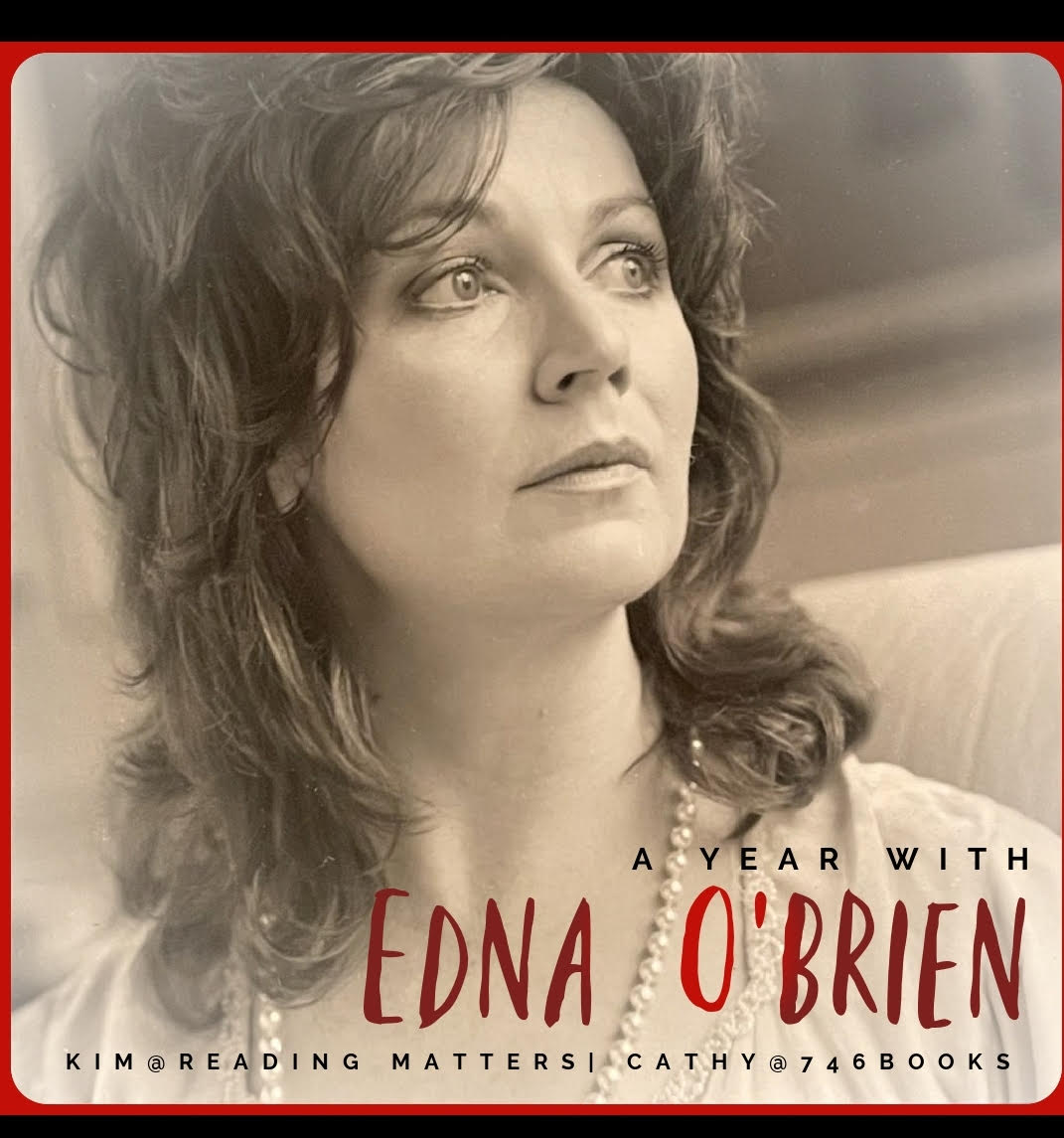


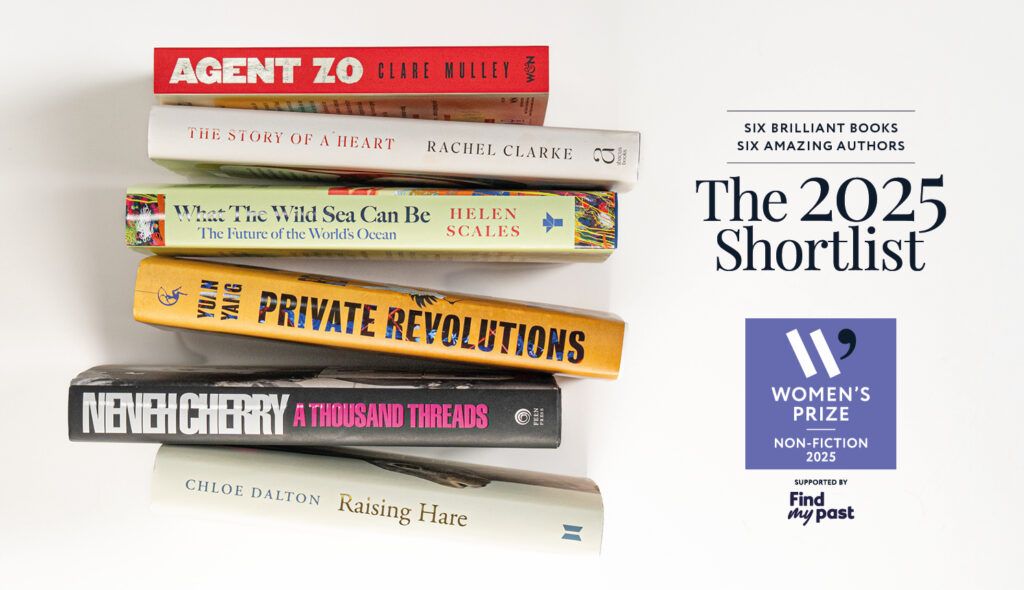

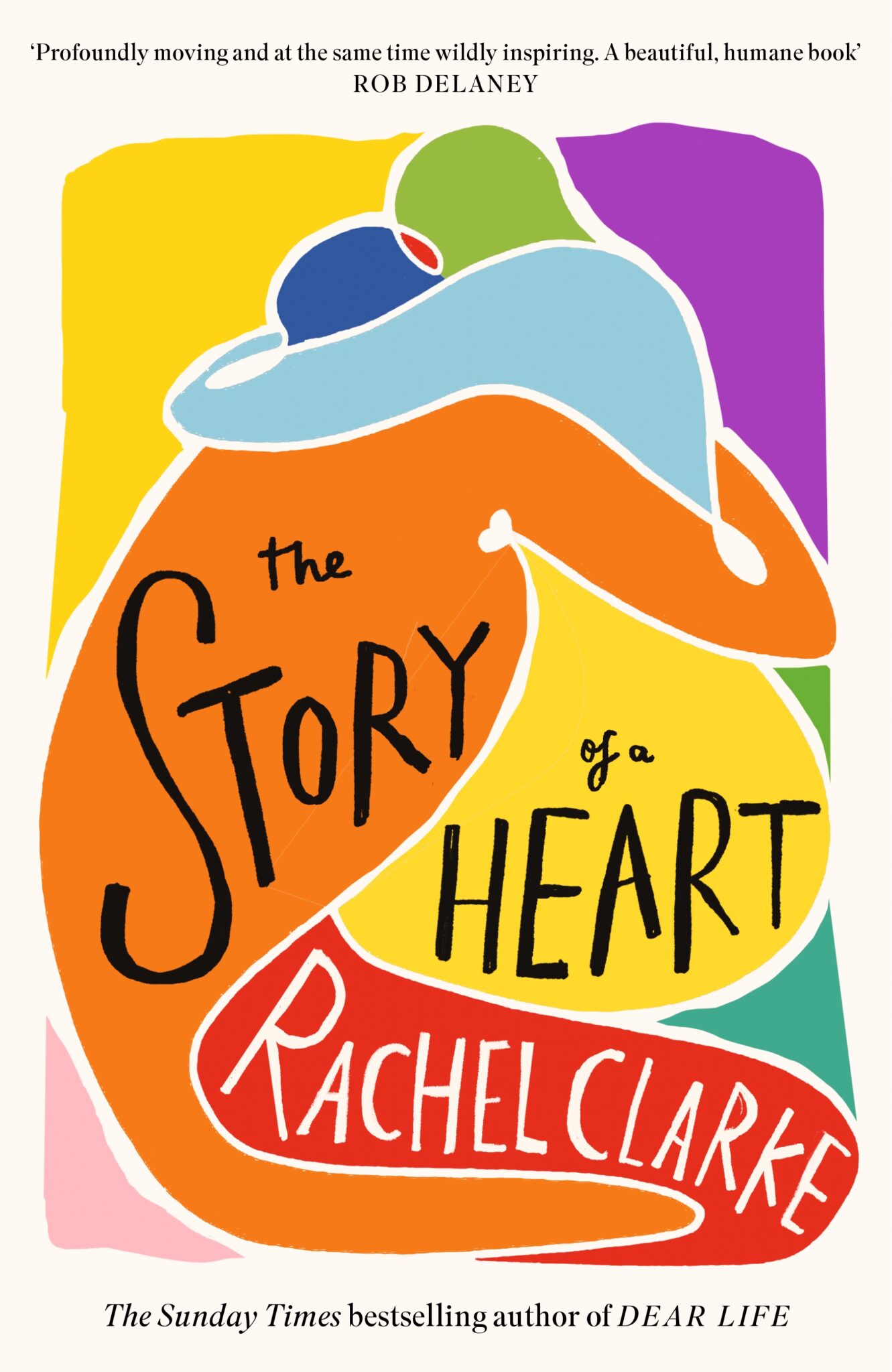


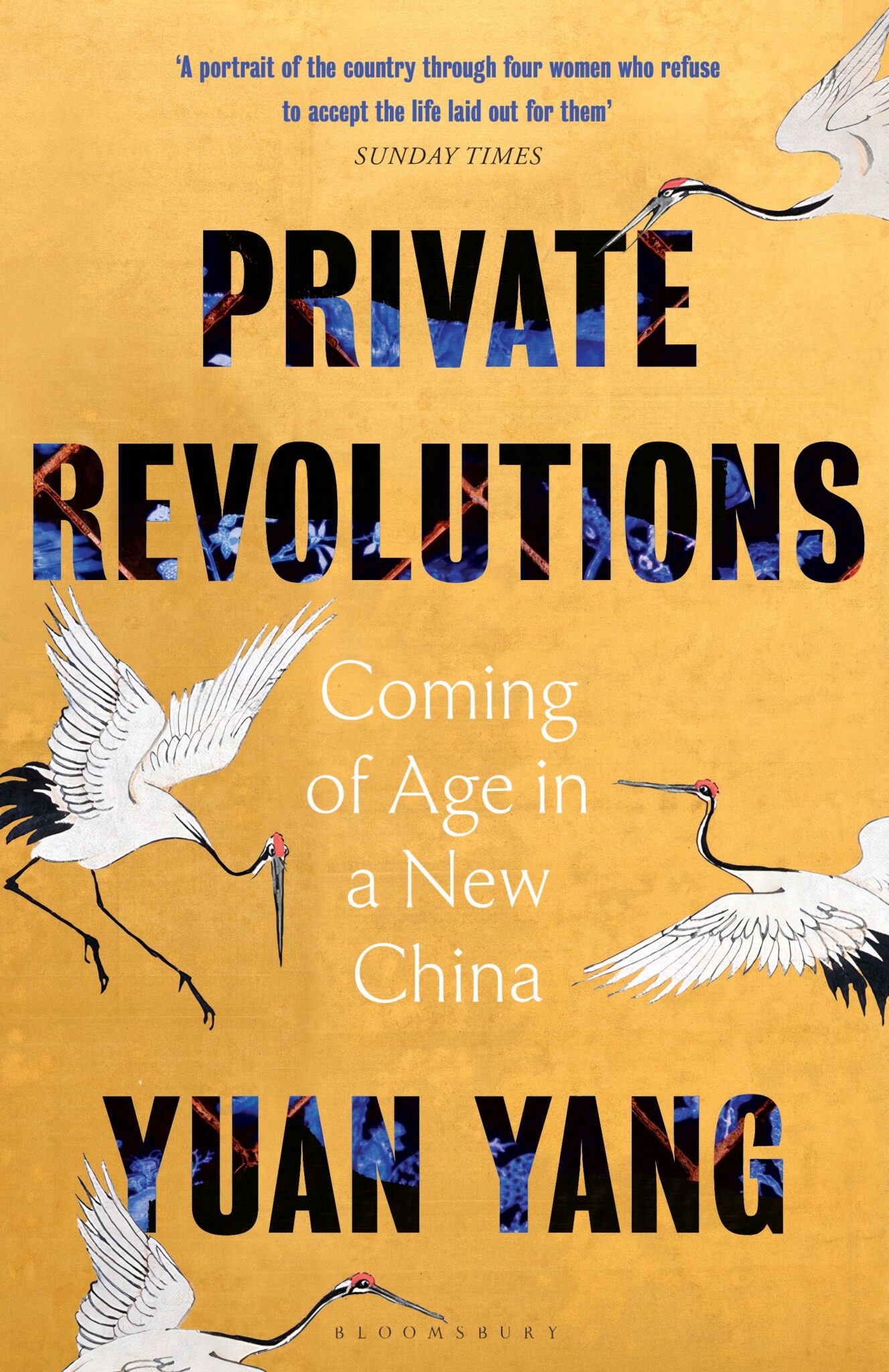




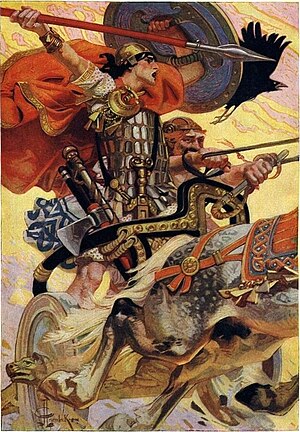
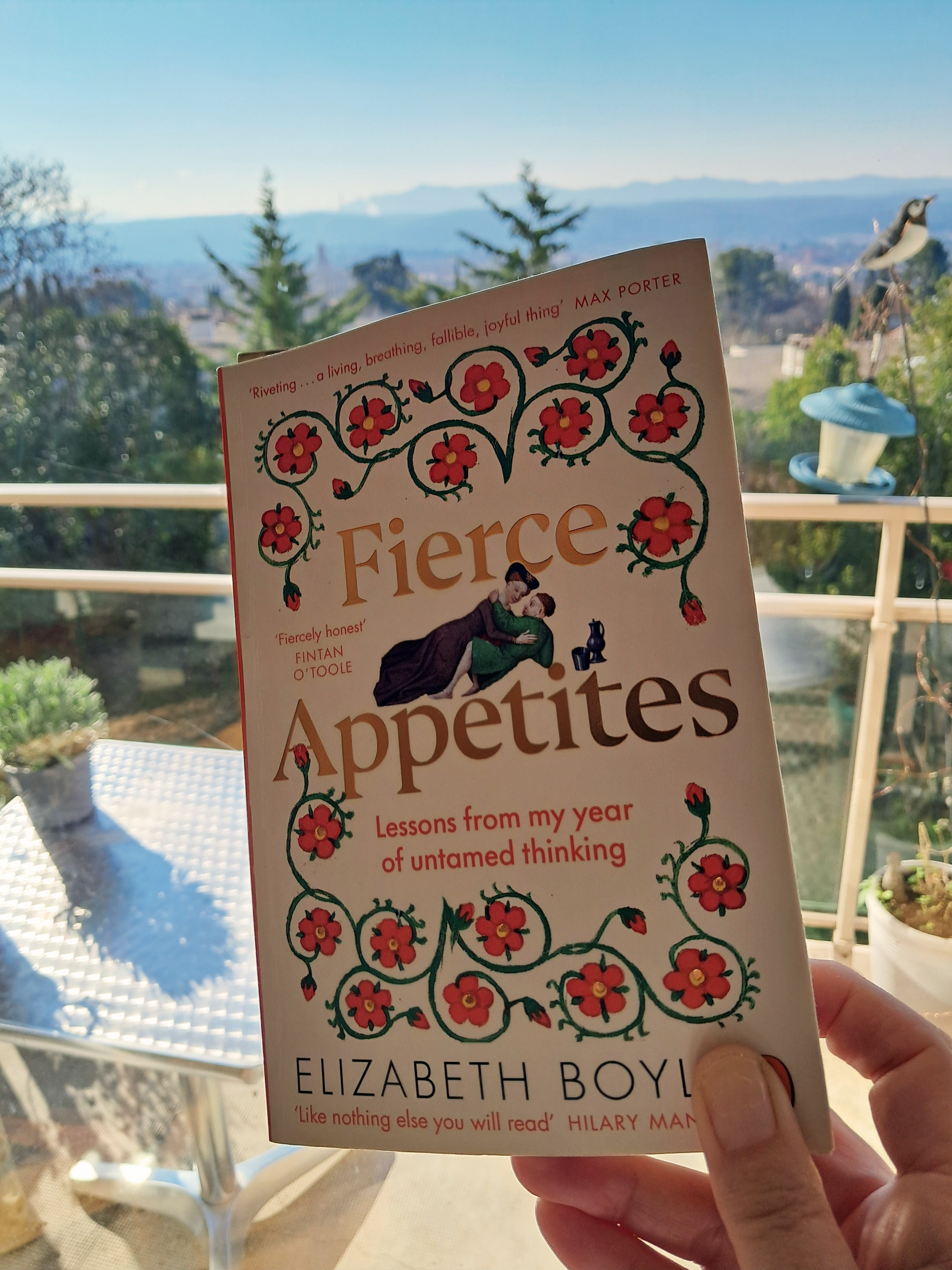

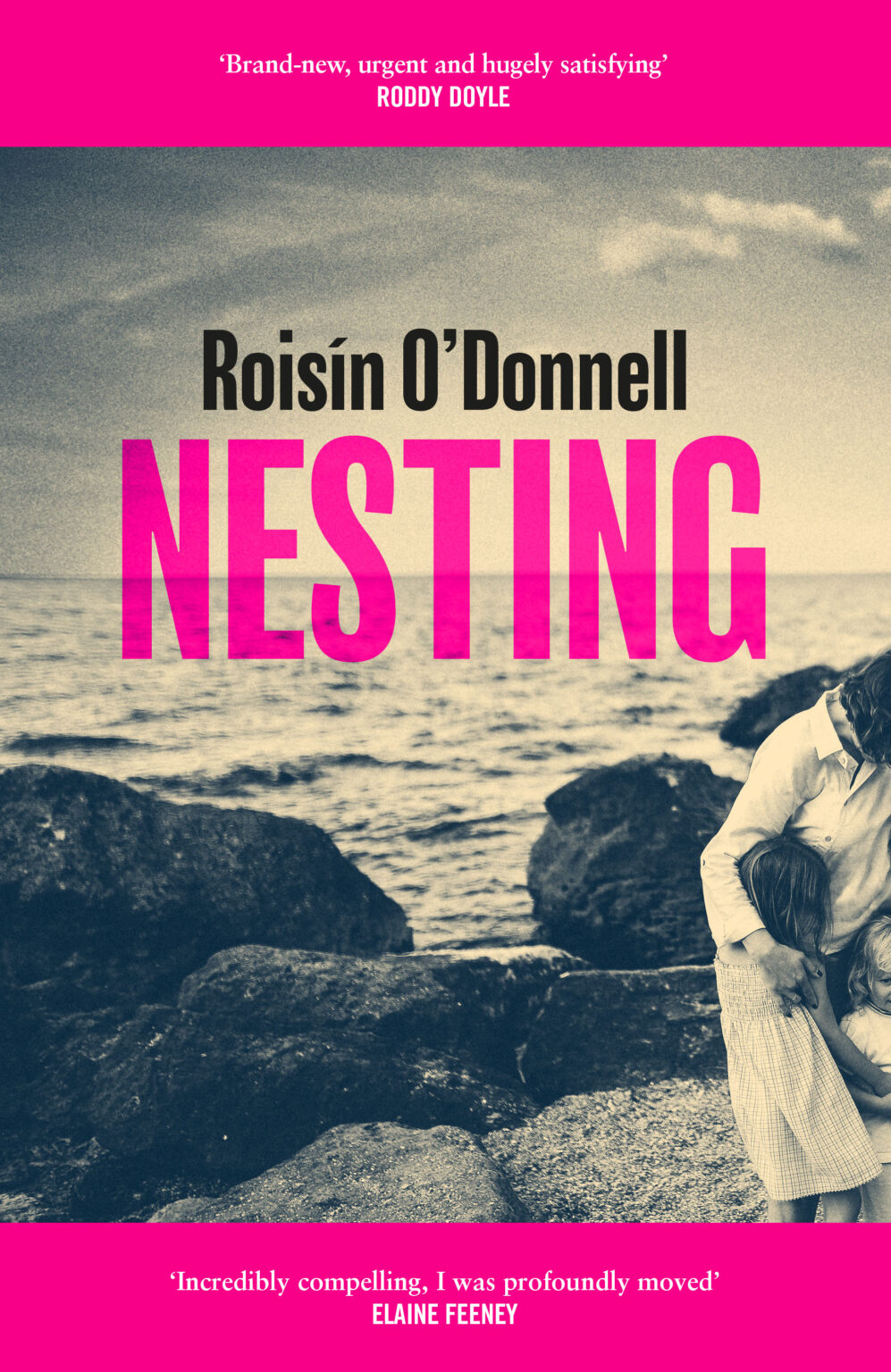
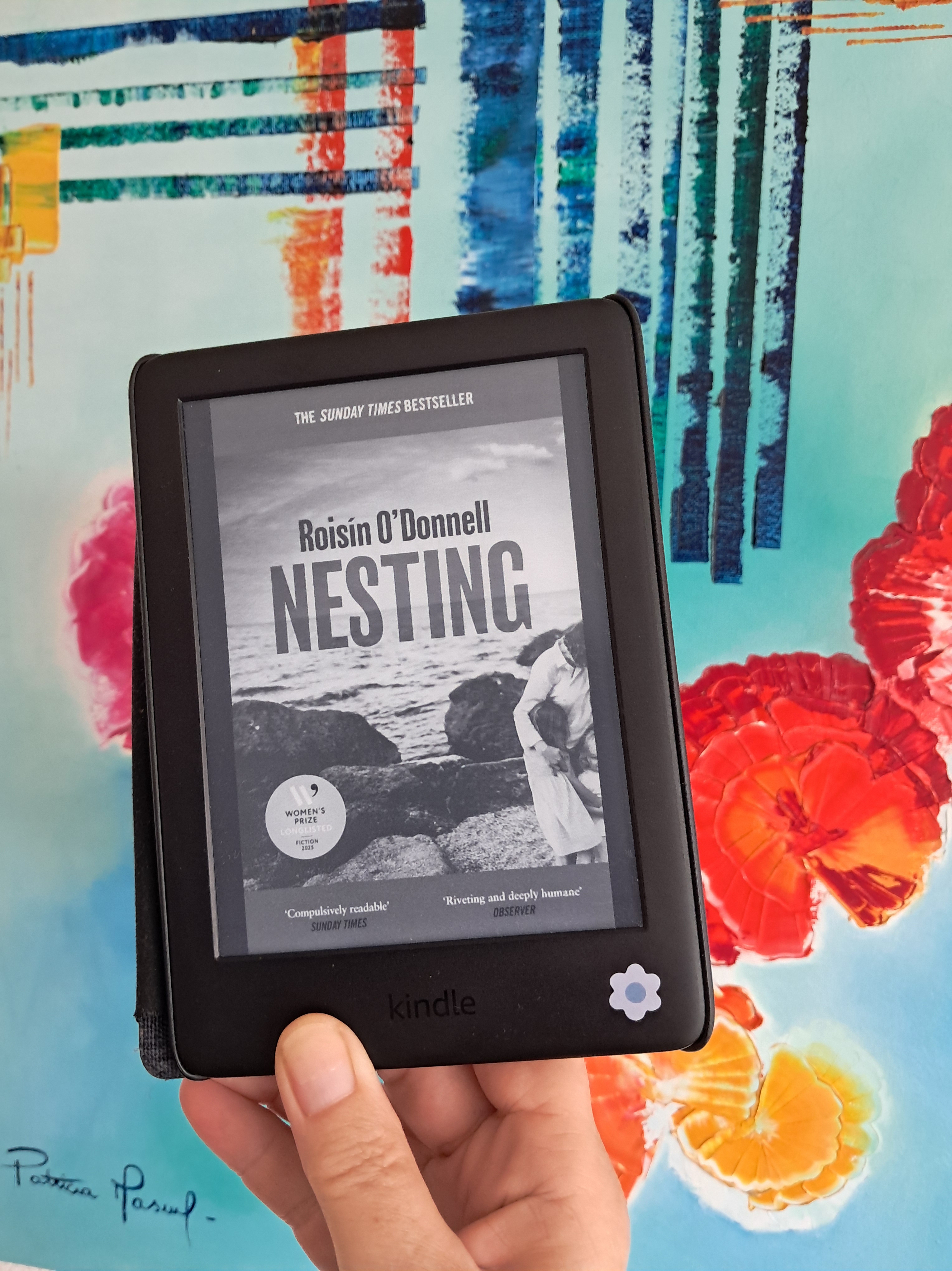
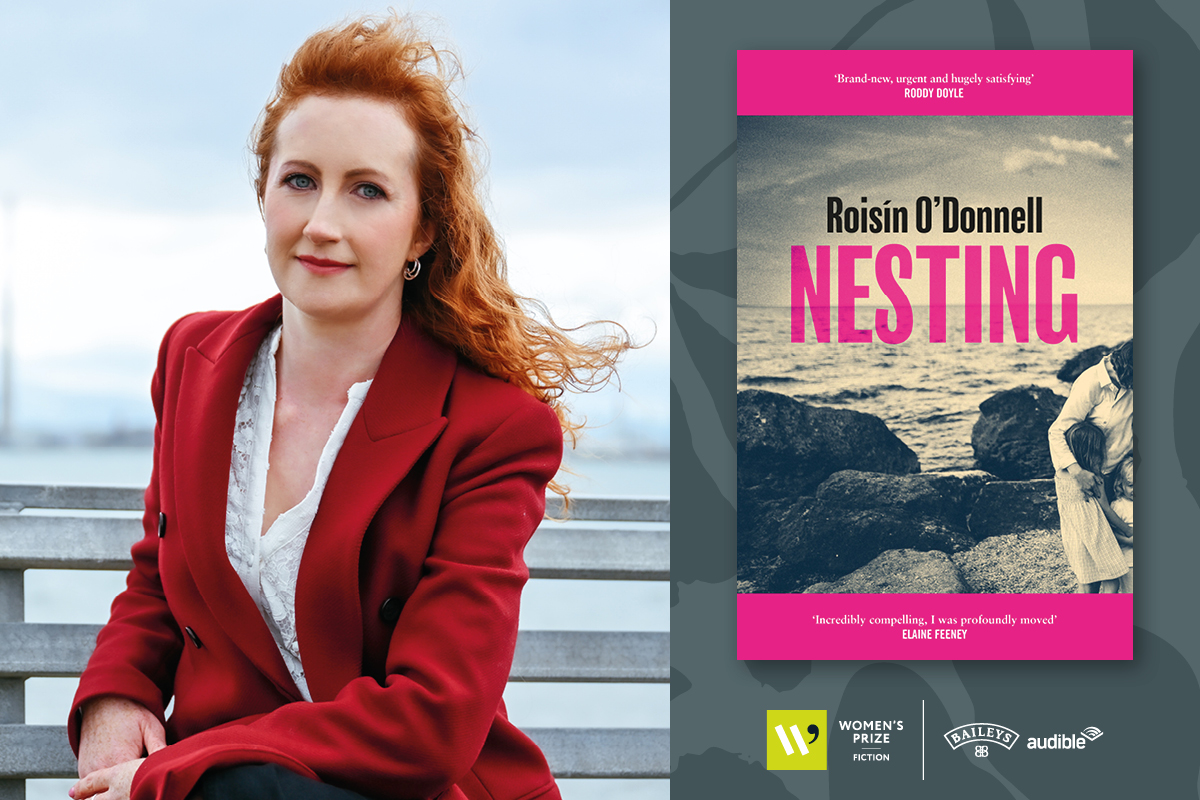
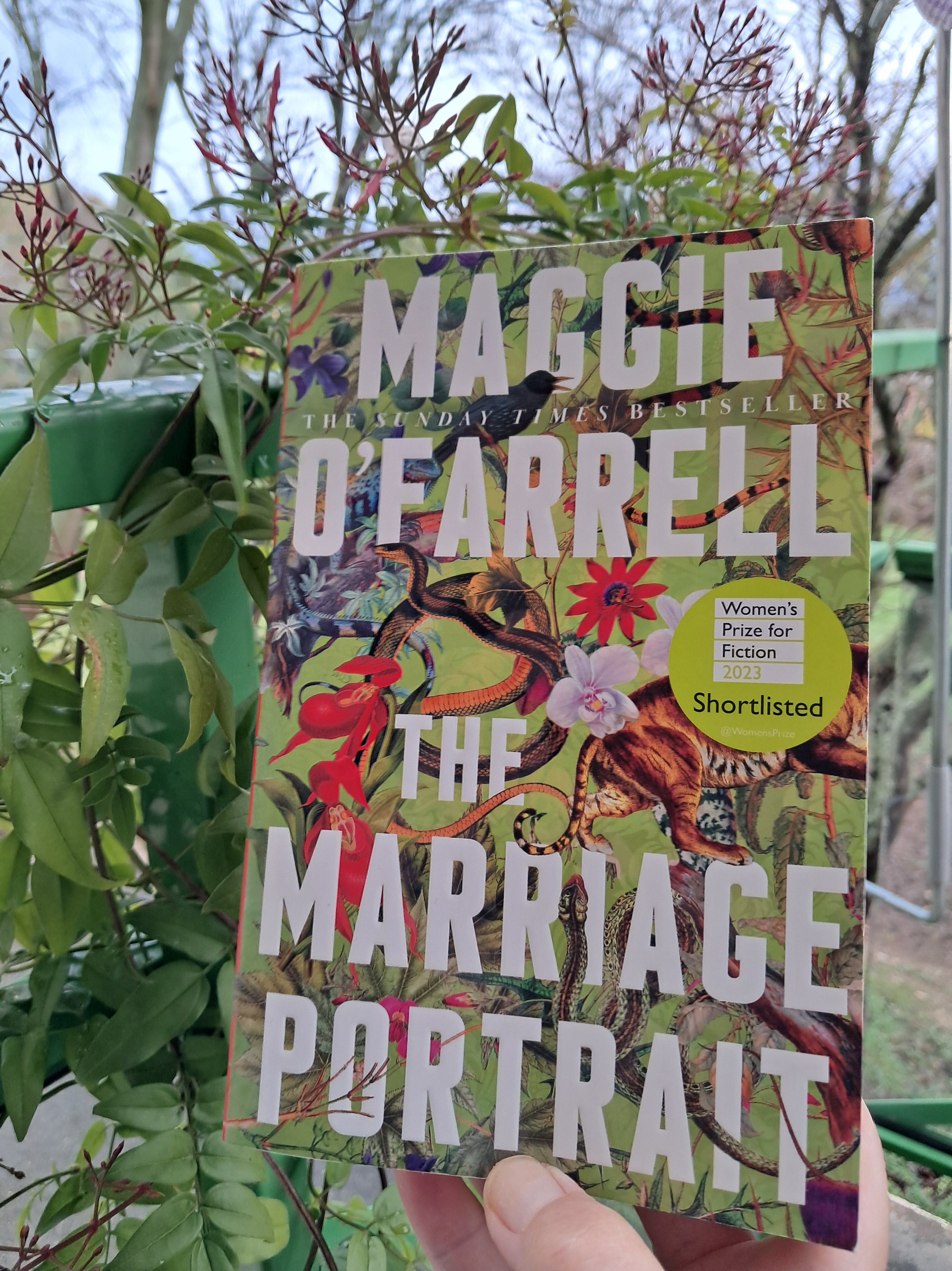

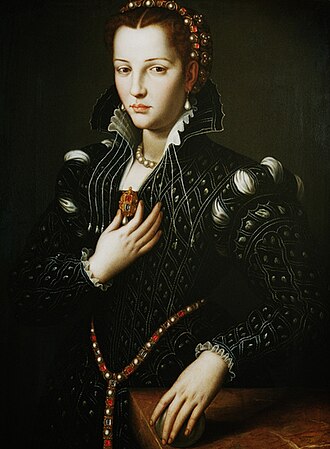

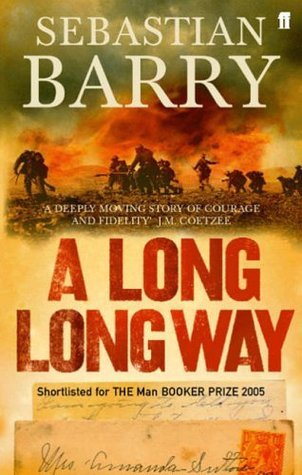
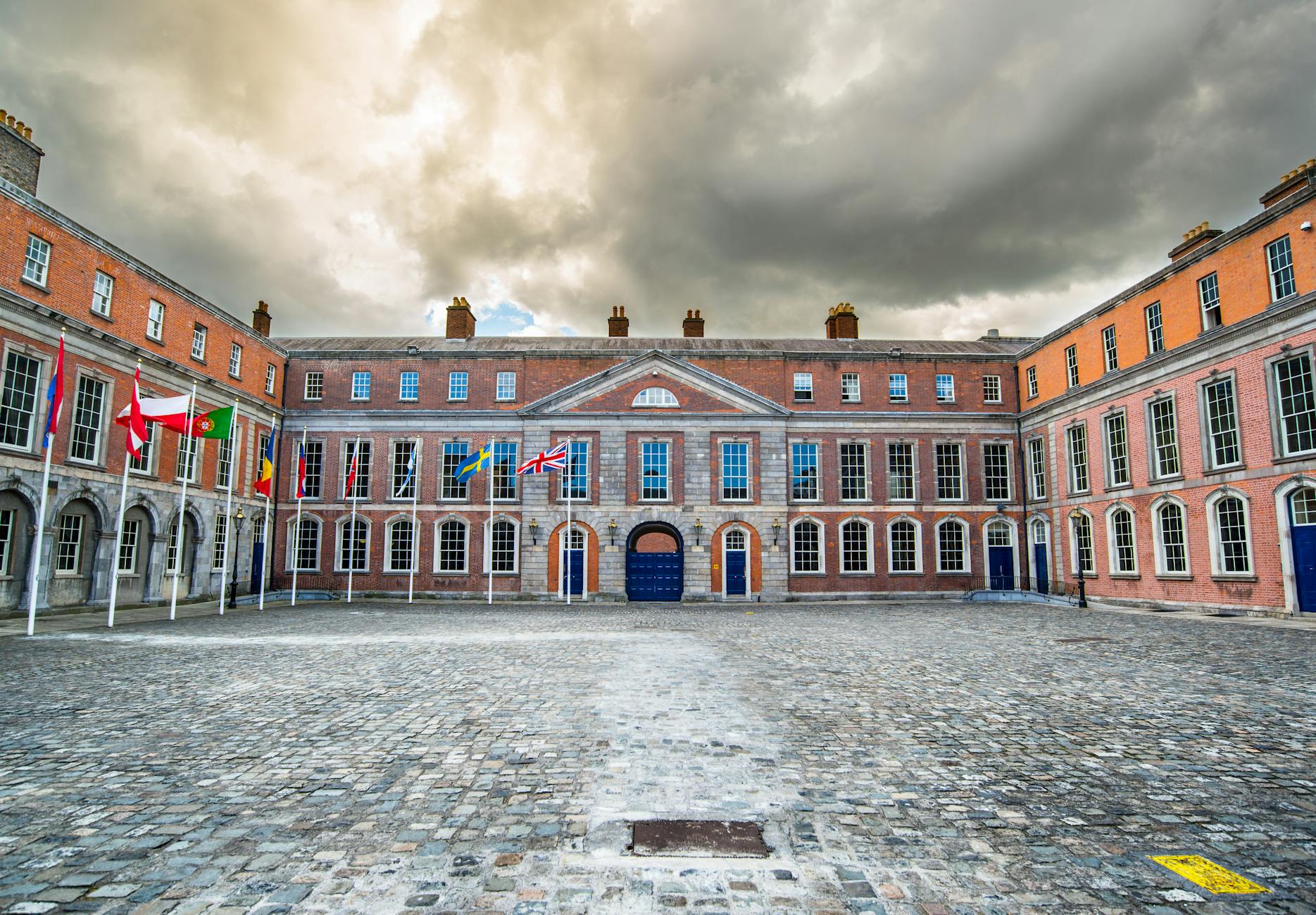
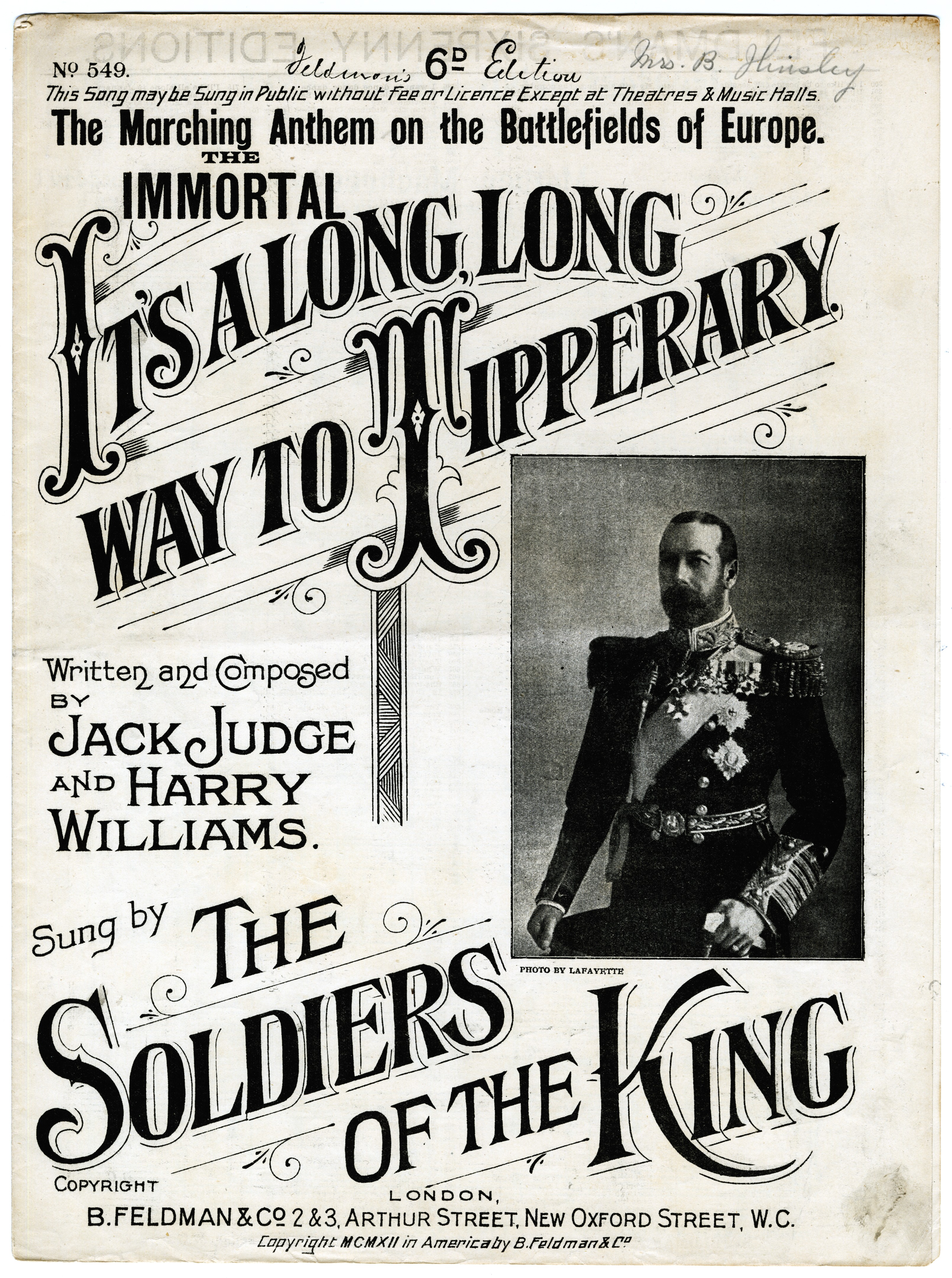
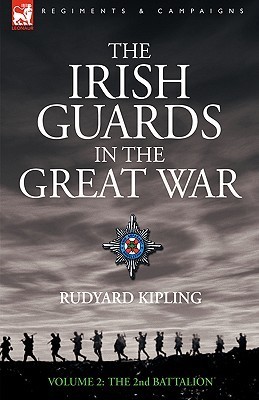
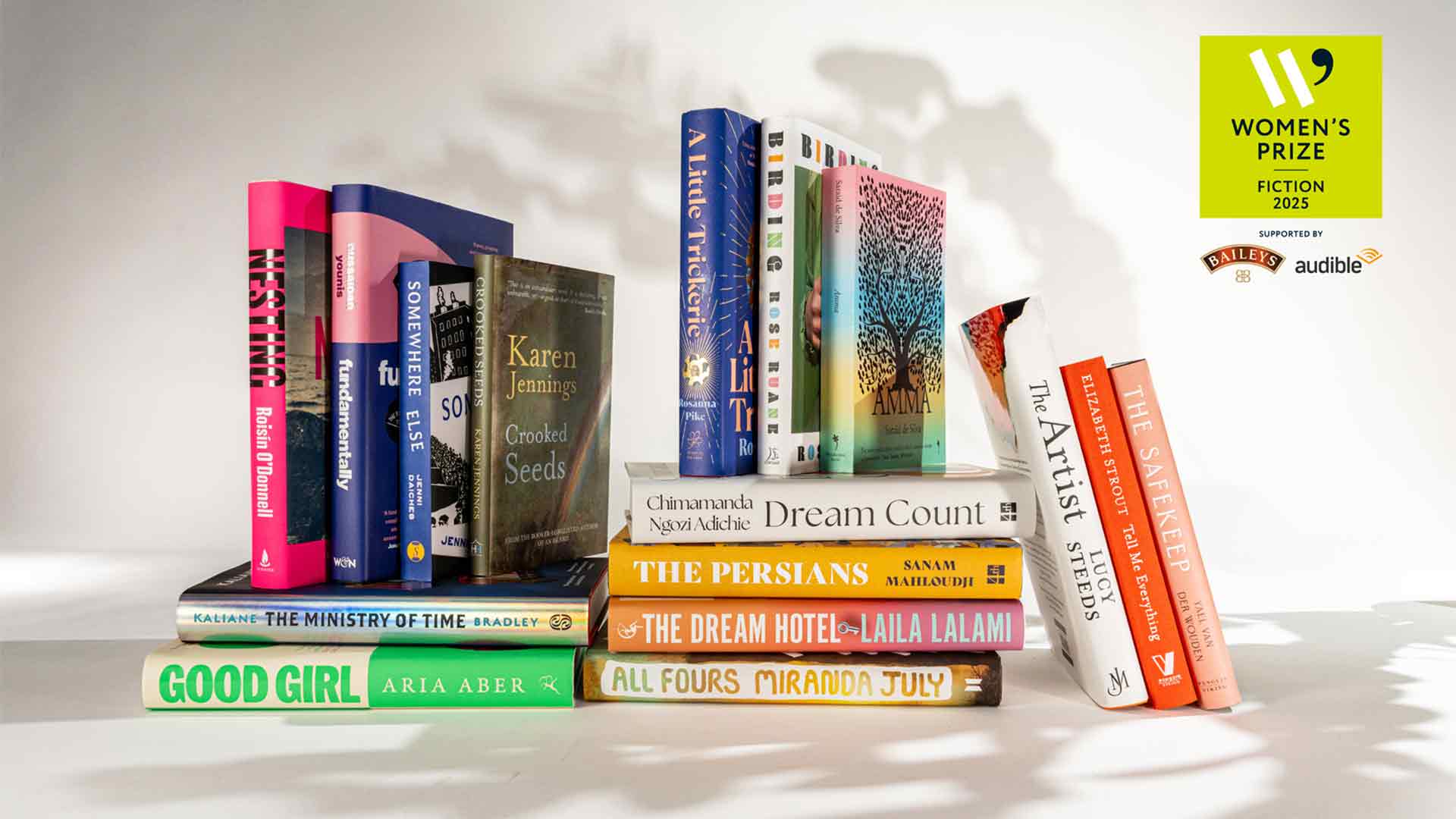
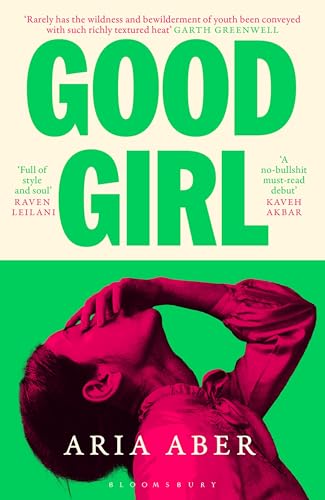


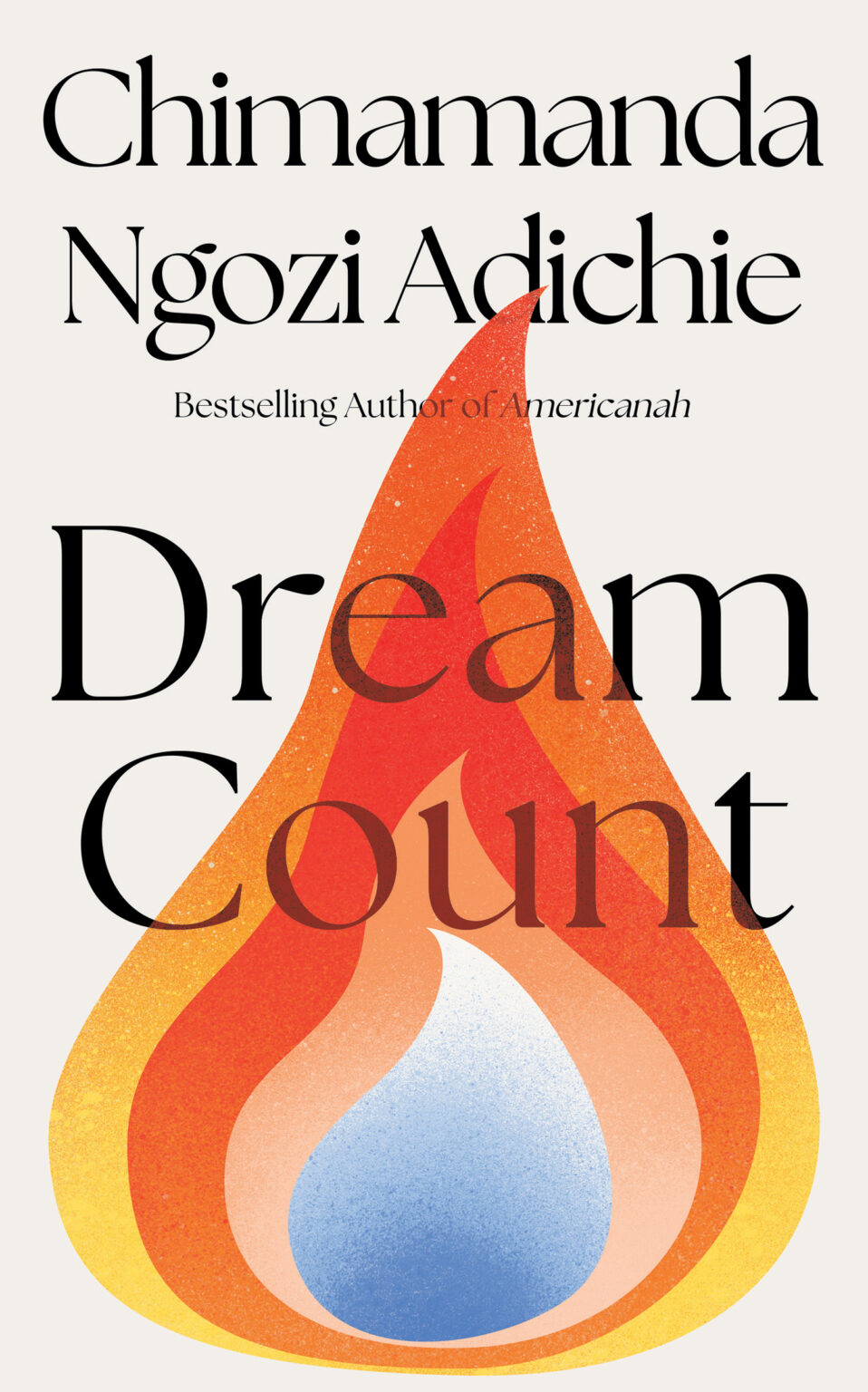


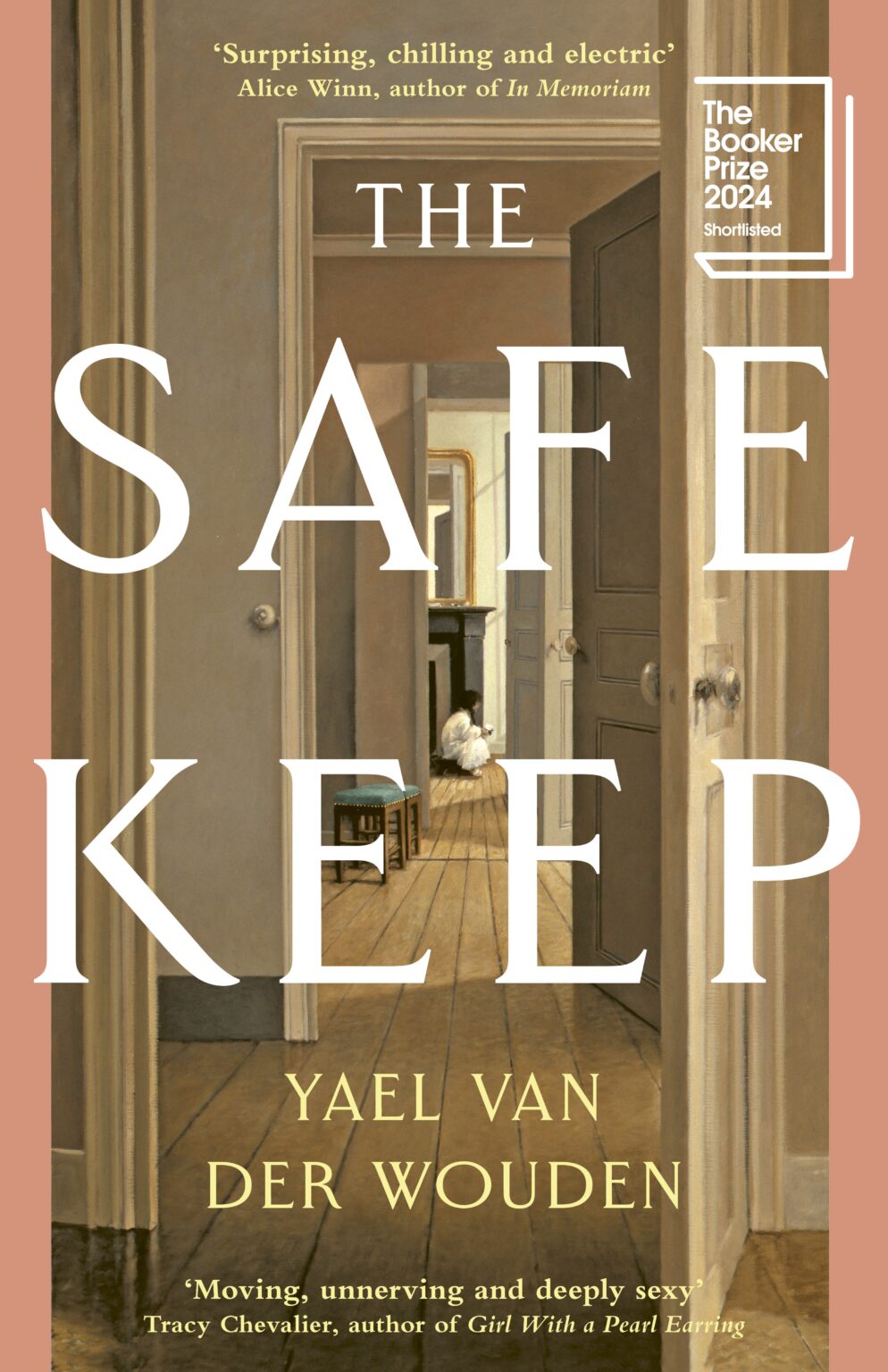

 Word by Word