A Quiet Obsession

Rain in AixIt’s Saturday in Provence and my elderly neighbour in the apartment downstairs is leaning over her balcony telling me she is depressed and waving her hand skywards. It is spring and it has been raining for a couple of days every week consistently since the end of February.

With a smile I can’t suppress, I tell her it feels like home to me, the home I knew as a child anyway, that country down under where it rains every week but where there is sun every week too, and everything looks clean and green and grows constantly. But our residents in Aix-en-Provence aren’t used to it and the grey skies reflect their mood.
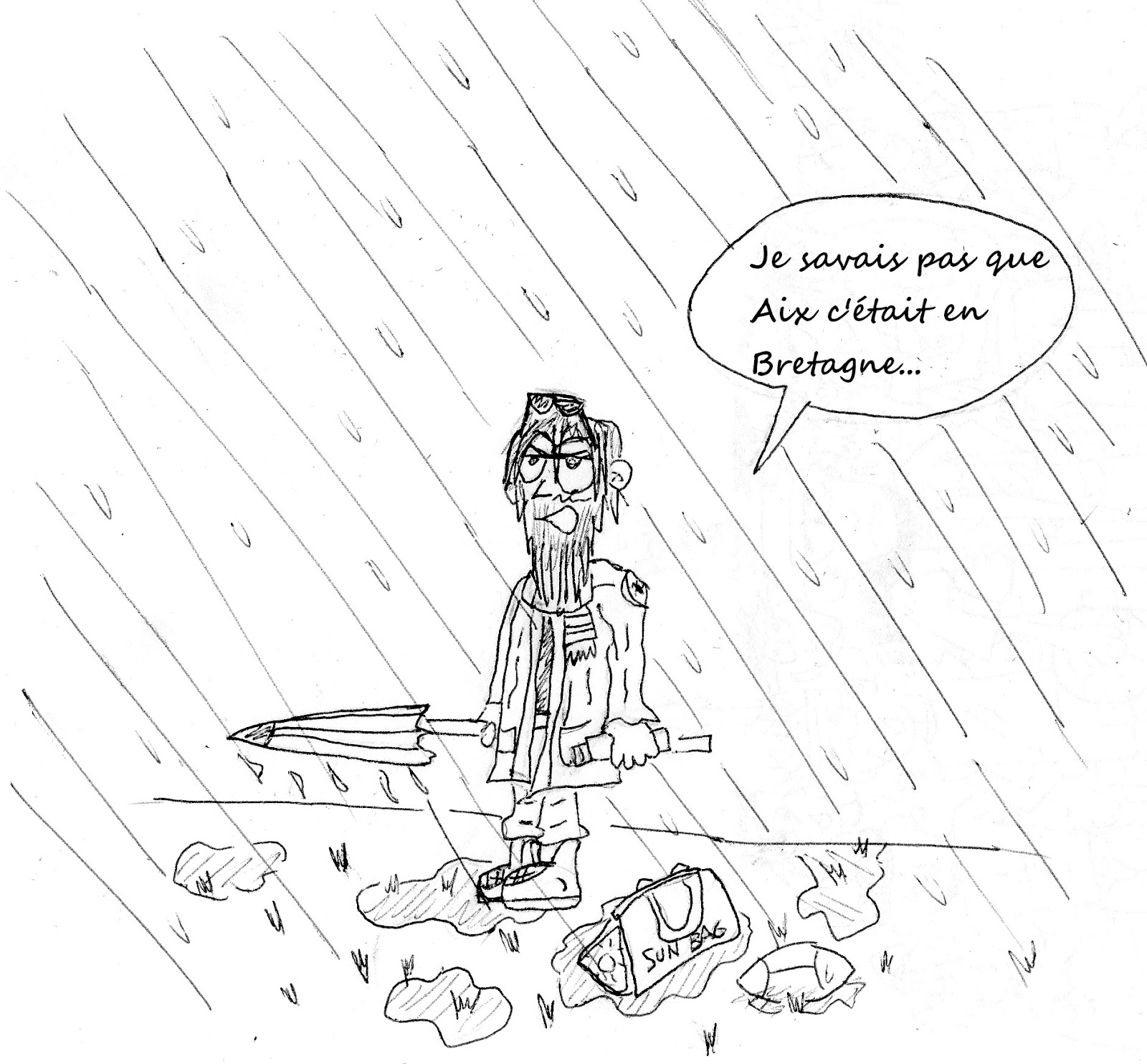
Aix sous la pluie by the artist Barbarion

Aix sous la pluie by the artist Barbarion

But not me.

Today is the English Book Sale, a rare event that I have missed on the last two occasions and I know I don’t need any more books, but I have to go just to see what is on offer and to hang about in the presence of other souls quietly obsessed with books.  You know, that old-fashioned kind, hardcover, softcover, some with post it notes and book marks, one with an attractive business card inside, I left that mystery for the next person to find. And the rain is not keeping people away here; I find the last space left in the car park and join the growing crowd of ex-pats and Anglophones scouting for book treasure.

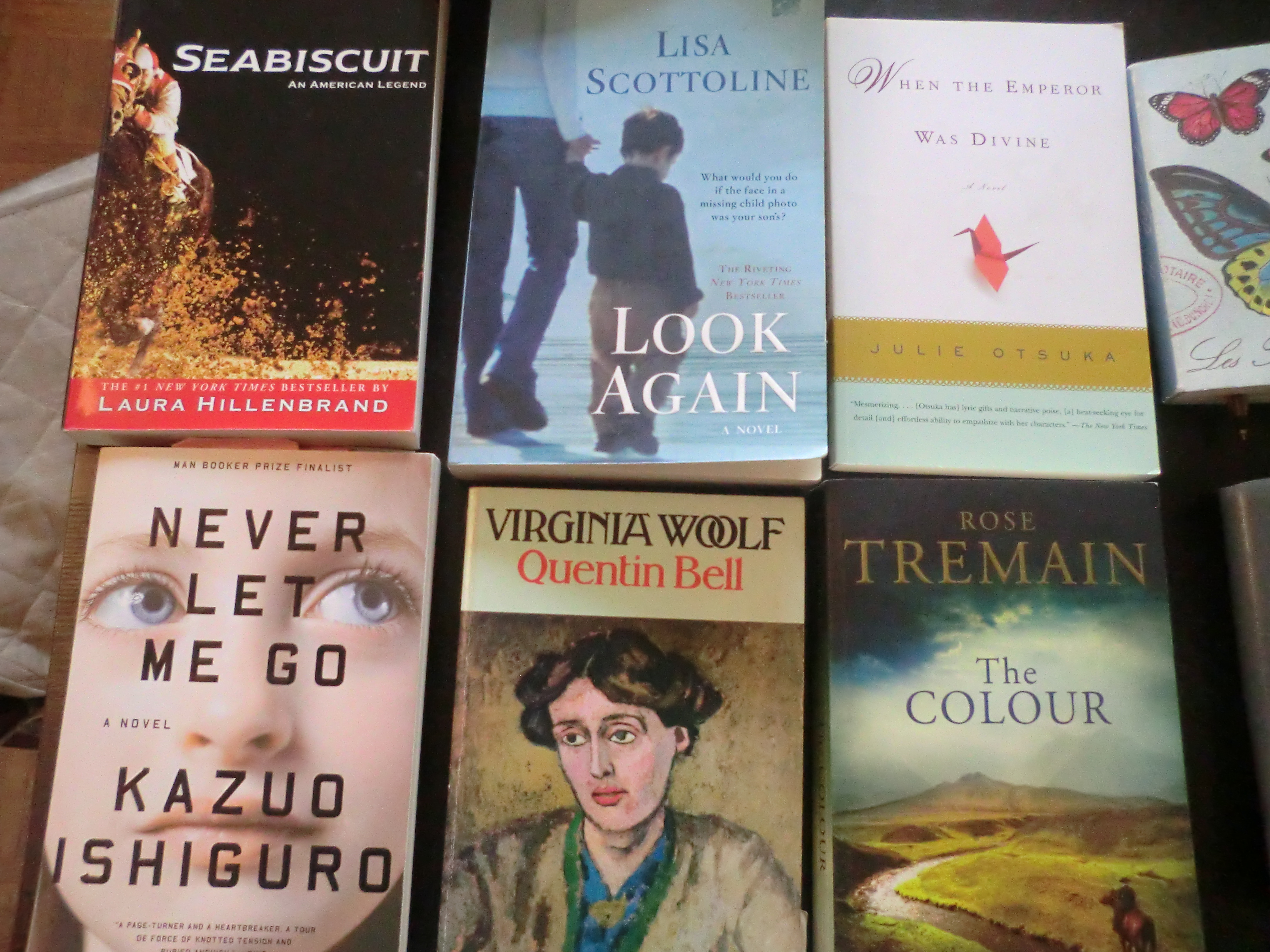
One of the first books I find is a Virginia Woolf biography by Quentin Bell, and so soon after reading Susan Hill’s Howard’s End is on the Landing, and remembering Valerie’s comment about regretting having released all her Bloomsbury books to a sale, I rescue this volume from its fate and bring it home in readiness for its mate, the diary I will be picking up from Persephone Books on my next London visit.

The next book I purchase for my Dad, whom I will be seeing in exactly one month, in Istanbul. My father is a retired farmer who had a love of horses all his life, they were the main mode of transport around the farm and at the weekends, we would pile into his converted furniture removals truck, horses in the back, to watch him play an unsophisticated, remote countryside, farming people’s style polo. He will enjoy this true story of an equine beauty by Laura Hillenbrand I am sure.
My Booksale Haul

My Booksale Haul

I am detecting a bit of a theme here, I buy this Rose Tremain novel The Colour, because it is set in New Zealand and it has been recommended numerous times and though I have picked it up and even taken it from the library once, I have never read it – and there is something about the cover on this version that makes me want to own it.

Kazuo Ishiguro’s Never Let Me Go I pick up without hesitation, I loved his recent collection of short stories and this one has slipped by unread thus far.

I see a fellow book loving friend who thrusts Lisa Scottoline’s book Look Again into my hands and tells me she stayed up all night last night reading it. It’s disturbing but unputdownable she says. Ok, always room on the shelf for a book that grips one from the first page and perfect holiday reading material, though perhaps not the upcoming Turkish holiday, I don’t want to read about lost children before taking mine to a large unknown city.

The cute little Julie Otsuka novel When the Emperor was Divine, I can’t resist. I want to read The Buddha in the Attic, but this is the book that presents itself first, it’s more of a novella and the seductive testimonial on the front cover is enough to tempt me, one who rarely buys into contrived book cover descriptions, but mesmerising, lyric gifts, narrative poise, a heat-seeking eye for detail, there are enough enticing adjectives in that one blurb for me to appreciate, living in an era of twitter fiction, so I take it.
A Political Tragedy in Six Acts

A Political Tragedy in Six Acts

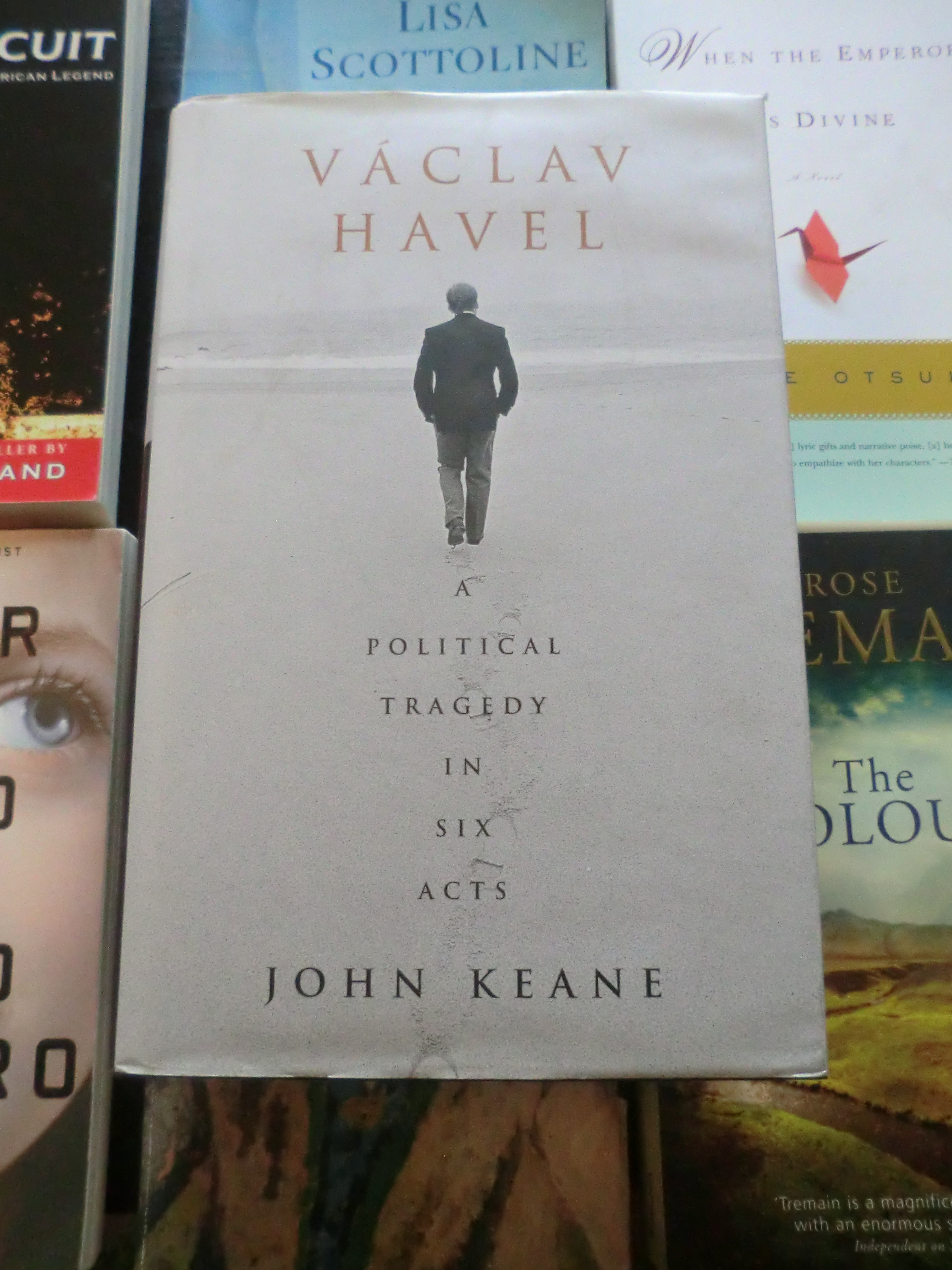
And the pièce de résistance, a hardback, first edition of John Keane’s biography of Václav Havel A Political Tragedy in Six Acts. I don’t know a lot about Havel, he was a renowned playwright turned President of the Czech Republic and a daring dissident in his youth, yet the little I do know of him, makes we want to know a lot more. He died in Dec 2011 but I believe that there are lessons to be learned from the life he lived.

And so, with my arms straining under the load of seven books, I look up to the balcony of my neighbour and tell her to do what I would do if I felt that way about the day, find a good book and escape into it for the afternoon, and don’t worry, the forecast is for sun tomorrow.

At last she smiles, ‘Yes, that I can do’, she says and ‘Bon Livre’ as I disappear inside with my stash of books, a hot roasted chicken, 2 fresh baguettes and 3 chocolate éclairs. Life is good!

Howard’s End is on the Landing, A Writer’s Reading Journey

There is much to love in books about a reading journey, just as there is in an exhibition of a well-known painter’s own personal collection, especially when those collections include the work of their friends and personal anecdotes.

Susan Hill certainly comes up with many personal anecdotes of interactions with some of her favourite writers as well as some ‘I almost met…’ which made me laugh because with each of those non-encounters, she says the same thing, that most likely she would have had nothing to say anyway. I am sure that would not have been the case, being so widely read, she would be able to find common ground with almost any great writer, though ever humble a writer be of their own work perhaps in the presence of an idol.

Susan Hill Reading YearHoward’s End is On The Landing is Susan Hill’s account of a year spent reading from home, her collection easily the size of a small library from the way I read it, one bookshelf alone contains 743 books and this a country house of many rooms where books have snaked their way up the stairs across the walls and had bespoke shelves made to measure for hard to fit nooks and crannies.

At the end of the book, she includes a list of the final forty; it’s a page I refer back to often as her journey of short chapters includes picking up an author’s many works and often struggling to decide which one should go on the list. She loves her Victorians, perhaps more than anything, so Charles Dickens, Thomas Hardy, Anthony Trollope, George Eliot and Emily Bronte are all there.

I have spent a long time among the Victorians this winter but the year is on the turn, the first spring crocuses are pushing up through the grass. It is not yet warm, there are no leaves on the trees but just perceptibly the nights are drawing out.

I am restless for the twentieth century again. Upstairs then, to the landing. Why Forster sits next to Graham Greene, or Anita Brookner is tucked in beside V.S. Naipaul, let alone why they are interspersed with odd volumes of the Finn Family Moomintroll, is one of the mysteries of the reading life.

It doesn’t really matter whether I have read the books or not, it is not only recognition of similar books we may read, it is as much about sharing the joy of reading, its ability to provoke, to uplift, to question. It is the consequence of reading and the confirmation of how different we all are in these observations that continues to prove the reality, that somewhere out there that same book will have been both adored by one person and despised by the next.

Just this morning I read a passionate review by Vishy the Knight of Nicole Brossard’s Yesterday, At the Hotel Clarendon in which he describes the effect of reading prose that to him was sublime, lush, delightful, transcendent, luscious, intoxicating. Well, I don’t know about Brossard’s prose, but I was enjoying Vishy’s. He went on:

After reading a particular passage and falling in love with it, I thought that this was it. Now Brossard will get back to business and get on with the story. And then followed another intoxicating passage. And then another. And another. It was the kind of intoxication that one gets while listening to classical music, the kind which is pleasurable but on which one never gets drunk. Nicole Brossard is also a poet and it shows in her prose. I want to read this novel again just for Brossard’s prose.

Then, at the end of his review, he mentions he was able to find two other reviews of the book in Canadian literary magazines and only one review on Goodreads, which said “I just can’t stand this book anymore.”  Just like films, the only way to really know is to see or read it yourself! And as I alluded to in my previous post, books and reading tell us and others who we really are. As for me, I trust Vishy’s judgement, I love lyrical prose.

Susan Hill’s book is very much influenced by the English tradition and I feel compelled to balance that a little by mentioning another book in a similar vein which I adored, Pat Conroy’s A Reading Life.

Conroy Reading LifeI have only read one of Pat Conroy’s books, The Prince of Tides, but would not hesitate to read more, especially as a summer read –they do tend to be big, bold, compelling books, great for a summer read. His reading life unfolds by the chapter in a mesmerising, delightful way, his storytelling and anecdotes within the book are captivating.

He is loyal to certain influential bookish people in his life and they often reappear throughout the chapters. The chapter on the influence of his mother and references to both the book and film of Gone With the Wind is a great story in itself. But my favourite chapter and one that has stayed with me in the years since I first read this, was Chapter Eleven A Love Letter to Thomas Wolfe, because he is so honest and appreciative, ignoring intellectual snobbery and sharing what he describes as a pivotal event of his life – his reading of Look Homeward, Angel and though not knowing it at the time, entering into “the home territory of what would become my literary terrain”.

I have read very good reviews of Will Schwalbe’s book The End of Your Life Bookclub and know that one day I will venture into its pages, but have been warned, this one is a real tearjerker, so timing is important. There is no rush, just many future reading pleasures that will lead to even more.

And the one stand out book from Susan Hill’s reading year, that made me decide I must have a copy? Well, it’s not even on the list, but that’s because it seems to be permanently at her beside and I see Persephone Books have reissued a copy of it as well. It was Virginia Woolf’s A Writer’s Diary.

I have never exhausted  A Writer’s Diary, and never will.It gave me what I needed at 16, and it continues to give.

Have you read any of these books, or do you have another favourite book of a writer’s reading journey?

The Unlikely Pilgrimage of Harold Fry by Rachel Joyce

627 miles in 87 days

There is something appealing about the idea of making a pilgrimage and reading about it is almost as satisfying on another level, even when the pilgrim in question doesn’t know that is what he is doing.

Unlikely Pilgrimage

Harold Fry was not prepared for a pilgrimage at all, he was on his way to post a letter, a note written in haste that the closer he came to the post-box, the less satisfied he was with what he had composed, as if the letter had somehow come to represent all that he had achieved with his life – showing him up as incapable of stringing together the appropriate words that might express the sentiment he wished to convey – while harbouring his mild but growing discontent, he continues on to the next post-box and then the next and then one thing lead to another…

Harold’s letter is a reply to Queenie Hennessy, an ex-colleague whom he hasn’t seen since the day she disappeared from work, a disappearance that is in some way connected to Harold.  Queenie’s short letter informs Harold of her illness, he learns she is lying in a hospice in Berwick-upon-Tweed, in the very northern tip of England, about as far from Kingsbridge, South Devon as one could possibly be.

The walk to the post-box and an encounter with a young shop assistant in a garage prove to be the tipping point for Harold, he sets off to Berwick, convinced that by making his pilgrimage, he might save Queenie from certain death.

Harolds journey
Harolds journey up England

Harold is propelled by instinct, an urgency to make some kind of difference and as his feet carry him North, little by little he comes to understand the significance of his undertaking, as the layers of his self-protective habits built up over the years, peel away at a similar rate to the soles of his shabby yachting shoes, until eventually even words are no longer required to explain; his purpose and inspiration shine out of him, attracting followers and making him almost unrecognisable to the woman he has lived with for the past forty years, his wife Maureen.

Harold believed his journey was truly beginning. He had thought it started the moment he decided to walk to Berwick, but he now saw that he had been naïve. Beginnings could happen more than once, or in different ways. You could think you were starting something afresh, when actually what you were doing was carrying on as before. He had faced his shortcomings and overcome them, and so the real business of was walking was happening only now.

Rachel Joyce’s debut novel was short-listed for the Booker Prize, however it would be wrong to think of her as a novice writer and as the back pages inform us, she has written over twenty original afternoon plays for BBC Radio 4 as well as drama adaptations to television. It is clear from the first pages that this is a confident and accomplished writer and I couldn’t help but imagine these characters already on-screen, it is as if we have seen Harold before, so much of that reserved part of his character seems so familiar, even if he does appear to fill a stereotype, however he does not remain typecast for long, yet neither does he change completely.

A very English novel, not just the landscape, it is the slow unmasking of Harold, a man who barely made a ripple in his working life, having done his best to keep unpleasant matters from being aired or making a fuss.

He had always been too English; by which he supposed he meant that he was ordinary. He lacked colour. Other people knew interesting stories, or had things to ask. He didn’t like to ask, because he didn’t like to offend. He wore a tie every day but sometimes he wondered if he was hanging on to an order or set of rules that had never really existed.

An enjoyable read, Rachel Joyce is working on a second novel, another “celebrating the ordinary, linking laughter and pain” story, she said.

Further Reading

BBC

Interview – Rachel Joyce discusses how her background writing radio plays informed the novel and how her father (to whom she dedicates the book)and others shaped the character of Harold.

Wild by Cheryl Strayed – my last review of a different kind of pilgrimage, the true story of Cheryl Wild’s hike of the Pacific Crest Trail

Note: This book was an ARC (Advance Reader Copy) provided by the publisher via NetGalley.

mslexia – for women who write

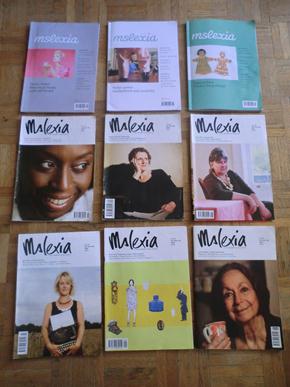
I’ve been subscribing to mslexia magazine for a few years now and since it is both a great stimulant to the writing process as well as an excellent source of reading recommendations and a directory of sorts, I thought I’d share a little about it.

Mostly I like it, because it doesn’t feel in any way elitist, this is a kind-hearted, generous resource, contributed to and read by ordinary women who like to write, including many who like me, don’t participate in this activity as a job, but manage to scribble away for a few hours each week – read this and you realise you are part of a large, like-minded community of women who believe in making the impossible possible.

It might be published in the United Kingdom, but it has a very international flavour and inclusive attitude, important when you live outside your country of birth and don’t write in the language of your country of residence and want to participate.

mslexia (ms = woman, lexia =words) is a quarterly publication with feature articles on some aspect of writing (and open to idea submissions), an interview with a published writer, featured short stories or poetry written to the issue theme, or winning entries from the regular competitions they run.

It was Issue 48 in Jan/Feb/Mar 2011 that introduced me to the writer Susan Hill, just as her short novel A Kind Man was being released and I’ve since read three more of her books.

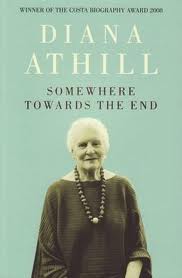
In the latest edition there is a wonderful interview with Diana Athill, what an inspiring woman she is, winning the Costa biography award at 91 with her book Somewhere Towards the End and still writing from her North London residential retirement home.  She says it how it is and cites Jean Rhys’ for teaching her this, she mines her own experiences for a story, and cautions against being cruel to others, “you can be ruthless about yourself, but not when writing about friends” – you can read an extract from the interview here.

athill“I have never understood how many writers moan and groan about how awful writing is. Absolute nonsense.” Diana Athill

Recently, they have been conducting mini-surveys of readers which are then incorporated into the lead articles and some of the smaller snippets of information found throughout the magazine. It is extremely readable, which I put down to the fact that there is a reasonable portion of bite-sized articles, such as letters, extracts from posts, emails, tweets, along with fun and short, contemporary submissions from writers under the headings of rants, raves, a week of tweets, monologue, pen portrait, how I keep going, four lines that rhyme, a poetry or book review. Something for everyone.
Each quarter there is a themed New Writing section, always an excellent writing prompt whether you are interested to submit or not, short narrative or story up to 2,200 words, prose or sometimes poetry, the successful entries appearing in a future edition. I have seen many women being published for the first time through these exercises.

There is an annual poetry and short story competition and in 2012 there was a children’s novel competition for unpublished women novelists.

In addition to all the wonderful information it lays at your fingertips, one of the things I love the most are the short bio’s of contributors, here is one from the 2009 poetry competition in which Pat Simmon’s touching poem ‘Jack discovers impermanence’ was a winner:

PAT SIMMONS, 64, was head of communications for ‘Send a Cow’, an African agricultural organisation, but has since retired. The conviction that whatever she writes will be rubbish stilts her creative progress, but an encouraging family keep her inspired and motivated. Finding writing by hand shackling, she works directly onto her laptop, a practice to which she wishes to dedicate more time. She was Blagdon’s 2005 Apple Wassail Queen – your guess is as good as ours – and on a trip to Rwanda was re-christened Munyanika: ‘As valuable as a cow.’

It is available online, but this is one publication that I like to have the physical magazine to read, there are so many gems and I return to back issues often. Oh and lets not forget the back page, always a delight to conclude with, ‘the bedside table‘, introduces an artist, author, intellectual or well-known personality who shares what’s currently on their nightstand, like gossip for book-lovers.

The next deadline of 18 March 2013 is for Issue 58: The Women’s Short Story Competition for stories up to 2,200 words on any topic. There are prizes for 1st, 2nd and 3rd and three other finalists will also be published in that issue of Mslexia. You don’t have to be   a subscriber to enter, just a woman.  Stories are accepted from any nationality and country.

Happy Writing!

The Industry of Souls by Martin Booth

010413_1256_TheIndustry1.jpgI’ve given away numerous copies of Martin Booth’s The Industry of Souls over the years and repurchased it for my bookshelf, just in case I wished to reread it.

But the truth is, I am not a rereader. I never go back, not even for this book which I’ve always named as my all-time favourite book. Until now. Could I continue to say this is my favourite book, when so many reading years have passed and it becomes nothing more than a nostalgic memory of being uplifted by something I can no longer quite define?

So on the first day of the New Year I decided to reread it to see. 010413_1256_TheIndustry2.jpgAnd felt all the discomfort of why that activity is not for me, glances at the bookshelf seeing all those titles I’ve neglected and not yet read, feeling the fear of this highly praised book no longer living up to my own expectations, the scepticism of being transported a second time when I knew what would pass, the memory of that paragraph about the soporific wasp, trapped in a spider’s web, snipped free by its wise eight-legged captor, a paragraph that I cut and paste and send to appreciative friends, long before the convenience of a blog, wondering if I would now view it with less than the perfection status I had granted it when first encountered.

CIMG3662It is true, there is nothing like gazing at a splendid view, arriving in a new city, country, or place, reading a book or meeting someone for the very first time and experiencing that element of the unknown. It’s the sense of adventure, the openness to being shocked, moved, delighted, surprised, uplifted, disappointed or merely comfortable with a familiar voice telling a new story. It reminds me of a quote (now those snippets I do reread) from one of my travel journals during a three month back-packing sojourn around India, Nepal, Vietnam and Thailand, daily living in the face of the unknown.

“In the face of the unknown, man is adventurous. It is a quality of the unknown to give us a sense of hope and happiness. Man feels robust, exhilarated. Even the apprehension that it arouses is very fulfilling. The new seers saw that man is at his best in the face of the unknown.”

An extract from The Fire From Within by Carlos Castaneda

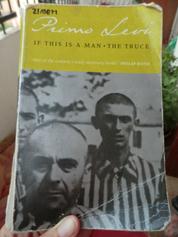
Reading is unique in that it allows us to rest in the safety of our environment, yet allows us to visit such extraordinary places and/or observe the heights, the depths and the edge of humanity. Primo Levi does it in If This is a Man: The Truce, Vaddey Ratner In the Shadow of the Banyan and Jackie Kay in Red Dust Road to name just a few.

The Industry of Souls takes place on the 80th birthday of Alexander Bayliss, a British citizen arrested for spying in the Soviet Union in the early 1950’s, who after 20 years in a Soviet labour camp, the gulag, settles in the small Russian village of Myshkino, with no inclination to return to his roots.

It was all a part of the process of rehabilitation, of making us come to appreciate that Mother Communism, that buxom, grinning, snag-toothed wench dressed in a pair of dark blue overalls, with a scarf around her head and biceps like Popeye the Sailorman, would provide for us. She was our succour and our saviour as well as our slave-mistress and superintendent.

On this day as he makes his round of the village and his friends, he remembers both his time in the village over the years and significant events of that period in the gulag, including with his friend Kirill, to whose village he returned in fulfilment of a promise. And at the end of today he will receive another visitor, a connection from that past, he long ago left behind.

For now, there is much to offer in the reading present, but having reread this favourite, I have no regrets and I hope to have encouraged a few of you to seek it out, it is well worth sinking into its depths.

It is the industry of the soul, to love and to hate;

To seek after the beautiful and to recognise the ugly,

To honour friends and wreak vengeance upon enemies;

Yet, above all, it is the work of the soul to prove

It can be steadfast in these matters…

Top Reads 2012

A near impossible task. I read so many fabulous books this year and hate to choose, however there was one outstanding read for me, that pushed all my buttons in terms of use of language, enticing me into the story, reading in wonderment at the writer’s ability to exceed my greatest reading desires.

Outstanding Read of the Year

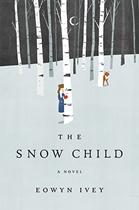
123112_1428_TopReads2011.jpgThat book was Eowyn Ivey’s The Snow Child and coincidentally, just today our Scottish friend over at TheOnlyWayIsReading wrote a magnificent review, especially poignant for male readers. Inspired by a Russian fairytale of an older childless couple who cut family ties and move to the Alaska wilderness, it is a journey of navigating the internal elements and external forces in life, where love, hope and the imagination are equally necessary for survival as the more practical resources.

Top Fiction

010212_1323_CuttingforS1.jpgThe year started on a high note and I’ll never forget New Year’s Day 2012 gripped by the powerful and realistic storytelling of Abraham Verghese, in his epic Cutting for Stone, absolutely brilliant.

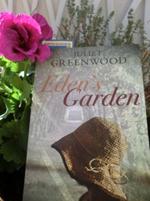
123112_1428_TopReads2013.jpgEden’s Garden is a wonderfully inspired novel set in Cornwall and Wales, following the lives of two women a decade apart, Carys returns to her hometown in Wales to take care of her mother and becomes drawn towards the garden and statues of Plas Eden and a man from her past, while Ann in Victorian London, is at a turning point in her life, destitute, far from her aristocratic past.

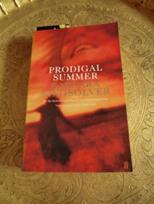
123112_1428_TopReads2014.jpgProdigal Summer was a fantastic and hot summer read, I can’t believe this book sat on my shelf for years and circumnavigated the globe with me before I finally turned its pages.

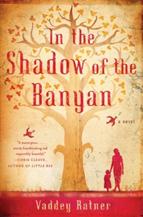
In the Shadow of the Banyan, is a fictionalised account of a period in the life of Vaddey Ratner, difficult childhood years in Cambodia under a tyrannical regime, losing members of her family, she recalls them in this heart-breaking but uplifting story which pays tribute to those who never made it and shows tremendous compassion in doing so.

Rebecca was my classic treat of the year, thanks to Joanne at The Book Jotter who sent me a copy as part of World Book Night, this has to be the most compelling, page turning classic I have read and I look forward to following it up with watching the Hitchcock film sometime soon.

Top Non-Fiction

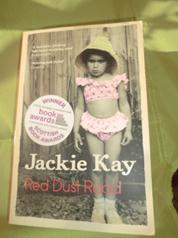
Red Dust Road crossed my path after reading a captivating interview about the poet Jackie Kay in The Guardian, inspiring me to read this memoir about the discovery of her birth parents, who could not have been more different from the liberal, Scottish open-hearted parents she was raised by. A fabulous story, so eloquently shared and a joy to learn that it has made the World Book Night list for the UK in 2013.

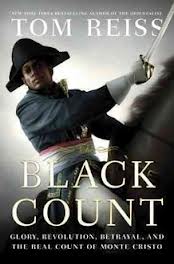
The Black CountThe Black Count was a surprise read, as I prefer historical accounts fictionalised, they tend to be more compelling and the learning aspect easier to remember than non-fiction accounts, however Tom Reiss keeps the reader interested and has written an excellent account of the revolutionary hero, General Alex Dumas – the son of a San Domingan(Haitian) slave and French nobleman. Sold into slavery himself by his father, he eventually makes it to France and rises to become a General in the French revolution, a contemporary of Bonaparte (though no friend of his), his story inspiring his son to write countless novels, including The Count of Monte Cristo.

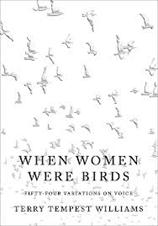
123112_1428_TopReads2019.jpgWhen Women Were Birds – Fifty Four Variations on Voice was my introduction to the work of Terry Tempest Williams, recommended by Cassie (whose review was so great, it prompted a response by the author), and gifted to me by my best book buddy and very dear friend CKC. The author is 54, the age her mother was when she passed away and left her daughter her journals. In this book, Tempest writes 54 short vignettes, trying to understand the enigma of that maternal gesture.

123112_1428_TopReads20110.jpgIf This Is A Man: A Truce – it seems appropriate to finish with this book, recommended by our Scottish friend who has just finished The Snow Child, he wrote a moving review, that left me with no other choice than to get hold of this book and read this all important humane work by Primo Levi, writing of that inhumane experience, a concentration camp and leaving us with much to think about.

There were so many memorable others, La Petite Fille de Monsieur Linh, my first read of an adult book in French; Murakami’s trilogy 1Q84, the Titanic anniversary books, my late discovery of the joys of John Steinbeck and Ray Bradbury, the tribute to Edith Wharton’s 150th anniversary with Ethan Frome and Summer, a couple more from firm favourites Susan Hill and Irène Némirovsky.

And for you? What books stood out for you in

2012?

Episode 6: Late Night Surgery, the Most Difficult Wait a New Mother will Endure

Exiting the lift, we entered the Anaethetist’s medical room and I watched as they prepared what they needed, looking confident and as if they had done this many times before, which of course they had, it was only Allia and I for whom all this was alarming and new. As they attached three new lines to Allia I noticed that each one had a small square sticky label with a different animal on it. Everything in there was so miniature, the sight of those tiny little animal figures like a kind of bait, luring one into a false sense of security momentarily. But then I saw the tiny mask and the realisation of what that mask signified gave me serious heart palpitations. My little girl had made it into this world, through all these months of waiting and had survived birth and was breathing effortlessly and now this gas mask was going to knock her out.

“Okay, I think I shoud go now” I said stumbling out of the door and into the lift and back up to the relative serenity of the nurturing Woodland Ward. I had stayed as long as I could, but I wouldn’t witness her lose consciousness, that I just couldn’t bear. We then waited in what seemed like and probably was the longest day of my life. Allia had been born on that very same day at 5.16am and we would wait there until after 11pm for the doctor to report back to us.

He returned alone. It was then I understood that Allia would not be coming back to this serene ward.

“She’s okay” the doctor said. He spoke softly and quietly. “She has been taken up to the intensive care ward and you will be able to see her tomorrow. We will try and organise a room for you here then” he said looking at me, “but for now she is being taken care of and the best thing would be for you to go home and get some rest.”

It was both a relief to know she was okay and an anti-climax because we couldn’t see her. I tried not to allow the nagging fear or was it paranoia that he was hiding something or protecting us from something engulf me. A mother in a state of distress has such fine-tuned nerves she picks up on everything. The wild animal instinct in me was sensitive to every word and gesture, trying to read behind every intention in this strange unfamiliar territory.

Everything comes as a surprise when we are so focused only on what is happening right now. With the benefit of hindsight, I see that all these small shocks and surprises are the things that create anxiety in the lead up to knowledge about out what is going to happen next. But the maternal instinct is a wonderful shock absorber and close to the survival instinct I am sure.

Which is just as well, because no one can warn you that will only hold your baby for a short while after birth, that she will be taken away and put in a different ward from you, that she will go to another hospital without you, that they will ask for your consent to perform surgery over the telephone and then tell you it’s better for you to stay where you are and rest, that you will escape the hospital to follow your child, not even knowing the address of where she is, that you will wait four hours for an operation to be performed and you won’t see your baby afterwards and that you will find yourself walking out into the dark streets of London just before midnight on the same day that you first gave birth, looking for a taxi that won’t appear in the freezing cold of a late November winter, that the taxi you eventually find will throw you around its back seat violently as it turns corners, accelerating into each street, that you will be too tired and stunned to even protest as the physical pain of what you have endured finally overpowers the drug-like effect of whatever bodily hormones have up until now been providing you with some measure of pain relief.

As we left the hospital to search for that taxi, the nurse insisted that I sit in a wheelchair.

“It’s been a long day and your body also needs to recover” she said.

Next Up: in A Silent Education: Our Quiet Challenge in Provence

Episode 7: The Verdict, The Recovery and Home Just in Time for Christmas

Previous Episodes

Introduction

Episode 1: The Benefits of Insomnia

Episode 2: We are not Living in France!

Episode 3: The Benefits of Contra-Indicated Essential Oils

Episode 4: Where’s My Baby and Why Isn’t She With Me?

Episode 5: GOSH: Where Peter Pan’s legacy resides, a kind of Neverland

Episode 4: Where’s My Baby and Why Isn’t She With Me?

We laughed as the doctor left the room and I tried to remember how to breathe.

I even slept a little throughout that long night until around 5am when we reached the moment when the baby finally arrived. A beautiful tiny baby girl, an almost pained look of relief on her face, happy to have escaped I thought, or is it the other way around, I wonder, pained by that physical confrontation of birth into our harsh world? I only held her for a short while before she was taken away to be further checked, taken to a ward on another level.

We knew that there was a problem in the intestine, the hospital had picked it up at 22 weeks after the scan revealed fluid in the intestine making it balloon slightly. Due to this effect, they had been able to observe peristalsis, the smooth muscle contraction of the intestine wall, which moves food or liquid along the intestine. Ordinarily, we should not be able to see this, but if there is some kind of blockage, it is possible to observe.

It had caused us significant anxiety, particularly because the doctor could neither guarantee nor predict an outcome. There were two options he had said. Either the baby will require an operation immediately after birth, or you will take the little one home and at some time in the near future it will be necessary to return to the hospital, because it will be a problem for him or her to keep food down. In this case, the baby will vomit continuously because the bowel will have ceased to function.

We preferred that the problem be dealt with as soon as problem, but we were not given sufficient information to feel in any way empowered to make any kind of decision. So it often is with hospitals, perhaps believing that too much information can only increase anxiety, it seems as if they withhold it. I’m not so sure it’s a good strategy, being aware of one’s ignorance and feeling powerless are more painful symptoms of anxiety than the harsh dose of reality, complete information might bring, at least in my mind.

I mean, why send a baby home and wait for something terrible like that to happen? What were the risks of the operation? Every question always ended with “It depends. We can’t know exactly until we can see inside.” There was no reassurance, we just had to wait and so I had tried not to absorb too much of the anxiety already flooding through my veins.

Now that the moment had arrived, they seemed to be acting quickly, there was no suggestion of any “wait and see” now. The baby was gone, they’d cleared her breathing passages, shoved a tube up her nose, tied off her umbilical cord, weighed her and taken her out of the room. I know I did get to hold her, but I have no memory or feeling of the bliss of holding my baby after birth; the rush and feeling of panic and anxiety obliterated all that and I only remember the helplessness of not being able to follow and wanting to make sure that someone who I knew and could trust would keep an eye on my baby girl. I hadn’t held her long enough to even remember what she looked like!

The baby is in the post natal ward they told me. I sent Susan immediately to go and find her, I was too weak to get out of bed, but I was desperate for someone to go and see my daughter, to find her and tell me that everything was okay.

“She’s okay” said Susan. “She’s downstairs in an incubator and she’s quiet, you can go and see her once you are up and showered.” I dragged myself to the shower, washed then went down to the ward to see her for myself. There was a place to insert my hands but I couldn’t actually touch her. Barriers, barriers, I sent her all the love and maternal energy my heart could generate; I sent it to her in abundance, through my mind, my heart, my hands, from every cell in my entire being. And I decided to call her Allia.

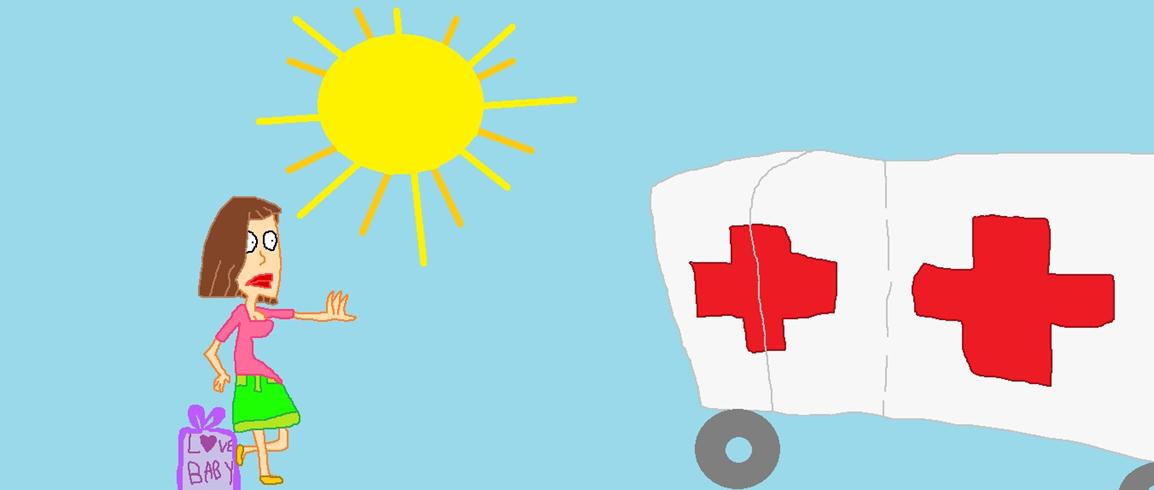
The nurse came to tell me that Allia would be transferred in a few hours to Great Ormond Street Hospital. She advised me that she would be transported in a specially equipped ambulance designed for babies.

“It is not possible for you to travel with the baby” she continued. “It would be better for you to stay here for the night, you need to recover. Your baby will be okay.”

My baby would be okay she had said. I was not okay. I did not want to be there alone, I did not care about recovering, I wanted to be with her, she needed me, she was about to face something drastic and invasive and they were recommending she do that alone, without me even being in the same building.

I told Susan to go home and get some rest. Other people came to visit me and were shocked to find me there alone. I hated lying there watching the other women with their babies, feeling as if I had abandoned my own, powerless to have kept her. I remembered that my husband was due to arrive back in London that day. We had been unable to reach him.

Someone called from Great Ormond Street Hospital to ask me for parental consent to conduct surgery on our daughter.

“Ordinarily, we would get you to sign a consent form, but as you are not here, we need to get your permission over the telephone” the Doctor explained.

“When will the operation be?” I asked.

“At about eight thirty this evening” he answered. I looked at the clock; it was nearly 6pm already.

“Wait” I said, “I’m coming now.” I went back to the ward to find my husband and my Aunt waiting there for me.

“I need to get out of here” I said. “They’re going to operate on her in two hours and I’m not waiting here while that is about to happen.”

“I’ll take you in my car” said my Aunt. I grabbed my things and the three of us sped out of the Royal Free Hospital and raced towards Russell Square to Great Ormond Street Children’s Hospital.

Next Up in the mother/daughter collaborative story A Silent Education: Our Quiet Challenge in Provence

Episode 5 : GOSH – A Kind of Neverland

Previous Episodes: Introduction

Episode 1: The Benefits of Insomnia

Episode 2: We are not Living in France!

Episode 3: The Benefits of Contra-Indicated Essential Oils

1Q84 The Finale

Foyles bookshop, Southbank Centre, Royal Festival Hall, London

It’s been a busy month and my reading has suffered for it, not to mention having to take a break 400 pages into a historical novel about the French revolution, but a visit to London and another wonderful bookshop, Foyles on the Southbank helped, tempting me with Book 3 of Murakami’s trilogy and promising to be even more of a page-turner than the first two books.

If you haven’t read it already, I suggest you begin with Book 1 &2, which I read in the summer and review here.

In essence Book 1 and 2 follow the lives of the two main protagonist’s Aomame and Tengo, who were in the same class at primary school, twenty years before the episode the book narrates occurs.

In these first two books, we follow the two characters into the alternative world of 1Q84, where everything appears normal, until they notice the presence of the two moons. Tengo has ghost-written what he assumes is a fantasy novel, however the presence of the two moons suggests otherwise. Aomame is a sports instructor with a penchant for carrying out untraceable acts of revenge.

By Book 3, we are just waiting for these two to meet as they seem to be on a collision course for doing so and Murakami seems to delight in teasing the reader, as this reunion almost happens on more than one occasion. He adds tension and pace by introducing Ushikawa, a private investigator searching for leads after the murder of the leader of a cult, an act that has yet to become public. He has sniffed out a connection between the two, before they have realised it, Tengo and Aomame are relying on and following an instinct, Ushikawa deals only in facts and is closing in on them both.

In times like these Ushikawa didn’t like to have a set objective. He let his thoughts run free, as if he were releasing dogs on a broad plain. He would tell them to go wherever they wanted and do whatever they liked, and then he would just let them go. He sank down into bath water up to his neck, closed his eyes, and, half listening to the music, let his mind wander.

Yet again, I am in awe of the grand imagination of Haruki Murakami in conceiving this extraordinary plot and notice once again the mirroring effect in the separate lives of two characters who have not yet met up and yet who encounter equivalent or parallel situations. I am sure I am only skimming the surface of what lies beneath this narrative, but it was a joy to find Book 3 as enticing as and perhaps even more exciting than the book preceding it.

Episode 1: The Benefits of Insomnia

Episode 1: The Benefits of Insomnia

Emily tells me she only sleeps for two hours at a time at night. She is conditioned to wake up. The words still fresh in my mind from the young pregnant doctor in Mike Leigh’s thought-provoking film Another Year, I listen to them again as they spill from my lips.

‘Insomnia is not an illness, it is a symptom.’

Emily lived at sea on a forty-foot sail boat for six years, so I’m not surprised it’s taking her body a long while to readjust, that and the unfortunate hostage experience which ended it all, her life spared but not her boat.

Seize an Insomniac Moment

Not only am I not an insomniac, I rarely dream or recall them, something Emily tells me she practises every night in the constant presence of her mother, a woman who hasn’t lived for more than eleven years now. I think about that and conclude that my days are so filled with dealing with the ever demanding present, that my mind must spare me from such night journeys into a fabricated past or alternative future. I know that when I do remember a dream, it is often worth writing down, such is its novelty.

Uncharacteristically, I couldn’t sleep this morning so I was doing what I do when I’m neither dreaming nor sleeping, having wake-dreams, which aren’t really dreams because I am consciously imagining them, creating dream-like semi-realistic scenarios.

In this morning’s dream scenario, I was writing this story in my head and thinking how sad it is that I don’t have the time I had when I first arrived in France, to spend endless hours writing, reading and learning from them both.  And then I thought Insomnia! Wouldn’t it be great if instead of lying here thinking about it, I raised this dormant body and took it off to write.

The story has reached a significant turning point so we are sharing it while it remains in the present and is not relegated to a distant nostalgic past, when I will no longer be thinking about it in the same way and unlikely to be dreaming either.

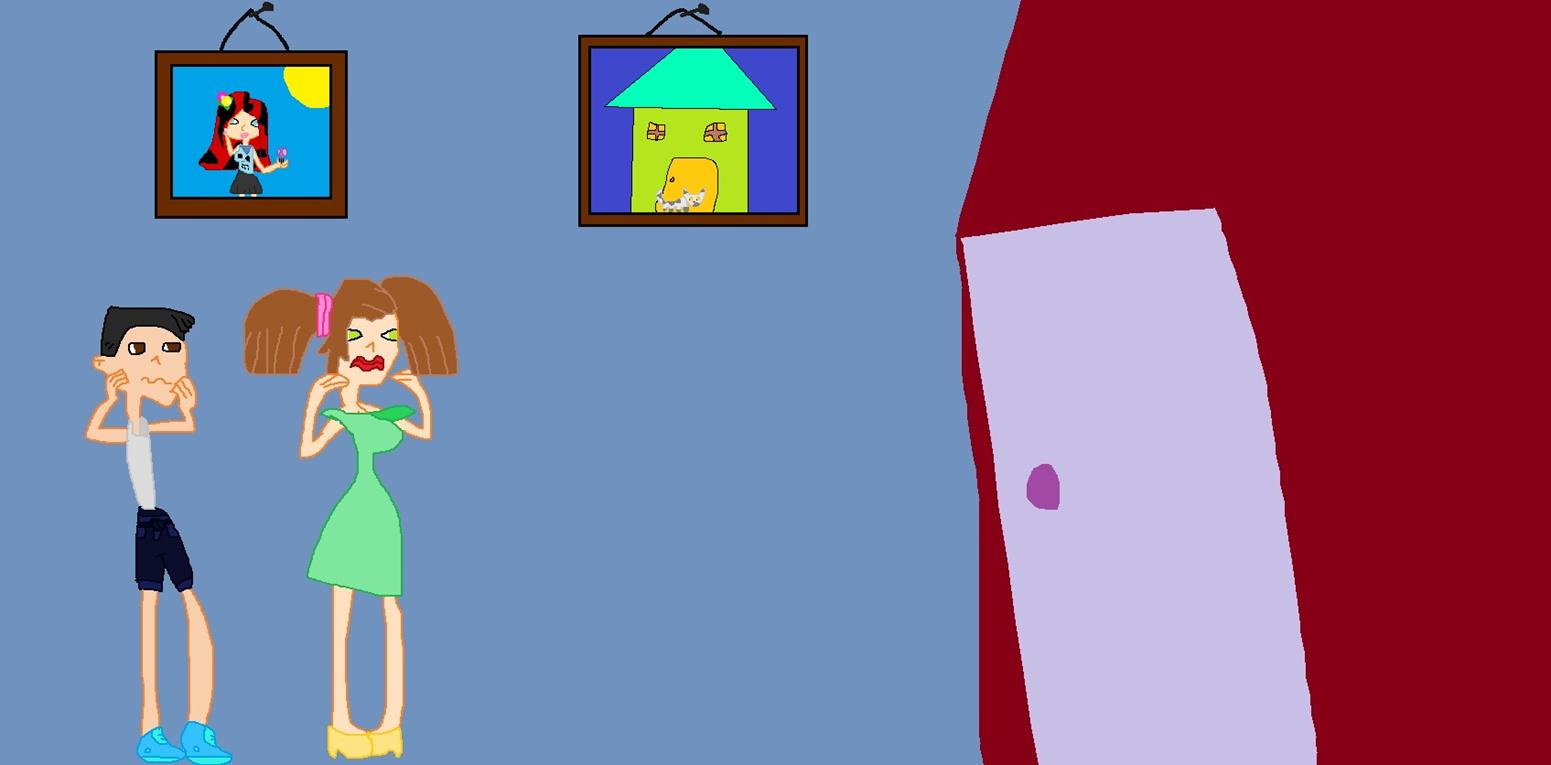
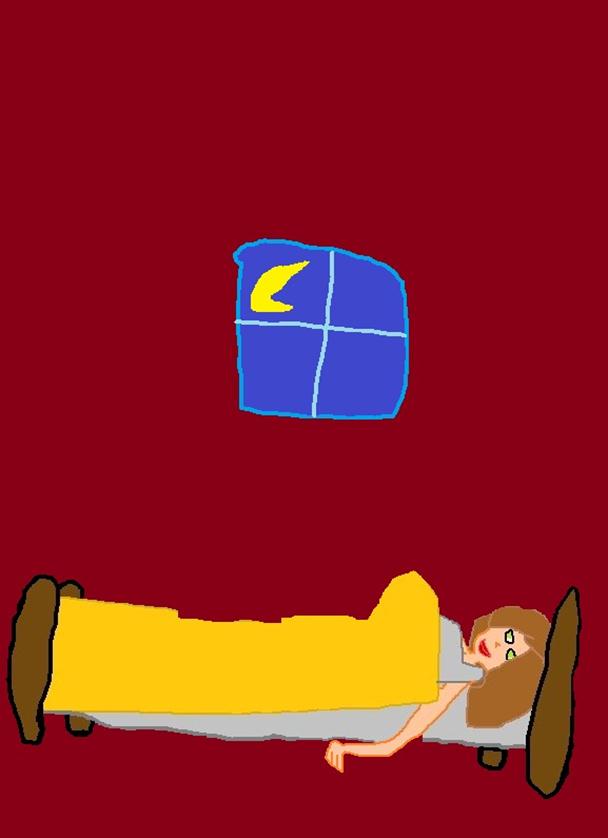
And now my daughter is collaborating, depicting my not sleeping state seconds before seizing that opportunity of a rare insomniac moment.

Next up:

Episode 2: We are not living in France!

 of A Silent Education: Our Quiet Challenge in Provence

Previous Episodes:  Intro