Black Woods Blue Sky by Eowyn Ivey

A new novel by Eowyn Ivey is like no other anticipated novel for me. I still remember the effect of reading her debut The Snow Child, my One Outstanding Read of 2012 and now with Black Woods, Blue Sky, she has created that magic again.

It is extraordinary.

No Madeleine in Sight

The title is a reference to this quote from Marcel Proust:

Black Woods Blue sky by Eowyn Ivey book cover, the words a reference to Proust, the cover shows black tree trunks and a blue background, behind a tree a standing bear, his shadow is the shape of a man

Now are the woods all black
but still the sky is blue
May you always see a blue sky overhead
my young friend
and then
even when the time comes
which is coming now for me
when the woods are black
when night is falling
you will be able to console yourself
as I am doing
by looking up to the sky.

A Nature vs Nurture Conundrum

On the cover, we see the blue sky and the black woods and an image of a standing bear, whose shadow is a man.

It is the story of troubled Birdie, her six year old daughter Emaleen and a reclusive character Arthur, who Birdie is entranced by. In the opening scene Birdie awakens with a hangover, goes off into the woods with a fishing line, leaving her daughter alone sleeping, forgetting to take her rifle.

The large more fearsome grizzly bears were rarely seen, leaving only paw prints or piles of scat in the woods. But now and then, a bear would surprise you. They were too smart to be entirely predictable.

This entire scene is a foreshadowing of the novel, of the attempt of a young, single mother to do right, who doesn’t have sufficient awareness of certain red lines she should not cross, which have nothing to do with the depth of love she has for her child and the determination to do better than how she was mothered.

Though she doesn’t yet know him that well, and despite his odd way of being and other clues that might make her question going off to be with him, she and her daughter depart for the cabin in the mountains where Arthur dwells, not realising they will be living off the grid.

Arthur has some strange tendencies that Birdie tries to understand. Emaleen understands more than her mother and is both sympathetic to him and afraid of him.

The Alaskan Wilderness, Beauty and Bears

Photo by Francisco C. Castells on Pexels.com

The novel charts their relationship and brings the Akaskan landscape and botanical life alive, in all its beauty and bite.

The novel is told in three parts, each one introduced with a black and white pencil illustration of a native Alaskan plant, one that symbolically has something to say about what will pass.

It is also a study in the nature of the bear, of the similarity of some of their their instincts to humans.

A sow grizzly appeared to care for her cubs with the same tender exasperation as a human mother, and when threatened by a bear twice her size, she wouldn’t hesitate to put herself between the attacker and her offspring. She was the most formidable animal in all of the Alaska wilderness, a sow defending her cub.

In the Wilderness Pay Attention

While the initial period of their stay is encouraging, the signs of discontent are already present and like Icarus who flew too close to the sun, Birdie’s judgement is impaired.

It was impossible, what Birdie wanted. To go alone, to experience the world on her own terms. But also, to share it all with Emaleen.

Photo by Pixabay on Pexels.com

In an attempt to try and appease Birdie, he suggests she takes a day to herself, to be free as she desires. All is well until she is lured by shrubs of blueberries that lead her off course, or was it when she stepped into a ring of mushrooms igniting an age-old curse.

Don’t you dare go blundering into it. That’s what Grandma Jo would say. Witches and fairies danced in a circle here on moonlit nights, the mushrooms sprouting up where their feet touched. If you trespassed inside the circle, they would punish you. You might be forced to dance away the rest of your life in the ring, or, if you escaped, the curse would follow you back home and weave mischief and sorrow through your days.

The novel has a strong element of suspense at the same time as it explores the effect of decisions made by adults on children, on the things that might be overcome and others that are unlikely to. Every character carries something that contributes to our understanding of the story and the responses of the little girl Emaleen highlight much that demands our attention.

Autobiographical Elements

Eowyn Ivey describes Black Woods, Blue Sky as her most personal yet and the most important story she has ever told, with Emaleen being the closest to an autobiographical character she has written. It is a story the author had been trying to figure out how to write her entire life, as she wrote into ‘the darkest fears and most magical memories of childhood’, while demonstrating how people’s choices have a ripple effect through time.

“…the little girl’s fear and sense of magic, the feeling she loves about being so far out in the wilderness of Alaska, but also the thing she is afraid of, that is all directly from me”

It is a heart-stopping, captivating read, unpredictable and nerve-wracking in parts and yet we are able to bear witness, knowing we are safe in the hands of an empathetic, nature loving author, whose authenticity and understanding of human nature resonate throughout the text. Just brilliant.

If you enjoyed The Snow Child, you will love this too. If you haven’t read Eowyn Ivey yet, you’re in for a treat.

Outstanding. Best of 2025.

Author, Eowyn Ivey

Eowyn Ivey is the author of The Snow Child, an international bestseller published in thirty countries, a Richard and Judy Bookclub pick, a finalist for the Pulitzer Prize, and winner of a British Book Award.

Her second novel, To the Bright Edge of the World, was longlisted for the International Dublin Literary Award, shortlisted for the Edward Stanford Travel Writing Award, and was a Washington Post Notable Book.

A former bookseller and reporter, she was raised in and lives in Alaska.
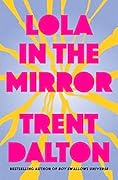
Lola in the Mirror by Trent Dalton

In 2024 I was recommended a book by a family member, who went to an event and heard the author tell the story of his childhood and this novel he wrote called Boy Swallows Universe. Barely a week after this conversation, a friend arrived in my hometown of Aix en Provence, from Australia, pressed this book into my hands and said “You have GOT to read this!”.

Yes, you guessed right, it was Boy Swallows Universe by Trent Dalton and I reviewed it here.

That book was published in 2018. I then saw there was another book about to be published called Lola in the Mirror, which some reviewers described as being even better than the debut novel. On reading about the inspiration for the novel, I decided to get a copy.

Love Stories and a Typewriter

Trent Dalton spent 17 years writing social affairs journalism across Australia. He had his own troubled childhood and upbringing, but he also witnessed and wrote about the situations of so many others, driven by the question; how was it that 120,000 people slept rough every night in one of the brightest, most fortunate countries in the world?

It is this question and the stories shared by the many people he has met over those years, that inspired him to create this latest story Lola in the Mirror.

Frank and Heartfelt

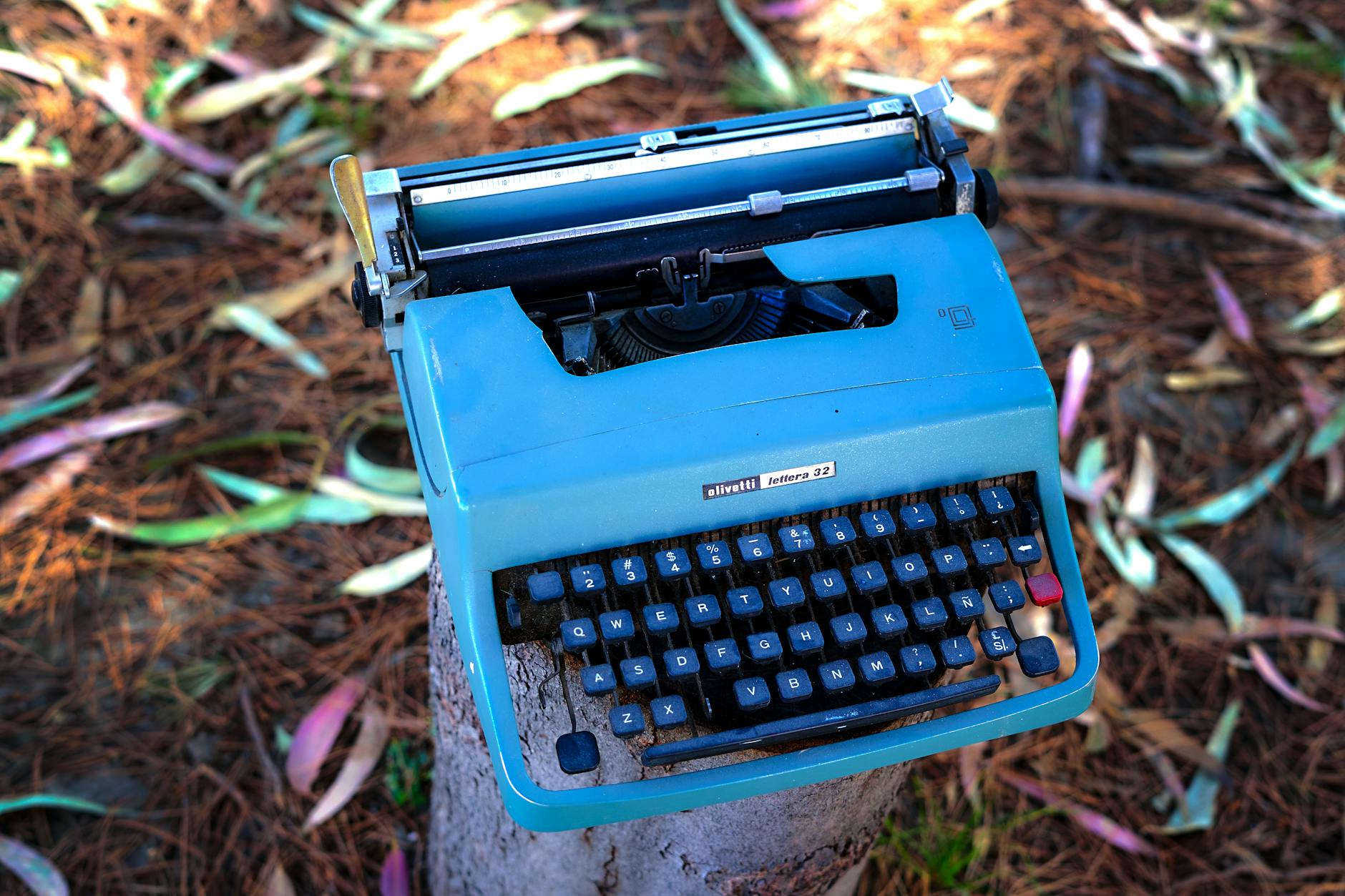
One of the people he was inspired by and wrote about, was Kathleen Kelly, the mother of a friend of his, who passed away on Christmas Day 2020. His book Love Stories is dedicated to her and prefaced with a letter written to her, typed on the sky blue Studio 44 Olivetti typewriter she bequeathed him.

In a letter to Kath, he writes of her memorial service:

Photo by Adriel Macedo Pexels.com

Greg spoke of you and your beloved Olivetti Studio 44 typewriter, the sky-blue one that you’d been tapping on since the early 1970’s, writing fiery letters about woman’s rights and human rights and doing life right to politicians and principals and popes. He spoke about the letter you wrote to the Catholic Leader in 1970, railing against Canon Law demanding the covering of women’s heads in church. You were furious and brilliant.

After the service, Greg tells Trent that his Mum cut out all the stories he wrote and made scrapbooks that documented her life and all that was important to her and that she wanted him to have her typewriter. Being the honour that it was, Dalton wanted to do something special with it, to write something filled with love and depth and truth and frankness and heart because that’s how Kath was.

I told Greg I wanted to walk through the streets of Brisbane’s CBD (central business district) for two months asking random strangers to tell me love stories. I told him I then wanted to sit two for weeks straight with the Olivetti on the corner of Adelaide and Albert streets, on the edge of King George Square, and ask random strangers to stop and tell me more love stories, and then I wanted to write about all those love stories on your beautiful Olivetti.

Those two months of listening to people tell their stories of love, loss and belonging were research for this story of Lola, frank, fearless and full of heart.

Lola in the Mirror

Lola in the Mirror is a riveting, page turning novel that gripped me from the opening pages and never let go. It is a whirlwind of risk and adventure, an exploration of friendship, loss, perseverance and the resilience of the human spirit to not give up on a dream. It is a challenging coming-of-age story of an innocent girl who desperately wants to know who she is and rise above her situation.

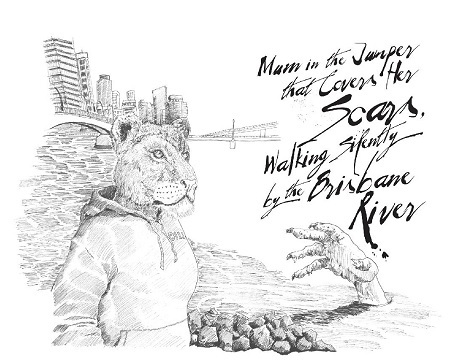
The novel opens with a black and white illustration entitled ‘Escaping the Tyrannosaurus Waltz‘, the dance of mothers and their monsters, or the dark shadow of domestic violence, something Dalton recalled about his own mother, who often had to choose between homelessness or ‘the monster’, a terrible choice faced by many women in Australia, for whom domestic and family violence is one of the leading causes of homelessness.

The artist is a 16-year-old girl, she and her mother are on the run, they have been for all her life. The girl does not know her own name, because it’s too dangerous, but her mother promises to reveal things to her soon, when she turns 18, because then she will be free to make her own choices.

Houseless not homeless

The girl does not describe herself as homeless, the two live in a van with four flat tyres parked in a scrapyard by the banks of the Brisbane River. There is a community of friends who live in similar circumstances, who look out for each other and this girl has a dream of a future life that will be different to how she lives now. For now that scrapyard home is her sanctuary, where she can dream up the best version of herself.

For a start, I ain’t homeless, I’m just houseless. Those two things are about as different as resting your head on a silk pillowcase and resting your head on a brick.

As this girl navigates her life in search of who she is, she comes across a mirror that she takes home, and after a period when the mirror cracks, something magical happens, half the mirror shows her legs and the other shows a dressed up woman in different world cities, who converses with her.

She wants to see her face, but she always has her back to her. She calls her Lola. Lola’s presence keeps her curious, keeps her coming back and looking in the mirror, gives her reason to keep dreaming. She is like a pulse on her mood, on her self-belief.

“Mirror, mirror, on the grass, what’s my future? What’s my past? … Mirror, mirror, please don’t lie. Tell me who you are. Tell me, who am I?”

The storytelling is incredible, the characters are fully formed, and the depiction of the city, the river, the bridges is visionary. You cannot read this book and not care about what happens to this girl or get hooked into wanting to know how she gets in and out of various situations. It is mystery, adventure, crime, psychological suspense and love story rolled into one. The best kind of holiday read ever.

When Life Connects With Art

Photo by Samantha Samantha Gilmore on Pexels.com

I took this book on holiday with me to Australia, figuring I would read it there and leave it behind. It is set in Brisbane which is where I flew into, although I was staying much further South. On the day I started reading, my son was due to fly back to France. I sat in the passenger seat of the car as we drove to the airport. This time, we took a different route and suddenly we were driving alongside the CBD and there were all these bridges and a glimpse of Victoria Park and the mighty river.

When I got back to my book later in the day, on page 45, I read descriptions of exactly the same places we had just driven past. It was surreal, to move from the imagined place to these live flashes of what I had just seen. It brought the story to life and for the rest of the novel, those images kept recurring. I have always been a fan of reading works set in the places I travel to, and I’m glad I read this one in situ as well.

The Artwork

Throughout the novel are a number of superb illustrations, which both tell parts of the story and also suggest a future life of the girl artist. Each drawing is followed by an imagined art critic review in a black box, as if it were being displayed at an exhibition at the Metropolitan Museum of Art, the commentary describing what the artist is representing in the illustration.

Of course, I became curious about the actual artwork and skipped to the back of the book to look up the story behind it. It’s a good one.

Trent Dalton, Author

Trent Dalton is a two-time Walkley Award-winning journalist and the international bestselling author of Boy Swallows Universe, All Our Shimmering Skies, and Lola in the Mirror. His books have sold over 1.3 million copies in Australia alone. He lives in Brisbane, Australia, with his wife and two daughters.

Lola in the Mirror is for anyone who ever felt like they were going to collapse under the weight of sorrow. The book is also for all those beautiful souls who help us carry that weight. It’s an art story. It’s a crime story. It’s a mystery novel. And it’s a life story. I hope people will read this, get to the end and realise why I wrote Love Stories and sat on a Brisbane street corner watching people and asking them about love, loss and belonging for three months.

heart, be at peace by Donal Ryan

It has been 10 years since The Spinning Heart (my review), and in this small town in rural Ireland, County Tipperary, not a lot seems to have changed, or maybe it has. Previously it was economic collapse, lack of employment, toxic masculinity and how the actions of one man affected a community.

In Donal Ryan’s heart, be at peace we meet many of the cast from the past, another 21 voices some years further on, with a new set of troubles affecting the community.

Some are faring rather well financially, but not everyone is happy about the activities they are involved in and their loved ones who might be affected. Suspicion, mistrust, grief, regret prevail and all manner of connections have been formed and remade.

Births, Deaths and Estrangements

One of the most intriguing characters that I could have happily read a novel on and one of the few characters that does stand out was Lily, described as a witch by training and a whore by inclination, estranged from her son, then made up over her granddaughter Millicent who turns up at her door one day.

Having the gift of insight, she can see her granddaughter will find little solace with the boy she’s seeing. When she asks her granny for a spell to bind him always to her for fear of losing him, she knows there will be trouble ahead.

I explained to her again that the spells weren’t real magic, that the power of them was already inside the people who wanted them, the spells just allowed them the use of it, that the magic was in their faith that the magic would work and she screamed at me then, That’s what I want, Granny, that’s what I want, to have faith that he’ll always love me, that he’ll never leave me. I can’t bear the thought of losing him, of some other bitch touching him. He’s MINE, Granny, he’s mine.

A Chorus of Voices

The way the novel is written with short chapters from multiple character viewpoints, we can only discern what happens next to some of those we meet along the way, as we imagine the implications of all that is revealed. It is a novel that might be better understood after multiple readings, as it takes some work to connect and reconnect the different voices. It’s a kind of fly-on-the-wall polyphonic chorus.

In a way, the novel reading experience is like being in the presence of a community but not really knowing them, observing for a while reveals some connections but not others.

Some men can lie with such ease that they quickly begin to believe themselves, and so in a way their lies become truth and their sin is expunged.

21 voices a community in Tipperary follow up to The Spinning Heart

I have a few of Donal Ryan’s novels and I do recall having a little difficulty with his Booker longlisted debut mentioned above, and then absolutely loving All We Shall Know (reviewed here), then not being impressed at all by Strange Flowers. So a bit hit and miss for me, but one I’ll keep reading as he seems to have his finger on the pulse of contemporary community issues.

I enjoyed heart, be at peace and its themes, but it is a novel that is unlikely to stay with me due to the vast cast of character voices that too often became indiscernable for me.

Author, Donal Ryan

Donal Ryan is an award winning author from Nenagh, County Tipperary where this latest novel is set. His work has been published in over twenty languages to critical acclaim.

heart, be at peace won Novel of the Year and the Overall Grand Prize of Book of the Year at the An Irish Book Awards in 2024, described by the Irish Times an “absorbing, emphatic story of a community in trouble”

Maria Dickenson, Chair of the Judging Panel, said:

“Heart, Be at Peace was the unanimous choice of the judges from among the fantastic array of titles shortlisted this year. Donal Ryan’s writing has earned him a place among the greatest names in Irish literature and this lyrical novel speaks to the very heart of modern Irish society. Weaving twenty one voices together, Ryan portrays the passions, frailties and sorrows of one Irish town with compassion and clarity. Heart, Be at Peace is a masterful achievement and we congratulate Donal warmly on winning this award.”

The Cemetery of Untold Stories by Julia Alvarez

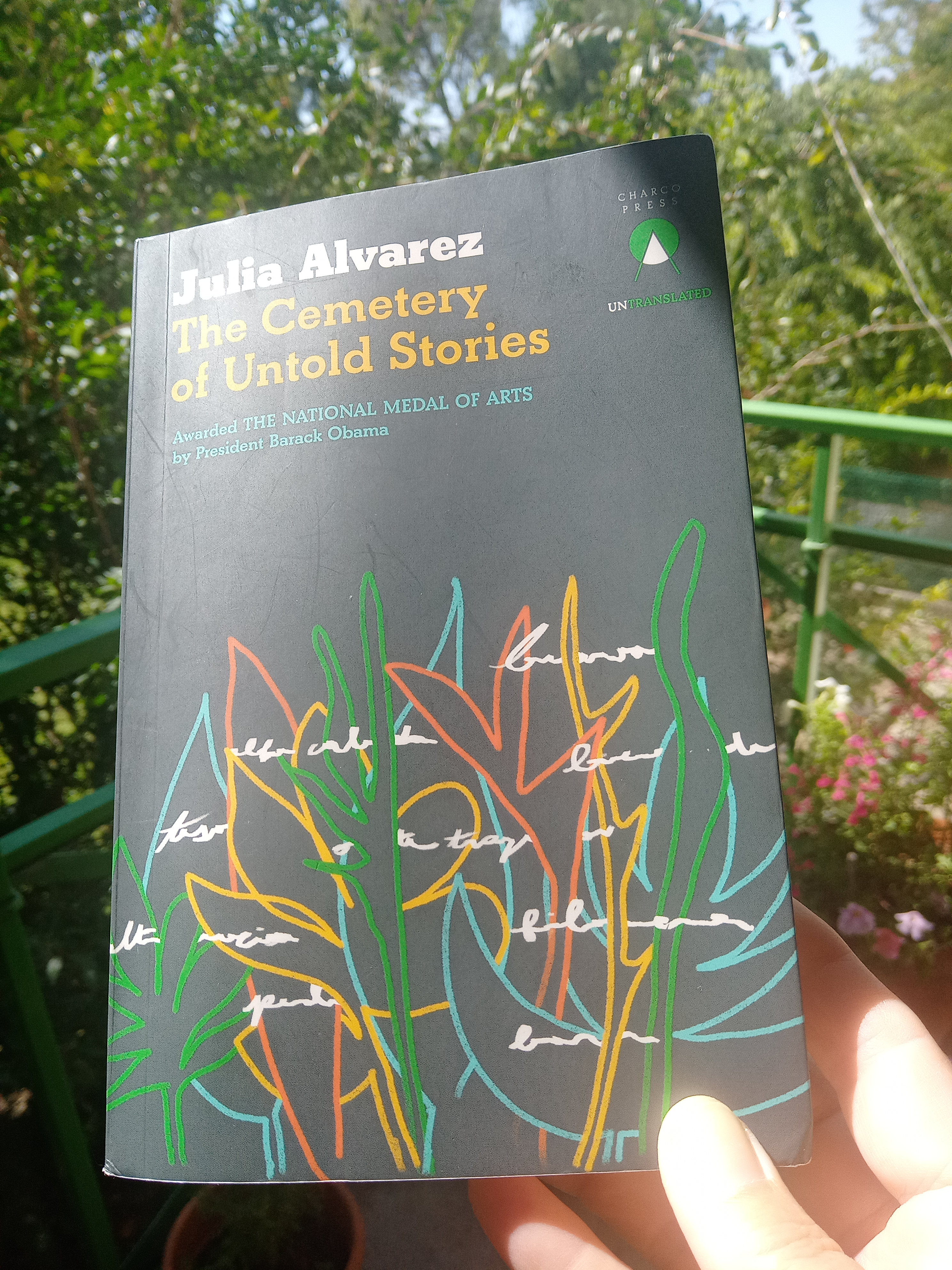
The Cemetery of Untold Stories by Julia Alvarez is part of the Charco Bundle 2024 Untranslated series. Most of the Charco books are works of Latin American origin translated into English.

Julia Alvarez was born in New York City, the second of four daughters. Moving back to the Dominican Republic shortly after her birth, her family were forced to flee ten years later due to her father’s involvement in an underground movement to overthrow the oppressive dictatorship of Rafael Trujillo, who maintained control of the country for 31 years.

Reading The Cemetery of Untold Stories very quickly pulled me in and gave me the feeling I would often encounter when reading works by other woman writers from the Caribbean, like Maryse Condé’s Victoire: My Mother’s Mother, Simone Schwartz-Bart‘s The Bridge of Beyond, Cristina García’s Dreaming in Cuban.

There is something unique to their storytelling that expands beyond our known reality, that embraces the imagination, allowing it a glimpse of another dimension of perceiving that is good hearted, that exists to open minds, bring awareness and healing.

We know we are going there, because the opening chapter entitled Let’s go to Alfa Calenda is a version of that place.

Half the time Papi didn’t even know where he was. What was the harm in pretending? We’re going to Alfa Calenda, they told him as they packed up his belongings, put the house on the market, and boarded the Jet Blue flight to JFK. Just the mention of that fantasy place he’d invented with his mother seemed to soothe him. His personal Shrangri -la-la land, his daughters had dubbed it.

Alma is a writer at a turning point in her life/career. She and her three sisters live in the US and their lives have converged after the recent deaths of both parents in short succession. When their father dies, they discover that he owned many small properties in the Dominican Republic. Unable to find a fair way to apportion them, they decide to draw lots (a mediator’s suggestion), Alma draws the first lot and chooses a wasteland near a dump, on the outskirts of a barrio, then withdraws from the selection process. Closing in on her own latter years, she decides to return to her native land and bury her unfinished stories.

Should Alma follow in her parents’ footsteps, she’d be much better off in her native land. Even if it wasn’t first rate in terms of social services, that world had been her first world: her senses, her body’s rhythms, her psyche were all steeped in it. The weather, the smells, the sound of Spanish, gestures understood without explanation. Life was also cheaper there.

Alma is going to put her stories to rest, stories she has abandoned, failed to bring to life. This new development has given her a project, crazy as it sounds to her sisters. She needs a collaborator and remembers her friend Brava, she won’t judge her new ambition.

Like her art, Brava’s personality was larger than life, a fireball throwing off sparks. None of the anguished and torturous revisions and self-doubts that beseiged Alma.

They will build a cemetery for characters of Alma’s untold stories, a gallery to Brava’s art.

Alma is a curiosity to the residents of the barrio, all kinds of rumours circulate when the bulldozers arrive.

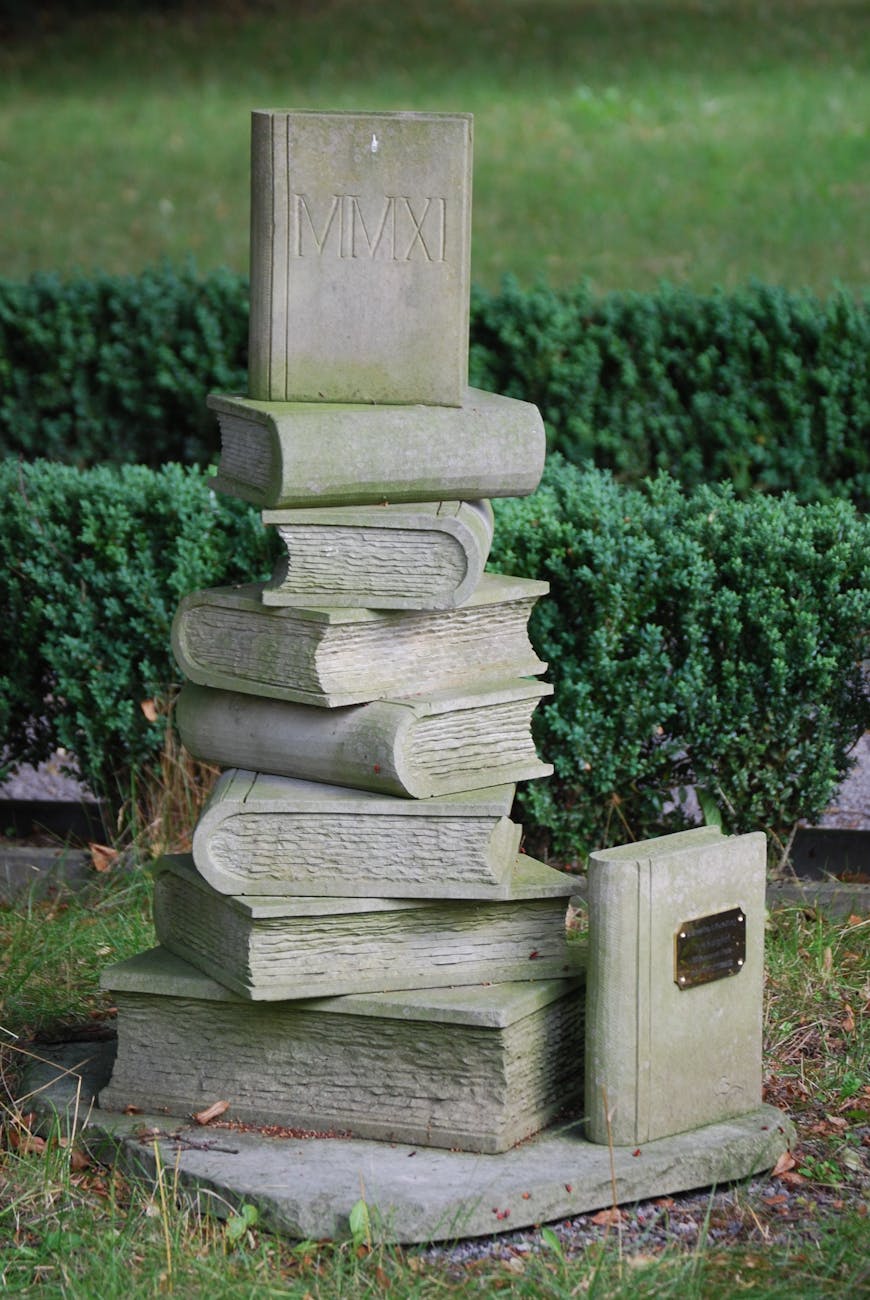
A sign goes up on the wall at the main gate. EL CEMENTERIO DE LOS CUENTOS NUNCA CONTADOS. A cemetery for untold stories. The only way to enter is to speak into a small black box at the front gate. Cuéntame, a woman’s soft voice requests. Tell me a story. Only then does the door open, or not.

Photo M. van Duijnen Pexels.com

As she builds her cemetery and buries her boxes of manuscripts, different members of the community enter her life through their own stories and the neglected buried characters begin to reveal more about theirs, defying the author and rewriting their fates. Her helpers don’t always follow her instructions.

Alma pulls Brava aside. What’s going on?

El Baron is the boss of cemeteries, Brava explains. The deity who allows passage between the worlds. The first tomb always belongs to him.

The stories reveal themselves, as do the characters who enter the cemetery, looping in on themselves and making what might have been judged, better understood. It asks the question of whose stories get to be told by who, to whom and which stories are better buried.

It is also about listening, imagining, seeing differently, knowing when to speak up and when to stay quiet. It is a quiet celebration of stories, storytelling and the inspiration behind characters who might not always have had a voice.

Did these things really happen?

That isn’t the point, Pepito explains. These stories are about real passions in people’s hearts. They tell of all that is possible.

Julia Alvarez is a long accomplished author and while clearly this is a work of fiction, it often made me wonder about aspects of her own life, as it felt as if it dipped in and out of the familiar, (a successful Dominican Republican writer in the latter years of her career) while carrying a warning about a writer’s obsession to complete the unfinished.

I loved this novel and I am very happy to have encountered Alvarez for the first time, knowing there is a promising backlist to explore. It is always a pleasure to discover another of those unique voices with connections to that Caribbean storytelling culture that I so adore. Incredibly, though her 7th novel, it is her first to be published in the UK. It feels wrong to be starting at the end, but it also is a novel that begs to be reread, to be even more deeply understood.

Have you read any of Julia Alvarez’s works? If so, tell us your favourite in the comments below.

Further Reading

New York Times Review: A Novelist Comes Home to Bury Her Words, and Brings Them Back to Life, by Luis Alberto Urrea, April 2024

Interview: Following the screening of Julia Alvarez: A Life Reimagined, by Mikaela Lefrak, 6 Sept 2024

Documentary: American Masters (PBS) Julia Alvarez: A Life Reimagined (Premiere 17 Sept, 2024)

Author, Julia Alvarez

Julia Alvarez has written many bestselling novels including: How the García Girls Lost Their Accents (1991), In the Time of the Butterflies (1994) (considered her masterpiece), ¡Yo! (1997), In the Name of Salomé (2000), and Afterlife. She has also written collections of poems, three works of non-fiction, and numerous books for young readers. The Cemetery of Untold Stories is her most recent novel. She is currently assembling “Visitations,” a collection of poems, to be published in 2025.

The immigrant experience and bicultural identity is the subject of much of Alvarez’s fiction and poetry. Her awards and recognitions include the Pura Belpré and Américas Awards for her books for young readers, the Hispanic Heritage Award, and the F. Scott Fitzgerald Award. In 2013, she received the National Medal of Arts from President Obama.

Filmed in the U.S. and the Dominican Republic, Julia Alvarez: A Life Reimagined features extensive interviews with Alvarez, her family, and her literary contemporaries.

“Eventually, storied and unstoried join in mystery. Nothing holds anyone together except imagination.”

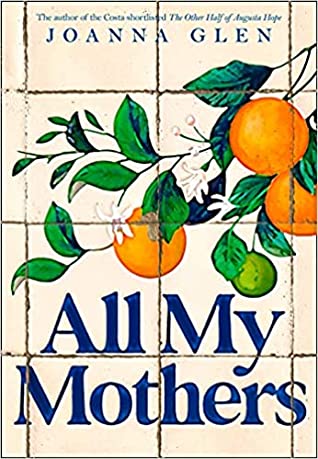
All My Mothers (2021) by Joanna Glen

I picked this book up because of its premise of a child having questions about her early life and origins, sensing she is being lied to by her parents.

A 30 Year Story from 80’s London to Córdoba

Adoption Motherhood Mothers

The book is 480 pages and most of the first half is narrated by Eva as a child or teenager. It begins as she is starting school and beginning to develop friendships. She befriends Bridget Blume and is besotted. Not just by her, but by her entire family, especially her mother who is so unlike Eva’s mother whom she calls Cherie (like her father does).

At school Eva is deeply affected by a book the teacher reads ‘The Rainbow Rained Us’, in which a rabbit throws a stone at the rainbow of Noah’s Ark breaking it apart into hundreds of multicoloured mothers who repopulate the earth with children.

The Many Colours of Mother Love

There Blue Mother stood in a mesmerising cornucopia of blues, at the edge of a turquoise sea, laughing, the wind in her hair, surrounded by her blue family.
‘Blue Mother is free and open and speaks from her heart.’
She sounded exactly like Bridget’s mother – utterly perfect.

From then on she refers to her mother as Pink Mother and Bridget’s mother as Blue Mother.

Pink Mother was sitting upright in a kind of fairy-tale bed, a bit like my mother and father’s, a four-poster, with a roof and curtainy droops around it.
No,no,no.
‘Pink Mother is delicate and feminine,’ said Miss Feast, explaining that delicate meant not strong.

When they are asked to share a baby photo, Eva becomes even more convinced than she already was, that her mother is not her mother, there is no photo of her as a baby, nothing before the age of three and a half.

The novel’s first half follows her through primary school, her developing friendship and first great loss, first the loss of a favourite teacher, then a death that will result in her friend’s family moving to another country and then abandonment by her father, who returns to Spain and rarely if ever makes contact.

Eva’s personality develops and is compromised by these losses and causes her to develop or accept superficial relationships, taking some time to realise what she lost by neglecting what has been meaningful to her.

Hispanic Studies, La Mezquita, A Headless Nun

In the second half of the novel she has started a university degree, changing locations due to the demands of her boyfriend Michael.

The pace really picks up in this half, perhaps because we have left the child narrator behind, so Eva becomes less introspective and more in charge of acting on the questions and thoughts she has and voicing some of the strong opinions she has.

When told they will spend a summer semester in Córdoba, Spain, the separation from all that is familiar and expected of her, marks the beginning of a transformation and a quest into looking for the answer to questions she has about her origins.

la mezquita the grand mosque in Cordoba, Spain
Photo Juan L. Secu on Pexels.com

The second half is something of an adventure as she develops a new friend Carrie who is interested in helping her and the two begin to consider not returning to their previous lives, to stay in Córdoba.

As Eva enters her 20’s her relationships and perspective begin to evolve, although she remains somewhat detached, circumspect and emotionally distant. With the presence of those around her, she begins to understand the complexity of being a mother, of being mothered and that judgments can change, as can people, especially when they find those relationships that are mutually nurturing.

The final third of the jumps into a second person narrative perspective ‘you’ and becomes somewhat nostalgic and didn’t work quite so well as the preceding chapters. It’s like the beginnings of a letter to a little girl who is still a baby, perhaps the thing that she had missed from her own life, being provided for another.

Writing From Experience versus Imagination or Observation

It is an interesting and captivating read, however I couldn’t help but feel as I was reading that this was imagined, rather than felt, because I am interested in books, fiction or nonfiction that come from the experience of separation.

In an interview with Carolyn Ray of JourneyWoman Bookclub, Joanna Glen shared that one of her aims was to explore the question, What is Our Deepest Longing?

I suppose the motherhood theme came next thinking what is our deepest longing that we have right from the beginning and of course a baby’s deepest longing is to gaze into the mother’s eyes and receive the gaze of love back. So I was thinking, what would be the most powerful or perhaps the saddest lack, would be not to feel that connection. That would be a very visceral fundamental lack.

She shares more about her own experience in the interview, which was the opposite of what she explores in the novel regarding the mother child connection, but brings alive the adventure of living abroad, in the town of Córdoba as a young person.

Overall, an enjoyable summer read that is likely to spark an interest in Córdoba, if like me you have never been there and one that celebrates female friendship and connection across different age groups and cultural backgrounds.

Further Reading

TripFiction Review: All My Mothers by Joanna Glen, coming of age novel mainly set in Córdoba. Aug 2021

Author, Joanna Glen

Joanna Glen’s novels include All My Mothers and The Other Half of Augusta Hope, which was shortlisted for the Costa First Novel Award and the Authors’ Club Best First Novel Award.

She and her husband live in Brighton.

Boy Swallows Universe (2018) by Trent Dalton

Boy Swallows Universe is the debut novel of Australian author and journalist Trent Dalton, who shared with audiences during the promotional tour of his novel (now a 7 episode Netflix series) that the book was semi-autobiographical, 50/50 fact and fiction.

Eli “does a lot of what I would have [done if I could]. It was all wishful thinking.”

While much of what occurs is true, it reads like a crime, suspense and thriller novel, with unforgettable characters. It is set in a suburb of Brisbane in 1985 and follows a boy through dark, dangerous and at times magical teenage years, intent on changing his family’s lives.

Coming of Age Amid Drug Wars, Corruption and Crim’s

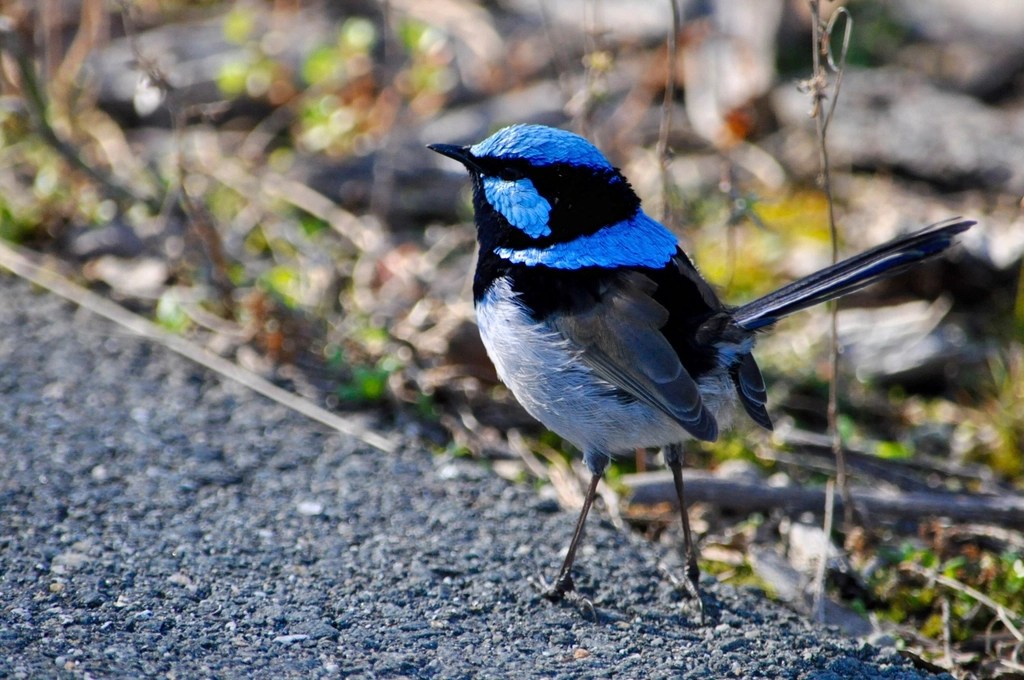
Your end is a dead blue wren.

Boy Swallows Universe Trent Dalton debut novel semi autobiographical 7 part Netflix series based on true story of the authors life growing up in Brisbane Australia

Boys Swallows Universe begins with this cryptic opening line, one of many that appear throughout the text, clues that are eventually resolved in this unique family saviour mystery.

Eli Bell is the main character, he is 13 years old; his brother August, a year older does not talk, he spells words in the air with his finger. He has not spoken since something happened in the past that Eli doesn’t remember. To do with their father. Who he also does not remember.

I can see my brother, August, through the crack in the windscreen. He sits on our brown brick fence writing his life story in fluid cursive with his right forefinger, etching words into thin air.

Finding Meaning and Escape in the Details

Their occasional babysitter Slim, a man who spent a quarter century in jail for the alleged murder of a taxi driver, has taught Eli the importance of details. It’s how he survived the hole. Creating double meanings for here (in the jail) and there (the boundless universe in his head and heart).

When he grows up Eli wants to be a crime reporter for the local newspaper. Slim writes lots of letters to his mates still in prison (using a false name) and suggests Eli can practice by writing letters as well. He has a penpal Alexander Bermudez, once sergeant-at-arms of the Rebels outlaw motorcycle gang.

Slim says a good way for me to remember the small details of my life is to associate moments and visions with things on my person or things in my regular waking life that I see and smell and touch often. Body things, bedroom things, kitchen things. This way I will have two reminders of any given detail for the price of one.

A Stupid Plan, A Secret Plan and a Well Meaning Busybody

The boys live with their mother Frankie Bell and her boyfriend Lyle. The boys get on with Lyle, although Eli has not forgiven him for getting his mother addicted to heroin. Lyle wants to save them all and has a fast track, risky idea about how to do it.

When Lyle’s plan backfires, Eli and August are thrust into survival mode and Eli takes this further with his own big secret plan by going into full on rescue mode, investigative detective, naive peacemaker, all with the aim of trying to get his family back together and his future career on track. Ironically for all the calculated risks it requires, it is his schoolteacher getting too interested in their welfare that worries him.

Mrs Birkbeck leans in closer across her desk. There’s something pious in the way she sits.

‘What I’m trying to say, Eli, is that trauma and the effects of trauma can change the way people think. Sometimes it can make us believe things that are not true. Sometimes it can alter the way we look at the world. Sometimes it can make us do things we normally would not do.’

Sly Mrs Birkbeck. Woman wants to suck me dry. She wants me to throw her a bone about my missing bone.

‘Yeah, trauma is pretty weird, I guess,’ I say.

Eli’s experience of trauma results in him having a highly intuitive subconscious, that combined with a fearless instinct for asking straight up questions push him forward on his quest. The red telephone in the secret dugout room of Lyle’s house is something of an enigma, why does it always ring when he is in there and who is the voice that responds?

A Funny, Thoughtful, Hair-Raising Life Adventure

Boy Swallows Universe is an exceptionally well told tale of a young boy Eli Bell surviving a tumultuous childhood, exposed to the effect of adults involved in drug dealing, of violent school mates, an unusual babysitter and some other hopeful, inspirational characters that make it all worthwhile.

“All of me is in here. Everything I’ve ever seen. Everything I’ve ever done. Every girl I ever kissed on a wagged school day, every punch I ever threw, every tooth I ever lost in a Housing Commission street scrap and every flawed, conflicted, sometimes even dangerous Queenslander I’ve ever come across, as the son of two of the most incredible and beautiful and sometimes troubled parents a kid could ever be born to.” Trent Dalton

This is no story of misery, it is about solidarity between brothers and the tenacity of a boy who won’t accept the way things are, he questions everything and everyone, asking forbidden questions, training himself in observing the details and taking action. Never giving up.

He is trying to save his mother, his mute brother August and himself from the terrible trauma cycles they are all stuck in. He is determined to grow up and become a crime reporter for a local newspaper and to meet the enigmatic Caitlyn Spies.

“The key characters all draw on the people I love most in the world. The most beautiful and complex people I’ve ever known, and I never even had to walk out the door of my house to find them. I just wanted to give the world a story. To turn all these crazy and sad and tragic and beautiful things I’ve seen into a crazy, sad, tragic and beautiful story.”

Brilliantly told, unforgettable characters, a wonderful balance between grounded in the dark reality of a dysfunctional family, a seedy underworld and the ethereal escape of two boys with an ability to dream and imagine their way through the darkest moments of an unsettling childhood.

So many highlighted passages, one of the reading highlights of 2024 for me. Highly Recommended.

I am looking forward to reading his nonfiction book of short stories Love Stories, created when he sat on a busy street corner with a sky-blue Olivetti typewriter and asked the world a simple question: Can you please tell me a love story?

Further Reading

New York Times review: ‘Boy Follows Universe’ follows a Gritty Coming-of-Age in 1980’s Australia by Amelia Lester, May 2019

Trent Dalton on : Why I Wrote ‘Boy Swallows Universe’ Harper Collins

This book is for the never believers and the believers and the dreamers.  This book is for anyone around the world who has been 13 years old. This book is for a generation of Australians who were promised by their parents they would be told all the answers as soon as they were old enough. Well, now you’re old enough.

Here are my answers:

  1. Every lost soul can be found again. Fates can be changed. Bad can become good.
  2. True love conquers all.
  3. There is a fine line between magic and madness and all should be encouraged in moderation.
  4. Australian suburbia is a dark and brutal place.
  5. Australian suburbia is a beautiful and magical place.
  6. Home is always the first and final poem.

Author, Trent Dalton

Trent Dalton Australia author journalist Boy Swallows Universe Lola in the Mirror Love Stories

Trent Dalton is a two-time Walkley Award-winning journalist and the international bestselling author of Boy Swallows Universe, All Our Shimmering Skies, Love Stories and Lola in the Mirror.

His books have sold over 1.3 million copies in Australia alone. He lives in Brisbane, Australia, with his wife and two daughters.

The Axeman’s Carnival by Catherine Chidgey

The Axeman’s Carnival won the NZ Book Award for Fiction in 2023. I have enjoyed a few books by Catherine Chidgey, including Remote Sympathy (my review), The Transformation and most recently Pet.

Surviving the High Country

While the novel’s hero and narrator is a common magpie, The Axeman’s Carnival is a social commentary on the struggles of carrying on family farm traditions and tending to relationships on a remote high country farm, infused with magic realism and comic relief. The author acknowledges the use of diaries belonging to her late mother-in-law, who lived on a high country sheep station.

Strong Man Chops Wood

The Axeman’s Carnival refers to a wood chopping competition, which is one of the final scenes in the novel and an event that Marnie’s husband Rob judges himself by.

He runs a hill country sheep farm in Central Otago, in the South Island of New Zealand, land that his father in part cleared of stones making it more fertile for grass, but also land that was in part lost (including his childhood home) to flooding required to create a large dam. Though he doesn’t remember the home, images of it recur often in his dreams.

The farm is struggling, they are increasingly drowning in debt and despite Marnie’s working outside the home as well as helping on the farm, her husband is volatile and easily made jealous, quick to turn his rage against his wife. When he’s not outside tending to the farm, he watches one genre of crime show.

Later he watched his crime show about beautiful dead women found in alleyways, all rucked up and staring. The man who came to look at the beautiful dead women wore a gun strapped to his side and sunglasses that were also mirrors, and he said things like This was no suicide, Trent. See the spatter patterns and The perp’s taunting us. He’s dangling the victims as bait and we’re biting.

Separation from the Family of Origin

One day Marnie acquires a fledgling magpie chick and brings it inside, despite the threats from Rob. The entire novel is narrated from the perspective of Tama, including those first memories of being lifted into her pillowed palm.

My siblings cried out as she carried me away, calling from our nest high in the spiny branches: Father! Father! Where are you? Come back! My mother called for him too, her voice frantic and afraid – but he , hunting for food, had left us all unguarded.

Can Humans Be Trusted?

Photo by Boys in Bristol Photography on Pexels.com

The bird is named Tama, he survives and grows and when she releases him, he revisits his magpie family up in the pines, but realises they seem to have disowned him due to his association with humans.

Father magpie is an expert on the faults of humans and preaches lessons to the younger generations, warning of traps and lures. When he learns what happened to his mother ‘Death by car’ and his brothers ‘Death by cold‘, he makes up his mind.

Tama, who has learned to use the cat door, returns to Marnie and begins to speak his first words. Because Tama is the narrator, we also hear his thoughts on what he is observing and see how he tries to navigate between the worlds of the two species he is entwined with, his magpie family and his human one.

My father kept his eye on me, waiting or me to betray myself. Every day he told me another bad story about humans: they wrung our necks, they ran us down, they shot us, they poisoned us.

‘Doesn’t that bother you?’ he said.

‘Yes, Father,’ I said.

‘I don’t think it bothers you. I don’t think you believe me.’

‘I believe you, Father.’

‘You still reek of her.’

Bringing the Outside World In

While Marnie is amused by Tama’s antics, her husband is irritated by his attachment to her and encroachment into their lives. But every threatening line he utters adds to the increased repository of retorts that come out of the beak of the bird.

I suppose I should have tried to behave myself – and I was wary of him, don’t get me wrong. I saw the strength in his hard hands, and I knew it could lead nowhere good. I knew he’d had a gutsful. But I couldn’t keep quiet; I was my own worst enemy.

When she creates a twitter account for the magpie, it becomes popular while being another source of disapproval by her possessive husband. Until they discover he could be a source of income and help save the farm.

The story follows the family and the impact of the internet sensation and becoming known, however none of these changes to their life or fortune transform our characters in any way. Marnie continues to try and gain approval of her husband, he remains jealous of any contact she has with others, whether around them or online. While his behaviour is checked by the presence of webcams in the home, through Tama’s eyes, we witness the relaationship unravelling with mounting dread.

Champion or Brute

The narrative builds up to the carnival where he aims to become a 10 times ‘golden axes’ champion and Marnie and her sister have a surprise planned for their husbands, which she becomes increases nervous about whether it is a good idea or not.

The novel is full of clever wise-cracking moments, thanks to the mimicking retorts of the magpie, which lighten what is otherwise a threatening environment and a serious subject. Marnie is a victim of domestic violence and the only witness, Tama the talking magpie. He is the intelligent observer and hero of the novel, even if his own authenticity has been compromised by how the humans have turned him into a money making spectacle causing him to be spurned by his own.

While the theme is covered well, including the victims tendency to make excuses for the perpetrator and the constant critical comments of a mother, ceaselessly undermining her self-worth, I was disappointed that there wasn’t real transformation or growth in the human characters. There is resolution yes, but an opportunity missed, particularly given the serious nature of the crime.

As unsettling as it is entertaining, the brilliantly written voice and antics of Tama, carry the story forward, poking fun and provoking an already tense situation, until its splintering, scorching conclusion.

Highly Recommended.

Further Reading

The Conversation review: Catherine Chidgey’s revealing, uncomfortable novels bridge worlds by Julian Novitz, 25 Mar 2024

Financial Times review: The Axeman’s Carnival — when a magpie steals the limelight

Irish Times review: An imaginative and well executed novel

New Zealand Family Violence and Economic Harm Statistics

Author, Catherine Chidgey

Catherine Chidgey is an award-winning and bestselling New Zealand novelist and short-story writer whose novels have been published to international acclaim.

Her first novel, In a Fishbone Church, won the Betty Trask Award, and was longlisted for the Women’s Prize for FictionGolden Deed was Time Out’s Book of the year, a Best Book in the LA Times Book Review and a Notable Book in the New York Times Book Review. Her fourth novel, The Wish Child (2016) won the 2017 Acorn Foundation Fiction Prize, the country’s major literary prize. 

Remote Sympathy (2021) was shortlisted for the Dublin Literary Award and the Jann Medlicott Acorn Prize for Fiction, and longlisted for the Women’s Prize for Fiction. Her most recent novel Pet (2023) was longlisted for the Dublin Literary award.

N.B. Thank you kindly to Europa Editions for providing me with a copy of the book to read and review.

James by Percival Everett

This was my third novel by Percival Everett, having very much enjoyed So Much Blue (2017) and Erasure (2001). I knew James would be quite a different premise because it is connected to the well known, classic adventure story of Huckleberry Finn.

I have a brief sense of familiarity with Tom Sawyer and Huckleberry Finn, I may have seen episodes of a television show when I was a child. I wasn’t sure if I had ever read the book it is based on. I don’t think so. Boy and the Sea Beast by Ann de Roo was more my kind of adventure story.

Set in the period just before the American civil war is about to break out, we meet Jim, a black slave, waiting outside for corn bread. Two boys, Tom and Huck are trying to play a trick on him and plan to steal something from the kitchen.

A Boy, A Young Man or an Adult

I admit that for the first 60 pages I thought Jim was a young boy too. When on page 62 he asks after his wife and child I shift my perspective. The way the two boys were interacting with him (pranking him) seemed appropriate towards another boy, not a man.

In a world where slavery exists, relationships have a perverse hierarchy, one that is demonstrated from the opening scene of the novel. When I go back and close read I see where there were signs I missed.

Jim helps collect wood and takes a risk by putting some aside (hidden) for different members of his family and community.

The weather remain unseasonably cold and I found myself pilfering wood for not only April and Cotton, but also my family and a couple of others. I was terribly concerned that the wood might be missed, and that fear worked its way into reality one Sunday afternoon.

He hears that the owner is planning to sell him to a man in New Orleans. Without waiting for morning Jim decides to escape, though he feels bad about leaving his family. He is determined to find a way to raise the funds to free his family from slavery.

“You can’t run,” Sadie said. “You know what they do to runaways.”

“I’ll hide out. I’ll hide out on Jackson Island. They’ll think I’ve run north, but I’ll be there. Then I will figure out something.”

He heads down to the river, the Mississippi, crosses to an island where he finds a safe place to rest a while. To his surprise he encounters the boy Huck, who is running from his abusive, drunkard father Pap. It is not good news, because Huck has left things in a way that people will believe him to have been murdered. And now Jim is missing.

Language and Expectations

Whenever Jim is around Huck, he speaks in a certain way, a kind of dialect. We know that Jim has had access to the house library in the past, that he can read, write and articulate, but he must suppress his ability to understand intellectually and more importantly hide his capable manner of his speech, in order to keep him safe from those whose racist ways of thinking will be threatened by a man showing superior comprehension.

When Jim gets bitten by a snake and spends a few nights in a fever, his dream time ramblings put him at risk. He starts having conversations with Voltaire and other French philosophers, a pattern that emerges whenever he enters dream state. (And typical of Everett to throw in French literary motifs – they add both comic relief and increase the danger surrounding the protagonist). His subconscious is unable to hide the knowledge he has acquired over the years.

François-Marie Arouet Voltaire put a fat stick into the fire. His delicate fingers held the wood for what seemed like too long a time.

On the inside cover there is a map of the river and the locations on his journey south where they will have different encounters, where they become separated for a while. Each time they are separated, sometimes for a significant period, they manage to find each other again.

How To Trust a Man

It is not easy for Jim to trust another man. The people he encounters may be slaves or white men, or men passing as white, or white men. Each encounter presents a situation he must navigate, an aspect of the society within which they live, how different people are.

He has withheld information from Huck that might have benefited him. He considers telling him, but fears he might be angry and betray him, causing his capture.

One of the most uncomfortable encounters he has is with a travelling minstrel show, a band of white men who put on a show and sing to people, songs that mock black people. While the man who runs that show says he does not believe in slavery, he “hires” Jim as a tenor for his show. This presents the farcical and most dangerous situation as he is be painted to be a black man as if he were a white man.

The most costly, traumatic episode for Jim comes following the help of four men he encounters at the riverside. They ask what they might bring him and he asks for a pencil. It is a most dangerous thing for an enslaved man to have on him or for another to source for him and the cost will be high. They also understand its power and want him to have it.

To Read and Write, A Subversive Act

The discovery of abandoned books and paper is one of the most significant discoveries Jim makes. It marks the beginning of a new stage in his life. He is going to write. About his life and its meaning. His first attempt is with a stick, the pencil he obsesses over and eventually acquires will bring further elucidation.

I really wanted to read. Though Huck was asleep, I could not chance his waking and discovering me with my face in an open book. Then I thought, How could he know that I was actually reading? I could simply claim to be staring dumbly at the letters and words, wondering what in the world they meant. How could he know? At that moment the power of reading made itself clear and real to me. If I could see the words, then no one could control them or what I got from them. They couldn’t even know if I was merely seeing them or reading them, sounding them out or comprehending them. It was a completely private affair and completely free and, therefore, completely subversive.

A Turning Point

There comes a point where Jim has had enough experiences and encountered sufficient people that his purpose becomes stronger and clearer and his fear dissipates. The mood is changing as groups of young people begin to amass to fight in the war. At this point he turns around and heads back north, from where he came. His purpose changes, becomes clear, his resolve strong.

It marks a shift in his relations with those around him, including Huck. He has encountered help and harm from different quarters, he has taken risks and overcome adversity. He moves from “running from” to “running towards”. His language changes and he begins to take on the character of a leader.

I thought it was an excellent novel and collection of encounters that confronted many of the issues and circumstances of the society they lived in at the time and the dangers a runaway slave had to navigate in order to seek freedom. How the journey changed him and the inevitability of violence taking a place in the life a man, not prone to violence, but brought to it by the oppression and injustice surrounding him.

I love that we are beginning to see a narrative shift in stories, in terms of the perspective from which stories are told and the nuance of character developed in those who have been sidelined or typecast.

From Book to Film, Writing Slant

I’m looking forward to what the partnership between Percival Everett and Taika Waititi will create, in bringing this story to the big screen, a creative partnership just announced this past week.

With my pencil, I wrote myself into being. James

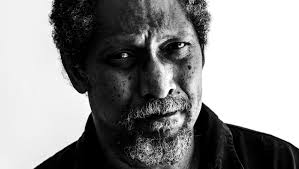
Percival Everett, Author

author of James, Erasure, So Much Blue

Percival Everett is the author of over thirty books, including So Much BlueTelephoneDr No and The Trees, which was shortlisted for the 2022 Booker Prize and won the 2022 Bollinger Everyman Wodehouse Prize.

He has received the Hurston/Wright Legacy Award and the PEN Center USA Award for Fiction, has been a Pulitzer Prize finalist, and is Distinguished Professor of English at the University of Southern California. His novel Erasure was adapted into the major film American Fiction.

The novel James (a reimagining of Mark Twain’s The Adventures of Huckleberry Finn, told from the perspective of the enslaved Jim) was published on 11 April 2024. He lives in Los Angeles.

Orbital by Samantha Harvey

A Long Perspective of Earth

nature writing from space and an unexpected and profound love letter to life on Earth

Six astronauts from six countries are in a spacecraft at the International Space Station that orbits Earth two hundred and fifty miles from the edge of the planet.

We spend one day, or 16 orbits with them and find out how it is to be living on the job, while falling, though it seems like floating.

We learn about what they are doing, how they are a team and yet not, how much more difficult (or less relevant) it is to obey political allegiances when you are in orbit and look back at Earth and see her for what she really is.

Orbit 1, ascending

One of the astronauts Chie receives a message that her mother has passed away, which makes her feel emotions and reflect in ways that are not typical of the kind of human selected to spend months in space.

Since that news, they find themselves looking down at earth as they circle their way around it (meanderingly it seems, though that couldn’t be less true), and there’s that word: mother mother mother mother. Chie’s only mother now is that rolling, glowing ball that throws itself involuntarily around the sun once a year. Chie has been made an orphan, her father dead a decade. That ball is the only thing she can point to now that has given her life. There’s no life without it. Without that planet there’s no life. Obvious.

hurricane circling earth weather pattern seen from outer space
Photo by Pixabay on Pexels.com

A typhoon warning has been sent and the astronauts track its weather patterned behaviour from afar.

Roman is on his eighty eighth day of this mission. He keeps a tally of the days, to tether himself to something countable, otherwise the centre drifts.

…in this new day they’ll circle the earth sixteen times. They’ll see sixteen sunrises and sixteen sunsets, sixteen days and sixteen nights.

Each orbit passes a different continent, a different part of the ocean.

By day it is as if the Earth is uninhabited, at night, the impact of humanity is more apparent.

Separate or One

The astronauts are supposed to represent different countries and demarcations, but up there the lines are less obvious.

They have talked before about a feeling they often have, a feeling of merging. That they are not quite distinct from one another, nor from the spaceship. Whatever they were before they came here, whatever their differences in training or background, in motive or character, whatever country they hail from and however their nations clash, they are equalised here by the delicate might of their spaceship. They are a choreographing of movements and functions of the ship’s body as it enacts its perfect choreography of the planet.

A rocketship to the moon is about to be launched, these astronauts will travel much further, in a different direction, with a different purpose.

The Problem of Dissonance

Photo by Pixabay on Pexels.com

At first they are enamoured by the night views, the twinkly lights of habitation and the surface dazzle of man-made things.

That soon changes as the senses broaden and deepen and it is the daytime earth they come to love, the humanless simplicity of land and sea, the way the planet seems to breathe, to show itself, clearly.

So then come discrepancies and gaps. They were warned in their training about the problem of dissonance. They were warned about what would happen with repeated exposure to this seamless earth. You will see, they were told, its fullness, its absence of borders except those between land and sea. You’ll see no countries, just a rolling indivisible globe which knows no possibility of separation, let alone war. And you’ll feel yourself pulled in two directions at once. Exhilaration, anxiety, rapture, depression, tenderness, anger, hope, despair.

The Mystery of Las Meninas

A story told in 16 orbits that reflects on man’s inclination to explore the outer frontiers and asks why, how it might affect humanity, if at all. And ponders who is the real subject of Velazquez’s painting, Las Meninas? Above all, it is a nostalgic glance back at what we have that we don’t always seem to see.

It is an interesting and thought provoking read that brings about a single point of focus – the earth. I discovered I am very much a happily earth bound creature. The idea of space or floating in an orbiting capsule holds very little intrigue, except indeed, to further appreciate all that the Earth offers us in terms of her own nature.

Further Reading

The Guardian: Orbital by Samantha Harvey review – the astronaut’s view

New Zealand Book Awards Winner 2024 #theOckhams

Today the New Zealand Book Awards 2024 announced their winners. Known as The Ockham’s they are regarded as the country’s premier literary honours for books written by New Zealanders.

Awards are given for Fiction (the Jann Medlicott Acorn Prize for Fiction), Poetry (the Mary and Peter Biggs Award for Poetry), Illustrated Non-Fiction (the Booksellers Aotearoa New Zealand Award for Illustrated Non-Fiction) and General Non-Fiction.

There are also four awards for first-time authors (the Mātātuhi Foundation Best First Book Awards) and, at the judges’ discretion, Te Mūrau o te Tuhi, a Māori Language Award.

Auckland Writer’s Festival | Waituhi O Tāmaki 2024

The announcement of the winners, hosted by Jack Tame coincided with the beginning of the annual Auckland Writer’s Festival, running from 14 – 19 May, 2024.

The Jann Medlicott Acorn Prize for Fiction

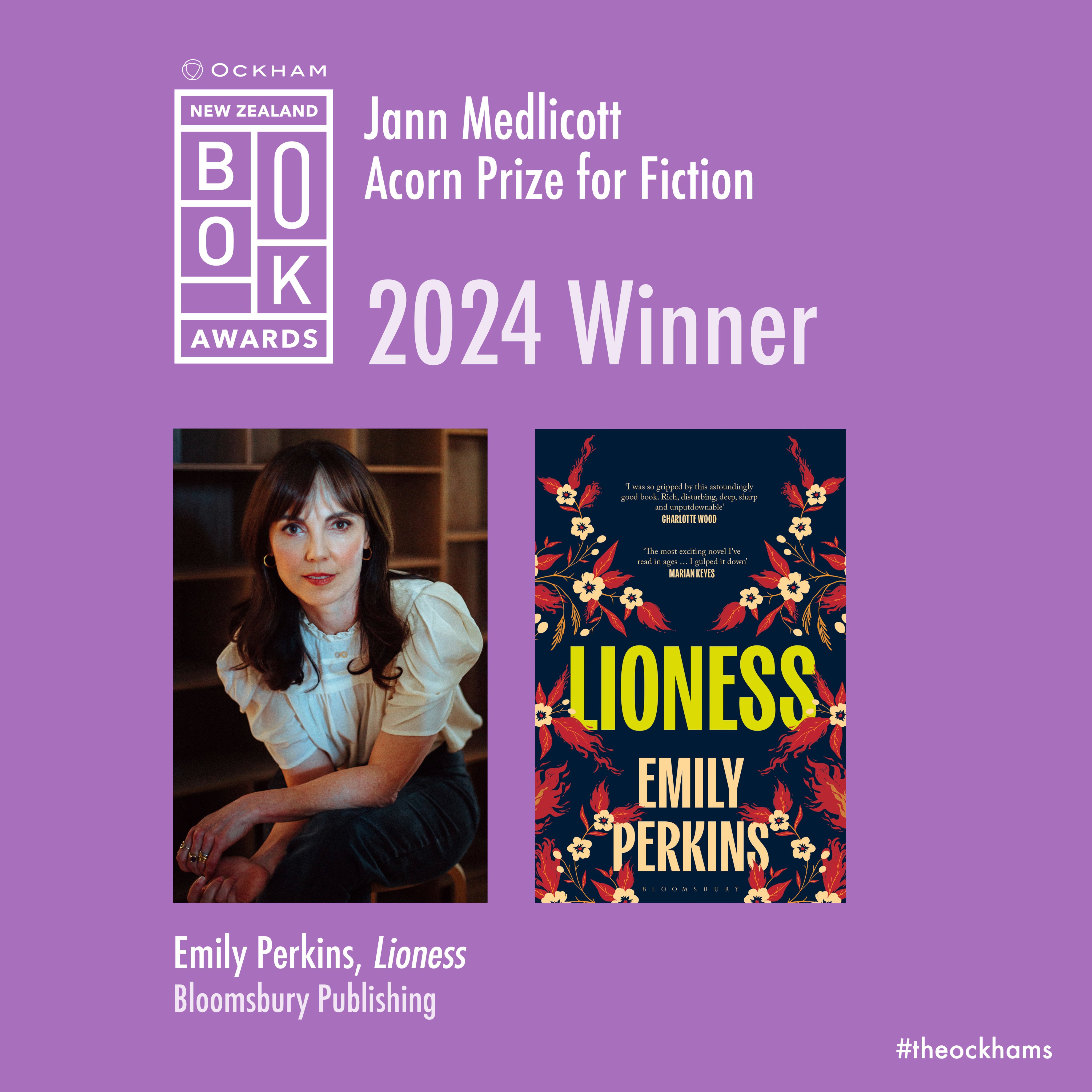
From a shortlist of four novels, the winner of the Fiction award is Emily Perkins for Lioness.

Jann Medlicott Acorn Prize for Fiction 2024

A searing and urgent novel crackling with tension and intelligence, Lioness starts with a hiss and ends with a roar as protagonist Therese’s dawning awareness and growing rage reveals itself.

At first glance this is a psychological thriller about a privileged wealthy family and its unravelling. Look closer and it is an incisive exploration of wealth, power, class, female rage, and the search for authenticity.

Emily Perkins deftly wrangles a large cast of characters in vivid technicolour, giving each their moment in the sun, while dexterously weaving together multiple plotlines. Her acute observations and razor-sharp wit decimate the tropes of mid-life in moments of pure prose brilliance, leaving the reader gasping for more. Disturbing, deep, smart, and funny as hell, Lioness is unforgettable.

Author, Emily Perkins

Emily Perkins is an award-winning writer living in Aotearoa, New Zealand. Her books include the Women’s Prize longlisted The Forrests, Novel About My Wife, winner of the Believer Book of the Year Award and the Montana Medal for Fiction, and the short story collection Not Her Real Name, winner of the Geoffrey Faber Memorial Prize.

She also writes for theatre, film and television, including the original play The Made and an adaptation of Henrik Ibsen’s The Doll’s House, both with Auckland Theatre Company. With director Alison Maclean, she co-wrote the feature film The Rehearsal, adapted from Eleanor Catton’s novel.

Emily has taught creative writing and was the host of TVNZ’s books programme The Good Word. She is a member of the UK’s Folio Academy, an Arts Foundation Laureate, and a Member of the New Zealand Order of Merit for services to literature.

Other Category Winners

The winner of the Booksellers Aotearoa New Zealand Award for Illustrated Non-Fiction was Gregory O’Brien for Don Binney: Flight Path, an illustrated account of the life and work of one of NZ’s most iconic artists.

The Mary and Peter Biggs Award for Poetry went to Grace Yee for her fusion of Cantonese-Taishanese and English collection that moves between old newspaper cuttings, advertisements, letters, recipes, cultural theory, and dialogue, evoking the unsettledness of migration, Chinese Fish.

The General Non-Fiction Award went to Damon Salesa for An Indigenous Ocean: Pacific Essays and the Maori Language Award went to Tā Pou Temara (Ngāi Tūhoe) for Te Rautakitahi o Tūhoe ki Ōrākau.

I read Lioness in the summer of 2023 and found it a compelling thought provoking read, where there is as much going on beneath the surface of scenes depicted, in the spaces its protagonist inhabits, observing those around her, as there was in their reality. While reading, it felt like I hadn’t read anything that had done this before, it provoked hyper-vigilant observations, readers will likely have strong opinions about the characters, it’s almost impossible not to.

I’m happy to see Emily Perkins‘ work being celebrated, there is often a frisson of excitement around one of her novels coming out, her readership extending much beyond NZ.

Have you read Lioness? What did you think of it?