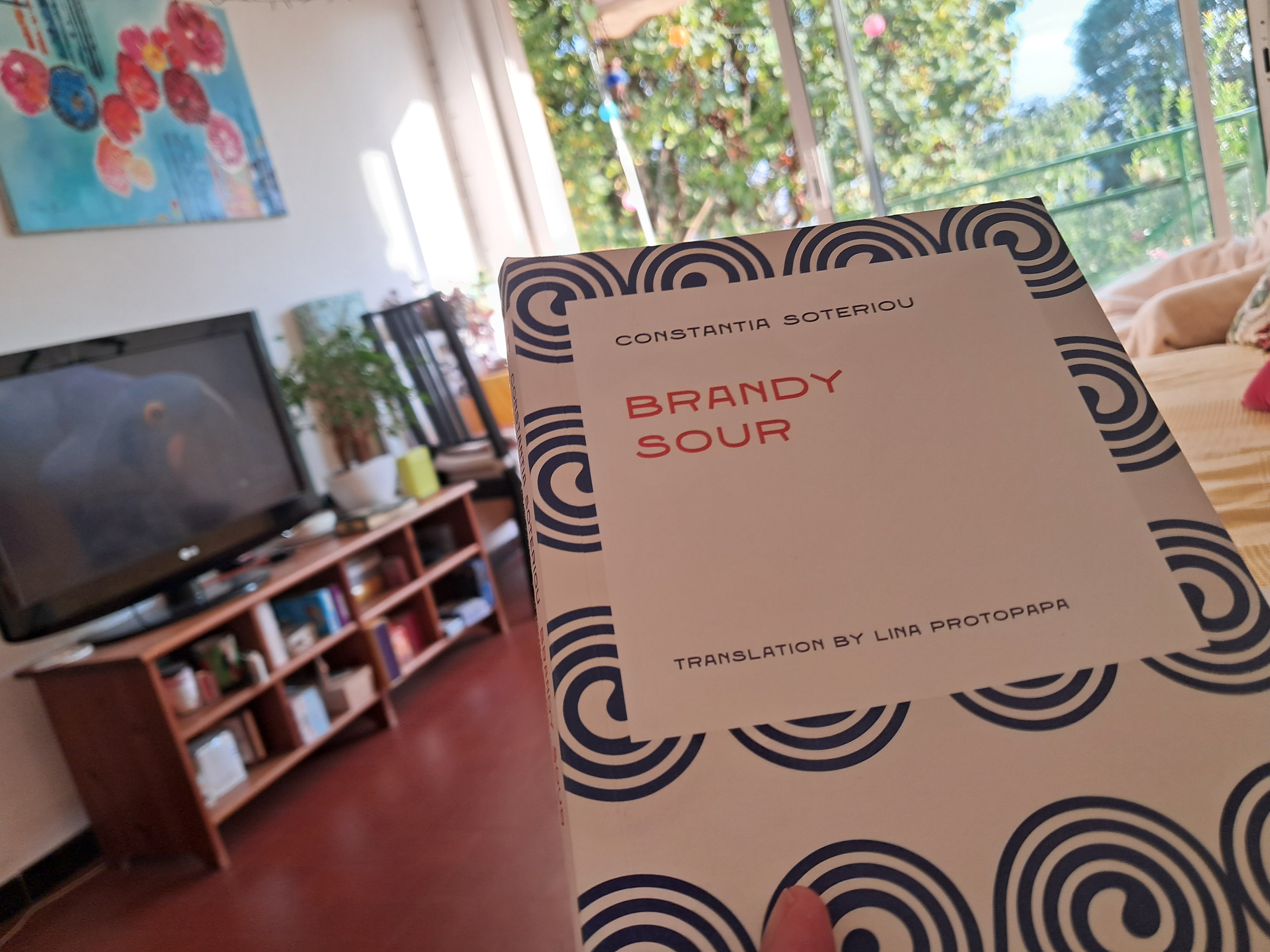
Brandy Sour by Constantia Soteriou (Cyprus) tr. by Lina Protopapa

Brandy Sour is a novella length book by the Cypriot author Constantia Soteriou, translated from Greek by Lina Protopapa. It won the 2023 National Book Prize in Cyprus and the author won the 2019 Commonwealth Short Story prize.

Foundry Editions, A Love of Mediterranean Literature

It was the first book published in the Foundry Editions collection of Mediterranean fiction back in 2024. This independent press was created out of a desire to discover and share new voices from the Mediterranean and the people and lands around it.

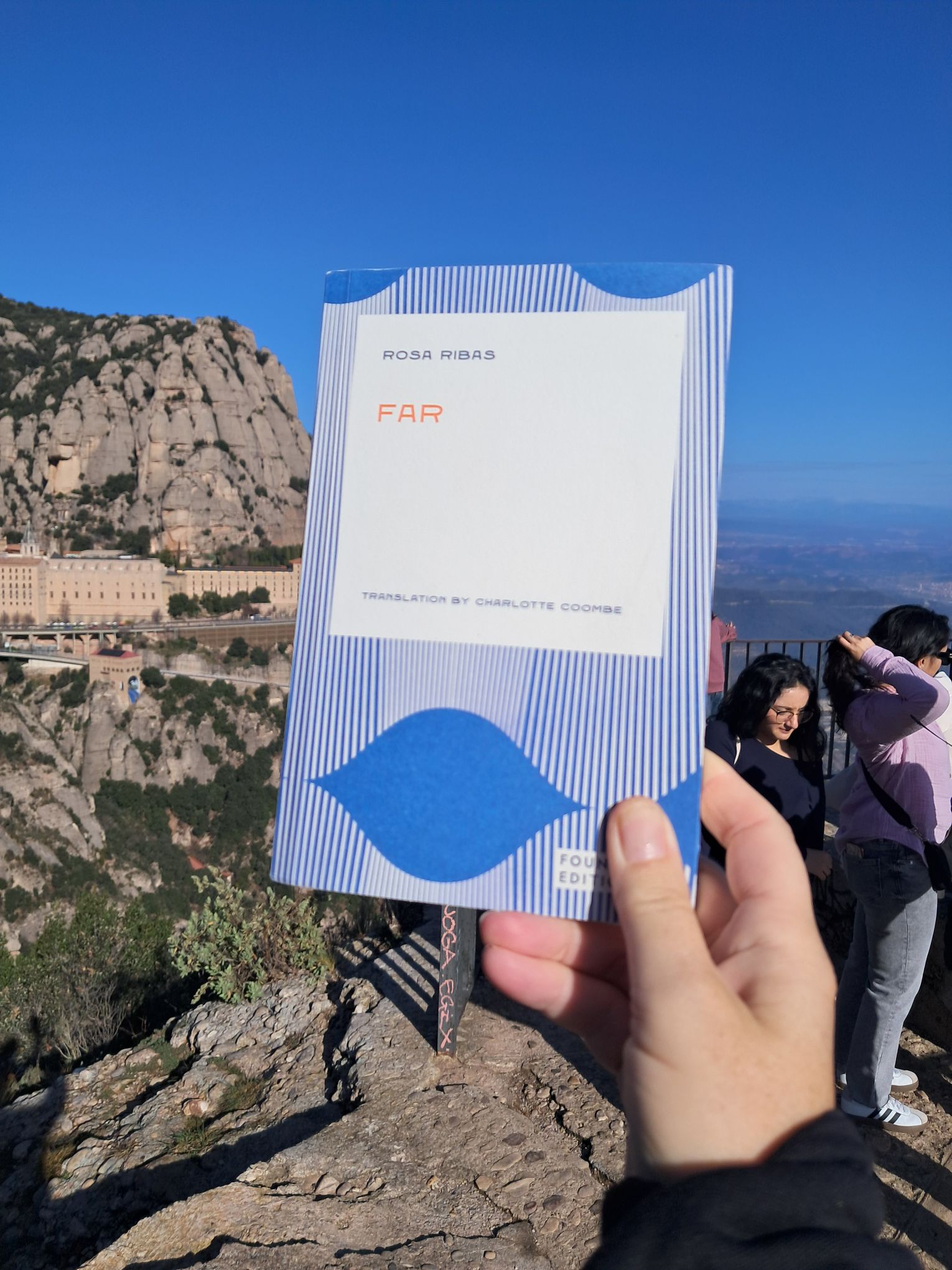
I heard about them after reading an excellent article in the Guardian entitled ‘Huge scars’: novelist finds a fractured Spain in its half-built houses about the book Far by Rosa Ribas (my review) translated by Charlotte Coombe. I sent a copy of it to a good friend in New Zealand and read it myself and loved it. I started seeing reviews for other Foundry Editions works and now I’m following their list closely.

A Turbulent History Told Through Hotel Beverages

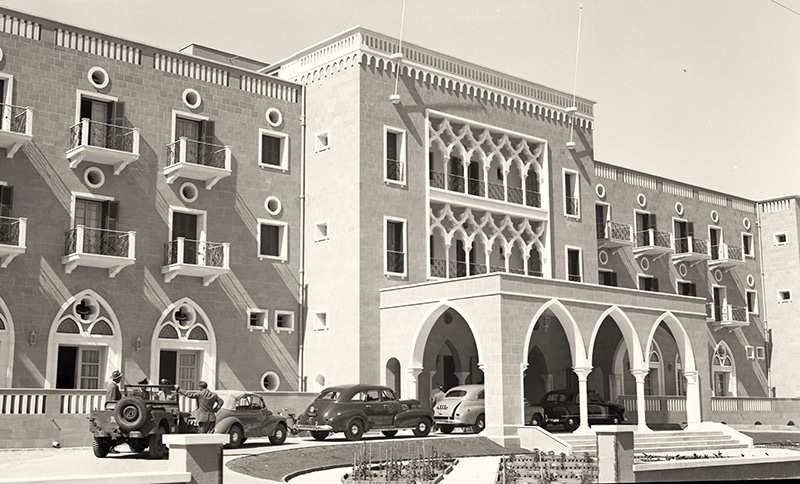
Brandy Sour is set in the emblematic Ledra Palace Hotel, established in 1949 on Nicosia’s UN-controlled buffer zone, the Green Line that, since 1964, has divided the island into Greek Cypriot and Turkish Cypriot sectors.

It has been witness to some of the country’s significant historical events and can be considered an integral part of Cyprus’ cultural heritage and difficult past.

“The Palace was the epicentre of the island’s recent history. It was built as the promise of a new era; a haven for all nationalities, all communities. It drew people from all backgrounds: the wealthy bourgeoisie who lounged by its cerulean pool; the poorer working classes who made its beds – and its Brandy Sours…

But in 1974, it became the site of the worst battle of the war; a symbol of all that could not be allowed to fall. After the division, it was the endpoint of student demonstrations, the gathering place for those who mourned their missing.

And when the barriers finally opened, the Palace once more became a symbol of hope. Of promises that were given, but never kept. Of wounds that ran very, very deep.” Constantia Soteriou, Cyprus Mail

The book is made up of twenty two vignettes or short character studies that form an interlinked slice of life of the hotel and the many characters who have had connections to it.

From Brandy Sour to Rosebud Tea to Grape Molasses

Each character is represented by a beverage starting with the Brandy Sour : The King. Much is revealed in the opening line.

They say a barman invented the cocktail for King Farouk of Egypt in the 40’s – a dark time for the king, who is already grown and in trouble, no longer the handsome, athletic boy charming Europe with his Western manners but a heavy middle aged man facing all kinds of political headaches in Egypt – and elsewhere too – who has to conceal his fondness for alcohol.

The King asks for something that doesn’t look like a drink, with that good brandy and the lemons he likes, and the barman obliges creating a cocktail worthy of a king that wishes to deceive people, with lemonade to sweeten him and the lemons to remind him of his sorrows in a tall glass that resembles an iced tea.

We learn of the tastes of local ladies and English ladies, of the maid, the cleaner, a guerilla fighter and with every consumer of a beverage, an important anecdote relating to their predilection.

City people think that roses are only good for looking at. Village people know that flowers are also good for eating. Especially roses – those tiny pink roses, the hundred-petal roses called damask roses, the ones that climb and spread their thorns across fences and hedges.

The Doorman likes his infusion of rosebud tea in his tin mag and when he starts work at the Big Hotel he takes his tin mug and the root of a damask rose and secretly plants it in the hedge. They must be picked in August with the morning dew, or risk a bitter infusion; it helps digest the indigestible.

Coffee and How War Changes Everything

Photo by Samer Daboul Pexels.com

He always wakes at dawn and he goes to the kitchen to have his coffee prepared the way he likes it. The only coffee of the day. With lots of kaymak and no sugar. Turkish coffee – Greek coffee, he always corrects himself – with sugar is an absolute waste of coffee. It needs to be bitter. There’s no point otherwise.
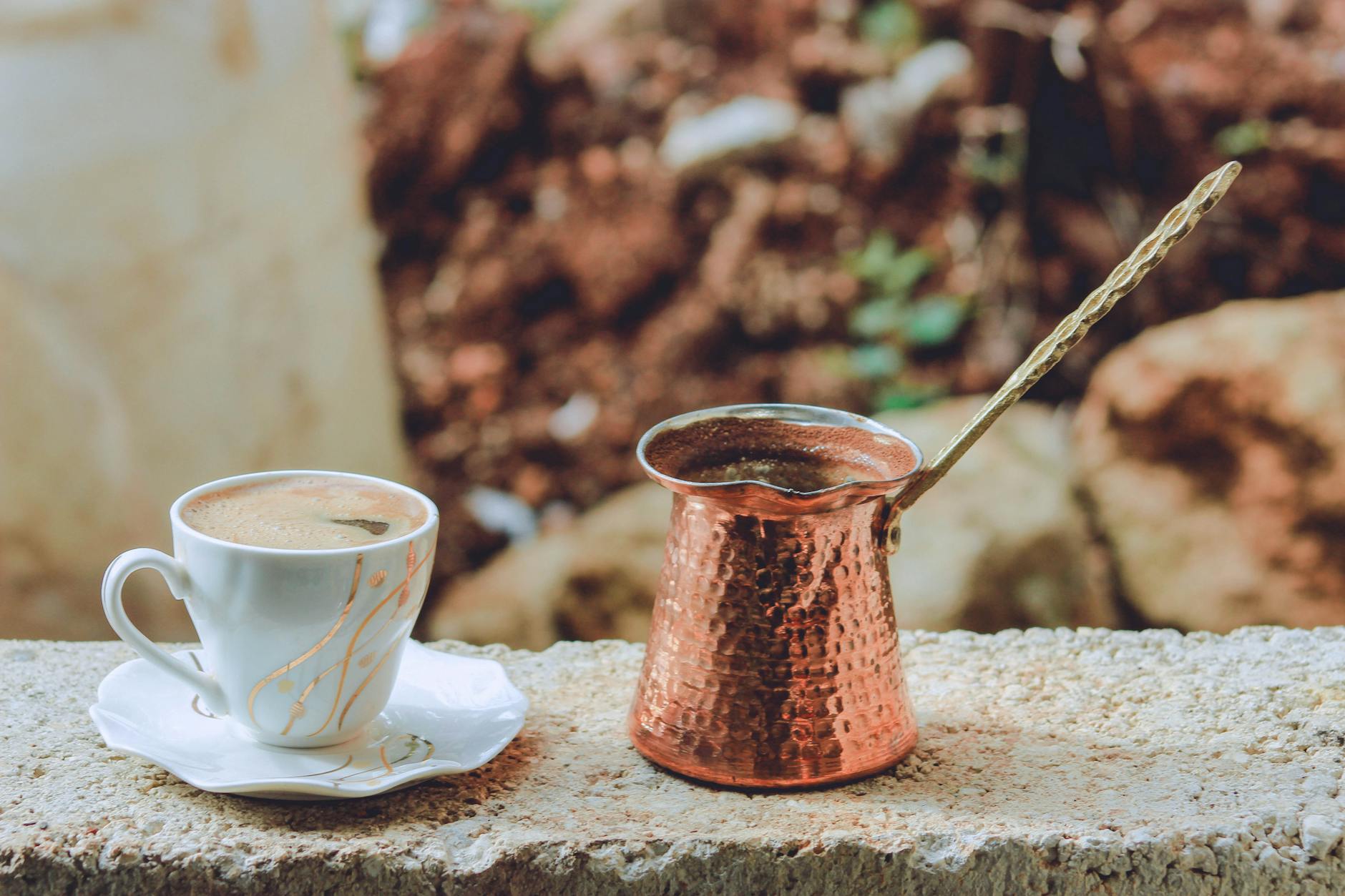
After the morning ritual of the maître’d, we learn of his role as the first shots are fired and he brings the foreigners down to the basement for protection. He returns home and anxiously watches the fighting on his TV, he meets his former colleagues in a coffee shop, the maid, the cleaning lady and the doorman.

He’s taken to drinking coffee in the afternoon now, too – no sugar the way it befits funerals and grief and tragedy and death. That kind of coffee. He takes his coffee with thick kaymak and no sugar. Coffee needs to be bitter – there’s no point otherwise.

The Builder and the Grape Molasses

One of the more moving stories near the end is that of the sensitive builder who gets mouth sores when he is stressed. He can’t eat or drink, there is no medicine that can help him.

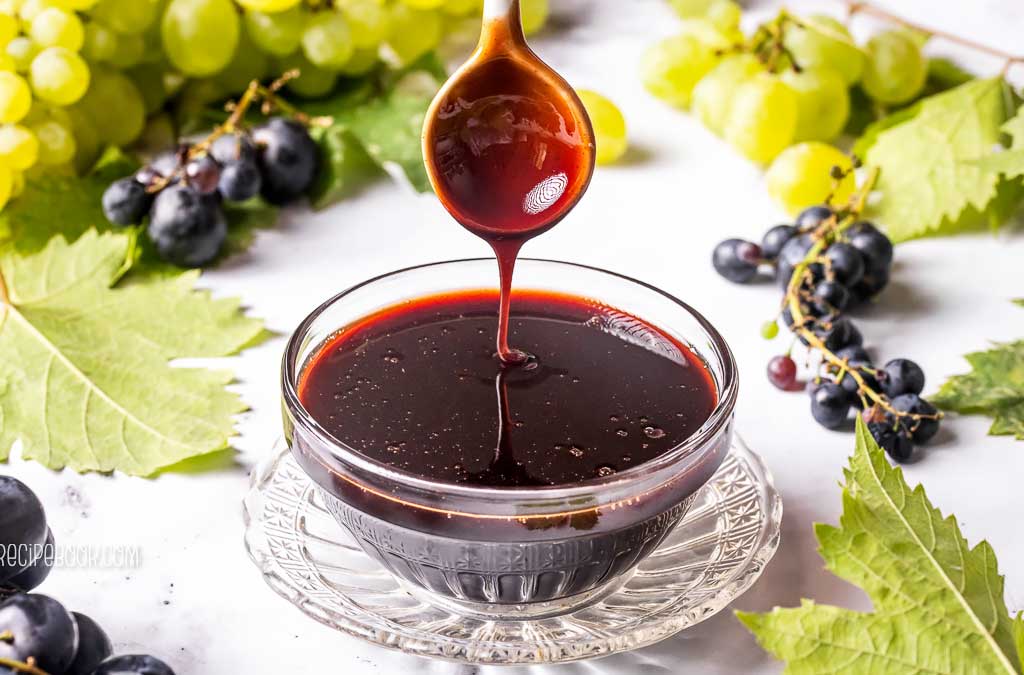
The only thing that seems to make a difference is the grape molasses an old lady whose house he fixes gives him. Grape juice molasses that you boil for hours and hours, that you boil and boil until the liquid turns thick like honey – you dab it on your lips and on your gums and it’s the only thing that can cure mouth ulcers, those little holes in your mouth.

We learn the reason for his sensitivity, for only a few have the skills he does, who know old architecture like he does, how to repair the ancient materials in the foundations, to feel and understand old houses.

Ritual, Repetition and Reassurance

In each story there is often repetition, of that which is important to the character, like the ritual of the beverage, something that is repeated, that is part of a way of life. In the same way language repeats and reassures, building connection between the ritual and the meaning and importance it brings to the community, something to be cherished. The reader too is reminded of that meaning for that character and is moved by it.

I read the book without referring to the history, but on finishing it, I wanted to know more and went looking for the wider context, as we sense the changes occurring through each character and their habits, how the hotel itself somehow embodies the collective memory of a history. Over time, it is occupied by different kinds of guests, welcome and unwelcome, civilian and military and the local people who try to accommodate them and stay safe and adjust to the new paradigm of a post-colonial, independent country and then the destabilising effect of the coup in 1974 that created a separation and dividing line between Turkish and Greek Cypriots.

It’s a beautiful, evocative tribute to a culture, a heritage and the people that have populated and passed through it, that gives pause for thought, of the essence of ritual, of the importance of even the most simple traditions and need for humans to satiate a thirst, a soulful desire.

Highly Recommended.

Further Reading

Review, Cyprus Mail: A brandy sour at the Ledra Palace by Alix Norman

Article: The Ledra Palace Hotel and the ‘difficult history’ of modern Cyprus, Cambridge University Press, Dec 2022 by Antigone Heraclidou & Theopisti Stylianou-Lambert

Have you read any of the Mediterranean fiction published by Foundry Editions? If so, do tell us about it in the comments below.

The Song of Youth by Montserrat Roig tr. Tiago Miller

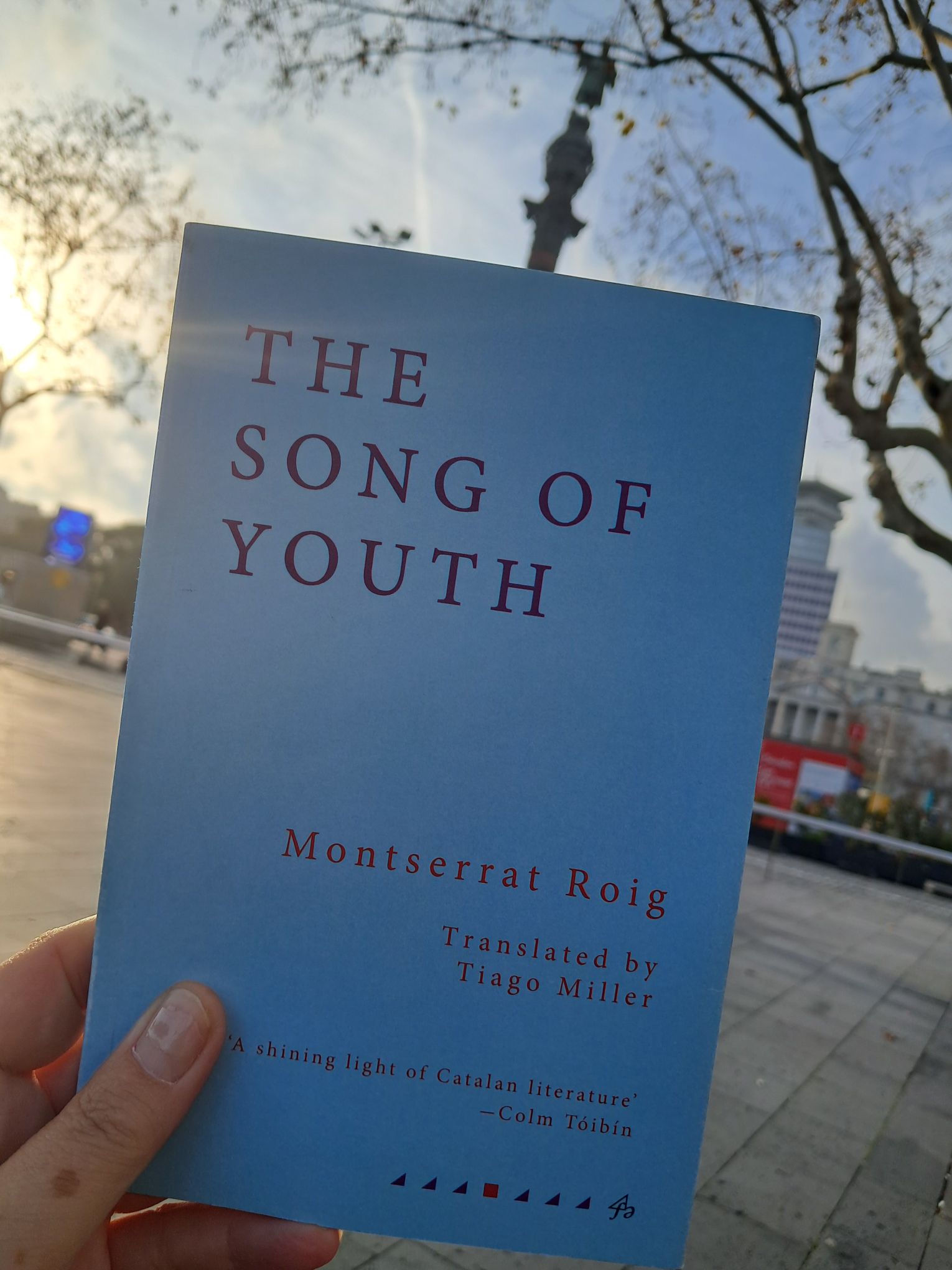
The Song of Youth ‘el cant de la joventut’ is a slim collection of short stories written by Montserrat Roig translated by Tiago Miller, published in English in 2022 by fum de stampa press (originally published in Catalan in 1989).

It was shortlisted for the 2022 Republic of Consciousness Prize, (now rebranded the Queen Mary Small Press Fiction Prize) that rewards ‘bold and innovative’ literary fiction by small presses publishing 12 or fewer titles a year that are independent of any other commercial financial entity.

The winner of that prize in 2025 was There’s a Monster Behind the Door by Gaëlle Bélem (Ile de Reunion), translated from French by Karen Fleetwood and Laëtitia Saint-Loubert and in 2024 Of Cattle and Men (reviewed here) by Brazilian writer Ana Paula Maia, translated by Zoë Perry, published by Charco Press.

Finding and Reading Catalan literature in Catalonia

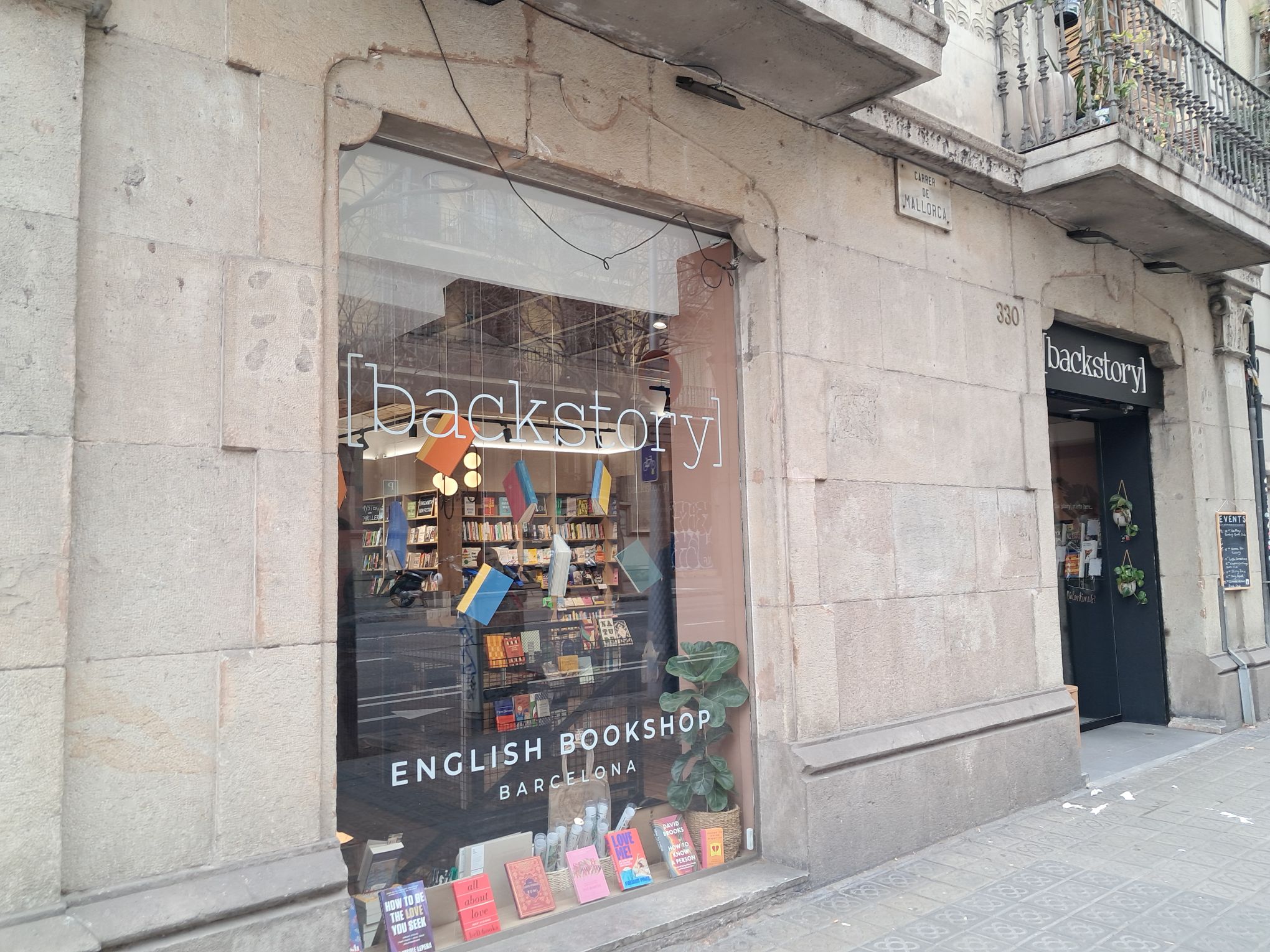
Backstory Bookstore Barcelona

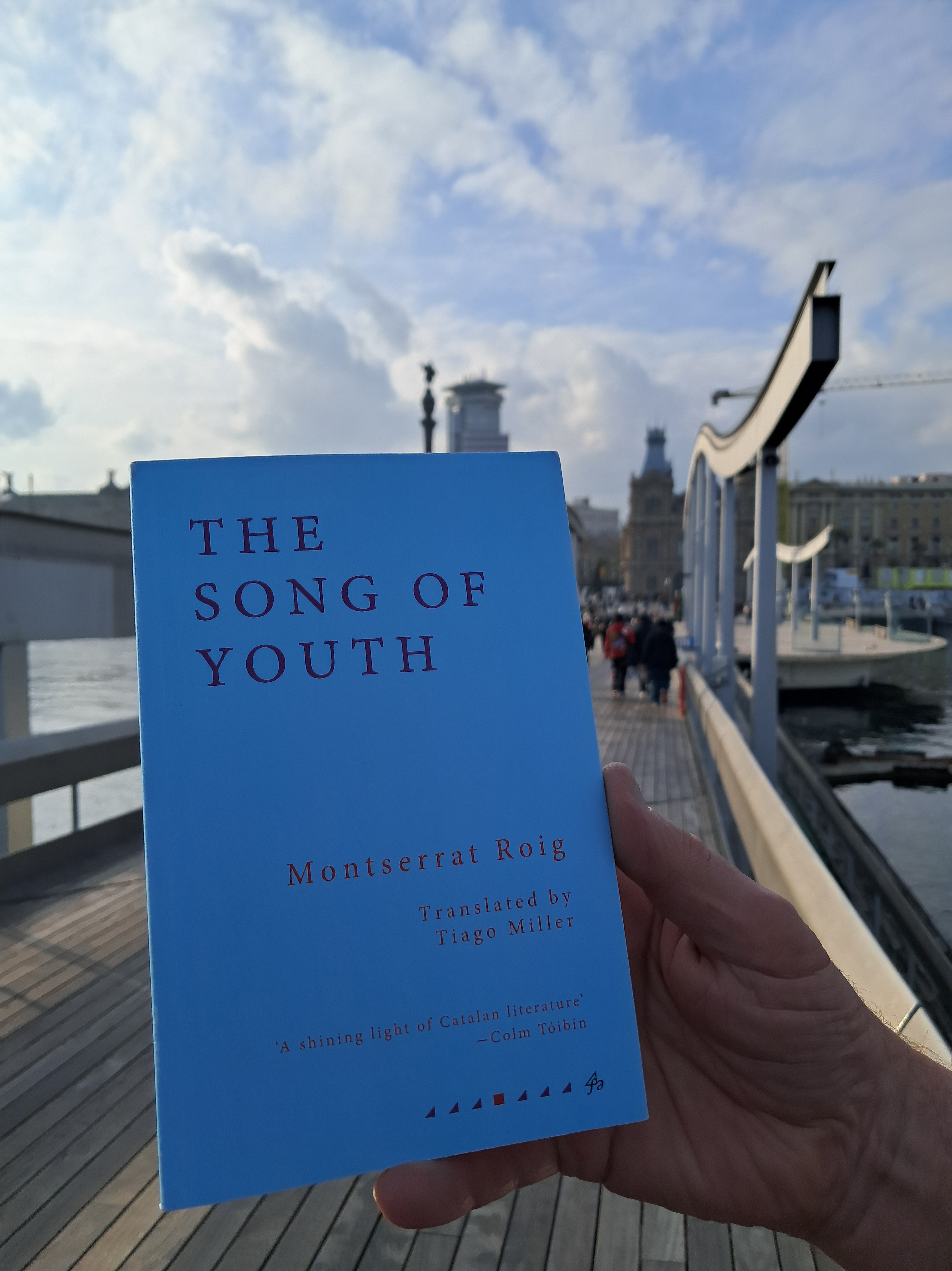
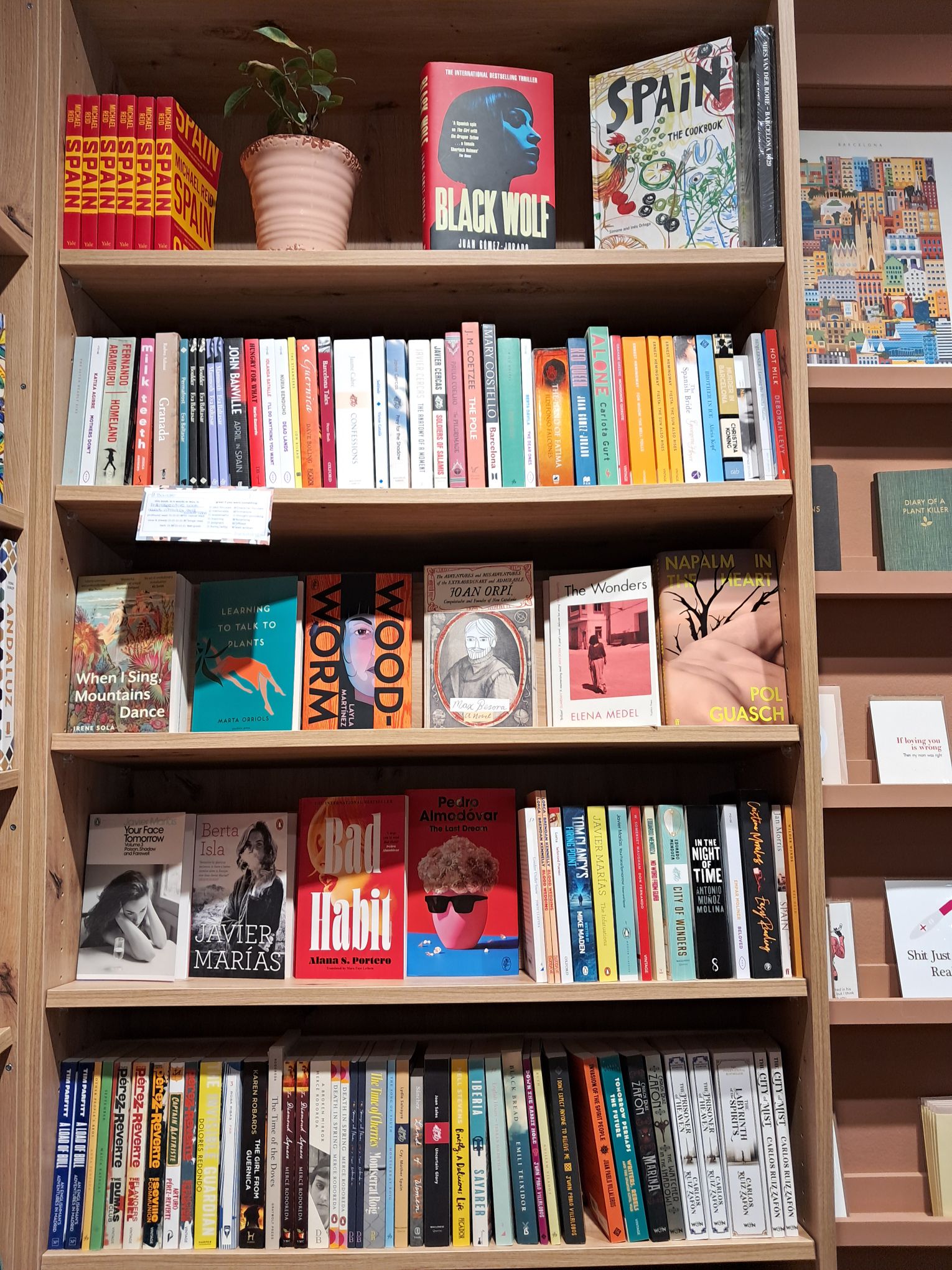
When I visited the Backstory Bookshop in Barcelona, I was interested in and looking for Catalan literature that embraced something of its history in some way.

Monserrat Roig (1946-1991) was a novelist, short story writer, investigative journalist and feminist activist widely regarded as forming a central part of the Catalan canon, inspiring many other Catalonian writers to seek the intimate, personal testimonies of ordinary people, within a wider version of history guided by a strong sociopolitical engagement.

One of Roig’s many literary strengths was creating and placing subversive characters in deeply philosophical and provocative narratives, and bringing out their flawed, tender and very real aspects. It is helpful to consider this when reading her bold collection of short stories.

I’m going to mention two out of the collection that really stayed with me, The Song of Youth and Mar. Love and Ashes packs a punch, but is so short, it need not be described here.

The Song of Youth

I found it helpful to be reminded of this context, written on the back of the book.

In The Song of Youth, Montserrat Roig boldly presents eight remarkable stories that use language as a weapon against political and social “dismemory.” Her powerful and striking prose allows the important stories of those silenced by the brutal Franco regime to, at last, come to the fore. The Song of Youth is undoubtedly feminist and deeply critical but, as always, Roig’s lyrical writing gives shape, depth, and significance to the human experience.

This is how author Eva Baltasar described the collection:

The Song of Youth represents an array of lagoons in which Montserrat Roig’s most extraordinary flowers lay their roots.”

The short story collection by Montserrat Roig The Song of Youth Catalan literature translated fiction

After the first reading of each story, I felt like I was sitting at the edge of one of those lagoons, firstly appreciating the flowers, though not always seeing those roots in the deep, dark depths. And so I went back and reread them. I wrote on and around the pages, and looked up the poetic literary references and was in awe.

The opening story, The Song of Youth, reread a few times, revealed its many layers with each reading. It is magnificent. I think it is a story that needs to read quietly to concentrate, like contemplating a work of art, it won’t reveal itself at a first glimpse. However, it is perfect as it is. A celebration of dying moments and the power of memory, of a life lived courageously.

I turn my face from the ominous day,
Before it comes, everlasting night,
So lifeless, it’s long since passed away.

But shimmering faith renews my fight,
And I turn, with joy, towards the light,
Along galleries of deepest memory.
JOSEP CARNER, Absence

A woman lying prone in hospital with her eyes closed, near the end of her life, observes the white coat of the Doctor and has flashbacks to her youth, a stranger in a white shirt walked into the bar where she sat with her parents, with a decisive air. A transgression.

The men who came from the war didn’t have that air.

She opens her eyes, she is still alive. Everything as it was when she closed them. She knows the sounds. The sounds that keep them alive and the sounds that warn of encroaching death.

“They all died at daybreak. Just like the night.”

She is defiant. She is determined to remember a word. She succeeds.

It’s not easy to describe, this too is a story that needs to be experienced, to read the clues and the disjointed moments of the present and past that create the whole.

Death, Memory and Friendship

To Montserrat Blanes

Life has taught me to think but thinking has not taught me to live. HERZEN

The story MAR is the hardest hitting and most powerful – about a woman befriended, a relationship, admiration, of two people who are unalike but drawn towards each other, who go their own ways; until an accident changes everything.

…it never once occurred to me to give a name to that period of silence, madness and noise, to those moments when the hours would melt into timelessness and our intellectual friends, while watching us, would frown or raise an eyebrow.
“They’ve got some nerve,” said their suspicious eyes while they stared, unaware of their own fear.

The time they are together changes the one telling the story, she is an intellectual, always analysing everything, living in a world of opinions and judgments. While in this friendship, something shifts, changes her. The presence of this unconventional friend disturbed others, messing up the carefully compiled archives on their minds. From vastly different worlds, they each gain something powerful from being in each other’s lives. Something that unsettles others.

We hardly said a word, we certainly didn’t reinvent anything, but it was only with her that I lost my fear, the fear of revealing who I believe myself to be, that little girl I keep hidden in the deep, damp depths of my inner self.

A friendship of silences, commotion and madness

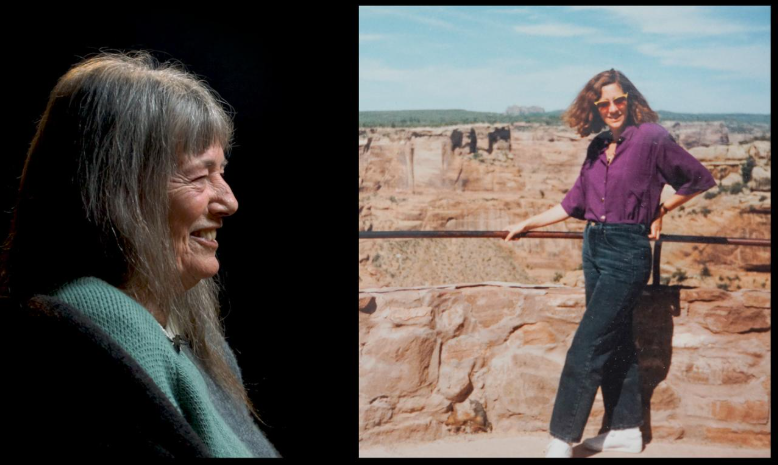
A tribute to friendship, this story originally published in 1989, was celebrated in December 2021 when a documentary was produced about Montserrat Roig and Montserrat Blanes friendship of silences, commotion and madness.

The audiovisual is made up of two narratives, the one in the short story and that told through the live voice and presence of Montserrat Blanes speaking from experience, memory and remembrance.

If you understand Catalan, you can watch and listen to the recording of “Roig i Blanes. Una amistat de silencis, enrenou i bogeria” on Youtube here.

Overall a powerful and thought provoking collection that makes me keen to read her longer fiction.

Further Reading

Biography: Amb uns altres ulls (With Other Eyes) by Betsabé Garcia (2016)

Article: Montserrat Roig : Up-close and from afar by Mercè Ibarz

“And when cancer attacked her, the hour of relentless truth that is illness brought out the self-portrait that the public persona had been hiding: a lucid, serene, combative writer and an excellent reader, who was cognisant of the fact that Franco’s dictatorship had pulled literary training up at its roots and who was, therefore, all too aware of her limits to that point and the power that, despite her illness, journalistic prose could give her.” Mercè Ibarz

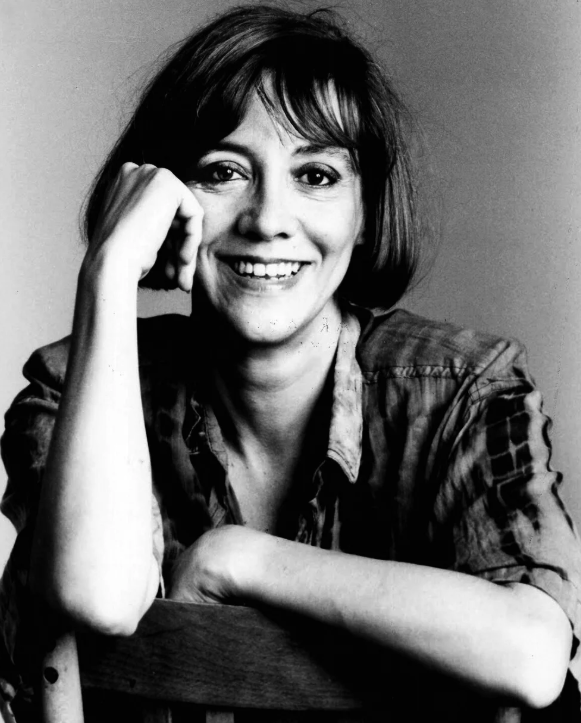
Author, Montserrat Roig

Montserrat Roig (Barcelona, 1946-1991) was an award-winning writer and journalist, and the recipient of numerous prestigious prizes including the Premi Víctor Català and the Premi Sant Jordi.

Her journalistic work focused on forging a creative feminist tradition, and on recovering the country’s political history.

Her novels take similar stances, reflecting on the need to liberate women who were silenced by history.

Women in Translation month #WITMonth

Every novel I’ve read in translation this month has been exceptional. I do love August for seeing what others are reading in this category to ensure I have a future supply of excellent reads originating from elsewhere, coming from other languages.

Here’s what I hope to read this month and I’d love to hear your favourites, what you’ve read and loved or are looking forward to during WIT Month or any time!

Translation Opens World Views

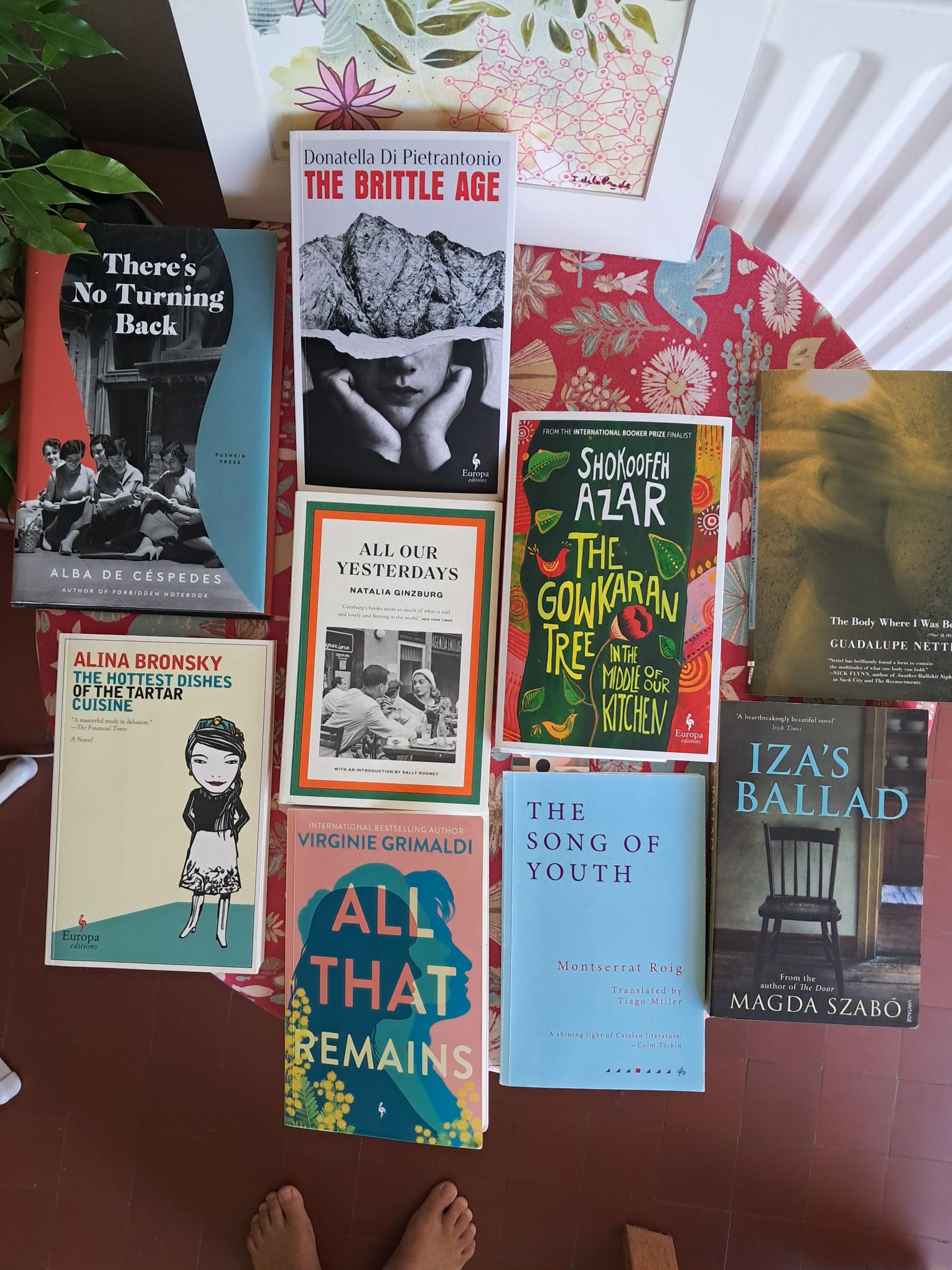
Covers of books ftom the shelf of novels by women in translation

I find it such an immense privilege to have the opportunity to read a novel that was originally conceived and written in another language, that can naturally dive into perspectives from other cultures that might be completely different or universally connected.

I loved norms being challenged and insights shared, new words, cultural references, all those opportunities to expand one’s awareness.

So I gathered what I had on my shelf to read for August to share here and I am very grateful to Daniela at Europa Editions UK who sent me three excellent new publications published by Europa in 2025, which arrived just as the month started, two of which I have devoured already.

Read Around the World

The books I have chosen are by women from Mexico (translated from Spanish), Rome and Abruzzo in Italy, Barcelona (Catalan), France (French), Iran (living as a political refugee in Australia, translated from Farsi), Russia living in Berlin (translated from German) and Debrecen, Hungary.

Mexico

I started the month with Guadalupe Nettel’s (Mexico) excellent autobiographical novel The Body Where I Was Born (reviewed here) translated by J.T. Lichtenstein, a book that reads like a memoir of childhood and adolescence, but from the perspective of looking at how those various experiences she had, might have moulded her character.

The real surprise was when she and her brother join her mother to come and live here in Aix en Provence while she’s working towards a PhD. Very insightful and for me, utterly riveting. You can also read Still Born (reviewed here) shortlisted in 2023 for the International Booker, hers is a voice and style I adore.

Italy

I’ve definitely been in a phase of reading Italian women writers from the 30’s and 40’s, so of course there is more Natalia Ginzburg and Alba de Céspedes in my pile for this month.

I’ve already finished There’s No Turning Back (reviewed here) translated by Ann Goldstein, a novel of eight women entering adulthood and potential independence in the face of a society that wants women to stay traditional, and I’m looking forward to Ginzburg’s novel All Our Yesterdays about a pregnant 16 year old who marries an older family friend to save her reputation.

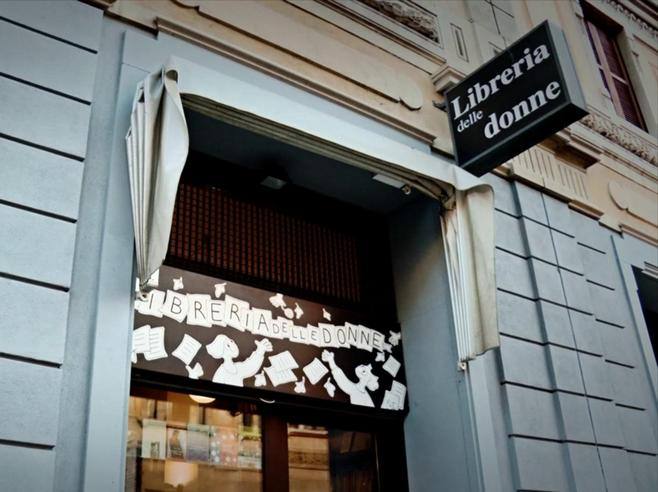
I recently read an excellent article about Italy’s feminist history and literature by Margarita Diaz, who after reading Elena Ferrante’s essay collection In the Margins, sought out a women’s bookstore collective, the Libreria delle Donne di Milano, whose work had been a source of inspiration for her Neapolitan novels. The bookstore occupies a unique place in the history of the Italian women’s movement, having established “an alternative genealogy of culture,” a perspective quite different to that of English speaking cultural feminism. I would love to visit this bookshop.

The Libreria delle Donne di Milano (The Milan Women’s Bookstore), on Via Pietro Calvi in the Zona Risorgimento, houses more than 7,500 carefully curated works, mostly in Italian, by 3,700 female writers from all around the world. Works by icons of Italian literature like Sibilla Aleramo, Grazia DeLedda, and Elena Ferrante sit next to translated copies of works by anglophone writers like Virginia Woolf and Jane Austen. It is a refreshing, unapologetic, women-only space, where female voices are celebrated and encouraged. 

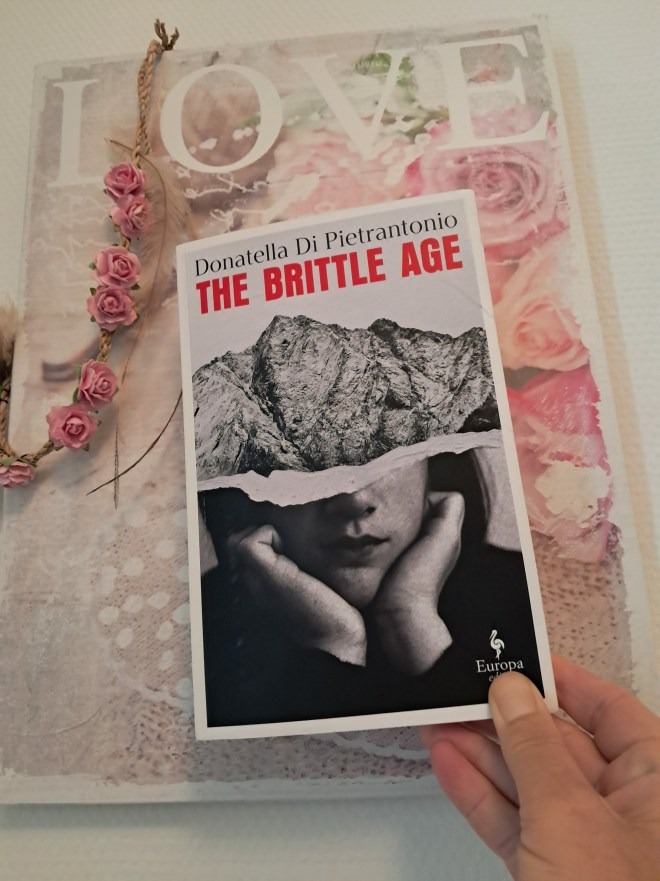
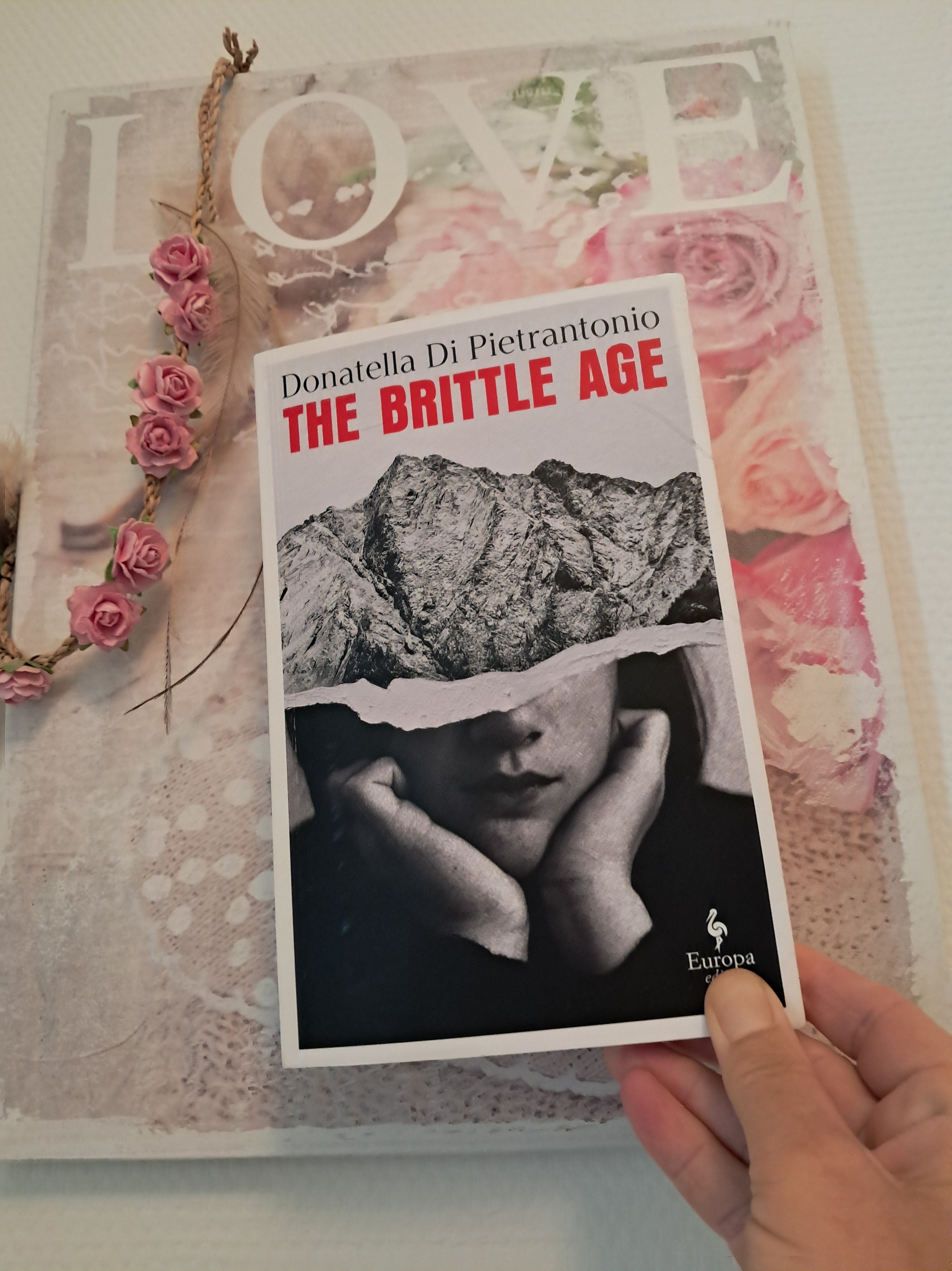
My third Italian read, more contemporary, with a flashback to events of the 90’s is the Strega Prize 2024 winning novel The Brittle Age by Donatella Di Pietrantonio (reviewed here), also translated by Ann Goldstein.

Her novels are excellent. A Girl Returned was exceptional, and I was riveted reading this latest. Historical true crime inspired and a psychological exploration of the effect of traumatic events on the individual and community and the small actions that help heal – just brilliant.

Doesn’t that mountain look like our local Mount Saint Victoire, with the cross at the summit?

France

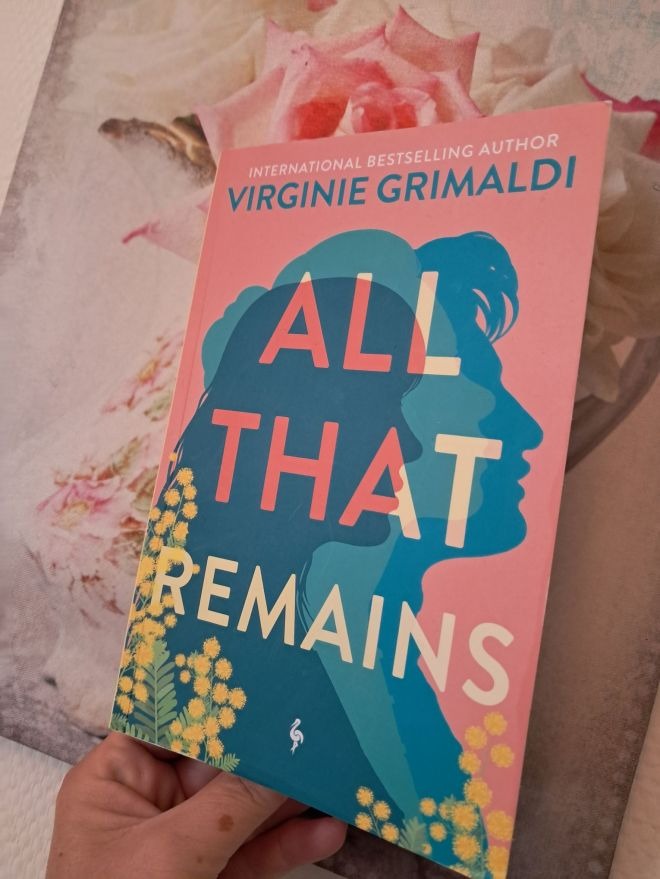
It being a busy and hot working summer, I was also looking for lighter reads that would be captivating and so I chose Virginie Grimaldi’s second novel All That Remains (my review here) translated by Hildegarde Serle, a story of three people whose paths cross when each is at a significant turning point. Jeanne (74) is widowed and is overwhelmed, Iris (33) has made a near-escape and is in hiding, and Théo (18) working in a boulangerie (bakery) is starting out having left a boy’s home.

I was particularly interested in this after having seen French a news item about inter generational living arrangements, where young people move in with the elderly, enabling them to stay in their own homes. This was a page turner, totally feel good, brilliant and uplifting, a perfect all year round read!

Catalan, Spain

In February, visiting Barcelona, I found my way to the BackStory Bookshop where I discovered works in Catalan translated into English. The Song of Youth (reviewed here) by Montserrat Roig (1946-1991) translated by Tiago Miller is a collection of eight stories, which I have already started and I am pencil scribbling all over, they are so, so good.

Looking back at that lower bookshelf in the bookstore, from where I obtained this volume, I wish I had bought Time of the Cherries as well, one I’ve seen reviewed by Jacqui and more recently, Goodbye, Ramona. The latter, wasn’t in the store, but I have recently found and ordered a copy. Those Fum de Stampa Press editions are gorgeous but not easy to find!

Iran

Delighted to see a new bold chunkster translated from Farsi by Shokoofeh Azar, The Gowkaran Tree in the Middle of Our Kitchen (reviewed here). This one, spanning fifty years in the history of modern Iran, is described as a lush, layered story embracing politics and family, revolution and reconstruction, loss and love amid the colourful stories of twelve children, each told against the backdrop of cultural and political change.

Having loved her earlier novel, The Enlightenment of the Greengage Tree shortlisted for the International Booker (2020) and The Stella Prize, I’m saving this 500 page epic for holiday week at the end of August.

Russia

The Hottest Dishes of the Tartar Cuisine was the second novel written by Alina Bronsky, a German novelist born in the Ural mountain area of Russia, a dark, funny novel that stars Rosalinda, the irrepressible tyrant babushka who’ll stop at nothing to keep her family from emigrating without her as the Soviet Union falls apart. She’s brutal and cunning but also induces sympathy and amusement. This has been on my shelf too long and reading this NYT interview has pushed me to want to read it.

“Sometimes I do readings and people can’t stop laughing, but I’m reading about pretty tragic things,” Bronsky says. “I think Soviet humor is a desperate humor, rather typical of very different nations, of Jewish people, Ukrainians, and of course Russians. It’s despair — just keep laughing, until you are dead.”

Hungary

Lastly another that’s been waiting a while to be picked up is Magda Szabo’s Iza’s Ballad translated by George Szirtes, about a woman whose daughter insists she leaves her countryside home after her husband’s death to move to the city of Budapest. Uprooted from her community she must make a place and a life for herself anew.

I read her novel The Door some years ago and enjoyed it, so I’m looking forward to visiting Budapest and the countryside she left for it.

Recommendations

That’s my pile of potential reads for August, let us know in the comments below if you have read any of these or what you are looking forward to.

Reading Ireland Month 2025

March is Reading Ireland month, an initiative created by Cathy at 746 Books and it is simply a way of being in community, while reading anything written by Irish authors or that relates to Ireland, there are no fixed rules, just the intention to Read Ireland, whatever that means to you! There’s even a Spotify playlist if you’re interested in a bit of musical culture.

Getting a Jump Start

For me that means reading more Irish authors from my bookshelves. I did read two in January, in fact my first read of 2025 was Donal Ryan’s Irish Book Award 2024 winning, heart, be at peace, a novel about multiple characters in a rural town in County Tipperary facing the different issues that face them a decade or so on from his debut novel The Spinning Heart.

Then I picked up a beautiful second hand hardback Water by John Boyne on holiday, and read it on my flight home. It is the first of four novellas in his The Elements series and now I want to read the next three, Earth, Fire and the final one Air due out in May 2025. But not yet, I’m prioritising what I already have!

Reading From the Shelves

A selection of books to read during Reading Ireland month of March

So here is the pile from my bookshelves, from which I will be choosing what to read in March 2025.

There are also three titles languishing on my kindle, which doesn’t get as much attention as it should, because out of sight is out of mind when it comes to reading. So I’m jogging my memory and will try to read at least one of these e-books.

On the kindle I have Listening Still by Anne Griffin, The Quiet Whispers Never Stop by Olivia Fitzsimons and Quickly, While They Still Have Horses by Jan Carson. In physical print I have another Carson The Raptures, that I picked up at the annual Ansouis vide grenier in September 2024.

Audrey Magee’s The Colony (2022) was longlisted for the Booker Prize, shortlisted for the Orwell Prize for political fiction and the Kerry Group Irish Novel award, so it gained a lot of attention and I have been keen to read it.

When Fiction Reminds Us of Those Who’ve Passed

I really enjoyed Sebastian Barry’s Old God’s Time (2023) and want to read more of his work, so I chose his Dunne Family trio of books, Annie Dunne (2002), A Long Long Way (2005) and On Canaan’s Side (2011) to delve more into his storytelling. I am part way through reading these now.

I love that this collection of novels and the play that was the first in the series, were all inspired by characters from his own ancestral lineage. That inspired me too.

After reading A Long Long Way, I became curious, as I too have an ancestor, born in the same year as his character Willie Dunne (1896), who like Willie, went to France in World War I, was in an Irish regiment and did not return. My ancestor Edmund Costley died on 9 April 1916, in Ypres, West Flanders, Belgium at the age of 19. I’ll be writing a post about him in April.

Historical Re-Imaginings, True Crime, Women’s Lot

I have read two novels by Mary Morrissey, Mother of Pearl (1995) and Penelope Unbound (2023). Morrissey tends to take historical stories and/or characters and re-imagine their lives. Mother of Pearl was inspired by a notorious baby-snatching case in 1950’s Ireland, that she chose to fictionalise, having said that the truth would have come across to readers as unbelievable; while Penelope Unbound re-imagines the life of Nora Barnacle, if in Trieste, Italy, when James Joyce made her wait all day outside a train station for him, she decides to leave.

This year I’m going to read her imagined autobiography, The Rising of Bella Casey (2013); she was the sister of the acclaimed playwright Sean O’Casey, and it is set at the turn of the century Dublin, a social commentary on the lives of women in that era.

Then there is Maggie O’Farrell’s The Marriage Portrait (2022), another historical re-imagining, this time of the short life of Lucrezia de’ Medici, a sixteenth century member of the renowned aristocratic House of Medici in Italy. I enjoyed O’Farrell’s riveting memoir I Am, I Am, I Am – Seventeen Brushes With Death (2017), the first of her works I read, and then the multiple award-winning, Hamnet (2020) and The Hand That First Held Mine (2010), so I’m looking forward to immersing in this one.

Irish Non-Fiction

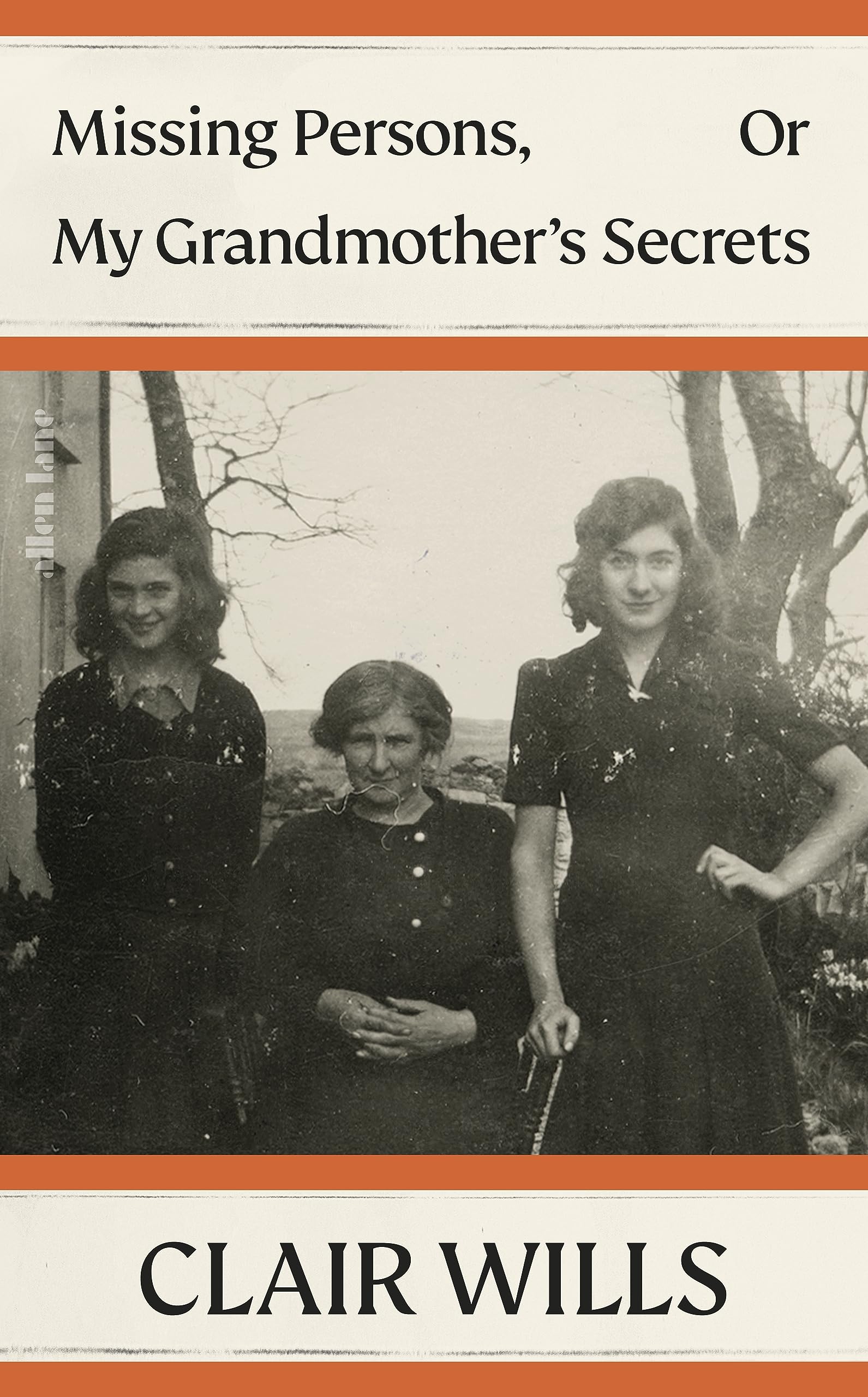
missing persons or my grandmothers secrets unmarried mothers in ireland nonfiction memoir that excavates the truth about silence

There are two non-fiction titles on my pile, Missing Persons, Or My Grandmother’s Secrets by Claire Wills, author, critic and cultural historian, winner of the Irish Book Award for non-fiction, who has written a family history that blends memoir with social history. She explores the gaps in that history, brought about by Ireland’s brutal treatment of unmarried mother’s and their babies, and a culture of not caring, not looking into or asking questions, rolling back a dark period of its history of loss and forgetting.

The second non-fiction title is the candid Fierce Appetiteslessons from my year of untamed thinking, also subtitled, Loving, Losing and Living to Excess in my Present and in the Writings of the Past by medieval historian Elizabeth Boyle.

The title is a reference to Vivian Gornick’s memoir Fierce Attachments, which is part of what intrigued me, but also the uniqueness of someone finding sense of three dramatic events in their life through medieval literature.

Every day a beloved father dies. Every day a lover departs. Every day a woman turns forty.All three happening together brings a moment of reckoning.

Boyle writes on grief, addiction, family breakdown, the complexities of motherhood, love and sex, memory, class, education, travel (and staying put), with unflinching honesty,deep compassion and occasional dark humour.

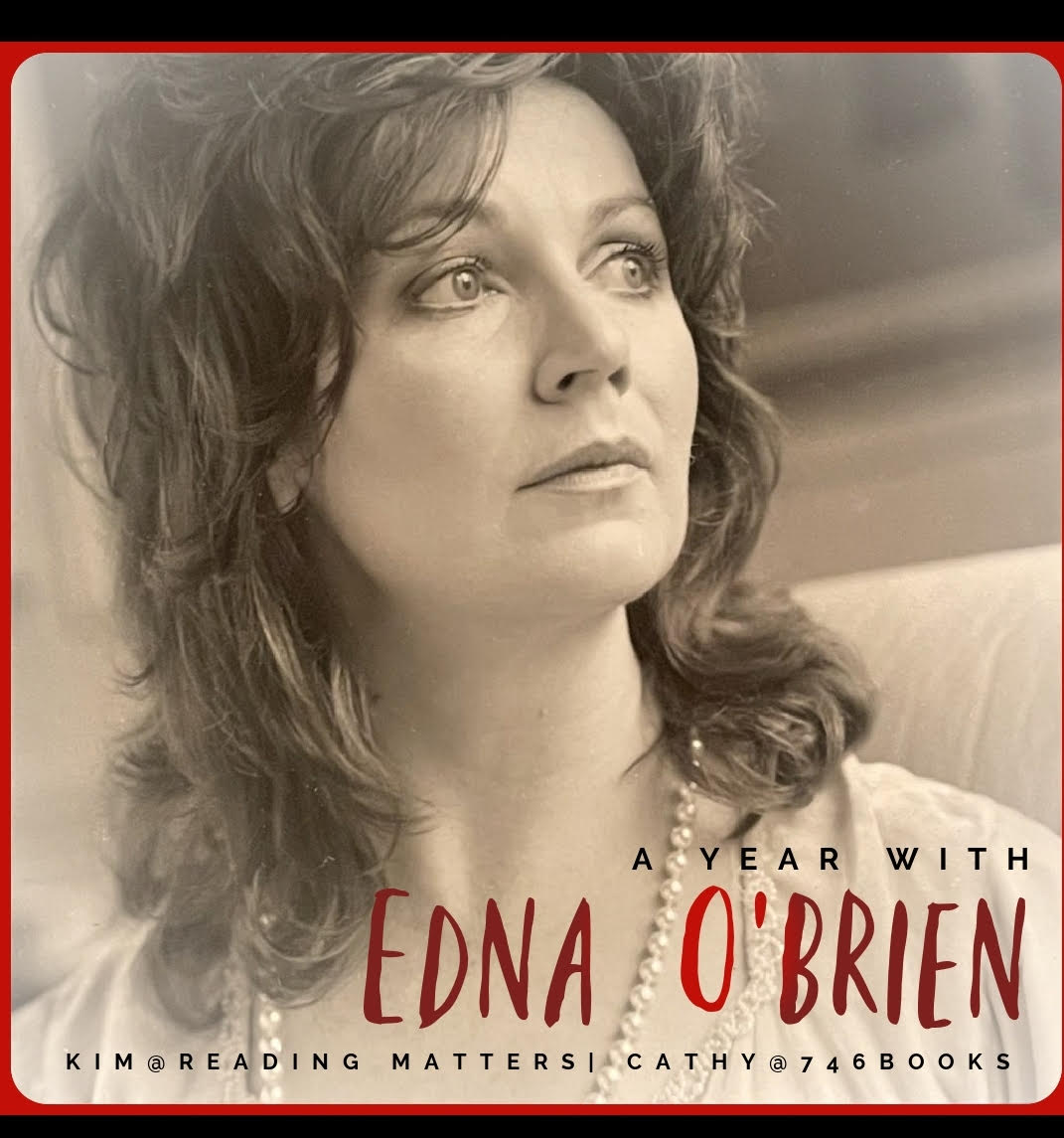
Remembering Edna O’Brien (15 December 1930 – 27 July 2024)

Edna O'Brien The Country Girls The House of Splendid Isolation

I couldn’t read Ireland without adding a title from Edna O’Brien, who died in 2024 at the age of 93. In 2023, I read The Country Girls trilogy, made up of three stories The Country Girls (1960), The Lonely Girl (1962), and Girls in Their Married Bliss (1964) released in 1986 in a convenient single volume.

Credited with breaking the silence on issues young girls faced growing up in Ireland, it was a subject she would often return to. She was punished for it, but lead the way for others to eventually follow.

O’Brien described her work in this way:

I have depicted women in lonely, desperate, and often humiliated situations, very often the butt of men and almost always searching for an emotional catharsis that does not come. This is my territory and one that I know from hard-earned experience. Edna O’Brien (Roth, 1984, p. 6)

Cathy at 746 Books and Kim at Reading Matters are spending a year reading Edna O’Brien and are reading Country Girls in February, you can see their reading schedule for the year if you go to their blog.

I have decided to read one my shelf, The House of Splendid Isolation (1991), the first book in her Modern Ireland trilogy, a political novel, depicting the relations of an Irish Republican Army terrorist and his hostage, an ageing Irish widow, in a house that represents the troubled nation.

Suggestions, Recommendations?

That’s the selection I have made, no guarantees on what I’ll get through, but I’m looking forward to the immersion. Have you read and enjoyed of the titles I mention above?

Are you going to read any Irish literature in March? Let me know in the comments below.

International Booker Prize Longlist 2025

The International Booker Prize 2025 longlist has been announced by this years judging panel, made up of a novelist, a poet, a translator, a critic and a songwriter, all of whom cross boundaries into other art forms. In their various ways, they are steeped in the world of words.

These are the 13 books they have chosen in the first cut, from 154 books submitted – 11 novels and two collections of short stories, translated from 10 original languages representing 15 nationalities and 11 independent publishers:

The longlisted books are:  

International Booker Prize longlist 2025 © Yuki Sugiura for the Booker Prize Foundation

The Book of Disappearance by Ibtisam Azem (Palestine) translated from (Arabic) by Sinan Antoon

– The shocking premise of Azem’s novel can be summed up in a sentence: what would happen if all the Palestinians in Israel suddenly disappeared?

Alaa is haunted by his grandmother’s memories of being displaced from Jaffa and becoming a refugee in her homeland after the Nakba. Ariel, Alaa’s neighbour and friend, is a liberal Zionist, critical of the military occupation of the West Bank and Gaza, yet faithful to the project of Israel. When he wakes up one morning to find that all Palestinians have suddenly vanished, Ariel begins searching for clues to the secret of their collective disappearance. 

That search, and Ariel’s reactions to it, intimately reveal the fissures at the heart of the Palestinian question. Between the stories of Alaa and Ariel are the people of Jaffa and Tel Aviv – café patrons, radio commentators, flower-cutters – against whose ordinary lives these fissures and questions play out. 

Spare yet evocative, intensely intelligent in its interplay of perspectives, The Book of Disappearance, critically acclaimed in its original Arabic edition, is an unforgettable glimpse into contemporary Palestine as it grapples with both the memory of loss and the loss of memory. 

On the Calculation of Volume I by Solvej Balle (Denmark) translated by Barbara J Haveland

– a woman is trapped in a time loop, waking up each morning to find it’s the 18th of November, again and again.The first book of a planned septology. Five books have been published in Danish so far, with translations underway in over 20 countries. 

She no longer expects to wake up to the 19th of November, and she no longer remembers the 17th of November as if it were yesterday. She comes to know the shape of the day like the back of her hand – the grey morning light in her Paris hotel; the moment a blackbird breaks into song; her husband’s surprise at seeing her return home unannounced.  

But for everyone around her, this day is lived for the first and only time. They do not remember the other 18th’s of November, and they do not believe her when she tries to explain.  As Tara approaches her 365th 18th of November, she can’t shake the feeling that somewhere underneath the surface of this day, there’s a way to escape. 

There’s a Monster Behind the Door by Gaëlle Bélem (La Réunion) translated (French) by Karen Fleetwood & Laëtitia Saint-Loubert

– in 1980s La Réunion (an overseas department of France, in the Indian Ocean), a young girl with a zest for life rises up against her jaded, bitter parents.

La Réunion in the ’80s is a place of high unemployment and low expectations, the legacy of postcolonialism. Here, a little girl makes a bid for escape from her sadistic parents’ reign of terror and turns to school for salvation. The name Dessaintes is one to reckon with. A bombastic, violent and increasingly dangerous clan, little do they know that their downfall is being chronicled by one of their own. 

Rich in the history of the island’s customs and superstition and driven by a wild, offbeat humour, this picaresque tale manages to satirise the very notion of freedom available in this French territory, and perhaps even the act of writing itself and where it might lead you.

Solenoid by Mircea Cărtărescu (Romania) translated by Sean Cotter 

– partly inspired by the author’s years as a teacher in Romania, spiraling into a bizarre account of history, philosophy and mathematics, with flashes of nightmarish body horror. Said to have been written in a single draft, at 627 pages, the longest book on the list.

Grounded in the reality of communist Romania, the novel grapples with frightening health care, the absurdities of the education system and the struggles of family life, while investigating other universes and forking paths. 

In a surreal journey like no other, we visit a tuberculosis preventorium, an anti-death protest movement, a society of dream investigators and a minuscule world of dust mites living on a microscope slide. Combining fiction and history with autobiography – the book is partly based on Cărtărescu’s experiences as a teacher – Solenoid searches for escape routes through the alternate dimensions of life and art, as various monstrous realities erupt within the present. 

Reservoir Bitches (short stories) by Dahlia de la Cerda (Mexico) translated (Spanish) by Heather Cleary & Julia Sanches

–  follows the efforts of 13 memorable Mexican woman, from the daughter of a cartel boss to a victim of transfemicide, to survive against the odds.

In the linked stories of Reservoir Bitches, 13 Mexican women prod the bitch that is Life as they fight, sew, cheat, cry and lie their way through their tangled circumstances. From the all-powerful daughter of a cartel boss to the victim of transfemicide, from a houseful of spinster seamstresses to a socialite who supports her politician husband by faking Indigenous roots, these women spit on their own reduction and invent new ways to survive, telling their stories in bold, unapologetic voices.  

At once social critique and black comedy, Reservoir Bitches is a raucous debut from one of Mexico’s most thrilling new writers.

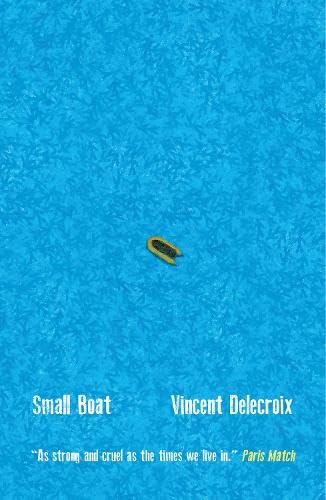
Small Boat by Vincent Delecroix (France) translated by Helen Stevenson

– the fictional account of a group of migrants’ attempt to cross the English Channel in an inflatable dinghy, which results in the deaths of 27 of those on board. Told from the point of view of a French woman who received, but rejected, their desperate calls for help. 

Despite receiving numerous calls for help, the French authorities wrongly told the migrants they were in British waters and had to call the British authorities for help. By the time rescue vessels arrived on the scene, all but two of the migrants had died.  

The narrator of Delecroix’s fictional account of the events is the woman who took the calls. Accused of failing in her duty, she refuses to be held more responsible than others for this disaster. Why should she be more responsible than the sea, than the war, than the crises behind these tragedies?  

A shocking, moral tale of our times, Small Boat reminds us of the power of fiction to illuminate our darkest crimes. 

Hunchback by Saou Ichikawa (Japan) translated by Polly Barton 

– an unflinching account of sexual desire and disability about a protagonist born with a congenital muscle disorder who uses an electric wheelchair and a ventilator. Hailed as one of Japan’s most important novels of the 21st century. 

Within the limits of her care home, her life is lived online: she studies, she tweets indignantly, she posts outrageous stories on an erotica website. One day, a new male carer reveals he has read it all – the sex, the provocation, the dirt. Her response? An indecent proposal… 

Written by the first disabled author to win Japan’s most prestigious literary award and acclaimed instantly as one of the most important Japanese novels of the 21st century, Hunchback is an extraordinary, thrilling glimpse into the desire and darkness of a woman placed at humanity’s edge. 

Under the Eye of the Big Bird by Hiromi Kawakami (Japan) translated by Asa Yoneda 

– leaps back and forth across thousands of years and finds humankind on the verge of extinction, but still clinging to the impulses that make us human. 

In the distant future, humans are on the verge of extinction and have settled in small tribes across the planet under the observation and care of the Mothers. Some children are made in factories, from cells of rabbits and dolphins; some live by getting nutrients from water and light, like plants. The survival of the race depends on the interbreeding of these and other alien beings – but it is far from certain that connection, love, reproduction, and evolution will persist among the inhabitants of this faltering new world. 

Unfolding over geological eons, Under the Eye of the Big Bird is at once an astonishing vision of the end of our species as we know it and a meditation on the qualities that, for better and worse, make us human. 

Eurotrash by Christian Kracht (Germany) translated by Daniel Bowles

– a Swiss writer named Christian, embarks on a tragicomic road trip with his wealthy, elderly mother in this tragicomic and absurd semi-autobiographical novel.

Realising he and she are the very worst kind of people, a middle-aged man embarks on a dubious road trip through Switzerland with his 80-year-old mother, recently discharged from a mental institution. Traversing the country in a hired cab, they attempt to give away the wealth she has amassed from investing in the arms industry, but a fortune of such immensity is surprisingly hard to squander. Haunted in different ways by the figure of her father, an ardent supporter of Nazism, mother and son can no longer avoid delving into the darkest truths about their past. 

Eurotrash is a bitterly funny, vertiginous mirror-cabinet of familial and historical reckoning. The pair’s tragicomic quest is punctuated by the tenderness and spite meted out between two people who cannot escape one another. Intensely personal and unsparingly critical, Eurotrash is a disorientingly brilliant novel by a writer at the pinnacle of his powers. 

Perfection by Vincenzo Latronico (Italy) translated by Sophie Hughes

– an expat couple attempt to live their dream in Berlin, but find themselves beset with the dissatisfaction and ennui of the modern world.

Millennial expat couple Anna and Tom are living the dream in Berlin – in a bright, plant-filled apartment in Neukölln. They are young digital creatives, freelancers without too many constraints. They have a passion for food, progressive politics, sexual experimentation and Berlin’s 24-hour party scene. Their ideal existence is also that of an entire generation, lived out on Instagram, but outside the images they create for themselves, dissatisfaction and ennui burgeon.  

Their work as graphic designers becomes repetitive. Friends move back home, have children, grow up. An attempt at political activism during the refugee crisis proves fruitless. And in that picture-perfect life Anna and Tom feel increasingly trapped, yearning for an authenticity and a sense of purpose that seem perennially just out of their grasp.  

With the stylistic mastery of Georges Perec and nihilism of Michel HouellebecqPerfection is beautifully written and brilliantly scathing.

Heart Lamp (short stories) by Banu Mushtaq (Southern India) translated (Kannada) by Deepa Bhasthi 

– the author, an activist and lawyer vividly captures the extraordinary everyday lives of Muslim women and girls in southern India, in 12 stories, originally published in Kannada between 1990 and 2023.

Praised for their dry and gentle humour, these portraits of family and community tensions testify to Mushtaq’s years as a journalist and lawyer, in which she tirelessly championed women’s rights and protested all forms of caste and religious oppression.  

Written in a style at once witty, vivid, colloquial, moving and excoriating, it’s in her characters – the sparky children, the audacious grandmothers, the buffoonish maulvis and thug brothers, the oft-hapless husbands, and the mothers above all, surviving their feelings at great cost – that Mushtaq emerges as an astonishing writer and observer of human nature, building disconcerting emotional heights out of a rich spoken style. Her opus has garnered both censure from conservative quarters as well India’s most prestigious literary awards; this is a collection sure to be read for years to come. 

On a Woman’s Madness by Astrid Roemer (Surinamese-Dutch), translated (Dutch) by Lucy Scott 

– a classic of queer literature, as electrifying today as it was when it first appeared in 1982, tells of a courageous Black woman fleeing her abusive husband to embark a new life in the Surinamese capital.

When Noenka’s abusive husband of just nine days refuses her request for divorce, she flees her hometown in Suriname, on South America’s tropical northeastern coast, for the capital city of Paramaribo. Unsettled and unsupported, her life in this new place is illuminated by romance and new freedoms, but also forever haunted by her past and society’s expectations. 

Amid tales of plantation-dwelling snakes, rare orchids, and star-crossed lovers, it is also a blistering meditation on the cruelties we inflict on those who disobey. Roemer, the first Surinamese winner of the prestigious Dutch Literature Prize, carves out postcolonial Suriname in barbed, resonant fragments. Who is Noenka? Roemer asks us. ‘I’m Noenka,’ she responds resolutely, ‘which means Never Again.’ 

A Leopard-Skin Hat by Anne Serre (France), translated by Mark Hutchinson 

– captures the love and despair of an intense friendship between the book’s narrator and his best friend from childhood, who suffers from severe psychological disorders.

A series of short scenes paints the portrait of a strong-willed and tormented young woman battling many demons, and of the narrator’s loving and anguished attachment to her. Serre poignantly depicts the bewildering back and forth between hope and despair involved in such a relationship, while playfully calling into question the very form of the novel.

Written in the aftermath of the death of the author’s little sister, A Leopard-Skin Hat is both the celebration of a tragically foreshortened life and a valedictory farewell, written in her signature style.

Newbies, First Timers and a Classic Translated

Many of the books on the list are by authors being translated into English for the first time, which is a great sign for translated fiction, indicating that publishers and reading more widely and looking further than the already known. Not surprising I haven’t read any of these and only heard of one Solenoid, which won the Dublin Literary Award in 2024. It is not one I will be reading, way too long!

I like the sound of Heart Lamp and On a Woman’s Madness, not just for their premise, but for the language and locations they hail from! The Danish novel, The Calculation of Volume 1 sounds intriguing and something of a cult following, you’ve got to bat for someone who went ahead and self-published and is now being translated into over 20 languages.

Anything on the list tempting you? Let me know in the comments below.

The International Booker Shortlist and Winner 2025

The shortlist of six books will be announced on Tuesday, 8 April.

The winning title will be announced at a ceremony at London’s Tate Modern on Tuesday, 20 May.

Fresh Dirt from the Grave by Giovanna Rivero tr. Isabel Adey

Fresh Dirt From the Grave is another Charco Press title, this time from Bolivia. It is a collection of six stories that unsettle the reader, navigating paths outside the norm, revealing aspects of characters, of circumstances and inclinations that pierce like a wound, while evoking expressions of love, justice and hope.

Described as where contemporary horrors and ancient terrors meet, these short stories by Bolivian author Giovanna Rivero are not my usual fare, however I chose to read it for #WITMonth and discover what the boundaries of Gothic really means.

There are six stories and the first few were tales of macabre revenge that reminded me of Yoko Ogawa’s excellent collection Revenge.

Overall an interesting, dark collection that brings out a quiet consideration in each of the protagonists as they grapple with their challenging situations and must either make a decision or give in to one made by an other.

blessed are the meek

A young woman is violated. Everyone around her seems to be denying the gravity of it. The family moves away, until the opportunity arrives to bury their grief, literally…

It shouldn’t have been her family that had to leave. But they were the ones who left.

fish, turtle, vulture

Photo A. Tuan on Pexels.com

A man survives 100 days at sea, the young apprentice companion with him does not.

Now he is meeting the mother of that young boy. She feeds him tortillas, asking him to repeat again what happened out there.

Atoning for his loss, he will atone for hers.

Tell me more, she says, pushing the plate of tortillas towards him as if she were paying him to tell the tale with that warm, fragrant dough.

it looks human when it rains

A Japanese widow in Bolivia teaches origami to women prisoners in a jail. She is curious about these so-called murderers, until she teaches them how to make a snake – and observes in the eyes of one woman, something terrifying.

She was surprised to find that she was not appalled by their crimes, their mistakes, their unbridled passions, the gross misjudgements that had led them there. Who was she to ponder their failings.

Her own past comes back to haunt her, a young woman lodger helps her in the garden, things that were buried resurface in her mind, in her life. A sense of injustice, a prickle of rage. The year of the snake had been the worst, the part she had tried to bury. Origami was a path, a light, because it never resorted to twists or curves to fix a form.

No one who had been so fortunate as to find themselves among the group of émigrés that embarked on the voyage to Brazil and Peru in 1957 before settling in Bolivia, in the eastern rainforest of Yapacani, had returned to Japan carrying the wilting flowers of the fiasco on their backs.

Socorro

“Those boy’s aren’t your husbands” says a deranged Aunt in the opening lines.

I didn’t know in that moment, what shook me more: the mad woman’s barbed remark or the cackle she unleashed as she spoke those words, which felt like a reprimand.

A woman, her husband and twin boys visit her mother and Aunt. She is an expert in mental health but being around her Aunt unsettles her in ways that her professional self finds hard to deal with. The moments of lucidity among the madness, reach in to her own hidden aspect and threaten to overwhelm her.

Donkey Skin

Two children orphaned overnight are sent to live with their French Aunt in Winnipeg, Canada. When they get to 17 years old, they plan an escape, and their world gets turned upside down again.

The only blood uncle we had left in Santa Cruz, Papa’s brother, said that children were always better off being raised near a female voice, and so without saying a word, he signed all the migration papers needed for Dani and me to leave Bolivia and his life for good. Being Bolivian is a mental illness, he told us in that good-humoured way of his, which made us forgive him for everything, even for handing us over like pets to Aunt Anita, who, when the time came to appear at the juvenile court, despite all those breath mints she slotted between her teeth, still couldn’t disguise the stench of whiskey.

Kindred Deer

A brown deer stands next to a dead tree Kindred Deer in Giovanna Rivero's Fresh Dirt from the grave attend a dead deer
Photo by Pixabay on Pexels.com

Intelligent but struggling financially, students sign up for medical trials that promise to cover their debts, but at what price.

The medicinal smell that rises from Joaquin’s body like an aura has taken over our bedroom. It’ll be gone in a few days, they told him.

They ignore the corpse of a dead animal outside their window, leaving it longer than they should to address. Like the strange mark on his back that shouldn’t be there, have they left that too late as well, will he pay the ultimate price?

Pay him double or I’m leaving, I say.

Author, Giovanna Rivero

Giovanna Rivero was born in the city of Montero, Santa Cruz, Bolivia in 1972 and is a writer of short stories and novels.

She holds a doctorate in Hispano-American literature. In 2004, she studied on the Iowa Writing Program and in 2006 was awarded a Fulbright scholarship, enabling her to take a masters in Latin American literature at the University of Florida. In 2014, she received her doctorate.​ In 2011, she was selected by the Guadalajara Book Fair as one of the 25 upcoming stars of Latin American literature.

She is the author of the books of short stories as well as children’s books. She has published four novels: Las camaleonas (2001), Tukzon (2008), Helena 2022 (2011) and 98 segundos sin sombra (2014). Her literary work, which moves between horror literature and science fiction, is regarded as a major contribution to the renewal of the Gothic and fantastic genres in Latin America.

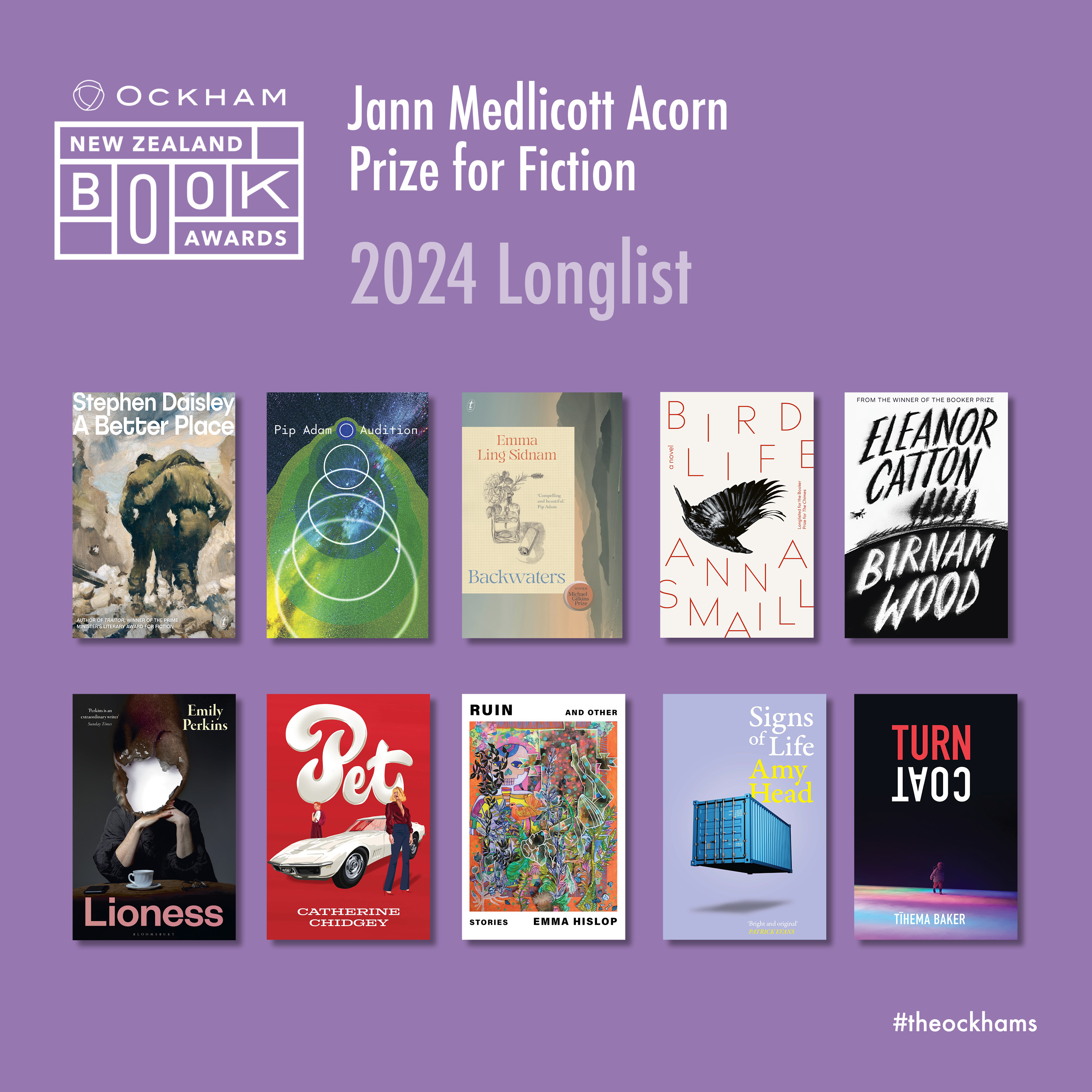
Ockham New Zealand Book Awards longlist 2024

The NZ Book Awards longlist comes out so early in the year, I am often late catching up with it. There are longlists for fiction, poetry, general nonfiction and illustrated nonfiction, a total of 44 titles. The complete list can be viewed here.

2023 was a great reading year for New Zealand fiction, and author Catherine Chidgey who won last year’s fiction award for her novel The Axeman’s Carnival, is again nominated this year for her latest Pet. Both her novels were longlisted for the Dublin Literary Award 2024, a unique position to be in. This year’s longlist features eight novels and two short story collections.

From the list below, I have read three novels, though only reviewed Birnam Wood by Eleanor Catton. I enjoyed both Lioness and Pet, and may reread them to review later, as I read them during the summer months, when books tend to be devoured and not thought too deeply about.

It’s good to see two short story collections nominated that address topical themes and the intergalactic indie hit about alienation that entertains and makes its readers consider what that feels like.

The links in the titles will take you to the Goodreads descriptions of the novels. I have created or copied short blurbs to give you an idea of what they’re each about.

The Jann Medlicott Acorn Prize for Fiction longlist

A Better Place by Stephen Daisley [WWII visceral novel] – a novel about brothers at war, empathy and the aftermath. Aged 19 in 1939, Roy and his twin brother Tony enlist in the NZ Infantry Brigade. They fight in Crete where Tony dies. Burdened by the loss of his brother, Roy continues to Africa and Europe.

Audition by Pip Adam [Science Fiction/Dystopia] – a novel, part science fiction, part social realism that asks what happens when systems of power decide someone takes up too much room – about how we imagine new forms of justice, and how we transcend the bodies and selves we are given.

Backwaters by Emma Ling Sidnam [family history/belonging] – debut novel by award-winning New Zealand poet about a 4th generation New Zealander struggling with a sense of identity and belonging.

Laura is tired of being asked where she’s really from. Her family has lived in Aotearoa New Zealand for four generations, and she’s ambivalent at best about her Chinese heritage. But when she’s asked to write about the Chinese New Zealander experience for a work project, Laura finds herself drawn to the diary of her great-great-grandfather Ken, a market gardener in the early years of the British colony.

Bird Life by Anna Smaill [literary fiction/magical realism] – A lyrical and ambitious exploration of madness and what it is like to experience the world differently. Smaill teases out the tension between our internal and external lives and asks what we lose by having to choose between them.

In Ueno Park, Tokyo, as workers and tourists gather for lunch, the pollen blows, a fountain erupts, pigeons scatter, and two women meet, changing the course of one another’s lives. Two women deal with individual traumas, form an unlikely friendship, helping each other see a different possible world.

Birnam Wood by Eleanor Catton [Eco Mystery/Thriller(y)] – an eco-thriller of sorts that considers intentions, actions, and consequences, an unflinching examination of the human impulse to ensure our own survival. Featuring green activists, politician farmer and his wife, a tech billionaire and the lone wolf investigative journalist with a past.

Lioness by Emily Perkins (Literary Fiction/Blended Family, Second Wife Drama) – a novel of a woman’s self doubt and shifting place in second families and relationships.

Trevor and Therese are a power couple living in the capital city, he is a developer and she runs a chain of fashion boutiques. That’s the exterior. At home, there is his adult family (issues) to contend with and her uncertain place in a scenario that is rapidly shifting when his deals come under scrutiny and his children make increasing demands. Increasingly, she finds refuge elsewhere, inviting another kind of risk into her precarious existence.

Pet by Catherine Chidgey [Coming of Age/School Drama/Literary Fiction] – Set in New Zealand in 1984 and 2014, traversing themes of misplaced trust, bullying, racism and misogyny, a chilling novel that explores the consequences of age old complacency and silence.

Like every other girl in her class, twelve-year-old Justine is drawn to her glamorous, charismatic new teacher, and longs to be her pet. However, when a thief begins to target the school, Justine’s sense that something isn’t quite right grows ever stronger. With each twist of the plot, this gripping story of deception and the corrosive power of guilt takes a yet darker turn. Young as she is, Justine must decide where her loyalties lie.

Ruin and Other Stories by Emma Hislop (Kāi Tahu) [Short Stories on Being A Woman/Friendship/Relationships/Power] – Moving between contemporary New Zealand and London, a debut short story collection that explores power and its contortions, powerlessness and its depravities, and the ends to which we will go to claim back agency.

Women and girls walk a perilously thin line between ruin and redemption in these stories as they try—with varying degrees of success—to outmanouver the violence that threatens to define their lives.

There’s the physical violence of men against their bodies—and sometimes the violence they exact in revenge. While doubts about a romantic partner, an abandonment by a sister, the fallout of a parent’s porgnography addiction, the betrayal of a friend, even the desire to touch a stranger’s fur-like body are subtler aggressions that pack their own kinds of punches.

Signs of Life by Amy Head [short stories/earthquake/post recovery] – A ‘lest we forget’ collection.

Christchurch, post earthquakes, the earth is still settling. Containers line the damaged streets, inhabitants waver – like their city – suspended between disaster and recovery. Tony, very much alive, is declared dead, Gerald misreads one too many situations in his community patrol, and boomer Carla tries online dating. At the epicentre of these taut, magnetic stories is 20-something Flick who, just as she is finding her feet, faces a violent disruption – this time in human form – while her mostly-ex gets set to marry. Keenly observed, deftly humorous, Signs of Life turns on the smallest of details to show how we carry on.

Turncoat by Tīhema Baker (Raukawa te Au ki te Tonga, Ātiawa ki Whakarongotai, Ngāti Toa Rangatira) (Science Fiction/Literary Political Satire/Indie smash-hit!) – a futuristic novel about an idealistic human, that explores the effect of being colonised and serves as a commentary on the experiences of Māori public servants while inviting Pākehā to imagine that experience.

Daniel is a young, idealistic Human determined to make a difference for his people. He lives in a distant future in which Earth has been colonised by aliens. His mission: infiltrate the Alien government called the Hierarch and push for it to honour the infamous Covenant of Wellington, the founding agreement between the Hierarch and Humans.

With compassion and insight, Turncoat explores the trauma of Māori public servants and the deeply conflicted role they are expected to fill within the machinery of government. From casual racism to co-governance, Treaty settlements to tino rangatiratanga, Turncoat is a timely critique of the Aotearoa zeitgeist, holding a mirror up to Pākehā New Zealanders and asking: “What if it happened to you?”

Shortlist Annoucement

The 2024 Ockham New Zealand Book Awards shortlist will be announced on 6 March, 2024.

The Jann Medlicott Acorn Prize for Fiction will be judged by reading advocate and former bookseller Juliet Blyth (convenor); writer, reviewer and literary festival curator Kiran Dass; and fiction writer Anthony Lapwood (Ngāti Ranginui, Ngāi Te Rangi, Ngāti Whakaue, Pākehā). They will be joined in deciding the ultimate winner from their shortlist of four by an international judge.

The winner of the Jann Medlicott Acorn Prize for Fiction will receive $65,000.

A Year of Reading New Zealand Literature

In 2024, Lisa at ANZLitLovers and Theresa at TheresaSmithWrites will celebrate the rich literary heritage of Antipodean writing by joining forces to spend a year discovering New Zealand fiction. 

Reading from their TBR and whatever else comes their way, they’ll be posting reviews on their blogs and sharing via social media using the hashtag #AYearofNZLit

Follow them or join in if you’re interested in reading Kiwi fiction!

So Late In the Day by Claire Keegan

So Late in the Day (2023) was recently shortlisted for the Irish Book Awards Novel of the Year; it didn’t win that award however Claire Keegan won Author of the Year 2023.

The Literary Withhold

I read So Late in the Day as if it were a kind of literary mystery.

It is so short, (it’s a small square book of 4 chapters, 47 pages, around 11,000 words), that with Keegan’s combination of economy and precision with words, I found I was reading vigilantly between the lines as I went, not being able to stop myself from trying to guess the significance of every utterance and carefully constructed phrase. I mean, right from that opening line…

On Friday, July 29th, Dublin got the weather that was forecast.

…it read to me like something imbued with meaning. Did something or someone get what they deserved, I wondered?

Recalling other stories of Keegan’s, like Foster and Small Things Like These, I would suggest this is a motif of her storytelling, the slow reveal, the building up of a sense of something untold, omitted. The reader can’t help but wonder, question, try and guess as each page reveals a little more, what might be coming, the denouement.

Keegan herself suggested in a recent interview that the book requires a second reading:

So Late in the Day deploys her typically hushed technique to devastating effect; plain sentences unfurl their full implication only on rereading, the narration a veiled disclosure of the protagonist’s poisonous habits of thought.  – extract from Guardian article

Review

A young man, Cathal, is at his workplace on a Friday afternoon and seems very conscious of the time, in the first couple of pages it is mentioned twice, it passes slowly, perhaps excruciatingly. People act on guard around him, they know something we don’t.

It was almost ready (his coffee) when Cynthia, the brightly dressed woman from accounts, came in, laughing on her mobile. She paused when she saw him, and soon hung up.

Photo by R.Esquivel Pexels.com

His boss indicates he needn’t stay the rest of the day, and Cathal is aware of him closing his door softly, all of which makes the reader wonder why, what has happened to this young man that people seem to be treading carefully around him? As he leaves the office at the end of the day and waits for the lift, on hearing someone approach, he pushes open the door to the stairwell.

On the bus ride home, another clue:

He would ordinarily have taken out his mobile then, to check his messages, but found he wasn’t ready – then wondered if anyone ever was ready for what was difficult or painful.

The final clue before the end of the chapter is when a young woman gets on the bus and sits in a vacant seat opposite him. He breathes in her scent…

until it occurred to him that there must be thousands if not hundreds of thousands of women who smelled the same.

A Relationship Unravelled

He returns home, steps over wilted flowers on his doorstep and spends the evening alone, consuming a weight watchers microwave dinner and opens a bottle of champagne.

The four short chapters alternate between the past and the present. When the narrative steps back in time, we learn about his relationship with a half French, half English girl Sabine that he’d met in Toulouse. The dialogue between them reveals a disconnect that goes unnoticed by him and is ignored by her.

It is the discordant undertones within their conversation and his contemptuous observations that reveal the long, dark shadow of influence and inference.

After the reveal, when we learn what has happened to him, who he is, he recalls things about his own mother, his father, things from the past that shaped them, though he does not acknowledge that.

If a part of Cathal now wondered how he might have turned out if his father had been another type of man and had not laughed, Cathal did not let his mind dwell on it. He told himself it meant little, it was just a bad joke.

A Take on Language and Lore

It is a thought-provoking, provocative read, that subtly explores a seismic patriarchal crack in Irish society, one that infiltrates language, habits, behaviours and attitudes.

It is ironic, that the title in English is ‘So Late in the Day‘ compared to the French translated title which was translated or treated as ‘Misogynie‘. One title refers to the actions of the female character while the other refers to the behaviours of the male character. The story is told through the observations of Cathal, so the English language title belongs to his perception of reality, while the French title takes on a more overarching thematic approach.

In the article below, in The Guardian, it was revealed that the American author George Saunders was a fan of the story and recently chose it when invited to pick a favourite New Yorker story to discuss on the magazine’s podcast, but stopped short of reading it, due to one of the words used.

Keegan (who read the story herself, with riveting poise) tells me she respects his reluctance “even though he considered it to be the perfect word – as I do. It’s what Irish men often call women here. Writing the language people use is part of what a writer does to portray the lives we lead, the world we live in.”

Further Reading

The Guardian Interview: Claire Keegan: ‘I can’t explain my work. I just write stories’ by Anthony Cummins

Sambac Beneath Unlikely Skies (2021) by Heba Hayek

Tender, nostalgic vignettes of a childhood growing up in Gaza, often told from the perspective of the twenty-something narrator looking back from the present, now living in exile in London. She is constantly longing for old places while finding new ones, the past never far from being elicited by the present.

Each new chapter has an associated song, vignettes accompanied by a playlist.

The image of the sambac, the tree that filled our back yard with its sweet, creamy scent, appears in my narrator’s attempts to create life where this shrub doesn’t naturally thrive.

short stories Palestinian Literature Gaza Hajar Press

The little stories are so compelling, I finished them in one sitting and was left wanting to read more. I sincerely hope the author is writing more stories, preserving important memories, while there is a terrible war raging in her home town.

These stories are the anti-thesis of that violent incursion, they speak of family outings to the sea, of friendships, of Aunties, though so many are tinged with reminders that it is almost never without some reference to loss.

As the narrator grows into unlikely circumstances away from Gaza, memory is her greenhouse; her way to bring back the voice of the girl who was sacrificed and born in the hands of her identity. At her desk in a flat in Southeast London, she writes of what makes her soul flicker: community love, especially the kind embodied by circles of women and girls.

Guns and Figs

In this vignette, our narrator shares a childhood memory of driving along the Gaza coast with her parents, beside the Mediterranean, in her favourite place, by the window facing the sea, window down, sea breeze rushing in, an unchanging view for the duration of the 20 minute drive.

The song accompanying the vignette is Fairuz ”Nassam Alayna El Hawa’ (The Breeze Is Upon Us)

Photo by Kadir Akman on Pexels.com

My brother and I each had assigned places in the car, until our little sister grew old enough to claim her window-seat rights. Then the rotation became tricky, involving fights that mostly ended with my brother crying in the middle.

I usually sat by the window, facing the sun and the sea, breathing the salty, creamy air and occasionally eating grapes and figs: the ultimate Mediterranean snack.

These drives all felt the same, until the last one.

At a checkpoint, a soldier indicates they should pull over, “I’ll just be a minute” says her father. An hour later he returns, the Friday barbecue trips end indefinitely that day, though she is never told why.

I started to notice Baba paying more attention to the road; it seemed like he was avoiding certain checkpoints. Every so often, he would point out something ahead and wonder aloud whether it was a checkpoint or a fruit cart. As Fairuz sang from the cassette player, Baba drove on, trying to guess the difference between guns and figs.

Friendship, Fear and Foreign Places

Other stories ‘Ask Me Anything’ tell of school days interrupted by explosions, of friendships interrupted by disappearances, ‘A Carry-On Full Of Pictures and Letters’.

We were never trained for emergencies at school. We just knew what to do. We would sit on the floor under our tables each time we heard the recurrent loud explosions – ignore the first two, exchange a few nervous looks, and then, in one swift move, we’d all be in our places by the third. That consistency was comforting. The fact that we had survived the first two was a good enough sign that it’d be worth shielding ourselves from the rest.

In an attempt at reassurance, our teacher would remind the class: ‘The one you hear isn’t the one that kills you.’

One day her best friend Lubna leaves Gaza without telling anyone. She had visited the Al-Shifaa hospital after breaking her arm and never returned.

When she was ten, Lubna’s dad had been one of seven people martyred after the occupation forces targeted a car in the middle of a busy street. She’d been planning her exit for years; I just didn’t think it was really going to happen.

Three years later, she visits her friend in Amsterdam where she now lives.

Song: Lucy Dacus – ‘Yours and Mine’.

That day feels like the oldest memory I have. Yet somehow I can barely remember it at all, or the person I was when I hadn’t yet imagined what it meant to leave.

‘I love my mother, but she couldn’t protect me. I love you, but you couldn’t either. I’m a lot better now, you see?’ She waves her hand in the air, and I look around and nod.

A Moving Tale, Of Family Drama

Song: Nina Simone – ‘I Wish I Knew How It Would Feel To Be Free’

In this vignette, we first hear that our narrator has been kicked out of her flat after secretly hosting an Airbnb guest to help pay the rent. Homeless, she moves into the office where she works and takes on additional responsibilities.

Sometimes, I even feel content in my windowless bunker, stealing bits of people’s lunches from the common lounge – not the entire meal. As I look up flats in my small college town, I think of my first big move.

Here, we learn of when our narrators parents leave the family home, the summer she turns six, after problems around inheritance became intolerable. Their last day living in an apartment above her grandmother Sitti, arrives:

Moving out of the family house was never a casual affair, but rather a statement. It’s like leaving home for the first time – making a point that it’s time to move on. Changes like these usually carried an undertone of wives taking their husbands away from their families and keeping them for themselves.

The move also meant that no one was going to interfere in how to raise us, except for my parents. It was a bit of a slap in the face, especially for Sitti. But I was excited about it; I wanted to be like my other cousins who visited only on Fridays and wore something new each time: a little bag or a hair tie, or even a completely different hairstyle. I was ready to rebel with my parents and become the daughter of a mean woman. I started to imagine what I would wear the next Friday.

Some years later, she visits her grandmother in Belgium, where she now lives and finds her safe, but malcontent.

Song: Idir – ‘A Vava Inouva’

Seventy years since her birth,our Grandma is in a French-speaking town, barely able to move, again a refugee. She tells me she didn’t want to leave Gaza, and that she regrets it.

‘Who leaves at this age?’ she says, slightly ashamed of her attempt at survival. As though there were an age limit to craving life, or to that quiet longing older folks back home often fear expressing.

Photo by u015eeyma D. on Pexels.com

It is a wonderful collection, that preserves childhood memories and shares with the rest of us, a slice of life for a member of a Palestinian family in Gaza, where growing up is fraught with uncertainty, trauma and nothing can be taken for granted.

From afar, the beauty of family and fragmented moments of friendship gain additional significance, as a way of life is slowly and methodically destroyed.

A must read, excellent portrayal of a lonesome yearning for home.

To order a copy of this book, visit Hajar Press here.

Heba Hayek, Author

Heba (she/they) is a London-based, Gaza-raised Palestinian author, creative and facilitator. She completed an MFA in Creative Writing at Miami University, Ohio, and studied for an MA in Social Anthropology at SOAS University of London.

Rooted in anti-nation-state, decolonial, queer, Afrikan feminist thought, Heba’s work navigates topics such as disposability, Global South solidarity movements, land justice, Palestinian drill music, and more.

Heba’s first book, Sambac Beneath Unlikely Skies, won the Creative Award in the 2022 Palestine Book Awards and was chosen as a 2021 Book of the Year by The White Review, Middle East Eye and The New Arab.

Dance Move by Wendy Erskine

Dance Move is Belfast author Wendy Erskine’s second volume of short stories and the first one I have read. Her debut Sweet Home was reviewed to critical acclaim, so I was looking forward to reading this collection published in 2022 and appropriately I chose to read it in-flight, on my way to Belfast for a weekend visit.

I also was reading it for Reading Ireland Month 2023, but did not have time to review it before that ended.

In-flight versus On-Train Entertainment

Dance Move Wendy ErskineIt was the perfect choice for in-flight reading, as the stories were thoroughly entertaining and kept me gripped in between flight delays, air traffic control strikes, and would have kept me company on the Elizabeth Line had I not been engrossed in eavesdropping on a conversation between two captivating young men where they discussed how they create fashion insta stories, the merits of studying in Portugal versus London; a recent concert one of them performed in Cuba last week (as you do) and gossiping about their friend who found love after challenging himself to go on 100 tinder dates – not the kind of conversation one might overhear where I live, thus book aside and ears wide open!

And so to some of the stories that have stayed with me:

Mathematics

In the first story, the opening line reads:

“The drawer beside Roberta’s bed contained remnants of other people’s fun”

It is a wonderful encapsulation of all that is to come, referring to a collection of things that have been left behind in the various short-let rentals our protagonist has cleaned. She works in a hotel that has a policy of holding lost property for 2 months before the staff can claim them, but her other boss goes by the saying ‘finders keepers, losers weepers’. Unless it is a weapon, then it should be given to him.

“Mr Dalzell had said that anything she found was hers, automatically.”

She gets driven around from place to place by another employee with a van, cleaning up after all kinds of people, who we never see or know who they are – but clearly they are not so much the short holiday crowd, more like overnight partying groups. One day she finds something left behind that creates a significant dilemma. Perhaps it was only a matter of time, but from this moment on the story captivates and builds tension as we wonder what choices she will make. Brilliant.

Mrs Dallesandro

Mrs Dallesandro Dance Move Wendy E

Photo on Pexels.com

Mrs Dallesandro opens as she leaves the hairdresser, giving a wave and observing her reflection as she leaves. She has been married twenty-three years, knows what to expect from her predictable life, is well maintained and under no illusion regarding her husband’s various dalliances with much younger women.

Mrs Dallesandro wouldn’t call them affairs or relationships, since that would elevate them to a status they didn’t warrant. She has never once felt threatened by them.

She is on a mission to go to a sunbed clinic, an activity that she perceives as a minor transgression, that ultimately will give her something she does not get elsewhere. She recalls an episode in her youth with a shopkeeper’s son and we wonder if that had an impact on the way she is now, the choices she subsequently made.

It is an evocative story of the shallowness of a life half lived, of the things a person might occupy themselves with when life has hollowed them out, the strange lengths one might go, to find a substitute for human connection. It reminded me a little of Forbidden Notebook by Alba des Céspedes, another woman living a half-life, who discovers an interior version of herself at odds with how she acts, when she begins to keep an intimate journal.

Golem

In this story jealousy and resentments between sisters surface alongside familial expectations and judgments. A birthday party creates the scene for family dysfunction to play itself out, imbued with the symbolism and pointedness of the gift, with the observations of what people wear, how trivial objects trigger emotions, how the laid-back and the intense personalities function side by side in the great mix of extended family. How human connection blossoms in surprising ways despite the circumstances.

His Daughter

A story of family loss, of grief, of obsession and activity. Just as the family are sitting down to dinner, Curtis pops outside for a minute. He does not come back. Ever. Posters go up all over town, they keep the mother busy. Time passes and signs appear of life changing, reforming, resisting, resenting, of repeat patterns that overtake the old reality. A provocative profound observation of life and death.

Dance Move

In the titular story, a mother takes a pole dancing lesson and at home tries to push her daughter to enrol in ballet. She watches her daughter and friends have fun dirty dancing with a critical eye and is quick to apportion blame.

We learn of an event from her past relating to her brother, an accident, her parents. The reader takes in the present and the past and will make their own connections between them, forced to use their own imagination to ponder any cause and effect on relationships.

Family Dynamics, Human Connection, Cause and Effect in How Lives are Lived

Short stories Dance Move Wendy Erskine

Coastal pathway, County Down, Northern Ireland

It’s not easy to make any overall assumptions or impressions about the collection, as each story took me to a different place through their characters and circumstance, that pulled me in quickly and left me pondering one thing or other.

Perhaps as I describe above, it is that setting up of a dynamic, a situation and the observation of how people react or respond, the reader being given a little or no insight into a person’s past that makes us wonder why people decide to act the way they do.

Further Reading

Leo Robson in The guardian, describes the collection as ‘pleasurable stories of magical thinking and unlived lives go straight to the emotional core’, you can read more of their observations here.