
A new author to me, I became aware of this novel when I saw that it had won Best Novel in the Ngaio Marsh Awards 2023 (an award made for the best crime, mystery, or thriller novel written by a New Zealand citizen or resident, published in New Zealand during the previous year).
Life’s Turning Point
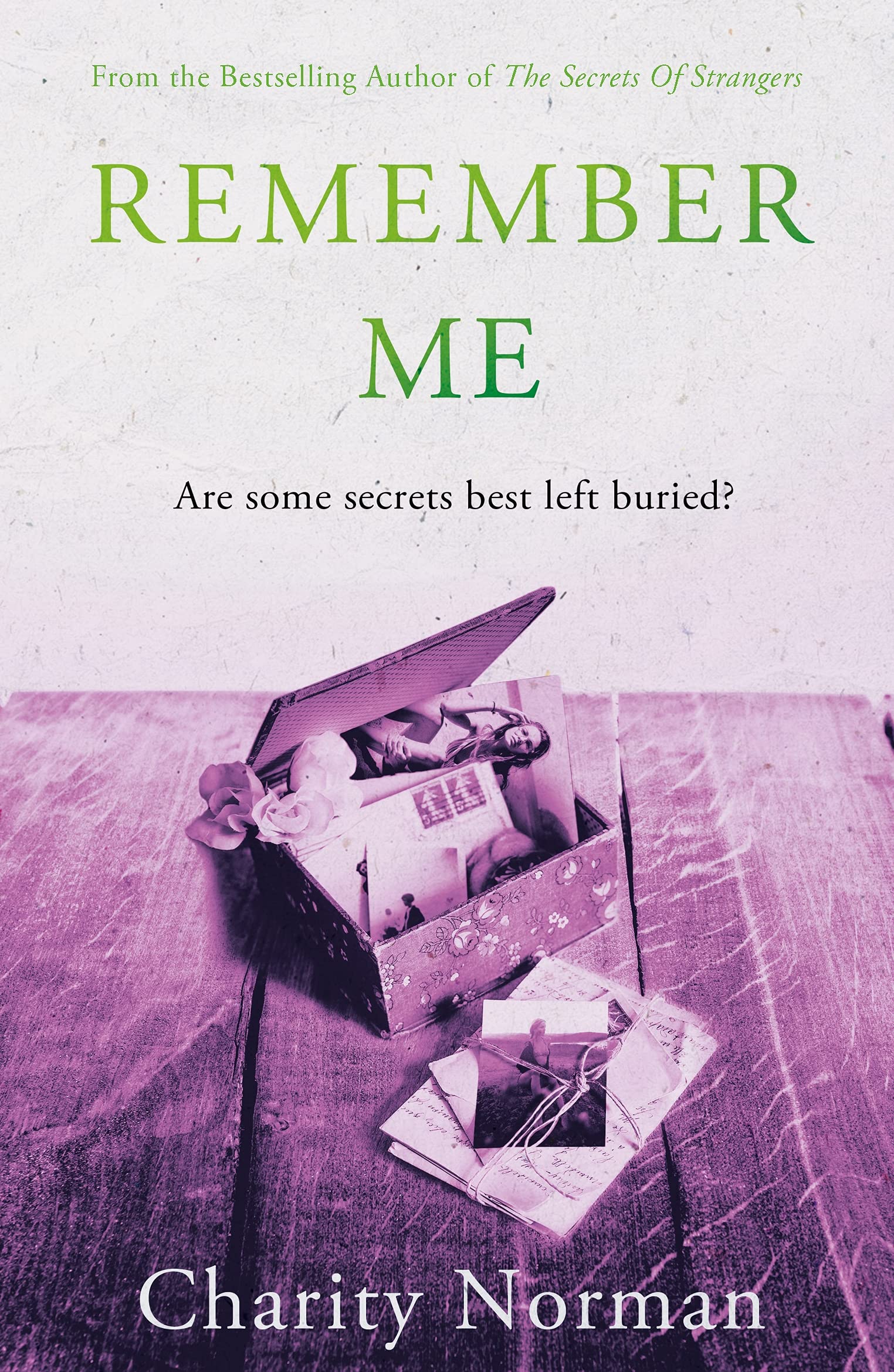
Emily, a middle aged children’s book illustrator, living alone in London, receives a call from her father’s neighbour Raewyn in Tawanui, New Zealand to say she ought to come, that her father Felix’s memory is deteriorating, the dementia much worse than when she last visited. The neighbour has been voluntarily helping him out, her son leases land off him, their families have been close for many years.
Emily is the youngest, her brother and sister though nearer have reasons why they can’t help. Not only does her father not recognise her when she first arrives, but the house is full of notes he has written to himself, an attempt to slow down the fast encroaching disease.
Notes To Self
He held up the envelope. ‘Something for you to look after.’
‘What’s this?’
‘Keep it for me, will you? Please, please, don’t open it until the event mentioned on the front. Until then, I’d rather you didn’t let anyone know of its existence. I will undoubtedly forget I’ve give it to you. I’m afraid I’m going doolally.’

Her return coincides with the 25th anniversary since Raewyn’s daughter Leah disappeared without a trace, last seen by Emily who was working in a petrol station where Leah bought something before going into the local bush on one of her conservation research trips, trying to save an endangered snail species from predators, but making a few enemies in the process. She was never seen again.
‘I envy you,’ she says.
She doesn’t. Why would she envy me? She’s Dr Leah Parata, five years older and infinitely, effortlessly superior. Everything about the woman screams energy and competence, even the way she’s twirling that turquoise beanie around her index finger. She’s tall, light on her feet, all geared up for back-country hiking in a black jacket – or maybe navy blue, as I’ll later tell the police.
The Slow Unravelling
Though she had never been close to her father, now that his short term memory is failing and his guard is slipping, she comes to realise there is much about her father she did not know, both in the way he cared and the terrible secrets he has kept.
Emily, I’m lost in the mist, I’m sliding into an abyss. You can’t begin to imagine the terror.’
Determined not to put him into care, as her siblings prefer, Emily decides to stay, reconnecting with her own past and begins to unravel what has been covered up and must decide what to do about it.

It’s an evocative read that brings the reader deep into the east coast North Island setting of a small town in the foothills of the bush covered Ruahine Mountain Range. It creates a strong sense of its locals, both those who stay and those who leave, all of whom have a history and connections, who harbour secrets, fear judgement and maintain strong loyalties, especially when outsiders come into the community.
It’s a slow unravelling of the mystery of Leah’s disappearance and the revelation of who a father really is to his daughter, as time runs out and he begins to forget not just who she is, but who he is himself and the important final task he has set himself.
Author, Charity Norman
Charity Norman was born in Kampala, Uganda, the seventh child of missionary parents, raised in Yorkshire and Birmingham. A barrister specialising in crime, family law and mediation, in 2002 she took a break from law and moved with her family to New Zealand and began a writing career.
She has written seven novels, See You in September (2017) and The Secrets of Strangers (2020) were both shortlisted for the Ngaio Marsh Award for crime novel. The New Woman/The Secret Life of Luke Livingstone was selected for the BBC Radio 2 Book Club. Remember Me (2022) was a Ngaio Marsh Award winner.


 I’ve been looking forward to picking this novel up, because it’s set in and around the streets and coastal inlets of Marseilles (our local city) and even ventures into Aix-en-Provence and Vauvenargues (the scene of a murder in the novel – though known locally because Picasso lived in the château there). It was originally published in French in 1995, when Izzo was 50 years old, a mere five years before his premature passing.


 Jean-Claude Izzo when asked about the phenomenal success of his trilogy, characteristically chose to shine the light on the city he loved:
 A quick look up tells me that noir fiction has its roots in hard-boiled fiction ( a tough, unsentimental style American of crime writing) where the protagonist is often an outcast, alienated. However, Kim Fay from LA Review of Books, when reading noir, used to preparing herself for ‘bleak cynicism and uncomfortable moral ambiguity’ is pleasantly surprised, referring to De Giovanni’s Pizzofalcone precinct series and empathetic characters as ‘tender noir’:
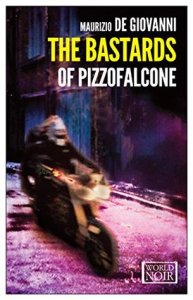 He is new to Naples, he has a teenage daughter he is worried about, a pizza waitress who is eyeing him up and a high-ranking magistrate whom he daydreams inappropriately of.
 Maurizio de Giovanni was born in Naples in 1958 and for many years worked in a bank, though not a natural vocation, his colleagues attest he always had his nose in a book and it was in fact they who entered him in a short story competition in 2005 for ‘giallo novelists’ (a 20th-century Italian mystery, thriller or horror genre of literature and film) that was the catalyst to his becoming a successful crime writer.
 Word by Word