Women in Translation month #WITMonth

Every novel I’ve read in translation this month has been exceptional. I do love August for seeing what others are reading in this category to ensure I have a future supply of excellent reads originating from elsewhere, coming from other languages.

Here’s what I hope to read this month and I’d love to hear your favourites, what you’ve read and loved or are looking forward to during WIT Month or any time!

Translation Opens World Views
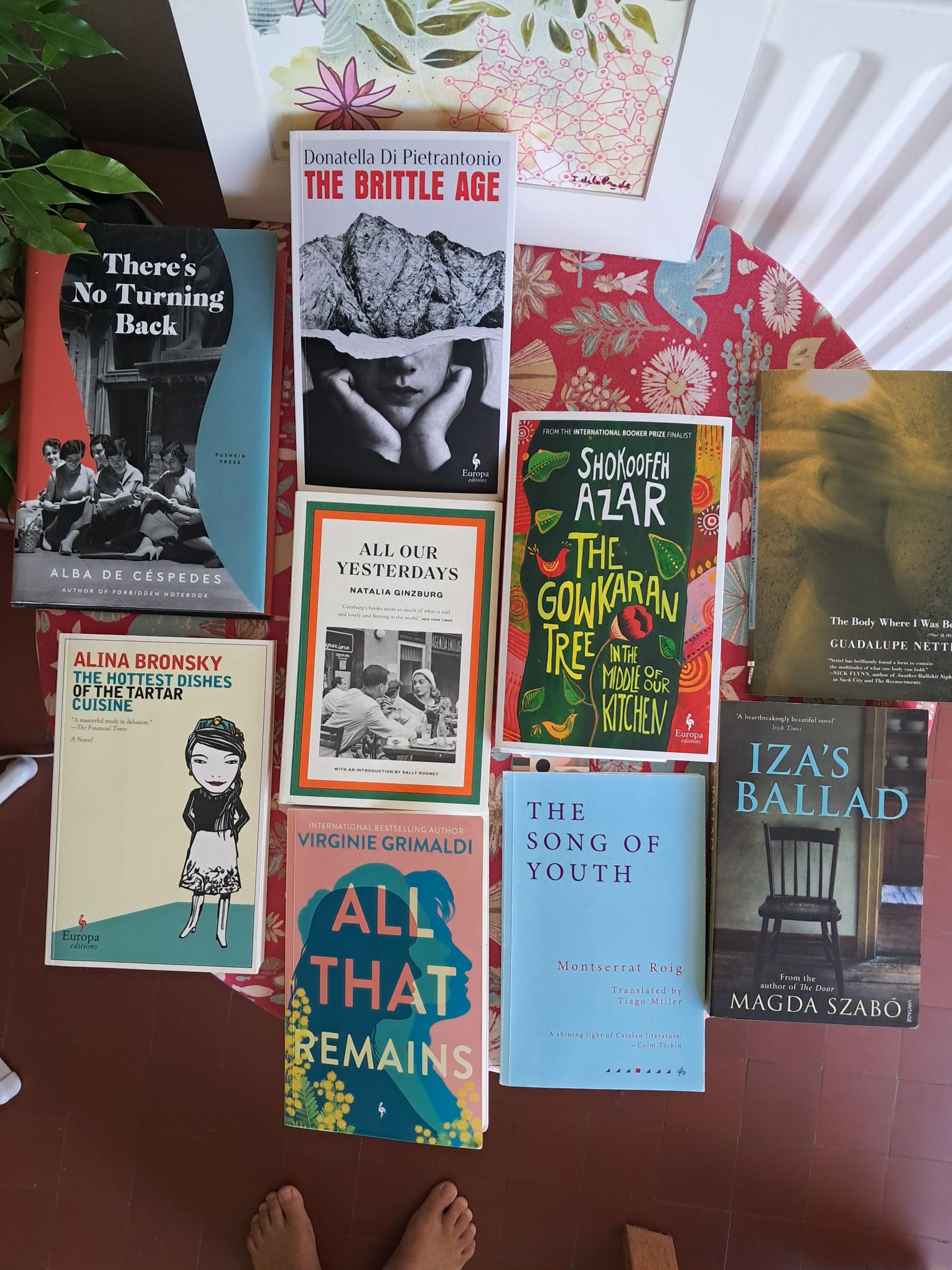
Covers of books ftom the shelf of novels by women in translation

I find it such an immense privilege to have the opportunity to read a novel that was originally conceived and written in another language, that can naturally dive into perspectives from other cultures that might be completely different or universally connected.

I loved norms being challenged and insights shared, new words, cultural references, all those opportunities to expand one’s awareness.

So I gathered what I had on my shelf to read for August to share here and I am very grateful to Daniela at Europa Editions UK who sent me three excellent new publications published by Europa in 2025, which arrived just as the month started, two of which I have devoured already.

Read Around the World

The books I have chosen are by women from Mexico (translated from Spanish), Rome and Abruzzo in Italy, Barcelona (Catalan), France (French), Iran (living as a political refugee in Australia, translated from Farsi), Russia living in Berlin (translated from German) and Debrecen, Hungary.

Mexico

I started the month with Guadalupe Nettel’s (Mexico) excellent autobiographical novel The Body Where I Was Born (reviewed here) translated by J.T. Lichtenstein, a book that reads like a memoir of childhood and adolescence, but from the perspective of looking at how those various experiences she had, might have moulded her character.

The real surprise was when she and her brother join her mother to come and live here in Aix en Provence while she’s working towards a PhD. Very insightful and for me, utterly riveting. You can also read Still Born (reviewed here) shortlisted in 2023 for the International Booker, hers is a voice and style I adore.

Italy

I’ve definitely been in a phase of reading Italian women writers from the 30’s and 40’s, so of course there is more Natalia Ginzburg and Alba de Céspedes in my pile for this month.

I’ve already finished There’s No Turning Back (reviewed here) translated by Ann Goldstein, a novel of eight women entering adulthood and potential independence in the face of a society that wants women to stay traditional, and I’m looking forward to Ginzburg’s novel All Our Yesterdays about a pregnant 16 year old who marries an older family friend to save her reputation.
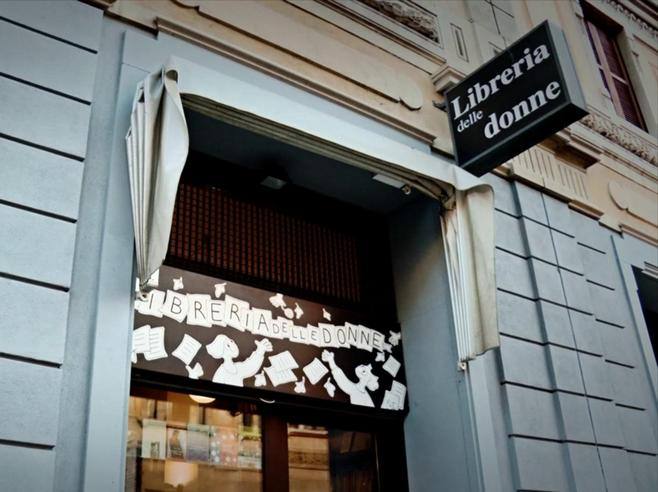
I recently read an excellent article about Italy’s feminist history and literature by Margarita Diaz, who after reading Elena Ferrante’s essay collection In the Margins, sought out a women’s bookstore collective, the Libreria delle Donne di Milano, whose work had been a source of inspiration for her Neapolitan novels. The bookstore occupies a unique place in the history of the Italian women’s movement, having established “an alternative genealogy of culture,” a perspective quite different to that of English speaking cultural feminism. I would love to visit this bookshop.

The Libreria delle Donne di Milano (The Milan Women’s Bookstore), on Via Pietro Calvi in the Zona Risorgimento, houses more than 7,500 carefully curated works, mostly in Italian, by 3,700 female writers from all around the world. Works by icons of Italian literature like Sibilla Aleramo, Grazia DeLedda, and Elena Ferrante sit next to translated copies of works by anglophone writers like Virginia Woolf and Jane Austen. It is a refreshing, unapologetic, women-only space, where female voices are celebrated and encouraged. 
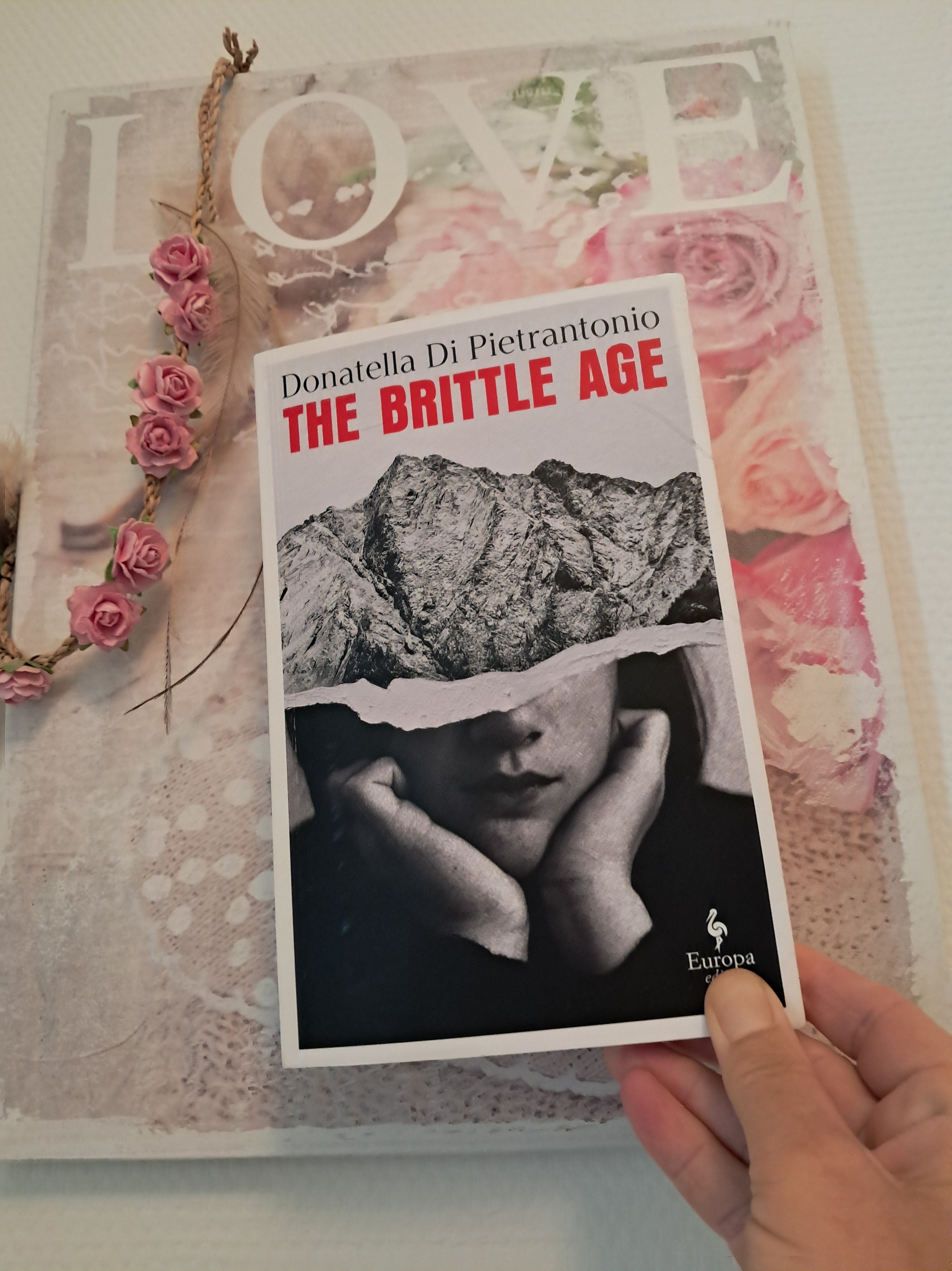
My third Italian read, more contemporary, with a flashback to events of the 90’s is the Strega Prize 2024 winning novel The Brittle Age by Donatella Di Pietrantonio (reviewed here), also translated by Ann Goldstein.

Her novels are excellent. A Girl Returned was exceptional, and I was riveted reading this latest. Historical true crime inspired and a psychological exploration of the effect of traumatic events on the individual and community and the small actions that help heal – just brilliant.

Doesn’t that mountain look like our local Mount Saint Victoire, with the cross at the summit?

France

It being a busy and hot working summer, I was also looking for lighter reads that would be captivating and so I chose Virginie Grimaldi’s second novel All That Remains (my review here) translated by Hildegarde Serle, a story of three people whose paths cross when each is at a significant turning point. Jeanne (74) is widowed and is overwhelmed, Iris (33) has made a near-escape and is in hiding, and Théo (18) working in a boulangerie (bakery) is starting out having left a boy’s home.

I was particularly interested in this after having seen French a news item about inter generational living arrangements, where young people move in with the elderly, enabling them to stay in their own homes. This was a page turner, totally feel good, brilliant and uplifting, a perfect all year round read!

Catalan, Spain
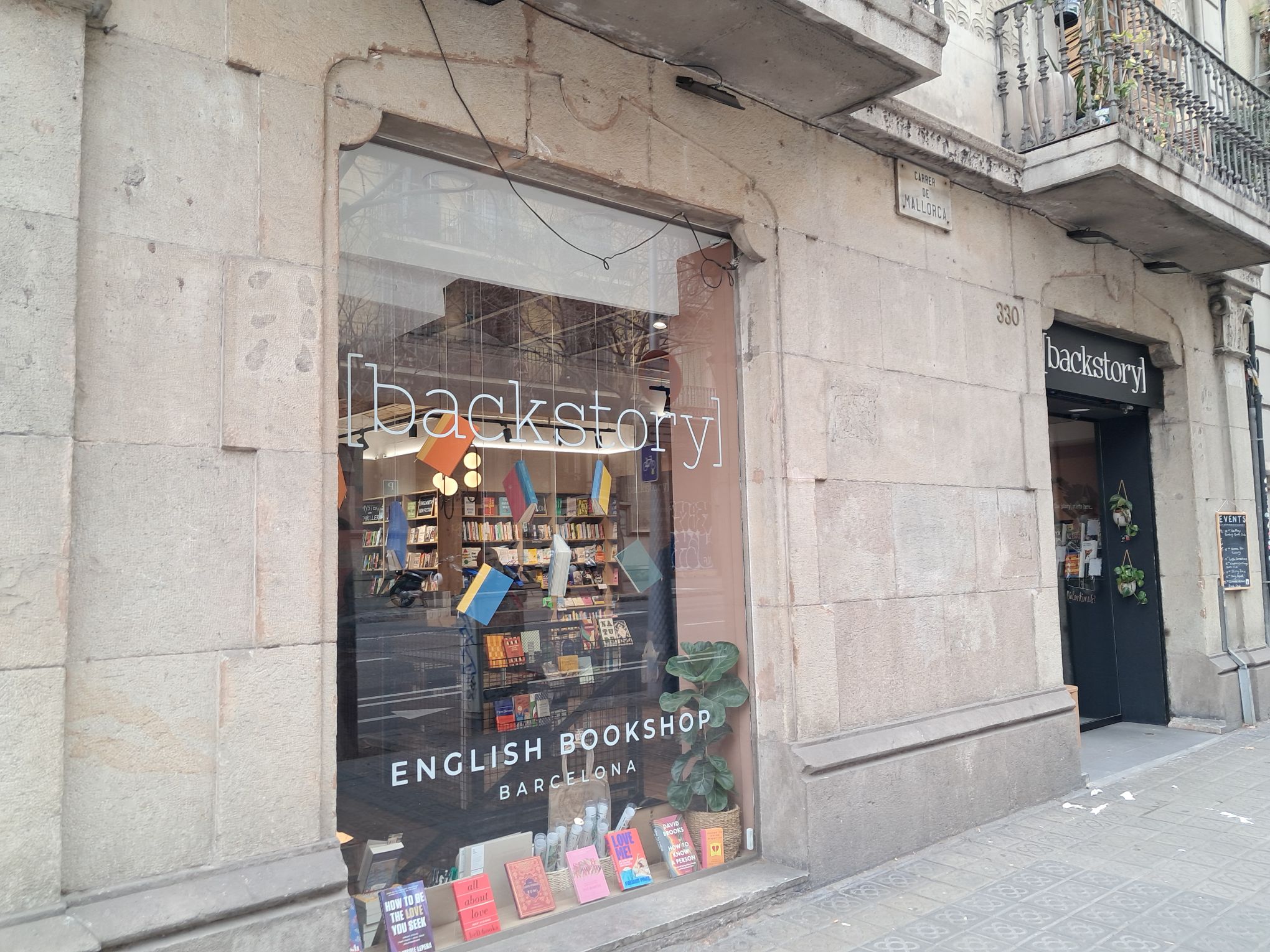
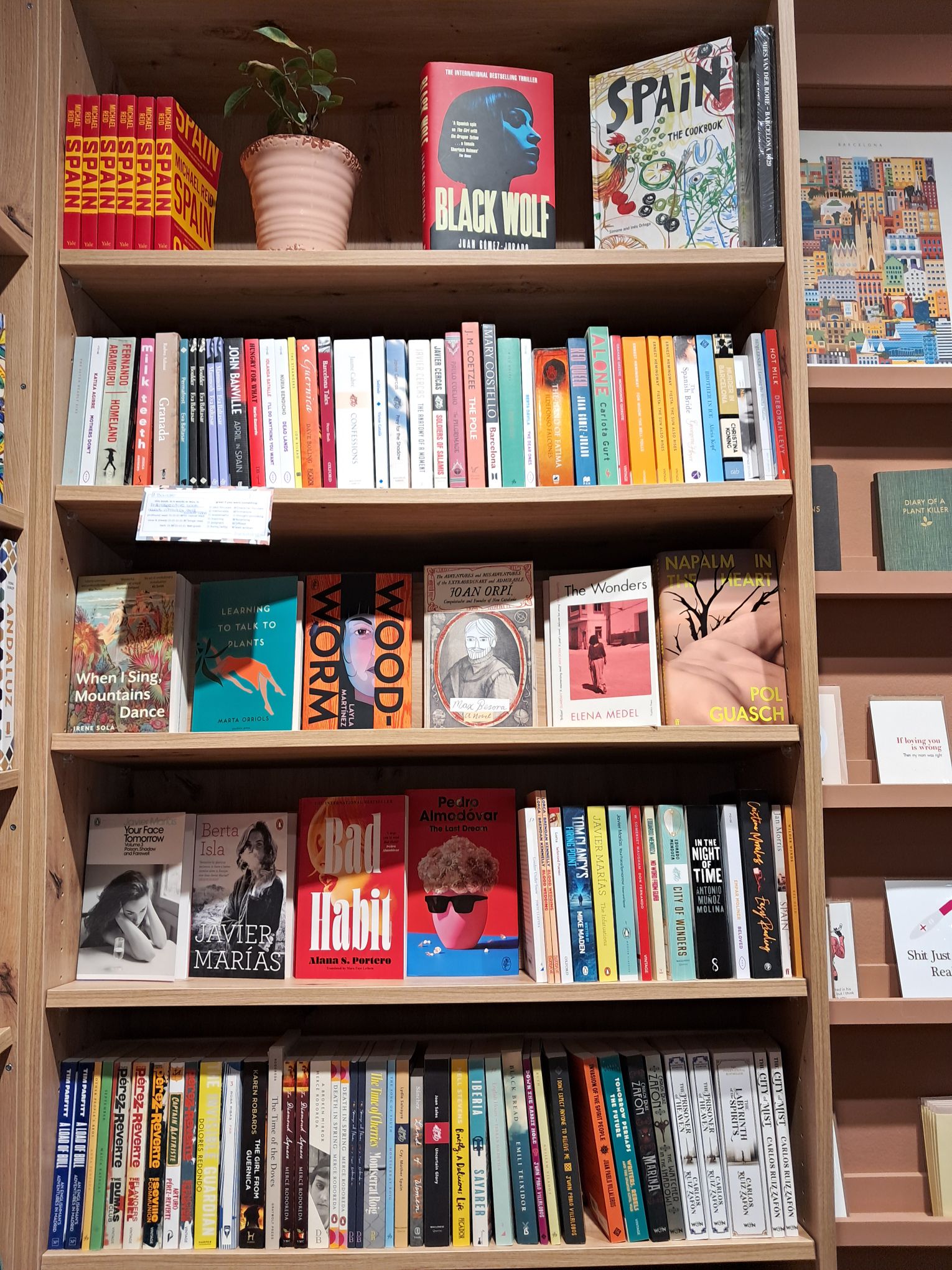
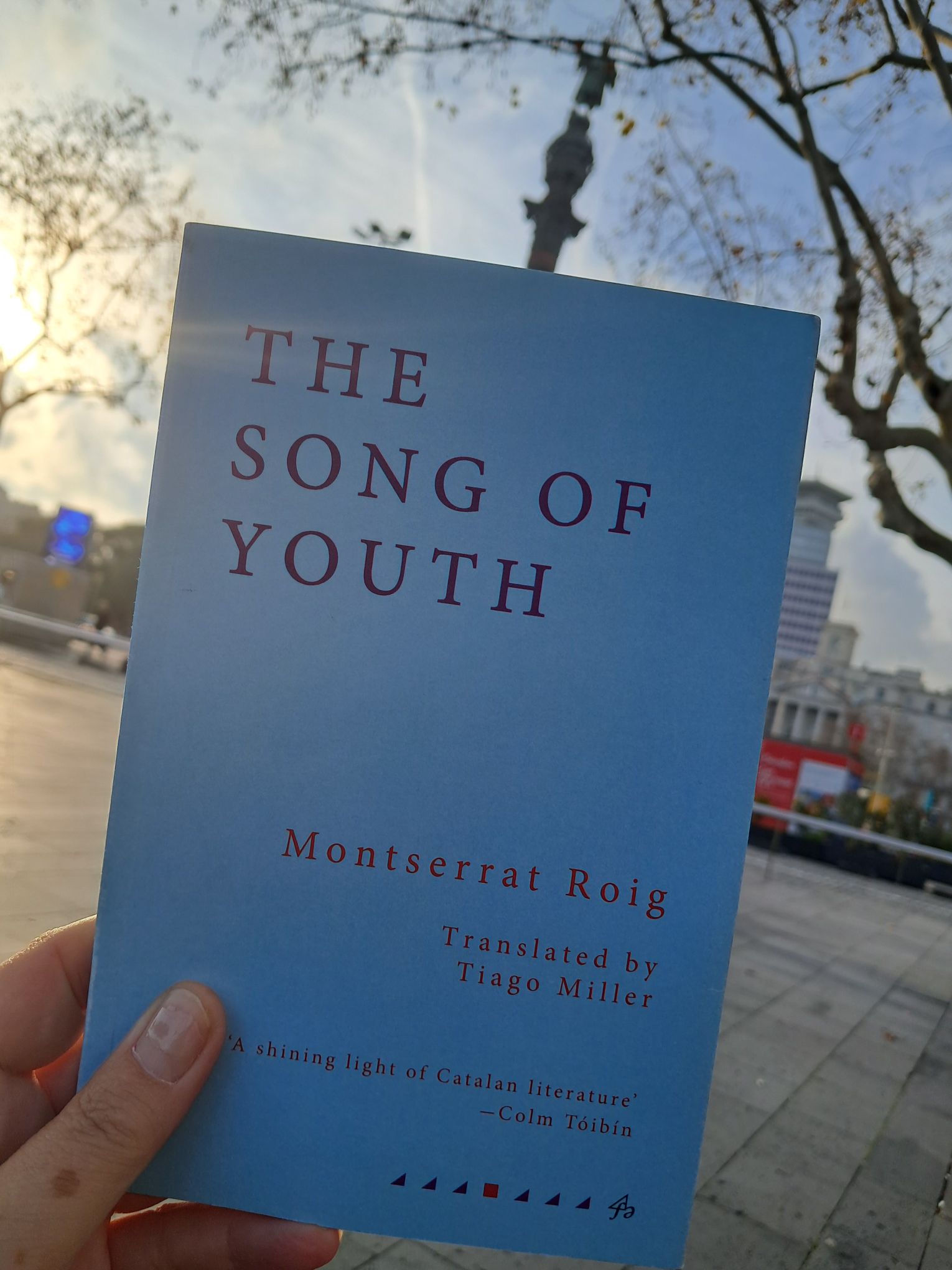
In February, visiting Barcelona, I found my way to the BackStory Bookshop where I discovered works in Catalan translated into English. The Song of Youth (reviewed here) by Montserrat Roig (1946-1991) translated by Tiago Miller is a collection of eight stories, which I have already started and I am pencil scribbling all over, they are so, so good.

Looking back at that lower bookshelf in the bookstore, from where I obtained this volume, I wish I had bought Time of the Cherries as well, one I’ve seen reviewed by Jacqui and more recently, Goodbye, Ramona. The latter, wasn’t in the store, but I have recently found and ordered a copy. Those Fum de Stampa Press editions are gorgeous but not easy to find!

Iran

Delighted to see a new bold chunkster translated from Farsi by Shokoofeh Azar, The Gowkaran Tree in the Middle of Our Kitchen (reviewed here). This one, spanning fifty years in the history of modern Iran, is described as a lush, layered story embracing politics and family, revolution and reconstruction, loss and love amid the colourful stories of twelve children, each told against the backdrop of cultural and political change.

Having loved her earlier novel, The Enlightenment of the Greengage Tree shortlisted for the International Booker (2020) and The Stella Prize, I’m saving this 500 page epic for holiday week at the end of August.

Russia

The Hottest Dishes of the Tartar Cuisine was the second novel written by Alina Bronsky, a German novelist born in the Ural mountain area of Russia, a dark, funny novel that stars Rosalinda, the irrepressible tyrant babushka who’ll stop at nothing to keep her family from emigrating without her as the Soviet Union falls apart. She’s brutal and cunning but also induces sympathy and amusement. This has been on my shelf too long and reading this NYT interview has pushed me to want to read it.

“Sometimes I do readings and people can’t stop laughing, but I’m reading about pretty tragic things,” Bronsky says. “I think Soviet humor is a desperate humor, rather typical of very different nations, of Jewish people, Ukrainians, and of course Russians. It’s despair — just keep laughing, until you are dead.”

Hungary

Lastly another that’s been waiting a while to be picked up is Magda Szabo’s Iza’s Ballad translated by George Szirtes, about a woman whose daughter insists she leaves her countryside home after her husband’s death to move to the city of Budapest. Uprooted from her community she must make a place and a life for herself anew.

I read her novel The Door some years ago and enjoyed it, so I’m looking forward to visiting Budapest and the countryside she left for it.

Recommendations

That’s my pile of potential reads for August, let us know in the comments below if you have read any of these or what you are looking forward to.

Reading Intentions 2024

Photo Ylanite Koppens @ Pexels.com

I’m not really into reading goals and rarely participate in challenges that might oblige me to stick with a fixed plan.

A mood reader, I like being able to change my mind about what is going to be picked next. So often, the book I’m reading points the way forward to the next one, or a conversation leads me to recall another book I have on the shelf already.

That said, there are certain intentions I have, and I thought I would list them this year, to give a little direction or framework to the year. As always, things can change, they probably will and if so I will welcome that!

1. Read one book a week

While the number doesn’t really matter, it exists so that that at any one time I can see if I’m keeping with my intention or lagging behind. This reading challenge is on Goodreads, which is where I dump my first impressions as I read or makes notes while reading, or not.

Some may think that reading 50-60 books in a year is a lot; it is about the equivalent of reading 50 pages a day, which is around half an hour to an hour each day. The trick is to read a little every day. I mostly read at night, in the TV watching hour(s) and just before sleep.

2. Reading Ireland Month, March 2024

Last year I read 18 Irish books and I could easily do the same this year, the main focus being Reading Ireland Month in March over at Cathy’s 746Books.

In addition to books from this pile I own here, Cathy has just posted Irish Novels to look out for in 2024 and Irish Short Story Collections + Nonfiction to Look Out for in 2024.

There are few books here I am interested in, notably, from author’s I’ve read and enjoyed; Jan Carson’s Quickly, While They Still Have Horses (short stories) plus collections from Mary Costello and Lucy Caldwell; in fiction, Nuala O’Connor’s Seaborne, Siobhan Gleeson’s Hagstone, Caiolinn Hughe’s The Alternatives. There’s likely to be more temptations I’m sure!

3. Read More Latin American Fiction

Thanks to a subscription with Charco Press, I will be receiving nine books throughout 2024, as they are published.

2023 was a stellar year of reading books from this region, I enjoyed them all, in particular A Little Luck by Claudia Piñeiro (Argentina) tr. Frances Riddle, Two Sherpas by Sebastian Martinez Daniell (Argentina) tr. Jennifer Croft and The Delivery by Margarita Garcia Robayo (Colombia) tr. Megan McDowell.

The 2024 Fiction Bundle includes these titles, so many of which I am excited to read:

4. Read More Annie Ernaux, In French

In 2023, I read Annie Ernaux’s Nobel Prize lecture, I Will Write to Avenge My Race (2022), Simple Passion (1991), and Shame (1997).

In 2024, I hope to read her masterpiece The Years (2008) in English and these three titles in French, L’occupation (2002), (The Possession), Une femme (1987), (A Woman’s Story) and “Je ne suis pas sortie de ma nuit” (1997), (I Remain in Darkness).

I live in France, but tend to read French titles in English, in order to encourage readers to pick them up, however all these titles are available in English anyway and reading in French is a great way to increase vocabulary and exercise the brain!

5. Observe the Awards

Each year, there are certain awards, I like to follow, though they rarely influence what I am going to read. If anything, I’m more likely to find something that might interest me on the longlists, but I do enjoy watching the process of these so very subjective gatherings and all the literary chatter they evoke.

The awards I’ll be looking our for in 2024 are, the New Zealand Book Awards, The Irish Book Awards, The Dublin Literary Prize, The International Booker, The Booker and The Warwick Prize for Women in Translation.

I also like to see who makes the Dylan Thomas Prize longlist, an award for young writers, aged 39 and under, as it is can be a predictor of authors to watch out for in the future. The author Okwiri Oduour (Kenya), who wrote Things They Lost, my One Super Outstanding Read of 2023, was longlisted for this prize and another favourite author Sara Baume (Ireland/UK) was shortlisted.

6. Read More Women in Translation

I love to read around the world. In 2023, I read books from 23 countries and a third of them were in translation. I particularly like to support women authors in translation, due to the challenge this group has in being picked up by publishers and seen.

There is a wealth of great literature to discover here and it is heartening to see classics by the likes of Alba de Céspedes (Italy) coming to print in English for the first time, since being published in the 1950’s.

In 2024, I hope to read more of her work, more by Natalia Ginzburg (Italy), plenty via Charco Press and certainly more that I have yet to decide on. Women in Translation month #WITMonth is in August, which isn’t a great reading month for me, as it’s peak season work wise, so I’ll be reading it all year round, but following closely in August for recommendations.

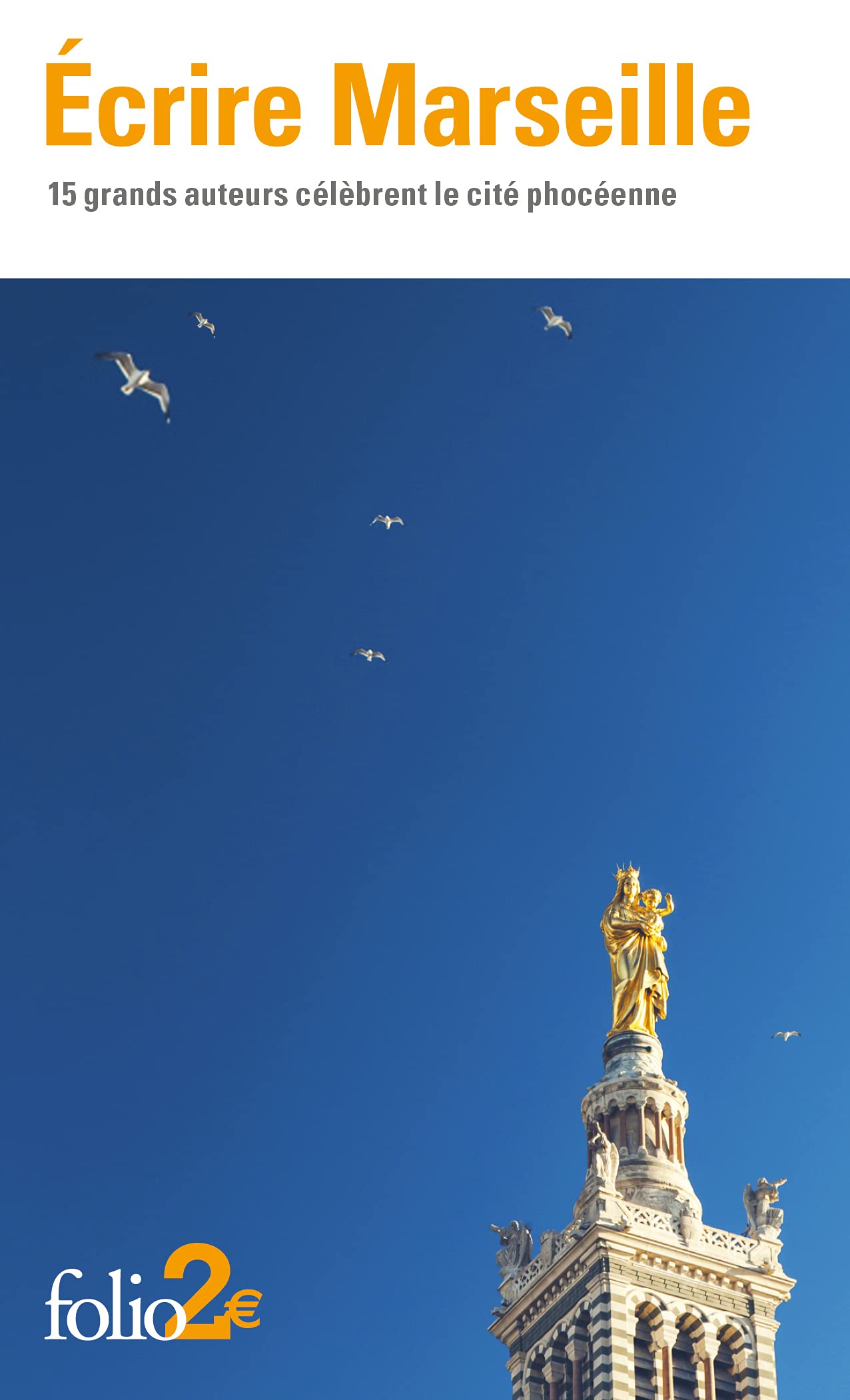
7. Écrire Marseille: 15 grands auteurs célèbrent la cité phocéenne

Jean Claude Izzo Alexandre Dumas Gustave Flaubert Albert Cohen Simone de Beauvoir

Marseille is a wonderful city, only 25 minutes from where I live. I came across this title in a local bookstore, a compilation of extracts from various French works that mention or celebrate the city of Marseille in some way.

Having had a glimpse inside, I won’t be exactly reviewing the titles or extracts, but I will allow each text to inspire me to write something, using them as a kind of springboard to discover whatever it is to be found by studying the text. That is likely to include a few visits to this complex, unique city herself.

The opening quote is from The Trilogy Fabio Mentale, of which I have read the first in the series, Jean-Claude Izzo’s Total Khéops (1995) (Total Chaos):

“Marseille n’est pas une ville pour les touristes. Il n’y a rien à voir. Sa beauté ne se photographie pas. Elle se partage. Ici, il faut prendre parti. Se passionner. Être pour, être contre. Être, violemment. Alors seulement ce qui est à voir se donne à voir.”

“Marseilles isn’t a city for tourists. There’s nothing to see. Its beauty can’t be photographed. It can only be shared. It’s a place where you have to take sides. Be passionate. Be for, be against. Be, violently. Only then what is to be seen, shows itself.” 

The 15 authors included in the anthology are:

Arrivées à Marseille: Alexandre Dumas (1802-1870), Gustave Flaubert (1821-1880), Albert Cohen (1895-1981), Simone de Beauvoir (1908-1986)

Regards sur la ville: Paul Valéry (1871-1945), Marcel Pagnol (1895-1974), Albert Camus (1913-1916), René Frégni (né en 1947), Rebecca Lighieri (née en 1966), Alain Damasio (né en 1969)

Quelques quartiers de la cité phocéenne: Paul Cézanne (1839-1906), Albert Londres (1884-1932), Louis Brauquier (1900-1976), Jean-Claude Izzo (1945-2000), Maylis de Kerangal (née en 1967)

8. Read What I Like, When I Like

Photo by Julia Kuzenkov on Pexels.com

Have intentions, not obligations. No need to review or finish a book, just follow what lights me up.

Reading and playing around on this blog is total freedom and enjoyment, never a chore, just a fun place to hang out and create content that are like the conversations I am unable to have, because I would never wish to impose all this on anyone.

But thank you to those willing to read and comment, who follow along anyway, that is like the icing on the cake, a gift that is much valued and appreciated and which often contributes to what I might read next.

* * * * * * * * *

Do you have any reading intentions for 2024? Let me know in the comments below.

Top Reads of 2023 – Part 1, Fiction + One Outstanding Read

In this post I share my Top 7 Fiction titles = One Outstanding Read of 2023, click here for Part 2, my Top 5 Nonfiction of 2023.

I have waited until this last day of December to share my Top Reads of 2023, thinking that there may be something to add in the last two weeks, sadly there wasn’t, instead there was a single book I struggled with that put me off reading, not wanting to pick it back up until yesterday.

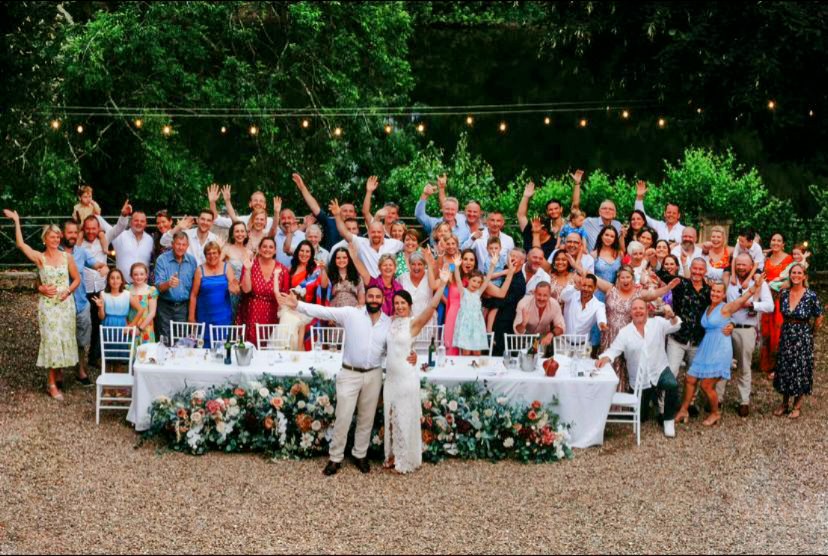
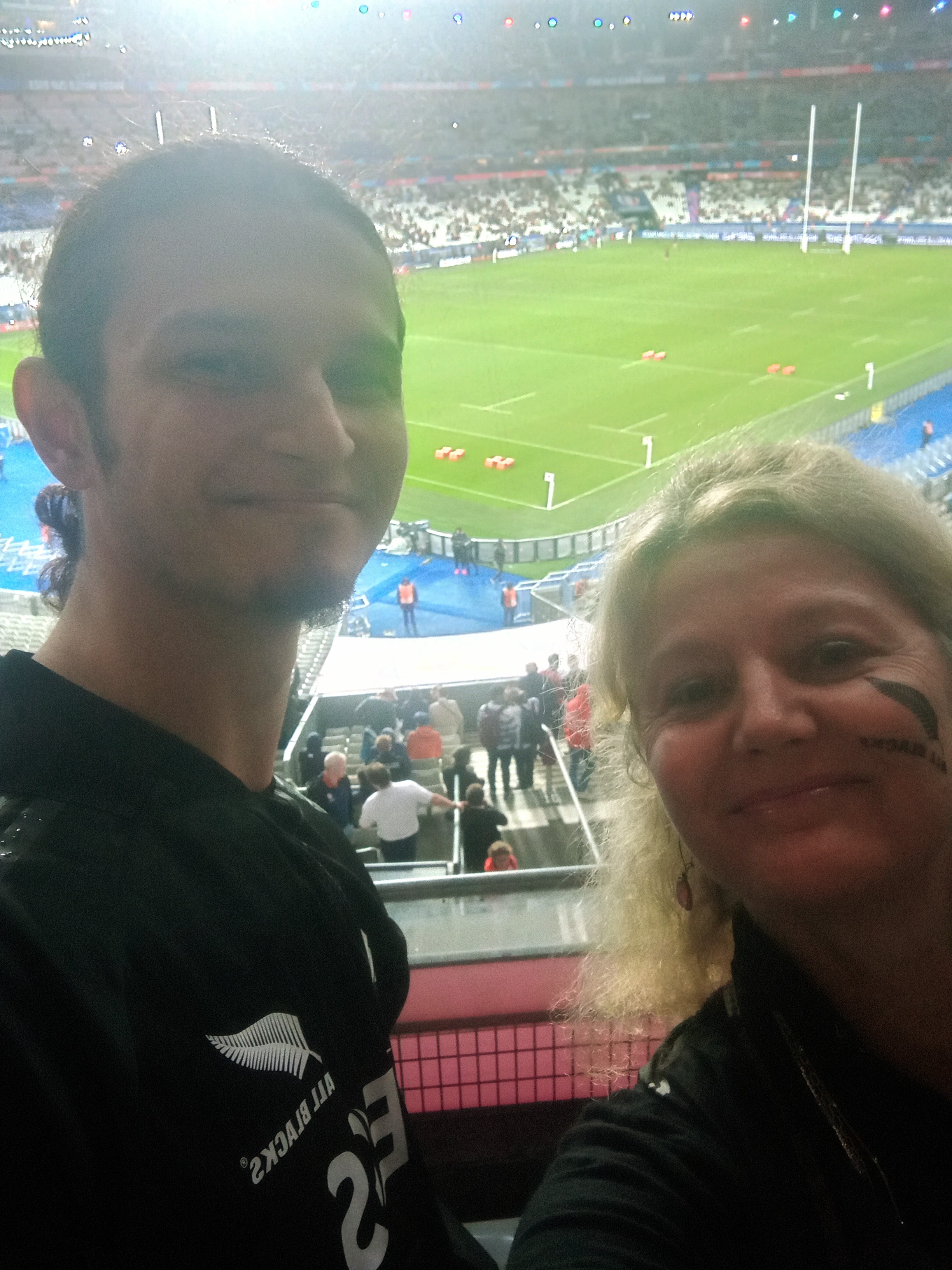
It’s been a great reading year, 68 books read despite a hiatus over the summer months when multiple humans encroached on my usual evening reading time, but it was worth it to see so many of my family and friends, visiting for the first time since 2019 thanks to wedding celebrations and a rugby world cup, here in France (with my son at the All Blacks vs Argentina semi-final, below right).

Non-Fiction Titles Continue to Ascend

Of the 68 books read, almost a third (19) were nonfiction, a recurring trend over the past few years.

I read so many excellent works of nonfiction this year, it was hard to whittle down my Top 5, as seven of the titles I read were 5 star reads.

For fiction, I’ve gone with a Top 7 but I’ll also share the other 5 star reads at the end.

Reading Around the World, A Small Island Nation Dominates

As you will know, I love to read around the world, works by authors from different countries, including in translation. And this year was no different, albeit with a lot more of the European reading from non-English language countries and Latin American featuring more prominently.

In 2023, I visited 23 countries through works of literature, with the lead country Ireland (18), with France (7), Argentina (4) and Italy (3) all in my top six destinations. I can predict that I’ll be spending more time in those literary destinations in 2024, thanks to a love of Irish literature which is indeed flourishing, a desire to read more French and Italian works and a 2024 Charco Press subscription for Latin America!

Opening Minds and Hearts Through Storytelling From Elsewhere

One of the great joys of recent years for me has been reading works originally written in other languages, translated into English and in particular, those often least favoured or likely to be published, women in translation.

What was a small niche aspect of publishing has become more popular, particularly with young adult readers, which is a life affirming trend, in an age where nationalism is so often promulgated.

In 2023 I read 22 books in translation, with seven of them 5 star reads and of my six outstanding fiction reads of the year, 3 of them were in translation.

It might take a little work to find these titles, but I’ve come to rely on my favourite independent presses, Europa Editions, Charco Press, One World Publications and more recently Daunt Books Publishing, who are reaching back to bring literary gems that deserve new light, to readers.

In this Part 1, I will share my Top Fiction Reads and Part 2 Top Non-Fiction Reads.

One Super Outstanding Read

14 novels were 5 star reads for me in 2023, so to whittle it down, I looked for those whose reading experience still stands out for me now in December. I always have one outstanding read, but this year there were seven I would describe as that, however there was that one that truly stood above them all, my Super Outstanding Read of 2023, that I read early in the year yet still feel the profound effect of reading it.

My One Super Outstanding Read of 2023 is:

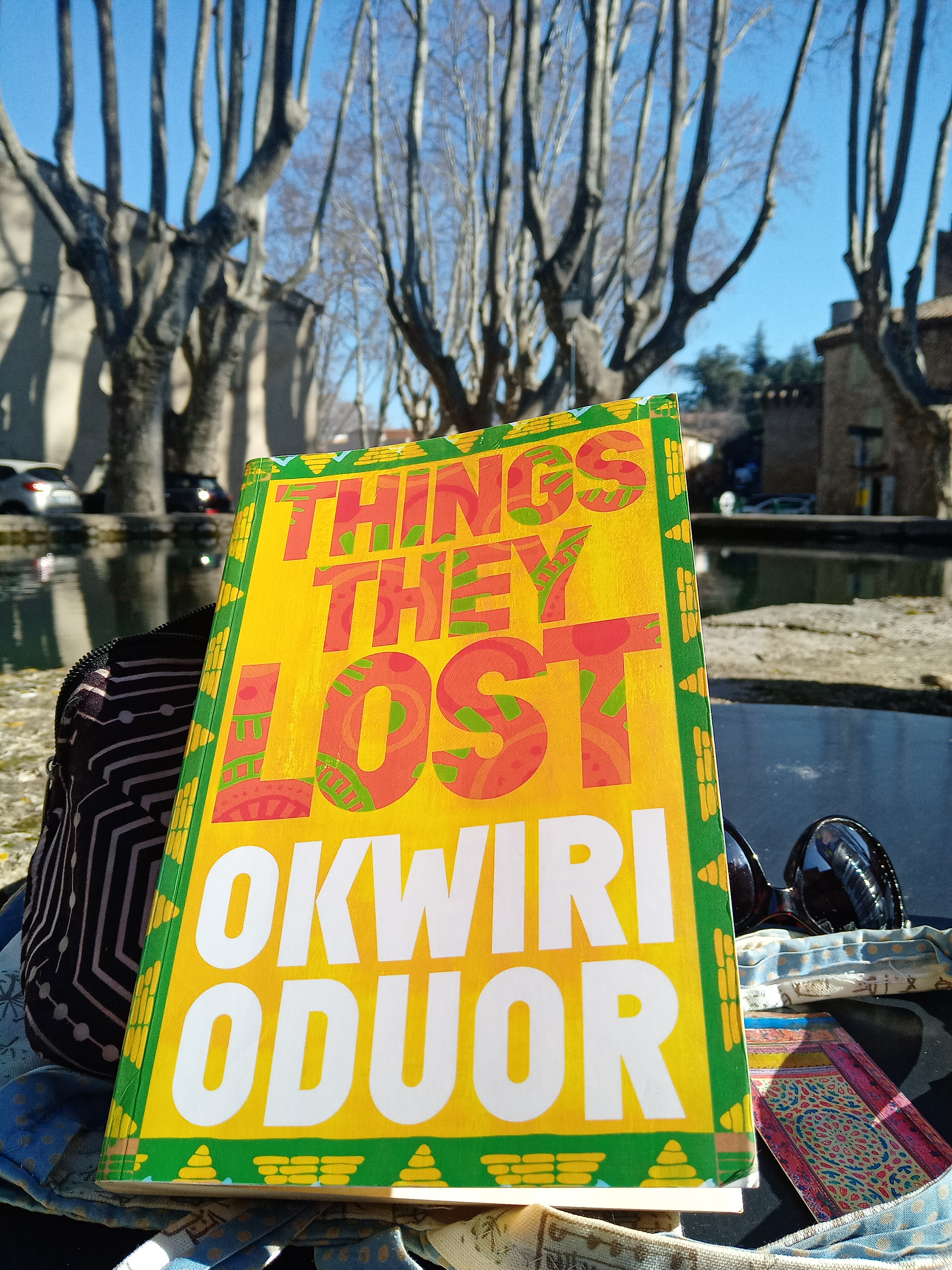
Things They Lost by Okwiri Oduour (Kenya)

Kenyan literary fiction Dylan Thomas Award 2023

This book is an absolute gem, a post-colonial, coming of age novel of a young girl Ayosa, living in a neglected house, full of aspects of the past, whose mother is often absent; she is kept company by her notebook, the radio, a couple of kind neighbours and a new friend, all of whom compensate in some way for this loss. Ayosa is omniscient, and remembers things from before she was born.

The story is told in vibrant, mesmerising prose that depicts her coming of age, the effect of abandonment and the nurturing to be found in her community, while allowing the reader to see from another perspective. In letting go of our own version of reality, we are invited to see differently, to understand anew. A story of mothers, daughters and of girls who are abandoned and alone, of girls who create family with other lonesome girls and of how death continuously permeates our lives and how poetry can redeem it.

This is a wonderful example of the richness that comes from reading stories told through the lens of a culture and mythologies other than one’s own. What Oduor accesses and how she tells this story is unique, enlightening and unforgettable. It was one of the most exhilarating reading experiences I have ever had, so new and otherworldy and insightful. A favourite author immediately. Longlisted for the Dylan Thomas Prize 2023.

A total trip, I read this in February and nothing came close to knocking it off top spot.

Top 7 Fiction

In no particular order, here are my top fiction reads of 2023, click on the title to read my review:

Japanese literature literary fiction

Child of Fortune by Yuko Tsushima (Japan) (1978), translated by Geraldine Harcourt (1986)

– I have not read much Japanese literature, but I was intrigued to read Yuko Tsushima based on reviews I had read on JacquiWine’s Blog. This novella is an immersive account of a young mother of an 11-year-old daughter, raising her alone without support and under the judgmental eye of a sister, whom the daughter increasingly prefers to be around. It is an unravelling, a period of giving in to what others think, before a quiet reassertion of her own unconventional beliefs, an honest reckoning and struggle for freedom.

Introspective, often uncomfortable, an immensely powerful read.

Nobel Prize Literature 2021 fiction

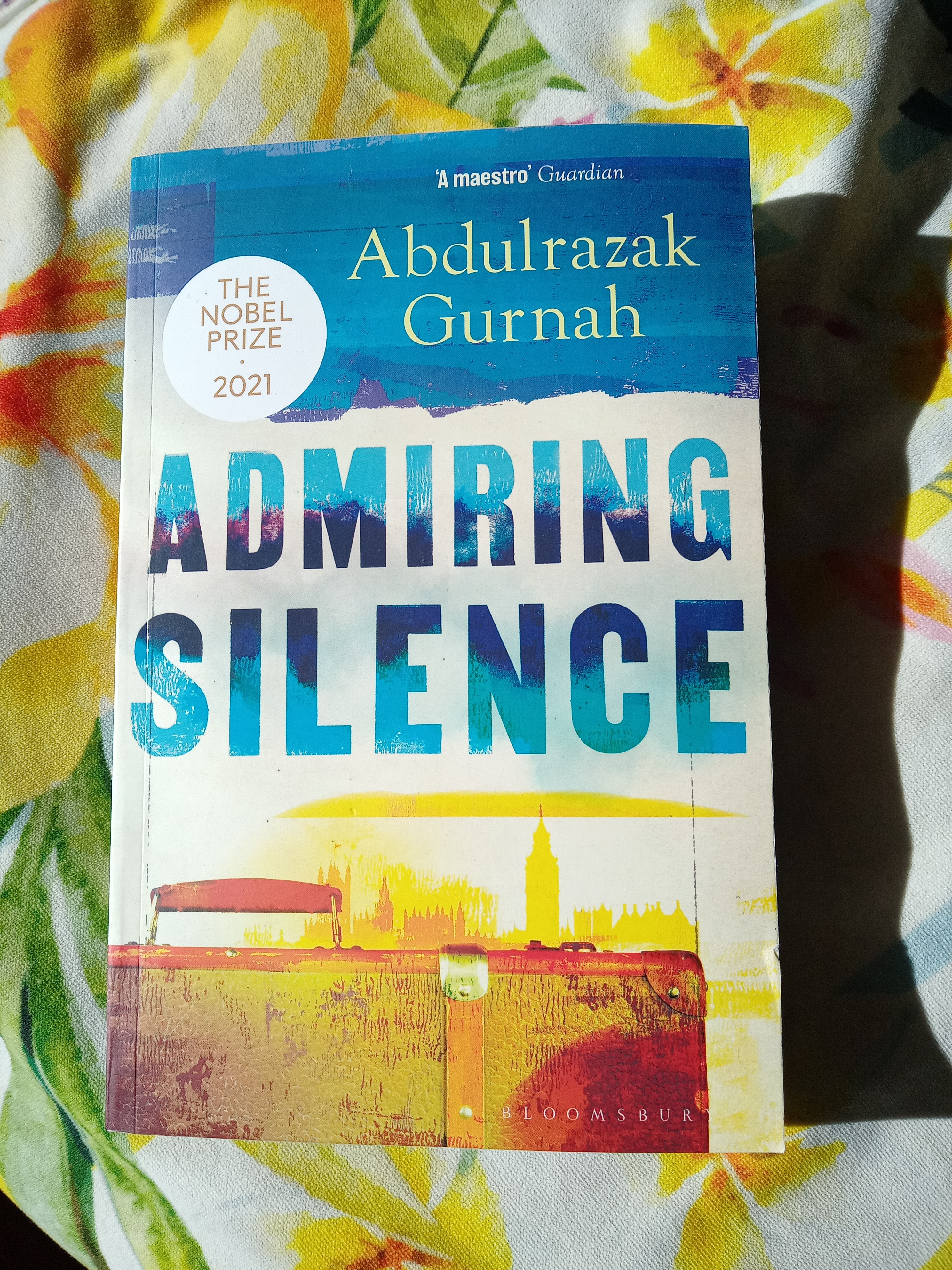
Admiring Silence by Abdulrazak Gurnah (Zanzibar/Tanzania/UK) (1996)

Gurnah won the Nobel Prize for Literature in 2021 and I chose this book to acquaint myself with his readability and discovered an insightful, erudite and humorous author from an island off the west of Africa, now based in the UK, who depicts the complexities of cross cultural relationships and the push/pull effect of having allegiances to two countries and cultures.

In this novel a young fatherless man from Zanzibar furthers his studies in England and begins to make a life there, without being totally upfront with his family about his circumstances. He observes his new life and relationships, avoiding his past, until it can no longer be ignored. 20 years after leaving, he returns.

Insightful, uncompromising yet compassionate, a chronicler of the outsider.

Italian feminist writing classic 1940s 1950s

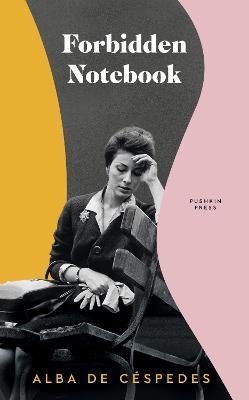
Forbidden Notebook, Alba de Céspedes (Italy/Cuba)(1952) translated by Ann Goldstein (Italian) (2023)

– this lost classic was a joy to discover and compelling to read as a middle aged working woman with two older children, begins to discover aspects of herself she has never dared to allow flourish, discovering through the act of writing in a notebook. The purchase of the notebook is her first transgressive act and the revelations within it will lead her to consider more. At first, a stranger to herself, it is revealing to witness how her thoughts and actions are often in conflict, so ingrained are society’s expectations, her will is unknown to her until she discovers it on the pages of her notebook.

A riveting, feminist awakening follows a restless rebellion from this unique Italian voice, with Her Side Of The Story (1949) coming in translation from Daunt Books Publishing in 2024.

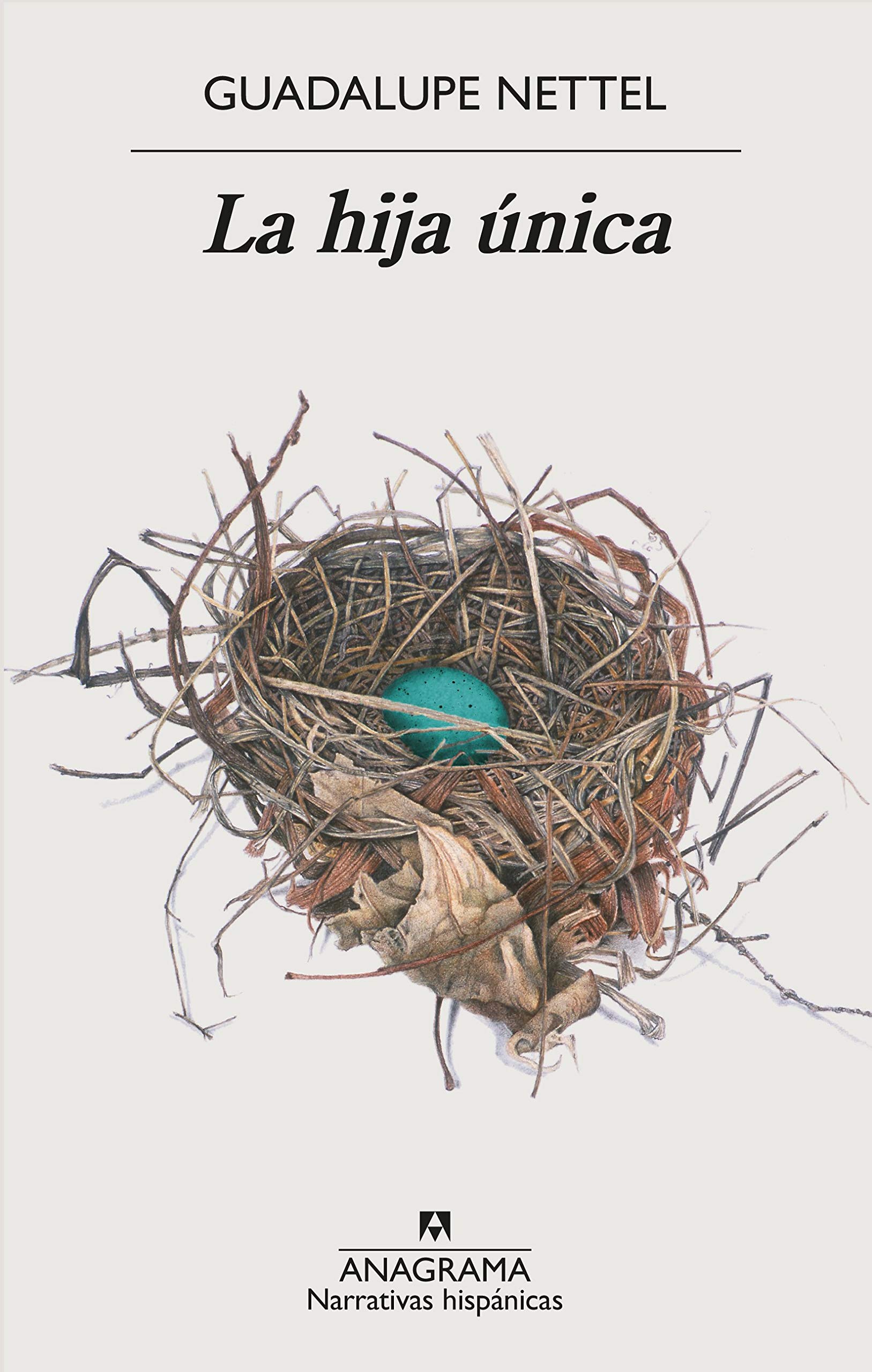
La hija unica Mexican literary fiction Women in Translation

Still Born by Guadalupe Nettel (Mexico) (2020), translated by Rosalind Harvey (Spanish) (2023)

– shortlisted for the International Booker 2023, this was a standout read for me, another whose method of storytelling was so compelling, it felt like I was reading a true story; I was sure the author must have had first hand experience to have portrayed much of what I read, as it concerned a family with a child that was often hospitalised and the way their treatment by the institution made them feel.

The story is about two independent and career-driven women, friends who initially declared they did not wish to have children and how their lives change as motherhood touches in different ways.

Like Claudia Pineiros’s A Little Luck, there is a thematic subplot, this time involving a pair of pigeons with two eggs in their nest, that appear to have been subject to a brood parasite.

A riveting read, a visceral encounter of all that surrounds the decision or be or not to become a mother, a carer and how the most insistent of intentions can mould, evolve and change according to our nature and circumstances.

women in translation argentinian literature crime fiction literary fiction

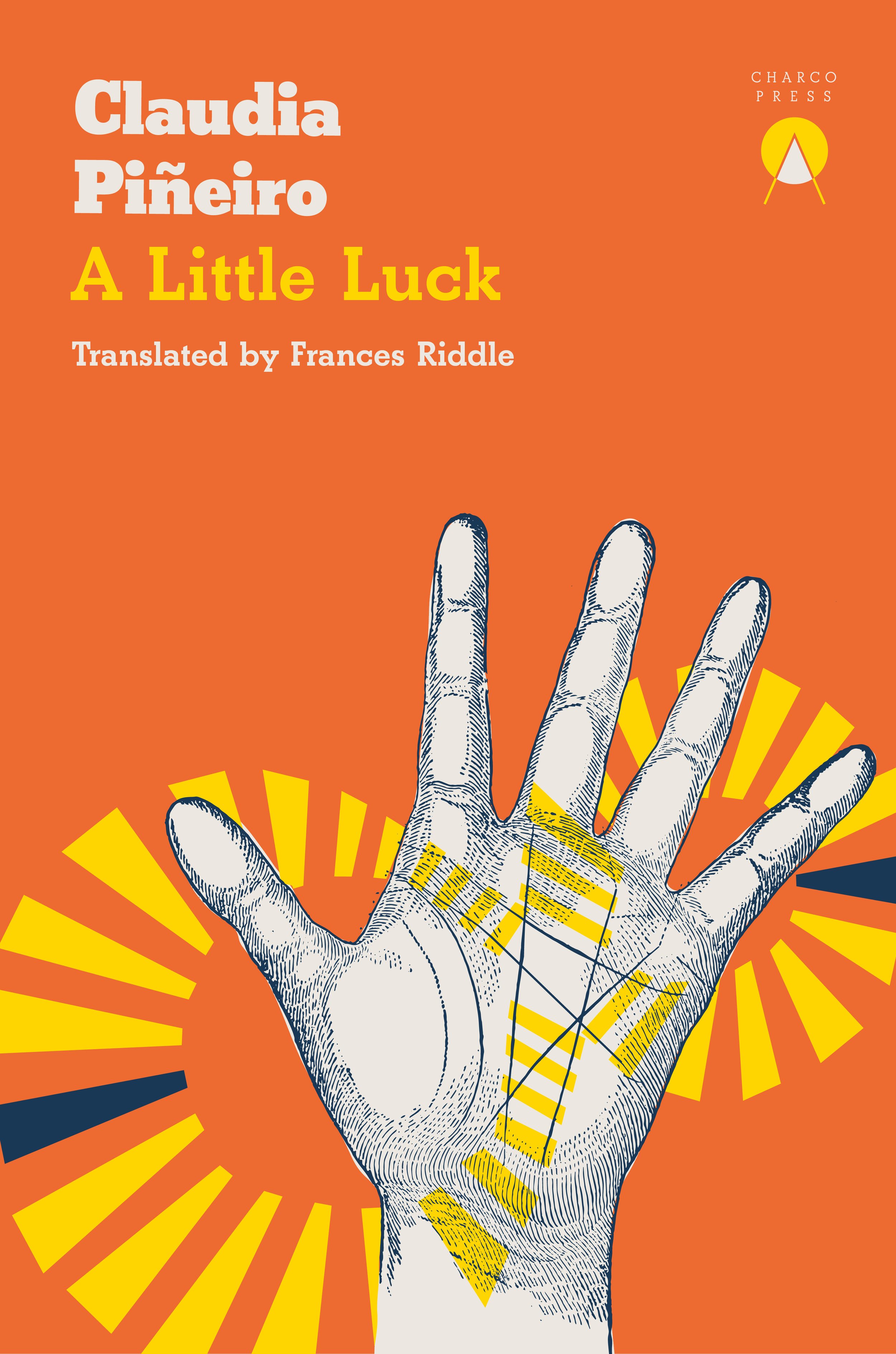
A Little Luck by Claudia Piñeiro (Argentina)(2015) translated by Frances Riddle (Spanish) (2023)

– having enjoyed Elena Knows I was keen to read more and this was absolutely stunning, intense, moving and one I could not put down. A woman returns to her home town after 20 years, in fear of what she is likely to confront. As her backstory is slowly revealed her visit provides the opportunity to reflect on the past and heal from tragic events.

A tour de force!

literary fiction Irish

Old God’s Time by Sebastian Barry (Ireland) (2023)

– clearly a writer at the height of his literary powers, this was a riveting, yet slow burning, introspective read. It observes a retired policeman’s new routine in his first year of retirement, disrupted by the investigation of a cold case, which awakens old memories of events he has no wish to revive.

The way Barry writes, we enter the declining mind of his protagonist, equally unsure of what is real and what is memory trying to re-impose itself. As the story progresses, the past comes back with a force, revealing the effect of rage and the counter effect of genuine familial love. Utterly brilliant.

Irish Book Awards 2023 motherhood literary fiction

Soldier Sailor by Claire Kilroy (Ireland) (Literary Fiction) (2023)

– a new author for me, Soldier, Sailor made quite an impression on those who read it including me. It confirms that I love to read books that make you feel the experience of the protagonist, this is a clear theme in many of my top fiction reads for 2023.

Soldier Sailor is the story of a mother (Soldier) and her son (Sailor) and the wild ride that entering motherhood takes her on, one she is little prepared for and ravaged by. Never sentimental, it takes the reader to the edge of a woman’s sanity, to coping and not coping with the onslaught of caring for an unformed, small human, a text written in the second person, addressed to that son, a sharing and a warning to him, to beware and be aware.

Motherhood as a thriller, a test of one’s sanity, the necessity of solidarity with a genuine friend.

The Special Mentions, The Other Seven

I couldn’t leave without sharing the close runners up, all of which were five star reads, that I highly recommend, I will leave you to discover them through my reviews (click on the title) below, should you be interested to learn more about their merits.

I loved the short story collection, Sambac Beneath Unlikely Skies (2021) by Heba Hayek (Gaza, Palestine) short vignettes of childhood, auto-biographical fiction; I was riveted by the debut novel The Dry Heart (1947) by Natalia Ginzburg (Italy) translated by Frances Fenaye (2021); in deep admiration of the classic debut novel Go Tell it On The Mountain (1953) by James Baldwin (US); best summer light read Lessons in Chemistry (2022) by Bonnie Gamus (US); most informative and memorable, historical fiction, The Art of Losing (2017) by Alice Zeniter (French) translated by Frank Wynne (2021); the unforgettable reflections of two men observing a fallen man in Two Sherpas (2018) by Sebastian Martinez Daniell (Argentina) translated by Jennifer Croft (Spanish) (2023); and another excellent novel in Baumish prose, from one of my all-time favourite authors Seven Steeples (2023) by Sara Baume (Ireland).

* * * * * * * *

Did any of these make your year end favourites? I hope you fins something here that might tempt your reading taste buds in 2024. Happy Reading and Happy New Year All.