
 It is interesting that I should plunge straight into this story after reading Edith Wharton’s ‘Ethan Frome’. I picked this up in the library; Irène Némirovsky novels becoming a bit of a sensation after lost manuscripts hidden and deposited with friends during WWII resurfaced recently to be published to great acclaim, including the wonderful masterpiece ‘Suite Française’ which I very much enjoyed and also recommend.
I found a similarly themed story of the consequence of forbidden love, the bind of marriage and sacrifice, only this is a Ukrainian born French woman writer, so in accordance with cultural differences, as discussed in the recently reviewed ‘La Seduction’, in this story there is less holding back, the suffering occurs on account of having indulged the emotion rather than from refraining in following it through and burying it deep.

Moulin à Eau by Madeleine Merlin
The title ‘Fire in the Blood’ could be said to be an apt theme in both novels, though Ethan’s fire was dampened somewhat in its manifestation, through societal expectations and the cooling effect of a frigid New England winter. It is a reference to youth and daring, the thing that can incite recklessness.
We enter the lives of a family in Issy-l’Evêque, a village where young women marry to escape their circumstances, where
everyone lives in his own house, on his own land, distrusts his neighbours, harvests his wheat, counts his money and doesn’t give a thought to the rest of the world.
The narrator Silvio, is a man who observes the young and recalls his own restless and chequered youth, he is reminded how little things change yet how impossible that was to accept back then, especially when one had fire running through the veins. He watches events unfold and resists involvement as slowly the implications of his own youthful behaviour are revealed.
 Irène Némirovsky’s family fled the Russian revolution in 1918 when she was a teenager and she became a bestselling novelist in France until forced to hide out with her husband and two daughters in the village at the centre of this novel during the 1940 German occupation. She was arrested and deported to Auschwitz where she died in 1942. Her daughters remained in hiding and survived and it is thanks to them and the efforts of Némirovsky’s biographers, that her previously unpublished manuscripts are now being read.
The story of Irène Némirovsky’s life and the gift of her manuscripts are as compelling as her fiction, now experiencing a deserving revival in French and in English.
Do you have a favourite French author?

 one evening in his home, an abode no one has entered or been invited to for many years. Upon hearing of his invitation, one of the villagers curious to learn more from the visitor, opens up and reveals much of the story of Ethan’s past to him.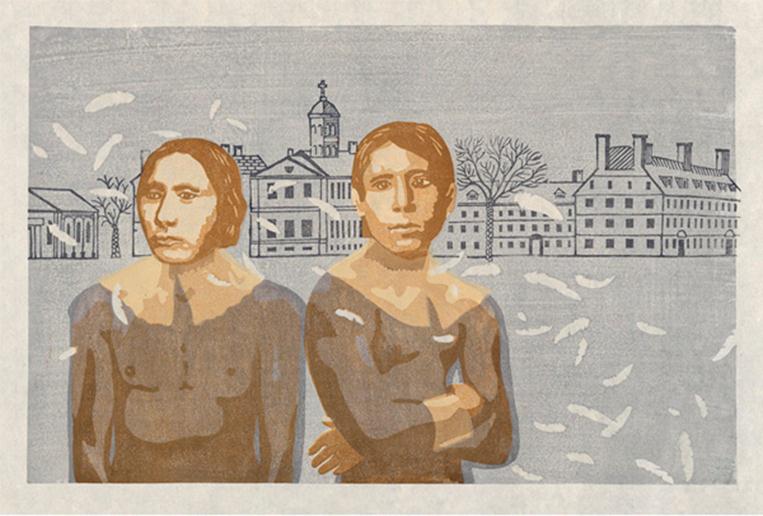
 The book is split into three periods in Bethia’s life, moments when she picked up the pen and looking back recorded certain events in her life, the first period when she was an adolescent on the island records her transformation from carefree girl within a stable family environment to young adult when a change in family fortune requires her to be indentured as a housemaid in a Cambridge school so her brother can continue his education.
 And so to Téa Obreht’s debut novel and
  Framing stories within another story can be distracting, particularly when we have a preference for one over the other and when the narrative voice changes; it reminds me of the Rumi scholar and novelist Elif Shafak’s book



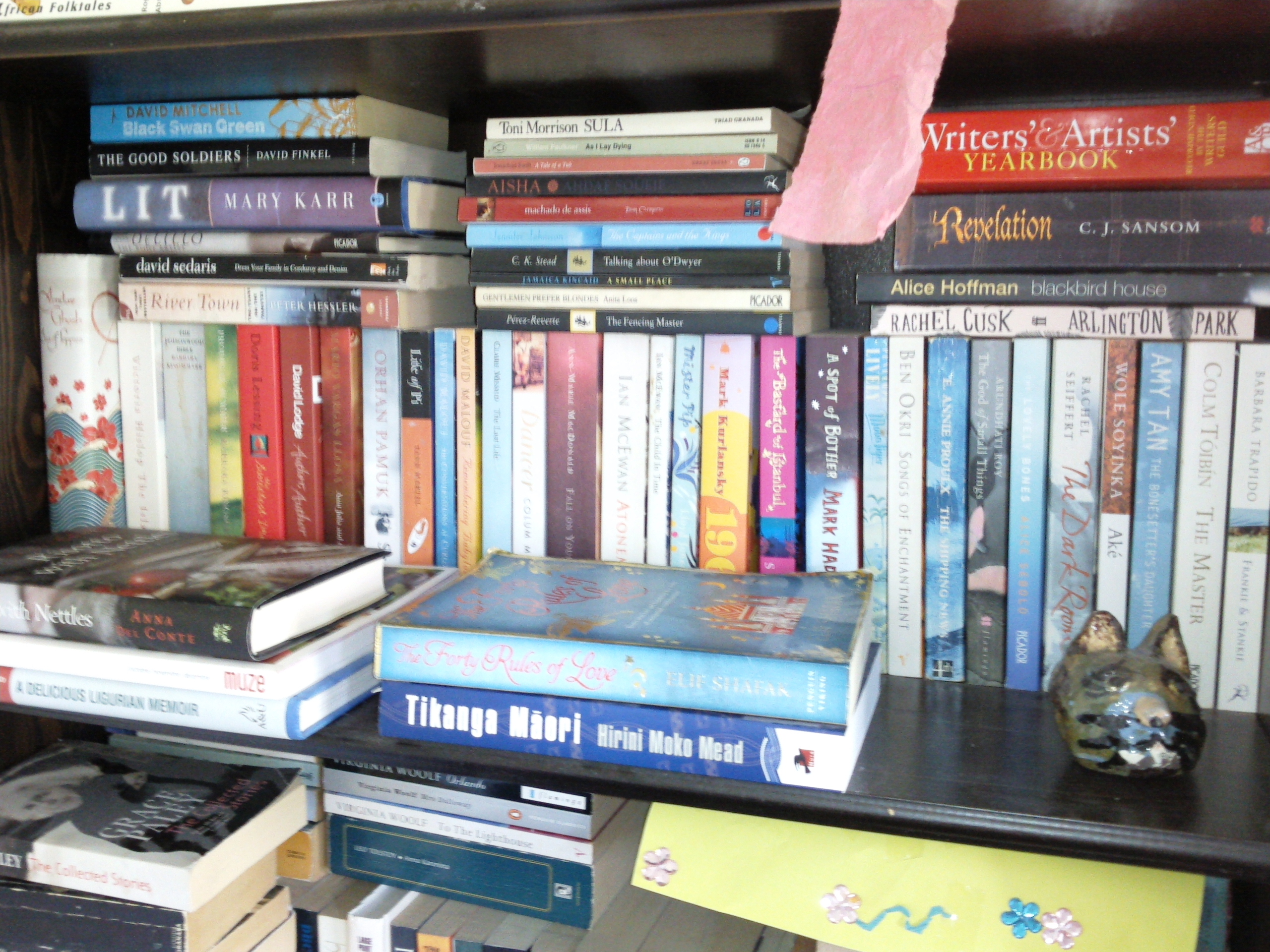


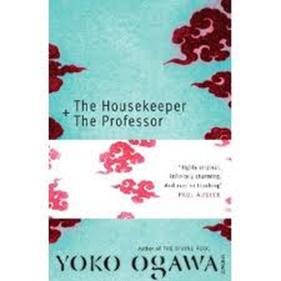 Having recently discovered and read Yoko Ogawa’s
 The housekeeper arrives each morning and introduces herself as if they have never met. Slowly, she and her ten year old son, whom the Professor refers to as Root – a reference to the square root sign and his hair, are drawn into the Professor’s reduced world where numbers reign supreme and the two visitors begin to understand the magic and meaning behind what they had always thought of as ordinary numbers.
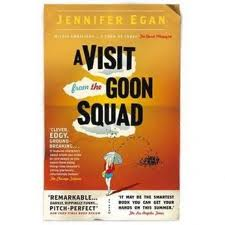 ‘A Visit from the Goon Squad’ by Jennifer Egan (winner of the Pulitzer prize for fiction 2011) was recommended in a comment on my post
  A novel or a set of stories, each chapter is separate yet connected by the barest of threads to the previous, sufficient to surmise a pattern, although like many creations, the complete picture does not become clear until the work is finished. It reminds me of six degrees of separation, that we are all connected and that even when we are, there are gaps in history’s, we only ever know part of a person’s story.
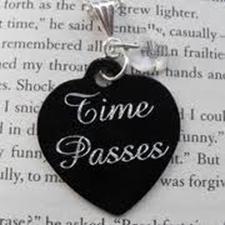 Which reminds me, the goon squad; as Bosco says on page 134 ‘Time’s a goon, right?’ and so too I believe that a visit from the goon squad is just this, time passing and the oft harshness of reality.
 If you have never read Italo Calvino this may be a misleading book to start with, it’s certainly not reminiscent of his short stories and I believe it is unlike his other novels, but it has a kind of cult status in that it
 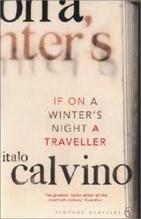 I enjoyed the diversions, although I was disappointed that he was unable to find a way to leave the sex of the reader neutral, having been almost convinced he might well be speaking to me, it becomes clear he is speaking to his male readers, political correctness not in full swing in the early 1980’s when this was published. But I readily forgive him, especially when assured by Lorna Sage, author of the memoir ‘In Bad Blood’ who wrote in the Observer:
 Playful, impossible to label, is it a…, it is a question, a poem, a collection of stories, a novel and a conversation with Italo Calvino. The author imposes himself and his voice within the pages and we as the reader also become involved in the action as Calvino switches into the second person narrative. If I were an academic I would probably be littering this text with a lot of technical terms describing the literary tools Calvino plays with, literature students are likely to come across it, or at least they did in the past, as David Mitchell, author of ‘Cloud Atlas’ reminisces about
 Word by Word