Back to the final days of Reading Ireland Month 2025, this week I slowly read Edna O’Brien’s political novel House of Splendid Isolation, the first of the Modern Ireland Trilogy, books written in the 1990’s that depict significant events in modern Ireland. The other two novels in that series are Down By the River and Wild Decembers.
Incarceration, Idealism and Ignorance, An Irish Story
House of Splendid Isolation is a story of one event and incidents involving a community, over a few days as a man involved in murderous events is on the loose and actively being hunted.
It is also a book of parts and voices, a child’s voice, the past, the present, a woman Josie who returns to Ireland after a period of youth in Brooklyn, her disappointing yet predictable marriage, an impossible affair and violent retribution, an accident, people who drop by, whose good deeds lead to violent consequences, friendships that hide betrayal, communities that breathe suspicion, harbour fear and occasionally a fugitive.
I hear stories. It could be myself telling them to myself or it could be these murmurs that come out of the earth. The earth so old and haunted, so hungry and replete. It talks. Things past and things yet to be. Battles, more battles, bloodshed, soft mornings, the saunter of beasts and their young. What I want is for all the battles to have been fought and done with. That’s what I pray for when I pray. At times the grass is like a person breathing, a gentle breath, it hushes things.
A Not So Quiet Last Act
Josie is now a lone widow in a big old house that she came to inhabitant through marriage, she did not wish to die in a Home, she has returned. A nurse visits occasionally and her grocery order is delivered. Memories still haunt her.
The nurse muses why, the older they get, the madder they are for talk; their past, their present, their futures, anything, everything, afraid of death too as if she was not afraid of it herself.
Into her last solitary days arrives this unwelcome visitor on the run, they play cat and mouse, wary of each other, challenging each other, co-existing nevertheless, never quite knowing if one can trust the other, providing each other something they need for a brief moment, while the world outside goes mad in their paranoia, the rumour-mill running rampant, suspicions gone mad.
The grass smells good to him and after three months cooped up in a house in a town, he’s tuned to the smell of grass and the fresh smell of cow-dung, to the soft and several lisps of night. He knows his country well, McGrevvy does, but only in dark. The dark is his friend. Daylight his enemy. Who set him up. Who can he trust, not trust.
The Grass Was Never Greener
While their words and worlds would never align, there is something in the brief respite one provides the other in this house of Splendid Isolation, before they each face the inevitable that awaits them; capture or death, peace no longer an option. Here the first confrontation.
‘There’s myself and my maker,’ she says quietly. So this is how it happens, this is how a life is suborned, one’s insides turned to whey, an opening door, a man, hooded, with not a lax muscle in his being, a loaded rifle and outside crows cawing with the same eventide fussiness and no one any the wiser that her time is up.
A novel of many layers and consequences revealed of humans wronged, who know not how to seek healing or harmless resolution, whose path leads to occasional respite en route to destruction.
It brilliantly depicts two faces of a staunchly divided territory, their failed attempts to escape their destiny, a brutal confrontation and a land that continues to absorb the repercussions.
Forward, back, slow, quick, slow
The writing moves from poetic, contemplative reflection to rapid, coarse dialogue to action oriented tension as the slow hours spent in captivity contrast with the build up externally as the police net closes in on the fugitives location. At times the prose is sparse, and other times it shifts as our protagonist loses her grip on reality and shifts into past memories or present situations that confuse her.
It’s not a straight forward read, as it navigates and holds all these time frames, but it propels forward at a good pace and leaves the reader with much to reflect on.
My review of Edna O’Brien’s renowned Country Girls Trilogy (initially banned in Ireland due to its bold faced portrayal of a young woman’s quest for independence and awakening sexuality) consists of three novels: The Country Girls (1960), The Lonely Girl (1962), and Girls in Their Married Bliss (1964). It was re-released in 1986 in a single volume including a revised ending to Girls in Their Married Bliss and the addition of an epilogue.
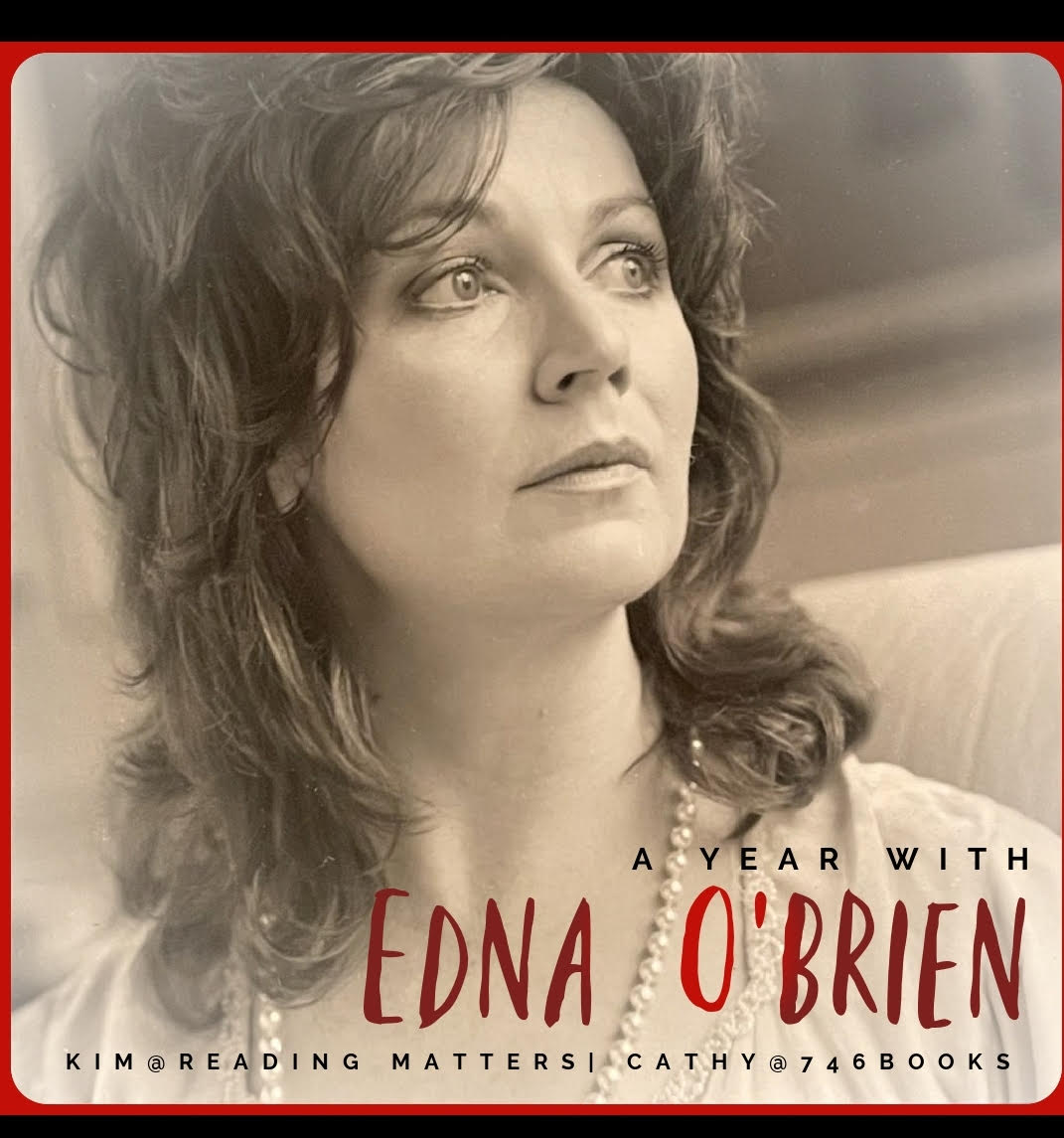
Author, Edna O’Brien
Edna O’Brien was born in December 1930 in Tuamgraney, County Clare. She died in 2024, having written over 20 works of fiction, known to provoke, dissect and dig into social, cultural and religious issues deep in the fabric of Irish society.
In addition to The Country Girls trilogy, her novels include A Pagan Place (1970), the story of a girl growing up in rural Ireland, winner of the Yorkshire Post Book of the Year Award; Zee & Co (1972); Johnny I Hardly Knew You (1977), a story of love, murder and revenge; Time and Tide (1992), winner of a Writers’ Guild Award, the story of a young wife who faces a crisis when she leaves her husband and is forced to fight for the custody of her sons.
She is the author of a trilogy of novels about modern Ireland: House of Splendid Isolation (1994), she writes about Irish nationalism and sectarian violence; Down by the River (1996), based on the true story of a young Irish rape victim forced to travel to England for a legal abortion; and Wild Decembers (1999), about a farmer, Joseph Brennan, and his sister, Breege, living in an isolated rural community. In the Forest (2002), is based on the true story of a disturbed, abused young man who murdered a young mother, her infant son and a Catholic priest in the west of Ireland in the early 1990s. The Light of Evening (2006) and Byron in Love (2009), Haunted (2010), The Little Red Chairs (2016), Girl (2020), Joyce’s Women (2022).
She wrote Mother Ireland (1976), a travelogue with photographs by Fergus Bourke, and a biography of James Joyce, published in 1999. She is the author of several plays. In 2021 she was awarded the French Ordre des Arts et Des Lettres.
“I wanted to write from as far back as I can recall. Words seemed and still seem an alchemy, and story the true conductor of life, of lives.”
The novel is about two women living in a rundown, gentrifying seaside town in Britain, arriving at their moment of realisation of how their lives have been affected by damaging events of the past and their beginning to separate from and reject the power this has had over them.
One Woman’s Trauma is Another (Wo)Man’s Drama
Lydia, in her late forties is contacted by Henry “the most assiduously avoidant human she’d ever encountered”, to inform her he will put on a play that recounts a part of their history that ought to have negated their continued contact. Lydia is stunned, haunted and full of regret.
Joyce, of similar age, lives with her super controlling, critical mother Betty in a small house a few blocks back from the sea, after their comedown from The Palace, the departure of Joyce’s father without a word of explanation or contact since she was a child.
Beyond the beach, streets lined with terraces and bungalows crouch behind Victorian buildings with mid-century interiors; carved up into bedsits and B&Bs, their pastel facades crumble like stale cake after a party.
The impact of absent men on both women works like an invisible thread, until a mass social movement of women sharing their experiences of abuse awakens the impact and creates an increasingly conscious ripple effect in their lives.
Joyce has never joined adulthood, her mother keeping her in a kind of stasis, until one Saturday evening when they prepare to go to the club, Betty utters that maybe they might meet a man, both of them, mother and daughter.
Joyce knows people stare because she and her mother wear identical outfits and hairstyles, attired as if they are twins.
Birding navigates a short period of time in these two women’s lives as they live with who they have become and reflect on significant aspects of the past in the 90’s that shaped them.
A lifetime’s habit of exactitude Joyce never used to question. But it has begun to feel stuffy and constricting, as if Joyce is outgrowing all her clothes.
Fake Spice Not Nice
Lydia and her friend Pandora had been a one hit pop wonder in their youth, a promising career thwarted by bad decisions made by powerful people that had little impact on the decision maker’s, but curtailed the girls’ dreams and made them targets of scorn for a while.
Lydia has always been carried by Pan’s sheer force of will; even when unsure if she’s been bullied or beloved, Lydia’s always ridden pillion on Pan’s survival instinct.
But whereas Pan has perfected the art of utter denial, Lydia has not. It never works.
Both have a desire to step outside of their patterns and in some small way the shift begins to happen, as their current minor transgressions exhibit a healthier rebellion and acknowledgement of what inside them, needs to find expression.
It’s a novel that carries a message of hope amid the lost opportunities that stunt some lives, showing the effect one has upon the other. In an interview about her multi-disciplinary creative life, Rose Ruane shared lines from a poem by Frank Bidart that reflect a truth she has learned to live by, one perhaps shared by her characters as they come into their own.
Whether you love what you love
Or live in divided ceaseless
Revolt against it
What you love is your fate
Birding asks if we can ever see ourselves clearly or if we are always the unreliable narrators of our own experiences. It is a story about the difference between responsibility and obligation, unhealthy relationships and abusive ones, third acts and last chances, and two women trying to take flight on clipped wings. Women’s Prize
Author, Rose Ruane
Rose Ruane is an artist and writer living and working in Glasgow. She graduated from the Glasgow School of Art in 2007 and completed a Master of Fine Art research degree and an MLitt in creative writing at the University of Glasgow. She has made podcasts and documentaries for BBC Radio 3, BBC Radio Scotland and Radiophrenia, exhibited her art at home and abroad, and was the 2015 winner of the Off West End Adopt A Playwright award.
Rose is chair of The Adamson Collection, comprised of work created in the art therapy studio at Netherne Hospital during the mid-20th century and is about to complete a PhD exploring the lives and experiences of the individuals who were compelled to live there. Rose is an avid collector of 20th Century crafts and kitsch. Birding is her second novel.
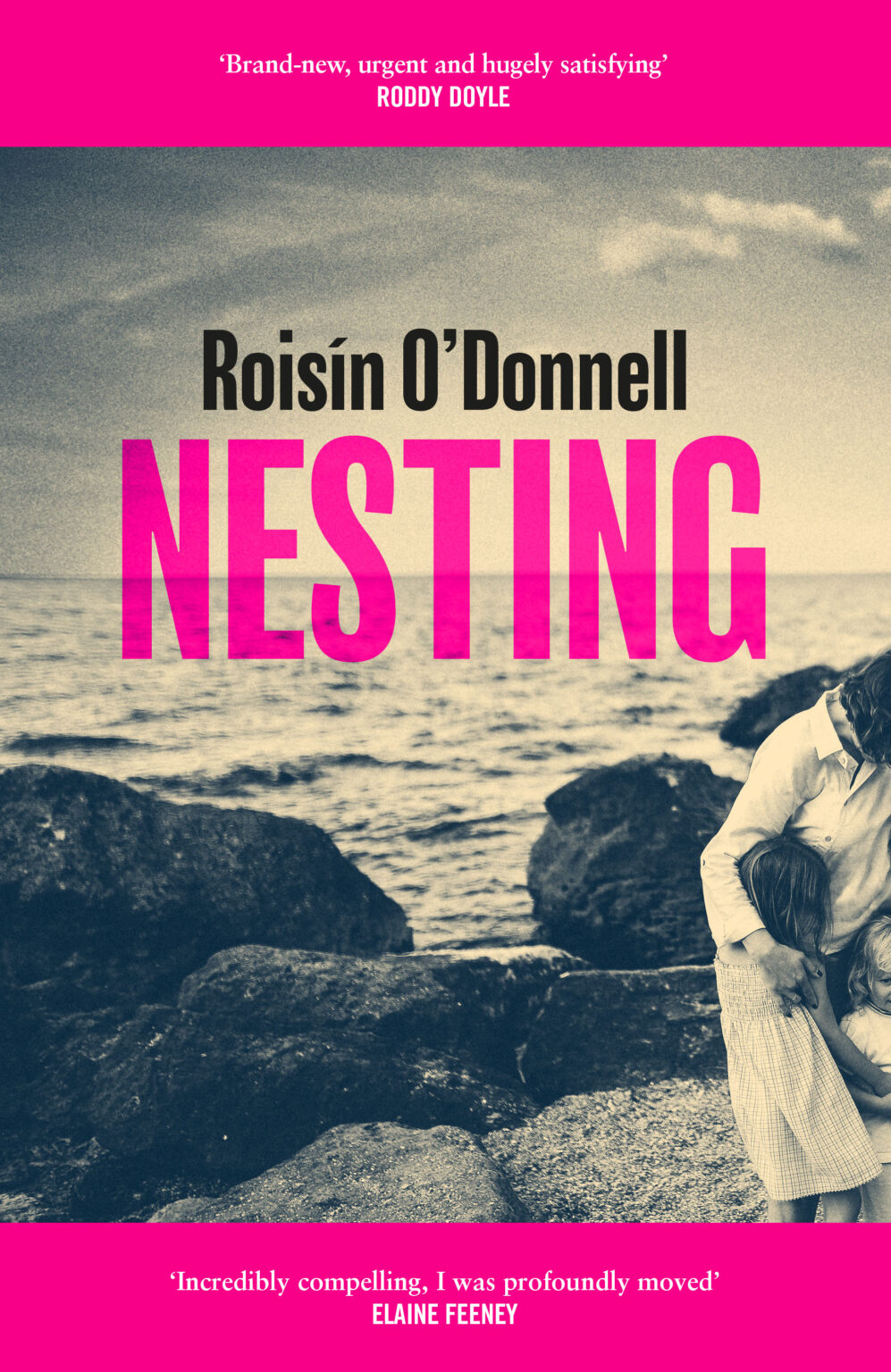
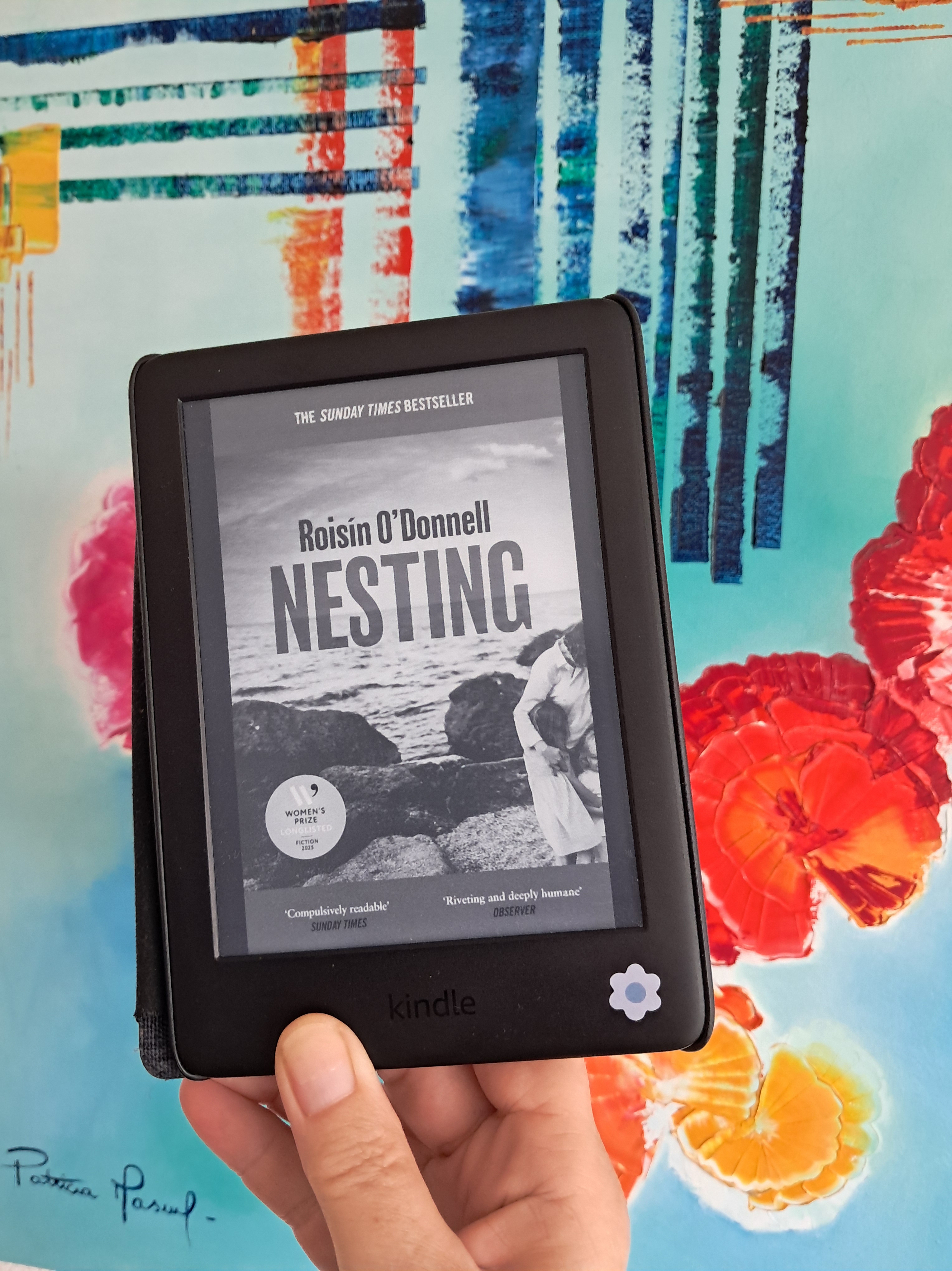
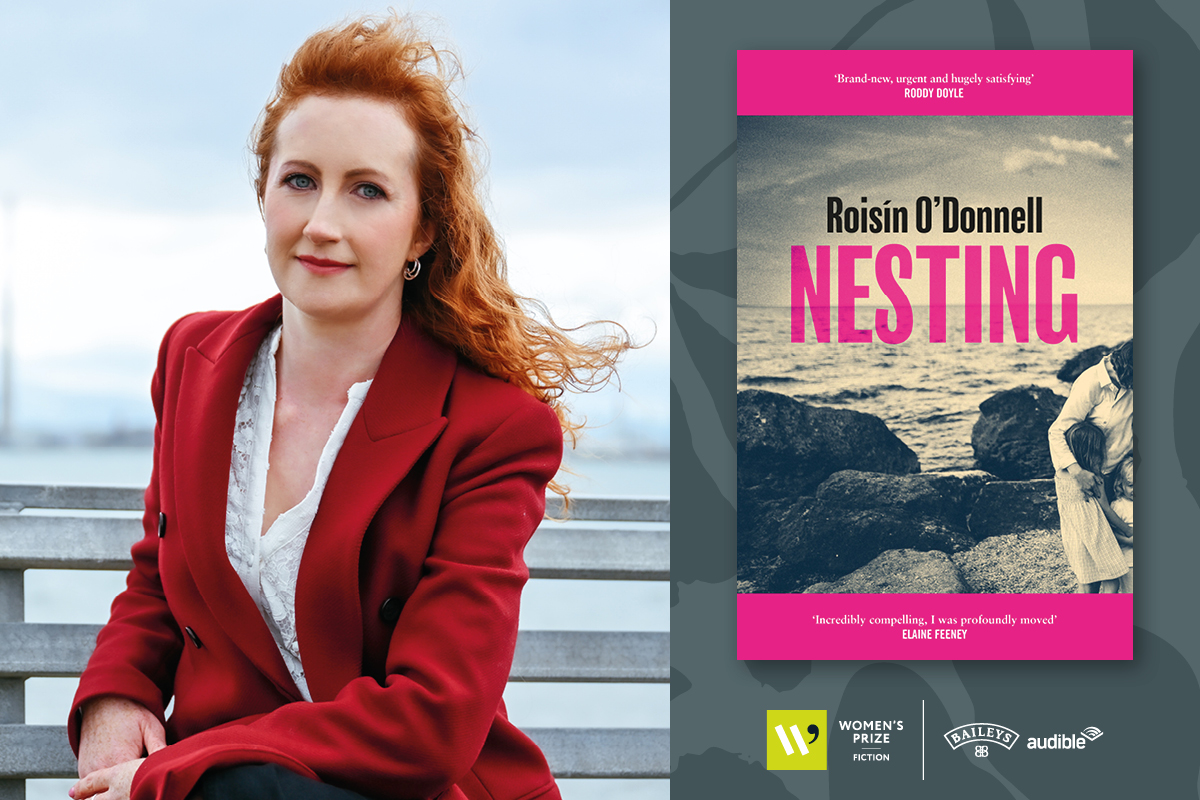
Nesting is a visceral observation of one worldly capable woman trying to create a safe, stable home environment for her preschool age daughters in Dublin.
At the outset, Ciara appears to be living an idyllic middle class suburban life in a leafy suburban of Dublin, until that day – after bringing in the washing, shortly before her handsome civil servant husband is due to arrive home, she bundles her 3 & 5 yr old girls into the car and leaves – the marriage.
Every memory, even the good ones, are laced with clues, with red flags, but also with the critical voice within, that constantly judges her and has kept her there until now. Her battle will not be just with survival and the actions of her husband, but the battle against a conditioned life that resides within her mind, talking constantly, undermining her.
There it is again, that voice in her head. Haven’t you got what you wanted? The thing you’ve been secretly longing for? A lovely home in Ireland. Two little girls. Pigtails curling in the salty spray, jumping around in Minnie Mouse swimsuits with frills around the bums. Ryan, a loyal, hard-working husband. The type of man who other women sneak glances at, when he’s pushing the swings or ordering lunch, or standing – as he is right now – bare chested, towel drying his hair. And yet – on this bright day with seagulls screeching – there’s a gathering weight in her chest, like the feeling before thunder.
The Need for Safety, A Refuge
As the novel opens she is about to leave home for the second time with the girls, she has little money and nowhere to stay, but the intimidating psychological abuse she is subject to from her husband, has arrived at a tipping point. Inside that home, she is unable to think herself into a solution, so she runs.
It’s a habit that started when she was pregnant with Sophie. She used to call it ‘nesting’. That thing women do when they sense their baby is arriving soon. Grouting, hoovering, taking a mad notion to paint the backyard wall Azores Blue. Only, she didn’t sense an arrival but an impending threat. Cleaning, painting, fixing every centimetre of that house felt like the only thing that was safe.
And then the mountain she must climb to establish stability for the three of them, the constant demands of small children, the intimidating messages she is bombarded with, the ticking bomb of needing to get employed quickly and the near impossible task of renting a home as a young single mother in a city going through a housing crisis, with a severe housing shortage, with overpriced rentals and family across a border, unable to do much more than provide moral support..
Battling the System, the Enablers
Full of tension, this novel speeds along thriller-like, as Ciara tries to gain traction in her life and avoid the pitfalls and obstacles, including the compulsory nightly 8pm check in at the temporary hotel housing and the shame of being told to use the back entrance. Determined to escape the lure of going back, Ciara perseveres with the challenge of choosing safety over risk, when all the odds feel stacked against her.
You feel the vulnerability, the fear, the relentless pressure and overwhelm experienced, knowing she is one of the few with the determination and willpower to not go back. She will be tested.
Ciara bites her lip. Fighting the urge to tell Ryan everything. Where they are staying. What they had for dinner. It’s hard to justify her need to keep him informed of her every move. To keep herself under surveillance.
It’s a roller coaster ride of will she, won’t she, as she struggles to not give in to what at times seems the easier, self-sacrificing route…totally gripping, emotionally charged, an uncomfortable cathartic but necessary read.
Not an easy read, but a grim reminder of the absolute importance of every person to have some means of independence and a recognition of the signs of coercive control and psychological abuse in relationships and the path out.
Chair of judges for the Women’s Prize Kit de Waal said the book was:
‘a moving story, well told about what it’s like to try and leave an abusive relationship, the hurdles, the stigma, the doubt, the ease and temptation of return. Not maudlin or depressing, there’s lots of light here but ultimately this is about a system ripe for change where getting help is nearly as hard as escape itself.’
Further Reading
Women’s Prize for Fiction 2025: In Conversation with Roisin O’Donnell – the book, idea inspiration, the writing & creative process, advice to writers, author whose work has impacted her, favorite author.
Roisín O’Donnell is an award-winning Irish author. She won the prize for Short Story of the Year at the An Post Irish Book Awards in 2018, and was shortlisted for the same prize in 2022. She is the author of the story collection Wild Quiet, longlisted for the Edge Hill Short Story Prize and shortlisted for the Kate O’Brien Award.
Her short fiction has featured in The Stinging Fly, The Tangerine, the Irish Times and many other places. Other stories have been selected for major anthologies such as The Long Gaze Back, and have featured on RTÉ Radio. Nesting is her first novel. She lives near Dublin with her two children.
Continuing Reading Ireland Month 25 I finish the last of the three novels about the Dunne Family.
The final novel in the 4 book collection about the Dunne Family, first being the play about the Dad Thomas, the last superintendent of the Dublin Police, then his children Annie Dunne and Willie’s stories A Long Long Way and now Dolly, who we knew left Ireland for America as a young woman, but we never knew why.
Interestingly she too is based on a real ancestor, the Great Aunt of the author, whose true story only came out to him in recent years.
One Grievance Too Many
We meet her as Lily, a grieving octogenarian during the 2 weeks – each day a chapter – following the death of her grandson Bill, the boy she raised alone from 2 yrs of age, as she did her son.
I am so terrified by grief that there is solace in nothing. I carry in my skull a sort of molten sphere instead of a brain, and I am burning there, with horror, and misery.
So while in the present she is grieving and finding it difficult to find reason for still being alive, the novel is a form of her confession, an ode to herself, to all that has passed; so we are taken back to Dublin, to Wicklow, to what happened after the war, after the loss of Willie, to her meeting his young friend, the solider Tadg Bere and how their destinies become entwined.
A Fateful Meeting
‘The thing about Willie was,’ Tadg Bere was saying, ‘it wasn’t just you could be depending on him, you knew he was keeping a weather eye out for you, like you might a brother. So I was always thinking, that was a sorta compliment to his family, that they had reared him up in that frame of mind.’
Her father helps him find a job in the police force. Lily isn’t too sure about her feelings for him, their relationship has barely begun, when it reaches a significant turning point.
He was proud to be working, at something akin to soldiering, and something that would allow him to serve his country. He felt he was making a new beginning. He did not believe in any new Ireland, he devoutly loved the old one. The new force paid decently, but was otherwise poorly funded and put together in great haste. They barely had uniforms, and in the beginning wore bits and bobs of various forces, half army and half police, which is why they were dubbed the Black and Tans.
Ultimately the thing she desires, she can never truly embrace, as her life is lived always looking over her shoulder, always somewhat in fear.
Absence and Loss, Refuge in Cleveland
There are patterns in her life of men departing for war, her brother, her son, her grandson, and how it affected them all. And the departure of husbands, the losses she has borne, the perseverance, the continued service to others she has willingly offered, until the last revelation, the one that undoes her.
The title On Canaan’s Side is a reference to a bible story, to a song, about leaving a place of incertitude or danger to travel to a place of refuge. In the bible it is the “promised land”, in Irish history, it is to America they look as a place they ought to be safe and happy. It represents humbleness and receptivity, values that Lily has honoured, only to have encountered its curse, an inability to rise above her station.
Barry had this reference in mind too, after hearing it was mentioned by a newsreader in relation to the death of Martin Luther King, the tragedy of his killing, to be on Canaan’s side. There is a scene where King visits the house where Lily cooks, it seems out of place in the novel, but perhaps it is a nod to this reference.
Interestingly, Barry’s Canaan is Cleveland, Ohio, where Lily ends up; a place he developed an interest in due to the building of the Ohio Canal, a work of civil engineering designed to invigorate the northern territories up into Canada, already destroyed by the great flood in 1913.
The novel brilliantly portrays the struggle of making a new life, the lack of choices, the nostalgia of what has been left behind, the inability to prevent certain tragedies that arrive unbidden.
“I do believe writing for a writer is as natural as birdsong to a robin. I do believe you can ferry back a lost heart and soul in the small boat of a novel or a play. That plays and novels are a version of the afterlife, a more likely one maybe than that extravagant notion of heaven we were reared on. That true lives can nest in the actual syntax of language. Maybe this is daft, but it does the trick for me. I write because I can’t resist the sound of the engine of a book, the adventure of beginning, and the possible glimpses of new landscapes as one goes through. Not to mention the excitement of breaking a toe in the potholes.” Interview with Sebastian Barry, Words With Writers, 2011
Guardian review: On Canaan’s Side by Sebastian Barry – Sebastian Barry’s fifth novel is a lyrical evocation of trauma and exile, bearing a seemingly endless series of potent images
Author, Sebastian Barry
The 2018-21 Laureate for Irish Fiction, Barry had two consecutive novels shortlisted for the Booker Prize, A Long Long Way (2005) and the top ten bestseller The Secret Scripture (2008), before Old God’s Time was longlisted for the Booker Prize in 2023. He has also won the Kerry Group Irish Fiction Prize, the Irish Book Awards Novel of the Year and the James Tait Black Memorial Prize.
His novels have twice won the Costa Book of the Year award, the Independent Booksellers Award and the Walter Scott Prize. Barry was born in Dublin in 1955, and now lives in County Wicklow.
For Reading Ireland Month 25, I am reading Sebastian Barry’s three novels that are part of the Dunne Family series. Here, I introduce the four works and review the first novel Annie Dunne.
Three novels and a play
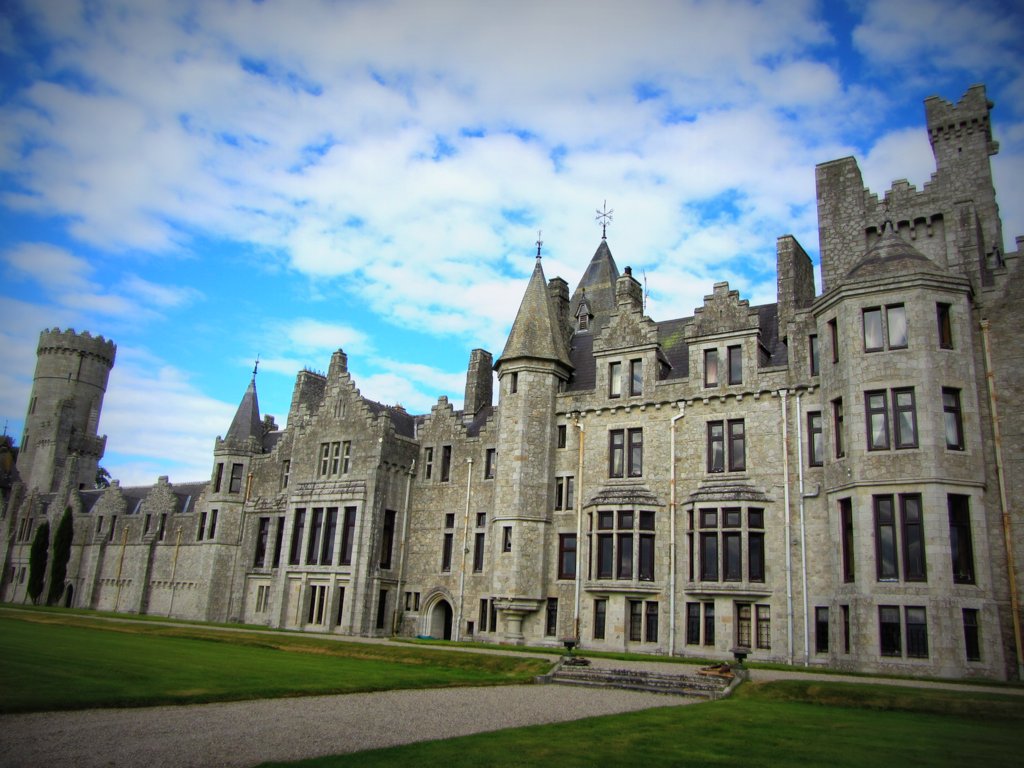
Sebastian Barry wrote a series of four literary works about one strand of the fictional Dunne family (inspired in parts by his own ancestral lineage), who for seven generations were stewards of Humewood Estate, 470 acres of parkland and a castle in Kiltegan, County Wicklow.
Originally built in the 15th century, the property was sold by the last of that continuous line of family, Catherine Marie-Madeleine (Mimi) in 1992 and she would present most of the estate cottages to the sitting tenants. The castle is now owned by an American billionaire.
Barry says he did have some “inkling” that he might want to explore other family stories. “But I had absolutely no idea that 20 years later these people would still be with me. I’m in a book of quotations saying that, as our ancestors hide in our DNA, so do their stories. I don’t remember saying that, but over the years I’ve come to believe it. It’s as if these hidden people sometimes demand that their stories are told.” The Guardian
The Dunne Family Tetralogy
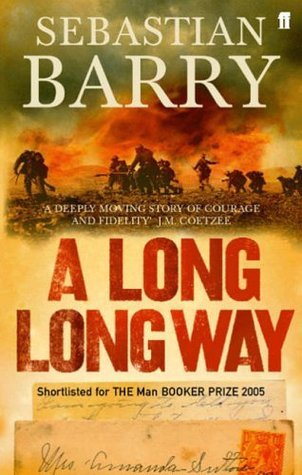
The play is about the first son Thomas, who did not become a steward, the next Annie Dunne (2002) is about one of his daughters Annie, then A Long Long Way (2005) is the story of his only son Willie Dunne, who joins the Dublin Fusiliers and goes to the Great War (WWI), and the final novel On Canaan’s Side (2011) is about Lily Bere (or Dolly as we know her), the youngest of the three sisters, who left Ireland for America.
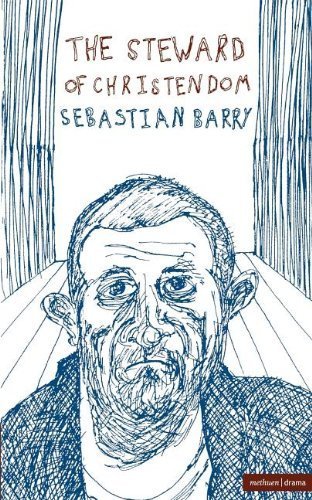
Dunne Family #1 The Steward of Christendom
The play The Steward of Christendom (1995) centres around Thomas Dunne, the high-ranking, ex-chief superintendent of the Dublin Metropolitan police, looking back on his career built during the latter years of Queen Victoria’s empire, from his home in Baltinglass in Dublin in 1932.
He was Catholic, and loyally in service to both the British King, and his country (Ireland), however those twin loyalties collided in the period leading up to the Irish War of Independence (1919-1921), when he found himself on the ‘wrong’ side of history to his countrymen, culminating in a sense of failure, including the recurring memory of the handover of Dublin Castle to Michael Collins.
I haven’t read the play, but I know that he becomes a broken man, committed to an asylum, unable to reconcile what had happened, as if it were the downfall and undoing of himself, his family and lineage.
Dunne Family #2 Annie Dunne
Following the play, he wrote the novel Annie Dunne (2002), about the unmarried middle daughter of the superintendent, which takes place over one summer in her early sixties, when she is staying at her cousin Sarah’s cottage and small acreage in Kelsha, “a distant place, over the mountains from everywhere”, having found herself homeless after the premature death of her sister Maud and the downfall of her family.
Seven Generations of Caretakers, Coppicers, Caterers and a Cop
In the opening pages of Annie Dunne, we learn a little about that family history, the prestige of the line of stewards of Humewood Estate, the different direction her father took and his demise, having to put him in an asylum. The guilt over the end of her once regular visits, his lonely death.
Compared to her childhood in Dublin Castle and that long line of important roles that sheltered her, she too is now alone in these latter years, grateful to her cousin for taking her in. Their glory days behind them, she senses eyes on her without sympathy, in that way people regard someone perceived as having been superior, then find themselves without a safety net.
Those days are gone and blasted forever, like the old oak forests of Ireland felled by greedy merchants years ago.
A New Purpose, Another Marital Threat
When her sister Maud was dying, Annie tended her and the children. Now one of those boys is going to London with his wife, while his two children, four and six will stay under Annie’s care for the summer.
Words are spoken and I sense the great respect Sarah has for their father Trevor, my fine nephew, magnificent in his Bohemian green suit, his odd, English sounding name, his big read beard and his sleeked black hair like a Parisian intellectual, good-looking with deep brown angry eyes. He is handing her some notes of money, to help us bring the children through the summer. I am proud of her regard for him and proud of him, because in the old days of my sister’s madness I reared him.
Billy Kerr, a local man who does odd jobs, arrives unexpectedly early two mornings in a row to share a tea, Annie wonders why. And how her life became like this. The attention he gives Sarah unnerves her, “it is the air of the man”, and much of the novel delves into Annie’s inner world and outer efforts to secure her place.
At the mercy of influences outside her realm of control, she struggles to remain calm, and fears what she might be capable of. She must defend what she sees as her last refuge, her last stand.
Poor Annie Dunne, they must say, if they are kind. They will find other things to say, if they are not. Well, if we were something then, I am nothing now, as if to balance such magnificence with a handful of ashes.
A Strange Innocence, New Understanding
Annie is a complex character, she worries for the children, tries to care for them, observes behaviours that disturb her, jumps to conclusions, looks for support and doesn’t find it, fears herself and her reactions most of all. Her insecurities have made her paranoid, her need to blame risks falling on the innocent. Her desire to harm frightens her.
Her words are so simple, small, and low. Whispery. I feel myself the greater criminal by far than Billy Kerr. I should have kept my own opinions to myself, and let this story take its course, as I have always allowed every story that has come to me. She is open and raw to my wounds. That is why I have wounded her.
Taking place over that summer, the first half is rather mundane, the second half more dramatic as events occur that Annie is implicated in or threatened by, in which she takes some action, some thought out and calculated, other times over-reactive and hysterical. We wonder if she is becoming unravelled like her father, nothing is ever certain in a world that is constantly changing.
The summer comes to an end and none of them will be the same again; changed by their experience, further along in their understanding of themselves and others.
Even the halves of songs I know, our way of talking, our very work and ways of work, will be forgotten. Now I understand it has always been so, a fact which seemed to heal my father’s wound, and now my own.
I enjoyed the novel, but I admit I started it some time ago and set it aside, then went back to start again. It’s more of a winter read when you set more time to pushing through when a novel isn’t quite gripping you. The second time I started it felt very different and I had no trouble continuing on, but by then I also knew I was going to read all three and get the bigger picture.
There are issues in Annie Dunne that are not fully explored, and Annie represents that past characteristic of the Irish to knowingly suppress certain issues, lest it disturb their current situation, however over the course of the summer, she has transformed.
Sebastian Barry was born in Dublin in 1955. The 2018-2011 Laureate for Irish fiction, his novels have twice won the Costa Book of the Year award, the Independent Booksellers award and the Walter Scott Prize.
He had two consecutive novels shortlisted for the Booker Prize, A Long Long Way and The Secret Scripture and has also won the Kerry Group Irish FictionPrize, the Irish Book Awards Novel of the Year and the James Tait Black Memorial Prize. He lives in County Wicklow.
An island of approximately 7 million people, it has a successful and supportive literary culture, including four nobel prize winners (George Bernard Shaw, William Butler Yeats, Samuel Beckett, Seamus Heaney) and six Booker Prize winners (Iris Murdoch, John Banville, Roddy Doyle, Anne Enright, Anna Burns, Paul Lynch), plus an honorable mention for William Trevor, who never won, but was shortlisted five times.
Language and Life Intertwined
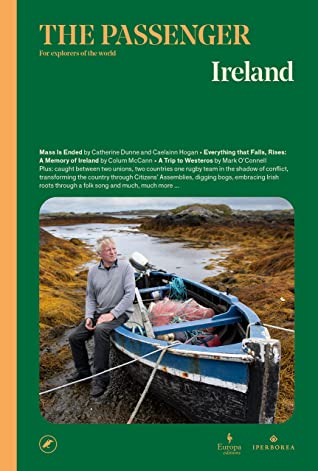
If you’re interested in a contemporary insight into Irish culture, literature and history, I highly recommend The Passenger – Ireland (reviewed here), which features long form essays, investigative journalism, literary reportage and visual narratives. It takes us beyond the familiar stereotypes to portray the country’s shifting culture and identity, public debates, sensibilities of its people, its burning issues, pleasures and pain. It was published by Europa Editions in March 2022.
One of the essays, An Ocean of Wisdom by Manchan Magnan, a man fascinated by the Irish language and its connection to fishing, tells of his travels to three Gaeltachtai (Irish speaking) areas uncovering local words and phrases that expressed aspects of the sea, weather and coastal life. He captured linguistic nuances that described a way of life fast disappearing and shared the complex reasons behind it.
More Ireland Island Literature, The Colony
My first book for reading Ireland 2025 is the excellent novel The Colony by Audrey Magee. This had rave reviews everywhere and I have long been wishing to read it. It did not disappoint, it has many thought provoking themes, yet can be read at quite a pace.
Mr Lloyd, an English man has come to an island, a rock three miles long and half a mile wide to paint the cliffs and have an authentic experience. He is trying to find inspiration and revive his career (and life).
We get to know his type immediately in the sardonic opening pages, which are illustrated on the cover of the copy I read. A man being rowed across the water to the rock where he will spend the summer, wants to recreate an authentic experience he’s seen a picture of somewhere. Reality, nothing like a still-life.
He looked down again, at his backpack, his easel, his chest of paints bound already to the journey across the sea in a handmade boat. He dropped his right leg, then his left, but clung to the ladder. self-portrait I: falling self-portrait II: drowning self-portrait III: disappearing self-portrait IV: under the water self-portrait V:the disappeared Let go, Mr Lloyd. I can’t. You’ll be grand.
The people on the island cater to his needs while fifteen-year-old James is curious about painting and drawing. He begins to learn, to practice, to observe what My Lloyd is incapable of seeing. The islanders have asked My Lloyd to respect certain privacy’s, lines he doesn’t take long to cross.
Rival outsiders on a mission
A while later, another man will arrive for the summer, Mr Jean-Pierre Masson, a Frenchman, returning for his fourth summer.
You speak the language Mr Masson? Yes, I study Irish, or Gaelic, as you prefer to call it. I have no preference. Then we’ll go with Irish. Masson drank from his cup. I’m a linguist, Mr Lloyd, and I specialise in languages threatened with extinction. And you’re here to save Gaelic?
The novel observes the effect these two outsiders have on the islanders, the rivalry and antagonism between them and the inability of the islanders to stop the change these two herald.
Lest We Forget
Interspersed between the chapters, single pages in short paragraphs, recount acts of terrorism, the names and details of those who are victims, targeted by different sides of the Irish divide. Thus the novel depicts the external colonising forces and the internal country conflict on the people.
Alexander Gore is a full-time member of the Ulster Defence Regiment standing outside his barracks on Belfast’s Malone Rod just after eleven on Wednesday morning, June 6th. He is twenty-three years of age, Protestant and has been married for four months. His nineteen-year-old wife is pregnant with their first child. A truck drives down the Malone Road towards the barracks. Two IRA men in the truck open fire and kill Alexander Gore.
In addition to the islanders, there is the ghostly presence of the three fishermen who drowned, their absence keeping some endlessly waiting, anchored to that rocky outcrop, as if expecting them still to return.
Three good men lost on an autumn day. My son-in-law, my grandson and my grand-daughter’s husband. Gone. Never to come home. Not even for their own funerals. That was a hard time, JP. But as I say, you get hard times wherever you are. They have a great way of following people. Though it took a long time for the island to recover.
The Painter and the Academic, neocolonialism at work
Both visitors have backstories that reveal more about them and question their motives. They discover they can take more than what they initially came for and neither hesitates to expand their remit, because it serves them, it takes them away from looking at themselves, at their own story.
The islanders see all, some stuck in their ways, others with more freedom to slip in and out of what is expected and others have the desire to rebel or seek opportunity. As the visitors time on the island comes to an end, true colours are revealed, change is challenged by the old order and young James weighs up his options.
I very much enjoyed the reading experience and the delving into the different motivations of all the characters. The dialogue was excellent, the humour biting, the prose sometimes poetic and spaced out on the page, other times fluid like the incoming and outgoing tides, occasionally dense when it delved into the political and linguistic aspects and violent when those extracts are shared.
Highly Recommended!
Have you read The Colony? Are you reading any Irish literature this month? Let me know in the comments below.
Audrey Magee was born in Ireland and lives in Wicklow. She worked for twelve years as a journalist.
Her first novel, The Undertaking, was shortlisted for the Women’s Prize for Fiction, for France’s Festival du Premier Roman and for the Irish Book Awards. It was also nominated for the Dublin Literary Award and the Water Scott Prize for Historical Fiction. The Undertaking has been translated into ten languages and is being adapted for film.
Her second novel, The Colony was longlisted for the Booker Prize 2022 and shortlisted for the Orwell Prize for Political Fiction (2022).
The International Booker Prize 2025 longlist has been announced by this years judging panel, made up of a novelist, a poet, a translator, a critic and a songwriter, all of whom cross boundaries into other art forms. In their various ways, they are steeped in the world of words.
These are the 13 books they have chosen in the first cut, from 154 books submitted – 11 novels and two collections of short stories, translated from 10 original languages representing 15 nationalities and 11 independent publishers:
The Book of Disappearance by Ibtisam Azem (Palestine) translated from (Arabic) by Sinan Antoon
– The shocking premise of Azem’s novel can be summed up in a sentence: what would happen if all the Palestinians in Israel suddenly disappeared?
Alaa is haunted by his grandmother’s memories of being displaced from Jaffa and becoming a refugee in her homeland after the Nakba. Ariel, Alaa’s neighbour and friend, is a liberal Zionist, critical of the military occupation of the West Bank and Gaza, yet faithful to the project of Israel. When he wakes up one morning to find that all Palestinians have suddenly vanished, Ariel begins searching for clues to the secret of their collective disappearance.
That search, and Ariel’s reactions to it, intimately reveal the fissures at the heart of the Palestinian question. Between the stories of Alaa and Ariel are the people of Jaffa and Tel Aviv – café patrons, radio commentators, flower-cutters – against whose ordinary lives these fissures and questions play out.
Spare yet evocative, intensely intelligent in its interplay of perspectives, The Book of Disappearance, critically acclaimed in its original Arabic edition, is an unforgettable glimpse into contemporary Palestine as it grapples with both the memory of loss and the loss of memory.
On the Calculation of Volume I by Solvej Balle (Denmark) translated by Barbara J Haveland
– a woman is trapped in a time loop, waking up each morning to find it’s the 18th of November, again and again.The first book of a planned septology. Five books have been published in Danish so far, with translations underway in over 20 countries.
She no longer expects to wake up to the 19th of November, and she no longer remembers the 17th of November as if it were yesterday. She comes to know the shape of the day like the back of her hand – the grey morning light in her Paris hotel; the moment a blackbird breaks into song; her husband’s surprise at seeing her return home unannounced.
But for everyone around her, this day is lived for the first and only time. They do not remember the other 18th’s of November, and they do not believe her when she tries to explain. As Tara approaches her 365th 18th of November, she can’t shake the feeling that somewhere underneath the surface of this day, there’s a way to escape.
There’s a Monster Behind the Door by Gaëlle Bélem (La Réunion) translated (French) by Karen Fleetwood & Laëtitia Saint-Loubert
– in 1980s La Réunion (an overseas department of France, in the Indian Ocean), a young girl with a zest for life rises up against her jaded, bitter parents.
La Réunion in the ’80s is a place of high unemployment and low expectations, the legacy of postcolonialism. Here, a little girl makes a bid for escape from her sadistic parents’ reign of terror and turns to school for salvation. The name Dessaintes is one to reckon with. A bombastic, violent and increasingly dangerous clan, little do they know that their downfall is being chronicled by one of their own.
Rich in the history of the island’s customs and superstition and driven by a wild, offbeat humour, this picaresque tale manages to satirise the very notion of freedom available in this French territory, and perhaps even the act of writing itself and where it might lead you.
Solenoid by Mircea Cărtărescu (Romania) translated by Sean Cotter
– partly inspired by the author’s years as a teacher in Romania, spiraling into a bizarre account of history, philosophy and mathematics, with flashes of nightmarish body horror. Said to have been written in a single draft, at 627 pages, the longest book on the list.
Grounded in the reality of communist Romania, the novel grapples with frightening health care, the absurdities of the education system and the struggles of family life, while investigating other universes and forking paths.
In a surreal journey like no other, we visit a tuberculosis preventorium, an anti-death protest movement, a society of dream investigators and a minuscule world of dust mites living on a microscope slide. Combining fiction and history with autobiography – the book is partly based on Cărtărescu’s experiences as a teacher – Solenoid searches for escape routes through the alternate dimensions of life and art, as various monstrous realities erupt within the present.
Reservoir Bitches (short stories) by Dahlia de la Cerda (Mexico) translated (Spanish) by Heather Cleary & Julia Sanches
– follows the efforts of 13 memorable Mexican woman, from the daughter of a cartel boss to a victim of transfemicide, to survive against the odds.
In the linked stories of Reservoir Bitches, 13 Mexican women prod the bitch that is Life as they fight, sew, cheat, cry and lie their way through their tangled circumstances. From the all-powerful daughter of a cartel boss to the victim of transfemicide, from a houseful of spinster seamstresses to a socialite who supports her politician husband by faking Indigenous roots, these women spit on their own reduction and invent new ways to survive, telling their stories in bold, unapologetic voices.
At once social critique and black comedy, Reservoir Bitches is a raucous debut from one of Mexico’s most thrilling new writers.
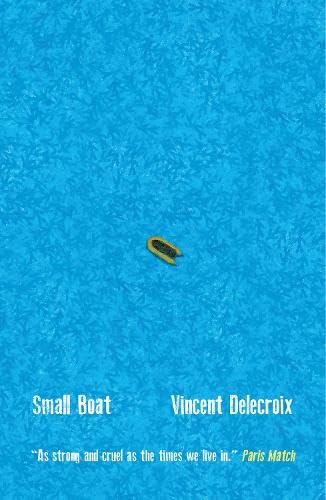
Small Boat by Vincent Delecroix (France) translated by Helen Stevenson
– the fictional account of a group of migrants’ attempt to cross the English Channel in an inflatable dinghy, which results in the deaths of 27 of those on board. Told from the point of view of a French woman who received, but rejected, their desperate calls for help.
Despite receiving numerous calls for help, the French authorities wrongly told the migrants they were in British waters and had to call the British authorities for help. By the time rescue vessels arrived on the scene, all but two of the migrants had died.
The narrator of Delecroix’s fictional account of the events is the woman who took the calls. Accused of failing in her duty, she refuses to be held more responsible than others for this disaster. Why should she be more responsible than the sea, than the war, than the crises behind these tragedies?
A shocking, moral tale of our times, Small Boat reminds us of the power of fiction to illuminate our darkest crimes.
Hunchbackby Saou Ichikawa (Japan) translated by Polly Barton
– an unflinching account of sexual desire and disability about a protagonist born with a congenital muscle disorder who uses an electric wheelchair and a ventilator. Hailed as one of Japan’s most important novels of the 21st century.
Within the limits of her care home, her life is lived online: she studies, she tweets indignantly, she posts outrageous stories on an erotica website. One day, a new male carer reveals he has read it all – the sex, the provocation, the dirt. Her response? An indecent proposal…
Written by the first disabled author to win Japan’s most prestigious literary award and acclaimed instantly as one of the most important Japanese novels of the 21st century, Hunchback is an extraordinary, thrilling glimpse into the desire and darkness of a woman placed at humanity’s edge.
Under the Eye of the Big Bird by Hiromi Kawakami (Japan) translated by Asa Yoneda
– leaps back and forth across thousands of years and finds humankind on the verge of extinction, but still clinging to the impulses that make us human.
In the distant future, humans are on the verge of extinction and have settled in small tribes across the planet under the observation and care of the Mothers. Some children are made in factories, from cells of rabbits and dolphins; some live by getting nutrients from water and light, like plants. The survival of the race depends on the interbreeding of these and other alien beings – but it is far from certain that connection, love, reproduction, and evolution will persist among the inhabitants of this faltering new world.
Unfolding over geological eons, Under the Eye of the Big Bird is at once an astonishing vision of the end of our species as we know it and a meditation on the qualities that, for better and worse, make us human.
Eurotrashby Christian Kracht (Germany) translated by Daniel Bowles
– a Swiss writer named Christian, embarks on a tragicomic road trip with his wealthy, elderly mother in this tragicomic and absurd semi-autobiographical novel.
Realising he and she are the very worst kind of people, a middle-aged man embarks on a dubious road trip through Switzerland with his 80-year-old mother, recently discharged from a mental institution. Traversing the country in a hired cab, they attempt to give away the wealth she has amassed from investing in the arms industry, but a fortune of such immensity is surprisingly hard to squander. Haunted in different ways by the figure of her father, an ardent supporter of Nazism, mother and son can no longer avoid delving into the darkest truths about their past.
Eurotrash is a bitterly funny, vertiginous mirror-cabinet of familial and historical reckoning. The pair’s tragicomic quest is punctuated by the tenderness and spite meted out between two people who cannot escape one another. Intensely personal and unsparingly critical, Eurotrash is a disorientingly brilliant novel by a writer at the pinnacle of his powers.
Perfectionby Vincenzo Latronico (Italy) translated by Sophie Hughes
– an expat couple attempt to live their dream in Berlin, but find themselves beset with the dissatisfaction and ennui of the modern world.
Millennial expat couple Anna and Tom are living the dream in Berlin – in a bright, plant-filled apartment in Neukölln. They are young digital creatives, freelancers without too many constraints. They have a passion for food, progressive politics, sexual experimentation and Berlin’s 24-hour party scene. Their ideal existence is also that of an entire generation, lived out on Instagram, but outside the images they create for themselves, dissatisfaction and ennui burgeon.
Their work as graphic designers becomes repetitive. Friends move back home, have children, grow up. An attempt at political activism during the refugee crisis proves fruitless. And in that picture-perfect life Anna and Tom feel increasingly trapped, yearning for an authenticity and a sense of purpose that seem perennially just out of their grasp.
With the stylistic mastery of Georges Perec and nihilism of Michel Houellebecq, Perfection is beautifully written and brilliantly scathing.
Heart Lamp (short stories) by Banu Mushtaq (Southern India) translated (Kannada) by Deepa Bhasthi
– the author, an activist and lawyer vividly captures the extraordinary everyday lives of Muslim women and girls in southern India, in 12 stories, originally published in Kannada between 1990 and 2023.
Praised for their dry and gentle humour, these portraits of family and community tensions testify to Mushtaq’s years as a journalist and lawyer, in which she tirelessly championed women’s rights and protested all forms of caste and religious oppression.
Written in a style at once witty, vivid, colloquial, moving and excoriating, it’s in her characters – the sparky children, the audacious grandmothers, the buffoonish maulvis and thug brothers, the oft-hapless husbands, and the mothers above all, surviving their feelings at great cost – that Mushtaq emerges as an astonishing writer and observer of human nature, building disconcerting emotional heights out of a rich spoken style. Her opus has garnered both censure from conservative quarters as well India’s most prestigious literary awards; this is a collection sure to be read for years to come.
On a Woman’s Madness by Astrid Roemer (Surinamese-Dutch), translated (Dutch) by Lucy Scott
– a classic of queer literature, as electrifying today as it was when it first appeared in 1982, tells of a courageous Black woman fleeing her abusive husband to embark a new life in the Surinamese capital.
When Noenka’s abusive husband of just nine days refuses her request for divorce, she flees her hometown in Suriname, on South America’s tropical northeastern coast, for the capital city of Paramaribo. Unsettled and unsupported, her life in this new place is illuminated by romance and new freedoms, but also forever haunted by her past and society’s expectations.
Amid tales of plantation-dwelling snakes, rare orchids, and star-crossed lovers, it is also a blistering meditation on the cruelties we inflict on those who disobey. Roemer, the first Surinamese winner of the prestigious Dutch Literature Prize, carves out postcolonial Suriname in barbed, resonant fragments. Who is Noenka? Roemer asks us. ‘I’m Noenka,’ she responds resolutely, ‘which means Never Again.’
A Leopard-Skin Hat by Anne Serre (France), translated by Mark Hutchinson
– captures the love and despair of an intense friendship between the book’s narrator and his best friend from childhood, who suffers from severe psychological disorders.
A series of short scenes paints the portrait of a strong-willed and tormented young woman battling many demons, and of the narrator’s loving and anguished attachment to her. Serre poignantly depicts the bewildering back and forth between hope and despair involved in such a relationship, while playfully calling into question the very form of the novel.
Written in the aftermath of the death of the author’s little sister, A Leopard-Skin Hat is both the celebration of a tragically foreshortened life and a valedictory farewell, written in her signature style.
Newbies, First Timers and a Classic Translated
Many of the books on the list are by authors being translated into English for the first time, which is a great sign for translated fiction, indicating that publishers and reading more widely and looking further than the already known. Not surprising I haven’t read any of these and only heard of one Solenoid, which won the Dublin Literary Award in 2024. It is not one I will be reading, way too long!
I like the sound of Heart Lamp and On a Woman’s Madness, not just for their premise, but for the language and locations they hail from! The Danish novel, The Calculation of Volume 1 sounds intriguing and something of a cult following, you’ve got to bat for someone who went ahead and self-published and is now being translated into over 20 languages.
Anything on the list tempting you? Let me know in the comments below.
The International Booker Shortlist and Winner 2025
The shortlist of six books will be announced on Tuesday, 8 April.
The winning title will be announced at a ceremony at London’s Tate Modern on Tuesday, 20 May.
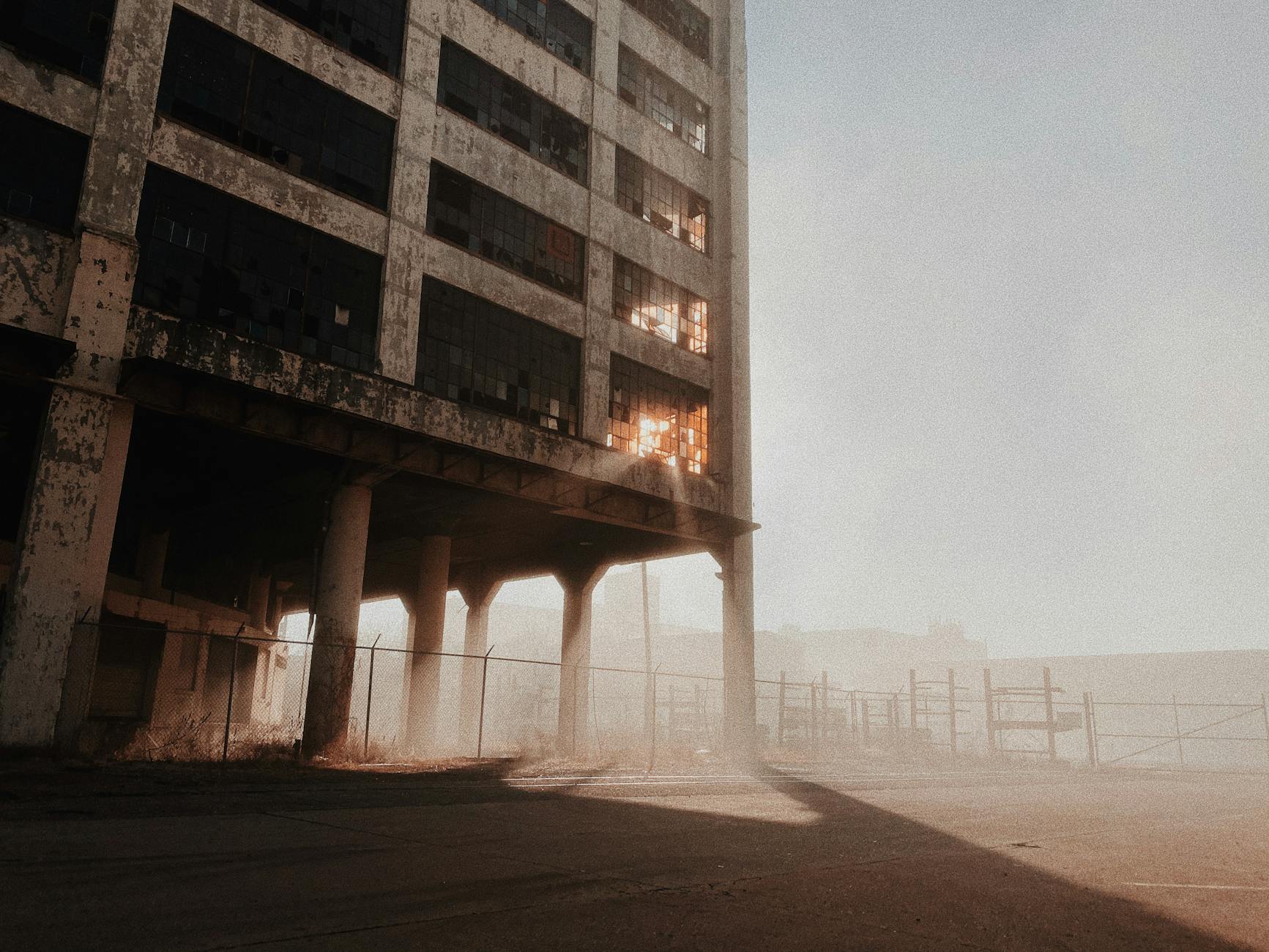
Seventeen years ago, the author Rosa Ribas was taken by friends to visit a strange monument to a broken era in Seseña; it was a housing development known as ‘The Manhattan of La Mancha’.
Built in 2008, it was designed to house 40,000 people in 13,500 affordable apartments – a ready made settlement emerging from the dust-bowls of remote farmland 40 kilometres from Madrid. It now looked something like between an eerie ghost town and an abandoned building site.
One representation of many, it was a stark reminder of a housing bubble, burst by a rampant, unchecked building boom bust, and a global financial crisis that created an unprecedented unemployment rate and the deepest economic recession Spain had experienced for fifty years.
“When you walked around, you’d see the blocks where people were living, the blocks that were semi-inhabited, and then all the skeletons of buildings in different stages of completion,” she said. “From one day to the next, they told the workers not to come back the following day. And it all stayed like that.”
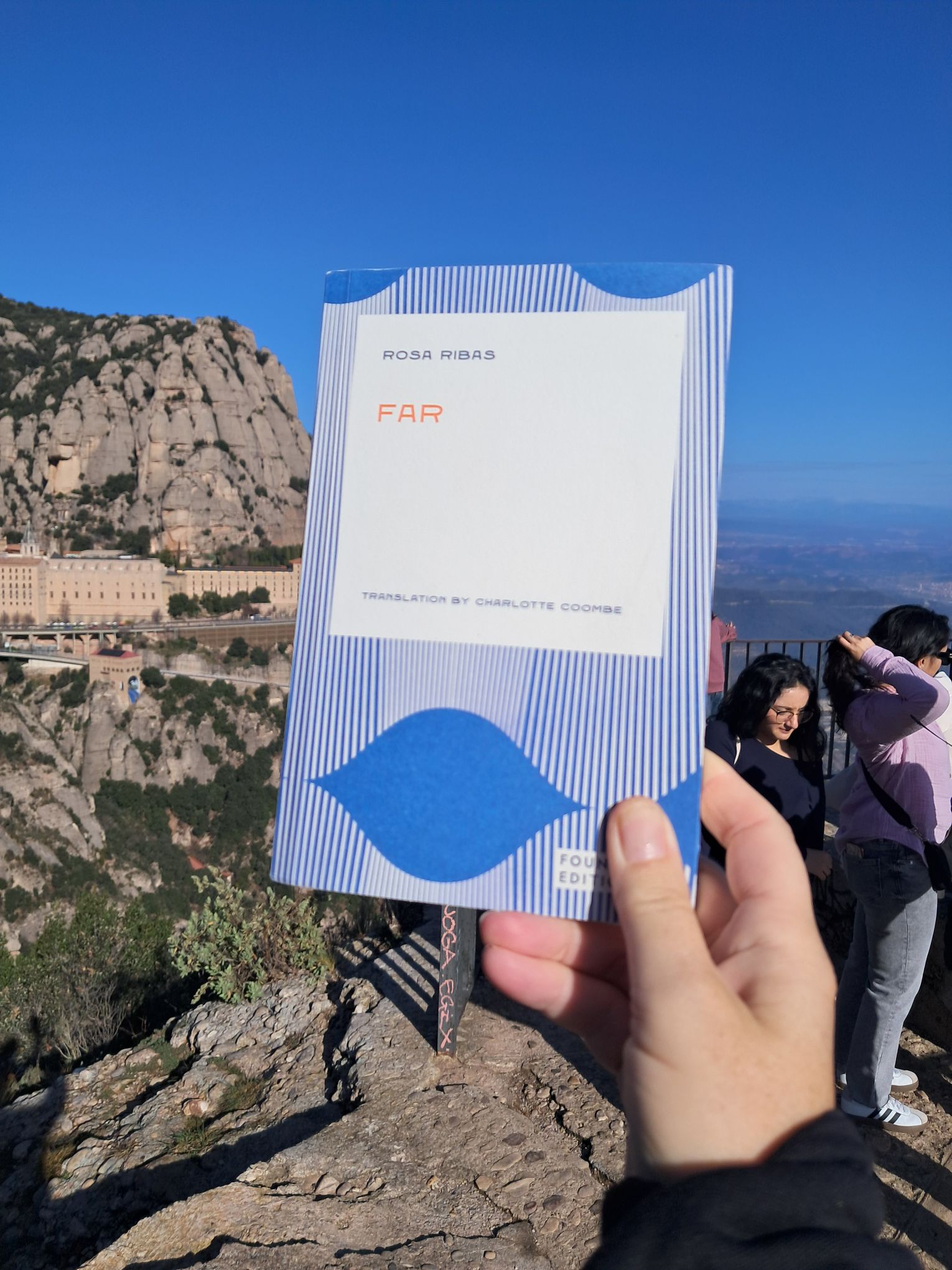
As night fell and three lights came, the realisation that they were the only people living there spawned the idea for a novel, Lejos in Spanish, now translated by Charlotte Coombe into English, brought to us by an excellent new imprint Foundry Editions, created in 2023 out of a love of these three things:
a love for discovering and sharing new voices, a love for the Mediterranean and the people and lands that surround it, and a love of internationalism and reading across borders.
The patterns on the covers of their books have been designed to capture the visual heritage of the Mediterranean. This one is inspired by the architecture of Santiago Calatrava’s City of Arts and Sciences in Valencia. It was created by Hélène Marchal.
Far, A Novel
I loved this novel, it is evocative of this semi-abandoned place, it depicts a demarcation between the legals and the illegals, the rightful inhabitants and the opportunistic outsiders, the followers of rules, those that want to make their own, and those that fall into the cracks.
The entire development was constructed on a pile of poorly concealed sleaze, a chain of bribery, corruption, intimidation, and complicit silences. No ancient manuscripts, no mythical foundations. If these lands had been the scene of some momentous event, back when battles of conquest and reconquest were being fought all over the area, no one had bothered to record it. It was a bleak place, devoid of stories, where it was impossible to satisfy any yearnings for greatness.
The entrance to the development still shows billboards offering apartments for sale, the middle one depicting the fugitive developer Fernando Pacheco in his suit and tie, the others depicting scenes of golfing, swimming pools and cocktails, a far cry from the reality within which they sat.
The opening lines of Far stayed with me for the entire novel, they foreshadow the dénouement, a future turning point, that could even be the beginning of a follow up novel. For me it was a delightfully transgressive ending that I wasn’t even looking for, it arrived abruptly, though more regular readers of noir fiction might have seen it coming.
That night, he had no idea he was walking over a cemetery. A secret cemetery with no gravestones or crosses, and only two dead bodies. There would be three by the time he left.
The lyrical prose is clever, compelling and nothing is lost in translation.
The Lost and Fallen
We meet two unnamed characters, the first is the man we meet walking across that unconsecrated ground. He has just walked out of his office, his job, his life and is looking for a temporary refuge, when he remembers this place, this lost dream of many that one of his colleagues bought into. He needs to stay in hiding and at first is vigilant in keeping away from others, but the forced isolation and the desolate nature of the place loosen his discipline and he makes a friend in an older widower, Matias.
The second character is a woman living in one of the villas alone. Experiencing a double abandonment, she is sticking it out, she works from home and writes the minutes of the resident’s association meetings. Since the realisation that the development had truly been abandoned, the association had turned its focus onto other items.
Hegemons Harmony Hampered
Then, given the inhospitable environment, efforts became focused on the interior, on the decor of the apartments and villas. And on the “dignification” of the settlement. Swept pavements, manicured gardens. Being dressed properly in the street. “So, no more going out in your dressing gown to buy bread,” said Sergio Morales, the chairman of the residents’ association, at one of their meetings, in that jocular tone which often masks inconvenient or ridiculous orders.
In this place that promised a kind of utopia, those that bought into it begin to realise that they have become neighbours with the marginalised, as the unfinished houses become occupied by people in equally difficult, but entirely different circumstances and they don’t like it. They begin to obsess over it, becoming paranoid, arguing about whether to call the police or take care of things themselves.
The destruction of their fantasy, the deterioration of an imagined life, of people’s mental states and even their physical states, emulates the disintegration of the country’s economic situation, that contributed to the depth of suffering inflicted on the population, as millions of jobs were lost and opportunities for youth disappeared, creating a surge in racism and xenophobia.
Light Always Illuminates
And there, amid the chaos, insecurity and fear, unlikely friendships and connections develop, between the man and the widower on the unfinished side of the settlement, the woman from the deteriorating utopia on the other side and the Dominican who doesn’t ask questions, working at the petrol station.
Brilliantly told, infused with sardonic humour, it is a disturbing yet revelatory tale of what happens when severe change arrives unbidden and the effect it has on the ‘haves,’ the ‘have-nots’ and those that fall through the cracks in between.
Rosa Ribas was born in El Prat de Llobregat in 1963. She has a degree in Hispanic Philology from the University of Barcelona, and spent time in Frankfurt at the Goethe University and the Instituto Cervantes. She now lives and works in Barcelona again and the city plays a big role in her writing.
Rosa is widely considered one of the queens of Spanish noir, achieving critical and commercial success in Spain with her Dark Years Trilogy (Siruela) and her Hernández trilogy (Tusquets). Far is her first foray away from crime fiction, into a more menacing social commentary. It is her first book to be translated into English.
Translator, Charlotte Coombe
Charlotte Coombe translates works from French and Spanish into English. She was shortlisted for the Queen Sofía Spanish Institute Translation Prize 2023 for her co-translation of December Breeze by Marvel Moreno. In 2022 she won the Oran Robert Perry Burke Award for her translation of Antonio Diaz Oliva’s short story ‘Mrs Gonçalvesand theLives of Others’, and she was shortlisted for the Valle Inclán Translation Prize 2019 for her translation of Fish Soup by Margarita García Robayo.
A meandering story-line, spanning 3 years, the introspective excavating of a young British-Ghanaian man’s soul and the situations he will encounter and confront, as he matures and grows into a version of himself that he likes.
I highlighted SO many passages.
Moments of Bliss, Small Worlds
Small worlds describes the way Stephen has learned to see things. It is his way of identifying and capturing certain moments, especially the loving, the poignant, the fleeting, the good.
A coming-of-age story set mostly in Peckham, London, it follows Stephen as he navigates the period in his life when he is separating from friends and his parents, from all that he knows. Simultaneously, he is moving from letting things happen to him and suffering, towards sitting with what is, reflecting, rejecting, embracing, understanding. A journey the evolves over three years.
Introspective and sensitive, music plays a large role in his mood, his management of his emotions, his friendships and the collective memory of Ghana, a country he is connected to but did not grow up in, a place that separates him from his family as much as it is a part of them all.
The novel is set over three years, written in three parts, like a jazz trio of piano, bass and drummer.
Part One – Two Young People in the Summertime (2010)
The summer after Stephen and all his friends have finished school and they are deciding what comes next. Stephen and his long-known friend Del are both applying to study music. This summer they start to look at each in a different way, to feel something, they are light-footed, beach going, feeling like something good is coming.
When Stephen’s path changes course, he deals with isolation and separation, unable to even find solace in his instrument, the trumpet, or music. His emotions run deep and he withdraws from them.
Part Two – A Brief Intimacy (2011)
Stephen is working with his friend Nam, training to become a chef. The owner Femi has split allegiances, a Ghanaian mother and Nigerian father mean they serve Ghanaian food and play Nigerian music, and they all know about the 1983 Nigerian Presidential executive order, the mandate of Ghana Must Go that affected an estimated 2 million people living in the country.
Rhythm returns to his life and he feels it everywhere. The observations of bits of daily life, poetic, vibrant, rhythmic and upbeat.
Back in Peckham, it’s here too, this rhythm happening everywhere, as I take my time to wander home: in the dash of four boys dressed in black, trying to beat the bus round the curve, soft socks in sliders slapping the ground. The song of a passing car, distant bass finding a home in my ears, the low, slow rumble calling attention the way thunder might ask you to check the sky for rain. The haggling taking place at the butcher’s and the grocer’s, the disbelief that it’s now three plantain for a pound, not four. In the sadness as I pass the spot where Auntie Yaa’s shop used to be, where she would make sure everyone was looked after. In the joyful surprise when I run into Uncle T, his mouth full of gold like its own sunshine. The couple I pass in the park, holding each other close, her head turned away from his, a smile on his face even as he pleads with her, babe, I didn’t mean it. In the distance she holds him, to see if he’ll come closer, because sometimes it’s not enough to say it, you have to show it too. In the conviction I share with many that this stretch, from Rye Lane to Commercial Way, is where our small world begins and ends. There’s rhythm happening, everywhere; all of us like instruments, making our own music.
But expectations, old trauma and shame linger and until they can be addressed, they undermine relationships, cause rupture, rigidity and regret. So much still to recognise, dismantle, overcome and heal. And Stephen explores it all.
I’m slowly taking myself apart, so I might build myself up once more. And as part of this undoing, I want to ask him, why?And then there are those aspects of the outside world, not so far away, that seethe with unresolved anger and hatred, that threaten to close in on them. A raising of public consciousness and a shift in perception.
Stephen takes time off after the turn of events and pays a visit to Ghana. His trip heralds a reckoning.
Still, of late I’ve felt the urge for more. I’ve always had a decent grasp on who I am, or where I might find myself, but I’ve never really known where I’ve come from. This trip has started a shift. There are gaps which my father might fill, with his own story. I want him to tell me who he is, or who he was. I want to know who he was when he was twenty. I want to know what he dreams of, where he finds freedom.
Melody, discord, harmony and triumph – a story through music
As we read, there are songs Stephen chooses to accompany him. Often as I read, I stop to listen and look up the artist, reminding me of the enjoyment I had reading Bernice McFadden’sThe Book of Harlan (reviewed here). It can add so much more to the experience, when music with a cultural influence is present, calibrating the reader’s imagination with the mood of the story.
The way the story comes full circle, when by the end, Stephen’s father accepts his son’s invitation to come with him, to share a meal, to listen to ‘Abrentsie’ by Gyedu-Blay Ambrolley, the book morphed into scenes of a wonderful film that I was simultaneously watching and reading. I wished I weren’t on the last pages, because it felt so good to witness the transmutation of emotion into a new way forward, that was something like the old, but different; accepted, something they will be able to nourish and grow from.
Caleb Azumah Nelson is a British-Ghanaian writer and photographer living in south-east London.
His first novel, Open Water, won the Costa First Novel Award, Debut of the Year at the British Book Awards, and was a number-one Times bestseller. It was shortlisted for the Dylan Thomas Prize, the Sunday Times Young Writer of the Year Award, Waterstones Book of the Year, and longlisted for the Gordon Burn Prize and Desmond Elliott Prize. He was selected as a National Book Foundation ‘5 under 35’ honoree by Brit Bennett.
Small Worlds, his second novel won the Dylan Thomas Prize (2024) (a prize that celebrates exceptional literary talent aged 39 or under), cementing the 30-year-old British-Ghanaian author as a rising star in literary fiction. The judges had this to say:
“Amid a hugely impressive shortlist that showcased a breadth of genres and exciting new voices, we were unanimous in our praise for this viscerally moving, heartfelt novel. There is a musicality to Caleb Azumah Nelson’s writing, in a book equally designed to be read quietly and listened aloud. Images and ideas recur to beautiful effect, lending the symphonic nature of Small Worlds an anthemic quality, where the reader feels swept away by deeply realised characters as they traverse between Ghana and South London, trying to find some semblance of a home. Emotionally challenging yet exceptionally healing, Small Worlds feels like a balm: honest as it is about the riches and the immense difficulties of living away from your culture.”
I haven’t read much Japanese literature so when I saw Mieko Kawakami’s novel Breasts and Eggs at a booksale I picked it up, recalling it had caused much interest among readers at the time of its translation into English. It caused a significant reaction in Japan when originally published, a bestseller spurned by traditionalists.
It was a New York Times Notable Book of the Year and one of TIME’s Best 10 Books of 2020 and established the author as something of a feminist icon, exploring the inner lives of women through the ages.
A Woman’s Lot
Breasts and Eggs is set in two time periods eight years apart and centres around 30 year old woman Natsuko, a writer living in Tokyo and those two themes, Breasts and Eggs; or Appearance and Mothering.
I’m still in the same apartment with the slanted, peeling walls and the same overbearing afternoon sun, surviving off the same minimum wage job, working full time for not a whole lot more than 100,000 yen a month, and still writing and writing, with no idea whether it’s ever going to get me anywhere. My life was like a dusty shelf in an old book store, where every volume was exactly where it had been for ages, the only discernable change being that my body has aged another ten years.
Silence Speaks Volumes
In the first part of the book her sister Makiko comes to visit with her 12 year old daughter Midoriko, who has stopped speaking to her mother. She writes her responses, we read her perspective through a few journal entries, which has become the place where she has conversations she is missing elsewhere.
Unspoken Job Requirements
Makiko is an ageing hostess whose occupation demands certain expectations of looks and she has become obsessed with breast augmentation surgery to the neglect of all else. It has been the topic of conversation with her sister for the last three months. Natsuko realises she doesn’t want her advice, just a sounding board. Their mother died when the girls were teenagers from breast cancer.
…after all these years, at thirty-nine, she still works at a bar five nights a week, living pretty much the same life as our mum. Another single mother, working herself to death.
While her sister goes for a consultation Natsuko spends time with her niece and ponders women’s bodies, pains, expectations, grievances, self-judgments, societal judgments, obsessions. During the visit, the three women confront their issues, desires and frustrations, building to resolution.
When Time Is Running Out and All is On the Table
In Part Two, eight years have passed and now it is Natsuko who arrives at an age of obsession, only her focus is on eggs, or the desire to have a child and the dilemma of not being in a relationship when the age of becoming eggless is in sight.
A Making Children Medical Procedure
She begins to research alternative ways of conceiving, finding ways to learn more and to meet people she might be able to discuss her desire. In doing so she discovers there is more to the subject than just a woman’s desire, there are moral considerations she hasn’t considered, that might affect her decision.
“Neither the medical community, not the parents who undergo this type of treatment, have adequately considered how the children – and this is about the children – will eventually see themselves,” Aizawa said, in summary. “As for donors, most of them haven’t given much thought to these issues, either. For them, it’s something akin to giving blood. Legal reform has a long, long way to go, but recent attention to the child’s right to know had led more and more hospitals to suspend treatment entirely…”
The Child Who Grows Up Not Knowing Shares As an Adult
Her interest leads her to new connections that increase the depth of her understanding and options available to her. By the time she makes her decision, she will be significantly more informed and understand the situation from multiple perspectives.
I thought about what I had said, but couldn’t explain what I meant. What made me want to know this person? What did I think it meant to have me as a mother? Who, or what, exactly, was I expecting? I knew I wasn’t making any sense, but I was doing all I could to string the words together and convey that meeting this person, whoever they may wind up being, was absolutely crucial to me.
It is an interesting, thought-provoking look at the lives of women trying to find fulfillment while navigating the challenges of single motherhood, health, womanhood, reproductive rights and familial relationships in non-nuclear families.
“I try to write from the child’s perspective – how they see the world,” says Kawakami. “Coming to the realisation that you’re alive is such a shock. One day, we’re thrown into life with no warning. And at some point, every one of us will die. It’s very hard to comprehend.”
Author, Mieko Kawakami
Born in Osaka, Japan Kawakami made her literary debut as a poet in 2006 and in 2007 published her first novella My Ego, My Teeth, And the World. Heaven, translated by Sam Bett and David Boyd, was shortlisted for the 2022 International Booker Prize.
Known for their poetic qualities, their insights into the female body and their preoccupation with ethics and the modern society, her books have been translated into over twenty languages. Her most recent novel that has been translated into English is All the Lovers in the Night.
Kawakami’s literary awards include the Akutagawa Prize, the Tanizaki Prize, and the Murasaki Shikibu Prize. She lives in Tokyo, Japan.




















 Word by Word