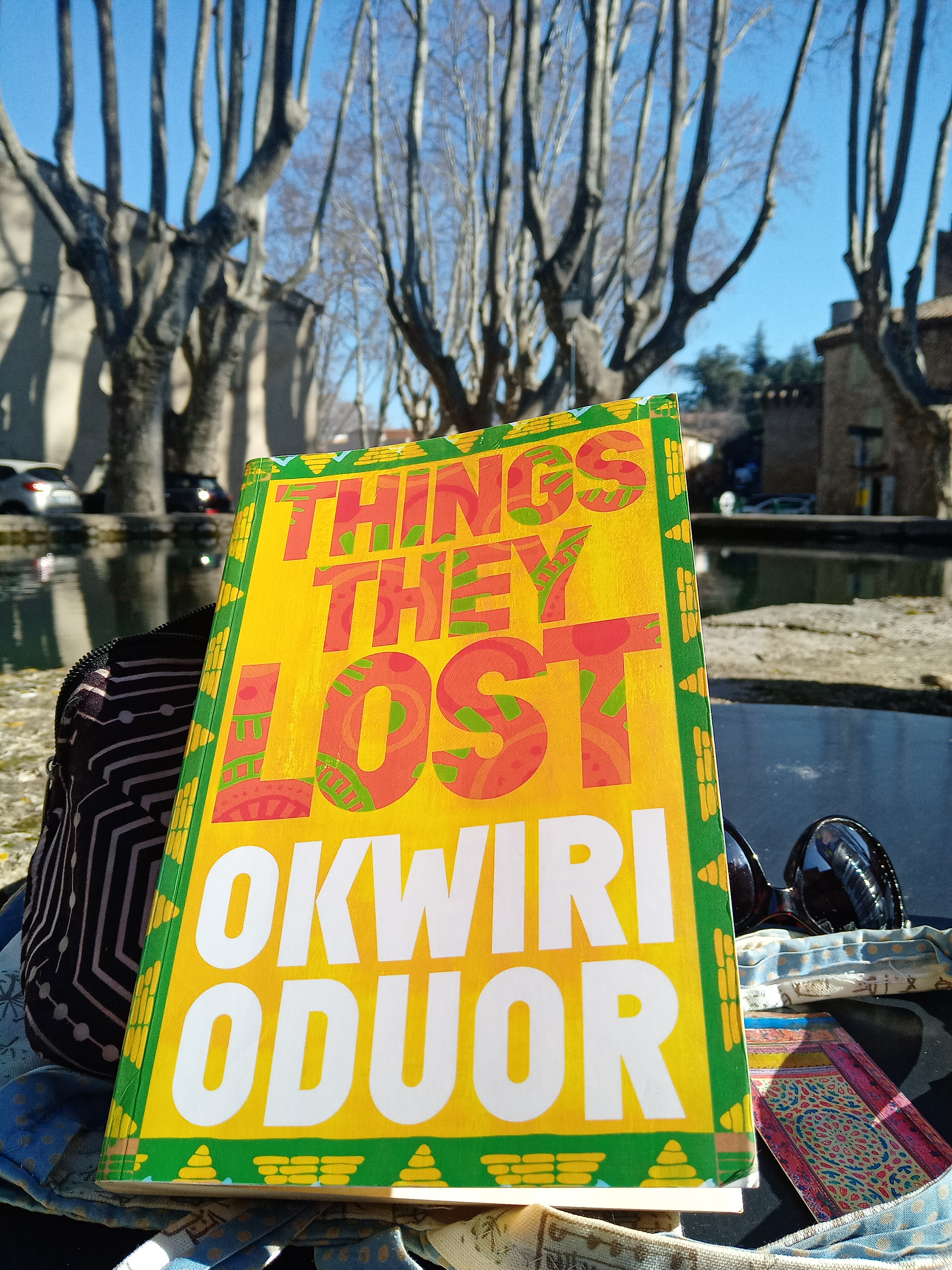
The Gowkaran Tree in the Middle of Our Kitchen by Shokoofeh Azar (Iran) tr. Anonymous

In Feb 2020 I read Shokoofeh Azar’s epic debut novel, The Enlightenment of the Greengage Tree (my review) translated from Farsi. An Iranian writer living in exile in Australia, I was excited to have the opportunity to read a brilliant work of imagination in English. It was later shortlisted for the International Booker Prize (UK), longlisted for a National Book Award for Translated Literature (US) and three Australian Book Awards including the Stella Prize.

Epic and challenging, both that novel and this latest both use elements of magic realism in a unique way to explore recent history, (that of the Iranian Revolution in 1979), while referencing mythic texts and ancient aspects of Iranian culture, which an outsider won’t necessarily pick up on them all, but how incredible a feat, to maintain a compelling plotline that explores the past and uses the metaphysical to assist with confronting situations that are painful to contemplate, creating meaning and helping to overcome trauma.

“Magical realism is not only a realm of boundless imagination, it is also a powerful literary and cultural tool for resisting dominant and imposed powers… I turn to this genre to confront authoritarian structures in Iran while celebrating the true cultural and artistic beauty of my country.”

Preserving a Culture Through Storytelling

Again in The Gowkaran Tree in the Middle of Our Kitchen, Azar writes to embrace and acknowledge family, a beautifully diverse and colourful culture, complex politics, revolution and resistance.

The novel tells a story about a Zoroastrian family with twelve children and a long, interwoven lineage, where the living and the dead are both present and absent, sometimes called on or observed when needed to understand how to navigate the present. Those living in the now are often less aware than those who came before and this connection with their heritage and family is part of the way they survive difficult times.

The story starts with the strange occurrence of a Gowkaran Tree appearing one day in their bustling kitchen, travelling up towards the ceiling, alive with bird life and firmly rooted.

No one but family can see the tree, and while making repairs, their father, a University Professor decides to build a round table around the trunk. The kitchen was their centre and beneath the walls of the old mansion lay the remains of eleven other mansions.

A big, twelve-person table. In this way the Tree of Knowledge, the Tree of Life, the Bas-Tokhmeh Tree, the Gowkaran Tree, the Tree of the Incident, became the kitchen’s centre of gravity.

The grandmother Khanom Joon tells her granddaughter (the narrator Shokoofeh) some of the old family stories, of love and storytelling and the 1,762 notebooks containing the memoirs of their ancestors. She tells her own story and that of the Ball of Light that follows her.

“Curled up in a chair, I let history go and breathed in the air of love and suddenly realised that from now on I was caught. That said, in my dreams I had seen that this madness would grip us both, neither of knowing when it began or how long it would go on. Just like this mansion and this timeless tree and the history of foreigner’s incursions and invasions in this country.”

A Heroine on a Quest, Mentors Abound

I’m not going to even attempt to describe too much of the plot, suffice to say that it is something of the heroine’s journey for the young narrator, who is in the throes of falling in love and will be sent on a quest to search for her brother Mehab, who has gone to fight in the war. A coming-of-age story in harsh times, and yet a celebration of that which continues to resist and persevere and give fruit.

The journey brings to light the terror of a country taken over by despots, and the predicaments of those who capitulate and those who refuse, the voiceless and the silenced. And throughout the Gowkaran Tree remains, rooted, alive and bringing those who remain together.

Why Trees Matter

Trees are a recurring motif in Shokoofeh Azar’s novels. Trees often live on longer than humans, just as our ancestral lineage does, they are places of refuge and transendence.

Photo by Vraj Shah on Pexels.com

The rootedness of a big tree in the middle of a kitchen is a symbol of resistance, of strength and the power of deep, familial roots. Its central presence helps preserve what is under threat – family heritage, culture and identity.

The earthy, rooted tree grounds the magical realism element, allowing the author to meander into myth and folklore without losing the connection to the aspects of the story that are firmly rooted in reality. The reader surrenders and goes with it, relieved by the presence of the Ball of Light and terrified by the danger our protagonist is exposed to on her solo journey.

Destiny and Liberty

The book is made up of 27 chapters in two parts, Part One The Womb of Destiny takes place in and around the home mansion and in Part Two The Ordeal of Liberty, our protagonist is sent out alone on her mission to overcome challenges and learn something before her return.

“The way is reached by taking it.”
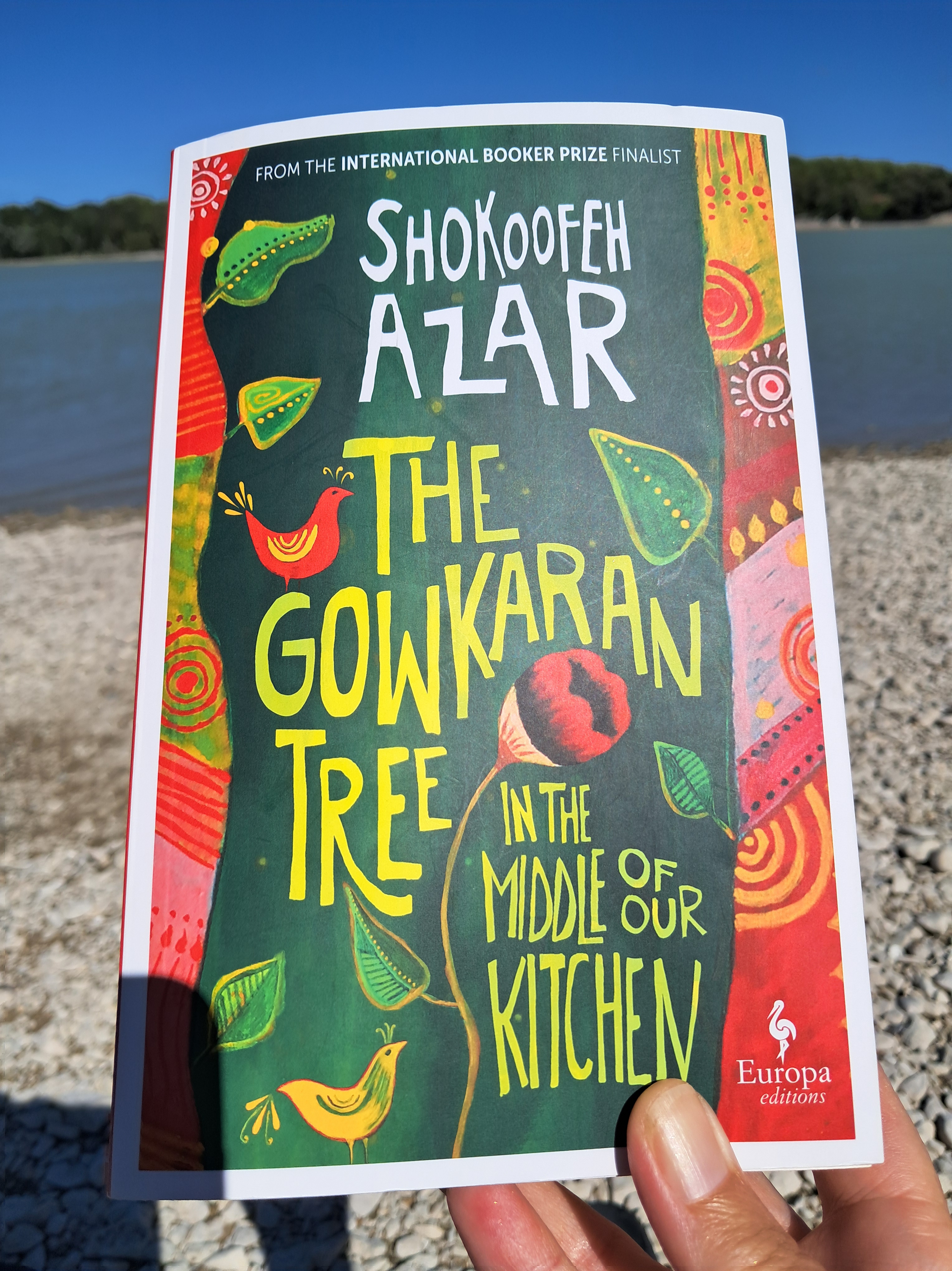
Book cover of The Gowkaran Tree in the Middle of our Kitchen by Shokoofeh Azar

If you’ve read her earlier works, you’ll be prepared for how unique the storytelling is, but if you’re not a fan of magic realism, this might challenge, however for me it was worth it for the immersion in the storytelling, culture and literary tradition, even if not all the references are familiar. The occasional footnotes are helpful.

The way the plot takes the reader on the journey to save a brother, while encountering historical characters along the way reads like a blend of fable and adventure with philosophical insights mitigating the challenging obstacles required to overcome.

At 512 pages, I admit that once I was out of holiday mode, I set it aside, due to the sheer size of it. I do think it asks a lot from readers today to engage with such a massive book.

Shokoofeh Azar has developed a unique style of magic realism to narrate harsh truths about a society under political and cultural oppression, while sharing its depths of family unity, cultural heritage and dedication to resistance. Overall, I highly recommend it and look forward to where she goes next and hope for a more taut, less ambitious novel next time.

Further Reading

Review: World Literature Today : The Gowkaran Tree in the Middle of Our Kitchen by Andrew Martino

Read a great review at Tony’s Reading List

Iranian Daughters: Struggling for the Rights Their Mothers Lost in the Revolution by Sepideh Zamani

Video Conversation : After the Revolution, Edinburgh Book Festival

Shokoofeh Azar, Author

Born in Iran in 1972, the author worked as a journalist and field reporter in her country, covering human rights issues. After several arrests in connection with her work as a journalist, on advice from her family, she fled Iran in 2010 and was granted asylum in Australia, where she has lived as a political refugee since.

She is the author of essays, articles, and children’s books, and is the first Iranian woman to hitchhike the entire length of the Silk Road.

N.B. Thank you to Europa Editions for the review copy.

The Seven Moons of Maali Almeida by Shehan Karunatilaka

The Seven Moons of Maali Almeida by Sri Lankan author Shehan Karunatilaka won the Booker Prize in 2022. It wasn’t on my radar, probably because it seemed to me like it was trying to be too many things, but when I saw a hardcover copy on sale at the annual Ansouis vide grenier last September, I decided to delve into it and see for myself.

Outstanding Sri Lankan Literature

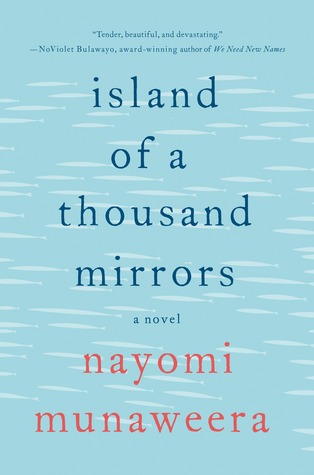
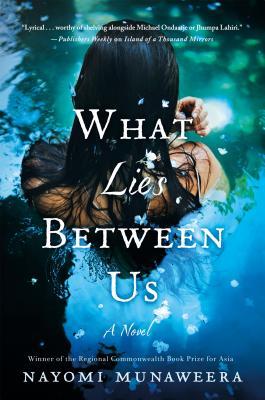
I knew that it was about the civil war era in Sri Lanka and I have read some excellent novels that are set in those difficult times, most recently the novel that won the Women’s Prize for Fiction in 2024 Brotherless Night by V.V. Ganeshananthan (see my review here), but my favourite novel set in that country is Naomi Munaweera’s Island of a Thousand Mirrors (my review here), winner of the Commonwealth Writer’s Prize in 2013.

Munaweera writes exquisitely of the island of Sri Lanka, in lyrical prose that takes the reader inside the family experiences, evoking all the senses, the aroma of the cuisine, the fear and excitement of young, forbidden love, the pain of heartbreak, the palpable tension as sisters walk to school, sometimes witnessing images that will stain their minds and revisit their dreams for years.

Mystery, Satire, Historical Fiction and Magical Realism in One

Booker Prize Winner 2022 Sri Lankan literature magic realism afterlife noir

Seven Moons is a literary mystery about the life and death of Maali Almeida, who from the opening pages, in a second person narrative, turns up dead and from the In Between, that place between life and the afterlife that he now inhabits, proceeds to uncover the mystery of his death.

Set in 1990 Colombo, Maali was a war photographer, a promiscuous gay man, sometimes gambler and seeker of the next photograph that will show the dark and gruesome elements of those in power, a witness to crimes he believes can bring down governments, stop wars.

The In Between, Down Below and The Light

When he arrives at the In Between, he and others like him are told they have seven moons, seven nights to meet the criteria to enter The Light. As they queue and ask questions about their deaths, Maali hopes he is about to wake up from a dream.

The swarm of souls presses closer, berating and badgering the woman in white. You gaze upon the pallid faces, sunken eyes in broken heads, squinted in rage and pain and confusion. The pupils are in shades of bruises and scabs. Scrambled browns, blues and greens – all of which disregard you. You have lived in refugee camps, visited street markets at noon, and fallen asleep at packed casinos. The heave of humanity has never been picturesque. This heave throngs towards you and heaves you away from the counter.

metaphysical thriller civil war Sri Lanka supernatural

Every soul has those seven moons to wander around the In Between, to recall past lives, and to forget.

While he should be completing the tasks to get to The Light, instead he shifts from The In Between back to the present, the Down Below and observes the aftermath of his death.

He tries to direct those close to him towards his most incriminating photographs in order to achieve which he was not able during life. He doesn’t understand quite how these shifts happen, and neither does the reader, making it somewhat confusing to keep up with this trippy journey.

Here’s what you remember from two nights ago: (a) visiting the Leo casino, (b) drinking at the bar, (c) eating the buffet, (d) fooling around with the bartender. here’s what you don’t remember: (a) sitting with a suddha (b) being thrown to your death.

Conversations With the Dead

As well as investigating his own murder, along the way he has conversations with a dead athiest, a dead revolutionary, lawyer, bodyguard, priest, dogs and more. He observes the number of spirits hanging on to the living whispering their ears.

You’ve always thought the voice in your head belonged to someone else. Telling you the story of your life as if it had already happened. The omniscient narrator adding a voiceover to your day. The coach telling you to stop feeling sorry and do what you’re good at. Which was winning at blackjack, seducing young peasants and photographing scary places.

Moons, Chapters and Beats

On his motivation for writing this novel, the author had this to say:

‘I began thinking about [Seven Moons] in 2009, after the end of our civil war, when there was a raging debate over how many civilians died and whose fault it was. A ghost story where the dead could offer their perspective seemed a bizarre enough idea to pursue, but I wasn’t brave enough to write about the present, so I went back 20 years, to the dark days of 1989.’

Not just an author of fiction, Shehan Karunatilaka has also written rock songs and speaks of his work in terms of beats and rhythm, infused with supernatural folklore, ghost stories and history.

It’s a long novel that for me held my interest in parts and then lost me as it shifted, but each time that began to annoy me and slow me down, the narrative would shift back to something of interest and so I persevered, however, I did find it overly long in its digressions, drifting in and out of reality. It’s an undeniably clever, erudite novel, unique in its conception that reminded me a little of the surreal experience of reading David Mitchell’s Cloud Atlas.

The Judges on A Metaphysical Thriller Winner

In addition to praising its ambitious scope and hilarious audacity of narrative techniques, the Booker judges had this to say of the metaphysical thriller:

‘Life after death in Sri Lanka: an afterlife noir, with nods to Dante and Buddha and yet unpretentious. Fizzes with energy, imagery and ideas against a broad, surreal vision of the Sri Lankan civil wars. Slyly, angrily comic.’

‘This is a metaphysical thriller, an afterlife noir that dissolves the boundaries not just of different genres, but of life and death, body and spirit, east and west. It is an entirely serious philosophical romp that takes the reader to ’the world’s dark heart’ — the murderous horrors of civil war Sri Lanka. And once there, the reader also discovers the tenderness and beauty, the love and loyalty, and the pursuit of an ideal that justify every human life.’

Have you read The Seven Moons of Maali Almeida? Share your thoughts in the comments below.

Further Information

Read an Interview With the author Shehan Karunatilka

Click here to read an extract from the first section of the novel – Read an Extract from The Seven Moons of Maali Almeida

The Axeman’s Carnival by Catherine Chidgey

The Axeman’s Carnival won the NZ Book Award for Fiction in 2023. I have enjoyed a few books by Catherine Chidgey, including Remote Sympathy (my review), The Transformation and most recently Pet.

Surviving the High Country

While the novel’s hero and narrator is a common magpie, The Axeman’s Carnival is a social commentary on the struggles of carrying on family farm traditions and tending to relationships on a remote high country farm, infused with magic realism and comic relief. The author acknowledges the use of diaries belonging to her late mother-in-law, who lived on a high country sheep station.

Strong Man Chops Wood

The Axeman’s Carnival refers to a wood chopping competition, which is one of the final scenes in the novel and an event that Marnie’s husband Rob judges himself by.

He runs a hill country sheep farm in Central Otago, in the South Island of New Zealand, land that his father in part cleared of stones making it more fertile for grass, but also land that was in part lost (including his childhood home) to flooding required to create a large dam. Though he doesn’t remember the home, images of it recur often in his dreams.

The farm is struggling, they are increasingly drowning in debt and despite Marnie’s working outside the home as well as helping on the farm, her husband is volatile and easily made jealous, quick to turn his rage against his wife. When he’s not outside tending to the farm, he watches one genre of crime show.

Later he watched his crime show about beautiful dead women found in alleyways, all rucked up and staring. The man who came to look at the beautiful dead women wore a gun strapped to his side and sunglasses that were also mirrors, and he said things like This was no suicide, Trent. See the spatter patterns and The perp’s taunting us. He’s dangling the victims as bait and we’re biting.

Separation from the Family of Origin

One day Marnie acquires a fledgling magpie chick and brings it inside, despite the threats from Rob. The entire novel is narrated from the perspective of Tama, including those first memories of being lifted into her pillowed palm.

My siblings cried out as she carried me away, calling from our nest high in the spiny branches: Father! Father! Where are you? Come back! My mother called for him too, her voice frantic and afraid – but he , hunting for food, had left us all unguarded.

Can Humans Be Trusted?

Photo by Boys in Bristol Photography on Pexels.com

The bird is named Tama, he survives and grows and when she releases him, he revisits his magpie family up in the pines, but realises they seem to have disowned him due to his association with humans.

Father magpie is an expert on the faults of humans and preaches lessons to the younger generations, warning of traps and lures. When he learns what happened to his mother ‘Death by car’ and his brothers ‘Death by cold‘, he makes up his mind.

Tama, who has learned to use the cat door, returns to Marnie and begins to speak his first words. Because Tama is the narrator, we also hear his thoughts on what he is observing and see how he tries to navigate between the worlds of the two species he is entwined with, his magpie family and his human one.

My father kept his eye on me, waiting or me to betray myself. Every day he told me another bad story about humans: they wrung our necks, they ran us down, they shot us, they poisoned us.

‘Doesn’t that bother you?’ he said.

‘Yes, Father,’ I said.

‘I don’t think it bothers you. I don’t think you believe me.’

‘I believe you, Father.’

‘You still reek of her.’

Bringing the Outside World In

While Marnie is amused by Tama’s antics, her husband is irritated by his attachment to her and encroachment into their lives. But every threatening line he utters adds to the increased repository of retorts that come out of the beak of the bird.

I suppose I should have tried to behave myself – and I was wary of him, don’t get me wrong. I saw the strength in his hard hands, and I knew it could lead nowhere good. I knew he’d had a gutsful. But I couldn’t keep quiet; I was my own worst enemy.

When she creates a twitter account for the magpie, it becomes popular while being another source of disapproval by her possessive husband. Until they discover he could be a source of income and help save the farm.

The story follows the family and the impact of the internet sensation and becoming known, however none of these changes to their life or fortune transform our characters in any way. Marnie continues to try and gain approval of her husband, he remains jealous of any contact she has with others, whether around them or online. While his behaviour is checked by the presence of webcams in the home, through Tama’s eyes, we witness the relaationship unravelling with mounting dread.

Champion or Brute

The narrative builds up to the carnival where he aims to become a 10 times ‘golden axes’ champion and Marnie and her sister have a surprise planned for their husbands, which she becomes increases nervous about whether it is a good idea or not.

The novel is full of clever wise-cracking moments, thanks to the mimicking retorts of the magpie, which lighten what is otherwise a threatening environment and a serious subject. Marnie is a victim of domestic violence and the only witness, Tama the talking magpie. He is the intelligent observer and hero of the novel, even if his own authenticity has been compromised by how the humans have turned him into a money making spectacle causing him to be spurned by his own.

While the theme is covered well, including the victims tendency to make excuses for the perpetrator and the constant critical comments of a mother, ceaselessly undermining her self-worth, I was disappointed that there wasn’t real transformation or growth in the human characters. There is resolution yes, but an opportunity missed, particularly given the serious nature of the crime.

As unsettling as it is entertaining, the brilliantly written voice and antics of Tama, carry the story forward, poking fun and provoking an already tense situation, until its splintering, scorching conclusion.

Highly Recommended.

Further Reading

The Conversation review: Catherine Chidgey’s revealing, uncomfortable novels bridge worlds by Julian Novitz, 25 Mar 2024

Financial Times review: The Axeman’s Carnival — when a magpie steals the limelight

Irish Times review: An imaginative and well executed novel

New Zealand Family Violence and Economic Harm Statistics

Author, Catherine Chidgey

Catherine Chidgey is an award-winning and bestselling New Zealand novelist and short-story writer whose novels have been published to international acclaim.

Her first novel, In a Fishbone Church, won the Betty Trask Award, and was longlisted for the Women’s Prize for FictionGolden Deed was Time Out’s Book of the year, a Best Book in the LA Times Book Review and a Notable Book in the New York Times Book Review. Her fourth novel, The Wish Child (2016) won the 2017 Acorn Foundation Fiction Prize, the country’s major literary prize. 

Remote Sympathy (2021) was shortlisted for the Dublin Literary Award and the Jann Medlicott Acorn Prize for Fiction, and longlisted for the Women’s Prize for Fiction. Her most recent novel Pet (2023) was longlisted for the Dublin Literary award.

N.B. Thank you kindly to Europa Editions for providing me with a copy of the book to read and review.

When I Sing, Mountains Dance by Irene Solà tr. Mara Faye Lethem

Early in May, I went with my son to Barcelona to meet up with my brother who was celebrating a significant birthday.

I couldn’t resist the opportunity to take a novel with me translated from Catalan, although during the four days we were there, I did not spend much time reading.

I read a few chapters before I went there and was intrigued to discover a novel of multiple voices and perspectives, not just human voices, firmly rooted in Catalonia culture.

While the first three days were in the city, I felt drawn towards the mountains and so we spent a day in nearby Montserrat.

When Lightning Strikes

Photo M.Soetebier Pexels.com

When I sing, Mountains Dance is set near a village high in the Pyrenees. It is a lyrical, mind-expanding work, littered with references to the folklore and history of Catalonia that brings alive, and gives voice to, every aspect of life within its unique biosphere.

The first chapter is entitled Lightning and I cannot be sure that it is lightning that speaks; perhaps it is the many facets of the storm that narrates. However, it is lightning that wreaks devastation and change on the community that we will then slowly be introduced to, over the following chapters.

After our arrival all was stillness and pressure, and we forced the thin air down to bedrock, then let loose the first thunderclap. Bang! A reprieve. And the coiled snails shuddered in their secluded homes, godless and without a prayer, knowing that if they didn’t drown, they would emerge redeemed to breathe the dampness in. And then we poured water out in colossal drops like coins onto the earth and the grass and the stones, and the mighty thunderclap resounded inside the chest cavity of every beast.

Navigating Loss, Celebrating Survival

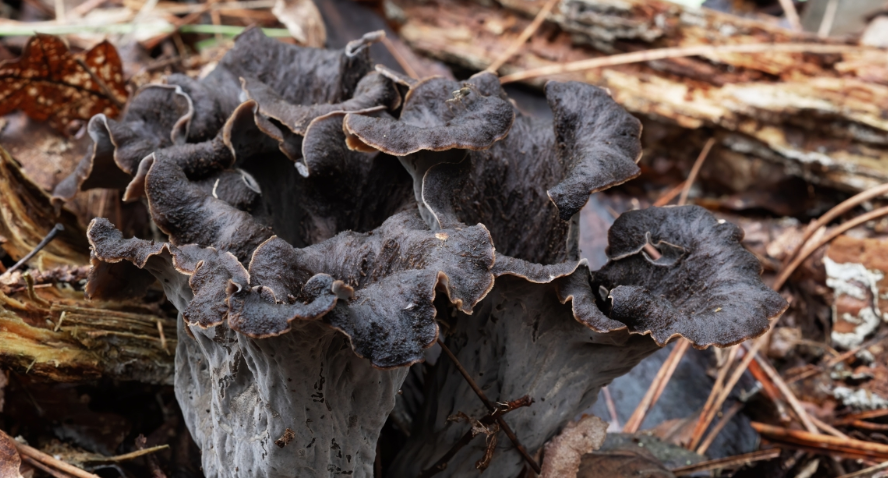
A man named Domènec, a husband and father of two children, is outside when the storm breaks. He is in the middle of rescuing a calf whose tail is caught in a jumble of wires, carrying a small load of black chanterelles (Trumpet of Death) he has foraged. In saving the life of one, nature then takes another, in an instant.

And when it was clear we were done, the birds hopped out onto branches and sang the song of survivors, their little stomachs filled with mosquitoes, yet bristling and furious with us. They had little to complain about, as we hadn’t even hailed, we’d rained just enough to kill a man and a handful of snails. We’d barely knocked down any nests and hadn’t flooded a single field.

Ghosts of the Past Acting on the Present

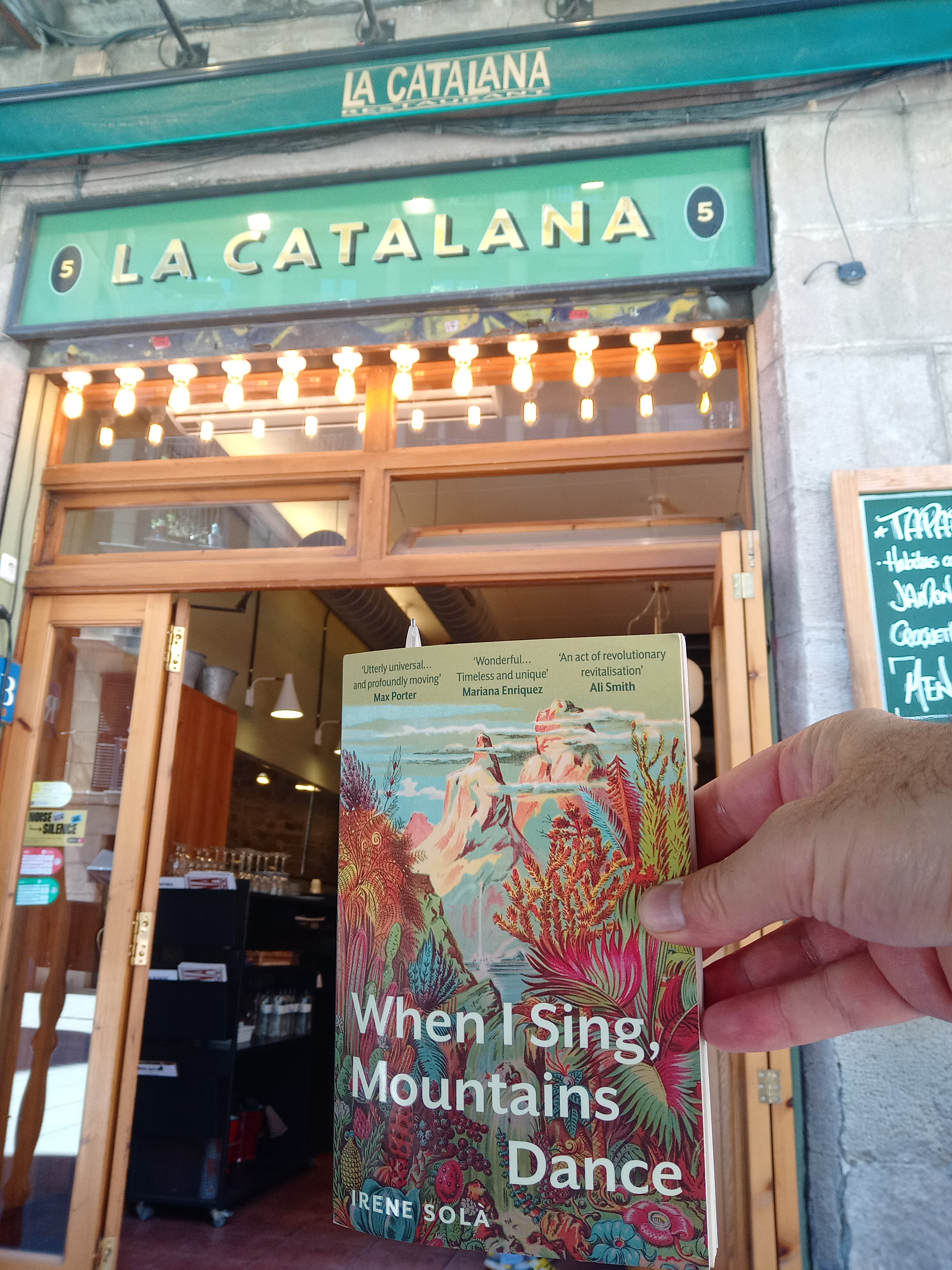
A Catalan novel in translation, book cover set against the mountains of Montserrat

The four women who witnessed it approached him, then left him, gathering the soaking mushrooms he had dropped, women who made unguents and elixirs and all the other wicked things that witches do.

The death of the man sets off a catalyst of consequences for those left behind, his grieving wife, his newborn son, his neighbours.

I don’t know what hurts more: thinking only of the good memories and giving in to the piercing longing that never lets up, that intoxicates the soul, or bathing in the stream of thought that lead me to sad memories, the dark and cloudy ones that choke my heart and leave me feeling even more orphaned at the thought that my husband was not that all the angel I held him up to be.

Their voices are presented individually, then as the narrative moves along, the interconnectedness of this polyphonic world becomes increasingly apparent.

A Polyphonic Narrative

Irene Solà channels the unique voices of every living (or previously living) being: the lightning bolts, roe deer, mountains, the ghosts of civil war, the widow Sió and later her grown children, Hilari and Mia, as well as Mia’s lovers, with their long-buried secrets and their hidden pain.

The construction is non-linear, the voices fragmentary, but the threads of story rise up through the pages, like those black chanterelles from the damp forest floor.

When tragedy strikes the family a second time, the sister is forced to face life’s struggles and joys alone. A chorus of voices bears witness to all that passes, and the savage beauty of the natural environment, demonstrating aloneness as a state of human mind and not a reality.

Here, the voice of the black chanterelles:

The wild boar came, dark mouth, wet teeth, hot air, fat tongue. The boar came and ripped us out. A man came and ripped us out. The lightning came and killed the man. The women came and gathered us up. The women came and cooked us. The children came. The rabbits came. And the roe-deer. More men came and they carried baskets. Men and women came and they carried knives.

There is no grief if there is no death. There is no pain if the pain is shared. There is no pain if the pain is memory and knowledge and life. There is no pain if you’re a mushroom! Rain fell and we grew plump. The rain stopped and we grew thirsty. Hidden, out of sight, waiting for the cool night. The dry days came and we disappeared. The cool night came, and we grew. Full. Full of all the things. Full of knowledge and wisdom and spores. Spores fly like ladybugs. Spores are daughters and mothers and sisters, all at once.

Narrative Threads, Seeds, Spores, Growth and Healing

Sometimes the text reads like a story and other times like a hallucinatory dream, with a hidden message. Something of a puzzle, the various parts that make up this ecosystem, this community, the human and non-human. It is like imagining that the mountain and the trees really do bear witness to all and if they could share what they have witnessed, it would be something like this.

It requires slow reading and perseverance, as it takes a little while for the voices to become apparent and for the reader to accept that the human voices are not given the right to dominate the narrative. We are able to see and comprehend the wider picture if we have the patience to persevere.

Highly Recommended travel companion if visiting Catalonia.

Further Reading

Guardian Review: the mushroom’s tale – Animals, ghosts, humans, mountains and clouds share the narrative in this playful, deeply felt portrait of Catalonia and its people by Christopher Shrimpton

Granta: In Conversation: Eva Baltasar & Irene Solà‘The tide carries my books from my head to a place that is no longer mine.’ The authors discuss friendship, the sea and finishing their novels. March 2022.

Author, Irene Solà

Irene Solà is a Catalan writer and artist, winner of the European Union Prize for Literature, the Documenta Prize for first novels, the Llibres Anagrama Prize, and the Amadeu Oller Poetry Prize. Her artwork has been exhibited in the Whitechapel Gallery.

By interlacing art and literature, Irene Solà’s work investigates the construction, uses and possibilities of narrative and storytelling, from the historical and popular contexts to the more contemporary.

Things They Lost by Okwiri Oduor

A Focus on World Literature

I came across Kenyan author, Okwiri Oduor’s Things They Lost in 2022 while perusing OneWorld Publications, one of my favourite indie publishers. Their books are described as:

“emotionally engaging stories with strong narratives and distinctive voices. In addition to being beautifully written, we hope our novels play their part in introducing the reader to a different culture or an interesting historical period/event, and deeply explore the human condition in all its vagaries”

Some of the wonderful books they have published that I have read and reviewed are Ugandan author, Jennifer Nansubuga Makumbi’s Kintu and The First Woman, Russian author Guzel Yakhina’s Zuleikha, Lebanese author Hoda Barakat’s Voices of the Lost, Iraqi author Shahad Al Rawi’s The Baghdad Clock and Korean author Sun-mi Hwang’s The Hen Who Dreamed She Could Fly.

Otherworldly Surrealism that Feels Real

Kenyan literary fiction Dylan Thomas Award 2023Things They Lost is a coming-of-age tale of a young girl who is highly intuitive and sensitive to other spiritual dimensions. She has always been aware of the presence of entities that may not be apparent to others, although some of the women around her also have perceptive abilities.
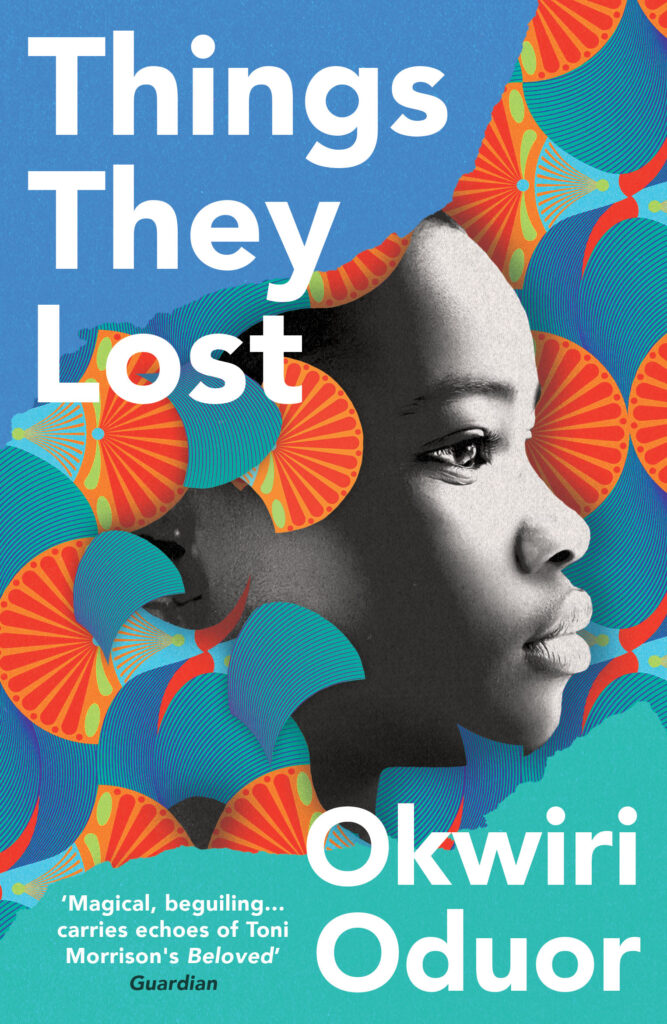
I absolutely loved this novel and was pulled in by the narrative voice immediately. It was one that gave me a frisson of excitement very early on, that feeling of having encountered an author that might become a favourite, their assured use of language above and beyond the norm.

Ayosa Ataraxis Brown is a character that is going to stay with me for a long time. She is 12 years old and lives virtually alone in a large house that has passed down the family since the English woman Mabel Brown first arrived and built a house and employed enough people to call the surrounding area Mabel Town. It has now evolved into the more aptly named Mapeli Town.

It was not so much a deformation as an emancipation, for the name had softened, and could wedge itself better in the townspeople’s mouths. Mabel Town had belonged to the Englishwoman, but Mapeli Town was theirs.

Poetry, Death News, Snatchers

Ayosa, the great grand daughter of Mabel now lives in the big house. Her expanded awareness is a necessary trait for her survival, when it is difficult to tell whether the person standing in front of you is real and kind, or a wraith that has sussed out your innermost desire, used as a lure to snatch you. The Fatunas who dwell upstairs keep her company and at times make the whole house shake.

The radio keeps her and the townsfolk company. Radio man reads the death news while Ms. Temperance recites a daily poem;  violence has been known to occur when she missed a day, so important is the daily poem to the welfare of this community. It helps them deal with the things that have happened.

She also keeps a notebook and jots things down, about what it’s like for her as a girl. Of memories, things remembered from the Yonder Days.

She said, I wish it were true.

You wish what were true?
That you could remember me as a girl. There are things I cannot tell you with my own mouth. I wish you could have been there to see them yourself.

Ayosa said nothing. In her notebook, she wrote, I was there.

Jolly anna ha-ha-ha

The prose is magical, how to even describe it, reading Okwiri Obuor is to enter into another world, her rich, vibrant, incantatory prose doesn’t just shine, it is deeply invested in portraying the day to day presence and effect of abandonment by the mother.

Certain repetitions of phrases and words create the girls own vernacular and familiarise the reader with their linguistic world. There is mystery throughout, we are at the edge of knowing, the more we read, the more questions we have, trying to understand and interpret through these young all seeing eyes.

Her mama had an outside life and an inside life. In the outside life, she was Nabumbo Promise Brown. Daughter of Lola Freedom. Sister of Rosette Brown. Granddaughter of Mabel Brown. But in the inside life she was none of those things. She was Another Person. She lived in a tree hollow, inside a red city. She was a beggar and a thief. She robbed and plundered and murdered.

Things They Lost Dylan ThomasThere but Not There, A Peculiar Absence

It is never entirely clear what ails her mother, sometimes absent, sometimes there, but not there. Ayosa has been aware of her mother since before she was born, when she was a mere wriggling thing. She is able to remember things that happened before.

That was how it was. Mamas left. Daughters waited. Was that why Mamas birthed daughters – so there would always be someone in the world devastated with desire for them?

Ayosa is one in a line of daughters who have been abandoned, of those who have continued the pattern; this is her coming-of-age story, this all-seeing girl, how she lives, what she sees, what nurtures and nourishes her in the absence of mother.

Along the way, we meet a host of entertaining characters, woman who stand in on occasion for the absent mother, the reliable Madame Apothecary and her granddaughter Temerity, the mysterious Sindano in her empty cafe, so while we are concerned for Ayosa, it is reassuring to know there is a community nearby.

Friendship and Sisterhood

Through her burgeoning friendship and connection with Mbiu – with her horse Magnolia, that pulls a pockmarked Volkswagon – she has the opportunity to break free of her self-imposed entrapment, despite the maternal protectiveness that has developed in her as a result of all she has experienced until now.

Okwiri Oyuor succeeds in making the reader see through the perspective of young protagonist, we are forced to let go of our own version of reality and accept Ayosa’s, to see and understand as she does. Some will read this and interpret it as magic realism, but for me it felt realistic, like stepping into the mind of a well-developed and highly sensitive imagination, attuned to their local environment and cultural heritage, their ancestral connections, to realms beyond the physical – it seems that the absence of one (the mother) creates the opportunity for the elevated development of the other.

This is a journey of the soul, of the many lives already lived, of those met along the way in this one precious life, of overcoming challenges and learning to stand up to what is no longer acceptable. Written in mesmerizing poetic prose, that pulls you into a magical, if somewhat fearful world, until the devotion of female friendship liberates all.

Highly Recommended.  Will Be One of My Favourites of 2023.

Okwiri Oduor, Author

Things They Lost Dylan Thomas awardOkwiri Oduor was born in Nairobi, Kenya. At the age of 25, she won the Caine Prize for African Writing 2014 for her story ‘My Father’s Head’. Later that year, she was named on the Hay Festival’s Africa39 list of 39 African writers under 40 who would define trends in African literature.

She has been a MacDowell Colony fellow, and she received her MFA from the Iowa Writers’ Workshop. She has a story forthcoming in Granta.

Things They Lost is her debut novel and was long listed for the Dylan Thomas Award 2023. She currently lives in Germany.

Further Reading

Interview, Guernica Magazine: “What is your specific lonely like?” Okwiri Oduor on her debut novel, Things They Lost By Carey Baraka

A Profile: breathless babbling and blathering about Okwiri Oduor By Aaron Bady

Chouette by Claire Oshetsky

Chouette is a second person narrative account written by Tiny (the mother), a professional cellist, to her baby Chouette.

The author Claire Oshetsky describes it as a parable about motherhood, the way she/they experienced raising two non-conforming children. She uses magical realism to magnify and portray a surreal circumstance.

Review

person playing cello Chouette Claire Oshetsky motherhood parable

Photo by Pixabay on Pexels.com

Tiny has always been an outsider and she knows her child will be different. She’s wary and unsure how to proceed, knowing it is going to take all she has, to raise her baby the way it will need to be nurtured. Impregnated by an owl, she gives birth to an owl-baby, Chouette.

One of the first things that is sacrificed is her cello playing quartet, and the time she previously spent playing. The instrument might have been sacrificed but music continues to be a part of their lives.

“As for you owl-baby, let’s lay out the facts. Your owlness is with you from the very beginning. It’s there when a first cell becomes two, four, eight. It’s there when you sleep too much, and crawl too late, and when you bite when you aren’t supposed to bite, and shriek when you aren’t supposed to shriek; and on the day that you are born – on the day when I first look down on your pinched-red, tiny-clawed, outraged little body lying naked and intubated in a box – I won’t have the slightest idea about who you are, or what I will become.

But there you will be, and you will be of me.”

Chouette Clairte OshetskyTiny describes to her daughter the story of her conception and arrival into the world and the challenges she has had, both living in a world where her husband, his family and much of the community frown upon this mother and child, and of the mother’s increasing loss of her own sense of self, due to the sacrifices made in order to nurture and allow the child to develop and grow safely.

Tiny sees her offspring as an owl-baby and shares how this magical conception and birth took place, while the husband continues to refer to her as Charlotte. Tiny is tuned into Chouette’s needs, but senses disapproval everywhere, and the more understanding she is of Chouette, the more she feels the external world closing in on her.

“I begin to understand what a gift I’ve been given, to have been chosen for this task. The truth overwhelms me, and humbles me. The birds are telling me that my life’s work, as your mother, will be to teach you how to be yourself – and to honour however much of the wild world you have in you, owl-baby – rather than mould you to be what I want you to be, or what your father wants you to be.”

The story shares these twin perspectives, of the way Tiny sees the world (described through the metaphor of an owl baby and everything she needs, how she behaves and the incongruency of that with the expectations of the existing world they live in) – and the perspective of the husband, who can only see things from the perspective of what he has been conditioned to believe is normal.

motherhood, sacrifice, love,Thus a struggle arises between two ways of seeing, of being, one that requires natural behaviour to be modified, medicated, suppressed, so that the child will appear and behave in the family and society as “normal”, while the other allows for that natural “but judged and condemned” way of being to exist.

Therein lies the central conflict, whether to train a child to fit in with everyone else, a shadow of their former self, or allow them to feel more comfortable in their own skin by being themselves. Rather then compromise, the novel presents the two options as extremes, posing one against the other, mother against father.

Each reader is likely to have a different experience of reading the novel, depending on whether you read it as magical realism or a metaphor. Just as the husband and wife see things so very differently in their perspective and determination about how to raise this child, so too will a reader bring their own perspective, experience and varying degree of open-mindedness to the text.

Music, A Narrative Accompaniment

Throughout the novel there are references to different pieces of music, that resonate with the mood or feeling being experienced, or are used to calm a situation. The author’s daughter, a musician, contributed to this aspect of the novel.

“There’s a lot of music  in the novel, and she was my primary consultant about music. And the other way she helped me was just reminiscing about what it was like for her to live through this shared experience of being a child that was deeply misunderstood and sometimes put in situations that were frightening, even in her school system or with therapists that we went with her to see.”

It is very much Tiny’s narrative and as such, there is little empathy towards the husband’s perspective, which challenges and discomforts the reader.

It is a dark, contemporary tale that couldn’t be more relevant than now, when so many mother’s are facing the same dilemma. Should I follow my own intuitive inclination, because I know this child, I love this child, and when I don’t compare this child to others, I see he/she/they are perfect the way are – or do I listen to what the other, the external world is saying, is judging, is condemning them to, despite reducing them to a shell of who they really are?

Owl Symbolism

Owl Wisdom Branch Green

Photo by Amol Mande on Pexels.com

I found it an incredible, disturbing, yet resonant novel, so mind openly, imaginative in the creation of an owl-like creature to accentuate the reactions and responses non-conforming children invite without asking. The owl a prescient choice, auspicious.

The owl sees in the dark, is an observant listener, with its heightened powers of observation and intuition. In some traditions it possesses paranormal wisdom, regal silence and fierce intelligence. Just like those extraordinary children.

Further Reading

Essay, Refinery 29 – Gender: A Family Story by Claire Oshetsky

NPR Interview: A parable about motherhood, ‘Chouette‘ begins with a human birth to an owl baby – Danielle Kurzleban talks to Claire Oshetsky

Poets & Writers: Ten Questions for Claire Oshetsky

The Author, Claire Oshetsky

Claire Oshetsky is a novelist whose writing has appeared in Salon, Wired, and the New York Times. She lives with her family in California. Chouette is her debut novel.