
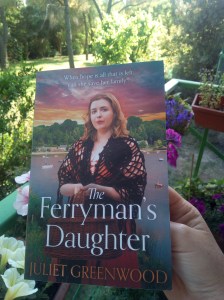
 Hester is the ferryman’s daughter, it is Autumn 1908 and she lives in a Cornish seaside village with her family, whose lives are soon to be forever changed when her mother dies.
Working Class Women
A working class family, her mother warns her against getting close to those living in the big houses, who employ but rarely befriend those deemed beneath them in status.
They are not like us. They will never be like us. However much they may try not to be, they see us as a convenience, the people who clean their houses and draw their baths and make their life comfortable. It doesn’t really enter their heads that we are as real as they are, with dreams and ambitions and a desire to also walk in the sun. And that can make them cruel, even if they don’t mean to be. You remember that and don’t ever be distracted from the path you wish to take.
Hester takes over the household domestic duties and then her father’s job becoming a ferrywoman, when he is invalided. Despite her ability to cope, her father is taken in by the wily Jimmy, who continually ignores Hester’s refusals and worms his way into the family and their business.

Photo by Korhan Erdol on Pexels.com
After performing a rescue at sea, Hester experiences for one night what it is like to be waited on, to sink into a hot bath and rest, sleep, with nothing else to do.
Her eyes closed, savouring the stillness. ‘This is what I want,’ she said aloud. She had no hankering to be waited on like a queen, as she had been this evening. She just didn’t want to spend her life as a drudge, the one who got up first, who went to bed last. The invisible hand who did the cleaning and the cooking and the mending, along with the juggling of a meagre budget, the conjuring up of meals out of the barest of essentials.
She is a young woman working against the odds that would normally pull her towards accepting a fate confining her to care for younger siblings and a wayward father. She manages to keep alive her ambition to become something more than what society, her father and Jimmy expect from her, to develop independence without neglecting those who rely on her, finding those who see her for who she really is, even when she loses sight of that herself.
Dad saw reliance on a daughter as humiliating, a lessening of his manhood. Reliance on a son-in-law, particularly one who would, in turn, be reliant on his instruction and his expertise, would restore the natural order of things. Her feelings on the matter were irrelevant.

Photo by Juany Jimenez Torres on Pexels.com
Women During the War
Eventually circumstances including the outbreak of war provide her an opportunity to pursue her first love, to cook wholesome homemade food from the abundance of the gardens of Afalon, the big house where her grandmother had been head cook. She will be tested and confront challenges she thought she’d left behind, but doing so leads her towards a desire inherited from her mother she is determined to pursue.
A refreshing protagonist, living in an era where few women escaped the narrow role society decided for them, until war gave them a chance to show what were capable of. Hester paves the way in setting a new example for those who experience setbacks, showing how they can be overcome and the importance of working with and being supported by like-minded women.
Historical Fiction With Empowered Female Characters
Another captivating novel from Juliet Greenwood, set in her familiar locale of Cornwall, with her trademark, capable, independent woman protagonist exploring an alternative way of life than ‘the pursuit of a husband’ in an era where rejection of a man’s attentions was perceived as a mark against the character of a woman, who ought not to think so highly of herself as to be capable of surviving without him. A refreshing representation of the rise of the empowered woman.
N.B. Thank you to the author Juliet Greenwood for providing me with a copy of your new book.
Further Reading/Reviews
Review of Eden’s Garden by Juliet Greenwood
Review of We That Are Left by Juliet Greenwood
 Dragon Symbolism
 Teenage Reading and YA Fiction




 Auē has just won the annual
 Ari befriends the neighbours daughter Beth, she lives with her Dad and Ari prefers the atmosphere over there, even though some of the things Beth likes scare him. Beth is brilliant, a little kid with a whole lot of attitude, the confidence of being reassuring well-loved, if dangerously naive due to a little parental inattentiveness. And those drop-dead, three words she utters that steal or perhaps save the narrative.
 Big Girl, Small Town takes place during a week in the life of socially awkward but inwardly clear-eyed 27-year-old Majella who from the opening page we learn has a list of stuff in her head she isn’t keen on, a top ten that hasn’t changed in seven years. Things like gossip, physical contact, noise, bright lights, scented stuff, sweating, jokes and make-up.


 Sarah has recently left journalism due to her frustration at not being able to do more than just tell a story. The forced abandonment her profession demands, the development of a journalists detachment that enables them to walk away and move on to the next story isn’t in her. She resigns.
 Originally published in 2018, Circe is a reimagined version of one of the ancient Greek myths, which have been variously retold through the ages, but possibly never quite in a voice like Madeline Miller’s that brings a feminine perspective and knowing, to fill in the gaps and flesh out a story that reconsiders some of the motivations the exiled protagonist Circe might have operated under.
 It starts off slowly as Circe is living in the Halls of the Gods, she is the daughter of

 Along with the Iliad and the


 1865, in the city of Bath, a young woman renowned for her nursing skills is convinced another destiny will one day present itself. When she finds herself torn between a dangerous affair and the promise of a conventional marriage to an apparently respectable doctor, her desires lead her towards a future she never imagined.
 Thoughts On A Novel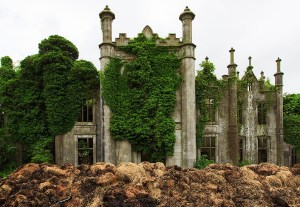
 The protagonist of Good Behaviour is Iris Aroon St Charles, daughter of an aristocratic Anglo-Irish family, who grows up with her brother Hubert in ‘Temple Alice’ one of the ‘Big Houses’, built by an ancestor as his temporary residence until inheriting his titles and estates.
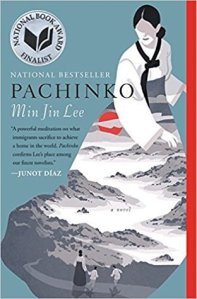 A New York Times Bestseller, Pachinko is a work of historical fiction set in Korea and Japan that follows the lives of one family and how their circumstances and choices continue to reverberate through the generations.


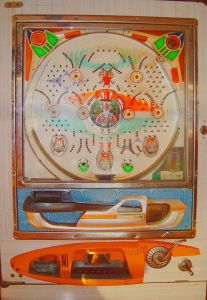 It is not until page 142 that we come across ‘pachinko’, the Japanese name for pinball, a huge industry in Japan at the entry into the workforce of Sunja’s son Mozasu.
 Word by Word