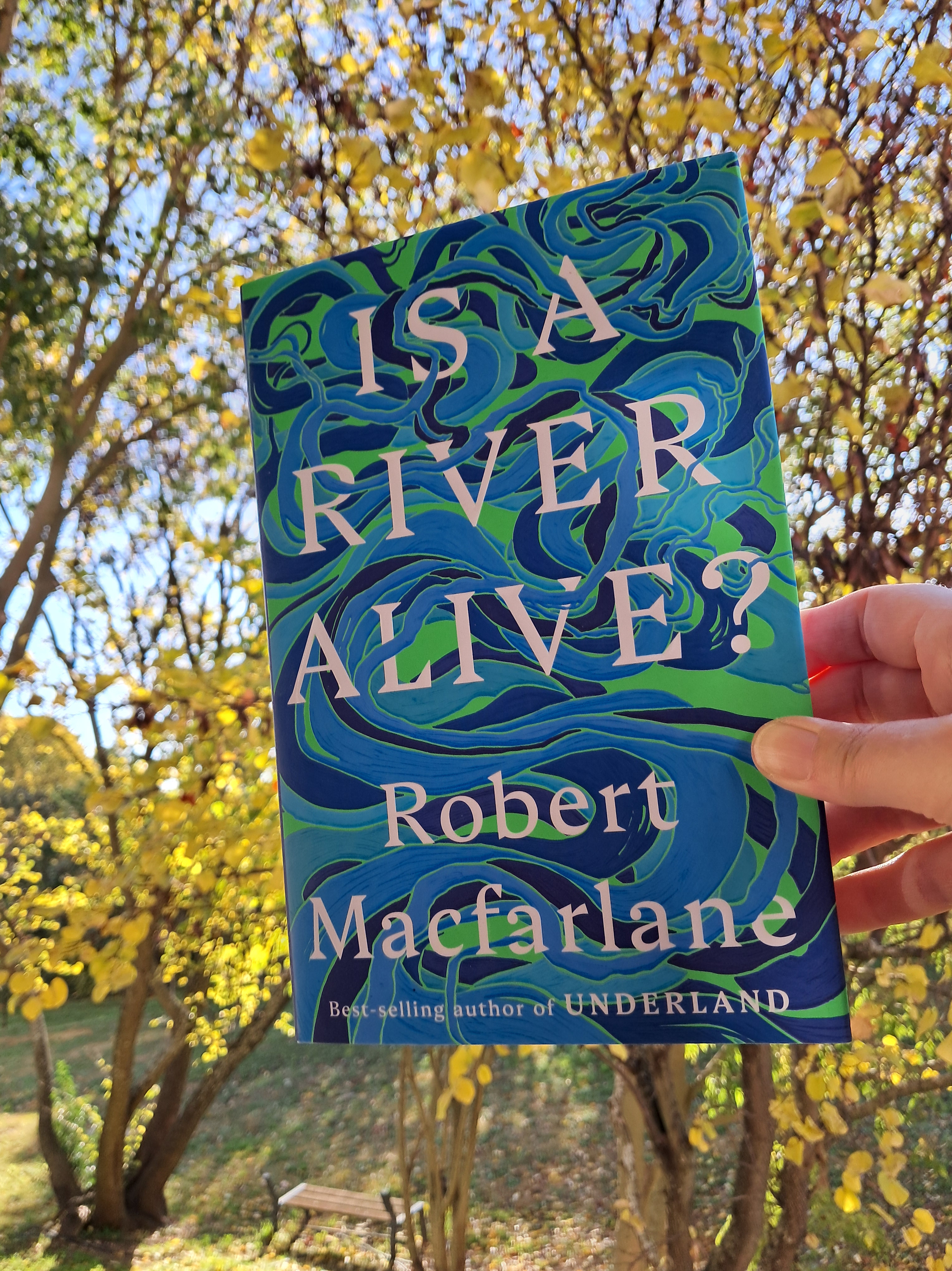
Is A River Alive by Robert Macfarlane

Though I really enjoy nature writing of the creative nonfiction kind, I had never read a book by Robert Macfarlane. I’d heard of The Old Ways, but steered away from what I perceived was a very English text.

In that book he travelled Britain’s ancient paths discovering the secrets of their beautiful, underappreciated landscape.

Deliberate Reading and Intentional Rejection

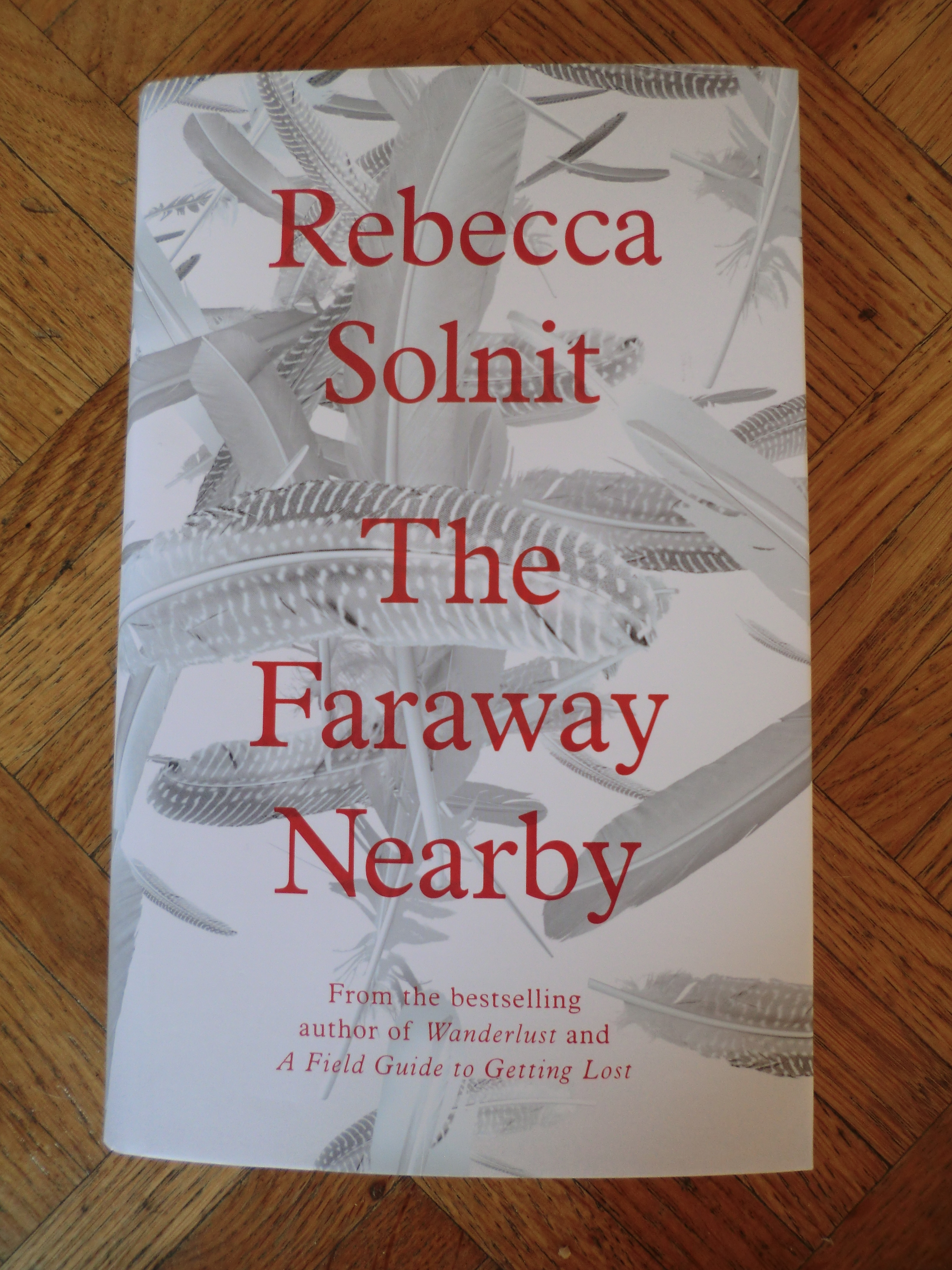
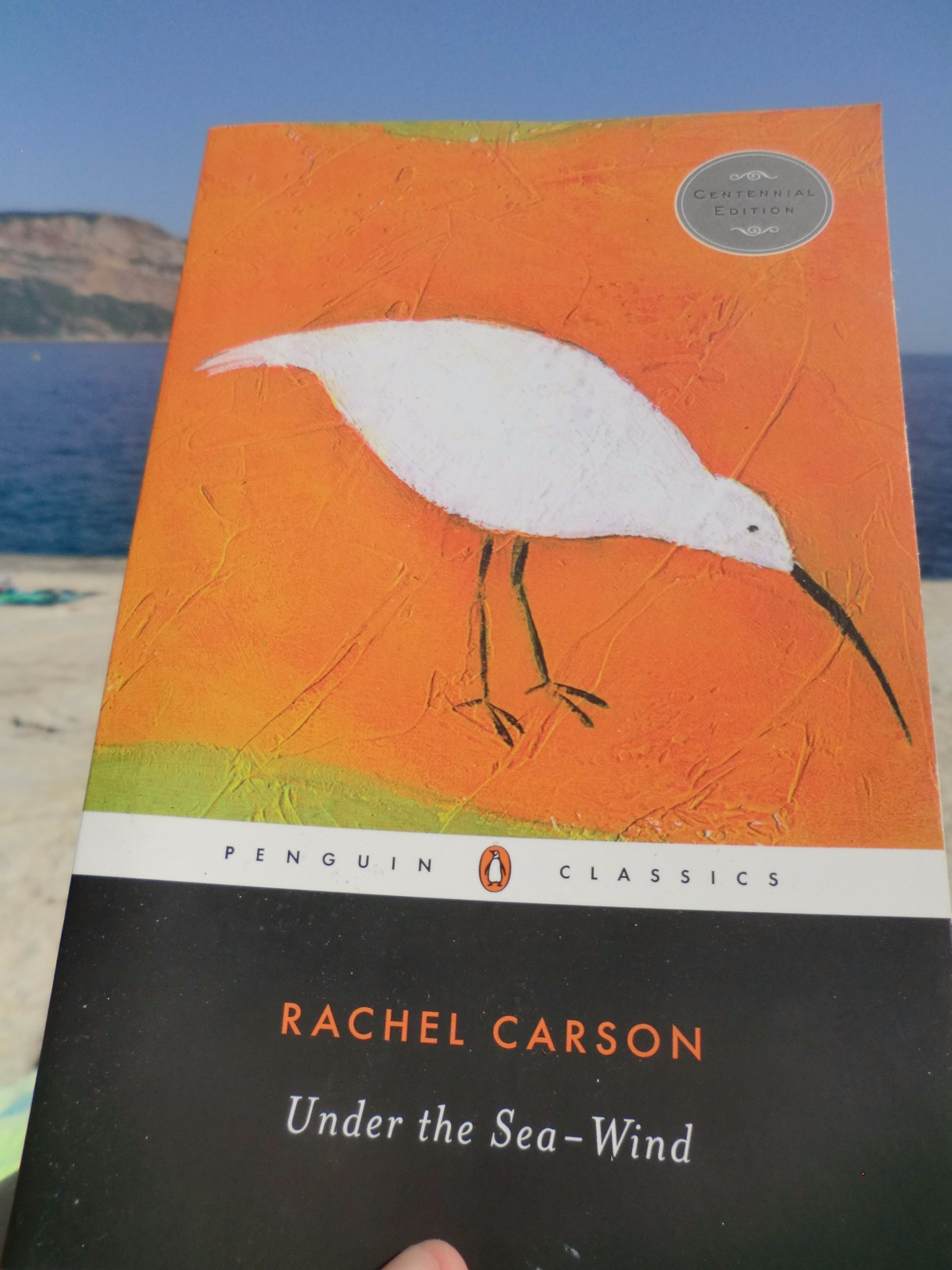
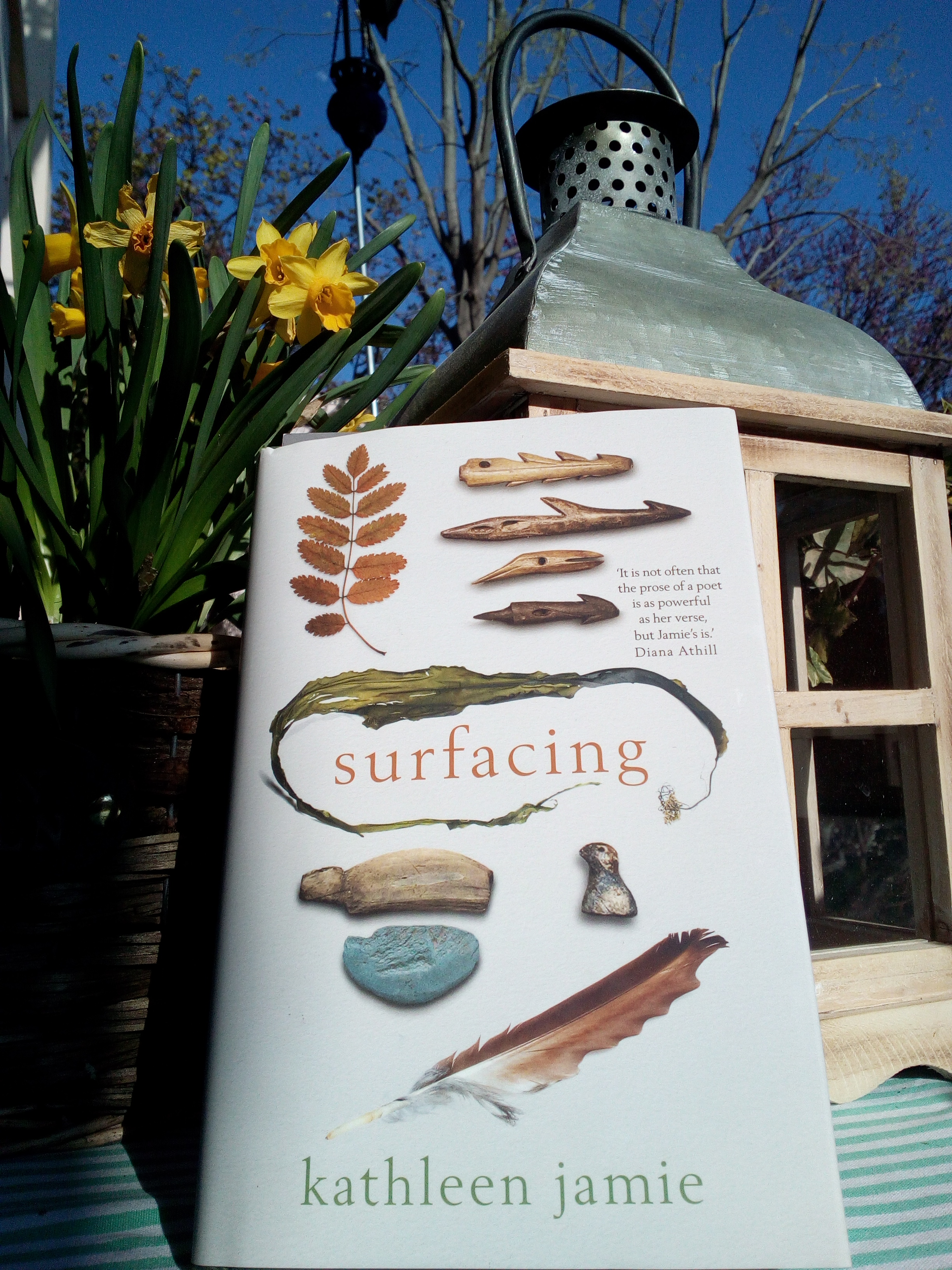
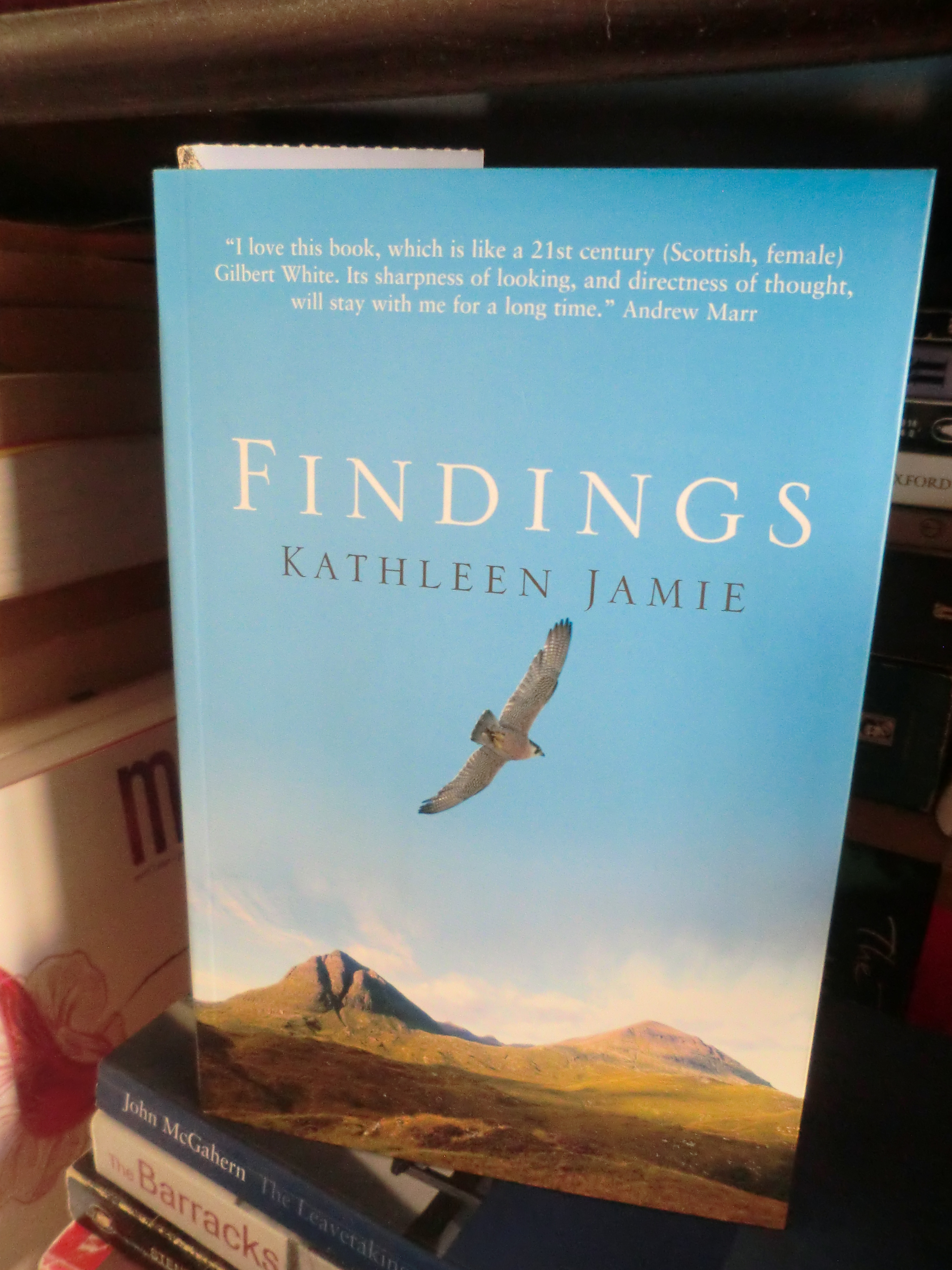
To be honest, we have lived through multiple decades of male English explorer literature and I find they have been over represented in the past. I was more interested in rebel explorers like Jane Digby and in this century, nature writers whose work was lyrical and/or moving, authors like Kathleen Jamie, Annie Dillard, Tove Jansson’s Summer & Winter books, Rachel Carson’s Sea Trilogy, Terry Tempest Williams When Women Were Birds, Rebecca Solnit’s The Faraway Nearby.

Travel Companions Matter

So while I had deliberately turned my attention elsewhere, something about the premise of Is a River Alive? made me loosen my gaze and look to find out for myself what he was seeing. Because firstly, he was going to Ecuador, India and Canada, and secondly, he was keeping unorthodox, interesting, and passionately dedicated company on his travels.

On Partnership and Healthy Collaboration

A few years ago I read Riane Eisler’s excellent book The Chalice and the Blade (1987) and its follow up Nurturing Our Humanity: How Domination and Partnership Shape Our Brains, Lives and Future (2019) books that explore the concept of partnership, how it fosters connection and positive collaboration to build healthy communities, encouraging creativity to solve problems.

Robert Macfarlane’s book, to me, is a living example of those dedicated to pursuing this kind of philosophy, it is not just about one man’s observations, it is about bringing together people with a common interest, with different strengths or expertise, doing good to bring attention to that which needs help – NATURE – to prevent further destruction and death, because YES, A River IS Alive!

Three River Journeys and an English Spring

A journey into an idea that changes the world – the idea that a river is alive.

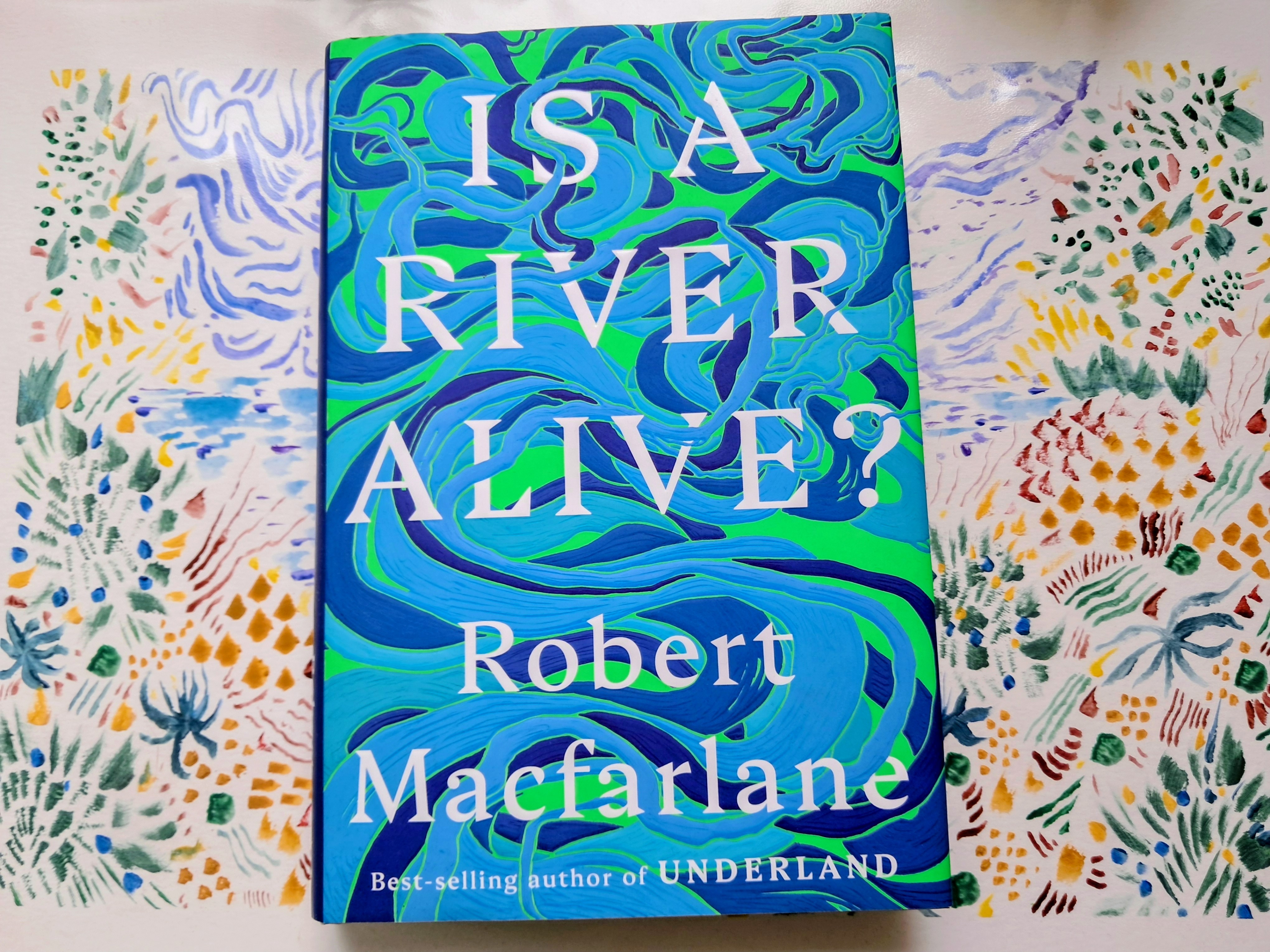
Book cover of Is A River Alive by Robert Macfarlane

Apart from starting and ending the book at a local spring he walks with his children in England, the book is divided into three, covering geographically diverse journeys in three countries, connecting with their rivers and eco-systems.

Part I : The River of the Cedars (Ecuador); Part II : Ghosts, Monsters and Angels (India) and Part III : The Living River (Nitassinan/Canada).

It is the summer of 2022, the hottest on global record – the summer when nearly all the rivers die…

The rivers have it worst. The Po dead-pools. Sections of the Rhine are no longer navigable to the shallow-draughted barges that keep Germany’s heartlands moving. In Canada, spawning salmon are poached alive in gravel beds. On the banks of the Yangtze in Sichuan, parents sit their young children in buckets of water to keep them from heatstroke. In the borderlands of England and Wales, the run-off from giant chicken farms sickens the listless water of the River Wye.

A Personified Natural World – Te Awa Tupua

But first the introduction. An idea was presented in 1971 by Christopher Stone to a seminar in Southern California, an idea that made his students sit upright, pay attention and apply their problem solving skills. It led to a landmark paper called ‘Could Trees Have Standing? Toward Legal Rights for Natural Objects‘.

‘So,’ he asked hesitantly, ‘what would a radically different law-driven consciousness look like? A consciousness in which…Nature has rights. Yes, rivers, lakes, trees, animals. How would such a posture in law affect a community’s view of itself?’

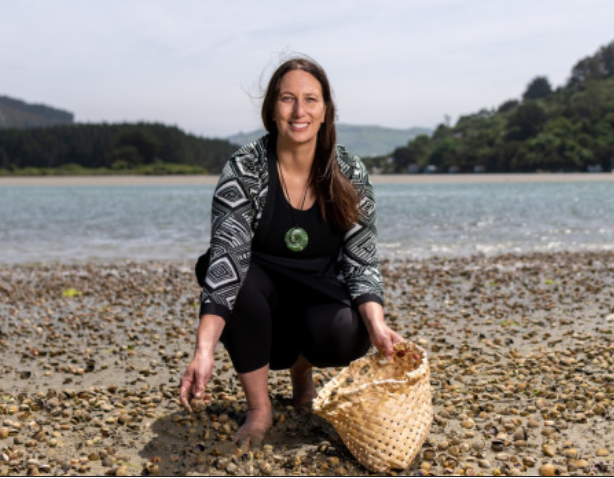
An idea that then found traction in New Zealand, nearly forty years later, when Māori legal scholar Professor Jacinta Ruru (Raukawa, Ngāti Ranginui) after reading his work and together with student James Morris, took it further, publishing the paper ‘Giving Voice to Rivers‘.

Ideas move in space and time. They swim like fish. They drift like pollen. They migrate like birds. Sometimes their movement carries them right around the world, and they find new niches in which to flourish.

Their article demonstrated an affinity between the concept of legal personhood for natural entities and the long-standing Māori relationship with rivers as living, sacred ancestors.

This lead to the Te Awa Tupua Act and entered into law. The river was alive, it was an ancestor to the iwi (people), a ‘legal person’ with rights and now Guardians would uphold those rights. It created a global ripple, super-charging the ‘Rights of Nature ‘ movement.

In 2017, after more than a century of legal struggles by the Māori people of the Whanganui River (Te Āti Haunui-a-Pāpārangi), the 292-kilometer Whanganui River — also known as Te Awa Tupua — became the first river in the world to be recognized as a legal entity, granting it the same rights and powers as a legal person.

Ultimately, Christopher D. Stone (1937-2021) left a profound and lasting legacy in environmental law, legal philosophy, and human rights, reshaping how the law understands who – or what – can have rights.

Book Review

Exploring Rivers Considering the Rights of Nature

Part I : Los Cedros, Ecuador

The book follows these three journeys to places threatened by mining, pollution and dams: first to the cloud forest, Los Cedros, in northern Ecuador with Chilean-Italian-British fungi expert, Guiliana Furci; musician/singer Cosmo Sheldrake (who listens and records nature sounds) and César Rodriguez-Garavitoa, Colombian social justice lawyer advocating for the Rights of Nature.

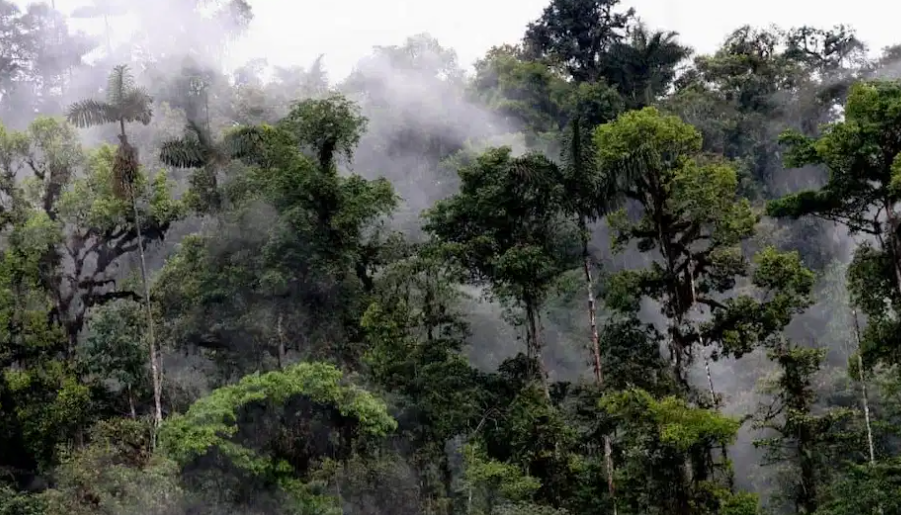
A cloud-forest is a river maker.

Cloud-forests form at higher altitudes than rainforests; typically between three thousand and eight thousand feet above sea level, in steep landscapes of peak, ridge and valley. The elevation means that cloud-forests are cooler than rainforests, and the drama of their topography means that their rivers are fast, shallow, clear and rock-bedded, compared to the muddier, slower rivers of of rainforests.

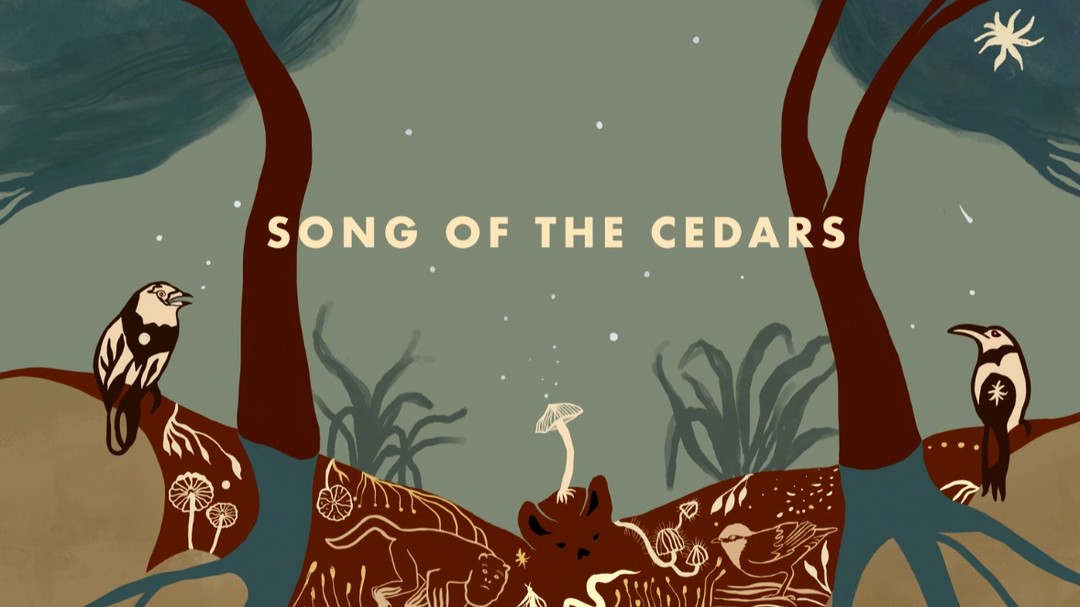
Song of the Cedars a co creation with Los Cedros cloud forest and Cosmo Sheldrake Robert Macfarlane Giuliana Furci and César Rodríguez-Garavito

As the group walks into the forest, each person brings their knowledge, concern and creativity, they join in the excitement of finding new species of fungi, they listen to the sounds captured and together they create their own song from what they hear and what they learn. It will be the first legal attempt to recognise an ecosystem’s moral authorship in the co- creation of a work of art. I can only imagine how it must have been to travel with this group and be part of this.

I listened to the song they co-created with the forest. The Song of the Cedars. I was blown away by the combination of listening and feeling its vibration as I read the accompanying text. Prepare to be moved if you listen and read, especially when it gets to the drumbeat refrain about 2.30 minutes in.

✨️CLOUDS DEEPEN MY SIGHT✨️

Part II : Chennai, India

I have come to Chennai in search of ghosts, monsters and angels.

The ghosts are those of the rivers who had to be killed for this city to live.

The monsters are the terrible forms those river ghosts take every few years, when they are resurrected by cyclone or monsoon.

The angels are those who watch over the lives of the rivers where they survive, and who seek to revive those who are dying and Yuvan Aves – teacher, naturalist, writer, water activist – is one of these angels.

In Part II, Macfarlane travels to Chennai, India to follow three wounded rivers to their source with Yuvan Aves, a young man he has never met, but corresponded with for five years. Together they will trace Chennai’s rivers and waterbodies from inland to coast.

Part III : Mutehekau Shipu River, Canada

Photo by Baskin Creative Co. on Pexels.com

And finally Part III, a wild kayak ride down the threatened Mutehekau Shipu river, with instructions from local native healer, Rita Mestokosho that will make the accomplishment and observations even more meaningful than his original intentions.

The Mutehekau Shipu had become the first river in Canada to be recognised as a living, rights-bearing Being.

Inspired by the negotiations between indigenous Maori and the Crown in New Zealand, they too have signed a resolution to recognise the river as a living being.

The small team will travel down the challenging river for a hundred miles to its mouth at the sea over two weeks. It is a wild adventure and a spiritual experience, Macfarlane has been told to forget his notebooks and ‘be the river’.

‘You need to pay attention to the river, Robert. The important thing is to wake up not the consciousness but the heart. Rather than you speaking of the river, it is the river who will speak to you.’

This is an extraordinary, informative, compelling read that, though packed with information, is full of humanity and incredibly passionate characters, all trying to do more to honour and protect nature’s gifts, before other less enlightened aspects of humanity kill them off or choke them forever.

I completely devoured this. Highly Recommended if you have any interest in understanding the wilds of nature and her impact on our living, breathing world.

Further Reading

Article: Jacinta Ruru : Recalibrating the law to recognise Māori interests

Article: The Revelator, Environmental Truth & Justice : The Te Awa Tupua Act: An Inspiration for Communities to Take Responsibility for Their Ecosystems

Article: Canadian Geographic : I am Mutehekau Shipu: A river’s journey to personhood in eastern Quebec

Author, Robert Macfarlane

Robert Macfarlane’s best-selling books include UnderlandThe Old Ways, and Mountains of the Mind. With the artist Jackie Morris he is the coauthor of The Lost WordsThe Lost Spells, and The Book of Birds.

Is A River Alive? was a finalist for the 2025 Banff Mountain Book Competition in Environmental Literature & longlisted for the 2026 Andrew Carnegie Medal for Excellence in Nonfiction. It was named a Best Book of 2025 by The New YorkerEconomistGuardianMinneapolis Star-TribuneKirkus Reviews, and Publishers Weekly.

He is the recipient of the E. M. Forster Prize for Literature and the Henry David Thoreau Prize for Literary Excellence and is a fellow of Emmanuel College, Cambridge.

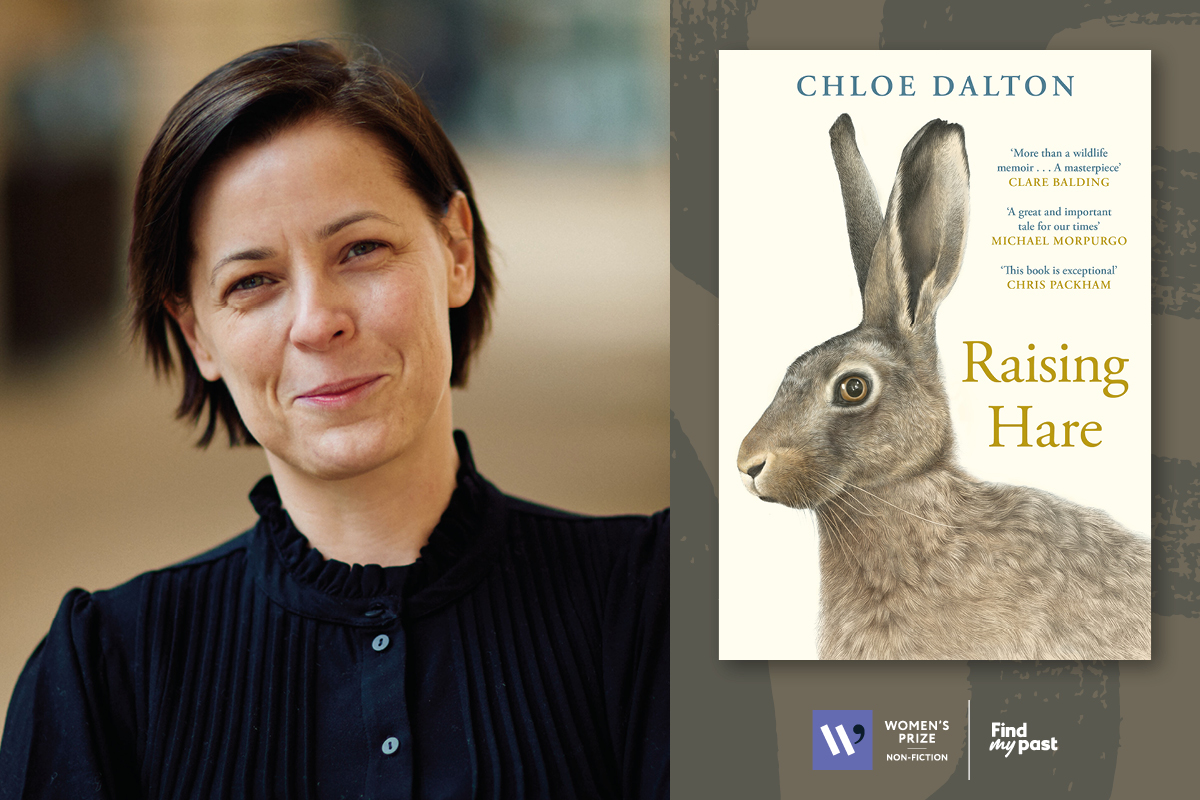
Raising Hare by Chloe Dalton

There is nothing quite like a thoughtful work of nature writing to end the year with, as we move from autumn into winter hibernation. I missed out on the Nonfiction November themed reads that many other bloggers participate in, however I seem to have been attracted to reading nonfiction in December.

Best Nature Writing of 2025

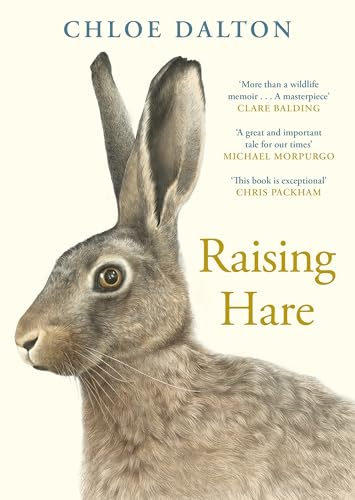
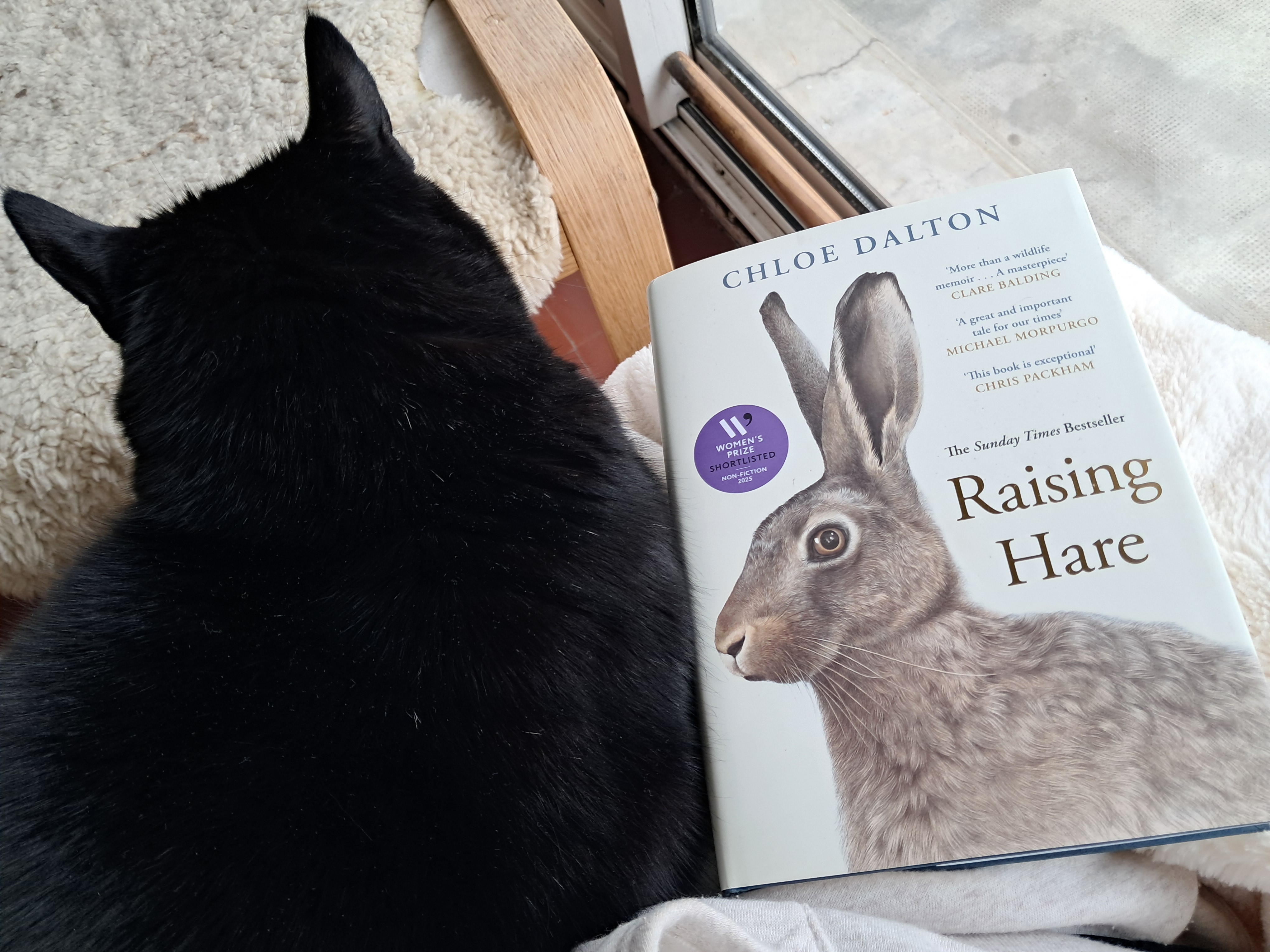
Raising Hare by Chloe Dalton shortlisted womens prize nonfiction winner Wainwright Prize 2025

I liked the sound of Raising Hare from the moment I heard of it, when it was longlisted and then shortlisted for the women’s prize for non-fiction. And in these last weeks of the year, it seems to be sustaining interest by readers, having won the Wainwright Prize for Nature Writing and Overall Book of the Year. The chair of judges, referring to it as a ‘soulful debut’ said,

“A whole new audience will be inspired by the intimate storytelling of Chloe Dalton. Raising Hare is a warm and welcoming book that invites readers to discover the joy and magic of the natural world. As gripping and poignant as a classic novel, there is little doubt this will be read for years and decades to come.”

Not a Typical Animal Rescuer

The author Chloe Dalton as we read in her short bio, does not have the typical profile of someone who might rescue an animal. She lived and worked in London as a political adviser and foreign policy specialist, something of a workaholic who travelled a lot and was always on hand when needed. So this story and transformation likely would not have happened, had there not been a lock down that sent her to her home in the English countryside and changed the way she lived and worked.

If I had an addiction, it was to the adrenaline rush of responding to events and crises, and to travel, which I often had to do, at a few hours notice.

It makes me wonder how many other unique experiences with nature and wildlife occurred during this time, when the world slowed down and people started noticing how we live and the detrimental impact we are having, even in a small acreage like this.

Born in a Pandemic

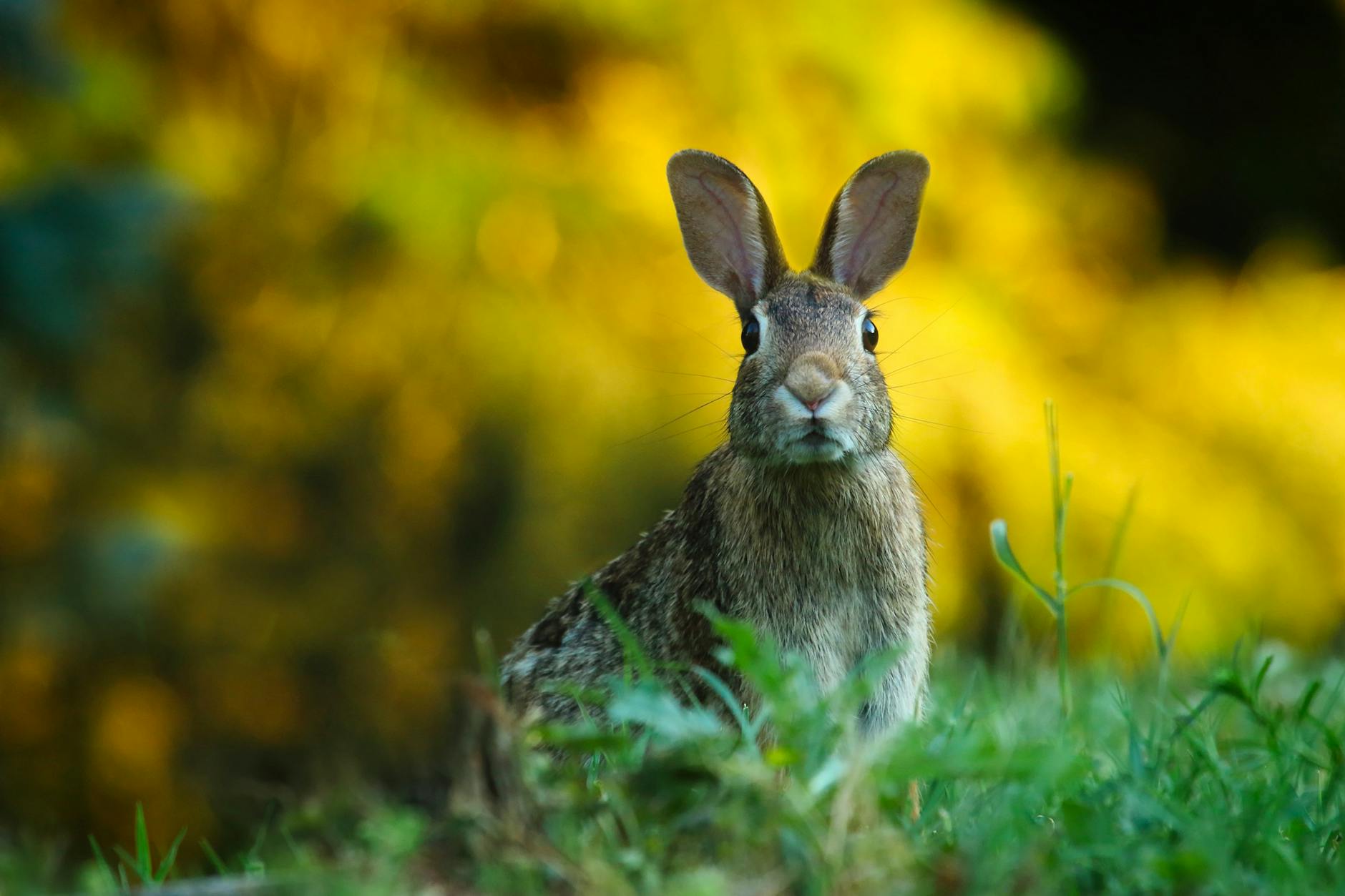
Photo by Pixabay on Pexels.com

It’s the story of how a woman, living alone in the English countryside encounters a leveret after hearing a dog barking, clearly disturbing the nest. Initially ignoring it, then four hours later when it had not moved, she could not – the poor thing as small as the palm of her hand, frozen in the middle of a track leading directly to her house.

A call to a local conservationist dispelled any notion she had that she could return it to the field later, and further telling her hares could not be domesticated.

I felt embarrassed and worried. I had no intention of taming the hare, only of sheltering it, but it seemed that I had committed a bad error of judgement. I had taken a young animal from the wild – perhaps unnecessarily – without considering if and how I could care for it, and it would probably die as a result. My heart sank.

Overwhelmed and terrified she’d kill it by accident, she begged her sister, who lived with a menagerie of animals to take the leveret. After explaining how unsuitable that cacophonous environment would be for a baby hare, her sister told her ‘You’ll do fine’ and hung up.

Providing Care and Gaining an Education

Book cover Raising Hare by Chloe Dalton

We then observe where all that leads, not just into the care of a vulnerable animal, but how she educates herself all about leverets and hares, all the while focused on observing its every movement and behaviour, as they live alongside one another throughout the pandemic period and beyond.

I found it highly educational and loved the subtle transformation the author undergoes, as she learns to see her own environment through the purview of local wildlife and in effect provides an update to much existing research and knowledge about this breed, due to the unique opportunity of getting so close to living in proximity to a hare and her protege, while allowing it to stay wild so that it could continue to breed in the wild.

It is a gentle, enquiring, observational work of nature writing and a tender transformation of one human in her own ways, through the observation of the little known leveret, its home environment and habits. It is almost impossible not to be moved by the young hare, coming to know how sensitive the species is, and how it navigates this unorthodox contact with a female human.

I pondered the concept of ‘owning’ a living creature in any context. Interaction with animals nurtures the loving, empathetic, compassionate aspects of human nature. It taps into a primordial reverence towards the living world and a sense of the commonality and connectedness across species. It is a gateway, as I was discovering, into a state of greater respect for nature and the environment as a whole. We all too easily subordinate animals to our will, constraining or confining them to suit our purposes, needs and lifestyles.

Consciousness Raising Around Wildlife

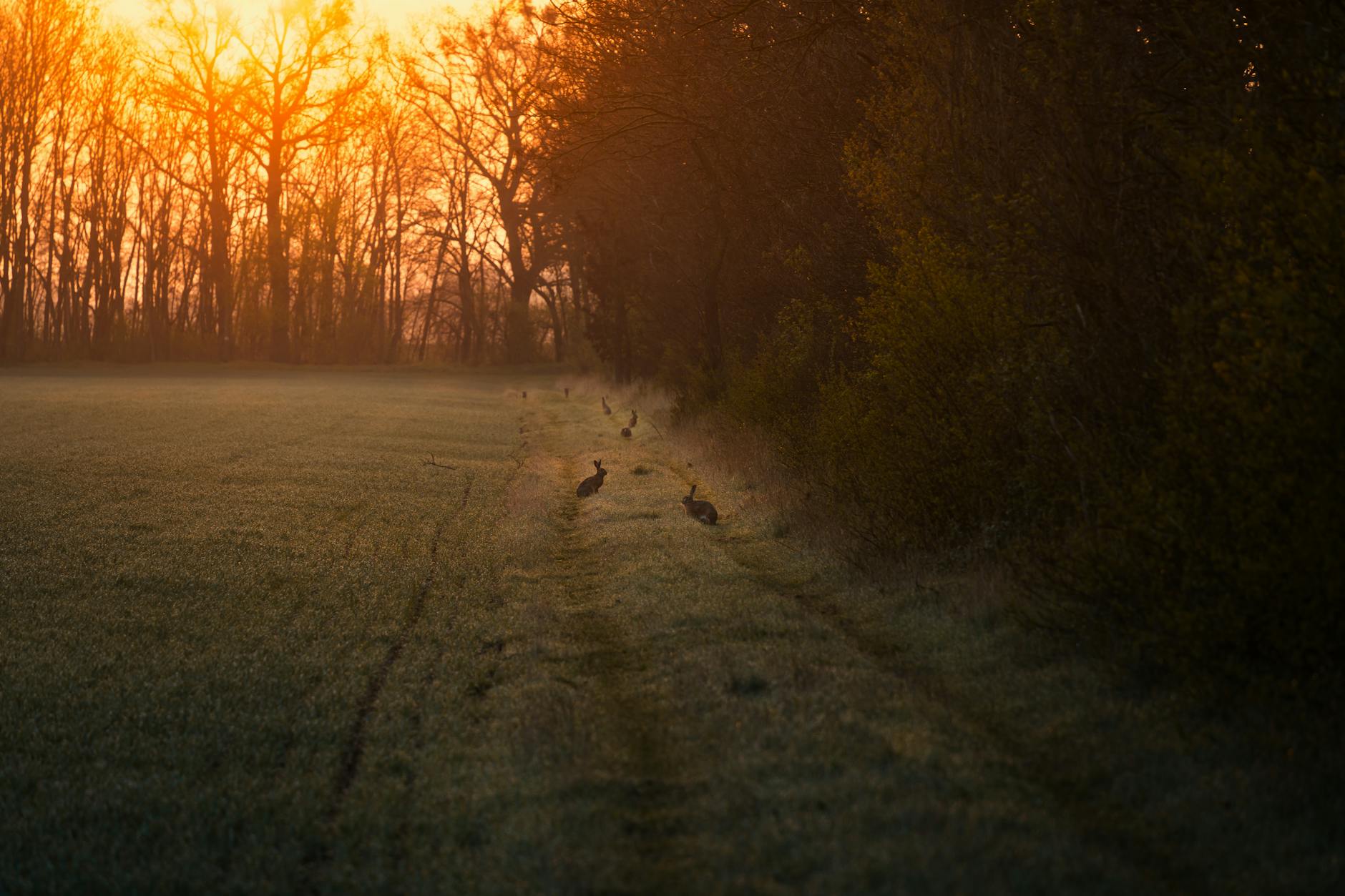
Photo by Michael Pointner on Pexels.com

What a chance to have occurred, for someone interested in policy, to take an interest in a more local and domestic situation, pouring herself into the research, taking care of a vulnerable sentient being and starting to consider the changes that can be made, to enable all species, including human to coexist in a less destructive manner.

Hares are the only game species which are not protected by a ‘close season’ in England and Wales: a period of the year during which they cannot be shot and killed. Other ‘game’ species – such as deer, pheasants and partridges, to name a few – are all protected by a close season. Hares by contrast can be shot at any time of year, including during the crucial months of February to September, when they typically raise their young.

Scotland and the rest of Europe already protect hares in this way. Only in England and Wales does this anomaly persist.

Highly Recommended.

Further Reading

Women’s Prize Interview: In conversation with Chloe Dalton

Read a Sample – the opening pages of Raising Hare by Chloe Dalton

Author, Chloe Dalton

Chloe Dalton is a writer, political adviser and foreign policy specialist. She spent over a decade working in the UK Parliament and the Foreign and Commonwealth Office and has advised, and written for and with, numerous prominent figures. She divides her time between London and her home in the English countryside.

Her debut book, Raising Hare, was an instant Sunday Times and New York Times bestseller. It won the Wainwright Prize for Nature Writing and was shortlisted for the Women’s Prize for Non-Fiction, and was selected as a Waterstones Book of the Year and as the Hay Festival Book of the Year. It was a Critics Best Books pick for The Times, Financial Times, Guardian, Spectator and iNews and was a Waterstones Non-Fiction Book of the Month.

‘Imagine holding a baby hare and bottle feeding it. Imagine it living under your roof, drumming on your duvet to attract your attention. Imagine the adult hare, over two years later, sleeping in the house by day, running freely in the fields by night and raising leverets of its own in your garden. This happened to me.’  

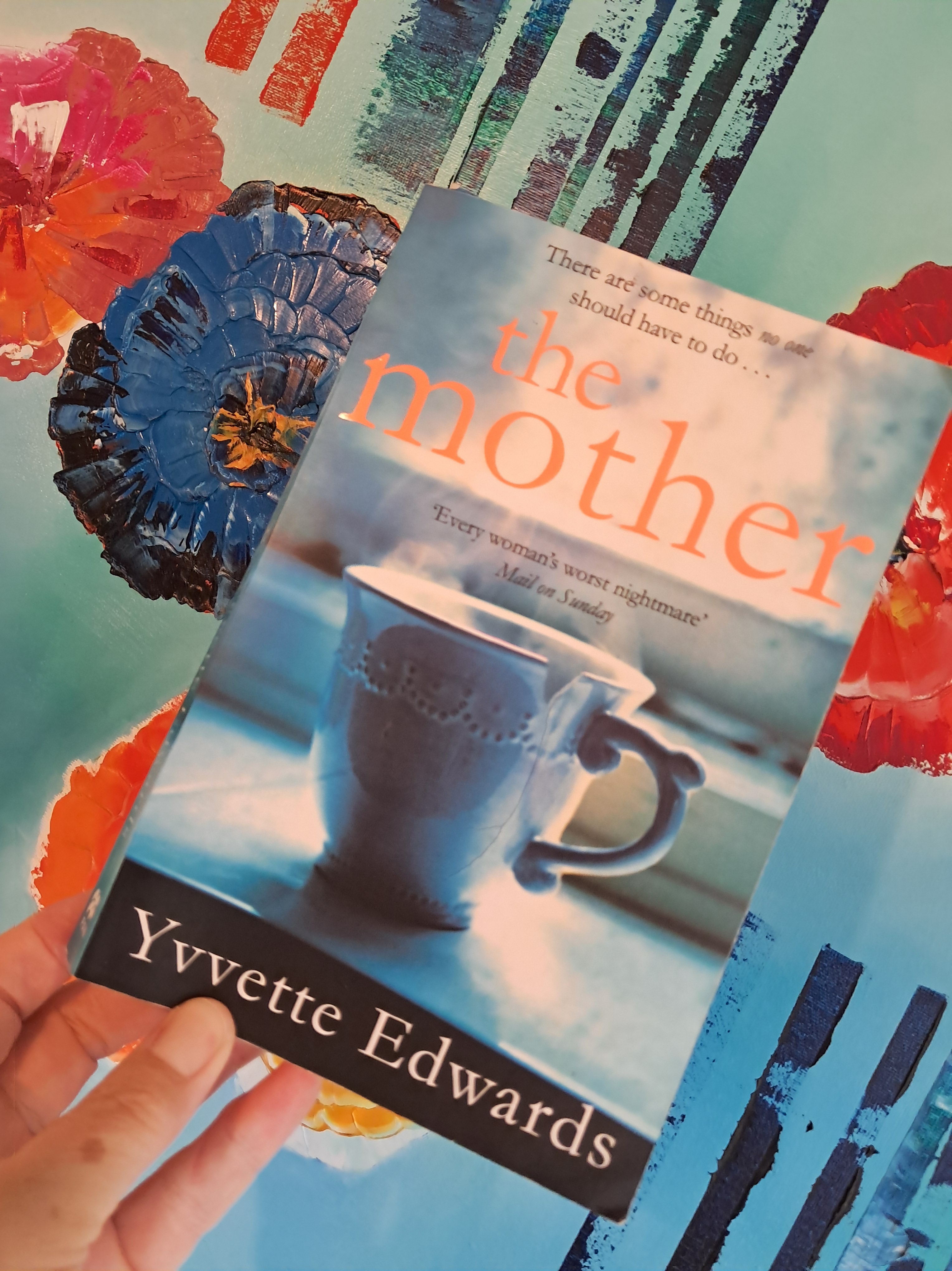
The Mother by Yvvette Edwards

Mothers in Literature

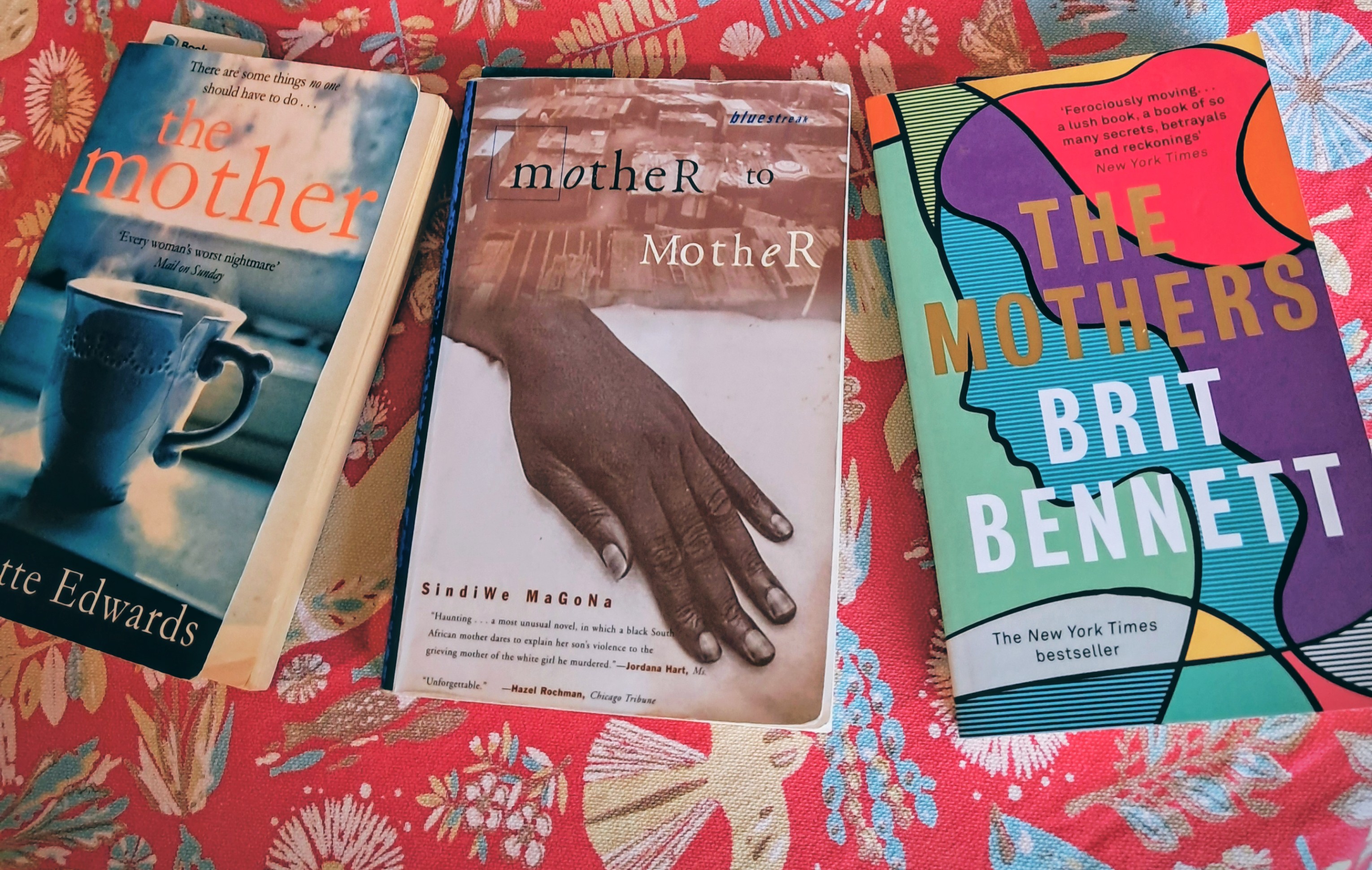
I had long wished to read Yvvette Edwards second novel, The Mother (2016) after very much enjoying her Booker longlisted A Cupboard Full of Coats (2011). I decided to read it alongside two novels on my shelf with similar themes of the bonds, burdens and breakthroughs of motherhood.

The three novels I chose are set in different countries and contexts: The Mother by Yvvette Edwards (UK) is set in London’s Caribbean community, Mother to Mother by Sindiwe Magona is set in apartheid-era South Africa, and The Mothers by Brit Bennett is set in contemporary Black America.

Sindiwe Magona has written numerous novels; however I have read and reviewed her autobiographies To My Children’s Children (1990) and Forced to Grow (1992), while Brit Bennett is well known for her novel that addresses the theme of passing, The Vanishing Half (2020).

The Complexity of Motherhood

All three novels expose motherhood as fraught with social pressure, moral judgment, and emotional complexity. Despite the different settings, they collectively form a global conversation about motherhood, resilience, and the human cost of structural and racial inequality.

3 novels of mothers and motherhooh The Mother Yvvette Edwards Mother to Mother Sindiwe Magona The Mothers Brit Bennett

In The Mother, Marcia grapples with grief and guilt after the murder of her son.

In Mother to Mother, Mandisa reflects on her life while writing to the mother of the girl her son has murdered.

And The Mothers, focuses on young women (and a collective “we” voice of church “mothers”) navigating the expectations of womanhood, including unwanted pregnancy.

The Mother by Yvvette Edwards

The Mother is the story of a mother’s struggle to come to terms with understanding her teenage son’s violent death, it is both a courtroom drama following the murder of Marcia and Lloydie’s 16-year-old son Ryan and a story of transformation and healing through grief.

I used to be good at making decisions, took it for granted completely, imagined it was one of those things that because I’d always been good at it, I would continue to be good at it, and then something like what happened to Ryan comes along and you realise some things are just temporary gifts granted for part of your life only, like the headful of hair you imagined would be yours forever that you went to sleep with one night and as usual but woke the following morning to find gone, clean gone.

Suffering Together, Drifting Apart – the Complexity of Grief

The Mother by Yvvette Edwards courtroom drama in London youth stabbing gang culture

Marcia wants to be present every day at court, her husband Lloydie does not. Increasingly emotionally estranged, she does not understand what he does all day, where he goes. Their habits are changing and they seem to be leaving each other behind, dealing with the loss in completely different ways, on their own.

Lloydie is putting my cup of tea on the side when I return to the bedroom. He looks slightly sheepish, is probably annoyed with himself for the mistiming that has meant he has found himself alone with me when we are both awake and alert. He looks at me without speaking.

‘Aren’t you going to ask how it went?’ I say.

It’s not the question I intended; too in-your-face, accusatory. I didn’t want to start the discussion here but it’s out now, I can’t take it back.

His tone is dutiful. ‘How did it go?’

‘It was hard. Listening. Seeing that boy, his mother. Very hard.’

The Need to Understand

Marci is determined to be present every day, to understand why this happened and comes to realise that there may be things about her son that she did not know.

Understanding has been my problem from the start. How is it possible that my son was doing all the right things, that as parents, Lloydie and I, we were doing all the right things, and yet still Ryan is dead?

The novel follows the case and outside the court other events begin to shed light on the situation, Marcia’s beliefs and assumptions are challenged. In her need to know, she becomes reckless.

She observes the boy who is being charged, his fixed stare and has already decided his fate.

…he stares ahead as if it is all beneath him, and as usual I find it unnerving. I have to say that single quality in him is enough to convince me that he did it, that he’s guilty because he has something in his aura of the type of person who could kill someone at six thirty, then stroll home, have dinner and a hot bath, followed by an early night of unbroken sleep.

Edwards is adept at tapping into the realms of Ryan’s peers and the insidious, threatening world of youth gang culture, which comes into full view through he character of Sweetie, the girl caught between the earnest world of Ryan and the manipulative obedience she has to Tyson Manley and his type.

It is a thought provoking story of complicated parenting and motherhood highlighting effects of judgment, truth seeking, and the social forces that shape personal and family outcomes, while reflecting on the particular role of mother. Motherhood becomes a lifelong, consuming identity, the loss of a child, in this case, destabilising her sense of self.

Author, Yvvette Edwards

Yvvette Edwards is a British East Londoner of Montserratian origin and author of two novels, A Cupboard Full of Coats (2011) nominated for The Hurston-Wright Legacy Award and longlisted for the Booker Prize, and The Mother (2016). Her short stories have been published in anthologies and broadcast on radio.

She is interested in writing that challenges the single narrative, giving voice to characters who are absent or under-represented in contemporary fiction.

An Upcoming Novel in March 2026

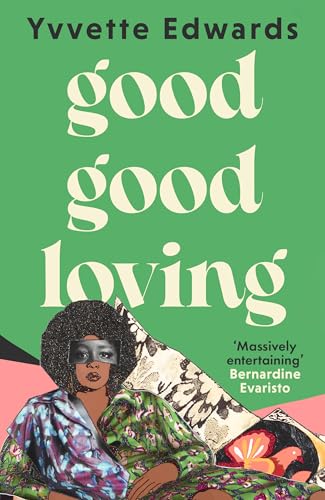
Good Good Loving, Yvvette Edwards first book in almost a decade, will be published in March 2026 by Virago. The synopsis reads:

Good Good Loving Yvvette Edwards a multi-generational British-Caribbean family across five decades

“Ellen’s big, beautiful family are gathered around her hospital bed as she prepares to slip away… her children have chosen now of all times to have a never-ending discussion about all her failings. Every single tiny thing they think she’s done wrong over the years – and the one big thing too. Even after everything, after all the sacrifices Ellen has made for every last ungrateful one of them, they still all take their father’s side. If only they knew the whole story.

“Moving backwards in time through all the decisive moments that have shaped Ellen’s life – the disasters, celebrations and surprises, the revelations, confrontations and betrayals – Good Good Loving is the vibrant story of a multi-generational British-Caribbean family across five decades.”

Next up is Sindiwe Magona’s Mother to Mother :

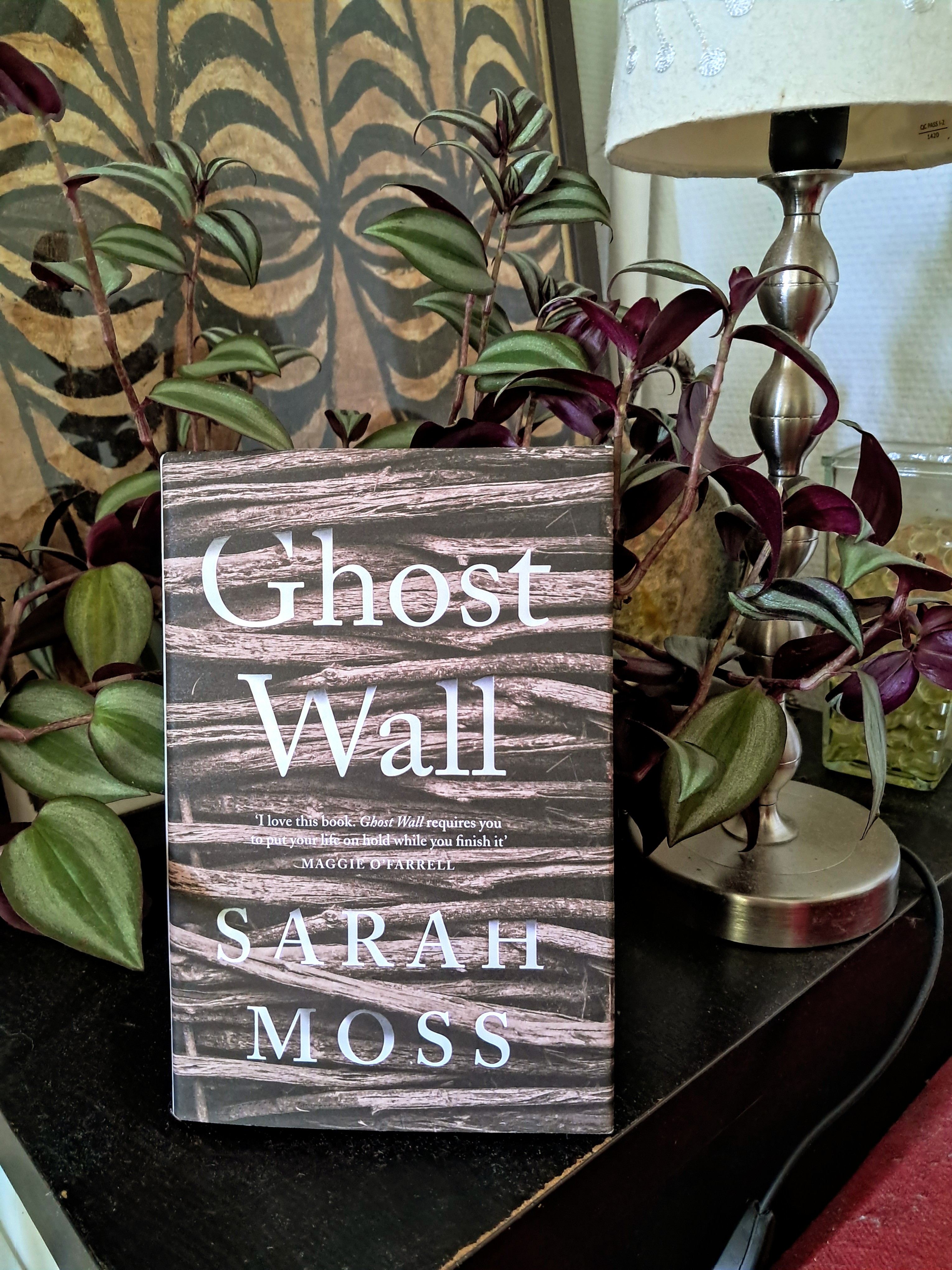
Ghost Wall (2018) by Sarah Moss

In 2020 I read the novel Summerwater by Sarah Moss after having listened to the author speak about her work. I didn’t review it because it didn’t work that well for me, but when I saw this slim novella at a book sale I thought I’d try again. It had been longlisted for the Women’s Prize in 2019.

Family Memory or Normalising Terror

Book cover of novella Ghost Wall by Sarah Moss. The cover shows woven wood that might have been used to recreate an Iron Age hut.

Interestingly, Summerwater was an ‘on-holiday’ novel, a rain soaked 24 hours in the Scottish Highlands, of families stuck in their cabins, inspired by the author’s two week stay under similar conditions, while Ghost Wall is also a tale of a less than salubrious summer holiday.

Teenage Silevia is spending time with her family in an Iron Age re-enactment hut in Northumberland, experiencing what it might have been like to live as they did. There is a Professor and his students also present, whereas Silvie and her father are there because her father, a bus-driver is passionate to the point of obsession about the history of this period.

We were sleeping in the roundhouse, my parents and I. The students had built it earlier in the year, as part of a course on ‘experiential archaeology’, but they had been firmly resistant to my father’s view that everyone should sleep in it together.

The point of the experience was to have a flavour of Iron Age life, a period around 800 BC when people learned how to use iron, which subsequently shifted the way they lived. Still very basic, so much of the holiday is spent foraging for food and for Silvie’s mother, preparing it.

Re-enactment not Reality

Silvie befriends one of the students Molly, who isn’t taking the experience as seriously as the others, who brings a reminder that life is not like this today and challenges some of the things that they do. Silvie admires her rebellious spirit, but is too fearful of her coercive father to defy his requests, finding it impossible to say no and seeing how little it takes for her mother to be punished.

I sometimes think I can tell when two pieces from the same site were made by the same prehistoric person, because the way my hands move is the same. I shivered. Of course, that was the whole point of the re-enactment, that we ourselves became the ghosts, learning to walk the land as they walked it two thousand years ago, to tend out fire as they tended theirs and hope that some of their thoughts, their way of understanding the world, would follow the dance of muscle and bone.

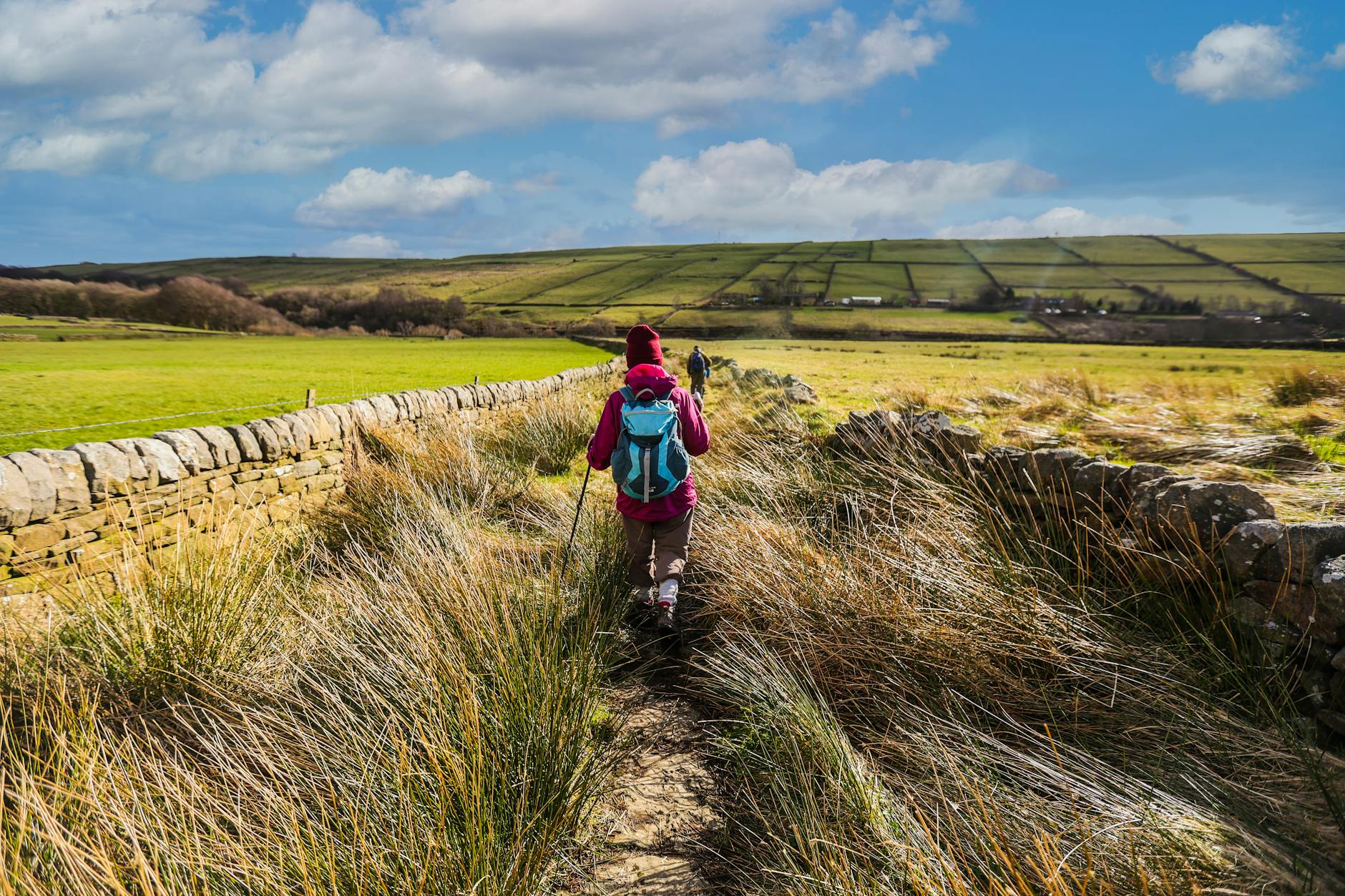
Photo by E. Laperriere Pexels.com

Underlying her experience and in the opening three pages, is the experience of the bog girl who was sacrificed, a story that as we read those pages, it is not clear whether this is a foreshadowing of something that is going to occur, or something from the past that she can imagine and feel, but whatever it is, it starts to feel real, even when she says otherwise.

Silvie, she said, you’re really OK with this, the ghost wall? It’s interesting, I said, I didn’t think it would be but it is. You’re not scared she said. I shrugged. Of what, bones? Of people, she said.

Passion or Persuasion

Photo by Petra Nesti on Pexels.com

The novella is atmospheric and becomes increasingly alarming as Silvie gets swept up in the passion of her father and the history professor, who have convinced themselves that there’s nothing wrong with taking the way these people used to live further. Despite her unwillingness, Sylvie also recognises her father isn’t academic like the rest of the team and part of her wants to support him.

It’s slightly terrifying the further things goes and the ending might have been a little abrupt, but then often conclusions are dramatic when an intervention is required, rather than the ideal of thoughtfully addressing real concerns.

Interviewed for the Women’s Prize for Fiction 2019, Sarah Moss, on her inspiration for the novel shared:

I had a writing residency for the Hexham Book Festival, and became fascinated by Hadrian’s Wall and prehistoric arts and crafts. We think of Hadrian’s Wall as the boundary between England and Scotland but neither of those entities existed then; it was the boundary between the Roman empire and the barbarians. There was and is plenty of reason to be thinking about the borders between civilisation and barbarity, nature and culture, insiders and outsiders.

Further Reading

A Q & A with Sarah Moss: On Iron Age re-enactment camps, barbarity and civilisation and Brexit’s impact on writers

Guardian: Ghost Wall by Sarah Moss review – back to the iron age

Author, Sarah Moss

Sarah Moss has published eight novels, two memoirs, numerous essays, and academic work on Romanticism, travel, food and gender. Her work has been listed for prizes including the Women’s Prize for Fiction, the Royal Society of Literature Ondaatje Prize and the Wellcome Prize.

Her novels are SummerwaterCold EarthNight WakingBodies of Light, Signs for Lost Children, The Tidal Zone, Ghost Wall and Ripeness (2025). A memoir of her year living in Iceland, Names for the Sea, was shortlisted for the RSL Ondaatje Prize and another My Good Bright Wolf (2025) is about growing up in the 1970’s and how excess self-control affects her early adulthood.

Leila Aboulela awarded PEN Pinter Prize 2025

Freedom to Write, Freedom to Read

Leila Aboulela winner of English Pen Prize 2025

Leila Aboulela, the Sudanese author who now lives in Scotland has won the English PEN Award 2025, a prize established in homage to Harold Pinter, the British playwright, screenwriter, director and actor and the 2005 Nobel Laureate for Literature:

“who in his plays uncovers the precipice under everyday prattle and forces entry into oppression’s closed rooms”

Judges praised Aboulela, the author of six novels, for her ‘nuanced and rich perspectives on themes that are vital in our contemporary world: faith, migration, and displacement’, calling her writing ‘a balm, a shelter, and an inspiration’.

The author responded:

‘I am honoured to win a prize established in memory of Harold Pinter, a great writer who continues to inspire so much loyalty and consistent high regard. For someone like me, a Muslim Sudanese immigrant who writes from a religious perspective probing the limits of secular tolerance, this recognition feels truly significant. It brings expansion and depth to the meaning of freedom of expression and whose stories get heard.’

One of the judges, novelist Nadifa Mohamed added:

Leila Aboulela is an important voice in literature, and in a career spanning more than three decades her work has had a unique place in examining the interior lives of migrants who chose to settle in Britain. In novels, short stories and radio plays she has navigated the global and local, the political with the spiritual, and the nostalgia for a past home with the concurrent curiosity and desire for survival in a new one. Aboulela’s work is marked by a commitment to make the lives and decisions of Muslim women central to her fiction, and to examine their struggles and pleasures with dignity. In a world seemingly on fire, and with immense suffering unmarked and little mourned in Sudan, Gaza, and beyond, her writing is a balm, a shelter, and an inspiration.’

The prize is awarded annually to writers resident in the UK, Ireland, the Commonwealth or the former Commonwealth. 

Former winners of the PEN Pinter Prize are Arundhati Roy (2024), Michael Rosen (2023), Malorie Blackman (2022), Tsitsi Dangarembga (2021), Linton Kwesi Johnson (2020), Lemn Sissay (2019), Chimamanda Ngozie Adichie (2018), Michael Longley (2017), Margaret Atwood (2016), James Fenton (2015), Salman Rushdie (2014), Tom Stoppard (2013), Carol Ann Duffy (2012), David Hare (2011), Hanif Kureishi (2010) and Tony Harrison (2009).

Three Novels By Leila Aboulela I Recommend

Bird Summons (2019)

Bird Summons is an excellent novel about three Muslim immigrant women living in Scotland, from different countries, who set off on a short holiday in the Scottish Highlands, to pay homage to Lady Evelyn Murray Cobbold, the first British woman convert to Islam who performed Hajj, the spiritual pilgrimage to Mecca.

Taken further outside of their comfort zones, the trip is a kind of reckoning for each of the women, a little like a road trip novel, they are stuck with each other, their forced isolation in the Highlands brings out the best and worst in each other and will leave them each transformed by the experience.

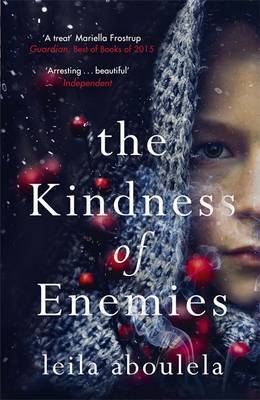
The Kindness of Enemies (2015)

The Kindness of Enemies, is a dual narrative set in modern day Scotland and mid 1800’s Russia and the Caucasus. The contemporary character is Natasha Wilson (born to a Russian mother and Sudanese father, whose mother marries a Scot), a Scottish university lecturer whose research concerns the life of Caucasian Highlander, Shamil Imam.

The novel moves between the issues facing Natasha in her life, and the ancient conflict between Highlander mountain men lead by Shamil Imam as they resisted Tsarist Russia from expanding into their territory.

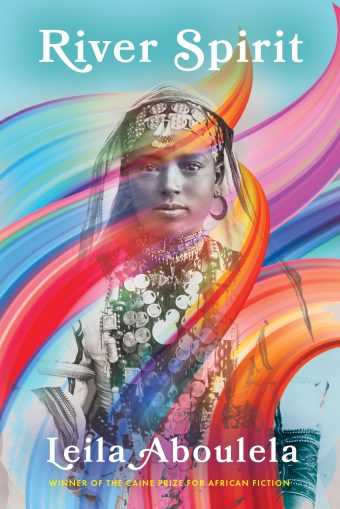
River Spirit (2023)

River Spirit is historical fiction set in 1890’s Sudan, at a turning point in the country’s history, as its population began to mount a challenge against the ruling Ottoman Empire, only the people were not united, due to the opposition leadership coming from a self-proclaimed “Mahdi” – a religious figure that many Muslims believe will appear at the end of time to spread justice and peace.

The novel tells the story of orphan siblings, Akuany and Bol, and their young merchant friend Yaseen, the friend of their father who made a promise to protect them, forever connecting them to his life. It is also a story of the Nile, of the White Nile and the Blue Nile, a symbol of twin selves, one free, one enslaved, of twin occupying forces, the Ottoman and British Empires and of the many aspects in the story where twin forces clash, mix and become something new.

Aboulela’s other novels are The Translator (1999), Minaret (2005), Lyrics Alley (2010) all three of which were longlisted for the Women’s Prize for Fiction (Orange Prize) and she has also published a short story collection Elsewhere, Home (2018).

Have you read any works by Leila Aboulela? Let us know in the comments below.

Photo by Gabriela Palai on Pexels.com

Further Reading

World Literature Today Interview: Writing as Spiritual Offering: A Conversation with Leila Aboulela by  Keija Parssinen

Guardian article: Leila Aboulela wins PEN Pinter prize for writing on migration and faith

JSTOR: Leila Aboulela and the Ideology of Muslim Immigrant Fiction by Waïl S. Hassan

Leila Aboulela, Author

Leila Aboulela grew up in Khartoum and has been living in Aberdeen since 1990. She is the author of six novels among them River SpiritThe TranslatorMinaret and Lyrics Alley, Fiction Winner of the Scottish Book Awards. Leila was the first ever winner of the Caine Prize for African Writing and her story collection, Elsewhere, Home won the Saltire Fiction Book of the Year Award.

Her books have been translated into fifteen languages, and she has also written numerous plays for BBC Radio. She is Honorary Professor of the WORD Centre at the University of Aberdeen and a Fellow of the Royal Society of Literature. 

By the Sea (2001) by Abdulrazak Gurnah

By the Sea begins as a compelling narrative and mystery of a man who arrives at Gatwick airport from Zanzibar without a visa and refuses to speak English, until the crucial moment where he is about to be deported and he utters the words that will change his trajectory.

Refugee. Asylum.

Old Scores Revisited

Nobel Prize for Literature 2021 Zanzibar Tanzania witing about immigration culture refugees requesting asylum

In trying to locate someone to translate for him, Latif is contacted and the two men realise there is a connection, a history that has perpetuated with major gaps on either side of their understanding, voids often filled by those wishing them ill.

Their story began by the sea and concerned a fragrance Ud-al-qamari, and would be retold far away where few understood the nature of their feuds and punishment, of corruption and power, petty rivalries over debts, possessions, and influences that could drive a man to flee for his life.

The man I obtained the ud-al-qamari from was a Persian trader from Bahrain who had come to our part of the world with the musim, the winds of the monsoons, he and thousands of other traders from Arabia, the Gulf, India and Sind, and the Horn of Africa. They had been doing this every year for at least a thousand years. In the last months of the year, the winds blow steadily across the Indian Ocean towards the coast of Africa, where the currents obligingly provide a channel to harbour. Then in the early months of the new year, the winds turn around and blow in the opposite direction, ready to speed the traders home.

Time Dismembers, Perceptions Unremembered

Told in three parts, the first two focus on each of these characters and their early life in Zanibar and something of their present, while the third part is a kind of oral storytelling as the two meet and their intertwined story is retold from start to finish until a different connection emerges, as they find themselves newly isolated in this place around people uninterested in their journey.

So time dismembers the images of our time. Or to put it in an archaeological way, it is as if the details of our lives have accumulated in layers, and now some layers have been displaced by the friction of other events, and bits of contingent pieces still remain, accidentally tumbled about.

A drama of disappointment, self-deception and renewal, the novel explores both the double bind of the known culture that entraps, and the unknown culture that frees but isolates the individual, for their betterment, yet never quite attaining an imagined, desired status.

Like Admiring Silence, an excellent, astute read by an accomplished author.

Further reading

My review of Admiring Silence (1996)

Nobel Prize Interview with Abdulrazak Gurnah

Article Guardian on Winning the Nobel Prize

New York Times: Abdulrazak Gurnah Refuses to Be Boxed In: ‘I Represent Me’

Abdulrazak Gurnah, Author

Abdulrazak Gurnah was the Winner of the Nobel Prize for Literature in 2021 for

‘his uncompromising and compassionate penetration of the effects of colonialism and the fate of the refugee in the gulf between cultures and continents’,

He was born in 1948 and grew up on the island of Zanzibar in the Indian Ocean, arriving in England as a refugee at the end of the 1960s. After the liberation from British colonial rule in December 1963 Zanzibar went through a revolution which led to oppression and persecution of citizens of Arab origin; massacres occurred. Gurnah belonged to the victimised ethnic group and after finishing school was forced to leave his family and flee the country, by then the newly formed Republic of Tanzania. He was eighteen years old. Not until 1984 was it possible for him to return to Zanzibar, allowing him to see his family shortly before the father’s death.

Themes of Refugee Disruption

Gurnah’s writing is from his time in exile but pertains to his relationship with the place he had left, which means that memory is of vital importance for the genesis of his work. 

The theme of the refugee’s disruption runs throughout his work. His novels depict a culturally diversified East Africa. His dedication to truth and aversion to simplification are striking. It can make the work bleak and uncompromising, however he follows the fates of characters with great compassion and unbending commitment.

His novels include Paradise (1994), which was shortlisted for both the Booker and the Whitbread Prize; By the Sea (2001), which was longlisted for the Booker and shortlisted for the Los Angeles Times Book Prize; and Desertion (2005), shortlisted for the Commonwealth Writers’ Prize. His most recent novel Theft (2025) is the story of the intertwined lives of three young people coming-of-age in postcolonial East Africa, selected as a book to look out for in 2025 by the GuardianObserverIrish Times and BBC.

Until his retirement he had been Professor of English and Postcolonial Literatures at the University of Kent in Canterbury, focusing principally on writers such as Wole Soyinka, Ngũgĩ wa Thiong’o and Salman Rushdie.

Clear by Carys Davies

Scottish Island literature

Clear by Carys Davies (Granta) is one of those books that stood out for me from the moment I first saw it mentioned. I could tell it was going to be excellent. And it is.

That atmospheric painting, Moonlight on the Norwegian Coast by artist Baade Knud Kunstenr (1876), depicting a fisherman looking out to sea, reading the dark and broody skies, where through a gap, there beholds light, promise.

What will he decide?

1843 Scotland, the Great Disruption, the Clearances

Clear is an exceptional novella, set in 1843 Scotland. It is about a quiet, worrisome, rebel pastor, John Ferguson and his wife Mary, who met rather unexpectedly and dramatically during one of the Comrie earthquakes; and Ivar, the lone islander out there in the North Sea, somewhere between the Shetland Islands and the coast of Norway.

We encounter them in the months after The Great Disruption, when 474 clergy radically separated from the Church of Scotland over government interference in appointments and ‘patronage‘, the dominant influence of wealthy landowners in putting those they wished in position and removing others unwanted.

She remembered a dinner, a long time ago now, at her father’s house in Penicuik, where the talk had turned to a removal somewhere north of Cannich, and remembered her father remarking that he was surprised there was still anyone left to remove – that he thought all the big estates must by now have been thoroughly cleansed of their unwanted people.

Desperate Times, Desperate Measures

John, like other rebel ministers who signed the controversial Act of Separation and Deed of Demission, is now under financial pressure to meet all his new responsibilities, thus he accepts a paid role from a landowner’s factor, much to the consternation of his wife, to visit a remote island in the north to evict the last inhabitant, part of the final throes of the Highland Clearances.

The important thing was not to become dispirited – the important thing was to remember that this was a job, an errand: a means to a very important end.

He sets out by boat, and is left on the island, with the promise of a return berth (with his charge in tow) some weeks ahead. Things don’t go quite to plan and all that passes sets up the already complex dilemma this man faces.

Life on Scottish Islands

Photo by C. Proust on Pexels.com

Set in that mid 1800’s period on the island, felt so authentic, it reminded me of reading a Kathleen Jamie essay from Findings.

The author brings alive the damp, blustery, natural environment, the daily rhythms of Ivar and his few animals, his survival skills.

Then the precise observations of his encounter and time spent with the first man he has seen in years and the portrayal of the care he expends – just brilliant.

He’d been out very little this past spring, first because of his illness and then because of the bad weather when it had been too rough for much outdoor work, and impossible to fish off the rocks – the sea restless and unruly and wild, spindrift from the heavy breakers striking against the shore and forming a deep mist along the coast. He’d spent most of his time knitting, mainly sitting in his great chair next to the hearth but also sometimes on the stool in the byre with Pegi, occasionally talking to her but mostly just sitting in her company with a sock or cap or whatever else he was making.

As well as the natural environment, there is the language Ivar speaks, neither Scots nor English, something else altogther.

Ivar was not garrulous. He did not speak often, and when he did his sentences were short.

Woven through them were a few words John Ferguson thought he recognised – a handful that sounded like ‘fish’, ‘peat’, ‘sheep’, ‘look’, ‘me’, ‘I’, but delivered in an accent that made it impossible to be sure.

Scottish Genealogy and Family History

What made this short novel all the more interesting for me was that I have been researching my Scottish ancestors from the late 1700’s to late 1800’s in and around Dundee, people involved in the weaving and shipping industries.

Reading a novel set in this same period felt strangely but appropriately familiar; the detail on the map on the inside cover, shown here, add to that sense of time and wonder.

If you have spent any time poring over Scotland’s National Records, census indexes and records of the historic environment (archaeological sites, buildings, industry and maritime heritage), then this book is like a short, entertaining breather from that, to embark on another journey, while staying immersed in the era. Reading newspapers or stories, looking at artworks and photos really awakens the lives of those who have gone before us.

Artists Using Photography

When the Great Disruption occurred, the meeting of the First Assembly to sign the Deed was recorded via a painting depicting all 474 men. It was a culturally significant moment. The painting, by the artist David Octavius Hill was internationally important as the first work of art painted with the help of photographic images. Robert Adamson, photographer, had a Calotype studio (an early photographic process introduced in 1841) in Edinburgh and he worked in partnership with Hill, realising the potential of the new medium.

In the novel Clear, one of the significant items that John Ferguson takes with him to the island, is a framed portrait of his wife Mary, an object that is a catalyst of many different emotions in the two men on the island.

The picture of Mary Ferguson in the tooled-leather frame was a colotype by Robert Adamson.

It was made in Edinburgh a few months after the Fergusons’ marriage, and six weeks after the Revernd John Ferguson resigned his living in the city’s northern parish of Broughton and became a poor man by throwing in his lot with the Free Church of Scotland.

Certain aspects of Scottish historical importance are subtly planted like this throughout the text and while they do not distract from it (unless like me you go hunting for those references), they are a welcome authentic addition to an already scintillating text.

I absolutely loved it, my copy now has many scribbled pencil jottings all over it and this is one I would definitely read again as I feel as though there is more to unravel if I went beachcombing through it!

Highly Recommended.

I also read this during March to coincide with Karen at Booker Talk’s Reading Wales Month 2025.

Further Reading

New York Times review: In ‘Clear,’ a Planned Eviction Leads to Two Men’s Life-Changing Connection

Guardian review: Clear by Carys Davies review – in search of a shared language

Author, Carys Davies

Carys Davies‘s first novel West won the Wales Book of the Year Fiction Award, was Runner-Up for the Society of Author’s McKitterick Prize and shortlisted for the Rathbones Folio Prize. Clear has been longlisted for the Walter Scott Historical Fiction Prize 2025.

Her short stories have been widely published and broadcast on BBC Radio 4. Her second collection, The Redemption of Galen Pike, won the Frank O’Connor International Short Story Award 2015. She lives in Edinburgh.

Reading Wales Month 2025 Clear by Carys Davies

Birding by Rose Ruane

Birding by Rose Ruane is longlisted for the Women’s Prize for Fiction 2025.

The novel is about two women living in a rundown, gentrifying seaside town in Britain, arriving at their moment of realisation of how their lives have been affected by damaging events of the past and their beginning to separate from and reject the power this has had over them.

One Woman’s Trauma is Another (Wo)Man’s Drama

Lydia, in her late forties is contacted by Henry “the most assiduously avoidant human she’d ever encountered”, to inform her he will put on a play that recounts a part of their history that ought to have negated their continued contact. Lydia is stunned, haunted and full of regret.

rundown gentrifying British seaside town Birding by Rose Ruane
Photo by R.Keating on Pexels.com

Joyce, of similar age, lives with her super controlling, critical mother Betty in a small house a few blocks back from the sea, after their comedown from The Palace, the departure of Joyce’s father without a word of explanation or contact since she was a child.

Beyond the beach, streets lined with terraces and bungalows crouch behind Victorian buildings with mid-century interiors; carved up into bedsits and B&Bs, their pastel facades crumble like stale cake after a party.

The impact of absent men on both women works like an invisible thread, until a mass social movement of women sharing their experiences of abuse awakens the impact and creates an increasingly conscious ripple effect in their lives.

Like Mother Like Daughter, But No

Photo by cottonbro studio Pexels.com

Joyce has never joined adulthood, her mother keeping her in a kind of stasis, until one Saturday evening when they prepare to go to the club, Betty utters that maybe they might meet a man, both of them, mother and daughter.

Joyce knows people stare because she and her mother wear identical outfits and hairstyles, attired as if they are twins.

Birding navigates a short period of time in these two women’s lives as they live with who they have become and reflect on significant aspects of the past in the 90’s that shaped them.

A lifetime’s habit of exactitude Joyce never used to question. But it has begun to feel stuffy and constricting, as if Joyce is outgrowing all her clothes.

Fake Spice Not Nice

Lydia and her friend Pandora had been a one hit pop wonder in their youth, a promising career thwarted by bad decisions made by powerful people that had little impact on the decision maker’s, but curtailed the girls’ dreams and made them targets of scorn for a while.

Lydia has always been carried by Pan’s sheer force of will; even when unsure if she’s been bullied or beloved, Lydia’s always ridden pillion on Pan’s survival instinct.

But whereas Pan has perfected the art of utter denial, Lydia has not. It never works.

Both have a desire to step outside of their patterns and in some small way the shift begins to happen, as their current minor transgressions exhibit a healthier rebellion and acknowledgement of what inside them, needs to find expression.

It’s a novel that carries a message of hope amid the lost opportunities that stunt some lives, showing the effect one has upon the other. In an interview about her multi-disciplinary creative life, Rose Ruane shared lines from a poem by Frank Bidart that reflect a truth she has learned to live by, one perhaps shared by her characters as they come into their own.

Whether you love what you love
Or live in divided ceaseless
Revolt against it
What you love is your fate

Further Reading

Women’s Prize: In Conversation With Rose Ruane

Irish Times : Birding by Rose Ruane: Friendship, friction and moments of reckoning

Article: Rose Ruane – A Creative Life Story by Leslie Tate

Birding asks if we can ever see ourselves clearly or if we are always the unreliable narrators of our own experiences. It is a story about the difference between responsibility and obligation, unhealthy relationships and abusive ones, third acts and last chances, and two women trying to take flight on clipped wings. Women’s Prize

Author, Rose Ruane

Rose Ruane is an artist and writer living and working in Glasgow. She graduated from the Glasgow School of Art in 2007 and completed a Master of Fine Art research degree and an MLitt in creative writing at the University of Glasgow. She has made podcasts and documentaries for BBC Radio 3, BBC Radio Scotland and Radiophrenia, exhibited her art at home and abroad, and was the 2015 winner of the Off West End Adopt A Playwright award.

Rose is chair of The Adamson Collection, comprised of work created in the art therapy studio at Netherne Hospital during the mid-20th century and is about to complete a PhD exploring the lives and experiences of the individuals who were compelled to live there. Rose is an avid collector of 20th Century crafts and kitsch. Birding is her second novel.

Small Worlds by Caleb Azumah Nelson

Cover of Small worlds by Caleb azumah nelson bestselling author of Open Water. The book sits on a piece of yellow, green gold Nigerian wedding fabric

What a brilliant novel this was. I loved it.

It might even be my Outstanding Read of 2025.

A meandering story-line, spanning 3 years, the introspective excavating of a young British-Ghanaian man’s soul and the situations he will encounter and confront, as he matures and grows into a version of himself that he likes.

I highlighted SO many passages.

Moments of Bliss, Small Worlds

Small worlds describes the way Stephen has learned to see things. It is his way of identifying and capturing certain moments, especially the loving, the poignant, the fleeting, the good.

A coming-of-age story set mostly in Peckham, London, it follows Stephen as he navigates the period in his life when he is separating from friends and his parents, from all that he knows. Simultaneously, he is moving from letting things happen to him and suffering, towards sitting with what is, reflecting, rejecting, embracing, understanding. A journey the evolves over three years.

the beats, the rhythm, the soul – A trio

Photo by Victor Freitas Pexels.com

Introspective and sensitive, music plays a large role in his mood, his management of his emotions, his friendships and the collective memory of Ghana, a country he is connected to but did not grow up in, a place that separates him from his family as much as it is a part of them all.

The novel is set over three years, written in three parts, like a jazz trio of piano, bass and drummer.

Part One – Two Young People in the Summertime (2010)

The summer after Stephen and all his friends have finished school and they are deciding what comes next. Stephen and his long-known friend Del are both applying to study music. This summer they start to look at each in a different way, to feel something, they are light-footed, beach going, feeling like something good is coming.

When Stephen’s path changes course, he deals with isolation and separation, unable to even find solace in his instrument, the trumpet, or music. His emotions run deep and he withdraws from them.

Part Two – A Brief Intimacy (2011)

Stephen is working with his friend Nam, training to become a chef. The owner Femi has split allegiances, a Ghanaian mother and Nigerian father mean they serve Ghanaian food and play Nigerian music, and they all know about the 1983 Nigerian Presidential executive order, the mandate of Ghana Must Go that affected an estimated 2 million people living in the country.

Rhythm returns to his life and he feels it everywhere. The observations of bits of daily life, poetic, vibrant, rhythmic and upbeat.

Back in Peckham, it’s here too, this rhythm happening everywhere, as I take my time to wander home: in the dash of four boys dressed in black, trying to beat the bus round the curve, soft socks in sliders slapping the ground. The song of a passing car, distant bass finding a home in my ears, the low, slow rumble calling attention the way thunder might ask you to check the sky for rain. The haggling taking place at the butcher’s and the grocer’s, the disbelief that it’s now three plantain for a pound, not four. In the sadness as I pass the spot where Auntie Yaa’s shop used to be, where she would make sure everyone was looked after. In the joyful surprise when I run into Uncle T, his mouth full of gold like its own sunshine. The couple I pass in the park, holding each other close, her head turned away from his, a smile on his face even as he pleads with her, babe, I didn’t mean it. In the distance she holds him, to see if he’ll come closer, because sometimes it’s not enough to say it, you have to show it too. In the conviction I share with many that this stretch, from Rye Lane to Commercial Way, is where our small world begins and ends. There’s rhythm happening, everywhere; all of us like instruments, making our own music.

But expectations, old trauma and shame linger and until they can be addressed, they undermine relationships, cause rupture, rigidity and regret. So much still to recognise, dismantle, overcome and heal. And Stephen explores it all.

I’m slowly taking myself apart, so I might build myself up once more. And as part of this undoing, I want to ask him, why?And then there are those aspects of the outside world, not so far away, that seethe with unresolved anger and hatred, that threaten to close in on them. A raising of public consciousness and a shift in perception.

Part Three – Free (2012)

Photo by Kh-ali-l i on Pexels.com

Stephen takes time off after the turn of events and pays a visit to Ghana. His trip heralds a reckoning.

Still, of late I’ve felt the urge for more. I’ve always had a decent grasp on who I am, or where I might find myself, but I’ve never really known where I’ve come from. This trip has started a shift. There are gaps which my father might fill, with his own story. I want him to tell me who he is, or who he was. I want to know who he was when he was twenty. I want to know what he dreams of, where he finds freedom.

Melody, discord, harmony and triumph – a story through music

As we read, there are songs Stephen chooses to accompany him. Often as I read, I stop to listen and look up the artist, reminding me of the enjoyment I had reading Bernice McFadden’s The Book of Harlan (reviewed here). It can add so much more to the experience, when music with a cultural influence is present, calibrating the reader’s imagination with the mood of the story.

The way the story comes full circle, when by the end, Stephen’s father accepts his son’s invitation to come with him, to share a meal, to listen to ‘Abrentsie’ by Gyedu-Blay Ambrolley, the book morphed into scenes of a wonderful film that I was simultaneously watching and reading. I wished I weren’t on the last pages, because it felt so good to witness the transmutation of emotion into a new way forward, that was something like the old, but different; accepted, something they will be able to nourish and grow from.

Highly Recommended.

I’m happy knowing I have still to read his debut, Open Water now being made into a BBC 8 part series.

Further Reading

Interview Guardian – Novelist Caleb Azumah Nelson: ‘there is a wholeness in living life not always afforded to black people’ – Apr 2023

Afreada – Caleb Azumah Nelson In Conversation – Interviewed by Nancy Adimora and Amanda Kingsley

Author Interview – 21 Questions with Caleb

Caleb Azumah Nelson, Author

Caleb Azumah Nelson is a British-Ghanaian writer and photographer living in south-east London.

His first novel, Open Water, won the Costa First Novel Award, Debut of the Year at the British Book Awards, and was a number-one Times bestseller. It was shortlisted for the Dylan Thomas Prize, the Sunday Times Young Writer of the Year Award, Waterstones Book of the Year, and longlisted for the Gordon Burn Prize and Desmond Elliott Prize. He was selected as a National Book Foundation ‘5 under 35’ honoree by Brit Bennett.

Small Worlds, his second novel won the Dylan Thomas Prize (2024) (a prize that celebrates exceptional literary talent aged 39 or under), cementing the 30-year-old British-Ghanaian author as a rising star in literary fiction. The judges had this to say:

 “Amid a hugely impressive shortlist that showcased a breadth of genres and exciting new voices, we were unanimous in our praise for this viscerally moving, heartfelt novel. There is a musicality to Caleb Azumah Nelson’s writing, in a book equally designed to be read quietly and listened aloud. Images and ideas recur to beautiful effect, lending the symphonic nature of Small Worlds an anthemic quality, where the reader feels swept away by deeply realised characters as they traverse between Ghana and South London, trying to find some semblance of a home. Emotionally challenging yet exceptionally healing, Small Worlds feels like a balm: honest as it is about the riches and the immense difficulties of living away from your culture.”

Absolutely & Forever by Rose Tremain

A friend gave me this book to read recently and I brought it with me on holiday intending to read it on the plane, which didn’t happen. It is indeed an ideal holiday read, Rose Tremain being one of those reliable authors so adept at storytelling, at drawing you in to a character’s perspective, imagining their predicament.

When we first meet Marianne, it is the 1950’s, she is fifteen, the only child of regular middle class parents from a semi-rural district in southern England and in her prime for falling helplessly in love with the boy who is paying her attention, Simon Hurst. They are both coming to the end of their schooling years, he with great expectations, she with few.

When I was fifteen, I told my mother that I was in love with a boy called Simon Hurst and she said to me, ‘Nobody falls in love at your age, Marianne. What they get are “crushes” on people. You’ve just manufactured a little crush on Simon.’

When Simon fails to meet the expectations of him, his life plan changes and this will impact Marianne. Her parents dismiss her feelings and put it down to a schoolgirl crush, she describes it as being in the Love Asylum. Unable to let go of her ideas about a life with Simon, she flounders for a while, will eventually move on, but the pattern of unrequited love is never far away from her experience.

Photo by Miquel R. Calafell @ Pexels.com

At school studying Romeo and Juliet, she relates to the Juliet character and wishes for a character like Nurse in her life, one who understands what Romeo and Juliet are doing and how they feel, one kinder than her mother who could hold her and soothe her erratic emotions.

I imagined her listening attentively while I confessed to her that my head was so burdened by my obsession with Simon that I was afraid of becoming a total imbecile. And she would stroke my hair and reassure me that this was a perfectly normal state for young people to be in, that we were all inevitably headed for a stay in the Love Asylum, but that in time the spell would be overcome and normal life would resume.

It is an absorbing story of turning points in people’s lives, the different people they meet, how that can change their trajectory, including the presence of those absent and the illusions harboured of lives not lived, not meant to be lived. It is also a thought provoking depiction of the relationships between generations and the expectations of those coming-of-age in the 1960’s England.

Absolutely and Forever was shortlisted for the Walter Scott Prize for Historical Fiction 2024.