Cacophony of Bone by Kerri Ni Dochartaigh

When I saw that Kerri ní Dochartaigh had a new book out, I was intrigued. I read her debut Thin Places  (reviewed here) in 2022, it was a tough read at times, especially as I went into it thinking it might be nature writing akin to others of the genre I’ve read. It was not. It was much darker.

At that time, nature, more than an observation, provided solace to an ever present dread and those thin places were a kind of magical opening and hint of acceptance that kept her here – just. The book trawled through a sombre northern Irish childhood into young adulthood, as the author attempted to rise out of a grasping fog towards finding their place and way in the world. To feel safe, while railing against the after-effects of trauma. From nightmares to numbness, nature was her nurturer.

Cacophony of Bone Thin Places creative nonfiction

While that book was challenging because of all it makes the reader feel, Cacophony of Bone was proof of a move forward, of a shift out of the rawness of her earlier existence and while still in the process of healing, clear signs of hope and progress and development. A relationship that comes across as more anchored and a commitment to sobriety. New circumstances that hold promise.

It began two days
after the winter solstice,
as all stories begin:
with light.

Essentially, it is a beautifully sculpted 12 month hybrid journal/memoir with splashes of poetry. It begins just as she is making a move to a one room very basic railway cottage in the middle of Ireland with her partner/lover, a couple of months before the country/world is going into lockdown. It becomes a year of noticing, of planting, growing, of collecting objects, abandoned nests, bone remnants…

To notice those things and to hold them, give my furry body over to their coming, to stop hurrying through life like a person shamed, by my female body and its traumas, by my past, by what that body could not have, what its parts could not produce.

At the beginning of each chapter before the brief, dated, diary entries, which are short poetic fragments and thoughts, there is a longer text that contemplates – a navigation of layers of loneliness, grief and gratitude, observations of birds and moths, planning, planting and harvesting a garden, recognising the importance of rituals, appreciating the constant and reliable companionship of another human being, developing connections with amazing women she has never met (yet) and embracing the comfort to be found in lines of language, the soothing power of words, the immense power and wonder of books.

Ritual finds form through the assumption that it is a means of really knowing something. Religious ceremony and personal rites of passage fill my thoughts. The gently, insistent act of repeating. How it creates equilibrium between the small and the vast, the seen and the unseen, the self and other, the part and the whole. We build myths (which are really just houses). Dwelling places built of the bones left behind by stories. We fill the gaps in the walls with ritual. We insulate it with objects.

Dreams arrive and motifs return, the days are spent reaching for meaning, walking them through, collecting and abandoning them anew.

I don’t think I have ever read a book that made me stop so often to look up references to predominantly works of creative nonfiction, poetry and memoir. It was a year of isolation, but Kerri ní Dochartaigh was able to read (and reread) from a bountiful collection of stunning literature. I admit to placing two orders with my new favourite Kenny.ie independent bookshop during the week I read the book.

It was no surprise to see mentioned the works of Doireann Ní Ghríofa and Sara Baume, it felt like these women hail from a similar soul group, literary sirens whose words lure readers not to their deaths, but to their visions and streams of conscious thought.

I find myself searching for the words of others as a means to fill the holes that the actions of (other) others have left in me.

We encounter throughout the pages Alice Oswald, Tove Jannsson, Moya Cannon, Annemarie Ni Churreain, Annie Ernaux, Terry Tempest Williams, Karine Polwart, Sarah Gillespie, Ellena Savage, Elizabeth-Jane Burnett, Rebecca May Johnson, Rebecca Solnit, Kathryn Joseph, Anne Carson, Kathleen Jamie, Anne Lamott, Richelle Kota, Alice Vincent, Lauret Savoy, Rebecca Tamas, Tania Tagaq, Emily Dickinson, Louise Erdrich, Colette Fellous, Sinéad Gleeson, Selva Almada, Katherine Mansfield, Virginia Woolf, Nancy Campbell, Elske Rahill, Octavia Bright, Alice Miller, Maggie O’Farrell, Genevieve Dutton and more…

After being alone for a long time, one starts to listen
differently,
to perceive the organic and the unexpected all around,
to brush against all the incomprehensible beauty of the material. Tove Jansson, ‘The Island’

It’s a book that follows the seasons, that reminded me of reading Alice Tucker’s A Spell in the Wild: A Year (and Six Centuries) of Magic and Sara Baume’s A Line Made By Walking, it takes some skill to keep a reader engaged in a form of nature diary, but the blend of personal story, observations of nature, literary references and the curiosity of seeing where the author will end up after the revelations of Thin Places, all made it a compelling read for me, that became increasingly absorbing the further I read.

It’s a heart laid bare, bruised but beating madly with the joy of being alive.

I’m left intrigued and curious about what will come next, although that might be quite obvious, since the end is in effect the dawn of a new beginning. A work in progress.

Highly recommended.

Further Reading

Interview: Writing Between Two Worlds, An Interview with Kerri Ni Dochartaigh

Review: The Guardian Thin Places by Kerri ní Dochartaigh review – a survivor’s story

Kerri ní Dochartaigh, Author

Kerri ní Dochartaigh’s first book, Thin Places, was published in Spring 2021, for which she was awarded the Butler Literary Award 2022, and highly commended for the Wainwright Prize for Nature Writing 2021.

Cacophony of Bone is her second book. She lives in the west of Ireland with her family.

She writes about nature, literature and place for the Irish Times, Dublin Review of Books, Caught by the River and others. She has also written for the Guardian, BBC, Winter Papers.


These Days by Lucy Caldwell

These Days is set over a period of a week in the life of one family with a young son and two daughters, both of whom are at significant turning points in their relationships, just as the Belfast Blitz is about to destroy much of their city.

The precariousness of life pushes both girls out of their everyday lives into confronting the very depths of who they are and what they want from life and whether or not they are prepared to conform or compromise.

Belfast Blitz World War 2

The tension of living with blacked out windows, with their father being an on-call doctor, who must rush to the hospital to deal with the casualties and Emma, a First Aid volunteer also called into the throng of destruction, heightens the situations both girls are in, creating a unique sense of urgency, and yet…

Audrey’s boyfriend, an only son, is also a doctor and the thought of possibly losing her hastens his own decisions, which Audrey responds to in that same atmosphere of heightened tension. But when she returns to work at the tax office and begins to realise how that decision is likely to change her life, she begins to question how much she really wants it. IS what she feels enough?

…She thinks of the Yeats poem: this tumult in the clouds…in balance with this life, this death…and she thinks how strange, how strange it is, the sides on which we find ourselves, the things we, really, have no choice or say in, the ways we blindly go through a life in which the grooves are already set.

Emma spends less time thinking about her decisions and future life, she is more impulsive, reckless even. Just as she is coming to the realisation of how she wants to love and live, that vision of a future life disappears right in front of her. In a cruel twist of fate, she will experience something that her own mother has long lived with, intertwined feelings of love and grief, of love at its inception, turned in an instant to memory, rather than be allowed to flourish.

Their mother too conceals thoughts of a life not quite embarked on, one cut short that re-enters her imagination now and then, that has caused her to stop believing.

But the times we live through, she thinks, as they turn onto Sydenham Avenue, have bred in us all a grim, stoical sort of endurance. After the Great War, and the civil war, and the shattering Troubles of the twenties, those hundreds of people dead…After the unemployment and the riots of the thirties, the sectarian pogroms, the chaos, the roads blockaded, the burning, only half, a quarter of a mile away…You’re not surprised by anything anymore: you shake your head and press your lips and get on with whatever else there is to be doing, make the most of things, make of what you have – what you’re fortunate, and yes, grateful to have – the best you can.

Her latent grief, a feeling that arises then recedes, removes some of the shock of what is happening around them.

It hasn’t surprised her, over the years, she sometimes secretly thinks, that the city around her should periodically erupt into barricades and flames, doesn’t surprise her that it should be obliterated now from above, because that, sometimes, is how a cold small part of her feels – just take it, take all of it, I want none of it, none of this, because none of it – how can it? – none of it matters.

As these women go about these terrible, historical days, encountering both a physical and emotional toll, they will all come to realise what is most important to them, it will mark them and change them.

It will never go away, she wants to say then. None of it does – the real or the imagined. Once you have seen those images, whether with your eyes or or in your mind’s eye, they are etched there – seared into the body. They are there forever and you can’t pretend otherwise. When they rise up, you need to try not to fight them, try not to push them away. You must just focus on the smallest, most incidental thing you can. You must make yourself breathe, and feel the current of breath through your body.

Meticulously researched, the days of the Belfast Blitz and the consequences of families, are brought to life in the pages of this novel, the lost and homeless, the children evacuated, the trauma these days will instill in the genes of future generations, yet unborn. Those familiar with the streets and surrounds of Belfast will imagine it all the more evocatively.

“My grandma didn’t like to talk about the Belfast Blitz: ‘Ach, sure, what do you want to know about all that for?’ Towards the end of her life, wracked with vascular dementia, all questions became traps, and then she couldn’t talk at all. I still wonder, even after years of researching it, what her stories might have been.” Lucy Caldwell 

The Belfast Blitz

Lucy Caldwell These Days

Due to its capacity for shipbuilding and other manufacturing that supported the Allied war effort, Belfast was considered a strategic target by the German Luftwaffe. It was also the most undefended city in Europe.

That threat became a reality in April and May 1941, with four separate attacks, causing a high number of casualties and destruction of the city and residential areas.

On Easter Tuesday, 15 April 1941, 200 Luftwaffe bombers attacked military and manufacturing targets in the city. Some 900 people died as a result of the bombing and 1,500 were injured. 220,000 people fled from the city.

In total over 1,300 houses were demolished, some 5,000 badly damaged, nearly 30,000 slightly damaged while 20,000 required “first aid repairs”.

Lucy Caldwell, Author

Born in Belfast in 1981, Lucy Caldwell is the award-winning author of four novels, several stage plays and radio dramas, and two collections of short stories: Multitudes (2016) and Intimacies (2021).  

These Days (2022) won the 2023 Walter Scott Prize for Historical Fiction.

Grand: Becoming My Mother’s Daughter by Noelle McCarthy

A thought provoking memoir that won the Best First Book in the General Nonfiction category of the New Zealand Book Awards 2023, ‘Grand’ is a reference to the good old Irish vernacular, a bit like the way others use the word ‘fine’, when it covers a multitude of sins, lies, omissions – a word that sums up an aspect of societal tendency, used to avoid expressing what is actually occurring.

Grand Becoming My Mothers DaughterGrand, tells the story of Noelle McCarthy’s growing up in Hollymount, County Cork and the highs and lows of being around a mother, who had already lost two children before she was born and was herself never comforted by her own mother. Seeking to self-regulate through the effect of alcohol, Grand demonstrates numerous effects of having been raised under those circumstances and how a multi-faceted generational trauma passes down.
McCarthy finishes university and after a chance encounter with a New Zealander in a cafe where she worked, decides to travel to New Zealand and finds herself propelled into a media career after a stint in student radio, then becoming a sought after broadcaster and interviewer.

Though it does wonders for her freelance prospects and professional reputation, the lifestyle also pushes her deeper into addictive tendencies, denial and dysfunctional relationships, until the day arrives when she knows she has to change.

She doesn’t hold back from sharing the increasingly ugly detail of late nights, memory lapses and destructive episodes. She notices her inability to schedule morning appointments, in anticipation of planned hangovers and realises it is not normal.

I do not know, at this point, how the people I work with are able to ignore the general air of chaos that surrounds me.

There is a moment in a conversation with an experienced friend, while contemplating whether or not to attend meetings, she is confronted with a moment of choice.

I ask her: ‘What will happen if I go back to the meetings, but I’m not really an addict or an alcoholic?

She shrugs her narrow shoulders. ‘I don’t know. I guess you go for a while, and then stop because you don’t need to be there? Not that big a deal really.’

A pause. ‘ And what if I am an alcoholic, and I don’t go? What will happen then?’

She moves her spoon to one side, picks up a pair of chopsticks delicately. ‘It will get worse. Addiction is progressive.’

The feeling better part after having given up alcohol takes some time to manifest and is beautifully described in one scene by simple observations through the window of a bus. As the vehicle picks up speed, she is filled with “a fierce, clean joy that comes out of nowhere”. She is nearly 31 years old and her life is beginning anew.

The bushes that line the road are full of passionfruit vines and spiky, colourful bird-of-paradise flowers. I watch the kids in their school uniforms chugging Cokes, women at the bus stop, just normal workers going about their business, and I don’t hate them the way I used to. I am just a person among people, no better and no worse. I am nearly six months sober.

The memoir tracks her path to sobriety and to a coming to terms with who her mother is and was, and to her own ‘becoming a mother’.

Noelle McCarthy Grand

Photo by Doug Brown on Pexels.com

It’s interesting that subtitle, because to me she doesn’t “become” her mother’s daughter, if anything that is who and what she is fated to be, without healing or recognition of the generational trauma that lead to her addiction. What she does “become” is’ a mother to her own daughter’, the one role where there is an opportunity to heal from the past and choose to do things differently, to learn how to self regulate her own distorted central nervous system, in order to nurture her daughter in a way that will mitigate what they have all inherited.

It is a compelling read, a deeply honest and vulnerable account of a women in self-imposed exile, trying to live differently, dealing with her own inner demons and having a kind of love/hate relationship with her mother.

The thing that really stood out to me, something that isn’t exactly written, but that is understood, was that Noelle McCarthy was the first child, her mother was able to keep. Though she struggles as a mother, Caroline kept that daughter and loved her fiercely, so this daughter, though she has to deal with the effects of her mother’s alcoholism, she has not inherited the complex-PTSD that babies who were not ‘kept‘ are cruelly gifted with. Ironically, it appears that the mother suffered this neglect, it being suspected that her own mother, most likely suffering from post natal depression, never or rarely held her own daughter.

I want to tell her then, about the study I read about baby monkeys. The ones that don’t get touched and cuddled as much, don’t grow as well, physically or mentally.

Though the relationships are a challenge to navigate, there is a sense of knowing, a sense of belonging to both that family, those siblings and the place she grew up, that leaves the reader appreciating the importance these things contribute to the wholeness of a life.

A compelling memoir and an important contribution to literature that captures the chaos, pain and steps towards healing from alcoholism and addiction.

Noelle McCarthy, Author

Noelle McCarthy Author MemoirNoelle McCarthy is an award-winning writer and radio broadcaster. Her story ‘Buck Rabbit’ won the Short Memoir section of the Fish Publishing International Writing competition in 2020 and this memoir Grand won the Best First Book General Nonfiction Award at the NZ Book Awards 2023.

Since 2017, she and John Daniell have been making critically acclaimed podcasts as Bird of Paradise Productions.  She has written columns, reviews, first-person essays and features for a wide range of media in New Zealand including Metro, The NZ Herald and Newsroom. In Ireland, she’s provided commentary for radio and written for The Irish Times, The Independent and The Irish Examiner.

She lives in the New Zealand countryside with her husband and their daughter, and she misses Irish chocolate.

Grand Becoming my mother's daughter

Dance Move by Wendy Erskine

Dance Move is Belfast author Wendy Erskine’s second volume of short stories and the first one I have read. Her debut Sweet Home was reviewed to critical acclaim, so I was looking forward to reading this collection published in 2022 and appropriately I chose to read it in-flight, on my way to Belfast for a weekend visit.

I also was reading it for Reading Ireland Month 2023, but did not have time to review it before that ended.

In-flight versus On-Train Entertainment

Dance Move Wendy ErskineIt was the perfect choice for in-flight reading, as the stories were thoroughly entertaining and kept me gripped in between flight delays, air traffic control strikes, and would have kept me company on the Elizabeth Line had I not been engrossed in eavesdropping on a conversation between two captivating young men where they discussed how they create fashion insta stories, the merits of studying in Portugal versus London; a recent concert one of them performed in Cuba last week (as you do) and gossiping about their friend who found love after challenging himself to go on 100 tinder dates – not the kind of conversation one might overhear where I live, thus book aside and ears wide open!
And so to some of the stories that have stayed with me:

Mathematics

In the first story, the opening line reads:

“The drawer beside Roberta’s bed contained remnants of other people’s fun”

It is a wonderful encapsulation of all that is to come, referring to a collection of things that have been left behind in the various short-let rentals our protagonist has cleaned. She works in a hotel that has a policy of holding lost property for 2 months before the staff can claim them, but her other boss goes by the saying ‘finders keepers, losers weepers’. Unless it is a weapon, then it should be given to him.

“Mr Dalzell had said that anything she found was hers, automatically.”

She gets driven around from place to place by another employee with a van, cleaning up after all kinds of people, who we never see or know who they are – but clearly they are not so much the short holiday crowd, more like overnight partying groups. One day she finds something left behind that creates a significant dilemma. Perhaps it was only a matter of time, but from this moment on the story captivates and builds tension as we wonder what choices she will make. Brilliant.

Mrs Dallesandro

Mrs Dallesandro Dance Move Wendy E

Photo on Pexels.com

Mrs Dallesandro opens as she leaves the hairdresser, giving a wave and observing her reflection as she leaves. She has been married twenty-three years, knows what to expect from her predictable life, is well maintained and under no illusion regarding her husband’s various dalliances with much younger women.

Mrs Dallesandro wouldn’t call them affairs or relationships, since that would elevate them to a status they didn’t warrant. She has never once felt threatened by them.

She is on a mission to go to a sunbed clinic, an activity that she perceives as a minor transgression, that ultimately will give her something she does not get elsewhere. She recalls an episode in her youth with a shopkeeper’s son and we wonder if that had an impact on the way she is now, the choices she subsequently made.

It is an evocative story of the shallowness of a life half lived, of the things a person might occupy themselves with when life has hollowed them out, the strange lengths one might go, to find a substitute for human connection. It reminded me a little of Forbidden Notebook by Alba des Céspedes, another woman living a half-life, who discovers an interior version of herself at odds with how she acts, when she begins to keep an intimate journal.

Golem

In this story jealousy and resentments between sisters surface alongside familial expectations and judgments. A birthday party creates the scene for family dysfunction to play itself out, imbued with the symbolism and pointedness of the gift, with the observations of what people wear, how trivial objects trigger emotions, how the laid-back and the intense personalities function side by side in the great mix of extended family. How human connection blossoms in surprising ways despite the circumstances.

His Daughter

A story of family loss, of grief, of obsession and activity. Just as the family are sitting down to dinner, Curtis pops outside for a minute. He does not come back. Ever. Posters go up all over town, they keep the mother busy. Time passes and signs appear of life changing, reforming, resisting, resenting, of repeat patterns that overtake the old reality. A provocative profound observation of life and death.

Dance Move

In the titular story, a mother takes a pole dancing lesson and at home tries to push her daughter to enrol in ballet. She watches her daughter and friends have fun dirty dancing with a critical eye and is quick to apportion blame.

We learn of an event from her past relating to her brother, an accident, her parents. The reader takes in the present and the past and will make their own connections between them, forced to use their own imagination to ponder any cause and effect on relationships.

Family Dynamics, Human Connection, Cause and Effect in How Lives are Lived

Short stories Dance Move Wendy Erskine

Coastal pathway, County Down, Northern Ireland

It’s not easy to make any overall assumptions or impressions about the collection, as each story took me to a different place through their characters and circumstance, that pulled me in quickly and left me pondering one thing or other.

Perhaps as I describe above, it is that setting up of a dynamic, a situation and the observation of how people react or respond, the reader being given a little or no insight into a person’s past that makes us wonder why people decide to act the way they do.

Further Reading

Leo Robson in The guardian, describes the collection as ‘pleasurable stories of magical thinking and unlived lives go straight to the emotional core’, you can read more of their observations here.

Trespasses by Louise Kennedy

Trespasses Louise KennedySet in Northern Ireland during ‘The Troubles’, in the mid 1970’s, Trespasses began with what seemed  like a chance encounter, when a known barrister, Michael Agnew, a married man of the opposite faith, a Protestant, known to provide legal defence to IRA members; a man who had known Cushla’s father, sat at the bar, while she was serving, engaging her in stilted conversation.

There are various types that frequent the pub, that one ought to be wary of, an aura of menace seems never far away. This man Michael asks her questions, coming across initially, to this reader, as a suspicious character. Yet, there is a chemistry between the two.

Cushla, 26 years old, is a teacher of primary school aged children and helps her brother in the family owned bar some evenings due to the deterioration of their mother into alcoholism. Much of her spare time is spent caring for her mother, trying to prevent something more than drunkenness from occurring.

Absent Father, Alcoholic Mother, A Rescuer Desires Love

We know the father has passed on, though we know little of the relationship dynamic he brought to the family, except that he was regarded as having married beneath him. He was a Lavery, a prominent family name. His wife, Cushla’s mother Gina, was always seen as ‘less then’, something Cushla has inherited, grown up with and allowed to define her, without a full appreciation of.

She has a soft spot for one of her pupils, Davy McGeown, she knows his mother is struggling with three small children, a wayward 18 year old son and a troubled husband. Her attempt to cut them some slack, to try and get the school to provide Davy school lunches brings the family unwanted attention. Moved by their need, her instinct is to get involved and help.

Friends and Lovers

Her colleague Gerry invites her out. He seems to be her one true friend, the only person she can rely on. But it is towards the older, in almost every way unavailable, Michael, she yearns.

The novel traces the early days of their doomed affair, displaying all the classic signs of being something to the side of one’s life, except that for her, she desires more. Though he takes her to his Irish conversation social gathering, the way his friends act is less than welcoming. Much of their connection, irrespective of their age and religious differences is frowned upon everywhere, it seems impossible and she wonders if she is just one in a line of other women.

News, Bad News, Terror and Scares

Trespasses Louise Kennedy Irish Fiction

Photo by S.DiMatteo Pexels.com

Each chapter begins with a radio news announcement, a politically motivated violent event, a death, a bombing, a recounting of damage, injuries, blame.

Every school day too begins with recounting the news, the children have no chance of not knowing the charged political climate around them, often their school events are interrupted by random police checks, a bomb-scare.

Those Trespasses

There are lines that should not be crossed, there are consequences unseen, random events that require little imagination to see how they might unfold. There are ordinary, dsyfunctional trysts and risky choices of career, that occur in all cultures and societies, but in some the punishment for what another might consider to be a transgression are more severe than others.

The lack of love in Cushla’s life might be what leads her to cross these lines, to defy convention without being the rebellious type. We don’t know much about Michael or why he made the decisions he did; he set out to protect some, which could disturb others, and his choices would make the women in his life suffer.

A Collision Course

Ultimately the connections Cushla has made will collide and demonstrate how easy it can be for one of those radio announcements to no longer be a mere repetition of the way life is, in a country where sectarian violence is normalised.

It is a sad depiction of life and an interesting novel to discuss, as it reinforces the necessity for so many to choose to leave, when their options and opportunities close on them.

Northern Ireland present

Entrance to Titanic Museum, modern day Northern Ireland

In this respect I was reminded a little of Michelle Gallen’s recent novel Factory Girls, where another young woman, in her naivety finds doors closing permanently, as she too leaves Northern Ireland.

I enjoyed how this all came together in the latter part of the novel, when it suddenly picks up pace, energy and suspense; I found the initial two thirds less engaging and too many pages given to the affair that could have more usefully been given to greater character development, that might have evoked greater empathy for some of the characters and the situation.

The depiction of the tense atmosphere and some of the revealing anecdotes that demonstrate the prejudices and slights people have against one another were incredibly well done and somewhat eye-opening, the result of a continued separation of people and a belief in their own self-made differences.

It left me with quite a few questions; however it was a thought provoking read, about an unsettling place and time, that remains something of an enigma to the outside world.

I read this during March 2023 for #ReadingIrelandMonth23

Louise Kennedy, Author

Louise Kennedy grew up in Holywood, Country Down, a few miles from Belfast.

Her stories have appeared in literary journals including The Stinging Fly, The Tangerine, Banshee, Awsfiri and Ambit and she has written for the guardian, Irish Times, BBC Radio 4 and rTE radio 1.

Her work has won prizes and she was shortlisted for the Sunday Times Audible short story award in both 2019 and 2020. Her short story collection The End of the World is a Cul de Sac was published in 2021.

Trespasses has been longlisted for the Women’s Prize for Fiction 2023. It won the An Post Irish Book Awards Novel of 2022 for

Before starting her writing career, she spent nearly 30 years working as a chef. She lives in Sligo with her husband and children.

Further Reading

New York Times review: In Northern Ireland During the Troubles, a Secret Romance by J. Courtney Sullivan

the guardian review: love amid the Troubles by Kevin Power

A World of Love by Elizabeth Bowen

I read A World of Love by Elizabeth Bowen for Reading Ireland Month 2023, during the week of Classics at Cathy’s 746Books.

O’Brien versus Bowen, A Fair Comparison?

A World of Love Elisabeth BowenHaving just read and loved Edna O’Brien’s trilogy The Country Girls, written a mere 5 years later than this novella, I thought I would easily get through this. They lived in the same country and both wrote in the English language, however they were worlds apart in their use of language, their choice of protagonist and place.

There is a 30 year difference in age, but while O’Brien writes with lucidity and frankness (too frank for many, thus her work was initially banned) Bowen writes with unfathomable verbiage that obfuscates the narrative and left me wondering what this had been about.

A World of Love? I think not.

War Changes Everything

A young man who would have owned a grand Anglo-Irish house, inconveniently dies in World War I, leaving a fiance Lilia, who sadly has no status having not yet married him, and a cousin Antonia, who will inherit the mansion. Needing a farm worker to run the place and perhaps feeling sorry for Lilia, Antonia brings these two together, they marry and have two girls, Jane and Maud.

One summer 20-year-old Jane pokes around the attic and discovers a bundle of letters folded into an old dress. There are a few conversations that circle the letters, though rarely address them – which is a little like the tone of the novel, people speak and avoid all the issues.

The Importance of Community

Postcard Stories Jan Carson Ireland

Photo by Y. Koppens on Pexels.com

There is an annual festival, which should be a day of excitement, and for Jane it is, but it is the only community event the family ever participate in, they are isolated and out of touch with the everyday reality of other lives, living in the shadow of the past, of a future that never manifested.

Ultimately, we learn that this family, like the muslin dress and the letters folded away in it, are living a life suspended between the past and the present, one that Jane, who is in the peak of her youth, clearly wants to bust out of. Her finding the dress and the letters is a sign of much needed change, something that disrupts the stagnant air of an old house, arrested in time.

Times Pass, Youth Reinvents the Present

When Jane descends wearing the musty, antique dress, a symbol of the past, Antonia gestures for it to be taken away, while Jane insists the presence of the sachets suggest it was meant to be worn again.

‘No, on the contrary – no, it had had its funeral. Delicious hour for somebody, packing away her youth. Last looks at it, pangs, perhaps tears even. Then down with the lid!’

‘What, does youth really end with a bang, like that?’

‘It used to. Better if it still did.’

Antonia, as so often, spoke into nothing – for Jane, not awaiting the answer to her idle question, had got back up and gone to the looking-glass. There she stood, back turned to the bed, searching impersonally for the picture Antonia had failed to care to find or for the meaning of the picture, without which there could be no picture at all. ‘What egotists the dead seem to be,’ she said. ‘This summery lovely muslin not to be worn again, because she could not? Why not imagine me?’  She stepped back on to a flounce of the hem, which tore. ‘Who’d  she have been? she wondered, roping the fullness round her to see the damage.

Old fashioned manor house novel boarding house

Photo by Skitterphoto on Pexels.com

In the last two pages, there is the arrival of a guest at the airport, an indicator that change is afoot.

It has taken me a few days to sit with this novella and reflect on what it might have been about, to be able to write anything about it.

For me the characters were under developed, not much of note or intrigue happened, and though there was this theme of stagnation and the dying out of a breed versus the presence of youth that wants to break through all of that, there were too many unnecessary words used to describe that which does occur, that made for a frustrating reading experience.

The Rebel Protagonist

It reminded me a little of a similar feeling I had reading another Anglo-Irish novel set in a big house, Molly Keane’s Good Behaviour, it seems I don’t particularly enjoy reading novels about misanthropes sitting around in big manor houses.

I admit that classics I do enjoy, tend to feature more rebellious protagonists, like Colette’s Claudine at School, Claudine in Paris, Claudine Married and Claudine and Annie or Françoise Sagan’s Bonjour TristesseNella Larsen’s Passing and Quicksand, and Jane Bowles Two Serious Ladies and the excellent Fire in the Blood by Irène Némirovsky.

Do you have any favourite classics of a certain type?

Reading Ireland 2023

This week, its contemporary fiction for Reading Ireland and I’m planning to read Louise Kennedy’s Trespasses, which was the winner of the 2022 An Post Irish Book Awards Novel of The Year and was just longlisted for the Women’s Prize for Fiction 2023.

Irish Literature Classic Contemporary Nonfiction

The Country Girls Trilogy by Edna O’Brien

This week for Reading Ireland Month 23 the theme is classics. Edna O’Brien’s The Country Girls is part of the Irish literary canon, a novel (and trilogy) it was an international bestseller when first published in 1960, that initially provoked controversy in Ireland.

Irish Literature classic Women

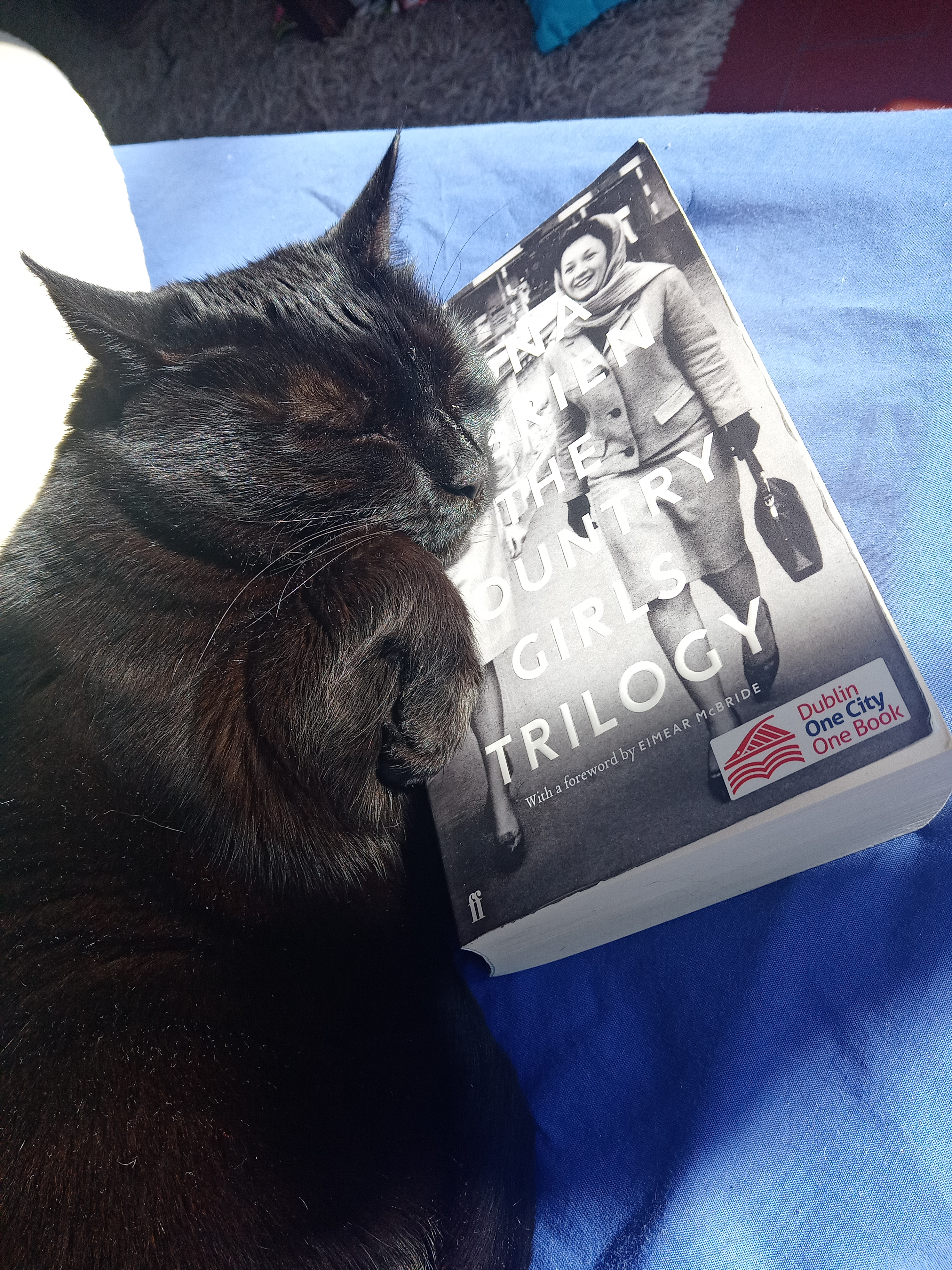
More than a Trilogy, A Pillow Book

The trilogy consists of three novels: The Country Girls (1960), The Lonely Girl (1962), and Girls in Their Married Bliss (1964). It was re-released in 1986 in a single volume including a revised ending to Girls in Their Married Bliss and the addition of an epilogue.

While it recounts the three phases in the girls’ lives, childhood, young adult and married women; it is also a commentary on how childhood pain and deprivation can arrest an individual’s development, turning life into a series of repetitive unresolved patterns that mimic the past, rather than providing opportunity for learning, improvement and positive change that new experiences can bring. All this within the context of moving from girl to womanhood in Ireland.

It takes the particular role and perspective of women, who dream of romance, independence and freedom, and then encounter selfish male desire, religious restriction and judgement and oppressive cultural conditioning that deepen the wounds and further diminish hope of rising above them. Through their marginalization, it explores themes of loss, identity and loneliness.

I have depicted women in lonely, desperate, and often humiliated situations, very often the butt of men and almost always searching for an emotional catharsis that does not come. This is my territory and one that I know from hard-earned experience. Edna O’Brien (Roth, 1984, p. 6)

A Transgression of Boundaries, Daring to Expose Home Truths

In the course of creating a frank narrative that mines the girls naivety, flaws and failed attempts to find love and happiness, O’Brien presents her characters openly and honestly, unveiling how situations occur and who is complicit, something the literary establishment and the state abhorred, for Ireland has a history of blaming and incarcerating girls and women for many of her evils. The book(s) risked undermining the nation’s ideal perception of innocent and pious Irish girlhood. They were punished.

book bans censorship

Photo by Lerone Pieters Pexels.com

The Country Girls was the first of six of O’Brien’s novels that the Irish Censorship Board would judge “indecent and obscene under section 7(a) of the Censorship of Publications Act, 1946.”  It would also be banned in Australia and New Zealand, but was nevertheless enthusiastically received elsewhere in the Anglophone world. The book has never been out of print.

The novellas are semi-autobiographical.  Edna O’Brien grew up on a farm in County Clare. Her alcoholic father drank away the farm and the family’s money.

Her ambition to write was scorned by her husband, Ernest Gebler, an older screenplay writer and documentary filmmaker. There have been comparisons made to the French author Colette, not least due to the similarity in spousal attitude – initially O’Brien’s husband believed he deserved credit for helping her become an accomplished writer, intensely jealous of her success, Gébler came to believe he was the author of O’Brien’s books.

While in no way salacious, the novels are unsparing in their depiction of cruelty, privation, filth, misery, exploitation, and violence, creating a tapestry of themes for future scholars to delve into, for book clubs and readers groups to discuss, in search of answers to questions of the Irish psyche, identity and inter-generational trauma.

Book #1 The Country Girls

Classic Irish Literature 1960Childhood in the west Irish countryside, early adulthood in a boarding house in Dublin, marriage in London; the three books follow the lives of two girls Caithleen (Kate) and Bridget (Baba), who were neighbours, school friends and boarding house room mates. Though they were not girls who had much in common personality wise, they had a shared history; without that connection, their lives might have been much worse.

She had been nice to me for several weeks since Mama died, but when there were other girls around she always made little of me.

Caitheen loses her mother early on, in a drowning accident and spends time at her friend Baba’s house, due to the drunken binges her father goes on, his erratic behaviour causing them to lose their home and their financial security.

I was never safe in my thoughts, because when I thought of things I was afraid. So I visited people every day, and not once did I go over the road to look at our own house.

A scholarship helps her to attain an education, but Baba’s idea to get them expelled so they can be free, cuts short any opportunity Cait may have had to rise above the shop girl she will become. Though she had the capacity for higher learning, no one encouraged it.

Baba’s home life had been more carefree, her father was the local vet, her mother laid back. She yearned not for much, was used to home comforts and getting her own way. She could be unkind and had little empathy for others, she happily insulted her friend, was shallow, manipulative, less intelligent and avoided trouble unless using it for a specific outcome. She wanted to have fun and be entertained, free of consequence. She was a brazen character that had no issue subverting protocol, religious values and hypocrisy. A ruthless entitled survivor.

Dublin initially provides the girls freedom and excitement, a neon fairyland, it promises much to look forward to.

Forever more I would be restless for crowds and lights and noise. I had gone from sad noises, the lonely rain pelting on the galvanized roof of the chicken house; the moans of a cow in the night, when her calf was being born under a tree.

The first book is their coming-of-age, into this atmosphere of loss arrives one overly friendly neighbour Mr Gentleman, a married man who inappropriately eyes up the vulnerable young Caithleen, offering her a ride into town, buying her lunch, indulging her with first time experiences that attempt to make up for the loss and lack of love she has felt, not realising she is prey, knowing only how the attention makes her feel. It is the beginning of a pattern of disappointments concerning men in her life.

The girls move to Dublin marks the beginning of their search for love, a husband; with little or no guidance or protection than each other, they venture forth like lambs to the patriarchal slaughter.

Book #2 The Lonely Girl

The Lonely Girl Edna OBrienCaithleen meets Eugene, something about him (half foreign, older man) reminds her of Mr Gentleman, whom she hasn’t seen for two years. The girls now live in Joanna and Gustav’s boarding house and become like family in this house, sometimes confiding in Joanna, who struggles to maintain rules and boundaries with the girls.

For once I was not lonely, because I was with someone I wanted to be with.

They have one rough friend Body, who is one of the few they can rely on to escort them to dances. Neither of them are in relationships, but Caithleen yearns for the enigmatic Eugene. News of this ‘dangerous man’ travels to her father in an anonymous letter.

One sadness recalls another: I stood there beside the new, crumpled coat and remembered the night my mother was drowned and how I clung to the foolish hope that it was all a mistake and that she would walk into the room, asking people why they mourned her. I prayed that he would not be married.

He brings her home and she is forced to have an audience with the bishop – to encounter a divorced man is the worst kind of  ‘fall’ from grace, thus all kinds of terrible things are going to befall her in the afterlife.

“Divorce is worse than murder,” my aunt had always said- I would never forget it; that and their staring disapproval.

Running towards Eugene brings out all her insecurities and yearnings, her lack of purpose. His age, his independence, career, worldliness, his friends – all are far from her reality. She finds some kind of comfort in his detached way of caring for her. In her immaturity, she desires to be pursued by him, as if to prove his love. It backfires, she will again feel the wound of abandonment, having acted out its consequence, the clingy holding on, the fear of disconnection and imagining potential threats to their relationship. In her pain and deepest wish, she leaves him – wishing to be pursued – only to re-experience rejection inherent in abandonment.

Baba tells Caithleen she is leaving for London, Baba has always been loved, but she does not use this strength to foster good in her relationships. She exhibits an emotional superiority that has inflated her self-esteem. Easily bored she entertains herself through extrovert behaviour and belittling others, she is decisive because she rarely compromises.

Book #3 Girls in Their Married Bliss

The Country Girls TrilogyAgain time passes, so that when we encounter the girls next, they are on the cusp of marriage. Caith (now Kate) will marry the one who abandoned her and Baba, a man who can provide for her in the manner she  craves. One desires love, the other security. Sadly, there’s not much in the way of bliss.

The third book has a different feel as it is the only one narrated by Baba, so there is more of distance from Kate, who we view in the third person.

She had plans for them both to leave their husbands one day when they’d accumulated furs and diamonds, just as once she had planned that they would meet and marry rich men and live in houses with bottle of grog opened, and unopened, on silver trays.

The girls drift away from each other and then come back as their lives hit various ups and downs. To some extent Kate is fulfilled by her son, but the disintegration of the relationship with her husband sets up more loss and abandonment in her life.

These are novels written in 1960’s that hold nothing back, they explore the psychological depths of these two young women who grew up in a conservative Ireland, with its social problems and moral expectations, which little equipped young women pushed from the nest into the world of destructive vice and little virtue, in their arrested development.

She said it was the emptiness that was the worst, the void.

I really enjoyed them all and find it astounding that they were banned, they provide such a rich foundation for discussion and understanding the very slowly evolving situation for young women growing up in Ireland.

Edna O’Brien, Author

Edna OBrien authorEdna O’Brien was born in December 1930 in Tuamgraney, County Clare. She has written over 20 works of fiction.

In addition to The Country Girls trilogy, her novels include A Pagan Place (1970), the story of a girl growing up in rural Ireland, winner of the Yorkshire Post Book of the Year Award; Zee & Co (1972); Johnny I Hardly Knew You (1977), a story of love, murder and revenge; Time and Tide (1992), winner of a Writers’ Guild Award, the story of a young wife who faces a crisis when she leaves her husband and is forced to fight for the custody of her sons.

She is the author of a trilogy of novels about modern Ireland: House of Splendid Isolation (1994), she writes about Irish nationalism and sectarian violence; Down by the River (1996), based on the true story of a young Irish rape victim forced to travel to England for a legal abortion; and Wild Decembers (1999), about a farmer, Joseph Brennan, and his sister, Breege, living in an isolated rural community. In the Forest (2002), is based on the true story of a disturbed, abused young man who murdered a young mother, her infant son and a Catholic priest in the west of Ireland in the early 1990s. The Light of Evening (2006) and Byron in Love (2009), Haunted (2010), The Little Red Chairs (2016), Girl (2020), Joyce’s Women (2022).

She wrote Mother Ireland (1976), a travelogue with photographs by Fergus Bourke, and a biography of James Joyce, published in 1999. She is the author of several plays. In 2021 she was awarded the French Ordre des Arts et Des Lettres. She has lived in London for many years.

“I wanted to write from as far back as I can recall. Words seemed and still seem an alchemy, and story the true conductor of life, of lives.”

Factory Girls by Michelle Gallen

It’s the first day of March and the beginning of Reading Ireland Month 2023, which I am kicking off with a review of a work of comedy by Michelle Gallen originally published in 2022.

Women Writing Comedy

I was completely charmed by Big Girl, Small Town with its comic Northern Irish vernacular, so I was looking forward to this next novel which I picked up on seeing that she has again been shortlisted for the Comedy Women in Print Prize UK/Ireland.

She is a writer that makes me laugh out loud while reading, a rare quality indeed.

A Summer Job, Awaiting Results

Irish Literature Comedy Women in PrintFactory Girls is a story that takes place over the summer of 1994, while three friends, living in an unnamed northern Irish town, await their exam results and confirmed university placements, and therefore the trajectory of their future lives.

They have taken a job in a shirt factory, and two of the girls Maeve and Caroline have rented a small two bedroom apartment opposite. Maeve, who is the main protagonist of the novel, aspires to study journalism in London, Aoife has her sights on Cambridge and Caroline, Magee.

Maeve has studied hard to ensure she attains the results that will enable her to escape her suffocating home life, the empty bed and stifling sadness surrounding her sister’s premature death and the continued menace of simmering violence that pervades the divided community they live in.

Family Dynamics and Social Standing

Though they attended the same school, they each come from different family dynamics and these differences over the course of the summer begin to play into how they perceive and respond to the various situations that will arise.

They receive a different kind of education over the next two months as they enter a rare ‘mixed’ workplace, where Catholics and Protestants work side by side, despite the overhanging external threat of sectarian violence. The girls learn how to navigate an adult work environment, discover what they miss when living independently and witness how life plans can change drastically overnight.

“Maeve hated how women’s clothes came in extra small, small, medium and large

while men’s shirts came in medium, large and extra-large

– like there was no such thing as a small man.”

All three of the girls will be confronted with the need to adapt their expectations, in this humorous yet serious and insightful look at Northern Irish society on the cusp of peacetime.

Perpetuating the Divide

It is an interesting work that reads simply on the surface, but exposes various minute behaviours that contribute to creating a sense of the divide and how it is perpetuated by members of the community. For all that Maeve wishes to escape it, she views the ‘Prods‘ with suspicion, uncertainty and denial of her feelings. It makes for strange reading, as the separation between the groups feels illogical to a reader from outside. To her credit, Maeve has learned that the two sides do have a couple of things in common – they both got excited about payday and liked talking about the weather.

It reminded me of an episode in series 2 of Derry Girls – The Difference Between Protestants and Catholics when a group of Catholic school girls go on a supervised weekend retreat with a group of Protestant school boys and they were asked to brainstorm things the two groups had in common. All anyone could suggest were differences. At the end of the exercise one side of the blackboard was empty and the other full.

Literally, I was so intrigued, I rewound and put the screen on pause, so I could learn how they perceived themselves to be so different – because it is such a mystery to the outside world. The blackboard scene is already considered a television classic and the recreated blackboard went on display in the Ulster museum in Belfast. It also gave rise to the soundbite of the season, according to The Irish Times: ‘Protestants keep toasters in cupboards’.

The Difference Between Protestants and Catholics

In Factory Girls, there is language they use to describe each other, like ‘Prods‘ and ‘Taigs‘ and referring to the Republic of Ireland as the ‘Free State‘; there is Maeve’s suppression of the sexual chemistry between her and the English boss Andy, relationships let alone attraction to the other side is forbidden; the subtle labeling of venues, which are deemed okay for one side or the other, making it difficult when the boss wants to treat his employees to celebratory drinks after work – it seems there is no place where all can be comfortable.

Overall, an entertaining read that somehow manages to bring humour to a not very comical situation, something that the Irish excel at and Michelle Gallen most definitely. I can well imagine both her novels on the small screen and they both lend themselves to potential sequels!

Michelle Gallen, Author

Michelle Gallen Big Girl Small Town Irish Fiction

Photo: Brideen Baxter & Deci Gallen/Simpletapestry.com

Michelle Gallen was born in County Tyrone in the mid 70’s and grew up during the Troubles a few miles from the border between the ‘Free State’ and the ‘United Kingdom’.

“The border between these territories dominated all our lives. In the late 1960s, 19 roads criss-crossed Donegal and Tyrone in our local area. By the 1970s, just one ‘official’ road was left usable after the British Army blew up and barricaded the ‘unapproved’ roads and bridges. This campaign dramatically impacted communities on both sides of the border throughout my childhood and teens.”

Her debut, Big Girl Small Town was shortlisted for the Costa First Novel Award, the Comedy Women In Print award, an Irish Book Award and the Kate O’Brien Award. Factory Girls has been shortlisted for the Comedy Women In Print award, the winner will be announced on 17 April 2023. She currently lives in Dublin with her husband and children.

You can discover her favourite books and reading influences here.

Irish Literature Classic Contemporary Nonfiction

Reading Ireland Month 2023, A Wish List

Looking ahead, March is Reading Ireland month over at Cathy746Books, so I’m putting together what is currently on my shelf and what is lurking in the depths of my kindle, which I seem to have been more reluctant to read from lately, so a month of focusing on Irish literature should help.

Irish Literature Classic Contemporary Nonfiction
Cathy has set out a program below for the five weeks that focuses on classics, contemporary works (where most of my titles sit), short stories and non fiction.

Eager Anticipation

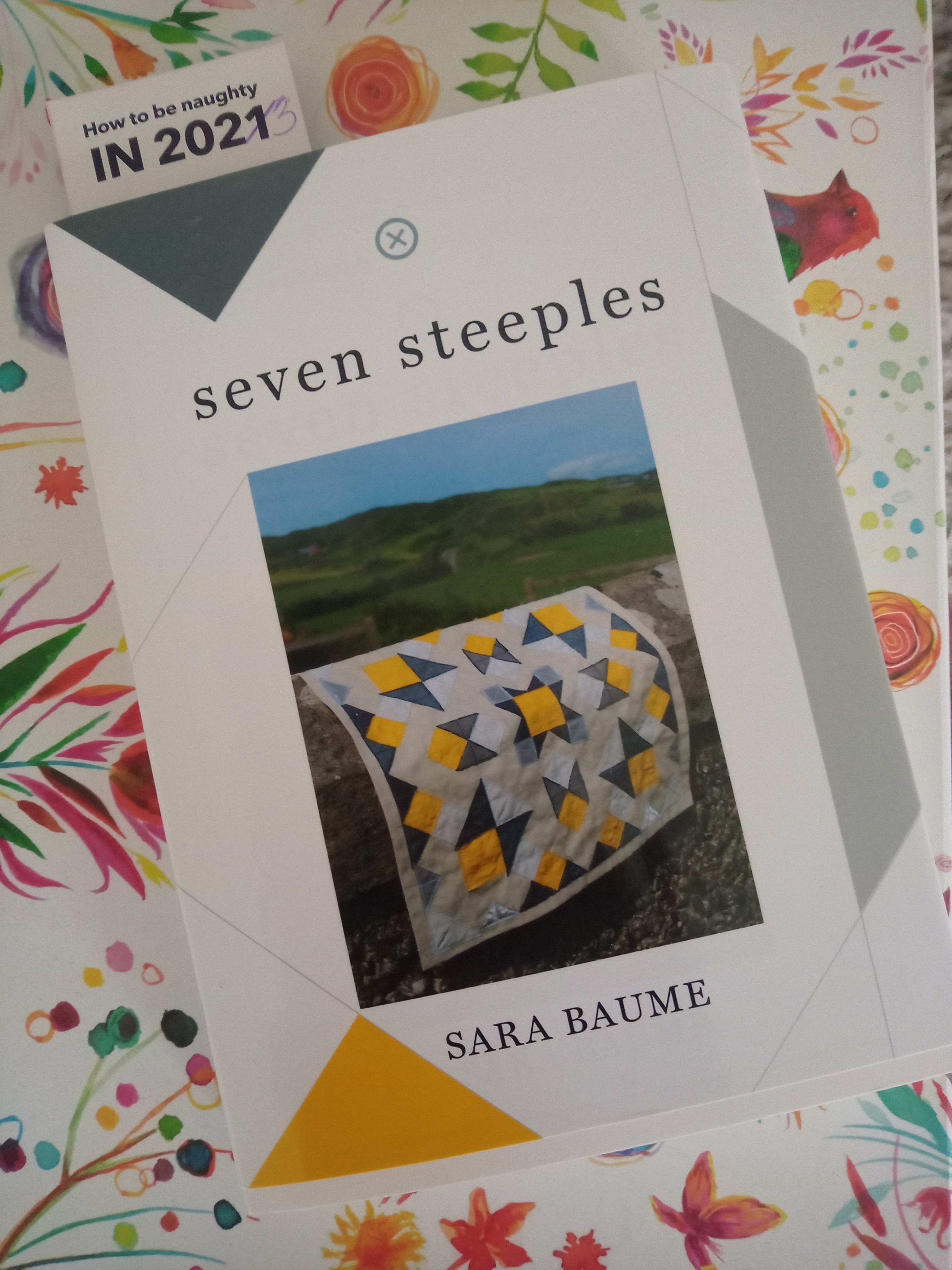
I had been looking forward to reading Sara Baume’s Seven Steeples, having read her excellent nonfiction title Handiwork, and two other novels, Spill Simmer Falter Wither and A Line Made by Walking – however I couldn’t wait and read it earlier this month. Highly recommended literary fiction, with a strong tendency toward poetic prose.

Intro Week:    1 – 5 March

I’m going to try and read the Edna O’Brien trilogy The Country Girls in the first week, which I have in one volume, but I will post as the three separate books. Originally published in 1960, 1962 and 1964, they are a portrait of youth, marriage, friendship, love and loss and I’m very excited to read this author for the first time and to begin here. She is hailed as one of the great chroniclers of the female experience in the twentieth century.

I managed to acquire a hardback of her 1994 novel, House of Splendid Isolation, which would be great to read if time allows.

Irish Classics Week: 6 -12 March

I have the novella A World of Love (1954) by Elisabeth Bowen, which should be possible to read in week 2.

I’m putting Brian Moore into this category, I have 3 of his novels on my shelf, a continuation, having read five of his novels for the 100th centenary in 2021.  A previously neglected Irish author, he lived most of his adult life in Canada and the U.S., thus his literary output was created from the perspective of an outsider, looking back at his own culture, and occasionally at other cultures where he spent time, such as The Statement (1995), a political thriller set in France and The Magician’s Wife (1997), historical fiction set in France and Algeria, both of which take an aspect of French history that he found fascinating, turning them into compelling stories.

I have The Temptation of Eileen Hughes (1981), a Belfast love triangle, Black Robe (1985), a Jesuit missionary in North America in the 17th century, and The Mangan Inheritance (1979), a recently widowed man in Canada journeys to track down an Irish ancestor.

Contemporary Irish Week: 13 – 19 March

In this 3rd week, I shall attempt one or two of these novels from the kindle.

Trespasses by Louise Kennedy – this novel has garnered much praise since publication, set in Northern Ireland during the Troubles, a shattering novel about a young woman caught between allegiance to community and a dangerous passion.

Factory Girls by Michelle Gallen – I loved her novel Big Girl, Small Town and this latest has just been shortlisted for the Comedy Women in Print Award 2022/23 UK/Ireland. This is a definite, she makes me laugh out loud!

The Quiet Whispers Never Stop Olivia Fitzsimons – a dual narrative set in 1982 & 1994 Ireland, exploring the mother-daughter relationship; described as “A story of love, obsession and escape, an uncompromising, lyrical tour-de-force that marks the arrival of an extraordinary new voice in Irish fiction”.

Listening Still Anne Griffin – her debut When All is Said was a runaway international success, a book I enjoyed about a man who toasts 5 friends of importance to him. Her second book is about a young woman who can hear the last words of the dead, though it hasn’t made the same impact on readers; she has a new book due out on 27 Apr 2023 The Island of Longing about the disappearance of a daughter and a mother’s difficulty in accepting her loss, not knowing whether she is alive or dead. This latest is getting many 5 star reviews (from those reading an advance copy), one to watch.

A Traveller at the Gates of Wisdom John Boyne – an unknown man leads the reader through 2000 years of human and family history, slipping through time and space with slightly different identities, continuing on the same path, from Palestine in AD 1 to the year 2080 in a space colony. An ambitious and epic concept, a story that has had mixed reviews.

#ReadingIreland2023

Short Story Week: 20 – 26 March

I have this one collection that I shall try to get to read:

Dance Move by Wendy Erskine – stories set in Northern Ireland, where we meet characters looking to wrest control of their lives, only to find themselves defined by a moment in their past that marked them. In these stories – as in real life – the funny, the tender and the devastating go hand in hand. Full of warmth, the familiar and the strange, they are about what it means to live in the world, how far you can end up from where you came from, and what it means to look back.

Non- Fiction Week: 27 – 31 March

Cacophony of Bone Kerri ni dochartaighI don’t have any Irish nonfiction left unread on my shelf, but I have noted that creative nonfiction author Kerri ní Dochartaigh, whose debut Thin Places I read in 2021 and enjoyed immensely, has a follow up book due out in April 2023, Cacophony of Bones.

It maps the circle of a year – a journey from one place to another, field notes of a life – from one winter, to the next. It is a telling of a changed life, in a changed world – and it is about all that does not change, that which simply keeps on – living and breathing, nesting and dying – in spite of it all.

I would also recommend in this category, the excellent collection of essays The Passenger Ireland – one of my Top Reads in 2022

Literary Inspiration

Dublin One City One Read Irish LiteratureIf you are looking for inspiration, check out Cathy’s blog, where she shares a list of 100 Irish Novels from Gulliver’s Travels by Jonathan Swift (1726) to Here Are The Young Men by Rob Doyle (2014) and 100 Novels by Irish Women Writers from the Memoirs of Miss Sidney Bidulph by Frances Sheridan (1761) to Conversations with Friends by Sally Rooney (2017).
You can check out the One Dublin, One Book challenge – each year an invitation to read an Irish book in April. Last year, I joined in and read the excellent Nora, A Love Story of Nora and James Joyce by Nuala O’Connor.

In April 2023, they will be reading The Coroner’s Daughter by Andrew Hughes.

Alternatively, check out my posts:

My Year of Irish Literature – 2021 Highlights

My Top 5 Irish Fiction & Nonfiction Books

Have you read and enjoyed any of the titles here? Are you planning on reading any Irish literature in March? If so, what are you looking forward to reading? Do you have a favourite Irish author or book? Let me know in the comments below.

Happy Reading Ireland if you join in!

Seven Steeples by Sara Baume

Call It Baumish Prose

There’s a kind of magic in the poetic prose of Irish author Sara Baume, something uniquely identifiable, that you know you are in the presence of within a few pages.

Irish literary fiction poetic proseMy first encounter was her nonfiction title Handiwork, one I highly recommend as a starting place to her work and style. This title is like a spring board into her fiction, an introduction to the visual artist, the poet, the keen observer and storyteller.
Seven Steeples feels like a levelling up in confidence, it casts aside the idea that a novel requires a plot; if there is one, it might be the ever present question, addressed in the first sentence of each chapter, of another passing year, will the mountain be climbed?

The Irony – A Misanthropic Romantic Encounter

Bell and Sigh meet at an outing with mutual friends and fall into step together. Soon they are moving out of their respective lodgings to a house in the country, in the south-west of Ireland; flanked by a mountain, near the sea, opposite a field where bullocks roam, neighbours to a dairy farmer and his black and white cows. They have a dog each, Voss and Pip. There is a van. A tree in the backyard.

They say there is a wild goat who lives up there, the landlord said, the last surviving member of an indigenous flock.
They say that from the top, the landlord said,
you can see
seven standing stones, seven schools,
and seven steeples.

Bell and Sigh avoid humankind as much as possible, letting go of social and family ties, of obligations, of convention. They are creatures of routine, as are their animals.

It Was Windy

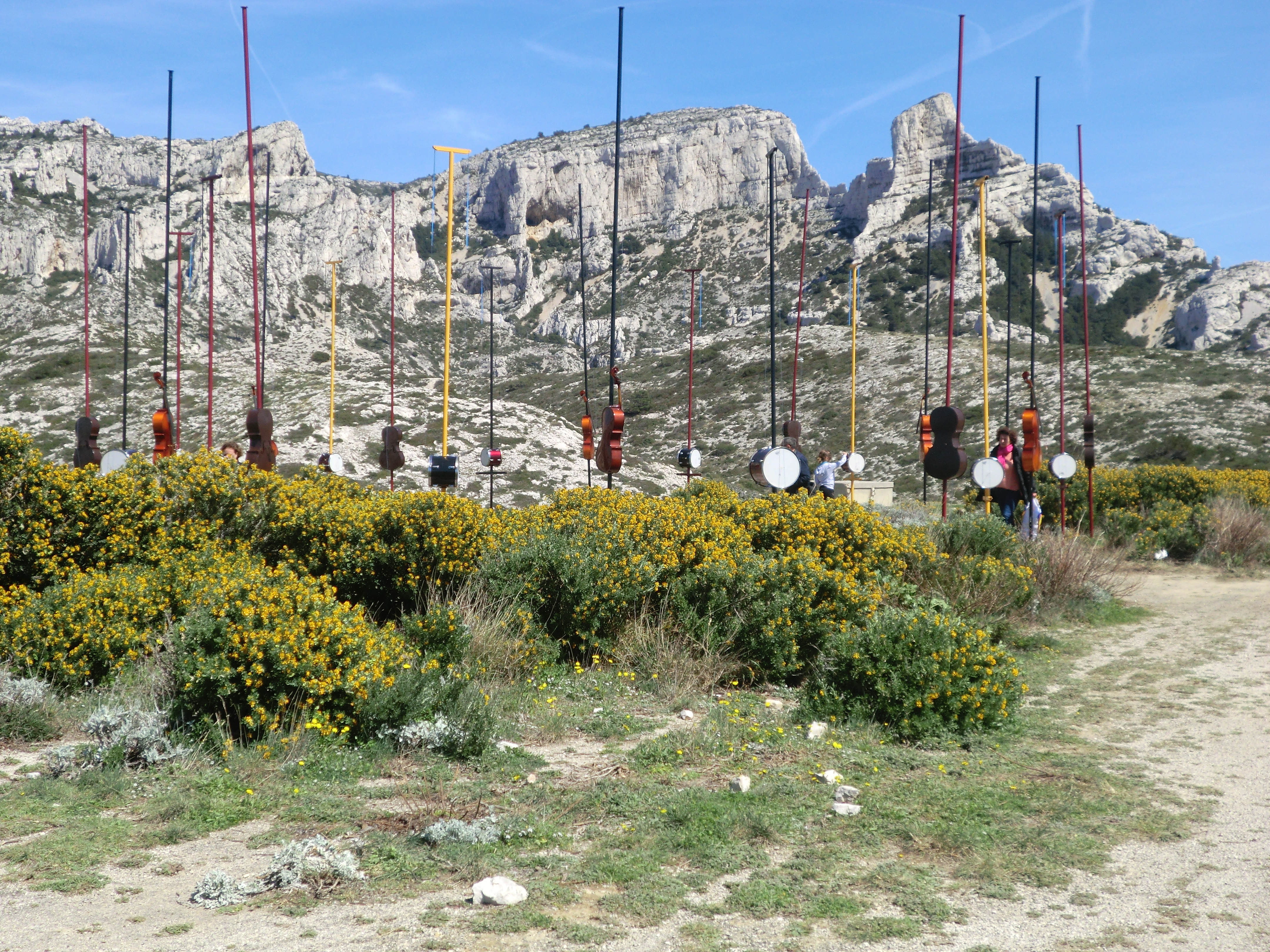
wind instrument music nature champ harmoniqueBaume describes everything about them, about the house, its character, its creaks and groans, its smallest inhabitants, the habits of all those who dwell within its walls, inside its walls, outside its walls in her multiple adjective, poetic prose, that skips across the page to a rhythmic beat.
Discovering a blue rope clothes line in the overgrown grass, they string it up between the tree and the house.

Without knowing it, they had fashioned  a wind instrument. There was the flapping of wet fabric, the dull jangle of the wooden pegs, the ping of weathered springs as they came apart, the thud of timber pincers against sod.

The tree was an instrument too. The tips of its branches rapped the plaster skin of the house like drumsticks.

The house was an orchestra – of pipes and whistles, of cymbals and chimes,  of missing keys and broken reeds. All January the elements played its planes  and lax panes, its slates and flutes.  Sometimes its music was a kind of keening , other times, a spontaneous round of applause.

I had the feeling I was reading a prose poem, one that celebrated and played with words, that painted a picture of two people who’d stepped outside of the ordinary life that had become too onerous and sought another kind of ordinary; a slower, quieter more insular version, that fostered simplicity and ignored conformity, that sacrificed the greater community for being at one with the immediate surrounds.

The Hybrid Poet & Spiders

Sara Baume is hands down one of my favourite authors; I love it when a poet rises above that conventional form to create something more akin to storytelling, without losing their adeptness at poetic flow. She is the hybrid poet, one who can take a skill in one area and apply it to another and create something unique, a singular recognisable, assured voice.

In this text she surpasses what was one of my favourite ever literary descriptions of a spider, until now that prize belonged to Martin Booth in his stunning novel The Industry of Souls, for years my favorite novel.

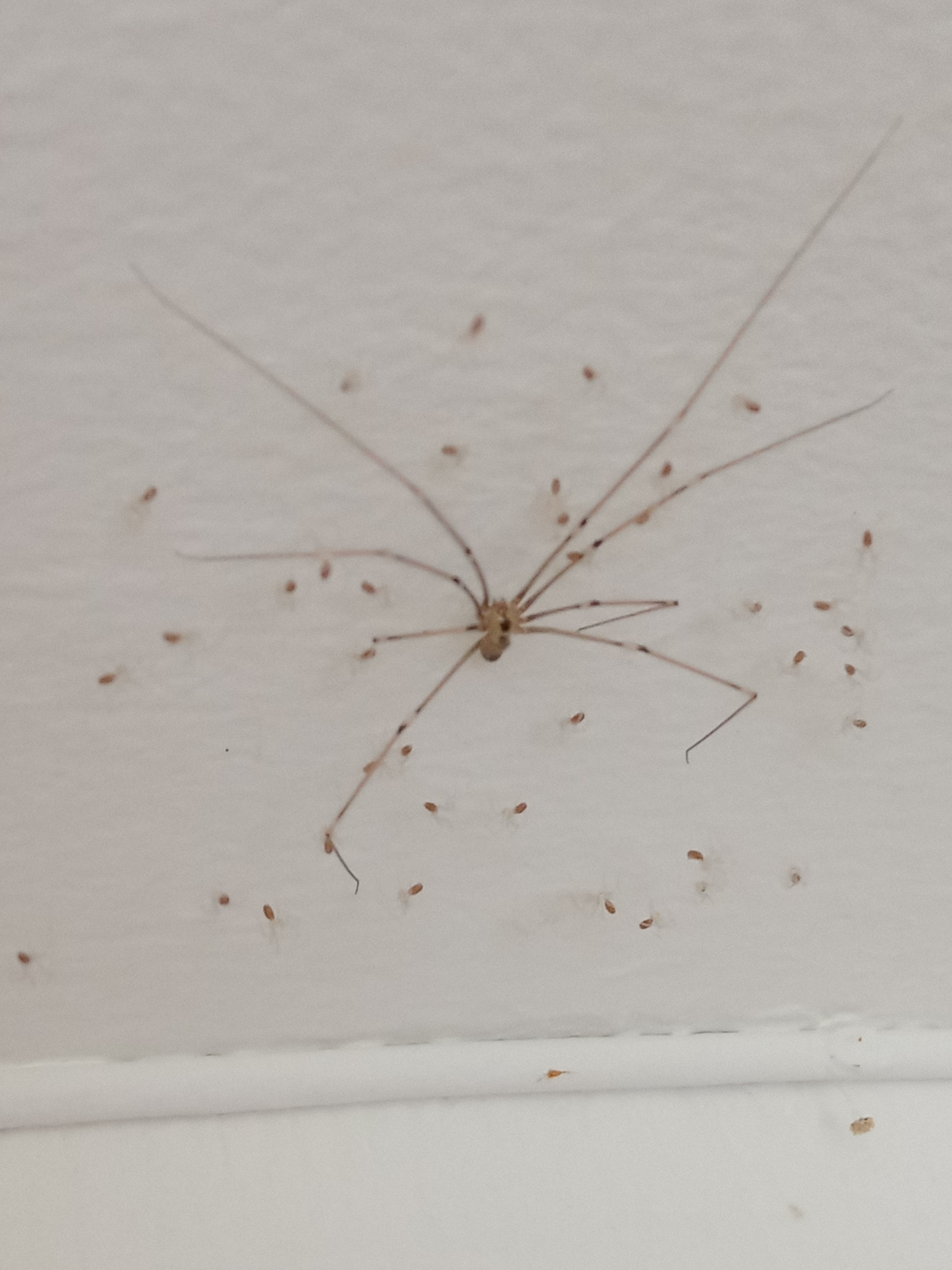
Here is a glimpse at what Sara Baume can do with the common household spider, while subtly acknowledging their insistence in inhabiting various places, in this unconventional life:

wp-1675248154796First we meet the spider that lives behind the wing mirror of their van, who takes refuge behind the glass.
After every journey, it mended the damage done to its tenuous web by the forcing of rushing air and whipping briars.

And then we meet more, these passages delighted me not just for their linguistic beauty, but due to the familiar feeling of having observed and got to know the habits of certain household spiders, to the point of almost thinking of them as free-ranging pets. When they become something your son wants to show people who visit, who begins to trap insects himself to feed the arachnid.

A different, less industrious spider took up residence in the hollow bars of the steel gate. Another lived in the rubber hollows of the welcome mat. And there were dozens distributed throughout the house –
in alcoves, cupboards, inglenooks,
in open spaces and plain sight.

The largest house spider kept to a cranny beneath the bathroom radiator by day. By night it crawled into the folds of the towels or slid down the gently-slanting sides of the bathtub. In the morning, Bell or Sigh – whoever happened to discover it first – had to dangle a corner of the bathmat down like a rope ladder;
like a lifebuoy.

To the spider, the tub was a snowy fjord, a glacial valley – vast, unmarred, arresting. It knew this was an unsafe place. Still it could not quell a desire to summit the tub’s outer edge. Each time it was blinded by a white glare,
and lost its footing, all eight of its footings,
and skied.

Language skips, pauses, ponders, leaves gaps, creates shapes on the page, carries the reader along on a repetitive yet spellbinding journey that never moves outside a 20 mile radius of their humble abode.

The narrative passes through the months, the seasons, and seven years as they learn about the patterns of their environment and each other, about how to live in harmony with their surroundings, until these humans and their dogs are no longer separate entities, they are as if one.

Highly Recommended.

Sara Baume, Author

Irish literature Poetry Visual artistSara Baume’s debut novel, Spill Simmer Falter Wither won the Geoffrey Faber Memorial Prize and has been widely translated. Her second novel, A Line Made by Walking, was shortlisted for the Goldsmiths Prize and her 2020 bestselling non-fiction book, handiwork, was shortlisted for the Rathbones Folio Prize. Seven Steeples, was shortlisted for the Goldsmiths Prize and has just been longlisted for the Dylan Thomas Prize 2023.

Her writing has won the Davy Byrnes Short Story Award, the Hennessy New Irish Writing Award, the Rooney Prize, an Irish Book Award, as well as being nominated for countless others including the Costa and the Dublin Literary Award. She is the recipient of a Lannan Literary Fellowship and lives in West Cork where she works as a visual artist as well as a writer.

Further Reading

My review of Handiwork (Creative Nonfiction)

My review of Spill Simmer Falter Wither

My review of A Line Made By Walking

The Passenger Ireland – including an essay by Sara Baume – Talismans

Interview, Public Libraries Online: “I’m Always Writing in Extremity of My Life” — Sara Baume on Her Gorgeous and Poetic New Novel by Brendan Dowling