Raising Hare by Chloe Dalton

There is nothing quite like a thoughtful work of nature writing to end the year with, as we move from autumn into winter hibernation. I missed out on the Nonfiction November themed reads that many other bloggers participate in, however I seem to have been attracted to reading nonfiction in December.

Best Nature Writing of 2025
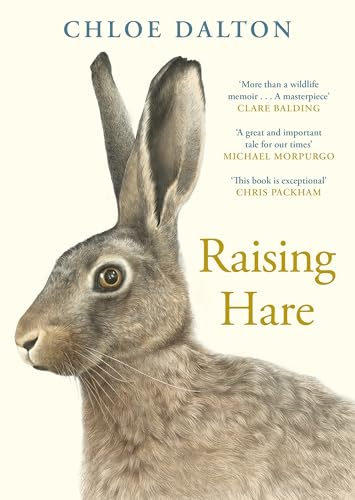
Raising Hare by Chloe Dalton shortlisted womens prize nonfiction winner Wainwright Prize 2025

I liked the sound of Raising Hare from the moment I heard of it, when it was longlisted and then shortlisted for the women’s prize for non-fiction. And in these last weeks of the year, it seems to be sustaining interest by readers, having won the Wainwright Prize for Nature Writing and Overall Book of the Year. The chair of judges, referring to it as a ‘soulful debut’ said,

“A whole new audience will be inspired by the intimate storytelling of Chloe Dalton. Raising Hare is a warm and welcoming book that invites readers to discover the joy and magic of the natural world. As gripping and poignant as a classic novel, there is little doubt this will be read for years and decades to come.”

Not a Typical Animal Rescuer

The author Chloe Dalton as we read in her short bio, does not have the typical profile of someone who might rescue an animal. She lived and worked in London as a political adviser and foreign policy specialist, something of a workaholic who travelled a lot and was always on hand when needed. So this story and transformation likely would not have happened, had there not been a lock down that sent her to her home in the English countryside and changed the way she lived and worked.

If I had an addiction, it was to the adrenaline rush of responding to events and crises, and to travel, which I often had to do, at a few hours notice.

It makes me wonder how many other unique experiences with nature and wildlife occurred during this time, when the world slowed down and people started noticing how we live and the detrimental impact we are having, even in a small acreage like this.

Born in a Pandemic
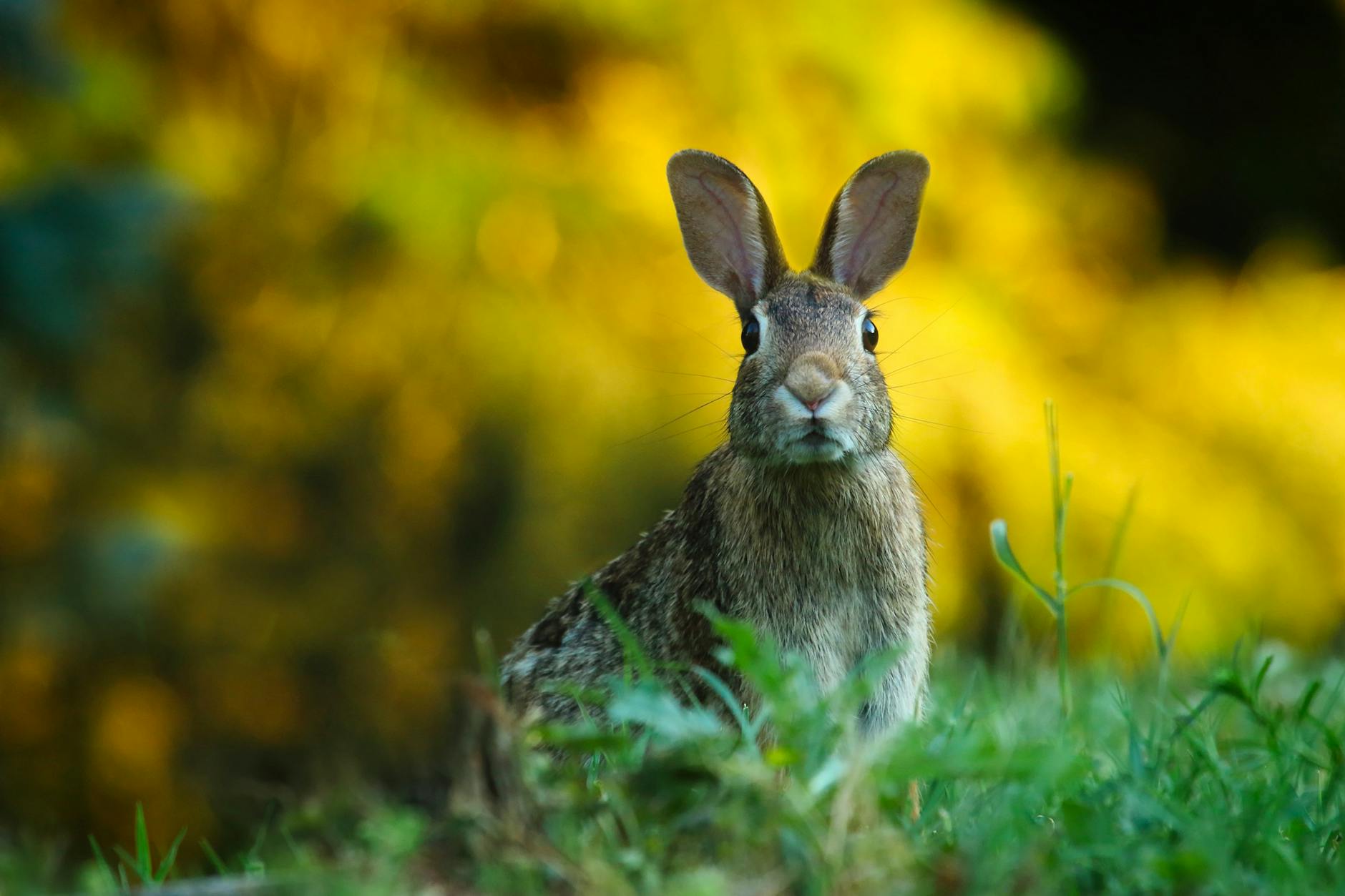
Photo by Pixabay on Pexels.com

It’s the story of how a woman, living alone in the English countryside encounters a leveret after hearing a dog barking, clearly disturbing the nest. Initially ignoring it, then four hours later when it had not moved, she could not – the poor thing as small as the palm of her hand, frozen in the middle of a track leading directly to her house.

A call to a local conservationist dispelled any notion she had that she could return it to the field later, and further telling her hares could not be domesticated.

I felt embarrassed and worried. I had no intention of taming the hare, only of sheltering it, but it seemed that I had committed a bad error of judgement. I had taken a young animal from the wild – perhaps unnecessarily – without considering if and how I could care for it, and it would probably die as a result. My heart sank.

Overwhelmed and terrified she’d kill it by accident, she begged her sister, who lived with a menagerie of animals to take the leveret. After explaining how unsuitable that cacophonous environment would be for a baby hare, her sister told her ‘You’ll do fine’ and hung up.

Providing Care and Gaining an Education
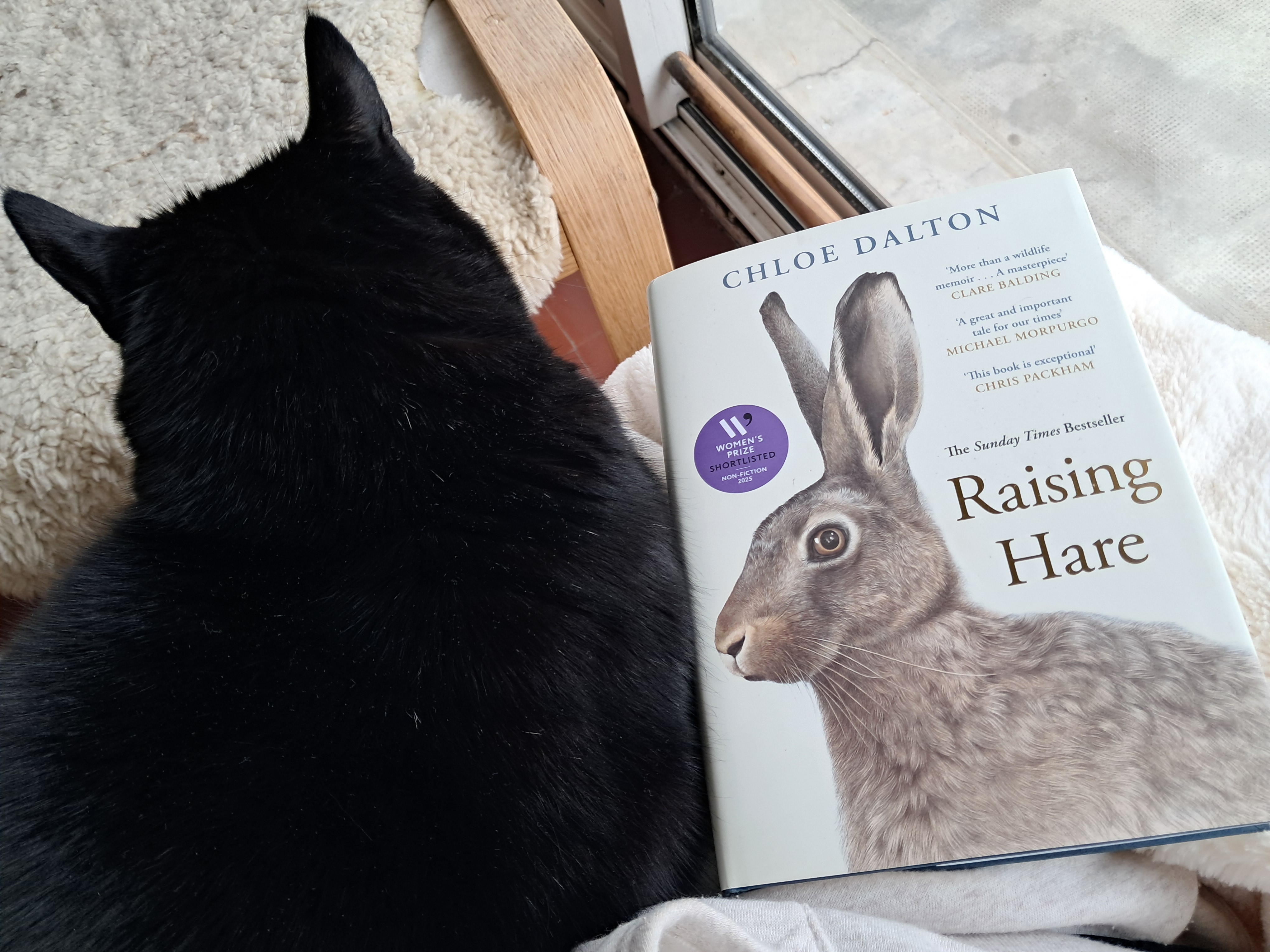
Book cover Raising Hare by Chloe Dalton

We then observe where all that leads, not just into the care of a vulnerable animal, but how she educates herself all about leverets and hares, all the while focused on observing its every movement and behaviour, as they live alongside one another throughout the pandemic period and beyond.

I found it highly educational and loved the subtle transformation the author undergoes, as she learns to see her own environment through the purview of local wildlife and in effect provides an update to much existing research and knowledge about this breed, due to the unique opportunity of getting so close to living in proximity to a hare and her protege, while allowing it to stay wild so that it could continue to breed in the wild.

It is a gentle, enquiring, observational work of nature writing and a tender transformation of one human in her own ways, through the observation of the little known leveret, its home environment and habits. It is almost impossible not to be moved by the young hare, coming to know how sensitive the species is, and how it navigates this unorthodox contact with a female human.

I pondered the concept of ‘owning’ a living creature in any context. Interaction with animals nurtures the loving, empathetic, compassionate aspects of human nature. It taps into a primordial reverence towards the living world and a sense of the commonality and connectedness across species. It is a gateway, as I was discovering, into a state of greater respect for nature and the environment as a whole. We all too easily subordinate animals to our will, constraining or confining them to suit our purposes, needs and lifestyles.

Consciousness Raising Around Wildlife
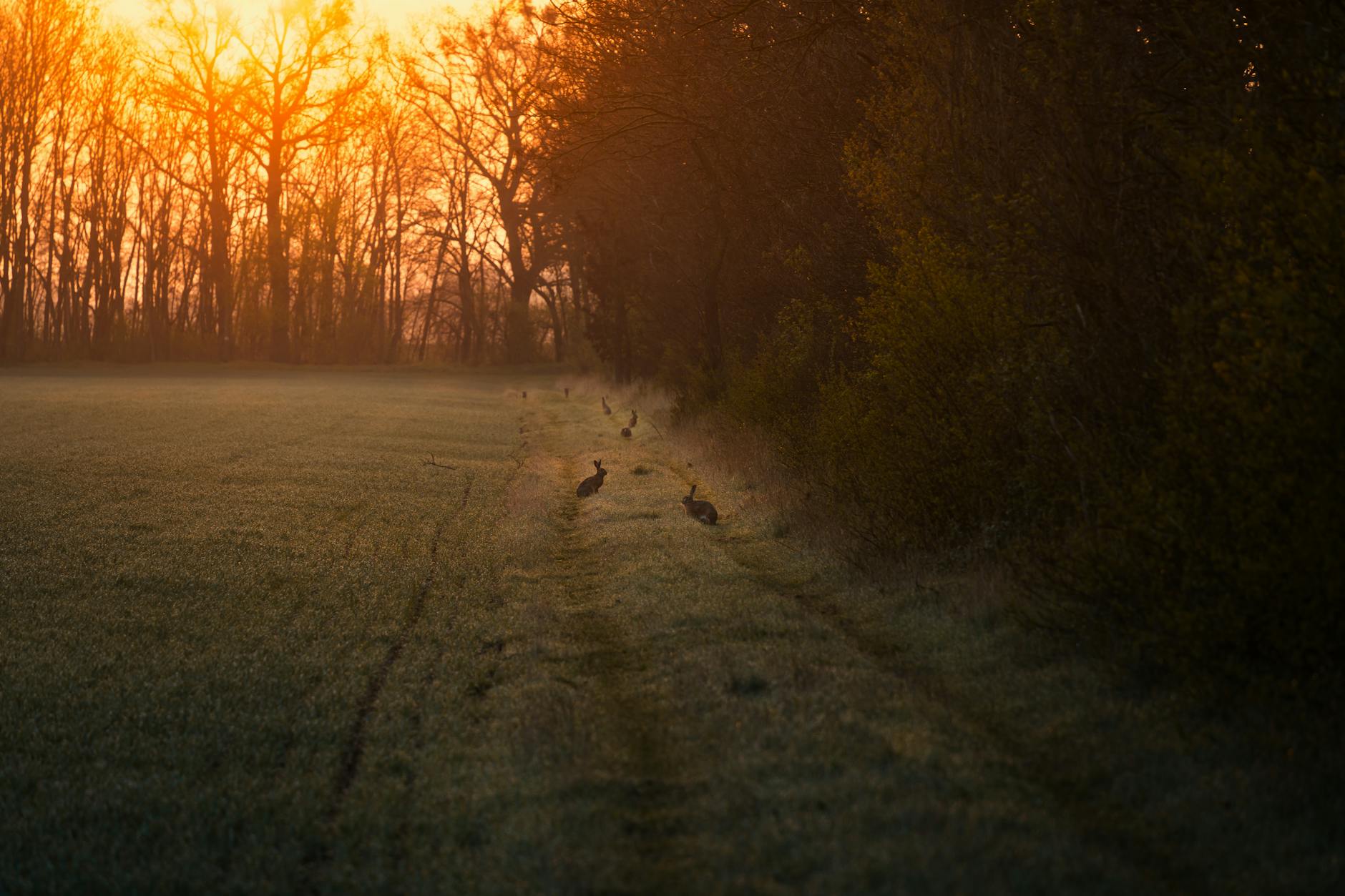
Photo by Michael Pointner on Pexels.com

What a chance to have occurred, for someone interested in policy, to take an interest in a more local and domestic situation, pouring herself into the research, taking care of a vulnerable sentient being and starting to consider the changes that can be made, to enable all species, including human to coexist in a less destructive manner.

Hares are the only game species which are not protected by a ‘close season’ in England and Wales: a period of the year during which they cannot be shot and killed. Other ‘game’ species – such as deer, pheasants and partridges, to name a few – are all protected by a close season. Hares by contrast can be shot at any time of year, including during the crucial months of February to September, when they typically raise their young.

Scotland and the rest of Europe already protect hares in this way. Only in England and Wales does this anomaly persist.

Highly Recommended.

Further Reading

Women’s Prize Interview: In conversation with Chloe Dalton

Read a Sample – the opening pages of Raising Hare by Chloe Dalton

Author, Chloe Dalton
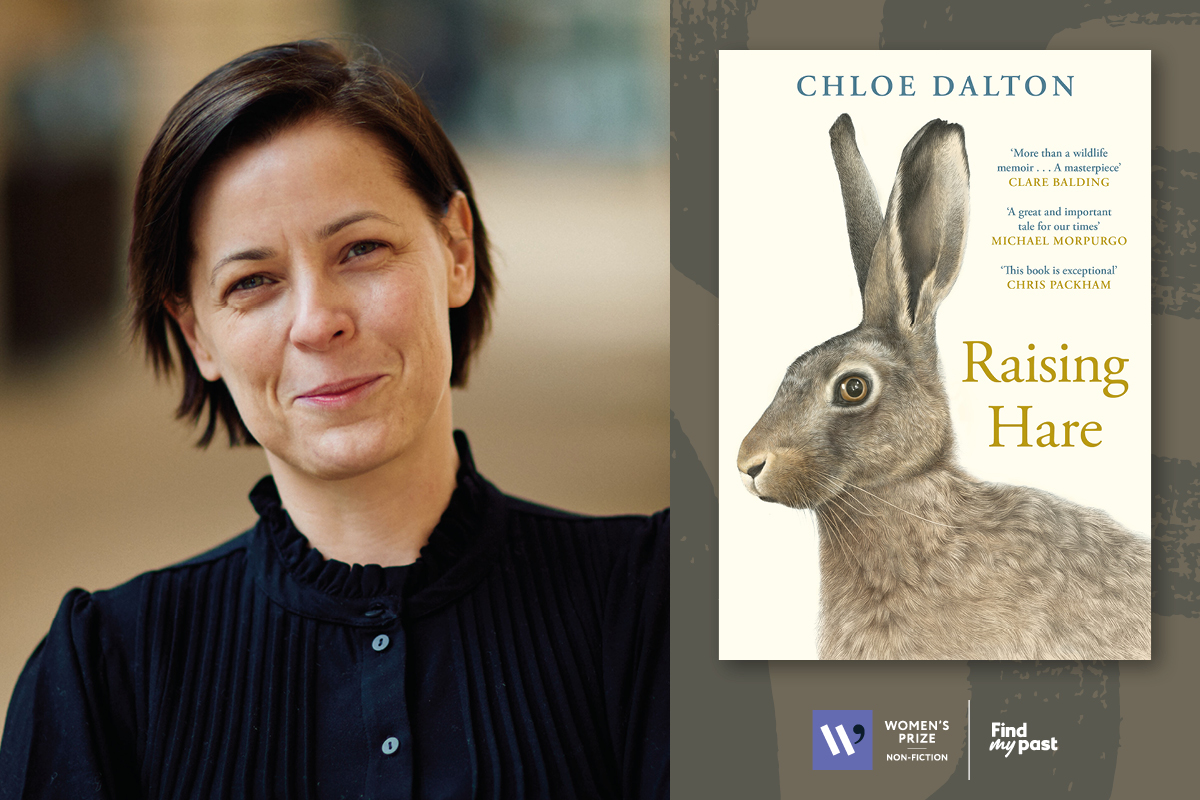
Chloe Dalton is a writer, political adviser and foreign policy specialist. She spent over a decade working in the UK Parliament and the Foreign and Commonwealth Office and has advised, and written for and with, numerous prominent figures. She divides her time between London and her home in the English countryside.

Her debut book, Raising Hare, was an instant Sunday Times and New York Times bestseller. It won the Wainwright Prize for Nature Writing and was shortlisted for the Women’s Prize for Non-Fiction, and was selected as a Waterstones Book of the Year and as the Hay Festival Book of the Year. It was a Critics Best Books pick for The Times, Financial Times, Guardian, Spectator and iNews and was a Waterstones Non-Fiction Book of the Month.

‘Imagine holding a baby hare and bottle feeding it. Imagine it living under your roof, drumming on your duvet to attract your attention. Imagine the adult hare, over two years later, sleeping in the house by day, running freely in the fields by night and raising leverets of its own in your garden. This happened to me.’  
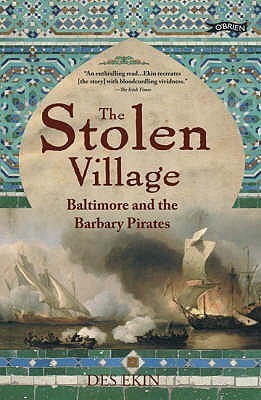
The Stolen Village by Des Ekin (2006)

Baltimore and the Barbary Pirates

After Mary Read’s pirate adventures in Saltblood by Francesca de Tores, I turned to a book of history, The Stolen Village that tells of a pirate raid on the West Irish village of Baltimore. I must have picked this up at a sale, because it’s not a book that I recall looking for, but it fits perfectly with the pirate theme, and I was curious to know more since like many readers, I had never heard of an Irish village being pillaged to traffic humans.

Conspiracy, Corruption and Ethnic Cleansing

The story of the raid on Baltimore is a tale of plotting and intrigue, of conspiracy and betrayal, and it involves corruption in the highest ranks of of the King’s Navy.

And perhaps most fascinating of all is the theory that the raid may have not been a chance event, but a mission of revenge: a pre-planned act of ethnic cleansing aimed at removing the English newcomers and restoring the village to its original Irish owners.

From Dutch Privateer to Barbary Pirate, A Name Change

The Stolen Village by Des Akin The Irish village of Baltimore raided by Barbary Pirates and taken to Algiers sold into slavery

Captain Morat Rais and his crew of Barbary Pirates aided by 200 troops of the Ottoman Empire enter Baltimore in June 1631, where they succeed in capturing 109 villagers, abandoning 2 elders, taking the rest to Algiers to be traded as slaves, once the Pacha had taken his pick.

We learn this captain was born in Dutch Haarlem around 1570, his real name Jan Jansen. A man who began his career as a privateer in the Dutch War of Liberation. He sought opportunities on the Barbary coast, in the 3 states of Tunis, Tripoli & Algiers, after being captured himself, choosing to reinvent himself and swap allegiances.

In an era when it was commonplace for white traders from England to land on the African coast and to seize black people as slaves, this was one of the comparatively rare occasions when the boot was on the other foot: a slaving mission from Africa landing on English-held territory and seizing white slaves.

More Villagers Taken From Iceland

Four years before the Irish raid, the same captain, in 1627 led 5 ships to Iceland, showing no mercy, assaulting multiple villages and returning to Algiers with over 400 captives, including 240 from the volcanic island Heimaey.

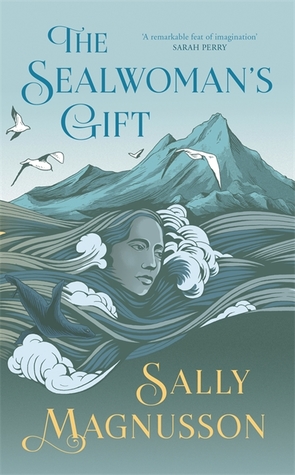
The Sealwoman's Gift by Sally Magnusson The capture of 400 villagers from Iceland sold into slavery in Algiers Morat Rias

When I encountered his name, I knew I’d come across Morat Rais before. In Sally Magnusson’s excellent work of historical fiction, The Sealwoman’s Gift. Much of that story is known from the journals Reverend Ólafur Egillson kept, depicting the terror of the invasion, the sea journey, slave markets and the fates of the survivors.

Of the Irish villagers no written account by a person survived so Ekin uses other sources that inform us what their likely fate would have been, which can make the text feel a little disjointed, without the fluidity of a fictional story, sticking to facts and documented accounts requires the reader to imagine.

Some readers have criticised the book for this, but I read it already knowing this and didn’t mind that it sticks to the facts and therefore lets you know when he is sourcing known information from another event that might gives clues about this one.

Who Were These People in Baltimore?

There is a layer of conspiracy to the Irish raid, a rumour regarding feudal clans and unwanted English settlers that Ekin explores, adding more intrigue to the tale.

There are plenty of myths about that and Ekin dispells three of them, one that they were aggressive colonists, usurpers who had stolen the village from local Irish by force, two, that they were ‘blow ins’, and as such had no permanent ties there; and the third myth that they’d been sent to impose the State religion upon the area.

Ekin tells us they were themselves viewed as rebels and dissenters, refugees who went there to escape all that.

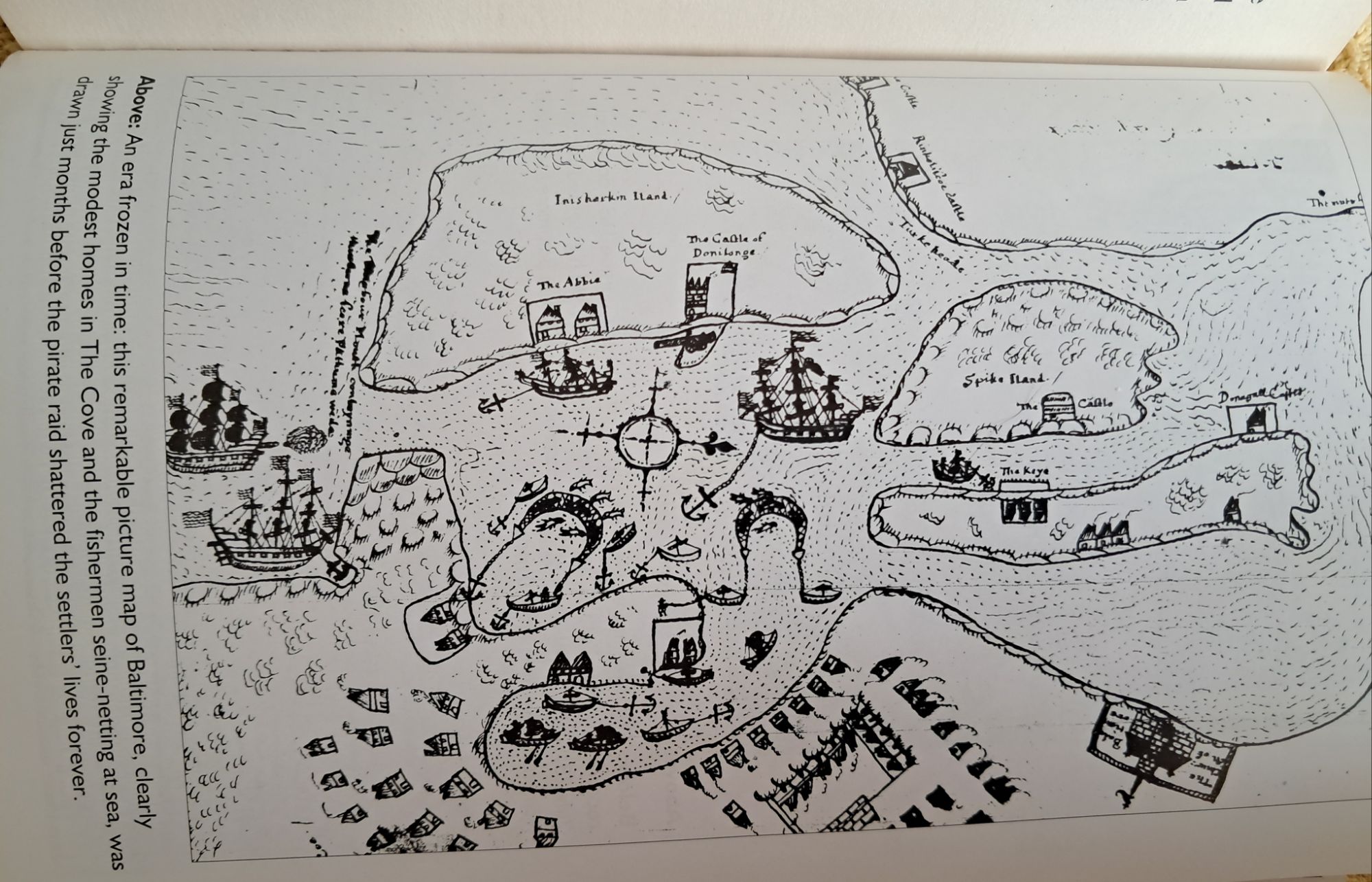
The village of Baltimore, drawn months before the pirate raid shattered the settlers' lives
Baltimore village just months before the pirate raid shattered the settlers’ lives

The new Baltimore settlement had been created by a family of intellectual freethinkers whose fierce refusal to conform had made them a thorn in the side of the religious and political establishment in England for generations.

It is a fascinating story, as is the history of the movement of people and the way in which privateers or corsairs move from legitimate to illegitimate activities, the bases the pirates used that others wanted rid of and all the machinations of the establishment and the clans behind it all that fueled so many conspiracy theories.

With eight pages of glossy black & white photos, a list of The Taken and a comprehensive bibliography, it was a most enjoyable read.

Fierce Appetites by Elizabeth Boyle

Fierce Appetites is my next read for Reading Ireland Month 2025, a nonfiction title I came across in 2022 when it was shortlisted for the Irish Book Awards Non Fiction Book of The Year. It didn’t win the award, that went to the excellent book I reviewed here, journalist Sally Hayden’s My Fourth Time We Drowned.

Lessons From My Year of Untamed Thinking

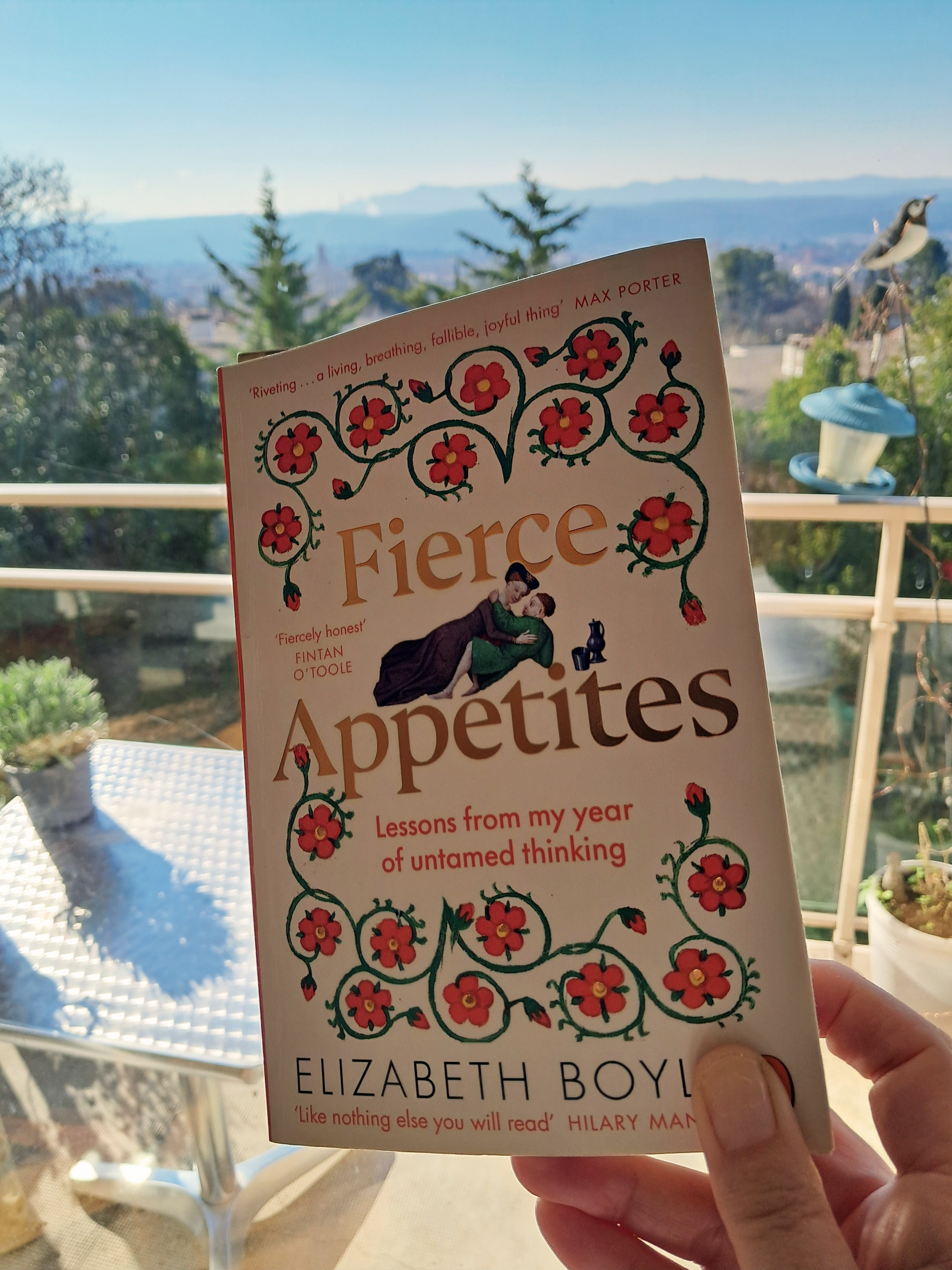
Fierce Appetites Elizabeth Boyle Medieval Irish literature The Táin Bó Cúailnge

Fierce Appetites is a hybrid memoir, written over the year following the death of the author’s father, which gives her cause to reflect on their relationship, her childhood, her role as a parent/mother, her academic profession and some of the decisions she has made over the years, both the well thought out and the impulsive, those she takes some pride in and others she regrets.

The bonds between different members of a family are explored and pondered and found in the ancient texts.

The world has always been full of stepmothers, foster-mothers, fathers who do the ‘mothering’, aunts and cousins and grandparents who take on primary caring responsibilities, adoptive mothers, institutions that rear children (for better or worse), and innumerable kinds of almost-mothers, surrogate mothers, ‘they-were-like-a-mother-to-me’s. I was reared by a stepmother who mothered me as best she could, even when I sometimes believed she was like the mythic wicked stepmother from a fairy tale, and treated her accordingly.

Writings of the Past

Alongside the memoir aspect, written in 12 chapters, months of the years, her reflections lead into a potted introduction to medieval literature, each chapter finding some connection between the personal narrative and something of the medieval history/literature texts that she is reminded of. In fact each chapter is an essay, but I read it more as an interconnected text.

There is a popular misconception that people in the Middle Ages didn’t grieve as much or as deeply as we do today. Perhaps because of the extremely high rates of infant mortality, and images in modern culture of the Middle Ages as a time of endemic warfare, people tend to think that societies became numbed to death. But the medieval literature of grief disproves that claim. People suffered from the loss of their loved ones then just as much as we do now.

Most of this was unfamiliar to me, as it would be to most people unless you had studied it in university, but that was what initially piqued my interest in the book and I found it fascinating to read about all these references and the translations of those texts and how the author demonstrates how they have something relevant to say today if you care to sit with them and interpret/reflect on their meaning or find a connection, which Elizabeth Boyle does so brilliantly.

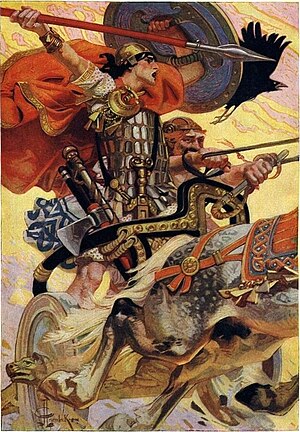
The things we fight for, and the reasons we fight for them, can be so elusive, so futile, and yet so deeply felt. Every year, I try to explain the emotional complexities of The Táin: From the Irish Epic Táin Bó Cúailnge to a new generation of students: Fer Diad and Cú Chulainn, fighting on opposite sides of a conflict and yet deeply bound by love for each other; Fergus’s divided loyalties; Medb’s myopic willingness to sacrifice her daughter for the sake of a bull.

They tell us through their stories and poems, how people lived, loved, coped and the scale of their imagination, and we reflect on how much things have or haven’t changed. Boyle not only shares her losses, she shares her excesses, yet this is not a transformational memoir, it is raw and unashamedly wicked, just like some of the characters in those ancient texts.

At the mortuary, we had been handed a NHS leaflet on dealing with grief. One of its sensible pieces of advice is not to make any major life changes in the first year of losing someone close to you. In medieval literature, characters are not given self-help pamphlets. When they suffer grief, they destroy mountains, raze kingdoms, tear their hair out and scorch the earth. I just sat numbly at the kitchen table, drinking gin and sending unwise WhatsApp messages to ex-lovers.

History Repeats

The book was written in 2020, which is also interesting because it was a year that gave many the opportunity to pursue projects like this, and also because of the political climate that gets occasionally referenced.

While Boyle lives in Ireland, she often travels to the UK to see her daughter and abroad to speak on her subject of expertise.

One of the main objections to travel in the Middle Ages was that it led to sin.

When she mentions the political situation, she does so from the point of view of a historian, and these points made from five years ago are interesting to reconsider today.

History is full of incremental improvements and revolutionary convulsions – often these are followed by reactionary backlashes in which rights are revoked, inequalities re-established.

There are so many interesting insights and observations, challenges and meandering trains of thought, I highlighted so many and could easily have spent many more hours looking up the references.

Highly Recommended, if you are curious about medieval literature and balancing family, career and personal interests.

Author, Elizabeth Boyle

Elizabeth Boyle was born in Dublin, grew up in Suffolk and returned to live in Dublin in 2013. She is a medieval historian specialising in the intellectual, literary and religious culture of Ireland and Britain. A former Leverhulme Early Career Fellow at the University of Cambridge, she now works in the Department of Early Irish at Maynooth University, where she was Head of Department for five years until 2020. 

Fierce Appetites is her debut collection of personal essays and was shortlisted for the Irish Book Awards Non Fiction Book of the Year 2022.

Reading Ireland Month 2025 Best Irish literature

Ockham New Zealand Book Awards 2023 #theockhams

Longlist Announced

The annual New Zealand book awards have announced their longlist, 44 books in four categories (fiction, general nonfiction, poetry, illustrated nonfiction) from 191 nominations (20% increase on 2022), showing how much more dynamic the industry has become in recent years. Read the entire list of nominees for each category here.

This year there were more debut authors than recently (a third of longlisters), which bodes well for the future, according to Nicola Legat, Chair of the New Zealand Book Awards Trust who discusses the longlist here on Radio NZ’s Nights With Karyn Hay.

The Jann Medlicott Prize for Fiction

The 10 novels below will compete for a place on the shortlist of 4, featuring established names like Catherine Chidgey, alongside popular newcomers like Coco Solid who was on the NZ bestsellers list for many weeks, a young urban Aucklander and performance poet, part of a rising generation of Pacifica writers increasingly prominent in New Zealand’s literature scene.

It’s good to see historical fiction starting to become more present and a notable crime thriller, highly praised by Val McDermid.

Jann Medlicott Acorn Prize for Fiction NZ

Better the Blood (Crime Thriller) by Michael Bennett – an exploration of Maori history, the crimes of colonisation and their impact on current lives, through the eyes of single mother and policewoman Hana Westerman, who investigates a serial killer seemingly keen to take revenge for the historic murder of a rangatira (leader). Described here as ‘the stunning new crime novel that’s a Trojan horse for exploring the hurt of colonisation’.

Chevalier & Gawayn: The Ballad of the Dreamer (Speculative/Science fiction/Fantasy) by Phillip Mann – published just weeks before his death, it is describes as a fable for our times. Serious, whimsical, funny, powerful and sexy, Chevalier & Gawayn is a thrilling mix of adventure and adversity and the need to heed the past.

Down from Upland (Domestic Fiction) by Murdoch Stephens – described as a character-driven “slice of life” novel, featuring millenials raising a teenager, set in Kelburn, so doses of Wellington high schools, civil servants & cringe culture.

Home Theatre (Short Stories) by Anthony Lapwood – a genre-bending collection, spanning the fantastical and the keenly real, introducing an ensemble of remarkable characters – and the fateful building that connects them all. Repertory Apartments – where scenes of tenderness and trouble, music and magic, the uncanny and the macabre play out on intimate stages.

How to Loiter in a Turf War (Popular Fiction) by Coco Solid – a lucid, genre-bending cinematic work of fiction from one of the country’s most versatile performance artists. A day in the life of three friends beefing with their own city. With gentrification closing in and racial tensions sweltering, the girls must cling to their friendship like a life raft, determined not to let their neighbourhood drift out to sea. Fast, ferocious, crack-up funny and unforgettably true. Recommended to listen to, narrated by the artist themselves.

Kāwai: For Such a Time as This (Historical Fiction) by Monty Soutar – A young Māori man, compelled to learn the stories of his ancestors, returns to his family marae to speak to his elderly grand-uncle, the keeper of the stories. Set in mid 18th century through to first encounters with Europeans, it delves into an exploration of the culture, first in a series.

Mary’s Boy, Jean-Jacques and other stories (short stories) by Vincent O’Sullivan – a sequel to the tale of Dr Frankenstein’s creature + new stories that traverse other time periods and minds  – stories described as wry, humane, unsparing, essential.

Mrs Jewell and the Wreck of the General Grant (Historical Fiction) by Cristina Sanders –  Set in 1866, the story behind the enduring mystery of one of New Zealand’s early shipwrecks, told from the perspective of the one woman survivor. Fourteen men make it ashore and one woman – Mary Jewell. Stuck on a freezing and exposed island, they must work out how to survive. Described as a gripping page turner.

The Axeman’s Carnival (Bird Narrated Literary fiction) by Catherine Chidgey – Narrated by Tama the magpie (who tweets @TamaMagpie) “Chidgey fuses the sensibility of our cinema of unease – of life on a struggling back-blocks farm with a dour farmer – with the liberating and alienating madness of fame, all of it seen by the novel’s hero, the magpie Tama. Tama does all the voices – orchardists, tourists, fairground commentators, daffy activists, and the unappeasable axeman – and he does them justice. The Axeman’s Carnival is a compulsive read and flat-out brilliant” says author Elisabeth Knox.

The Fish (Absurdist Literary Fiction) by Lloyd Jones – described by Claire Mabey (books editor, The SpinOff) as ‘a brave reckoning with the dark sides of family, memory and the self’. Set in 1960’s NZ, it is a novel of family bonds, strained and strengthened by tragedy, an allegorical tale of absence and return. Who or what the fish is, seems like a mystery to many readers, might be a marmite book, due to the ‘slippery nature of the storytelling’.

General Non-Fiction Award

A big increase in submissions for here with a lot of memoir, Noelle McCarthy’s Grand, filmmaker Gaelene Preston’s Take, Fiona Kidman’s essays So Far, For Now, Kate Camp’s You Probably Think this Song is About You covering a wide range of subjects, creative non-fiction becoming much more prevalent.

This award remains somewhat controversial, given the wide range of sub-genres it includes, pitted against each other: creative nonfiction, memoir, history and academic texts. For this reason, an additional four titles make the longlist.

ONZBA 2023 Longlist NF

Mary and Peter Biggs Award for Poetry

Poetry in NZ is on fire at the moment says Nicola Legat, so many strong voices coming through, on decolonisation, gender issues, it is the poets who seem to be addressing many of these subjects.

Check out Initial Thoughts, Thrills, Surprises, Hidden Gems and Predictions from Claire Mabey and Louise Wallace at The SpinOff.

They predict Echidna by Essa May Manapouri to win.

ONZBA 2023 Longlist_Poetry

Booksellers Aotearoa New Zealand Award for Illustrated Non-Fiction

With incredibly strong representation, this longlist features seven different publishers and you might say adds another 10 to the general non-fiction category. Books with a visual dimension continue to be popular and there are some interesting and intriguing titles here.

Te Motonui Epa by Rachel Buchanan tells the strange but true story of the theft of five wooden panels carved in the late 1700s by Taranaki tūpuna and their connection to the 11 day kidnapping of Graziella, daughter of the collector George Ortiz, who put the Motunui epa up for auction to pay back money he borrowed for the ransom. Epic and fascinating!

I Am Autistic by Chanelle Moriah, is described as ‘a first of its kind: smashing through stereotypes and presenting a clear, interactive tool for those eager to either learn about themselves, or people around them’.

Something Is Happening Here looks at 50 years of the art of Robin White, including insights from art critics and interviews from many others. Including more than 150 of her artworks, from early watercolour and drawings through to the exquisite recent collaborations with Pasifika artists, as well as photographs from throughout her career.

Jumping Sundays, The Rise and Fall of the Counterculture of Aotearoa New Zealand by music historian Nick Bollinger, is a vivid account of the transformation of NZ life brought about by the 1960-70s counter-culture from a bi-cultural perspective – its goals and impact, the festivals and gatherings, of radicals and bohemians resisting the authority of that era.

Illustrated Nonfiction Ockhams 2023

Shortlist Announcement

The shortlist of 16 titles will be announced on 8 March and the winners announced in May, the award ceremony will be the first event of the Auckland Writer’s Festival which runs from 16-21 May, 2023.